The budget-cannabis decision becomes more visible to active-lifestyle adults when small purchases add up across a busy training season. Eighth-tier buying runs 35 to 60 dollars per eighth in 2026 dollars. Value-tier ounce options cut the per-gram cost by 40 to 60 percent. The shift makes sense for adults in legal jurisdictions on a steady use cadence.
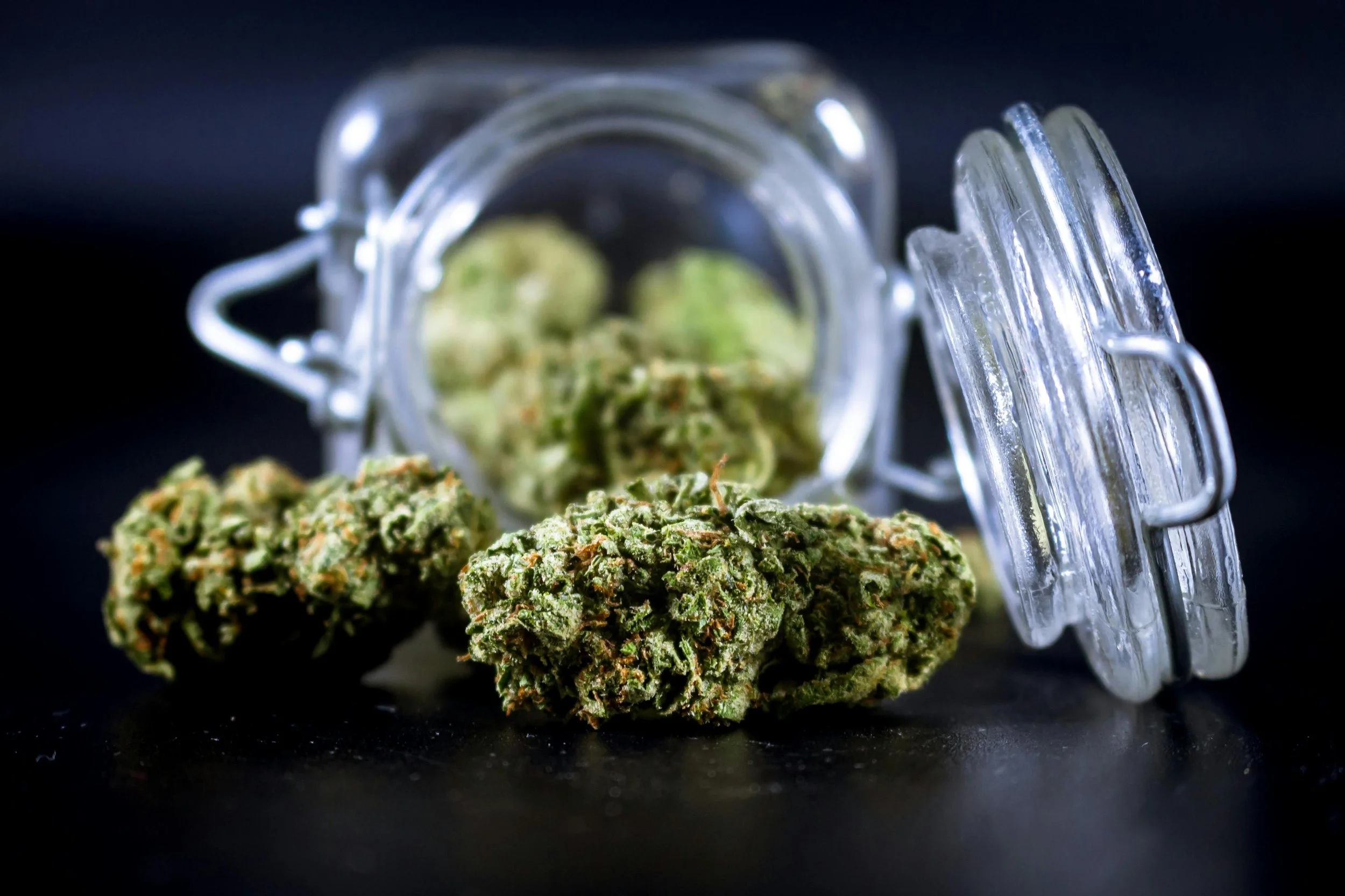
PHOTO CREDIT | Pexels/Terrance Barksdale
The same disciplined evaluation that informs other adult-recovery categories translates to the cannabis-value choice. Canadian adult buyers searching for cheap weed options online often start with the value-tier strain catalog before stepping up to higher-priced craft producers. The right dispensary reads the buyer's preferences first and matches products afterward. The decision rewards a few minutes of structured homework before the first order.
Why Has the Budget Cannabis Tier Grown for Active-Lifestyle Adults?
A budget cannabis tier is the price-and-format option where the buyer purchases value-priced flower or concentrates in larger quantities. The tier locks in a per-gram discount. Three structural shifts have moved it into the mainstream adult catalog. The first is the consumer-budget discipline. Adult buyers across legal markets in Canada and the US increasingly compare per-gram pricing across catalog tiers.
The second is the producer-side maturation. Licensed producers now offer value-tier pricing across a wide strain range. Five years ago the budget options were limited to commodity strains.
The third is the storage-knowledge spread. Adult buyers know how to keep flower in good condition for 4 to 6 months. The NIH National Institute on Drug Abuse cannabis page and the CDC cannabis overview outline the responsible-use framework adult buyers in legal markets follow.
What Should Active-Lifestyle Adults Verify Before a Budget Cannabis Order?
Six checks belong on every adult value-tier buying decision in legal markets.
| Check | Why It Matters | What to Confirm |
| Lab-test certificates | Potency and purity verified | Certificate of Analysis available |
| Strain genetics | Effect varies meaningfully | Verified parent strains documented |
| Cure quality | Affects shelf life | Moisture content 58 to 62 percent |
| Producer transparency | Cultivation method matters | Licensed producer disclosure |
| Format options | Flexibility matters | Quarter, half-ounce, ounce availability |
| Privacy and shipping | Discreet adult delivery | Plain packaging, signature option |

A dispensary that produces clear answers across these six points signals a vendor worth working with. A dispensary that deflects on any of them signals a shop that may not match the adult buyer's needs. Asking these questions early saves real money over a year of regular value-tier purchases.
Which Buying Patterns Reward Active-Lifestyle Cannabis Buyers?
A steady-state buyer is one who uses cannabis on a predictable cadence and has a settled strain preference. Three patterns reward the budget tier more than the others. The first is the predictable-cadence adult who uses cannabis 3 to 5 times per week and finishes an ounce in roughly 6 to 10 weeks.
The second is the household with two or more adults sharing a strain preference. Doubled consumption shortens the bulk turnover meaningfully. The third is the connoisseur who has identified a specific strain and wants the per-gram discount on a known good batch. The same disciplined recovery thinking visible in a chef-feature lifestyle profile applies to the buying process for adult cannabis purchasers in legal markets.
The buyer who matches purchase size to actual consumption produces better outcomes than the buyer who over-buys.
What Common Mistakes Surface When Active-Lifestyle Adults Buy Budget Cannabis?
Several patterns recur. The first is over-buying for aspiration rather than actual consumption. An adult who finishes an eighth in 4 weeks does not need an ounce sitting on the shelf for 16 weeks.
The second is buying the cheapest unit without evaluating cure quality. Poorly cured value-tier flower goes harsh within 30 to 60 days. The per-gram discount disappears.
The third is ignoring the storage requirements. The same disciplined recovery filter visible in an athlete's half-pipe journey profile applies to cannabis: glass jars, humidity packs at 60 to 65 percent, and storage away from direct light.
The fourth is treating the purchase as a one-shot rather than building a small comparison rotation. The fifth is overlooking the source-jurisdiction rules around cross-border shipping. The sixth is buying without checking the per-gram math against higher-tier options.
What Is the Bottom Line for Active-Lifestyle Adult Buyers?
The budget-cannabis decision rewards the homework discipline an active-lifestyle adult already applies to other recovery and budget categories. The window allows for a few minutes of catalog comparison rather than an impulse purchase. The right dispensary reads the buyer's actual consumption pattern and explains the trade-offs in plain language.
Adult buyers come in different profiles. Casual evening users, weekend-only buyers, and steady-state daily users all benefit from the same criteria. The first bulk order should answer specific questions about lab-test transparency. Buyers who run real comparisons land at better products.
A short catalog review and a small first order turn the decision into a low-risk one for any new buyer. An honest assessment over the next 6 to 10 weeks completes the picture. The careful approach pays back across the entire year of adult-purchase activity in jurisdictions where cannabis is legal.
Most buyers settle into a stable preference within 60 to 90 days. The result is a clean rotation of two or three preferred value-tier strains across the year. Most adult buyers find the small homework investment worth the long-term steady-state outcome. The careful approach builds a reliable adult-use rhythm. The rhythm carries across the entire calendar year of regular budget cannabis purchasing and storage activity in adult-legal markets where the practice is allowed by current local cannabis law.
Frequently Asked Questions
How Much Money Does Buying Budget Cannabis Save?
For most Canadian adult buyers, an ounce-tier value purchase saves 40 to 60 percent per gram compared to eighth-tier buying. The math depends on the specific producer, strain, and dispensary. A regular adult buyer using one ounce per 6 to 10 weeks saves several hundred dollars per year by stepping up to the value tier.
How Do I Read a Cannabis Certificate of Analysis?
Look for THC and CBD percentages, terpene profile, and pesticide and heavy-metal results. Certificates from accredited labs (ISO 17025) carry meaningfully more weight than uncertified ones. The certificate should match the specific batch on the packaging.
Is Cannabis Legal Where I Live?
Cannabis is legal for adults 19+ across all of Canada, with provincial variation in retail rules. In the US, recreational cannabis is legal in 24 states as of 2026. Cannabis remains illegal recreationally across the UK and most of Europe. Confirm the local rules before any purchase or use.
How Long Does an Ounce of Properly Stored Flower Last?
Stored in glass jars at 60 to 65 percent relative humidity, an ounce of well-cured flower keeps full quality for 4 to 6 months. Keep it away from light and heat. The disciplined storage routine pays back across the bulk-purchase cycle. Most adult buyers settle into a quarterly bulk-buying cadence with a small rotation of two or three preferred value-tier strains across the calendar year of regular adult cannabis activity.