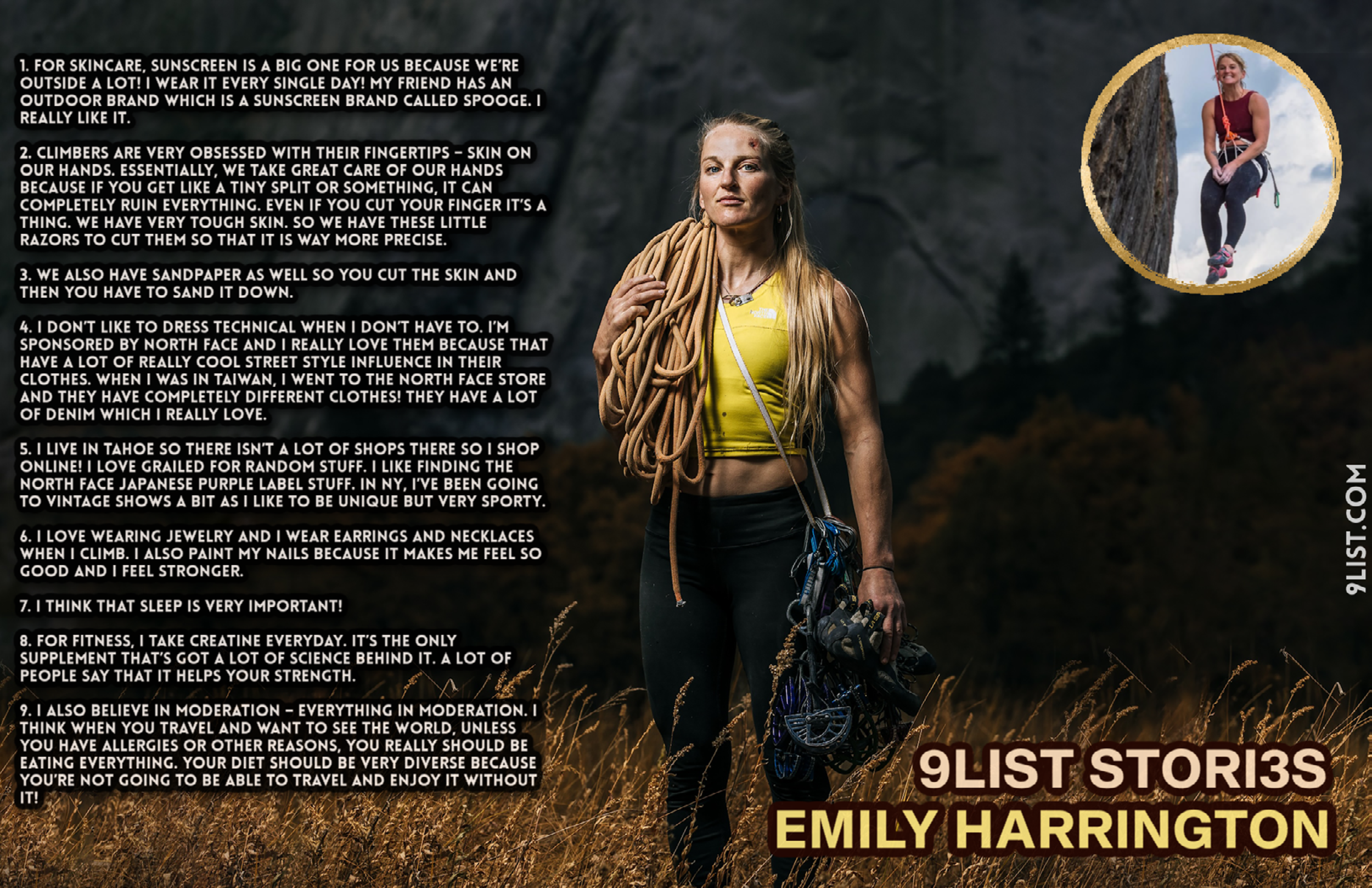
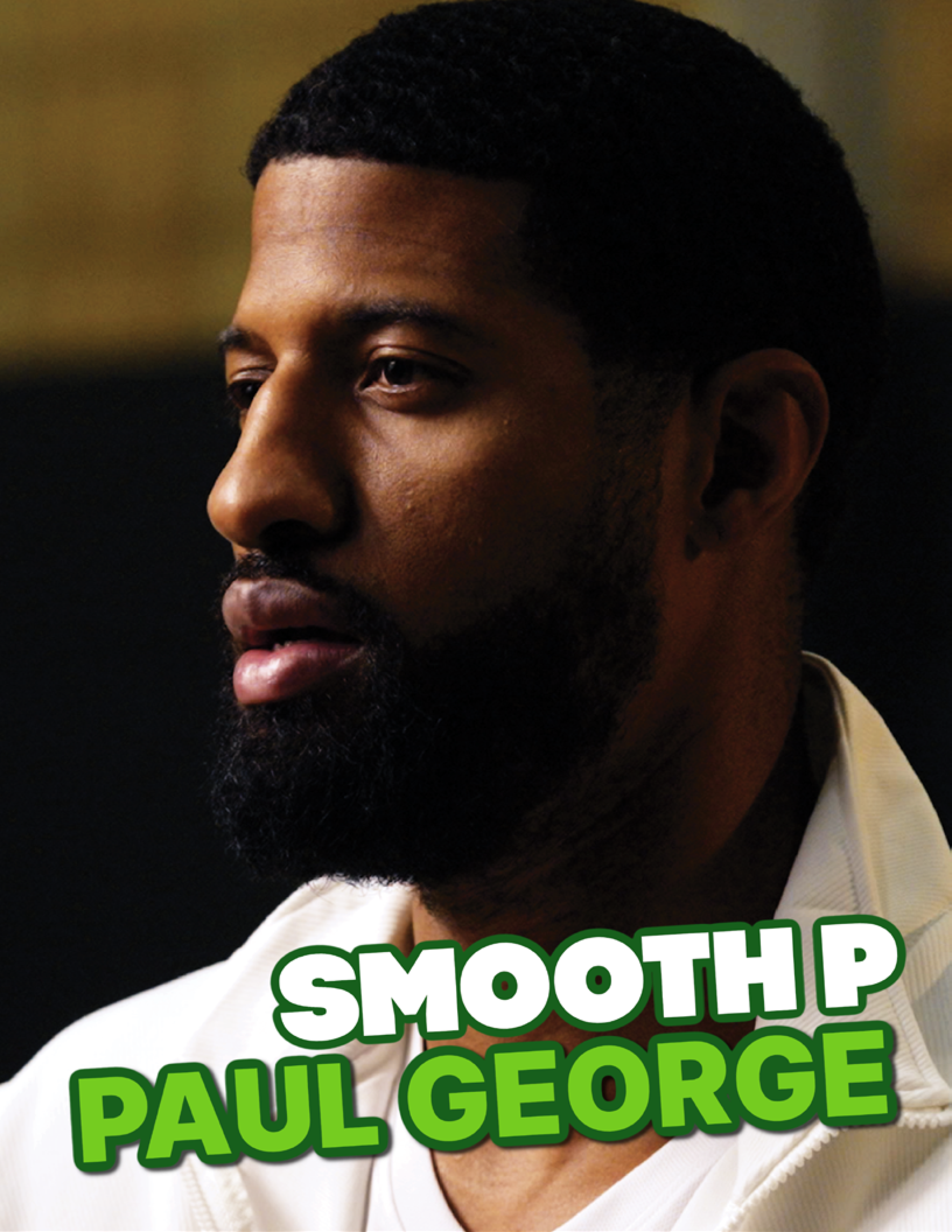
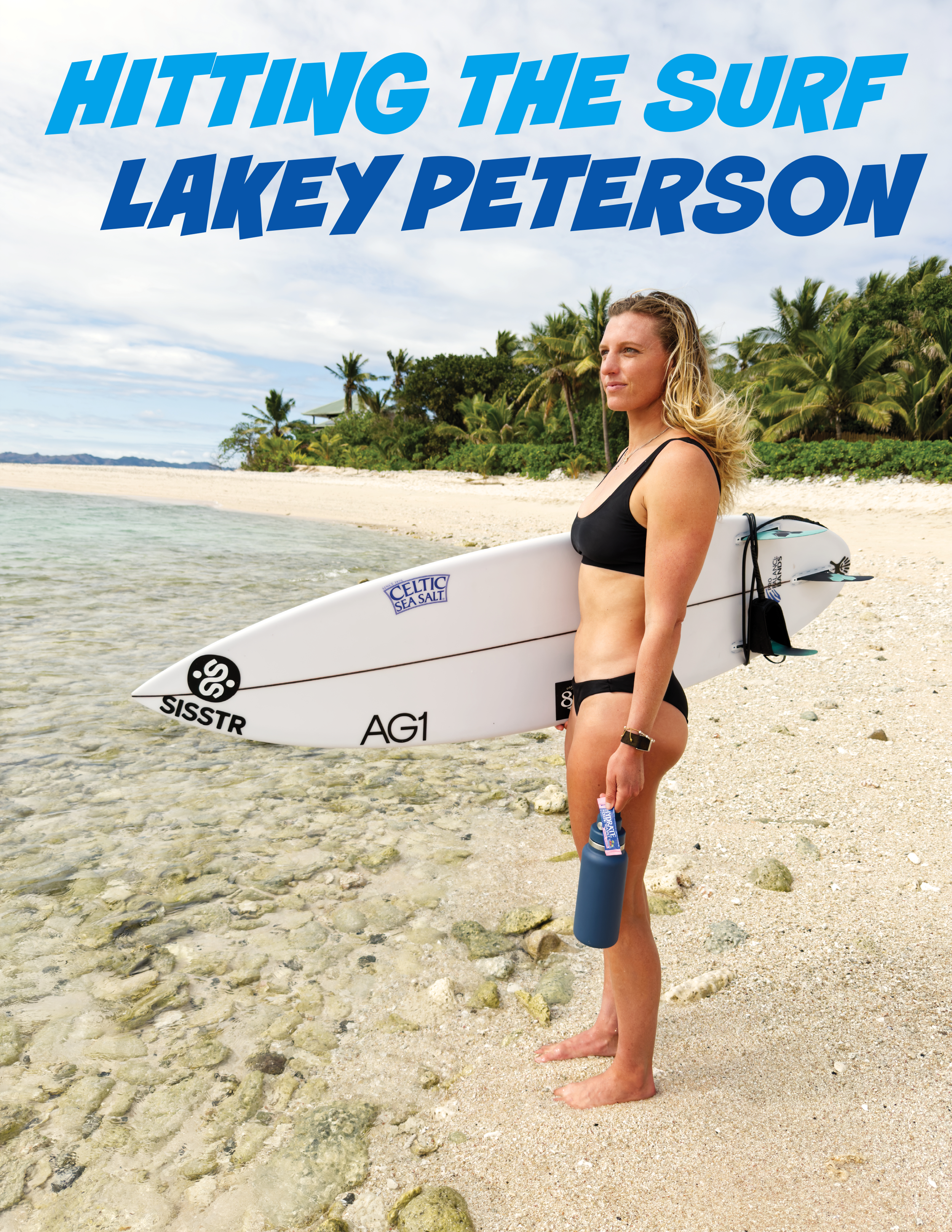
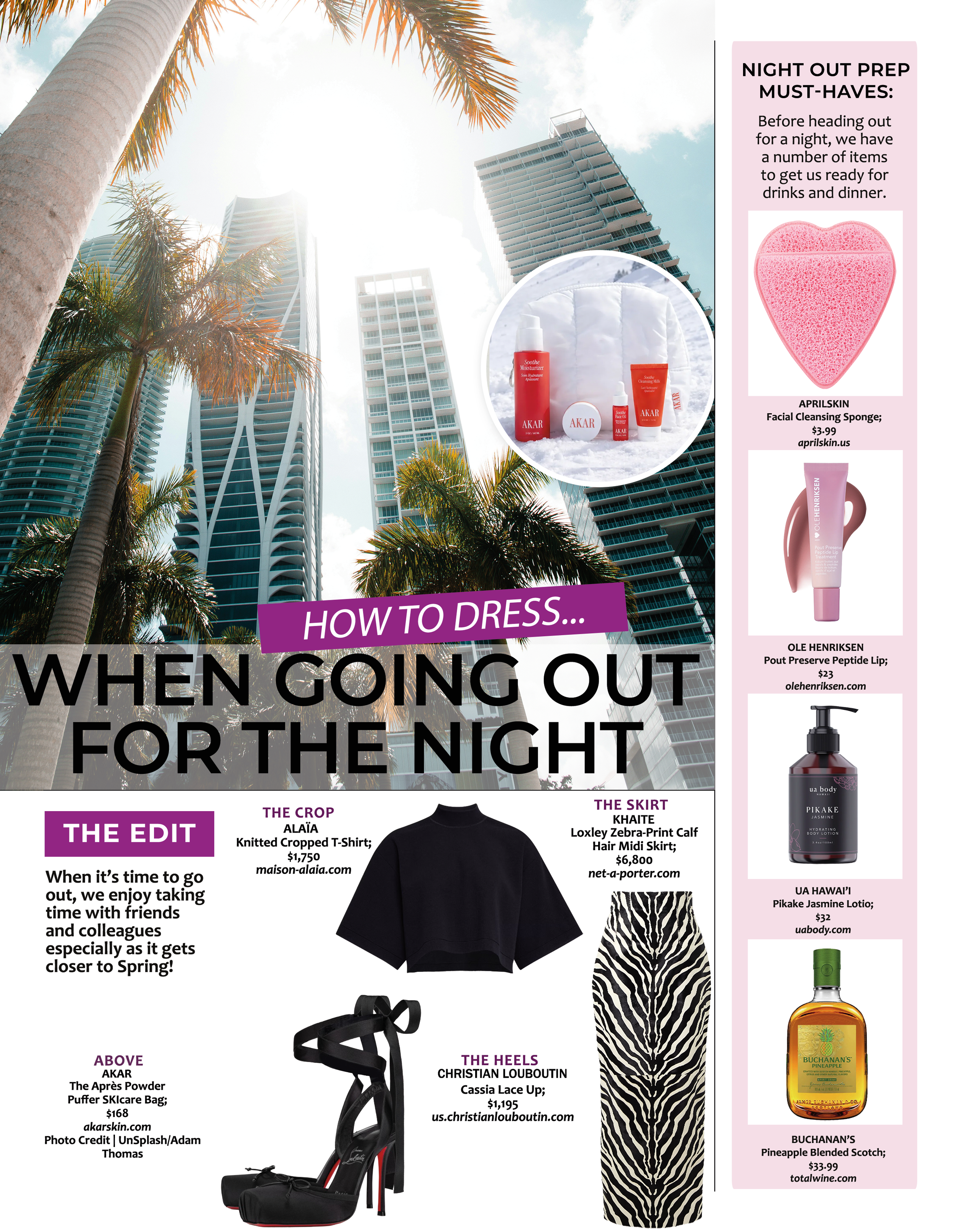
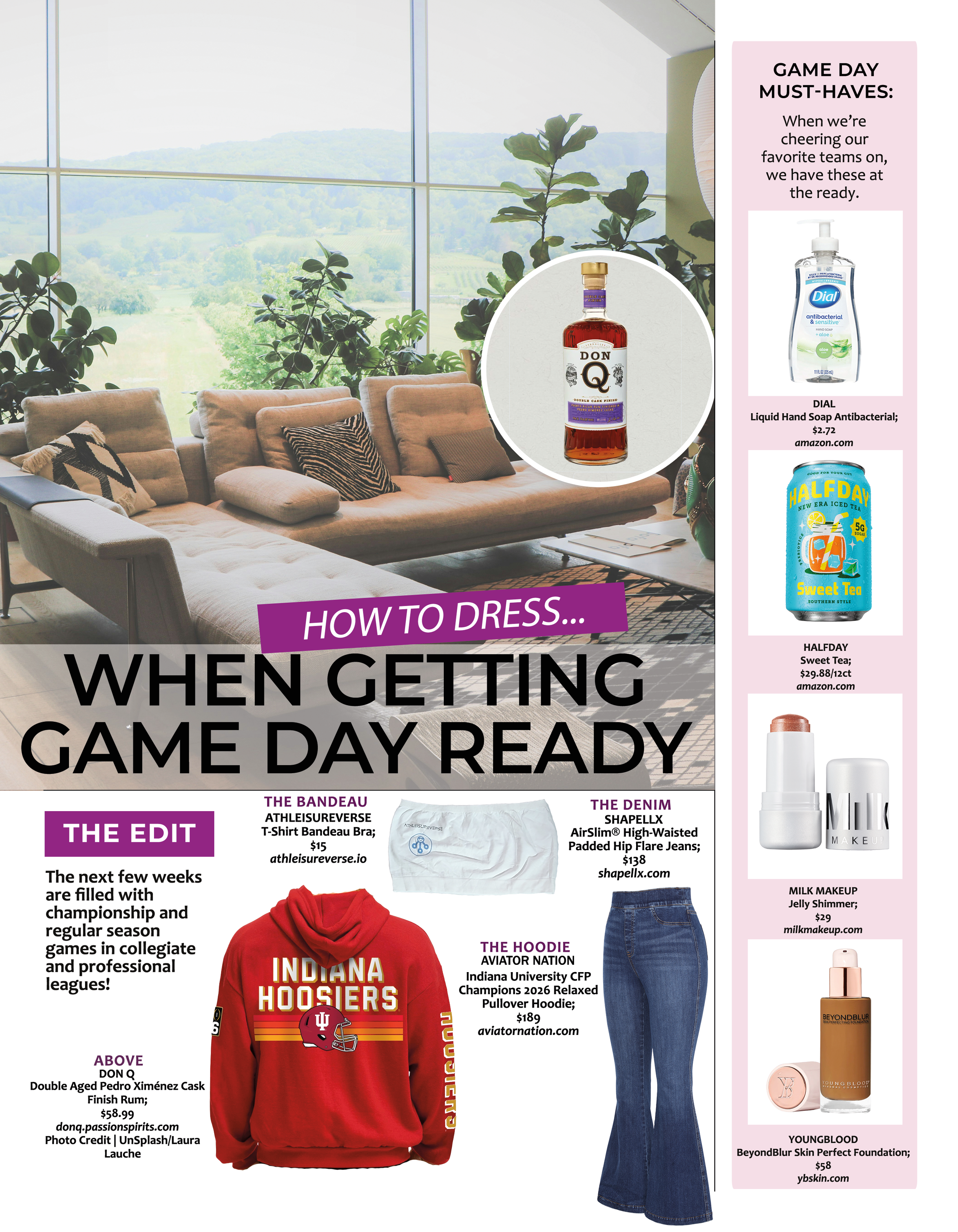
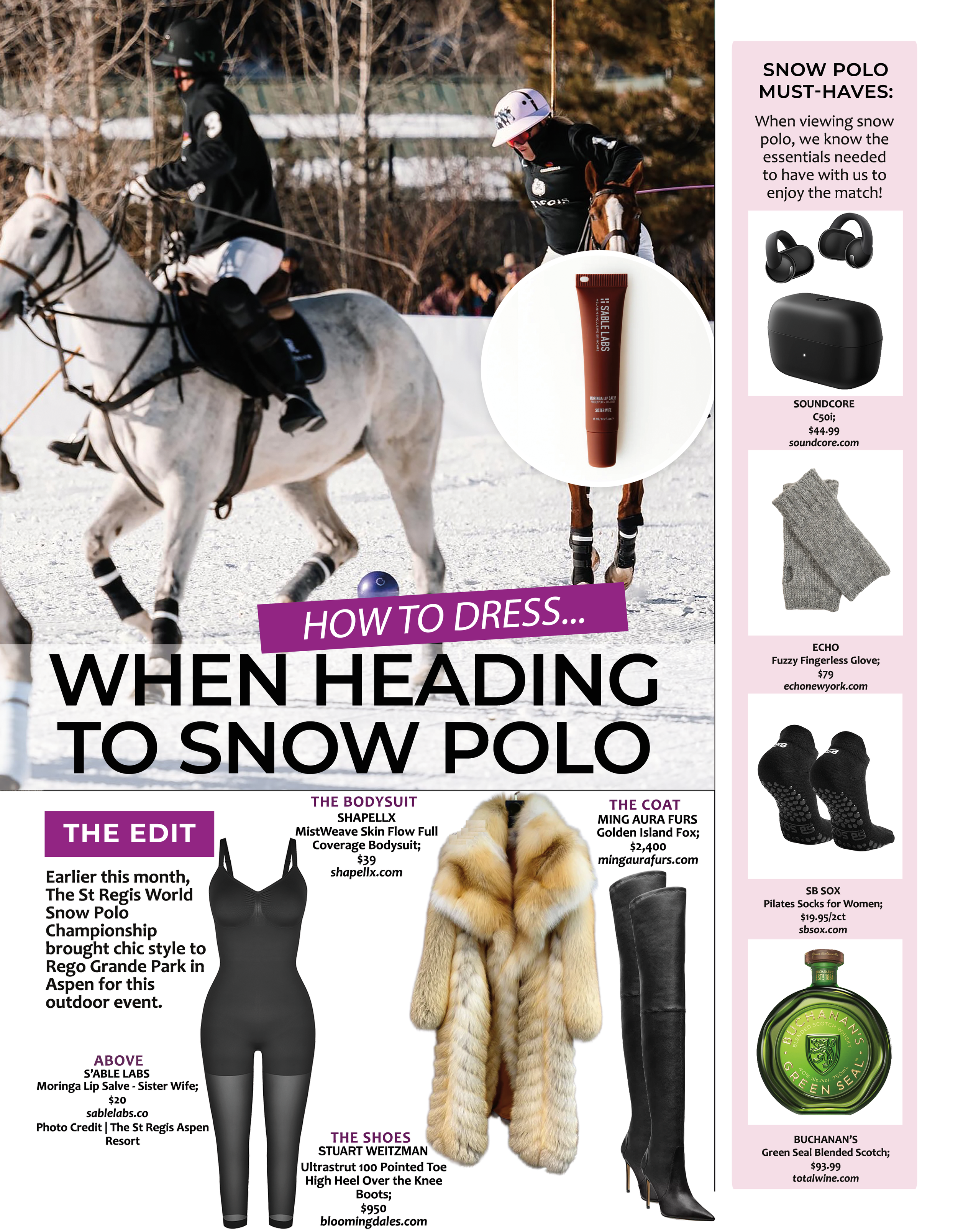
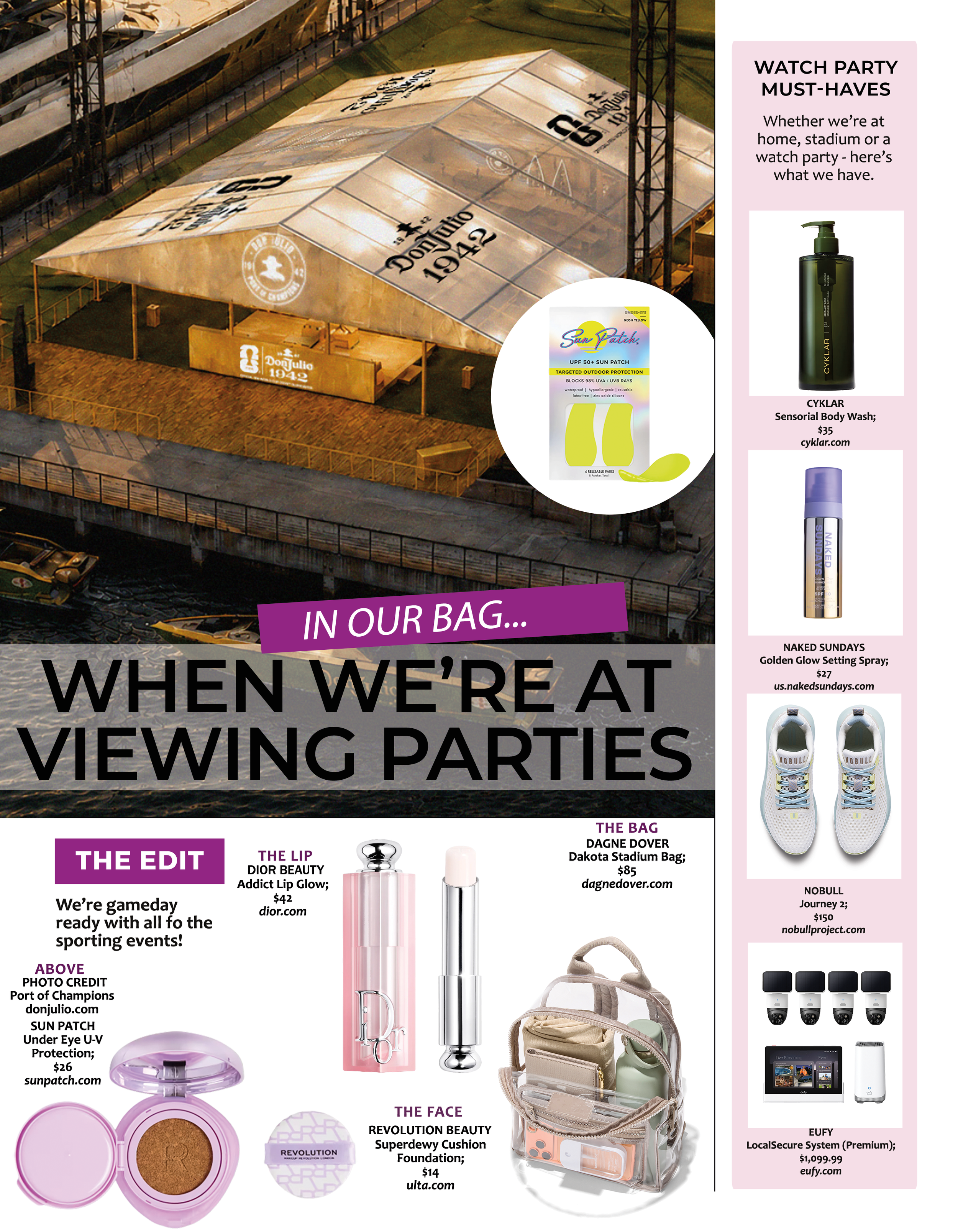
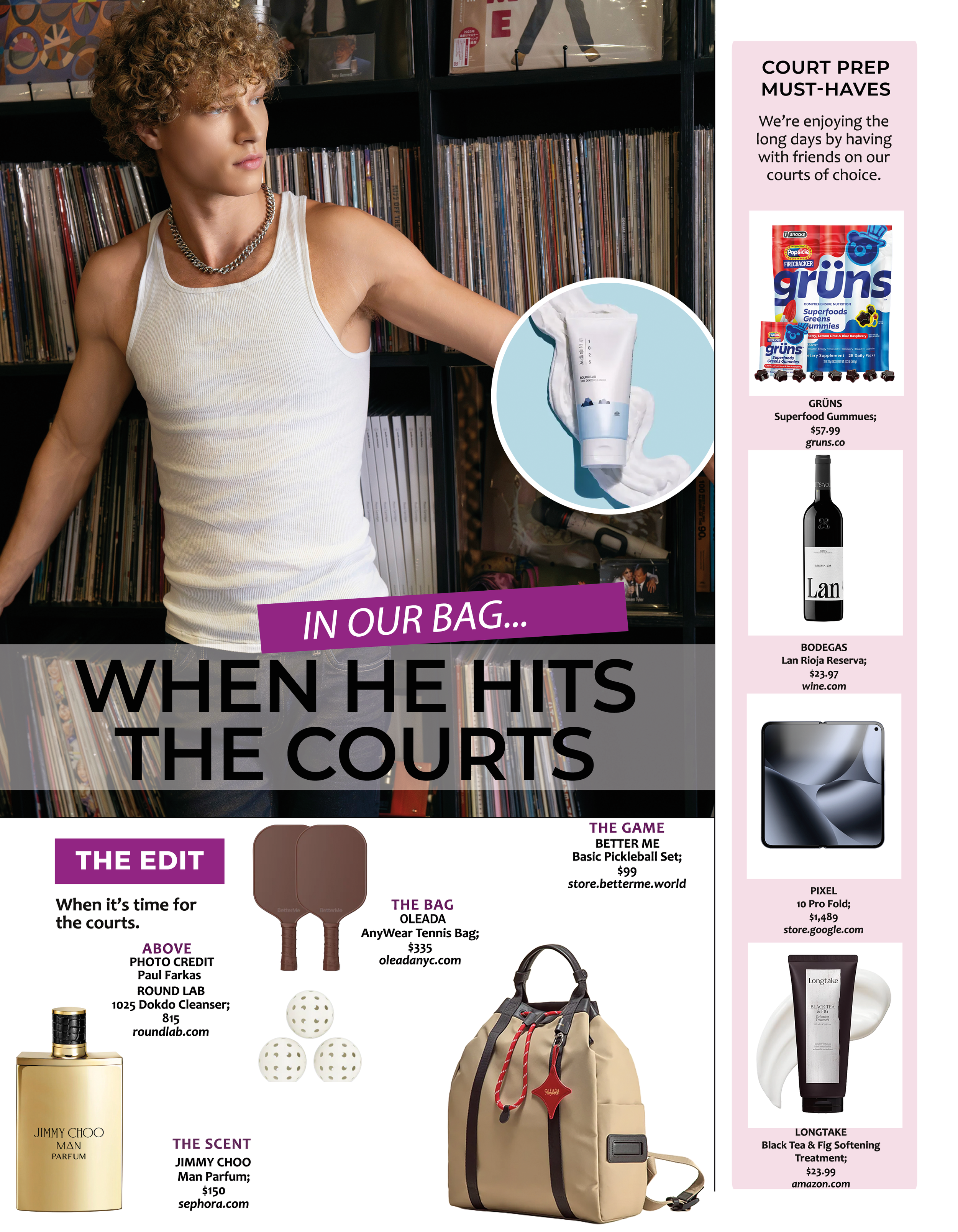
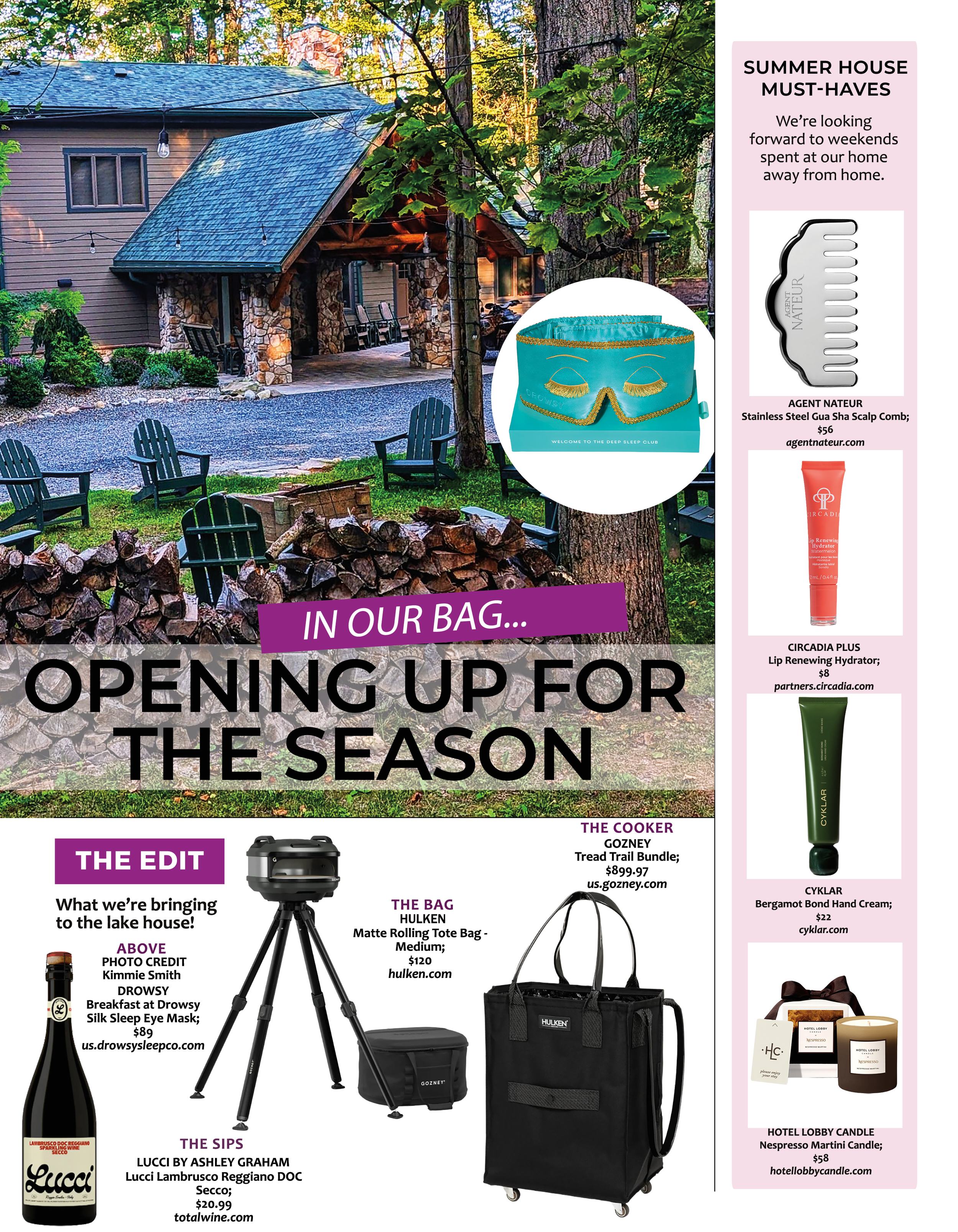
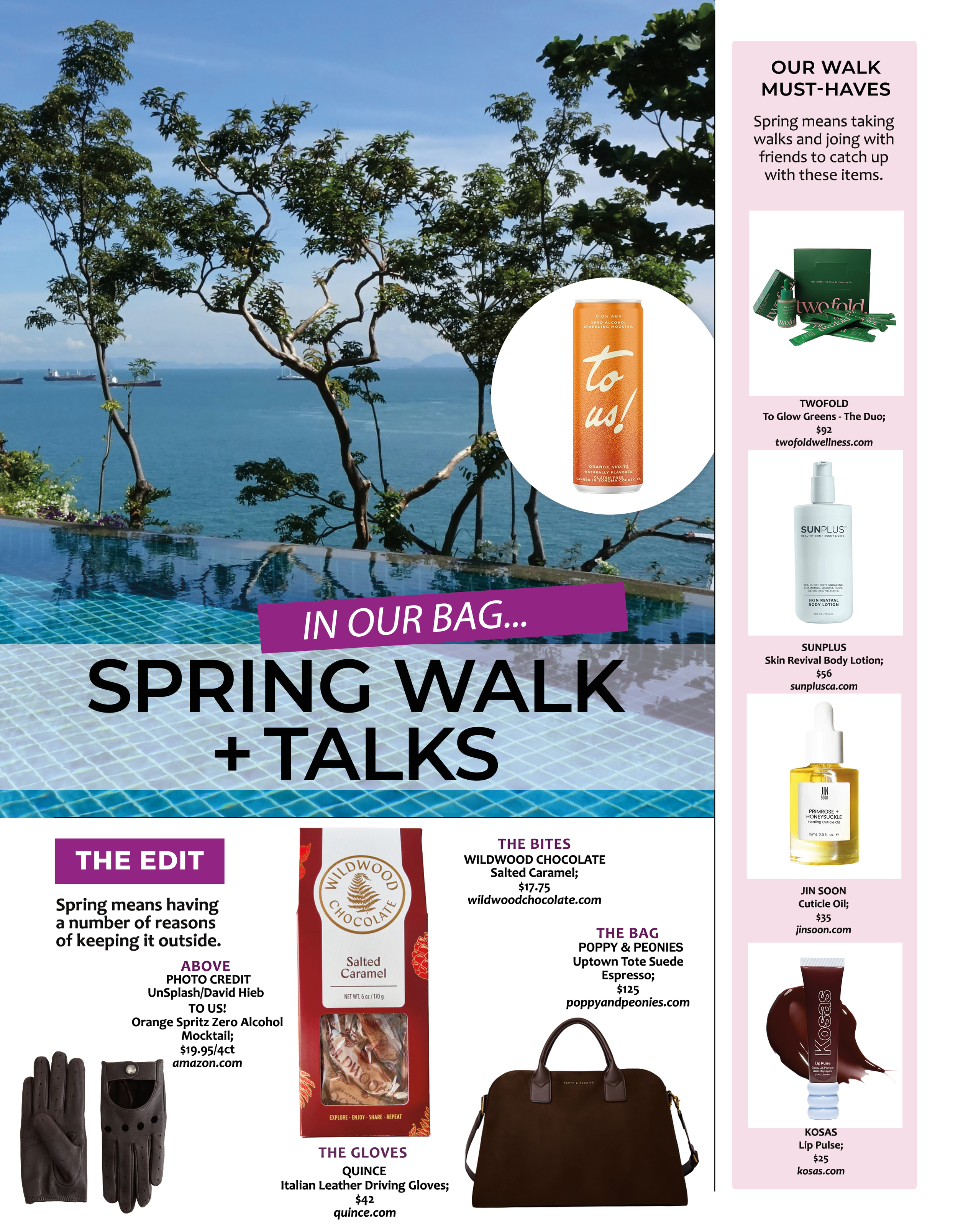
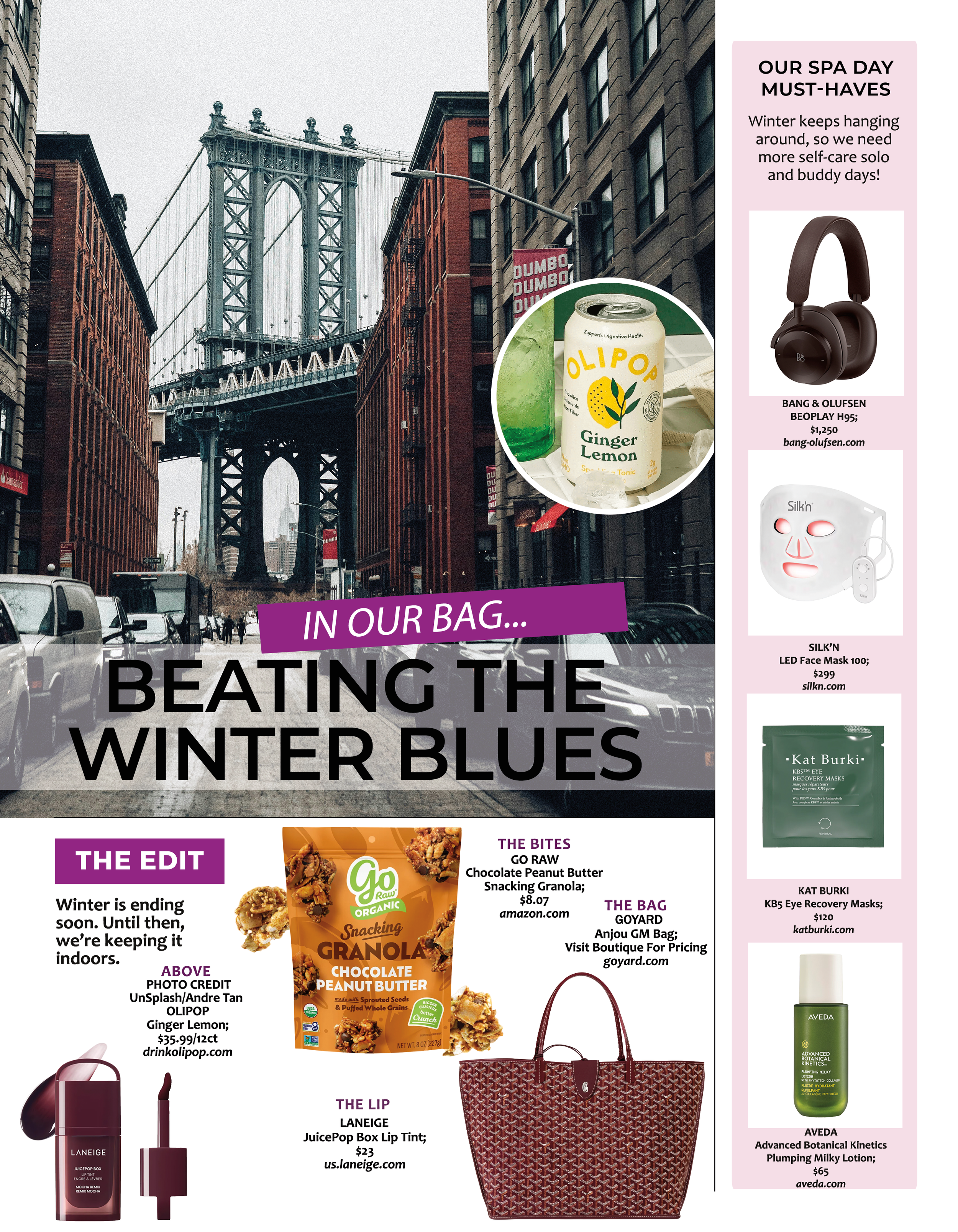
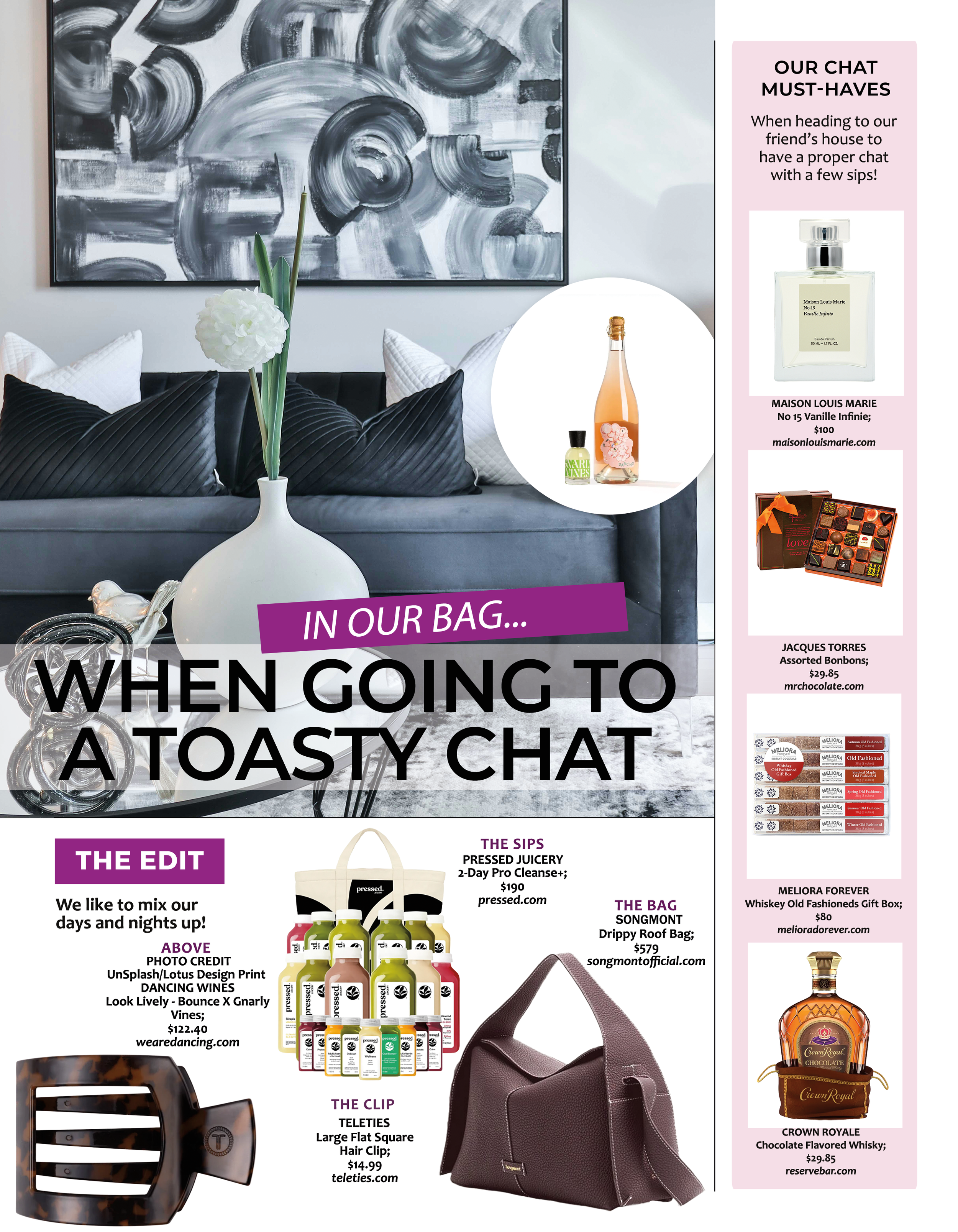
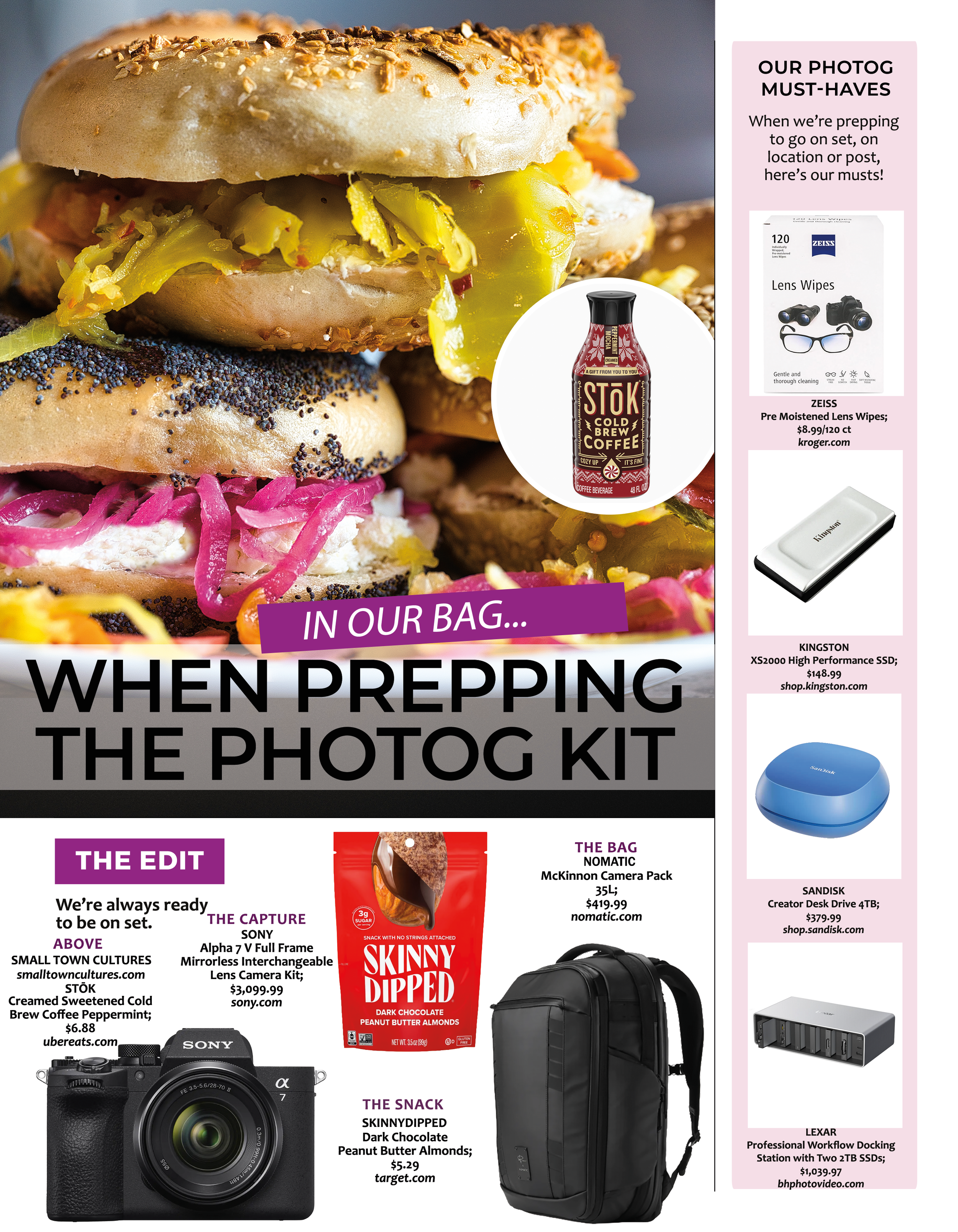
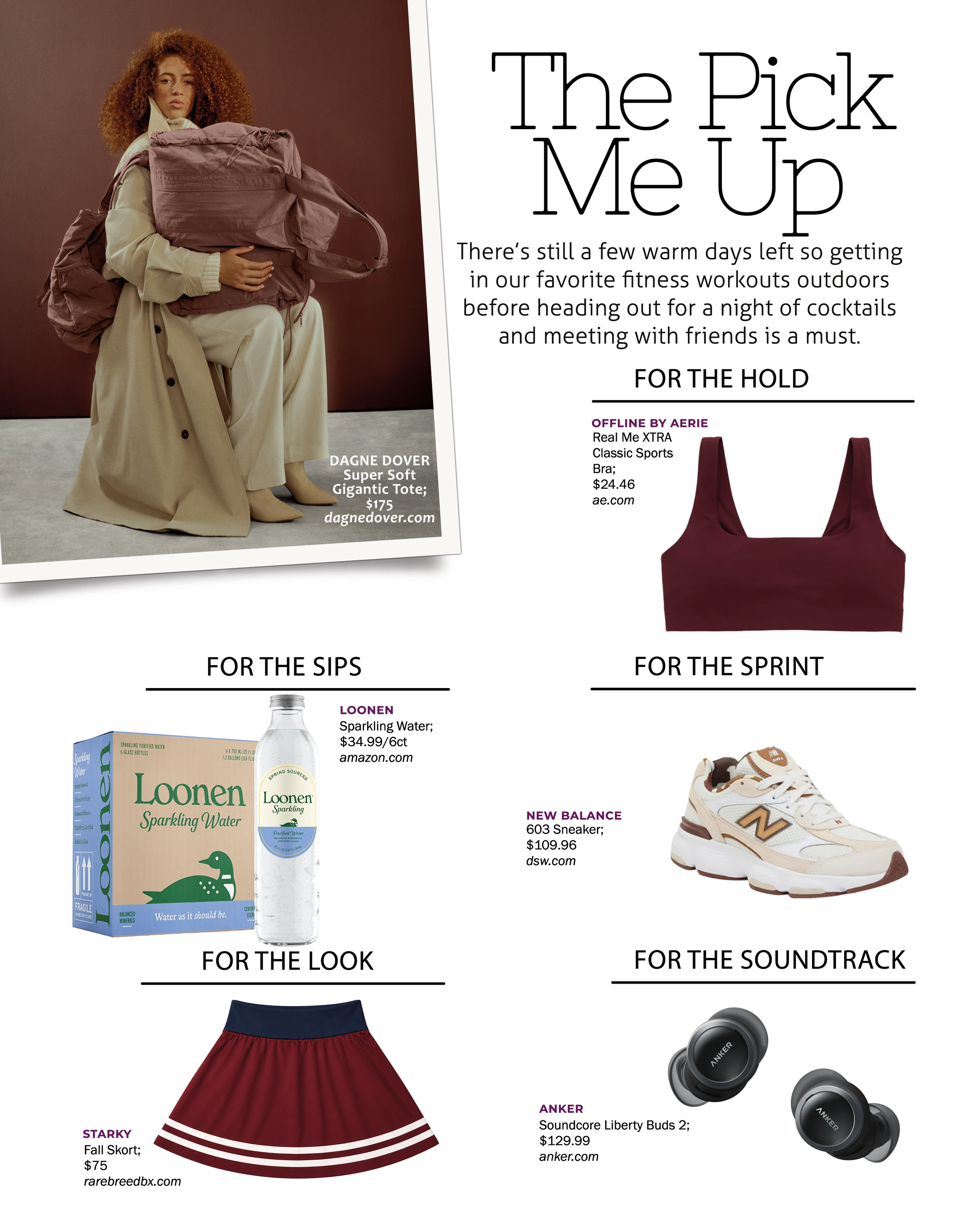
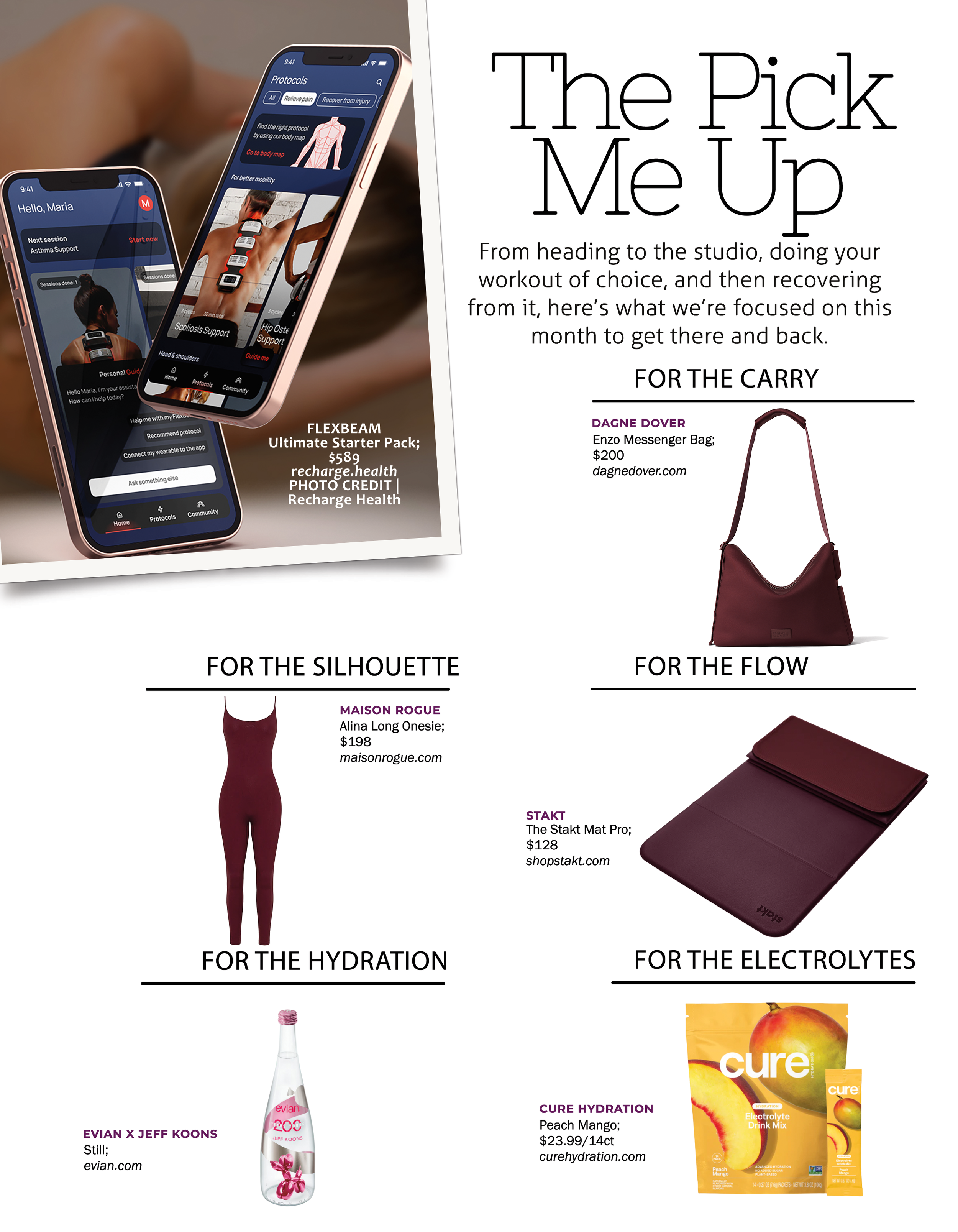
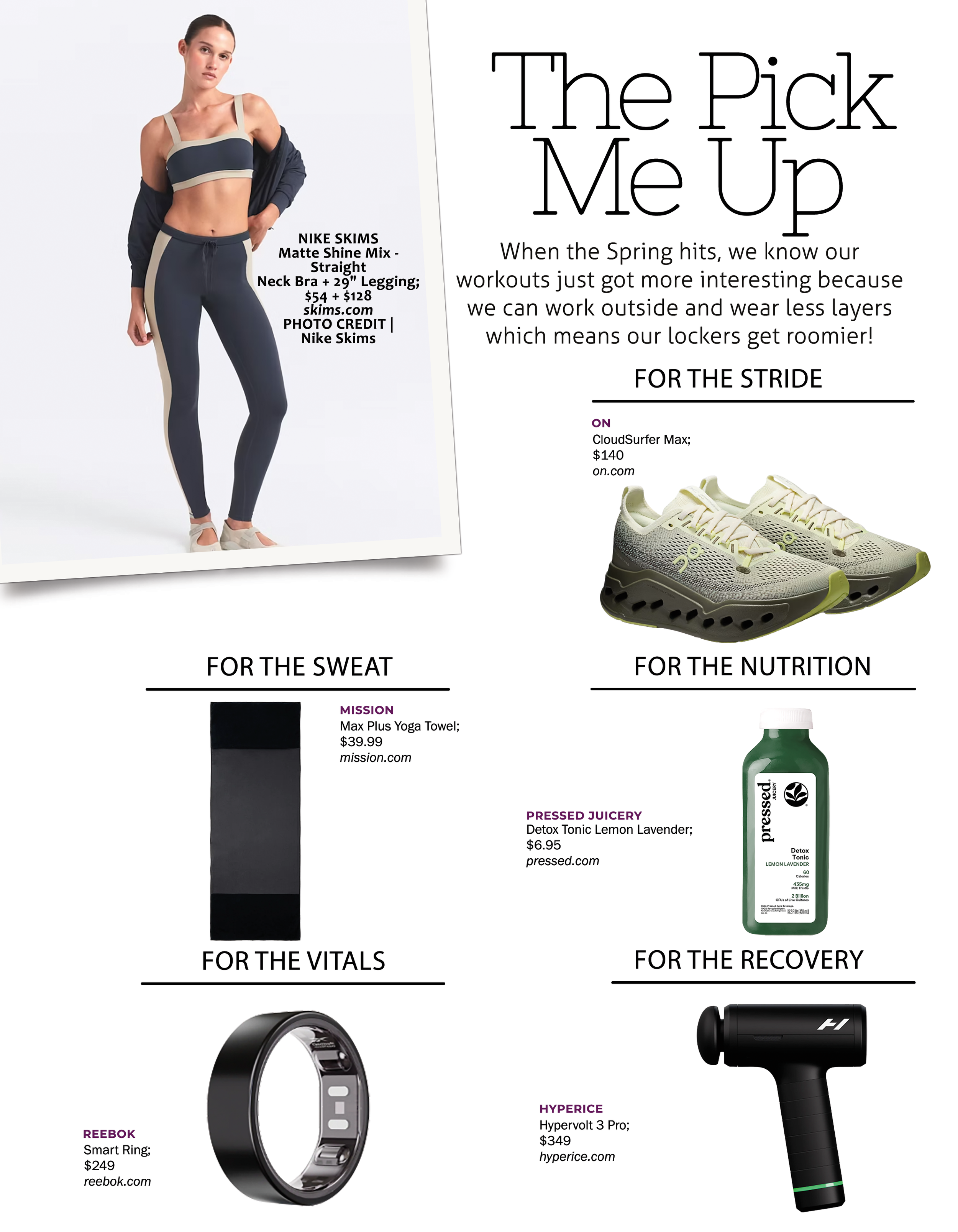
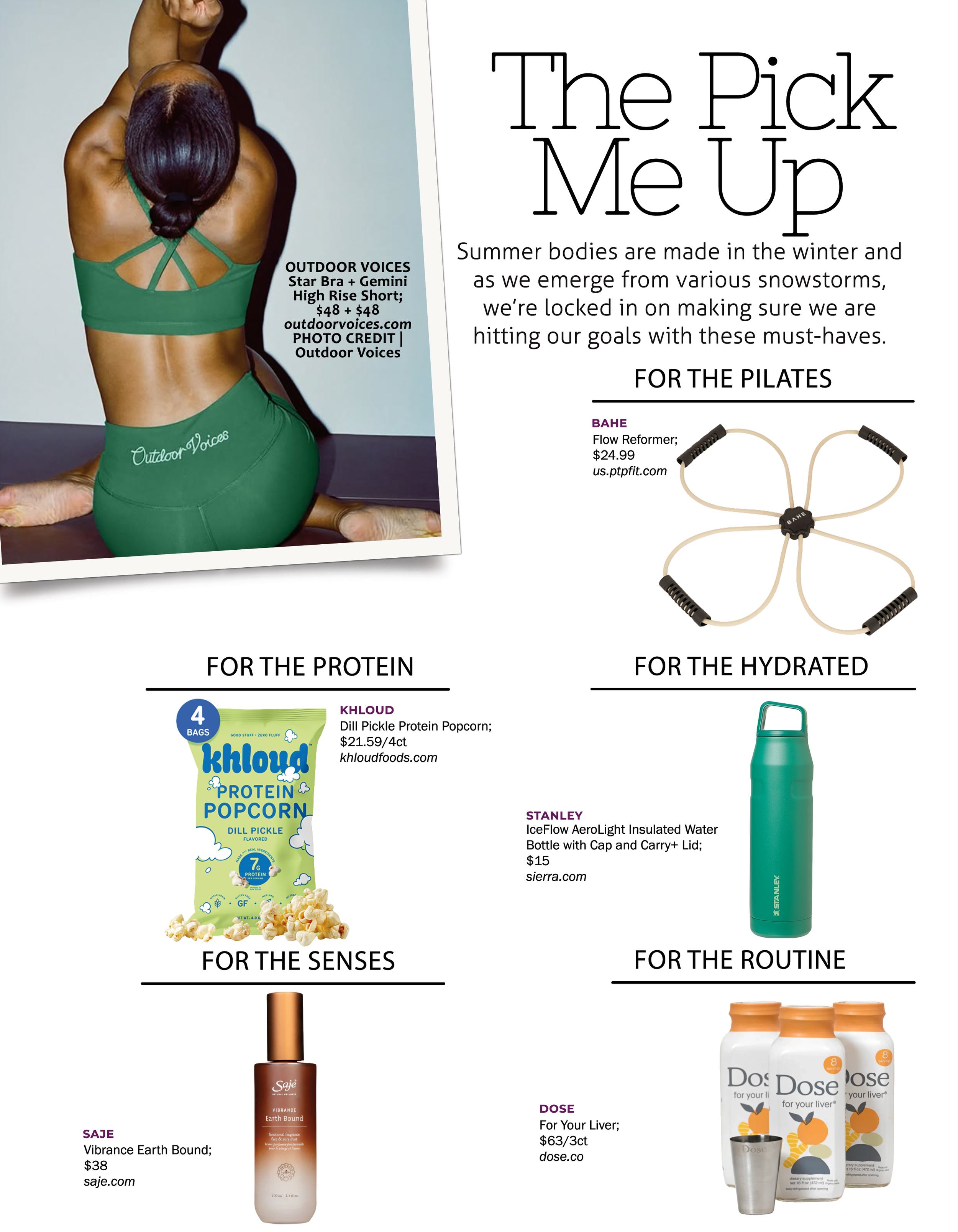
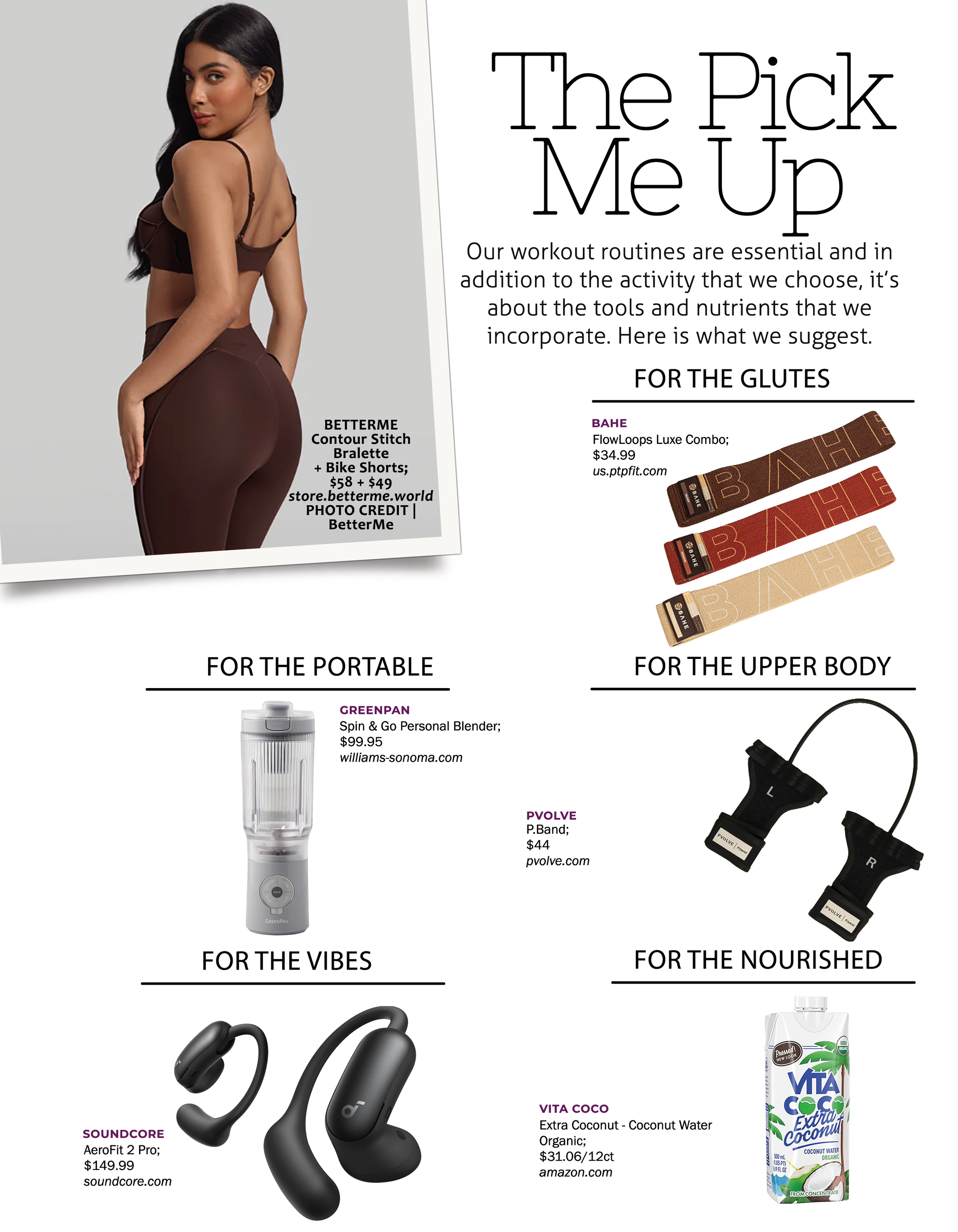
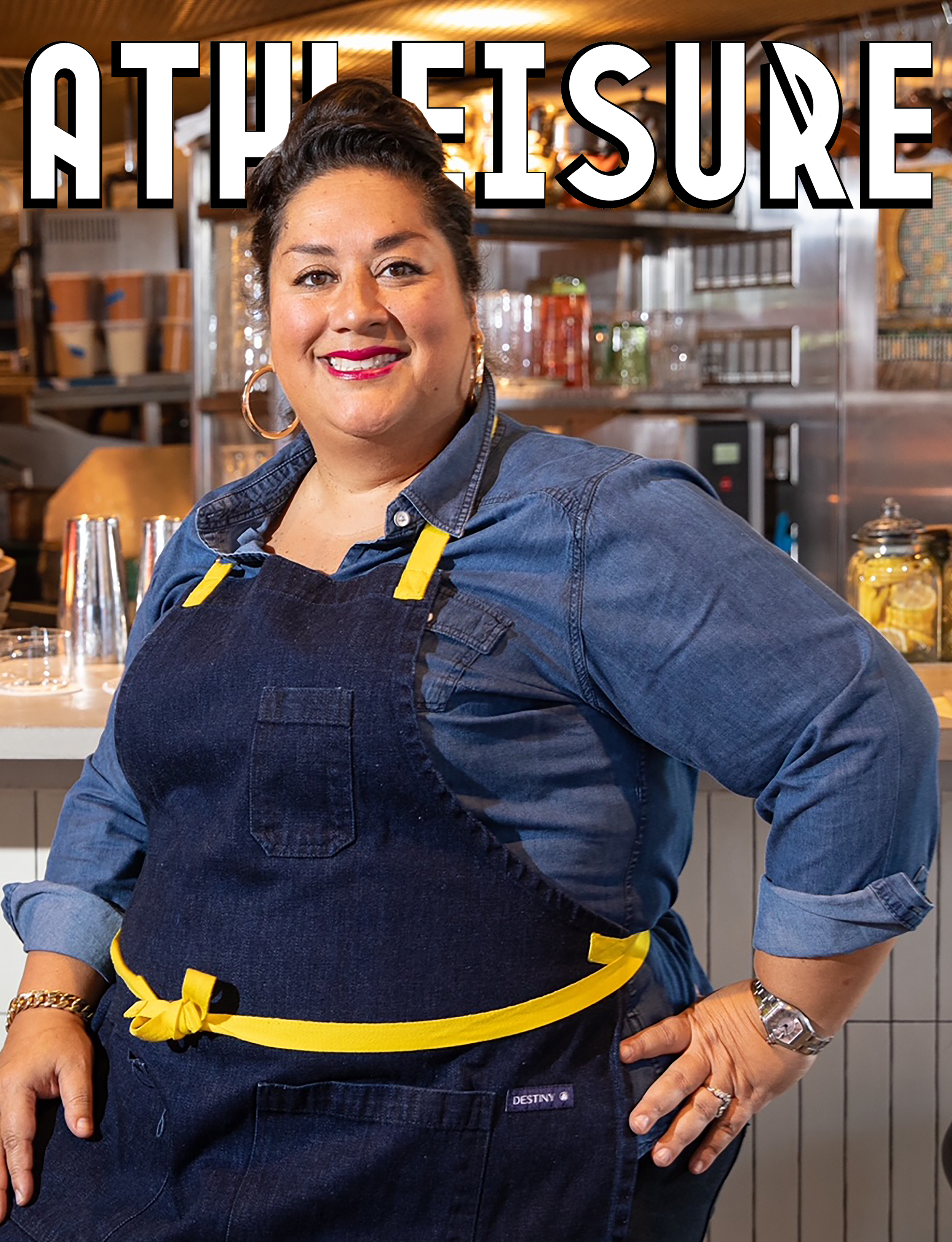
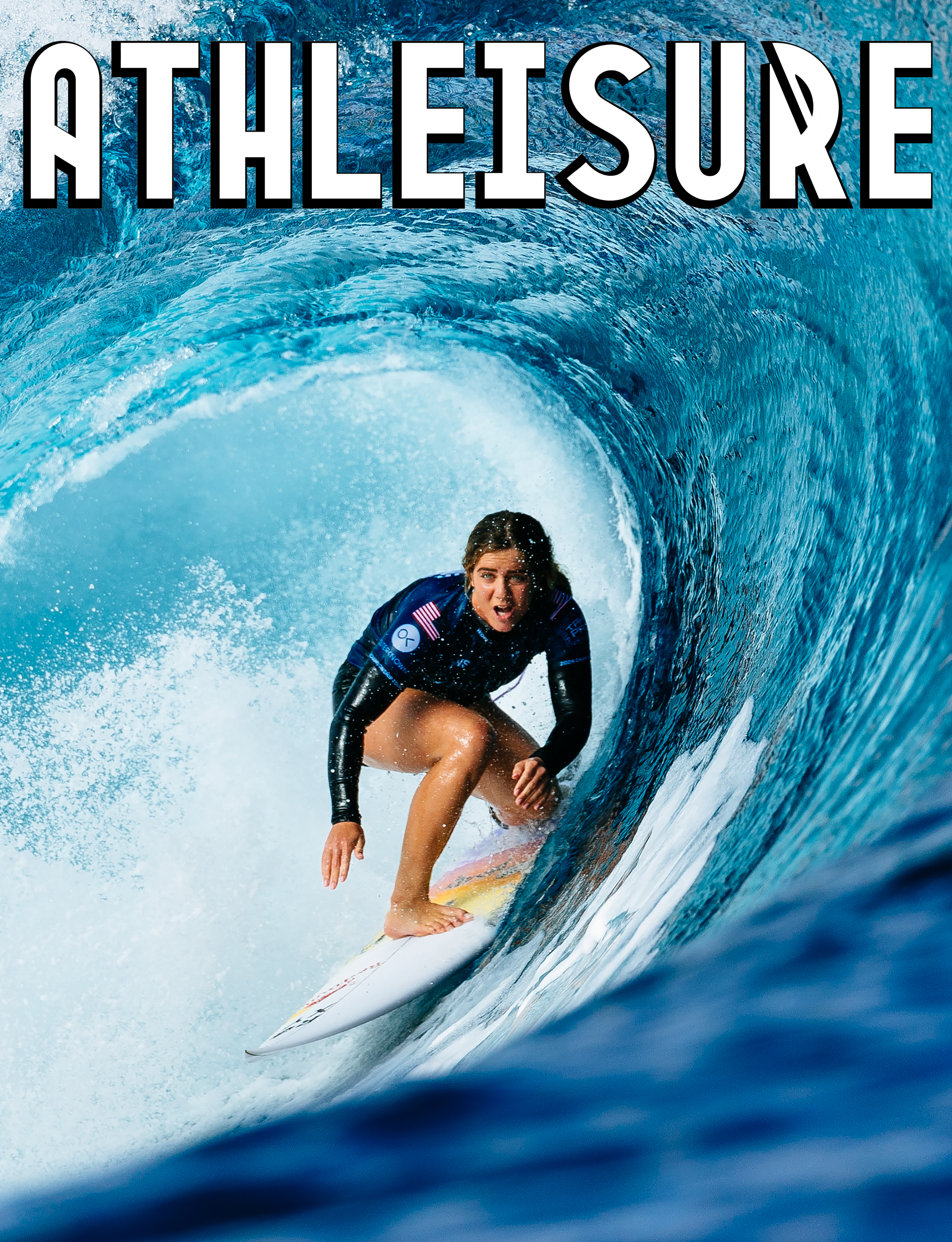
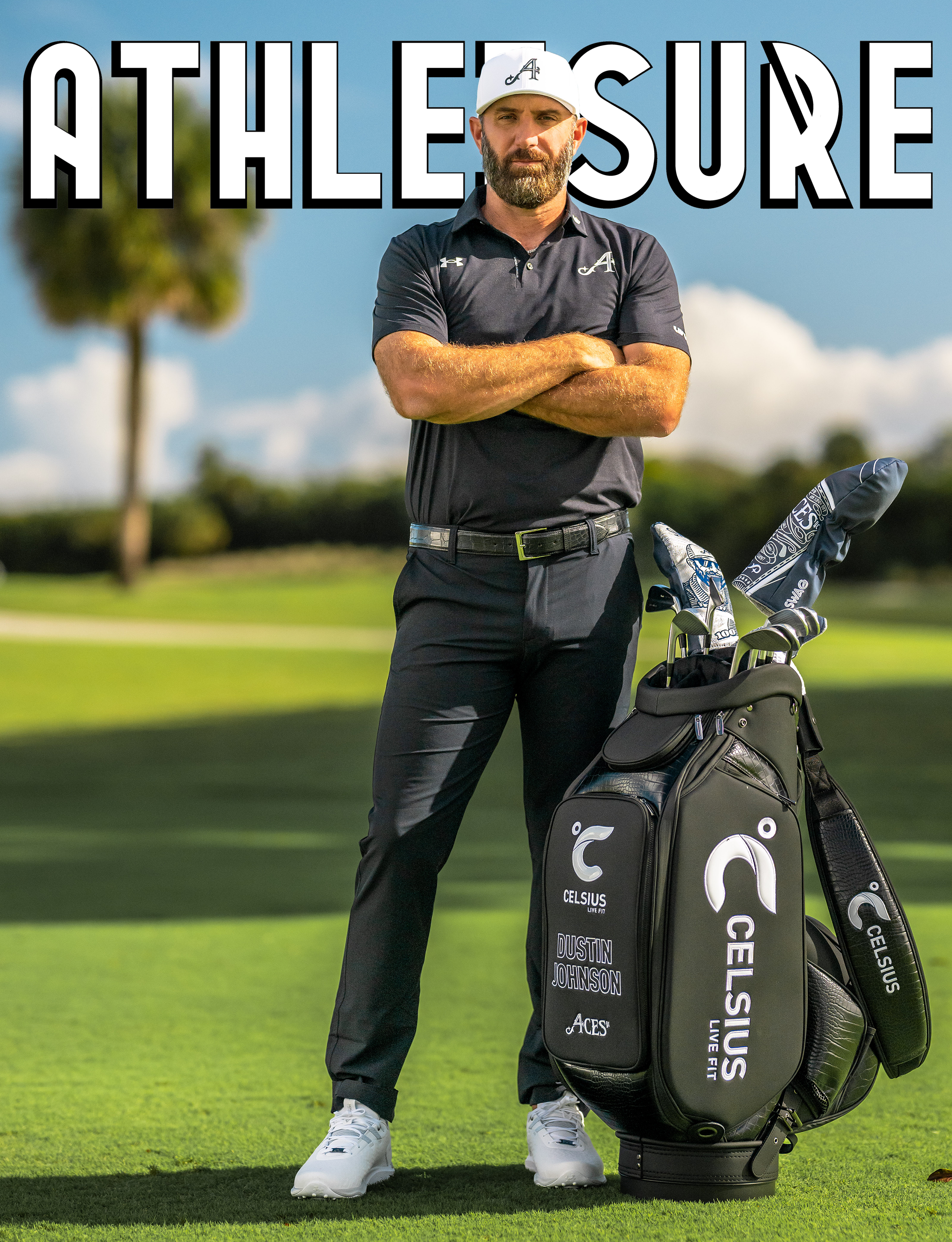
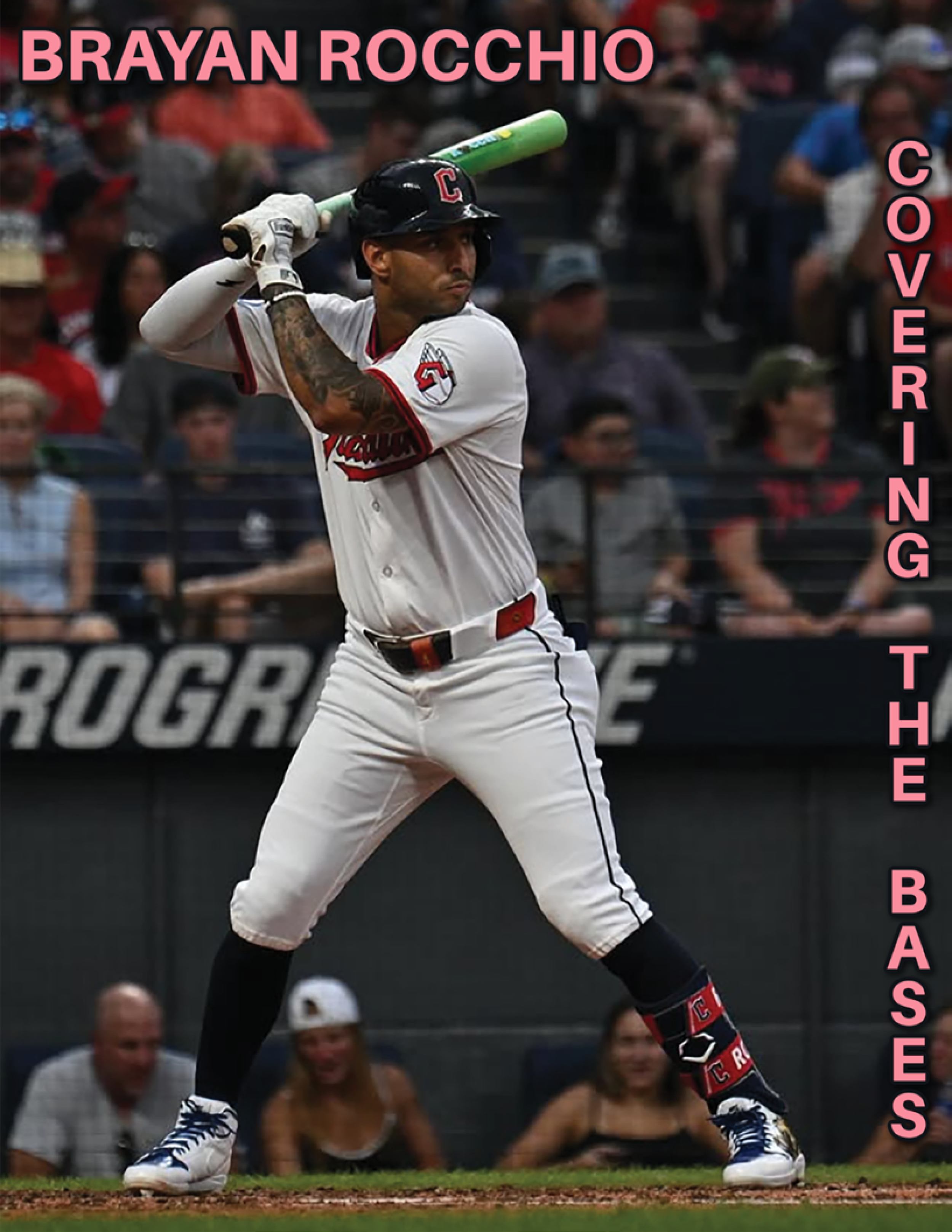
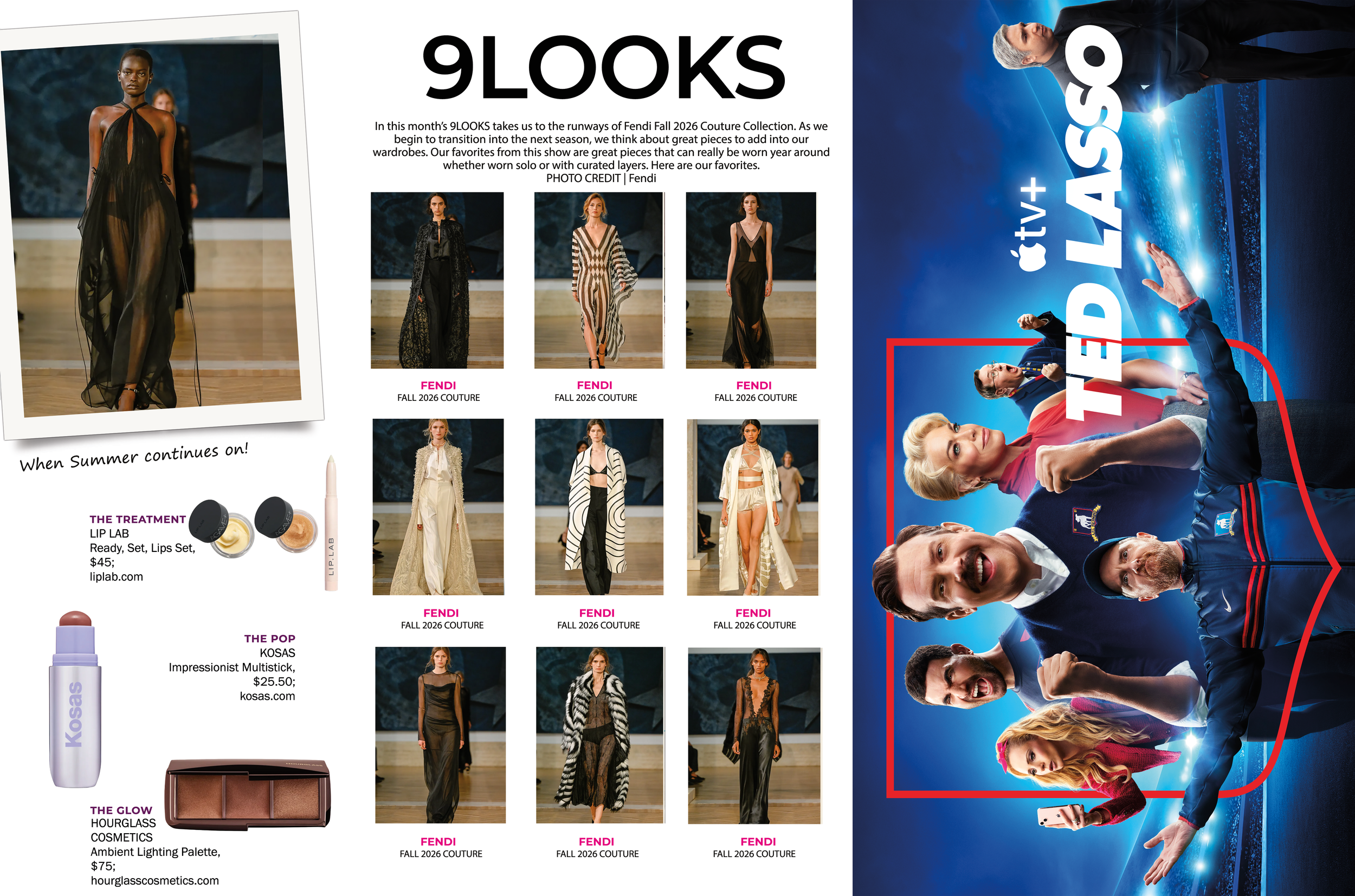
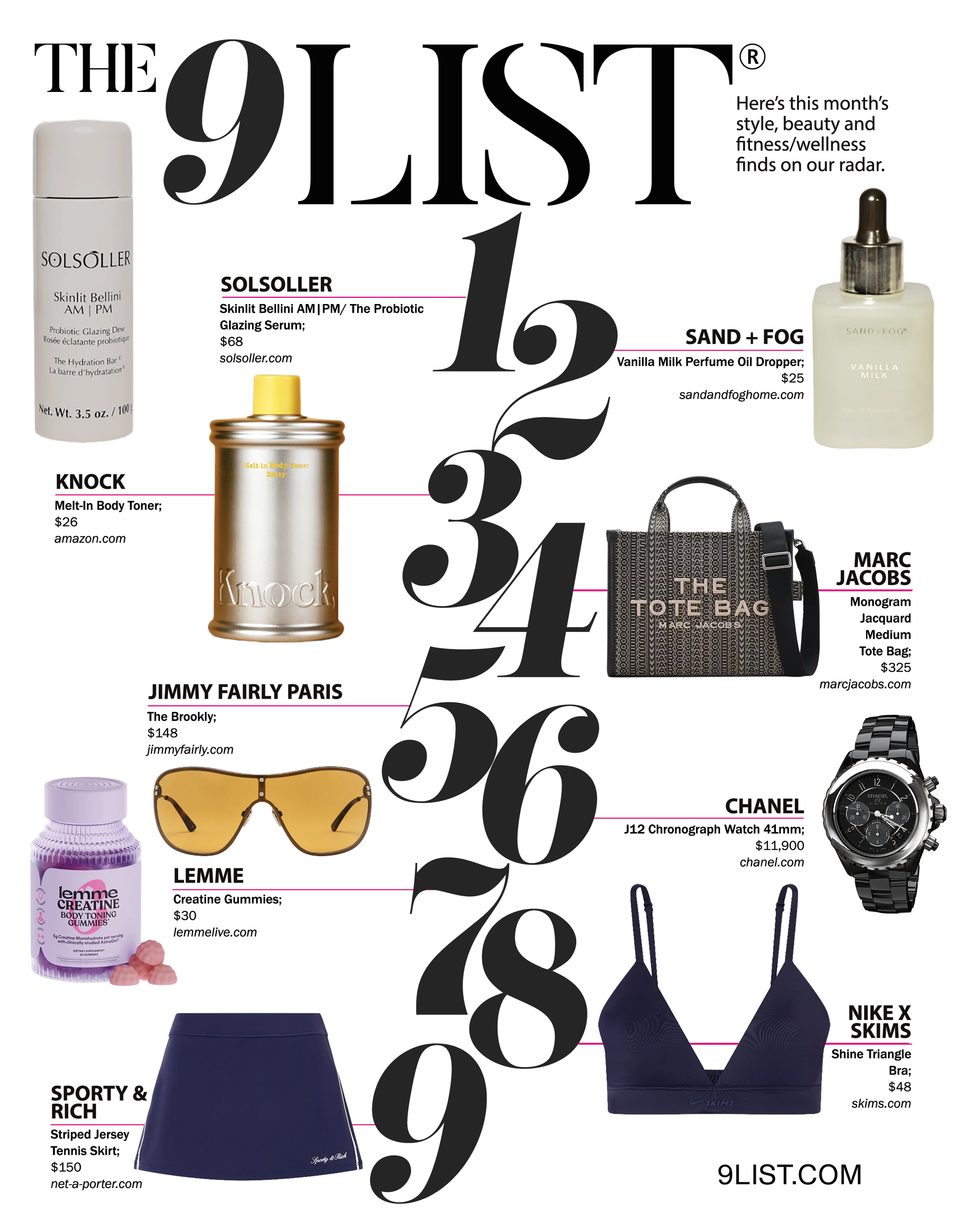
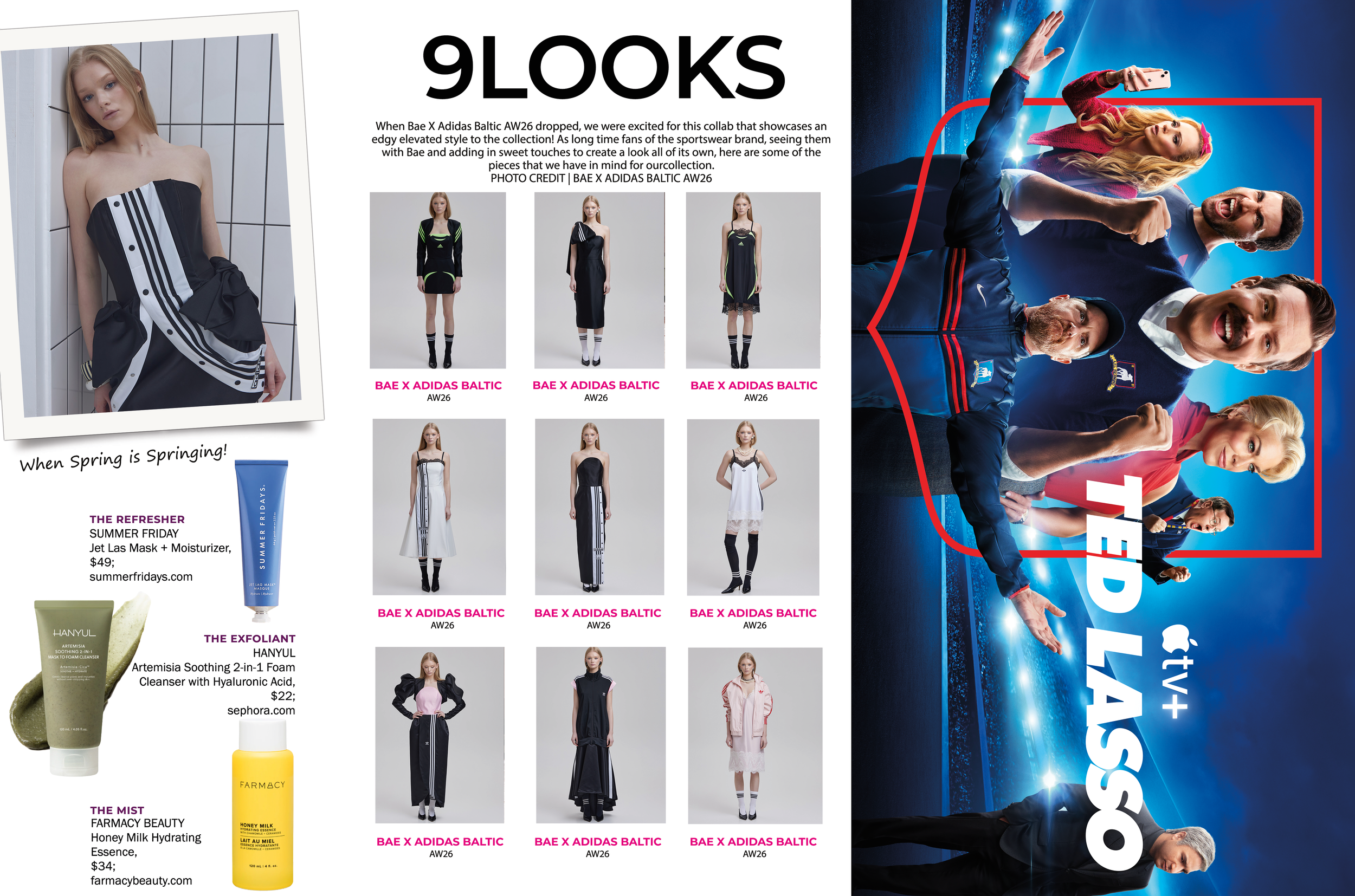
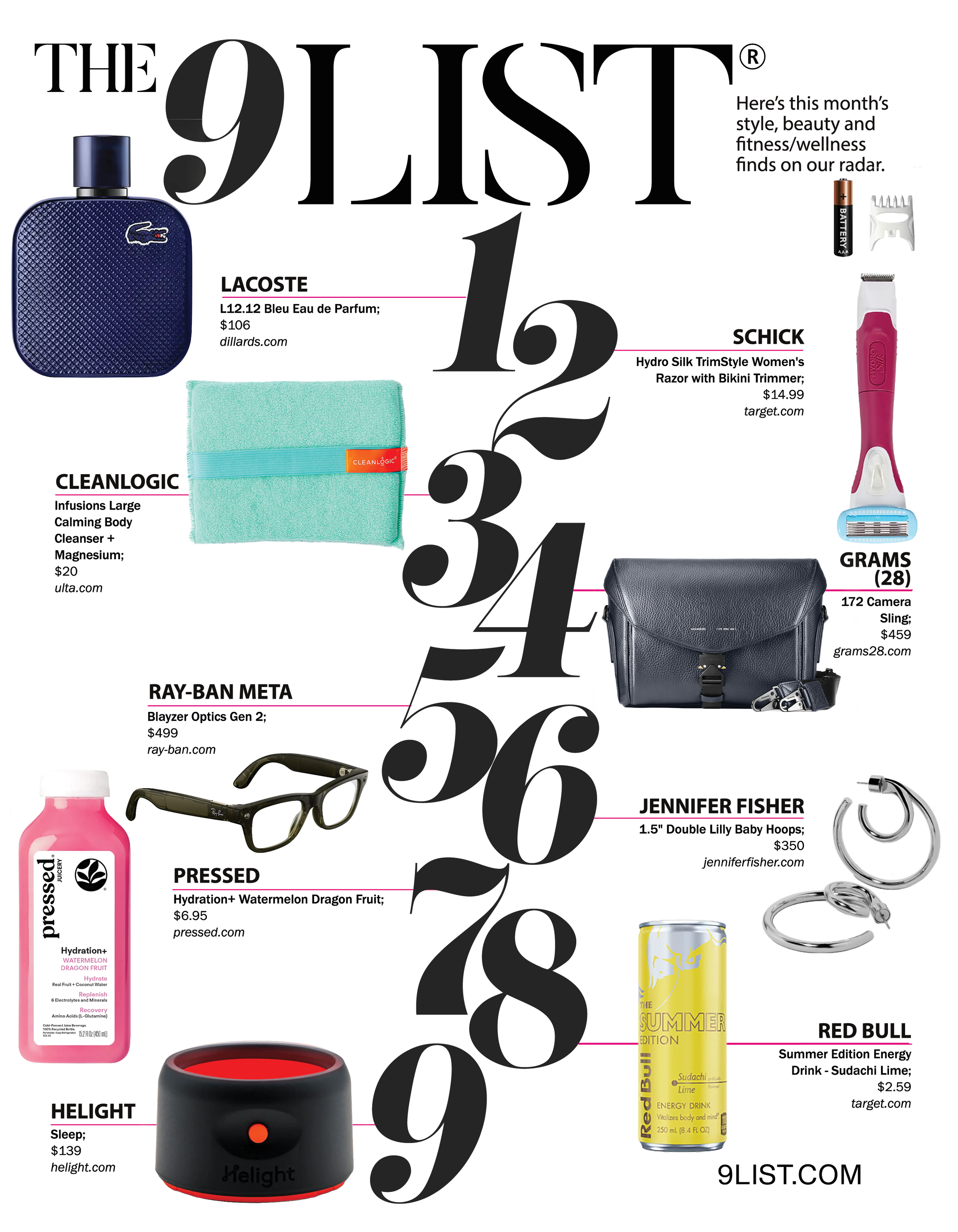
Read the Oct Issue #58 of Athleisure Mag and see Athleisure Beauty in mag.
Featured Beauty
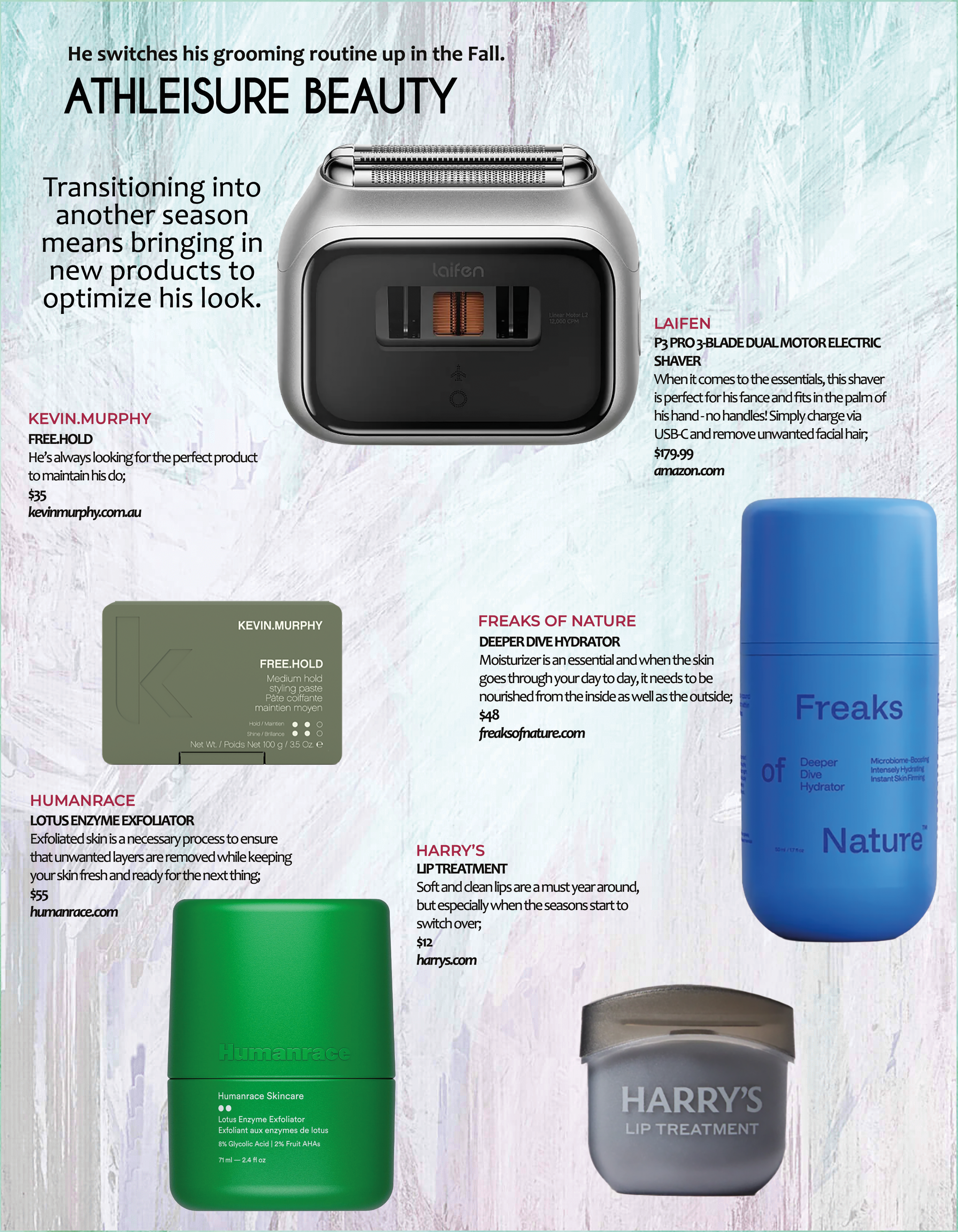
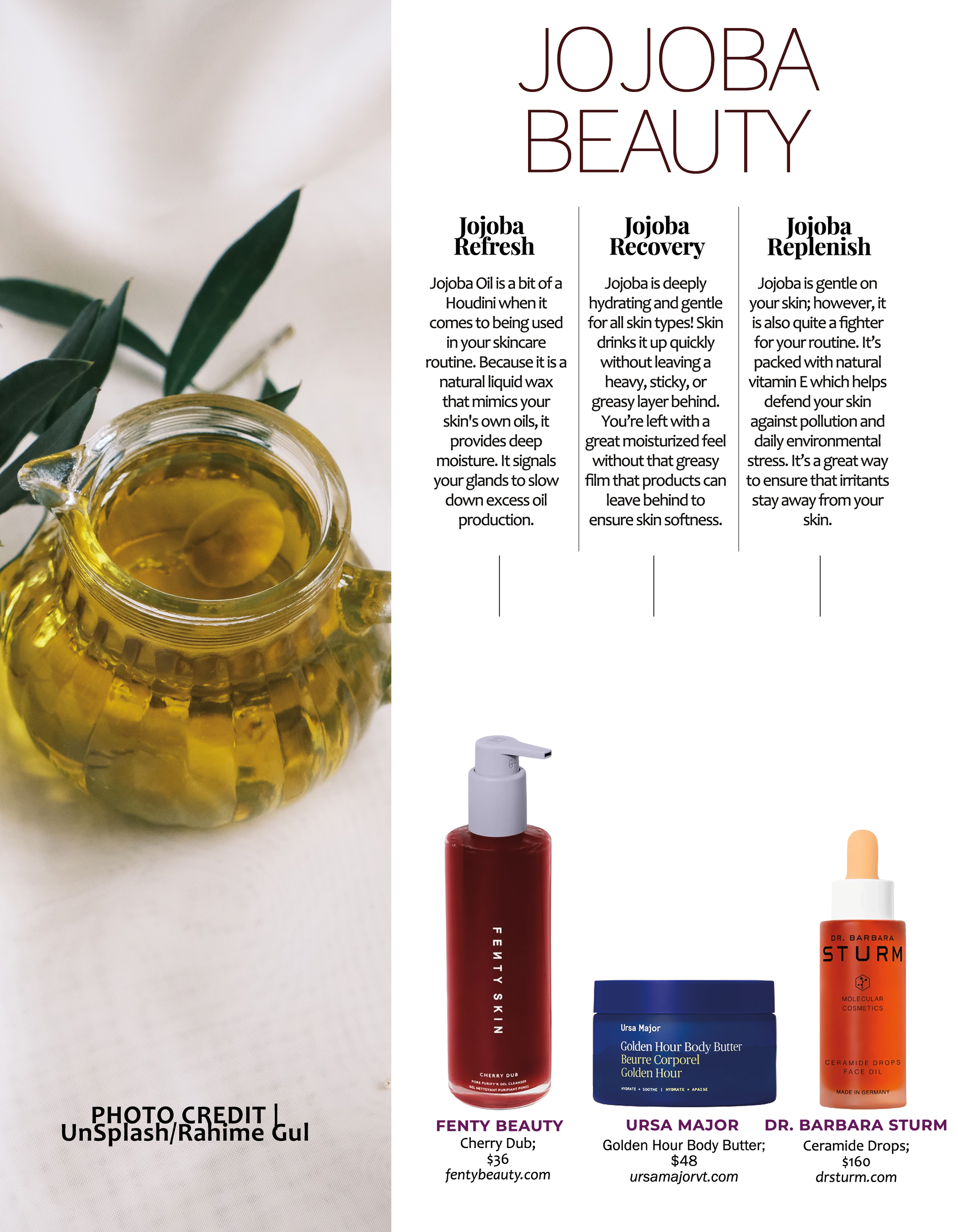

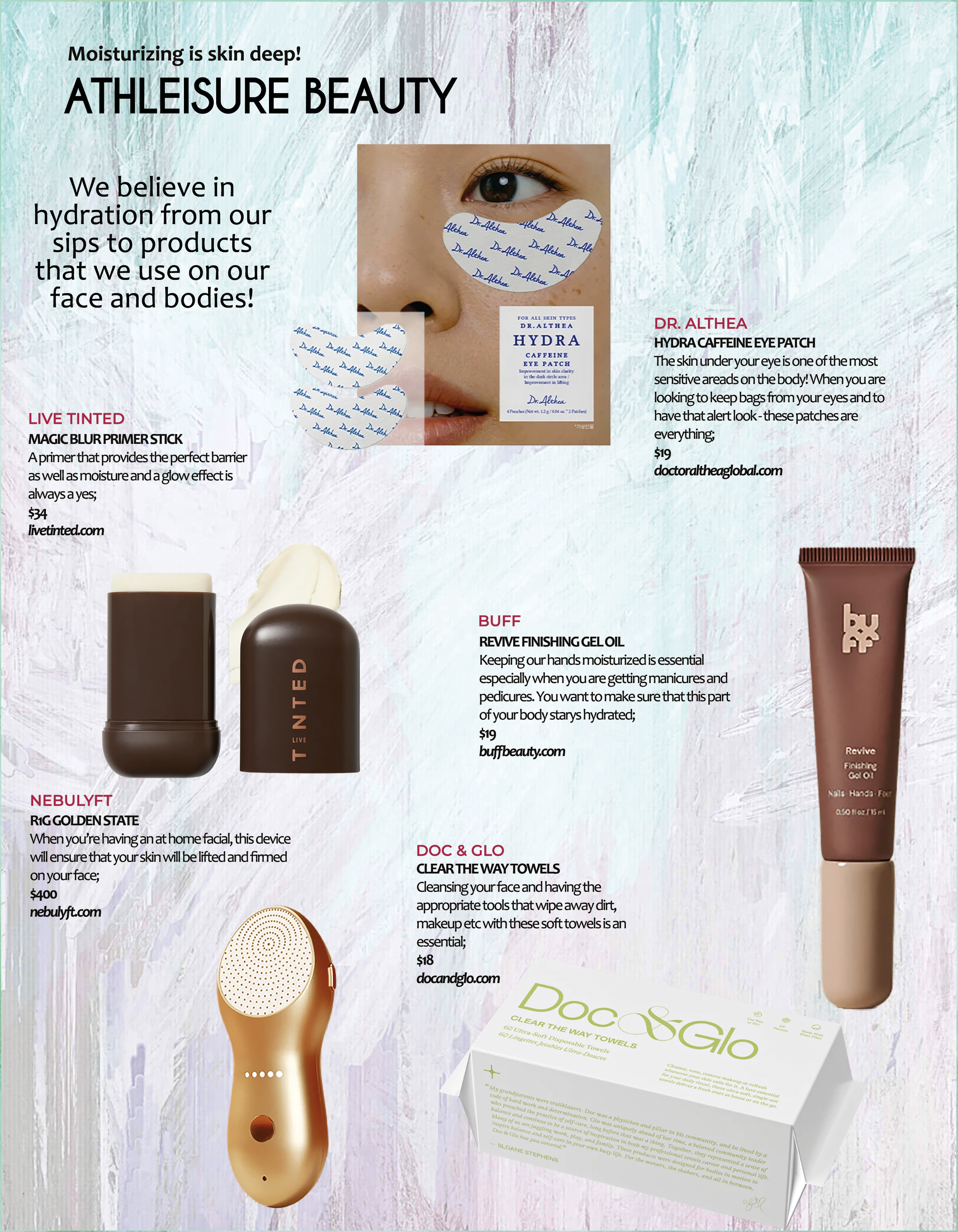
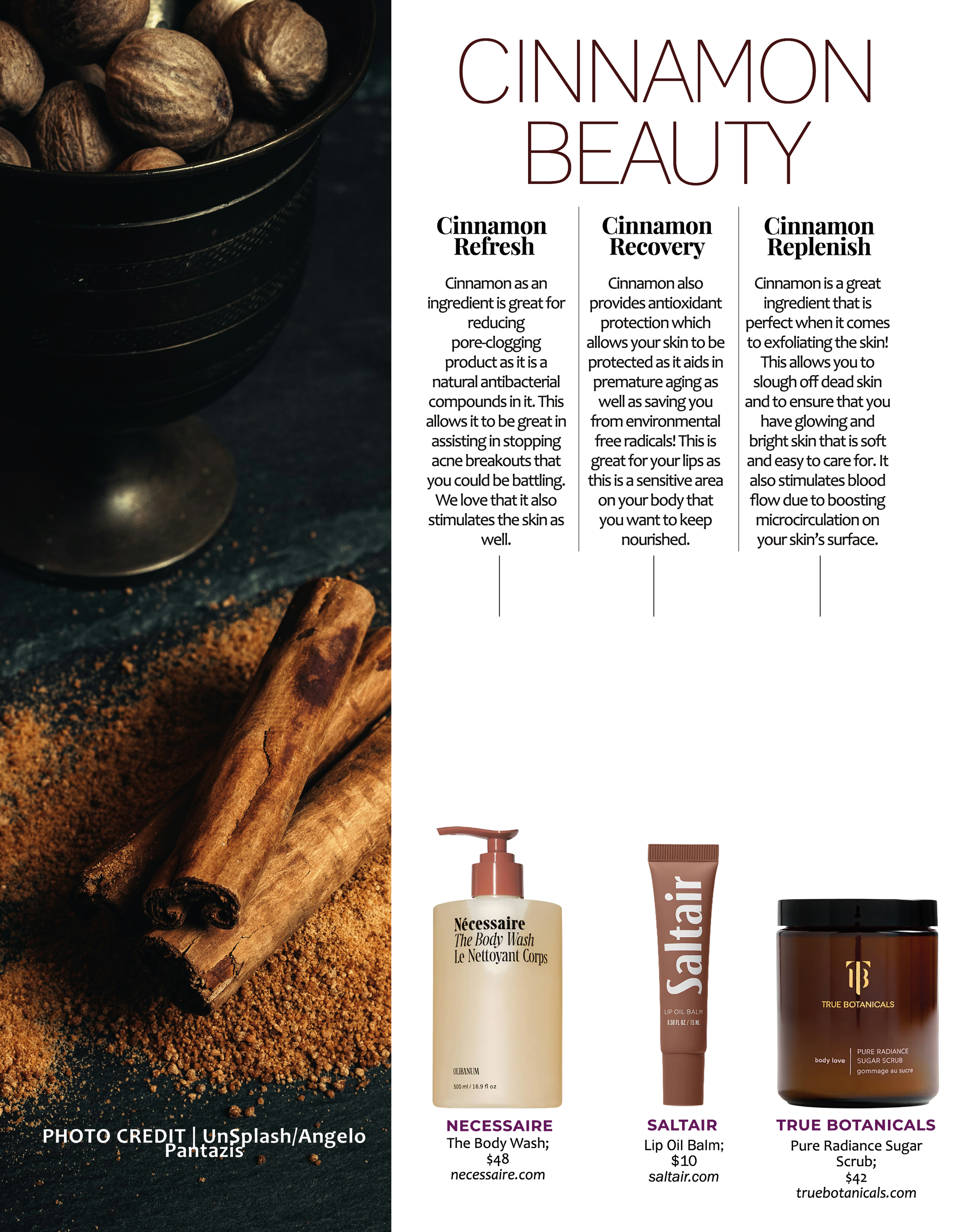
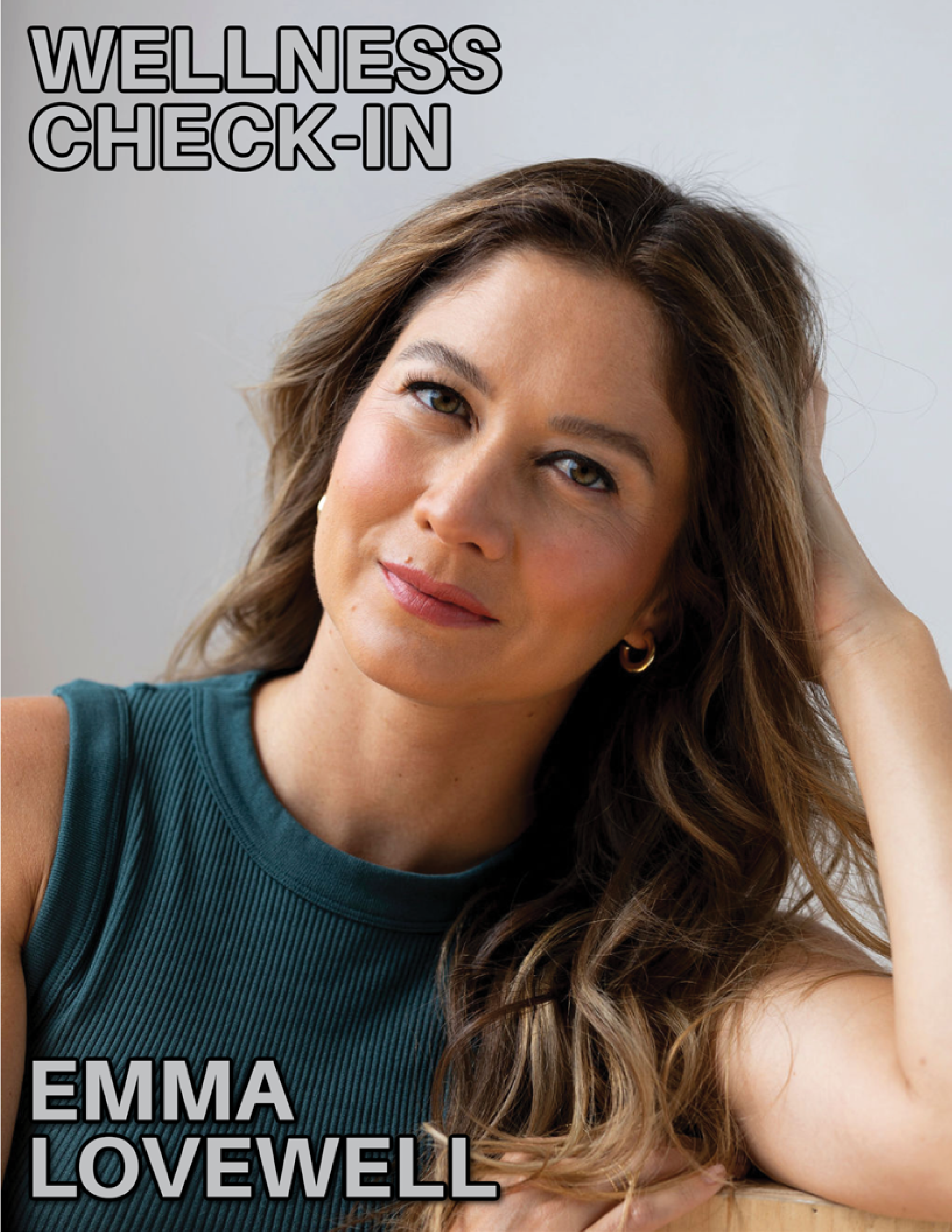
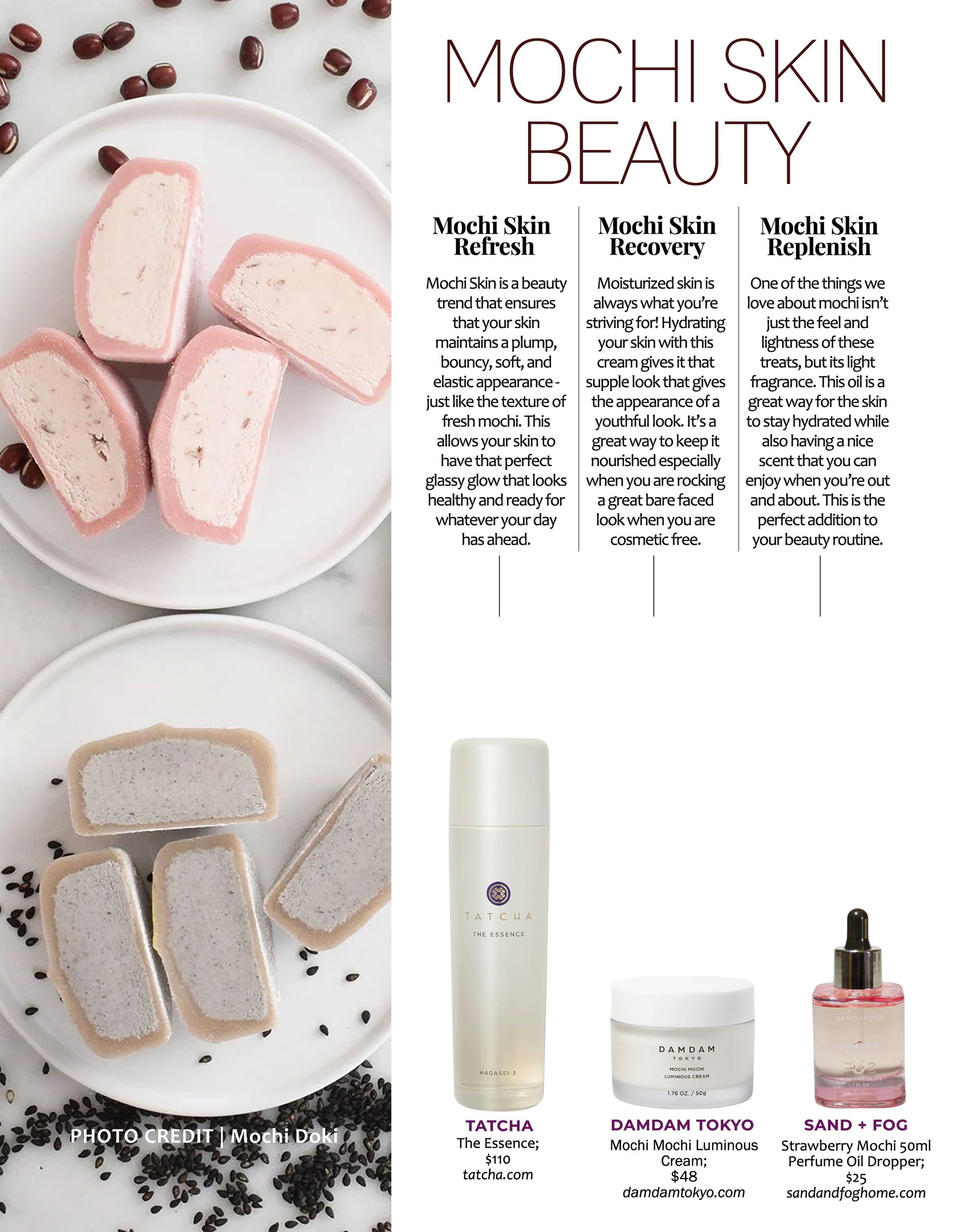
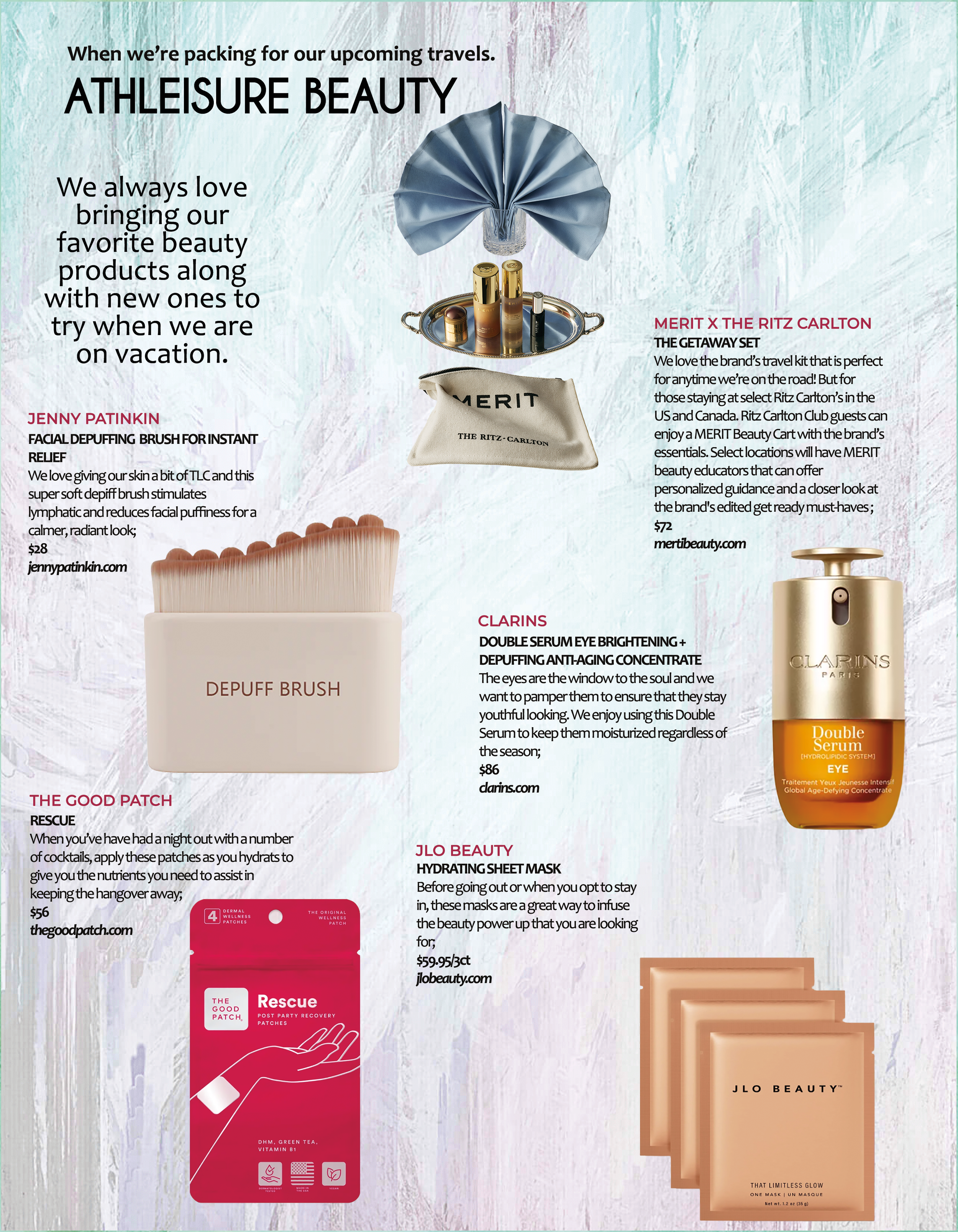


Read the Oct Issue #58 of Athleisure Mag and see Athleisure Beauty in mag.
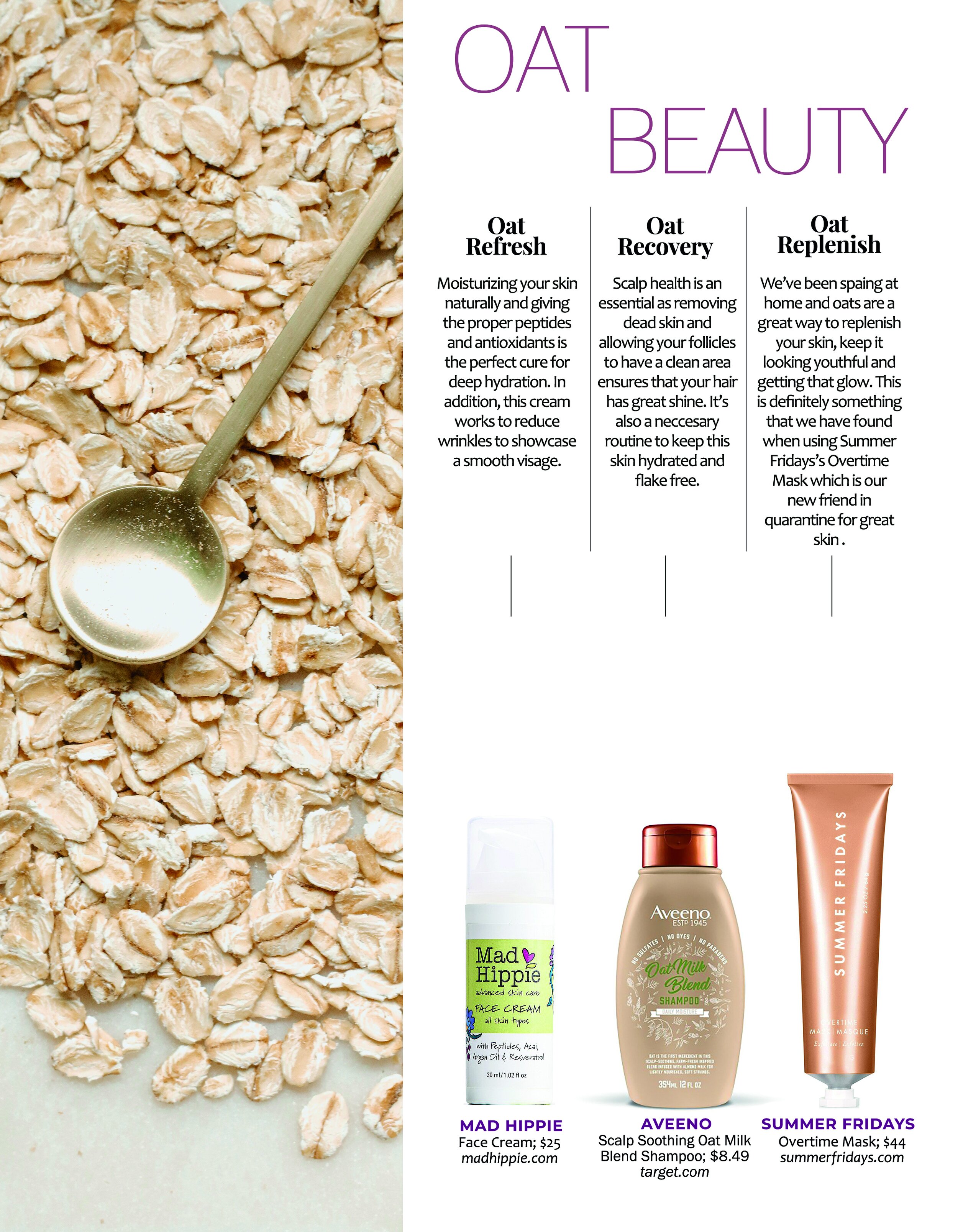
Read the Oct Issue #58 of Athleisure Mag and see Oat Beauty in mag.
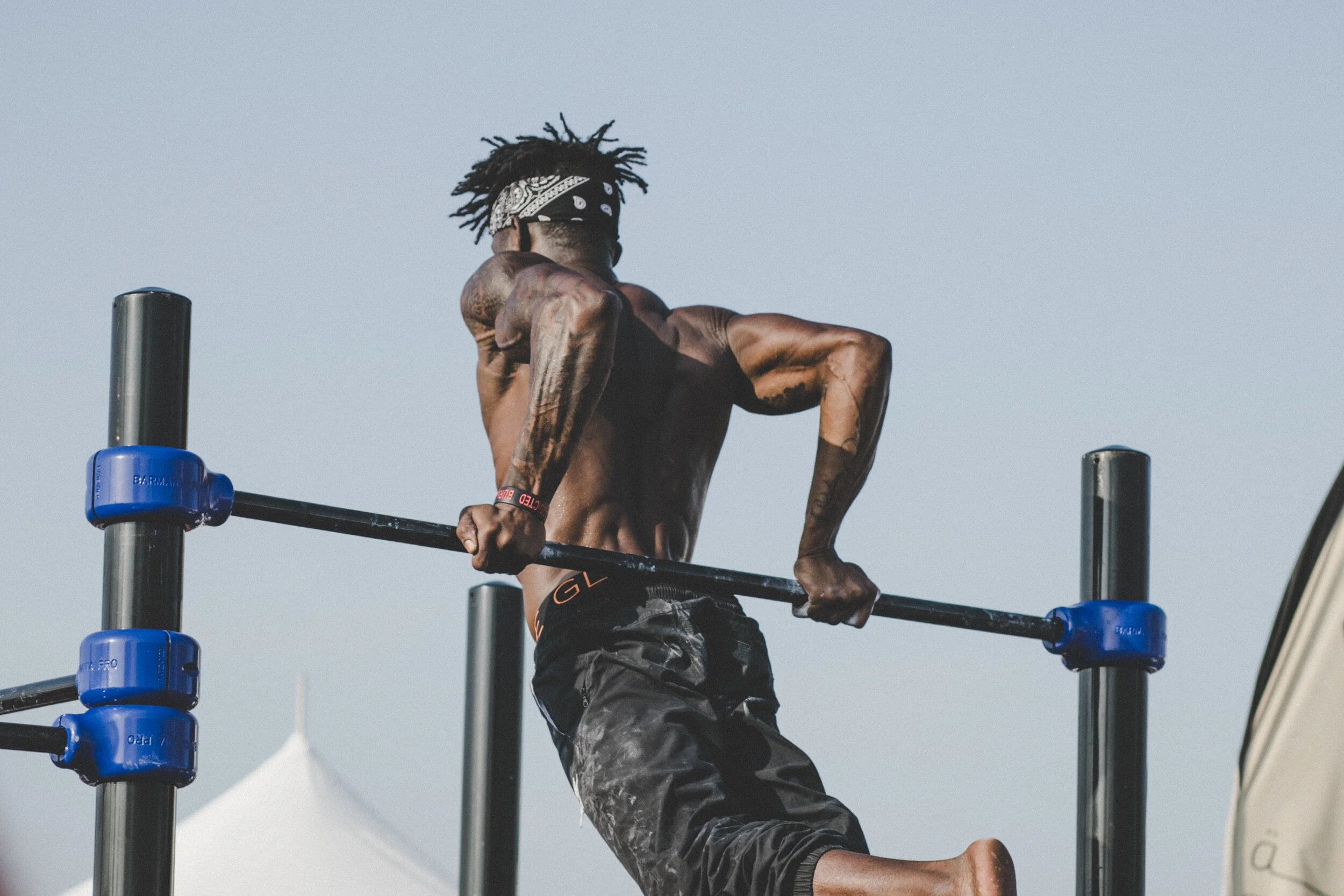
PHOTO CREDIT | Unsplash/Kate Trysh
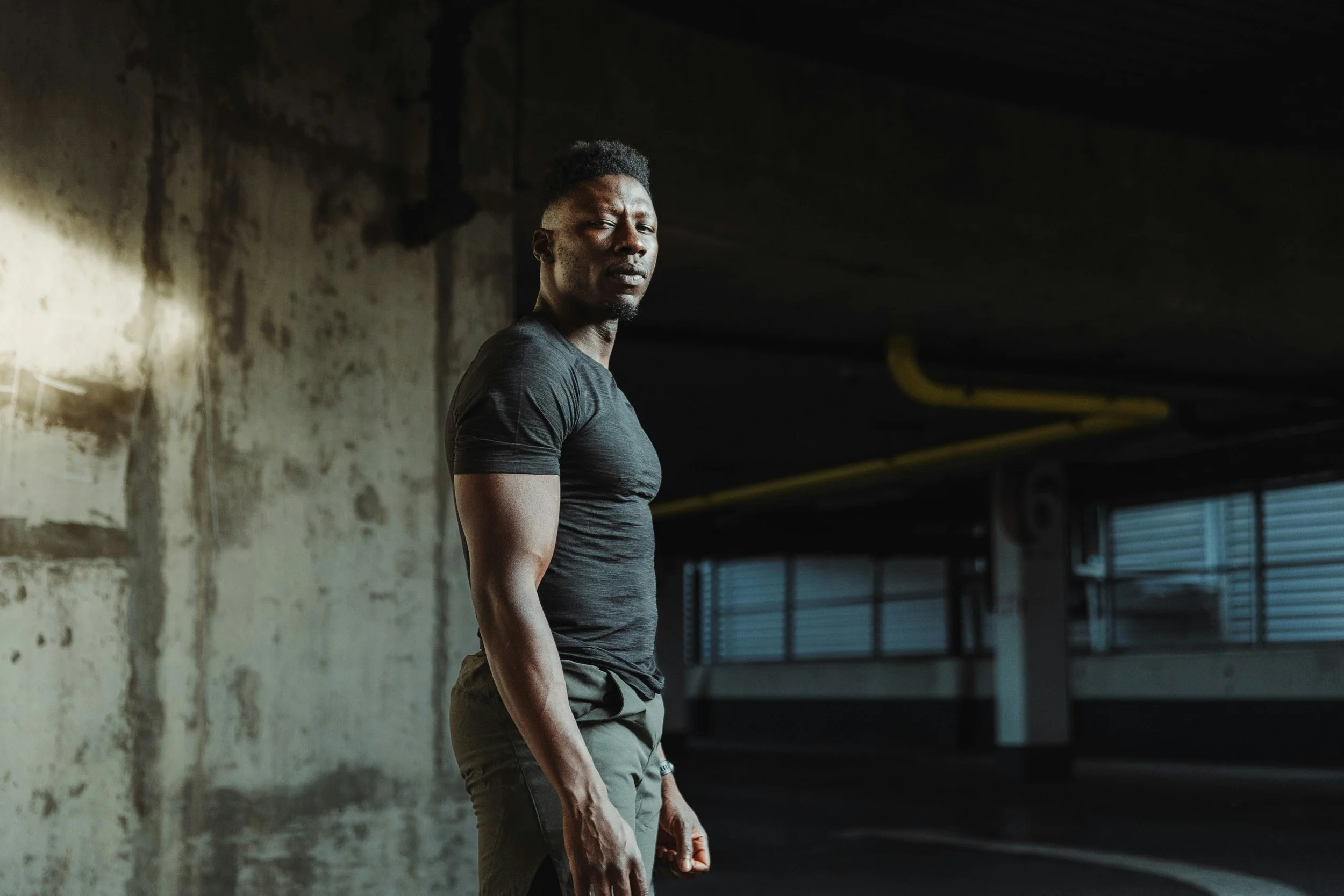
Any guy who works out regularly probably has a large collection of workout apparel. Some men stick to simple t-shirts and old sweatpants, while there are those who have a closet filled with expensive brand name workout gear. If you are spending several hours a week exercising, then your workout attire should be an extension of your personal style. You might have a simple and clean style, or favor wearing clothing in the same color range. Whatever style you choose, it should make exercising convenient. Here is the athletic man's ultimate guide to style, inside and outside of the gym.
Going to the gym doesn't require you to put on anything fancy. In fact, working out usually indicates that you will be wearing something comfortable, perhaps loose fitting, and made out of materials that will help you to maintain your temperature. However, you shouldn’t just be throwing on anything when you go to work out. A holey, old t-shirt says that you genuinely have no sense of style at all, and it doesn't reflect the fact that you are actually concerned about your health and fitness. You could be practical and still have a defined style, so make sure that you make somewhat of an effort when you get ready to sweat.
If you just put anything on, then you are going to look like pretty much everyone dragging themselves into the gym. No, it isn't a fashion show, and you most certainly do not need to dress that way. However, you should wear athletic attire that will preserve your individuality. A silver dog tag necklace works well with any outfit, whether you are wearing athletic gear or dressed casually to go on a date. Look at the collection on Stephen David Leonard to find tasteful, masculine jewelry that you can wear in the gym, at the beach, and everywhere in between. This site offers a variety of customized jewelry for men that can work every day. Their rings, necklaces, and bracelets are eye-catching, yet subtle enough that you can wear it anywhere.
When you wear athletic clothing, the point is to get in a really good workout. By the time you are done, you should be tired, sore, and at least just a little bit sweaty. Depending on what you wore and which workouts you performed, you could be dripping in sweat or just have a few areas that are drenched. Choose clothing that will hold up to your frequent sweaty workouts, yet still look good. Realize that clothing will change color, at least temporarily, as you perspire. So, think about whether you prefer to wear loose fitting t-shirts or more form fitting attire as you push your body on your next run.
In addition to having a basic wardrobe of athletic gear that will enable you to exercise in all climates and accessories, you should also think about what accessories you want and need. Hats and visors can keep you cool in the sun, while fanny packs and arm cuffs can help keep your wallet and phone safe as you work out. Lots of people interested in fitness are wearing smartwatches to keep track of their vitals. In addition to looking sleek, they are functional and work in conjunction with other electronics. Wear a smartwatch on one wrist and a men’s cuff bracelet on the other to balance things out. Decide on what types of fitness accessories will look great and perform the best.
What you need to focus on is keeping things simple and light. You don't need to wear anything bulky that will weigh you down, of course unless you are working on strength training. In general, your workout shoes should be stylish but also aerodynamic enough to allow for quick movements. Consider all athletic attire based on simplicity so that your look comes off as being effortless. Special consideration to color, material, and the cut of the clothes you wear matters the most. For instance, you could find v-neck t-shirts to be much more flattering than regular t-shirts with circular necklines.
You may already be a gym bunny looking for direction concerning fashion and style, or you could be preparing to work out outside of your home for the first time in years. Don't get caught up too much in how you look, and just start from where you are. Develop a basic wardrobe of workout attire, get comfortable in your own skin, and then worry about improving your accessory and clothing selection.
Before you get dressed for your next workout session, consider what the weather is going to be like. In addition, think about whether you will be in a gym that is climate controlled versus exercising out in the great outdoors. Even if you have checked the weather, you cannot always anticipate how your body is going to react. Exposure to the sun for long periods may cause you to sweat excessively, so you can wear a hat or carry a visor to help protect you. Working out indoors can also bring about similar challenges, particularly if you don't dress in a way that is comfortable for you.
Never be afraid to do the unexpected when it comes to workout attire. You could decide to throw out everything you own, and update your style as a reward for getting fitter, losing weight, or just becoming more mature. Men can sometimes feel like they have to dress a certain way in order to be respected or deemed attractive. They can also be especially sensitive in situations where they are wearing outfits that expose more skin than they are used to. Make changes to your wardrobe, change things up, and overcome these kinds of concerns. Not only will you surprise those closest to you, but you will surprise yourself with a boost in confidence.
Athletic apparel is first and foremost supposed to make you feel comfortable, even while you are pushing your body to the limit. Whether you're wearing thermal gear while running outdoors in the middle of the winter, or put on a thin tank top designed to wick away sweat at the apex of a hot summer day, your athletic wear should make you feel confident. No one is immune from body issues, which is why it can be a little unnerving to put on a pair of biking shorts for the first time. Beyond the structural design of athletic wear and accessories, the styles that you choose need to be complementary.
Getting ready to go and work out should be simple and easy. Once you have developed a great wardrobe, the perfect athletic apparel will be tucked away in your dresser or hanging up in your closet. You should have a collection of clothes that you can mix, match, and pair up to put on and take on your next intense workout session. Don't forget the accessories such as your smartwatch and baseball cap, so you can keep track of your fitness while also looking stylish. Once you get the wardrobe part down, actually working out will be the hard part.

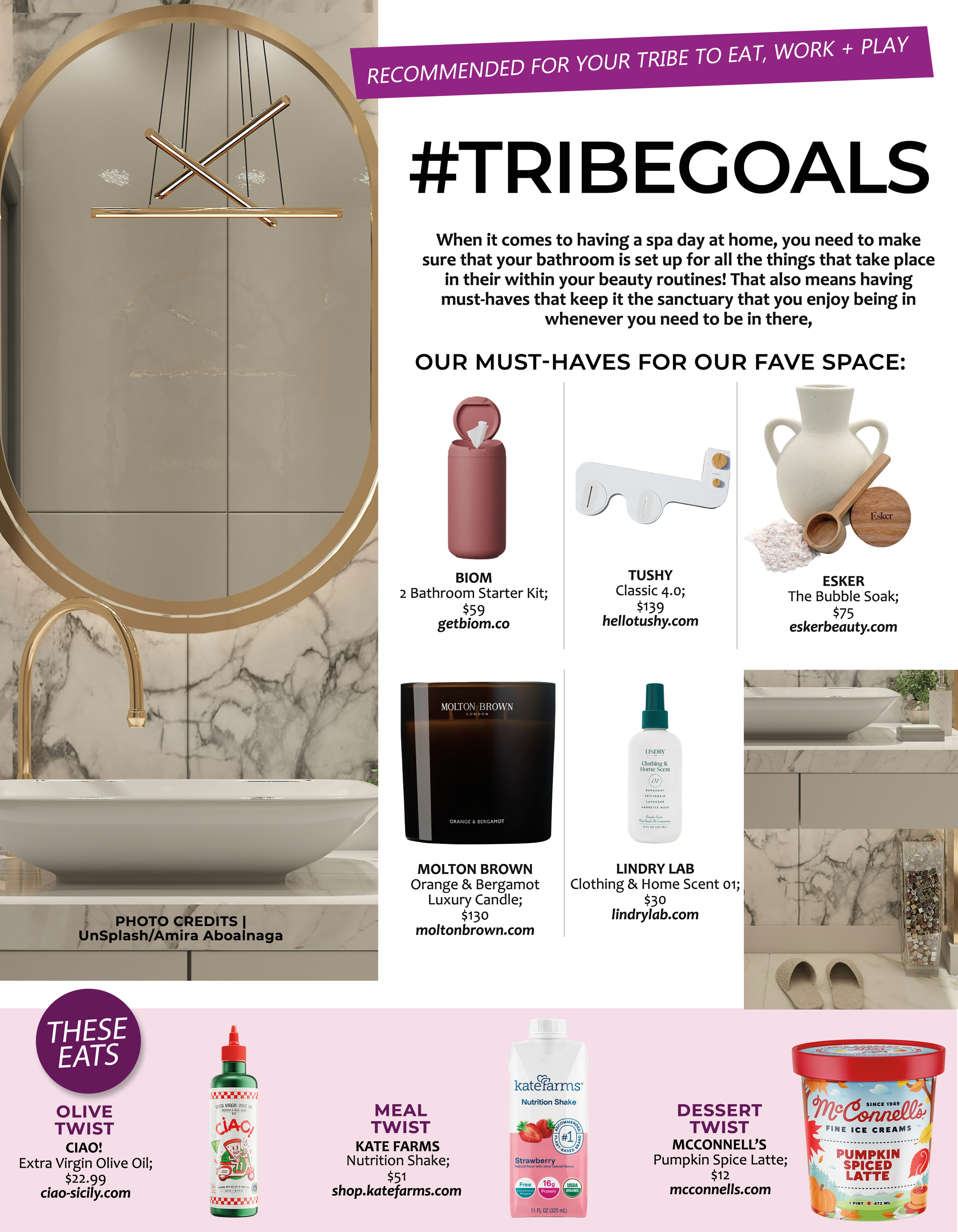
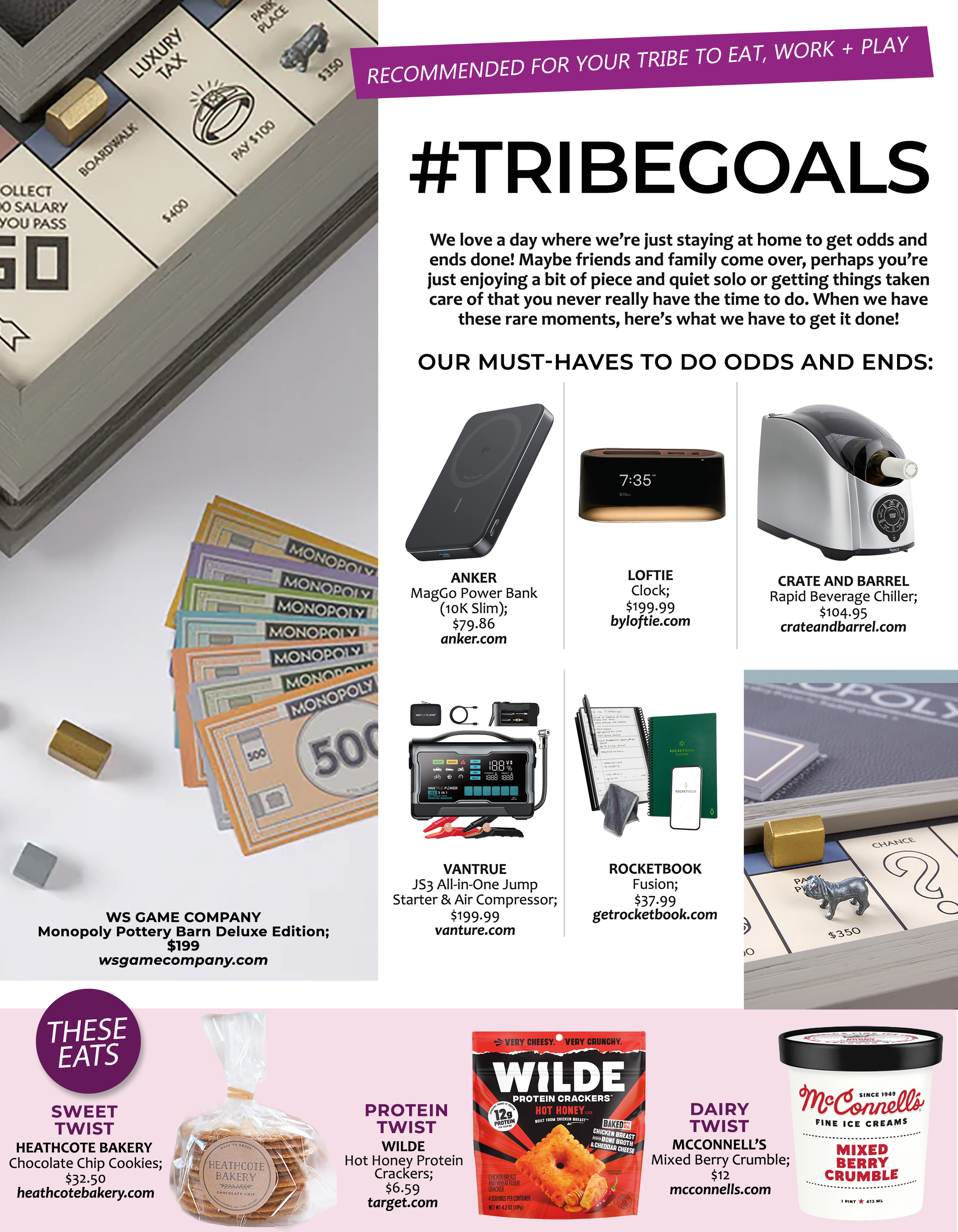
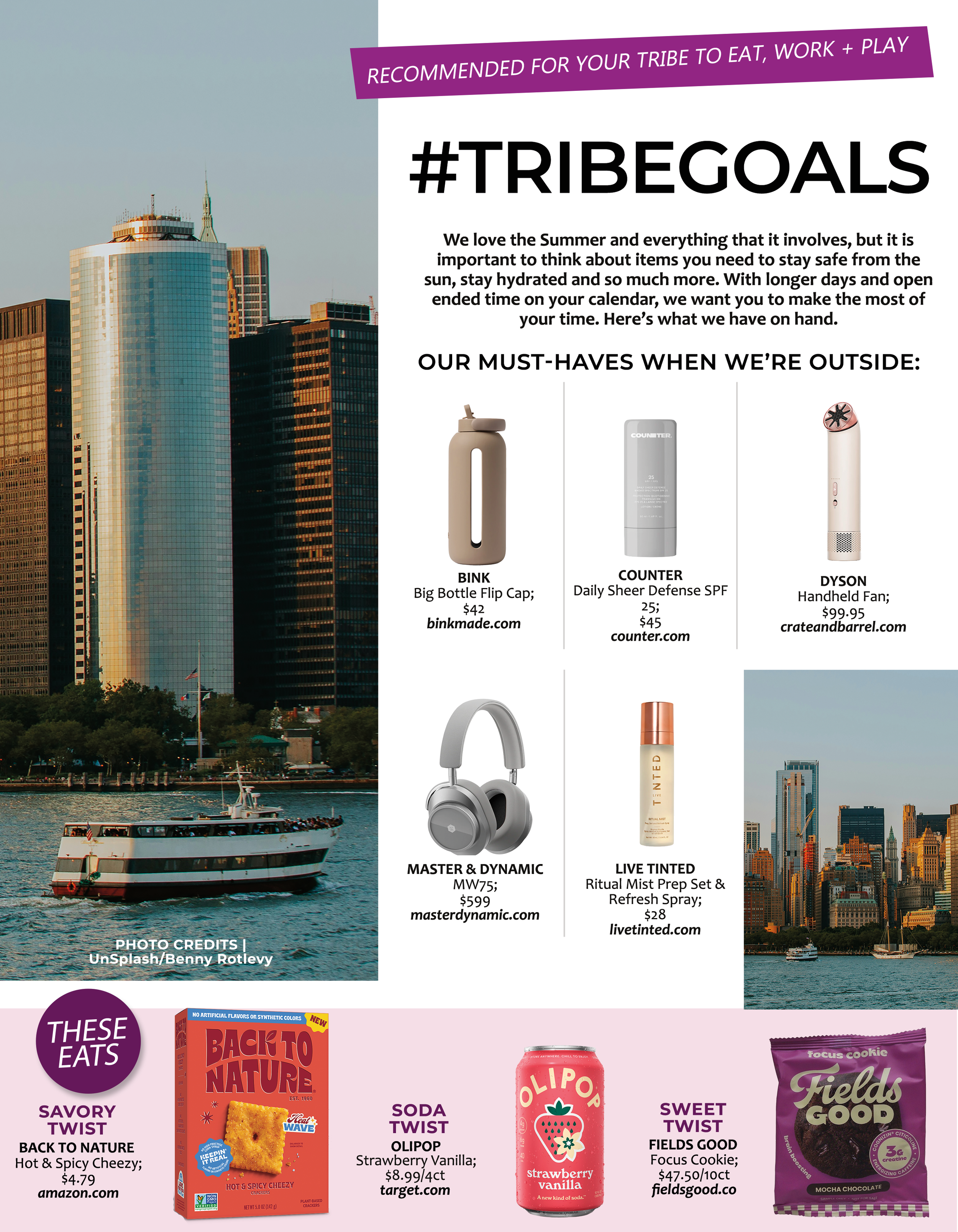
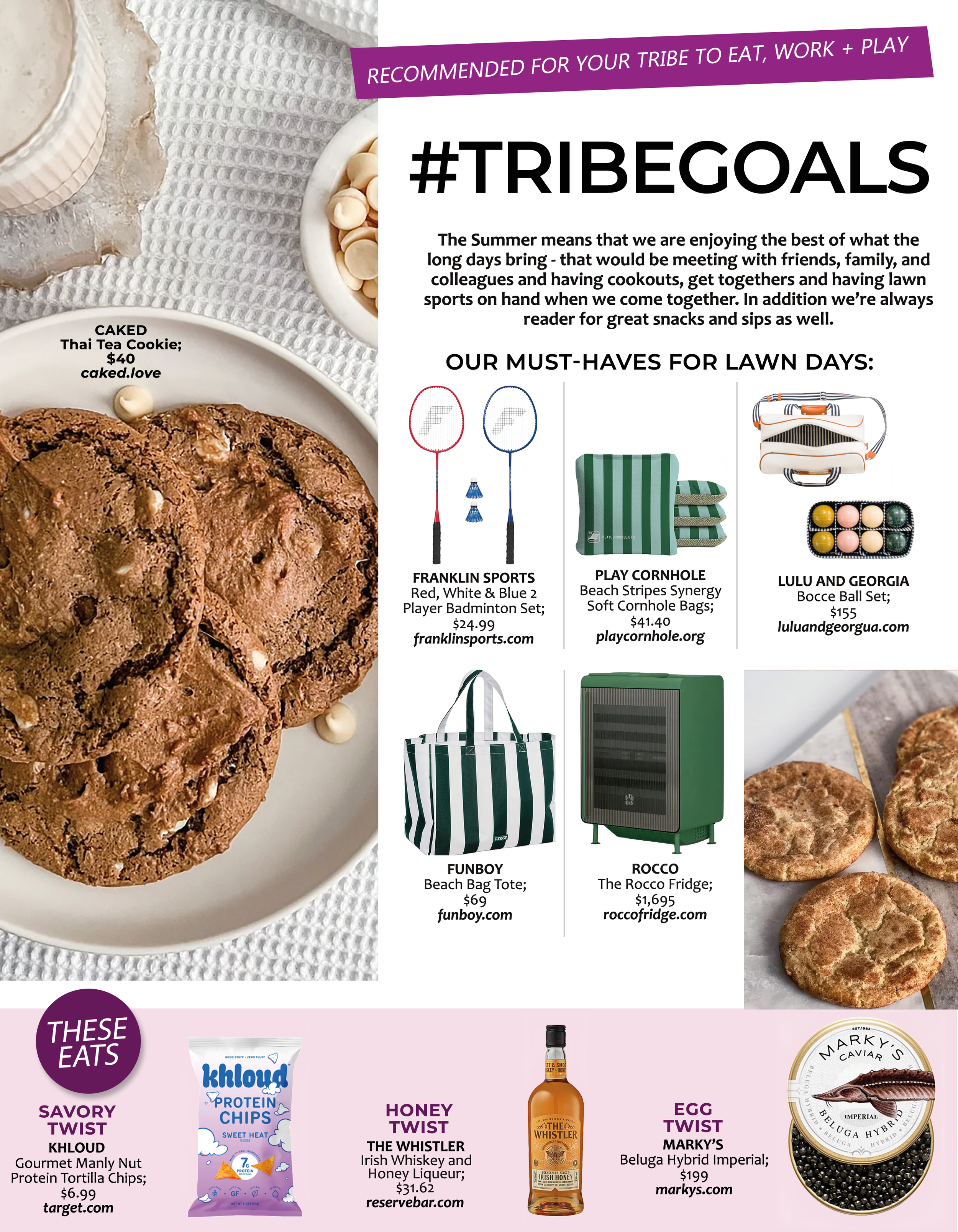
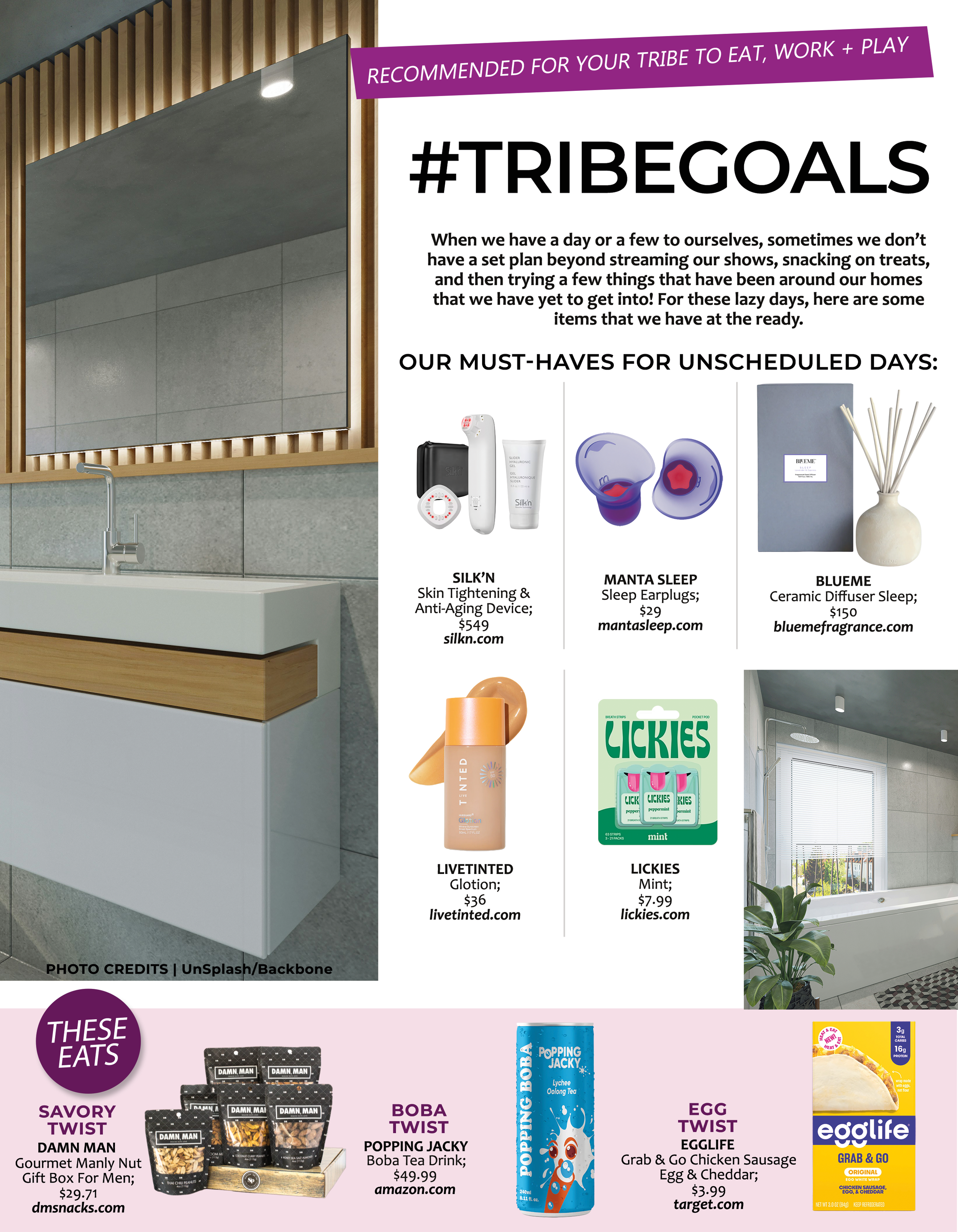
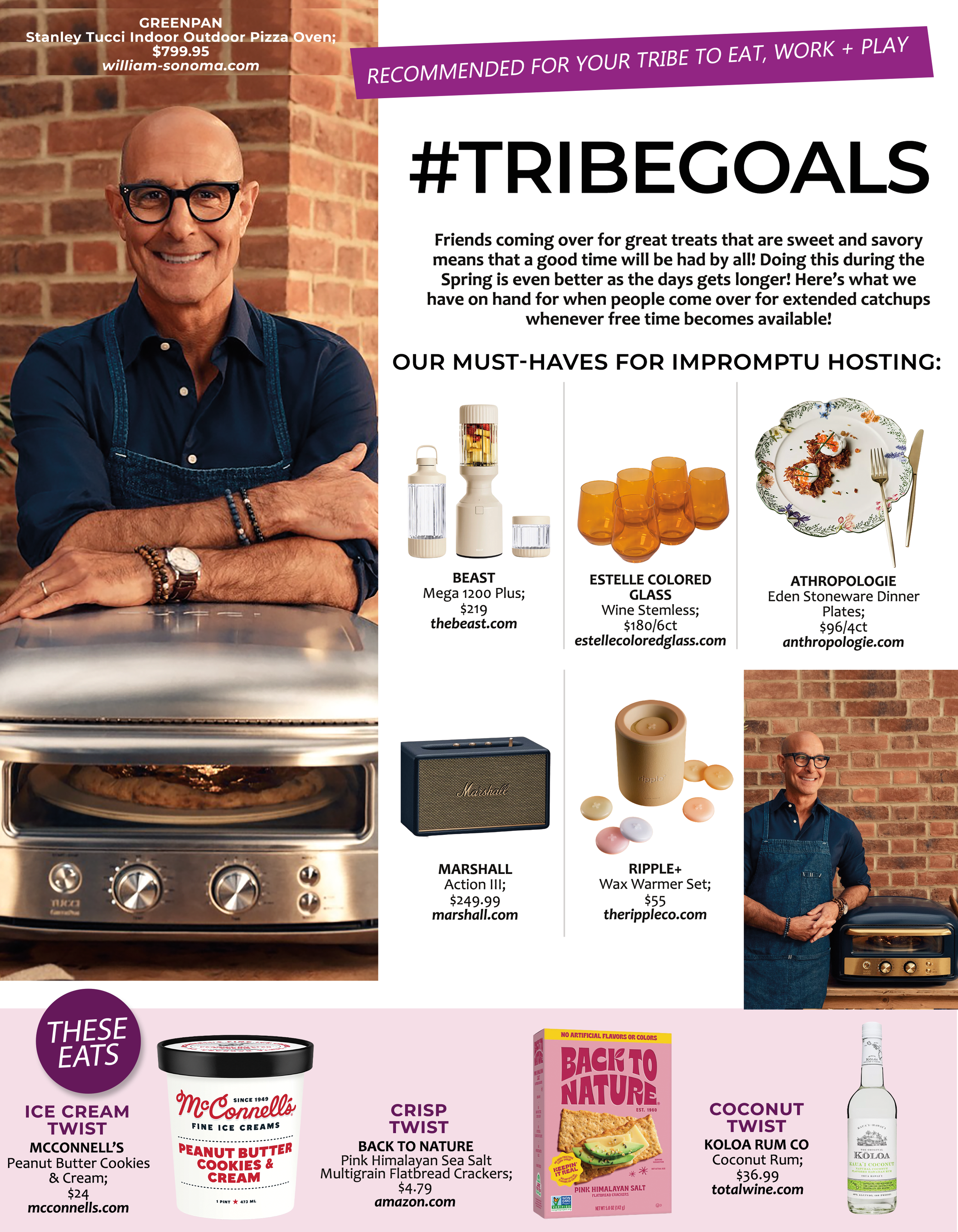
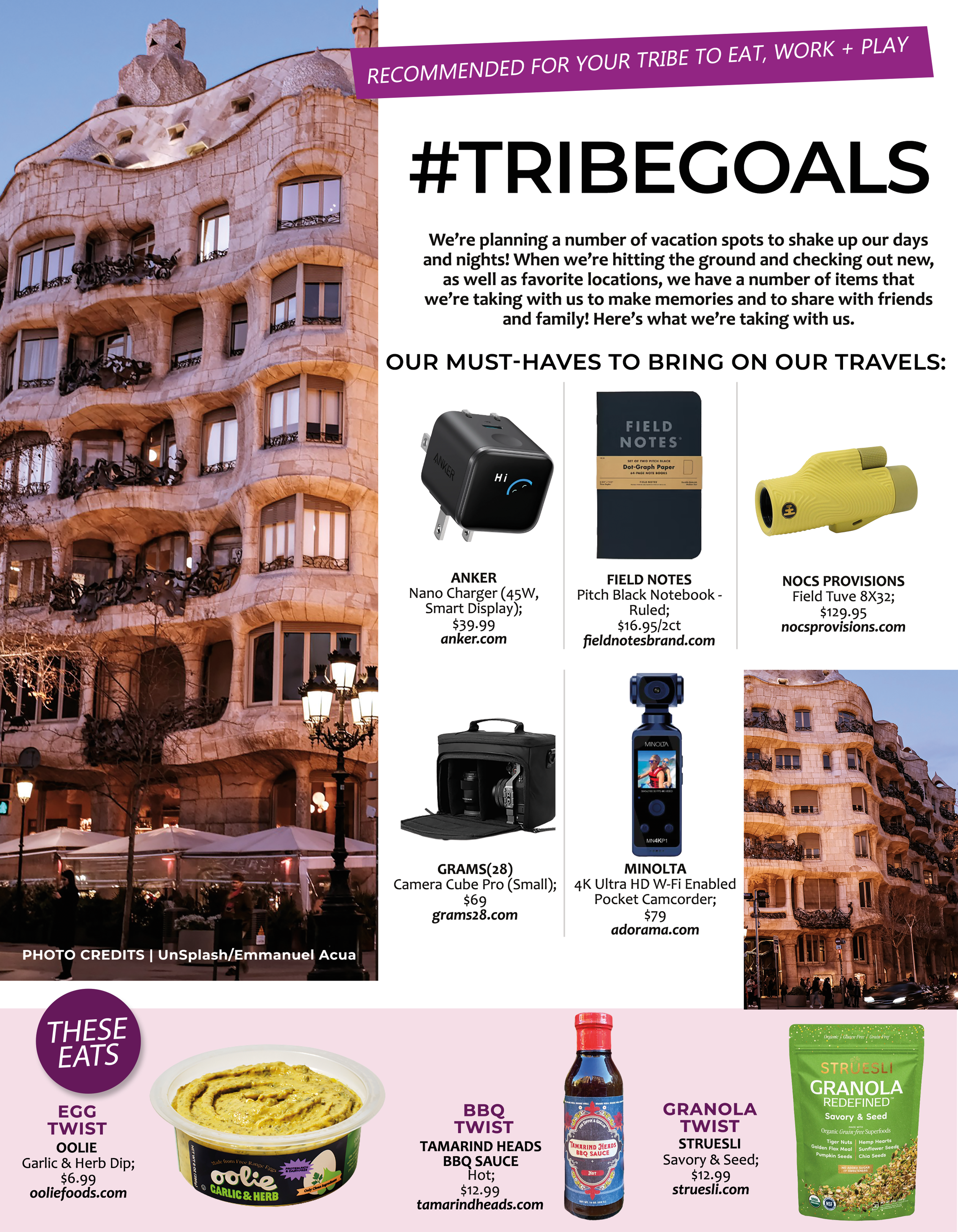
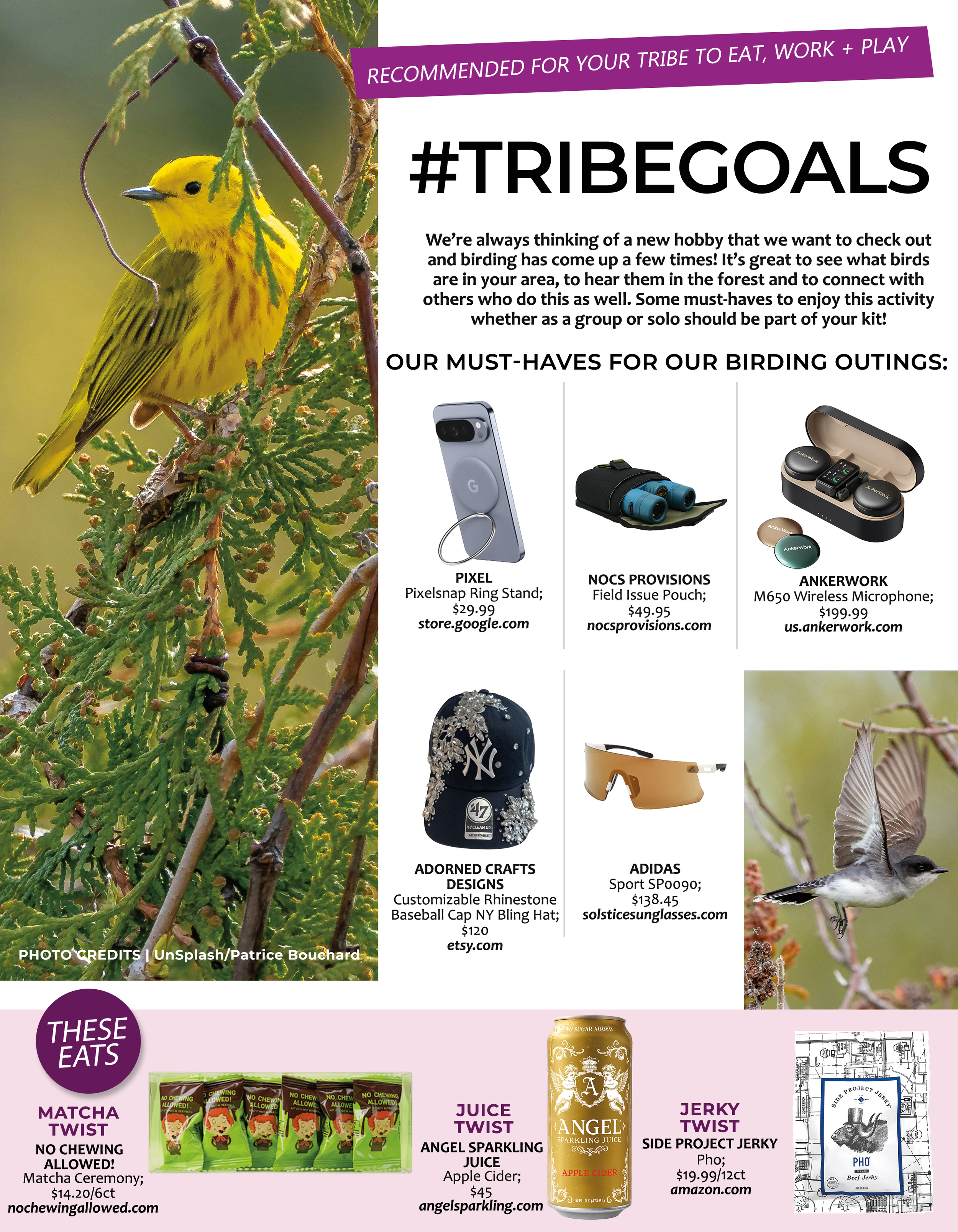
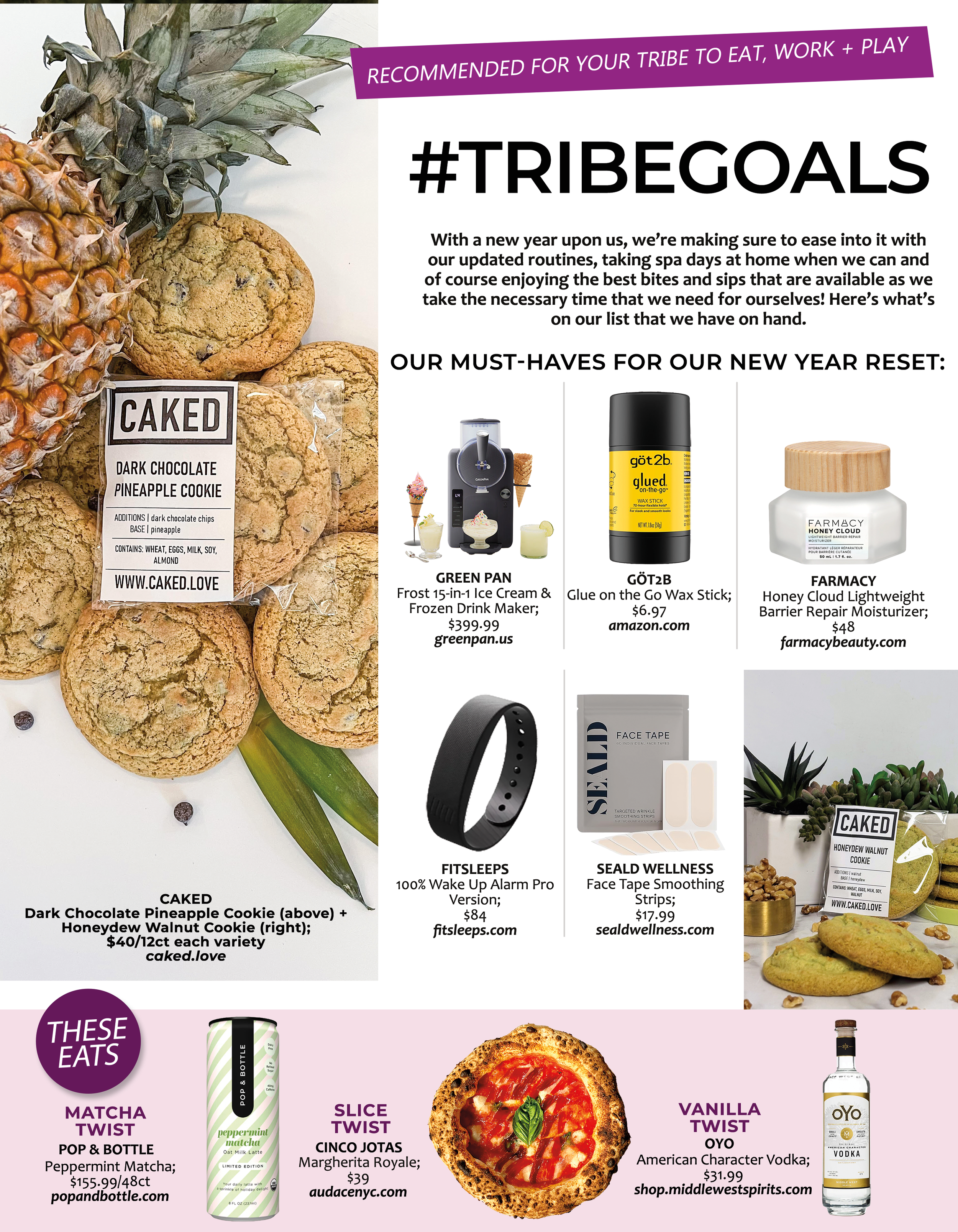
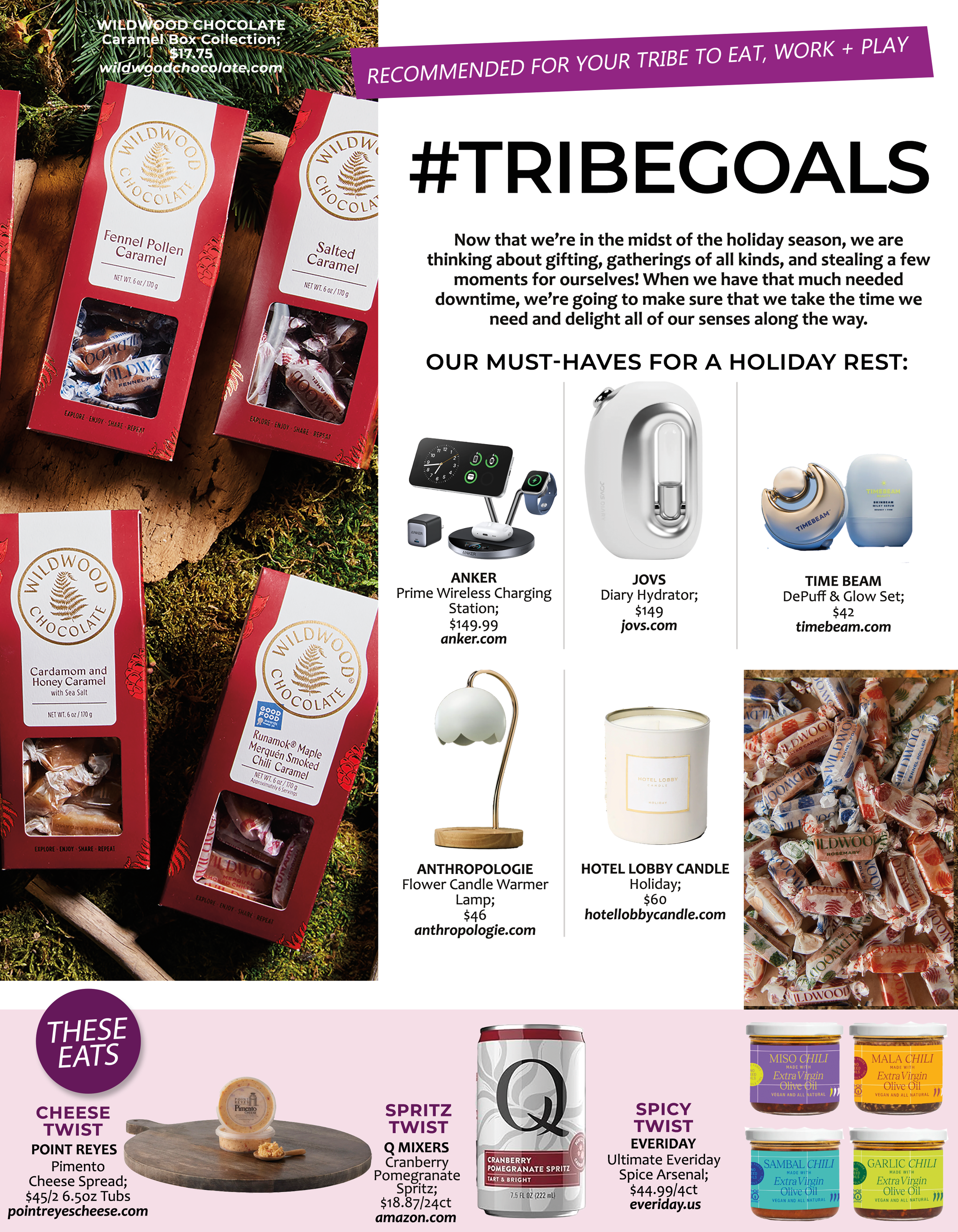
Read the Oct Issue #58 of Athleisure Mag and see #TRIBEGOALS in mag.

PHOTO CREDIT | Unsplash/freestocks
A reported 71% of consumers admit they will start their search for gifts online, and 86% plan to buy gifts from e-commerce websites and apps, according to Criteo. When it comes to giving gifts, it's not how much you give that matters. What's important is how much love you put into the present. After all, nothing can express your love and gratitude than giving perfect gifts. This is why you need to embrace the power of thoughtful gifting.
However, despite this concept, many people have difficulty in picking the right gift for their loved ones. Fortunately, there are several tricks you can implement to choose suitable gifts for everyone on your list this gifting season. Check out these simple tips that will level up your gift-giving skills.
Do Your Research
Before shopping for holiday gifts, identify what your recipients would like you to get them. Create a list of hobbies, colors, fabrics, tech gadgets, and TV shows they like. Also, review their wish lists and listen to their conversations to get an idea of things they desire. For instance, someone may say they like owning a specific tech gadget or reading a certain novel. When you have an idea of your recipients' interests, gathering gift ideas for them becomes easy.
Pick High-Quality & Useful Gifts
When choosing a gift, ensure it is of high-quality and luxurious but not too costly. In addition to quality, the gift should be useful. Gifting your loved ones meaningful gifts is an excellent way to show them you're always thinking of them. For example, if you have athlete lovers on your list, consider buying them something they can use during training. It could be training shoes, recovery sandals, or sport-related magazine subscriptions. If you're buying gifts for teen girls or boys, pick stuff they can use every day, like a laptop bag. Also, consider games or books that boost their learning and creativity skills.
Create the Ultimate Experience
There are various ways to create a memorable gift-giving experience. For instance, you can surprise your friends by introducing gag gifts or have a gift exchange game. Alternatively, make the process simpler by eliminating guesswork or buying recurring gifts like subscription box services or gift cards.
Leveling up your gift selection and giving skills shouldn't have to be difficult. Consider their age to ensure you pick something suitable and useful.

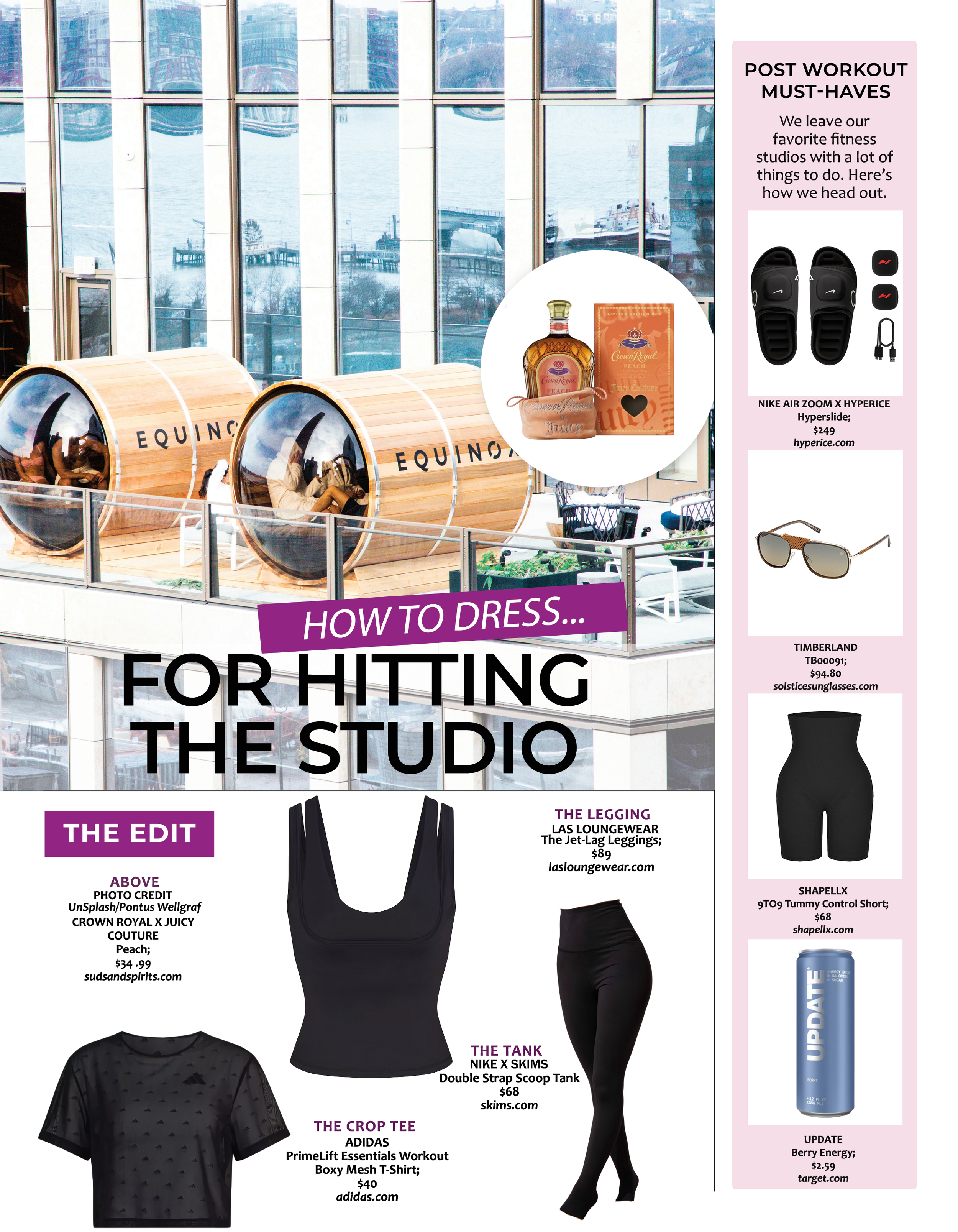
Read the Oct Issue #58 of Athleisure Mag and see How to Dress | For Being in Transition in mag.
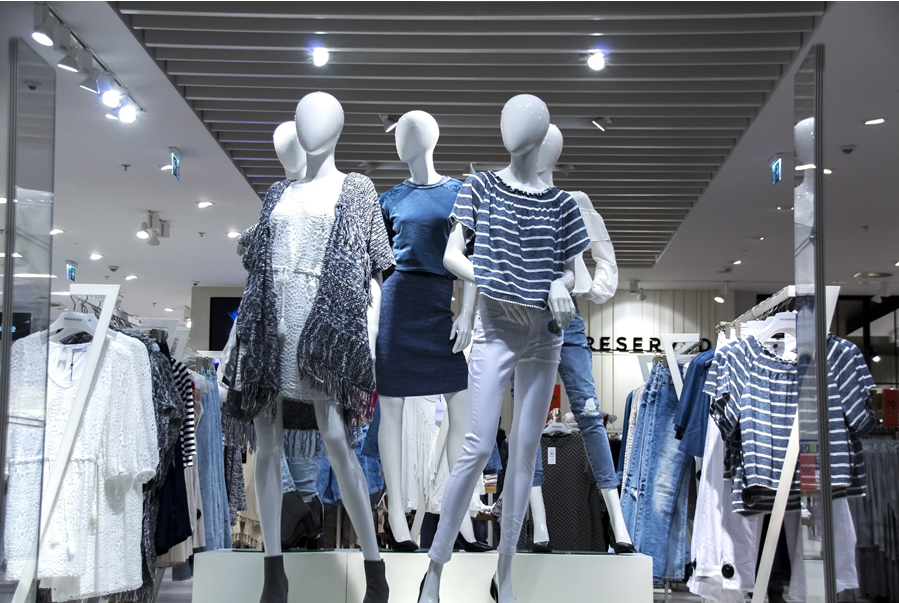
The internet has made clothes-shopping easier than ever before. Who needs to go to the mall when you can shop online and have your items delivered to your doorstep? Not us.
Those who are seasoned online-shoppers know that there are dangers associated with this shopping trip from home. How do you know that you're getting the product you asked for? How do you know that you're getting a good price?
We want to help you out. Keep reading for some of the most frequent online clothes-shopping mistakes that we see customers making.
1. Only Shopping for Prices
It's tempting to look around for the cheapest price when we're shopping for clothes. We've all been there. We want to find an outfit for an event but we know we're only going to wear it once. Why not pick a budget option?
Saving a few dollars now and again is perfectly reasonable, but be careful when you're shopping online.
There are plenty of hilarious accounts of people buying what they thought would be a high-quality product just to receive a lookalike that's held together with safety pins and hope.
These products have scratchy materials, whacky sizing, and they're overall poor quality.
The wisdom that you can take from this is "if something seems too good to be true, it probably is."
2. Not Shopping for Prices
Okay, hear us out. We know what we said before and it stands true. It doesn't hurt to do a quick price check before you click that "purchase" button.
You can do this by searching Google by image. Take the image of the item you want and put it into the Google search. Then you can search in the shopping section or the photo section to see if the item is available at other stores online.
Once you see where else it's being sold (if anywhere) check out the prices. If you have the best price, great!
As we mentioned before, you need to be cautious with this approach. Don't buy anything too cheap. It's probably fake. You want to search for reputable clothing websites.
3. Visiting One Store
When you're shopping online you have so many options. Why limit yourself to the big shops like Amazon?
There's a whole world of online stores that specialize in their products. When you have a site that doesn't specialize, it might not care as much about the product. They only care about your money.
Check through several stores to look into manufacturing details, item quality, and the overall "feel" of the shop. You may also find colors, styles, or quality options that only exist in one store.
It would be unfortunate to have a purple coat in mind but give that idea up when the only store you've looked at doesn't have one. If you checked more shops you'd probably find almost the exact product that you're looking for.
4. Not Checking Measurements
In "real life" shopping, we have the option to try our clothes on before we buy them. When we're shopping online we have to rely on measurements.
Some online stores offer free returns or exchanges, but you may still have to pay for shipping. It's a hassle that makes it take longer to get the item you want when you could have checked the sizing first.
Don't rely on "small, medium, and large" sizing options. These sizes vary by country, gender, and even by company. Even sizes that go by numbers aren't safe. Any woman who's ever bought pants knows this all too well.
Most stores have measurements that include inches or centimeters. Measure yourself and adjust accordingly. You'll save yourself an annoying exchange process and some money along the way.
5. Ignoring Care Instructions
We all know our limitations when it comes to how much care we're willing to put into our clothing.
Some of us are more inclined to choose clothes that can be machine washed and dried without any issue. Others are willing to dry-clean, steam, or hang their items if they know it will yield the best results.
Regardless of which of these people you are, check the care instructions before you make that purchase. Buying something that needs to be dry-cleaned when you don't have a reliable dry-cleaner near you will make that item far less useful to you.
6. Not Having a Purpose in Mind
When we go online shopping without a direction in mind we can end up spending money on things that we don't need.
Make a list for yourself and a budget for clothes and stick to it. If you've been learning how to layer for winter and you've made those tips into your shopping list, don't go wandering into the bathing suit section. That's not what you're here for.
While it's okay to browse around just in case there are any good deals on other necessary items, don't lose focus.
7. Not Taking Advantage of Deals
Once you find the best product in your price range you might be inclined to buy it and go. You have other options.
Some shops offer discounts to new site users or new subscribers to their email list. Others post about special coupons on their social media pages.
You can also look into if that site has any sales for the holidays.
Some apps and sites can help you track the price of an item or find you online coupons so you can save a few dollars while still supporting the website that you want to purchase from.
Are You Guilty of These Online Clothes-Shopping Mistakes?
Next time you're clothes-shopping online you'll be an expert in finding the item you want at a price you're comfortable with. Remember these online clothes-shopping mistakes so you know that you're making all of the right choices.
For more posts on the best tips for your style, fashion, and more, check out the rest of our site.

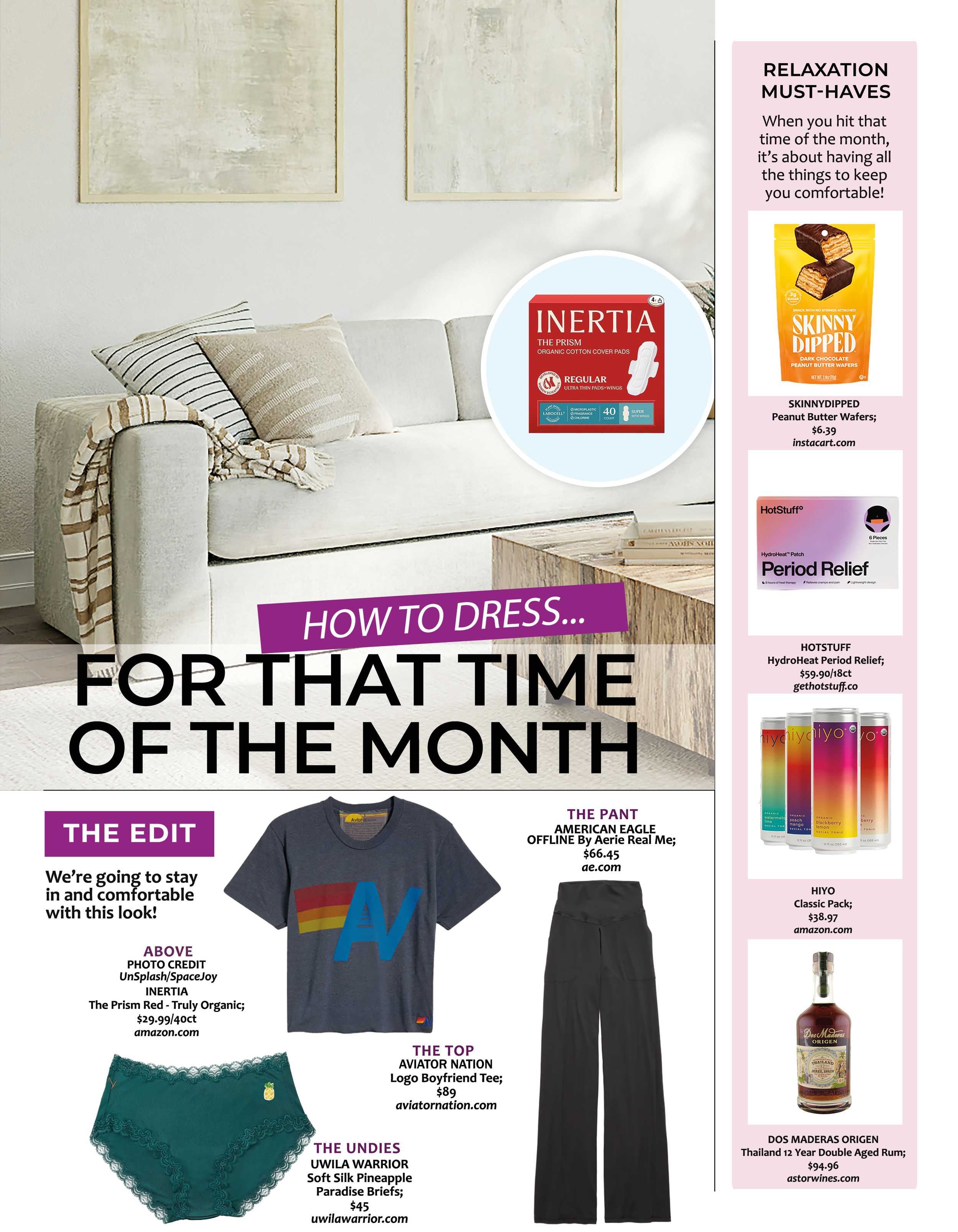
Read the Oct Issue #58 of Athleisure Mag and see In Our Bag | When We Plan Small Outings in mag.

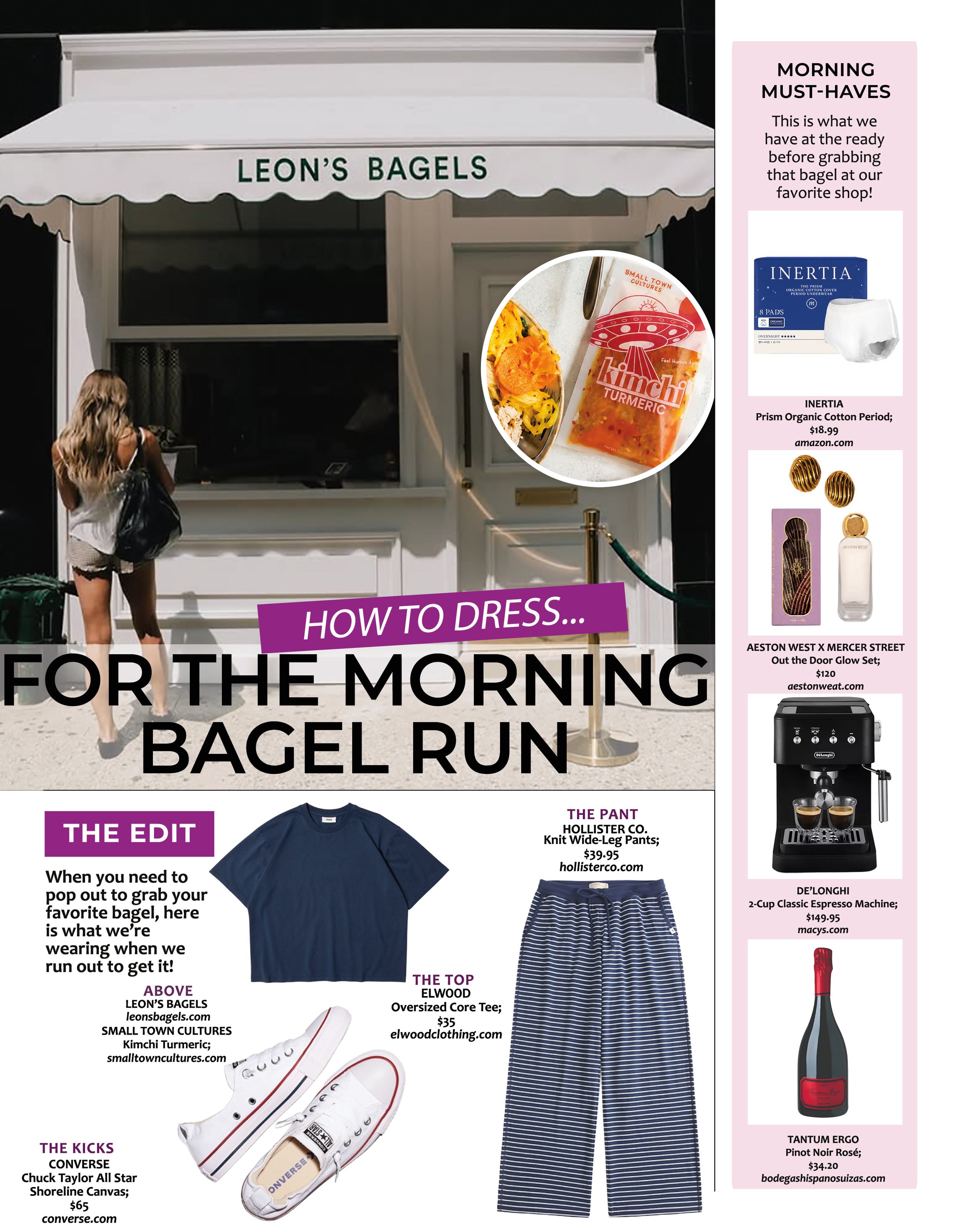
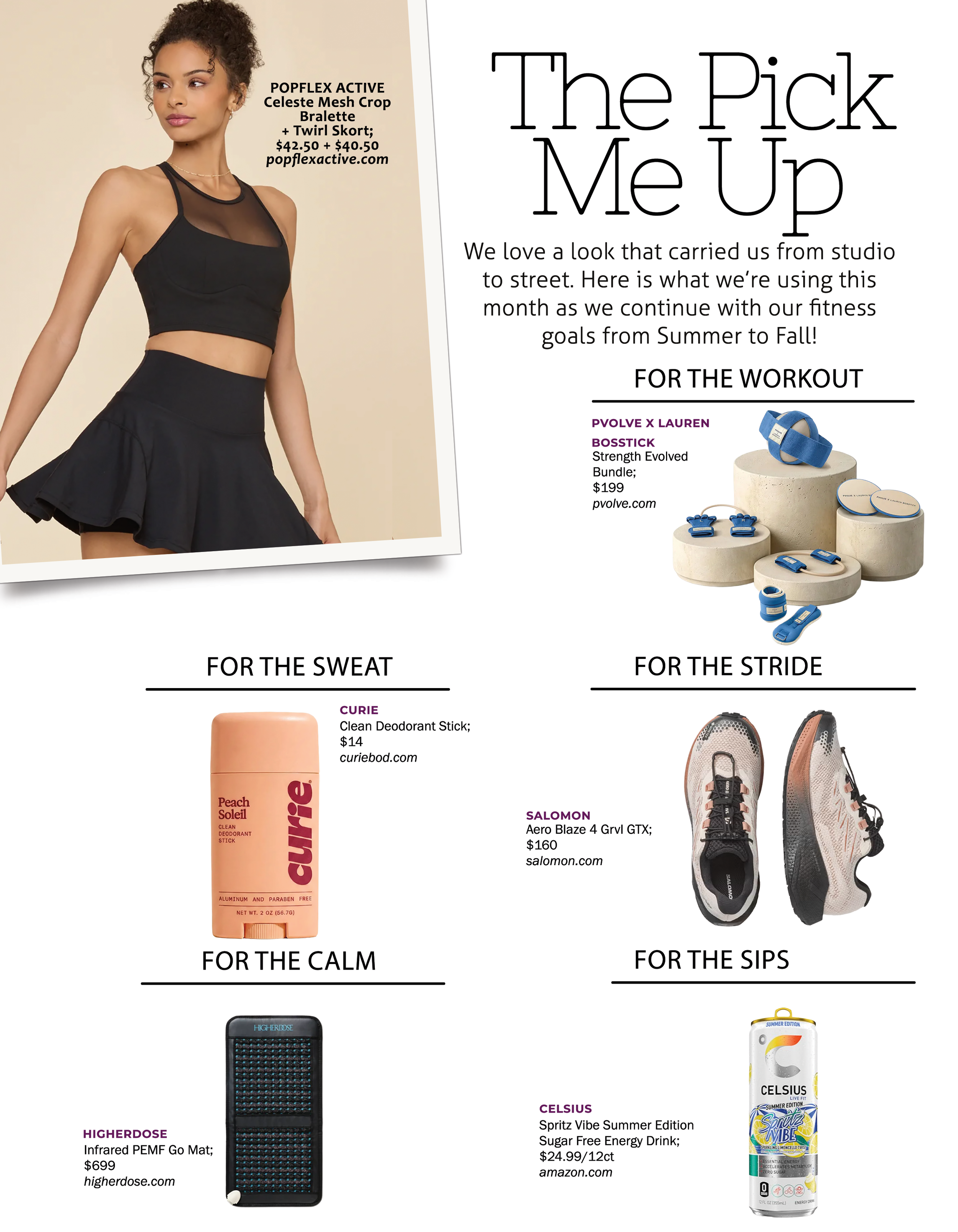
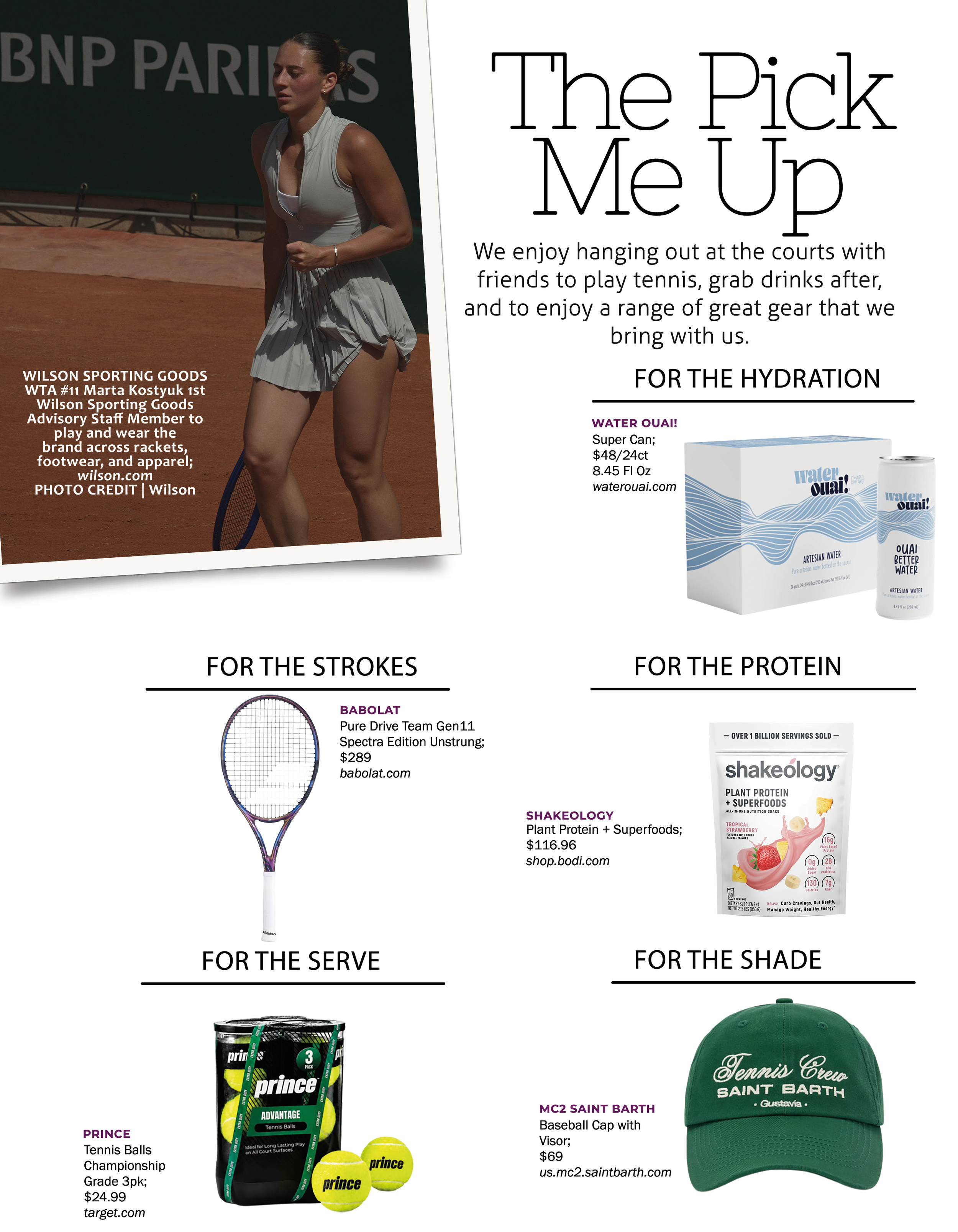
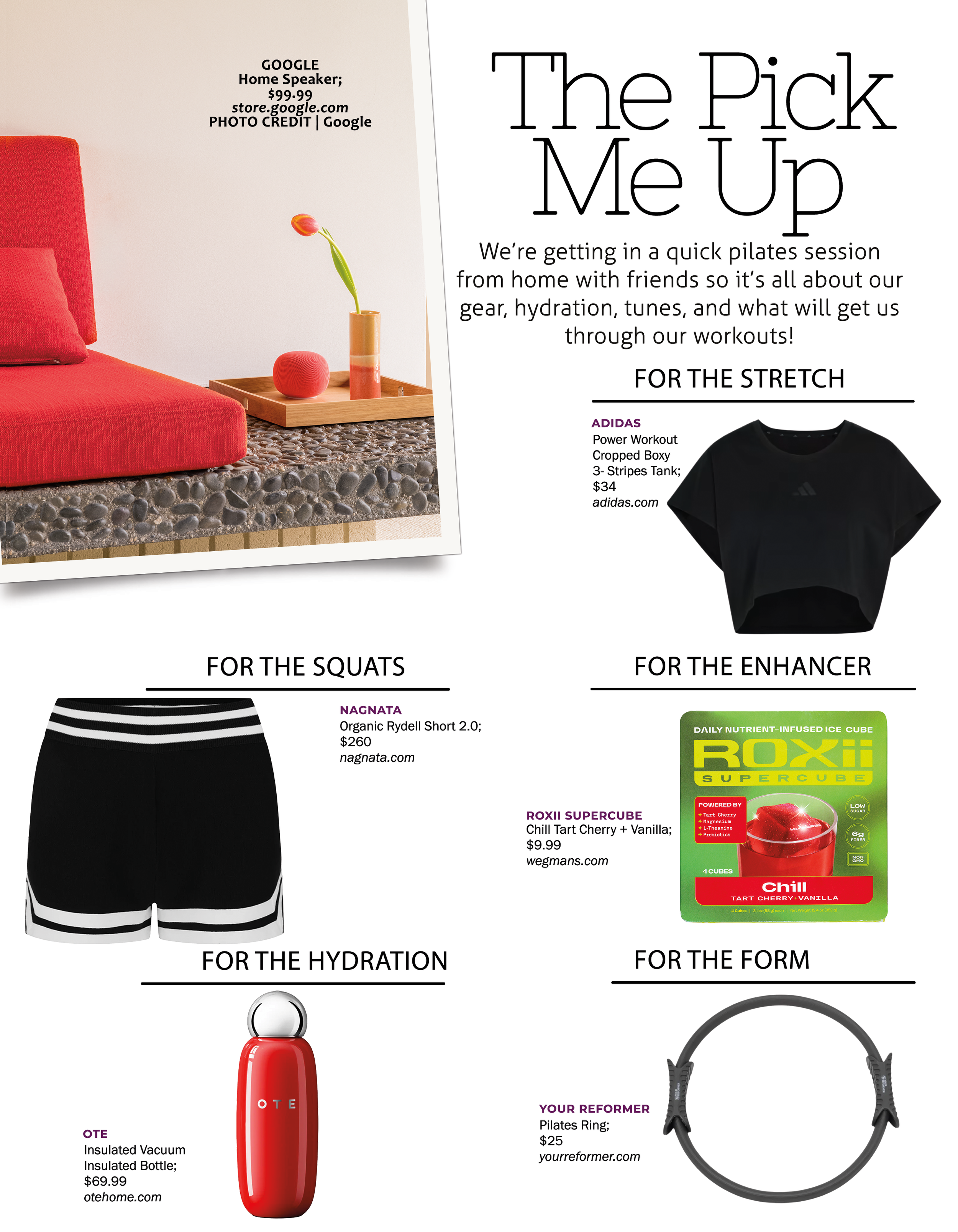
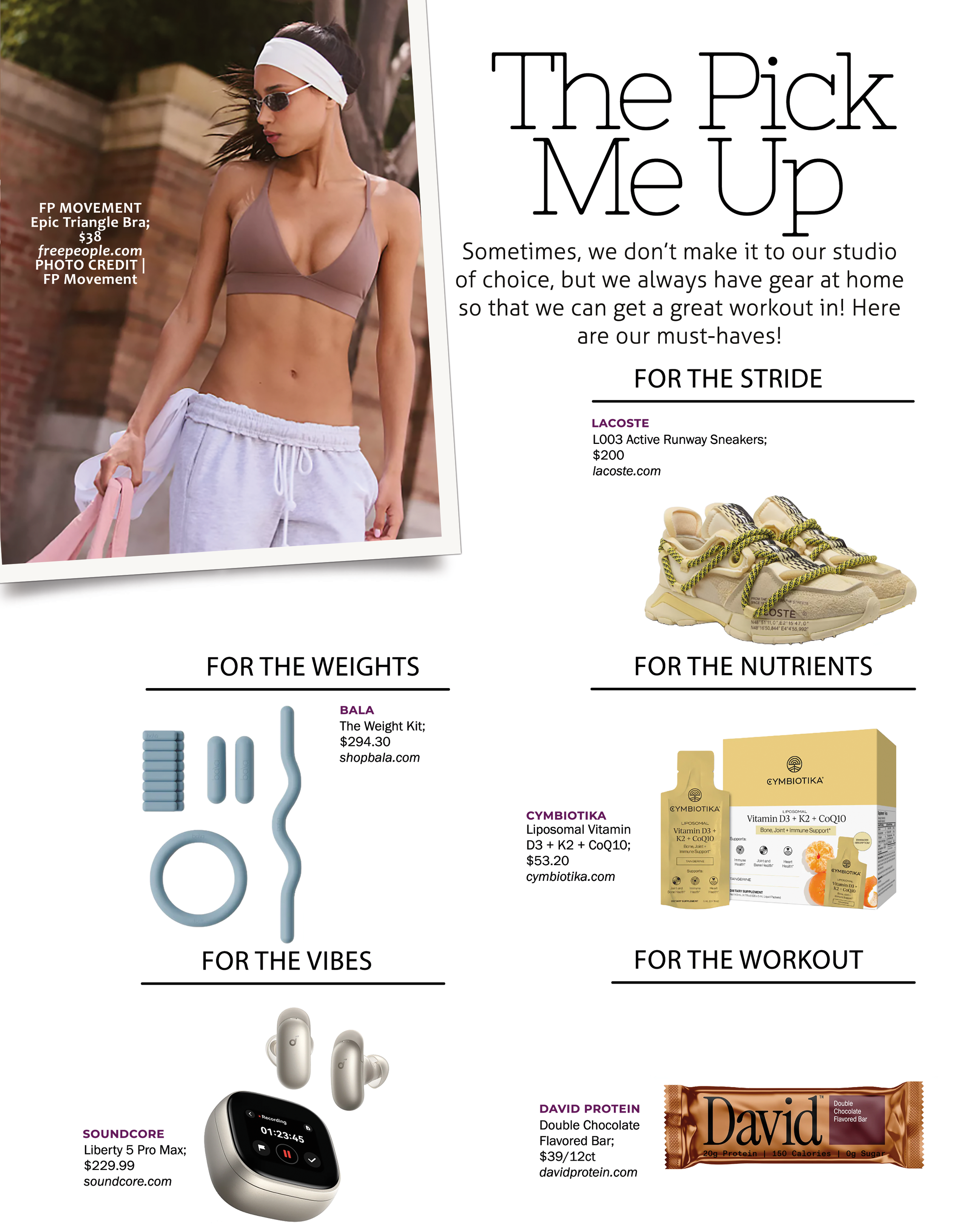
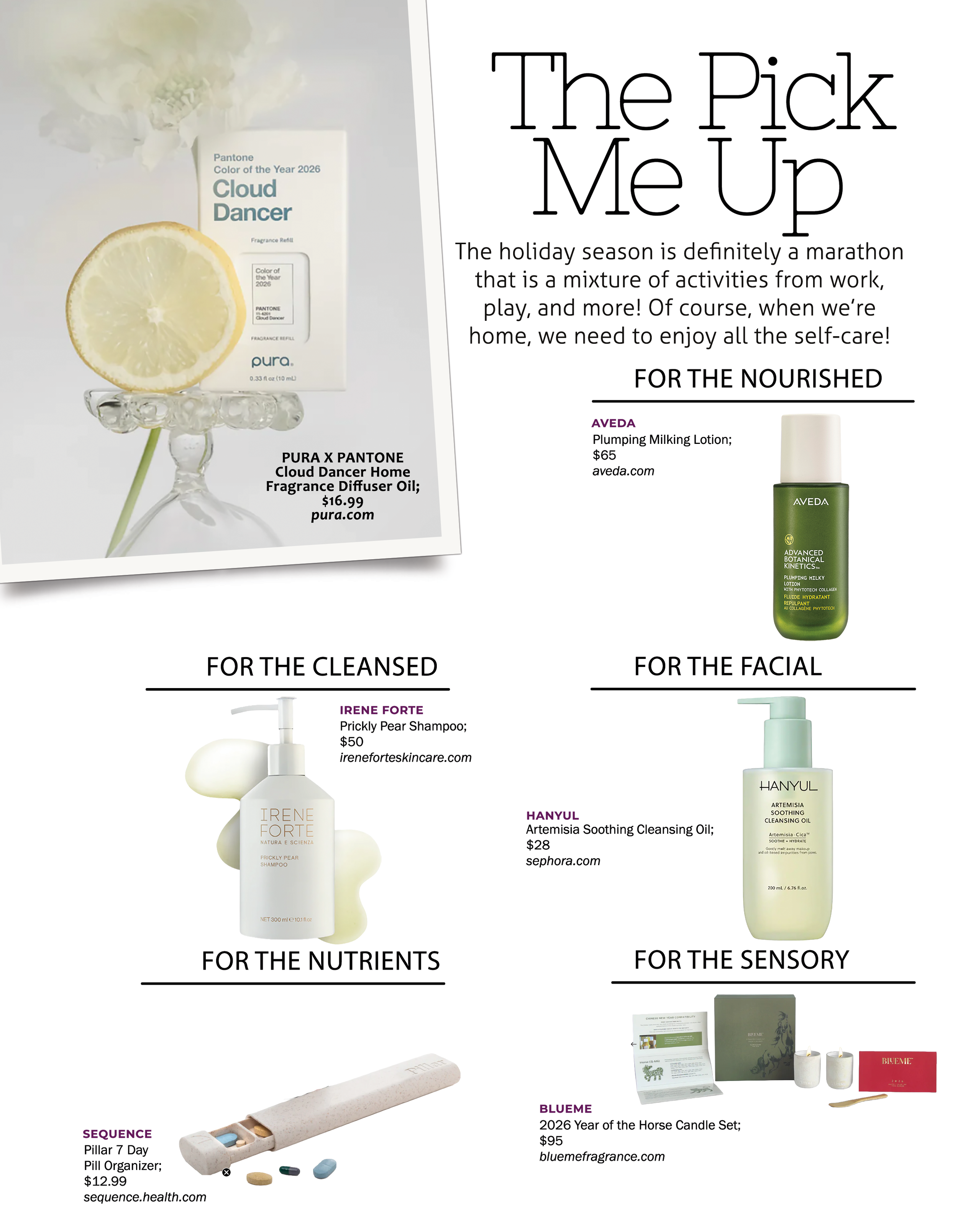
Read the Oct Issue #58 of Athleisure Mag and see The Pick Me Up in mag.

In this month’s issue as we continue into the fall, our Oct Issue #58 is covered by DJ/Producer/Music Exec and Entrepreneur, Steve Aoki. Our virtual cover shoot showcases fall style within Fitness, WFH and Out + About. We talk about Steve’s impressive career in music, building his label DIM MAK, being an entertainer, the process of creating music and collaborating, Neon Future series, being a Tech Future Optimist and more. Music has definitely gotten us through these times and we took some time to talk with Ultra Record’s Icona Pop and SOFI TUKKER to talk about their newest single Spa, how they have been spending the past few months and how they connected to create this song.
This month, 4 X NBA Champion LeBron James shares 9 songs that we should listen to in this month’s 9PLAYLIST which inspired him as he focused on #RevengeSznCompleted. 30 Olympic + World Champion Medalist Simone Biles of Team USA Gymnastics shares her favorites and why in our 9LIST STORI3S.
Read the Oct Issue #58 of Athleisure Mag here.
In a report published in the Hawaii Journal of Medicine and Public Health, people who use CBD experienced a 64 percent decrease in daily pain. CBD has become mainstream in the wellness world within a span of a few years, and it’s easy to see why. In fact, athletes have also said that CBD can make you feel relaxed, improve your mood, and alleviate stress. Considering athletes go through rigorous training, cannabidiol could be a potential therapeutic regimen for injuries, mental hindrances, and pain without experiencing the feeling of getting "high." But could CBD enhance athletic performance? Read on to find out.
Control Appetite and Weight
As an athlete, you are required to eat healthy foods and take the right supplement to boost longevity in the gym or racing track as well as enhance performance. For these reasons, it’s advisable to incorporate cannabidiol products into your diet. Unlike THC, CBD does not induce unhealthy eating, but instead, it controls your appetite. If you can’t stick to foods that promote peak performance or want to reduce weight loss, consider using CBD oil. It will make you feel satisfied after eating, so you don’t overeat, as it also improves insulin function.
Boost The Immune System
A study by NCBI shows that cannabinoids have anti-inflammatory properties, which help regulate inflammation and the production of white blood cells. So when used, CBD can boost the immune system to fight infections and keep you healthy. The antioxidants present in cannabinoids also improve your cardiovascular health to ensure you perform well during sports activities. But for you to enjoy this benefit, you need to buy high-quality cannabidiol oils. Shopping for quality CBD oil entails researching reputable brands, understanding the different formats of CBD and dosage, and how to take it.
Improve Post-workout Recovery
For athletes to achieve peak performance, they must continuously push their bodies during training. Since cannabidiol contains anti-inflammatory properties, it can help relieve pain during and after training. Whether you’re a weekend warrior, go to the gym regularly or a professional athlete, recovery is crucial to prevent delayed muscle soreness, injuries, and ensure you perform at your best.
CBD is gaining popularity in the wellness and sports industry for various reasons. It offers athletes a new and effective way to enhance performance. After all, cannabidiol oil could mark a turning point on how athletes recover after training to ensure they perform at their best in the gym and during competitions.
When giving a gift, the phrase ‘it’s the thought that counts’ is often bandied about. While it is meant to reassure the giver that their choice of gift is less important than the act of giving itself, in reality it provides an excuse for people to actually think less about what they choose.
Here is a look at how truly thoughtful giving has real power and significance, and how personalized jewelry applies in this context.
When it comes to thoughtful gifting, it is very much a case of opting for quality over quantity. You can shower a partner, friend or family member with as many hastily-ordered items as you wish, but unless you have put real thought into picking what you give, these tokens will be quickly forgotten.
Conversely, if you order personalized jewelry from a site like Diamondere.com, you will be putting your own stamp on the gift and ensuring that it is as memorable and meaningful as possible.
There is a reason that jewelry is such a popular product for gifting purposes, and it is that combination of price and personalization that gives it the edge over the alternatives. It also means that the recipient has something that they can wear every day and treasure for years to come, perhaps even passing it down to their offspring to extend the significance long into the future.
Buying custom jewelry as a gift is not just about evoking meaning and showing that you care; it is also a way of overcoming the limitations of off-the-peg products that may not suit the tastes and stylistic preferences of the recipient.
Whether you buy a personalized ring, a bespoke pendant or another piece that is entirely unique, you will have the opportunity to pick an item that is attuned to whatever quirks or individual twists will best match the person who will be wearing it.
From the type of materials used to the ways they are shaped and combined, jewelry offers a surprising degree of customization. This will also ensure that it will be worn with pride, rather than gratefully received but ultimately left in a jewelry box, out of sight.
While it is perfectly possible to choose personalized jewelry that is subtle and suited to a more reserved personality, you can also go in the other direction and pick a piece that begs to be noticed and also reflects someone with an outgoing personality.
Whether the jewelry spells out their name, is engraved with a significant date, features a special message that is etched into the surface or has some other aspect that sets it out from the crowd, you will have a huge range of options for making a statement with this purchase.
Always remember to embrace the ethos of thoughtful giving and take real care to make sure the jewelry you order is suitable. If in doubt, try and find out what kind of pieces a person likes either by asking them directly or chatting to friends and family to avoid disappointment.

As we shed the long, slow days of summer, many households switch gears to the grind of a new school year—adjusting to new schedules, enforcing earlier bedtimes, and preparing our children for a challenging academic year.
And for the young athlete, gearing up for fall sports.
Field hockey, football, soccer, volleyball, each can create some of the most memorable experiences in your teen’s life. Embracing your child’s unique interests—helping to grow their athletic ability and confidence—supports a lifestyle of fitness, mental toughness, and competitive play to help them become a balanced, thriving adult.
As your child gets into the game this season, give them what they need to succeed, both on and off the field.
Power Their Practice
Most parents know the struggle for kids to buy into healthy eating habits. The right nutrition1 for young athletes takes knowing the fuel their body needs pre-, mid-, and post-workout. Adolescents are rapidly growing and developing, and the proper macronutrients, micronutrients, and hydration can optimize their performance. *
Every kid needs healthy nutrition and proper hydration to have energy for schoolwork. But sports require even more fuel in the tank—kids and teens who participate in all-day competitions or strenuous endurance sports may need to consume more calories during the season.
Replace processed drinks and snacks with whole foods that offer plenty of protein, carbohydrates, vitamins, and minerals to build healthy bodies. Add a daily teen multivitamin to help support their nutritional needs.*
Healthy Body, Healthy Brain
Foundational teenage years are the perfect time to teach your kids to enjoy regular exercise. Their developing brain is especially malleable to lifestyle factors, like aerobic exercise. Inspiring your child to embrace healthy activities today can boost future neural and cognition pathways.
Studies2 have found that regular, structured physical exercise enhances brain function. And while encouraging your adolescent’s interest in sports and physical fitness may add some stress to the family carpool schedule, it could pay off with a healthy boost to their GPA.
Support Lifelong Success
Physical activity and psychological well-being are essential to healthy development and quality of life in adolescence. Engaging in childhood sports is tied to lifelong movement, a more positive well-being, reduced stress, and less depression.
Here are a few ways to support your young athlete:
· Be an active participant. Being supportive doesn't mean attending every practice, game, or meet. Your child will know if you are making a meaningful effort to watch them compete. Be present in their wins, support them through the heartbreaking losses, and everything in between. Your positive, encouraging feedback is vital to help keep them on track.
· Maintain perspective. Be realistic about what your child can accomplish. Not every adolescent athlete will go pro, win a college scholarship, or become the captain of the team. Your role is to help your child deal with disappointments and celebrate wins. Remain positive, but pragmatic. Too many expectations can put undue pressure on your child. Simply participating in sports instills healthy and lasting life lessons.
· Be a role model. Staying fit can be a lifelong struggle. Your young athlete needs to know that keeping their body in good shape will help them compete and reduce the risk of injury. And while practicing their sport with their coach and teammates is influential, healthy habits start at home. Eat nutritious meals as a family and exercise regularly. Plan workouts together—run team drills or let them teach you something they learned in practice.
Practicing a Balanced Life
Sports can have countless benefits for your children off the field, too. Establishing healthy habits early in life strongly correlates to future health and success. As you gear up for another action-packed sports season, focus on all the fun and memories you’ll make this fall.
You’re not only creating a balanced, healthy lifestyle for your kids, they’re also developing social skills, teamwork, drive, determination, leadership experience, and learning skills to organize and balance their time to help them succeed as adults.
Being a supportive parent may be a bit tricky a times, but the benefits3 of youth sports can give your kids an edge, both today and for their future. Now, get out there and cheer them on!
*These statements have not been evaluated by the Food and Drug Administration. These products are not intended to diagnose, treat, cure, or prevent any disease.
References:
1. https://www.ncbi.nlm.nih.gov/pmc/articles/PMC3805623/
2. https://www.ncbi.nlm.nih.gov/pmc/articles/PMC5973814/
3. https://www.athleticscholarships.net/benefits-risks-youth-sport.htm
Read the latest issue of Athleisure Mag.

PHOTO COURTESY | ACLU
Although a number of people have voted by mail or dropped off their ballots at designated areas, there are a number of people who are standing in long lines to make sure that their vote counts at polling stations. The CDC has been our go to place when it comes to how we can go about a number of our activities that are recommended to be the safest way to do them. Here is what you need to know
The more prepared you are, the more you reduce your risk of getting and spreading COVID-19.
1. People who are sick can follow CDC advice for when to be around others.
2. Bring your own supplies
Use this checklist to remember things to bring with you when you go to vote:
Necessary documentation such as your identification (check with your voting site)
A mask
An extra mask
Tissues
Hand sanitizer with at least 60% alcohol
Water
Black ink pen
Bring prepared items with you (e.g., registration forms, sample ballots)
3. Wear a mask
You should wear a mask consistently and correctly in public and around people who don’t live with you.
If you must take your mask off, use hand sanitizer before and after
Have an extra mask in case yours gets wet or dirty
A few people might not be able to wear a mask because of a disability or condition.
4. Protect yourself when using transport
Open windows if you can
Wear a mask
Avoid touching things if you can and use hand sanitizer if you do
Stay 6 feet (about two arm lengths) apart from others if you can
5. Clean your hands often
Wash your hands or use a hand sanitizer with at least 60% alcohol before entering and after leaving your place of voting
Use a hand sanitizer with at least 60% alcohol before and after touching items that many others may have touched, such as door handles
Do not wipe down voting equipment unless you are told to do so
6. Keep your distance from others
Stay at least 6 feet (about 2 arms’ lengths) from other people as much as you can
Stay apart even if you are wearing masks
Read the latest issue of Athleisure Mag.

PHOTO CREDIT | Unsplash/Alexander Schimmeck
With daylight savings time ending Nov. 1 and sunlit hours growing shorter, many people will be struggling with symptoms of Seasonal Affective Disorder. Veteran holistic physician and best-selling author Dr. Bradley Nelson shares how to beat the winter blues.
An estimated 10 million Americans struggle with Seasonal Affective Disorder (SAD), and women are more than four times as likely as men to have it.
“As a mental health issue, SAD is more than just being down about the cold and gloom of the winter months — it actually tends to keep you down and affects you day after day,” Dr. Brad says. “If you suspect you might have this disorder, you should talk to your doctor about it.”
If you’re wondering how to beat those common winter blues, or looking for a way to improve your outlook (whether you have SAD or not), here are some things you can try:
1. Stay Busy — While it may seem easier to hunker down in your cozy home, try to get out and get some exercise, run errands, and do something fun. You can also boost your spirits by helping others.
2. Stay Healthy — The average weight gain during the winter months is 5-7 pounds. Stock your home with healthy food choices, and try to keep the processed foods to a minimum. While a little bit of comfort food now and then might serve a purpose, eating too much of it may only make you feel worse. Eating healthy food has a way of making you feel lighter, which may support a more positive outlook. Added tips: Stay hydrated and get plenty of vitamin C.
3. Mind Your Emotions — Starting the day with a positive affirmation can really help you keep your mind in a happy place for the rest of the day. Your morning routine could set you off on a positive or negative foot for the next 16 hours, so be mindful of how you begin the day. If negative emotional energy is hiding out in your body, you may be more likely to feel those emotions all the time. Energy healing with The Emotion Code® can help you let go of them.
4. Stay Connected — Organize a “winter blues” group. Rotate locations and plan fun, uplifting events and activities. You could all learn to cook something new, invite new friends to an activity to get to know new people, or play games and have appetizers.
5. Celebrate the Season — The colder season is chock-full of holidays that can bring you cheer. Use them as a time to have fun and celebrate life.
“It doesn’t take much to power yourself through the cold season,” Dr. Brad says. “Through a little mindfulness, gratitude, imagination, creativity, and courage, you can turn the winter blues into beautiful memories.”

PHOTO CREDIT | Unsplash/Alexandru Acea
There are a number of questions that people have when it comes to taking care of their bras and the fit that is best for them. The bra specialists at French lingerie company, Empreinte shares some tips and tricks you need to know when it comes to the life of your bra.
ATHLEISURE MAG: What is the best way to measure one’s size for a bra?
EMPREINTE: We strongly recommend getting fitted by a professional fitter in a store. However, there is a way to get an idea of your actual size in the comfort of your home. First, measure your rib cage under the breast keeping the measuring tape parallel to the floor, then round up to the next even number (ex.: 31 rounded up to 32). This gives you your band size (ex.: 32). Then measure your breast where it is the fullest while wearing a non-padded bra, again keep the measuring tape parallel to the floor. Round it off to the closest round number (example: 36 ½ rounded to 36). When you subtract the band size from the breast size, the number will give you your cup size: 1-inch difference = A cup, 2 inches difference = B cup, etc. (ex: 36-32 = 4; size is 32D).
AM: How do you know that a bra is not fitting properly?
E: Main signs that a bra is not fitting properly are: back is riding up, breast is spilling out of the cups, there is a gap between the breast and the cup, breast is slipping under the wires.
AM: How should the straps be adjusted?
E: Straps should be adjusted regularly so they feel snug on the body but not too tight. You should be able to put a finger between your shoulder and the straps.
AM: How long should one keep a bra?
E: This depends on the frequency the bra is worn. A bra that is worn every day should be replaced after about 4-6 months. We recommend having a few bras on rotation to make them last longer and give them some rest between each wear.
AM: What is the best care for your bra to keep its shape?
E: Best care for your bra is hand wash with mild soap and hang it to dry. Padded bras should be stored flat on top of each other.

PHOTO CREDIT | Unsplash/Mariano Diaz
We’ve all had our day to day lives and extended plans dramatically changed as we have hunkered down on various levels during this pandemic. As we adopt new routines and hopes to getting closer to the new normal, we have to remember the importance of mental health. We talk with psychotherapist and author Dr. Mike Dow to talk about the importance of travel for mental health.
ATHLEISURE MAG: For a moment, imagine that we have not been living the past few months in our bubbles, social distancing etc. How important is a routine and how does it impact mental health to have this?
DR. MIKE DOW: Routines are vital. So many of the processes affect brain health and physical health like our Circadian rhythms are really associated with our moods as well. Isn’t it so interesting that our brain, our sleep/wake cycle, our melatonin rising at night and something called a Cortisol awakening response in the morning where those two hormones take place - everything is about routine. Getting up at the same time - we know that people who have healthy sleep cycles are less likely to overeat, less likely to be depressed, be anxious and it‘s having a place to go, getting out the door at the same time - it gives us that energy. If you don’t have those routines, my advice for so many people is to create them. If you wake up, take a shower, put on your clothes and walk around your house and then say, “now I’m at work,” even if you’re right back in your house. It really primes the brain for creativity or productivity. It’s just a really vital process for all of our brains and bodies.
AM: You’re a bestselling author of Brain Fog Fix, Healing the Broken Brain and Diet Rehab and are known for your focus on brain health and nutrition. How important is it to think about these two areas as we have all navigated the past few months of quarantine?
DR. MD: It’s absolutely vital because what we’re seeing is that people are eating a lot more frozen foods, takeout, Postmates and what we know is that frozen and processed foods create a lot of inflammation for the brain and sugar shrinks the brain. Looking at just those two things - inflammation and shrinking the brain isn’t it so interesting that soybean oil which is in all processed foods is very high in Omega 6’s which creates inflammation in the brain versus Omega 3’s that decreases inflammation in the brain. Sugar and flour not only spike your blood sugar but can also lead to diabetes, obesity and heart disease - but they also can accelerate the hippocampus in the brain - that’s also what we see in dementia, depression and other mental illnesses. So it’s more vital than ever due to the stressors that have taken place because of the pandemic to eat more healthy than ever. But a lot of people are caught between a rock and a hard place because the pandemic makes going to a healthier place or going to farmer markets a little more challenging right now. But we know, that in the past few years research has come out that depression can be treated by a Mediterranean diet. So it’s not just a preventative strategy, but for some people, it’s even a treatment. It’s extremely potent and there’s no one decision that every person makes every day than what is at the end of your fork for breakfast, lunch and dinner and it’s an incredible tool for brain health.
AM: How is staying at home during this pandemic wearing on our mental health?
DR. DM: We look at rumination. In cognitive-behavioral therapy, we know that people who ruminate - it’s like a thought pattern that gets stuck like a broken record right? When you’re in a mundane setting and you’re not changing your surroundings - there’s no novel environment, it’s sort of like those experiments when you have a rat in the cage and you don’t have a wheel and you’re not able to move out and nest to do different things. When you give that rat or mouse a novel environment, their brains get better and there’s more stimulation. Looking at ruminations, it’s good to change your thought patterns and your feelings. If you’re stuck in that ruminative thought or feeling, just change where you are automatically shifting your brain out of that and sort of moves the needle from that broken record. So it’s a really potent antidote and a behavioral piece in that behavioral cognitive therapy.
When you’re feeling depressed or anxious in your thoughts - it’s taking an action, for example a quickie getaway to a local drivable destination. I personally book Hotwire Hot Rates. I’ve saved $1,800 on my 2 quickie getaways. Having that change of scenery for me in Palm Springs and Santa Barbara, I live in LA - it really allowed me to boost my creativity, get out of my little bubble and really have a breath of fresh air.
AM: 62% of Americans haven’t had a vacation day since the start of COVID-19. Is this a concerning statistic and why?
DR. MD: It is concerning because we know that Americans in general, we are notorious in our country in terms of not taking the vacation days. When you look at Europe and other countries where they have higher happiness levels, they really make vacation a priority. I think in the beginning of the pandemic, people were really scared and now we know that there are a number of ways that we can travel safely and we can balance the physical health with the mental health. For me, it was looking at Hotwite and seeing the cleanliness badges that certain hotels had. It’s taking your masks to the hotels and there are so many ways you can do that. It is concerning because if you’re in your home all day and it’s your kids classroom, the office, it’s that grind and the brain was meant to take a break. Even sleep, that nightly break, it’s designed to really allow the brain to sculpt itself and to not use the facilities and neurons that it doesn’t need. It prunes and it can also grow right? On a larger scale, that’s what vacations can do. It can create more neurogenesis the birth of new brain cells as we’re making new mental maps. We certainly don’t want people to be stuck and not to challenge themselves and to be stuck in these little rooms - these little apartments because it’s not great for long term brain health.
AM: How important is it to change your physical environment?
DR. MD: We know that sitting is the new smoking. If you’re sitting on the couch all day with your laptop and then it’s 6pm and you switch over to Netflix and begin to binge watch things for hours, we know that that greatly increases the risk of all sorts of diseases for the long term. It’s important for 30 year olds and 60 year olds and 85 year olds. When you change your environment and take a quickie getaway and you walk around the mountain or the beach that that hotel is on, it’s really helping you combat the new smoking which is sitting all day. It’s been associated with all sorts of physical health as well as brain health.
AM: How can people stay safe while traveling?
DR. MD: I think at the beginning of the pandemic, there was a lot of shaming, but it is possible to both take care of your mental health by taking a vacation while also being able to stay physically safe at the same time. Again for me, it was having hand sanitizer, a mask and when you look at Hotwire.com, the cleanliness badge is telling you is there a plexiglass installed at check-in? That was the case at both of my Hot Rate hotels in Santa Barbara and Palm Springs. There are also other things that you can do. In my research on Hotwire, we found that driving destinations were another way to stay safer because you’re in your own car and you’re not exposed to other people such as in an airport gateway boarding area. So I think that if the pandemic was only 30-60-90 days people would have waited, but now that people are realizing that things may not be getting back to normal for a very long time - we’re going to be dealing with this throughout 2021 and maybe through 2022 - at this point, it’s not about not being responsible when it comes to COVID-19. But it is about, doing everything from going to the grocery store to your quickie getaway that’s safe so you can mind your mental health at the same time.
AM: For those that are engaging in outdoor dining, what are tips that people need to know for these situations?
DR. MD: In outdoor dining, just be really cognizant when you take off your mask and you get really comfy, I think our guard goes down. I was on a quickie getaway with my parents and I just saw them last week for the first time and we were at an outdoor restaurant in Palm Springs and we had some guacamole. The first inclination was, “oh my mask is off so I’m going to go back to all my old practices.” You just have to be cognizant and stay safe. Be prepared, but not scared. So we asked for a clean spoon and some serving plates and we took the guacamole and had our little piles on our own plates. It’s about distancing and doing everything that we know works. If you have your mask off, you know your server needs to have his/hers on and just don’t forget that this is still a concern?
AM: What are the positive effects from a mental standpoint when we shake up our routines during these times?
DR. MD: So many benefits. In research, we know that changing your surroundings can lead to boosting creativity, energy and a boost in attention span. Just being out in nature if you’re looking at more of a secluded hotel which is what we’re finding for a lot of Americans as they’re taking a quickie getaway - it can have a lot of benefits from fighting depression, anxiety, just allowing you to have that resilience that we all need now more than ever. So many research benefits and if you’re on the fence, I’d say to go to Hotwire or the app and just see what local quickie getaways are available for you to boost your brain health.

PHOTO CREDIT | Unsplash/Dan Meyers
Self-care has become a term that we use a lot to talk about what we do to maintain a positive balance within our mental health. Although this is an essential process, now more than ever we find ourselves at the confluence of a number of traumas, stressors and anxieties. This has resulted in people feeling like they are struggling, isolated, hopeless and more. Licensed Clinical Psychotherapist Erin Wiley, MA, LPC, LPCC believes that there is a necessary synergy between for our mental and physical health during the pandemic. She believes that, “Self-care can help us remain emotionally stable and healthy during stressful times.”
She shares 5 Self-Care Tips To Begin Practicing Now for Increased Well-Being:
1. Work to better understand and manage our emotions.
2. Take care of our physical health (sleep, exercise, nutrition).
3. Maintain and nurture relationships.
4. Find ways to calm down that are enjoyable and healthy.
5. Work on developing healthy daily habits that will keep us on track with regular self-care.
Learning to develop encouraging self-talk as opposed to shaming self-talk can make a big difference in creating and maintaining new healthy habits, Erin adds.
“Now more than ever we should be adopting and practicing sound mental health habits,” Erin recommends. “Being able to manage emotions at times of high stress is a great predictor of resiliency. In times of stress people tend to go into survival mode, and they struggle to maintain healthy habits.” She fundamentally believes that we need to develop encouraging self-talk as opposed to shaming self-talk can make a big difference in creating and maintaining new healthy habits.

If you have been an athlete for most of your life, if your balance is amazing and your core is strong, and if you don’t have any problems spending your time upside down, then I have a question for you. What on Earth are you doing here? It seems to me that you already know how to do a handstand and I’m pretty sure that you don’t need my tips. Well, alright, I get it, you might want to perfect your technique and that’s why you’re searching for tips.
While you might get some perfecting tips here, I have to make it clear right from the start that this post isn’t made for the professionals who already know all the basics and even some more advanced tricks. It’s aimed more towards all of those adults who haven’t really spent their whole lives upside down and who are perhaps finding it all a bit scary at the moment, but who want to do their best to finally learn how to do a perfect handstand. If you are already a pro, however, you can definitely keep on reading and brush up on some of your skills or fill in some gaps in your handstand knowledge if those exist.
Now, let’s get back to our topic. Have you ever just lied around at your home and it suddenly occurred to you that doing a handstand is an amazing skill that you would wish to learn? You might have remembered the time when you were a child and when this might have been a piece of cake for you and that must have made you stand up and try to do it now, as an adult. Oh, boy, I hope you didn’t hurt yourself there.
You probably didn’t, though. Most likely, you just put your hands on the floor and never even got to lifting even one leg off the floor. Do you know why you never got to that part, though? Well, partly because you are in fear and that’s making you clumsy, and partly because it takes some skills, tips and tricks in order to learn how to do this. You can’t just wake up one day and do it as if you were doing it your whole life.
As nice as that would be, waking up and knowing how to do a handstand is practically impossible. That is, unless you have a magic wand that can turn you into a flexible, strong and professional athlete in no time. Since you probably don’t have a wand, though, you will have to do some reading and a lot of practicing. As you can see at How To Handstand, this is a process that takes time and practice really does make perfect. So, let me give you a few tips on how to do the perfect handstand and use those tips while practicing in order to finally be able to master this amazing skill.

Keep The Abs Tight
I am going to assume that you know the basics and that you do engage in at least some physical activity, because doing a handstand requires you to have a strong core, as well as strong arms. In fact, your whole body will need to be strong so that it can work towards achieving that upside down position that you are dreaming about. Don’t worry, though, this doesn’t mean that you will have to go to the gym every single day for a couple of hours and build huge muscles in order to do a handstand. Still, some level of physical activity and strength is certainly required.
So, since you probably already know the basics, let me skip right to one of the most important tips that you have to keep in mind while trying to achieve this position. Keep those abs tight at all times. If you don’t pay any attention to your abs and if you don’t squeeze them, you are most likely going to arch your back and fall down. On the other hand, if you keep the abs tight, you will get to keep your body perfectly straight, your back flat and maintain the necessary balance.
Squeeze The Bum
You probably already know that you will need to squeeze your butt while standing upside down, just like the abs. This is one more way for you to maintain your balance and keep your whole body firm and upright. Did you, however, know that you should actually activate these muscles before you kick your body upwards? Yes, that’s right. You should squeeze before the kick and then keep those muscles tight throughout the whole handstand.
I know this might be a bit difficult to do at first, especially since you are trying so hard to concentrate on not falling down or hurting yourself. Still, if you really want to master this position, then you will have to think about those butt muscles and keep them activated throughout the handstand. Practice focusing on these muscles, as well as the abs, instead of worrying about not falling down, because this is exactly what you need to do in order not to fall down.
If you need some more basic tips than this, here’s a nice read: https://ashotofadrenaline.net/perfect-handstand/
Lock The Arms To The Ears
In addition to squeezing your abs and your butt, one of the most important things that you will need to do the moment you kick up is press your arms straight by your ears. This will help you form a straight line right from your fingers all the way up to your toes. Your arms will be strong and solid when kept in this position and you won’t have that hard of a time balancing and staying straight.
Point The Toes Up
Notice how I mentioned above that pressing your arms to your ears will help you keep a straight line from fingers to toes. Imagine that position for a second. Yes, you’ve got it. Instead of simply letting your feet wobble and sway, you will have to keep your toes pointed up towards the sky in order to do a perfect handstand.

PHOTO COURTESY | Tiffany & Co.
Every year, we have enjoyed seeing the Initiatives in Art and Culture (IAC) conference that focuses on a number of industries within the jewelry industry. IAC educates diverse audiences in visual culture, including the fine and decorative arts.
This year marks their 10th anniversary and although attending events in person is something that we can’t do right now, we’re excited to see that on Oct 28th, they are running a conference (entire program below) that will allow industry experts to gather virtually and to talk about Ethics and Sustainability in Gold and Diamond Enterprise. This day will include panels from industry experts that focus on this topic and will explore the evolution of responsible practice over the past 20 years. It will also honor Anisa Kamadoli Costa, Chief Sustainability Office, Tiffany & Co. with its Award for Leadership in Responsibility Practice in Jewelry.
Check out more information about the panels and make sure to get your complimentary tickets here:
11:00–11:10AM | Introduction and Welcoming Remarks. Lisa Koenigsberg, President / Founder, Initiatives in Art and Culture
11:10 am–12:15 PM | No Going Back: Vision and Leadership in Supporting Responsible Mining Artisanal and small-scale gold, diamond and colored stone mining takes place in approximately 80 countries worldwide with approximately 40 million artisanal miners globally, and significant attention to meeting established standards. Large-scale mining also has agreed upon global standards that drive best practices. This conversation brings together representation from mining companies, refineries, and NGOs, as well as thought leaders, and jewelry designer to explore how the production and the demand sides of the supply chain can work together. Panelists will discuss the formalization of ASM, and how opportunities can be captured to facilitate its growth and continue to incentivize and support the development of responsible mining and sourcing practices.
Moderator: Christina T. Miller, Co-founder, Ethical Metalsmiths & consultant,Conny Havel, Head of Supply Chains and Markets, Alliance for Responsible Mining (ARM)Cristina Maria Villegas, Director of Mines to Markets Program, PACTFeriel Zerouki, Senior Vice President of International Relations and Ethical Initiatives, De Beers GroupVirginie Bahon, Head of Corporate Affairs, ValcambiUte Decker, Founder, Ute Decker-sculptural jewelryMonica Gichuhi, Founder, African Gem Exhibition and Conference
12:15-12:25 PM | BREAK
12:25-12:30 PM | Introduction Remarks
12:30–1:30 PM | Leadership in Responsible Practice: Celebrating Twenty Years of Sustained Commitment
In honor of Anisa Kamadoli Costa's receiving Initiatives in Art and Culture's Award for Leadership in ResponsiblePractice in Jewelry on behalf of Tiffany & Co., and to celebrate the 20th anniversary of the Tiffany & Co. Foundation, she will be joined by other trailblazers in this realm to discuss how the field has progressed over the last two decades, considering issues ranging from certification and standards, to artisanal mining to traceability.
Anisa Kamadoli Costa, Chief Sustainability Officer, Tiffany & Co.Mark Hanna, Chief Marketing Officer, Richline Group, Inc.Michael J. Kowalski, Retired President and Chairman of the Board, Tiffany &Co.Stephen D’Esposito, President and CEO/RESOLVE In conversation with Lisa Koenigsberg, and Christina T. Miller, Co-chairs, Committee for Initiatives in Art and Culture's Award for Leadership in Responsible Practice in Jewelry.
1:30–1:45 PM | Presentation of Initiatives in Art and Culture’s Award for Leadership in Responsible Practice to Anisa Kamadoli Costa
Lisa Koenigsberg and Christina Miller
For complimentary registration to attend “All That Glitters” click here. To learn more about Initiatives in Art and Culture.
Read the latest issue of Athleisure Mag.