• FITNESS
  • Food
  • Beauty
  • Sports
  • Travel
  • Athleisure Studio
  • Athleisure List
  • THIS ISSUE
  • Athleisure TV
  • The Latest
  • ARCHIVE
  • About
  • Press
  • Connect
Menu

Athleisure Mag™ | Athleisure Culture

ATHLEISURE MAG™ | Athleisure Culture
  • FITNESS
  • Food
  • Beauty
  • Sports
  • Travel
  • Athleisure Studio
  • Athleisure List
  • THIS ISSUE
  • Athleisure TV
  • The Latest
  • ARCHIVE
  • About
  • Press
  • Connect

PHOTO CREDIT | Pixabay/Wikimedia Images

EXPLORING FASHION'S ROLE IN INTERACTIVE GAME AESTHETICS

January 14, 2026

Fashion is everywhere in the worlds we play in. Clothing, accessories, small details, they shape digital spaces as much as scenery or music do. In games, a character’s wardrobe isn’t just for style points. It creates a vibe, pushes the story, sets boundaries, or invites players to imagine and experiment. Just glance at Newzoo’s numbers: in 2022 alone, gamers dropped $54 billion collectively on digital cosmetics.

Choosing what to wear has become central to identity, story, and even the feel of game communities. As virtual worlds morph into social playgrounds and cultural landmarks, the distinction between gaming, fashion, and self-image grows fuzzier by the month.

Fashion as Visual World-Building

Fashion, in a game, builds mood fast, before a mission starts or a single word is spoken. Metallic jackets, glowing shades, and layered accessories pin a cyberpunk world squarely in the future; cozy games trade that for big knits, faded denim, and muted colors, broadcasting warmth and welcome.

Sometimes uniforms speak louder than any cutscene, a soldier’s kit cues rank, a wizard’s robes whisper magical lineage, a classic varsity jacket reminds you of 1990s pop culture. Outfits aren’t just backdrops. They drop narrative hints, teach lore, and create subtle in-jokes among players who know what to look for. And the loop is constant: real-life trends push into digital skins, while game-inspired styles turn up on runways or in streetwear drops.

Customization, Identity, and Performance

Avatar customization has grown into its own complex ritual. A player’s closet, packed with endless shirts, shoes, hairstyles, can be as expressive as their social media. Online slots and other online games give players access to expansive digital closets, enabling experimentation with thousands of variants. Suddenly, a pixel-self stands in for the person at the keyboard, whether it’s a mirror image or a wild alter ego.

That sense of self bleeds into community, too; more than two-thirds of gamers say their avatar is their extension (Entertainment Software Association). Some hunt rare skins for bragging rights. Others cycle through trends just to stay relevant. At this point, character appearance can sometimes signal personal style or community preferences.

Fashion as Gameplay Mechanic

In many titles, fashion’s not just for show; it changes the way you play. Certain cloaks or boots offer stealth. A party dress opens a secret interaction. There are games where performance literally means strutting in front of an audience, scoring points if the clothes match the brief. Game studios obsess over details: flowing scarves, fabric physics, dynamic lighting that clings to every sequin.

Now, costume changes may factor into puzzles or unlocks, weaving another strategic strand into the player’s decisions. As tech advances, these garments become characters themselves, flattening, billowing, and shimmering under virtual spotlights, blurring lines between game design and digital fashion shows.

Brand Collaborations and Fashion Ecosystems

Lately, fashion houses, high-end and streetwear alike, rush to drop their collections inside games. Suddenly, a virtual sneaker carries the same hype, and resale value, as its real-world counterpart.

These events spark debates: What’s authentic now? What’s collectible? The numbers are real, too; gamers spend significantly on digital exclusives, while the NFT wave introduces new ideas of ownership. Magazines snap up imagery straight from games. The handshake is mutual; street style mimics pixels, and fantasy armor hits fashion week. It feels like culture itself folding in on itself, one virtual jacket at a time.

Interface Design and Material Illusion

Fashion leaks into menus and inventories, too. Swapping looks in a game can feel like browsing an upscale boutique—clean layouts, soft shadows, garments twirling under your cursor. Developers lean into this, marrying user design with sartorial play.

Virtual clothes, unconstrained by the laws of physics, get wilder every year: gowns made of light, hats sparkling with impossible movement. Advanced graphics push the fantasy further, and suddenly, digital style starts showing up in TikTok filters, AR apps, even in students’ design portfolios.

Responsible Play in Fashion-Driven Games

The popularity of online slots, avatar customization, and in-game cosmetics shows how deeply fashion resonates in gaming culture. However, the expansion of paid skins and loot boxes brings new risks. It is important for players to remain aware of spending habits, balancing self-expression with budget limits.

Developers are increasingly transparent about odds and costs, though personal vigilance remains key. Fashion should remain a source of enjoyment, not stress or regret. For those engaging with cosmetic-driven games, moderate, mindful play ensures a sustainable and positive relationship with both style and gaming worlds.

Featured
AM JAN ISSUE #121 FINDING YOUR BALANCE.png
Feb 19, 2026
FINDING YOUR BALANCE
Feb 19, 2026
Feb 19, 2026
AM JAN ISSUE #121 ORIGINS.png
Feb 18, 2026
ORIGINS AN NFL COLLECTION
Feb 18, 2026
Feb 18, 2026
Copy of Thomas_Winstanley (1) copy 5 (1).png
Nov 22, 2025
EDIBLES.COM | EDIBLE BRANDS THOMAS WINSTANLEY
Nov 22, 2025
Nov 22, 2025
In ATW
Comment

PHOTO CREDIT | Unsplash/Superkitina

TOP ORTHODONTIC SERVICES IN FORT LAUDERDALE THAT PATIENTS RECOMMEND

January 14, 2026

Finding a trusted orthodontic provider can shape the confidence and health of every smile. Fort Lauderdale offers a wide range of orthodontic offices that combine modern tools with skilled care. This guide helps identify the top orthodontic services that patients recommend for quality, comfort, and lasting results.

Each featured practice focuses on a specific strength, whether advanced technology, a friendly approach, or expertise in traditional and clear aligner treatments. Together, they show how personalized service and thoughtful care make a difference for anyone looking to improve their smile.

Freeman Orthodontics – personalized care with advanced technology

Freeman Orthodontics stands out as a private orthodontic practice focused on direct, personal care from Dr. Christopher Freeman. Patients appreciate the consistency of meeting with the same experienced doctor rather than rotating associates. The practice has built long-term trust within the community for clear communication and attentive service.

As part of its braces treatment options in Fort Lauderdale, the clinic provides metal, clear, and custom clear aligners. Each treatment plan uses detailed 3D scans and digital imaging to map the best approach for alignment and bite correction. This technology helps create precise results for adults, teens, and children.

Dr. Freeman brings advanced training and leadership to every case. His team, known for many years of shared experience, maintains a friendly and organized environment that supports every stage of treatment. The practice also offers flexible scheduling and payment solutions that make orthodontic care more accessible to families across South Florida.

Bright Smiles Orthodontics – known for comfortable, clear aligner treatments

Bright Smiles Orthodontics focuses on helping patients achieve straighter teeth through clear aligner treatments that feel comfortable and discreet. The team uses advanced orthodontic methods to correct bite alignment and spacing in a way that fits into everyday life.

Patients often value the calm, friendly atmosphere that eases any anxiety about treatment. The orthodontists take time to explain each step, which helps people feel more confident about their care.

Clear aligners appeal to both adults and teens who prefer a less noticeable option than traditional braces. These aligners allow normal eating and brushing habits with fewer office visits. As a result, many patients find the process smooth and easy to maintain.

Bright Smiles Orthodontics continues to earn recognition for its careful attention to detail and emphasis on patient comfort. Their clear aligner approach supports steady, visible improvement over time without disrupting daily routines.

Elite Braces Clinic – highly rated for traditional braces and friendly staff

Elite Braces Clinic earns attention from patients who want dependable care and steady results. Many reviews mention how the team keeps appointments on time and treats each patient with care. The focus on traditional braces helps create consistent outcomes for both teens and adults.

The staff values clear communication and walks patients through each step of treatment. They explain treatment plans in plain terms, which helps patients feel informed and confident. The clinic also keeps its office space clean and comfortable to support a calm experience.

Patients often note that the orthodontists pay close attention to detail. They adjust braces carefully and track progress at every visit. This hands-on support helps patients stay motivated to complete their treatment plans. As a result, Elite Braces Clinic continues to hold a strong reputation in the Fort Lauderdale community for steady care and genuine professionalism.

Smile Tech Orthodontics – offers same-day crown placement and modern facilities

Smile Tech Orthodontics stands out for its advanced technology and efficient care. The clinic provides same-day crown placement, which allows patients to receive permanent crowns in a single visit. This approach reduces the need for temporary crowns and multiple appointments, making dental visits faster and more convenient.

The practice uses digital imaging and precision tools to create crowns that fit accurately and look natural. Patients appreciate how this method produces durable results with less discomfort and shorter wait times.

The office features clean, modern treatment rooms and a relaxing environment. Staff members focus on clear communication and patient comfort from start to finish. This combination of innovation and attentive service helps patients leave with restored confidence in their smiles.

ClearPath Orthodontics – specializes in invisible aligners with excellent patient reviews

ClearPath Orthodontics focuses on clear aligner treatment that straightens teeth without metal brackets or wires. Patients appreciate that the aligners are transparent and removable, which makes them easier to wear in daily life. This approach appeals to anyone who wants a discreet way to improve their smile.

The clinic uses modern technology to design and produce aligners that fit precisely. Dentists and orthodontists guide each patient through the process, from initial evaluation to regular checkups. This careful supervision helps maintain consistent progress throughout treatment.

Many patients in Fort Lauderdale have reported positive results and comfort with ClearPath’s aligners. They note that the trays fit well and cause less irritation than traditional braces. As a result, the practice has built a strong reputation for quality orthodontic care focused on both appearance and function.

Conclusion

Patients in Fort Lauderdale have access to skilled orthodontists who focus on clear treatment plans and personal care. Each clinic highlighted offers braces, aligners, or other teeth-straightening options for both kids and adults. These practices value communication, comfort, and long-term results.

The city’s orthodontic community continues to adapt to patient needs with modern tools and tailored methods. People can expect knowledgeable professionals who guide them through every stage of their treatment.

Those seeking straighter teeth can find trusted providers who combine expertise with practical solutions. Fort Lauderdale remains a strong choice for anyone ready to improve their smile through quality orthodontic care.

Featured
AM JAN ISSUE #121 FINDING YOUR BALANCE.png
Feb 19, 2026
FINDING YOUR BALANCE
Feb 19, 2026
Feb 19, 2026
AM JAN ISSUE #121 ORIGINS.png
Feb 18, 2026
ORIGINS AN NFL COLLECTION
Feb 18, 2026
Feb 18, 2026
Copy of Thomas_Winstanley (1) copy 5 (1).png
Nov 22, 2025
EDIBLES.COM | EDIBLE BRANDS THOMAS WINSTANLEY
Nov 22, 2025
Nov 22, 2025
In ATW
Comment

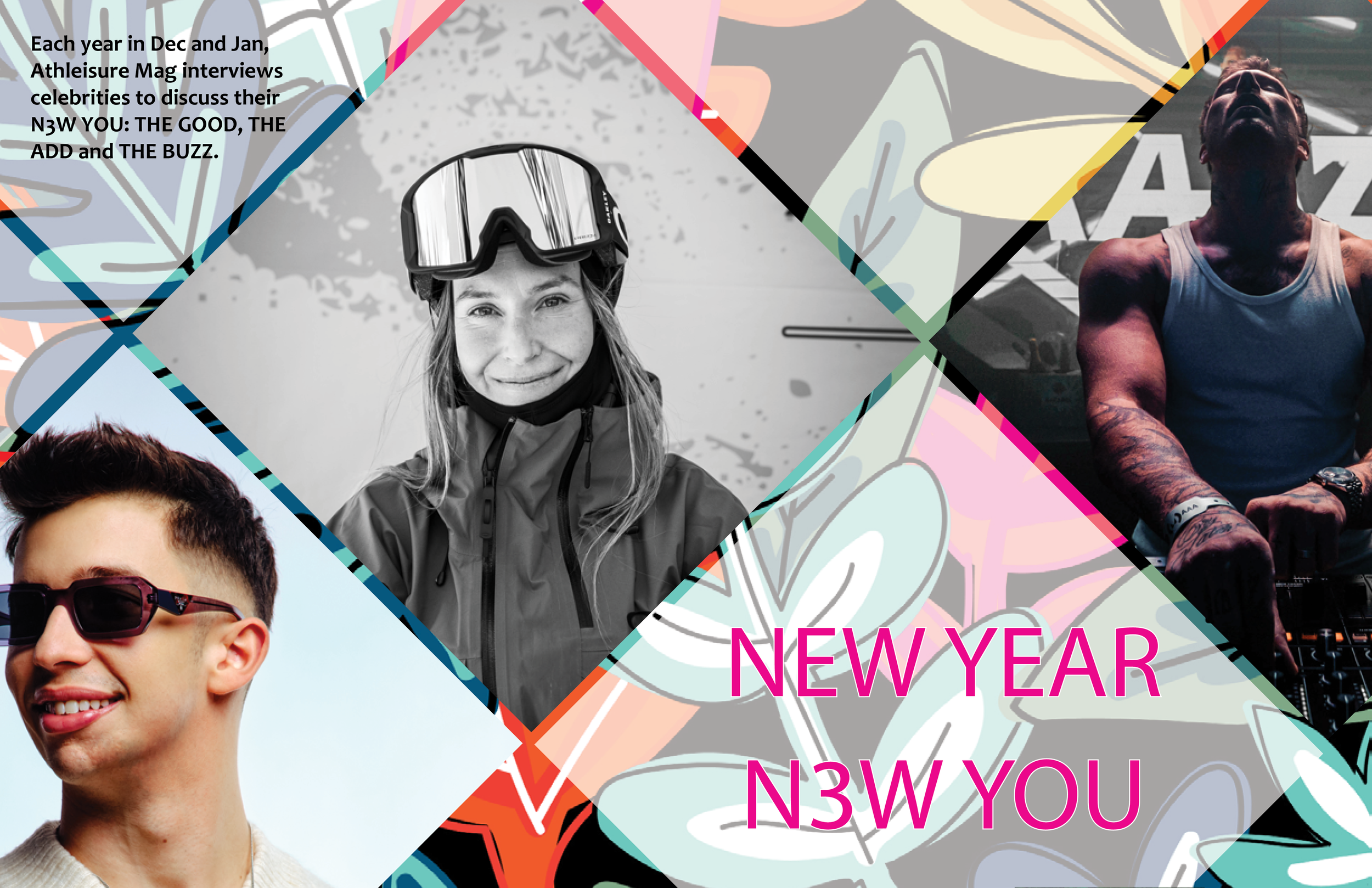
NEW YEAR, N3W YOU

January 13, 2026

Read the DEC ISSUE #120 of Athleisure Mag and see NEW YEAR, N3W YOU in mag.

Featured
AM JAN ISSUE #121 NEW YEAR N3W YOU 1.png
Feb 8, 2026
NEW YEAR, N3W YOU
Feb 8, 2026
Feb 8, 2026
AM DEC ISSUE #120 _ NEW YEAR N3W YOU 1.png
Jan 13, 2026
NEW YEAR, N3W YOU
Jan 13, 2026
Jan 13, 2026
AM JAN ISSUE #109 NYNY 1.png
Feb 14, 2025
NEW YEAR, N3W YOU
Feb 14, 2025
Feb 14, 2025
In AM, Dec 2025, NEW YEAR N3W YOU, Athletes, Fashion, Celebrity, TV Show, Olympian, Olympics, Sports, Action Sports Tags NEW YEAR N3W YOU, Athlete, Sports, Mark McMorris, Team Canada, Michelle Buteau, Actress, TV Host, Comedian, Producer, Cheryl "Finn" Finnegan, Founder, Designer, Jewelry Designer, Chief Creative Officer, Virgins Saints and Angels
Comment

PHOTO CREDIT | Unsplash/Karsten Winegeart

TRT SANTA MONICA: A COMPLETE GUIDE TO LOW TESTOSTERONE TREATMENT

January 13, 2026

Testosterone Replacement Therapy, commonly known as TRT, has become a widely discussed treatment option for individuals experiencing the effects of low testosterone. As awareness around hormonal health grows, more men—and in some cases women—are seeking medically guided solutions to restore balance, energy, and overall well-being. But what exactly is TRT Santa Monica, and how do you know if it’s right for you?

Understanding Testosterone and Its Role

Testosterone is a vital hormone responsible for many physical and mental functions. In men, it plays a key role in muscle development, bone density, libido, red blood cell production, mood regulation, and cognitive performance. While women also produce testosterone, they do so in much smaller amounts, yet it remains important for energy, strength, and sexual health.

Testosterone levels naturally decline with age—typically beginning in the late 20s or early 30s. However, certain medical conditions, injuries, chronic stress, obesity, poor sleep, and lifestyle factors can accelerate this decline, leading to what is often referred to as low testosterone or Low T.

What Is Testosterone Replacement Therapy (TRT)?

TRT is a medically supervised treatment designed to restore testosterone levels to a healthy, optimal range. The goal is not to exceed natural levels, but to alleviate symptoms associated with deficiency while supporting long-term health.

TRT is prescribed only after proper diagnostic testing confirms consistently low testosterone levels alongside relevant symptoms. When administered responsibly, TRT aims to improve quality of life rather than act as a performance-enhancing shortcut.

Common Symptoms of Low Testosterone

Low testosterone can present differently from person to person, but common symptoms include:

  • Persistent fatigue or low energy

  • Reduced libido or sexual dysfunction

  • Loss of muscle mass and strength

  • Increased body fat

  • Mood changes, irritability, or depression

  • Brain fog or difficulty concentrating

  • Poor sleep quality

Because these symptoms can overlap with other health conditions, laboratory testing is essential for an accurate diagnosis.

How TRT Is Administered

TRT can be delivered in several forms, depending on medical need, lifestyle, and personal preference:

  • Injections: One of the most common and effective methods, typically administered weekly or bi-weekly

  • Topical gels or creams: Applied daily to the skin

  • Pellets: Implanted under the skin to provide slow, consistent hormone release

  • Oral or nasal options: Less common but useful in specific cases

A qualified healthcare provider will determine the most appropriate method and dosage based on individual lab results and treatment goals.

Benefits of TRT

When properly prescribed and monitored, TRT can offer a range of benefits, including:

  • Improved energy and stamina

  • Increased libido and sexual performance

  • Enhanced muscle mass and strength

  • Better mood and mental clarity

  • Improved bone density

  • Greater motivation and overall vitality

Many patients report noticeable improvements within weeks, though full benefits often develop gradually over several months.

Safety, Monitoring, and Medical Oversight

TRT is not a “set it and forget it” therapy. Ongoing monitoring is critical to ensure safety and effectiveness. Reputable providers conduct regular blood work to track testosterone levels and other important markers such as hematocrit, estrogen, and prostate-specific antigen (PSA) when appropriate.

Potential risks—when TRT is not properly managed—may include elevated red blood cell count, hormonal imbalances, or cardiovascular concerns in certain individuals. This is why TRT should never be started without medical supervision or purchased from unregulated sources.

Who Is a Good Candidate for TRT?

TRT may be appropriate for individuals who:

  • Have consistently low testosterone confirmed by blood tests

  • Experience symptoms that negatively impact daily life

  • Have no medical conditions that would make TRT unsafe

However, TRT is not recommended for everyone. Individuals with certain cancers, untreated sleep apnea, or specific cardiovascular conditions may need alternative approaches. A thorough medical evaluation is essential before starting therapy.

TRT and Lifestyle: A Combined Approach

While TRT can be highly effective, it works best when combined with healthy lifestyle choices. Exercise—particularly resistance training—balanced nutrition, quality sleep, stress management, and weight control all play a significant role in hormone health.

Many providers emphasize that TRT should support a healthy lifestyle, not replace it.

Final Thoughts

Testosterone Replacement Therapy can be a life-changing option for individuals struggling with the effects of low testosterone. When guided by experienced medical professionals, TRT offers a safe, evidence-based way to restore hormonal balance and improve quality of life.

If you suspect low testosterone may be affecting your health, the first step is a comprehensive evaluation with a qualified healthcare provider. TRT isn’t about reversing aging or chasing perfection—it’s about helping your body function at its best for more information visit- menshealthclinicsantamonica.com

Featured
AM JAN ISSUE #121 FINDING YOUR BALANCE.png
Feb 19, 2026
FINDING YOUR BALANCE
Feb 19, 2026
Feb 19, 2026
AM JAN ISSUE #121 ORIGINS.png
Feb 18, 2026
ORIGINS AN NFL COLLECTION
Feb 18, 2026
Feb 18, 2026
Copy of Thomas_Winstanley (1) copy 5 (1).png
Nov 22, 2025
EDIBLES.COM | EDIBLE BRANDS THOMAS WINSTANLEY
Nov 22, 2025
Nov 22, 2025
In ATW
Comment

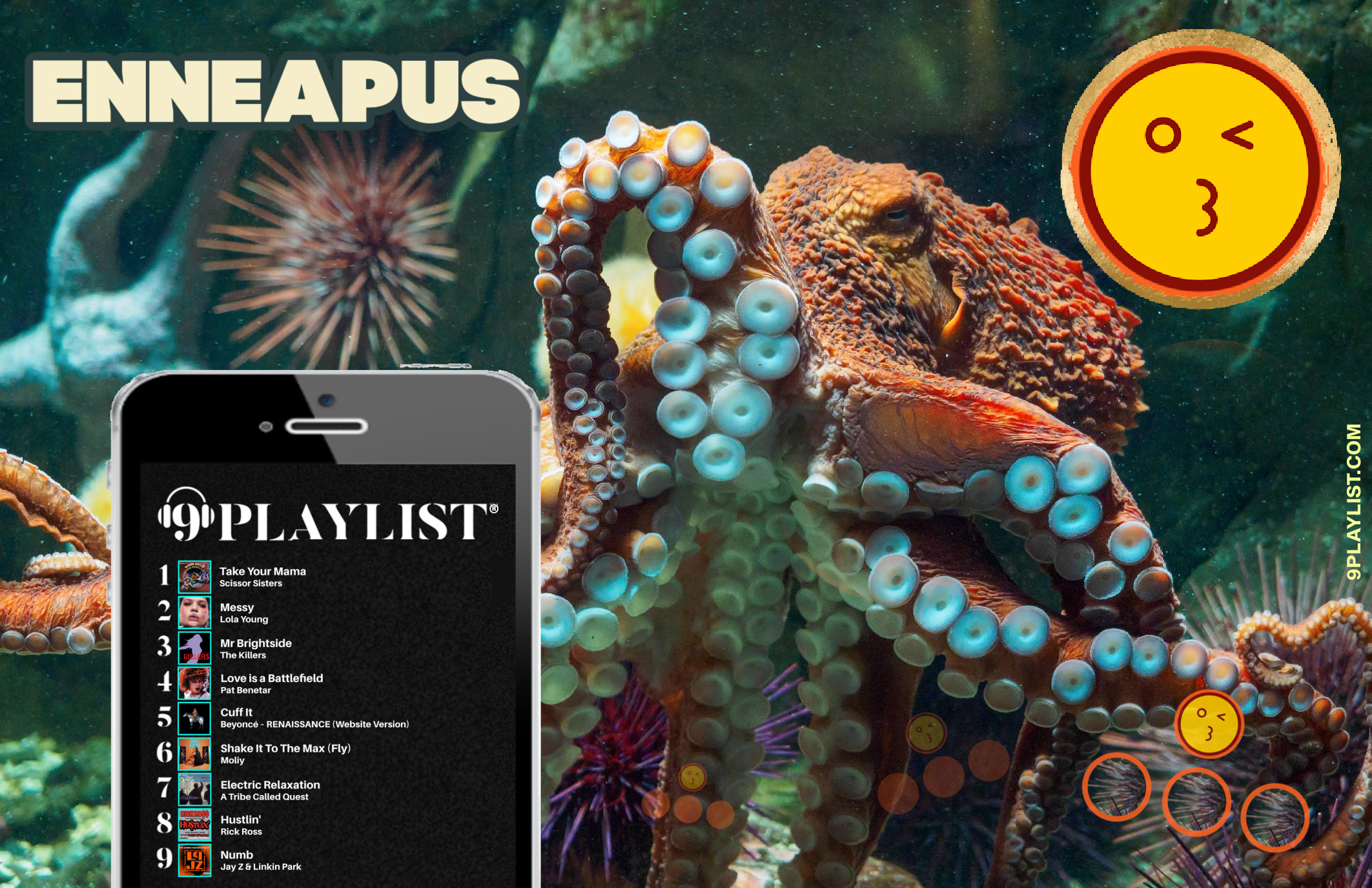
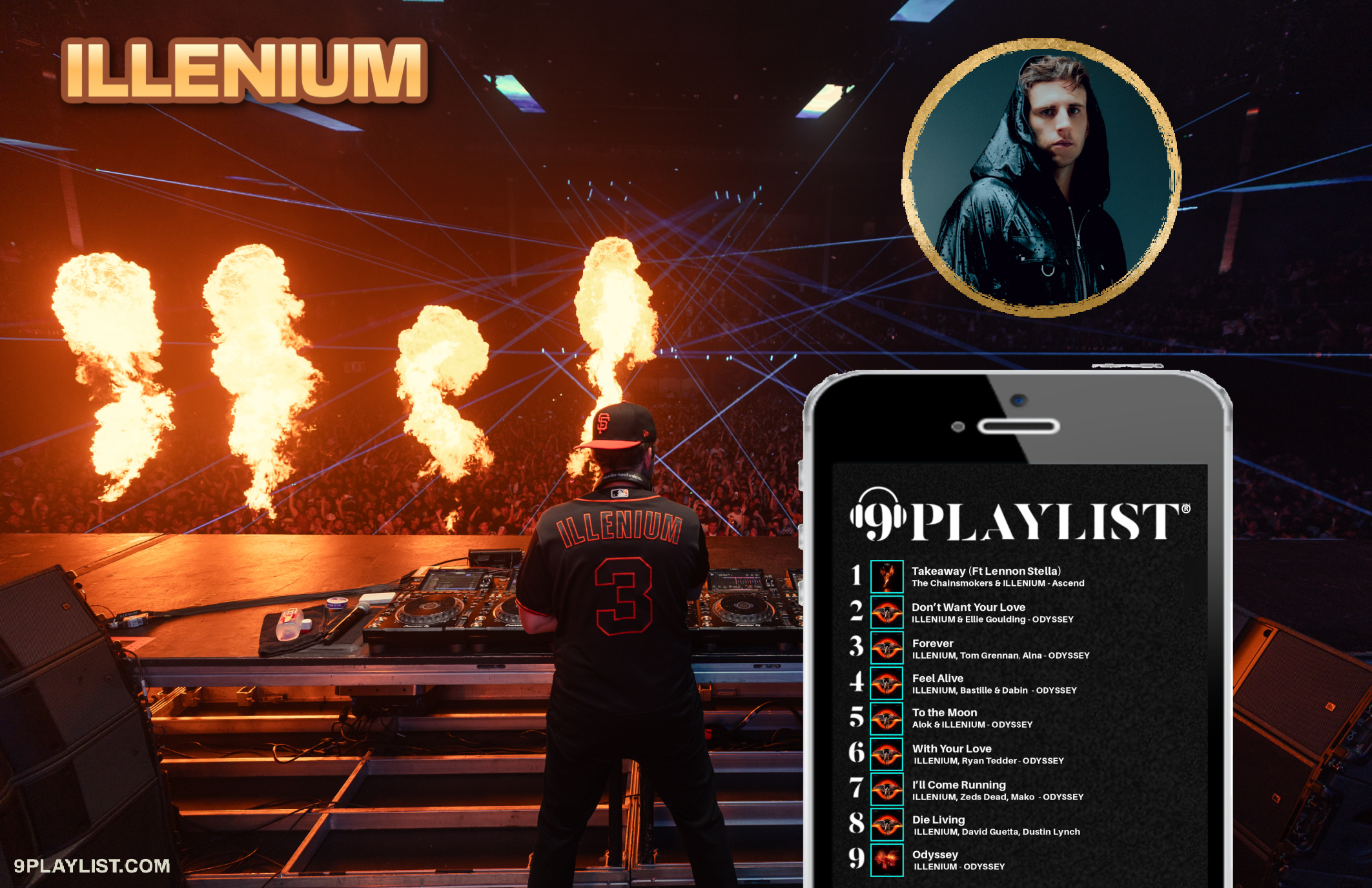
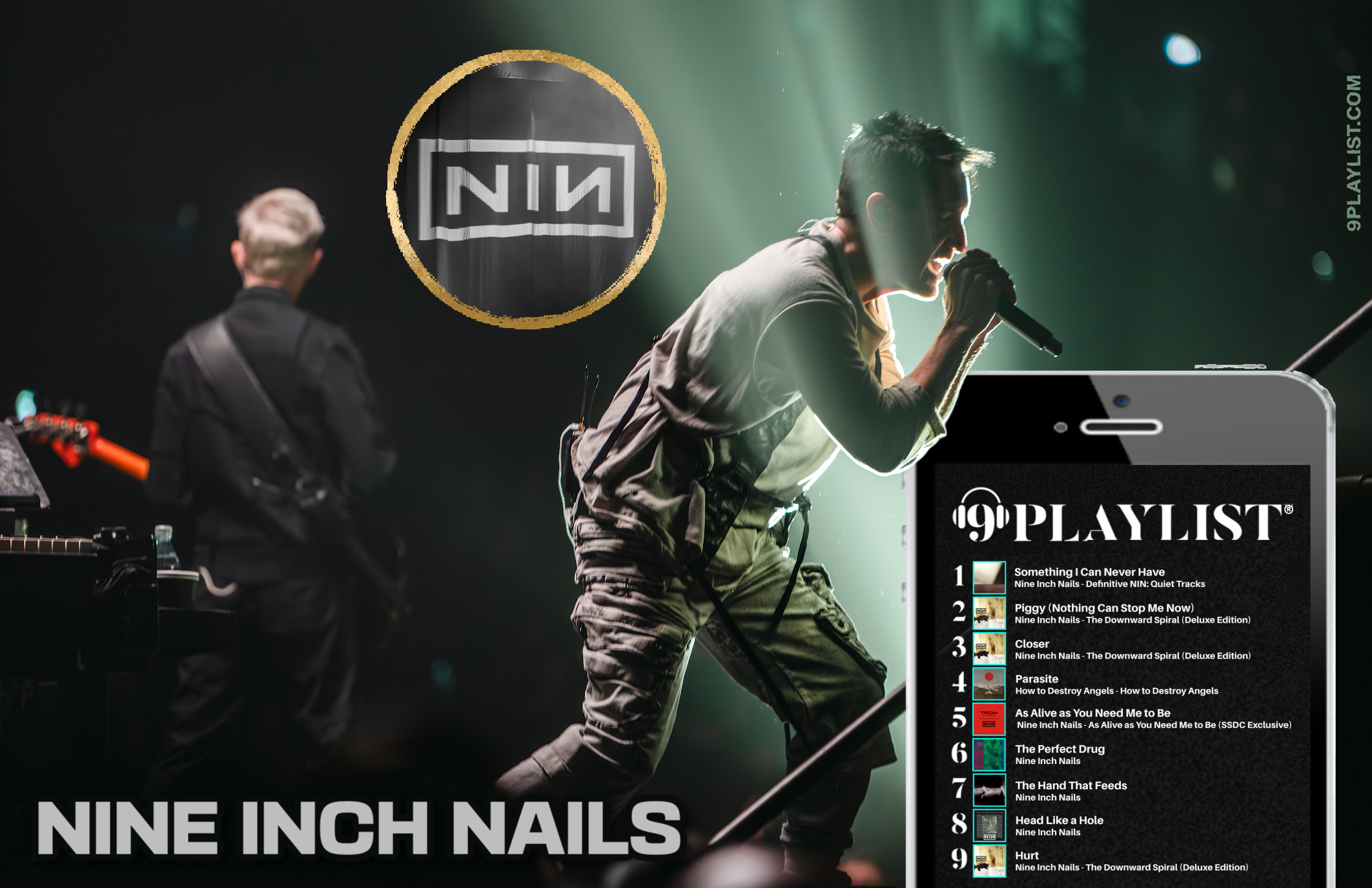
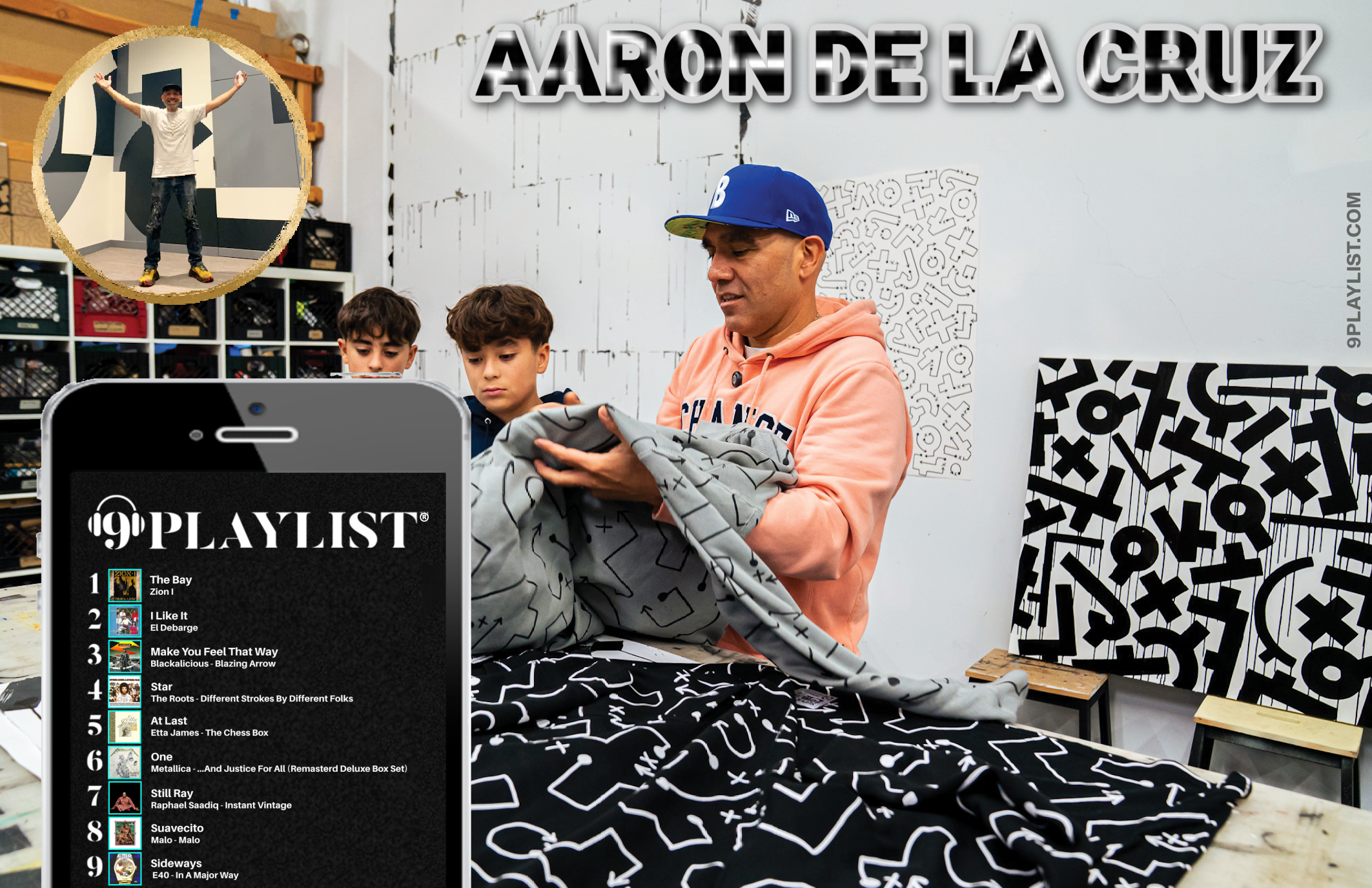
9PLAYLIST | ENNEAPUS

January 12, 2026

Read the DEC ISSUE #120 of Athleisure Mag and see 9PLAYLIST | ENNEAPUS in mag.

Featured
9PL ILL AM MAR26 X.png
Apr 4, 2026
9PLAYLIST | ILLENIUM
Apr 4, 2026
Apr 4, 2026
9PL NIN AM FEB26 ZA1.png
Mar 12, 2026
9PLAYLIST | NINE INCH NAILS
Mar 12, 2026
Mar 12, 2026
9PL AM AADC JAN26 ZZ (1).png
Feb 9, 2026
9PLAYLIST | AARON DE LA CRUZ
Feb 9, 2026
Feb 9, 2026
In 9PLAYLIST, AM, Dec 2025, Music Tags 9PLAYLIST, ENNEAPUS
Comment

PHOTO CREDIT | Unsplash/Euan Cameron

HOW IS TELEHEALTH SHAPING CONCIERGE MEDICINE IN SAN DIEGO?

January 12, 2026

Concierge medicine in San Diego has started to look very different as telehealth becomes a standard part of care. Patients no longer have to wait weeks for an appointment or drive across the city to meet a physician. Virtual visits now let people connect directly with their doctors through secure video calls, offering convenience without losing the personal touch that concierge care promises. Telehealth reshapes concierge medicine in San Diego by giving patients faster, more direct access to their doctors while maintaining the private, personalized care model they value most.

This shift means concierge practices can combine advanced technology with a focus on long-term wellness. More people in San Diego now seek care that fits their schedules and lifestyles, not the other way around. Telehealth makes this possible by fitting healthcare into daily life, keeping communication open, and supporting better health management. The result is a more connected, responsive form of medicine that fits modern expectations.

The Integration of Telehealth in San Diego’s Concierge Medicine

Telehealth is reshaping concierge care across San Diego by giving patients flexible communication, faster scheduling, and more options for at-home visits. Many expert concierge medicine practices in San Diego now use digital tools to deliver quicker responses, better coordination, and continuous connection between doctors and patients.

Telehealth Visits and 24/7 Access to Concierge Doctors

Concierge medicine patients increasingly use telehealth platforms for real-time access to their physicians. Through secure video calls and online messaging, patients can speak directly with their doctor without leaving home. This constant link reduces wait times and supports medical needs outside of normal office hours.

Doctors manage smaller patient lists, which allows faster responses and personal attention. The shift toward digital visits has helped physicians maintain strong patient relationships, even during travel or emergencies.

Telehealth also benefits those with chronic issues who need frequent updates. In these cases, doctors can adjust care plans immediately after reviewing digital reports or lab results. This approach saves time and supports a more consistent level of contact between patient and physician.

Improving Same-Day and Next-Day Appointments Through Telemedicine

Concierge practices in San Diego use telehealth tools to fulfill their promise of same-day or next-day appointments. Online scheduling systems let patients book urgent consultations within minutes. This flexibility helps busy individuals manage care around meetings or travel plans without delay.

Virtual appointments also lower the need for unnecessary in-office visits. Patients can resolve minor health concerns, medication refills, or follow-ups through video sessions, freeing on-site time for conditions that require exams. As a result, physicians can focus clinic hours more efficiently and respond faster to patient needs.

In many cases, digital evaluations guide whether an in-person follow-up is needed, which shortens the path to treatment. Telemedicine creates a smoother workflow for both patient and doctor, supporting the same high level of care expected in private medicine.

Expanding House Calls and In-Home Visits via Digital Tools

Technology now supports more coordinated in-home care across concierge networks. Real-time communication platforms let doctors or nurses check in before or after a visit to track recovery, discuss lab results, or manage prescriptions remotely.

Digital tools also help teams schedule and route house calls more effectively across different neighborhoods in San Diego. Whether it involves primary care, restorative therapy, or travel-related services, staff can plan visits based on live updates from patients.

Patients benefit from a mix of virtual check-ins and home visits, allowing them to stay connected without unnecessary travel. These blended methods reflect how telehealth strengthens traditional concierge services while keeping the personal doctor-patient connection at the center of care.

Personalized Care and Long-Term Wellness Enabled by Technology

Telehealth allows concierge physicians in San Diego to create more personal connections with their patients using real-time data and virtual access. Digital tools help tailor wellness plans, strengthen communication, and support long-term health by giving patients continuous and convenient care options.

Individualized Wellness Plans and Preventive Care

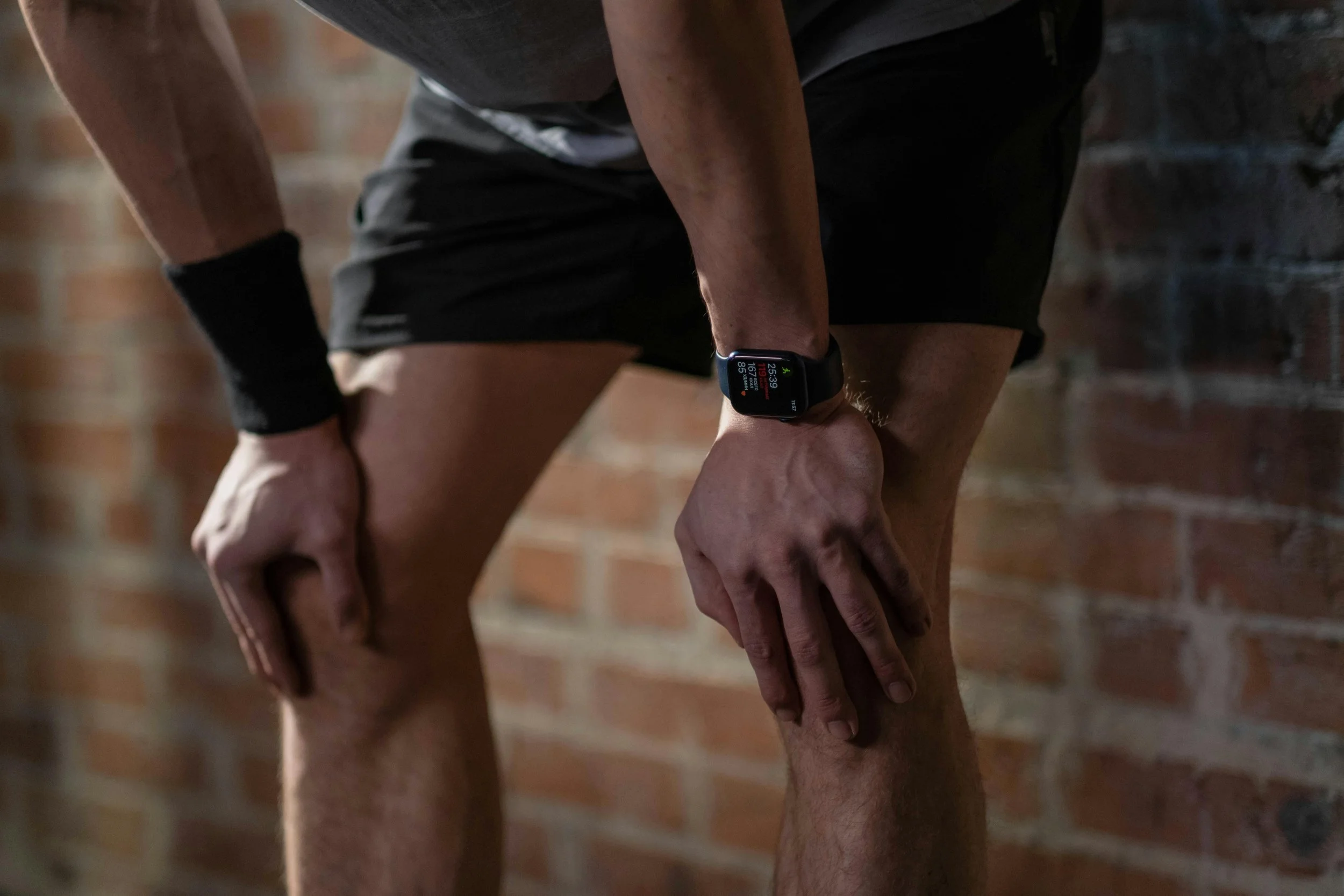
In concierge medicine, technology supports personalized wellness plans that adjust to each patient’s needs. Devices such as smartwatches and connected health monitors provide daily updates on blood pressure, heart rate, sleep quality, and physical activity. Physicians can use this data to detect small health shifts before symptoms appear.

This approach helps the concierge physician focus on preventive care instead of short-term treatment. For example, a doctor can identify early patterns of rising blood sugar or unstable blood pressure and modify diet or medication immediately. Telehealth platforms also allow quick sharing of lab results and test interpretations, removing the delay of follow-up visits.

Patients gain a more active role in their care through continuous feedback. By comparing progress metrics, they can see how lifestyle changes affect their long-term wellness. The result is a custom plan that grows with their unique health goals rather than a reaction to illness.

Strengthening the Doctor-Patient Relationship with Digital Communication

Telehealth communication tools give concierge patients direct, secure contact with their doctors. Messages, video calls, and mobile apps let them discuss health concerns without waiting for office appointments. This creates steady interaction that builds trust and accountability.

Digital contact makes it easier to ask about symptoms, medication responses, or follow-up results. The concierge physician can respond within hours, which reassures patients and keeps small problems from escalating. At the same time, privacy protections and encrypted communication maintain confidentiality.

For ongoing wellness, many concierge doctors use virtual check-ins to track progress on lifestyle goals or therapy outcomes. These digital interactions allow both sides to stay informed, encourage patient confidence, and keep care aligned with current needs.

Smaller Patient Panels and Extended Appointments for Better Outcomes

Concierge medicine limits each doctor’s patient panel so that each person receives focused attention. With fewer patients, physicians can schedule extended appointments that last 30 to 60 minutes or more. The longer visits allow for detailed discussion, personalized treatment options, and review of telehealth data collected from wearable devices or remote monitoring tools.

Telehealth helps manage this smaller patient load more efficiently. A concierge doctor can review digital updates before a visit, saving office time and giving room for meaningful interaction. Longer consultations lead to more accurate assessments and better continuity of care.

Patients often report higher satisfaction and improved adherence to personalized wellness plans because they feel heard and supported. This structure promotes long-term wellness by combining technology-driven access with personal connection, making healthcare more proactive and coordinated.

Conclusion

Telehealth continues to shape concierge medicine in San Diego by giving patients fast and direct access to their doctors. It allows care to extend beyond the traditional clinic visit through secure video calls and virtual follow-ups. This model supports stronger doctor-patient communication while saving time and reducing travel needs.

Doctors in concierge practices use telehealth to monitor ongoing conditions and adjust care plans as needed. As a result, patients stay more connected and receive quicker attention for medical concerns.

The blend of personalized care and digital convenience makes concierge medicine more flexible and patient-focused. These changes suggest that telehealth will remain an important part of how local healthcare meets modern expectations for access and quality.

Featured
AM JAN ISSUE #121 FINDING YOUR BALANCE.png
Feb 19, 2026
FINDING YOUR BALANCE
Feb 19, 2026
Feb 19, 2026
AM JAN ISSUE #121 ORIGINS.png
Feb 18, 2026
ORIGINS AN NFL COLLECTION
Feb 18, 2026
Feb 18, 2026
Copy of Thomas_Winstanley (1) copy 5 (1).png
Nov 22, 2025
EDIBLES.COM | EDIBLE BRANDS THOMAS WINSTANLEY
Nov 22, 2025
Nov 22, 2025
In ATW
Comment

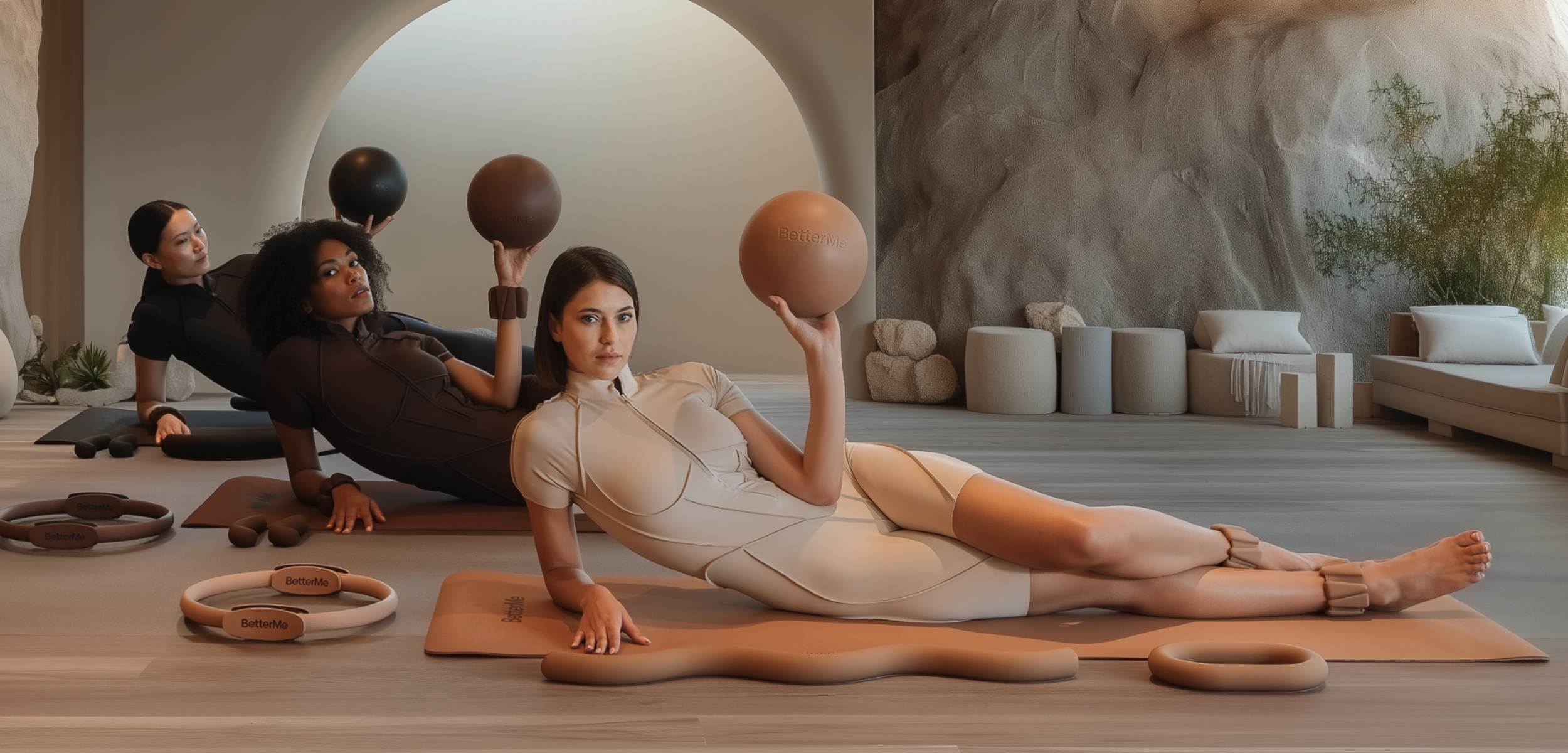
PHOTO CREDIT | BETTERME

PILATES AT-HOME EQUIPMENT CONVENIENT TOOLS FOR EFFECTIVE WORKOUTS

January 12, 2026

Creating a dedicated space for physical well-being within your own four walls can be a shift in mindset. It moves you from "finding time" for the gym to "making space" for your wellness.

While heavy machinery and crowded weight rooms have their place, the discipline of Pilates offers a unique proposition: high-impact results with low-impact movements, often requiring minimal square footage.

Many Pilates exercises use only body weight. However, using specific pieces of equipment can significantly deepen your practice, challenge your muscles in new ways, and support your progress over time.

Let's look at 15 essentials for Pilates at home that can transform your living room into your personal Pilates studio, ensuring every session is both challenging and effective.

Main Types of Pilates Equipment for Home

Thinking of having an efficient home Pilates setup? Here are the main types of beginner Pilates at-home equipment to consider.

  1. Mat: A quality mat is the foundation of your practice. It should be thick enough—typically around 6-15mm—to cushion your back and joints during floor exercises.

  2. Pilates Ring: Also known as a magic circle, this flexible ring has two pads on opposite sides. Squeezing it between your hands or thighs adds resistance to target and tone muscles in the upper and lower body.

  3. Long Resistance Bands: These versatile elastic bands are excellent for mimicking the resistance provided by a Pilates reformer machine, adding a strength-training component to mat exercises.

  4. Loop Bands: Shorter, closed-loop bands are ideal for activating and strengthening the glutes and hips, crucial for stability and power in Pilates movements.

  5. Pilates Ball: This small, soft, inflatable ball is used to support the lower back, neck, or head. It can also be placed between the knees or ankles to engage the inner thighs and core.

  6. Pilates Sliders: These small discs glide across the floor, challenging your stability and forcing your core to work harder to control movements like lunges and pikes.

  7. Dumbbells: Light dumbbells, typically 1-3 pounds, can be incorporated to add a strength challenge to arm and shoulder exercises.

  8. Foam Roller: Used for both exercises and recovery, a foam roller can challenge your balance or be used for self-myofascial release to relieve muscle tightness after a session.

  9. Massage Ball: This firm ball is perfect for targeted muscle release, helping to work out knots in areas like the shoulders, back, and hips.

  10. Pilates Socks: Grip socks are essential for safety, preventing your feet from slipping during standing exercises or on sliders, ensuring proper form and stability.

  11. Weight Bands: These wearable weights for your ankles or wrists add a constant, low-level resistance, intensifying bodyweight movements and enhancing muscle toning.

  12. Yoga Block: A supportive block can help modify poses by bringing the floor closer to you, supporting your hips in seated poses, or adding height for certain exercises.

  13. Pilates Arch: This piece of equipment is designed to support the natural curve of the back, helping to decompress vertebrae and improve flexibility during backbends and stretches.

  14. Balance Ball: A large, inflatable stability ball challenges your entire body, forcing your core muscles to fire continuously to maintain balance during exercises.

  15. Balance Pods: These small, spiky domes are used to improve balance and proprioception. Standing on them during exercises activates the small stabilizing muscles in your feet and ankles.

If you're ready to start building your collection, you can explore Pilates at-home equipment — perfect for creating a complete home setup.

How Pilates At-Home Equipment Improves Well-being

Using Pilates equipment does more than just make the workout harder; it fundamentally changes the physiological response of your body.

Impact on Strength

While mat Pilates uses body weight, progress often slows if the challenge stays the same. Adding home Pilates equipment—such as resistance bands, a Pilates ring, or light dumbbells—creates extra resistance so your muscles have a clear reason to adapt. Over time, that can improve strength and endurance, especially through the core, hips, and glutes.

Impact on Flexibility

Flexibility improves best when you can hold a stretch with good alignment and steady breathing. Tools like straps, a Pilates arch, or a ball can support the body so you stay in position longer without compensating. For example, a strap during a hamstring stretch helps you keep a neutral pelvis, which makes the stretch feel more focused and controlled instead of pulling on your lower back.

Impact on Balance

Balance improves when your body learns to stay steady under small changes and shifts. Tools like a balance ball, foam roller, sliders, or balance pods create a slightly unstable surface, which forces you to control the movement instead of “coasting.” Over time, this improves coordination and stability in the ankles, hips, and core—useful both in workouts and everyday activities.

Setup and Equipment Selection Tips

Creating a dedicated space is just as important as the workout itself. Here is a systematic approach to setting up your beginner Pilates at-home equipment:

  1. Measure Your Space: You need enough room to lie flat with arms extended overhead and legs extended fully. A 6x8 foot area is generally sufficient.

  2. Start with the Foundation: Your first purchase must be a high-density mat. Without adequate spinal cushioning, exercises like "The Hundred" or "Teaser" become uncomfortable and potentially injurious.

  3. Select Versatility Over Niche: If budget is a constraint, prioritize items with multiple uses. A set of resistance bands and a Pilates ball offer hundreds of exercise variations for a fraction of the cost of a reformer.

  4. Check for Safety Ratings: Ensure balls and bands are "anti-burst" or "snap-resistant." Your equipment must be able to withstand the force you apply.

  5. Control the Environment: Ensure your floor surface is not slippery. If using sliders, you need a smooth surface (wood/tile) or specific sliders made for carpet.

Common Mistakes and How to Avoid Them

Even with the best gear, technique errors can hinder progress. Here are common pitfalls to avoid.

●       Over-relying on Equipment: The equipment should assist or challenge you, not do the work for you. For example, relying solely on the springs of a Pilates reformer at home to pull you back into position eliminates the eccentric muscle work.
Correction: Control the return phase of every movement; resist the equipment.

●       Using Too Much Resistance: Heavier is not always better in Pilates. Using a band that is too thick can cause you to recruit dominant muscles (like the traps or quads) rather than the deep stabilizers.
Correction: Choose a resistance level that allows you to maintain perfect form and alignment throughout the entire rep range.

●       Ignoring the Breath: Equipment adds complexity, which often causes beginners to hold their breath.
Correction: Inhale to prepare, and exhale on the exertion (the hardest part of the move).

●       Lack of Consistency: Buying the gear doesn't equal doing the work.
Correction: Schedule your sessions like a medical appointment. Use your beginner Pilates at-home equipment 2-3 times per week to build the habit.

Building a home Pilates practice is an investment in your long-term functional wellness. By selecting the right tools—from the humble mat to the versatile resistance band—you create an environment where consistent, progressive training is possible.

Featured
AM JAN ISSUE #121 FINDING YOUR BALANCE.png
Feb 19, 2026
FINDING YOUR BALANCE
Feb 19, 2026
Feb 19, 2026
AM JAN ISSUE #121 ORIGINS.png
Feb 18, 2026
ORIGINS AN NFL COLLECTION
Feb 18, 2026
Feb 18, 2026
Copy of Thomas_Winstanley (1) copy 5 (1).png
Nov 22, 2025
EDIBLES.COM | EDIBLE BRANDS THOMAS WINSTANLEY
Nov 22, 2025
Nov 22, 2025
In ATW
Comment

PHOTO CREDIT | Unsplash/Jean-Karim Dangou

HOW AI GIRLFRIEND APPS ARE CHANGING ROMANTIC RELATIONSHIPS

January 12, 2026

Artificial intelligence has entered personal life in a way that feels both new and familiar. AI girlfriend apps let people form emotional bonds with digital partners who listen, respond, and adapt to their moods. These virtual companions now play real roles in daily life, from casual chats to deeper emotional support. AI girlfriend apps are changing romantic relationships by reshaping how people experience affection, connection, and companionship.

What makes them stand out is their promise of comfort without judgment. Many turn to these apps for interaction that feels personal and safe, especially in a fast-paced world where relationships can be hard to maintain. As technology grows more advanced, digital partners can remember preferences, respond naturally, and create a sense of closeness that feels human.

This shift raises questions about what modern romance means. As people balance real and virtual relationships, AI companions may redefine love, intimacy, and connection in ways our society has never faced before.

The Rise and Appeal of AI Girlfriend Apps

Artificial intelligence now shapes how people form emotional and social connections. Virtual partners simulate human interaction, offer emotional comfort, and adapt to personal preferences in ways that traditional relationships cannot.

AI Companionship Versus Traditional Relationships

An AI girlfriend app provides an alternative form of companionship centered on accessibility and emotional safety. Unlike traditional partners, virtual companions operate through machine learning and natural language processing. They remember past interactions and tailor responses to match the user’s tone or behavior.

Traditional relationships rely on mutual feelings, real empathy, and shared experiences. AI-based companionship, however, depends on programmed responses and data-driven learning. These digital partners cannot experience emotion themselves but create the illusion of care through consistent and supportive dialogue.

Some users turn to AI partners because the interactions lack conflict or pressure. The system always responds calmly and predictably, which can reduce stress. Yet that same predictability limits depth. Without genuine emotion, the sense of closeness remains one-sided, shaped by imagination and technology rather than reality.

Drivers of Popularity: Loneliness and Emotional Support

Modern life often isolates people due to work stress, remote communication, and reduced face-to-face time. AI girlfriend apps appeal to those who struggle with loneliness or social anxiety. They provide a constant presence that listens without judgment. This creates a psychological comfort similar to friendly companionship, even if the connection is artificial.

Users describe digital relationships as easier to manage than human ones. There are no arguments, time restrictions, or emotional risks. For individuals dealing with rejection or loss, AI companions can help them ease back into communication at their own pace.

The emotional relief these apps offer is real even if the empathy is not. By allowing users to express thoughts freely, they support emotional regulation and self-reflection. This helps explain their wide adoption among people seeking both company and reassurance in a private, responsive space.

Customization, Personalization, and 24/7 Availability

AI girlfriend platforms attract users through deep personalization. Most systems let users select personality traits, voice style, and level of affection. This control gives a sense of agency and comfort, creating bonds that feel tailored rather than generic.

Technically, these apps learn user behavior through repeated dialogue. Adaptive algorithms adjust language patterns and memory recall to make each interaction feel more natural. The longer the user interacts, the more the system mirrors personal preferences and communication style.

Perhaps the strongest appeal lies in constant availability. The digital partner never sleeps, cancels plans, or withdraws attention. For individuals with unpredictable schedules or limited social circles, this presence can feel supportive. It fills gaps left by modern lifestyles that often limit human contact.

Transforming Romantic Relationships: Benefits, Challenges, and Future Impacts

AI girlfriend apps are changing how people form and experience romantic bonds. These tools create emotional connections through technology, raise concerns about social habits and privacy, and signal how digital companionship may alter future relationships.

Improving and Redefining Emotional Connection

AI in romantic relationships allows users to shape digital partners through customization of appearance, personality, and communication style. This level of control gives users predictable companionship that adapts to their preferences. Many use AI chatbots to ease social isolation or practice emotional expression without judgment.

These interactions often mimic authentic empathy. Advanced models use emotional intelligence to read tone and sentiment, then respond with comfort or praise. For some, this substitutes a lack of human connection and encourages self-reflection.

However, simulated affection can also blur the line between human and algorithmic emotion. People may start falling in love with AI, which redefines the idea of intimacy. Whether these relationships help emotional growth or replace genuine connection remains a subject of active debate among psychologists and ethicists.

Social Implications and Over-Reliance on AI Companions

AI romance introduces new ways to cope with loneliness but may also weaken social confidence. Some individuals form steady habits with AI partners instead of building real-world relationships. Over time, this can deepen social isolation, as users rely on digital affection rather than human contact.

The appeal lies in ease and safety. AI companions never reject or argue, creating an illusion of ideal partnership. Yet, this predictability reduces exposure to the complex emotions that human relationships require, such as compromise, patience, and empathy.

Researchers worry about over-reliance on AI for emotional support. While casual interaction can serve as practice for communication, full dependence may hinder emotional maturity. As these apps grow more realistic with text, voice, and even augmented reality (AR) projections, balancing virtual companionship with real interaction will become increasingly important.

Ethical Concerns, Data Privacy, and Responsible Design

The growth of romantic AI platforms raises questions about ethical concerns, data privacy, and psychological manipulation. These apps often process sensitive personal details such as chat logs, emotional responses, and preferences. Weak safeguards can expose users to data breaches or misuse of private information.

Some systems collect emotional data to improve user engagement. This strategy can border on emotional influence rather than genuine care. Responsible developers apply ethical AI standards by allowing users to delete data, limit tracking, and control how algorithms learn from personal content.

Users also face hidden emotional risks. Emotional dependency may create unrealistic expectations for future partners. Transparency about AI’s non-human nature, along with stronger security rules, helps protect emotional and digital boundaries in these evolving relationships.

The Future of Virtual Romance: Technology and Societal Change

Emerging tools such as AR, voice simulation, and adaptive learning may soon make AI companions appear more lifelike. These features could transform digital romance from simple chats to immersive companionship. Some designers envision AI boyfriends or girlfriends interacting through holograms or wearable devices.

As this technology matures, society will face choices about how much emotional space to give virtual partners. AI may fill gaps in emotional care for the lonely or disabled, yet also reshape dating norms by redefining what counts as a relationship.

Cultural acceptance remains divided. Younger generations often treat AI romance as an experiment, while older groups see it as artificial intimacy. The next decade will likely determine if virtual companionship becomes a mainstream supplement to human connection or remains a niche form of emotional technology.

Conclusion

AI girlfriend apps have reshaped modern relationships by merging technology with emotional connection. They allow individuals to interact with digital companions that respond with empathy, remember details, and adapt to personal communication styles.

These virtual partners can provide comfort, conversation, and a sense of closeness that supports emotional well-being. However, they also raise questions about how people balance digital affection with real human interaction.

Users appreciate the privacy, constant availability, and customization these apps provide. Yet, society continues to debate what role artificial companions should hold within daily life.

As technology develops, AI relationships may grow more realistic and integrated. The focus now lies on designing them responsibly so they support human connection rather than replace it.

Featured
AM MAR ISSUE #123 OS DINO MALVONE (1).png
Apr 28, 2026
TRAINING TOGETHER | DINO MALVONE
Apr 28, 2026
Apr 28, 2026
AM MAR ISSUE #123 OS Erin Jackson_Jordan Stolz (1).png
Apr 27, 2026
GOLDEN HAPPINESS | ERIN JACKSON + JORDAN STOLZ
Apr 27, 2026
Apr 27, 2026
AM MAR ISSUE #123 OS Morgan Riddle (1).png
Apr 25, 2026
IN THE PLAYER BOX | MORGAN RIDDLE
Apr 25, 2026
Apr 25, 2026
In ATW
Comment

PHOTO CREDIT | CBS/Golden Globes

AWARDS SEASON | GOLDEN GLOBES WINNERS

January 11, 2026

Today, the 83rd Golden Globes announced the winners that took place on Jan 11th on CBS at 8pm ET and you streamed live on Paramount+. Niki Glaser hosted this show for the 2nd time in a row! As we do throughout Awards Season, we share our predictions in bold, the ones we correctly identified as winners are in bold italics and winners that we didn’t predict are in italics.

Best Picture – Drama

Frankenstein
Netflix

Hamnet
Focus Features

It Was Just an Accident
Neon

The Secret Agent
Neon

Sentimental Value
Neon

Sinners
Warner Bros

Best Picture – Comedy Or Musical

Blue Moon
Sony Pictures Classics

Bugonia
Focus Features

Marty Supreme
A24

No Other Choice
Neon

Nouvelle Vague
Netflix

One Battle After Another
Warner Bros

Best Performance By a Female Actor in a Motion Picture – Drama

Jessie Buckley
Hamnet

Jennifer Lawrence
Die My Love

Renate Reinsve
Sentimental Value

Julia Roberts
After the Hunt

Tessa Thompson
Hedda

Eva Victor
Sorry, Baby

Best Performance By a Male Actor in a Motion Picture – Drama

Joel Edgerton
Train Dreams

Oscar Isaac
Frankenstein

Dwayne Johnson
The Smashing Machine

Michael B. Jordan
Sinners

Wagner Moura
The Secret Agent

Jeremy Allen White
Springsteen: Deliver Me From Nowhere

Best Performance By a Female Actor in a Motion Picture – Musical or Comedy

Rose Byrne
If I Had Legs I’d Kick You

Cynthia Erivo
Wicked: For Good

Kate Hudson
Song Sung Blue

Chase Infiniti
One Battle After Another

Amanda Seyfried
The Testament of Ann Lee

Emma Stone
Bugonia

Best Performance By a Male Actor in a Motion Picture – Musical or Comedy

Timothée Chalamet
Marty Supreme

George Clooney
Jay Kelly

Leonardo DiCaprio
One Battle After Another

Ethan Hawke
Blue Moon

Lee Byung-Hun
No Other Choice

Jesse Plemons
Bugonia

Best Performance By a Female Actor in a Supporting Role in Any Motion Picture

Emily Blunt
The Smashing Machine

Elle Fanning
Sentimental Value

Ariana Grande
Wicked: For Good

Inga Ibsdotter Lilleaas
Sentimental Value

Amy Madigan
Weapons

Teyana Taylor
One Battle After Another

Best Performance By a Male Actor in a Supporting Role in Any Motion Picture

Benicio Del Toro
One Battle After Another

Jacob Elordi
Frankenstein

Paul Mescal
Hamnet

Sean Penn
One Battle After Another

Adam Sandler
Jay Kelly

Stellan Skarsgård
Sentimental Value

Best Director – Motion Picture

Paul Thomas Anderson
One Battle After Another

Ryan Coogler
Sinners

Guillermo del Toro
Frankenstein

Jafar Panahi
It Was Just an Accident

Joachim Trier
Sentimental Value

Chloé Zhao
Hamnet

Best Motion Picture – Non-English Language

It Was Just an Accident (France)
Neon

No Other Choice (South Korea)
Neon

The Secret Agent (Brazil)
Neon

Sentimental Value (Norway)
Neon

Sirāt (Spain)
Neon

The Voice Of Hind Rajab (Tunisia)
Willa

Best Picture – Animated

Arco
Neon

Demon Slayer: Kimetsu No Yaiba Infinity Castle
Aniplex, Crunchyroll, Sony Pictures Entertainment

Elio
Walt Disney Studios Motion Pictures

KPop Demon Hunters
Netflix

Little Amélie or the Character of Rain
Gkids

Zootopia 2
Walt Disney Studios Motion Pictures

Best Screenplay – Motion Picture

Paul Thomas Anderson
One Battle After Another

Ronald Bronstein & Josh Safdie
Marty Supreme

Ryan Coogler
Sinners

Jafar Panahi
It Was Just an Accident

Eskil Vogt & Joachim Trier
Sentimental Value

Chloé Zhao & Maggie O’Farrell
Hamnet

Best Original Score – Motion Picture

Alexandre Desplat
Frankenstein

Ludwig Göransson
Sinners

Jonny Greenwood
One Battle After Another

Kangding Ray
Sirāt

Max Richter
Hamnet

Hans Zimmer
F1

Best Original Song – Motion Picture

“Dream as One”
Avatar: Fire and Ash
Music by: Miley Cyrus, Andrew Wyatt, Mark Ronson, Simon Franglen
Lyrics by: Miley Cyrus, Andrew Wyatt, Mark Ronson, Simon Franglen

“Golden”
KPop Demon Hunters
Music by: Joong Gyu Kwak, Yu Han Lee, Hee Dong Nam, Jeong Hoon Seo, Park Hong Jun
Lyrics by: Kim Eun-jae (EJAE), Mark Sonnenblick

“I Lied to You”
Sinners
Music by: Raphael Saadiq, Ludwig Göransson
Lyrics by: Raphael Saadiq, Ludwig Göransson

“No Place Like Home”
Wicked: For Good
Music by: Stephen Schwartz
Lyrics by: Stephen Schwartz

“The Girl in the Bubble
Wicked: For Good
Music by: Stephen Schwartz
Lyrics by: Stephen Schwartz

“Train Dreams”
Train Dreams
Music by: Nick Cave, Bryce Dessner
Lyrics by: Nick Cave

Cinematic and Box Office Achievement

Avatar: Fire and Ash
Walt Disney Studios Motion Pictures)

F1
Apple Original Films

KPop Demon Hunters
Netflix

Mission: Impossible – The Final Reckoning
Paramount

Sinners
Warner Bros

Weapons
Warner Bros

Wicked: For Good
Universal

Zootopia 2
Walt Disney Studios Motion Pictures

Best Television Series – Drama

The Diplomat
Netflix

The Pitt
HBO Max

Pluribus
Apple TV

Severance
Apple TV

Slow Horses
Apple TV

The White Lotus
HBO Max

Best Television Series – Musical or Comedy

Abbott Elementary
ABC

The Bear
FX on Hulu

Hacks
HBO Max

Nobody Wants This
Netflix

Only Murders in the Building
Hulu

The Studio
Apple TV

Best Television Limited Series, Anthology Series or Motion Picture Made for Television

Adolesence
Netflix

All Her Fault
Peacock

The Beast In Me
Netflix

Black Mirror
Netflix

Dying For Sex
FX on Hulu

The Girlfriend
Prime Video

Best Performance By a Female Actor in a Television Series – Drama

Kathy Bates
Matlock

Britt Lower
Severance

Helen Mirren
MobLand

Bella Ramsay
The Last of Us

Keri Russell
The Diplomat

Rhea Seehorn
Pluribus

Best Performance By a Male Actor in a Television Series – Drama

Sterling K. Brown
Paradise

Diego Luna
Andor

Gary Oldman
Slow Horses

Mark Ruffalo
Task

Adam Scott
Severance

Noah Wyle
The Pitt

Best Performance By a Female Actor in a Television Series – Musical or Comedy

Kristen Bell
Nobody Wants This

Ayo Edebiri
The Bear

Selena Gomez
Only Murders in the Building

Natasha Lyonne
Poker Face

Jenna Ortega
Wednesday

Jean Smart
Hacks

Best Performance By a Male Actor in a Television Series – Musical or Comedy

Adam Brody
Nobody Wants This

Steve Martin
Only Murders in the Building

Glen Powell
Chad Powers

Seth Rogen
The Studio

Martin Short
Only Murders in the Building

Jeremy Allen White
The Bear

Best Performance By a Female Actor in a Limited Series, Anthology Series or a Motion Picture Made for Television

Claire Danes
The Beast in Me

Rashida Jones
Black Mirror

Amanda Seyfried
Long Bright River

Sarah Snook
All Her Fault

Michelle Williams
Dying for Sex

Robin Wright
The Girlfriend

Best Performance By a Male Actor in a Limited Series, Anthology Series or a Motion Picture Made for Television

Jacob Elordi
The Narrow Road to the Deep North

Paul Giamatti
Black Mirror

Stephen Graham
Adolescence

Charlie Hunnam
Monster: The Ed Gein Story

Jude Law
Black Rabbit

Matthew Rhys
The Beast in Me

Best Performance By a Female Actor in a Supporting Role On Television

Carrie Coon
The White Lotus

Erin Doherty
Adolescence

Hannah Einbinder
Hacks

Catherine O’Hara
The Studio

Parker Posey
The White Lotus

Aimee Lou Wood
The White Lotus

Best Performance By a Male Actor in a Supporting Role On Television

Owen Cooper
Adolescence

Billy Crudup
The Morning Show

Walton Goggins
The White Lotus

Jason Isaacs
The White Lotus

Tramell Tillman
Severance

Ashley Walters
Adolescence

Best Performance In Stand-Up Comedy On Television

Bill Maher
Bill Maher: Is Anyone Else Seeing This?

Brett Goldstein
Brett Goldstein: The Second Best Night of Your Life

Kevin Hart
Kevin Hart: Acting My Age

Kumail Nanjiani
Kumail Nanjiani: Night Thoughts

Ricky Gervais
Ricky Gervais: Mortality

Sarah Silverman
Sarah Silverman: Postmortem

Best Podcast

Armchair Expert with Dax Shepard
Wondery

Call Her Daddy
SiriusXM

Good Hang with Amy Poehler
Spotify

The Mel Robbins Podcast
SiriusXM

Smartless
SiriusXM

Up First
NPR

Featured
ACA_2026_KA_4000x2250_v5_PRE_0.jpg
Mar 15, 2026
AWARDS SEASON | OSCARS WINNERS
Mar 15, 2026
Mar 15, 2026
Screenshot (108).png
Mar 1, 2026
AWARDS SEASON | THE ACTOR AWARDS WINNERS
Mar 1, 2026
Mar 1, 2026
2026_grammys_telecast_GRAMMYS_2026_BOX_ART_2.jpg
Feb 1, 2026
AWARDS SEASON | GRAMMY WINNERS
Feb 1, 2026
Feb 1, 2026
In AM, Awards Season 2025-2026, Awards Season, TV Show Tags Awards Season, TV Show, Golden Globes
Comment

9CH3F ROUTIN3S | CHEF MARTIN ÖFNER

January 11, 2026

Read the DEC ISSUE #120 of Athleisure Mag and see 9CH3F ROUTIN3S | Chef Marin Öfner in mag.

Featured
63MR AM MO DEC 25 LG X copy.png
Jan 11, 2026
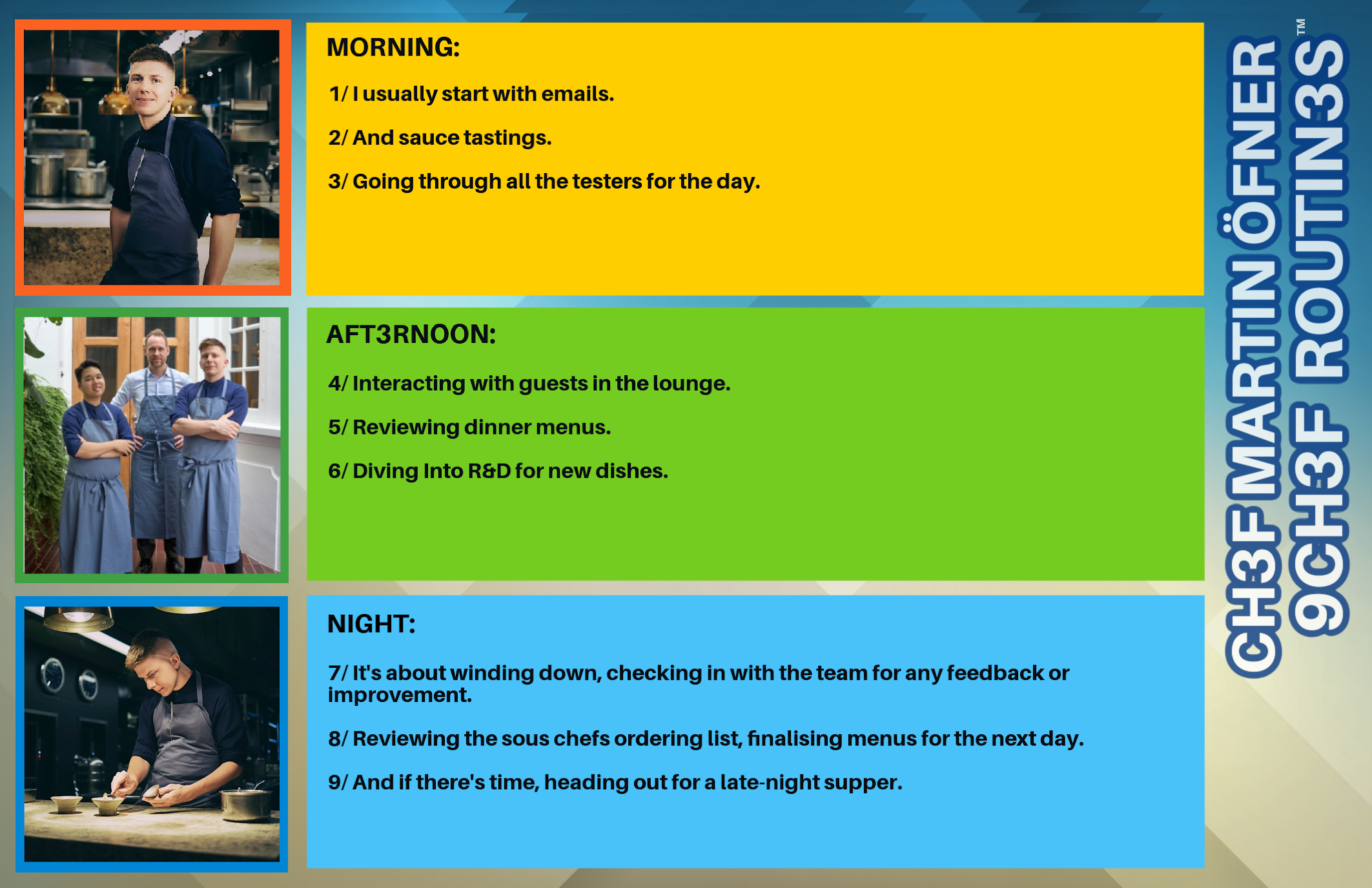
9CH3F ROUTIN3S | CHEF MARTIN ÖFNER
Jan 11, 2026
Jan 11, 2026
63MR CH MM JUL 25 X .png
Aug 12, 2025
9CH3F ROUTIN3S | CHEF MARC MURPHY
Aug 12, 2025
Aug 12, 2025
63MR CH DA JUL 25 Z.png
Aug 11, 2025
9CH3F ROUTIN3S | CHEF DOMINIQUE ANSEL
Aug 11, 2025
Aug 11, 2025
In 9CH3F ROUTIN3S, AM, Dec 2025, Food Tags Chef Martin Öfner, 9CH3F ROUTIN3S, Food
Comment

PHOTO CREDIT | Unsplash/Ali Kokab

PARENTING SAFETY APPS THAT HELP FAMILIES STAY CONNECTED

January 11, 2026

Today’s families face new challenges in staying safe and connected. Between busy schedules, social media, and digital distractions, parents want better ways to check in and feel secure about where their children are and what they are doing. Parenting safety apps give families simple tools to stay aware, build trust, and respond fast in any situation.

These apps do more than track a phone’s location. They help parents guide device use, set healthy boundaries, and stay informed about potential risks online or in daily life. As technology grows more present in family life, choosing the right safety app can bring peace of mind and stronger communication within the home.

iSharing Soft real-time GPS tracking and safety alerts

iSharing Soft offers an easy to use location tracking app that helps families stay connected with accurate, real-time updates. It allows parents to view where their children or loved ones are on a map and receive alerts when they arrive or leave certain places. The interface remains simple, which makes it practical for both tech-savvy users and those new to tracking tools.

Users can set up private groups to share locations and communicate securely. The app includes safety features such as SOS alerts, which send a user’s location and nearby sounds during an emergency. These tools help families respond faster if a person feels unsafe or gets lost.

The driving report option helps monitor habits like speed or phone use behind the wheel. Historical data up to one year provides insight into daily routes and patterns. Together, these features give families a clear picture of each member’s safety and movement without adding unnecessary complexity.

FamiSafe parental control app to monitor and limit screen time

FamiSafe helps parents guide their children’s digital habits with clear limits and oversight. It allows caregivers to check how much time kids spend on devices and which apps they use most often. This helps families talk about online behavior and set balanced screen schedules.

The app also lets parents set daily usage limits. Once the set time runs out, the device or certain apps lock automatically. This feature helps reduce late-night phone use or long gaming sessions.

In addition, parents can view reports that show activity patterns across the week. This gives a clearer idea of how children split their device time between learning and recreation. Real-time GPS tracking adds an extra layer of safety by letting parents confirm a child’s location if needed.

FamiSafe provides a practical way to manage digital life without constant arguments. It supports families who want better balance between technology, schoolwork, and personal time.

Google Family Link for managing kids' device usage and app restrictions

Google Family Link helps parents set clear boundaries on how children use their devices. It allows adults to create supervised accounts for kids under a certain age and link them to their own accounts. This setup gives parents more insight into the apps their children use and how much time they spend online.

Parents can approve or block app downloads before installation. They can also set daily screen limits or lock a device remotely once time runs out. This level of control helps families create practical digital routines that fit their own household rules.

The app also provides reports that show activity across apps and device time. For example, it can show which apps a child uses most often or which ones are newly downloaded. With simple tools and step-by-step guidance, Family Link supports parents who want safer screen habits without taking away children’s independence entirely.

Bark for monitoring texts, emails, and social media for potential risks

Bark helps parents stay aware of their children's online activity by scanning texts, emails, and popular social media platforms. It identifies possible signs of issues such as bullying, inappropriate content, or online predators. Parents receive alerts if the system detects something that may require attention.

The tool covers more than 30 major apps and websites where kids spend time most. It watches for keywords or patterns that could signal potential emotional distress or unsafe behavior. This allows parents to start important conversations early, rather than reacting after a problem grows.

Bark also supports families by offering customizable filters and monitoring settings. Parents can adjust the level of oversight to fit their child’s age or maturity. The design keeps parents informed without constantly checking every message, making digital supervision more manageable and maintaining a sense of trust within the household.

Find My Kids app for location tracking and SOS notifications

The Find My Kids app helps parents stay aware of their child’s location without constant phone calls or messages. It uses GPS data to show real-time positions so families can see if routines stay on track. This visibility can reduce stress for parents who want to know their children reached school or home safely.

In addition to location tracking, the app includes geofence alerts. Parents can set safe zones and receive notifications if a child enters or leaves those areas. This feature adds a layer of awareness that supports daily routines.

The app also includes an SOS button for emergencies. A child can press it to send an instant alert to their parent’s phone, helping them respond quickly if something feels unsafe. Therefore, the combination of tracking, alerts, and SOS functionality offers a clear and simple approach to family safety planning without feeling invasive.

Conclusion

Parenting safety apps serve a practical purpose for families that want peace of mind and consistent communication. They give parents a clear view of their children’s locations while allowing kids more independence. This balance helps families feel secure without constant calls or texts.

These tools use real-time location updates, alerts, and shared check-ins to make communication easier. As a result, parents can respond faster in unexpected situations. Simple features, like geofencing or offline maps, add another layer of safety for outdoor activities or daily routines.

Families benefit most when they use these apps as part of open communication and trust. Technology alone cannot replace involvement or care, but it helps maintain connection in today’s busy world. By using clear features and fair boundaries, parents and children stay both informed and supported.

Featured
AM JAN ISSUE #121 FINDING YOUR BALANCE.png
Feb 19, 2026
FINDING YOUR BALANCE
Feb 19, 2026
Feb 19, 2026
AM JAN ISSUE #121 ORIGINS.png
Feb 18, 2026
ORIGINS AN NFL COLLECTION
Feb 18, 2026
Feb 18, 2026
Copy of Thomas_Winstanley (1) copy 5 (1).png
Nov 22, 2025
EDIBLES.COM | EDIBLE BRANDS THOMAS WINSTANLEY
Nov 22, 2025
Nov 22, 2025
In ATW
Comment

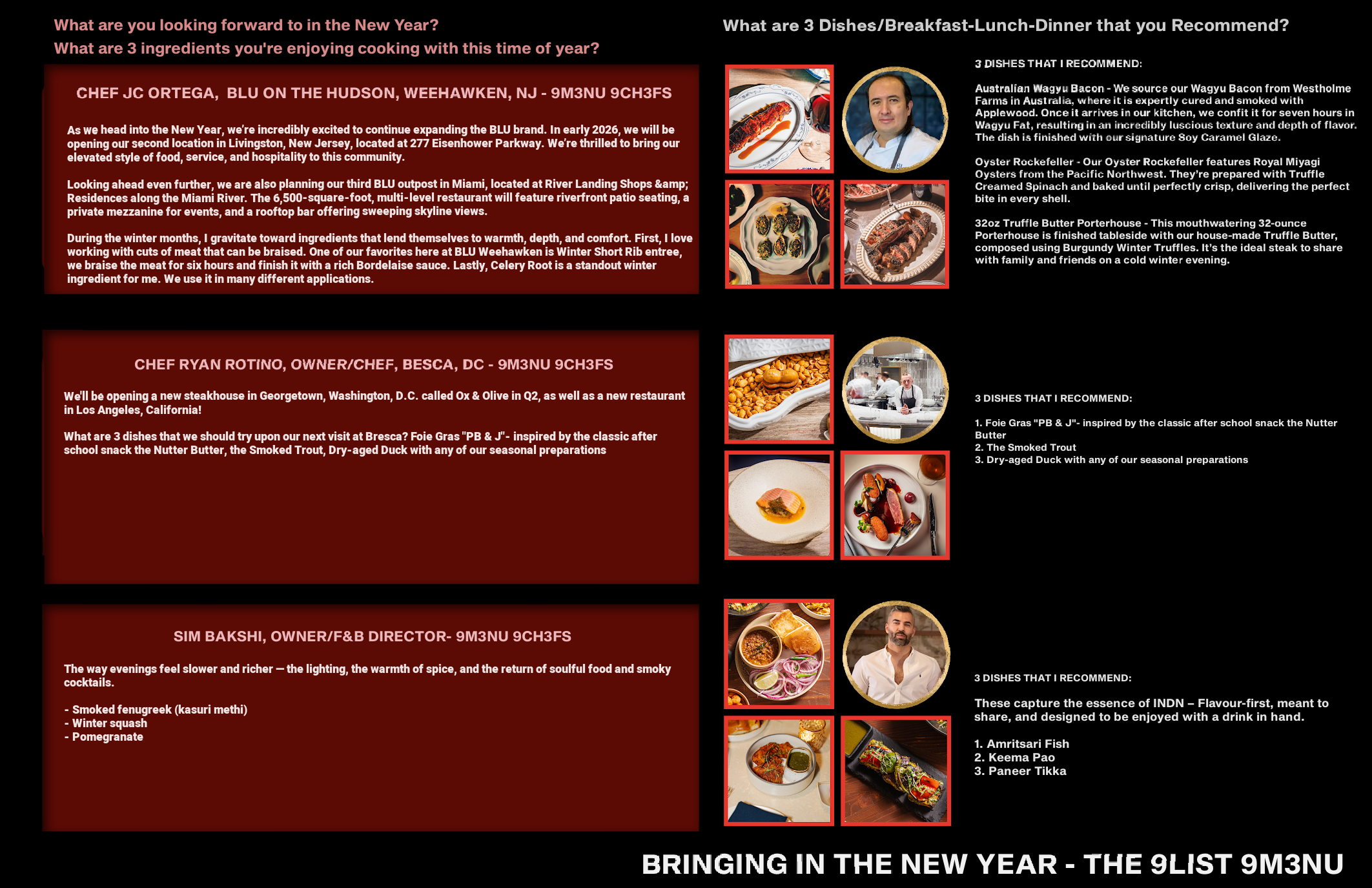
THE 9LIST 9M3NU

January 10, 2026

Read the DEC ISSUE #120 of Athleisure Mag and see THE 9LIST 9M3NU in mag.

Featured
9M3NU AM MAR 26 ZUZ.png
Apr 17, 2026
THE 9LIST 9M3NU
Apr 17, 2026
Apr 17, 2026
9M3NU AM FEB 26 XA.png
Mar 10, 2026
THE 9LIST 9M3NU
Mar 10, 2026
Mar 10, 2026
AM DEC ISSUE #120 _ THE 9LIST 9M3NU Handroll Bar Rolling 1.png
Jan 20, 2026
THE 9LIST 9M3NU | HANDROLL BAR ROLLING
Jan 20, 2026
Jan 20, 2026
In THE 9LIST 9M3NU, AM, Dec 2025, Food, THE 9LIST 9CH3FS Tags THE 9LIST 9M3NU, Food, Chef JC Ortega, Blu on The Hudson, 9M3NU CH3FS, 9CH3FS, Chey Ryan Ratino, Bresca, Sim Bakshi, INDN
Comment

ATHLEISURE BEAUTY

January 9, 2026

Read the DEC ISSUE #120 of Athleisure Mag and see ATHLEISURE BEAUTY in mag.

Featured
ATHLEISURE BEAUTY.png
May 3, 2026
ATHLEISURE BEAUTY
May 3, 2026
May 3, 2026
ATHLEISURE BEAUTY.png
Apr 8, 2026
ATHLEISURE BEAUTY
Apr 8, 2026
Apr 8, 2026
ATHLEISURE BEAUTY.png
Mar 2, 2026
ATHLEISURE BEAUTY
Mar 2, 2026
Mar 2, 2026
In AM, Athleisure Beauty, Dec 2025 Tags Athleisure Beauty, Dr. Althea, Tech Activated Beauty, About Face, Marini Skin Solutions, HOTSTUFF
Comment

PHOTO CREDIT | Pexels/Cottonbro Studio

SWEATBANDS, RITUALS, AND THE EDGE OF PERFORMANCE

January 8, 2026

Every athlete is on the hunt for something that sets them apart. Sometimes it’s extra hours in the gym, a pre-game playlist, or the familiar squeeze of a sweatband around their wrist.

Rituals—big or small—have always shaped the world of sports. They’re not just habits; they can boost confidence, settle nerves, and even tip the balance when it matters most.

This article looks at how personal routines, lucky gear, and psychological preparation push athletes and fans to new heights. The smallest details can make all the difference.

Game day rituals: how athletes and fans chase their edge

Every athlete knows that game day is about more than just skill. It’s a test of nerves, routine, and belief. From the soccer pitches of local parks to the bright lights of pro stadiums, rituals are everywhere.

Some athletes tape their wrists a certain way. Others slip on lucky socks or do a quiet handshake before stepping onto the court. Even coaches get in on it—think about basketball’s Gregg Popovich with his pregame coffee ritual or tennis stars bouncing the ball a set number of times before serving.

For fans, rituals are just as serious. Wearing the same jersey for every match or gathering friends at the exact pub before kickoff isn’t just tradition—it feels essential. These habits create comfort, focus, and even superstition. Lose a game after changing routines and you’ll hear someone swear they jinxed it.

Platforms like Stake Hunters have become part of this ecosystem. They connect communities who thrive on prep work, stats, and even shared hunches about what tips luck their way.

I’ve watched seasoned punters stick to rigid pre-match research patterns that border on superstition—and they swear by them. Whether you’re an athlete sharpening your mental edge or a fan building camaraderie through shared habits, these rituals are stitched into the fabric of sport. In many ways, they help both players and fans feel ready for whatever game day brings.

The science behind ritual: mindset, focus, and real results

It’s not just physical training that sets elite athletes apart. More and more, coaches and players rely on rituals—personal habits and team routines—to sharpen their focus and calm their nerves before high-stakes moments.

These rituals might look simple from the outside. Yet, the way an athlete ties their shoes or listens to a certain song can help clear distractions and build confidence when it matters most.

Sports psychologists have found that these practices do more than soothe nerves. They create a sense of predictability in an unpredictable world, giving athletes control over their preparation—and often, a real edge in competition.

Pre-game habits and mental preparation

I’ve seen firsthand how pre-game routines can transform an athlete’s mindset. Some use visualization techniques—mentally rehearsing every play or move—to prepare for pressure moments before they even step onto the field.

Others practice deep breathing exercises to lower their heart rate, steadying both body and mind. Even small actions—like listening to the same playlist or lacing up shoes in a particular order—help athletes feel grounded and ready.

●       Visualization improves confidence by letting athletes “see” success ahead of time

●       Breathing exercises reduce anxiety so players think clearly under stress

●       Consistent routines cue the brain for peak performance

The common thread is structure: predictable steps that become anchors amid uncertainty. Over time, these rituals can be just as critical as drills or strategy sessions.

The placebo effect in sports rituals

Here’s where things get fascinating. Sometimes it’s not the ritual itself—but belief in its power—that drives real-world results.

Athletes who wear a lucky sweatband or follow a specific handshake often report feeling more focused or confident. It turns out this isn’t just in their heads—it’s part of what psychologists call the placebo effect.

Sports Ritual Placebo Effect: A 2023 study published in Scientific Reports found that the placebo effect can lead to meaningful improvements in outcomes for athletes who believe in the power of their routines or lucky items, showing how psychological belief in rituals can genuinely enhance sports performance.

This means that trusting your own routine—even if it seems quirky—can spark real changes in motivation and performance. For coaches and leaders, recognizing this invisible boost is key to helping teams reach their potential.

How gear shapes identity and gives athletes a mental edge

Sports gear isn’t just about function. For many athletes, what they wear becomes woven into their sense of self—and sometimes even superstition.

Slip on the right shoes or a favorite sweatband, and suddenly you feel different. There’s comfort in routine, but there’s also real psychological power in these choices.

In locker rooms everywhere, signature items help athletes get locked in for competition. Gear is part of the ritual—a small but crucial piece of the mental toolkit that helps push limits when it counts.

Sweatbands and signature gear

Sweatbands might seem minor compared to high-tech shoes or jerseys, but they carry surprising meaning for many athletes.

Think of Rafael Nadal’s sweat-soaked headband—a talisman as much as a tool. Or Allen Iverson’s famous arm sleeve, born from an elbow injury but soon adopted by basketball players everywhere who wanted to channel his confidence.

I’ve seen local runners treat a battered old wristband like a badge of honor. To them, it’s proof of every hard-earned mile and early morning workout.

Signature gear can be intensely personal. Some believe it brings luck; others say it marks a mindset shift—from practice to competition mode. Either way, it’s clear these objects hold stories and carry weight far beyond their practical use.

Uniforms, team colors, and ritual dressing

The moment an athlete pulls on their team colors or specific uniform, something shifts mentally. It signals that playtime is over—it’s time to perform with purpose.

This “ritual dressing” helps create unity and pride. Walk into any big football match in England or Brazil, and you’ll see players touching crests or pulling socks up with care—small gestures that set the tone for battle.

A 2025 study in Acta Psychologica found that ritualized gear use—like wearing special uniforms or meaningful accessories—delivers more than just comfort. It boosts confidence, sharpens focus, and strengthens an athlete’s sense of control on game day (Ritualized Gear Advantage).

The tradition extends well beyond the field too. For fans suiting up at home or kids wearing their idol’s jersey before tryouts, these rituals remind us how identity and belief are stitched into every thread.

How fans and communities use rituals to create game day magic

Game day rituals aren’t reserved for the athletes on the field. They’re stitched into the fabric of every fan base, shaping how supporters connect, celebrate, and even influence outcomes.

Whether it’s donning a lucky jersey or joining in on a time-honored chant, these shared traditions build a sense of belonging that turns strangers into teammates for a few thrilling hours.

In my experience, the energy from fans—especially during those collective moments—can shift the entire mood of a stadium or living room. The anticipation, superstition, and unity are just as real in the stands as they are in any locker room.

Chants, cheers, and crowd energy

The most unforgettable sports moments are often wrapped up in sound. When thousands join their voices for a chant or signature cheer, it’s more than background noise—it’s fuel for athletes and adrenaline for everyone watching.

I’ve seen underdog teams rally when their home crowd erupts into synchronized support. It’s hard to overstate what happens when cheers reach that fever pitch—athletes stand taller and momentum can swing with a single roar.

●       Classic soccer anthems sung in unison at European stadiums

●       NFL crowds waving towels or executing coordinated chants before kickoff

●       High school pep rallies where every student knows the fight song by heart

These rituals aren’t accidental—they’re carefully passed down, tweaked with each generation, and fiercely protected because they work. They give fans agency and make everyone feel like part of the action.

Digital rituals: online communities and game day superstitions

The digital era hasn’t replaced traditional fan rituals—it’s amplified them. Now, social feeds fill with hashtags before big games while group chats buzz with superstitious banter about which shirt guarantees victory this week.

I’ve watched online watch parties turn ordinary matchups into virtual blockbusters. You’ll find fans from Seoul to São Paulo recreating stadium traditions from their couches—lighting up timelines with synchronized claps or coordinated memes when something wild happens on the field.

Digital Fan Rituals Trend: A 2024 Disney Advertising report reveals that digital rituals—like virtual watch parties and online game day traditions—have become essential for fans. These practices help recreate a communal atmosphere, influencing fan engagement and even boosting the game day energy experienced by teams and supporters alike.

If anything, these new habits prove there’s no substitute for shared experience—even if it happens through a screen instead of stadium seats. The digital crowd is just as passionate (and superstitious) as any sea of painted faces you’ll find in person.

Why rituals and gear matter beyond the scoreboard

Performance in sports isn’t just about strength or speed. The routines, favorite sweatbands, and even quirky superstitions add depth to the experience for athletes and fans alike.

I’ve seen firsthand how these traditions create a sense of belonging and boost confidence—sometimes tipping the scales in crucial moments.

Whether it’s the pre-game playlist, a lucky jersey, or a crowd’s unified chant, these rituals turn ordinary games into something unforgettable. They remind us that belief and connection are as important as talent when chasing that elusive edge.

Featured
AM JAN ISSUE #121 FINDING YOUR BALANCE.png
Feb 19, 2026
FINDING YOUR BALANCE
Feb 19, 2026
Feb 19, 2026
AM JAN ISSUE #121 ORIGINS.png
Feb 18, 2026
ORIGINS AN NFL COLLECTION
Feb 18, 2026
Feb 18, 2026
Copy of Thomas_Winstanley (1) copy 5 (1).png
Nov 22, 2025
EDIBLES.COM | EDIBLE BRANDS THOMAS WINSTANLEY
Nov 22, 2025
Nov 22, 2025
In ATW
Comment

PHOTO CREDIT | Pexels/Cottonbro Studio

RITUALS, RIVALRY, AND THE CULTURE OF COMPETITION

January 8, 2026

From ancient Olympic games to championship esports tournaments, competition has always been more than just a quest for victory.

Personal rituals, superstitions, and fierce rivalries set the stage for unforgettable moments—fueling not just athletes and teams, but entire communities of fans.

This article unpacks how these traditions shape the way we prepare, perform, and connect around contests of skill and strategy.

By exploring the impact of rituals and rivalry across different arenas, we reveal why competition remains such a powerful force in our lives and cultures—even in 2025.

The role of rituals in competitive environments

There’s something fascinating about the way rituals shape performance, whether you’re watching an athlete lace up their shoes a certain way or seeing a team gather for a group huddle before kickoff.

These small routines—rubbing a lucky charm, wearing a specific jersey, or reciting the same mantra before every match—aren’t just quirky habits. They help competitors get into the right mindset and manage nerves when the pressure is on.

Over time, I’ve noticed that even in digital spaces, rituals are evolving. For example, fans and players on Betting sites often develop pre-game behaviors and traditions that echo those seen on the field or court.

Whether it’s placing bets at a certain time, consulting favorite tipsters, or gathering online with friends for match predictions, these acts offer participants a sense of involvement and control in uncertain outcomes.

The power of ritual extends far beyond individual preparation. Teams rely on shared routines to build unity and signal readiness. You’ll see this from grassroots sports all the way to professional leagues: handshakes, chants, and warm-up drills all become part of a group’s identity.

In my experience, skipping these routines—even just once—can throw off confidence or focus more than you’d expect. It’s not about superstition; it’s about setting the stage for peak performance by creating consistency and calm amid chaos.

How rivalry sparks performance and passion in competition

No other force in competition drives intensity quite like a true rivalry.

When individuals or teams face off against a familiar opponent, the stakes feel personal. The desire to win becomes about more than just trophies—it’s about pride, history, and the story behind the matchup.

This energy is contagious. Rivalries draw fans in, creating narratives that last for decades and sometimes define entire sports or industries.

The psychology of rivalry is complex. It can sharpen focus, unlock hidden reserves of energy, and turn ordinary contests into iconic moments. Whether on the field or in a virtual arena, rivalries are what make competition unforgettable.

Legendary rivalries in sports and beyond

Some rivalries become shorthand for greatness itself. Think of Barcelona versus Real Madrid—El Clásico isn’t just a soccer match; it’s a cultural event watched by millions across the globe.

In tennis, the Federer-Nadal-Djokovic triangle has fueled debate and admiration for nearly two decades. Each duel adds new layers to their legacy and motivates each player to break records they might never have reached otherwise.

Outside traditional sports, competitive gaming has its own legendary matchups. In esports, battles between top teams like T1 and G2 Esports capture global attention and set new standards for performance under pressure.

These rivalries inspire athletes and fans alike—each meeting is more than a game; it’s another chapter in a saga that people remember long after the final score is tallied.

The science behind rivalry and motivation

Rivalry doesn’t just create drama—it actually changes how competitors think and perform. When facing a well-known foe, adrenaline surges and focus sharpens.

Research shows that rivalry increases motivation by turning competition into something deeply personal. Competitors become more willing to take risks, train harder, and push themselves further when there’s history on the line.

Rivalry and Motivation: A 2023 study from the University of Warwick examines how rivalry in online gamified competition intensifies motivation and the drive to win. The researchers found that heightened stakes and emotional engagement led individuals to perform at higher levels—even outside traditional sporting contexts.

This effect helps explain why rivalries aren’t limited to professional athletes. Whether it’s sales teams gunning for top spot or friends battling over video game leaderboards, rivalry taps into our natural urge to compete—and brings out our very best when it matters most.

How team rituals and superstitions shape group identity

Shared rituals and quirky superstitions aren’t just side notes in sports or any competitive setting—they’re powerful tools for shaping group identity and boosting team spirit.

These traditions, passed down or invented on the spot, often set the tone for how teams interact and perform together.

Building bonds through shared rituals

I’ve watched teams gather for pre-game meals, rehearse locker room chants, and celebrate with victory dances that would make anyone crack a smile.

These aren’t just for fun. They help build a sense of trust and belonging that can steady nerves before big moments.

When players feel part of something bigger than themselves, they communicate better, recover from setbacks faster, and stay motivated—even during losing streaks.

The best teams I’ve seen lean into these habits. Whether it’s a signature handshake or a mandatory pasta dinner before home games (a tradition among some Italian clubs), these shared acts give everyone a role to play—on and off the field.

Superstitions and the search for control

It’s common to see athletes tie their shoes in a certain order or wear lucky socks on game day. Superstitions like these are everywhere because competition is unpredictable—and people crave any sense of control they can get.

The prevalence of these behaviors isn’t just anecdotal. According to Superstitious Rituals in Sports, a 2023 academic study found that rituals help athletes manage anxiety and build confidence under pressure.

These actions might look irrational from the outside, but inside the locker room, they’re serious business. Group superstitions—like sitting in the same seat every time or following elaborate warm-up routines—also foster unity by reinforcing collective belief in success.

If you’re leading a team or coaching young players, understanding these quirks isn’t about encouraging magical thinking—it’s about recognizing how small comforts can drive focus, calm nerves, and help everyone buy into the group’s goals.

The spectator’s role in shaping rituals, rivalry, and fan culture

Spectators aren’t just watching from the sidelines—they help shape the pulse of competition.

Fans create their own rituals, whether it’s lucky jerseys or pre-game meetups, becoming active players in every match’s story.

Their chants, cheers, and rivalries ripple through stadiums and social feeds, turning simple contests into shared spectacles.

This dynamic between fans and competitors transforms events, building emotional stakes that linger long after the final whistle.

Fan rituals and community traditions

Fan culture thrives on ritual—tailgating before games, singing anthems together, or joining waves of color in packed arenas.

These shared routines offer more than entertainment. They anchor fans in a larger community, making strangers feel like teammates for a day.

I’ve seen how a simple chant can lift the energy of an entire stadium or how family traditions—like watching a big match with the same snacks—become small but meaningful acts of belonging.

The emotional impact is real: collective celebration turns wins into lifelong memories while shared disappointment helps soften losses.

Digital rivalries and the rise of online fandom

Social media has rewritten the playbook for fan engagement and rivalry. Today’s debates move faster than ever across platforms like X (formerly Twitter), Discord servers, and TikTok comment sections.

Online communities coordinate hashtags, trade witty barbs with rivals, or share memes that go viral minutes after a dramatic finish. These digital rituals aren’t just noise—they reinforce loyalty and group identity even when fans are continents apart.

Online Fan Communities: A 2023 study in Frontiers in Sports and Active Living shows that humor, running jokes, and creative interaction inside these spaces make rivalries more intense but also foster surprising camaraderie among fans who might never meet offline.

In 2025, digital fandom is just as much a part of competition as what happens on the field—it shapes how we remember every victory and defeat.

Why rituals and rivalry keep competition alive

Rituals and rivalry aren’t just side notes—they’re the fuel that keeps competition exciting for everyone involved.

Whether it’s an athlete sticking to a game-day routine or fans carrying out their own match-day traditions, these practices give meaning and structure to the chaos of high-stakes contests.

Rivalries bring another level of drama, drawing people in and turning simple games into unforgettable events. The result is a culture that does more than just reward winners—it brings people together, sparks passion, and shapes lasting memories across generations.

Featured
AM JAN ISSUE #121 FINDING YOUR BALANCE.png
Feb 19, 2026
FINDING YOUR BALANCE
Feb 19, 2026
Feb 19, 2026
AM JAN ISSUE #121 ORIGINS.png
Feb 18, 2026
ORIGINS AN NFL COLLECTION
Feb 18, 2026
Feb 18, 2026
Copy of Thomas_Winstanley (1) copy 5 (1).png
Nov 22, 2025
EDIBLES.COM | EDIBLE BRANDS THOMAS WINSTANLEY
Nov 22, 2025
Nov 22, 2025
In ATW
Comment

9LOOKS | ZIMMERMANN

January 8, 2026

Read the DEC ISSUE #120 of Athleisure Mag and see 9LOOKS | Zimmermann in mag.

Featured
9LOOKS.png
Apr 12, 2026
9LOOKS | LACOSTE
Apr 12, 2026
Apr 12, 2026
9LOOKS.png
Mar 8, 2026
9LOOKS | ALICE + OLIVIA
Mar 8, 2026
Mar 8, 2026
9LOOKS.png
Feb 6, 2026
9LOOKS | BALENCIAGA
Feb 6, 2026
Feb 6, 2026
In 9LOOKS, AM, Dec 2025 Tags 9LOOKS, Zimmermann, Zulu Athletic, Juced, Vice Golf
Comment

THE 9LIST

January 7, 2026

Read the DEC ISSUE #120 of Athleisure Mag and see THE 9LIST in mag.

Featured
9LIST.png
Apr 13, 2026
THE 9LIST
Apr 13, 2026
Apr 13, 2026
T9L Event 5_26_26.png
Mar 20, 2026
THE 9LIST® X LORE BATHING CLUB
Mar 20, 2026
Mar 20, 2026
9LIST.png
Mar 9, 2026
THE 9LIST
Mar 9, 2026
Mar 9, 2026
In 9LIST, AM, Dec 2025, Beauty, Fitness, Style, Wellness Tags THE 9LIST, Bahe, Bioathletic, Illo, ATHLEISUREVERSE, Epic Pain Solutions, Aerless, AKT, Oribe, Kat Burki
Comment

PHOTO CREDIT | Netflix/The Actor Awards

AWARDS SEASON | THE ACTOR AWARDS NOMINATIONS

January 7, 2026

This year, the SAG Awards has been renamed to the 32nd Annual Actor Awards Presented by SAG-AFTRA to better align with the awards and vision of this show in what it means to those that are nominated as well as receive it. This morning, the nominations were shared for this awards season show. Winners will be announced and streamed live on Netflix on Sunday, March 1st at 8pm ET/5pm PT. Our predictions are in bold, the ones we correctly identified as winners are in bold italics and winners that we didn’t predict are in italics.

2026 Actor Awards nominations — Film categories

Outstanding Performance by a Cast in a Motion Picture

Frankenstein
Hamnet
Marty Supreme
One Battle After Another
Sinners

Outstanding Performance by a Male Actor in a Leading Role

Timothée Chalamet, Marty Supreme
Leonardo DiCaprio, One Battle After Another
Ethan Hawke, Blue Moon
Michael B. Jordan, Sinners
Jesse Plemons, Bugonia

Outstanding Performance by a Female Actor in a Leading Role

Jessie Buckley, Hamnet
Rose Byrne, If I Had Legs I'd Kick You
Kate Hudson, Song Sung Blue
Chase Infiniti, One Battle After Another
Emma Stone, Bugonia

Outstanding Performance by a Male Actor in a Supporting Role

Miles Caton, Sinners
Benicio Del Toro, One Battle After Another
Jacob Elordi, Frankenstein
Paul Mescal, Hamnet
Sean Penn, One Battle After Another

Outstanding Performance by a Female Actor in a Supporting Role

Odessa A'zion, Marty Supreme
Ariana Grande, Wicked: For Good
Amy Madigan, Weapons
Wunmi Mosaku, Sinners
Teyana Taylor, One Battle After Another

Outstanding Performance by a Stunt Ensemble in a Motion Picture

F1
Frankenstein
Mission: Impossible — The Final Reckoning
One Battle After Another
Sinners

2026 Actor Awards nominations — TV categories

Outstanding Performance by an Ensemble in a Comedy Series

Abbott Elementary
The Bear
Hacks
Only Murders in the Building
The Studio

Outstanding Performance by an Ensemble in a Drama Series

The Diplomat
Landman
The Pitt
Severance
The White Lotus

Outstanding Performance by a Male Actor in a Comedy Series

Ike Barinholtz, The Studio
Adam Brody, Nobody Wants This
Ted Danson, A Man on the Inside
Seth Rogen, The Studio
Martin Short, Only Murders in the Building

Outstanding Performance by a Female Actor in a Comedy Series

Kathryn Hahn, The Studio
Catherine O'Hara, The Studio
Jenna Ortega, Wednesday
Jean Smart, Hacks
Kristen Wiig, Palm Royale

Outstanding Performance by a Male Actor in a Drama Series

Sterling K. Brown, Paradise
Billy Crudup, The Morning Show
Walton Goggins, The White Lotus
Gary Oldman, Slow Horses
Noah Wyle, The Pitt

Outstanding Performance by a Female Actor in a Drama Series

Britt Lower, Severance
Parker Posey, The White Lotus
Keri Russell, The Diplomat
Rhea Seehorn, Pluribus
Aimee Lou Wood, The White Lotus

Outstanding Performance by a Male Actor in a Television Movie or Limited Series

Jason Bateman, Black Rabbit
Owen Cooper, Adolescence
Stephen Graham, Adolescence
Charlie Hunnam, Monster: The Ed Gein Story
Matthew Rhys, The Beast In Me

Outstanding Performance by a Female Actor in a Television Movie or Limited Series

Claire Danes, The Beast In Me
Erin Doherty, Adolescence
Sarah Snook, All Her Fault
Christine Tremarco, Adolescence
Michelle Williams, Dying for Sex

Outstanding Performance by a Stunt Ensemble in a Television Series

Andor
Landman
The Last of Us
Squid Game
Stranger Things

SAG Life Achievement Award

Harrison Ford

Read the latest issue of Athleisure Mag.

Featured
ACA_2026_KA_4000x2250_v5_PRE_0.jpg
Mar 15, 2026
AWARDS SEASON | OSCARS WINNERS
Mar 15, 2026
Mar 15, 2026
Screenshot (108).png
Mar 1, 2026
AWARDS SEASON | THE ACTOR AWARDS WINNERS
Mar 1, 2026
Mar 1, 2026
2026_grammys_telecast_GRAMMYS_2026_BOX_ART_2.jpg
Feb 1, 2026
AWARDS SEASON | GRAMMY WINNERS
Feb 1, 2026
Feb 1, 2026
In AM, Awards Season, Awards Season 2025-2026 Tags Awards Season, TV, Movie, The Actor Awards, Netflix
Comment

PHOTO CREDIT | Image via X.com/PHLEaglesNation via @Eagles

THE FAVORITE FOODS OF THE NFL'S BIGGEST STARS

January 7, 2026

 While they’re travelling on the plane back from a memorable triumph, the NFL’s collection of professional football players indulge is some truly delicious foods. From the naughty to the nice, they’re able to consume large amounts of calories while also maintaining a healthy weight to ensure they’re at the peak of their powers.

Throughout the NFL, food tends to dominate discussions as it fuels recovery and enables players to execute hard hits. In the same way that NFL fans constantly discuss their fantasy picks and potential bets to place when looking at the latest NFL Super Bowl odds, these formidable athletes also put a lot of time and effort into their grub. For example, some players always go for protein-packed snacks, while others enjoy the occasional sugar-filled treat.

From the personal chefs they have to the array of dietary requirements these professional athletes tend to stick to, there are some interesting foods some of the finest professionals in the competition are known to devour on a regular basis. So, without further ado, below we highlight some of the favorite foods of the NFL’s biggest stars.

Omelettes are popular

Filled with protein thanks to the presence of meats like turkey and chicken, many NFL athletes consume omelets on a daily basis. A fantastic way to eat a good amount of vegetables and the aforementioned protein, omelets also tend to be munched on with a slice or two of whole-grain toast and even a fruit-filled bowl of Greek yoghurt to finish on. A fantastic way to start the day, it’s the type of breakfast NFL players need to be at the top of their sport.

Jordan Mailata adores pasta

Carb-loading makes a lot of sense for these devoted athletes. However, Jordan Mailata takes it to another level. According to recent interviews with the Australian offensive tackle, his pre-game meal the night before consists of huge servings of pasta. Sometimes, the Philadelphia Eagles hero even manages to destroy a whole box of bow-tie pasta. From pasta and pesto to chicken Alfredo, pasta is an understandable preference for many NFL players before a big game, as it provides them with the sustained energy they require to dominate on the field.

Cereal is another go-to breakfast option

Enjoyed by the likes of T.J. Watt, cereal is another breakfast option many NFL players opt for. Brands like Wheaties stand out for the Pittsburgh Steelers’ star, although he and his brother, J.J. Watt, who has now retired from the sport, were also known to devour oatmeal at times. Travis and Jason Kelce are another pair of siblings who are also partial to a bit of cereal in the morning, with the likes of Cinnamon Toast Crunch and Lucky Charms being discussed on their podcast.

A cheeky treat is needed at times  

Of course, NFL athletes are human. When they aren’t keeping track of the calories they consume and following strict dietary requirements, they’re known to have the occasional treat. Los Angeles Chargers quarterback Justin Herbert loves Subway, Chad "Ochocinco" Johnson is a known fan of McDonald’s, and Jacksonville Jaguars defensive end Arik Armstead always opts for Chinese food when he fancies having a cheat day.

Seafood is a prevalent pick

PHOTO CREDIT | Image via X.com/PHLEaglesNation

When Jalen Hurts isn’t shining for the Philadelphia Eagles of the National Football League, the talented 27-year-old is known to consume a lot of crawfish. In fact, seafood is a prevalent pick in the NFL as it’s fairly light to eat, it builds muscle, and it’s known to fight inflammation thanks to the presence of essential Omega-3s. Other seafood delights that NFL players opt for include fresh fish and oysters.

Featured
AM MAR ISSUE #123 OS DINO MALVONE (1).png
Apr 28, 2026
TRAINING TOGETHER | DINO MALVONE
Apr 28, 2026
Apr 28, 2026
AM MAR ISSUE #123 OS Erin Jackson_Jordan Stolz (1).png
Apr 27, 2026
GOLDEN HAPPINESS | ERIN JACKSON + JORDAN STOLZ
Apr 27, 2026
Apr 27, 2026
AM MAR ISSUE #123 OS Morgan Riddle (1).png
Apr 25, 2026
IN THE PLAYER BOX | MORGAN RIDDLE
Apr 25, 2026
Apr 25, 2026
In ATW
Comment

#TRIBEGOALS

January 6, 2026

Read the DEC ISSUE #120 of Athleisure Mag and see #TRIBEGOALS in mag.

Featured
_TRIBEGOALS.png
May 2, 2026
#TRIBEGOALS
May 2, 2026
May 2, 2026
_TRIBEGOALS.png
Apr 10, 2026
#TRIBEGOALS
Apr 10, 2026
Apr 10, 2026
_TRIBEGOALS.png
Mar 3, 2026
#TRIBEGOALS
Mar 3, 2026
Mar 3, 2026
In AM, Dec 2025, #TribeGoals Tags Pop & Bottle, Cinco Jotas, Oyo, Caked, Fit Sleeps, Seald Wellness, Farmacy, Got2B, Green Pan
Comment
← Newer Posts Older Posts →
No results found

GET ATH MAG

Read the APR ISSUE #124.

GET YOUR COPY OF APR ISSUE #124

Personal trainers
Personal Trainer Jobs

Sign up for our newsletter!

Sign up for our newsletter!


PODCAST NETWORK

ATHLEISURE STUDIO SLATE.jpg
LISTEN TO ALL OF #TRIBEGOALS’ EPISODES ON SPOTIFY, APPLE PODCAST, GOOGLE PODCAST AND MORE

LISTEN TO ALL OF #TRIBEGOALS’ EPISODES ON SPOTIFY, APPLE PODCAST, GOOGLE PODCAST AND MORE

LISTEN TO ALL OF ATHLEISURE KITCHEN’S EPISODES ON iHEARTRADIO, SPOTIFY, APPLE PODCAST, GOOGLE PODCAST AND MORE

LISTEN TO ALL OF ATHLEISURE KITCHEN’S EPISODES ON iHEARTRADIO, SPOTIFY, APPLE PODCAST, GOOGLE PODCAST AND MORE

LISTEN TO ALL OF BUNGALOW SK’S EPISODES ON iHEARTRADIO, SPOTIFY, APPLE PODCAST, GOOGLE PODCAST AND MORE

LISTEN TO ALL OF BUNGALOW SK’S EPISODES ON iHEARTRADIO, SPOTIFY, APPLE PODCAST, GOOGLE PODCAST AND MORE

LISTEN TO ALL OF THE 9LIST’S EPISODES ON iHEARTRADIO, SPOTIFY, APPLE PODCAST, GOOGLE PODCAST AND MORE

LISTEN TO ALL OF THE VOT3D IO’S EPISODES ON iHEARTRADIO, SPOTIFY, APPLE PODCAST, GOOGLE PODCAST AND MORE


TRENDING

Featured
AM APR FC.png
AM, Apr 2026, Ath Mag Issues, Editor Picks
ATHLEISURE MAG #124 | CHEF AYESHA NURDJAJA
AM, Apr 2026, Ath Mag Issues, Editor Picks
AM MAR ISSUE #123 OS DZ.png
Editor Picks, AM, TV Show, Mar 2026, Streaming, Netflix
MAESTRO OF MAGIC | DEBORAH CZERESKO
Editor Picks, AM, TV Show, Mar 2026, Streaming, Netflix
RC 1.png
Editor Picks, 9LIST R3DCARP3T, AM, Mar 2026, Fashion
9R3DCARP3T
Editor Picks, 9LIST R3DCARP3T, AM, Mar 2026, Fashion
AM MAR FC.png
AM, Ath Mag Issues, Mar 2026, Editor Picks
ATHLEISURE MAG #123 | CAROLINE MARKS
AM, Ath Mag Issues, Mar 2026, Editor Picks
AM FEB OS BEA KIM (1).png
AM, Athletes, Editor Picks, Feb 2026, Olympics, Olympian, Sports, Action Sports
HER HALF PIPE JOURNEY | BEA KIM
AM, Athletes, Editor Picks, Feb 2026, Olympics, Olympian, Sports, Action Sports
AM FEB OS MATT HAMILTON (3) (1).png
AM, Feb 2026, Athletes, Olympian, Olympics, Sports, Editor Picks
CURLING NATION | MATT HAMILTON
AM, Feb 2026, Athletes, Olympian, Olympics, Sports, Editor Picks
AM FEB ISSUE #122 FC.png
AM, Ath Mag Issues, Editor Picks, Feb 2026
ATHLEISURE MAG #122 | JACK HUGHES
AM, Ath Mag Issues, Editor Picks, Feb 2026
AM JAN ISSUE #121 OS BALANCE A DOCUSERIESM_.png
AM, Women's Health, Wellness Editor Picks, Wellness, TV Show, Jan 2026, Fashion, Netflix, Netflix Originals, Streaming, Editor Picks
GO GET'EM MODE | MICHELLE BUTEAU
AM, Women's Health, Wellness Editor Picks, Wellness, TV Show, Jan 2026, Fashion, Netflix, Netflix Originals, Streaming, Editor Picks
AM JAN ISSUE #121 ORIGINS.png
AM, Fashion, Jan 2026, Lifestyle, Sports, Editor Picks
ORIGINS AN NFL COLLECTION
AM, Fashion, Jan 2026, Lifestyle, Sports, Editor Picks
AM JAN FRONT COVER.png
AM, Ath Mag Issues, Jan 2026, Editor Picks
ATHLEISURE MAG #121 | DUSTIN JOHNSON
AM, Ath Mag Issues, Jan 2026, Editor Picks