
Primary Points:
● Recovery teaches athletes to rebuild discipline without relying on performance pressure.
● Support from therapists, coaches, and peers strengthens long-term healing.
● Sobriety improves focus, endurance, and emotional clarity in training and competition.
● Success after addiction values stability and purpose over fame or records.
● Open conversations about recovery help reshape the culture of sports.

Athletic life is built on pressure, every performance, every game, every number on a scoreboard. Behind the discipline and glory sits a demand for perfection that few can sustain. The gap between success and exhaustion can close fast, and what starts as focus sometimes turns into dependency.
Addiction can take shape quietly in high-performance settings. Painkillers used for recovery can become routine. Alcohol or stimulants can dull anxiety before competitions. Fame can amplify loneliness when the lights fade. The combination leaves athletes vulnerable in ways fans rarely see.
Recovery begins when the chase for wins gives way to something deeper: the need for balance. For athletes in recovery, the journey is not about reclaiming titles but rebuilding trust with their own bodies and minds. The focus shifts from medals to meaning: how they train again, how they heal, and how they learn to compete without losing themselves in the process.
Addiction in Sports
Addiction among athletes often hides behind controlled routines and disciplined training. What appears as strength can sometimes cover dependence or pain. The sports industry praises endurance, but that same mindset can make it hard to ask for help.
Common types of addiction among athletes
● Prescription drugs: Painkillers and anti-anxiety medications, often prescribed after injuries, can become habit-forming.
● Alcohol: Used to relax or escape constant scrutiny, drinking can escalate quickly when paired with public expectations.
● Performance enhancers: Substances that promise faster recovery or improved stamina often lead to psychological and physical dependency.
● Gambling: The competitive rush can spill into betting, offering the same thrill as sport itself but with destructive consequences.
Contributing factors
● Chronic injuries and pain medication misuse: repeated physical trauma makes medical dependence easy to rationalize.
● Pressure to maintain performance: fear of replacement or decline pushes many to seek artificial help.
● Emotional toll of public scrutiny: every mistake feels amplified, leaving athletes searching for quick relief.
● Post-career identity loss: once the spotlight fades, the absence of structure and purpose can create openings for addiction.
Addiction cuts across medals, records, and fame. It’s not a moral failing but a human one, a reminder that resilience also includes the ability to seek help and start over.
The Turning Point
For many athletes, the decision to seek help begins after something collapses: an injury that sidelines them for good, a confrontation from family, a breakdown that strips away composure, or a quiet realization that they can’t keep living on autopilot. The pattern of control and performance begins to crack, exposing what the competition once hid. Facing addiction often starts with a single interruption that forces honesty.
Admitting there’s a problem can feel impossible. Athletes are trained to endure, to push through discomfort, and to avoid showing weakness. The same qualities that make them successful can block self-awareness. Practical barriers follow: fear of public exposure, career damage, and uncertainty about what recovery might cost.
In early recovery, support from coaches, teammates, and sports organizations can help rebuild stability. When leadership creates room for honesty, it changes what accountability looks like. Some teams offer counseling and structured treatment options, while others provide quiet backing so an athlete can heal without media intrusion. That support, even when small, can determine whether treatment sticks.
'Starting over' is how many describe that first day in recovery. Training resumes at a different pace, this time without substances to mute pain or pressure. Each session feels uncertain but clean, and that rawness marks the beginning of something sturdier than the performance that came before.
The Early Stages of Healing
The first phase of recovery feels uncertain. Everything that once defined an athlete now takes a back seat to learning how to live differently. Progress slows down, but every bit of it counts.
Detox, therapy, and rebuilding daily structure
Healing starts with physical detox and medical supervision, followed by therapy that helps address emotional triggers. Days are built around treatment sessions, nutrition, and steady routines that replace chaos with predictability. Structure becomes medicine.
Transition from constant adrenaline to quiet routine
Adjusting from a life of noise, travel, and intensity to the stillness of rehab can feel like withdrawal from adrenaline itself. Athletes who once trained for hours now sit through therapy circles and mindfulness sessions. The silence can feel louder than any stadium. Learning to tolerate that quiet becomes its own form of training, one that tests patience instead of reflexes.
Use of sports discipline as a recovery tool
Athletes often adapt faster once they apply familiar systems: early wake-ups, scheduled check-ins, measurable goals. That same discipline, redirected toward recovery, gives them a sense of control. It’s the same mindset (show up, repeat, and refine) but with different rewards.
Importance of mental health professionals
Working with therapists who recognize the psychology of high achievement makes a difference. Specialists at programs like Jackson House Addiction Treatment & Recovery Centers and other experienced rehabilitation facilities understand how identity, competition, and performance pressure interact with addiction. They bridge the gap between therapy and training, helping athletes process setbacks without judgment or comparison.
Small wins
Healing doesn’t announce itself with trophies. It shows up in simple victories: nights of unbroken sleep, consistent attendance in meetings, and returning to workouts without shortcuts or substances. These moments carry quiet weight, marking progress that no scoreboard can measure.
Recovery in its early stages is less about reclaiming past glory and more about learning to exist without crisis. Each day lived clean becomes proof that stability is possible.
Physical Rehabilitation and Training During Recovery
Training after addiction looks different. The drive to outperform gives way to a focus on function: how the body moves, heals, and holds up under steady care. The work becomes less about competition and more about rebuilding trust between body and mind.
Working with physical therapists, sports psychologists, and nutritionists
● Physical therapists guide athletes through the process of restoring coordination, balance, and strength without overexertion. They introduce gradual movement patterns, focusing on body awareness rather than peak output. This careful rebuilding prevents reinjury and helps athletes reconnect with how their bodies respond to effort and fatigue.
● Sports psychologists address the mental side of training. They help athletes unpack how perfectionism, fear of decline, and identity pressures shaped their substance use. Therapy sessions may focus on reestablishing motivation, managing competition anxiety, and rebuilding confidence after public setbacks. Through visualization and goal-setting exercises, they help athletes find meaning in progress that isn’t tied to trophies.
● Nutritionists fill another gap often left by addiction. Substance use can drain essential nutrients and disrupt metabolism, so recovery plans start with replenishment. Balanced meals tailored to the athlete’s training load support energy and mood regulation. Instead of chasing short-term gains through extreme diets or supplements, the emphasis moves toward stability and healing.
Reconnecting with the body after trauma or dependency
Many athletes describe early training in recovery as awkward. Muscles feel unfamiliar, and coordination takes time to return. Gradually, they relearn what movement feels like without chemical interference, which rebuilds confidence through experience rather than force.
Adjustments in diet, rest, and strength conditioning to support healing
Training programs shift toward moderation. Nutrition becomes cleaner, with steady hydration and balanced meals replacing restrictive or extreme regimens. Rest schedules tighten, with emphasis on sleep quality over total training hours. Strength work focuses on injury prevention and mobility instead of pushing limits. Each adjustment keeps the body resilient without triggering relapse patterns.
Mindfulness, yoga, and controlled breathing often appear in recovery plans as sustainable complements to physical rehab. Low-impact routines build consistency without overwhelming the system. Over time, these practices teach athletes to train for longevity, measured in the ability to stay present and healthy.
The Psychological Shift
Recovery changes how athletes relate to pressure. The mental sharpness that once fueled them can also stir anxiety and cravings. Many learn to manage those impulses by observing rather than reacting to them. Training becomes an outlet for focus instead of escape, and emotional awareness starts to replace old coping habits.
Learning emotional regulation tools
● Breathing techniques: Controlled breathing before training or competition steadies the nervous system and eases tension. Simple patterns, like slow counts in and out, help anchor attention when stress spikes.
● Mindfulness exercises: Short grounding routines, like feeling the weight of the feet on the floor or noticing muscle sensations, bring awareness back to the moment instead of future outcomes.
● Cognitive reframing: Identifying negative self-talk and replacing it with factual statements keeps thoughts from spiraling. Phrases like 'I’ve trained for this' or 'One step at a time' retrain mental focus.
Finding meaning beyond winning
Many athletes in recovery view competition differently. The goal shifts from beating opponents to testing personal consistency. Some describe satisfaction in finishing an event without relapse triggers or mental collapse. Winning still matters, but not at the expense of peace of mind.
Community and peer support as mental anchors
Staying connected to teammates, counselors, and recovery peers keeps motivation grounded. Support groups within or outside sports provide accountability when pressure builds. Sharing setbacks and progress with others who understand creates balance and perspective that solitary effort cannot match.
The mindset of recovery doesn’t erase ambition; it teaches athletes to channel it with awareness. Competing clean, calm, and present becomes the new measure of success.
Performance After Recovery
Returning to competition after recovery brings mixed emotions. Training feels sharper, but there’s a constant awareness of limits. Athletes often describe renewed gratitude for the chance to compete at all, valuing presence and control over personal records. The body regains strength, and the mind learns to pace intensity without slipping into old patterns.
Managing expectations becomes essential. Perfectionism, once a motivator, can now be a trap. Coaches and therapists often encourage athletes to track consistency instead of outcome. Accepting fluctuations in performance prevents frustration from turning into risk. Progress measured over months rather than single events helps maintain stability.
Sobriety reshapes the experience of performance. Focus deepens because attention is no longer fragmented by substances or guilt. Recovery habits, such as structured sleep, steady nutrition, and emotional regulation, translate into clearer judgment during competition. Some athletes report slower reactions at first, followed by stronger endurance and mental clarity as the body adjusts.
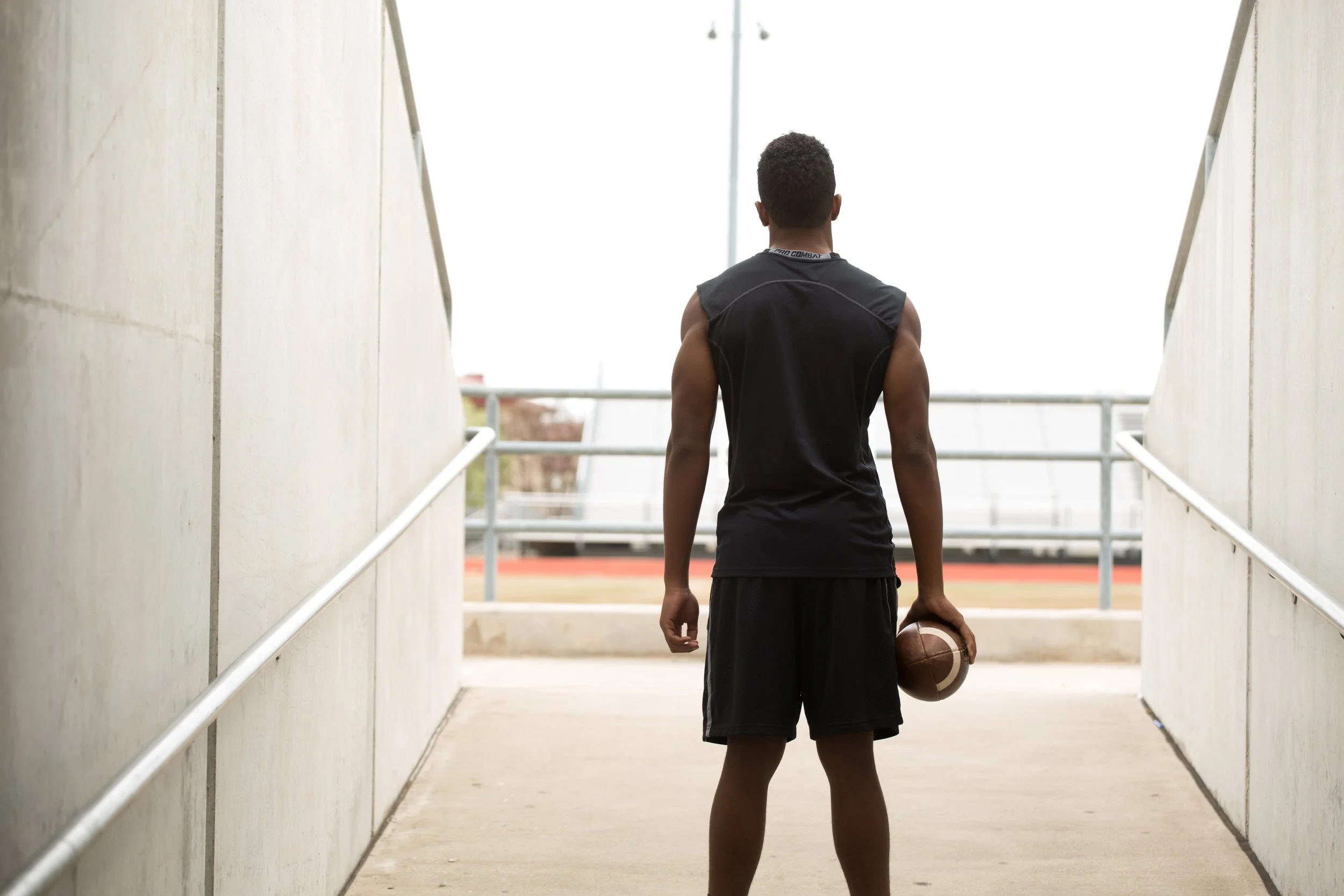
PHOTO CREDIT | Adobe Stock/digitalskillet1