This month, we made our way to NoMad which we tend to be in a lot as it’s a great neighborhood that’s filled with fun eateries from fast casual to those that are elegant, great shopping, galleries, and our favorite fitness studios!
Earlier this Summer we went to a party at the Hotel Seville NoMad, part of the Unbound Collection from Hyatt, shortly after they had completed their rennovations. We knew we wanted to do a staycation here which we did this month. We sat down with Tommasi Moccia, the hotel’s General Manager to talk about the property, amenities, restaurants, and more.
ATHLEISURE MAG: When did Hotel Seville NoMad initially launch? Can you tell us about the building that it occupies as we know it’s a 1904 Beaux-Arts landmark. What does that term mean?
TOMASSI MOCCIA: The hotel began its next chapter in April 2025, when the former James NoMad became Hotel Seville NoMad and joined The Unbound Collection by Hyatt. The renovation was completed the following spring.
“Beaux-Arts” means “fine arts” in French, but in architecture, it refers to the grand style that was popular in New York around the turn of the 20th century. It’s known for details like arched windows, decorative stonework and symmetrical façades, many of which can still be seen on the hotel’s historic exterior.
AM: This hotel is part of Hyatt’s Unbound Collection. What kinds of hotels are part of this selection of hotels?
TM: What makes The Unbound Collection by Hyatt interesting is that every hotel has its own story, design and personality. There isn’t one set look that every property has to follow, but guests still receive Hyatt service and can enjoy the benefits of World of Hyatt. Hotel Seville NoMad is a natural fit because it pairs the character of a historic New York building with a fresh, more contemporary interior.
AM: We had the pleasure of attending an opening at the property this Spring/Summer. What can you tell us about the renovation?
TM: The renovation was really about giving the hotel a fresh new personality while holding onto the history and character that make the building so special. As part of the multimillion-dollar transformation, the striking 1904 Beaux-Arts façade was carefully restored, with many of its beautiful original architectural details thoughtfully preserved.
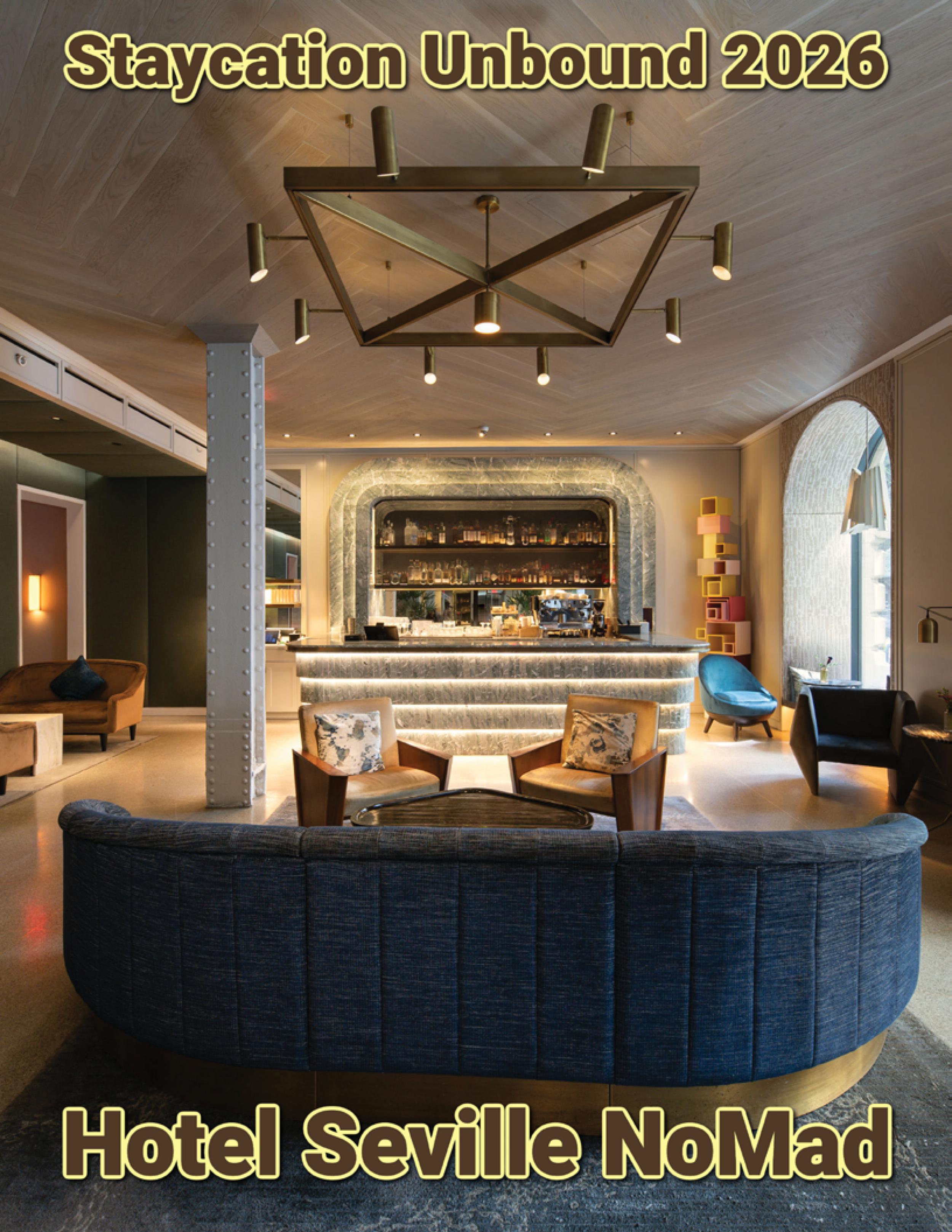
Inside, all 348 guestrooms and suites were reimagined to feel more like chic, inviting New York apartments, with curated artwork, layered textures and charming vintage-inspired touches. The project introduced Il Bar, a warm and stylish new lobby bar, while giving the ballroom, event spaces and fitness center a fresh, modern update.
AM: Is this hotel pet friendly?
TM: Yes, dogs are welcome at Hotel Seville NoMad! For guests bringing a dog, the Pawcation Offer includes treats, a water bowl and a FUZI Pets dog bed in the room. Their owners receive coffee and a pastry for two from Bourke Street Bakery, along with a 1 p.m. late checkout.
AM: Tell us about the rooms that are available when we are staying here for a vacation, staycation, or a business meeting!
TM: There’s a great mix of newly redesigned guestrooms and suites, whether you’re visiting for work, planning a fun weekend away or treating yourself to a New York staycation. Guests can choose from cozy queen and king rooms, more spacious deluxe rooms and stylish Seville Suites.
For something truly special, the 1,050 square-foot Penthouse Suite features a separate living area, dining room, wet bar and sweeping views across NoMad. Several other suites also include separate living and sleeping spaces, comfortable sleeper sofas and picture-perfect views of the Empire State Building.
AM: What amenities are available to guests in their room that we should know about?
TM: The rooms have everything guests need to settle in comfortably, from custom pillow-top mattresses and natural linens to blackout curtains and marble bathrooms. Each room also features local artwork, a fully stocked minibar and a flexible nook for working, eating or planning the day. For a quieter night in, guests can order breakfast or evening favorites from Scarpetta through in-room dining.
AM: To enhance your stay, what experiences are available to add to your stay?
TM: There are several nice extras that make it easier to enjoy both the hotel and the neighborhood. Guests currently receive discounts on Empire State Building admission and Big Bus Tours, as well as savings at nearby Bourke Street Bakery and Oasis Day Spa. There’s complimentary coffee, tea and fruit in the lobby each day, plus a welcome glass of Prosecco during the stay.
AM: Tell us about your fitness center.
TM: The fitness center is on the third floor and is open 24 hours, so guests can work out whenever it fits into their schedule. It has Peloton bikes, Precor cardio machines and a good range of strength-training equipment.
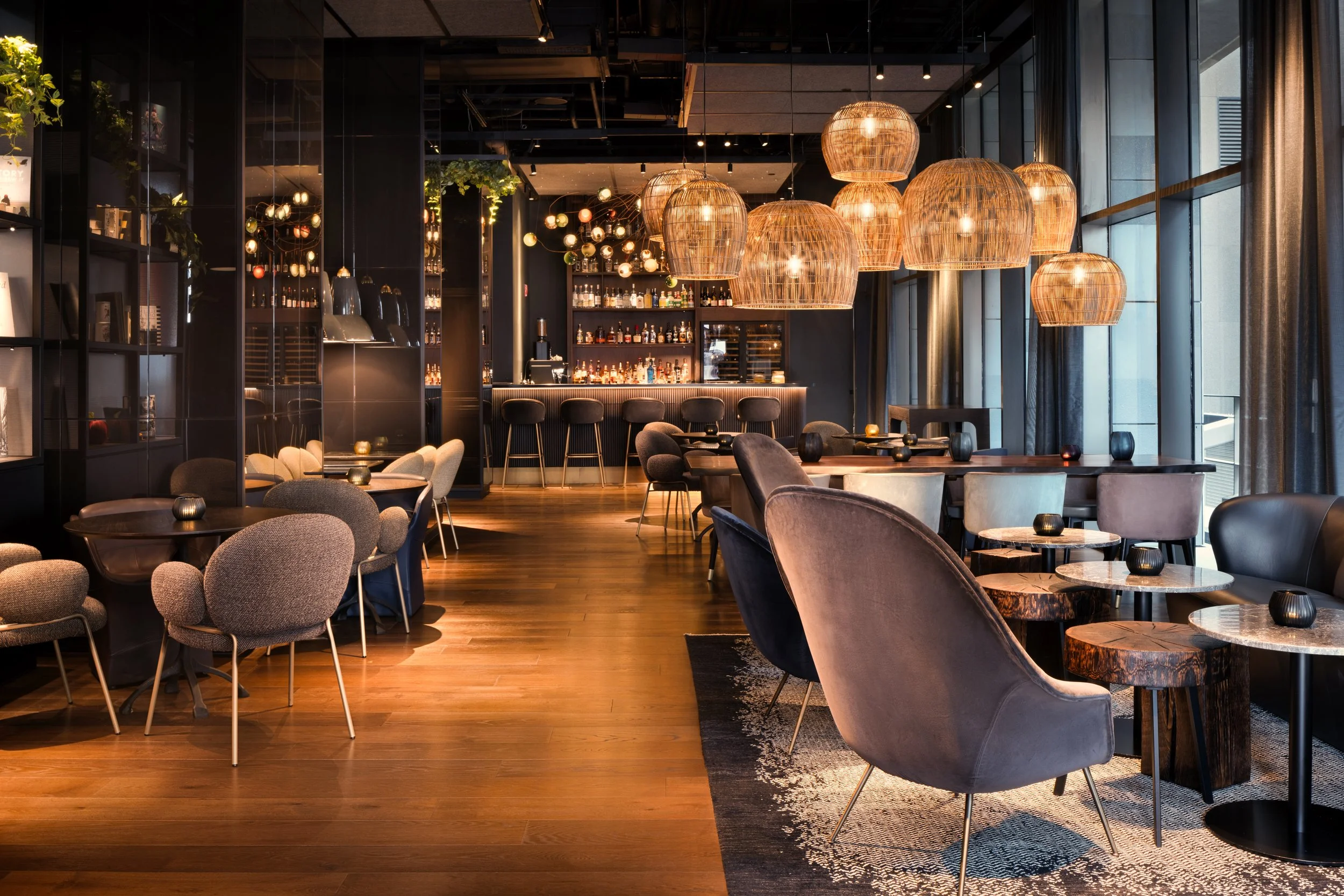
AM: What can you tell us about the ambiance of Il Bar which is such a focal point when you enter into this hotel!
TM: Il Bar changes throughout the day. It’s fairly quiet in the afternoon, then gets busier in the evening as people stop in for a drink or something to eat. It feels comfortable and casual, more like a living room than a typical hotel bar.
AM: What are 3 cocktails that you suggest that we should enjoy at this bar?
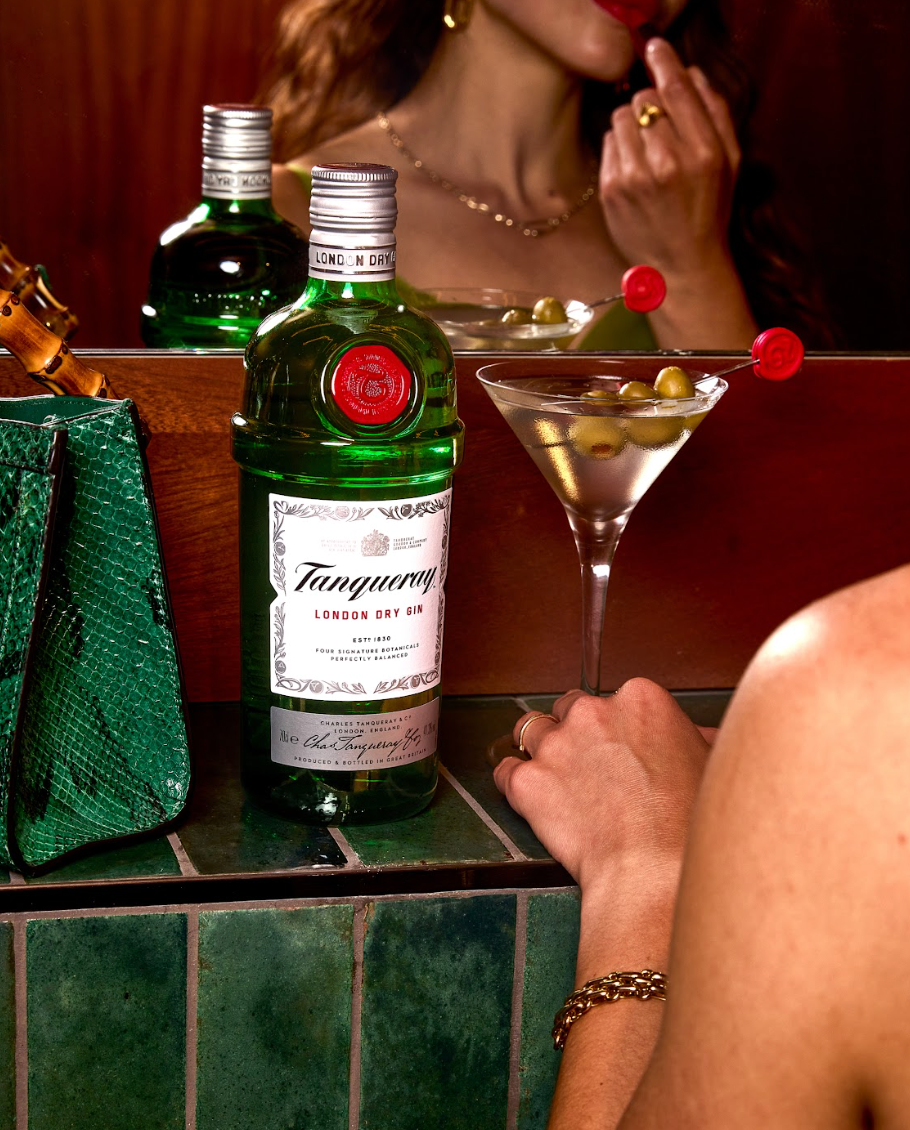
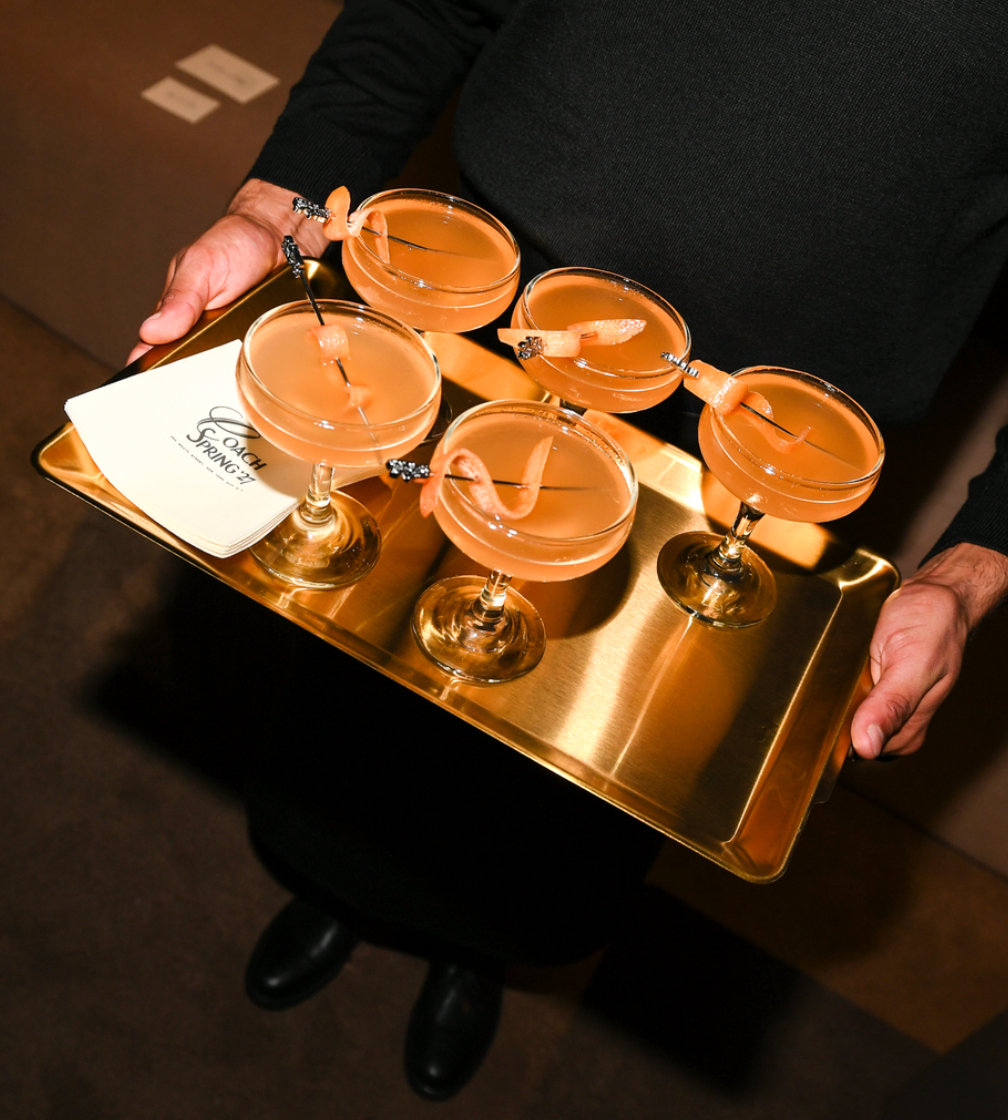
TM: I’d start with the French 75 if you’re in the mood for something light, with Tanqueray No. Ten gin, lemon, sugar and Champagne. For bourbon drinkers, the Paper Plane mixes Bulleit with Aperol, Amaro Nonino and lemon, giving it a slightly bitter, citrusy flavor. And later in the evening, the Espresso Martini is always a good option, made with Ketel One vodka, Borghetti, espresso and vanilla.
AM: We enjoyed live music when we attended the event. Can you tell us about the entertainment that we can enjoy there?
TM: Il Bar hosts live music as part of special programming throughout the year. Most recently, it welcomed guests for an evening of live jazz during NoMad Jazz Festival Week. New events are announced as they’re added to the calendar, so it’s worth checking what’s happening during your stay.
AM: Tell us about The Seville Welcome Sip!
TM: The Welcome Sip is a fun little way to begin your stay. When hotel guests dine at Scarpetta or Barlume, they can simply show their room key and enjoy a complimentary glass of Prosecco.


AM: Tell us about Scarpetta, what can you tell us about this restaurant and the cuisine that is served here?
TM: Scarpetta serves modern Italian food, with a menu built around seasonal ingredients, handmade pastas, seafood and meat dishes. It has received a James Beard Award nomination and a three-star review from The New York Times, but the atmosphere still feels comfortable rather than overly formal. It works just as well for a business lunch as it does for dinner or a special occasion.
AM: What are 3 appetizers at Scarpetta that you suggest we try?
TM: I’d start with the Yellowtail Crudo with ginger oil and pickled red onion. The Burrata with orange, pistachio, balsamic and soft herbs is a good option for the table, while the Bigeye Tuna Crudi with carrots, chives and preserved truffles offers something a little richer.
AM: What are three mains that we should consider at Scarpetta for lunch?
TM: The signature Spaghetti with tomato and basil is the dish Scarpetta is best known for, so that’s always a good place to start. For something lighter, I’d suggest the Branzino with lemon, dill, capers and chili oil. The Hanger Steak with thumbelina carrots, marble potatoes and spring onion purée is a more substantial option.
AM: For dinner, what are 3 mains that you suggest that we should think about at Scarpetta?
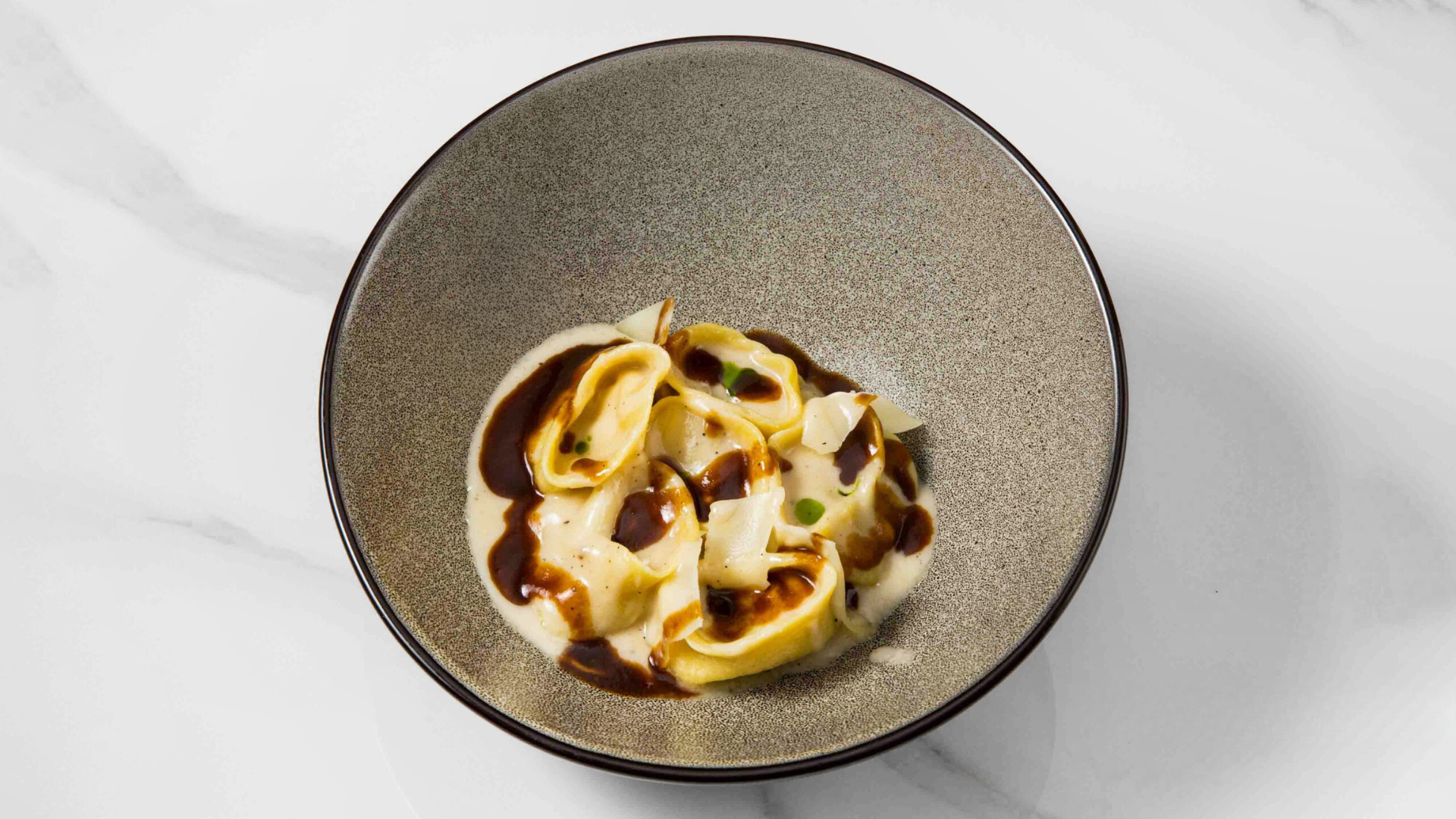
TM: For dinner, I’d consider the Maidstone Lobster Tortellini with saffron brodetto, crispy guanciale and confit tomato. The Porcini-Crusted Halibut comes with artichokes, mushrooms, guanciale and purslane, while the Prime Sirloin is served with thumbelina carrots, marble potatoes and spring onion purée.
AM: To end the meal, what are 3 desserts that you suggest we should have at Scarpetta?
TM: If you have room for dessert, the Valrhona Chocolate Cake comes with salted caramel gelato and banana toffee. The Espresso Budino pairs salted caramel with hazelnut gelato and chocolate biscotti, while the Mascarpone Cheesecake is served with caramelized apricot, sable cookie and honey-yogurt gelato.
AM: You also have an underground restaurant, The Seville. Tell us more about the vibe here!
TM: The Seville is tucked downstairs and has a darker, more intimate feel than Il Bar. It’s the kind of place where you can settle in for dinner and drinks, with a menu featuring Scarpetta favorites like crudo, seafood, salads and braised short rib. Later in the evening, live music and DJs pick up the pace.
AM: What are 3 cocktails that you suggest that we should enjoy at The Seville?
TM: I’d suggest the Lion’s Roar if you like a little heat, as it mixes Don Julio Blanco tequila with chili, agave, passion fruit and lime. For bourbon drinkers, the Smoke Show is made with plank-smoked Bulleit, house bitters and demerara. The Casablanca is a more aromatic option, combining peppermint Earl Grey-infused gin with lime cordial, curaçao and bergamot.
AM: For those that are looking to hold Sales Meetings here or to book a wedding, what can you tell us about meeting spaces at the hotel?
TM: The hotel has about 5,000 square feet of event space, with several rooms that can be configured for everything from a small board meeting to a reception for 200 guests. The Madison Room is the largest at 2,394 square feet. Studios 1 and 2 can each accommodate up to 80 guests and can be divided for breakout sessions, while the Workshop holds up to 40. For a smaller meeting, tasting or private dinner, the Library has natural light and space for up to 20 guests. Scarpetta handles the catering, and audiovisual equipment is available.
For weddings, the team can host ceremonies, receptions and rehearsal dinners for up to 200 guests, as well as arrange guest room blocks. The Seville can also be used for a cocktail hour or after-party, which is a fun way to keep the celebration going.
AM: Tell us about NoMad and what guests should check out when they are in this neighborhood.
TM: NoMad is a great neighborhood to explore on foot. Madison Square Park, the Flatiron Building, the Empire State Building and Fifth Avenue are all close by. You can also head out for a walk and see where the afternoon takes you, with plenty of cafés, galleries and shops to visit along the way.
AM: Are there any promotions that you have going on that we should know about and share with our readers?
TM: There are two current offers worth knowing about! The Sleepover Package includes embroidered pajamas, an eye mask, tea and biscuits for the room, and a $100 credit to use at Scarpetta. Rates start at $399 per night, and reservations need to be made at least two weeks in advance.
Guests travelling with a dog can book the Pawcation Offer, which includes treats, a water bowl and a FÜZI Pets dog bed, along with coffee and a pastry for two from Bourke Street Bakery and a 1 p.m. late checkout. It is available for stays through December 31, 2027.
AM: Tell us about the World of Hyatt membership.
TM: World of Hyatt is free to join and allows members to earn points on eligible hotel stays, dining, meetings and other qualifying purchases. Points can be redeemed for hotel stays, room upgrades, experiences and additional rewards.
Members can also access exclusive rates when booking directly through Hyatt, including up to 20% off eligible stays at Hotel Seville NoMad.
The program includes Member, Discoverist, Explorist and Globalist levels, with additional benefits such as bonus points, potential room upgrades and late checkout becoming available as members advance.
AM: Although we are enjoying the Summer, we’re already thinking about the Fall and the holiday season. Are there special events taking place at the hotel that we should know about?
TM: The hotel will celebrate the holiday season with the 12 Days of Seville, featuring something new for guests to enjoy each day. Stay tuned for more details!
PHOTOGRAPHY COURTESY | Hotel Seville Nomad
Read the AUG ISSUE #128 of Athleisure Mag and see STAYCATION UNBOUND 2026 | Hotel Seville NoMad in mag.