• FITNESS
  • Food
  • Beauty
  • Sports
  • Travel
  • Athleisure Studio
  • Athleisure List
  • THIS ISSUE
  • Athleisure TV
  • The Latest
  • ARCHIVE
  • About
  • Watch Party
  • Press
  • Connect
Menu

Athleisure Mag™ | Athleisure Culture

ATHLEISURE MAG™ | Athleisure Culture
  • FITNESS
  • Food
  • Beauty
  • Sports
  • Travel
  • Athleisure Studio
  • Athleisure List
  • THIS ISSUE
  • Athleisure TV
  • The Latest
  • ARCHIVE
  • About
  • Watch Party
  • Press
  • Connect

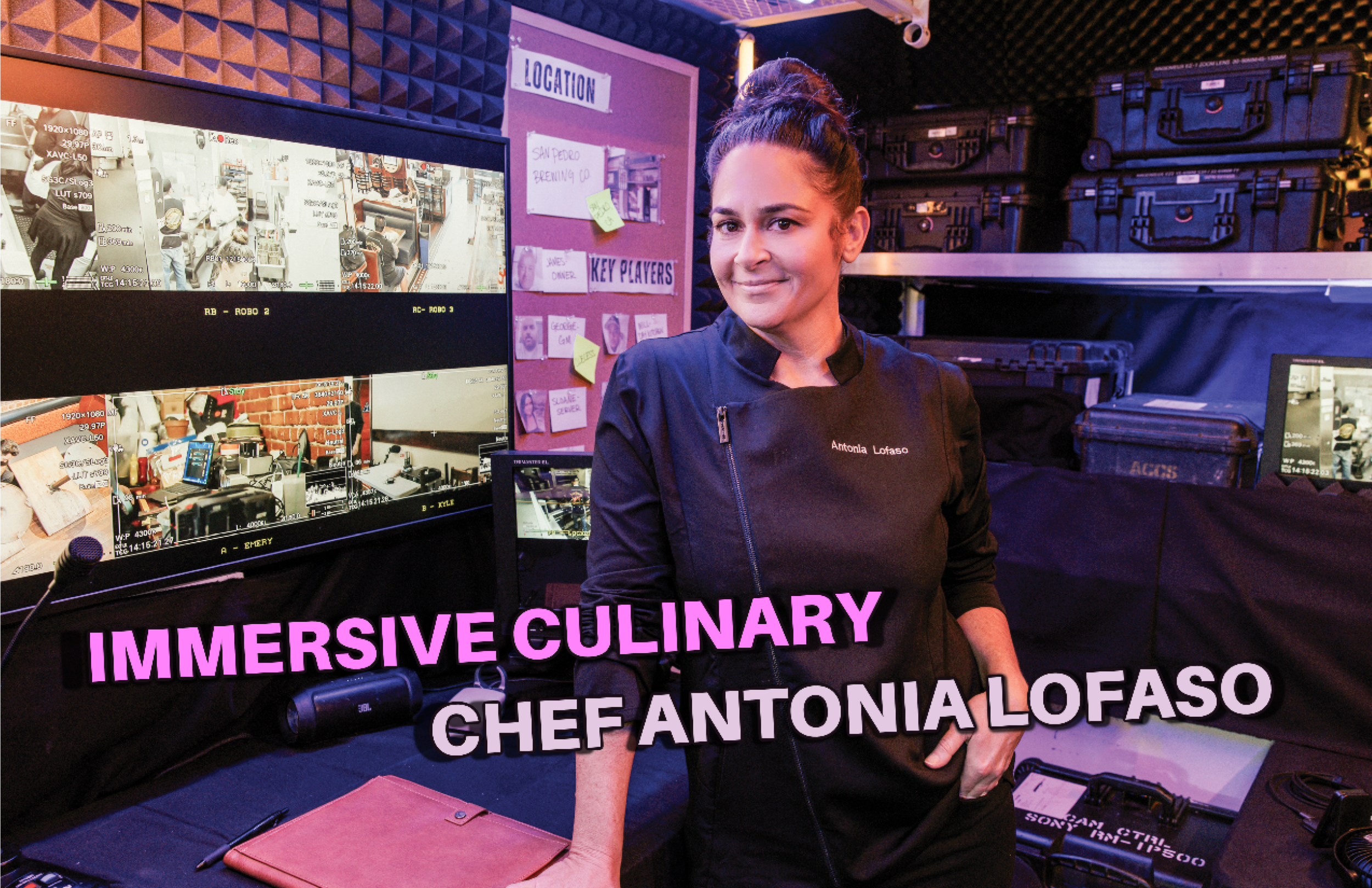
IMMERSIVE CULINARY | CHEF ANTONIA LOFASO

August 29, 2026

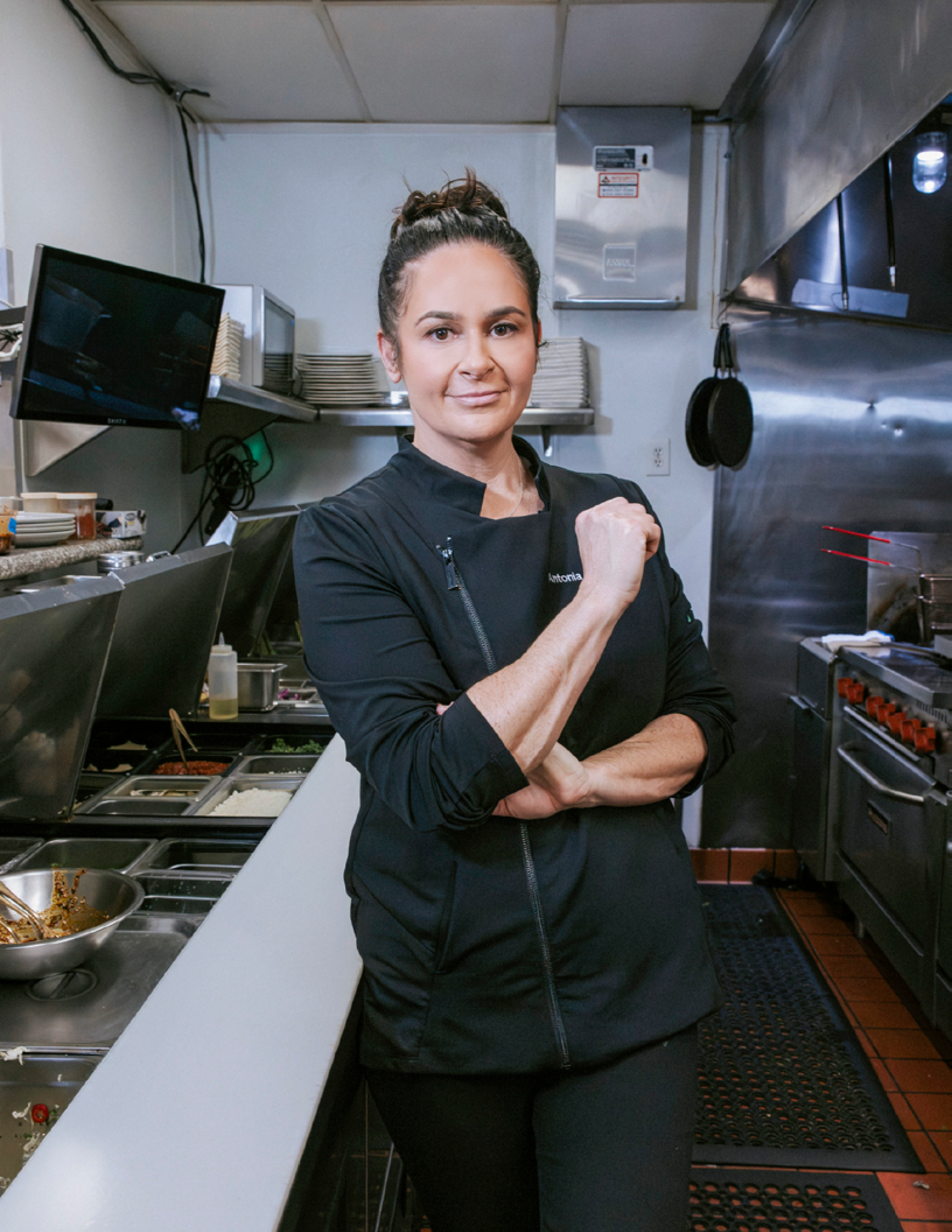
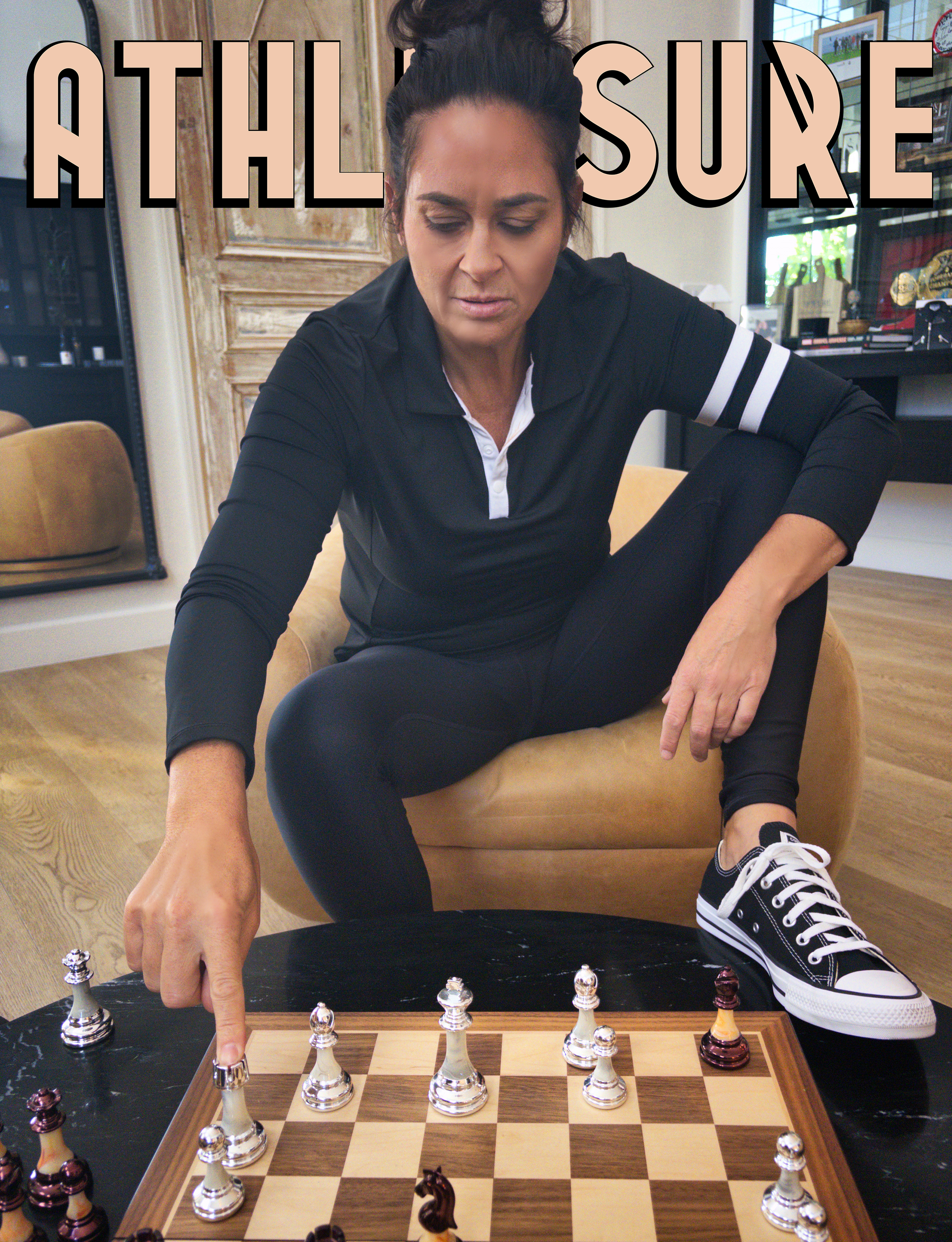
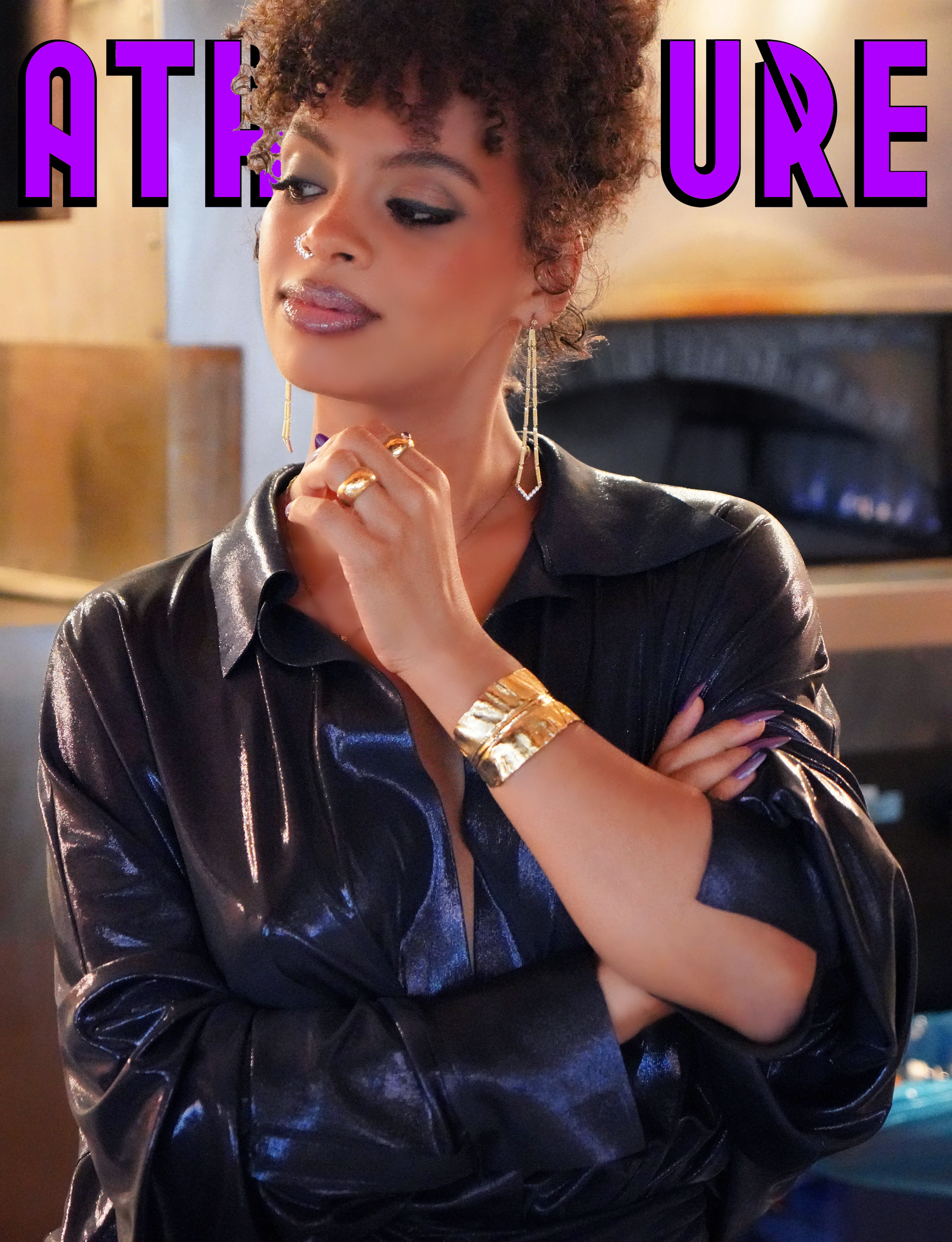
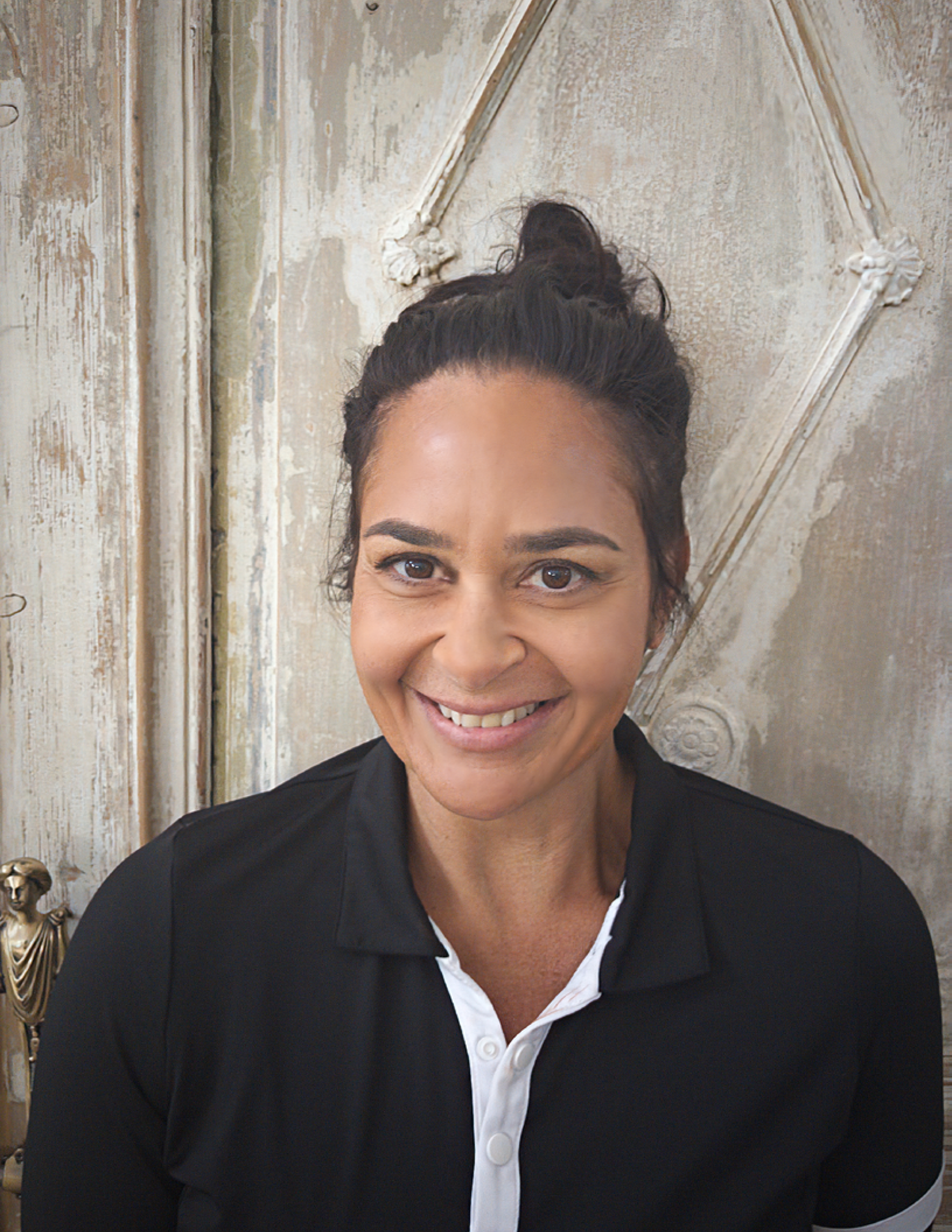
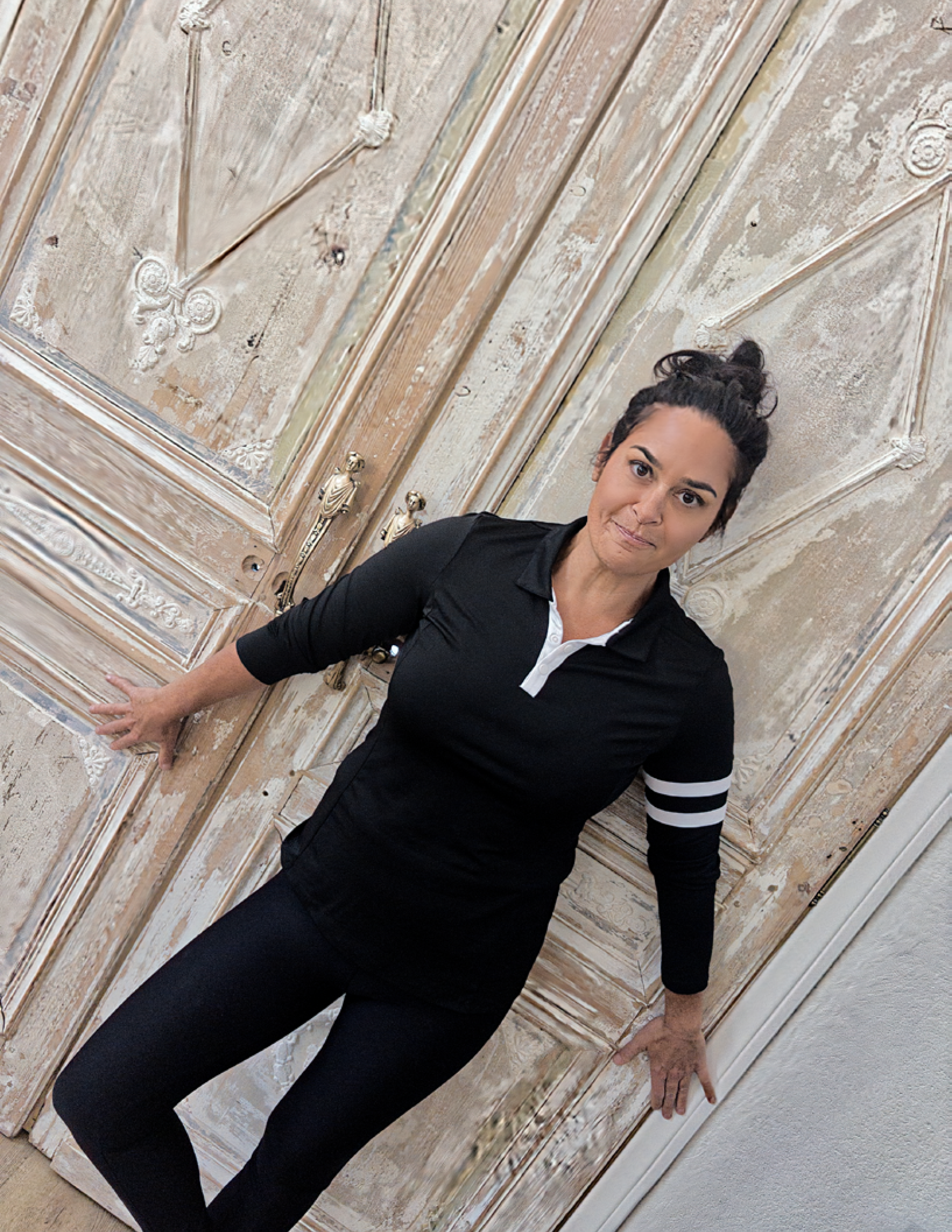
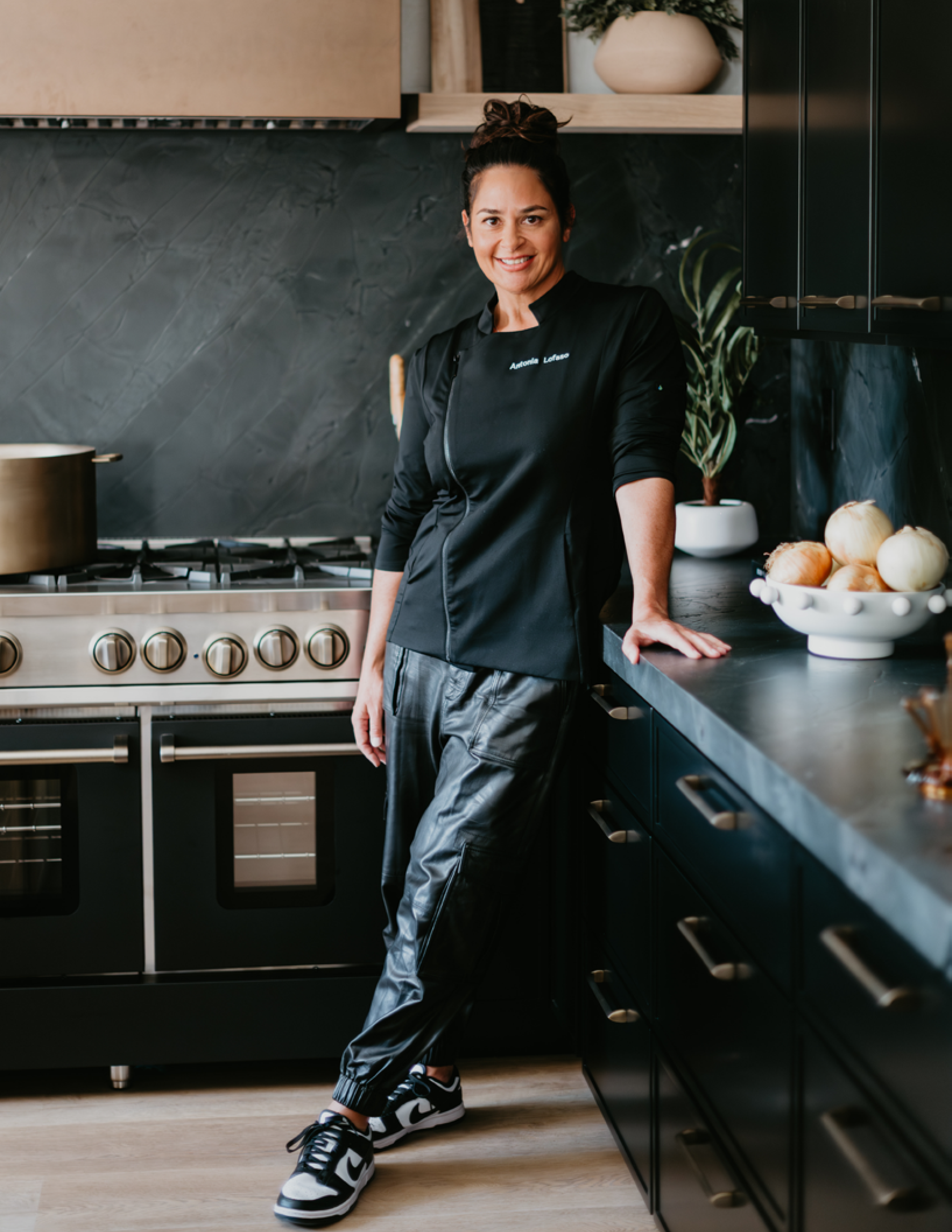
We always enjoy catching up with our favorite chefs and this month’s cover star is Chef Antonia Lofasa who we first saw on S4 of Bravo’s Top Chef: Chicago and again on S8 of Top Chef: All-Stars. Since then, we have seen her on a number of competitions, culinary shows, at Food Network’s NYC Wine & Food Festival and more! This month, her show Kitchen Undercover launched on Food Network and has new episodes that drop on Tues. at 9pm! We caught up with her in Las Vegas for a remote photoshoot to talk about her passion for cooking, how she came to the industry, her 3 restaurants, her newly premiered show that she hosts, her love of golf, and upcoming shows!

ATHLEISURE MAG: What was the first dish that made you fall in love with food?

CHEF ANTONIA LOFASO: Oh God, that’s a hard question! You know, there were like different levels to it, if that makes sense. I have friends who, you know, said to me, when they found out that I was cooking, they were like well that makes all the sense in the world you know? It’s like you know those IG posts that are like, “you may not know that I won the lottery, but there will be signs?”

AM: Right.

CHEF AL: I was someone who you know came from a family who we always sat down at the table and we always had dinner together, we always had breakfast together, lunch was always kind of dictated by school or wherever we were. When I started going to friends’ houses, and a lot of times, their parents worked at night, or they came from a single-family home, and either their mom or dad wasn’t home because they were working. One of the very first, best friends that I had, she goes, “come over to my house for dinner.” So when I did, she reheated Hungry Man dinners in her oven, and then we ate, and I was like – ok, it is what it is. A lot of people and children live that way.

It was confusing to me because I came from a family where my mom made dinner every night. We sat together and we ate. I started taking that role with my friends. I would have their parents take us to the supermarket and buy things. One of the dishes that I would make all the time was a roasted chicken. It was the first thing that my grandmother showed me how to do. It was a staple and to this day, for the record, I make one of the greatest whole roasted chickens like on the planet!

AM: Oh wow!

CHEF AL: Anyone who’s ever been to my house and everyone who asks me what they want me to make – they will say your roasted chicken and I know it! Then the really wild part is when I went to the French Culinary Institute, we learned how to make a roasted chicken! I was like dude, I got this and it was really funny because one of my chef instructors said to me, “like oh my god you already know how to do this!” Then they gave me an entire dissertation about how in classic French cooking, it’s as if you’re not allowed to leave this level of cooking until you’ve mastered the whole roast chicken. Like Poulet Rôti Grand-Mère (Roast Chicken Grandmother-Style) is like one of the most classic French chicken dishes that you learn how to make. I had no idea that like from a classic French trained, you know, teacher, educator, student, it’s always the roast chicken. So that is, I think, my earliest memory of being like, oh, my God, this is what I want to do because every time I would go to a friend’s house, I was like, we’re making roast chicken. We’re making roast chicken and I would dance with the chicken and hold it up!
AM: Oh my God - love a good roast chicken and not everyone makes a good one.

How do you define your style of cooking?

CHEF AL: You know, I grew up in an American Italian family. I’m basically American Italian and Jewish. We ate mostly American Italian. I grew up in Long Island, New York, in a very, small community where, again, it was mostly American Italians. And so I didn’t really know much about, diversity of food until I moved to Los Angeles.

AM: Right.

CHEF AL: Then I had Mexican food for the first time! I mean, sure, you had Chinese restaurants in Long Island.

AM: Right.

CHEF AL: I was just someone who, you know, was very inquisitive about food. And through that, you know, of course everything just started building. Like, my restaurant Scopa is American Italian.

So I found myself being like, oh my God of course my go-to is Italian food because that’s the most comforting.

AM: Right.

CHEF AL: As I grew up, I went to a big public school in Los Angeles so the majority of people that I went to school with were all from Mexico or Mexican descent and we just ate a ton of Mexican food. I found myself cooking it and learning more about it. DAMA is a mixture of Mexican. I spent a good amount of time in Spain. My business partner, one of them was from Colombia.

My daughter is Jamaican. So my ex-in-law, you know, obviously I spent 10 years with them throughout Jamaica. So I learned about Caribbean food, not from books, but learning Caribbean food from Caribbean women and grandmothers! I remember the first time it was like a Christmas. Someone didn’t want to make the rice and peas and they’re like, “well Antonia can make it and I remember being like, I was no longer the white girl!”

AM: Exactly, having family that is Jamaican, Haitian, Dominican etc that is a high honor they gave you! Because those had to be right and they will tell you!

CHEF AL: I mean, I learned how to

make stewed peas, I learned how to

make curry, I know how to make jerk!

AM: Facts!

CHEF AL: So I think that my love of food came from really immersing myself just in different cultures in a very real way.

AM: Right.

CHEF AL: And so when people ask about my cooking style, I think they just automatically assume because of my name –

AM: Exactly.

CHEF AL: All I do is Italian food. And yes, I have an Italian restaurant, but if you look at Black Market, everything that I do there is a mixture of everything. The throughline is, you know, I grew up in Wolfgang Puck’s kitchen. So for me, it’s execution and organization and discipline that runs the show. My ability to have my own voice and my own true temperament with food come through with ingredients that I have a true understanding, love, and respect for you know?

I really don’t play with things that I don’t understand. I think I always end up like, you know, for lack of a better words, like fucking them up. I remember I did S8 of Top Chef: All-Stars and I got paired with Morimoto. Basically, the challenge was to create a last meal and this was something his mother made for him. Instead of just taking the ingredients that I know how to use, like I know how to use miso. I know how to use sushi rice because we used to use use it at Spago with Wolfgang. I know how to tempura things. Instead of using the items that he gave me and just create something of my own, I try to recreate an actual memory from his childhood, which no one can do no matter what culture it is.

AM: Yeah.

CHEF AL: I just really screwed up and so I’ve always kind of taken that lesson to heart which is when I understand an ingredient I can use them in my format instead of taking the ingredients and trying to make something that’s very traditional or very specific, unless I’ve spent a lot of time with people from that culture and I can really immerse myself in it like don’t even try because the heart part of things don’t transfer when you don’t have like a true understanding of what someone has experienced or cooked in that culture. Like you just can’t, you can’t recreate it.

AM: No. And I agree with that. When I first became aware of you as a chef was S4 Top Chef: Chicago. I mean, I’ve been watching Top Chef since the beginning.

CHEF AL: Amazing.

AM: So seeing you in that season and again in S8 for All-Stars. Every time I see you in these competition shows, you can see that you’re locked in and you know exactly how you are going to attack the designated task. What draws you to doing reality competition shows?

CHEF AL: You know, it’s funny because, you know, I started reality competition in 2007, right? This was back in the day when I was still working as a line cook at Spago. We got hazed if we even spoke about watching reality television to do with cooking.

AM: Oh, wow.

CHEF AL: It was like, we don’t talk about it in this kitchen. Real chefs don’t do those shows - keep your mouth shut.

AM: Wow!

CHEF AL: And so, it was almost like this dirty secret, that I liked watching it. Like, I would find myself with other, dirty people standing in the walkin being like, “oh, my God, did you see what happened last night?” Like, this is wild, right?

AM: Yeah.

CHEF LA: Think about this. The very first reality television competition in cooking was Iron Chef America that started in 2004. I went on Top Chef in 2007. So within the first 900 days of this ever being on television, I am now watching this thing unfold being like, oh my God. Right?

AM: That’s true.

CHEF AL: I really didn’t have like, I want to be on that show or I could be on that show. I was just petrified of the show and in awe of it. Right. And, and then also in this mindset of being like, oh my God, I could never do a show like that because if I, I worked at, well, I worked at Spago. Yeah. And if I wanted to continue down this, this line of like real chef, true chef, I won’t, I don’t do stuff like that.

AM: Yeah.

CHEF AL: Right. Yeah. And then, I ended up, you know, and this was obviously season one. So I ended up leaving and it’s 3 years later and I’m now working for SBE, which is definitely a little bit more. I mean, if you’re in LA or if anyone knows SBE, they have, you know, some of the biggest like nightclub, blah, blah, blah. And so I found myself being a little, obviously less rigid with myself. I was actually working for Eddie Murphy at the time. I was doing his personal chefing. I was like, I was in a Gelson’s and I walked by Rachel Ray on a Triscuit box. I was like, you know what? If Rachael Ray could be on a Triscuit box, I don’t know why I’m thinking so small. I could do something like that.

At the time I worked for SBE and I was promised the shot at opening their supper club, which was still going to be a bar and a lounge and a nightclub, but I would have the opportunity to build out a 9 item menu for their little lounge. I got really excited by the idea of my first ability to build out a small menu. SBE’s marketing team was like, “by the way, Top Chef is interested.” Basically the producers of Top Chef reached out to large restaurant marketing teams. They were always looking for women because there was like five of us.

AM: Especially at that time.

CHEF AL: Not in those years.

AM: Right.

CHEF AL: I basically was like ok, that’s crazy. I’ll interview. But then I also was like, you know, this was also during the beginning era of American Idol. I was like, wait a second. Do I have to wait in those big lines? They were like, no, it’s just gonna be an interview. And I went in and I did the interview just to like be like, ok, like, fuck it. Like, let’s see what happens.

AM: Yeah.

CHEF AL: I remember my dad telling me that I just got this really big opportunity with SBE to write this menu - just keep your head on the ground and to stay focused on it. He wondered about the chances of me really getting on a show like that – was it really worth it? I love my father to death and he’s my biggest fan on the planet but he’s very practical. He’s the parent that was more practical and my mom was like unicorns and rainbows you have to be a famous person and I was like wait, what? My dad’s like, work hard and everything you get will be through hard work. And so that’s really how reality television started for me. It wasn’t like, oh, my God, I can’t wait to do this. It was like, holy shit, should I do this? This seems hard and weird. I told my dad that I went in for the interview. Like, you know, there’s so many people that are, you know, that go out for this. And, you know, the chances of it happening are slim to none. Little did I know, I was checking all the boxes, like Wolfgang Puck, woman, mother.

AM: Yeah.

CHEF AL: I mean, they’re like, oh, great. We’ve got our woman. Check. We’ve got our woman who has a strong cooking background. Check. And she gave birth.

AM: Yeah.

CHEF AL: There’s only 5 of those unicorns in 2007 that have done all those things. Who, by the way, is not 50 years old - I was 27/28. So that’s really how it started. It wasn’t like the longing or the desire really, or that it kind of like landed in my lap. It was the beginning of it. Nobody knew where it was going. There was Iron Chef and then there was Top Chef. That’s all the competitions that there were. You know, it wasn’t the 9,000, you know, and then the rotation of the same chefs that are being rotated through the 7,000 competitions that we have now you know? And so that’s really how it started.

AM: It’s different times! Since then, we’ll see you on Cutthroat Kitchen, Chopped or Guy’s Grocery Games. It was so exciting when you won Tournament of Champions last season. It was like, please let this girl get this award as you have been so close in various culinary competition shows!

CHEF AL: Yeah. I mean, I have been competing for 20 years and I always make it right there. Like I’ve always been second place, third place, you know! So finally, after almost 19/20 years, this is the first time I’ve actually ever won something big.

AM: It was so emotional because we have watched you for so many years! Seeing you just in Top Chef for both of your seasons, you were so close.

CHEF AL: I really appreciate it! If anyone’s followed me, they know that I’ve definitely put in the work.

AM: We felt your emotions on that win for sure!

So now, we have Kitchen Undercover that premiered this month and we watched the first episode. Between listening to friends of ours in the industry and even the social posts, people are loving the format of the show and of course you hosting it! We love this particular format of the show of an existing restaurant that needs to look at what they’re doing to optimize their efforts so that they can stay in business and getting assistance by industry leaders. But in watching the first episode, yours is still bringing something new to this category because you’re actually walking through saying what is wrong based on the juxtaposition of what is standard in the industry. More importantly, you’re saying why!

CHEF AL: I think that from the way that I even saw it edited, you know what I mean? And I did it with them. I was like, they really gave me free reign! Because listen, these shows take a lot of days to shoot.

AM: Yeah.

CHEF AL: Not everyone wants to stay on set for that many days, you know what I mean? And there’s a format there - you go in, you yell, you’re done.

AM: Exactly.

CHEF AL: I literally said, we can’t walk in here and it can’t just be like dirty kitchen, wrong food, change this. Every restaurant is going to absolutely have a different set of issues!

AM: 100%!

CHEF AL: Mind you, the show that just premiered, you know a lot of times the conversation amongst them was there’s got to be more wrong in the kitchen. I’m like, I’m not going to manufacture something!

AM: Right.

CHEF AL: So the show is very true to everything that I saw. You know, listen everybody wants the drama!

AM: Exactly.

CHEF AL: Just so we’re clear, you put anyone in a restaurant cooking, there’s going to be drama!

AM: There’s going to be something!

CHEF AL: Just put the camera in the right direction. There’s not one episode that is a lack of drama, but it has to be real. I’m not going to go in there and then talk to these owners and get real responses from them if I am not looking at the things that are actually really wrong. And in every episode, it was always something different.

AM: We loved it.

CHEF AL: Yeah.
AM: What really hit a cord with us is that you started it off saying that, “the food is really great here.” And from the jump, we were like, ok, well, clearly there’s a dynamic issue. And then in the episode, you’re saying there is a dynamics issue of how things are flowing, because the kitchen should move like an orchestra.

To see this illustrated in this show and to explain the why in detail, not just the theatrics – we were hooked and cannot wait to see the progression of the season.

CHEF AL: Thank you. I hope thousands of other people are as well. Otherwise we don’t get a S2.

AM: We’re sure there’s going to be a S2!

You have spoken to this a bit already, but why did you want to give your time in this way and focus on the industry? You’re giving so much insightful informational. At Athleisure Mag, we’re always in kitchens talking with culinary experts, but for other people to be able to see that and get that information and to truly understand how this works, why are you excited that this is now out there?

CHEF AL: I have collected over, you know, close to 3 decades of being in professional kitchens, opening up 3 restaurants in Los Angeles. You know, I’ve opened up other restaurants that have closed. I’ve had horrible failures in the industry and glamorous, wild success. And the truth is most people don’t know the other part.

AM: Yeah.

CHEF AL: And the other part is why I’ve been so successful later because I know what works and what doesn’t. I know what’s right and what’s wrong and unfortunately a lot of times restaurateurs open restaurants and they haven’t been given the opportunity to work with someone who’s already done it or to be mentored by somebody who says this is what works this is what doesn’t. They just kind of go in blindly and then they have this natural ability as leaders. They have natural abilities as cooks. But sometimes all the other fine print, what really takes people down, doesn’t get addressed. Does that make sense?

AM: Oh, no, 100%.

CHEF AL: Mind you, I didn’t go to college. I have no bachelor’s degree in business. I barely graduated high school. I have done well for myself through trial and error. Now I’m somebody who sits in big business meetings and knows exactly what I’m talking about because of the trial and error and I’ve wanted to do a show like this forever.

There’s no women in this space that talk and have the conversations the way that I do and so many of my peers do. That kind of representation I think is so important to see. I mean I think it’s wonderful for people to see me winning cooking competitions and to articulate what I see in food - congratulations you know. All of that aside, I navigated 3 businesses through fires and COVID in a major market like Los Angeles - one of the most expensive cities in the country and I employ hundreds of people. All of that really matters. And I think the way that I’ve inspired people through just basic cooking and things like this, I think that there’s a level to inspire through the levels of business and my business acumen that I’ve developed over the course of 30 years and not through a formal education. I want that to be at the forefront.

The other part to it and you’ll hear me say it in the shows and you kind of hear me say it to Jurni Rayne, the owner and operator of the soul food diner Gritz N’ Wafflez in the car where I’m like, this means something to me. Chefs are meant to mentor. Now mind you, is there the drama of like bad things that are happening in the kitchen? Yeah, my daughter likes to compare it to Love Island and she always tells me, “people love drama. It draws them in mommy.”

AM: Right!

CHEF AL: But on the other hand, she goes, “you are loving and you’re caring and you are really there to help.” I said this to Nestor Milian when we started, “we are going to change people’s lives.” It may not even be the person that we think it’s going to be when we walk through those doors. We’re going to be able to hold a standard of excellence and of discipline and of all the things that we do in the restaurant industry. We don’t know who that’s going to inspire. It could be a dishwasher who decides they want to do X, Y, and Z and want to cook now. It could be, you know, for an example, a young son who was working with his father, who now wants to go to management school to really take over the family business. There’s so many things that we don’t know what’s going to happen just by us walking in this venue and telling them this needs to be corrected.

Everyone knows when something doesn’t feel right. Everyone knows when something isn’t working, right? And all I do is go in there and I tell the truth. And by me telling the truth, everyone starts to talk and everyone starts to clear the air. And everyone says, oh my God, I was feeling the same exact way and I just kept my mouth shut. You know, I thought that this was supposed to be happening and it wasn’t. Everyone should demand to work in an environment that’s safe, that’s clean, and that’s doing its very best to be the best possible version of hospitality for our guests. You know, owners unfortunately don’t get a day off and when you feel complacent as does your people - unfortunately you don’t get a day off. You get to go cry at home when no one knows.

AM: Ha, I know that’s right!

CHEF AL: You get to go cry in a corner, but nobody knows. You get to be all of the pillar of strength in front of everyone and they never get to see you waver.

AM: Yeah.

CHEF AL: I wanted to be that person who came in to inspire, to be the person who says what the fuck, and do all of the things with humor, humility, and sarcasm. Sometimes there is a little bit of aggression, but all in all if you watch this - it is exactly how I am in every single one of my restaurants. You know this is exactly how I am with every single one of my staff members and it’s one of those things where they all love me for it because they feel like they work in an environment that they feel proud of.

AM: Right.

CHEF AL: When there’s large praise to be had, I want to give it, you know what I mean? When there’s corrections to be had, I want to make the corrections and I want to do them in the most positive loving way, you know, but that also includes a raised voice, you know what I mean? A hand in the air, you know, not like back in the day, like where I grew up, where you’re cursing at people, people and like telling them they’re pieces of shit.

AM: Yeah.

CHEF AL: There’s other ways to do it. And that’s how I do it.

AM: Wow.

CHEF AL: Like, the counterparts to this have gone into their shows differently and been like, this is disgusting. This is blah, blah, blah. And I’m like, I didn’t use those words. And I got the same result.
AM: It’s great to see the dynamic between you and Nestor. Seeing him in the first episode knowing who he is and watching him when the staff didn’t. Then once he has been revealed, he’s like this is how we do this and if you can’t be serious, get out of the kitchen. You knew the gloves were off.

What is your favorite moment from being in this show? And what do you want as the takeaway for the viewers that are watching?

CHEF AL: I want the viewers to see because you hear us talking about it all day long - the viewers need to understand how hard this business is. I think in the temperament of a lot of what I have seen. I think that people who are coming into restaurants right now think that everything should be perfect and everything should be within my budget and blah blah and that is not the case of what happens. The margins in restaurants are 5% - 7%. Imagine all of the work that you do for 5% and then your 5% is split up between six investors. Like what is that?

AM: Yeah.

CHEF AL: A lot of people make money from the restaurant industry when you have 18.

AM: Exactly.

CHEF AL: When you have 18 restaurants, you can make money. But, not when you have 1 that has 30 seats. Those are the restaurants that we’re talking to. They see people in debt and they see how hard it is to manage staff and they see how hard it is to keep your kitchen in a certain way. They see that it’s not meant to embarrass anybody.

AM: Right.

CHEF AL: It really isn’t. It really is meant for people to see like this is a really fucking hard industry that can slip through managers, executive chefs and business people’s hands very quickly.

AM: Yeah.

CHEF AL: You see people struggling trying to get it right.

AM: Here in NYC we have a number of interesting eateries popping up such as those that are just focusing on omakase, bagel experiences or the amount of matcha bars and caffeine bars. What is your advice to people in this area of the industry. We totally agree with you that a lot of the restaurants we love going to, they’re part of large hospitality groups. But for those coming up with their solo locations or a handful of locations – in many cases it has super limited seating and take and go concepts. What are the things that they should be mindful of when they’re looking at their business regardless of what their curated menu offerings are?

CHEF AL: Well you know it’s really interesting? I think a lot of them from what I’ve seen right it’s what we call in the restaurant industry Fast Casual.

AM: Yeah.

CHEF AL: I mean they’ve eliminated their labor.

AM: Yeah.

CHEF AL: So they’re actually coming from a very smart standpoint because they’re eliminating what most of us struggle with, which is like, we can’t have high labor and high food costs. You know what I mean? Like great if we live in a city where labor is, you know, and for the record, like when I say even high labor, I’m like, we have always paid way above minimum wage. Everything is just more expensive because of the way our Worker’s Compensation, our insurance – everything is just high.

So I think that these like PopUp Bagels in NY it’s so smart!

AM: I agree. Places like that, Leon’s Bagels. I just went to NY’s first caffeine shop, Street Blends which has quite a menu of inventive coffees and teas and they they have a few bites you can enjoy. As someone who loves tea, being able to have so many options when friends ask to go out for coffee is nice.

CHEF AL: Just so we’re clear, coffee bars, their margins are phenomenal!

Everyone has been fully programmed by Starbucks that $8 for a cup of coffee is the norm.

I mean there is only a very small percentage of people on the planet who don’t buy it. I mean, I bought a very expensive coffee maker from Williams-Sonoma. I have saved thousands of dollars a year. Thousands of dollars. And so it’s one of those things where it’s a very smart business model. It’s a very smart business model.

Who I’m worried about are literally the people that I’m talking to in the show. It’s the restaurants that are opening that only have 40 seats open for lunch and they are only built for lunch. And then they try to do dinner because they need to make more revenue in order to pay their rent. They just didn’t even realize the business structure to begin with. I went into the industry with 2 men who had opened other restaurants. They knew that they actually base everything off of the rent. That’s where it starts. So if you know, your rent is X, you need to be able to make that in this many days in order to make that in this many days, you know, it’s just math a problem.

AM: Yeah. It’s working backwards.

CHEF AL: Yeah.

AM: In a few weeks, you also have another show that you’re going to be on with Bobby Flay called The Line. Is there anything you can share abou the show as we know it also premieres on Food Network Sep 8th at 9pm ET. The format of this show is another one that seems like it’s such a great concept that hasn’t been out there as well.

CHEF AL: It is a phenomenal concept. Like when he called me to do this and, you know, we worked together on BBQ Brawl. So we really got to spend some time together. Bobby is someone who loves people who are like real industry people. He loves people who are still in it because that man eats, sleeps, and breathes the restaurant industry! As big as he’s gotten, he’s still someone who wants to be in his restaurants. It’s a real thing and so he came up with a concept. I don’t think it’s anything I can’t talk about because they already announced it on Variety and People.

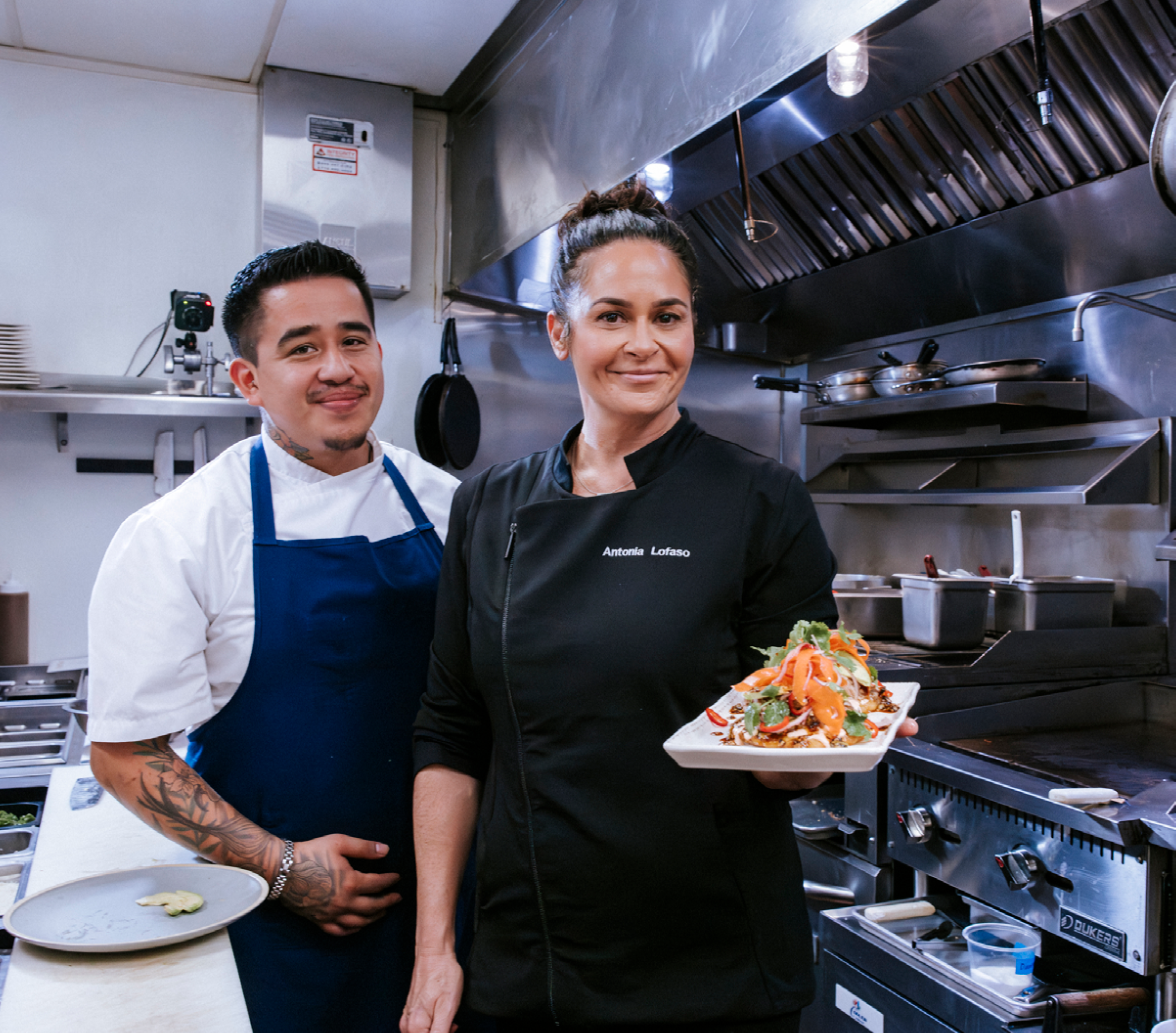
Well, it’s essentially, we are a team (Editor’s Note: the home team consists of Bobby Flay, Antonia Lofaso, Michael Jenkins, and Claudette Zepeda. Visiting teams will include Marcus Samuelsson & Fariyal Abdullahi representing Hav & Mar for the series premiere, Leah Cohen of Pig and Khao will be another week, and Spike Mendelsohn of Good Stuff Eatery will be there to name a few in this competition show). So he basically is our team captain and we take on week after week, brand new restaurant teams. So restaurants come in with their team and we cook their food. Wow. And mind you, it is very difficult because I ran the gamut. One week it’s Middle Eastern, the next week it’s classic seafood - and for the record that’s all production gives us! Obviously because it’s the production, we have to be able to plan our menu and to have the ingredients in house.

They’ll be like, this week you’re going to do Middle Eastern. The next day you’re going to do Costa Rican. The next week you’re going to do brunch. The next week you’re going to do a birthday. So that’s all we know. We don’t know who we’re going against. We don’t know. It’s a very short time frame for prep and then it’s a service. And we have people who come in and they don’t know who’s cooking back there. They eat us afterwards.

AM: Oh, my God!

CHEF AL: Yeah and literally the dishes go out in real time as people order them like it would in a restaurant.

And, you know, there’s smaller tasting portions and they vote right then and there. They have their phones and they get on an app and they say 1 through 5 stars. And it’s all based on stars.
AM: Oh wow, ok can’t wait till that comes out. I always love that he has interesting twists to the way he presents shows and breaking formats that you think you know while sometimes coming out with something completely different. It just draws you in.

CHEF AL: Yeah he does. This is a totally new show that you have never seen before. Like people, of course, as soon as they, you know, as soon as they announced it, they were like, this is like Hell’s Kitchen. I was like, this is not like Hell’s Kitchen.

AM: No, it’s not like Hell’s Kitchen. Yeah, those are very different.

CHEF AL: We are a team and other restaurant

teams come in to take us on.

AM: Wow.

CHEF AL: We don’t know who’s dining out there. We have the same information that they have. And essentially the only real up that we have is the fact that we’re familiar with the kitchen because we’re in that kitchen all day long. The visiting team usually has people who are coming in that have never been on television before and have never really competed before. So their nerves get the best of them or whatever it is. That’s literally the only upside that we have. But we are competing against what they do on a regular basis in their restaurants day after day, night after night.

AM: That is crazy. We have the Food Network NYC Wine Food Festival coming up in October. We interviewed you for a few minutes back in 2024 when you were here. You’re coming back this year. Why do you love participating?

CHEF AL: Well, I love doing New York. New York is my hometown. Even though I’ve been in LA for my whole life, like my whole family is from Long Island and they drive out. And for the record, they don’t even want to go to my events.

AM: Ha – oh no!

CHEF AL: They’re like, can we meet Bobby Flay? Can we meet Alex Guarnaschelli? I was like, sure, by all means, here’s your tickets.

AM: Right.

CHEF AL: So that’s one of the reasons. I love New York. You know, I love the New York food scene. I love being able to cook. You know, this year I’m cooking with Marc Forgione and Michael Symon. Last year I got to cook with Alex Guarnaschelli, but the year before that, I got to cook at Delmonico’s.

AM: Oh yeah!

CHEF AL: Which is iconic and it was myself and Ayesha Nurdjaja who we are very good friends! So we cooked at Delmonico’s in the basement.

AM: Wow!

CHEF AL: So the basement, are you ready for this? The basement held the very first luncheon by a group of women in New York City that was a Ladies Who Lunch event. It was a coalition in New York that it was the very first luncheon that they were allowed to eat in without male attendees or male escorts.

AM: Wait, stop! What? Wow.

CHEF AL: So here you have 2 females coming out to do this entire dinner in\ the same exact room that 80 years ago women who were not allowed to eat alone without a male escort!

AM: Which is crazy!

CHEF AL: Right! First lunch you know, in the same room.

AM: Wow.

CHEF AL: So think about the energy and the soul that was in that room.

AM: That’s pretty amazing and really crazy at the same time!

CHEF AL: New York, Philly, and Boston – you know, those are really the first cities that would be able to have that kind of history to them!

AM: Oh yeah!

CHEF AL: So any chance I get to go to New York and do that I’m just like all in!

AM: How do you navigate between your shows, owning 3 restaurants, doing food festivals, and all of these different things? How do you balance all of that you know because it’s a full schedule.

CHEF AL: It is a lot and I have wonderful teams in my restaurants that I have grown over the course of the last 16 years.

AM: Right.

CHEF AL: They weren’t built all at once. You know, they were built, with 4 year gaps in between them. Opened all of them. I curated the entire line. I started the culture. I have the chefs. I’ve trained them and all of them are so loyal and so dedicated. The other part to it, right, is they’re loyal and dedicated, but also they’re inspired. So many times in restaurants, these young kids these days, they want to jump from restaurant to restaurant because they get bored. They’re like, we’re going to make that chicken parm again. I was like, listen, chicken parm is what keeps us in business. You guys better learn that now. But they get to travel with me.

I have a chef here right now in San Diego who’s doing an event with me here at the Waldorf Astoria. He gets 4 days out here in San Diego to do events. They get to learn. He’s been with me to Mexico, the Dominican Republic, New York, Florida, and they get to go all over. They bring their families with them and they get to do things in larger format and they get to test their skills. So they always constantly feel like they’re growing. So they go back to the restaurant with that same enthusiasm. And again, I do think it has everything to do with the teams.

A lot of this stuff, I got busier later. The foundation of those restaurants were already established. I didn’t grow faster than I could or should. I did it at a pace that kept everything very controlled, if that makes sense.

AM: No, 100%.

CHEF AL: Now, mind you, every single day, I’m like, this is the day the whole thing blows up and I’ll be like, you know, on unemployment. I wake up every morning with that. I built the foundation strong. And so it feels like it’s working.

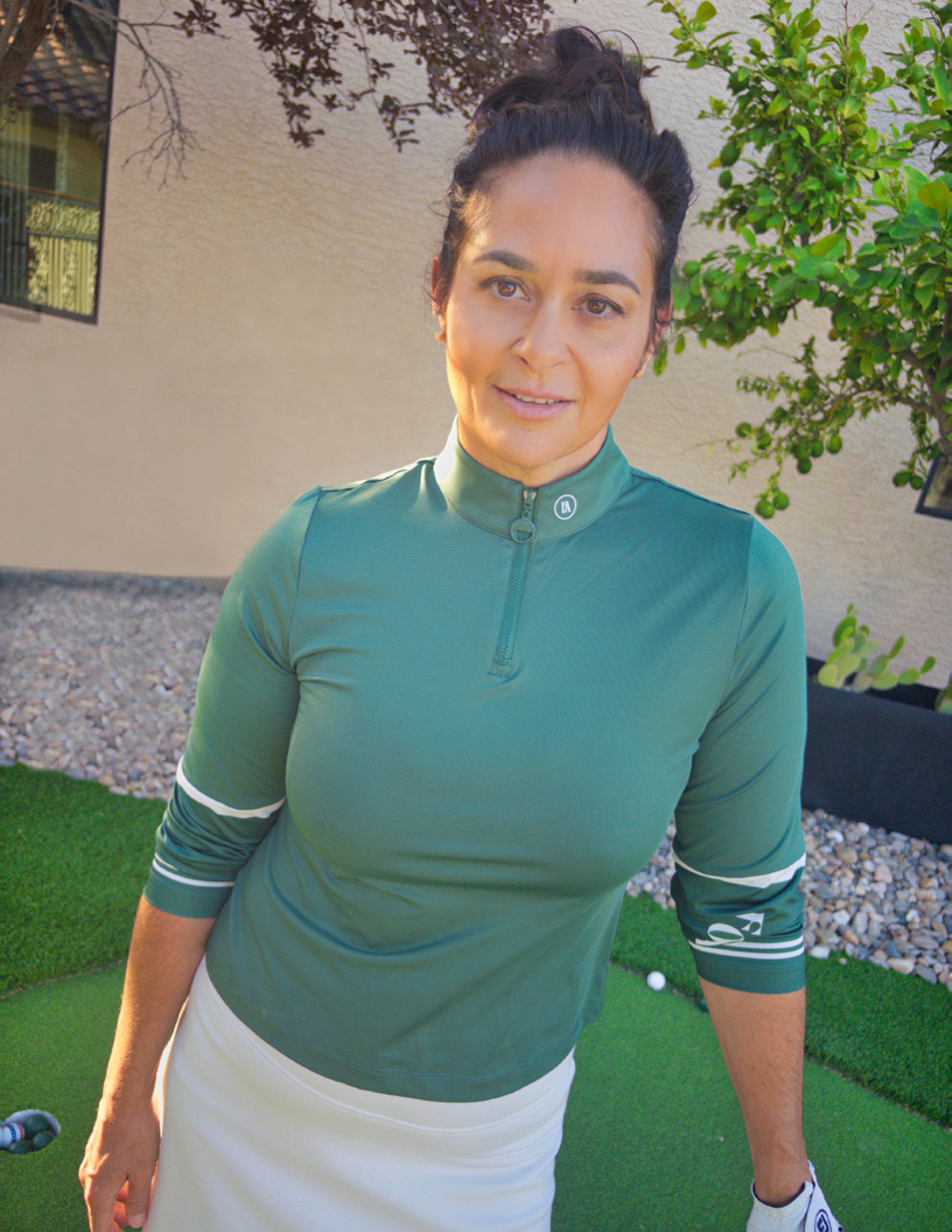
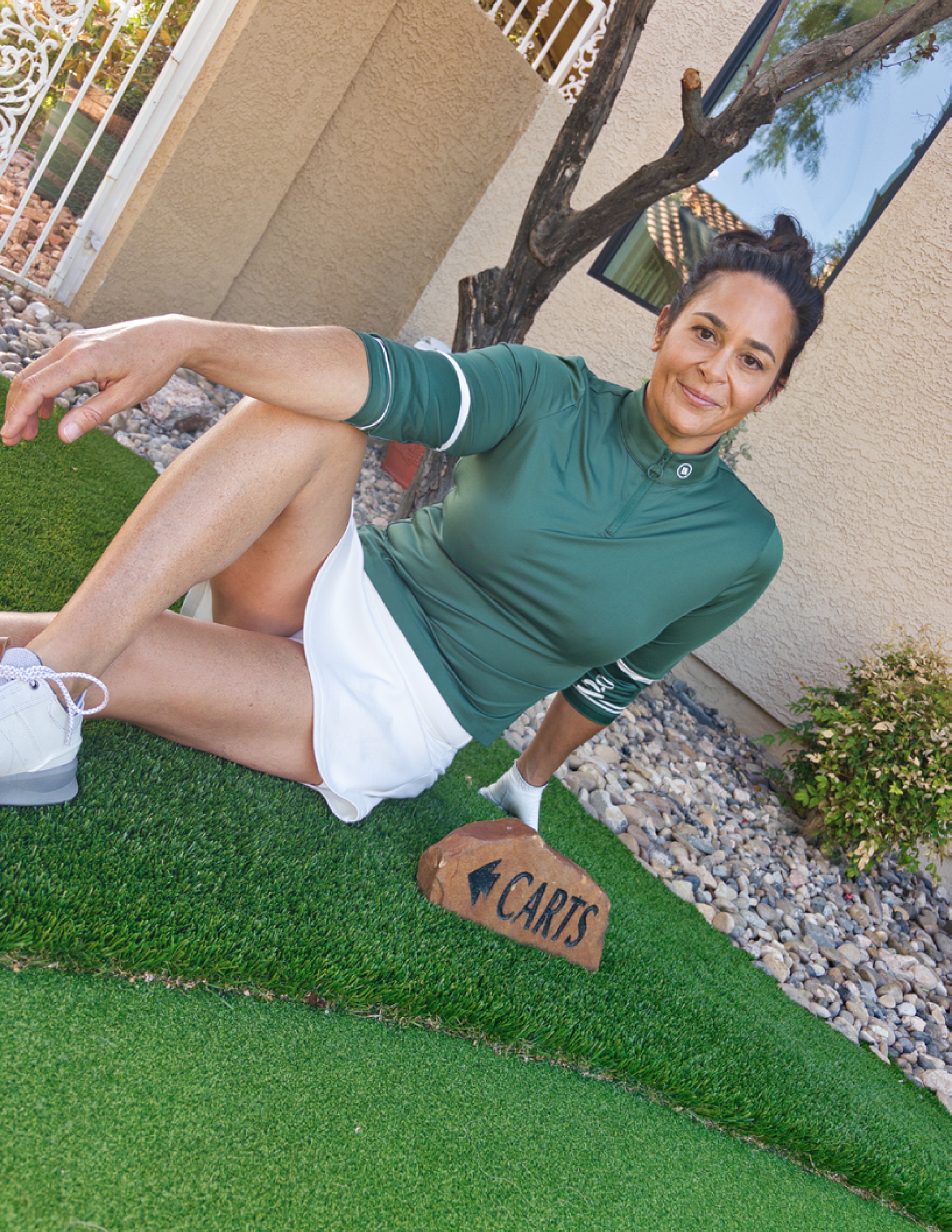
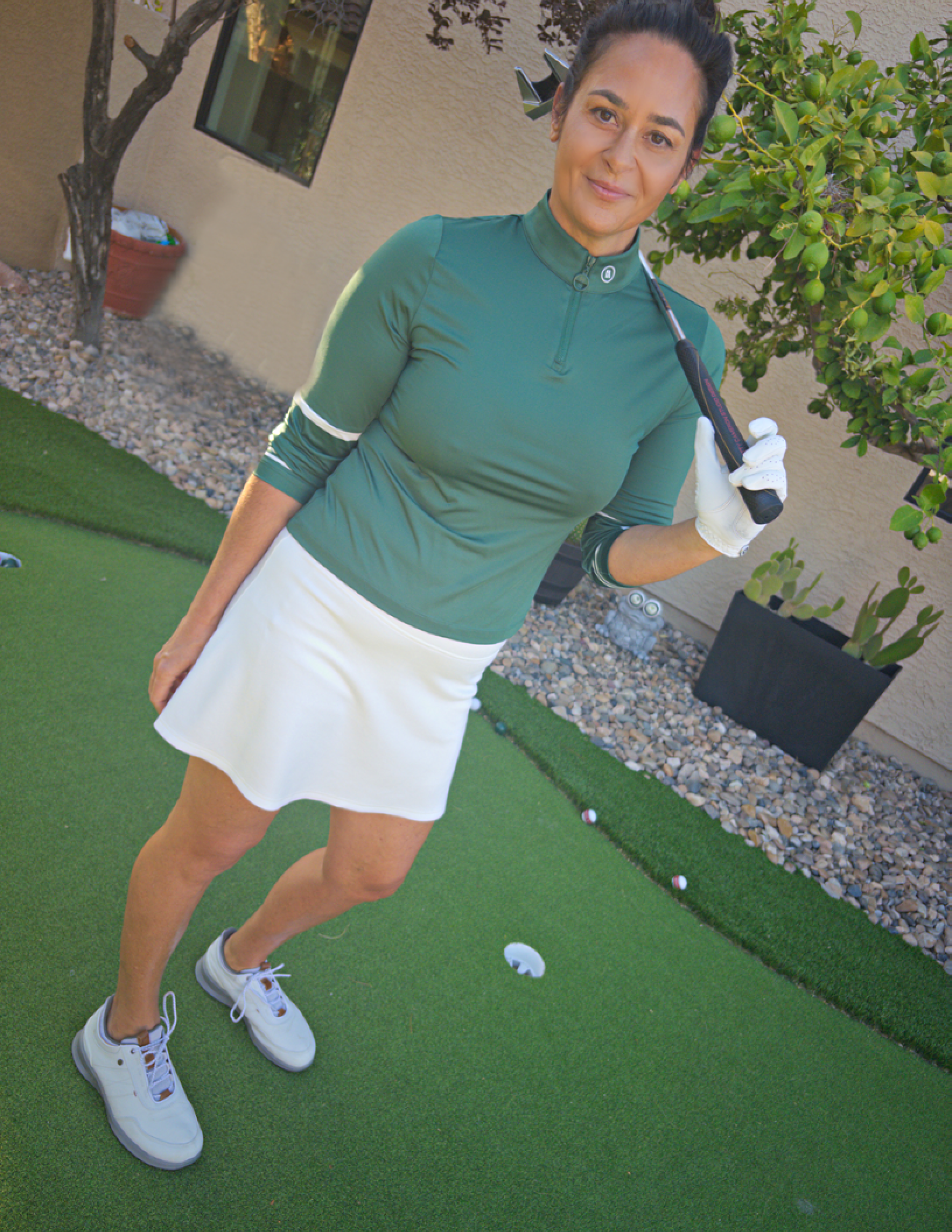
AM: After doing our cover photoshoot with you, we know you’re a golf girly and that you love golf.

CHEF AL: I love it so much!

AM: How did you come to this sport and why do you love it so much? And that golf course you have at your home, that’s literal chef’s kiss!

CHEF AL: So do you golf?
AM: I do golf. I’ve golfed ever since I was six. Now, I am not great. But my dad who taught himself how to play in college and who played every weekend that I remember growing up was like, look, you need to learn golf. You need to learn tennis.

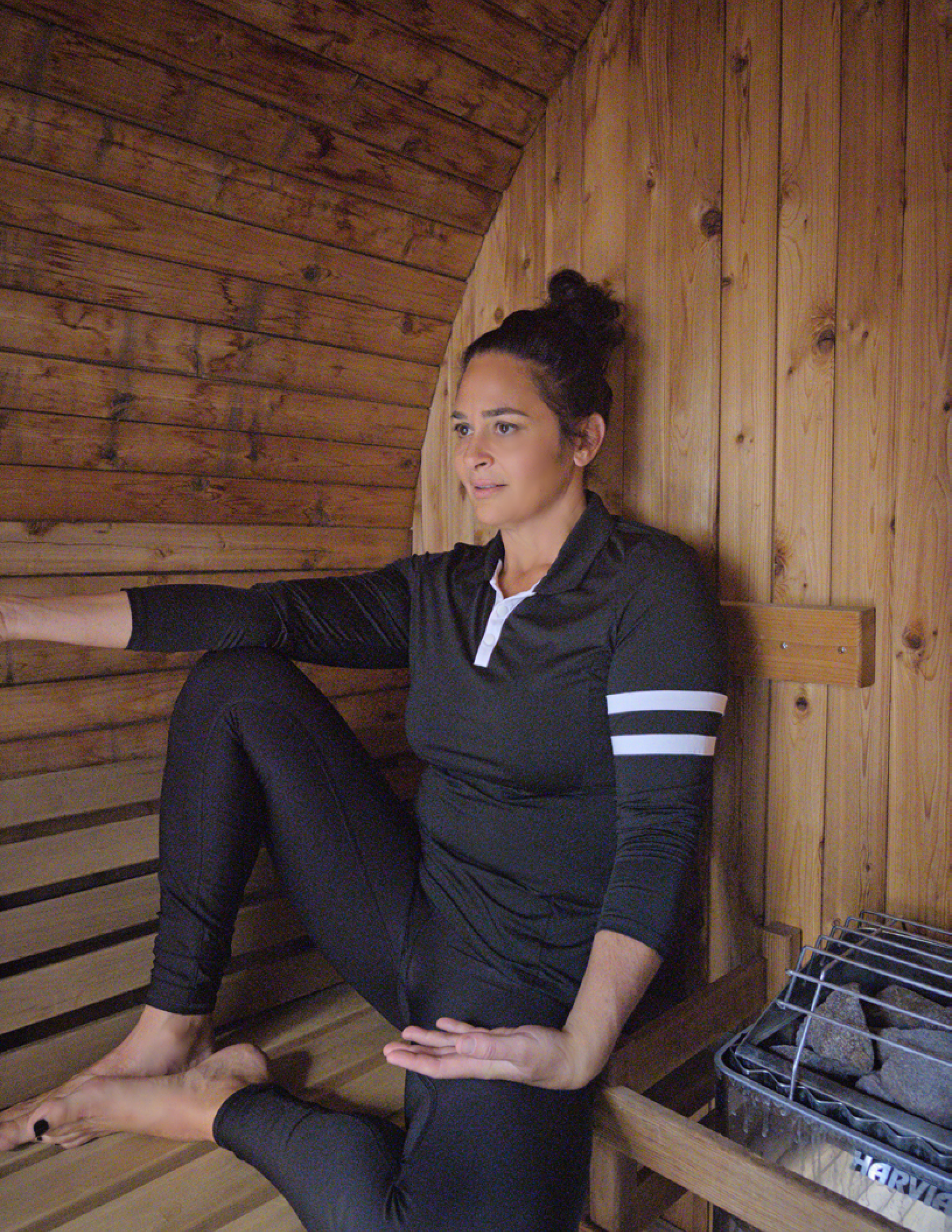
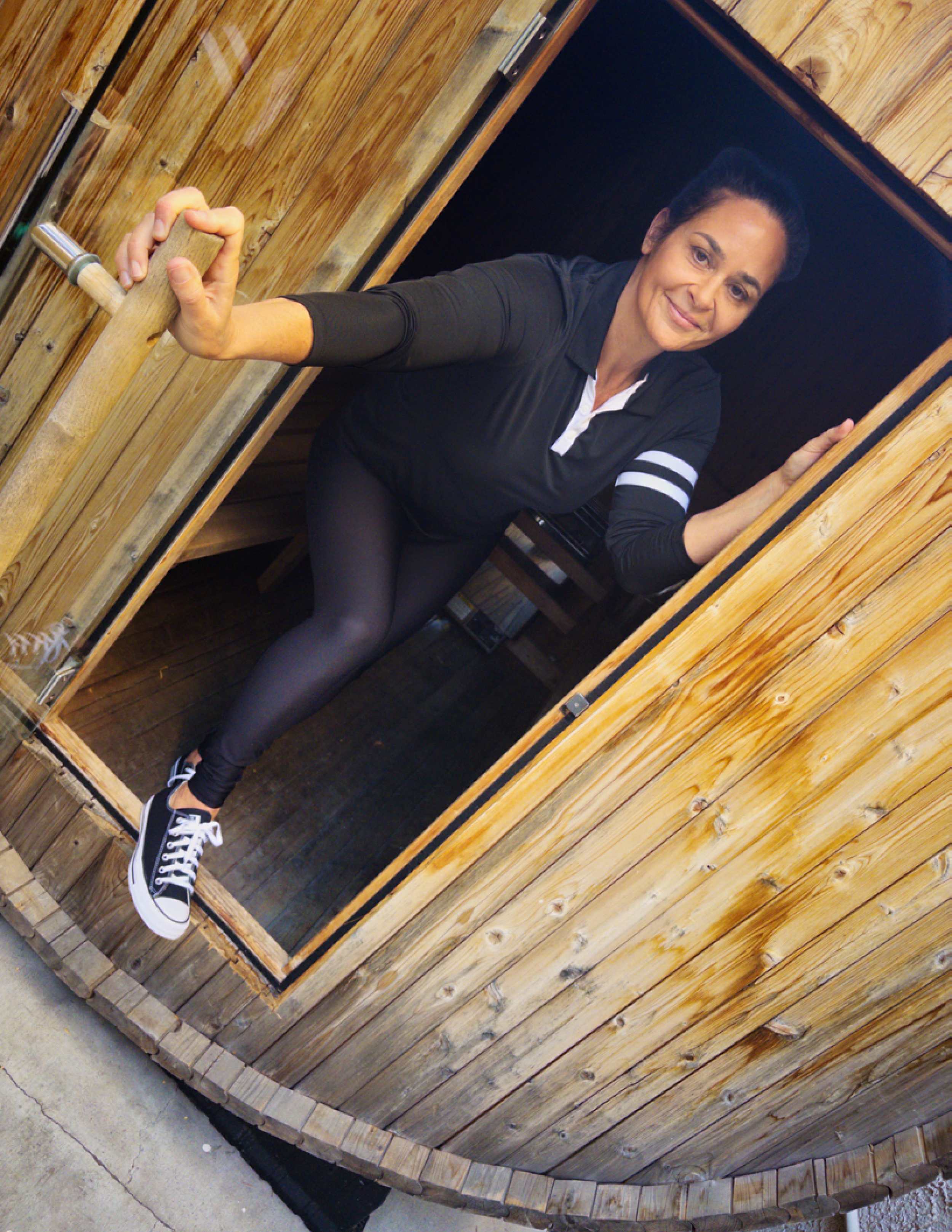
CHEF AL: It’s my favorite. I am someone who has found exercise and wellness through a lot of necessity. I’m like, if I’m going to continue with this schedule, I need to take care of myself. So I work out. I have a trainer. I do sauna. I do ice. And for the longest period of time, I was always like, that’s my hobby, right?

AM: Yeah.

CHEF AL: And then what I’ve learned is that’s not a hobby. That’s just actually maintenance.

AM: Yeah.

CHEF AL: And I didn’t really have a true hobby. Mine was a little different. My dad actually played golf. My brothers played golf. And I was the girl who wasn’t allowed to golf with them.

AM: Oh, okay.

CHEF AL: Believe me, I like to throw it in my dad’s face too.

AM: Right.

CHEF AL: I play better than all 3 of them now.

AM: Okay, now!

CHEF AL: It was one of those things where he’s like, these are my boys. I’m gonna teach them how to golf.

AM: Exactly.

CHEF AL: He was like you could stay home and have potato chips and hang out with your mom. So I always made this joke about how my dad never taught me how to play.

AM: Right.

CHEF AL: When I met my now boyfriend – the first thing he asked me when we first started dating, he was like, “hey, do you golf?” I was like, no, but I’ve actually always wanted to learn. Now, mind you, first time I ever played golf, I was asked to participate at Pebble Beach Food and Wine.

AM: Oh, no!

CHEF AL: I’m always thrown into things. I’m at a golf tournament right now at the Waldorf Astoria in San Diego. They’re like, you want to play? I was like, I can’t play this weekend.

AM: Right.

CHEF AL: I was always around it at the greatest golf courses all over the country and I didn’t know how to play and, and had never learned. And so he’s like, well, if you want to, I’d love to teach you. And I was just like, well, that doesn’t sound like a good idea.

AM: Right.

CHEF AL: But I went along with it. At the time I was still a drinker and I was like, oh my God, this is so fun. You go out, you get to wear these cute outfits. You’re in the sun. You have like a spritz while you’re outside. Something you get to do with a whole bunch of people that you like. Then I started hitting really well!

AM: That’s what gets you sucked in!

CHEF LA: Dude! One good ball and this is when my boyfriend likes to joke! He goes, “this is when I knew you took it seriously. It’s when you stopped drinking on the golf course and you hired a coach.” I wanted to learn how to do this better. And I learned how to do it better. And I have a putting green. And when I’m home in Las Vegas, we play like 4 times a week.

AM: Wow. I love it.

CHEF AL: The other part too is I walk the course. So he drives and I take my clubs and I take what I need and I kind of just meet him there. And that’s basically it. That’s essentially how the golf bug started and you know it! The golf bug gets you!

AM: Once you get it, it just becomes a thing. We had Dustin Johnson as our cover earlier this year which was so fun and was on our list for awhile. I love anytime I meet other golf girlies because it’s such a good sport and it’s so fun!

CHEF AL: Yes! It’s so funny because I’m that woman who walk into a pro shop and I tell them that they have nothing for women! My boyfriend is like, “Antonia stop it,” and I go, “babe. I’d like for you to understand when I walk out here. How many other women do you see?” He’s like not many. I asked him to imagine that he plays a sport 4 times a week that he is surrounded by women 98% of the time and that it is something that only women played. How would you feel about it? He said, “I’ve never thought about that.” I was like, of course you haven’t. And I don’t expect you to. However, this is the reality. The reality is if I walk into a pro shop and I’m like, hey, “I’d love to buy a cute shirt too because I’m now here, my section looks like a sale rack.” Do you know what I mean? And your section takes over the entirety of the place you know.

IG @chefantonia

PHOTOGRAPHY COURTESY | FRONT/BACK COVER, PG 19 - 36 + 9CH3FS ROUTIN3S PG 44 Paul Farkas | PG 16 - 17, 40 - 43 Food Network/Kitchen Undercover | PG 39 Bethany Paige Photography |

Read the JUL ISSUE #127 of Athleisure Mag and see IMMERSIVE CULINARY | Chef Antonia Lofaso in mag.
The Latest
AM AUG OPENING SPREAD Inaki Godoy (1).png
September 16, 2026
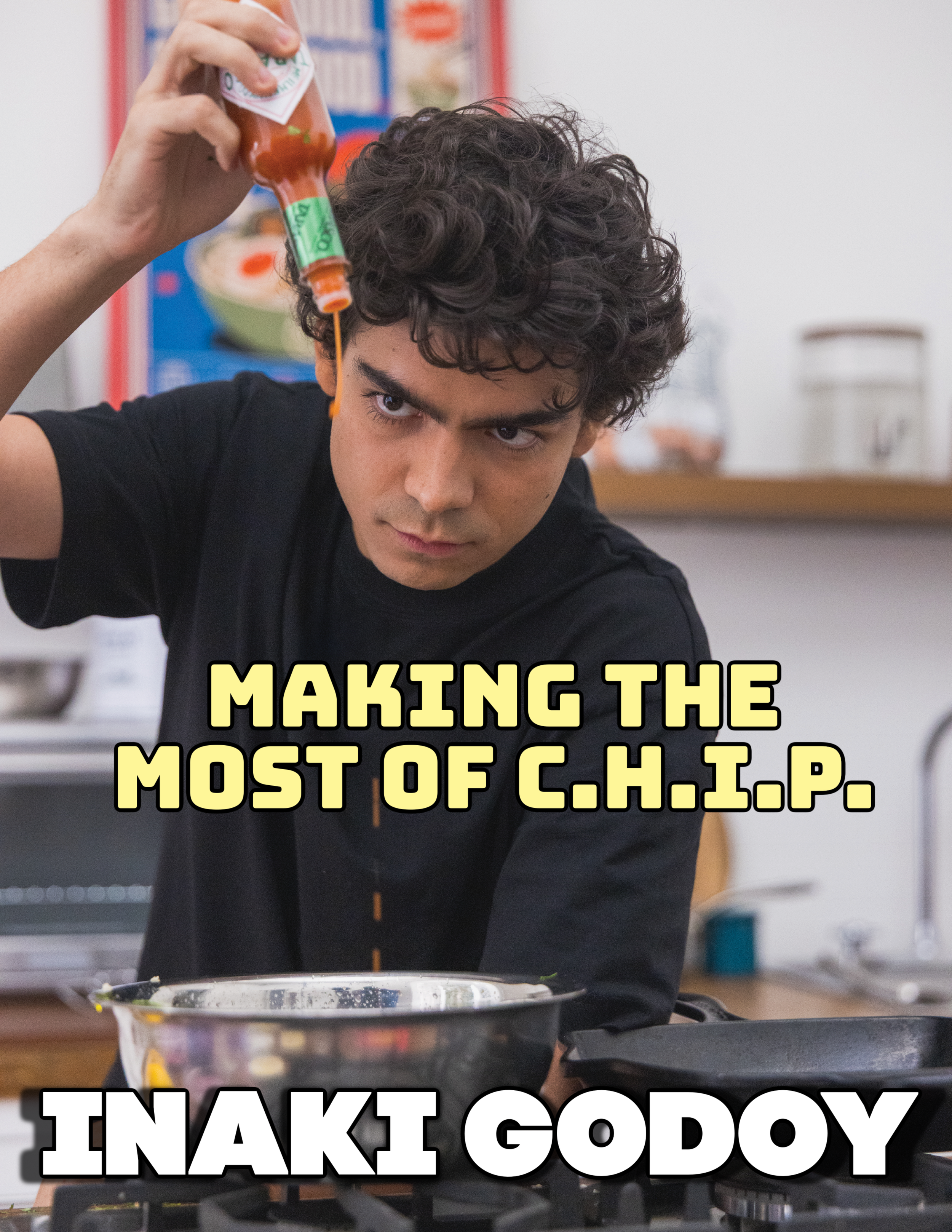
MAKING THE MOST OF C.H.I.P | INAKI GODOY
September 16, 2026
Read more →
September 16, 2026
COVER_T.jpg
September 14, 2026
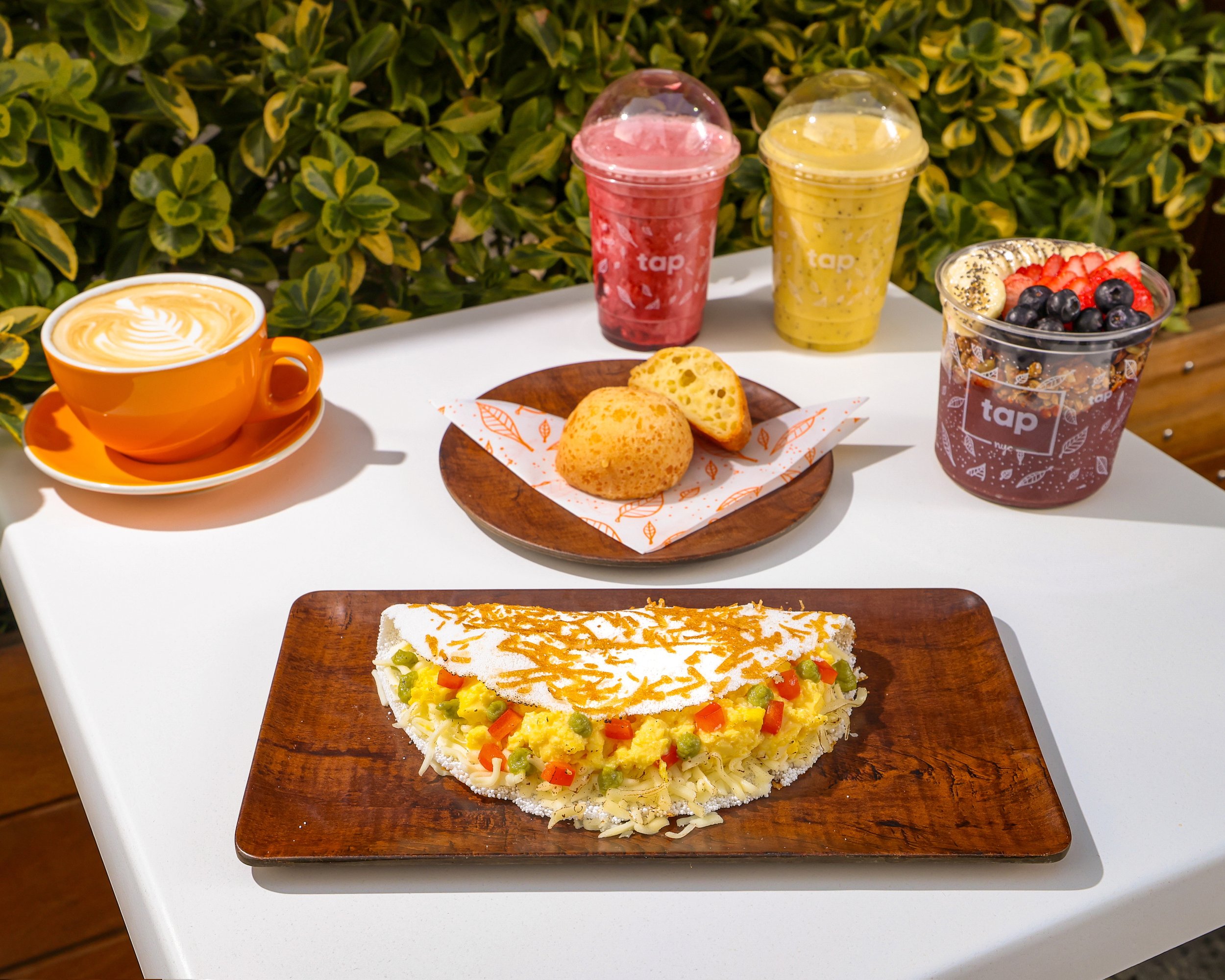
ATHLEISURE LIST | TAP
September 14, 2026
Read more →
September 14, 2026
8153X5zTVFL._SL1500_.jpg
September 13, 2026
BINGELY BOOKS
September 13, 2026
Read more →
September 13, 2026
In AM, Food, Jul 2026, TV Show Tags Chef Antonia Lofaso, Food Network, BRAVO, Top Chef, Kitchen Undercover, Top Chef: Chicago, Top Chef: All-Stars, Food Network NYC Wine & Food Festival, Las Vegas, LA, TV Show, French Culinary Institute, Roasted Chicken, Chicken, Scopa, DAMA, Black Market, Spago, Wolfgang Puck, Morimoto, Iron Chef America, Bobby Flay, Chopped, Guy's Grocery Games, Tournament of Champions, Jurni Rayne, Gritz N' Wafflez, Nestor Millian, PopUp Bagels, Leon's Bagels, Street Blends, Starbucks, Williams Sonoma, The Line, BBQ Brawl, Michael Jenkins, Claudette Zepeda, Marcus Samuelsson, Fariyal Abdulahi, Hav & Mar, Leah Cohen, Pig and Khao, Spike Mendelsohn, Good Stuff Eatery, Alex Guarnaschelli, Marc Forgione, Michael Symone, Delmonic, Michael Symon, Delmonico's, Ayesha Nurdjaja, Chef, Food, Culinary Competitions, Waldorf Astoria
Comment

INTEGRITY EXCELLENCE SUSTAINABILITY | CHEF FARIYAL ABDULLAHI

September 30, 2024

As the Summer comes to a close, we're looking ahead to the Fall and Holiday! We love being able to take time with friends and family and those that are in our inner circles to connect and many times, these gatherings take place in our favorite restaurants! It's within these 4 walls that memories are made, food is shared, and horizons are expanded. With the restaurant as the canvas, it is helmed by those give us the foundation for this exchange to take place.

This month's cover is Executive Chef Fariyal Abdullahi of Hav & Mar which is located in Chelsea's Art District in the Starrett-Lehigh Building. We talk about how a passion for food, fine dining, sustainability, and advancement led to a culinary career that has included phenomenal restaurants and a track record of integrity; her helming and being personally selected by Marcus Samuelsson (Red Rooster, Streetbird, MARCUS ADDIS) for this restaurant that is in the Marcus Samuelsson Group; being the Chef for and walking the Met Gala red carpet in 2021; being a judge on Food Network shows such as Chopped and Alex vs America, and being a James Beard Award 2024 Finalist! We wanted to know more about her culinary journey, her approach to food, sustainability, and changing restaurant culture.

ATHLEISURE MAG: It’s been such a fun day in being able to hangout at your baby, Hav & Mar and your cover editorial here with, a number of looks, and to see your restaurant and you in this way.

What was the first dish that you remember when you realized that you fell in love with food?

CHEF FARIYAL ABDULLAHI: Um, ok, so I grew up in Ethiopia and I am the youngest of 6 siblings. My mom would cook all of our meals herself – breakfast, lunch, and dinner. We were a family of 8, it didn’t matter. She always made it herself. You know, people say that their mom was a good cook, I can tell you objectively as a Chef that my mom was very talented and she didn’t have any formal training or anything. She was just very intuitive and very good at it. Because of that, everybody used to come to our house for food because her food was just that good! Holiday and everything, my uncles would be at the house. They were not at their wives homes with their cooking. They would be at the house and I noticed that at a very young age. I was like, “mom, you have to put me on!”

So it’s not a particular dish. But, she started me out with salad from the beginning. It was nothing that had to do with fire and stuff. I was a Garde Manger Queen (Editor’s Note: The pantry chef, commonly known as Garde Manger or Garmo is responsible for the preparation of cold dishes, salads, charcuterie, and appetizers in a commercial kitchen) when I was 6 years old. I was like, I want to do this, I want to do what you do. But it was also the process of – we’re very close to our food source. So, I have photos of me from when I was a kid making salad! We would go to the farm which was right around the corner from our house and they would grow the lettuce. So it was a whole process. I would go get the lettuce, the tomatoes, and all of that stuff and I would have the connection of seeing all of this stuff going from the soil, the farmers that grew it, and then I would go back home and it was literally a simple salad. Romaine Lettuce, Serrano Peppers, and Tomatoes – you didn’t even make a vinaigrette for it – it was just lime juice and salt.

AM: Oh wow!

CHEF FA: Yeah, that was my responsibility. It was very few ingredients, but it built my relationship that I had with food. It kind of made that first part where I had that connection with the people that grew my food. Then I turned what they did into something that was delicious to eat, and then everyone comes over - everyone pulls up. It was really that process where I was like, this is what I want. This is that thing that connects all of us.

AM: You graduated with a Bachelor’s in Clinical Child Psychology. When did you realize that you wanted to be a Chef as opposed to going down that track in terms of a graduate degree? You opted to go to the Culinary Institute of America in Nappa as opposed to staying on the psychology track.

CHEF FA: I always knew that I wanted to be in food. But, it’s the classic immigrant story where you leave your country and you go to America. The American Dream is that you are a doctor, lawyer, or engineer. Those are the 3 things. I would tell my mom when I was 14 or 16 that I wanted to cook and that I wanted to be a chef. And she would always tell me that that was a hobby and that it wasn’t a career. So when you’re a doctor, you can go home and cook as a hobby. That was your hobby, that was not a career. But I was like, “damn, that is really what I want to do!” As the youngest of 6 siblings, that’s what they did. So I have a sister that is a Neurosurgeon, my brother is an Immuno Oncologist – so he is doing cancer research, I have a brother and a sister that is doing Internal Medicine – so then it was my turn and I mean, I guess my second love is just knowing people and understanding behavior and that is why I went into Clinical

Psychology. But it never -

AM: It never really felt right.

CHEF FA: It didn’t! It really didn’t and I am a very empathetic person and so I got my Bachelor’s in Clinical Child Psychology and my sister who is in UCLA – both of my sisters are in UCLA, I went to go visit them and they said, “let’s show you the psych department.” They took me to where the children are and that’s what kind of changed me forever because I knew that I could not work with sick kids every day. I couldn’t do that and then go home with it! I knew that I would always go home with it! So that day, instead of applying to grad school, I applied to culinary school. I had my heart set on CIA because I had read 2 biographies from Grant Achatz and Anthony Bourdain and they both went to CIA and it is supposed to be the Harvard of culinary schools. I thought, hold on, if I get accepted to this school – this 1 culinary school, it’s go to be big right? So, I didn’t apply anywhere else, I just applied there.

AM: One shot!

CHEF FA: Yeah, one shot and I got accepted. So I told my mom, you have to let me do this.

AM: I used to have a teacher who felt that I should be a surgeon because in our labs when we were dissecting various animals, my precision in cutting was something that she loved. I had to explain to her many times that it wasn’t the work that I wanted to do, and that inspired me to find a piece that called back to that to bring it to this set. My mind will continue to run and replay a number of things and I can’t make my mind not work that way. I don’t know if I could take running a procedure in my head where something went wrong on that level and be ok.

CHEF FA: Yeah, I don’t know how they do it!

AM: So while you waited to hear about your application, you went to 18 countries and traveled for 3 months! What was it like to go to these places and for someone who already had an interesting palette already, how did you retrain that to take on all of these other areas that you had not previously been exposed to?

CHEF FA: So that was the purpose because I didn’t think that I had a palette. I don’t want to say advanced, but I didn’t think that I had a good palette yet. So the first 16 years of my life, I lived in Ethiopia, so I had a very high tolerance for spicy food, but also like very heavily spiced food. Things are very seasoned in Ethiopia so that is my threshold. I came to the States and my intro into American food became what I ate on campus.

I was like, “what is this flavorless, unseasoned – what is going on?” I swear that at 16, because I started college fulltime at 16, I used to walk around in my purse with Tabasco before Beyoncé said it, I swear to God that I had hot sauce in my bag! Because I was like, this ain’t it for me! It was just no flavor! It was that and the burritos, the burgers, and I’m in college. I kept thinking that there had to be an in between – hold on!

Yeah so, that was kind of the purpose behind my trip and I knew that there had to be more food out there. So it was 18 countries and now I’m on my 56th country. But in those 3 months, I did 18 countries and it was just to eat!

AM: That’s insane and amazing!

CHEF FA: It was cool because it’s like the whole 10,000 hours that Malcom Gladwell talks about (Editor’s Note: Malcolm Gladwell is a Canadian journalist, author and public speaker. He is known for his unique perspective on popular culture. He has been a staff writer with The New Yorker since 1996 and has published 7 books. He is also the podcast host of Revisionist History and the co-founder of the podcast company, Pushkin Industries. In his 2008 book Outliers, he states that, “10,000 hours is the magic number of greatness.” This theory means that to be considered elite or truly experienced with a certain craft you would need to practice it for 10,000 hours) it was the exposure of different flavors and textures that I would not have been exposed to if I had not traveled to these different countries. It became my little culinary school!

AM: Did you have a little travel journal and write down things as you navigated these countries?

CHEF FA: Yeah! I was solo too! I went by myself!

AM: Got it! Wow that’s a lot!

So what was it like to attend CIA and what were some of the kitchens that you trained in as you navigated to where you are here?

CHEF FA: So CIA, so I was responsible for my own tuition and that was the deal when I moved from Ethiopia. I did 8 hours of school a day, that’s how long our classes were – 8 hours, but then I would also work as a Teacher’s Assistant for the first 8 hours of my day. So that’s when I got into the 16 hour work day.

AM: Right!

CHEF FA: So, it was actually teaching me the work ethic that I needed honestly at the time, I didn’t know! I didn’t know how many hours people worked at restaurants. I had never worked in a restaurant before and there were no examples around me. So CIA in addition to obviously the culinary fundamentals, it was the first thing that taught me – ok, you can’t be tired. If you’re going to do this, you’re going to have to have the energy for this. I mean, it’s the Harvard of culinary schools and I do think that I got into Noma which was my first job ever – I mean Noma was the best restaurant in the world for 4 years in a row! It’s because I set myself up by going to the CIA!

AM: For sure!

CHEF FA: I felt like I was behind because when I was attending the CIA, my classmates were 18 years old and I was 25! I knew that I had to be on the fast track. Yeah, so it was essentially, a career change for me.

AM: Clearly, it all worked out as I’m sitting here talking with you in your restaurant!

CHEF FA: Yeah, I’m pretty much on a space ship and I’m on it.

AM: So, you were at Noma and I know that they are closing at the end of this year, but they will be more of a food laboratory and so that’s an interesting evolution with how they will continue their journey. So what are 3 things that you learned in your time of being at that restaurant? I mean when you hear of people who were at that restaurant, it’s no joke and it’s highly prestigious!

CHEF FA: I mean, especially with that being my first job ever! I remember when we were in culinary school getting ready to graduate and my classmates were like, we’re going to start off at this restaurant and then work our way up. I was like nah! I knew that I had to go straight to the top. They were like, you can’t do that. That’s not how the system is set up. You have to work your way up to Noma and I’m like, “cool, that’s what y’all are going to do.”

AM: But when you have a vision and you already feel like that you’re older than those that you have been with, you just can’t go at the same cadence because you have to make up for lost time.

CHEF FA: So the first thing that I learned at Noma is Integrity. Because my thing was that if I want to learn to be the best, I have to learn from the best! They were the best restaurant 4 years in a row and I was like, cool. What is it that makes them the best. It’s not always necessarily the food, what I learned there was Integrity is so high. Everybody was doing the right thing whether someone was looking or they weren’t looking. There’s no cutting corners. If this is how you’re shown how to do something, you do it. If there is something that is stopping you from doing it, you do it. Either way, you always do the right thing. That’s really powerful! So integrity!

10 years ago, the restaurant industry and kitchens are set up on this bully system I would call it. You get called all kinds of names, you get yelled at, that’s the relationship that you have with your Chef. The standard is always excellence and you will never reach that. So you're getting yelled at constantly every single day. So I was like, ok cool, this is how it is. If this is how it is, you just adjust to it. You learn how to have tough skin and you move on. But there is a changing area and I was getting ready to close out from the day and I heard René Redzepi (Editor’s Note: Danish chef and co-owner of 3-Michelin star Noma in the Christianshavn neighborhood of Copenhagen, Denmark) having a conversation with his leadership team and I guess there was this line cook that was being bullied and he just couldn’t take it anymore and he just left and he wasn’t answering anybody’s calls for 3 weeks.

AM: Oh wow!

CHEF FA: And people were like ok, whatever, if he’s gone, he’s gone. That day when I was getting ready to leave, I was in the changing area and I heard the conversation that René was having with his leadership team and he was telling them, “we have to shift the culture. How do you guys not care? What if this guy isn’t even alive right now? What is wrong with you?”

AM: That’s what I was wondering!

CHEF FA: He was really laying into them. He said, we have to be better. So he was like, “cool, you guys are going to go to his apartment, you’re going to find him and make sure that he is fed.” He was an intern so he wasn’t getting paid, but he was like, “do we need to pay him?” He wanted to find out all of this information. René’s wife was pregnant at the time and he thought that he was having a son and he was like, “if my son told me that he wanted to work in the kitchen, I would tell him no.” That’s because it is very abusive and we have to shift the culture and we need to be able to create a system where people want to come to work and that they feel appreciated and cared about. I was like, what is he talking about? That is not how kitchens run. Don't you just get yelled at and told that you ain’t shit?

AM: Yeah and you go into the corner and do a cry where no one can see you so you can get back in the game.

CHEF FA: Right? You go to the side, handle it and go right back out!

AM: Right? That’s how it was for me in fashion and that was just how it went!

CHEF FA: Yeah and I thought that it would be like that forever! But that was the first time that I had ever heard anybody talking about changing and shifting the industry! I thought, ok I guess that it could be different. So that sparked the biggest thing in me where it made me say that I run my kitchen with joy. I lead it with joy. I think that that is why we have such a high retention rate here. People want to stay working here.

AM: We have been here for a few hours and I haven’t seen anyone slacking, slinking off or even watching us do a photoshoot and having me interview you. Everyone is just focused!

CHEF FA: Yeah they have a very heavy prep list. They are super focused! They are totally fine! I am really proud of what I have built. It all stems from my Noma days. Build a workplace that people actually want to come to and I learned that from René and have integrity! Always do the right thing!

AM: You leave Noma and prior to Hav & Mar, what are some of the restaurants that you were working at between these 2 periods?

CHEF FA: Right after Noma, I went back to LA because that’s where my family lives and while I was there, I got a call from a Chef here in NYC and he was an Executive Chef at a restaurant called Caviar Russe which is a Michelin-starred restaurant and he called me and he was like, “hey, I need a prep cook." I was like, “damn, starting from the bottom. I just came from Noma!” But it made sense because there is such a huge gap in my resume because I went from culinary school to the best restaurant in the world and while I was at Noma – you know, that’s the third thing that I learned.

I learned that you determine your own growth in terms of how quickly you grow. Because I went as an intern and interns don’t really get to work the line especially prep, but I was out of the prep kitchen after a month and they put me on the line.

I remember that there was a huge symposium that they do called the MAD Symposium (Editor’s Note: René created the MAD Symposium which is considered the G20 of Food Industry Change) where they bring some of the best culinary minds and René would be on huge pins and needles and he was very anxious to make sure that service went well. Obviously, they had all the interns in the prep kitchen and he came upstairs and he said, “what are you doing here?” I was like, “Chef, this is where I was put.” And he told me that I was going to be working on the line. He put me on the line for one of the most important services that he was about to do. So I said, “got it Chef.” I just put my head down and I did the work.

AM: Inside, you must have been like, argh!

CHEF FA: Oh yeah! I mean, we’re extremely close, but he could be very intimidating. So, we always knew when he was in town because when he is in the kitchen, all you would hear (Chef Fariyal pulls her keys out of her pocket and puts her finger through the keyring and flips the keys over and over through the loop) is those keys and you would say, “Chef’s here.”

So he put me on a station with a Sous Chef from Finland and he was this massive guy! He said, ok you're going to work this station with him. The Sous Chef was like, “don’t say nothing. All you have to do is shuck these 200 year old clams and that’s it!” I mean, dude, they were the size of my palm. I’m like wow 200 year old clams, but I was like, “yes Chef.” He let me know that no matter how intense it got, all he needed me to do was to stay calm and just shuck these clams. So I said, “yes Chef.” 5mins into service, René comes around the corner and starts screaming at the Sous Chef and asking him why his station was dirty. It was not even dirty. “Why is your station dirty? You know what, stop, everyone come here. Look at how nasty his station is.” He kicks the Sous Chef out of the kitchen and now I am in the station by myself.

AM: Oh no!

CHEF FA: I said, “the Sous Chef told me to shut up and just keep shucking so I’m just going to shut up and keep shucking my clams!” So I learned to stay cool and to stay calm. So nothing gets me out of my zone.

AM: Nope!

CHEF FA: So that is my 3rd thing. You determine your growth because I was the only intern working the line on a shift that René kicked my Sous Chef off his station that I worked at and then it became mine. That was all because I put my head down and I put in the work.

AM: We also know that you accepted that job at Caviar Russe.

CHEF FA: Yes so Caviar Russe was the first job after Noma. They called me and I said sure, prep cook is kind of crazy, but sure. So I came and I moved to NY for that. Fine dining is my love and it’s what I love to do. But 6 months of doing that, making minimum wage and you’re in NYC – I was barely surviving – barely. I was like I don’t know how much longer I can sustain this. When I was in school, we always used to have job fairs and there would be this restaurant group, Hillstone.

AM: Oh yeah!

CHEF FA: They would always be in the school and try to recruit kids from the CIA. They have a few restaurants in NYC.

AM: Yeah, they had the spot at 53rd & Lex as I used to eat there quite a bit in my early days of living in NYC. That was my place at that time.

CHEF FA: I was never interested in working at a place like Hillstone. I was like, I’m a fine dining girl from CIA – what are you talking about? I’m not trying to make burger and fries! But then I was like, ok, fine dining is not cutting it. I’m literally a starving artist right now and I’m hungry and can’t even feed myself. I got recruited to Hillstone and I said, let me see what this is about. I went and I remember when I did my stage, I was like hold on, they may not be making the type of food that I am interested in, but the restaurant is run like a fine dining restaurant. So I thought hold on, maybe I can do this. They pay you a 6 figure salary right off the bat and I thought, I can do this and not be broke!

I was like, this is compromising the type of food that I love making, but it is done to the same standards. Also, the paycheck is cute and I did the switch from fine dining to Hillstone. I did that for about 5 years.

AM: That’s a long time.

CHEF FA: 5 years, 9 different restaurants, I moved 9 times to different cities, and I became the opener. That’s how I got my experience in opening restaurants. Anytime you are asked to open a restaurant as a Chef, that is a huge compliment because you’re laying the foundation.

AM: Yeah the standard.

CHEF FA: They’re saying that they want you to instill and to inject your work ethic and the trajectory of the restaurant is all based on -

AM: Your brand standard!

CHEF FA: Yeah so I opened 9 restaurants in 9 different cities with Hillstone.When I was with them, they had 53 restaurants in a number of major cities. It was a $650 million dollar restaurant. It was 1 owner, he did not go public.

AM: Oh wow!

CHEF FA: Huge!

AM: That’s a flex!

CHEF FA: That’s a flex! That is where I learned my leadership. That is 100% where I learned my leadership style. A lot of Chefs say that it is one of the best run restaurant groups in America. Hands down, easily.

So Caviar Russe to Hillstone and then I was like, I’m tired. By that time, I had been in the industry 8 years and there was never any Black women and even with Hillstone, I grew really quickly so after 9 months they gave me my own kitchen which was also very much so on the fast track. People had issues being led by a woman of color and they would make it very clear.

AM: Oh yeah.

CHEF FA: Like they would actually verbally say I’m not doing that. Why? Because you’re a woman and you’re Black. I would say, “cool, do you take a paycheck from a woman because guess who is writing your paychecks?” So if you’re cool with that, you’re going to do this task. But that was very exhausting. It felt like I was in a state of isolation. Because I was far away from my family, cities and states that I didn’t have friends or family in them. So I was very much so alone and then you go into work and they make it a point to feel even more alone. Even though I was Head Chef, you didn't really have much of a say. It wasn’t my food. I didn’t get to hire the people that I wanted. So I wasn’t making any of the changes that I wanted to make. I was tired and it was 2020 and I felt that I was done with the industry. I moved back to Ethiopia. I was like, “I’m done, this is wack and I’m not into it.”

Then I get a call from Marcus Samuelsson. “I was like, what the heck is happening right now?” He’s like, “Chef, it’s taken me quite awhile to track you down.” I was like, “what – what do you mean?“ I was so confused. He tells me about this restaurant. He told me that he was opening a restaurant in Chelsea and he wanted it to be run by me. I wanted to know more. He said that he wanted to build a sustainable menu and that he wanted it to be led by a woman of color as he felt that he had not put any spotlight on women of color.

So I was in Ethiopia for 6 months. I didn’t know what I was going to do. I was chilling. I still had my home and my brother still lives there – I was cool. There was no rush. So Marcus called and he said sustainable menu which really mattered to me a lot and having it led by women of color. I was like, “hold on, so I can make whatever food I want and I can hire whoever I want?” He was like, it’s you. It’s your restaurant. You can do what you want! So I was like, alright cool, I have to come back. Also, it didn’t feel like I was done with the industry.

AM: Right, you just needed the right fit.

CHEF FA: So this was my second chance at the industry. Then within a year and a half, we have had a stellar NY Times review, I’ve gotten my James Beard Nomination, all of this stuff and it’s like – wait, what?

AM: That’s so insane! You must have gotten off of the call and just been like – he’s been looking for me? I’m going to be working with this man?

CHEF FA: How? I mean – what? You’re looking for me? That don’t make no sense!

It was and it is and he is letting me do my thing. I’m really glad that I came back.

AM: It’s such a great story. I have had the pleasure of interviewing him before and I have also done a fun culinary video with him and seeing him at culinary events and competitions. Love his personality and his focus as well as everything about him is really amazing.

What does it mean to you for him to place you in this position and to have this massive responsibility as well as being able to chart your own path?

CHEF FA: It’s 2 things. There is that whole show that comes along with it. It’s a very public and media facing restaurant. I wouldn’t have known that I could be a voice for women of color in the culinary industry if he didn’t trust me with this you know? There is only 6% of women of color that are Executive Chefs which no wonder that we feel so lonely. I do know some women of color that are Executive Chefs, but they say that they don’t have to talk about it all the time. They feel that the more that you focus on race and all of that stuff, you’re taking away from your craft. But I’m like, people are making it a point to focus on it anyway.

AM: Exactly!

CHEF FA: Right, so why don’t you talk your shit?

AM: It’s intertwined!

CHEF FA: It is!

AM: You can’t do one without the other.

CHEF FA: People don’t want to separate it so I will talk about it. People immediately are only focused on the food. I am going to talk about it and he gave me the voice which I think really helps. Because now, so many women of color reach out to me and say, “Chef this is so inspiring. I almost gave up on the industry.”

But the other thing is that Marcus is the first and the only person to ever tell me this. When we first started opening the restaurant he could tell because I had never really worked for a restaurant where I was in charge that was this front facing. He started talking about that we would get reviewed in the first couple of months and I was like woah, “I have never had to deal with this.” I wasn’t sure if I could do it and he was the first person to ever tell me, “Chef, you’re here because you deserve to be. You know that right?” I’ll never forget those words. I’m like, “no actually. No one has ever said that to me. Not a single person has told me that you’re here because you deserve to be.” He told me that I worry about that way too much and that he brought me here because I made great food and I tell a great story. So he told me that, ”whoever walks through that door, if they don’t see you, that’s not your problem. You’re here because you deserve to be.” And that kind of felt like the shackles that I had the first 8 years of my career –“

AM: Broke.

CHEF FA: Yeah, it unlocked it. I was like, cool. I don’t have to prove myself to anyone. I’m here because I deserve to be. You know, you don’t see white men prove why they are there.

AM: No you don’t.

CHEF FA: Right, everyone just knows that that is what it is. They make the food, people see that is the chef and there isn’t anything else that has to be said or debated. So he gave that to me. He gave me the belief and the understanding that I am here because I deserve to be. He gave me that voice so it’s been very impactful. It’s the first time and I always tell my siblings that their job is important because they are literally saving lives. My job is not important and that is what I have been saying for the last 8 years, but now like I have been doing this for 12 years and it’s the first time that I have felt that what I do is important. I’m changing an entire industry in terms of how you can run a restaurant and also many people see that you need to bring more women of color into your restaurant.

AM: There are a lot of people out there in your space telling a story, but you need to also be out on platforms sharing how you’re rocking things too. To hear as you said that it’s less than 6%.

What can you tell us about this space, the ambiance, the design, and what can diners expect when they come here? I love how decadent it is when you look in. But there is a relaxing element to the space as well as whimsical with the Black mermaids which I love!

CHEF FA: Yeah! Well that’s all Derrick Adams! So when Marcus commissioned Derrick Adams to do the artwork here, he told him it was going to be a seafood restaurant and that it would be led by women of color. So immediately, Derrick Adams was like Black mermaids. He titled it, We Are From the Water Too.

AM: I love that!

CHEF FA: We Are From the Water Too! So Black mermaids. So Marcus always says, “when you lose the message of Hav, look at the mermaids.” Like, they will always bring you back to what our message is at Hav. Visually and aesthetically, the architects name is Zébulon Perron (Red Bull Music Academy, Broccolini Condo Store, Pancho) and he’s won awards for creating this space and he's actually amazing.

But I love how it looks simple, right? Which is why you can feel so relaxed and it doesn’t feel intimidating where you feel that you have to be buttoned up. But then you get into the details and it’s like woah, hold on!

AM: It’s very Matrix-y in some ways with the way that the fixtures are floating. There are sections and yet everything is still together. It’s mind trippy! A little bit like Salvador Dalí (Editor’s Note: A Spanish surrealist artist renowned for his technical skill, precise draftsmanship, and his striking images. Major themes in his work included dreams, stretching and mixing realities, as well as the subconscious.)

There’s just a warmth.

CHEF FA: And you know, he wanted it to be an open kitchen obviously. So I always stand in the pass (Editor’s Note: This is where plates go for a final garnish or inspection before they’re sent to the dining room. It’s also where components of a dish that are prepped at different stations meet to be plated together,) so I am the first person that people see. If we’re going to have a restaurant led by a woman of color, we’re not going to hide her. We’re going to make sure that people know that she is at the helm of it all. So I take my position right there and we have guests that walk up. Sometimes people are like, “can we meet the Chef?”

AM: It’s like, hello!

CHEF FA: Haha yes, hello! Were you expecting someone or something different?

AM: Sometimes they are!

CHEF FA: Well most of the time they are!

We get so many people that come up! Little girls and they’re like, “I want to be a chef!” This space! When I first walked in, there was nothing! It was rubble – a pile of rubble! I was like, “I don’t know what y’all see!” They did it just like that – 2 months!

AM: Really?

CHEF FA: Yeah!

AM: Wow!

CHEF FA: I love it here. I spend 80 hours in this building so -

AM: You know it very well!

CHEF FA: It’s not a bad place to spend 80 hours.

AM: What is the meaning behind the name?

CHEF FA: So Marcus is both Ethiopian Swedish. Hav is Swedish for ocean and Mar is the Ethiopian word for honey. So we are from the Sweet Waters which is how he describes it. But, it’s to pay homage to both his Swedish and Ethiopian roots.

AM: So what would you say the cuisine is and what are the ingredients and the flavors that are indicative of it?

CHEF FA: So when we were first talking about how we could make a sustainable menu, we kept coming back to seafood. Initially, he wanted to do a vegan restaurant.

AM: Part of me thought that this would have been a vegan restaurant.

CHEF FA: Right because when you talk about sustainability, that tends to be the best route to go. But then we were like, gosh, it’s really hard to tell our story through just plants. So we landed at seafood. I like to describe it as seafood. When we first opened it was, seafood told through the lens of the African Diaspora because it was very heavily influenced by African ingredients. I’m Ethiopian born and raised so a lot of Ethiopian influence, but I did a lot of West African ingredients too. Then we evolved because I have a Sous Chef from the Philippines and a Sous Chef from Puerto Rico.

PF: Oooo

AM: Yeah, both of us just said ooo at the same time!

CHEF FA: Yeah as the Executive Chef, the menu is mine. One day, I was feeling under the weather and my Filipino Sous Chef made me a traditional Filipino soup called Sinigang. I was in the pass and she saw me struggling as I was saying fire for the dishes. She said, “Chef, I made this for you.” I was like what is this and why is this not on our menu? She explained that it was from the Philippines and that they have a traditional soup made with fish. I was like, “you know we have a seafood restaurant?" Then I was like, hold on, I think that we should start bringing in their voices to the menu too. I don’t have to gatekeep this.

So then we started incorporating their dishes and then I think that that’s when Pete Wells (Editor’s Note: Pete Wells was the restaurant critic at The New York Times from 2011 – August 2024) came in to do the review and I was like, oh my God, we don’t really have an identity besides the fact that we are a seafood restaurant. He was like, “Chef Fariyal uses her global influence –.“ I was like, that’s who we are - we are a seafood restaurant. Some people will come in and say this is not African and I’m like we’re a seafood restaurant with a global influence. That’s it and now it has all of their global identities.

We have Puerto Rican flavors, we have Middle Eastern flavors, Filipino flavors – we have everything!

AM: That’s amazing.

CHEF FA: But the vessel is seafood. The seafood tells our story in terms of sustainability. It’s what keeps me up at night.

So when I was designing the menu and we were creating these dishes, we need to use as much of the ingredient as possible. I want very little waste. So the thing about restaurants is that we are one of the highest contributors of the Climate Crisis because we produce so much food waste and that ends up in landfills and I’m like how can we avoid all the waste that we produce here ending up in landfills? So it’s about using as much of the ingredient as possible.

So we are getting really creative so I have something called Ash Oil. So I was like, can we do anything with all of these scraps with the skins of scallions, onion skins, scallion tops that we throw away, garlic, and all of that stuff. Things that you would throw away and I thought that there has to be flavor in here! So we just put it in the Hearth oven which goes up to 800° and it gives it a nice char and then I blended it into a salt and then I mix that with oil so it has this super...

AM: Smoky

CHEF FA: Yes smoky flavor! So I was like, hold on this is edible and it gives this whole other dimension to dishes. So I was like, alright cool lets get really creative like that. Let’s use parts of ingredients that normally get thrown away. So that was Step 1.

Step 2 was how do I make sure that – obviously you can’t use 100% of everything.

AM: Right.

CHEF FA: How do I make sure that this doesn’t end up in landfills? So I did some research and found 2 different organizations one is called Afterlife. They come and pick up our compost every day. They grow mushrooms with our compost.

AM: Oh wow!

CHEF FA: I built a dish around these mushrooms so it’s like a full 360 moment. But then, the most important thing is that after they are done growing these mushrooms they take the substrate which is the compost and they turn it into soil and they create something called Biochar. So Biochar is soil, but it has the ability to sink carbon for a 1,000 years.

AM: Wow so they are a Circular Farm.

CHEF FA: Right, so I was like hold on, this is really fly! So all of our compost goes to them. I work with them a lot and they are doing a lot of really amazing things.

AM: And they are based here in the city?

CHEF FA: Yeah! They do all of that and they make Biochar by using our compost and then they donate the Biochar to farmers and it helps them increase their yield. So farmers are getting better yield while making sure that we’re not increasing the output of Carbon Dioxide to the air. They also donate it to parks and it goes to Governors Island. So they do all of these wonderful things with our compost.

AM: Wow!

CHEF FA: And then the second company, they’re called Billion Oyster Project.

AM: That’s the host of the dinner we’re going to on Thursday at Governors Island (Editor’s Note: You can read the story about this dinner from Outstanding in the Field in this issue).

CHEF FA: No way!

AM: Yeah Le Jardinier is the culinary portion and we’re very excited.

CHEF FA: Ok, that makes sense!

They are my second partner. So what they do is they collect oysters from restaurants and they are basically reconstituting the oyster population in the Hudson and all of the rivers here. What that does is it gives us a good filtration system. So they take our oysters because I’m like, let’s not get lazy with it. Technically, you could throw everything into a compost, but I’m like are there things that we can separate within the compost that makes better use? So since we have been open, Billion Oyster Project has been in the loop.

That is the most important thing to me. We can get all of the best accolades in the world. But the thing is, If you are contributing to a worse planet, what are you really doing?

AM: We have to do something and to keep researching for new innovations.

CHEF FA: Exactly!

AM: Wow!

CHEF FA: I like talking about it because for example, Afterlife they have 20 restaurants that they have partnered with in NYC. Do you know how many restaurants there are in NYC? That’s wild that there are only 20 restaurants that participate!

I eventually want to end up in policy. I do work with Save the Children. I do a lot of advocacy work and I eventually want to end up there. But for now, if you can implement the stuff while you’re on the ground, that’s a great place to start.

AM: I can see you doing Food Advocacy work as Tom Colicchio and Todd English, both of them are doing what they can and making their voices heard.

CHEF FA: It’s important! Listen, I am a mushroom fiend! They are very tasty.

AM: In looking at the menu, the flow of it is really great! What are 3 dishes from your Raw & Cured that you would suggest for those coming in?

CHEF FA: Raw & Cured, so I am a little biased with my Tuna Tartare.

AM: I love a Tuna Tartare moment.

CHEF FA: It’s so good! Tuna Tartare is a must. Hamachi has been there since we have opened. It’s a ceviche that I use called the Black Ceviche which is non-traditional and I use the Ashe Oil in there. It’s very acidic, but that Ash Oil gives it that other dimension of what I was talking about when I was saying smoky. That’s not very traditional for a ceviche. I can never get rid of that. It will be on the menu forever. There are just some things – I mean we are a seasonal menu, but there are just some things that’s just like, there will be an uproar if we take that off the menu.

AM: People will be like, wait, is it even a restaurant if I can’t get this here? Forks raised in the air – where is it?

CHEF FA: For real – picketing! The Hamachi Ceviche and there is a dish called the Swediopian. So it is something that we have had since the beginning. Swediopian is our play on words where it’s Swedish and Ethiopian. So way before this restaurant opened, Marcus and I did an event for Pepsi and it was around the Super Bowl and he wanted a dish that represented both his Ethiopian and Swedish roots and he said to play around with the cured salmon. So I cured it using Swedish techniques, but then I used berbere which is an Ethiopian spice so it’s a twice cured salmon.

AM: Oh wow so it’s punchy.

CHEF FA: Yeah very actually. You guys need to come in and eat. Seriously.

AM: Oh we will, we want to be able to try that.

CHEF FA: So those three from the Raw & Cured are great!

AM: What are 3 Small Plates that you suggest that we should enjoy?

CHEF FA: Small Plates, we do a beautiful Scallop here.

AM: I love a Scallop.

CHEF FA: Yes, we have our Fall Menu coming in 3 weeks and so the format will change again.

Yes and the Salad is a big hit too! We always bring that in every Summer. I have this formula that I use. For this particular Salad I do a purée and it’s about what ingredient is at its best during the season? So for the Summer Salad, I do a corn purée then Heirloom tomatoes because you know and then I do a compressed watermelon.

AM: Wow!

CHEF FA: What could be more Summer than that? So I always say get the Summer Salad and the Scallops – those are my 2 favorites.

AM: What is Happy Hour like here?

CHEF FA: Happy Hour is from 5-7pm. We have a separate menu that we do and our General Manager Tia, a woman of color whose Jamaican, she’s a Somm and she does the Beverage Program here.

AM: Wow!

CHEF FA: So she wears many hats! So she makes awesome cocktails. We work in tandem and she takes ingredients from the kitchen that we are processed and done with and instead of throwing it away and making waste, she makes cocktails with it.

AM: Oh that’s smart and the sustainability continues.

So that means some of your cocktails are even a bit savory as well?

CHEF FA: Yup the Hav & Martini – so I make pickled red onions that I use as a garnish and I put beets in it to make that beautiful pink color. So when we're done pickling it, we used to toss out the juice. But she uses it in her Hav & Martini.

AM: I like that!

CHEF FA: Yeah it’s this beautiful pink hued beverage. She has this really beautiful way of explaining it because I don’t drink alcohol and I’m Muslim and I have never been in that world.

The way that she explains it she’s like this cocktail uses onions and this is why. I’m like, girl I don’t know, but it sounds good!

AM: It’s smart because there are a lot of studios in this area -

CHEF FA: Art studios.

AM: So you’re open for dinner every night. Do you ever foresee a lunch service? What was the decision behind this?

CHEF FA: So one thing that I love patting myself on the back for is because when you start getting to this whole thing – James Beard, Michelin, and all of that stuff – people equate how difficult it is to get into a restaurant with how successful that restaurant is. I always tell people – it’s not a competition, but when you look at and line up all of the restaurants, I have 140 seats. We are open 7 days a week and a lot of these restaurants are not open 7 days a week. They’re not and in this post COVID climate, it’s very challenging to have enough staff to be open and operating 7 days a week and that’s a really huge deal.

AM: Yup!

CHEF FA: And most of the restaurants, I mean this is a very big operation in terms of seats.

AM: When I walked in, I thought, they’re not playing.

CHEF FA: Yeah so 140 seats, 7 days a week. I’m like, you guys don’t understand – like when you guys are like who is the best chef? Look at the operation also, you know what I mean? I could run a 12 seat restaurant that’s open 4 days a week. I could run that very easily. So it already is doing the most because we are open 7 days a week in this restaurant. But Marcus does have pipe dreams of being open for lunch and I’m like, “Chef, where are these people? Where is the staff that I’m supposed to find?” I would say that that is the biggest challenge of being open for more service – it’s just not the same. The pool of people to hire is not the same at all.

AM: So speaking to that, what is an average day like?

CHEF FA: So the operating hours is that we are open from 5-10pm.

So there are 2 shifts. The AM team gets here at 8am. They are here from 8-4pm. They prep the food that all the guests are going to eat. So our rule is, “today’s food, for today’s guests.” So everything is made fresh inhouse every day. There is no rolling over. I have a Sous Chef, I have a Pastry Chef, 2 Prep Cooks, and a Dishwasher.

AM: Wow.

CHEF FA: So that’s who’s here from 8 – 4pm.

Then at 3pm, my line team gets here. So they are the ones that cook the food. So there is an hour overlap between the 2 of them. But they will be here from 3 – 11pm. So there is the prep team and the service team.

AM: Oh wow.

CHEF FA: I have to kind of be here for both.

So I get here between 12-2 and then I stay here until the last table leaves.

AM: So on your admin day, is that when you are touching base with the group?

CHEF FA: So with the group, we have weekly meetings every Wed. So we have our meetings with our Director of Operations. The only reason why she is here today is because our General Manager is in Chicago. But we have a meeting with her, our CEO, and our CFO every Wed. about our P&L. So I have to know every single penny that comes into this building and every single penny that leaves this building. So I always give them a presentation every single Wed. This is where we’re at, this is the goal, this is what my food cost is, this is what my labor cost is, and this is our bottom line. It’s every Wed. and I have to be prepared to talk about our numbers in and out.

But when I say admin stuff, it’s like every Mon. we do payroll. Bit every day, I process invoices. So there is always something. Or there is scheduling I do that every week.

AM: You are a woman of many hats.

CHEF FA: It never ends.

AM: So obviously we were talking about the Met Gala earlier during your shoot. You looked phenomenal on the red carpet. What did it mean to you to be part of that event in addition to obviously doing the menu itself? Just being in that apex of fashion.

CHEF FA: So in the moment, I obviously didn’t grasp how big it was!

Somehow in the end it looks like I’m a fashion forward person ...

That was important for me 1 – it was kind of my debut. We had done so many shoots with Vogue and a lot of stuff and it was like, Chef Fariyal, Chef Fariyal. I was always cooking behind the scenes and now it was like, people know me as a chef now. It was cool and that’s what kind of catapulted the whole TV and media. Because that is when I got a call from the President of Food Network. They were like, hold on, who are you and why are you not on TV? I was like what do you mean because I’m a Chef? What do you mean TV? But that is what catapulted it all. It was that Met Gala, that red carpet.

AM: You were on a lot of the main pages of a number of international editions of Vogue as well as the one here. It was like Lady Gaga what? I remember thinking wow and she’s a Chef on that red carpet – wow. It’s like that’s huge because I thought that she would be in the kitchen.

CHEF FA: I thought that I was going to cook, but no!

AM: What does it mean to your brand because you are doing Chopped as a judge or you’re on Alex vs. America as a judge, or you’re on your Roku show, Celebrity Family Food Battle, and you have done different kinds of things. What does that mean to you when you look at that particular component. Because it feels like being a Chef now – although you don’t have to do this – it has become elevated where you have to have these other touch points that includes TV.

CHEF FA: So it kind of goes hand-in-hand. One of the reasons that the restaurant has been successful is that obviously we’re blessed to have Marcus and his brand behind it and now it’s 50/50. Just as many people walk into the building to meet me as they do asking for Marcus and it’s because I do so many things and when they introduce me on TV they say, that is the Executive Chef from Hav & Mar. So it really helps and my brand is very closely tied to Hav & Mar. So we keep those butts in these seats.

AM: You’re rocking those 7 nights!

CHEF FA: Yeah!

AM: And being a finalist for James Beard. What does that mean to you?

CHEF FA: Oh my gosh, that was never – to me, it was one of those things like James Beard wasn’t even a North Star for me. It wasn’t something that I thought would ever be in my world or something that I could even attain. Then when I moved to Hav & Mar and we opened this restaurant, Marcus asked me what some of my goals were.

I was like, James Beard and he said, “oh, ok.” I was like, “what you mean?”

AM: And he was like what part did you not get? The O or the K?

CHEF FA: I want to be nominated for a James Beard. The other thing was Food & Wine Best Chef. I wanted to be in that category too. And he made me write a list and he said that these were all things that we could work towards. I didn’t think that it would come so fast within my first year of opening the restaurant.

So when I got my nomination for James Beard, I was on set at Chopped and the list came out. It was like right between takes and my phone because I always have it under my leg, it was going off. I was like is the restaurant on fire? What is going on? So I kind of snuck a look and I was like what? James Beard – whatever. And then in between, I read the first text and it was like, congratulations you are a nominated and I was like, what are they talking about? So I was with my co-judges and I was like, Tiffany, I just got nominated for a James Beard and everyone was like what that’s so cool! Then it was like, “and action!”

So literally this is happening in between takes and obviously everyone on set knew how big of a deal this was and what made it really special was that at some point, somebody went out and got flowers and a card. They made the entire team come out on set – every single person that works on Chopped came to give me flowers.

They announced it and said Chef Fariyal is a James Beard nominated Chef! It was very emotional.

AM: That is very cool!

CHEF FA: It was really emotional and how cool is that moment? I’m on the set of Chopped, we’re their celebrating a James Beard nomination and then of course, everyone was like wow just to be nominated is really important and a lot of people don’t even make it to the finals. The people were making sure that I didn’t get my hopes up. But sure enough, I made that shortlist too! It was like what? This is insane. So now, we’re really pulling up. We’re pulling up to the James Beard Awards – this is amazing. I thought that up until that moment that it was just the nomination that mattered to me.

But then, I am in the first category. I sat down, there was a quick presentation. First award of the night is the Emerging Chef Category. I had this super powerful and emotional speech written. I had envisioned it, I was going to go up there and Marcus had given me a pep talk and said that not that many people get it on their first nomination. So if they don't say your name, just try to find it within you to not be disappointed. Because the fact that you made it this far is insane.

AM: Yeah, it’s huge!

CHEF FA: Right so it’s my first nomination. I just remember that they didn’t say my name. I was like woah, I want that. But I didn’t know that I wanted to win. I thought – I mean my goal that I had written down was – I wanted to be nominated. But when they didn’t say my name, it was a 2 second thing where I said, I do want to win. Next year. Then afterwards, the President of James Beard came up to me and everyone was coming up to me and everyone was shocked. They thought that I really had this one. But they told me, you know you’re going to be here many, many, many more times.

AM: Exactly! And the dress you wore was amazing!

CHEF FA: That was like full on from my tribe! Because I did a little bit of it for Met Gala with the headband. But then I wore the full attire this time. That was part of the speech too! I was like gosh, I have to wear it every year now?

AM: Well, you set a little precedent for yourself.

CHEF FA: I did! But that was really important you know because I -

AM: Well representation!

CHEF FA: That’s the thing! I represent 4 voices in America – I’m Black, I’m a woman, I’m Muslim, and I’m an immigrant. 4 of the most underrepresented voices and I think about that every day. I just can’t carry myself like that – this stuff matters, you know what I mean? People are paying attention to me and I have to be very careful about how I speak, what I say, and it’s not all fun and games.

The reason why I was disappointed that I didn’t get it is because we talk about so much about how this is – I always talk about how we need to give women of color more opportunities in the kitchen. So when I got the nomination, it wasn’t just me, I was making a case and a point for why more people of color should be nominated in these things. Then when I didn’t win I was like, gosh, did I let everybody down? I don't know.

AM: No, not at all.

CHEF FA: I got us in the room.

AM: You got in the room and like you said, you will have many more opportunities.

Do you envision having your own cookbook? I know that you had a recipe that was included in a cookbook.

CHEF FA: They are on my case every day!

AM: Haha I can imagine.

CHEF FA: It’s definitely in the pipeline. It’s just a matter of me finding the time.

AM: Last year, we had the pleasure of covering the Food Network Wine Food Festival and this year, you are going to be participating. How excited are you to be part of it, is this your first time?

CHEF FA: This is my first time!

Well I’m doing -

AM: I know that you have a sit down dinner that you’re doing right?

CHEF FA: It’s a Hav & Mar X The Musket Room Brunch with the chefs from The Musket Room. So that’s Mary Attea and Camari Mick. How much more aligned can we get? Like Camari is also killing it in the game! So we got on the phone and we came up with the menu in like 3 seconds and we knew that this was going to be so fun. But I think that that will be so powerful. That should be fun so I’m excited.

I’m also doing the Blue Moon Burger Bash: Champions vs. Challengers presented by Pat LaFrieda and hosted by Rachael Ray.

That is going to be fun, a little burger competition.

AM: We loved the spread of coverage and the fact that you could to eat a number of amazing dishes, connect with people we have covered as well as to hang out with the food community, it’s a good time.

I love that we’re living in a time right now where people are understanding more and want to get a better awareness of the restaurant industry. That’s whether you’re watching Chopped, Top Chef, or The Bear.

CHEF FA: Oh yeah.

AM: I love The Bear!

On your IG, you’ve been talking about the industry, explaining terms, and giving people an inside scoop. Why do you also enjoy sharing this aspect so that people are able to know more about you, but also the industry?

CHEF FA: It was kind of a natural progression from people developing an interest from watching these programs. There are all these Food Network shows, but it’s not an insight into how restaurants are. I think it was The Bear that started this whole thing. People would start using kitchen terms and be like, “how does the pass work?” and I was like what? How did you know about the pass? Where did you -

AM: Carmy said it!

CHEF FA: Exactly, Carmy said it. Oh my gosh! But I am glad that if they’re going to take any information from a show, it’s The Bear because it’s 1000% accurate. Now obviously, there are some Hollywood liberties that they take so that it makes it more dramatic or whatever. But it is a very accurate representation of how restaurants are. So, it came from people being so interested and asking questions. Then on my end too, it’s like it was such a huge shift when the industry was shut down during the pandemic and then opening back up. I was like, people are going to be nice. Right? Because we’re all struggling collectively as humanity.

No, we would get people that were so mean to our servers and just being super mean, just like – beyond. So I thought, well maybe if you give people insight into how tough that it actually is to get the food to your table, you’d be more grateful for this experience.

AM: Tell me about Take Care of Home, why you created it, and what does it do?

CHEF FA: So it’s a non-profit that I started with my friends from Ethiopia. Education has always been at the forefront of my philanthropy work because my mom was set in an arranged marriage when she was 16. So she had to drop out of school in the 8th grade and she was married and started having kids at 16 and her only regret in life was that she didn’t finish school. She stressed that with us. She put all 6 of us thorough private school. It was really important to her. So it became important to me. In Ethiopia, there is a huge gap where in the capitol city, there are a number of schools. But in rural parts of the country, there aren’t actually that many schools because the government only has the funds to subsidize teacher’s salaries, but there are no physical structures because no one has the money to build these infrastructures. So on paper, the schools exist, but no one is going. You’re learning under a shed and under crazy circumstances.

So we were like if this is what is going on and all they need is funding to build the schools, why don’t we do that? So we created Take Care of Home just by the first year was just asking our friends. We were like, we could build a school with $20,000 US or $60,000 US depending on the size of the school. The first year we raised money just by asking our friends. Then it becamea formal thing. We became a non-profit, and we spent an entire year raising money and we just built our 9th school.

AM: Wow!

CHEF FA: We’ve been open for 7 years. We have also expanded our initiatives as well. The first school that we completed, we always go back and visit. We noticed that it was mostly boys that were attending school, but not girls. So when we started digging into that, we learned that in that part of the country, girls don’t really get to go to school because they have house things that they have to do. Especially, when it comes to getting water. None of these homes have direct access to water so the girls have to go to the river and it’s not always close or nearby. So they can’t go to school. So I said, what if we fix that problem?

So we started a second initiative where we build water pipelines to the homes. We started doing that and that freed the girls to start going to school. So we are learning as we go. We’re adding more initiatives in addition to building schools.

AM: 9 is huge!

CHEF FA: 9 schools and I’m very proud of it!

AM: Are there any upcoming projects that we should know about that are on your radar that you are comfortable in sharing with us?

CHEF FA: Not really – obviously you know that there are always talks like TV shows.

AM: How do you take time for yourself when you’re not doing all of the things at the restaurant or are on set for TV? How do you reset especially with the amount of hours you have for work?

CHEF FA: So my reset is if I do take 2 days off like a human being, and I am doing this next week, after I get off of work here, I go straight to the airport, hop on a redeye, to go be with my family for 36 hours and then come right back. So I usually catch the red eye coming back and I come here straight to work. I’m usually suitcase out and suitcase in. So my family is my reset.

AM: What do you want your legacy to be?

CHEF FA: See that’s an Oprah style question?

AM: Yes, she was my very first interview when I was 12.

CHEF FA: No way. But it makes sense. I’m not surprised!

Ok, what I want my legacy to be is the Chef that changed the culture.

AM: Yeah!

CHEF FA: Anybody could make good food honestly. I could give anybody the recipe and they could carry it out. But to make people feel seen and that they deserve to be here the same way that Marcus made me feel that I deserved to be here regardless of your race, gender, ethnicity, sexual orientation – none of that stuff matters when you’re making food. None of that stuff matters at all! But we have not created that yet and I think that that is what I have done with these guys. But I want it to go beyond these 4 walls. This should be how restaurants are run.

AM: 100%

CHEF FA: I’ve had these conversations with Chefs and they’re like, nope – it would never work. Like, if you want to make this kind of food, this is how you have to run the kitchens. Ok, but then why am I able to make it work here? It’s happening here now.

IG @cheffariyalabdul

@havandmar

INTEGRITY, EXCELLENCE, SUSTAINABILITY COVER EDITORIAL | TEAM CREDITS

PHOTOGRAPHER Paul Farkas | FASHION STYLIST Kimmie Smith | MUA Dru Coppin/Felicia Graham Beauty Team | HAIR STYLIST Lea DeLoy |

IG @pvfarkas

@shes.kimmie

@drewbydru

@feliciagrahambeautyteam

@hairbyleadeloy

INTEGRITY, EXCELLENCE, SUSTAINABILITY COVER EDITORIAL | CREDITS

NIGHT OUT LOOK FRONT COVER + PG 16, 34 - 43, + 62 | NORMA KAMALI Super OS BF NK Shirt/Body/True Navy + Shirred Mini Skirt/True Navy | LAGOS Long Superfine Diamond Drop Earrings | MIGNON FAGET Banana Leaf Cuff | GOLD STORIES Rani Cuff Ring with Sapphire + Rani Cuff Ring |

WFH LOOK BACK COVER + PG 18, 21 | SCOTCH & SODA Printed Maxi Cotton Voile Dress | PONO BY JOAN GOODMAN Evelyn Necklace Starlight | LAGOS Blue Ceramic Stainless Smart Caviar Watch, 18K Gold and Blue Ceramic Hoop Earrings, Small Ceramic Dynamic Stacking Ring, Ceramic Beaded Bracelet 9mm + Caviar Skull Bracelet 9mm |

OUT & ABOUT LOOK I PG 22, 25 | TOMMY HILFIGER The Letterman Cardigan | AIR AND ANCHOR Stainless Steel One of A Kind Kinda Necklace Neutral /14K Gold + Center of the Universe Necklace Set | GOLD STORIES Rani Cuff with Sapphire + Intertwined Bangle | PARKER THATCH Cross Your Heart Sling - Leather Butterscotch + Adjustable Crossbody Strap - Modernist |

OUT + ABOUT LOOK II PG 26, 29 | SCOTCH AND SODA Short Trucker Jacket in Multi Color Stripe + Relaxed Fit Cotton Linen Chino Joggers | LNA CLOTHING Essential Cotton Kaden V Neck | AIR AND ANCHOR Stainless Steel One of A Kind Kinda Necklace Neutral /14K Gold + Center of the Universe Necklace Set | GOLD STORIES Rani Cuff with Sapphire + Intertwined Bangle | CONVERSE Chuck 70 Canvas |

FITNESS LOOK PG 30 - 32 | NORMA KAMALI Hologram Foil Mini MotoJacket + Hologram Foil Cropped Leggings | MACHINES FOR FREEDOM Foundations Bra | HAMMITT Tony SML | GOOGLE Pixel Watch 3 45mm | PONO BY JOAN GOODMAN Colette Luce Bracelet | CARRERA Super Champion Italian Style Pilot Sunglasses | LAGOS Delicate 18K Gold Beaded Bracelet 3mm, 18K Gold Superfine Caviar Link Necklace + 18K Gold Karat Pendant | ATHLETIC PROPULSION LABS TechLoom Bliss |

Read the AUG ISSUE #104 of Athleisure Mag and see INTEGRITY EXCELLENCE SUSTAINABILITY | Chef Fariyal Abdullahi in mag.

Featured
AM AUG OPENING SPREAD Inaki Godoy (1).png
September 16, 2026
MAKING THE MOST OF C.H.I.P | INAKI GODOY
September 16, 2026
Read more →
September 16, 2026
COVER_T.jpg
September 14, 2026
ATHLEISURE LIST | TAP
September 14, 2026
Read more →
September 14, 2026
8153X5zTVFL._SL1500_.jpg
September 13, 2026
BINGELY BOOKS
September 13, 2026
Read more →
September 13, 2026
In AM, Aug 2024, Food, TV Show Tags Executive Chef, Chef, Food, Chef Fariyal Abdullahi, Hav & Mar, Starrett-Lehigh Building, Marcus Samuelsson, Red Rooster, Streetbird, MARCUS ADDIS, Marcus Samuelsson Group, Chopped, Alex vs. America, James Beard Award 2024 Finalist, Ethiopia, Garde Manger, Culinary Institute of America, Nappa, UCLA, Tabasco, Beyoncé, Malcom Gladwell, The New Yorker, Revisionist History, Pushkin Industries, Outliers, Noma, Rene Redzepi, MICHELIN, LA, Caviar Russe, MAD Symposium, Hillstone, NY Times, Pete Wells, Derrick Adams, Black Mermaids, Zebulon Perron, Red Bull Music Academy, Broccolini Condo Store, Pancho, Salvador Dali, Afterlife, Governors Island, Billion Oyster Project, Le Jardinier, Outstanding in the Field, Save the Children, Food Advocacy, Tom Colicchio, Todd English, James Beard, Met Gala, Lady Gaga, Roku, Celebrity Family Food Battle, Food & Wine Best Chef, Food Network Wine Food Festival, Hav & Mar X The Musket Room Brunch, The Musket Room, Mary Attea, Camari Mick, Ble Moon Burger Bash: Champions vs Challengers, Pat LaFrieda, Rachael Ray, Top Chef, The Bear, Food Network, Take Care of Home, Oprah, Norma Kamali, Lagos, Gold Stories, Mignon Faget, Scotch & Soda, Pono By Joan Goodman, Air and Anchor, Parker Thatch, LNA Clothing, Converse, Tommy Hilfiger, Machines for Freedom, Google, Pixel Watch, Hammitt, Carerra, Athletic Propulsion Labs
Comment
No results found

GET ATH MAG

Read the AUG ISSUE #128.

GET YOUR COPY OF AUG ISSUE #128

Personal trainers
Personal Trainer Jobs

Sign up for our newsletter!

Sign up for our newsletter!


PODCAST NETWORK

ATHLEISURE STUDIO SLATE.jpg
LISTEN TO ALL OF #TRIBEGOALS’ EPISODES ON SPOTIFY, APPLE PODCAST, GOOGLE PODCAST AND MORE

LISTEN TO ALL OF #TRIBEGOALS’ EPISODES ON SPOTIFY, APPLE PODCAST, GOOGLE PODCAST AND MORE

LISTEN TO ALL OF ATHLEISURE KITCHEN’S EPISODES ON iHEARTRADIO, SPOTIFY, APPLE PODCAST, GOOGLE PODCAST AND MORE

LISTEN TO ALL OF ATHLEISURE KITCHEN’S EPISODES ON iHEARTRADIO, SPOTIFY, APPLE PODCAST, GOOGLE PODCAST AND MORE

LISTEN TO ALL OF BUNGALOW SK’S EPISODES ON iHEARTRADIO, SPOTIFY, APPLE PODCAST, GOOGLE PODCAST AND MORE

LISTEN TO ALL OF BUNGALOW SK’S EPISODES ON iHEARTRADIO, SPOTIFY, APPLE PODCAST, GOOGLE PODCAST AND MORE

LISTEN TO ALL OF THE 9LIST’S EPISODES ON iHEARTRADIO, SPOTIFY, APPLE PODCAST, GOOGLE PODCAST AND MORE

LISTEN TO ALL OF THE VOT3D IO’S EPISODES ON iHEARTRADIO, SPOTIFY, APPLE PODCAST, GOOGLE PODCAST AND MORE


TRENDING

Featured
AM AUG FC.png
AM, Ath Mag Issues, Aug 2026, Editor Picks
ATHLEISURE MAG AUG ISSUE #128 | PAUL GEORGE
AM, Ath Mag Issues, Aug 2026, Editor Picks
Read more →
AM, Ath Mag Issues, Aug 2026, Editor Picks
AM JUL ISSUE _127 FANATICS FEST 2026-1.png
AM, Athletes, Jul 2026, Festival, Sports, Editor Picks
FANATICS FEST 2026
AM, Athletes, Jul 2026, Festival, Sports, Editor Picks
Read more →
AM, Athletes, Jul 2026, Festival, Sports, Editor Picks
FIGHTLAND STARZ PREMIERE
AM, Celebrity, Editor Picks, Music, TV Show, Sports
FIGHTLAND STARZ PREMIERE
AM, Celebrity, Editor Picks, Music, TV Show, Sports
Read more →
AM, Celebrity, Editor Picks, Music, TV Show, Sports
AM JUL FC.png
Jul 2026, AM, Ath Mag Issues, Editor Picks
ATHLEISURE MAG JUL ISSUE #127 | CHEF ANTONIA LOFASO
Jul 2026, AM, Ath Mag Issues, Editor Picks
Read more →
Jul 2026, AM, Ath Mag Issues, Editor Picks
GOV BALL 2026
AM, Jun 2026, Music, Festival, Editor Picks
GOV BALL 2026
AM, Jun 2026, Music, Festival, Editor Picks
Read more →
AM, Jun 2026, Music, Festival, Editor Picks
AM JUN ISSUE OS POWER BOOK III Raising Kanan (1).png
AM, Editor Picks, Celebrity, Jun 2026, TV Show
POWER BOOK III: RAISING KANAN | THE FINAL CHAPTER
AM, Editor Picks, Celebrity, Jun 2026, TV Show
Read more →
AM, Editor Picks, Celebrity, Jun 2026, TV Show
AM JUN FC.png
AM, Ath Mag Issues, Jun 2026, Editor Picks
ATHLEISURE MAG JUN ISSUE #126 | SƠN TÙNG M-TP
AM, Ath Mag Issues, Jun 2026, Editor Picks
Read more →
AM, Ath Mag Issues, Jun 2026, Editor Picks
BORN IN A CROSSFIRE HURRICANE | THE ROLLING STONES
AM, Celebrity, May 2026, Music, Food, Editor Picks
BORN IN A CROSSFIRE HURRICANE | THE ROLLING STONES
AM, Celebrity, May 2026, Music, Food, Editor Picks
Read more →
AM, Celebrity, May 2026, Music, Food, Editor Picks
AM MAY ISSUE _125 FEEL THE BASS Benny Benassi-1.png
AM, May 2026, Music, Festival, Editor Picks
FEEL THE BASS | BENNY BENASSI
AM, May 2026, Music, Festival, Editor Picks
Read more →
AM, May 2026, Music, Festival, Editor Picks
AM MAY ISSUE #125 FC.png
AM, May 2026, Ath Mag Issues, Editor Picks
ATHLEISURE MAG #125 | DAVID "BIG PAPI" ORTIZ
AM, May 2026, Ath Mag Issues, Editor Picks
Read more →
AM, May 2026, Ath Mag Issues, Editor Picks