• FITNESS
  • Food
  • Beauty
  • Sports
  • Travel
  • Athleisure Studio
  • Athleisure List
  • THIS ISSUE
  • Athleisure TV
  • The Latest
  • ARCHIVE
  • About
  • Watch Party
  • Press
  • Connect
Menu

Athleisure Mag™ | Athleisure Culture

ATHLEISURE MAG™ | Athleisure Culture
  • FITNESS
  • Food
  • Beauty
  • Sports
  • Travel
  • Athleisure Studio
  • Athleisure List
  • THIS ISSUE
  • Athleisure TV
  • The Latest
  • ARCHIVE
  • About
  • Watch Party
  • Press
  • Connect

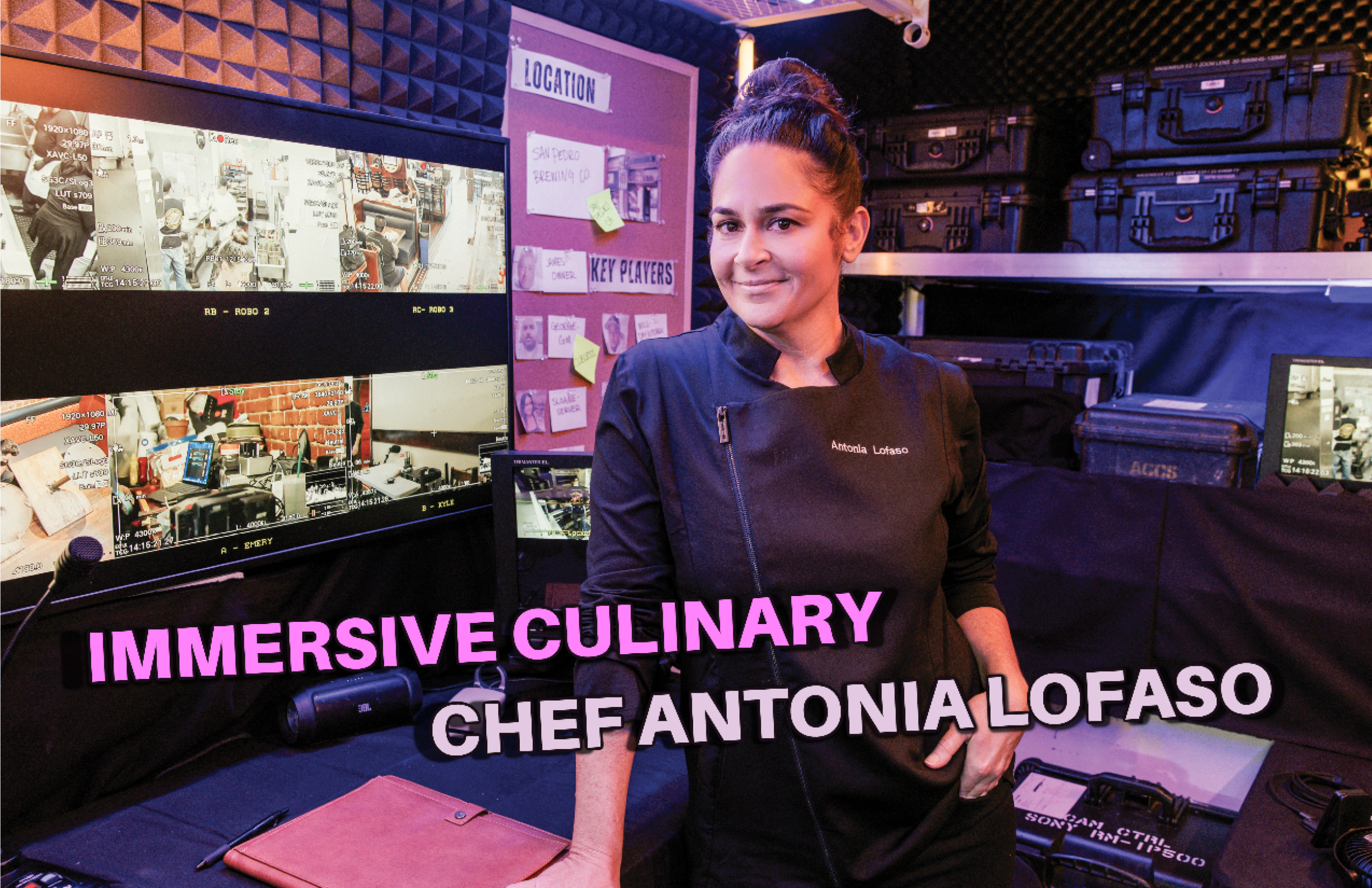
IMMERSIVE CULINARY | CHEF ANTONIA LOFASO

August 29, 2026

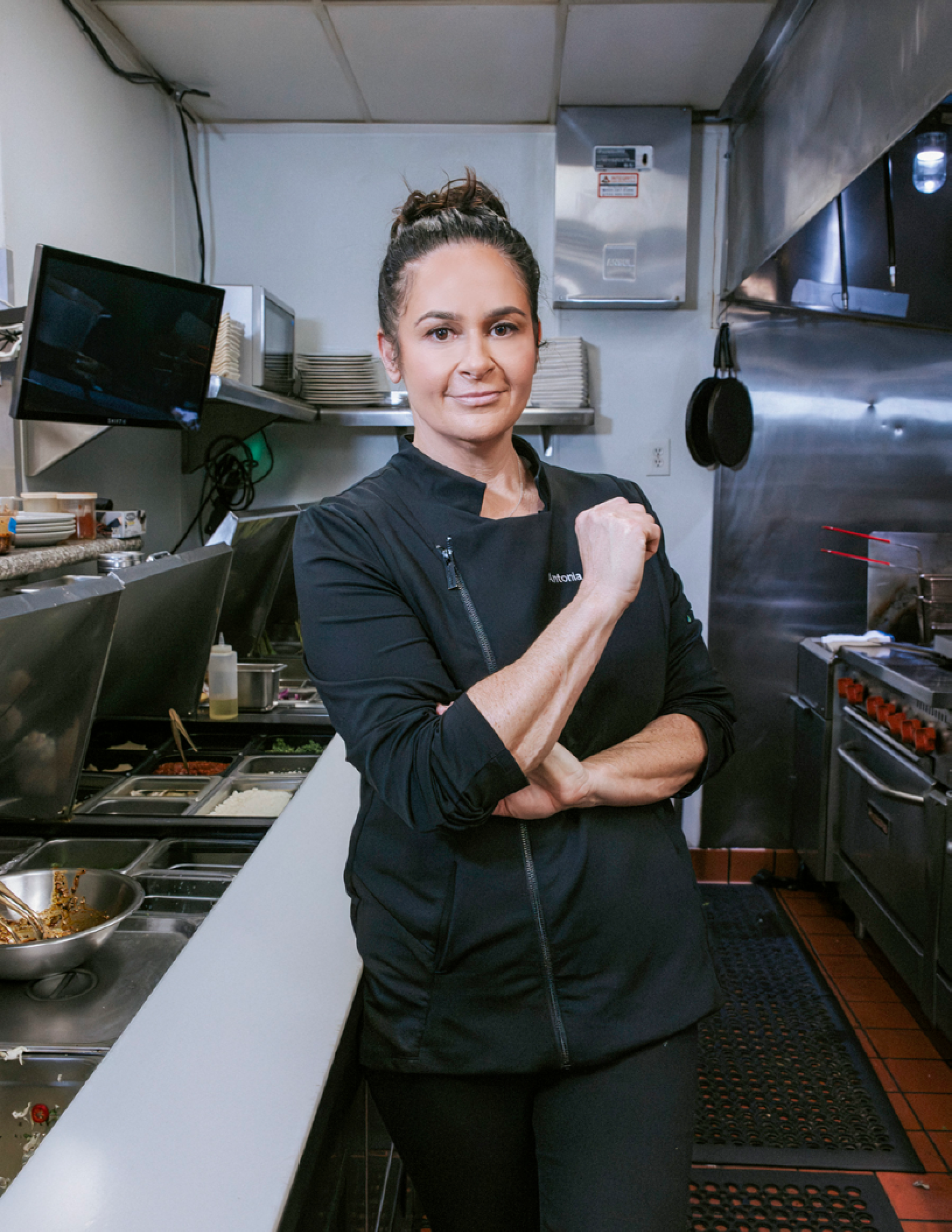
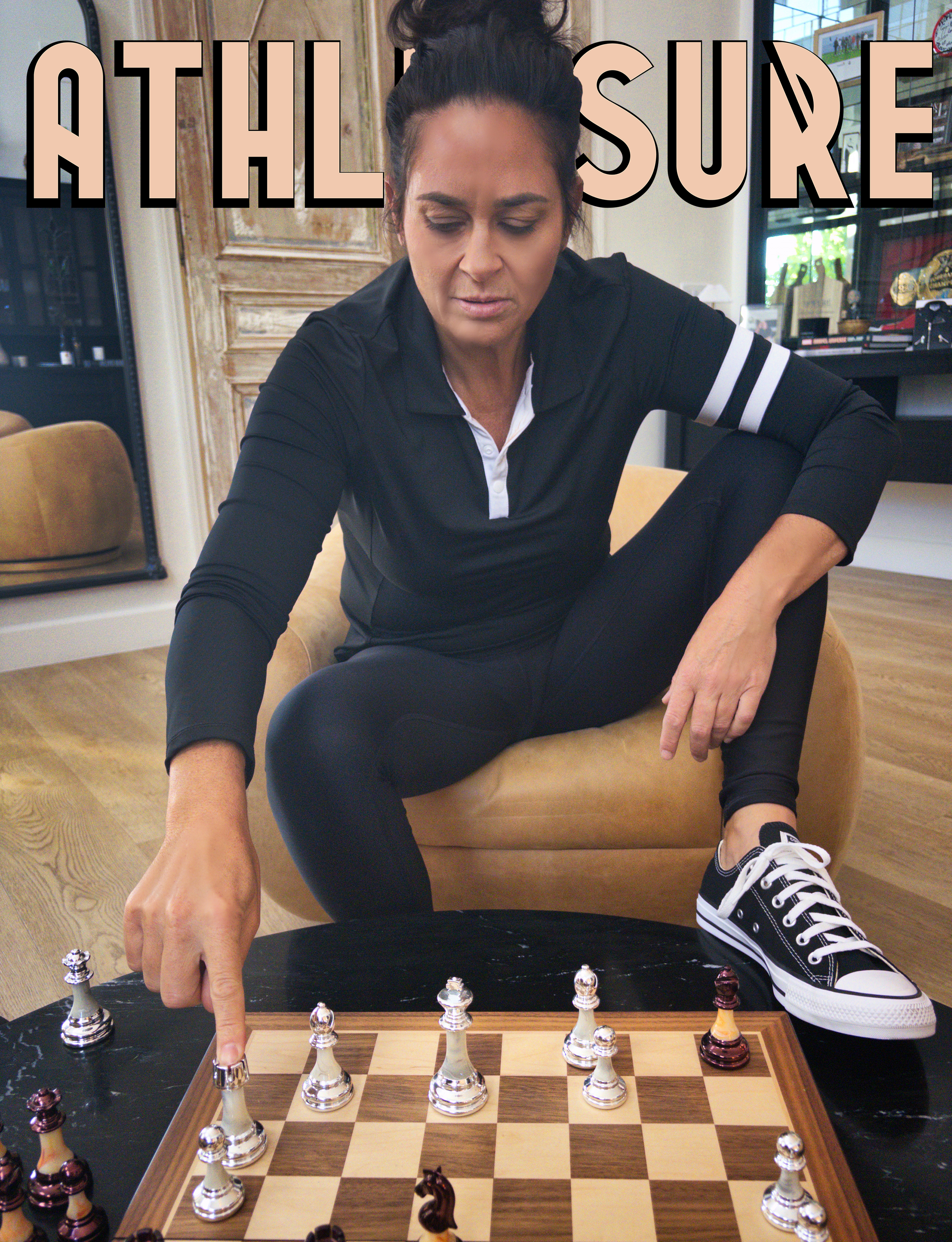
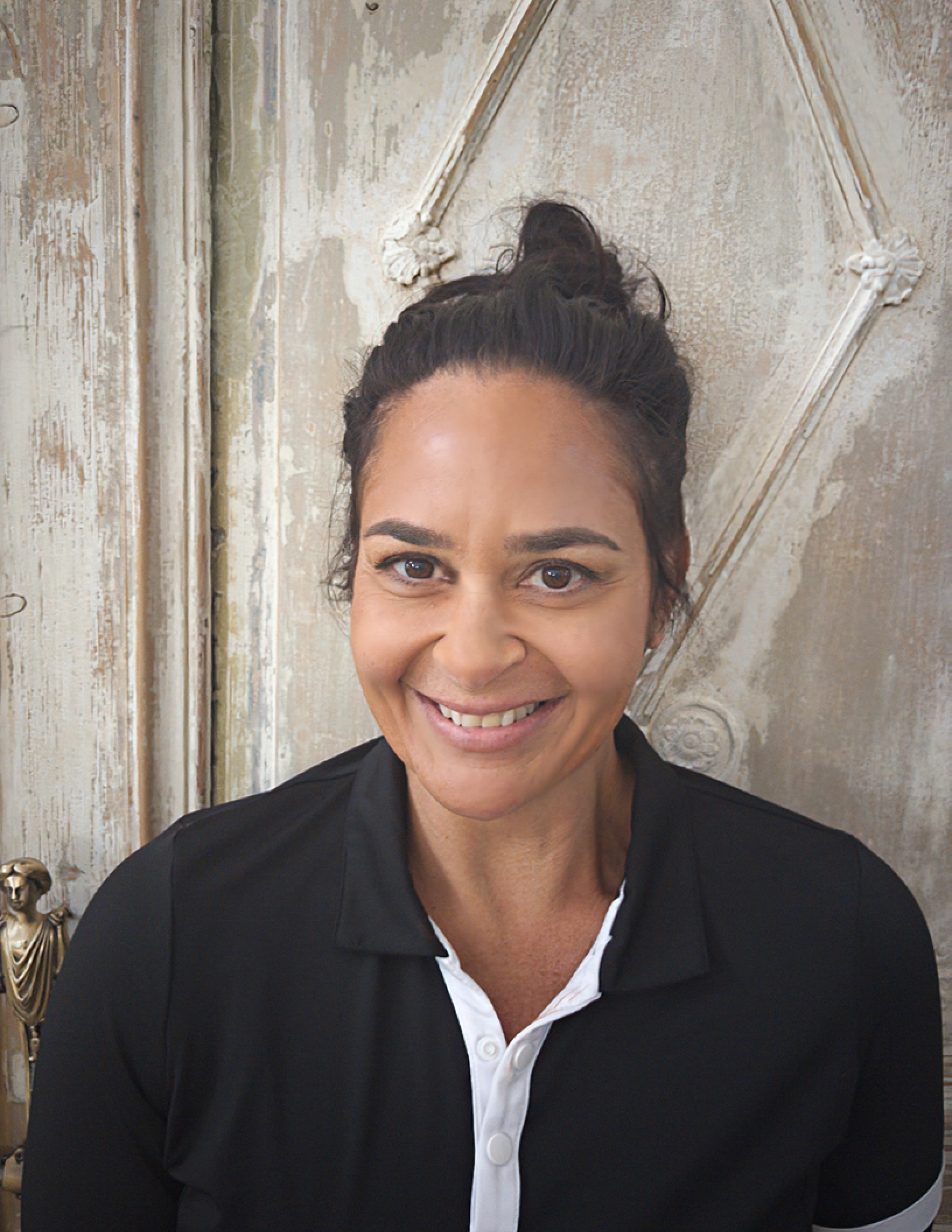
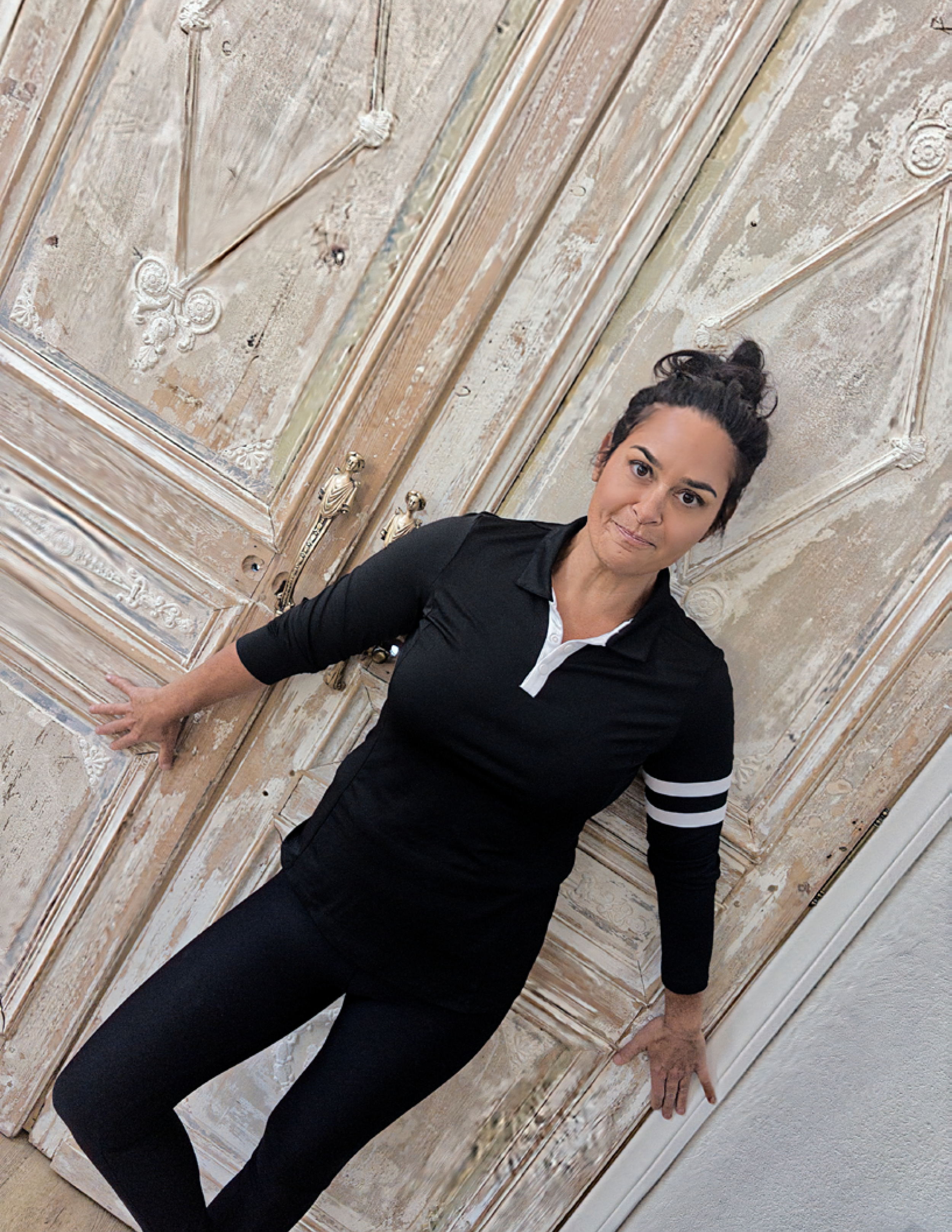
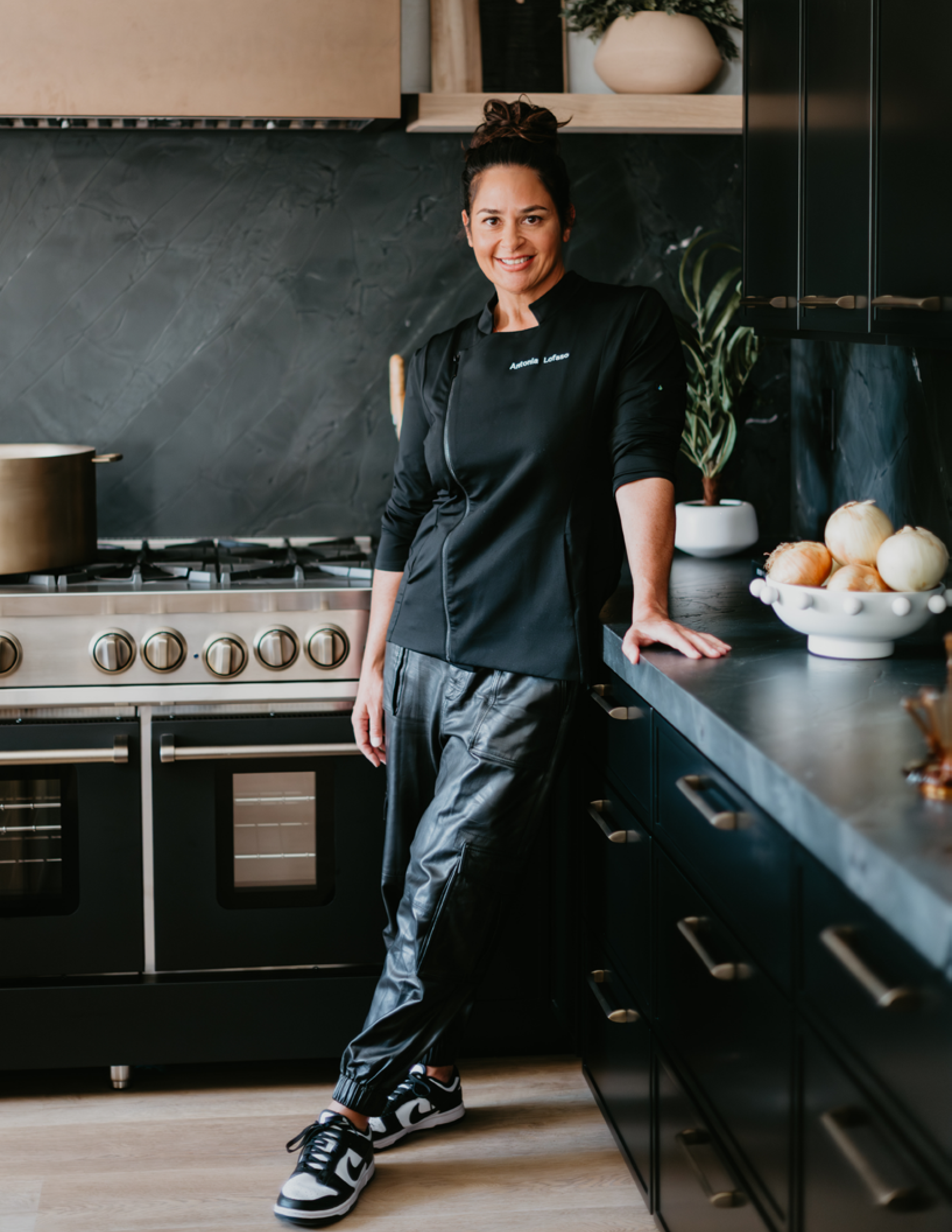
We always enjoy catching up with our favorite chefs and this month’s cover star is Chef Antonia Lofasa who we first saw on S4 of Bravo’s Top Chef: Chicago and again on S8 of Top Chef: All-Stars. Since then, we have seen her on a number of competitions, culinary shows, at Food Network’s NYC Wine & Food Festival and more! This month, her show Kitchen Undercover launched on Food Network and has new episodes that drop on Tues. at 9pm! We caught up with her in Las Vegas for a remote photoshoot to talk about her passion for cooking, how she came to the industry, her 3 restaurants, her newly premiered show that she hosts, her love of golf, and upcoming shows!

ATHLEISURE MAG: What was the first dish that made you fall in love with food?

CHEF ANTONIA LOFASO: Oh God, that’s a hard question! You know, there were like different levels to it, if that makes sense. I have friends who, you know, said to me, when they found out that I was cooking, they were like well that makes all the sense in the world you know? It’s like you know those IG posts that are like, “you may not know that I won the lottery, but there will be signs?”

AM: Right.

CHEF AL: I was someone who you know came from a family who we always sat down at the table and we always had dinner together, we always had breakfast together, lunch was always kind of dictated by school or wherever we were. When I started going to friends’ houses, and a lot of times, their parents worked at night, or they came from a single-family home, and either their mom or dad wasn’t home because they were working. One of the very first, best friends that I had, she goes, “come over to my house for dinner.” So when I did, she reheated Hungry Man dinners in her oven, and then we ate, and I was like – ok, it is what it is. A lot of people and children live that way.

It was confusing to me because I came from a family where my mom made dinner every night. We sat together and we ate. I started taking that role with my friends. I would have their parents take us to the supermarket and buy things. One of the dishes that I would make all the time was a roasted chicken. It was the first thing that my grandmother showed me how to do. It was a staple and to this day, for the record, I make one of the greatest whole roasted chickens like on the planet!

AM: Oh wow!

CHEF AL: Anyone who’s ever been to my house and everyone who asks me what they want me to make – they will say your roasted chicken and I know it! Then the really wild part is when I went to the French Culinary Institute, we learned how to make a roasted chicken! I was like dude, I got this and it was really funny because one of my chef instructors said to me, “like oh my god you already know how to do this!” Then they gave me an entire dissertation about how in classic French cooking, it’s as if you’re not allowed to leave this level of cooking until you’ve mastered the whole roast chicken. Like Poulet Rôti Grand-Mère (Roast Chicken Grandmother-Style) is like one of the most classic French chicken dishes that you learn how to make. I had no idea that like from a classic French trained, you know, teacher, educator, student, it’s always the roast chicken. So that is, I think, my earliest memory of being like, oh, my God, this is what I want to do because every time I would go to a friend’s house, I was like, we’re making roast chicken. We’re making roast chicken and I would dance with the chicken and hold it up!
AM: Oh my God - love a good roast chicken and not everyone makes a good one.

How do you define your style of cooking?

CHEF AL: You know, I grew up in an American Italian family. I’m basically American Italian and Jewish. We ate mostly American Italian. I grew up in Long Island, New York, in a very, small community where, again, it was mostly American Italians. And so I didn’t really know much about, diversity of food until I moved to Los Angeles.

AM: Right.

CHEF AL: Then I had Mexican food for the first time! I mean, sure, you had Chinese restaurants in Long Island.

AM: Right.

CHEF AL: I was just someone who, you know, was very inquisitive about food. And through that, you know, of course everything just started building. Like, my restaurant Scopa is American Italian.

So I found myself being like, oh my God of course my go-to is Italian food because that’s the most comforting.

AM: Right.

CHEF AL: As I grew up, I went to a big public school in Los Angeles so the majority of people that I went to school with were all from Mexico or Mexican descent and we just ate a ton of Mexican food. I found myself cooking it and learning more about it. DAMA is a mixture of Mexican. I spent a good amount of time in Spain. My business partner, one of them was from Colombia.

My daughter is Jamaican. So my ex-in-law, you know, obviously I spent 10 years with them throughout Jamaica. So I learned about Caribbean food, not from books, but learning Caribbean food from Caribbean women and grandmothers! I remember the first time it was like a Christmas. Someone didn’t want to make the rice and peas and they’re like, “well Antonia can make it and I remember being like, I was no longer the white girl!”

AM: Exactly, having family that is Jamaican, Haitian, Dominican etc that is a high honor they gave you! Because those had to be right and they will tell you!

CHEF AL: I mean, I learned how to

make stewed peas, I learned how to

make curry, I know how to make jerk!

AM: Facts!

CHEF AL: So I think that my love of food came from really immersing myself just in different cultures in a very real way.

AM: Right.

CHEF AL: And so when people ask about my cooking style, I think they just automatically assume because of my name –

AM: Exactly.

CHEF AL: All I do is Italian food. And yes, I have an Italian restaurant, but if you look at Black Market, everything that I do there is a mixture of everything. The throughline is, you know, I grew up in Wolfgang Puck’s kitchen. So for me, it’s execution and organization and discipline that runs the show. My ability to have my own voice and my own true temperament with food come through with ingredients that I have a true understanding, love, and respect for you know?

I really don’t play with things that I don’t understand. I think I always end up like, you know, for lack of a better words, like fucking them up. I remember I did S8 of Top Chef: All-Stars and I got paired with Morimoto. Basically, the challenge was to create a last meal and this was something his mother made for him. Instead of just taking the ingredients that I know how to use, like I know how to use miso. I know how to use sushi rice because we used to use use it at Spago with Wolfgang. I know how to tempura things. Instead of using the items that he gave me and just create something of my own, I try to recreate an actual memory from his childhood, which no one can do no matter what culture it is.

AM: Yeah.

CHEF AL: I just really screwed up and so I’ve always kind of taken that lesson to heart which is when I understand an ingredient I can use them in my format instead of taking the ingredients and trying to make something that’s very traditional or very specific, unless I’ve spent a lot of time with people from that culture and I can really immerse myself in it like don’t even try because the heart part of things don’t transfer when you don’t have like a true understanding of what someone has experienced or cooked in that culture. Like you just can’t, you can’t recreate it.

AM: No. And I agree with that. When I first became aware of you as a chef was S4 Top Chef: Chicago. I mean, I’ve been watching Top Chef since the beginning.

CHEF AL: Amazing.

AM: So seeing you in that season and again in S8 for All-Stars. Every time I see you in these competition shows, you can see that you’re locked in and you know exactly how you are going to attack the designated task. What draws you to doing reality competition shows?

CHEF AL: You know, it’s funny because, you know, I started reality competition in 2007, right? This was back in the day when I was still working as a line cook at Spago. We got hazed if we even spoke about watching reality television to do with cooking.

AM: Oh, wow.

CHEF AL: It was like, we don’t talk about it in this kitchen. Real chefs don’t do those shows - keep your mouth shut.

AM: Wow!

CHEF AL: And so, it was almost like this dirty secret, that I liked watching it. Like, I would find myself with other, dirty people standing in the walkin being like, “oh, my God, did you see what happened last night?” Like, this is wild, right?

AM: Yeah.

CHEF LA: Think about this. The very first reality television competition in cooking was Iron Chef America that started in 2004. I went on Top Chef in 2007. So within the first 900 days of this ever being on television, I am now watching this thing unfold being like, oh my God. Right?

AM: That’s true.

CHEF AL: I really didn’t have like, I want to be on that show or I could be on that show. I was just petrified of the show and in awe of it. Right. And, and then also in this mindset of being like, oh my God, I could never do a show like that because if I, I worked at, well, I worked at Spago. Yeah. And if I wanted to continue down this, this line of like real chef, true chef, I won’t, I don’t do stuff like that.

AM: Yeah.

CHEF AL: Right. Yeah. And then, I ended up, you know, and this was obviously season one. So I ended up leaving and it’s 3 years later and I’m now working for SBE, which is definitely a little bit more. I mean, if you’re in LA or if anyone knows SBE, they have, you know, some of the biggest like nightclub, blah, blah, blah. And so I found myself being a little, obviously less rigid with myself. I was actually working for Eddie Murphy at the time. I was doing his personal chefing. I was like, I was in a Gelson’s and I walked by Rachel Ray on a Triscuit box. I was like, you know what? If Rachael Ray could be on a Triscuit box, I don’t know why I’m thinking so small. I could do something like that.

At the time I worked for SBE and I was promised the shot at opening their supper club, which was still going to be a bar and a lounge and a nightclub, but I would have the opportunity to build out a 9 item menu for their little lounge. I got really excited by the idea of my first ability to build out a small menu. SBE’s marketing team was like, “by the way, Top Chef is interested.” Basically the producers of Top Chef reached out to large restaurant marketing teams. They were always looking for women because there was like five of us.


AM: Especially at that time.

CHEF AL: Not in those years.

AM: Right.

CHEF AL: I basically was like ok, that’s crazy. I’ll interview. But then I also was like, you know, this was also during the beginning era of American Idol. I was like, wait a second. Do I have to wait in those big lines? They were like, no, it’s just gonna be an interview. And I went in and I did the interview just to like be like, ok, like, fuck it. Like, let’s see what happens.

AM: Yeah.

CHEF AL: I remember my dad telling me that I just got this really big opportunity with SBE to write this menu - just keep your head on the ground and to stay focused on it. He wondered about the chances of me really getting on a show like that – was it really worth it? I love my father to death and he’s my biggest fan on the planet but he’s very practical. He’s the parent that was more practical and my mom was like unicorns and rainbows you have to be a famous person and I was like wait, what? My dad’s like, work hard and everything you get will be through hard work. And so that’s really how reality television started for me. It wasn’t like, oh, my God, I can’t wait to do this. It was like, holy shit, should I do this? This seems hard and weird. I told my dad that I went in for the interview. Like, you know, there’s so many people that are, you know, that go out for this. And, you know, the chances of it happening are slim to none. Little did I know, I was checking all the boxes, like Wolfgang Puck, woman, mother.

AM: Yeah.

CHEF AL: I mean, they’re like, oh, great. We’ve got our woman. Check. We’ve got our woman who has a strong cooking background. Check. And she gave birth.

AM: Yeah.

CHEF AL: There’s only 5 of those unicorns in 2007 that have done all those things. Who, by the way, is not 50 years old - I was 27/28. So that’s really how it started. It wasn’t like the longing or the desire really, or that it kind of like landed in my lap. It was the beginning of it. Nobody knew where it was going. There was Iron Chef and then there was Top Chef. That’s all the competitions that there were. You know, it wasn’t the 9,000, you know, and then the rotation of the same chefs that are being rotated through the 7,000 competitions that we have now you know? And so that’s really how it started.

AM: It’s different times! Since then, we’ll see you on Cutthroat Kitchen, Chopped or Guy’s Grocery Games. It was so exciting when you won Tournament of Champions last season. It was like, please let this girl get this award as you have been so close in various culinary competition shows!

CHEF AL: Yeah. I mean, I have been competing for 20 years and I always make it right there. Like I’ve always been second place, third place, you know! So finally, after almost 19/20 years, this is the first time I’ve actually ever won something big.

AM: It was so emotional because we have watched you for so many years! Seeing you just in Top Chef for both of your seasons, you were so close.

CHEF AL: I really appreciate it! If anyone’s followed me, they know that I’ve definitely put in the work.

AM: We felt your emotions on that win for sure!

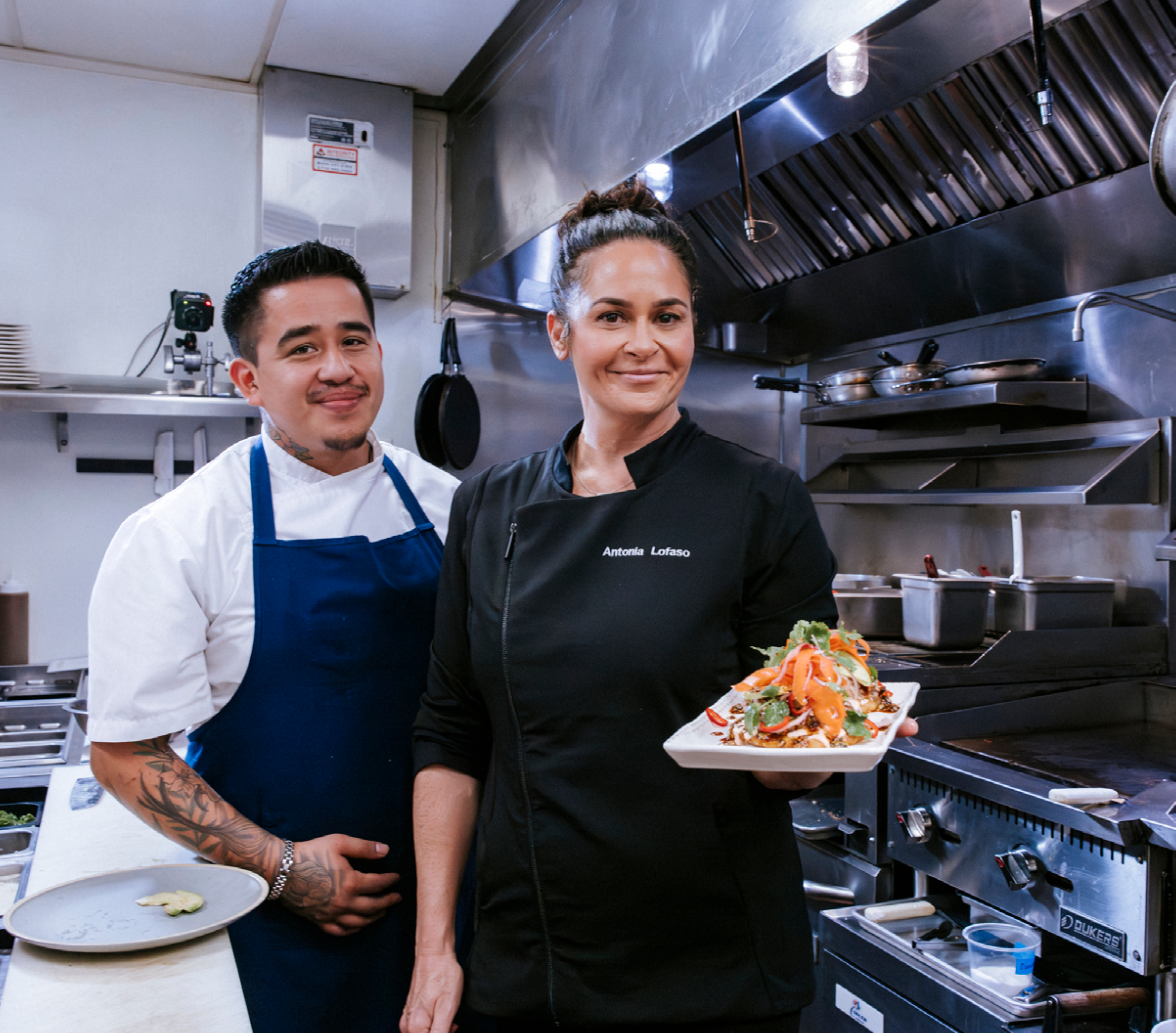
So now, we have Kitchen Undercover that premiered this month and we watched the first episode. Between listening to friends of ours in the industry and even the social posts, people are loving the format of the show and of course you hosting it! We love this particular format of the show of an existing restaurant that needs to look at what they’re doing to optimize their efforts so that they can stay in business and getting assistance by industry leaders. But in watching the first episode, yours is still bringing something new to this category because you’re actually walking through saying what is wrong based on the juxtaposition of what is standard in the industry. More importantly, you’re saying why!

CHEF AL: I think that from the way that I even saw it edited, you know what I mean? And I did it with them. I was like, they really gave me free reign! Because listen, these shows take a lot of days to shoot.

AM: Yeah.

CHEF AL: Not everyone wants to stay on set for that many days, you know what I mean? And there’s a format there - you go in, you yell, you’re done.

AM: Exactly.

CHEF AL: I literally said, we can’t walk in here and it can’t just be like dirty kitchen, wrong food, change this. Every restaurant is going to absolutely have a different set of issues!

AM: 100%!

CHEF AL: Mind you, the show that just premiered, you know a lot of times the conversation amongst them was there’s got to be more wrong in the kitchen. I’m like, I’m not going to manufacture something!

AM: Right.

CHEF AL: So the show is very true to everything that I saw. You know, listen everybody wants the drama!

AM: Exactly.

CHEF AL: Just so we’re clear, you put anyone in a restaurant cooking, there’s going to be drama!

AM: There’s going to be something!

CHEF AL: Just put the camera in the right direction. There’s not one episode that is a lack of drama, but it has to be real. I’m not going to go in there and then talk to these owners and get real responses from them if I am not looking at the things that are actually really wrong. And in every episode, it was always something different.

AM: We loved it.

CHEF AL: Yeah.
AM: What really hit a cord with us is that you started it off saying that, “the food is really great here.” And from the jump, we were like, ok, well, clearly there’s a dynamic issue. And then in the episode, you’re saying there is a dynamics issue of how things are flowing, because the kitchen should move like an orchestra.

To see this illustrated in this show and to explain the why in detail, not just the theatrics – we were hooked and cannot wait to see the progression of the season.

CHEF AL: Thank you. I hope thousands of other people are as well. Otherwise we don’t get a S2.

AM: We’re sure there’s going to be a S2!

You have spoken to this a bit already, but why did you want to give your time in this way and focus on the industry? You’re giving so much insightful informational. At Athleisure Mag, we’re always in kitchens talking with culinary experts, but for other people to be able to see that and get that information and to truly understand how this works, why are you excited that this is now out there?

CHEF AL: I have collected over, you know, close to 3 decades of being in professional kitchens, opening up 3 restaurants in Los Angeles. You know, I’ve opened up other restaurants that have closed. I’ve had horrible failures in the industry and glamorous, wild success. And the truth is most people don’t know the other part.

AM: Yeah.

CHEF AL: And the other part is why I’ve been so successful later because I know what works and what doesn’t. I know what’s right and what’s wrong and unfortunately a lot of times restaurateurs open restaurants and they haven’t been given the opportunity to work with someone who’s already done it or to be mentored by somebody who says this is what works this is what doesn’t. They just kind of go in blindly and then they have this natural ability as leaders. They have natural abilities as cooks. But sometimes all the other fine print, what really takes people down, doesn’t get addressed. Does that make sense?

AM: Oh, no, 100%.

CHEF AL: Mind you, I didn’t go to college. I have no bachelor’s degree in business. I barely graduated high school. I have done well for myself through trial and error. Now I’m somebody who sits in big business meetings and knows exactly what I’m talking about because of the trial and error and I’ve wanted to do a show like this forever.

There’s no women in this space that talk and have the conversations the way that I do and so many of my peers do. That kind of representation I think is so important to see. I mean I think it’s wonderful for people to see me winning cooking competitions and to articulate what I see in food - congratulations you know. All of that aside, I navigated 3 businesses through fires and COVID in a major market like Los Angeles - one of the most expensive cities in the country and I employ hundreds of people. All of that really matters. And I think the way that I’ve inspired people through just basic cooking and things like this, I think that there’s a level to inspire through the levels of business and my business acumen that I’ve developed over the course of 30 years and not through a formal education. I want that to be at the forefront.

The other part to it and you’ll hear me say it in the shows and you kind of hear me say it to Jurni Rayne, the owner and operator of the soul food diner Gritz N’ Wafflez in the car where I’m like, this means something to me. Chefs are meant to mentor. Now mind you, is there the drama of like bad things that are happening in the kitchen? Yeah, my daughter likes to compare it to Love Island and she always tells me, “people love drama. It draws them in mommy.”

AM: Right!

CHEF AL: But on the other hand, she goes, “you are loving and you’re caring and you are really there to help.” I said this to Nestor Milian when we started, “we are going to change people’s lives.” It may not even be the person that we think it’s going to be when we walk through those doors. We’re going to be able to hold a standard of excellence and of discipline and of all the things that we do in the restaurant industry. We don’t know who that’s going to inspire. It could be a dishwasher who decides they want to do X, Y, and Z and want to cook now. It could be, you know, for an example, a young son who was working with his father, who now wants to go to management school to really take over the family business. There’s so many things that we don’t know what’s going to happen just by us walking in this venue and telling them this needs to be corrected.

Everyone knows when something doesn’t feel right. Everyone knows when something isn’t working, right? And all I do is go in there and I tell the truth. And by me telling the truth, everyone starts to talk and everyone starts to clear the air. And everyone says, oh my God, I was feeling the same exact way and I just kept my mouth shut. You know, I thought that this was supposed to be happening and it wasn’t. Everyone should demand to work in an environment that’s safe, that’s clean, and that’s doing its very best to be the best possible version of hospitality for our guests. You know, owners unfortunately don’t get a day off and when you feel complacent as does your people - unfortunately you don’t get a day off. You get to go cry at home when no one knows.

AM: Ha, I know that’s right!

CHEF AL: You get to go cry in a corner, but nobody knows. You get to be all of the pillar of strength in front of everyone and they never get to see you waver.

AM: Yeah.

CHEF AL: I wanted to be that person who came in to inspire, to be the person who says what the fuck, and do all of the things with humor, humility, and sarcasm. Sometimes there is a little bit of aggression, but all in all if you watch this - it is exactly how I am in every single one of my restaurants. You know this is exactly how I am with every single one of my staff members and it’s one of those things where they all love me for it because they feel like they work in an environment that they feel proud of.

AM: Right.

CHEF AL: When there’s large praise to be had, I want to give it, you know what I mean? When there’s corrections to be had, I want to make the corrections and I want to do them in the most positive loving way, you know, but that also includes a raised voice, you know what I mean? A hand in the air, you know, not like back in the day, like where I grew up, where you’re cursing at people, people and like telling them they’re pieces of shit.

AM: Yeah.

CHEF AL: There’s other ways to do it. And that’s how I do it.

AM: Wow.

CHEF AL: Like, the counterparts to this have gone into their shows differently and been like, this is disgusting. This is blah, blah, blah. And I’m like, I didn’t use those words. And I got the same result.
AM: It’s great to see the dynamic between you and Nestor. Seeing him in the first episode knowing who he is and watching him when the staff didn’t. Then once he has been revealed, he’s like this is how we do this and if you can’t be serious, get out of the kitchen. You knew the gloves were off.

What is your favorite moment from being in this show? And what do you want as the takeaway for the viewers that are watching?

CHEF AL: I want the viewers to see because you hear us talking about it all day long - the viewers need to understand how hard this business is. I think in the temperament of a lot of what I have seen. I think that people who are coming into restaurants right now think that everything should be perfect and everything should be within my budget and blah blah and that is not the case of what happens. The margins in restaurants are 5% - 7%. Imagine all of the work that you do for 5% and then your 5% is split up between six investors. Like what is that?

AM: Yeah.

CHEF AL: A lot of people make money from the restaurant industry when you have 18.

AM: Exactly.

CHEF AL: When you have 18 restaurants, you can make money. But, not when you have 1 that has 30 seats. Those are the restaurants that we’re talking to. They see people in debt and they see how hard it is to manage staff and they see how hard it is to keep your kitchen in a certain way. They see that it’s not meant to embarrass anybody.

AM: Right.

CHEF AL: It really isn’t. It really is meant for people to see like this is a really fucking hard industry that can slip through managers, executive chefs and business people’s hands very quickly.

AM: Yeah.

CHEF AL: You see people struggling trying to get it right.

AM: Here in NYC we have a number of interesting eateries popping up such as those that are just focusing on omakase, bagel experiences or the amount of matcha bars and caffeine bars. What is your advice to people in this area of the industry. We totally agree with you that a lot of the restaurants we love going to, they’re part of large hospitality groups. But for those coming up with their solo locations or a handful of locations – in many cases it has super limited seating and take and go concepts. What are the things that they should be mindful of when they’re looking at their business regardless of what their curated menu offerings are?

CHEF AL: Well you know it’s really interesting? I think a lot of them from what I’ve seen right it’s what we call in the restaurant industry Fast Casual.

AM: Yeah.

CHEF AL: I mean they’ve eliminated their labor.

AM: Yeah.

CHEF AL: So they’re actually coming from a very smart standpoint because they’re eliminating what most of us struggle with, which is like, we can’t have high labor and high food costs. You know what I mean? Like great if we live in a city where labor is, you know, and for the record, like when I say even high labor, I’m like, we have always paid way above minimum wage. Everything is just more expensive because of the way our Worker’s Compensation, our insurance – everything is just high.

So I think that these like PopUp Bagels in NY it’s so smart!

AM: I agree. Places like that, Leon’s Bagels. I just went to NY’s first caffeine shop, Street Blends which has quite a menu of inventive coffees and teas and they they have a few bites you can enjoy. As someone who loves tea, being able to have so many options when friends ask to go out for coffee is nice.

CHEF AL: Just so we’re clear, coffee bars, their margins are phenomenal!

Everyone has been fully programmed by Starbucks that $8 for a cup of coffee is the norm.

I mean there is only a very small percentage of people on the planet who don’t buy it. I mean, I bought a very expensive coffee maker from Williams-Sonoma. I have saved thousands of dollars a year. Thousands of dollars. And so it’s one of those things where it’s a very smart business model. It’s a very smart business model.

Who I’m worried about are literally the people that I’m talking to in the show. It’s the restaurants that are opening that only have 40 seats open for lunch and they are only built for lunch. And then they try to do dinner because they need to make more revenue in order to pay their rent. They just didn’t even realize the business structure to begin with. I went into the industry with 2 men who had opened other restaurants. They knew that they actually base everything off of the rent. That’s where it starts. So if you know, your rent is X, you need to be able to make that in this many days in order to make that in this many days, you know, it’s just math a problem.

AM: Yeah. It’s working backwards.

CHEF AL: Yeah.

AM: In a few weeks, you also have another show that you’re going to be on with Bobby Flay called The Line. Is there anything you can share abou the show as we know it also premieres on Food Network Sep 8th at 9pm ET. The format of this show is another one that seems like it’s such a great concept that hasn’t been out there as well.

CHEF AL: It is a phenomenal concept. Like when he called me to do this and, you know, we worked together on BBQ Brawl. So we really got to spend some time together. Bobby is someone who loves people who are like real industry people. He loves people who are still in it because that man eats, sleeps, and breathes the restaurant industry! As big as he’s gotten, he’s still someone who wants to be in his restaurants. It’s a real thing and so he came up with a concept. I don’t think it’s anything I can’t talk about because they already announced it on Variety and People.

Well, it’s essentially, we are a team (Editor’s Note: the home team consists of Bobby Flay, Antonia Lofaso, Michael Jenkins, and Claudette Zepeda. Visiting teams will include Marcus Samuelsson & Fariyal Abdullahi representing Hav & Mar for the series premiere, Leah Cohen of Pig and Khao will be another week, and Spike Mendelsohn of Good Stuff Eatery will be there to name a few in this competition show). So he basically is our team captain and we take on week after week, brand new restaurant teams. So restaurants come in with their team and we cook their food. Wow. And mind you, it is very difficult because I ran the gamut. One week it’s Middle Eastern, the next week it’s classic seafood - and for the record that’s all production gives us! Obviously because it’s the production, we have to be able to plan our menu and to have the ingredients in house.

They’ll be like, this week you’re going to do Middle Eastern. The next day you’re going to do Costa Rican. The next week you’re going to do brunch. The next week you’re going to do a birthday. So that’s all we know. We don’t know who we’re going against. We don’t know. It’s a very short time frame for prep and then it’s a service. And we have people who come in and they don’t know who’s cooking back there. They eat us afterwards.

AM: Oh, my God!

CHEF AL: Yeah and literally the dishes go out in real time as people order them like it would in a restaurant.

And, you know, there’s smaller tasting portions and they vote right then and there. They have their phones and they get on an app and they say 1 through 5 stars. And it’s all based on stars.
AM: Oh wow, ok can’t wait till that comes out. I always love that he has interesting twists to the way he presents shows and breaking formats that you think you know while sometimes coming out with something completely different. It just draws you in.

CHEF AL: Yeah he does. This is a totally new show that you have never seen before. Like people, of course, as soon as they, you know, as soon as they announced it, they were like, this is like Hell’s Kitchen. I was like, this is not like Hell’s Kitchen.

AM: No, it’s not like Hell’s Kitchen. Yeah, those are very different.

CHEF AL: We are a team and other restaurant

teams come in to take us on.

AM: Wow.

CHEF AL: We don’t know who’s dining out there. We have the same information that they have. And essentially the only real up that we have is the fact that we’re familiar with the kitchen because we’re in that kitchen all day long. The visiting team usually has people who are coming in that have never been on television before and have never really competed before. So their nerves get the best of them or whatever it is. That’s literally the only upside that we have. But we are competing against what they do on a regular basis in their restaurants day after day, night after night.

AM: That is crazy. We have the Food Network NYC Wine Food Festival coming up in October. We interviewed you for a few minutes back in 2024 when you were here. You’re coming back this year. Why do you love participating?

CHEF AL: Well, I love doing New York. New York is my hometown. Even though I’ve been in LA for my whole life, like my whole family is from Long Island and they drive out. And for the record, they don’t even want to go to my events.

AM: Ha – oh no!

CHEF AL: They’re like, can we meet Bobby Flay? Can we meet Alex Guarnaschelli? I was like, sure, by all means, here’s your tickets.

AM: Right.

CHEF AL: So that’s one of the reasons. I love New York. You know, I love the New York food scene. I love being able to cook. You know, this year I’m cooking with Marc Forgione and Michael Symon. Last year I got to cook with Alex Guarnaschelli, but the year before that, I got to cook at Delmonico’s.

AM: Oh yeah!

CHEF AL: Which is iconic and it was myself and Ayesha Nurdjaja who we are very good friends! So we cooked at Delmonico’s in the basement.

AM: Wow!

CHEF AL: So the basement, are you ready for this? The basement held the very first luncheon by a group of women in New York City that was a Ladies Who Lunch event. It was a coalition in New York that it was the very first luncheon that they were allowed to eat in without male attendees or male escorts.

AM: Wait, stop! What? Wow.

CHEF AL: So here you have 2 females coming out to do this entire dinner in\ the same exact room that 80 years ago women who were not allowed to eat alone without a male escort!

AM: Which is crazy!

CHEF AL: Right! First lunch you know, in the same room.

AM: Wow.

CHEF AL: So think about the energy and the soul that was in that room.

AM: That’s pretty amazing and really crazy at the same time!

CHEF AL: New York, Philly, and Boston – you know, those are really the first cities that would be able to have that kind of history to them!

AM: Oh yeah!

CHEF AL: So any chance I get to go to New York and do that I’m just like all in!

AM: How do you navigate between your shows, owning 3 restaurants, doing food festivals, and all of these different things? How do you balance all of that you know because it’s a full schedule.

CHEF AL: It is a lot and I have wonderful teams in my restaurants that I have grown over the course of the last 16 years.

AM: Right.

CHEF AL: They weren’t built all at once. You know, they were built, with 4 year gaps in between them. Opened all of them. I curated the entire line. I started the culture. I have the chefs. I’ve trained them and all of them are so loyal and so dedicated. The other part to it, right, is they’re loyal and dedicated, but also they’re inspired. So many times in restaurants, these young kids these days, they want to jump from restaurant to restaurant because they get bored. They’re like, we’re going to make that chicken parm again. I was like, listen, chicken parm is what keeps us in business. You guys better learn that now. But they get to travel with me.

I have a chef here right now in San Diego who’s doing an event with me here at the Waldorf Astoria. He gets 4 days out here in San Diego to do events. They get to learn. He’s been with me to Mexico, the Dominican Republic, New York, Florida, and they get to go all over. They bring their families with them and they get to do things in larger format and they get to test their skills. So they always constantly feel like they’re growing. So they go back to the restaurant with that same enthusiasm. And again, I do think it has everything to do with the teams.

A lot of this stuff, I got busier later. The foundation of those restaurants were already established. I didn’t grow faster than I could or should. I did it at a pace that kept everything very controlled, if that makes sense.

AM: No, 100%.

CHEF AL: Now, mind you, every single day, I’m like, this is the day the whole thing blows up and I’ll be like, you know, on unemployment. I wake up every morning with that. I built the foundation strong. And so it feels like it’s working.

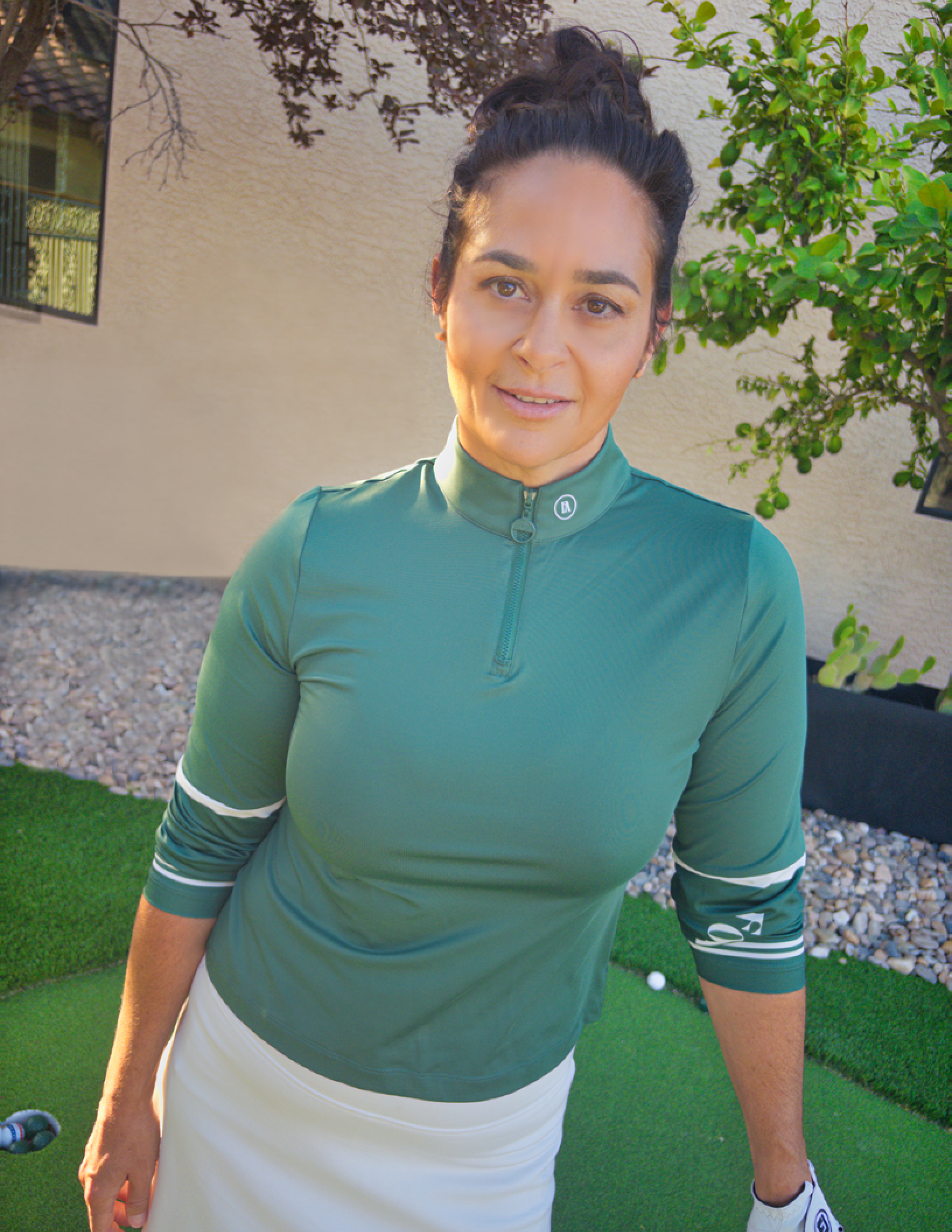
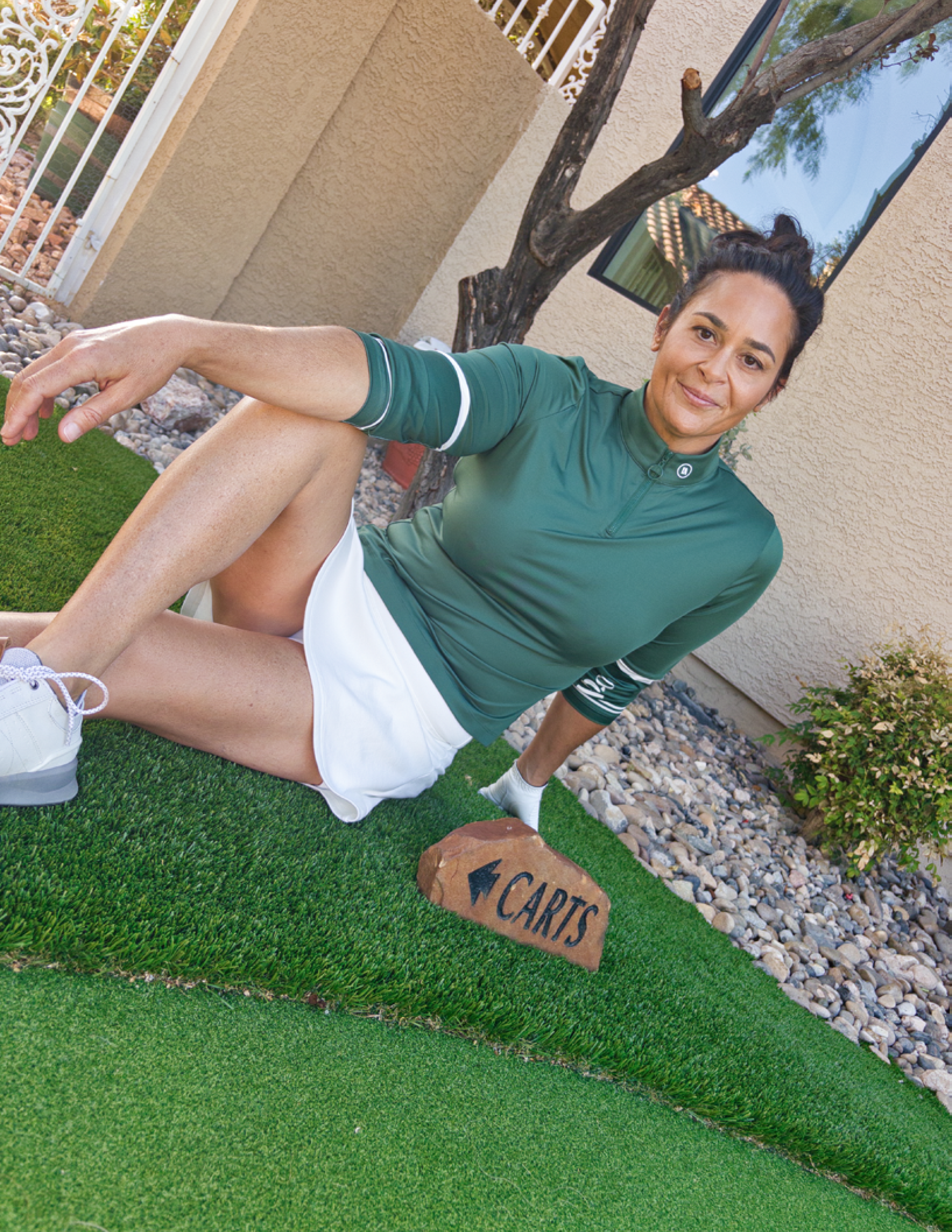
AM: After doing our cover photoshoot with you, we know you’re a golf girly and that you love golf.

CHEF AL: I love it so much!

AM: How did you come to this sport and why do you love it so much? And that golf course you have at your home, that’s literal chef’s kiss!

CHEF AL: So do you golf?
AM: I do golf. I’ve golfed ever since I was six. Now, I am not great. But my dad who taught himself how to play in college and who played every weekend that I remember growing up was like, look, you need to learn golf. You need to learn tennis.

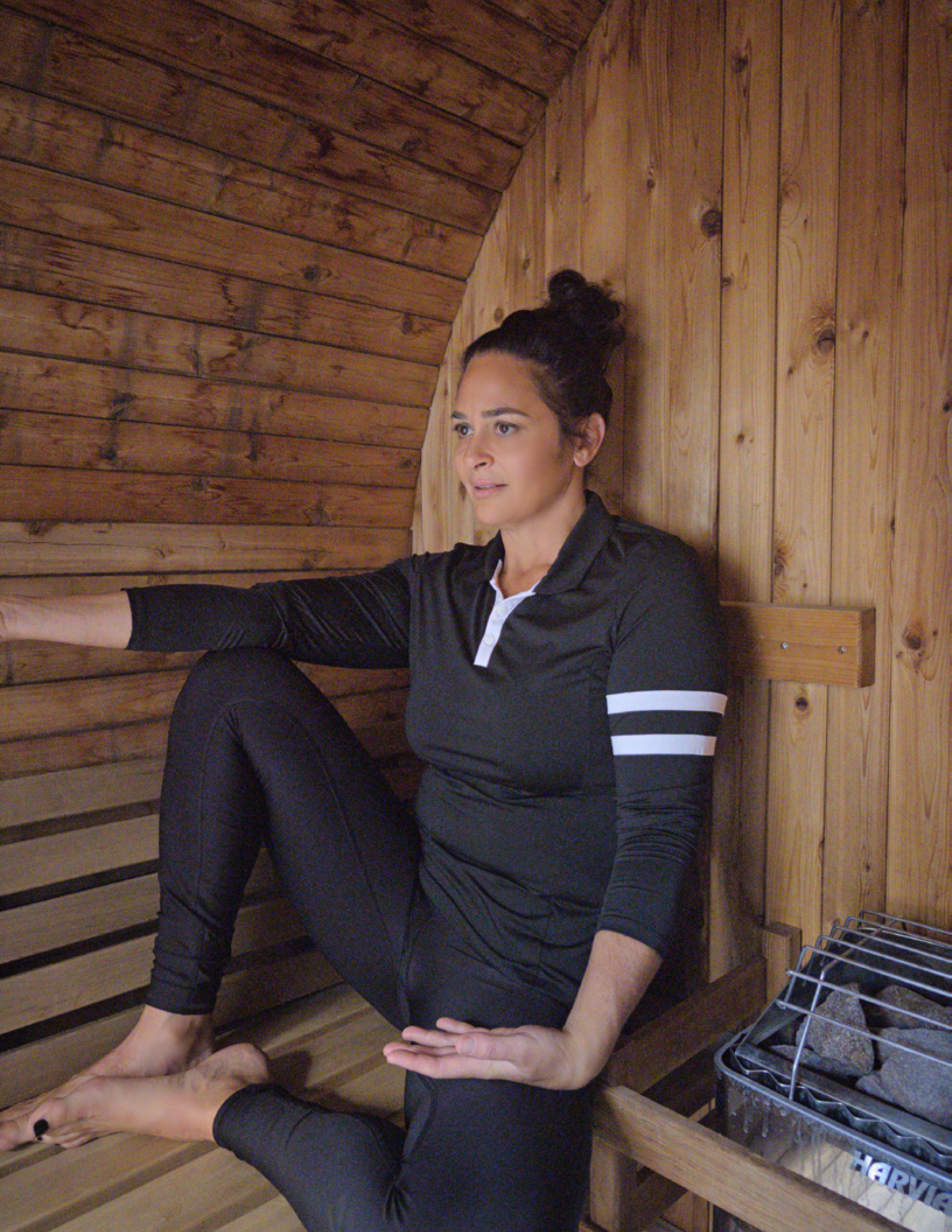
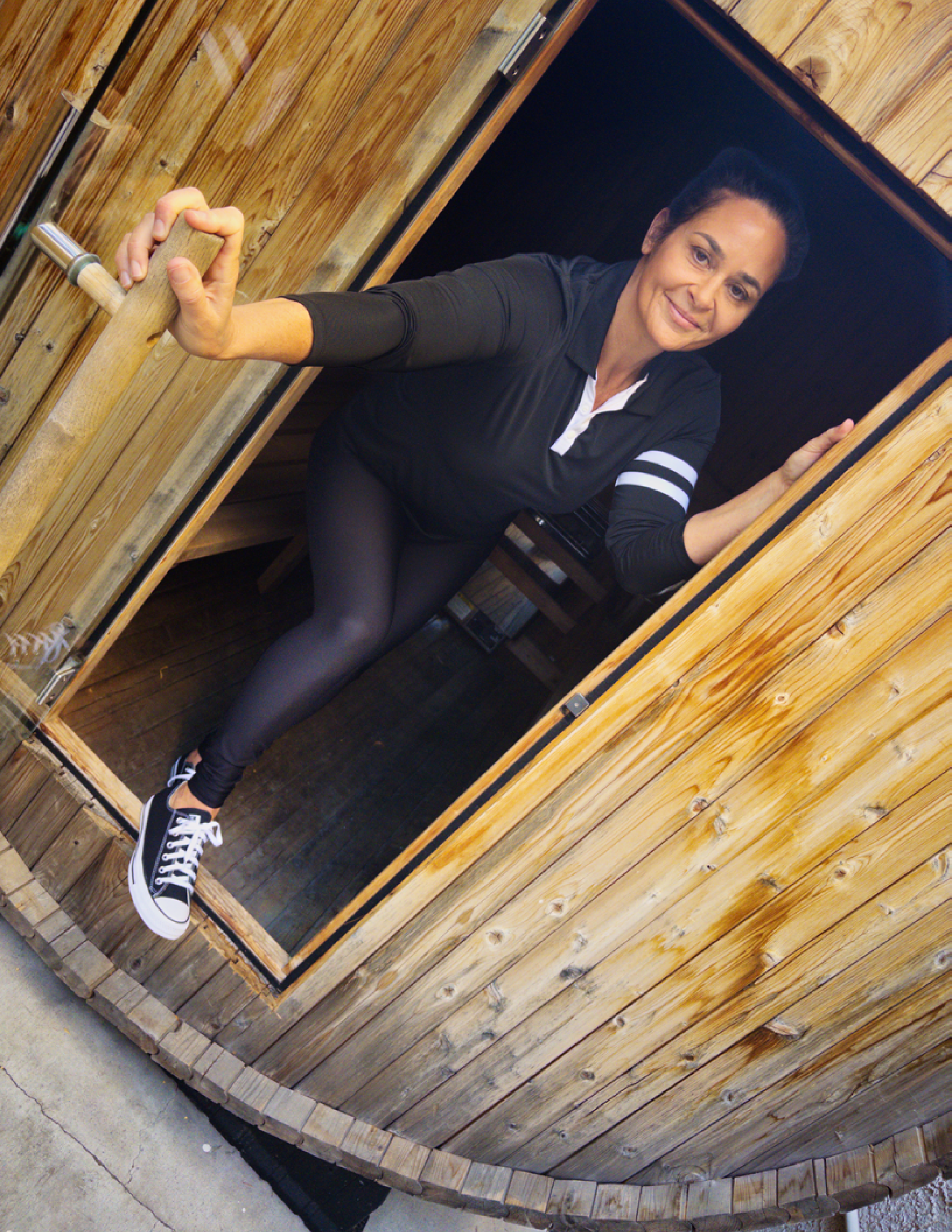
CHEF AL: It’s my favorite. I am someone who has found exercise and wellness through a lot of necessity. I’m like, if I’m going to continue with this schedule, I need to take care of myself. So I work out. I have a trainer. I do sauna. I do ice. And for the longest period of time, I was always like, that’s my hobby, right?

AM: Yeah.

CHEF AL: And then what I’ve learned is that’s not a hobby. That’s just actually maintenance.

AM: Yeah.

CHEF AL: And I didn’t really have a true hobby. Mine was a little different. My dad actually played golf. My brothers played golf. And I was the girl who wasn’t allowed to golf with them.

AM: Oh, okay.

CHEF AL: Believe me, I like to throw it in my dad’s face too.

AM: Right.

CHEF AL: I play better than all 3 of them now.

AM: Okay, now!

CHEF AL: It was one of those things where he’s like, these are my boys. I’m gonna teach them how to golf.

AM: Exactly.

CHEF AL: He was like you could stay home and have potato chips and hang out with your mom. So I always made this joke about how my dad never taught me how to play.

AM: Right.

CHEF AL: When I met my now boyfriend – the first thing he asked me when we first started dating, he was like, “hey, do you golf?” I was like, no, but I’ve actually always wanted to learn. Now, mind you, first time I ever played golf, I was asked to participate at Pebble Beach Food and Wine.

AM: Oh, no!

CHEF AL: I’m always thrown into things. I’m at a golf tournament right now at the Waldorf Astoria in San Diego. They’re like, you want to play? I was like, I can’t play this weekend.

AM: Right.

CHEF AL: I was always around it at the greatest golf courses all over the country and I didn’t know how to play and, and had never learned. And so he’s like, well, if you want to, I’d love to teach you. And I was just like, well, that doesn’t sound like a good idea.

AM: Right.

CHEF AL: But I went along with it. At the time I was still a drinker and I was like, oh my God, this is so fun. You go out, you get to wear these cute outfits. You’re in the sun. You have like a spritz while you’re outside. Something you get to do with a whole bunch of people that you like. Then I started hitting really well!

AM: That’s what gets you sucked in!

CHEF LA: Dude! One good ball and this is when my boyfriend likes to joke! He goes, “this is when I knew you took it seriously. It’s when you stopped drinking on the golf course and you hired a coach.” I wanted to learn how to do this better. And I learned how to do it better. And I have a putting green. And when I’m home in Las Vegas, we play like 4 times a week.

AM: Wow. I love it.

CHEF AL: The other part too is I walk the course. So he drives and I take my clubs and I take what I need and I kind of just meet him there. And that’s basically it. That’s essentially how the golf bug started and you know it! The golf bug gets you!

AM: Once you get it, it just becomes a thing. We had Dustin Johnson as our cover earlier this year which was so fun and was on our list for awhile. I love anytime I meet other golf girlies because it’s such a good sport and it’s so fun!

CHEF AL: Yes! It’s so funny because I’m that woman who walk into a pro shop and I tell them that they have nothing for women! My boyfriend is like, “Antonia stop it,” and I go, “babe. I’d like for you to understand when I walk out here. How many other women do you see?” He’s like not many. I asked him to imagine that he plays a sport 4 times a week that he is surrounded by women 98% of the time and that it is something that only women played. How would you feel about it? He said, “I’ve never thought about that.” I was like, of course you haven’t. And I don’t expect you to. However, this is the reality. The reality is if I walk into a pro shop and I’m like, hey, “I’d love to buy a cute shirt too because I’m now here, my section looks like a sale rack.” Do you know what I mean? And your section takes over the entirety of the place you know.

IG @chefantonia

PHOTOGRAPHY COURTESY | FRONT/BACK COVER, PG 19 - 36 + 9CH3FS ROUTIN3S PG 44 Paul Farkas | PG 16 - 17, 40 - 43 Food Network/Kitchen Undercover | PG 39 Bethany Paige Photography |

Read the JUL ISSUE #127 of Athleisure Mag and see IMMERSIVE CULINARY | Chef Antonia Lofaso in mag.

The Latest
STILL GRINDIN' | PHARRELL + PUSHA T
October 27, 2026
STILL GRINDIN' | PHARRELL + PUSHA T
October 27, 2026
Read more →
October 27, 2026
AM SEP ISSUE _129 THE ART OF THE SNACK Park Ave Kitchen by David Burke-1.png
October 20, 2026
THE ART OF THE SNACK | PARK AVE KITCHEN BY DAVID BURKE
October 20, 2026
Read more →
October 20, 2026
AM SEP ISSUE _129 ATHLEISURE LIST Salumeria Rosi.png
October 17, 2026
ATHLEISURE LIST | SALUMERIA ROSI
October 17, 2026
Read more →
October 17, 2026
In AM, Food, Jul 2026, TV Show Tags Chef Antonia Lofaso, Food Network, BRAVO, Top Chef, Kitchen Undercover, Top Chef: Chicago, Top Chef: All-Stars, Food Network NYC Wine & Food Festival, Las Vegas, LA, TV Show, French Culinary Institute, Roasted Chicken, Chicken, Scopa, DAMA, Black Market, Spago, Wolfgang Puck, Morimoto, Iron Chef America, Bobby Flay, Chopped, Guy's Grocery Games, Tournament of Champions, Jurni Rayne, Gritz N' Wafflez, Nestor Millian, PopUp Bagels, Leon's Bagels, Street Blends, Starbucks, Williams Sonoma, The Line, BBQ Brawl, Michael Jenkins, Claudette Zepeda, Marcus Samuelsson, Fariyal Abdulahi, Hav & Mar, Leah Cohen, Pig and Khao, Spike Mendelsohn, Good Stuff Eatery, Alex Guarnaschelli, Marc Forgione, Michael Symone, Delmonic, Michael Symon, Delmonico's, Ayesha Nurdjaja, Chef, Food, Culinary Competitions, Waldorf Astoria
Comment
AM MAR 2020 3.jpg

FUELING THE CULINARY ARTS WITH RICHARD GRAUSMAN

April 17, 2020
Richard Grausman apron use Photo Mychal Watts.jpeg

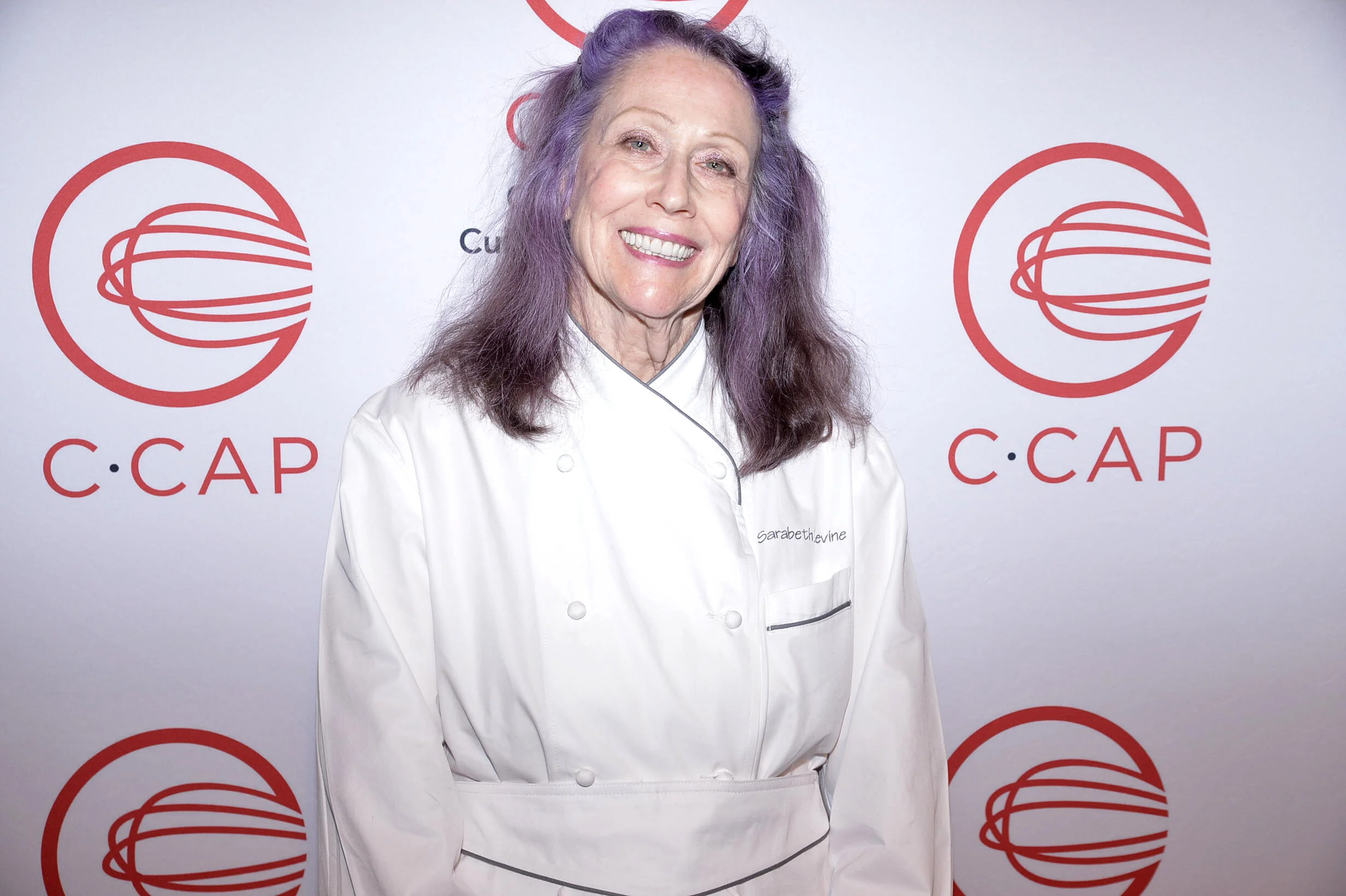
A few weeks ago, we headed to Chelsea Piers to the Careers Through Culinary Arts Program's 30th Anniversary Benefit to enjoy a staggering amount of top chefs that included David Bouley, Marcus Samuelsson, Jonathan Waxman, Eric Ripert, Maria Loi and Sarabeth Levine. They were joined by students from C-CAP who showcased their skills to guests who enjoyed some of the top restaurants in NYC.

We wanted to know more about C-CAP and the founder, Richard Grausman who took classes with James Beard. He trained and graduated with the Grand Diplôme from Le Cordon Bleu, Ecole de Cuisine. He was also the first exclusive representative of the school who trained people across the US and Canada in order to make them proficient.

We headed to the offices of C-CAP to find out about how his career, how this organization was created, the programs that were launched and how he works with chefs and other partners.

ATHLEISURE MAG: We have had the pleasure in talking with various voices in the culinary community from Chef Marcus Samuelsson to Will Blunt of StarChefs who have shared their work and support of C-CAP. We were so pleased to see how you have ensured that the culinary community continues to thrive by attending your 30th annual event a few weeks ago and it’s so fitting that we finally get to chat with you to find out more.

RICHARD GRAUSMAN: It was a wonderful event and we have had 21 events and that was an unusual one. 2 years ago, Jose Andres was our honoree and that was unique in its style because the room was filled with appreciation for what he has done philanthropically around the world. At our benefit this year, I felt the love and warmth for the program and the guests that were coming up with appreciation when my daughter’s video (PRESSURE COOKER Directed by Jennifer Grausman and Mark Becker, an Emmy nominated documentary about one of the C-CAP teachers Wilma Stephenson) ran and with the alumni expressing themselves. And after that video, there were alumni that were in the room that I have known for years. I know what the program has done for them, but they had never expressed it to me and they came up to me empowered by what they had seen and they just opened up to me. It was just so heartwarming.

AM: You have had a phenomenal background and prior to launching C-CAP, can you tell us what you were doing prior to launching this organization?

RG: I had been the representative of Le Cordon Bleu Paris for 15 years. I had originally gone to Paris to study cooking and become a chef – hopefully in a small mountain restaurant as I love to ski. I’ve always enjoyed skiing and cooking in my life. But I found while I was in Paris that I was too slow to become a chef and I was single-minded. I wasn’t a multitasker. In the process, I taught myself skills that I saw that chefs needed and I realized that I could teach others. I told that to the school that instead of being a chef of a restaurant, I wanted to teach.

Timing is everything and when I came back from a ski trip, I was almost finished with the program and Madame Elizabeth Brassart (owner of Le Cordon Bleu) asked me if I wanted to go to Cleveland to teach a course for her. This was because the Vice President of the Higbee department store had asked for them to send a chef; however, they couldn’t send one since the chef didn’t speak English and she knew I was interested in teaching and the chef thought that I was very good. It started 15 years of teaching French cooking around the country and Canada. I never thought that I wanted to do anything else. It was so gratifying to teach and to have students – men and women, come up to me saying that their spouse loved them more because of their tartar tine or their kids ate carrots for the first time. But then I left the school and wrote a cookbook and I was traveling around the country promoting the book and a vision of what America ate, really hit me. It was fried chicken, hamburgers and pizza. I thought that I could perhaps expand that palette and thinking about the best way to do it, I felt that I had to get in with the schools and get children while they were young and to broaden their palettes, broaden their minds. Because if they leave school, I found that the average adult that if they didn’t like something, they wouldn’t try it.

I wanted to start in elementary school, and I wanted to teach sensory evaluation, and nothing is better to do that with than food, because you use all of your senses. Once you start doing that, you can teach nutrition, then in middle school I thought that you could use foods from around the world to teach geography, history and social studies and in high school, if you had a student with a palette and a passion, it would be easy to train them for the industry. I had a book that I thought was readable at the high school level and I knew that Home Economics was in terrible shape and I thought that by teaching the teachers some of the recipes in my book, to expose their students before they left high school that that would be my goal before I went into my first classroom.

I went to the Board of Education, they liked my idea and they said, “we don’t have any money.” I asked if I could go into one of their classes and they said certainly. I went into one of the classes and that day I saw that half the class was making bread and the other half were Haitian students learning English. I went around the classroom opening drawers and cabinets and they were empty. So I knew it was what the school system had said, they didn’t have any money. I talked to the teacher and said that I had been teaching French cooking for the last 15 years and asked if there was something that I could do for them, what it would be? He laughed and said, “I spent my own money just to buy the flour today for the bread.” So I knew that they needed a lot of help. That day, I went home and I called up many of the manufacturers that I had been dealing with for 15 years. I let them know that I wanted to help the schools and asked if they could help me and they said yes. They donated products, pots and pans, spices – all sorts of things.

I brought the teachers together and I taught them in the morning and then I watched them cook in the afternoon. It showed me the level of proficiency of the teachers. A few were quite competent, but the majority were not. I went to the French Culinary Institute which is now the International Culinary Center and I asked them if they would provide a training program for the teachers, which they did. I went into the classroom and started to demonstrate for the students and when I saw looking at the students – some of them were sleeping, zoning out and there were a couple of people who were bright eyed, attentive and watching me. I watched them cook and a few were very excited and would come up with their tart asking me how I liked it. I let them know it was good, asked how their parents liked it (they did) and then I would ask them what they wanted to do after they graduated and that’s when I found out that the students who were in these classes were the students that the system had failed. Most of them had D’s and F’s at best. They had no preparation for college or a career. I asked them if they had ever thought about cooking and they said, “no – can I?”. I went to a dinner at a small French restaurant on Lexington Ave and I asked the owner about jobs for high school graduates and what the opportunity would be. He laughed at me and told me to look at his kitchen. He was importing labor from South America and Asia and he’d much prefer to have a NY kid that spoke English. I asked what he needed. He said that he needed people that showed up on time and that he would teach them. I asked about knife skills. He said that if he had knife skills, he wouldn’t have to start him on the dishwasher. So that was the beginning of C-CAP.

Marcus Samuelson Photo MYchal Watts.jpg

Within the next 3 years, during the summer time, I would send a student out and a chef would say, “yes the student shows up on time, but when he gets through what I have asked to do, he goes out for a smoke and sits down. I need him to come up to me and say, ‘what’s next chef?’” They needed them to be eager to work. So I built that into the program. Then I would hear, “yes, they show up on time, they are very eager and asks what’s next, but they’re not thinking. He’s got to be inquisitive and to ask why I am using one thing versus another – he has to want to learn.” So I built that into the program. Third year, we were in Chicago. I always went to the competitions that we would have. We would have chefs as the judges and I would take them out to dinner. One night, I took out one chef that was a judge with a director from the high school program and Martha said to Richard, “why don’t you take our kids as you used to take them in the summer?” and he said, “well you’re teaching them the wrong things.” He explained that he had a boy the previous summer that there was a mess and he asked him to get a mop to clean it up. The student said that he didn’t do floors and Martha said, that he shouldn’t have to. That’s when I saw the disconnect between the school and the industry.

The next day, I was handing out scholarships and I was saying that one of the biggest complaints in the industry was that people were coming out of Culinary Institute of America and Johnson & Wales University and they didn’t want to peel carrots or chop onions – they just wanted to be a chef. I let the students know that I knew that they wanted to be Executive Chefs and own their own restaurants and even chains. I told them that if you have your own restaurant and the dishwasher doesn’t show up, then you will be doing the dishes. If your janitor doesn’t show up, you will be cleaning toilets. I let them know that if they didn’t know how to wash dishes or clean toilets, that they needed to go home that night and have their parents show them how. I wanted them to be able to be prepared for anything that would come up. Well, I was shocked that a school board member, a minister, a parent and a teacher all came to me after the scholarship breakfast and thanking me for telling the kids what I did. I asked them what they were talking about and they said, “you are telling them what life is about.” I asked why they didn’t do that. They said they were afraid to. I didn’t know what they were afraid of and I investigated it. Because of the drop out rate in Chicago and DC at that time was so high, parents and administrators were telling their kids that if they stayed in high school, they wouldn’t have to do what they did. The administration would agree with this line of thinking and tell them that they would be paid more. So students were coming out – and this is still true today as I heard about this in Chicago, they’re telling and expecting students that come from their culinary programs to have managerial jobs and not entry-level jobs. Students come out saying that they’re not going to take minimum wage, don’t want to wash dishes or chop vegetables. They want to manage. If you’re not prepared to enter the industry, you’re not going to go anywhere. So that’s the essence of what we do. We work with the teachers to train them in the few skills necessary to get started. Where the school system wants them to teach A-Z, lobster, steak, fish, eggs, salad – everything. They only need to know how to chop, dice, slice, keep things clean and neat, be safe at the workplace, show up on time, want to work, want to learn and have basic knowledge of ingredients and equipment. We try to get the teachers focused on that. They have the students from 1 – 3 years so they can work on that. They can reinforce wearing your apron, watching your hands and other things that take time for them to learn.

Food.jpg

We see them when they come to our competitions or for our job training for summer jobs, job shadows to expose them to the industry. We have a student that is already eager, interested and inquisitive. When they leave us and go into the industry, the industry is saying wow – send us more. When Marcus came in and I encouraged him to take on the Co-Chairmanship of the program of the organization. His view was to expand upon what I started and he wanted to reach and train more students as the industry is in need of this. That’s where we are now. We’re trying to figure out how to expand on what we already do and we do well.

AM: How many people are currently in this program?

RG: It depends on how you look at it. I look at it as we have 200 teachers, each teacher has 50 students. That’s 10,000 students. I think the organization uses the number of 17,000 which may be when we’re thinking of the upper level including the 4 years. Those are 10,000 students that the teachers have and the teachers range from poor to excellent so the effect that they have on their student varies. But they all have an effect on their students. Out of that, we see the students that have expressed an interest in knowing more beyond the classroom – shadows, summer training, internships, college advice or our competitions. You go from 10,000 down to a couple of thousand to a couple hundred that get scholarships. There are many hundreds that go into the industry for summer jobs. It’s on the level of interest, focus – but we have worked with over 300,000 students in the 30 years and probably have given $60 million dollars in scholarships and then an untold number of jobs! Then we follow those students if they stay in touch with us, if they have a problem and want to change jobs or they haven’t had a raise in 3 years – what do I do? They tell us if they want to go to Spain and learn something. All of those things, we have the ability to help them with.

AM: How do you assess which high schools you go into?

RG: Initially, I had 3 areas that I was interested in. NY, Chicago and San Francisco. I started in NY and then people heard about what we were doing. I was on NBC for the first time about our program and the next night, I got a call from Washington, DC from the head of Home Economics and they wanted the program. I asked them how many schools that they had and I was looking to go to a community with at least 14-15 schools. For the manufacturers to be able to give the equipment, one school wouldn’t be enough. I went to DC next and then I heard from a teacher in Arizona and another in Norfolk, VA who had been at a teacher’s conference and had heard about it. They wanted it. As long as the school number was sufficient, I went and taught the teachers, I brought the chefs in local areas in and we started the program. It was very easy within 5 years. I had 7 programs, but it was very hard to maintain and grow the program because when I put it all together it worked. To keep it going, I needed volunteers and eventually to keep it going, the volunteers needed to be paid and then we needed a staff and then needed an office. So, the numbers that we effect year after year didn’t change much, the scholarships grew – the degree that we worked with the students improved. The level of services that we gave them grew. Initially, I thought that if I gave a scholarship to a student to CIA would change their lives. In some cases it didn’t change it for the better. I took a student out of their community and threw them into a new community, they had no way to adjust, understand, they didn’t know how to get help with their schoolwork – they’re grades dropped and they lost their scholarship. I had to find ways to mitigate that. I had students going to community college before going to the CIA because their reading and math was at a level that they couldn’t do the work easily.

Tim Zagat.JPG

I’ve had people on campus where they were the only black student that walked onto the campus. So once I had a number of students that were on campus, I got them to form a club to greet the others to work with the campus. So C-CAP students got a name and they were proud to be C-CAP students. Finding what the problem is and finding a solution for it is how my mind worked. The program has grown organically because of that. I saw a problem, I would address it and try to solve it and by solving it, I was able to move people.

AM: So who are groups or services that you work or partner with frequently?

RG: There are a number of organizations that do similar work. We’re not actively working with them. I did work with the American Culinary Federation for a number of years in the beginning because their chefs and association needed credits for them to continue in that group. One of the ways that they were able to get that credit was to provide their time in their schools and I took advantage of that and their members loved it as they were able to be judges. The organization itself, I tried to work with and I became their School to Work Chairman – I wasn’t able to get them to move in the direction that I saw necessary. So I haven’t been active with the organization for 15 years. The National Restaurant Association also wanted to work with us years ago, but they wanted us to work for them. The partnership wasn’t in the way that they saw things. They saw it their way and wanted us to work with them. They did a lot of good, their programs both the ACF and the NRA affect schools and students, but I don’t see them working with the populations that we work with. Many of them saw how effective competitions were so they did it too. When you offer nationwide competitions and you have affluent schools and affluent students in those areas, they’re competing against our students from poor schools and poor backgrounds, our students don’t make it to the top. In our competitions, our students make it to the top and beyond. We can focus on a certain population to what I think is doing important work and I don’t concern myself with the whole country, where they do.

Richard Grausman Photog Antoine DeBrill.JPG

AM: It’s an interesting point about how C-CAP focuses on the skills needed and that you serve a specific community in order to have them excel in the culinary industry. When we were at your 30th Anniversary Benefit, it was a pleasure to see C-CAP students working side by side with some of the most esteemed chefs who own their restaurants as well as being food TV personalities. Seeing the pride and how inspired they were was amazing. It had to be a boost to their confidence to see people enjoying their food and being in that environment. That’s a resume builder.

RG: Yes, I learned very early when I was teaching. The importance of teaching is to empower others. I found ways to empower housewives so that they could talk to their butcher and all of a sudden relationships were being built! They would come to me and say, “oh Mr. Grausman, what you told me about that leg of lamb – I went to my butcher and told him and he looks at me like I am a professional!” I told them just a few words and it made all the difference! That’s the same thing that I did at C-CAP. By teaching the students certain techniques, that when a professional chef saw them accomplish those things, they were impressed at their capability.

One example at a competition was that I had the Executive Chef of the Four Seasons Hotel in NY as a judge and she came to me and said, “Richard, that young man is really great! Do you think that I can have him work for me?” I told her to give me her card and we gave him a scholarship to go to the French Culinary and she hired him. He would call me everyday and say, “Mr. Grausman, I have to make a salad today and I don’t know how to do it.” I told him that in my book, there are 3 great salads and to make one of those. This went on for months and then the chef called me up and said that she had to let him go. Since they had a union, other people were complaining that he wasn’t doing what everyone else was and that was because when I knew Damien in highs school, he was taking care of 2 younger siblings and one parent had died and one was ill. He was working at Kentucky Fried Chicken closing it at 2am and mopping the floors and his teacher had taught him the skills that were involved in our competitions and he was spectacular at it. That’s why the chef wanted him and I empowered our students to impress these chefs to get into the kitchens with the exception of him because of the unions.

Every kitchen that our kids went into even though they weren’t up to the standards that the chefs thought they were after seeing them. They were capable of learning and being trained. I got them into the kitchen. Those were the little secrets that I used to focus on because you want teachers to be able to effectively teach their students these skills. You can’t ask them to do more than what is realistically achievable and that is what is the problem with our education today.

They set goals and standards that aren’t achievable because what happened before they got into the 9th, 10th and 11th grade wasn’t achieved. So, if you are reading at a 3rd grade level in the 9th grade and you’re supposed to be reading at a 10th grade by the time you’re out – kids drop out because they can’t do it.

AM: It becomes frustrating!

RG: Exactly, unless you go back down, and solve those problems at the time, you’re not going to reach them. The first year that I was doing this, I was asked to be on a council as an advisor for the Board of Ed and I ran into a situation where a student in their junior year was given a scholarship to the Natural Gourmet School here in NY. I followed up in the summer and asked how he was doing. I was told, “Richard it was very strange. In the first class, he was fantastic. I had him come up because his knife skills were so good that I had him demonstrate for the rest of the class. But then he didn’t show up the next day.” I asked what she said to the rest of the class when she let them go. She explained that she had asked them to read chapters 1-5 and that they would work on it the next day. I called his high school teacher and asked why she thought that the student didn’t show and relayed what happen at the NGS and she said, “oh that’s it. He doesn’t read.” A junior in high school doesn’t read. I wanted to know how he was able to be a junior unable to read. His teacher explained that he was able to maneuver around reading by opting out. So as I sat on this council, I asked how they could allow a student to get that far and not read. They explained that I didn’t understand how they have kids attending the schools who have various language problems and they have to move them on. I believe that after 3rd grade, if they don’t read, then before they move on you have to make sure that they do. Those on the council said that that is tough because you have to keep them with their age group and they felt that because they have to teach them math and history, it was better to continue with them moving on from grade to grade. But the answer is if they can’t read you need to keep them reading, reading, reading because they can’t learn anything regardless of the subject. I don’t know what the situation is like today – if they’re still dropping out because they can’t read. But this was back in 1990 and to me, that’s the major problem and you solve it. How do you solve it? You find all different ways that you can teach them – there’s Sesame Street – education is something that I am very interested and passionate about. I am frustrated because I don’t often see the imagination and creativity in solving problems. They identify problems and identify solutions but when those solutions don’t work, they will find another solution – find out the root of the problem and why those solutions don’t work.

Hopefully, one of the reasons why I established competitions was that teachers weren’t teaching the skills necessary to get the jobs. The curriculum was so vast, they couldn’t repeat something. You can’t learn knife skills without repeating. You can’t learn how to make a sauce properly without repeating it. There are certain things that you need in cooking competitions. Teachers that go through our competitions will tell me, “Richard, thank you so much. I never thought that I could get one of my kids a scholarship to Johnson and Wales and you gave me the other opportunity – but it was hard. I had to work with them after school." I asked why they didn’t work with them during class, and why don’t you work with all of your students and not just 1 or 2 of them? They explained that they couldn’t give knives to some of the students or that they weren’t interested. So they take the ones that are and train them. For years, I have worked on ways to get teachers to be able to focus on hard skills and soft skills. The only way that I could get them to do it is through the competitions. I have now been working on something that I called, C-CAP Approved. It’s an assessment, skills that I first gave to the teachers that they should work on. I have found that the teachers would like to do that, but the administration won’t let them. So we’re working on NY now and we’ve evaluated their benchmarks and in doing that, we cut down the things that students need to learn. Now they want us to do an assessment test and if that goes through, we’ll have the piece that I’ve been visualizing for 15 years which will be mandated to the teachers as what has to be taught. These few skills that will be meaningful to the industry. If I can pull that in NY, I can roll that out. When I look at the students that are in those classrooms now, if the teachers said we’re all chopping and who will be the fastest and to develop a bit of the sport of it by getting them excited to perfect their knife skills. Americans in today’s youth, if they don’t get it right away, they drop it. If you come to a competition, we do a dish that has turned potatoes. Chefs would ask me why I would teach it because they don’t do that anymore and if they do, they get them from Mexico. I said it was there because the average teenager will try to do something and then quit. But if they stick with it long enough to turn a potato, there is nothing that you can give them that will take more time and patience so I’m not afraid of them quitting on you. They will work. It’s a vehicle to achieve a certain result. It’s to teach repetition and willingness to do something. I have been using the same recipes for competition for a while. We changed from salmon and beurre blanc to poached chicken to a sautéed chicken that we use now. The dessert was always crepes pastry cream and chocolate sauce – it still is. The teachers will say, “Oh Richard, can’t we change the competition recipes. We’re so sick of it.” I tell them that you can’t get sick of it because the students can’t get sick of it. If they’re a chef in a restaurant and they’re making this chicken dish on their menu, It has to be made good or better each time that they make it. They can’t get tired of making it and they have to find something in it that drives them on.

When all of your students are making the chicken perfectly or the crepes perfectly, I will consider changing it. Some years the teachers focus on the crepes and they come out thin and beautiful and I’ll begin to think about changing it and then the next year, they’re coming out thick. The chefs that come to judge they see the techniques that the students have to do to create these dishes and they appreciate it. They say, “you’re old-time but it’s good because they are learning their basics.” In time, I won’t be here and somebody else will come and the skills may change because the industry is changing all the time. There may be skills that we should be teaching for those that are going into Fast Casual to other ends of the business. I want to know what those are and if they are teachable at the high school level then we should do that. Basically, what we’re doing is teaching discipline, attention, focus, sanitation safety and you can’t teach this overnight.

Chef Sarabeth Levine Photo Cred Antoine DeBrill.JPG
Marc Weiss Tiana Gee Richard Grausman Marcus Samuelsson Photo Mychal Watts.jpg

AM: It has to be a habit and routine.

RG: Exactly! Knock on wood, we've been lucky and our kids who have those basics and put them in the hands of a good chef who is interested in mentoring, they go from dishwasher to sous chef very quickly. Some chefs just told me that they have some of our kids and one of them is the youngest female sous chef and their corporation. They learn quickly and they’re not interested in looking at their watch. Even when they’re leaving, they’re asking if there is anything that they can do as they’re eager. That attitude and interest is golden.

AM: Clearly, you have been a mentor to a number of chefs, who are 3 people that you feel were your mentors that have shaped you?

RG: Well, I think of 2 or 3 people that come to mind and there are a lot of chefs that I respect in this industry. But Jacques Pépin when I was a teacher, he was a teacher also who taught all over the country. We would teach in the same cities, but never met each other until 10 years later. When I got to see him work and saw his books, he is one of the finest teachers that I have ever met. His ability to make things look easy is something that I use and learn to pass onto my students.

Daniel Boulud is a chef that is very dedicated to French cooking but he has adapted techniques to American tastes but has kept a level of excellence that in my mind is very important. He is a wonderful mentor. What he has done with Ment’or a non profit organization of chefs to help younger chefs – I commend him immensely on that. We have worked with him and Ment’or on a number of their projects and many of our students have gotten scholarships.

Marcus – when I first met Marcus, I saw a potential as a role model for many of our students mainly because he is African Swedish, but he has the ability to be a mentor to a number of people. He has a personality and way to inspire young people. I am hopeful that as he gets more time to focus on this that that will translate immensely.

I am on Facebook until 2 o’clock at night and my wife gets upset and will ask if I’m still on it. I let her know that I am talking to a student that I haven’t spoken to in 20 years. I have a relationship where they talk to me as an equal. I sort of try to advise them on a level that is meaningful to them and they open up to me. I am white and they may be black or Hispanic and I know what they have gone through because I read their essays and I hear about the difficult childhood that they have had and the way that they have been mistreated in their lives. I understand what they have gone through but I can’t understand exactly what they have gone through. I can picture it, I can see it many many times in many ways. I don’t know if I could have gone through what they went through. For them it was life, they survived life and when I have been able to open the door, make an introduction or point them in the right direction – it has been life-changing to them and easy for me. They have gone through the hard things and I am using things that are easy for me to do for them and it changes lives. That’s a great combination. When I thought that there was nothing else that I could do in life but to teach and get enjoyment there, what I have been doing for the last 30 years has been life-changing and is really powerful. I wish more people who get wealthy and retire would not retire from life but would use their expertise to find a way to give back. At all levels – banking, stocks, football – mentorship can change lives and if you have gone through it yourself, you have a lot to give and it’s not hard for you to do. You’re an expert at it. It’s hard to get people to that point sometimes.

I was fortunate to win the President’s Service Award and I met a lot of people and I saw a lot of people who aren’t doing much with their expertise and their money besides playing golf and that’s a shame. The gratification that one gets is better to help then to take. It’s a simple truth. But unless you do it, you won’t know.

PHOTOGRAPHY CREDITS

IG @RGrausman

@CCAPinc

Read the March Issue of Athleisure Mag and read Fueling the Culinary Arts with Richard Grausman in mag.

Featured Athleisure Kitchen
AK MK AM MAY 23 2A.png
May 31, 2023
S3. E6. ATHLEISURE KITCHEN CHEF MATTHEW KENNEY
May 31, 2023
Read more →
May 31, 2023
AK YV FLY AM APR 23.png
May 6, 2023
S3. E5. | ATHLEISURE KITCHEN CHEF YIA VANG
May 6, 2023
Read more →
May 6, 2023
AM MAR TODD ENGLISH OS.png
April 23, 2023
FOOD IS MEDICINE | CHEF TODD ENGLISH
April 23, 2023
Read more →
April 23, 2023
RESPECT THE PROCESS | CHEF KRISTEN KISH
April 21, 2023
RESPECT THE PROCESS | CHEF KRISTEN KISH
April 21, 2023
Read more →
April 21, 2023
AK TE AM MAR 23.png
April 21, 2023
S3. E4. | ATHLEISURE KITCHEN CHEF TODD ENGLISH
April 21, 2023
Read more →
April 21, 2023
AK KK AM MAR 23 B.png
April 7, 2023
S3. E3. | ATHLEISURE KITCHEN WITH RESTAURATEUR, HOST OF NAT GEO'S RESTAURANTS AT THE END OF THE WORLD, CHEF KRISTEN KISH
April 7, 2023
Read more →
April 7, 2023
AK NA AM MAR 23.png
March 24, 2023
S3. E2. | ATHLEISURE KITCHEN WITH RESTAURATEUR, STORYTELLER, NEXT LEVEL CHEF - HOST/MENTOR CHEF NYESHA ARRINGTON
March 24, 2023
Read more →
March 24, 2023
AK TC AM MAR 23.png
March 9, 2023
S3. E1. | ATHLEISURE KITCHEN WITH RESTAURATEUR, EXECUTIVE PRODUCER, HOST + FOOD ACTIVIST CHEF TOM COLICCHIO
March 9, 2023
Read more →
March 9, 2023
ak-ig-fly-1-mini.jpeg
March 8, 2023
S3. TEASER | ATHLEISURE KITCHEN
March 8, 2023
Read more →
March 8, 2023
AK JA 2022.png
December 30, 2022
S2. E13. | ATHLEISURE KITCHEN WITH CHEF JORDAN ANDINO
December 30, 2022
Read more →
December 30, 2022
In Food, Mar 2020, Athleisure Kitchen, Podcast, Streaming, Bingely Streaming, Editor Picks Tags Richard Grausman, Athleisure Kitchen, Food, Careers Through Culinary Arts Program, C-CAP, Chef Marcus Samuelsson, Ment'or, Daniel Boulud, Jacques Pepin, mentors, chefs, beurre blanc, Four Seasons Hotel in NY, Kentucky Fried Chicken, students, culinary, 30th Anniversary Benefit, Chelsea Piers, American Culinary Federation, National Restaurant Association, Culinary Institute of America, Johnson & Wales University, International Culinary Center, French Culinary Institute, Jennifer Grausman, Pressure Cooker, StarChefs, Le Cordon Bleu Ecole de Cuisine, James Beard, David Bouley, Jonathan Waxman, Eric Ripert, Maria Loi, Sarabeth Levine
Comment
No results found

GET ATH MAG

Read the SEP ISSUE #129.

GET YOUR COPY OF SEP ISSUE #129

Personal trainers
Personal Trainer Jobs

Sign up for our newsletter!

Sign up for our newsletter!


PODCAST NETWORK

ATHLEISURE STUDIO SLATE.jpg
LISTEN TO ALL OF #TRIBEGOALS’ EPISODES ON SPOTIFY, APPLE PODCAST, GOOGLE PODCAST AND MORE

LISTEN TO ALL OF #TRIBEGOALS’ EPISODES ON SPOTIFY, APPLE PODCAST, GOOGLE PODCAST AND MORE

LISTEN TO ALL OF ATHLEISURE KITCHEN’S EPISODES ON iHEARTRADIO, SPOTIFY, APPLE PODCAST, GOOGLE PODCAST AND MORE

LISTEN TO ALL OF ATHLEISURE KITCHEN’S EPISODES ON iHEARTRADIO, SPOTIFY, APPLE PODCAST, GOOGLE PODCAST AND MORE

LISTEN TO ALL OF BUNGALOW SK’S EPISODES ON iHEARTRADIO, SPOTIFY, APPLE PODCAST, GOOGLE PODCAST AND MORE

LISTEN TO ALL OF BUNGALOW SK’S EPISODES ON iHEARTRADIO, SPOTIFY, APPLE PODCAST, GOOGLE PODCAST AND MORE

LISTEN TO ALL OF THE 9LIST’S EPISODES ON iHEARTRADIO, SPOTIFY, APPLE PODCAST, GOOGLE PODCAST AND MORE

LISTEN TO ALL OF THE VOT3D IO’S EPISODES ON iHEARTRADIO, SPOTIFY, APPLE PODCAST, GOOGLE PODCAST AND MORE


TRENDING

Featured
STILL GRINDIN' | PHARRELL + PUSHA T
AM, Celebrity, Editor Picks, Fashion, Food, Wellness, Wellness Editor Picks
STILL GRINDIN' | PHARRELL + PUSHA T
AM, Celebrity, Editor Picks, Fashion, Food, Wellness, Wellness Editor Picks
Read more →
AM, Celebrity, Editor Picks, Fashion, Food, Wellness, Wellness Editor Picks
KNOW YOUR NUMBERS PLAYING WITH HEART
AM, Athletes, Health, Sep 2026, Sports, Wellness, Wellness Editor Picks, Editor Picks
KNOW YOUR NUMBERS PLAYING WITH HEART
AM, Athletes, Health, Sep 2026, Sports, Wellness, Wellness Editor Picks, Editor Picks
Read more →
AM, Athletes, Health, Sep 2026, Sports, Wellness, Wellness Editor Picks, Editor Picks
AM SEP FC.png
AM, Ath Mag Issues, Sep 2026, Editor Picks
ATHLEISURE MAG SEP ISSUE #129 | CHELSEA GREEN
AM, Ath Mag Issues, Sep 2026, Editor Picks
Read more →
AM, Ath Mag Issues, Sep 2026, Editor Picks
AM AUG OPENING SPREAD Nicholas Pinnock (2).png
AM, Aug 2026, TV Show, Celebrity, Editor Picks
IT'S ABOUT CHARACTER | NICHOLAS PINNOCK
AM, Aug 2026, TV Show, Celebrity, Editor Picks
Read more →
AM, Aug 2026, TV Show, Celebrity, Editor Picks
AM AUG OPENING SPREAD Paul George (1) copy 8 (1).png
AM, Athletes, Editor Picks, Golf, Aug 2026, Sports
LIV GOLF NEW YORK 2026
AM, Athletes, Editor Picks, Golf, Aug 2026, Sports
Read more →
AM, Athletes, Editor Picks, Golf, Aug 2026, Sports
AM AUG FC.png
AM, Ath Mag Issues, Aug 2026, Editor Picks
ATHLEISURE MAG AUG ISSUE #128 | PAUL GEORGE
AM, Ath Mag Issues, Aug 2026, Editor Picks
Read more →
AM, Ath Mag Issues, Aug 2026, Editor Picks
AM JUL ISSUE _127 FANATICS FEST 2026-1.png
AM, Athletes, Jul 2026, Festival, Sports, Editor Picks
FANATICS FEST 2026
AM, Athletes, Jul 2026, Festival, Sports, Editor Picks
Read more →
AM, Athletes, Jul 2026, Festival, Sports, Editor Picks
FIGHTLAND STARZ PREMIERE
AM, Celebrity, Editor Picks, Music, TV Show, Sports
FIGHTLAND STARZ PREMIERE
AM, Celebrity, Editor Picks, Music, TV Show, Sports
Read more →
AM, Celebrity, Editor Picks, Music, TV Show, Sports
AM JUL FC.png
Jul 2026, AM, Ath Mag Issues, Editor Picks
ATHLEISURE MAG JUL ISSUE #127 | CHEF ANTONIA LOFASO
Jul 2026, AM, Ath Mag Issues, Editor Picks
Read more →
Jul 2026, AM, Ath Mag Issues, Editor Picks
GOV BALL 2026
AM, Jun 2026, Music, Festival, Editor Picks
GOV BALL 2026
AM, Jun 2026, Music, Festival, Editor Picks
Read more →
AM, Jun 2026, Music, Festival, Editor Picks