Wellness-focused living continues to influence how people shape their surroundings, especially in spaces meant for movement, rest, and quiet reflection. These environments are becoming more intentional, with small details that support emotional steadiness and daily rituals. Personalized visual elements have emerged as a subtle way to bring meaning into areas set aside for mindfulness, stretching, or recovery.
The Rise of Wellness Lifestyle Spaces
People are paying closer attention to how their immediate surroundings affect their mood and energy. A corner reserved for breathing exercises, a spot for meditation, or a place to unwind after a long day can become part of a daily rhythm. Visual elements often help define these areas. Soft textures, natural tones, and imagery chosen for personal significance shape spaces that encourage consistent wellness habits. These cues can shift the atmosphere in a quiet but noticeable way, making routines feel easier to settle into.
Why Personalized Visual Elements Matter in Wellness Routines
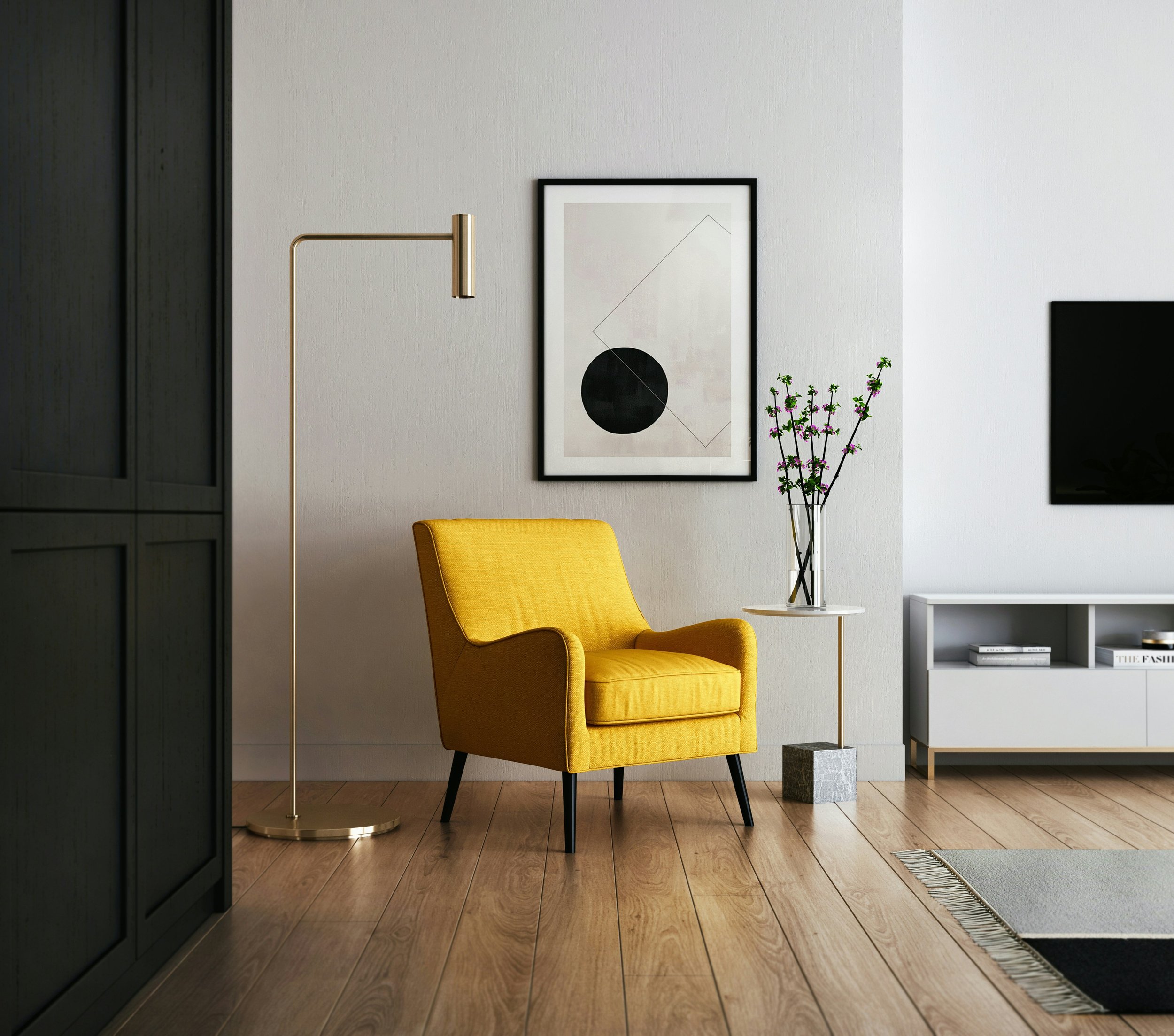
Personalized art can bring dimension to spaces used for mindful movement or restorative practice. Images tied to memory, values, or intention create a sense of grounding that many people look for when starting or ending their day. When someone selects artwork that reflects what they want to feel more of, the space begins to support that purpose. Personalized pieces such as Cherie Kay wall art can foster an atmosphere that encourages focus and steady, restorative practices. These details become part of the environment that nurtures familiar habits and a sense of calm.
Creating Intention Through Personalized Wall Art
A wellness routine often starts with the environment that surrounds it. Many people choose personalized imagery to set the tone for their morning or evening rituals, using art to guide their mindset toward clarity or rest. Research exploring how surroundings influence thought processes points to the relationship between visual details and emotional steadiness, as noted in a Psychology Today article on how our environment shapes our thoughts. Motivational themes, landscapes, and symbols can help create spaces that feel purposeful. These choices support the mindset that people aim to carry through moments of reflection or slow movement.
Personalized Wall Art in Movement, Mindfulness, and Recovery Spaces
Movement and mindfulness practices often unfold more naturally in settings that feel uncluttered and consistent. Personalized art can help define these areas by adding visual cues that align with the activity. Some people choose calming imagery to accompany breathing exercises, while others look for themes that encourage a clear headspace during cooldowns or journaling. These small touches help shape an environment that supports the intention behind each routine.
The Future of Wellness Lifestyle Environments
Wellness-oriented spaces continue to evolve as more people look for surroundings that feel restorative and grounded. Visual elements are part of this shift, adding clarity or comfort to the environments where daily rituals take place. This interest reflects a broader movement toward homes shaped by wellbeing, as explored in this piece about enhancing comfort, function, and wellbeing. These spaces are becoming expressions of how individuals want to feel within their routines, whether they seek ease, focus, or a place to reset.
Conclusion
Wellness lifestyle spaces develop through choices that reflect intention and daily rhythm. Thoughtfully selected visual details can help create environments that support moments of clarity, calm, or quiet restoration. As people refine the areas where they move or reflect, these spaces become part of a broader approach to living with steadiness and purpose.