
Staying active isn’t just a lifestyle—it’s a mindset. Whether you're logging miles before sunrise or juggling strength training between meetings, movement is a part of who you are. But for all the benefits of an active routine, there’s one thing that can throw it off course faster than a missed workout: persistent pain.
What’s shifted in recent years is how pain is treated—not just managed, but genuinely addressed. Today’s top-performing athletes and everyday fitness lovers alike are turning to integrative care models that prioritize both performance and long-term joint and muscle health.
This new approach isn’t built around masking symptoms. Instead, it's led by specialists like Dr. Jamie Lewis at NWSPM, who focus on solving the root cause of pain through methods that treat the whole body—without over-relying on surgery or heavy medication.
Let’s break down what this new era of pain management looks like and how it’s helping active individuals stay in motion for the long haul.

Why Traditional Pain Treatments Don’t Always Cut It
For decades, most pain protocols followed a predictable route: rest, pills, and maybe physical therapy if insurance allowed. While these methods can work temporarily, they often overlook the underlying issues that cause recurring discomfort, especially for active people.
Take chronic back pain, runner’s knee, or post-lifting shoulder inflammation. These problems rarely come from one isolated injury. They're usually the result of imbalances, wear and tear, or overcompensation in other muscle groups.
That’s where integrative pain management enters the picture. It treats pain not just as a symptom but as a signal—one that deserves more than a temporary fix.
What Is Integrative Pain Management?
Integrative pain management combines conventional medicine with evidence-based holistic therapies. That means a care team might include medical doctors, physical therapists, acupuncturists, chiropractors, and regenerative medicine specialists working together on a tailored plan.
Instead of relying on one specialty, this approach layers treatments to address the unique demands of each person’s body—especially important for those who move a lot, lift heavy, or train regularly.
Key components might include:
● Regenerative medicine like platelet-rich plasma (PRP) or stem cell therapy
● Targeted physical therapy and guided rehab
● Manual techniques like myofascial release and dry needling
● Acupuncture for muscular and nervous system reset
● Mind-body interventions like breathwork and mindfulness (to manage the stress response tied to chronic pain)
The result? A smarter, more sustainable way to reduce pain while supporting long-term mobility.
Movement Matters—And So Does Recovery
Active individuals often live by the phrase “listen to your body,” but pain makes that message tricky. It can feel like a whisper one day and a shout the next. This is especially true when pain becomes chronic or flares unpredictably.
Integrative pain specialists help translate those signals by assessing not only the pain location, but the full chain of movement. For example, knee pain might actually stem from tight hips, misaligned posture, or a weak core. With a full-body approach, treatment becomes precise and personalized.
Recovery isn’t about stopping movement—it’s about improving it. That means working with the body’s mechanics rather than forcing through dysfunction.
Meet the Methods: What’s Working in 2025
Here’s a closer look at the modern pain management tools that are redefining recovery for the active population:
1. Regenerative Medicine
Think of this as a boost for your body’s natural healing systems. PRP (platelet-rich plasma) injections use your own blood’s healing factors to stimulate repair in damaged tissue—common for tendon injuries, ligament strains, and even mild arthritis.
More advanced clinics also offer stem cell treatments, which show promise for joint regeneration and reducing inflammation in hard-to-treat areas like the spine and hips.
2. Precision Physical Therapy
Not all physical therapy is created equal. The most effective PT programs are built around your specific sport, movement patterns, and injury history. It’s not just about fixing the injury—it’s about correcting the dysfunction that led to it.
Guided rehab programs at modern integrative centers often include tools like gait analysis, functional strength testing, and real-time feedback systems to speed progress safely.
3. Acupuncture and Dry Needling
These needle-based therapies may look similar, but they serve different purposes. Acupuncture targets energy flow and nervous system balance, while dry needling works more directly on tight muscles and trigger points.
Together, they help calm inflammation, improve circulation, and release tension that can build up in athletes over time.
4. Manual and Soft Tissue Therapies
Techniques like active release therapy (ART), cupping, and myofascial release work to break up adhesions and restore flexibility. These are especially helpful after heavy training cycles or repetitive motion (think cycling, rowing, or long-distance running).
They’re not just “feel-good” add-ons—they’re performance tools when used correctly.
5. Lifestyle Integration
Sleep, nutrition, hydration, and mental health all play a role in how your body processes pain. Today’s best providers go beyond the exam table and help patients build habits that reduce inflammation and accelerate recovery—often with the support of nutritionists and wellness coaches.
Who Benefits the Most?
You don’t need to be a pro athlete to deserve high-level pain care.
Integrative pain management is ideal for:
● Weekend warriors who train hard between work and family life
● Fitness pros and coaches whose livelihoods rely on staying mobile
● Recreational athletes who want to keep doing what they love, injury-free
● Anyone recovering from surgery or repetitive strain injuries
This approach isn’t just for treating pain—it’s about preventing it from becoming chronic. Addressing small issues early means fewer setbacks down the road.
Mindset Shift: From “No Pain, No Gain” to Smart Recovery
Let’s be honest—many active people ignore pain until it becomes impossible to work around. There’s still a strong cultural push to tough it out, especially in competitive environments.
But modern performance science is proving that recovery is not the opposite of progress—it’s a core part of it.
The new mindset isn’t “just push through”—it’s “push smarter.” And with integrative tools on hand, smart doesn’t mean soft. It means sustainable strength, better biomechanics, and long-term resilience.
A Real-Life Snapshot: What Care Can Look Like
Let’s say a recreational runner starts having recurring hip pain. A typical integrative care plan might look something like this:
Assessment & Imaging: To identify any structural issues
PRP Injection: To support tissue healing
Targeted Rehab Plan: With core and glute activation
Dry Needling: To release tight muscles affecting gait
Acupuncture & Breathwork: To downregulate nervous system tension
Nutrition & Sleep Support: To optimize inflammation control
All this happens under one care umbrella, with each specialist working toward the same goal: not just pain relief, but functional improvement.
Why This Approach Is Here to Stay
The beauty of integrative care is that it evolves with the patient. It’s not a one-size-fits-all protocol—it’s a long-term relationship between the care team and the person moving through life, sports, or both.
As we head deeper into 2025, more people are demanding healthcare that’s both personalized and performance-oriented. The old model of pain care just doesn’t fit the modern mover.
With providers like NWSPM leading the way, we’re seeing more active individuals return to their routines faster, move better, and age with far less stiffness and strain.
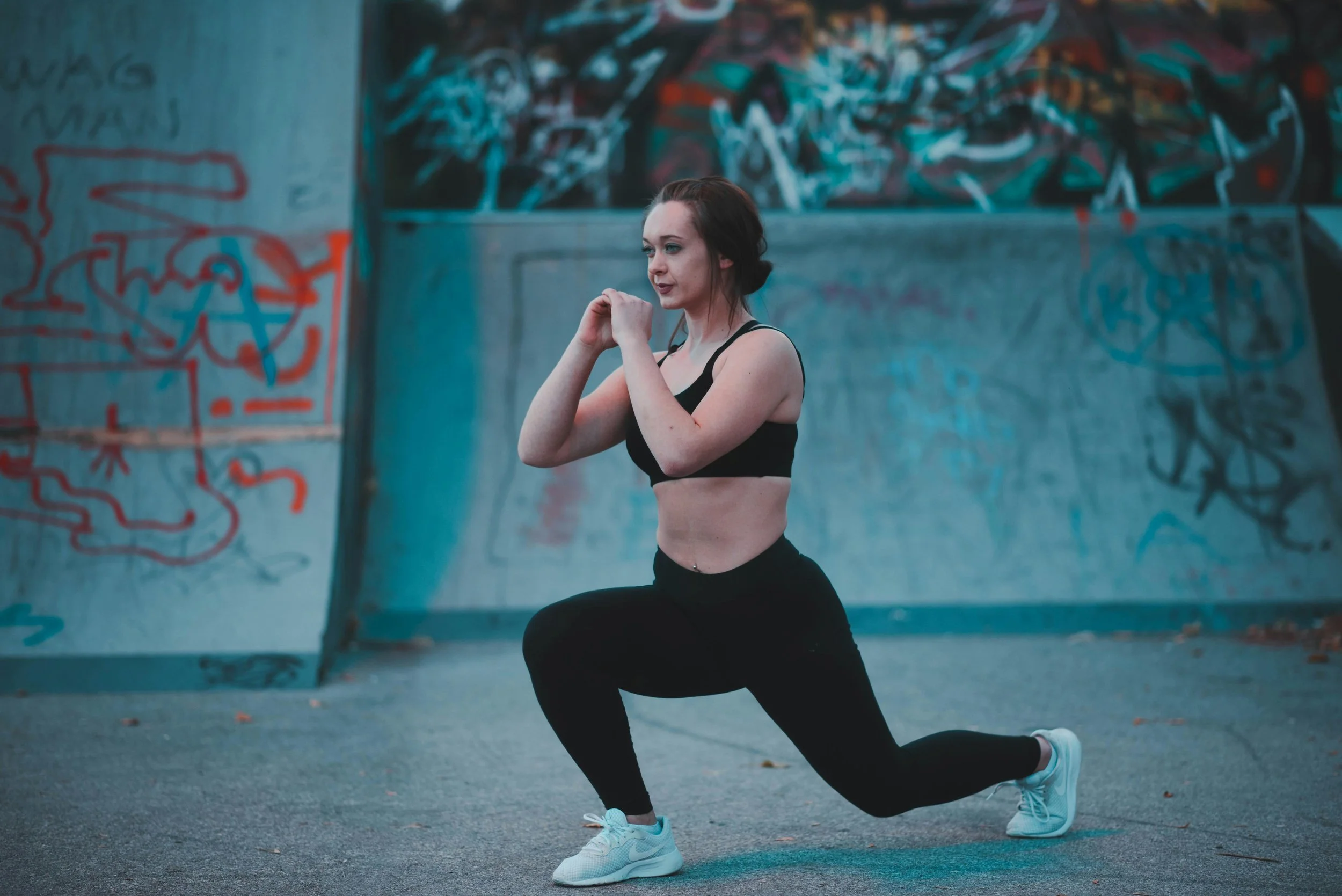
PHOTO CREDIT | Pexels/Dejan Krstevski
Final Thoughts: Movement Shouldn’t Come With a Disclaimer
Pain shouldn’t be a tradeoff for doing what you love. And in this new era of pain management, it doesn’t have to be.
Integrative care is helping athletes, yogis, lifters, hikers, and weekend warriors move better, heal faster, and live fully—without limits.
Because movement should feel like freedom, not a burden.