
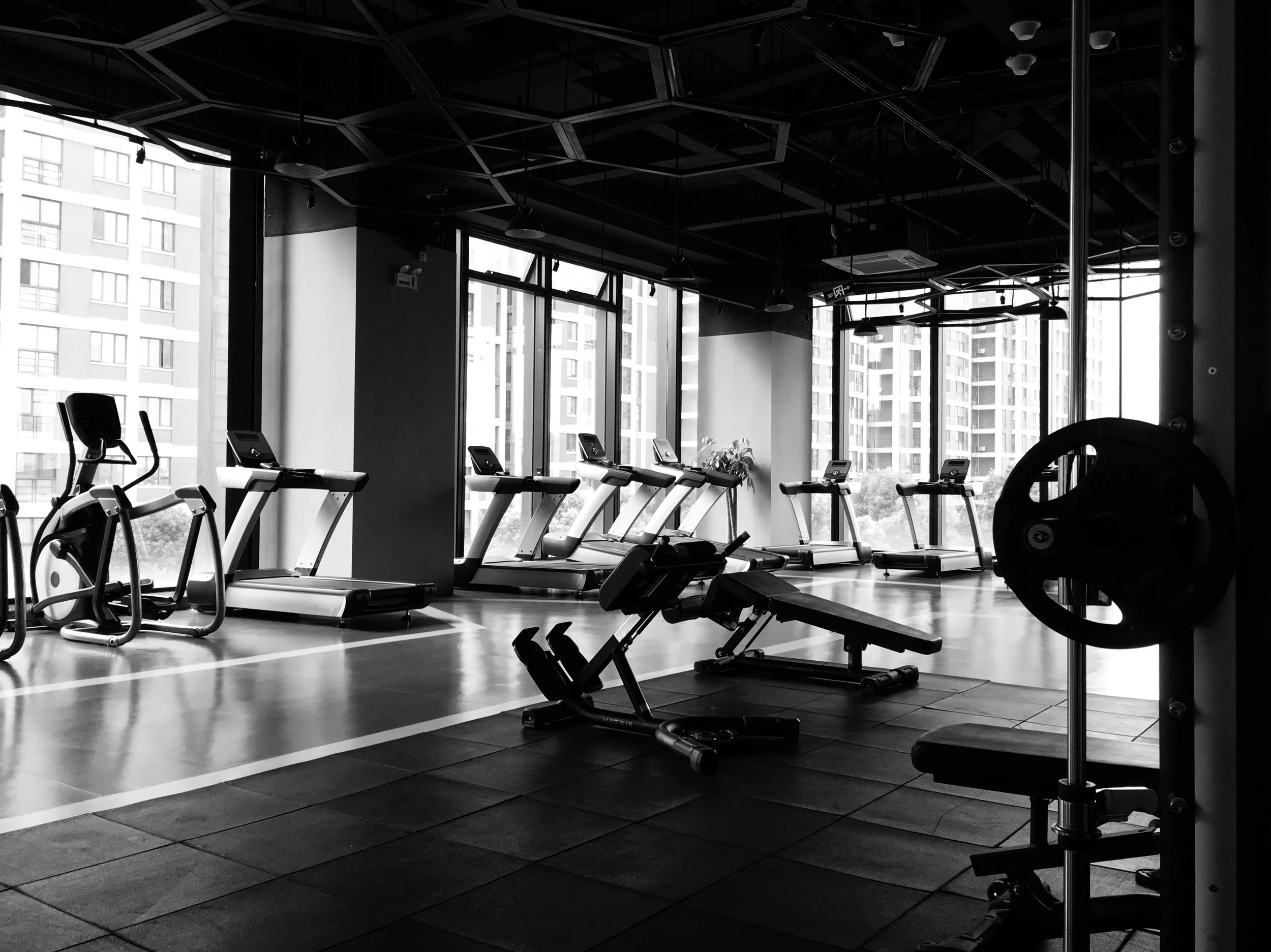
Opening or upgrading a gym involves many strategic decisions, but few are as influential as choosing the right commercial gym equipment. These choices shape the daily experience of members, affect safety and maintenance routines, and influence how efficiently the space is used. Equipment is not just a visual element of a gym; it plays a central role in performance, reliability, and long term sustainability. Before committing to a purchase, gym owners should take time to understand several key factors that go beyond price or brand recognition. The following four points provide an educational foundation for making informed equipment decisions.
1. Understanding Your Members and Training Focus
Every gym serves a specific group of users, even if it aims to be inclusive. Understanding who your members are and how they train is the first step in selecting suitable equipment. A facility focused on general fitness will prioritize user friendly machines that accommodate a wide range of abilities. In contrast, a gym centered on strength training or athletic performance may require more specialized equipment.
It is also important to consider how members typically move through the space. Popular machines should be easily accessible, while quieter zones can house more advanced or niche equipment. By aligning equipment choices with member behavior and goals, gym owners can create an environment that feels intuitive and purposeful rather than crowded or confusing.
2. Durability and Long Term Reliability
Commercial gym equipment must withstand constant use, often from early morning until late at night. This level of demand makes durability a critical consideration. Build quality, materials, and engineering all affect how equipment performs over time. Frames should be stable, moving parts should operate smoothly, and surfaces should resist wear from repeated contact.
Beyond physical strength, owners should consider how easily equipment can be maintained. Access to replacement parts and straightforward servicing reduce downtime and operational stress. Consulting a professional gym equipment provider can help gym owners understand typical durability standards, but independent evaluation remains essential. Choosing equipment designed for long term use often reduces overall costs by minimizing frequent repairs or early replacement.
3. Safety, Ergonomics, and User Comfort
Safety is a fundamental responsibility for any gym owner. Equipment design plays a major role in reducing injury risk and supporting proper exercise technique. Ergonomic features such as adjustable seats, clear range of motion, and balanced resistance help users train with confidence. Machines that accommodate different body sizes and movement patterns are especially valuable in facilities with diverse membership bases.
Clear instructions and visible adjustment points also enhance safety by reducing misuse. Equipment should comply with relevant safety standards and be installed correctly to function as intended. When safety and comfort are prioritized, members are more likely to use equipment consistently and feel confident exploring different types of training.
4. Space Planning and Future Flexibility
The physical layout of a gym has a direct impact on how equipment is used. Machines should be arranged to allow natural movement, sufficient spacing, and easy supervision. Poor layout choices can lead to congestion, reduced accessibility, and inefficient use of floor space.
Gym owners should also think beyond current needs and consider future growth. Membership increases, new training programs, or changing fitness trends may require adjustments. Selecting versatile equipment from a trusted commercial fitness equipment supplier or gym equipment manufacturer allows for smoother adaptation. Multifunctional machines and modular designs can support evolving demands without requiring major reinvestment.
In addition to these four core considerations, it is helpful to view equipment selection as part of a broader operational system. Staff training, cleaning routines, and regular inspections all contribute to how well equipment performs over time. Learning from other gym operators and seeking guidance from experienced fitness equipment vendors can provide practical insights, especially during the planning phase.
Conclusion
In conclusion, buying commercial gym equipment is a long term decision that influences safety, member satisfaction, and operational efficiency. Understanding member needs ensures that equipment matches actual usage. Focusing on durability supports reliability and cost control over time. Prioritizing safety and ergonomics protects users and improves their overall experience. Thoughtful space planning and flexibility prepare the gym for future changes. By approaching equipment selection with these principles, gym owners can build a functional and sustainable fitness environment that supports both present operations and long term goals.