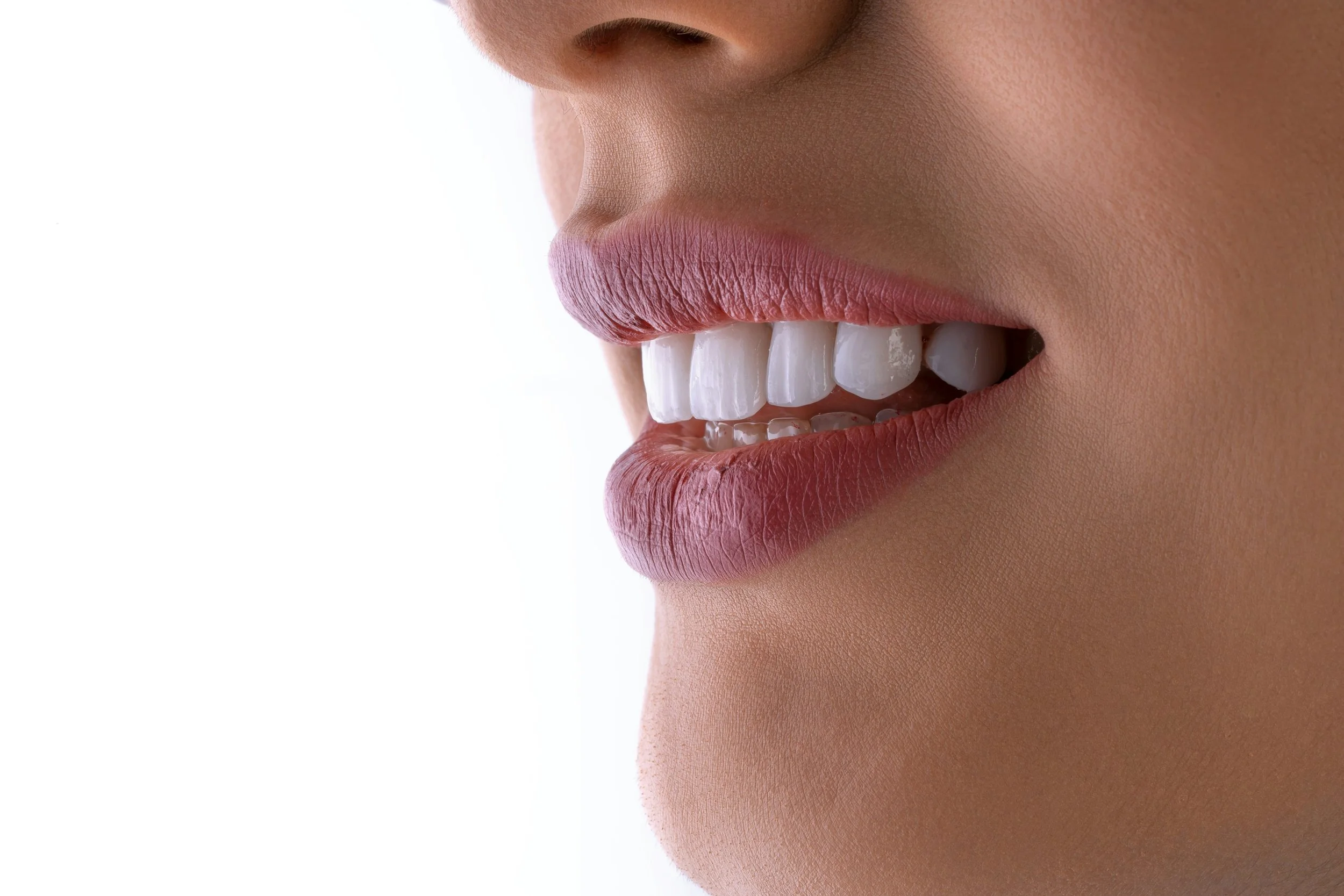
A beautiful smile can make a lasting impression, but keeping your teeth looking their best involves more than occasional whitening treatments or cosmetic products. Your everyday habits play a major role in maintaining healthy teeth, comfortable gums, and a naturally attractive smile.
From choosing the right toothpaste to making small dietary changes, there are plenty of practical ways to care for your teeth. The good news? Most don't require expensive treatments or complicated routines.
If you're looking to improve your dental care routine, here are eight simple ways to keep your smile looking its best.
1. Brush Your Teeth Properly and Consistently
Brushing your teeth might seem straightforward, but technique matters just as much as consistency. Rushing through your routine or pressing too hard can leave plaque behind or irritate your gums.
Aim to brush twice daily for two minutes each time. Use a soft-bristled toothbrush and gentle, circular movements to clean every tooth surface.
Pay close attention to the gumline, where plaque can build up. Remember to clean the backs of your teeth, too, since these areas are easy to overlook.
A few additional habits can make brushing more effective:
● Replace your toothbrush regularly: Worn or frayed bristles clean less effectively.
● Avoid aggressive brushing: Excessive pressure can contribute to gum recession and enamel wear.
● Clean your tongue: Gently brushing your tongue can help remove debris and reduce unpleasant breath.
● Consider an electric toothbrush: Models with pressure sensors and built-in timers can help improve your technique.
2. Find a Toothpaste That Works for You
Not all toothpastes are designed to address the same concerns. Some focus on cavity prevention, while others are formulated for sensitive teeth, enamel care, or stain removal.
The best choice depends on your oral health needs, which may change over time.
For example, someone experiencing tooth sensitivity may benefit from a toothpaste specifically formulated to manage discomfort. Meanwhile, people prone to cavities should prioritize proven cavity-prevention ingredients and their dentist's advice.
It's also worth paying attention to ingredients rather than selecting a toothpaste based solely on packaging or flavor. Dentist-developed brands such as Dr. Jen Naturals offer formulations designed around different oral health requirements, including products featuring nano-hydroxyapatite.
For those researching alternatives, Dr. Jen’s oral care range includes options designed for different patient needs. Dr. Jen Naturals also offers formulations centered on high-purity nano-hydroxyapatite.
Before switching products, ask your dentist which ingredients are right for you, especially if you have cavities, significant sensitivity, or a history of enamel problems.
3. Make Flossing Part of Your Daily Routine
Flossing helps clean narrow spaces that toothbrush bristles struggle to reach. Neglecting these areas lets food debris and plaque build up, which can contribute to gum inflammation and decay.
Clean between your teeth daily using traditional floss, interdental brushes, or another suitable cleaning tool.
If you use floss, gently curve it around each tooth and slide it along the surface without snapping it against your gums. People with braces, bridges, or wider spaces between their teeth may find interdental brushes particularly convenient.
4. Be Mindful of Foods and Drinks That Stain Teeth
Coffee, tea, red wine, and certain richly colored foods can contribute to visible tooth staining over time.
You don't necessarily need to eliminate these from your diet. Instead, consider how often you consume them and what you do afterward. Rinsing your mouth with water after drinking coffee or tea can help wash away some residue.
Try these simple adjustments:
● Drink water alongside beverages that commonly stain teeth.
● Avoid sipping sugary or acidic drinks continuously throughout the day.
● Rinse with water after consuming acidic foods or beverages.
● Wait before brushing after acidic drinks to avoid brushing temporarily softened enamel.
5. Stay Hydrated Throughout the Day
Drinking enough water supports more than your general wellbeing. It also helps maintain a comfortable, healthy mouth.
Saliva naturally washes away food particles, neutralizes acids, and protects your teeth. When your mouth dries out, these protective functions may decrease. Keep a reusable water bottle nearby, particularly during workouts or long periods of physical activity.
If you frequently experience dry mouth despite drinking water, speak to your dentist. Certain medications and medical conditions can contribute to persistent dryness.
6. Avoid Using Your Teeth as Tools
Your teeth are designed to bite and chew food, not tear tape, remove bottle caps, or hold hard objects. These habits can chip teeth, cause cracks, and damage existing dental restorations.
Chewing ice or frequently biting particularly hard objects can also place excessive pressure on your teeth. Keep appropriate tools nearby and avoid using your teeth for tasks they weren't designed to handle.
7. Be Careful With Teeth Whitening Products
Whitening treatments can help address certain types of discoloration, but more frequent treatment doesn't necessarily produce better results.
Overusing whitening products may increase tooth sensitivity and irritate your gums.
Before starting a whitening routine, make sure your teeth and gums are healthy. Whitening may be unsuitable if you have untreated decay or other dental problems. A dentist can help you understand which treatment is appropriate and what results are realistic.
8. Schedule Regular Dental Checkups
Even a consistent oral care routine can't replace professional dental examinations. Your dentist can identify early signs of decay, gum disease, enamel wear, and other concerns that aren't always visible in the mirror.
Professional cleaning may also remove hardened tartar that ordinary brushing and flossing cannot eliminate. The ideal frequency of appointments depends on your oral health, medical history, and individual risk factors.
If you notice persistent bleeding, pain, swelling, or unusual changes in your mouth, arrange an appointment rather than waiting for your next routine checkup.
Final Thoughts
Keeping your smile looking its best doesn't require an elaborate beauty routine. Small, consistent habits often provide the strongest foundation for maintaining healthy teeth and gums.
Start with the basics: brush gently, clean between your teeth, and choose oral care products suited to your individual needs. Watch for signs of staining, stay hydrated, and avoid habits that can damage your enamel.
Regular dental appointments are equally important and help you address concerns before they become more serious.
A healthy, attractive smile is something you maintain through everyday care, and the effort you put in today can help protect it for years to come.