
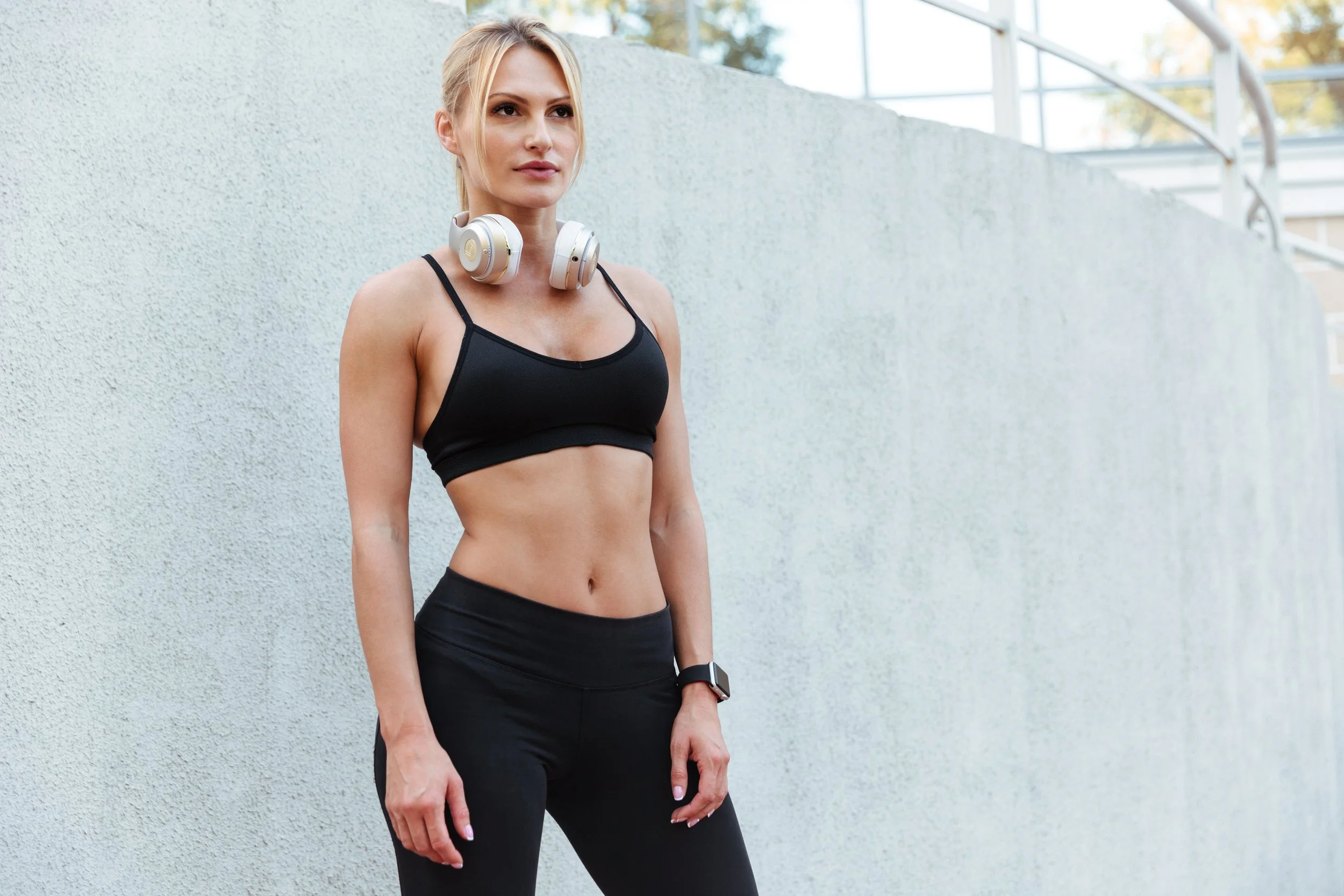
4 Ways to Ease Workout Dryness
The top four easy ways to stop workout dryness include tracking discomfort patterns, swapping restrictive activewear, prioritizing internal hydration, and utilizing targeted support.
These simple adjustments help active women prevent chafing, maintain mucosal hydration, and ensure intimate discomfort never disrupts their fitness routines.
Ignoring these signals can lead to frustration, but small tweaks make a significant difference.
Meet the Athlete With Everything Dialed In
Meet Jess, a 38-year-old marathoner and indoor cycling devotee who tracks her macros and never skips post-run stretching.
Her active lifestyle wellness is entirely dialed in, except for one detail she cannot quite name. A dry, chafing discomfort flares up during cooldowns and long runs, leaving her puzzled.
She mentally cycles through the usual suspects, like her new leggings or mild dehydration.
None of these explanations fully lands because the real pattern is vaginal dryness. It never surfaces in her fitness circle because no one brings it up.
Experiencing workout comfort challenges is not a niche or embarrassing edge case. It is a common, quietly shared experience among active women at many life stages.
You do not need a restrictive new protocol to address it. These four low-effort strategies can help you reclaim your comfort.
Why Vaginal Dryness Sneaks Into Active Lives
Vaginal dryness is not exclusively a menopause wellness experience. It shows up across a wide age range and often catches athletic women off guard.
For instance, roughly 15% of women experience symptoms before menopause, proving it is a widespread concern. During postpartum recovery, estrogen dips can arrive quickly and quietly.
Every day, physical stressors like antihistamines, long travel days, and chronic low-level dehydration can reduce mucosal moisture.
The prevalence of these issues tends to climb with age, as seen when cases increased to 34.0% among older demographics.
Vaginal mucosa depends heavily on whole-body hydration and overall health. Daily stressors can quietly erode its resilience without any single dramatic cause.
Some women eventually seek clinical support when symptoms persistently disrupt their active lifestyle.
In fact, this problem affects about half of postmenopausal women over time. A great starting point is exploring options like NeuEve's natural, GMO-free treatment for vaginal dryness alongside other simple lifestyle changes.
Recognizing these patterns without clinical alarm is the best way to maintain long-term comfort.
Key Insight: Vaginal dryness isn’t confined to menopause. Postpartum, perimenopause, medications, chlorine, and even mild dehydration can reduce mucosal moisture, catching active women completely off guard.
1. Become a Cue Collector Instead of Tracking
This strategy involves introducing low-effort body awareness as a wellness skill rather than a monitoring burden.
Simply notice when and where the discomfort peaks during your typical training week. There is no need for a journal, a new health app, or obsessive logging.
Instead, carry gentle mental prompts into your daily activities.
Ask yourself if the friction shows up specifically after long runs in high-compression shorts. Consider whether it tends to follow the luteal phase of your cycle or arrive after caffeine-heavy days.
Notice if the discomfort eases on rest days when you prioritize water intake. Establishing these cues paves the way for consistent workout comfort.
Jess discovered that her micro-revelation consistently followed long runs in one specific pair of shorts with a prominent center seam.
One minor awareness shift led to a gear change that helped immediately. This low-effort detective work already shapes every other part of an active routine.
It is simply self-knowledge applied to intimate wellness.
2. Swap Your Gear, Not Your Routine
Practical, shame-free activewear and laundry adjustments offer near-zero ongoing effort but yield massive improvements in workout comfort.
Make targeted gear decisions that treat intimate comfort as a performance variable rather than a hygiene correction.
Start with the most impactful habit by changing out of your sweaty kit within 30 minutes post-workout. Keep a loose, breathable cotton layer in your gym bag for the drive home.
When selecting activewear, prioritize breathable under-layer fabrics like merino wool, moisture-wicking cotton, or bamboo blends.
These materials are especially beneficial for long-distance training where repetitive motion causes irritation.
Additionally, switch to a fragrance-free and enzyme-free detergent for your athletic wear. This is a simple, one-time purchase decision that permanently removes a recurring irritant.
Finally, choose seamless or flatlock-seam shorts to significantly reduce friction in sensitive areas.
The same logic that drives your moisture-wicking fabric choice at the shoulder applies at every contact point.
This approach makes active lifestyle wellness a head-to-toe practice that naturally supports intimate health.
Important: Don’t let sweaty activewear linger. Changing within 30 minutes and switching to fragrance-free, enzyme-free detergent prevents chronic irritation and protects intimate comfort daily.
3. Sip Smartly and Soothe From Within
Connect your existing hydration and nutrition habits to vaginal tissue health without creating completely new routines.
The vaginal mucosa responds to total-body hydration much like the lining of the eyes or mouth. It is not an isolated system, meaning what depletes one area naturally depletes the others.
Adjust what you already drink and eat post-workout to support mucosal moisture from the inside out.
Reach for electrolyte-infused water after a session to support cellular moisture retention beyond basic hydration.
Toss water-rich grab-and-go snacks like cucumber, watermelon, or citrus into your gym bag.
Incorporate omega-3 sources like walnuts, flaxseed oil, and salmon to support cellular fluidity and tissue resilience.
These simple dietary additions reinforce your body’s natural ability to stay lubricated.
Probiotic-rich foods like yogurt, kefir, and fermented vegetables support the vaginal microbiome directly.
This is recovery multitasking at its finest, serving your muscles, gut health, and intimate comfort simultaneously.
A thoughtful post-run routine seamlessly aids both postpartum recovery and everyday endurance.
Pro Tip: Layer your existing hydration with electrolytes and omega-3 snacks. Your post-workout smoothie can support muscle recovery and mucosal moisture simultaneously - no extra routine needed.
4. Let Gentle Nightly Rituals Do the Work
Lifestyle shifts are meaningful and real, but they are also finite in their effectiveness. When dryness persists through gear changes and hydration upgrades, it is simply useful information.
The gap between lifestyle habits and meaningful relief sometimes calls for a more direct form of support. Persistent dryness often lives outside the gym as much as in it.
Women navigating postpartum recovery or entering a stage of menopause wellness often benefit from targeted care.
A gentle, non-hormonal support used quietly before bed a few nights a week fills the gap that leggings and electrolytes simply cannot reach.
This kind of effortless recovery layer works while you sleep, requiring no prescription. It remains safe and estrogen-free for those who need it, including breast cancer survivors.
It acts much like a trusted nightly facial oil or a magnesium glycinate supplement to create a quiet, restorative ritual.
Naturally, other forms of support exist alongside it, from pelvic floor physiotherapy and dietary adjustments to professional guidance.
Ensuring a broad landscape of care tailored to individual needs allows every active woman to find lasting relief.
The Bottom Line
Intimate wellness is not a separate, awkward category sitting outside your primary recovery ecosystem.
It requires the same thoughtful attention you give your hip flexors, your sleep hygiene, and your post-run nutrition.
When discomfort goes unaddressed, it quietly erodes confidence and focus during your favorite activities.
Tending to it is high-performance self-care, not a detour from your dedicated training plan.
If your workout comfort issues persist or are accompanied by unusual symptoms, consulting a trusted healthcare provider is the right next step.
Extend the same kind, science-backed, and consistent attention to your intimate health that you give to athletic recovery. You have earned that comprehensive care in every single mile.
Author Profile: NeuEve is the leading manufacturer of all-natural vaginal care products for women experiencing menopause and intimate health challenges.