
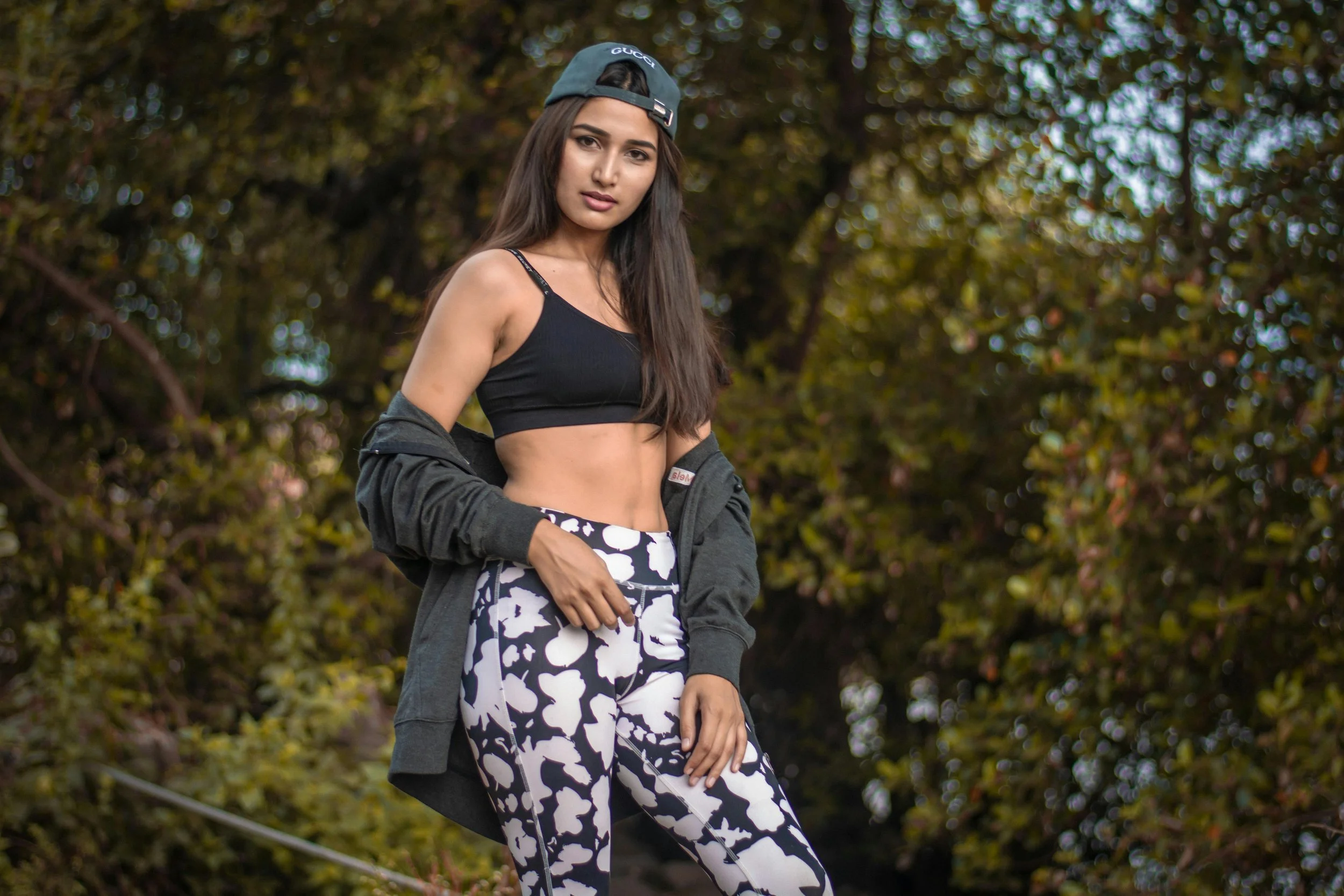
Walk through any city or scroll social media and you’ll spot it everywhere—sleek leggings, sporty jackets, and branded sneakers that could just as easily belong in a gym as on the street.
Athleisure has woven itself into daily life, moving effortlessly from classrooms to office meetings and weekend errands. The style suggests readiness and ease, as if everyone is just a step away from a workout.
But there’s more beneath the surface. As these clothes blend comfort with a fitness-inspired look, the line between fashion and function becomes increasingly hard to see.
This rise in popularity brings new expectations, inviting a closer look at what athleisure truly offers—and where it draws the line between looking active and actually being equipped to move.
You notice the difference when you actually move
It’s easy to assume your athleisure outfit is up for anything when you slip it on for the day. The material feels smooth, the silhouette hugs all the right places, and you can walk straight from a coffee shop to a yoga mat without feeling out of place.
But once you try to put those clothes through a real workout, the cracks in the illusion show up fast. You might notice sweat isn’t evaporating as you’d hoped, or that the soft waistband you loved on your commute starts to sag as you warm up. Sometimes it’s a subtle itch from a seam that turns into real discomfort after a few jumping jacks or sprints.
Many of these pieces are designed first for how they look on city streets, not the demands of actual athletic movement. The promise of effortless transition from errands to exercise sounds great, but the reality is less forgiving when you’re out of breath and your shirt clings to all the wrong places.
It’s a bit like searching for a more engaging online interaction and landing on a better chatroulette alternative—what appears similar on the surface can feel entirely different in practice. That’s when you realize not every athleisure look is meant for sweat, speed, or serious movement.
Looking like an athlete is not the same as training like one
It’s easy to see why athleisure has exploded—on the sidewalk, it signals a lifestyle that’s active, capable, and just a little aspirational.
Wearing technical-looking leggings or a performance hoodie can make you feel ready for action, whether or not you plan to break a sweat.
But when you move beyond appearances and actually put these clothes to the test, the differences become obvious.
Real training exposes the gaps: suddenly, what looked like a running top clings uncomfortably or soaks through far too quickly.
Waistbands slip, seams rub, and support falters when you push your body harder than a brisk walk to the coffee shop.
That’s because most fashion-focused athleisure pieces are designed for versatility and style, not for the rigorous demands of regular workouts.
Performance gear relies on technical fabrics—those that breathe, stretch, and hold up under pressure—to deliver comfort that goes beyond appearances.
Even something as simple as sneakers often reflects this divide, since many styles are built to complement an outfit rather than support miles of training.
The influence of footwear on the athleisure trend is explored in the recent feature on the sneakers athleisure aesthetic, which highlights how cultural appeal can sometimes outweigh functional needs.
Ultimately, the booming athleisure market is powered by demand for comfort and identity, but the difference between looking ready and being ready remains clear—especially once you start to move.
The allure of versatility and its limits
This appetite for comfort and identity is closely tied to the idea that athleisure can do it all—get you through the workday, errands, coffee dates, or downtime, all without changing clothes.
The appeal is obvious: one outfit, many situations. For busy people, that’s a real draw. You see it everywhere, from classrooms to airports, even in some workplaces that used to demand a much stricter dress code.
But as popular as athleisure is, its rise has been about fashion as much as function. The most successful brands focus on pieces that look athletic and feel comfortable, but aren’t necessarily designed for high-performance workouts. The goal is to deliver clothes that fit into any part of your day, even if they’re not made for hard training.
Market numbers back this up, showing just how massive the trend has become. The athleisure sector is projected to reach $450 billion by 2028, reflecting how brands are leaning into hybrid styles and everyday versatility rather than pure athletic performance.
As noted in the recent Athleisure market projected growth analysis, the focus remains on blending form and function for a lifestyle look, even if that means sacrificing the features real athletes rely on.
Design and branding blur the boundaries—until sweat is involved
That focus on blending form and function has led major brands to push athleisure further into mainstream style, often by incorporating elements of upscale streetwear with just enough athletic influence to suggest sportiness. The look is undeniably appealing, signaling a lifestyle that feels active and modern, even when the fabric or fit is designed with everyday wear in mind.
But when these pieces are put to the test—sudden rain, an unexpected sprint, or an actual workout—the distinction becomes clear. The illusion of readiness starts to unravel, exposing compromises in moisture-wicking, durability, and ergonomic construction. What looks like gym gear on the street may not manage heat, sweat, or movement as true sportswear does.
Many consumers are drawn to these hybrid garments for their versatility, but the tradeoff is apparent once physical demands increase. Subtle branding and sleek design details serve more as status symbols than as signals of athletic capability. This ongoing tension between style and function is explored in recent coverage of branded apparel athleisure, which highlights how the category continues to evolve, yet rarely replaces the reliability of purpose-built sportswear.
Why the streetwear illusion persists—and what’s next for athleisure
The appeal of athleisure as a blend of fashion and athletic identity remains powerful, even as everyday wearers recognize how quickly style can fall short of true function. The shift from street to sport highlights just how much this category’s popularity relies on appearance rather than performance.
Social media and celebrity influence keep the image strong. Scrolling through feeds, it’s easy to believe that the right pair of joggers or a branded hoodie can transform anyone into an athlete. Cultural trends reinforce these visuals, encouraging brands to double down on designs that look ready for the gym—even if they’re not built for it.
Behind the scenes, the industry’s growth speaks volumes. The global sportswear market continues to expand, as shown in the recent Global sportswear market analysis. This expansion is fueled in part by lines that blur fashion and function, catering to a consumer base that wants it all.
Looking ahead, there’s a real question whether brands will close the gap between style and performance. As expectations shift, some companies may finally deliver pieces that hold up both on the street and in real training. Until then, the difference between looking athletic and being athletic is something we confront with every session—and every outfit choice.