Everything You Need To Know About Getting Into Watersports
There’s something about being out on the water that makes an ordinary weekend feel a lot more exciting. Whether you’re skimming across a lake on a personal watercraft, learning to paddleboard, or trying wakeboarding for the first time, watersports offer a great excuse to get outside, stay active, and do something a little different.
The good news is that getting started doesn’t have to be complicated. You don’t need years of experience or a garage packed with specialist gear. You just need to figure out what appeals to you and take it from there.
Start With the Right Watersport
“Watersports” covers a huge range of activities, so it helps to narrow down what kind of experience you actually want.
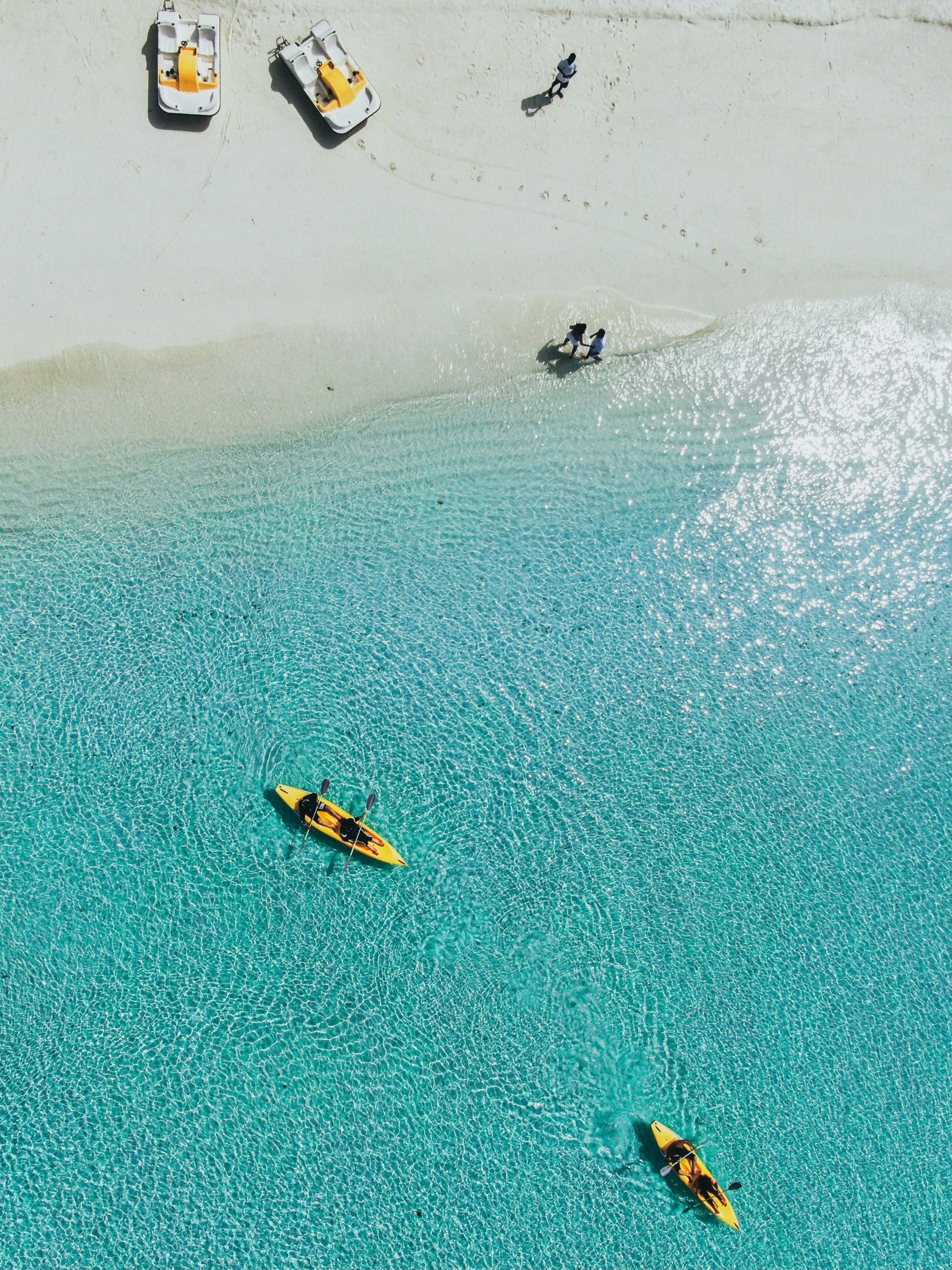
If you like something peaceful, kayaking, canoeing, or paddleboarding could be a good place to start. They allow you to explore at your own pace and don’t usually require much technical knowledge in the beginning.
If you’re more interested in speed and adrenaline, personal watercraft, wakeboarding, waterskiing, and jet skiing may be more your thing. Surfing sits somewhere in between, combining physical effort, patience, and plenty of excitement once you start catching waves.
Trying a rental or beginner session before buying equipment can make the decision much easier.
Think About Where You’ll Be Heading
Your location plays a big role in the activities available to you. Lakes, rivers, reservoirs, and coastal areas all offer different opportunities, and local rules can vary too.
For example, people interested in personal watercraft may want to research dealers and specialists serving Temecula Sea-Doo riders when exploring their options. Anyone searching for Seadoo Temecula choices should also think beyond the watercraft itself and consider where they plan to ride, how they’ll transport it, and what local regulations apply.
Knowing where you’ll spend most of your time can help you avoid buying equipment that isn’t well suited to your usual waters.
Don’t Skip the Safety Basics
Watersports are supposed to be fun, but water deserves respect. A properly fitted personal flotation device should be one of the first pieces of equipment you consider, particularly when boating, riding personal watercraft, kayaking, or paddleboarding.
It’s also worth checking weather conditions before heading out, learning basic water safety, and avoiding unfamiliar conditions when you’re still gaining confidence. Beginners can benefit enormously from lessons, even if the activity looks simple from the shore.
Budget for More Than the Main Equipment
It’s easy to focus on the obvious purchase, such as the board, kayak, or personal watercraft, but there are usually extra costs involved.
Depending on the activity, you may need protective gear, storage, transportation equipment, maintenance supplies, insurance, fuel, wetsuits, or accessories. Working out the full cost upfront makes it much easier to choose an activity that fits comfortably within your budget.
Build Confidence Gradually
Nobody starts out looking like they belong in an action-sports commercial. Falling off, getting soaked, and making a few awkward mistakes are all part of learning.
Start in calmer conditions, spend time getting comfortable with your equipment, and gradually take on more challenging situations as your skills improve. Watersports become much more enjoyable when you’re confident rather than constantly trying to keep up with more experienced people.
Ultimately, getting into watersports is less about being naturally adventurous and more about finding something you genuinely enjoy. Start small, prioritize safety, and give yourself time to learn. Before long, being on the water might become the part of the week you look forward to most.