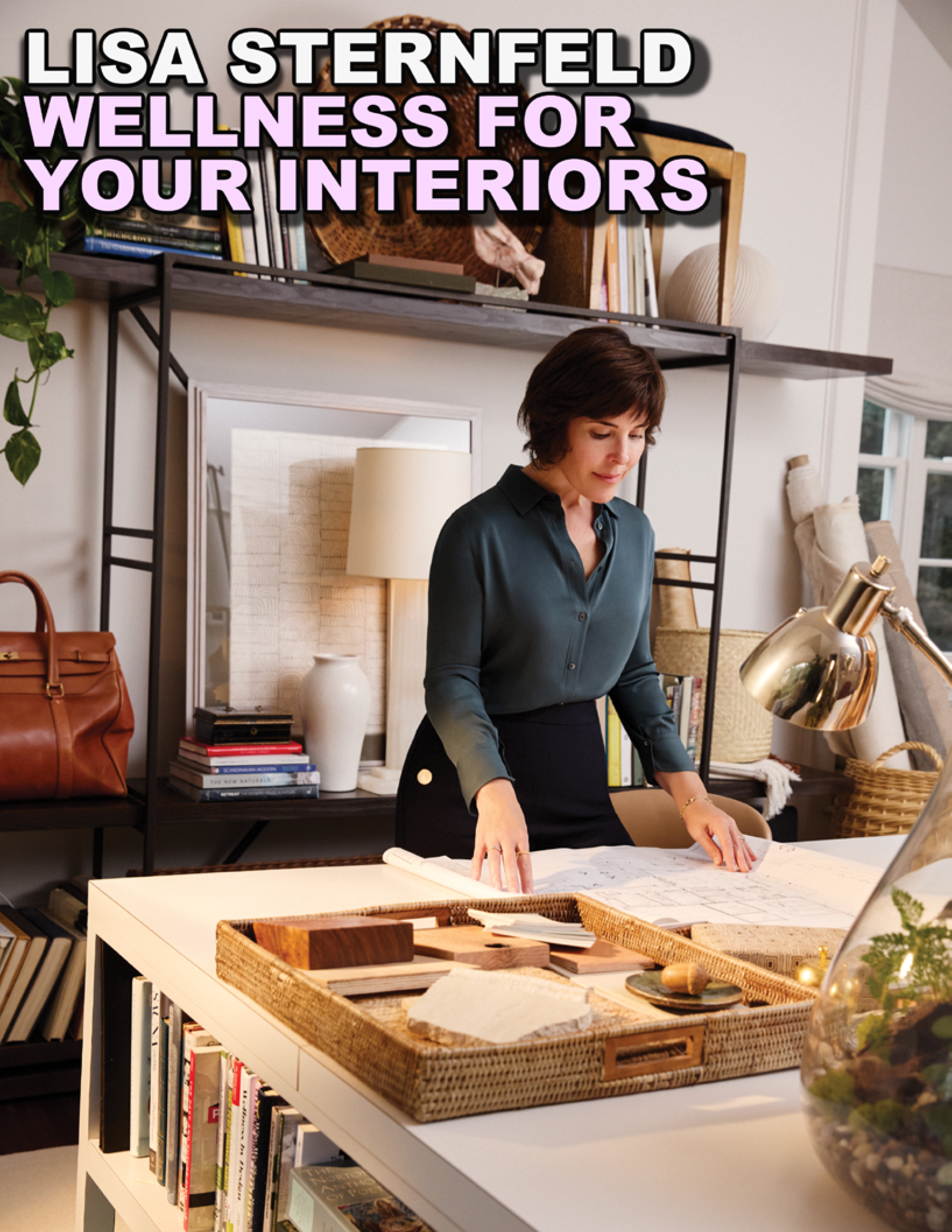
We had the pleasure of attending the New York Design Center’s What’s New What’s Next celebrating 100 years in design! We visited a number of home decor showrooms and attended panels that focused on a number of subjects. We made our way to Kasthall Showroom for a panel on The Future of Healthy Homes & Wellness Driven Materials. One of the panelists was Lisa Sternfeld, founder of WLLW who has a background in designing luxury residences within hotel properties such as 1 Hotels & Homes South Beach. Hearing her thoughts on how we can bring wellness into our spaces, how she focused on this portion of decor, and her interest in this career was of interest in finding out more about this area of the industry.
ATHLEISURE MAG: Before we delve into wellness and healthy homes, what led you to want to work in the interior design space?
LISA STERNFELD: I always thought I would become a painter. My first job out of school was at an architecture firm, working in marketing and business development. I found myself spending lunch breaks and evenings watching the architects and designers at work, fascinated by the process of turning an idea into a space.
Years later, a friend asked me to help design their home. That experience brought together my love of art and my growing interest in architecture and interiors. I went back to school for interior design and began a second career.
I still approach a room much as I would a painting. You start with a blank canvas and build it through color, texture, form and composition. The difference is that people get to live inside it.
AM: Can you tell us about where you trained and worked before launching your firm, WLLW?
LS: I studied at Parsons School of Design, where I earned two degrees, and began my design career working with renowned designers Thomas O’Brien and Adam Tihany. Both shaped my appreciation for craftsmanship, detail and the relationship between architecture and interiors.
I founded my own studio in 2006 and spent nearly two decades working across high-end residential design and development. That included work with Starwood Capital on projects such as the residences at 1 Hotel & Homes South Beach and Baccarat Residences in New York.
AM: How did your work in luxury residential design and development lead to your interest in launching WLLW, a firm at the intersection of design, environmental health and everyday life?
LS: I spent much of my career designing beautiful homes before I began to question what those homes were doing to our health.
That shift began with my son. He developed serious respiratory issues, and as we tried to understand what was contributing to them, I realized how little I knew about the conditions inside our own home. There was an entire dimension of residential design I had never been trained to consider.
I immersed myself in environmental health, indoor air quality and building science, and earned my WELL AP credential through the International WELL Building Institute. What I learned changed the way I approach design and expanded my understanding of what good design is responsible for.
I also discovered how hard it was to find reliable, practical guidance on how our homes affect our health. WLLW (pronounced “willow”) grew out of a desire to change that, bringing health into the design process with the same care and attention we give to beauty and comfort.
AM: Why are our homes so important to us in terms of lifestyle and the many aspects of our lives they encompass?
LS: Our homes are asked to do a great deal. They’re where we begin and end our days, raise families, spend time with loved ones, entertain friends, rest and heal.
Our needs change throughout the day, and our homes have to accommodate all of them. We may want a space that feels energizing in the morning, somewhere to concentrate during the day and a place to relax in the evening. And the conditions within our homes, from the light we’re exposed to the sounds around us, can influence how well we sleep, how we feel and how we function.
Good design begins with understanding how people live today, while anticipating how their needs may change in the years ahead.
AM: WLLW’s focus includes Studio, Origin, Journal and Shop. Can you tell us what these are and how you apply your principles to each area?
LS: The places we live have a profound influence on our health. That’s the central idea behind WLLW, expressed through the spaces we design, the experiences we create, the knowledge we share and the products we choose.
Through WLLW Studio, we work with private clients and residential developers to incorporate health into the earliest design decisions, when choices about air and water quality, materials, lighting and the way a home is built can have a lasting impact.
WLLW Origin takes that thinking further, working with developers and wellness-driven brands to connect a project’s wellness vision with the experience of the people who live there. Through strategy, education and resident programming, we help people better understand their living environments and how to make choices that support their health and wellbeing.
WLLW Journal is where we explore the science behind healthier living through original articles, research and conversations with physicians, scientists and other experts. Our goal is to make that knowledge accessible and practical, helping people understand how their homes affect their health and what they can do about it.
And WLLW Shop brings that same perspective to products for the home, selected for their design, craftsmanship and material integrity, with an emphasis on natural materials and reducing potentially harmful chemical exposures.
AM: Why is the home so important in terms of being a health tool that we live with?
LS: We’re tracking our bodies more closely than ever. We know how many steps we take, how well we sleep, our heart rate variability and sometimes even our glucose levels. But how much do we know about the environments we’re living in?
The air we breathe, the water we drink, the light we’re exposed to and the materials we live with can all influence our health and wellbeing. We know that indoor air quality affects respiratory health, that light and noise influence our sleep, and that some chemicals found in household products and building materials have been linked to hormone disruption.
What surrounds us at home is influencing our health every day. The more we understand those connections, the better equipped we are to make decisions about the places we live.
AM: Why did you want to participate in the panel at Kasthall during the New York Design Center’s celebration of 100 years of design?
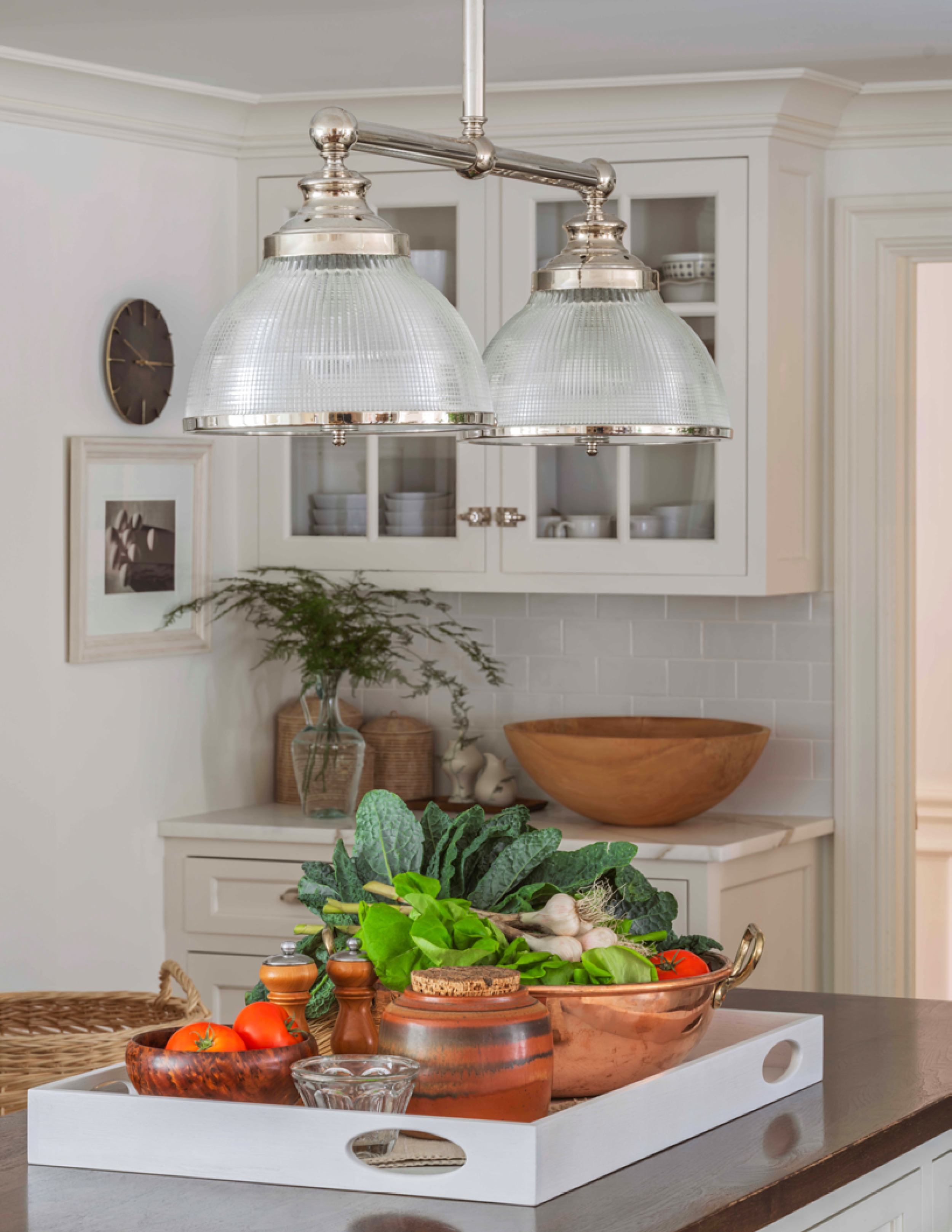
LS: Throughout my design career, the conversation around materials has largely centered on beauty, craftsmanship, quality and durability. Those things still matter enormously. But today we’re asking another set of questions.
What’s actually in these materials? How are they made? What might they introduce into our homes?
We read the ingredient labels on our food and skincare, but how many of us think to ask what’s in the paint on our walls or the rugs beneath our feet? And even when we do ask, getting clear information about what these products contain and what they may release into our homes can still be surprisingly difficult.
Material transparency is one of the most pressing issues facing the design industry, and designers have an important role in moving that conversation forward. That’s why I wanted to participate. A celebration of 100 years of design felt like exactly the right moment to consider what we should expect from the next century.
AM: What are three things we should look for in our homes to bring wellness into them?
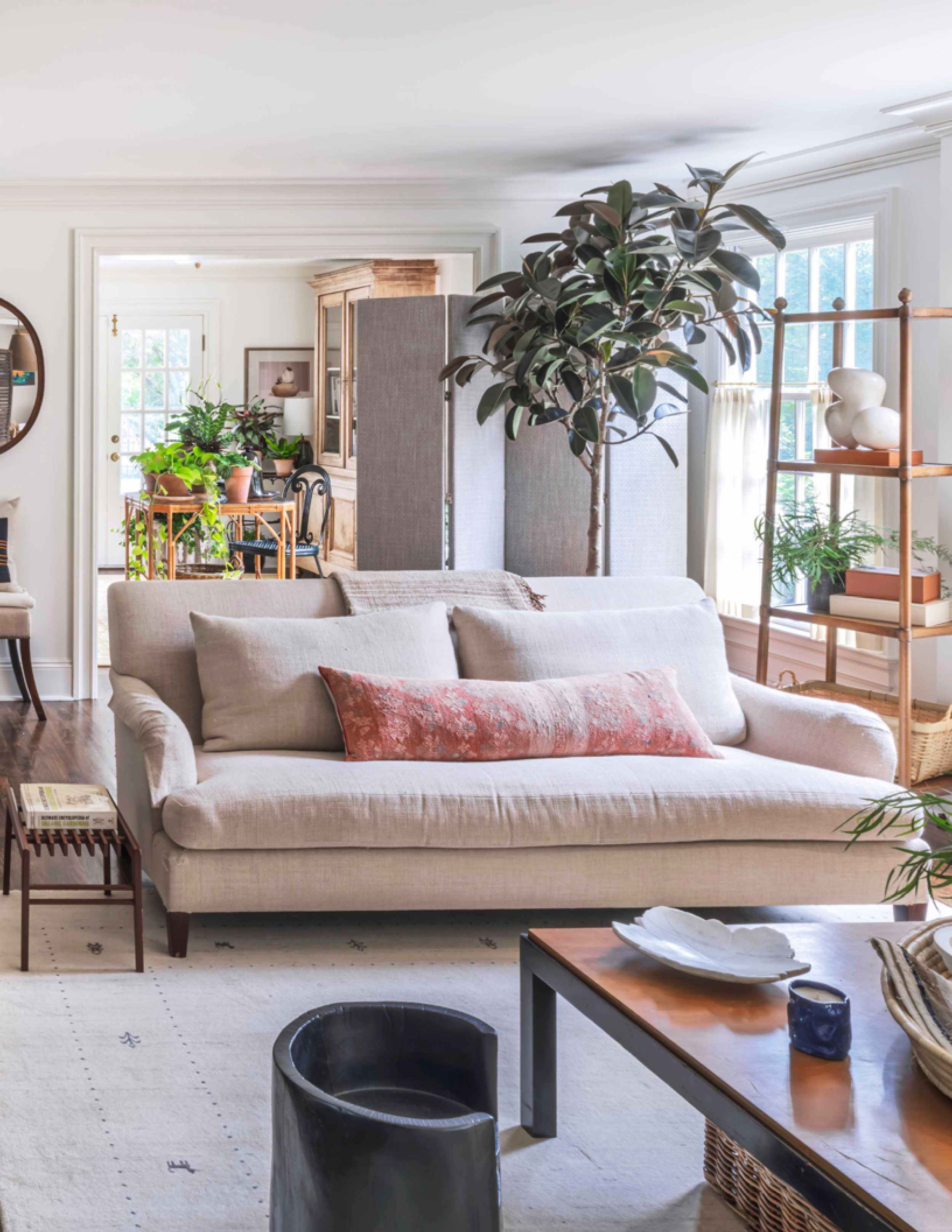
LS: Start with what you bring into your home. The cleaning products we use, the candles we burn and the furniture we buy can all affect indoor air quality. Choose fragrance-free cleaning products when possible, be mindful of scented candles and air fresheners, and look for furnishings with credible low-emissions certifications such as GREENGUARD Gold. One of the best ways to improve indoor air quality is to reduce pollutants before they enter your home.
Pay attention to the air you breathe. Good ventilation, effective filtration and managing indoor humidity are fundamental to a healthy home. Something as simple as opening your windows for a few minutes each day, when outdoor air quality is good, can help bring in fresh air. If you’re renovating, it’s also an opportunity to consider how your home’s ventilation and filtration systems can better support indoor air quality.
Think about your bedroom as a place of recovery. Sleep is one of the most important periods of restoration for our bodies and brains, and the conditions we create in our bedrooms can influence how well that recovery happens. Start with light, one of the strongest signals regulating our internal clocks. Seek natural daylight in the morning, reduce bright artificial light in the evening and make your bedroom as dark as possible at night.
Consider what you’re sleeping on, too. We spend hours every night in close contact with our mattresses and bedding, often with these materials directly against our skin. That’s why what they’re made of matters. Look for mattresses made with natural materials such as organic cotton, wool and natural latex, and seek out independent certifications such as GOTS and GOLS. For bedding, I prefer natural, minimally treated fibers such as cotton, linen and wool, with certifications such as GOTS or OEKO-TEX STANDARD 100.
AM: Are there any trends in the wellness space for our homes that we should know about?
LS: Longevity is becoming an important part of residential design. For years, wellness in residential developments was largely associated with gyms, spas and fitness facilities. Now the conversation is expanding to how the home itself can support our health as we age.
Indoor environmental monitoring is another exciting development. Simple devices can now measure air pollution, carbon dioxide and humidity in our homes. Researchers are developing tools that could eventually identify specific pollutants and potentially even airborne pathogens. Imagine knowing not just that there’s a problem with your indoor air, but what’s causing it and how to address it.
I’m particularly interested in neuroaesthetics, an emerging field exploring how our surroundings influence the brain and emotional wellbeing. We’re learning more about how light, color, sound, texture and nature relate to stress, attention and how we feel. It’s opening up new possibilities for designing spaces that support both our physical and emotional health.
There’s also a growing interest in what I’d call anti-optimization, a response to the pressure to constantly track, measure and improve every aspect of our health. People are beginning to question whether doing more always means living better, and there’s a renewed appreciation for simpler ways of living.
I think there’s room for both. We can embrace advances that help us create healthier homes while returning to practices we’ve known for generations, like opening windows for fresh air, making the most of natural daylight and spending time outdoors. Ultimately, the best innovations are the ones that make our homes healthier without asking us to think about our health every moment we’re in them.
AM: What is the most important thing the Athleisure Mag community should know when looking to optimize the wellness elements of their spaces?
LS: We need to expand how we think about health, wellbeing and longevity. We’re paying more attention than ever to living longer and healthier lives, but far less attention to the homes shaping our health throughout those years.
Creating a healthier home doesn’t have to mean another routine to manage or a complete renovation. It begins with thoughtful decisions about the conditions we live with every day, from the air we breathe and the materials we choose to the environment we create for rest and recovery.
We’re learning so much about what supports human health. It’s time to bring that knowledge home.
IG @wllw.eco
PHOTOGRAPHY COURTESY | PG 202 Jessie English | PG 205 - 209 Eric Laignal
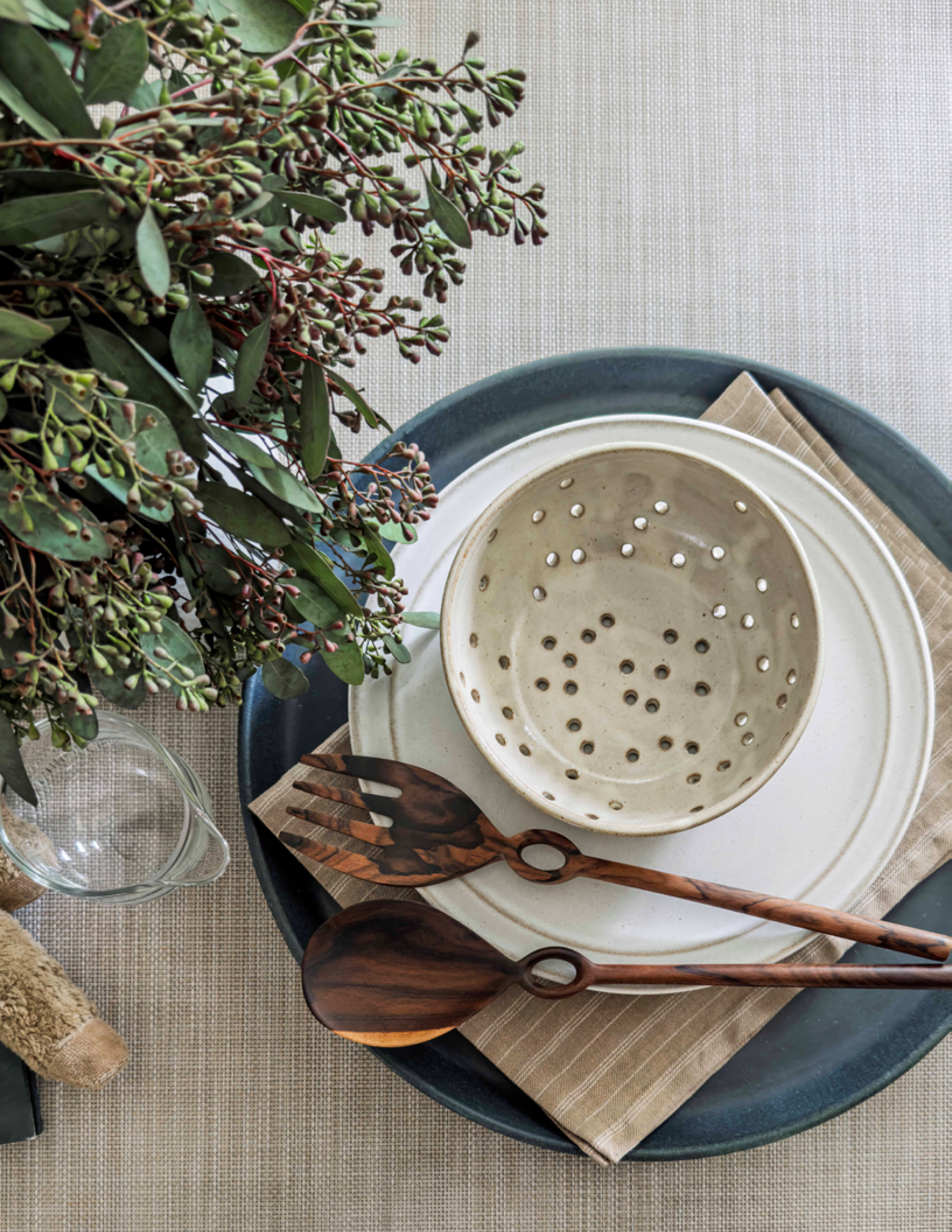
Read the OCT ISSUE #130 of Athleisure Mag and see WELLNESS FOR YOUR INTERIORS | Lisa Sternfeld in mag.