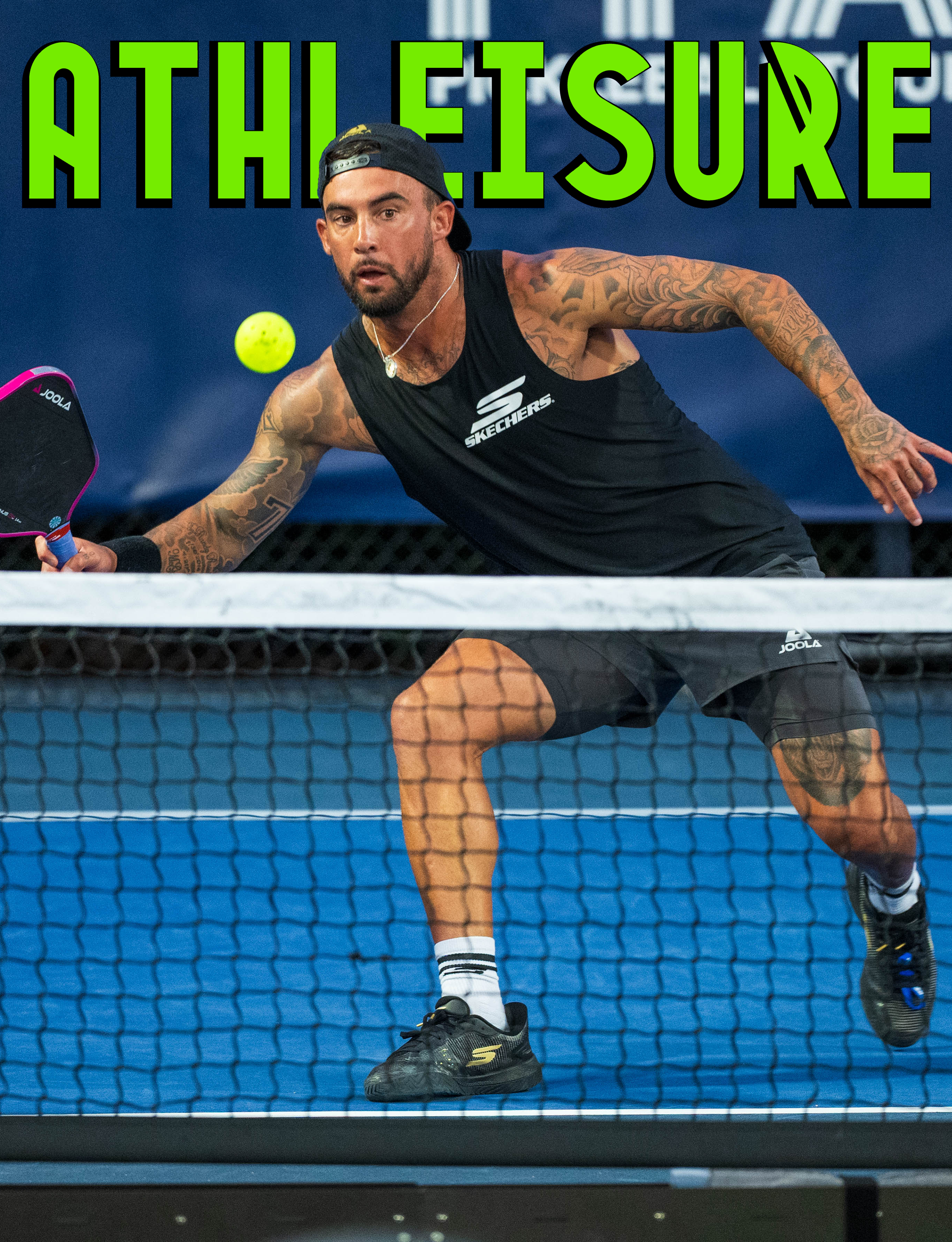
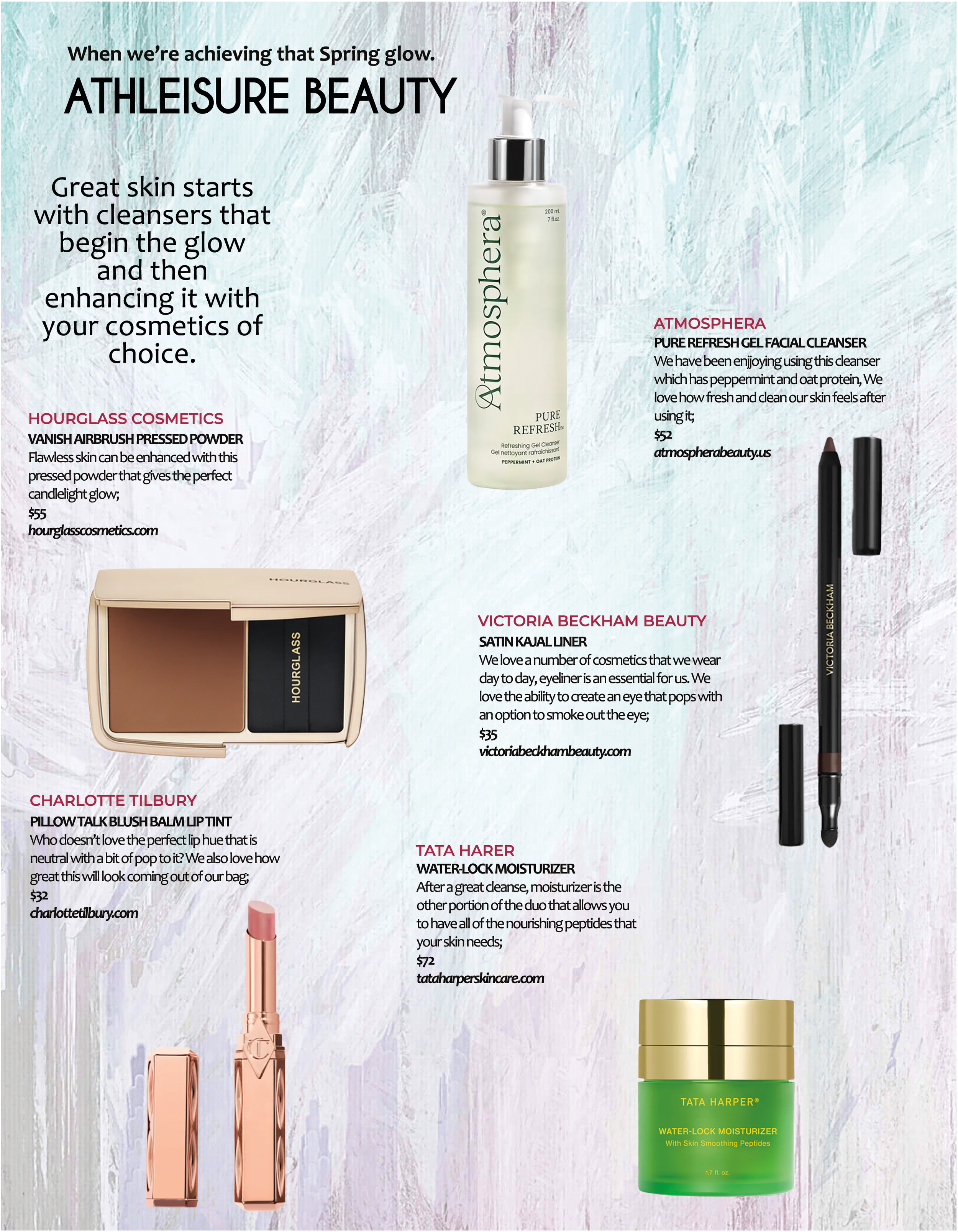
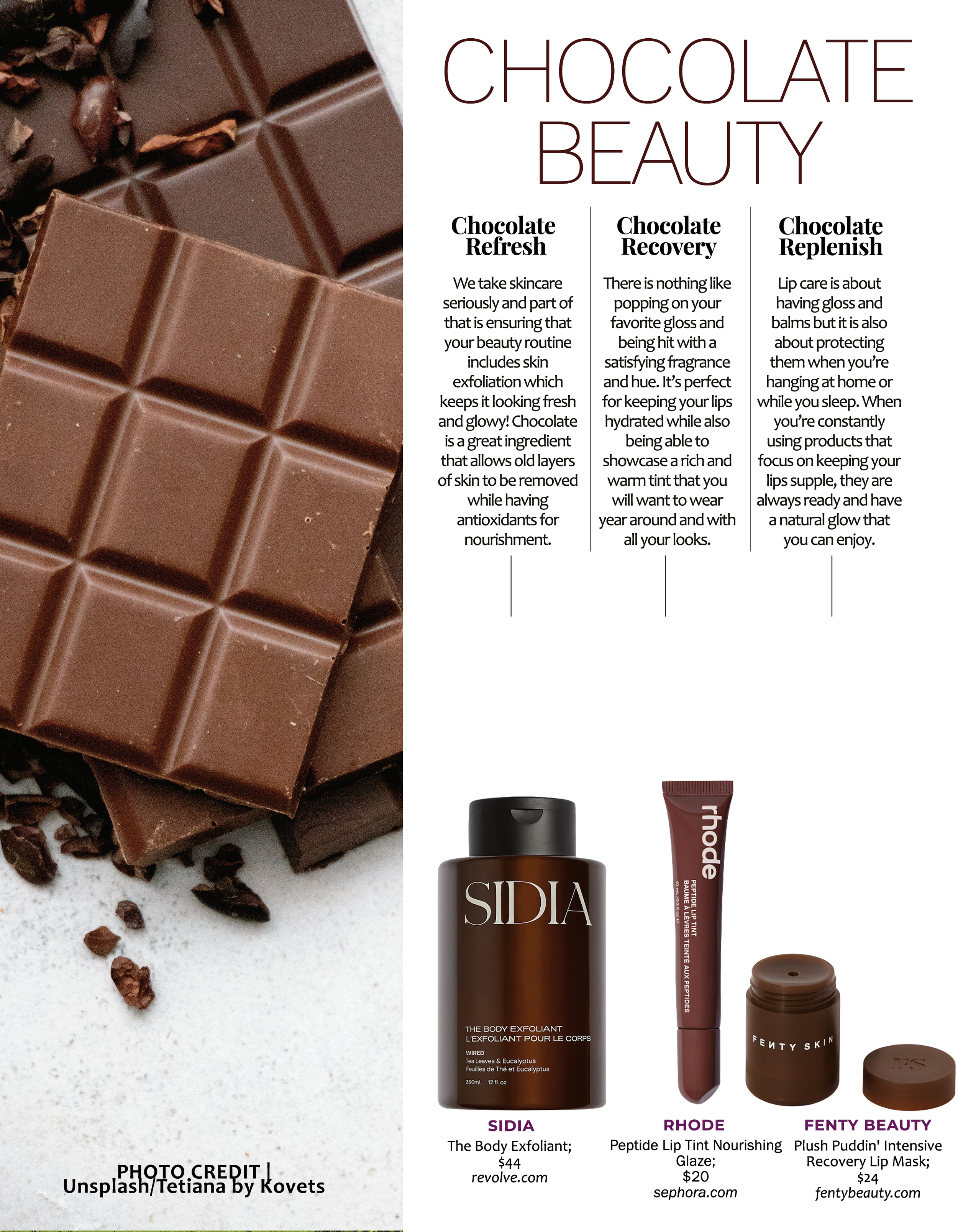
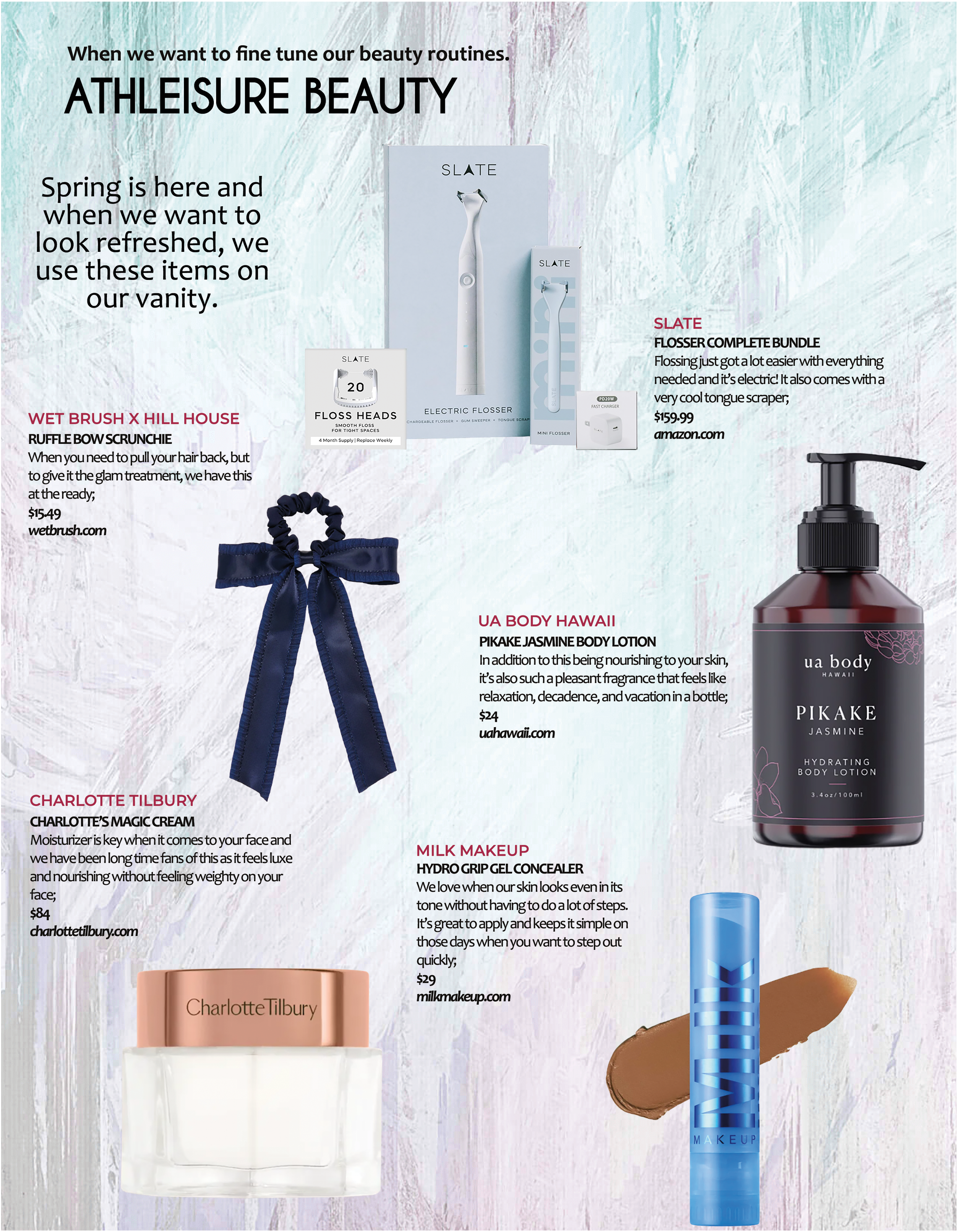
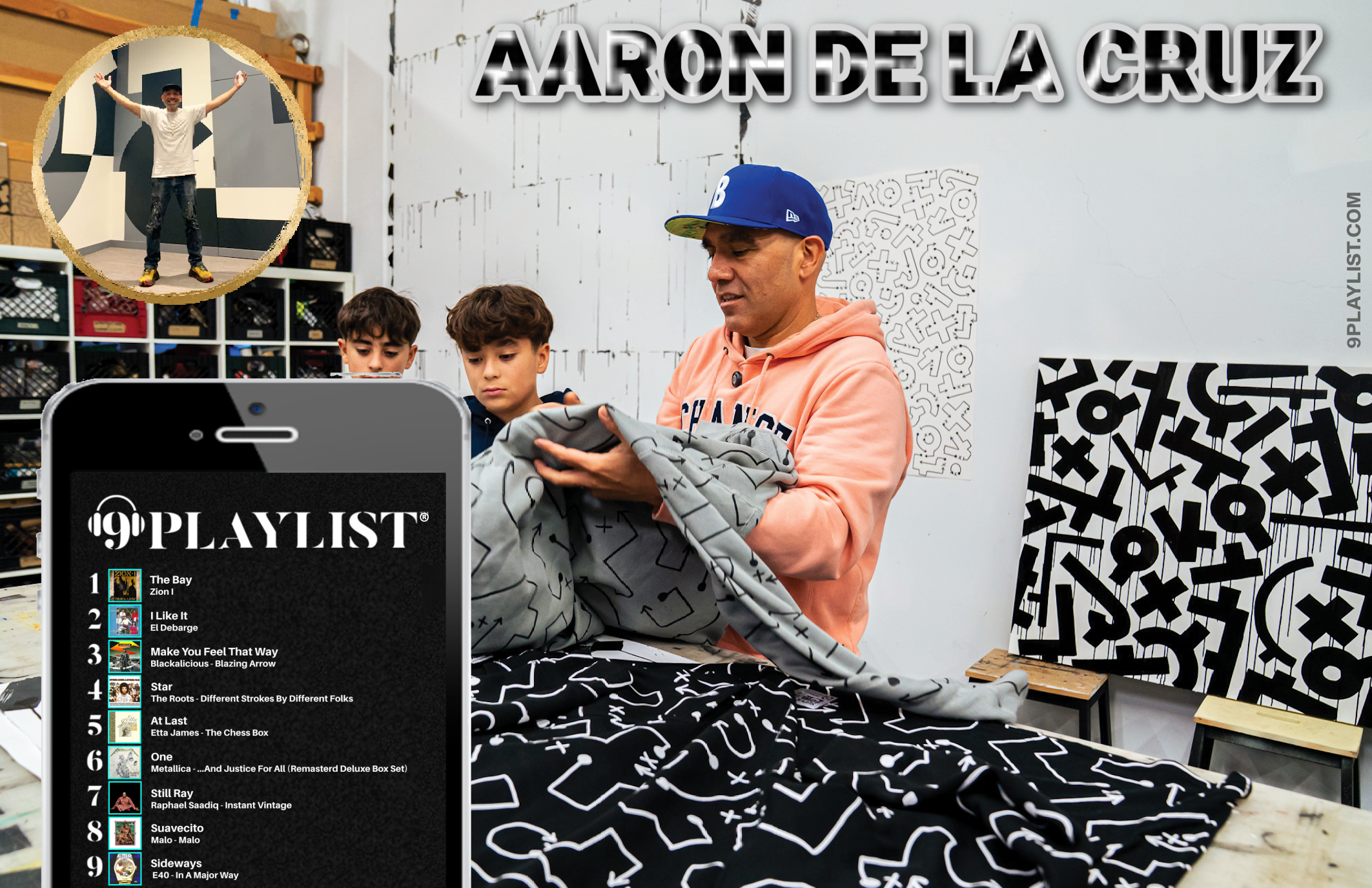
Read the Sep Issue #57 of Athleisure Mag and see 9PLAYLIST | Post Malone in mag.
Featured 9PLAYLIST










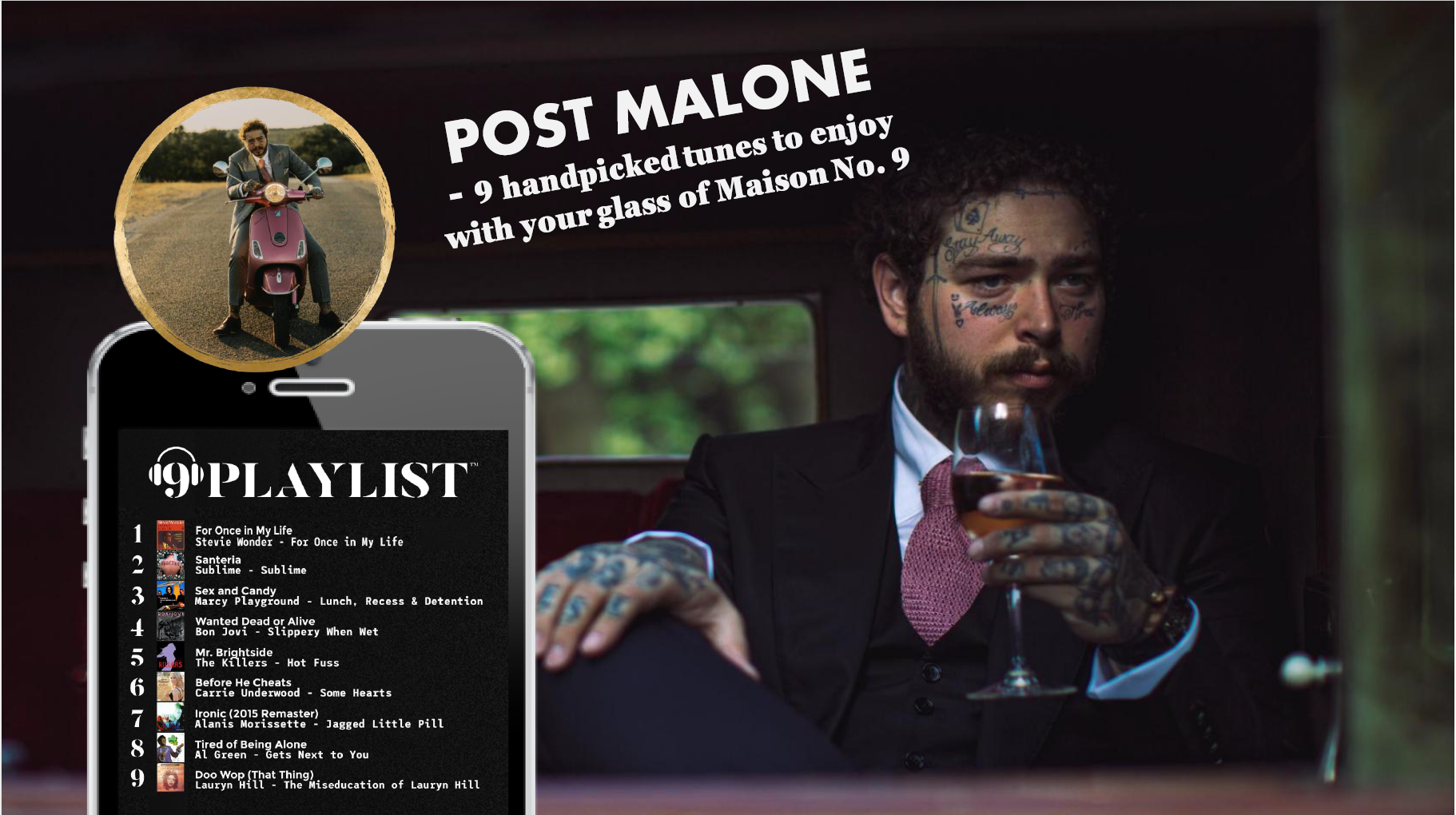
Read the Sep Issue #57 of Athleisure Mag and see 9PLAYLIST | Post Malone in mag.

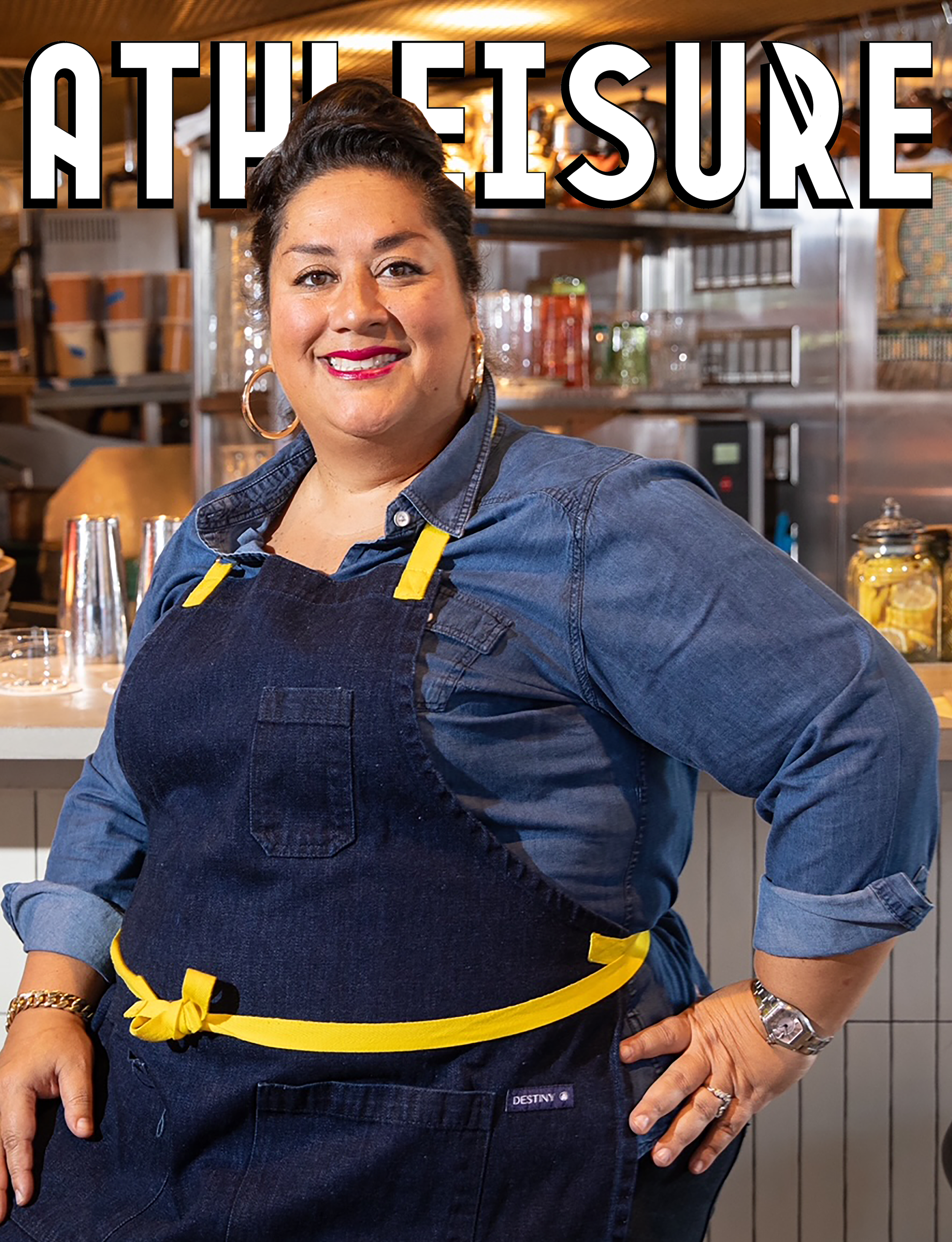
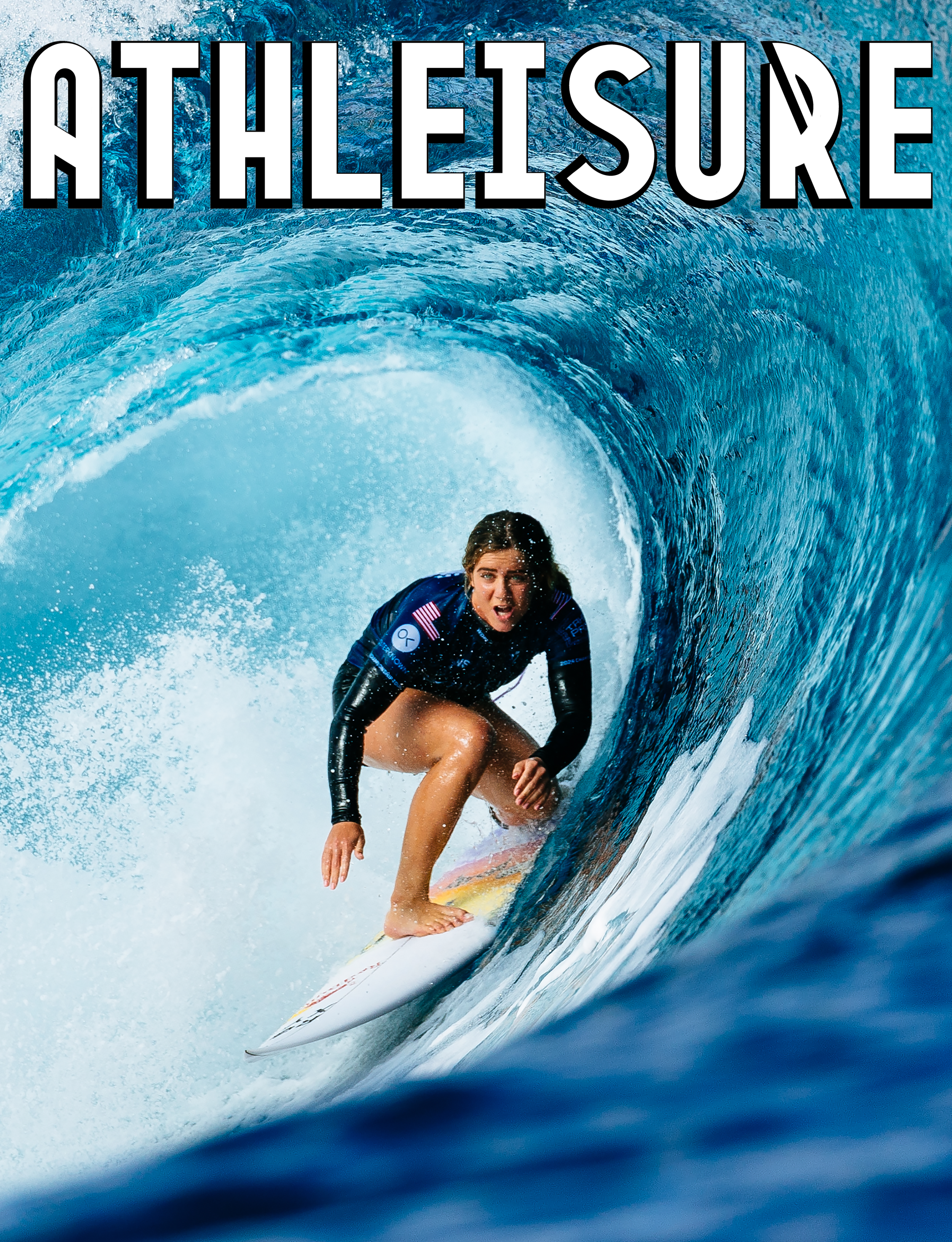
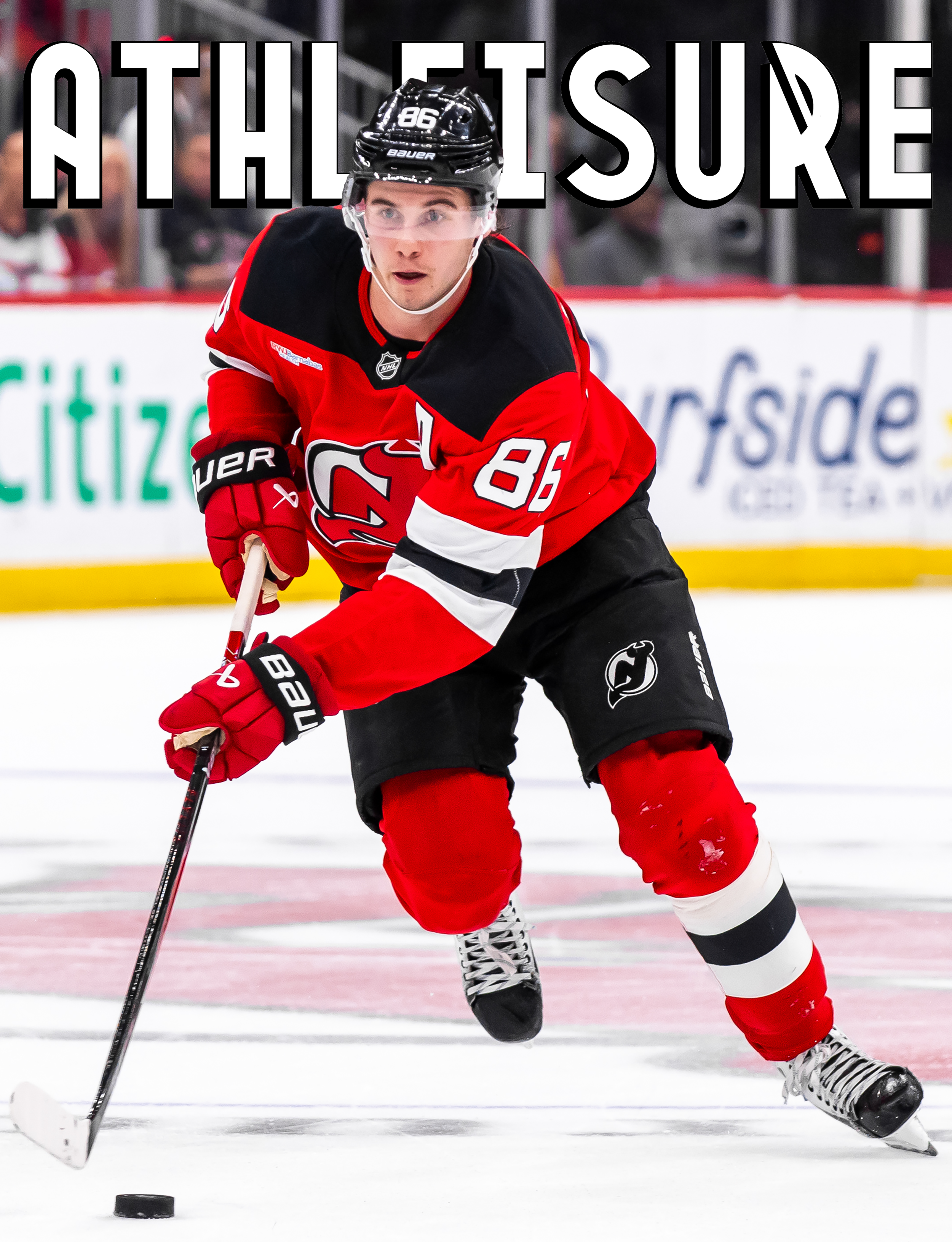
In this month’s issue as we all transition into the fall, our Sept Issue #57 is covered by Kal Penn who is the Co-Executive Producer and the Host of FreeForm’s Kal Penn Approves this Message. He talks about his nonpartisan show which focuses on the issues that we need to know before heading to cast our vote. We take a moment and talk to Hawaiian Surfing Dynasty Coco Ho about being a Pro Surfer, her World Surf League competition and how she is building her empire inside and outside of the sport. This month, we had a virtual shoot with STARZ Power Book II: Ghost, Gianni Paolo to showcase fun fall menswear as well as to talk about his career as a professional hockey player, transitioning into acting, being in the cast of Ma and his success in Power as well as being in the lead cast of Ghost. We chatted with fitness icon, Jillian Michaels who shares her new app, the importance of staying focused on your fitness goals and more. We also talked with Suzanne Somers who created the iconic character Chrissy Snow of Three’s Company that we know today, took a walk down television history and learned why the fitness and wellness industry is so important to her.
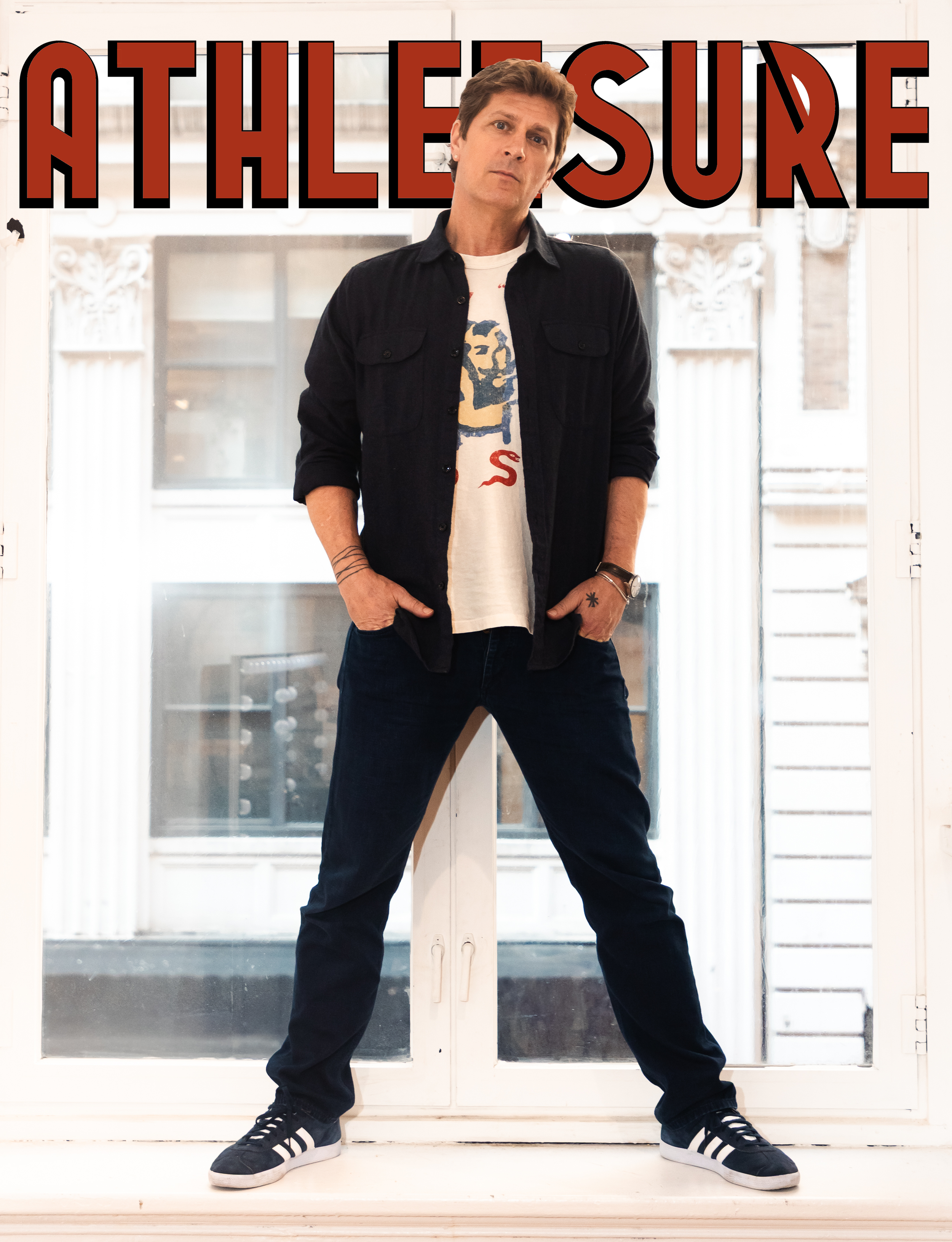
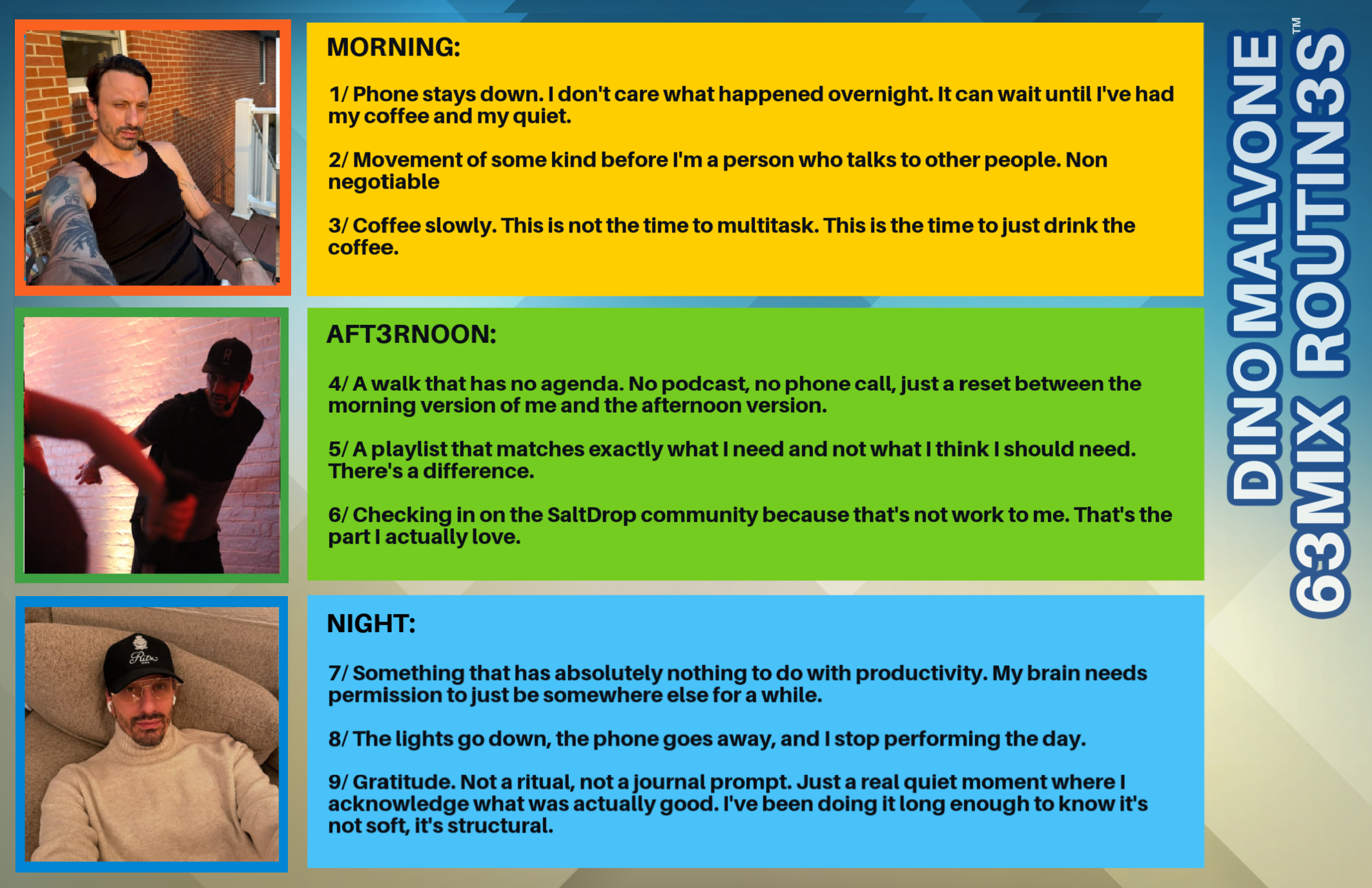
This month, Post Malone shares 9 songs that we should listen to in this month’s 9PLAYLIST while we enjoy his wine, Maison No. 9. MLB HOF Mets veteran Mike Piazza shares his favorites and why in our 9LIST STORI3S.
Read the Sep Issue #57 of Athleisure Mag.
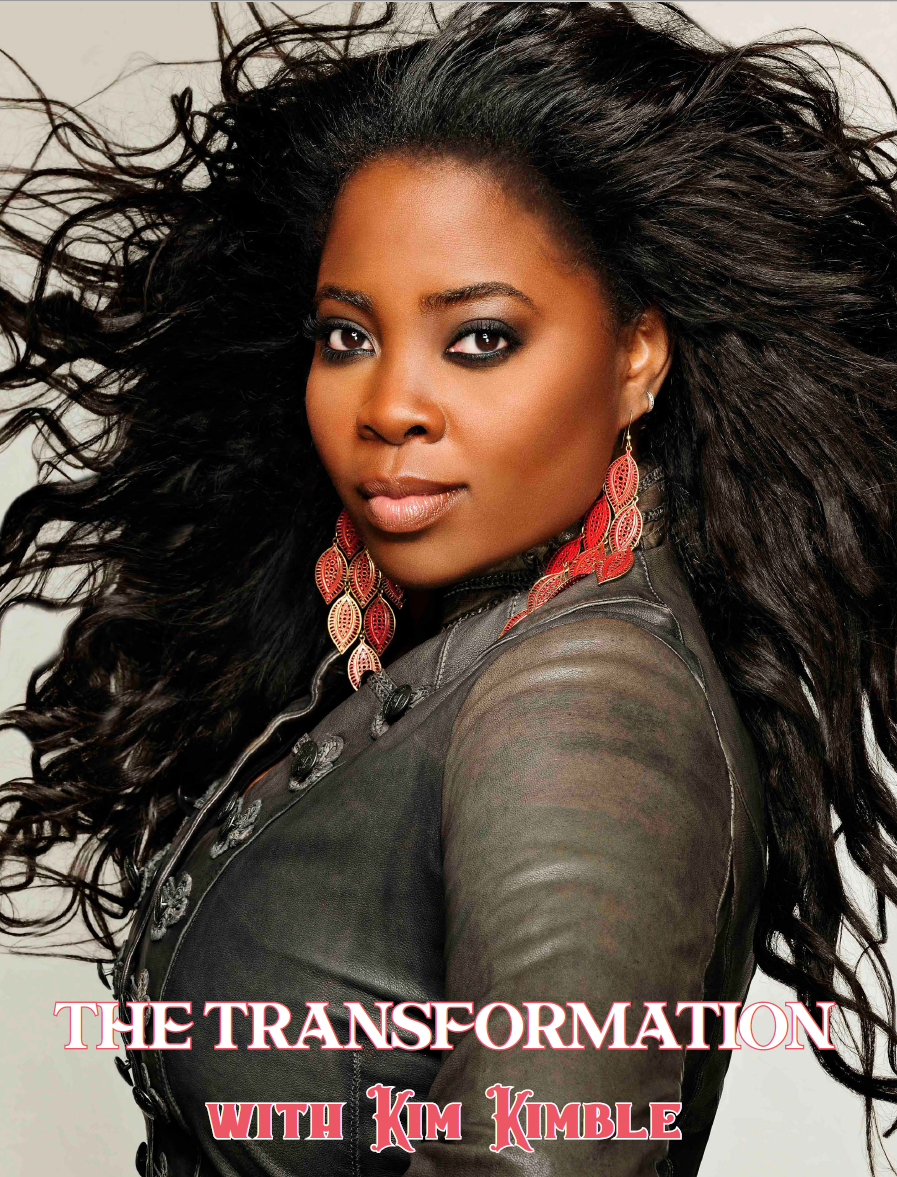
When it comes to creating dynamic hair in film, TV, photoshoots, videos, red carpets (Met Gala, Oscars, etc.), Coachella and cover editorials (Vogue, Vanity Fair, etc.), Kim Kimble is a known name in the industry. Her level of creativity and transforming her clients to another level has been seen on Beyoncé, Shakira, Mary J. Blige, Zendaya and Kelly Rowland to name a few. This 3rd generation hair stylist has grown her brand to include a full line of products from wigs, extensions and hair care. For 5 seasons, she shared the business of hair from her salon, team and her celeb clients on WE TV's L.A. Hair. In addition, she continues to challenge herself as she takes on projects that showcase that her there are no bounds to her vision of dominating the industry that she loves so much.
ATHLEISURE MAG: What was the moment that you realized that you wanted to be a hairstylist?
KIM KIMBLE: Well in all honesty, I’m a 3rd generation hairstylist so my mother and my grandmother also did hair. I was around it all my life; however, I wasn’t convinced that I would do it forever. I would do hair, work my way – after I got my license, I worked on hair as I made my way through fashion school as I wanted to be a fashion designer. That was my dream at the time. In all honesty, once I started doing hair, one day I realized that I love the challenge of it. I saw you could do more than just stand behind a chair. Early on – they called it Platform Artists Hair Stylists, there were hair shows and I could see that there was more then just doing this. Once I saw the transformation of my clients in my chair, when they would get out of my chair – that’s where my slogan, ‘Great Hair Equals Confidence,” came from as I saw the change in my clients when they would get out of the chair and how they would transform. I would see it later when I would work my celebrity clients and they would get on stage and how they would become a whole other person.
That gave me a lot of purpose and even with creating products and things like that, seeing the change and how it could make a difference in a person’s life – there is something about that that fulfills me. So I was like, I’m sticking with hair and gave up fashion.
AM: What was the project that made you realize that you had made it?
KK: Oh wow. I mean when I did BAPS, that was my first movie and that was pretty great for me. I had so many milestones in my career. But I think that once I started working with Beyoncé and I saw respect. I started getting so many different people reaching out to work with me. I started seeing the change of being accepted for different magazines and being able to do different covers. Then I knew that the career was really taking off and was onto something special. You know, I was able to transform my career and I saw a change. One day, you’re doing your thing and then the next day you’re like the most sought after hairstylist in the world because of one client. I got to experience that. I was doing celebrities before I met her and I was doing film before I met her. How I met her was through film, but in all honesty, I really took off and everything changed. When her career started taking off as a solo artist as her career was huge with Destiny’s Child, it was her solo career when I started working with her and everything changed.
AM: What does it mean to be Kimbleized?
KK: Well Kimbleized, the phrase came from one day when I was on WE TV’s L.A. Hair, my reality show. I mentioned it in a confessional that she has now been Kimbleized. It means that she has been touched by the Kimble, her hair has been certified by Kim Kimble and transformed by Kim Kimble in the Kim Kimble style and in the Kim Kimble way. I said it one day in an interview and then they put these chimes behind it and I was like, “yes” and I had an epiphany and I said, “everyone is going to be Kimbleized.” When I have finished someone’s hair I will tell them, “you have just been Kimbleized.” It’s also because when I’m with my clients, I spoil them so well when they get their hair done that they don’t want to go to anybody else. Your life has been changed and you want Kim Kimble to do your hair. It’s a whole thing.
AM: In talking about your show, it was one of the first ones that I knew of that incorporated your whole team, having the nail artists that was there and showing the culture of getting your look put together. What was the confluence that happened that made you think that you wanted to do a show?
KK: In all honesty, I’m a creative person. I used to produce hair shows and events like that. So I had the producer/creative bug in me. I had been trying to create these shows for a minute but I hadn’t been successful. I wasn’t really trying to do one surrounding me and my squad. That’s not what I was pitching. Then I gave up because I hadn’t had any luck doing that and I didn’t get picked up. It happens a lot. You go out there, you pitch, sometimes you’re hot and sometimes you’re not. I stopped pitching, gave up, said forget it and then a producer reached out to me and asked if I would be interested in coming in and having a show that was about me and my team. They knew there was someone who was looking for something like that. I said, “yeah ok, whatever.” I didn’t think that it would happen. At first I was a little nervous about doing something like that because I know how dramatic the salon, stylists and artists are. But you know that that’s what the shows look for, but I didn’t know if I wanted to put my business or brand in a situation that would affect me. I know that I had seen some of the shows and there was a little negativity there and I’m a control freak. I wanted to be in control of my brand and what I did. I didn’t want to put my brand in the hands of just anybody.
With the shows, those contracts are real serious. I didn’t even get to go on the pitches, I didn’t know who they pitched or what they did. All I know is that I was on a show called Let’s Stay Together on BET in Atlanta and I get a call and they say, “guess what? Your show has been picked up by WE TV.” I was like, “what?” It happened so fast that I didn’t even get a chance to think about it. I’m like that, I will just jump in feet first and just see what happens. I jumped into it. Was I nervous? Yes. I worked on TV and films, but I hadn’t worked on any reality shows. I didn’t know what that was like. I did a lot of television in terms of makeovers and interviews so I had done some things – it helped break me in, but it was a completely different thing.
The day the cameras came into the salon, I was like, “oh my God, what have I just done?” I didn’t know anything about this and it ended up working out just fine. I would do it again. It was dramatic, 5 seasons, but I was very proud of what we did. It was dramatic in front of and behind the camera, but I would do it again in a heartbeat. A lot of people really admired and loved the show. Every time I’m on my social media, I’m asked if L.A. Hair is coming back, what am I doing, will there be another show etc. They don’t realize that I’m a hair stylist first and not a television personality first. My day job is always working with clients. So when you saw that on the show, a lot of that stuff was real jobs that I had done and they allowed us to bring a camera. Sometimes it would be stuff that we would create for opportunities, but a lot of them were people that I had worked with. Some of them were people that I had not worked with and it was my first time working with them. It was important for me to show what we really do. The realness, running a business and a lot of people underestimate entrepreneurship which is interesting for women and especially women of color. There are a lot of women entrepreneurs and a lot of times in shows they may think that people want to see the drama, but they also want to know about running a business. It was important for me to share a lot of the things that were going on in the business, things that I did on set and that’s why people liked it – it was the real deal.


There was a little drama here and there and I would have people call me and say that they were going through the same thing at their salon. People can relate because everyone knows this is what salons bring and that’s why I was nervous because I knew that we were about to look real crazy on there. I’ll be honest with you, I’m not ashamed of any of it. I think it was a great opportunity and I know a lot of people have a lot of bad things to say about reality TV, but I will be honest with you. I don’t put anything out there that I don’t want out there! If I don’t want it out there, I don’t do it. What TV does is bring out who you are. It really brings it out whether you want it to or not. I will put that out there that if you want to do reality TV, then be careful because who you are will come out. A couple of times I got heated, but that’s real though. You can’t blame anybody who is focused on their business or their brand. I’m not afraid to let people know that I am territorial when it comes to taking care of my clients and I don’t want people taking advantage of me. I’m a business woman and I enjoyed it. I hope to get another chance as we’re looking at other opportunities which will be a little different. I don’t know if we’ll do L.A. Hair again because the times have changed and that’s been done – so I don’t know if we will do that again.
AM: You have created iconic looks and just recently with Beyoncé’s Black is King video with the 30ft braids. How do you come up with your concepts and what is that process like?
KK: This particular process was interesting. When we work together, we create boards and on this one, we started with Africa early on when she was doing Lemonade. I felt that natural hair was wear we wanted to go, her weave was more natural textures. We looked at the beauty of Africa and I was looking at women. I keep referring to Lemonade and going back there because that whole concept was about women early on before we had relaxers and that kind of stuff. We started with a lot of different African inspirations for hair. When she did Black is King, it was more about Africa and with The Lion King – what it would be like and discovering the beauty of Blackness. That’s what was amazing about that project. There were a couple of things that I had worked on for some of her videos. She has a creative director team and we were talking about a 30ft braid that needed to be long so that it could wrap around the body. Of course, that didn’t happen, but the wig was made and I have an amazing team of braiders that have worked with me on many projects. I dream up something and we get together and it’s like a lab. We test it out, do a couple of samples to see how it works and then it becomes something that we execute. When Beyoncé dreams something and says she wants this or that, we just create it – that’s what we do. That’s why I like working with her. It’s a lot of fun, it’s creative and I like to be challenged. Those challenges can be something crazy like a 30ft braid, Ivy Park beads in my braid – but you get with the team and we make it and we made history.
When I worked with Nicki Minaj, she had been wearing long hair and I wanted to do pink braids because she likes pink. I got together with the team and I said, “hey let’s do pink braids to the floor.” We broke the internet. I have been blessed to have great opportunities that are allowed by artists who create. I’m just an out there person when it comes to this and I like it!
AM: In addition to your great talent and custom work, you also have a line of products and hair as well. How important was it to you to bring this to market to round out your empire?
KK: This is the thing. With the celebrities that I work with, a lot of people want the same celebrity look and they want to know what you use and how to use it for that same look. A lot of the items were created to fit the needs of my clients. A lot of my clients are the inspiration behind these types of products. I started creating them to fit the mood of my customers.
In about a week or so, I am launching a line for Sally Beauty for natural hair. I’m excited about it, it’s an amazing line. I did it because on L.A. Hair people would message me on social and they would ask me what they could do to put on their natural hair. I have natural hair and creating great products, it’s so hard to find the right curl mixture. So we create those products because we need these items that work well in our hair. Sometimes they’re too greasy or they’re good with the hydration but they don’t quite get the style right. You have a lot of people that create lines, but they’re not hair stylists that have been doing hair for so many years. They don’t understand how hair works and what kinds of products are best suited for the hair. It’s another part of the creative process and it’s something that I like to be able to do.
AM: What are the other projects that you have on the horizon that we should know about as you’re always doing something.
KK: I’ve been doing a lot of consultations with clients online which has been a lot of fun actually! I can help them through this whole time to get their hair together for color, extensions and wigs. I’m creating a line of wigs which I am launching for HSN and I just told you about the products launching at Sally Beauty. A lot of people don’t know that we also do hair tools and there can be movie and TV shows that I’m working on coming up. I created a digital TV show on my own. You’ll be hearing about it soon. It’s not ready just yet we’re shooting it now but keep an eye out. It’s really great because it’s fun. You know Kim Kimble is always doing something even in the middle of a pandemic child!
AM: Honestly, if you’re able to do so. The pandemic has been a great time to launch, refine, pivot and deploy. People are a little more accessible at the moment.
KK: Exactly.
AM: We always like asking our changemakers as you are definitely one and you’re a trailblazer and being Ms Transformer, who are 3 people that inspire you to be where you are in your career?
KK: That’s easy. Madame CJ Walker, Jas On and my mom. Those are the people that inspire me.
PHOTOS COURTESY | Kim Kimble

Hear Celebrity Hair Stylist Kim Kimble on our show, #TRIBEGOALS - which is a part of Athleisure Studio, our multi-media podcast network! Make sure to subscribe to find out when the episode drops. You can hear it on Spotify, Apple Podcasts, Google Podcasts and wherever you enjoy listening to your favorite podcast.


Read the Aug Issue of Athleisure Mag #56 and see The Transformation with Kim Kimble in mag.

We're excited that we're in the midst of the playoffs for the NBA season, whether your team is playing or you're just happy to have basketball back on TV! Even though we're socially distancing, it's a way for us to feel like we're together. We caught up with Miami Heat, Chicago Bulls and Cleveland Cavaliers veteran, 3 X NBA Champion Dwyane Wade who is also commentating the games for TNT in 'Inside the NBA'. In addition to number of projects that he is working on, Dwyane is the Co-Founder of Budweiser Zero which is a non-alcohol alternative to enjoying a beer solo, with friends or after a great workout.
ATHLEISURE MAG: Prior to the launch of Budweiser Zero, tell us about your initial work with Budweiser and your synergy with the brand?
DWYANE WADE: I started working with Budweiser a little over a year ago when they did the “This Buds For 3” film for my retirement. Most recently, I was part of the Whassup reboot that came out a few months ago with DJ D-Nice, Chris Bosh, Candace Parker and my wife, Gabrielle Union, focusing on checking in on your friends when COVID first hit. I’ve always respected what Budweiser has built and their continued work with athletes. Entering the non-alcoholic market has always been of interest to me and this project seemed like a natural progression of my relationship with Budweiser.
AM: There has been a rise in the beverage industry for zero alcohol beers. Why is this important for those that are athletes or are focused on their fitness endeavors to have this as an option for their celebratory moments?
DW: The non-alcohol category of beer is rapidly growing and with Budweiser Zero, we are able to bring some familiarity into the category. Budweiser’s brewing heritage alone helps redefine pre-existing expectations and associations with non-alcoholic options.
Oftentimes, people feel like they are giving something up with a non-alcoholic option, but we are trying to change that perception and create more opportunities to celebrate life’s moments, both big and small. A focus for me when helping to develop the product was thinking about the athlete’s experiences during the season. Being in the game for so long, I can understand the need for a drink option that lets a player stay on their game but still enjoy social moments and celebrations.
AM: You are the Co-Founder of Budweiser Zero, what drew you to being involved in this and to take on such a role with the brand?
DW: It’s important for me to work with brands who have similar values and priorities that I want to accomplish. When I sat down with Budweiser to start talking about what Budweiser Zero would become, the synergy was there and felt like a great use for my platform, post-basketball.
AM: What can we expect to see for roll out of this launch and how will you be involved?
DW: Budweiser Zero started rolling out in the US in March, but officially launched at the end of July, and will soon be available in Canada and the UK. Budweiser Zero will play a huge role in the sports world, for both athletes and fans. Athletes who are in training or in season, but still want that classic, refreshing beer flavor without compromising their game now have that option. Once fans are able to return to stadiums, Budweiser Zero will become the beer of the ninth inning and fourth quarter. While alcoholic beverages can’t be served at this time, fans can continue to enjoy Budweiser Zero till the last moment of the game. Beyond athletes, I think this product will resonate with consumers looking to cut back on sugar or alcohol and those looking to participate in social occasions without feeling the effects the next morning.
Budweiser and I worked together on this from the start to bring Budweiser Zero to life and I’ll also be sharing the beverage with my friends currently playing in The Bubble.
AM: Tell us about Budweiser Zero as well as elements that you had a direct impact on in terms of bringing the product to market.
DW: Budweiser Zero is Budweiser’s first zero-alcohol product with zero-sugar and only 50 calories. Budweiser Zero is light and crisp and has the same refreshing full-flavored taste people know from Budweiser. I worked with Budweiser from the inception of the idea and helped design the attributes and packaging of the product.
IG @DwyaneWade
PHOTO COURTESY | Budweiser Zero
Read the Aug Issue of Athleisure Mag #56 and read Zeroing in with Dwyane Wade in mag.
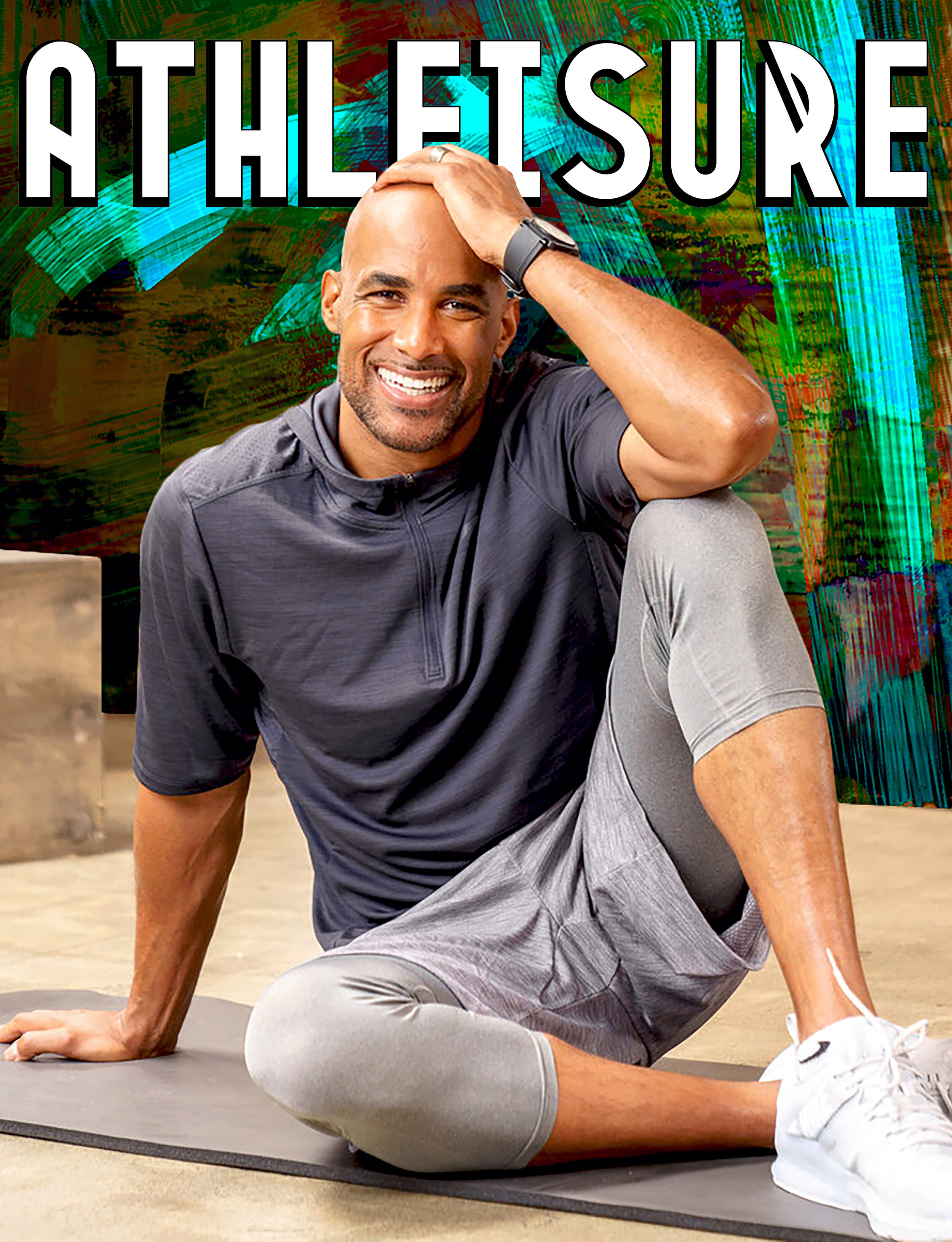
This month’s cover and back cover is ABC’s Station 19, Boris Kodjoe. Our cover shoot editorial – Living with Purpose, talks about Boris’ career, how he came into acting, preparing to shoot the upcoming season of Station 19, the importance of using your platform to raise issues regarding safety in these times as well as social justice, his fitness brand KoFit and more. This interview will also be in an upcoming #TRIBEGOALS podcast episode. We also have an interview with Celebrity Fitness Trainer Gunnar Peterson as we talk about working out from home, how he advises his clients to maintain his workouts, how he worked with the Lakers to ensure the safety and continued training of the team heading to the bubble and his thoughts on gym and studio openings. His interview will also be on an upcoming episode of #TRIBEGOALS. We check in with 3 X NBA Champion Dwyane Wade who is the Co-Founder of Budweiser Zero a non-alcoholic beverage. He talks about his work with the brand, importance of this category and more. We caught up with Celebrity Hair Stylist to a number of our faves from Beyonce, Shakira, Kelly Rowland and Mary J. Blige. We found out what Kim Kimble has been up to with a number of her projects including her hair care brand, her salons, TV opportunities and more. You can hear her episode on an upcoming #TRIBEGOALS. We also found out more about tea, how it benefits our bodies, the importance of having a ritual with the founder of Art of Tea, Steve Schwartz. You can hear his episode on an upcoming Athleisure Kitchen. We get the intel on how we can maintain our oral care with Dr. Brian Harris who is also the founder of Klen.
Read the Aug Issue #56 of Athleisure Mag here.

Read the July Issue of Athleisure Mag #55 and see 9PLAYLIST in mag.

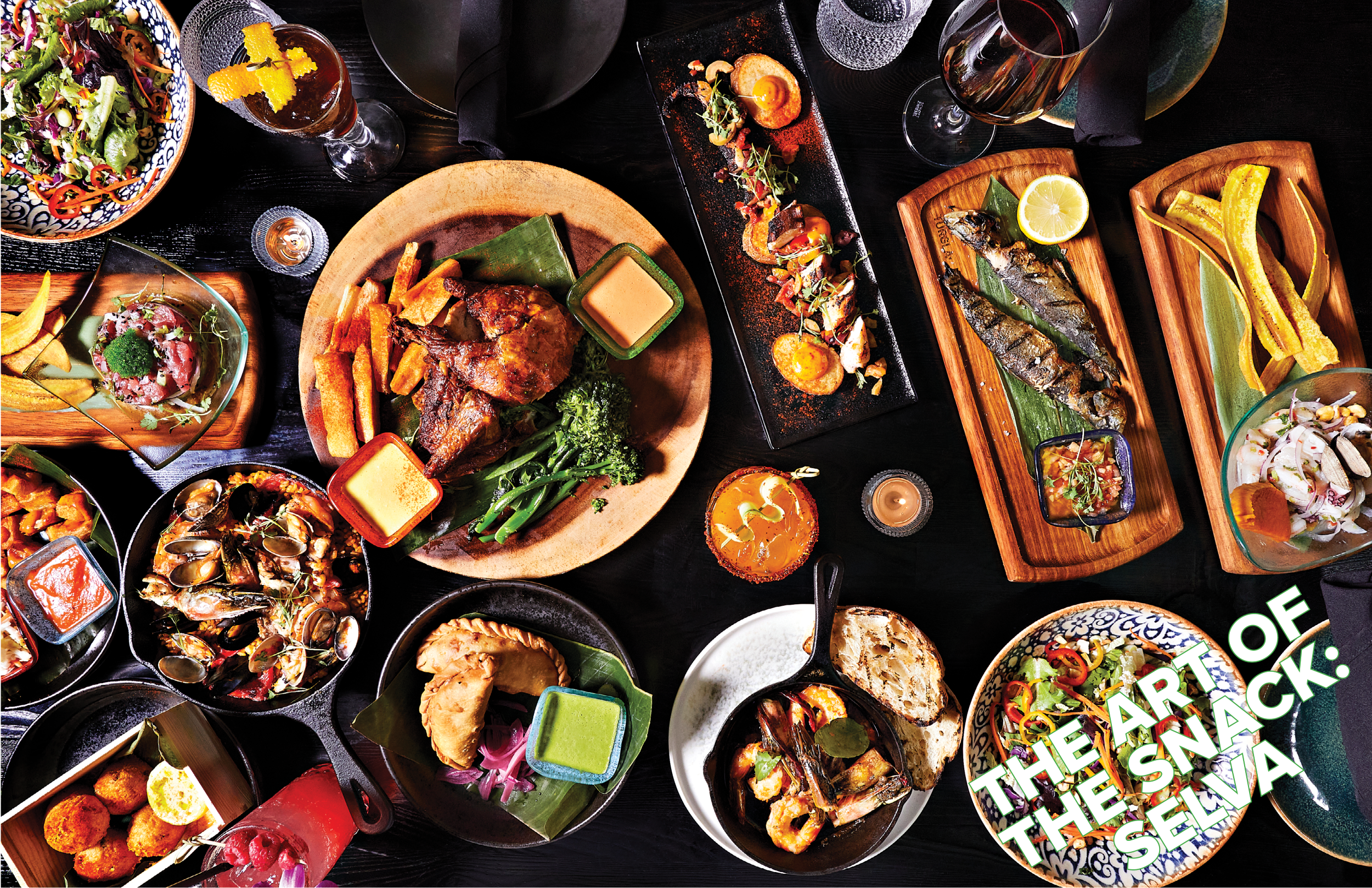
This month's The Art of the Snack takes us to New Orleans to award winning James Beard Foundation, winner, Food & Wine winner and BRAVO's Top Chef Season 11 runner up and Fan Favorite, Chef Nina Compton. This restaurateur is the chef and founder of Bywater American Bistro and Compère Lapin. We caught up with her to talk about her culinary journey, both restaurants, signature dishes and cocktails and a meal that you can recreate at home. We also talk with her about the challenges that she has faced in running this restaurant while navigating COVID-19 that has effected the hospitality industry.
ATHLEISURE MAG: Tell us about your culinary journey and how you came to creating Bywater American Bistro and Compère Lapin?
NINA COMPTON: I grew up in St Lucia and felt the warmth of people coming together over a meal and decided to study at The Culinary Institute of America. Determined to continue learning from the best, I went to work for Daniel Boulud at Restaurant Daniel in New York City. After too many cold winters I decided to move to Miami where I worked under Norman Van Aken and Scott Conant. With the influence of these gifted chefs, I learned technique and flavor combinations that I could use to cook the food I wanted. I participated in Season 11 of Top Chef and was runner up and Fan Favorite. After this experience I decided it was time to open my own restaurant. An opportunity became available in New Orleans and I decided to go for it! I opened Compère Lapin in 2015 and Bywater American Bistro in 2018, all while falling in love with New Orleans, the Caribbean’s “Northernmost City.”

AM: You have a number of accolades including being a James Beard Foundation Best Chef: South 2018 and Food & Wine Best New Chefs 2017 just to name a few. What does receiving these awards mean to you?
NC: These awards mean a lot to me as a reward for keeping my nose down and working hard through the years. It’s kind of surreal to have your name mentioned in the same categories of chefs I’ve respected all of my life as well.
AM: How do you define your style of cooking?
NC: My style of cooking is the result of taking a St. Lucian girl, training her in classical French and Italian cuisine and technique then plopping her in the middle of the farms and seafood and culinary history of New Orleans. It’s a complete mixtape.
AM: As a chef, how is New Orleans infuse your food?
NC: In so many ways: The history of the food and drinks. The camaraderie of the culinary community here. From the corner poboy shop to hundred year-old bastions of Creole fine dining to the great Vietnamese influence, all you have to do is keep your eyes and mouth open.
AM: We loved seeing you in Top Chef on their 11th season. How was it to compete in this show and what lessons did you learn from it?
NC: It was stressful, you could go home any day for a mistake! But it was a nice break from working every day and I enjoyed it very much. When others were high strung, I decided to relax and have fun with it.
AM: Describe a bit about what guests can expect in terms of the menu and the ambiance for Bywater American Bistro and Compère Lapin?
NC: Compère Lapin is a little more refined whereas BABs is more of a neighborhood bistro. Both however are made to make the guest feel comfortable. Our servers wear jeans and rolled up sleeves, but serve you with the tepernets of fine dining. Music and an active bar scene at both places add to the fun and casual yet serious about the food, drink, and service vibe.
AM: What are 3 signature dishes at each of these restaurants?
NC: Compère Lapin: Curried Goat with Sweet Potato Gnocchi, Cold Marinated Shrimp with Jalepeno Jus, and Roasted Banana Zeppole with Rum Caramel Sauce.
BABs: Spaghetti Pomodoro, Roasted Octopus with Smoked Potato Puree and Confit Tomatoes, Curried Rabbit with Coconut Rice and peas.
AM: What are 3 signature cocktails at each of these restaurants?
NC: Compère Lapin: The Copper Bunny: Absolut Elyx/ Tequila/ Ginger/ Pineapple/ Jalepeno/ Champagne. Ramos Gin Freeze: A frozen Ramos Gin Fizz.
Melonious Funk: Bolden Vodka/ Melon Shrub/ Citrus/ Spiced Salt.
BABs: Kentucky Mule: A Moscow Mule but with Pinhook Bourbon and house made Ginger Beer.
Any Punch that we come up with daily.
Unique selections of wine from not too heavily represented regions.
AM: During COVID-19, many restaurants have had to pivot on how they served their guests and neighborhoods with pickup and delivery, what did you do during the initial weeks of quarantine?
NC: Everything at least once. We shut down. We did drive thru pop ups with just my husband and me. We did to go and delivery. When we were able to rehire some staff, but still nervous about safety we opened up BABs for only one table per night. It was fun for the guests and us, but that’s not a great way to make money. In July we brought back a limited staff at BABs and are operating at 50% capacity. We're planning to open Compère Lapin in September.
AM: As BABs is open, can you share information regarding the capacity, rules and systems that you have created to ensure guest and employee safety?
NC: BABs is open at a city mandated 50% occupancy. All tables are spaced at least six feet apart. Guests need to make reservations so their info would be available for contact tracing. Everyone’s in masks, including guests unless they’re eating. All surfaces are sterilized repeatedly thoughout the shift. All of the staff are temperature checked daily and know that they can call out sick any time they don’t feel well.

AM: Looking forward and based on how you have had to navigate the past few months, what are your goals for the restaurant as they continue through the summer as well as the fall?
NC: I think the best I can hope for is to break even. The government has made adjustments to PPP that make it more suitable for restaurants, but we could really use more help as an industry or there will be a lot of hardship. We are watching every penny even closer than before, hoping for the RESTAURANTS Act to pass, and hoping for an effective, safe vaccine.
AM: Many people have been cooking a lot more due to COVID-19 and many restaurants have responded by creating meal kits of their favorite meals that people can make at home OR providing a recipe. I know that you recently partnered with Tabasco. Can you tell us about the dish that you created using their sauce and why using this was the perfect complement to this dish? In addition, what is your go to sauce perthe perfect complement to this dish? In addition, what is your go to sauce personally from the brand?
NC: I love adding spice to my dishes, and one of my recent favorite recipes is Hot Honey Butter Chicken which uses the Tabasco Original Red Sauce. I also make a hot honey butter which makes it extra juicy while adding a tangy, sweet, and buttery taste to the chicken. I serve it with a corn and tomato salad for a soulful, satisfying family meal. You can find the recipe here.
AM: What ‘family meal’ means to you and your community in New Orleans?
NC: Family meal is not only important to individual households but also in the restaurant industry, having people surrounded by each other brought together by food. New Orleans is known for its food and culture and the sense of pride, it is only natural to welcome, friends, family and strangers and break bread.
IG @NinaCompton
PHOTOS COURTESY | Nina Compton

Read the July Issue Aug Athleisure Mag #55 and see The Art of the Snack in mag.

This month’s cover and back cover is 3 X Team USA Swimming Gold Medalist, Ryan Murphy. Our cover shoot editorial – Always Topping with Ryan Murphy, talks about Ryan’s career, how he got into swimming and his love of the backstroke, his success in the Summer Games in Rio in 2016, his approach to the upcoming games, how he is furthering the sport of swimming as well as encouraging others to embrace water sports. This interview will also be in an upcoming #TRIBEGOALS podcast episode. We also have an interview with Celebrity Fitness Trainer Harley Pasternak as we talk about working out from home, how he advises his clients in terms of what they needed on hand, his thoughts on gym and studio openings, a correlation between sugar and COVID-19 and how he has been passing his time for the past few months. We check in with Team Canada Pole Vaulter Ashlyn Newman who recently participated in The World’s Greatest in Greenville, South Carolina, this year’s first USA sanctioned Track & Field event. She talks about how she got into the sport, her training focus and what she looks forward to for the upcoming Olympic Games. Her interview will also be on an upcoming podcast of Bungalow SK. We check in with one of the Co-Founders of Huda Beauty, Mona Kattan. She talks about her role with the brand, their product assortment, KAYALI fragrance which is a part of this beauty empire, the power of fragrance and how she is spending her time in Dubai. We also talk to Head Winemaker of Cupcake Vineyard, Jessica Tomei. She talks about how she got into her career, harvest season, their newest line Cupcake Light Hearted and the importance of keeping it delicious. This episode will also be an upcoming podcast episode of Bungalow SK. In this month’s The Art of the Snack, we talk with James Beard Award winner, Food & Wine winner and runner up on BRAVO’s Top Chef Season 11 and Fan Favorite, Nina Compton. She talks about her culinary journey, her two restaurants, how she has navigated COVID-19 and signature dishes and cocktails that can be enjoyed there.
Read the July Issue #55 of Athleisure Mag here.


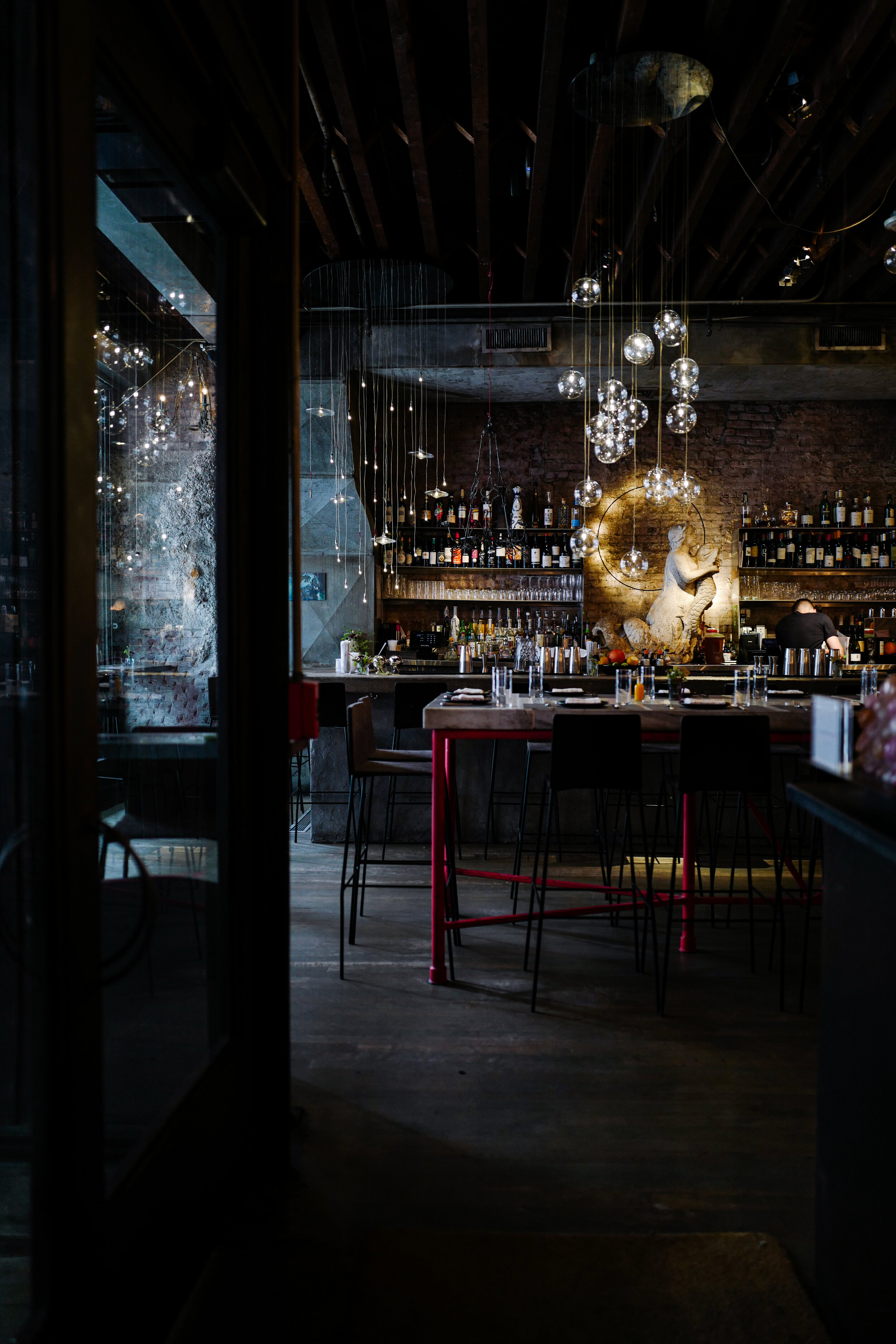
This month, we're heading to NYC's Flatiron district to abc Carpet & Home, known for its home decor assortment as well as housing 3 restaurants. During COVID-19, like the many restaurants, Jean-Georges Vongerichten's abcv, abc Kitchen and abc Cocina have been available to the community through pickup and deliveries. Now, with NYC entering its Phase 2 of reopening, they are excited to begin having people at limited capacity within their space. Guests can enjoy all 3 restaurants as well as having access to their patio which recently opened. We chat with Jeremy Mustakas, Director of Operations of abc Restaurants about their dishes, cocktails and what to expect when dining in during Phase 2.
ATHLEISURE MAG: Tell us about Jean-Georges Vongerichten in terms of his culinary journey and how he came to creating 3 restaurants abcv, abc Cocina and abc Kitchen at abc Home.
JEREMY MUSTAKAS: Jean-Georges Vongerichten and Paulette Cole (owner of abc Home) partnered in 2010 to create abc kitchen, which they intended to be a neighborhood restaurant that celebrated the best locally grown produce and ethically sourced fish and meats in a setting focused on sustainability. Our proximity to Union Square's Greenmarket, where Jean-Georges has been shopping and sourcing for his restaurants for many years, gave us the opportunity to create a platform for local farmers who were doing things in the way of agriculture and sustainable farming. The restaurant would also celebrate local and global artisans, with handmade plates, vintage silverware, and artwork from around the globe. Shortly after opening, abc Kitchen won a James Beard Award for Best New Restaurant. abc Cocina, our latin-inspired small plates restaurant, opened a few years later, and finally abcV opened 3 years ago, our first and only (exclusively) plantbased restaurant.
AM: Describe a bit about 3 restaurants and what guests can expect of those menus and the ambiance?
JM: abc Kitchen, our flagship, celebrates farm-table cuisine with a dining room ambiance akin to that of a modern farmhouse. abc Cocina, with it's darker and more dramatic lighting is romantic, lively, and creates a genuine sense of community with our menu concept, focused on sharing and togetherness. abcV, our plant-based restaurant which also features breakfast, is bright and inviting, filled with natural light. It showcases a menu inspired by cuisines from around the world, with a selection that is mostly vegan, with the exception of a few ethically-sourced dairy products.
AM: What are 3 signature dishes and 2 signature cocktails at abcv?
JM: • Whole wood roasted cauliflower, date syrup, red zhug, turmeric tahini, pistachios, fresh herbs, lemon
• Smoky squash baba ghanoush, sungold tomato, fresh pita, market crudite
• Mushroom walnut bolognese, carrot paccheri, celery, mint leaf
• Pandan infused Gin & Housemade Tonic
• Golden Mylk Toddy
AM: What are 3 signature dishes and 2 signature cocktails at abc Cocina?
JM: • Spring pea guacamole with crunchy tortillas
• Griddled fish tacos, chipotle aioli, cabbage-chile pickle
• Arroz con pollo, crackling skin, lemon zest
• Grapefruit Margarita
• Tomatillo Mojito
AM: What are 3 signature dishes and 2 signature cocktails at abc Kitchen?
JM: • Spinach, goat cheese, and market herb pizza
• Campanelle pasta, basil-pistachio pesto, summer squash, sungold tomatoes
• Faroe island salmon, spring peas, ginger, scallion
• Raspberry Fernet (featuring 123 Organic tequila)
• Vodka Thyme Lemonade
AM: During COVID-19, many restaurants have had to pivot on how they served their guests and neighborhoods with pickup and delivery, how did these restaurants do this during the initial weeks of quarantine?
JM: As we closed our doors for months following the government mandate, we watched a lot of our colleagues innovate and create new ways to be impactful through delivery and takeout services. When we were able to safely return in May, we were so grateful to see many of our colleagues had paved the way for a new normal. It hasn't been without its challenges, but we are fortunate to operate in a city with so many great leaders within our industry.
AM: We know that due to Phase 2, your restaurants are allowing guests to dine on site. Tell us about the capacity, rules and systems that you have created to ensure guest safety?
JM: In addition to following all city and state safety regulations for patio dining and operating during this time, we've been able to extend our seating through the NY Open Restaurant plan, allowing us additional seating capcity on 19th street. We also offer a contactless menu through scanning a QR code, which will bring you to the digital version. Guest and employee safety is our number one priority, and we are deeply committed to providing a guest experience that is safe for all parties involved.
AM: Although you have 3 restaurants, you are creating a menu that has elements of all 3 restaurants – tell us more about this.
JM: All of the items listed above are available on our limited patio menu, and are worth trying! This combined- restaurant menu is only available for a limited time (and will end once Phase 3 begins).
AM: Looking forward and based on how you have had to navigate the past few months, what are your goals for these restaurants as they continue through the summer as well as the fall?
JM: Our goal, above everything, is to create a safe and welcoming environment for our employees and our guests. One that allows us to serve our community and provide an exceptional guest experience. We are grateful to operate in a city that understands how pivotal this moment is in continuing to make progress and learning to adapt in the new realities of dining out.

PHOTOGRAPHY CREDIT | Courtesy of abc Restaurants
Read the June Issue of Athleisure Mag #54 and see The Art of the Snack in mag.


This month’s cover and back cover is NBA Champion Matt Barnes. Our cover shoot editorial – Authentically Matt Barnes, talks about Matt’s career, transitioning from the game, his skincare brand HUE For Every Man, the NBA season resuming and upcoming playoffs, cannabis, the importance of social justice, voting (local, state and national) and the #BlackLivesMatter movement. His interview will also be in an upcoming #TRIBEGOALS podcast episode. We also have an interview with 4 X NBA Champion John Salley in our monthly feature, Something You Should Know, as we talk about gifting for Father’s Day as well as graduating students, his appearance in ESPN’s The Last Dance and words of wisdom as we navigate COVID-19 with its quarantine as well as #BlackLivesMatter. His interview will also be in an upcoming podcast episode of #TRIBEGOALS. Charlotte Tilbury has been a brand that has been included in a number of our features as well as an interview with the namesake herself. In this month’s issue, we talk to Sofia Tilbury, her niece, who is a Brand Ambassador and Product & Content Creator at the brand. She talks about her work as a makeup artist, her work with the brand, recent product launches and her favorite products.
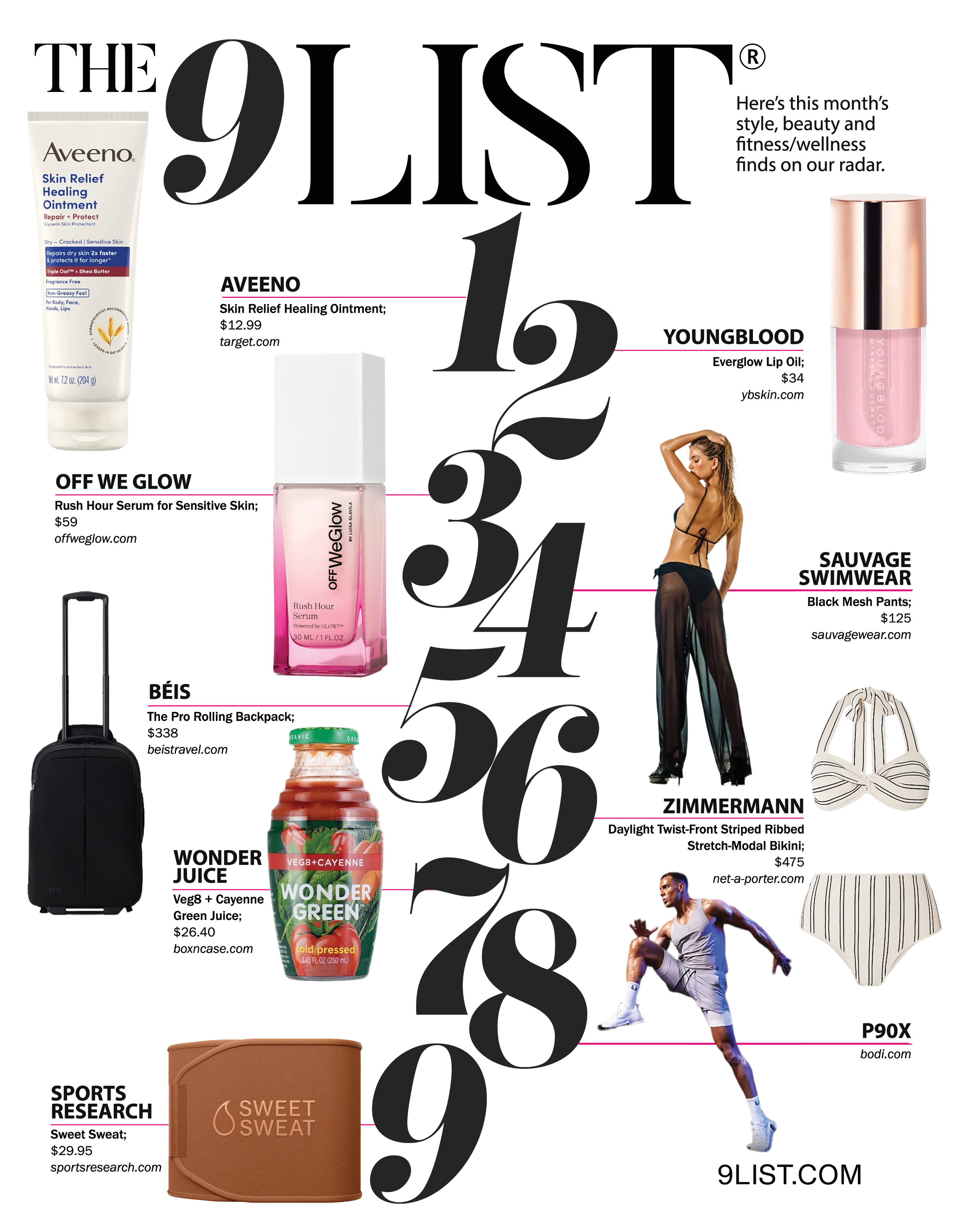
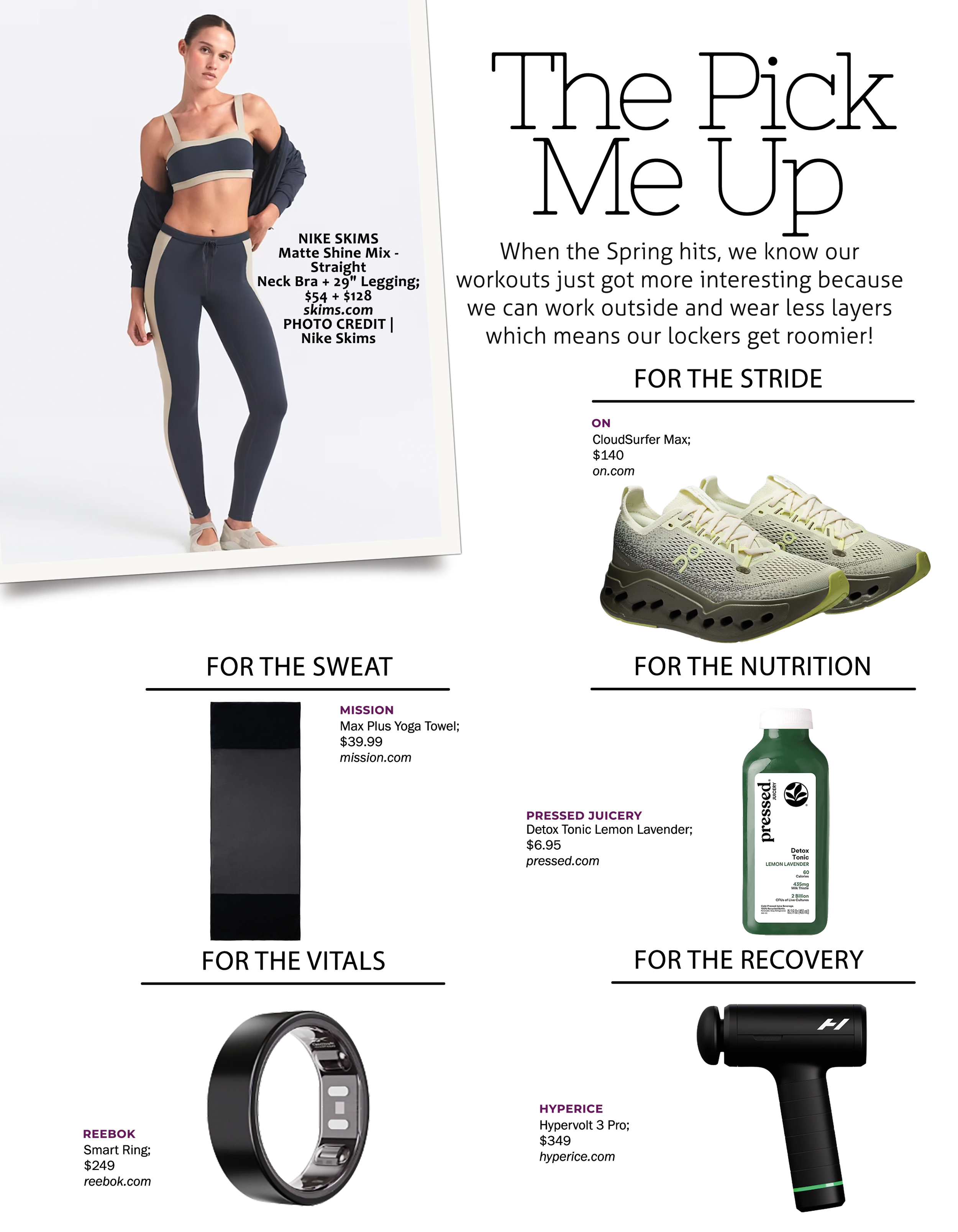
As usual, we have our monthly roundups including our 9LIST (Athleisure Mag’s picks that we’re loving this month in style, beauty and fitness) featured roundups. This month’s 9LIST STORI3S (picks supplied by celebrities) gives us insight into one of our favorite actresses, Laura Dern. This month’s 9PLAYLIST includes International EDM DJ/Producer Diplo who shares his favorite songs with us. As always, you can enjoy Athleisure List (Fhitting Room and Maple Leaf Farms), The Pick Me Up, Bingely Books, Bingely Streaming, Style Files, Rock This Look While You’re Working From Home in Style, Athleisure Beauty, How to Dress, In Our Bag, #TRIBEGOALS and Coconut Beauty.
Read June Issue #54 here.

Food has always been a great way to bring people together, explore cultures and even to give insight into who you are and your creativity. This month, we talk with cookbook author, founder of What’s Gaby Cooking culinary creator, and who has created a line of seasonings, sauces and cocktail mixers that you can purchase at Williams Sonoma for a number of years – Gaby Dalkin. She shares how she created her culinary universe, her focus of California Girl Living, being inspired through travel and lifestyle as she approaches creating her dishes. We also talk about her popular site and how she grew it as well as her newest cookbook that’s out now, What's Gaby Cooking, Eat What You Want. She even tells us how we can enhance our movie nights in with her dishes as we all do our part to flatten the curve!
ATHLEISURE MAG: When did you fall in love with food and realize that you wanted to work in the industry?
GABY DALKIN: So I fell in love with food really when I was in high school. I used to come home from school everyday and watch the Food Network and I just loved watching them cook. It was mesmerizing to me. I would watch it everyday for a couple of hours when I would do my homework. Then when I got to college, I started cooking for my tennis team. I played tennis in college and I met my husband, he was my boyfriend at the time. He was on the men’s team and I would cook for everyone – we have both not picked up our rackets in years. I would cook for the men’s and women’s teams right before matches. I loved getting people around the table. It brought me so much joy for me to be able to feed them and just watch the conversation happen when you bring people to a table and include food.
After college, I got a job in the fashion and marketing/PR industry for a couple of months. The whole company folded and then instead of getting another job, I decided to go to culinary school – just for fun. I had no intention of going into the culinary world fulltime. I ended up loving it and falling in love with food. I got a job as a private chef and I started my blog and it just snowballed and that was a little over 10 years ago.
AM: That’s a great story and one of the things that we enjoyed reading about you is that you’re all about the California Girl Life. We’re based in NY and we wanted to know how you define the California Girl Life?
GD: To me, the California Girl Life is not about being in California. It’s more the state of mind as opposed to an actual place. I think it’s all about living your life in balance, being your own sunshine and making sure you’re happy and all of that. I think that that is what my definition of California is. I can have a beautiful salad with all of these incredible vegetables and I can also indulge in pizza, pasta and cookies – that’s the balance part of it. I mean, we’re very fortunate in California to have incredible weather most of the year. Whether or not, you can experience that or not, I think that we can all bring a bit of sunshine into our kitchens via food.
AM: Would you define that as your style of cooking or since you went to culinary school, do you have a specific way that you like to cook?
GD: I would say that I am very California focused, but I would say that I was trained in French cuisine, but I wouldn’t say or even qualify myself to say that I am a French trained chef. I like to say that the way I cook is very carefree, I like to do simple ingredients – I would say that I am a Mediterranean style cook and that really resonates with California. I also grew up in Tucson, Arizona so there is definitely some South West and Mexican influence in my food.
AM: We can definitely see that. You are a recipe developer. What does that mean and what does it involve?
GD: A recipe developer is someone who has an idea and takes it from an idea to a finished recipe. Normally, it takes anywhere from 3-6 tries to get a recipe perfect before it gets up on my website or one of my cookbooks. For me, it’s important for me to stay continuously inspired. Pre COVID-19, it came from traveling and being able to eat at restaurants and all of that kind of stuff. Now, I’m finding inspiration from my CSA (Community Supported Agriculture) Boxes and things that I’m doing because before, I had access to Farmer’s Markets and now I get these things delivered once a week and I’m like, “what do I do with this and this?” It’s creating so many ideas because I’m being forced to cook with things that I normally would not get on my home. It’s been cool to recipe develop during this period of time when things have been more limited.
AM: Can you tell us more about the website, What’s Gaby Cooking?
GD: What’s Gaby Cooking is my website that I started back in 2009. It was originally a blog that I was able to put up things that I was cooking in culinary school and beyond on it. It has now been turned into more of a hub that houses all the What’s Gaby Cooking things. So we have recipes on there, meal plans on there, we feature companies, we do travel guides, menu planning for Memorial Day or Mother’s Day, our podcast is on there now and we just recently launched a culinary school on there as well.
AM: Which is awesome.
GD: I’m basically reliving my culinary days and turning it into videos so that people can get the same education I got A. for free and B. done in quick snippet videos. While everyone is cooking more at home right now, you have access to some cool how to videos.
AM: When we looked at it, we loved seeing how you had all the different ways that you could make eggs because there are some that you know how to do, but then there are others that are a bit more challenging and it was cool to see the one on poached eggs. It’s great how easily bite sized that it is where you can just start from there, do it and then you just roll into other videos. Couldn’t agree more that especially during this time, you may not have cooked a lot but you find yourself doing it a lot more now and you’re looking for fun places that you can kind of make it fun for yourself to do it. Especially since we’re all at home!
GD: I think it’s important to make things accessible. Yes cooking can be complicated, but at its core, it’s not. I’m enjoying being able to dispel some people’s fears around cooking while doing culinary school.

AM: Your husband works with you as well, how is that in your coupleship? As our co-founders are a couple, it’s interesting to see all the roles and those that spill over work between them as well as finding that balance with them.
GD: Thomas came on fulltime about a year ago. The first couple of weeks were rocky because we were so used to – I mean I have a team that helps me but I wasn’t used to having someone in my space every day. It was really interesting getting Thomas and I into a groove. Now a month in, we’ve been smooth sailing. He runs the whole production, tech and design side – he does all the video editing, the website design – all that and creating all the graphics and things. I do all of the recipes and camera facing work. He’s also been apart of What’s Gaby Cooking from the beginning. He wasn’t getting paid as he had an other job, but he knows my business inside and out. It’s hard to find someone who cares about the company as much as I do. So, it’s really cool to have him involved full time now and to have someone who is as equally invested in it every waking moment of every day.
AM: You have so many aspects to your business. What was the moment that you realized that you wanted to include a cookbook within your ecosystem? We were fans of Absolutely Avocados – we’re a fan of the fruit. What was the process like when you decided that you were going to do your first cookbook and how long do you spend doing your cookbooks?
GD: When you write a cookbook, it normally takes you 2-2.5 years start to finish. But when I did my first cookbook which was 8 years ago, I had no idea what I was doing and I walked into it very blind and it was an incredible learning experience for me. I LOVED Absolutely Avocados. It was my first child if you will. I’m very proud of it, but it also came with so many lessons about what kind of person I wanted as my agent, my editor, how I was going to be pushed and did I need someone to be my best friend who would hold my hand the entire time or did I need someone that would push me to make it an incredible book and to make it even better.
From my first book to my second and third book, I actually switched both agents and publishers. What I learned was, I can have both. My editor now, is someone who is going to push me to be a better writer, a better thinker and all of these things. She has now turned into a friend, but at first I was just looking for a friend. I wasn’t looking for anyone to push me because I thought that I was doing it so well to begin with. But we all need to be pushed and I think it’s important to have someone that keeps me accountable. I’m lucky that I have thatwith this team. But the first book, was a really great learning lesson for me.
AM: You just released your third book, What’s Gaby Cooking, Eat What You Want. It has such a great conversational tone as well as pictures. What inspired you to creating this particular book?
GD: Thank you! I get asked all the time, “Yeah you post all of these pizzas, pastas, cookies and salads. But what do you really eat Gaby?” I was like, “this is what I really eat.” I just wanted to really drive the home that you could do it all, you could do it in balance and you really have a great life. I think in today’s world, there is a lot of noise in food. You’re not supposed to have bananas in your smoothie and all of these things that aren’t necessarily true and it’s because of the diet industry that is rebranding as part wellness industry basically. I wanted people to get rid of the noise. Food makes you happy. It’s supposed to nourish your body, make you happy and bring people around your table. I wanted to create a book that was going to celebrate all of that.
AM: To have the section on the sauces, the splurge foods, you have the foods that are definitely the healthy ones – having the balance and destigmatizing it as opposed to saying what should and shouldn’t be really rang true to when we created Athleisure Mag. We wanted to present the options and allow people to decide if they wanted to do something in the manner that works for them. To have it in a succinct and awesomely packaged way, it made us want to make a number of the recipes because there are so many fun things that are in there. The flow and the way that it is broken out is conversational which makes it super approachable which is exactly on point with your brand.
GD: Thank you! That’s exactly what I wanted people to feel when they are reading it. I wanted them to feel like they were in my kitchen with me and they were just hanging out with their friends. I hope that everyone else feels that way as well.

AM: With all of us staying in. We have been doing movie nights 3-4 times a week. We have our projector that goes up, we have our snacks and things together. What are 3 dishes in your book that we should be making when we do our movie nights?
GD: Definitely the Parmesan Pizza Popcorn. It is made for movie night. I would say the brownies in the back – The Caramel Marshmallow, Chocolate Chunk Brownies – it’s a very nice decadent treat to watch a movie to. And then, while it’s not exactly good food to eat on your couch as they’re a little messy. The Chipotle Wings in the appetizer section are such a gamechanger. They’re so good and they’re not – punch you in the face spicy, they’re smokey and they leave you with a nice heat. I think that that is really fun also.
AM: That sounds amazing. Are you already making plans for your next cookbook and what it is going to be?
GD: Oh my gosh, yes! I just talked to my team the other day and they said, “so what’s book number 4?” I was like, “I don’t know.” Give me a few months to think about it. I would love to continue to do cookbooks. It’s so much fun to see people use them in their kitchens, tagging me in their recipes, hearing how food is effecting their lives and making them better. Right now with the quarantine and people being home with their children and homeschooling them, so many moms have been messaging me and saying that they are using my book as a textbook to teach their kids fractions, how to read and colors. I think that that is just the coolest thing and I never would have thought of that and I think it’s just really cool.
AM: That’s huge! You’re really synced into your social media! You were just talking about how people let you know how they are using your books and recipes. It’s awesome to hear that as busy as you are with so many things going on that you’re able to stay engaged with them.
GD: It’s my favorite part of my job! One of my favorite things to do it to talk to my whole audience they’re my family and friends. I have had the opportunity to meet some of these people on book tours and hosted events. I’m with them every day in my kitchens so it’s so much fun to be able to communicate with them via Instagram, Twitter or the blog. I can answer their questions, hear their stories – hands down one of the favorite parts of my job.
AM: With your new podcast, What’s Gaby Cooking… In Quarantine, it focuses on the quarantine and different dishes that you can make, how do you decide what dishes are going to go on the podcast?
GD: So the podcast is all user generated content. So I have a hotline. Remember back in the day when there was, 1-800-Jenny-Craig from back in the day?
AM: YES!
GD: I have one of those numbers now and so people call in and ask questions based on quarantine. How do I cook x y z in my pantry, how do I clean this and how do I this? It’s been so cool to listen to everyone’s voicemails and then to listen for things that are fairly common themes across everyone’s questions and to answer those on the podcast. It’s helping people to get even more comfortable in the kitchen. We just started having guests! My mom was my first guest and we talked about food noise, food shaming, raising children in today’s world and how we shouldn’t pay attention to the crazy food noise as well as how she did that she she was raising me and my sister. It’s going to be cool to see everyone’s response to that.

AM: Looking at Williams-Sonoma, how did that partnership come about and what is it like to create all of these amazing seasonings with them and what’s it like working with them?
GD: Williams-Sonoma came about a few years ago back in 2016. I had decided that the next iteration of What’s Gaby Cooking would be for people to have something tangible that they could use in their kitchens that felt like I was there with them. I knew that they were cooking the recipes and they were watching us on YouTube and all of that kind of stuff. I wanted them to have something that they could literally put in their recipes. I cold called a number of companies and told them my idea. Everyone that you can imagine that sells food products, and a couple of them wrote me and asked me to fly to their headquarters to take a meeting. Williams-Sonoma did not call me back right away, but I knew people there and I knew that everything that they’re about made sense for my brand. I went ahead and went to the meetings for the brands that reached out – they said, let’s get this rolling. I felt that it just wasn’t right yet. 24 hours later, the head food buyer of Williams- Sonoma emailed me and asked me to come up to San Francisco and to cook for the whole team and tell them my story. So, I dropped everything that I was doing and I hopped on a plane, flew up there a couple of days later, cooked for everyone, told them my story and we talked about my social, my website and culinary school.
I didn’t know this at the time, but salsa was not their best SKU. So they said, “let’s try a line of salsas.” I was like, “ok cool.” I’m from Arizona, I love salsa – let’s do it. We crushed it. We developed 3 salsas that came out that were also able to be used as multiuse sauces as well. It did so well and outperformed all their salsas. I think that that was their way of testing me. From there, we expanded into seasonings, oil, perishable products and cocktail mixes. It’s been such an incredible partnerships for the last few years and I feel incredible lucky to work with people that have become like family and friends to me. To be part of a company that has such strong messaging and goals – I feel fortunate to be apart of the WS Fam!
AM: So each season, do you have a particular focus on foods that you want to attack and then create those items that would go under that particular assortment?
GD: They do that for the catalog. A couple of years ago, they did a Mexico vibe and that’s when the salsas went into it. Now, they do have priorities like brunch was a focus for them this spring and we introduced our cocktail mixed with that as well as the All Things Eggs Seasonings. That plays into it. But at this point, they know that I know what will resonate with my audience. So we have collaborative brainstorm seasons where I say, “I think that we need to do this or we need to do that.” Then, we can make that happen.

AM: What in the culinary world have you yet to do, but want to embrace that and bring it into your empire – or even outside of it as you are a lifestyle brand?
GD: Interesting question. I haven’t done any travel to Asia and I’m dying to explore the different cultures and food – everything. I want to cook with people for a month or two when we’re able to travel again and to learn all about that. I would love to learn from someone that is an expert or multiple experts and then bring that back to share that knowledge. We have dabbled in it at What’s Gaby Cooking but I really would love to immerse myself in something like that. That is high on my priority list in terms of growing the brand. But it changes so much. What’s Gaby Cooking Culinary School came about because so many people were messaging me on how to prep vegetables. It wasn’t something that we thought about doing until we were like, we should start this. Being a small company and being nimble is so important because you’re able to pivot and adapt to make changes really quickly. Who knows? Whatever we do when we’re over with COVID – it will be interesting to see how we change our business to accommodate that.
AM: What are 3 items that you always have in your fridge?
GD: I always have mozzarella in the fridge, I have fresh tortillas and salsa. I think those are things that I can’t live without.
AM: With someone that is so busy and now with having a number of the issues that we have all dealt with regarding COVID and staying at home. How are you taking time for yourself as well as your husband to taking down the noise and still being able to do the self-care that you need to be a calm and normal person?
GD: It’s really interesting. I do struggle with this and I am attached to my phone for most of the day. When we wind down at night, I leave my phone in the kitchen plugged in and I don’t take it with me to bed because I don’t want to be responding to DM’s until 11pm which I could easily be doing. I try not to. So that’s been helpful. We have been going out for walks every night after dinner - again without my phone to decompress from the day. That’s also been helpful. We also have been using FaceTime and Zoom dates with all of our friends. Honestly, we have talked to and seen them more now then we did before COVID. Because, they all live in different parts of the country. Some of our best friends in Portland, we FaceTime with them and their little daughter, multiple times a week which we didn’t do before all of this and it’s been so fun to be able to hang with them because we wouldn’t have been able to see them in person anyways because they live in a different state. It’s been nice to do that and to pay attention to the conversation rather than what’s going on around us.
PHOTO CREDIT | Matt Armendariz
Read the May Issue of Athleisure Mag and see That California Girl Life with Gaby Dalkin in mag.

We're all settling into new routines and we caught up with WBA's 18-0 flyweight champion, Seniesa "Superbad" Estrada who is taking the boxing world by storm by breaking barriers one fight at a time! We took some time with Golden Boy Promotions' boxer as she is in the midst of training for her July match. She shared her journey through the sport, her passion that began for it when she watched with her father as well as how she stayed focus despite obstacles that stood in her way. We also talked about her partnerships as well as having the support of Danny Trejo noted actor of Machete and Predators as well as restaurateur of Trejos Tacos. She even shared how she wants to give back to her community and those with an interest in boxing. Finally, she shares how she has set up her training as we continue to live in these uncertain times.
ATHLEISURE MAG: When was the moment that you realized that you loved this sport and that you wanted to be involved in it?
SENIESA ESTRADA: When I was about 6 years old, I believe. I would watch boxing fights with my dad. My parents divorced when I was 1. The only time that I would see my dad was on the weekends and I would go over to his house. Every weekend, there would be a big Pay-Per-View fight that was on. He would order it for us to watch or we would just watch a classic boxing fight from an old tape that he had – Sugar Ray Leonard, Mike Tyson – all the great fighters. The first moment that I watched the fight, it would intrigue me and everything just made sense to me and I knew that that was what I wanted to do.
AM: When did you actually start and who was your coach?
SE: I started when I was 8. From the age of 6 that’s when I watched it and I really wanted to box. I spent 6-8 months just asking him if we could go to the gym and start boxing. But he was totally against it. I remember when I would ask that he would tell me that boxing was for boys and I could do cheerleading or something like that. I remember thinking, “cheerleading – that’s so boring.” My brothers played baseball from t-ball all the way to high school. I was always at the park with them and I loved baseball, it is my second favorite sport. Even for baseball, he was against that too as he felt that that was for boys.
The very first gym that I went to was just a little outside of East LA and my dad walked into the gym and the trainer said, “oh she’s too young and we usually work with people who are 13. Bring her back when she is 13 – plus she’s a girl and we don’t really train girls.” My dad got in the car and he told me what the trainer had said and I started crying. At that point, my dad realized how much I really wanted to start boxing and he took me to a local gym in the neighborhood that he grew up in at the Colmbacke center and it’s a great place with a boxing program free for all kids and it was an awesome place. The very first trainer that I had when I walked into the gym, I remember that he said, “you want to box?” The gym was filled with little boys and I was the only girl in there. He said, “ok I’m going to train you, but I’m going to tell you right now that I am going to treat you just like one of the boys. I’m not going to treat you any different.” I said, “ok” and we started from there and I haven’t stopped since.
AM: That’s a great story and at what point did you decide that you were going to go pro and what led to that decision?
SE: I would say when I was 16, I won the USA National Championship which ranked me #1 in the US. The first Women’s Olympic Boxing was going to be in 2012 which was 3 years later. At that point, I had had over 100 amateur fights already. I wasn’t sure - I didn’t want to wait another 3 years. I was tired as I had been doing a lot of traveling for tournaments. I also fractured my toe – I dropped a weight in the gym on it. The toe kind of kept me from being able to compete and there was just a lot going on from the injury as well as waiting 3 years so I decided to turn pro. Turning pro, I didn’t realize how the transition was different. When you’re in the amateurs, there is pretty much a tournament every month and you’re fighting constantly. When you turn pro, it’s not like that. Especially for women, now it’s great, but back then it was different. It was difficult to get a fight, it was difficult to get signed by a big promoter. I was fighting every 7 months and sometimes, every 8 months. So I didn’t realize how different the transition was and how dead women’s boxing was. Just to see the change now – the difference, that change has only taken place in the last 2 years. It’s insane to see the difference of where boxing was 5 years ago vs. today. It’s only getting bigger and better now which is something that I am looking forward to in the future.

AM: To know that it has only been in the last few years that these changes have taken place is really interesting. In doing our research of you as a female fighter, being Mexican-American, winning the women’s Golden Gloves match, being signed under Oscar de la Hoya’s Golden Boy Promotions – you have had so many firsts that you have broken through. What was your motivation to continue to play the sport with all of these things that could have impeded you from breaking through?
SE: My motivation, I would say that there were so many times that I wanted to give up. I knew that I didn’t want to live my life wondering if I could have done it if I gave up. That was the biggest motivator for me and kept me going.
AM: What is a typical training session like for you normally and since we’re all staying in due to COVID-19, how have you modified those kinds of things to stay fit?
SE: Typical training, I would do strength and conditioning for 1 hour to an hour and a half. Then I would go to the boxing gym and I would be there for about 3 hours. But now, it’s been a little different of course. We have been running at the parkas well as training there. I have also trained in my dad’s backyard. We got as much equipment as we could out of the gym to the backyard. So we’ve been doing that. It’s a lot different not having a boxing ring and easy access to everything, but I was talking about it with my trainer. We’re getting ready for a fight that is supposed to take place in July – what we’re getting ready fo. We’re not able to spar but I have been through so many training camps where I couldn’t get any sparring and I only sparred 6 rounds during the whole training camp which is insane. So all of the little obstacles that I have dealt with throughout my career this isn’t difficult because I have been through this before as it comes to training. We actually didn’t have a gym for awhile years back. So we trained at the park so I have done this before.
AM: What is it like on fight day for you? Are there certain routines that you have leading up to the fight?
SE: I would say that he day of the fight, I just like to be left alone. I don’t really like to have friends or family around me. I don’t like to talk. I just want to stay focused and be by myself on the day leading up to the fight. I get very nervous. So many people are surprised to hear that I get so nervous because it doesn’t show especially when I get into the ring – it doesn’t show.
Having so much amateur experience and just being as good as I am, people don’t expect that from me. But I do, my hands are just dripping in sweat and I don’t eat. I mean, you’re supposed to eat a good breakfast of course which is good for the body and to have lunch if you can, but I get so nervous that I can’t eat that much the morning of or anything.
AM: Who have been your mentors in this sport?
SE: I would say, my dad. Because he’s been through so much personally and has overcome so much. As far as him being in and out of prison, addicted to drugs and changing his life. He’s been my number 1 supporter and has always made sure that I have never gave up and I always continue to have faith in myself and faith in God. He is the one person that no matter how down I’m feeling or no matter what it is that he is there to lift me up and to put my head in the right place.

AM: You have had a phenomenal career, you’re 18-0. What do you think about that and what are your goals that you want to do in the sport as you have such a dynamic career?
SE: In the sport, I just want to continue to elevate the sport of women’s boxing to be better. It won’t be easy for all female fighters, but all I can do is continue to accomplish my goals and for people to see me and recognize me so that they can be more open minded to watching women’s boxing and supporting other women in the sport. Of course, my goal is to win multiple titles in 3 different weight divisions – which is definitely something that I want.
AM: We know that you signed with RVCA the SoCal sportswearbrand, you have partnerships with Ladder – why are these great fits for your brand and are there others that you will be apart of as well?
SE: RVCA is a great fit for me because, it’s difficult to find a brand that really supports you no matter what during the ups and the downs. I feel that there are a lot of sponsors and brands that will only want to work with you when you’re at the top and winning. RVCA has been with me even before I had a deal with them. They supported me and have always been there. Pat, who is the owner of RVCA, the way he’s so genuine and that’s what really got my attention. It was the kind of brand that I wanted to work with and the kind of relationship that I wanted to have. I didn’t just want to wear the clothing and represent them. i wanted a relationship and to have a feeling of loyalty. That’s what stood out to me about RVCA and why I liked the brand, the people, the athletes and those who work for them. Everyone is just really good people and that’s what I appreciate about RVCA. Ladder is a great company and they have been great to work with and I love the products. I have always had a hard time finding supplements that I liked. Supplements that are actually working – I have never really felt that until I found Ladder and everything tastes good which is very important and it works.
AM: That is the perfect combo. You also have a sponsorship or partnership with Danny Trejos? We love his taco destination, Trejos Tacos, his movies and his personality. How did that happen and has he given you any advice on staying motivated?
SE: He’s great! Daniel my publicist, actually worked with him when he was at the LA Rams and introduced me to him as they became close friends. He’s amazing and super supportive. He is someone that is just great to have and genuine as he cares for his close friends and his family. I am grateful to know him. I would tell people – because they ask me, “how is Danny?” I always tell them an example. If he is doing an interview, he would invite me to come along with him so that we could talk about me. Every week, I will get a random call from him on a Mon or a Wed. I would say, “hey what’s up.” I would wonder what he needed. He was like, “nothing just checking up on you.” A call to check up and not because he wants to say something or wants something specifically. I don’t even have friends or family that do those calls that are just to check up! Everytime I tell people that, they find it interesting. No matter what he has going on or movies that he’s in, he still takes the time to think about people that he cares about.
AM: When you look at goals as a brand or things that you want to be involved in to add to that – what do you envision for yourself whether it’s in the sport or an adjacent area?
SE: As far as outside of the ring, I’d like to motivate those that are in the inner city and communities that I grew up in. I’d like to open up a gym in a community like where I grew up in. I know that a lot of gyms are expensive now. Being able to start boxing back at home in the community center that was a free program. My parents couldn’t have afforded being at a gym where there was a monthly fee and I know how important that is. Especially when there is a family that 3 or 4 kids that want to box – it’s not easy to pay $125 for each kid for a gym fee. I’d like to open a gym close to my community, have it affordable and classes for counseling. That way, everyday that you’re going to the gym, it’s a place where you can feel comfortable to talk about what is going on in your life and around you.
AM: I think that it’s awesome that you would want to create that in order to merge that balance between athleticism and mental health!
SE: I think it’s really important for kids and the community to find someone or a place where they are really comfortable speaking about these things going on in their life. AM: You were saying that you are training for the fight taking place in July. Is there a place that we should keep an eye out for on your social? SE: Yes! We’re looking at July. I think Golden Boy hasn’t said a date but I know their first boxing fight will be then. So I’m just preparing for that on any date in July.
PHOTOGRAPHY COURTESY | Seniesa "Superbad" Estrada

Hear 18-0 WBC boxer, Seniesa "Superbad" Estrada on our show, Bungalow SK - which is a part of Athleisure Studio, our multi-media podcast network! Make sure to subscribe to find out when the episode drops. You can hear it on Spotify, Apple Podcasts, iHeart Radio, Google Podcasts and wherever you enjoy listening to your favorite podcast.
Read the May Issue of Athleisure Mag and see She’s Superbad with Seniesa Estrada in mag.
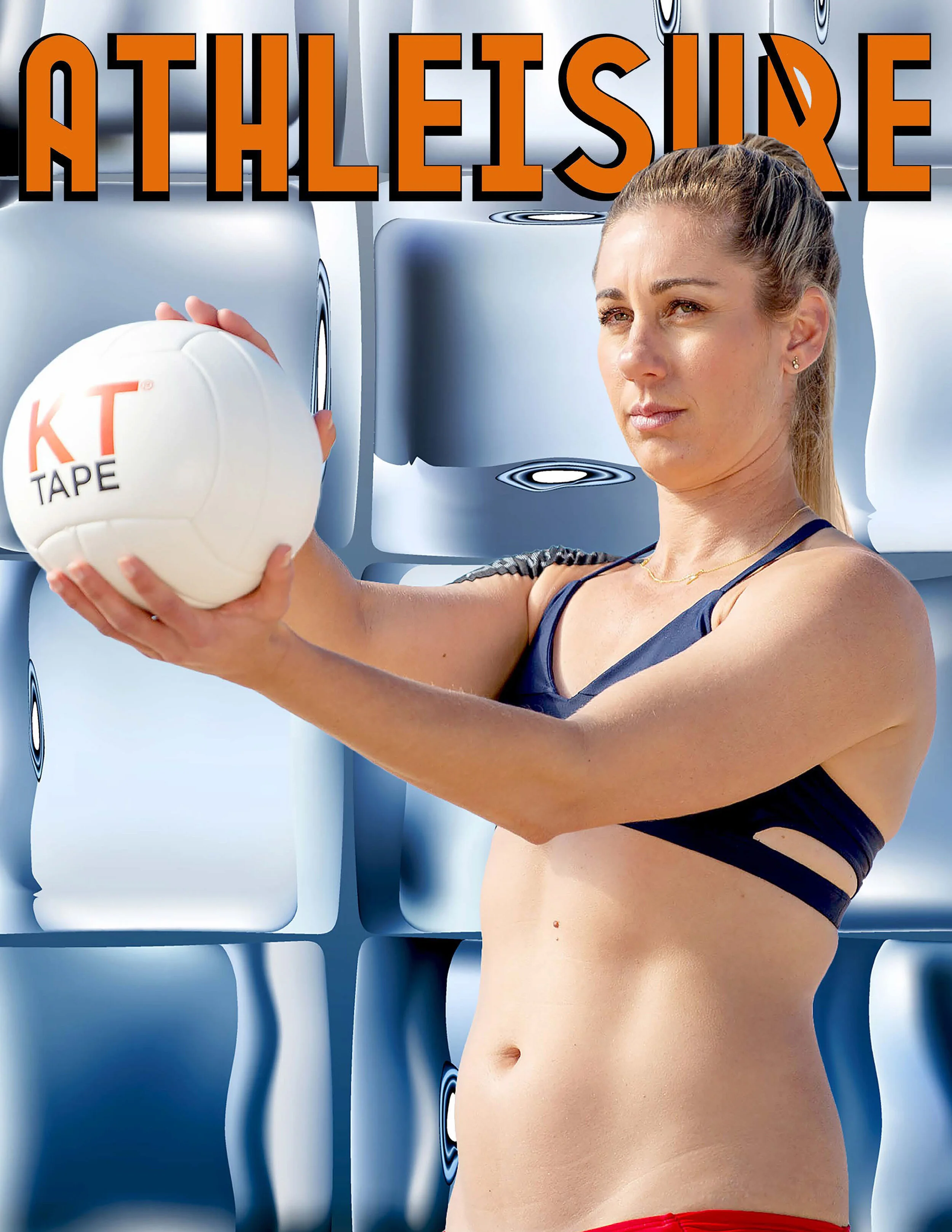
This month’s cover and back cover is April Ross, 2 X Team USA Olympic Beach Volleyball Medalist. Our cover shoot editorial – To the Beach, talks about April’s career, the difference between indoor and beach volleyball, her relationship with KT Tape and how she is staying fit at home while she waits for the return of the AVP Tour and Olympic Games in 2021. We will also have this interview as an upcoming podcast for #TRIBEGOALS. In our feature, Something You Should Know, we chat with Emily Skye, Celebrity Fitness Expert about staying fit, being a wife and mom with baby #2 on the way and a great workout we should incorporate into our routine. This month, we chatted with Seniesa Estrada, WBA’s 18-0 flyweight title holder. She talks about her career, how she is training during this time and what it’s like to have Danny Trejo in her corner. We also talk with International CrossFit star, actress and Resident Tagger on FOX’s Ultimate Tag, Brooke Ence. She talks about CrossFit, being in Justice League and Wonder Woman as well as her new show.
As usual, we have our monthly roundups including our 9LIST (Athleisure Mag’s picks that we’re loving this month in style, beauty and fitness) featured roundups. This month’s 9LIST STORI3S (picks supplied by celebrities) gives us insight into tennis powerhouse, Rafael Nadal. This month’s 9PLAYLIST includes Supermodel and Fashion Icon EDM DJ Naomi Campbell who shares her favorite songs with us. As always, you can enjoy Athleisure List (Peleton and Purple Carrot), The Pick Me Up, Bingely Books, Bingely Streaming, Style Files, Rock This For Your Virtual Happy Hours, Athleisure Beauty, How to Dress, In Our Bag, #TRIBEGOALS and Papaya Beauty.
Read the May Issue of Athleisure Mag.

We have always loved the chemistry between Heidi Klum and Tim Gunn and in this new fashion competition, they take the concept behind finding the next designer who truly is a brand, to the next level. Viewers travel from NY, Paris and Tokyo to embark upon a number of challenges that are judged by fashion's icons.

This month as we continue to #stayathome to #flattenthecurve, we have definitely increased how much we have been bingeing. When you think about the Women's Equality movement and the players that were involved, the second wave during the 70's focuses on the efforts by Shirley Chisholm, Gloria Steinem, Betty Friedan and more. The measures and stances taken here gave rise to the Moral Majority which shifted the political landscape. We see how this movement took place from their points of views from overall struggles to those that were specific issues that they wanted to push forward as well.
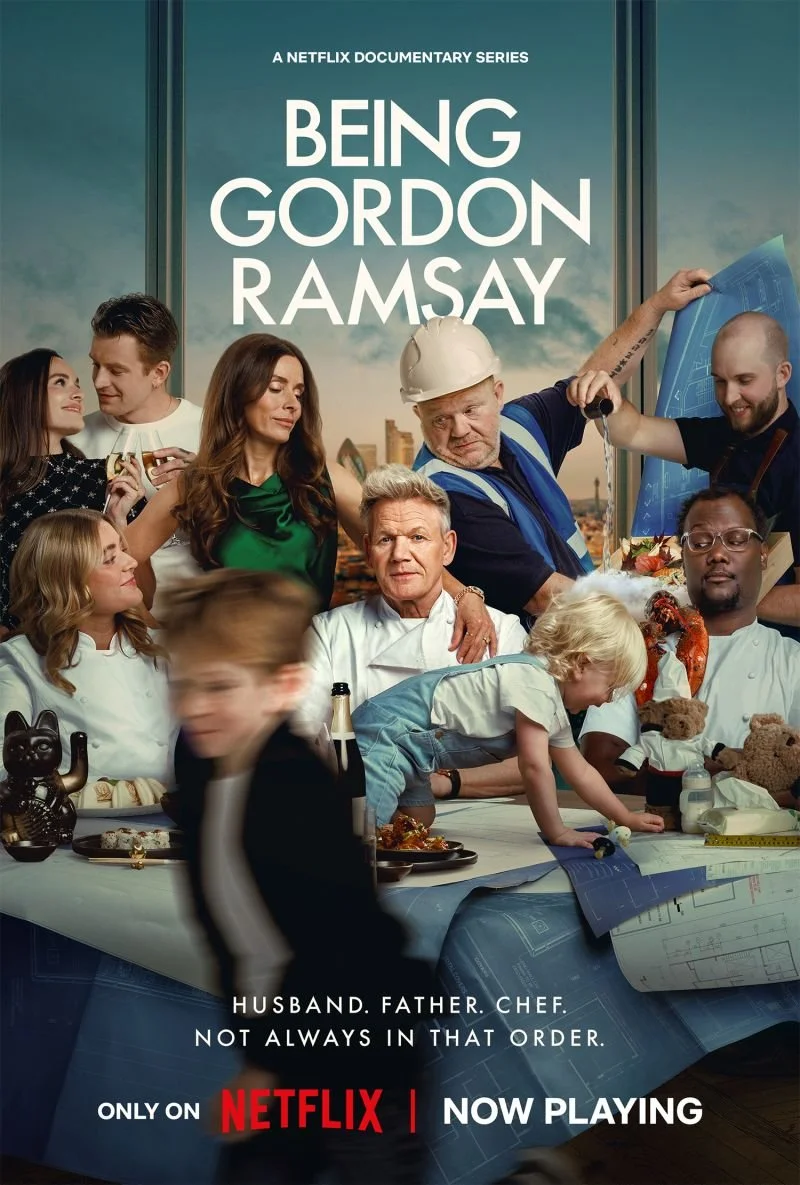
FX Original Series' Mrs. America tells the story of the movement to ratify the Equal Rights Amendment (ERA). We see how these figures blazed the trail in this movement, how they interacted with one another, their own individuality and the opposition they faced with their male counterparts, one another and the unexpected backlash that was led by conservative, Phyllis Schlafly, "the sweetheart" of the silent majority.

We may not be able to watch the current season of our favorite sports teams; however, since April 19th, we've loved seeing 2 episodes each week in this 10 episode documentary of The Last Dance. This docuseries looks at the impact of Phil Jackson's 2 X 3-peat World Champion Chicago Bulls which included Michael Jordan, Scottie Pippen, Dennis Rodman and Steve Kerr. We delve into how each 3-peat came about, the childhoods of a number of the players that began their journey to this team, rivals, management's involvement in shaping the team and more.
In addition, we see these players and coaches with footage from those moments in time as well as hearing from them in the present day. Additional voices from former President Barack Obama, Nas, journalists and more also weigh in on this historic period in time. It's the fix that we needed as we continine to stay at home and wait for games to continue again.
Read the April Issue of Athleisure Mag and see Bingely Streaming in mag.

We've all seen the videos of Hon. Ruth Bader Ginsburg working out and showing us that regardless of who you are, you must make time for your health. This month. we sat down with Bryant Johnson, RBG's personal trainer to find out about his military service, his ability to keep Capitol Hill and the Supreme Court Justices fit as well as his book, The RBG Workout. He also shares what we can do to maintain our fitness goals as well as power foods that we should incorporate.
ATHLEISURE MAG: You served in the US Army for 30 years with 12 of those years being in the Special Forces Airborne Unit! When did you realize that you wanted to work in the fitness industry as well as become a trainer?
BRYANT JOHNSON: I am still serving in the Army Reserves as an Equal Opportunity Advisor (EOA) where I educate and assist soldiers about the military’s equal opportunity program as it relates to race, religion, color, gender, national origin and or sexual orientation. It wasn’t long after jumping out of my first plane that I realized that I need to keep my body in the best possible shape if I am required to perform in any situation the military may put me in. As a result, people would ask me about how to keep in shape. I aspired to lead by example, but I soon realized that the military had programs and people that assist soldiers in getting in shape that they called the Master Fitness Trainers (MFT). That’s when I realized that I could help people to help themselves.
AM: Tell us about your approach to fitness and the kinds of modalities that you provide in your workouts?
BJ: When it comes to the modalities every client is different, but I provide workouts that will focus on the needs of the client that will have forms of strength training, flexibility and cardiovascular mixed throughout the workout.
![RBG-Workout[4].jpg](https://images.squarespace-cdn.com/content/v1/55982406e4b014bac5e42764/1589435949600-6R8RQX7X4PWARK1V58GF/RBG-Workout%5B4%5D.jpg)
AM: For nearly 2 decades, you have trained a number of people as well as those in the military, judges, attorneys, clerks – did you specifically pick this niche?
BJ: I did not pick this niche—the niche picked me. I have never solicited my services as a personal trainer. Every client has found me by way of referral and most importantly word of mouth. Which in my opinion is the best advertisement.
AM: You are the trainer for the Notorious RBG and created the RBG workout which is also a best seller book on Amazon. Tell us more about the workout and what it’s like to train the Supreme Court Justice.
BJ: The workout covers all the modalities that I believe should be in a workout (strength training, flexibility and cardiovascular). It is not age or gender specific. It provides you with options that you can do at home or in a gym, with equipment or without.
AM: What are 3 lessons that you have taken away from your work with RBG that are great lessons in life that anyone can apply to their lives in terms of her approach to fitness?
BJ: There are 3 lessons that I have learned from the Justice that actually make up the foundation of all my training. The foundation of any successful long-term fitness plan is motivation. And the key to getting and staying motivated actually has 3 components: AWARENESS, ABILITY, and CONTROL. A person has to have a strong awareness about the importance of their fitness and how it impacts their own life journey, as well as those around them. This awareness drives a person and is the constant and strong reminder of why they want to be consistently dedicated to their well-being. Secondly, a person has to have some basic abilities to facilitate their growth. Whether, it’s being able to move their body according to the exercises or having the time or access to certain tools, a person has to have some basic abilities to facilitate their growth. Whether, it’s being able to move their body according to the exercises or having the time or access to certain tools, a person has to have the means to move toward their goals. Thirdly, after a person understands their abilities, they can translate those abilities into the skills needed to have control over their fitness progress. These 3 components give a person the power to choose wisely and to change effectively. I call this combination Choice-Fullness, and it is the most important and most overlooked part of fitness. Justice Ginsburg has these three components of Choice-Fullness and that is why she is so driven and able to stick to goals. It’s why she has such a powerful attitude towards her health.
AM: You are a member of The Vitamin Shoppe Wellness Council, what is it and what is your role on this council?
BJ: I am a proud member of The Vitamin Shoppe Wellness Council. The Vitamin Shoppe and I align on some of the most important health-related ideas, so it made sense to create a partnership between us. I believe that fitness is about more than physical “wellness." Our goal should be "well-being:” working to attain the best physical, mental/emotional, and social health that we can. The Vitamin Shoppe believes in this too and together we promote healthy ideas, products, and lifestyles.
AM: We have always talked about how fitness is something that can be done anywhere. Frequently, we have talked about the challenges that one has when they’re traveling to keep it up and now as we live in a time where we are staying home, what are ROUTIN3S that we can do at home – can you share 3 that are for your arms, 3 for your abs and 3 for your legs that we can do.
BJ: I recommend the following 3-Exercise Full Body Circuit (3 rounds 1-minute rest between rounds) using only a kettlebell, that targets all three areas.
Two-Hand Swing - 20 reps.
Stand with feet shoulder or hip-width apart and knees slightly bent. Place a kettlebell on the floor about a foot in front between the feet.
Do a quarter squat and hinge forward at the hips to lean down and grip the kettlebell with both hands, elbow fully extended with a palms-down grip.
Keep the back in a neutral spine or as straight as possible as you begin to pull the kettlebell back between the legs.
Push the hips forward and pull the knees back to generate the forward momentum to swing the kettlebell forward and up in front of the body, keep eyes looking forward with hands holding the kettlebell between the thighs with the elbows fully extended. Remember the power and momentum is generated from the hips and legs not the shoulders.
The quick explosive extension of the hips will propel the kettlebell up to chest or shoulder height.
Once the kettlebell reaches the top of the move, allow the kettlebell to drop into the downswing and flex the hips and knees to absorb the weight of the kettlebell back down between the legs for the next repetition.
Clean and Press - 10 reps per side.
Stand with the feet hip-width apart and grip the kettlebell tightly in one hand.
Keep the back straight while sinking slightly into the hips to allow the kettlebell to swing back under the hips between the legs.
Drive the hips forward to swing the kettlebell forward, and as the kettlebell gains forward momentum in front of the body, quickly pull it up to the chest and immediately drop the elbow towards the rib cage and sink back into the hips to catch the kettlebell up by the shoulder.
From this racked position, sink back into the hips, explosively push the feet into the floor, and snap the hips forward while punching the left arm straight into the air to complete the press.
Lower the kettlebell by pulling the left elbow down towards the rib cage, sinking back into the hips, and after the kettlebell has lowered to shoulder-height, letting it drop down between the legs. Repeat for the desired number of repetitions before switching sides.
Front Goblet Squat 10 reps.
Begin the goblet squat by holding the kettlebell at chest height with both hands. Keep your elbows tucked in close to your body and eyes looking forwards.
Feet should be a little wider than shoulder width apart with the toes pointing naturally outwards at 5 – 10 degrees.
Start the squat by pushing your hips backwards as if sitting back into a chair or sitting down as if with ski boots on.
Ensure your bodyweight is back on your heels and they do not lift off the floor during the complete exercise.
Keep your chest up and facing forwards as if your ribcage is being lifted.
As you sit back and down into the squat, weak buttocks and hips may cause the knees to fall inwards, you must force the knees outwards and prevent this from happening.
Continue descending down into the squat until your thighs become parallel with the floor. This is important to achieve maximum activation of the buttock muscles.
Pause at the bottom of the squat position for 1 – 3 seconds and then drive back up to standing by pushing the floor away from you. Stay on your heels.
Once you get to the top position, stand tall, squeeze your buttocks tightly together and avoid leaning backwards.
If you find sitting back into the squat difficult, try opening your legs wider to create a little more room for the squat.
You can also refer to my book “The RBG Workout: How she stays strong and you can too!” There is something for everyone that can help you be a better you.
AM: What are 3 go to foods that we can use to support our workout in terms of giving us energy?
BJ: Before a workout, I find that something with carbs and that can digest easy is best. (Fruit, small sandwich, half a bagel with your favorite spread). My go to is bananas or apples with a little peanut butter and or boiled eggs.
After the workout I will add protein and more carbs (sweet potatoes, quinoa fruit) for energy.
AM: Do you offer On Demand/Virtual/App based training or will this be something that you would offer in the future?
BJ: I'm excited about a new virtual product that I’ll be launching this spring. I can’t unveil it just yet, but it will definitely help people to really create some breakthroughs in their journey towards well-being. Stay tuned!
IG @RBGWorkout
Read the April Issue of Athleisure Mag and see Something You Should Know RBG Workout in mag.
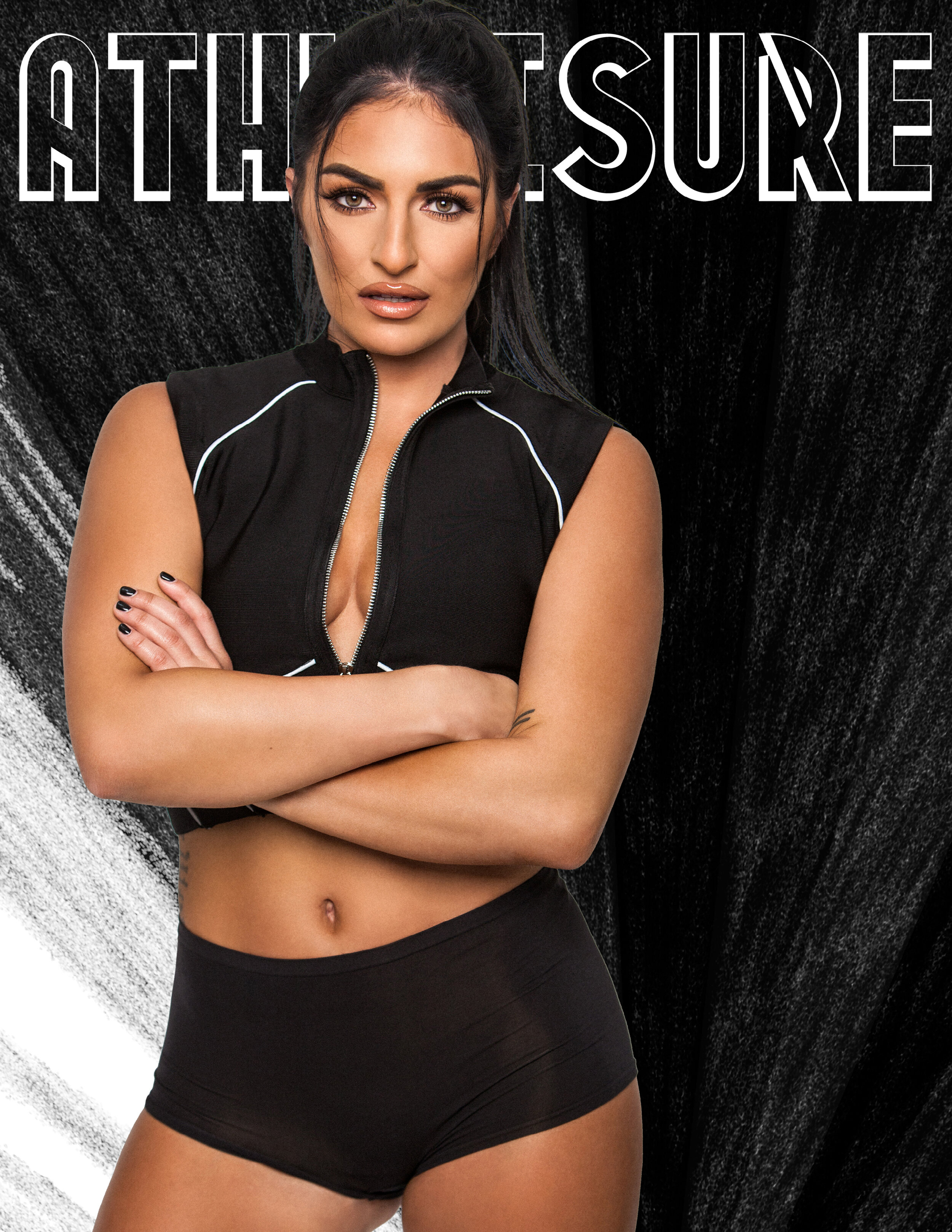
This month’s cover and back cover is Daria Berenato WWE Superstar and E! Total Divas’ Sonya Deville. Our cover shoot editorial – From the Ring to the World talks with the first lesbian WWE Superstar, we talk about how she is an activist for the LGBTQ community, how she uses her platform for mental health awareness as well as extending her empire into fashion and acting. We will also have this interview as an upcoming podcast for #TRIBEGOALS. In our feature, Something You Should Know, we chat with Bryant Johnson fitness trainer to Hon. Ruth Bader Ginsburg who talks about how he got into the industry, how we can maintain our workouts as well as the RBG Workout. This month, we chatted with Maria Menounos about the upcoming Beverly Hills Dog Show presented by Purina. She shares what she loves about this event, how covering this red carpet is different than those that she does during Awards Season and more. In this month’s The Art of the Snack, we head to the west coast and talk with Tabu Shabu about signature dishes and sake as well as how they are offering meal kits through their pickup and delivery options.
As usual, we have our monthly roundups including our 9LIST (Athleisure Mag’s picks that we’re loving this month in style, beauty and fitness) featured roundups. This month’s 9LIST STORI3S (picks supplied by celebrities) gives us insight into Celebrity Fitness Expert and entrepreneur, Emily Skye. This month’s 9PLAYLIST includes EDM DJ Carl Cox who shares his favorite songs with us. As always, you can enjoy Athleisure List (Adidas Runtastic and Barba Men’s Grooming Boutique Quarancuts), The Pick Me Up, Bingely Books, Bingely Streaming, Style Files, We Salute Our Healthcare Workers On the Frontlines, Athleisure Beauty, How to Dress, In Our Bag, #TRIBEGOALS and Charcoal Beauty.
Read the April Issue here.


A few weeks ago, we headed to Chelsea Piers to the Careers Through Culinary Arts Program's 30th Anniversary Benefit to enjoy a staggering amount of top chefs that included David Bouley, Marcus Samuelsson, Jonathan Waxman, Eric Ripert, Maria Loi and Sarabeth Levine. They were joined by students from C-CAP who showcased their skills to guests who enjoyed some of the top restaurants in NYC.
We wanted to know more about C-CAP and the founder, Richard Grausman who took classes with James Beard. He trained and graduated with the Grand Diplôme from Le Cordon Bleu, Ecole de Cuisine. He was also the first exclusive representative of the school who trained people across the US and Canada in order to make them proficient.
We headed to the offices of C-CAP to find out about how his career, how this organization was created, the programs that were launched and how he works with chefs and other partners.
ATHLEISURE MAG: We have had the pleasure in talking with various voices in the culinary community from Chef Marcus Samuelsson to Will Blunt of StarChefs who have shared their work and support of C-CAP. We were so pleased to see how you have ensured that the culinary community continues to thrive by attending your 30th annual event a few weeks ago and it’s so fitting that we finally get to chat with you to find out more.
RICHARD GRAUSMAN: It was a wonderful event and we have had 21 events and that was an unusual one. 2 years ago, Jose Andres was our honoree and that was unique in its style because the room was filled with appreciation for what he has done philanthropically around the world. At our benefit this year, I felt the love and warmth for the program and the guests that were coming up with appreciation when my daughter’s video (PRESSURE COOKER Directed by Jennifer Grausman and Mark Becker, an Emmy nominated documentary about one of the C-CAP teachers Wilma Stephenson) ran and with the alumni expressing themselves. And after that video, there were alumni that were in the room that I have known for years. I know what the program has done for them, but they had never expressed it to me and they came up to me empowered by what they had seen and they just opened up to me. It was just so heartwarming.
AM: You have had a phenomenal background and prior to launching C-CAP, can you tell us what you were doing prior to launching this organization?
RG: I had been the representative of Le Cordon Bleu Paris for 15 years. I had originally gone to Paris to study cooking and become a chef – hopefully in a small mountain restaurant as I love to ski. I’ve always enjoyed skiing and cooking in my life. But I found while I was in Paris that I was too slow to become a chef and I was single-minded. I wasn’t a multitasker. In the process, I taught myself skills that I saw that chefs needed and I realized that I could teach others. I told that to the school that instead of being a chef of a restaurant, I wanted to teach.
Timing is everything and when I came back from a ski trip, I was almost finished with the program and Madame Elizabeth Brassart (owner of Le Cordon Bleu) asked me if I wanted to go to Cleveland to teach a course for her. This was because the Vice President of the Higbee department store had asked for them to send a chef; however, they couldn’t send one since the chef didn’t speak English and she knew I was interested in teaching and the chef thought that I was very good. It started 15 years of teaching French cooking around the country and Canada. I never thought that I wanted to do anything else. It was so gratifying to teach and to have students – men and women, come up to me saying that their spouse loved them more because of their tartar tine or their kids ate carrots for the first time. But then I left the school and wrote a cookbook and I was traveling around the country promoting the book and a vision of what America ate, really hit me. It was fried chicken, hamburgers and pizza. I thought that I could perhaps expand that palette and thinking about the best way to do it, I felt that I had to get in with the schools and get children while they were young and to broaden their palettes, broaden their minds. Because if they leave school, I found that the average adult that if they didn’t like something, they wouldn’t try it.
I wanted to start in elementary school, and I wanted to teach sensory evaluation, and nothing is better to do that with than food, because you use all of your senses. Once you start doing that, you can teach nutrition, then in middle school I thought that you could use foods from around the world to teach geography, history and social studies and in high school, if you had a student with a palette and a passion, it would be easy to train them for the industry. I had a book that I thought was readable at the high school level and I knew that Home Economics was in terrible shape and I thought that by teaching the teachers some of the recipes in my book, to expose their students before they left high school that that would be my goal before I went into my first classroom.
I went to the Board of Education, they liked my idea and they said, “we don’t have any money.” I asked if I could go into one of their classes and they said certainly. I went into one of the classes and that day I saw that half the class was making bread and the other half were Haitian students learning English. I went around the classroom opening drawers and cabinets and they were empty. So I knew it was what the school system had said, they didn’t have any money. I talked to the teacher and said that I had been teaching French cooking for the last 15 years and asked if there was something that I could do for them, what it would be? He laughed and said, “I spent my own money just to buy the flour today for the bread.” So I knew that they needed a lot of help. That day, I went home and I called up many of the manufacturers that I had been dealing with for 15 years. I let them know that I wanted to help the schools and asked if they could help me and they said yes. They donated products, pots and pans, spices – all sorts of things.
I brought the teachers together and I taught them in the morning and then I watched them cook in the afternoon. It showed me the level of proficiency of the teachers. A few were quite competent, but the majority were not. I went to the French Culinary Institute which is now the International Culinary Center and I asked them if they would provide a training program for the teachers, which they did. I went into the classroom and started to demonstrate for the students and when I saw looking at the students – some of them were sleeping, zoning out and there were a couple of people who were bright eyed, attentive and watching me. I watched them cook and a few were very excited and would come up with their tart asking me how I liked it. I let them know it was good, asked how their parents liked it (they did) and then I would ask them what they wanted to do after they graduated and that’s when I found out that the students who were in these classes were the students that the system had failed. Most of them had D’s and F’s at best. They had no preparation for college or a career. I asked them if they had ever thought about cooking and they said, “no – can I?”. I went to a dinner at a small French restaurant on Lexington Ave and I asked the owner about jobs for high school graduates and what the opportunity would be. He laughed at me and told me to look at his kitchen. He was importing labor from South America and Asia and he’d much prefer to have a NY kid that spoke English. I asked what he needed. He said that he needed people that showed up on time and that he would teach them. I asked about knife skills. He said that if he had knife skills, he wouldn’t have to start him on the dishwasher. So that was the beginning of C-CAP.

Within the next 3 years, during the summer time, I would send a student out and a chef would say, “yes the student shows up on time, but when he gets through what I have asked to do, he goes out for a smoke and sits down. I need him to come up to me and say, ‘what’s next chef?’” They needed them to be eager to work. So I built that into the program. Then I would hear, “yes, they show up on time, they are very eager and asks what’s next, but they’re not thinking. He’s got to be inquisitive and to ask why I am using one thing versus another – he has to want to learn.” So I built that into the program. Third year, we were in Chicago. I always went to the competitions that we would have. We would have chefs as the judges and I would take them out to dinner. One night, I took out one chef that was a judge with a director from the high school program and Martha said to Richard, “why don’t you take our kids as you used to take them in the summer?” and he said, “well you’re teaching them the wrong things.” He explained that he had a boy the previous summer that there was a mess and he asked him to get a mop to clean it up. The student said that he didn’t do floors and Martha said, that he shouldn’t have to. That’s when I saw the disconnect between the school and the industry.
The next day, I was handing out scholarships and I was saying that one of the biggest complaints in the industry was that people were coming out of Culinary Institute of America and Johnson & Wales University and they didn’t want to peel carrots or chop onions – they just wanted to be a chef. I let the students know that I knew that they wanted to be Executive Chefs and own their own restaurants and even chains. I told them that if you have your own restaurant and the dishwasher doesn’t show up, then you will be doing the dishes. If your janitor doesn’t show up, you will be cleaning toilets. I let them know that if they didn’t know how to wash dishes or clean toilets, that they needed to go home that night and have their parents show them how. I wanted them to be able to be prepared for anything that would come up. Well, I was shocked that a school board member, a minister, a parent and a teacher all came to me after the scholarship breakfast and thanking me for telling the kids what I did. I asked them what they were talking about and they said, “you are telling them what life is about.” I asked why they didn’t do that. They said they were afraid to. I didn’t know what they were afraid of and I investigated it. Because of the drop out rate in Chicago and DC at that time was so high, parents and administrators were telling their kids that if they stayed in high school, they wouldn’t have to do what they did. The administration would agree with this line of thinking and tell them that they would be paid more. So students were coming out – and this is still true today as I heard about this in Chicago, they’re telling and expecting students that come from their culinary programs to have managerial jobs and not entry-level jobs. Students come out saying that they’re not going to take minimum wage, don’t want to wash dishes or chop vegetables. They want to manage. If you’re not prepared to enter the industry, you’re not going to go anywhere. So that’s the essence of what we do. We work with the teachers to train them in the few skills necessary to get started. Where the school system wants them to teach A-Z, lobster, steak, fish, eggs, salad – everything. They only need to know how to chop, dice, slice, keep things clean and neat, be safe at the workplace, show up on time, want to work, want to learn and have basic knowledge of ingredients and equipment. We try to get the teachers focused on that. They have the students from 1 – 3 years so they can work on that. They can reinforce wearing your apron, watching your hands and other things that take time for them to learn.

We see them when they come to our competitions or for our job training for summer jobs, job shadows to expose them to the industry. We have a student that is already eager, interested and inquisitive. When they leave us and go into the industry, the industry is saying wow – send us more. When Marcus came in and I encouraged him to take on the Co-Chairmanship of the program of the organization. His view was to expand upon what I started and he wanted to reach and train more students as the industry is in need of this. That’s where we are now. We’re trying to figure out how to expand on what we already do and we do well.
AM: How many people are currently in this program?
RG: It depends on how you look at it. I look at it as we have 200 teachers, each teacher has 50 students. That’s 10,000 students. I think the organization uses the number of 17,000 which may be when we’re thinking of the upper level including the 4 years. Those are 10,000 students that the teachers have and the teachers range from poor to excellent so the effect that they have on their student varies. But they all have an effect on their students. Out of that, we see the students that have expressed an interest in knowing more beyond the classroom – shadows, summer training, internships, college advice or our competitions. You go from 10,000 down to a couple of thousand to a couple hundred that get scholarships. There are many hundreds that go into the industry for summer jobs. It’s on the level of interest, focus – but we have worked with over 300,000 students in the 30 years and probably have given $60 million dollars in scholarships and then an untold number of jobs! Then we follow those students if they stay in touch with us, if they have a problem and want to change jobs or they haven’t had a raise in 3 years – what do I do? They tell us if they want to go to Spain and learn something. All of those things, we have the ability to help them with.
AM: How do you assess which high schools you go into?
RG: Initially, I had 3 areas that I was interested in. NY, Chicago and San Francisco. I started in NY and then people heard about what we were doing. I was on NBC for the first time about our program and the next night, I got a call from Washington, DC from the head of Home Economics and they wanted the program. I asked them how many schools that they had and I was looking to go to a community with at least 14-15 schools. For the manufacturers to be able to give the equipment, one school wouldn’t be enough. I went to DC next and then I heard from a teacher in Arizona and another in Norfolk, VA who had been at a teacher’s conference and had heard about it. They wanted it. As long as the school number was sufficient, I went and taught the teachers, I brought the chefs in local areas in and we started the program. It was very easy within 5 years. I had 7 programs, but it was very hard to maintain and grow the program because when I put it all together it worked. To keep it going, I needed volunteers and eventually to keep it going, the volunteers needed to be paid and then we needed a staff and then needed an office. So, the numbers that we effect year after year didn’t change much, the scholarships grew – the degree that we worked with the students improved. The level of services that we gave them grew. Initially, I thought that if I gave a scholarship to a student to CIA would change their lives. In some cases it didn’t change it for the better. I took a student out of their community and threw them into a new community, they had no way to adjust, understand, they didn’t know how to get help with their schoolwork – they’re grades dropped and they lost their scholarship. I had to find ways to mitigate that. I had students going to community college before going to the CIA because their reading and math was at a level that they couldn’t do the work easily.

I’ve had people on campus where they were the only black student that walked onto the campus. So once I had a number of students that were on campus, I got them to form a club to greet the others to work with the campus. So C-CAP students got a name and they were proud to be C-CAP students. Finding what the problem is and finding a solution for it is how my mind worked. The program has grown organically because of that. I saw a problem, I would address it and try to solve it and by solving it, I was able to move people.
AM: So who are groups or services that you work or partner with frequently?
RG: There are a number of organizations that do similar work. We’re not actively working with them. I did work with the American Culinary Federation for a number of years in the beginning because their chefs and association needed credits for them to continue in that group. One of the ways that they were able to get that credit was to provide their time in their schools and I took advantage of that and their members loved it as they were able to be judges. The organization itself, I tried to work with and I became their School to Work Chairman – I wasn’t able to get them to move in the direction that I saw necessary. So I haven’t been active with the organization for 15 years. The National Restaurant Association also wanted to work with us years ago, but they wanted us to work for them. The partnership wasn’t in the way that they saw things. They saw it their way and wanted us to work with them. They did a lot of good, their programs both the ACF and the NRA affect schools and students, but I don’t see them working with the populations that we work with. Many of them saw how effective competitions were so they did it too. When you offer nationwide competitions and you have affluent schools and affluent students in those areas, they’re competing against our students from poor schools and poor backgrounds, our students don’t make it to the top. In our competitions, our students make it to the top and beyond. We can focus on a certain population to what I think is doing important work and I don’t concern myself with the whole country, where they do.

AM: It’s an interesting point about how C-CAP focuses on the skills needed and that you serve a specific community in order to have them excel in the culinary industry. When we were at your 30th Anniversary Benefit, it was a pleasure to see C-CAP students working side by side with some of the most esteemed chefs who own their restaurants as well as being food TV personalities. Seeing the pride and how inspired they were was amazing. It had to be a boost to their confidence to see people enjoying their food and being in that environment. That’s a resume builder.
RG: Yes, I learned very early when I was teaching. The importance of teaching is to empower others. I found ways to empower housewives so that they could talk to their butcher and all of a sudden relationships were being built! They would come to me and say, “oh Mr. Grausman, what you told me about that leg of lamb – I went to my butcher and told him and he looks at me like I am a professional!” I told them just a few words and it made all the difference! That’s the same thing that I did at C-CAP. By teaching the students certain techniques, that when a professional chef saw them accomplish those things, they were impressed at their capability.
One example at a competition was that I had the Executive Chef of the Four Seasons Hotel in NY as a judge and she came to me and said, “Richard, that young man is really great! Do you think that I can have him work for me?” I told her to give me her card and we gave him a scholarship to go to the French Culinary and she hired him. He would call me everyday and say, “Mr. Grausman, I have to make a salad today and I don’t know how to do it.” I told him that in my book, there are 3 great salads and to make one of those. This went on for months and then the chef called me up and said that she had to let him go. Since they had a union, other people were complaining that he wasn’t doing what everyone else was and that was because when I knew Damien in highs school, he was taking care of 2 younger siblings and one parent had died and one was ill. He was working at Kentucky Fried Chicken closing it at 2am and mopping the floors and his teacher had taught him the skills that were involved in our competitions and he was spectacular at it. That’s why the chef wanted him and I empowered our students to impress these chefs to get into the kitchens with the exception of him because of the unions.
Every kitchen that our kids went into even though they weren’t up to the standards that the chefs thought they were after seeing them. They were capable of learning and being trained. I got them into the kitchen. Those were the little secrets that I used to focus on because you want teachers to be able to effectively teach their students these skills. You can’t ask them to do more than what is realistically achievable and that is what is the problem with our education today.
They set goals and standards that aren’t achievable because what happened before they got into the 9th, 10th and 11th grade wasn’t achieved. So, if you are reading at a 3rd grade level in the 9th grade and you’re supposed to be reading at a 10th grade by the time you’re out – kids drop out because they can’t do it.
AM: It becomes frustrating!
RG: Exactly, unless you go back down, and solve those problems at the time, you’re not going to reach them. The first year that I was doing this, I was asked to be on a council as an advisor for the Board of Ed and I ran into a situation where a student in their junior year was given a scholarship to the Natural Gourmet School here in NY. I followed up in the summer and asked how he was doing. I was told, “Richard it was very strange. In the first class, he was fantastic. I had him come up because his knife skills were so good that I had him demonstrate for the rest of the class. But then he didn’t show up the next day.” I asked what she said to the rest of the class when she let them go. She explained that she had asked them to read chapters 1-5 and that they would work on it the next day. I called his high school teacher and asked why she thought that the student didn’t show and relayed what happen at the NGS and she said, “oh that’s it. He doesn’t read.” A junior in high school doesn’t read. I wanted to know how he was able to be a junior unable to read. His teacher explained that he was able to maneuver around reading by opting out. So as I sat on this council, I asked how they could allow a student to get that far and not read. They explained that I didn’t understand how they have kids attending the schools who have various language problems and they have to move them on. I believe that after 3rd grade, if they don’t read, then before they move on you have to make sure that they do. Those on the council said that that is tough because you have to keep them with their age group and they felt that because they have to teach them math and history, it was better to continue with them moving on from grade to grade. But the answer is if they can’t read you need to keep them reading, reading, reading because they can’t learn anything regardless of the subject. I don’t know what the situation is like today – if they’re still dropping out because they can’t read. But this was back in 1990 and to me, that’s the major problem and you solve it. How do you solve it? You find all different ways that you can teach them – there’s Sesame Street – education is something that I am very interested and passionate about. I am frustrated because I don’t often see the imagination and creativity in solving problems. They identify problems and identify solutions but when those solutions don’t work, they will find another solution – find out the root of the problem and why those solutions don’t work.
Hopefully, one of the reasons why I established competitions was that teachers weren’t teaching the skills necessary to get the jobs. The curriculum was so vast, they couldn’t repeat something. You can’t learn knife skills without repeating. You can’t learn how to make a sauce properly without repeating it. There are certain things that you need in cooking competitions. Teachers that go through our competitions will tell me, “Richard, thank you so much. I never thought that I could get one of my kids a scholarship to Johnson and Wales and you gave me the other opportunity – but it was hard. I had to work with them after school." I asked why they didn’t work with them during class, and why don’t you work with all of your students and not just 1 or 2 of them? They explained that they couldn’t give knives to some of the students or that they weren’t interested. So they take the ones that are and train them. For years, I have worked on ways to get teachers to be able to focus on hard skills and soft skills. The only way that I could get them to do it is through the competitions. I have now been working on something that I called, C-CAP Approved. It’s an assessment, skills that I first gave to the teachers that they should work on. I have found that the teachers would like to do that, but the administration won’t let them. So we’re working on NY now and we’ve evaluated their benchmarks and in doing that, we cut down the things that students need to learn. Now they want us to do an assessment test and if that goes through, we’ll have the piece that I’ve been visualizing for 15 years which will be mandated to the teachers as what has to be taught. These few skills that will be meaningful to the industry. If I can pull that in NY, I can roll that out. When I look at the students that are in those classrooms now, if the teachers said we’re all chopping and who will be the fastest and to develop a bit of the sport of it by getting them excited to perfect their knife skills. Americans in today’s youth, if they don’t get it right away, they drop it. If you come to a competition, we do a dish that has turned potatoes. Chefs would ask me why I would teach it because they don’t do that anymore and if they do, they get them from Mexico. I said it was there because the average teenager will try to do something and then quit. But if they stick with it long enough to turn a potato, there is nothing that you can give them that will take more time and patience so I’m not afraid of them quitting on you. They will work. It’s a vehicle to achieve a certain result. It’s to teach repetition and willingness to do something. I have been using the same recipes for competition for a while. We changed from salmon and beurre blanc to poached chicken to a sautéed chicken that we use now. The dessert was always crepes pastry cream and chocolate sauce – it still is. The teachers will say, “Oh Richard, can’t we change the competition recipes. We’re so sick of it.” I tell them that you can’t get sick of it because the students can’t get sick of it. If they’re a chef in a restaurant and they’re making this chicken dish on their menu, It has to be made good or better each time that they make it. They can’t get tired of making it and they have to find something in it that drives them on.
When all of your students are making the chicken perfectly or the crepes perfectly, I will consider changing it. Some years the teachers focus on the crepes and they come out thin and beautiful and I’ll begin to think about changing it and then the next year, they’re coming out thick. The chefs that come to judge they see the techniques that the students have to do to create these dishes and they appreciate it. They say, “you’re old-time but it’s good because they are learning their basics.” In time, I won’t be here and somebody else will come and the skills may change because the industry is changing all the time. There may be skills that we should be teaching for those that are going into Fast Casual to other ends of the business. I want to know what those are and if they are teachable at the high school level then we should do that. Basically, what we’re doing is teaching discipline, attention, focus, sanitation safety and you can’t teach this overnight.
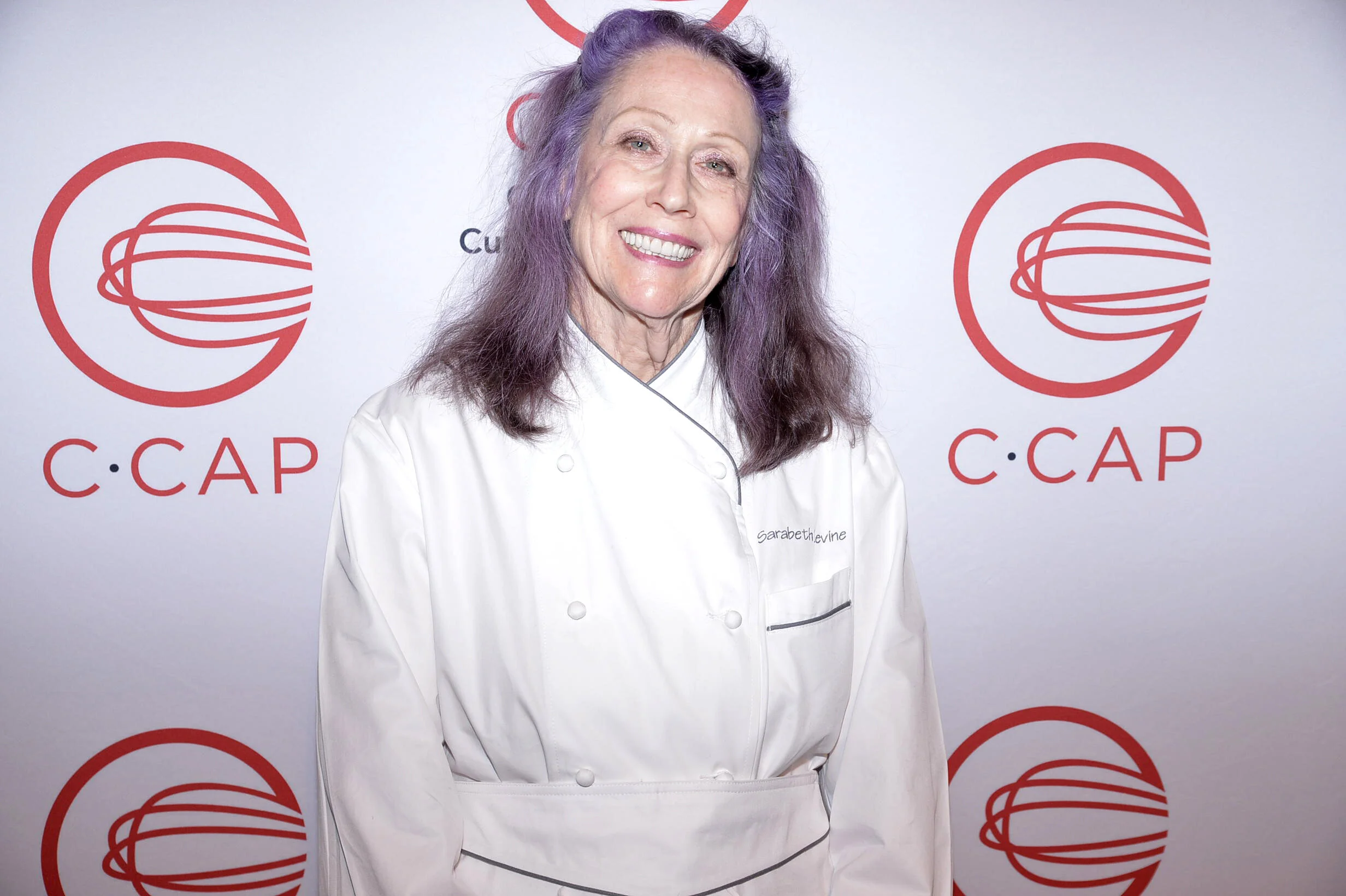

AM: It has to be a habit and routine.
RG: Exactly! Knock on wood, we've been lucky and our kids who have those basics and put them in the hands of a good chef who is interested in mentoring, they go from dishwasher to sous chef very quickly. Some chefs just told me that they have some of our kids and one of them is the youngest female sous chef and their corporation. They learn quickly and they’re not interested in looking at their watch. Even when they’re leaving, they’re asking if there is anything that they can do as they’re eager. That attitude and interest is golden.
AM: Clearly, you have been a mentor to a number of chefs, who are 3 people that you feel were your mentors that have shaped you?
RG: Well, I think of 2 or 3 people that come to mind and there are a lot of chefs that I respect in this industry. But Jacques Pépin when I was a teacher, he was a teacher also who taught all over the country. We would teach in the same cities, but never met each other until 10 years later. When I got to see him work and saw his books, he is one of the finest teachers that I have ever met. His ability to make things look easy is something that I use and learn to pass onto my students.
Daniel Boulud is a chef that is very dedicated to French cooking but he has adapted techniques to American tastes but has kept a level of excellence that in my mind is very important. He is a wonderful mentor. What he has done with Ment’or a non profit organization of chefs to help younger chefs – I commend him immensely on that. We have worked with him and Ment’or on a number of their projects and many of our students have gotten scholarships.
Marcus – when I first met Marcus, I saw a potential as a role model for many of our students mainly because he is African Swedish, but he has the ability to be a mentor to a number of people. He has a personality and way to inspire young people. I am hopeful that as he gets more time to focus on this that that will translate immensely.
I am on Facebook until 2 o’clock at night and my wife gets upset and will ask if I’m still on it. I let her know that I am talking to a student that I haven’t spoken to in 20 years. I have a relationship where they talk to me as an equal. I sort of try to advise them on a level that is meaningful to them and they open up to me. I am white and they may be black or Hispanic and I know what they have gone through because I read their essays and I hear about the difficult childhood that they have had and the way that they have been mistreated in their lives. I understand what they have gone through but I can’t understand exactly what they have gone through. I can picture it, I can see it many many times in many ways. I don’t know if I could have gone through what they went through. For them it was life, they survived life and when I have been able to open the door, make an introduction or point them in the right direction – it has been life-changing to them and easy for me. They have gone through the hard things and I am using things that are easy for me to do for them and it changes lives. That’s a great combination. When I thought that there was nothing else that I could do in life but to teach and get enjoyment there, what I have been doing for the last 30 years has been life-changing and is really powerful. I wish more people who get wealthy and retire would not retire from life but would use their expertise to find a way to give back. At all levels – banking, stocks, football – mentorship can change lives and if you have gone through it yourself, you have a lot to give and it’s not hard for you to do. You’re an expert at it. It’s hard to get people to that point sometimes.
I was fortunate to win the President’s Service Award and I met a lot of people and I saw a lot of people who aren’t doing much with their expertise and their money besides playing golf and that’s a shame. The gratification that one gets is better to help then to take. It’s a simple truth. But unless you do it, you won’t know.
PHOTOGRAPHY CREDITS
IG @RGrausman
Read the March Issue of Athleisure Mag and read Fueling the Culinary Arts with Richard Grausman in mag.
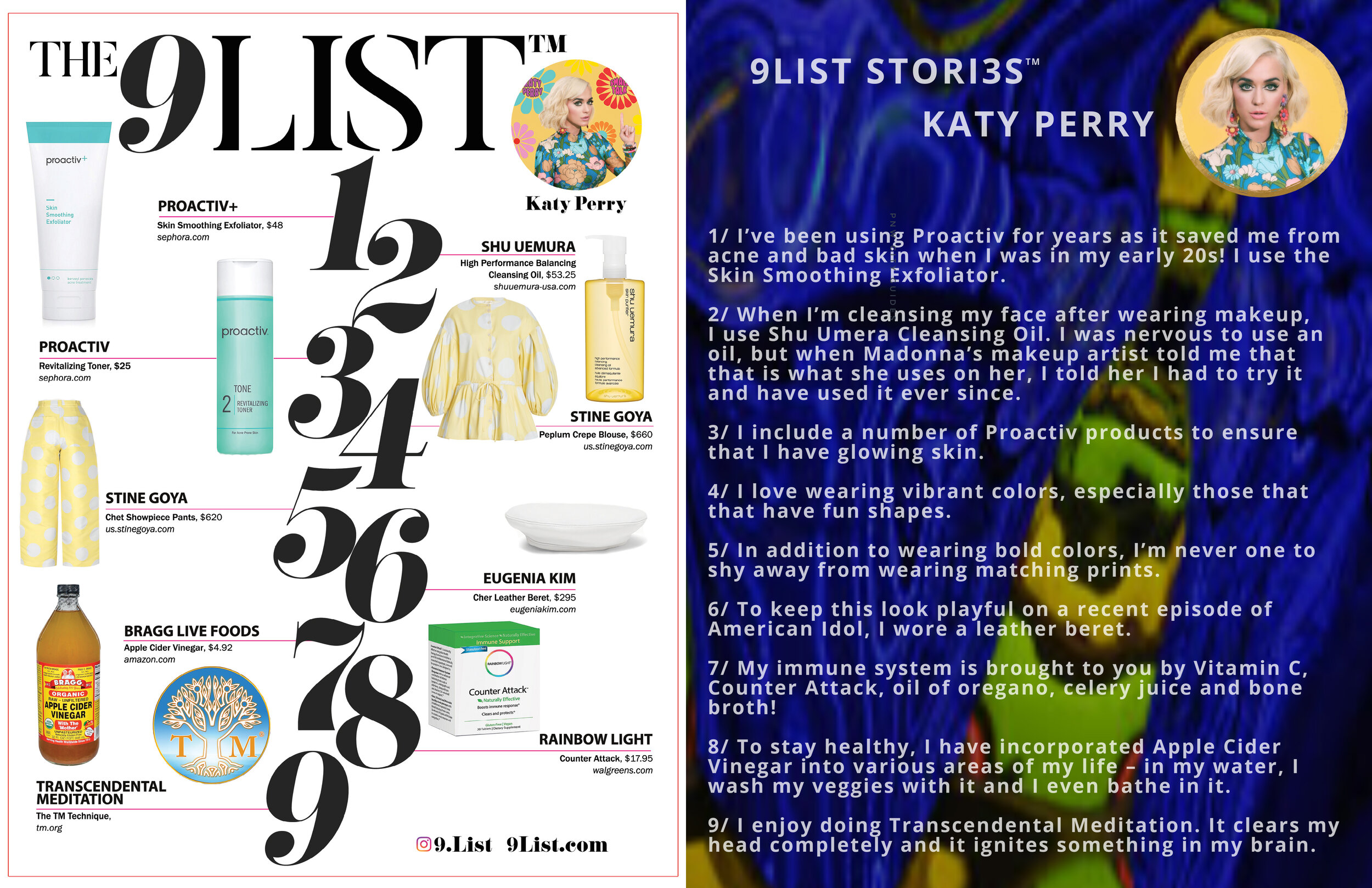
Read the March issue of Athleisure Mag and see 9LIST STORI3S | Katy Perry in mag.

This month’s cover and back cover is ESPN’s Host of The Jump, Rachel Nichols. Our cover shoot editorial – Bank Shot with Rachel Nichols took place at Moxy Time Square in Tao Group Hospitality’s Magic Hour. We talked with Rachel about her career, being at ESPN, the NBA and a number of the stories that she has covered while at the network. In our feature, Something You Should Know, we chat with Roxanne Dennant of Fruit Slabs who talks about the cannabis industry, starting her company and what they are working on. This month, we chatted with the founder of Careers Through Culinary Arts Programs founder, Richard Grausman, who shares more information on C-CAP, who it serves and his partnerships with chefs. In this month’s The Art of the Snack, we head to Astoria, Queens to VIA VAI. We talk with Ladder, a premium supplement brand to find out more from their scientist about the formulation of this nutritious drink. We talk fragrances with the founder of Hope Fragrances, Audrey Gruss to find out more about her perfumes, availability in Bergdorf Goodman and how she provides funds for the awareness and research for depression.
As usual, we have our monthly roundups including our 9LIST (Athleisure Mag’s picks that we’re loving this month in style, beauty and fitness) featured roundups. This month’s 9LIST STORI3S (picks supplied by celebrities) gives us insight into American Idol Judge and Pop Icon, Katy Perry. This month’s 9PLAYLIST includes Instagram Club Quarantine DJ D-Nice who shares his favorite songs with us that you have also enjoyed in his sets that we have been jamming (along with 100K+ people when he spins via Instagram). As always, you can enjoy Athleisure List (Alo Moves and Technogym), The Pick Me Up, Bingely Books, Bingely Streaming, Style Files, Rock This Look When You Need to Stay Comfortable, Athleisure Beauty, How to Dress, In Our Bag, #TRIBEGOALS and Aloe Beauty.
Read the latest issue of Athleisure Mag.