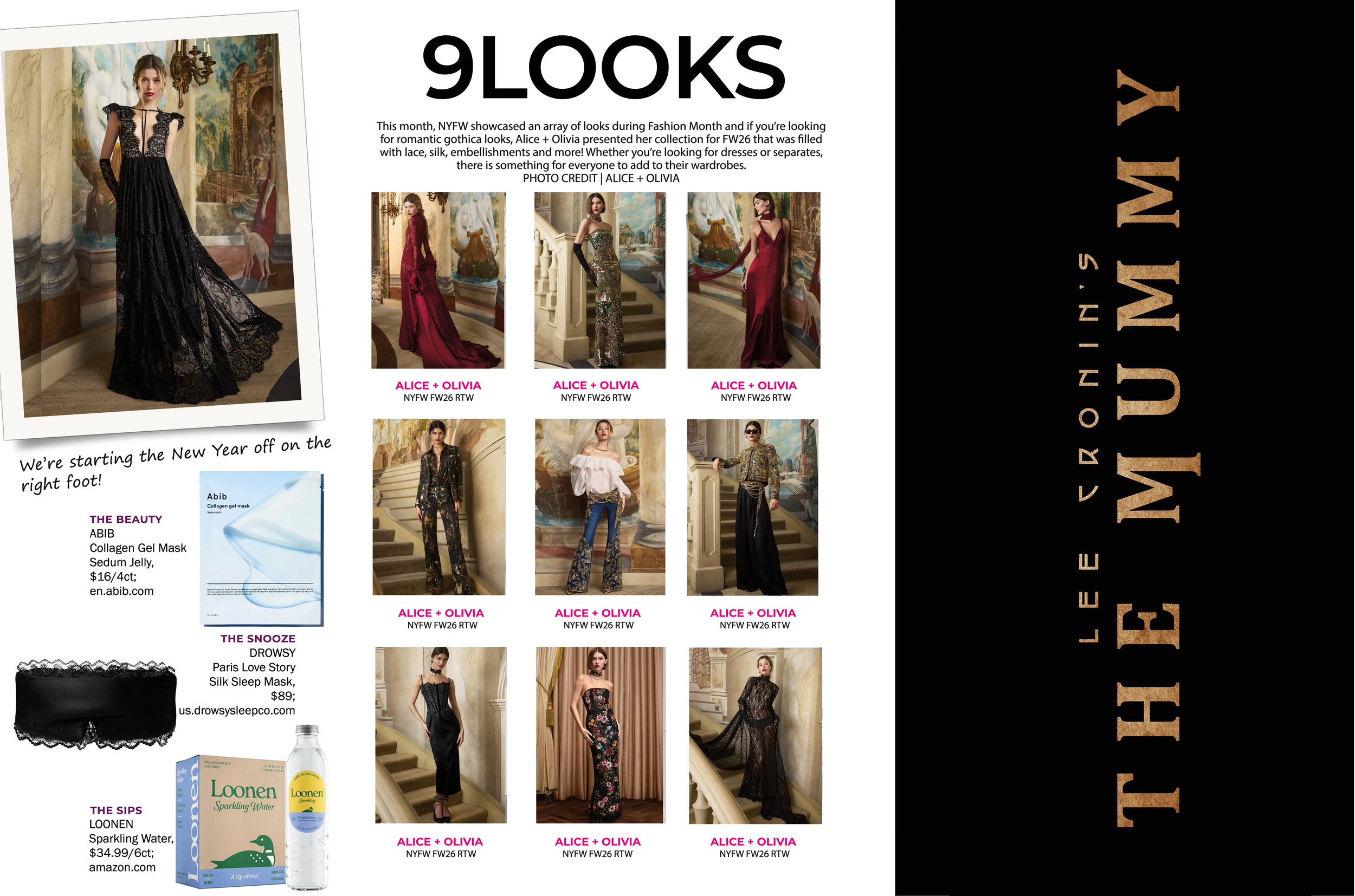
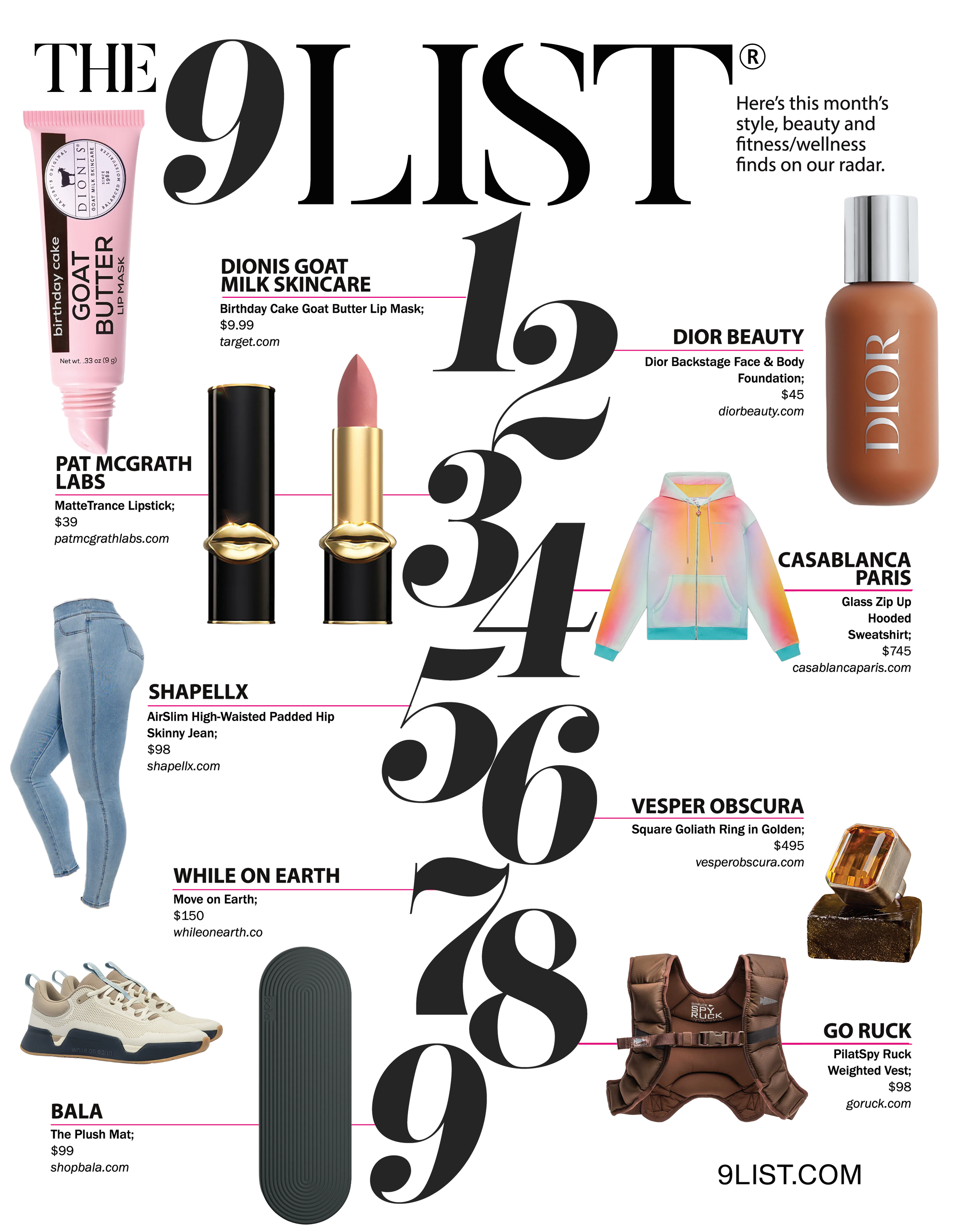
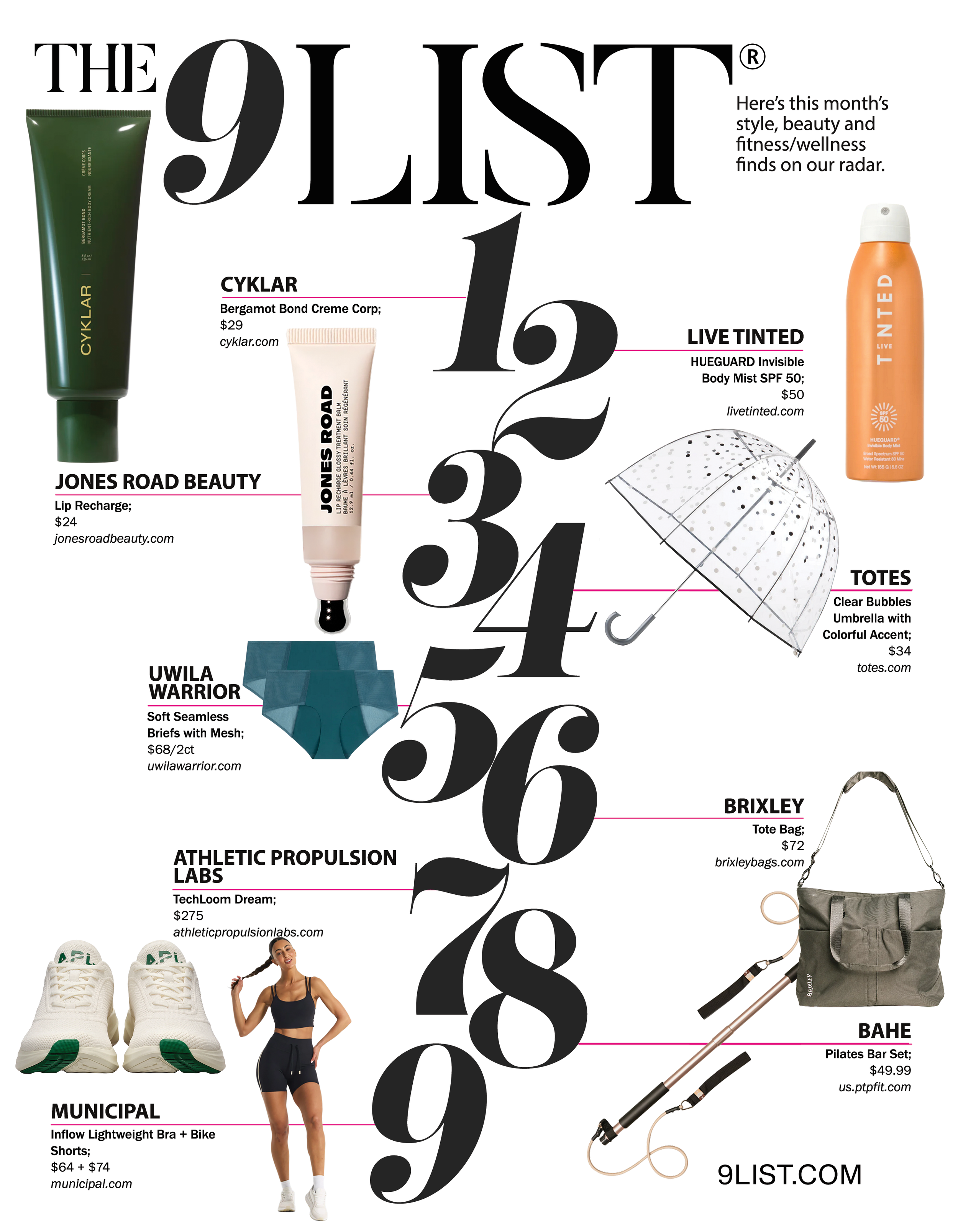
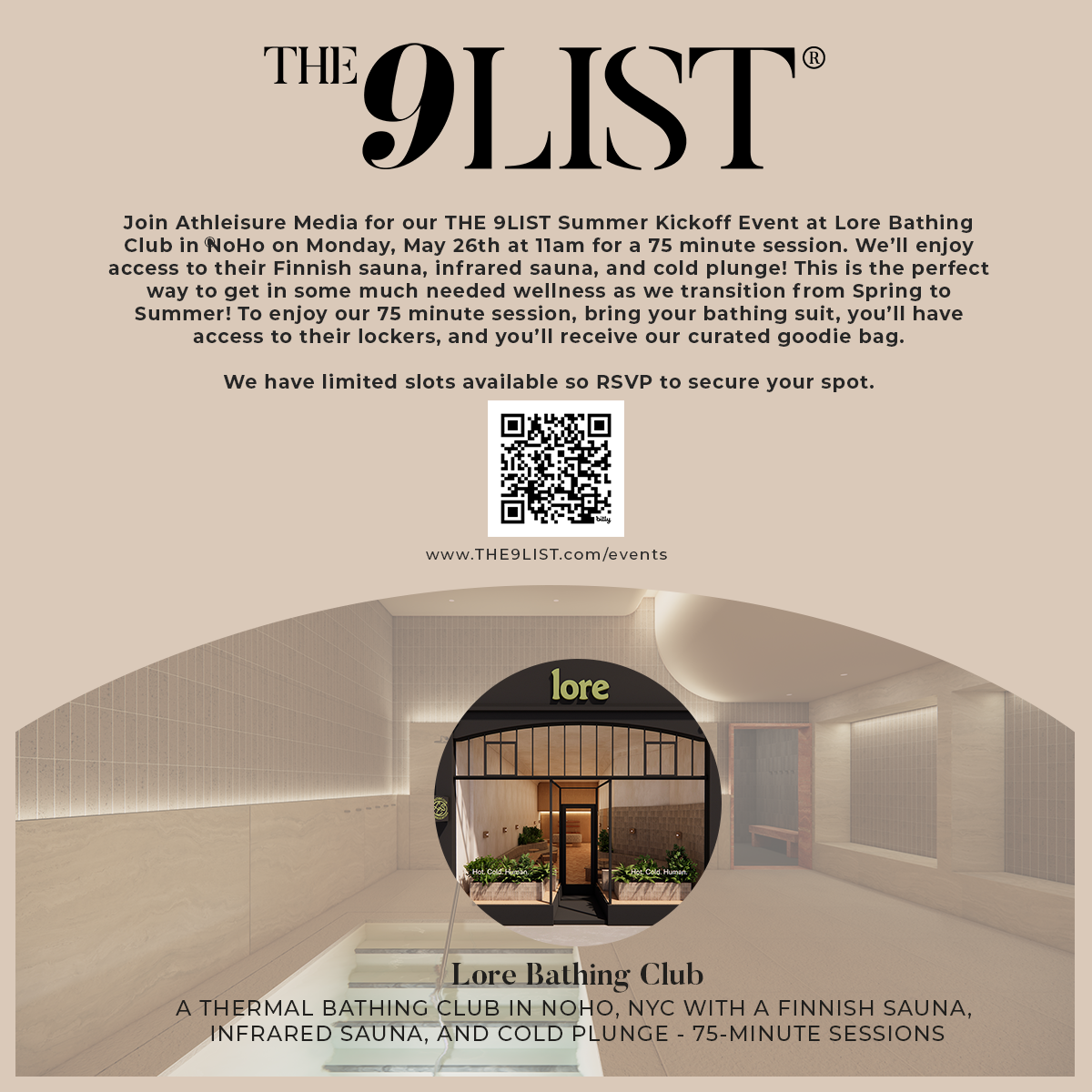
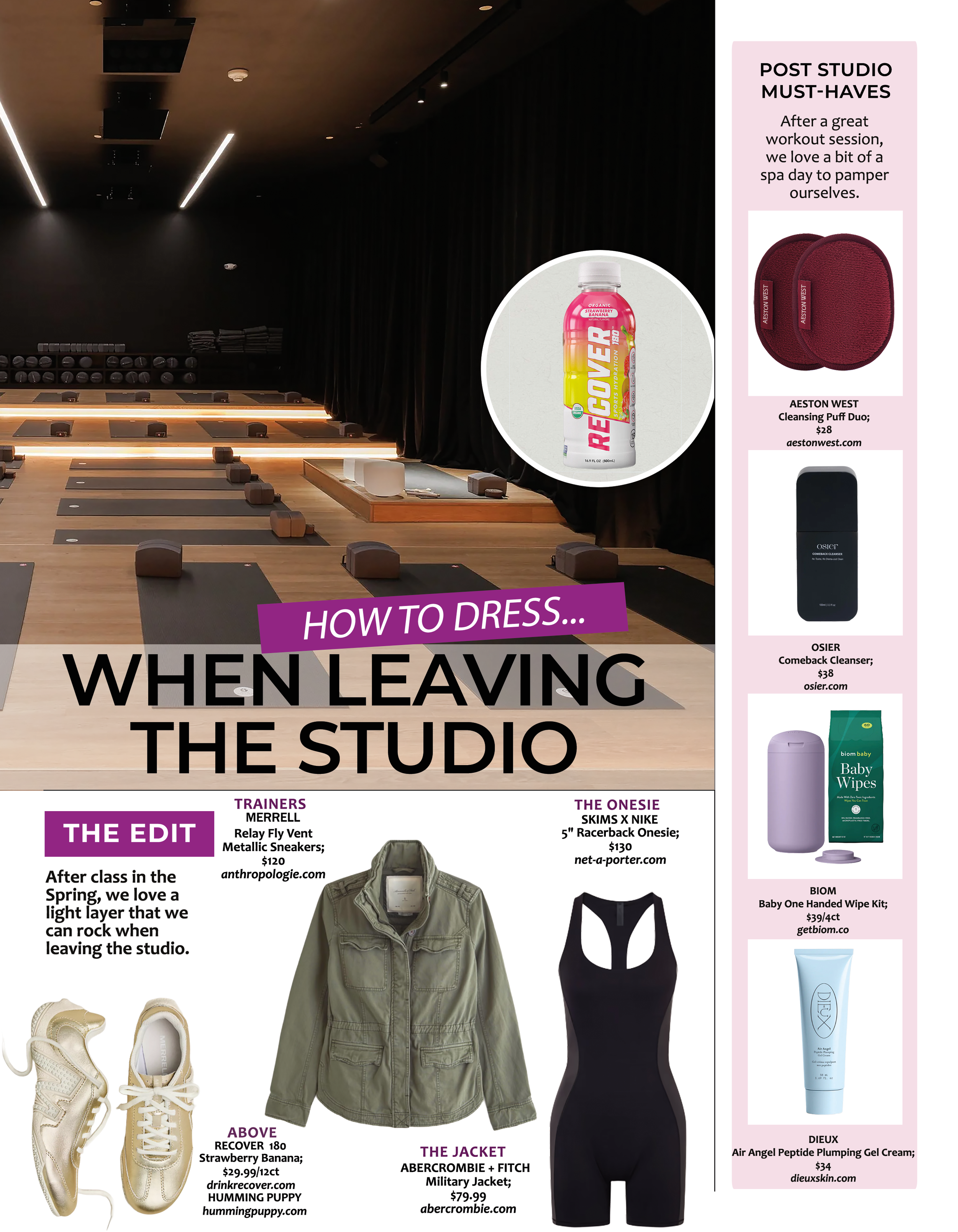
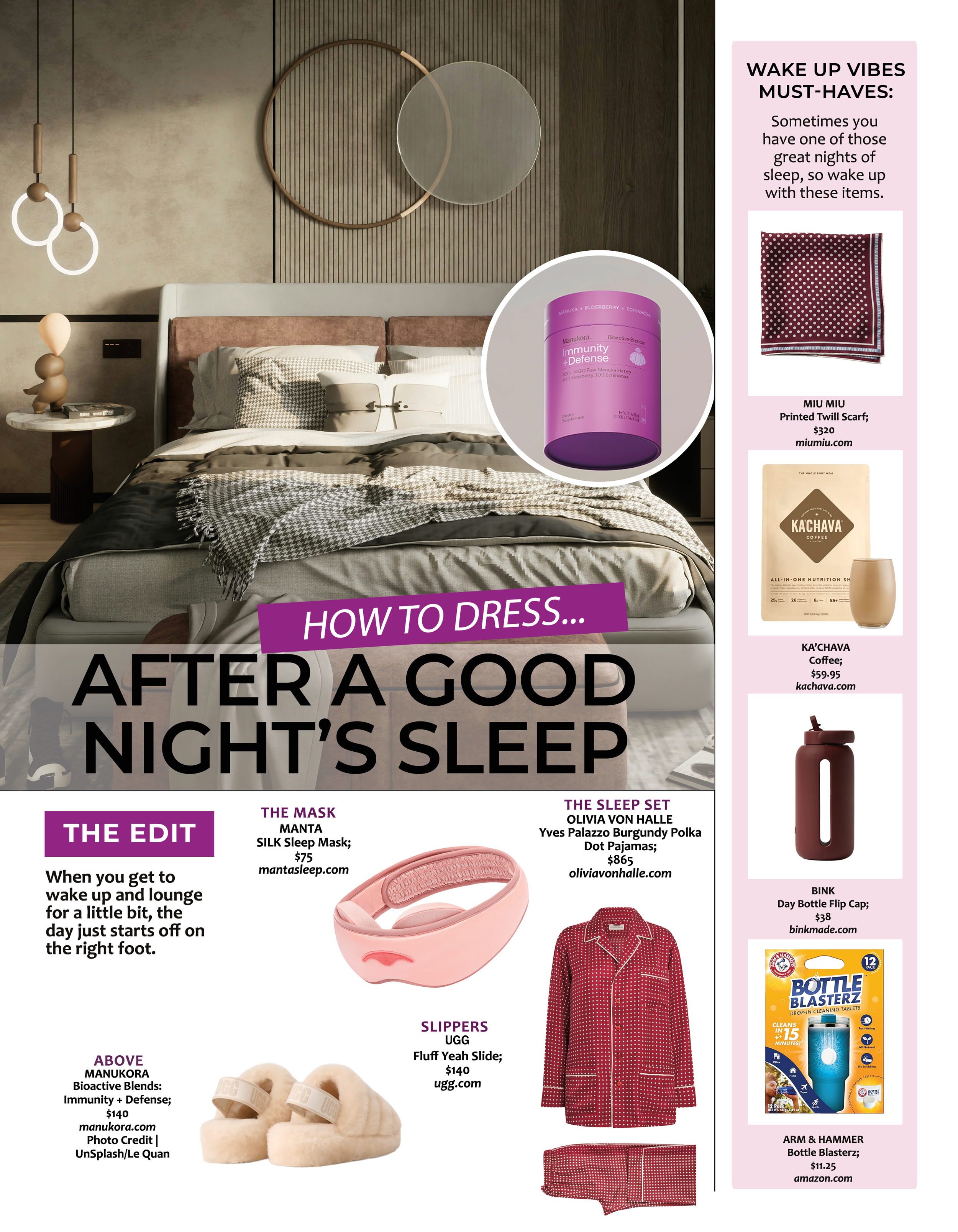
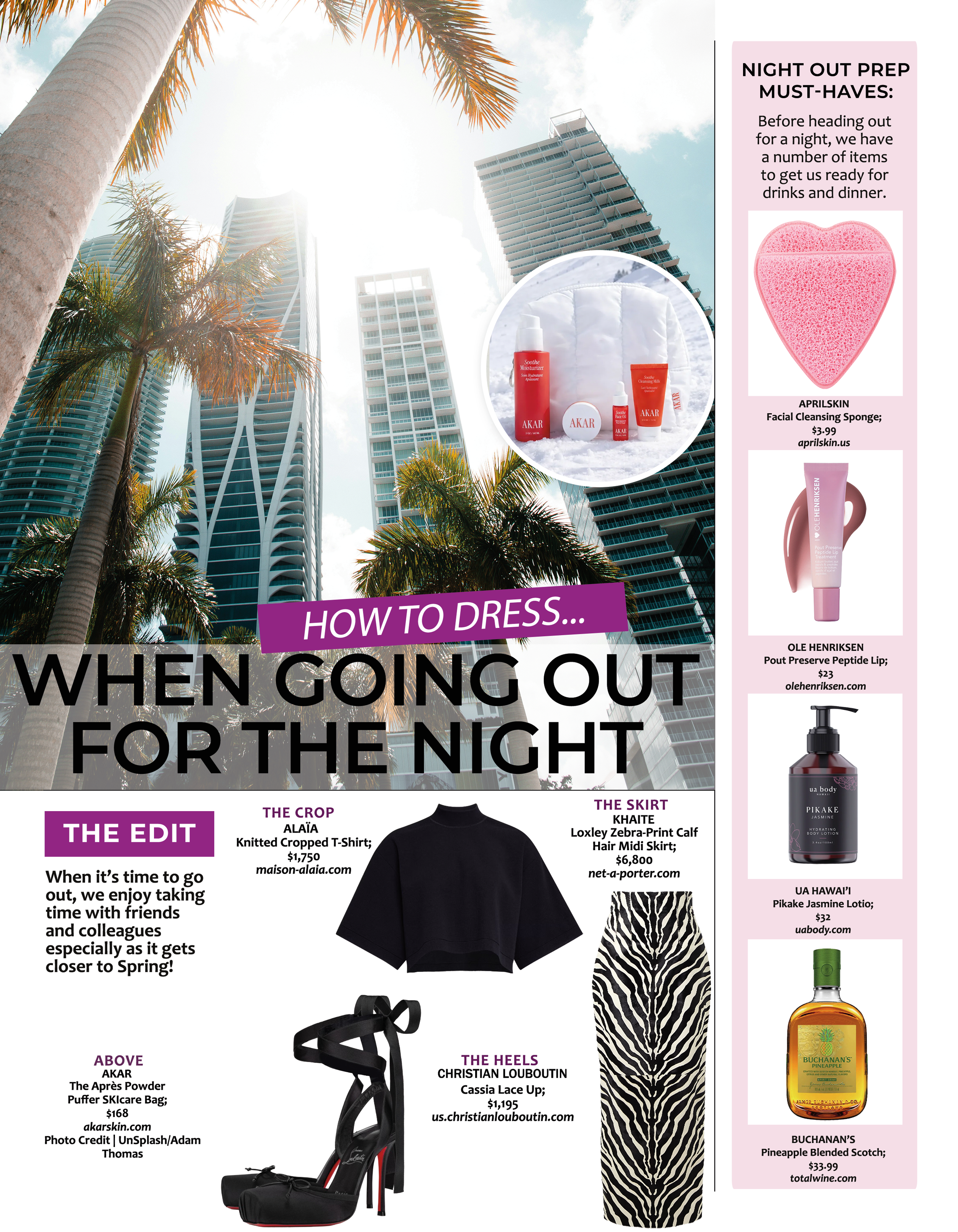
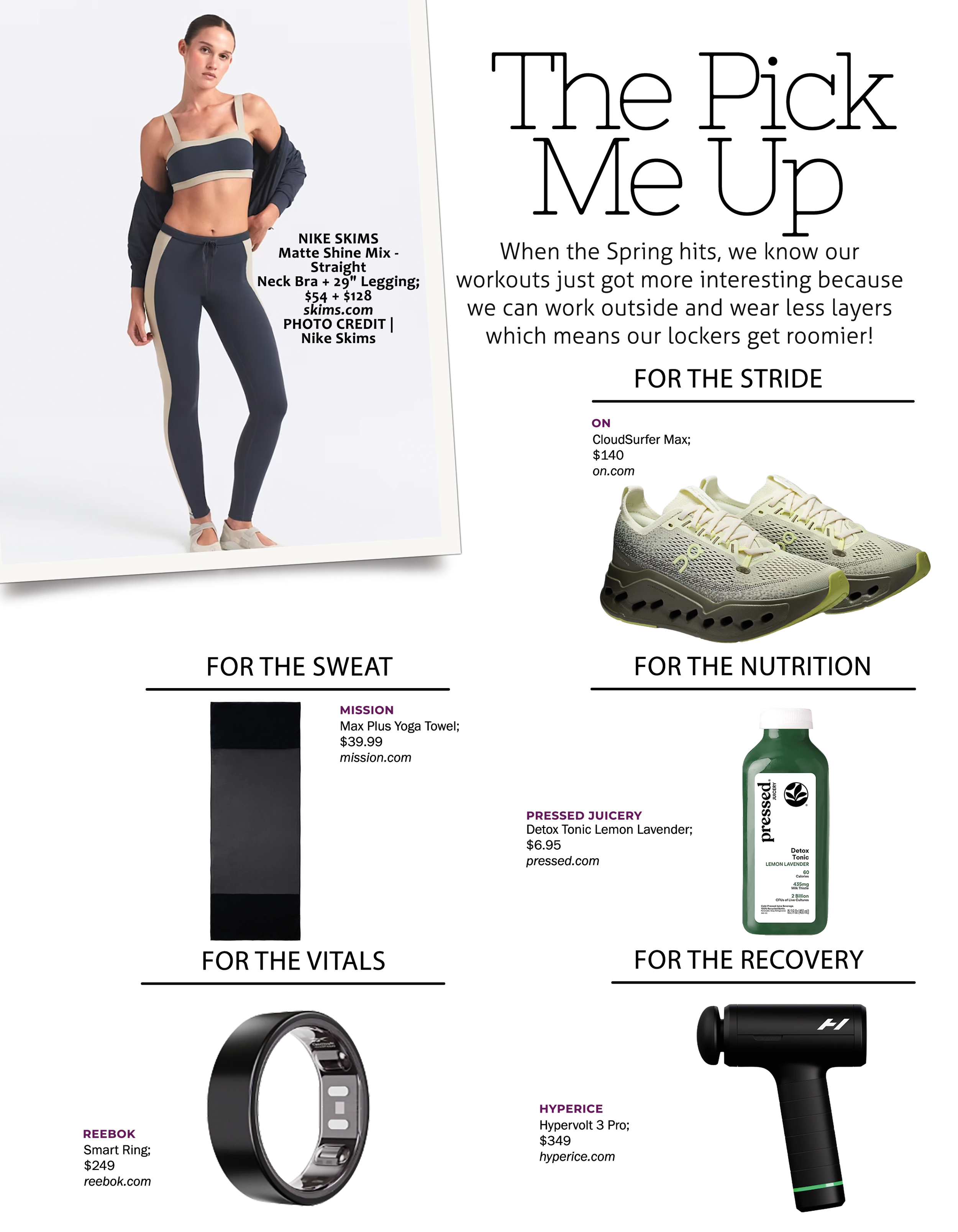
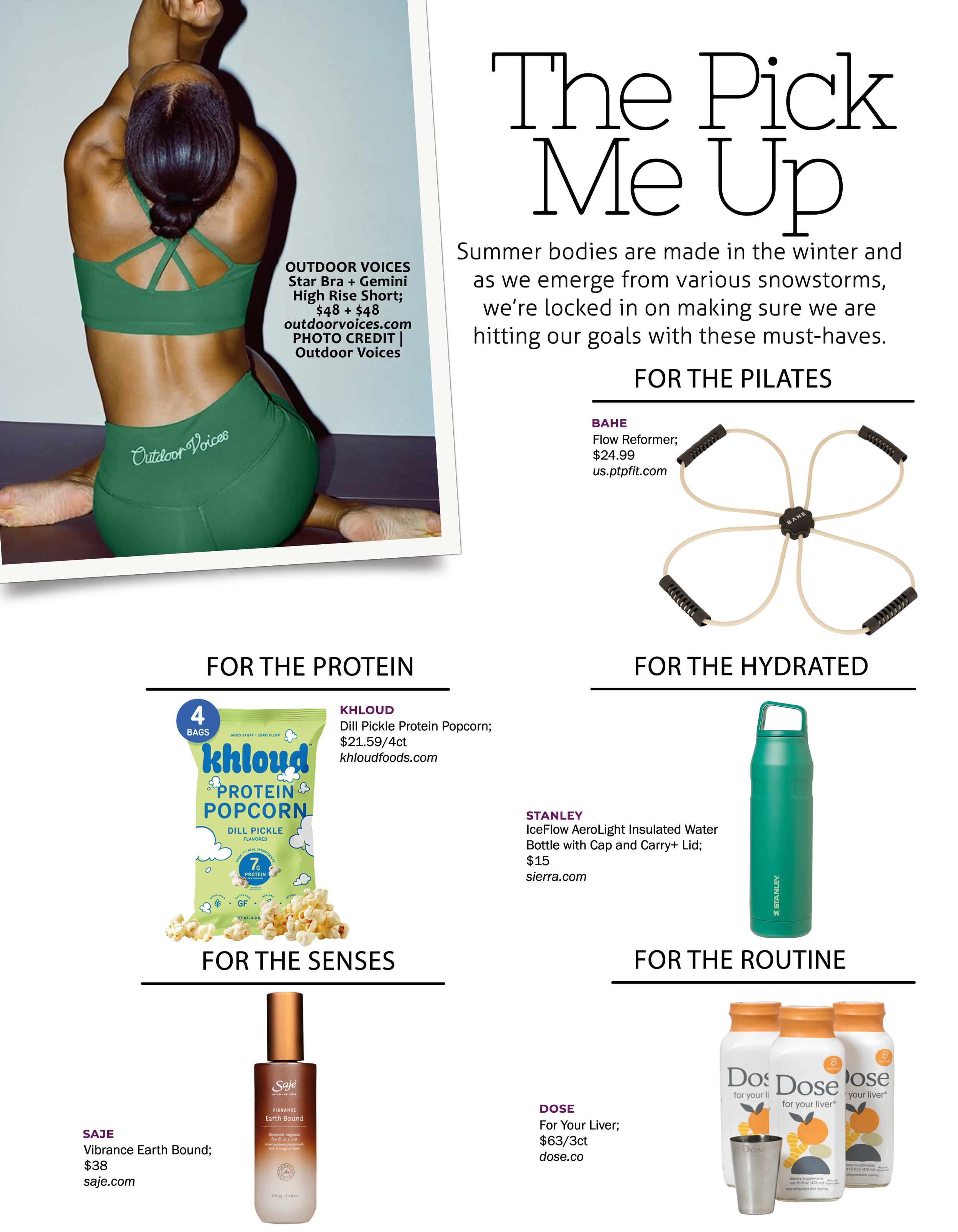
Read the DEC ISSUE #120 of Athleisure Mag and see ATHLEISURE BEAUTY in mag.
Featured


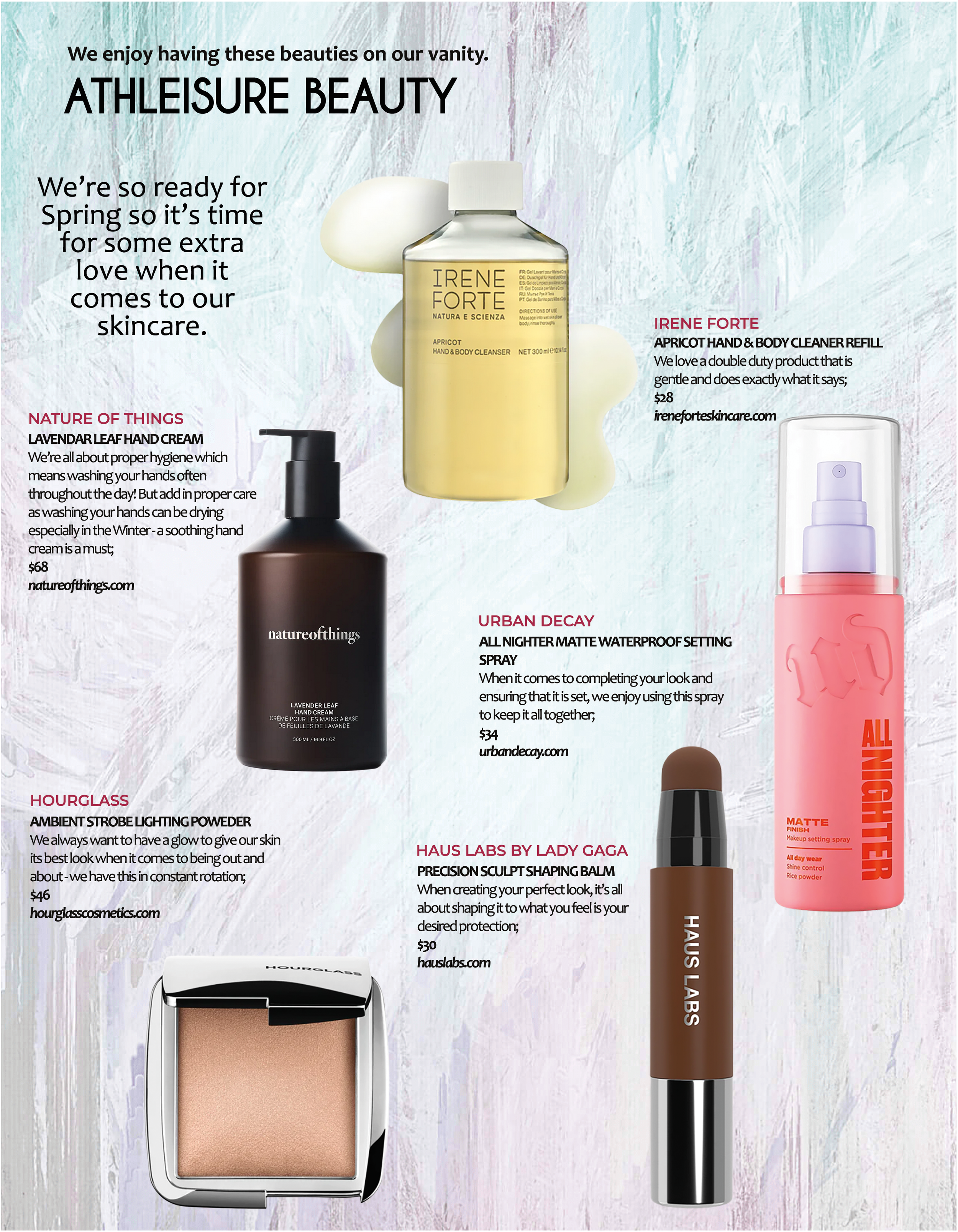


Read the DEC ISSUE #120 of Athleisure Mag and see ATHLEISURE BEAUTY in mag.
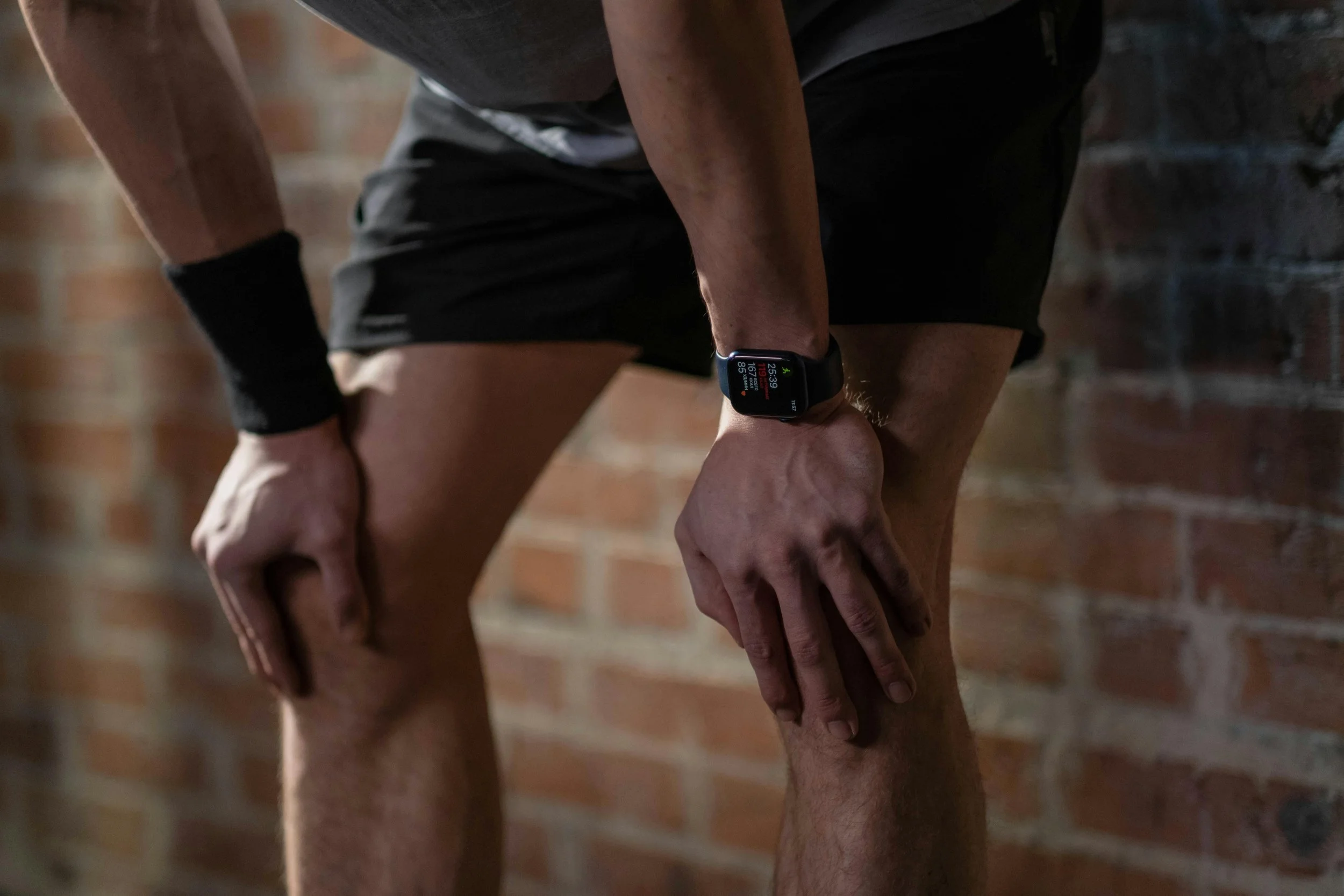
PHOTO CREDIT | Pexels/Cottonbro Studio
Every athlete is on the hunt for something that sets them apart. Sometimes it’s extra hours in the gym, a pre-game playlist, or the familiar squeeze of a sweatband around their wrist.
Rituals—big or small—have always shaped the world of sports. They’re not just habits; they can boost confidence, settle nerves, and even tip the balance when it matters most.
This article looks at how personal routines, lucky gear, and psychological preparation push athletes and fans to new heights. The smallest details can make all the difference.
Every athlete knows that game day is about more than just skill. It’s a test of nerves, routine, and belief. From the soccer pitches of local parks to the bright lights of pro stadiums, rituals are everywhere.
Some athletes tape their wrists a certain way. Others slip on lucky socks or do a quiet handshake before stepping onto the court. Even coaches get in on it—think about basketball’s Gregg Popovich with his pregame coffee ritual or tennis stars bouncing the ball a set number of times before serving.
For fans, rituals are just as serious. Wearing the same jersey for every match or gathering friends at the exact pub before kickoff isn’t just tradition—it feels essential. These habits create comfort, focus, and even superstition. Lose a game after changing routines and you’ll hear someone swear they jinxed it.
Platforms like Stake Hunters have become part of this ecosystem. They connect communities who thrive on prep work, stats, and even shared hunches about what tips luck their way.
I’ve watched seasoned punters stick to rigid pre-match research patterns that border on superstition—and they swear by them. Whether you’re an athlete sharpening your mental edge or a fan building camaraderie through shared habits, these rituals are stitched into the fabric of sport. In many ways, they help both players and fans feel ready for whatever game day brings.
It’s not just physical training that sets elite athletes apart. More and more, coaches and players rely on rituals—personal habits and team routines—to sharpen their focus and calm their nerves before high-stakes moments.
These rituals might look simple from the outside. Yet, the way an athlete ties their shoes or listens to a certain song can help clear distractions and build confidence when it matters most.
Sports psychologists have found that these practices do more than soothe nerves. They create a sense of predictability in an unpredictable world, giving athletes control over their preparation—and often, a real edge in competition.
I’ve seen firsthand how pre-game routines can transform an athlete’s mindset. Some use visualization techniques—mentally rehearsing every play or move—to prepare for pressure moments before they even step onto the field.
Others practice deep breathing exercises to lower their heart rate, steadying both body and mind. Even small actions—like listening to the same playlist or lacing up shoes in a particular order—help athletes feel grounded and ready.
● Visualization improves confidence by letting athletes “see” success ahead of time
● Breathing exercises reduce anxiety so players think clearly under stress
● Consistent routines cue the brain for peak performance
The common thread is structure: predictable steps that become anchors amid uncertainty. Over time, these rituals can be just as critical as drills or strategy sessions.
Here’s where things get fascinating. Sometimes it’s not the ritual itself—but belief in its power—that drives real-world results.
Athletes who wear a lucky sweatband or follow a specific handshake often report feeling more focused or confident. It turns out this isn’t just in their heads—it’s part of what psychologists call the placebo effect.
Sports Ritual Placebo Effect: A 2023 study published in Scientific Reports found that the placebo effect can lead to meaningful improvements in outcomes for athletes who believe in the power of their routines or lucky items, showing how psychological belief in rituals can genuinely enhance sports performance.
This means that trusting your own routine—even if it seems quirky—can spark real changes in motivation and performance. For coaches and leaders, recognizing this invisible boost is key to helping teams reach their potential.
Sports gear isn’t just about function. For many athletes, what they wear becomes woven into their sense of self—and sometimes even superstition.
Slip on the right shoes or a favorite sweatband, and suddenly you feel different. There’s comfort in routine, but there’s also real psychological power in these choices.
In locker rooms everywhere, signature items help athletes get locked in for competition. Gear is part of the ritual—a small but crucial piece of the mental toolkit that helps push limits when it counts.
Sweatbands might seem minor compared to high-tech shoes or jerseys, but they carry surprising meaning for many athletes.
Think of Rafael Nadal’s sweat-soaked headband—a talisman as much as a tool. Or Allen Iverson’s famous arm sleeve, born from an elbow injury but soon adopted by basketball players everywhere who wanted to channel his confidence.
I’ve seen local runners treat a battered old wristband like a badge of honor. To them, it’s proof of every hard-earned mile and early morning workout.
Signature gear can be intensely personal. Some believe it brings luck; others say it marks a mindset shift—from practice to competition mode. Either way, it’s clear these objects hold stories and carry weight far beyond their practical use.
The moment an athlete pulls on their team colors or specific uniform, something shifts mentally. It signals that playtime is over—it’s time to perform with purpose.
This “ritual dressing” helps create unity and pride. Walk into any big football match in England or Brazil, and you’ll see players touching crests or pulling socks up with care—small gestures that set the tone for battle.
A 2025 study in Acta Psychologica found that ritualized gear use—like wearing special uniforms or meaningful accessories—delivers more than just comfort. It boosts confidence, sharpens focus, and strengthens an athlete’s sense of control on game day (Ritualized Gear Advantage).
The tradition extends well beyond the field too. For fans suiting up at home or kids wearing their idol’s jersey before tryouts, these rituals remind us how identity and belief are stitched into every thread.
Game day rituals aren’t reserved for the athletes on the field. They’re stitched into the fabric of every fan base, shaping how supporters connect, celebrate, and even influence outcomes.
Whether it’s donning a lucky jersey or joining in on a time-honored chant, these shared traditions build a sense of belonging that turns strangers into teammates for a few thrilling hours.
In my experience, the energy from fans—especially during those collective moments—can shift the entire mood of a stadium or living room. The anticipation, superstition, and unity are just as real in the stands as they are in any locker room.
The most unforgettable sports moments are often wrapped up in sound. When thousands join their voices for a chant or signature cheer, it’s more than background noise—it’s fuel for athletes and adrenaline for everyone watching.
I’ve seen underdog teams rally when their home crowd erupts into synchronized support. It’s hard to overstate what happens when cheers reach that fever pitch—athletes stand taller and momentum can swing with a single roar.
● Classic soccer anthems sung in unison at European stadiums
● NFL crowds waving towels or executing coordinated chants before kickoff
● High school pep rallies where every student knows the fight song by heart
These rituals aren’t accidental—they’re carefully passed down, tweaked with each generation, and fiercely protected because they work. They give fans agency and make everyone feel like part of the action.
The digital era hasn’t replaced traditional fan rituals—it’s amplified them. Now, social feeds fill with hashtags before big games while group chats buzz with superstitious banter about which shirt guarantees victory this week.
I’ve watched online watch parties turn ordinary matchups into virtual blockbusters. You’ll find fans from Seoul to São Paulo recreating stadium traditions from their couches—lighting up timelines with synchronized claps or coordinated memes when something wild happens on the field.
Digital Fan Rituals Trend: A 2024 Disney Advertising report reveals that digital rituals—like virtual watch parties and online game day traditions—have become essential for fans. These practices help recreate a communal atmosphere, influencing fan engagement and even boosting the game day energy experienced by teams and supporters alike.
If anything, these new habits prove there’s no substitute for shared experience—even if it happens through a screen instead of stadium seats. The digital crowd is just as passionate (and superstitious) as any sea of painted faces you’ll find in person.
Performance in sports isn’t just about strength or speed. The routines, favorite sweatbands, and even quirky superstitions add depth to the experience for athletes and fans alike.
I’ve seen firsthand how these traditions create a sense of belonging and boost confidence—sometimes tipping the scales in crucial moments.
Whether it’s the pre-game playlist, a lucky jersey, or a crowd’s unified chant, these rituals turn ordinary games into something unforgettable. They remind us that belief and connection are as important as talent when chasing that elusive edge.
PHOTO CREDIT | Pexels/Cottonbro Studio
From ancient Olympic games to championship esports tournaments, competition has always been more than just a quest for victory.
Personal rituals, superstitions, and fierce rivalries set the stage for unforgettable moments—fueling not just athletes and teams, but entire communities of fans.
This article unpacks how these traditions shape the way we prepare, perform, and connect around contests of skill and strategy.
By exploring the impact of rituals and rivalry across different arenas, we reveal why competition remains such a powerful force in our lives and cultures—even in 2025.
There’s something fascinating about the way rituals shape performance, whether you’re watching an athlete lace up their shoes a certain way or seeing a team gather for a group huddle before kickoff.
These small routines—rubbing a lucky charm, wearing a specific jersey, or reciting the same mantra before every match—aren’t just quirky habits. They help competitors get into the right mindset and manage nerves when the pressure is on.
Over time, I’ve noticed that even in digital spaces, rituals are evolving. For example, fans and players on Betting sites often develop pre-game behaviors and traditions that echo those seen on the field or court.
Whether it’s placing bets at a certain time, consulting favorite tipsters, or gathering online with friends for match predictions, these acts offer participants a sense of involvement and control in uncertain outcomes.
The power of ritual extends far beyond individual preparation. Teams rely on shared routines to build unity and signal readiness. You’ll see this from grassroots sports all the way to professional leagues: handshakes, chants, and warm-up drills all become part of a group’s identity.
In my experience, skipping these routines—even just once—can throw off confidence or focus more than you’d expect. It’s not about superstition; it’s about setting the stage for peak performance by creating consistency and calm amid chaos.
No other force in competition drives intensity quite like a true rivalry.
When individuals or teams face off against a familiar opponent, the stakes feel personal. The desire to win becomes about more than just trophies—it’s about pride, history, and the story behind the matchup.
This energy is contagious. Rivalries draw fans in, creating narratives that last for decades and sometimes define entire sports or industries.
The psychology of rivalry is complex. It can sharpen focus, unlock hidden reserves of energy, and turn ordinary contests into iconic moments. Whether on the field or in a virtual arena, rivalries are what make competition unforgettable.
Some rivalries become shorthand for greatness itself. Think of Barcelona versus Real Madrid—El Clásico isn’t just a soccer match; it’s a cultural event watched by millions across the globe.
In tennis, the Federer-Nadal-Djokovic triangle has fueled debate and admiration for nearly two decades. Each duel adds new layers to their legacy and motivates each player to break records they might never have reached otherwise.
Outside traditional sports, competitive gaming has its own legendary matchups. In esports, battles between top teams like T1 and G2 Esports capture global attention and set new standards for performance under pressure.
These rivalries inspire athletes and fans alike—each meeting is more than a game; it’s another chapter in a saga that people remember long after the final score is tallied.
Rivalry doesn’t just create drama—it actually changes how competitors think and perform. When facing a well-known foe, adrenaline surges and focus sharpens.
Research shows that rivalry increases motivation by turning competition into something deeply personal. Competitors become more willing to take risks, train harder, and push themselves further when there’s history on the line.
Rivalry and Motivation: A 2023 study from the University of Warwick examines how rivalry in online gamified competition intensifies motivation and the drive to win. The researchers found that heightened stakes and emotional engagement led individuals to perform at higher levels—even outside traditional sporting contexts.
This effect helps explain why rivalries aren’t limited to professional athletes. Whether it’s sales teams gunning for top spot or friends battling over video game leaderboards, rivalry taps into our natural urge to compete—and brings out our very best when it matters most.
Shared rituals and quirky superstitions aren’t just side notes in sports or any competitive setting—they’re powerful tools for shaping group identity and boosting team spirit.
These traditions, passed down or invented on the spot, often set the tone for how teams interact and perform together.
I’ve watched teams gather for pre-game meals, rehearse locker room chants, and celebrate with victory dances that would make anyone crack a smile.
These aren’t just for fun. They help build a sense of trust and belonging that can steady nerves before big moments.
When players feel part of something bigger than themselves, they communicate better, recover from setbacks faster, and stay motivated—even during losing streaks.
The best teams I’ve seen lean into these habits. Whether it’s a signature handshake or a mandatory pasta dinner before home games (a tradition among some Italian clubs), these shared acts give everyone a role to play—on and off the field.
It’s common to see athletes tie their shoes in a certain order or wear lucky socks on game day. Superstitions like these are everywhere because competition is unpredictable—and people crave any sense of control they can get.
The prevalence of these behaviors isn’t just anecdotal. According to Superstitious Rituals in Sports, a 2023 academic study found that rituals help athletes manage anxiety and build confidence under pressure.
These actions might look irrational from the outside, but inside the locker room, they’re serious business. Group superstitions—like sitting in the same seat every time or following elaborate warm-up routines—also foster unity by reinforcing collective belief in success.
If you’re leading a team or coaching young players, understanding these quirks isn’t about encouraging magical thinking—it’s about recognizing how small comforts can drive focus, calm nerves, and help everyone buy into the group’s goals.
Spectators aren’t just watching from the sidelines—they help shape the pulse of competition.
Fans create their own rituals, whether it’s lucky jerseys or pre-game meetups, becoming active players in every match’s story.
Their chants, cheers, and rivalries ripple through stadiums and social feeds, turning simple contests into shared spectacles.
This dynamic between fans and competitors transforms events, building emotional stakes that linger long after the final whistle.
Fan culture thrives on ritual—tailgating before games, singing anthems together, or joining waves of color in packed arenas.
These shared routines offer more than entertainment. They anchor fans in a larger community, making strangers feel like teammates for a day.
I’ve seen how a simple chant can lift the energy of an entire stadium or how family traditions—like watching a big match with the same snacks—become small but meaningful acts of belonging.
The emotional impact is real: collective celebration turns wins into lifelong memories while shared disappointment helps soften losses.
Social media has rewritten the playbook for fan engagement and rivalry. Today’s debates move faster than ever across platforms like X (formerly Twitter), Discord servers, and TikTok comment sections.
Online communities coordinate hashtags, trade witty barbs with rivals, or share memes that go viral minutes after a dramatic finish. These digital rituals aren’t just noise—they reinforce loyalty and group identity even when fans are continents apart.
Online Fan Communities: A 2023 study in Frontiers in Sports and Active Living shows that humor, running jokes, and creative interaction inside these spaces make rivalries more intense but also foster surprising camaraderie among fans who might never meet offline.
In 2025, digital fandom is just as much a part of competition as what happens on the field—it shapes how we remember every victory and defeat.
Rituals and rivalry aren’t just side notes—they’re the fuel that keeps competition exciting for everyone involved.
Whether it’s an athlete sticking to a game-day routine or fans carrying out their own match-day traditions, these practices give meaning and structure to the chaos of high-stakes contests.
Rivalries bring another level of drama, drawing people in and turning simple games into unforgettable events. The result is a culture that does more than just reward winners—it brings people together, sparks passion, and shapes lasting memories across generations.
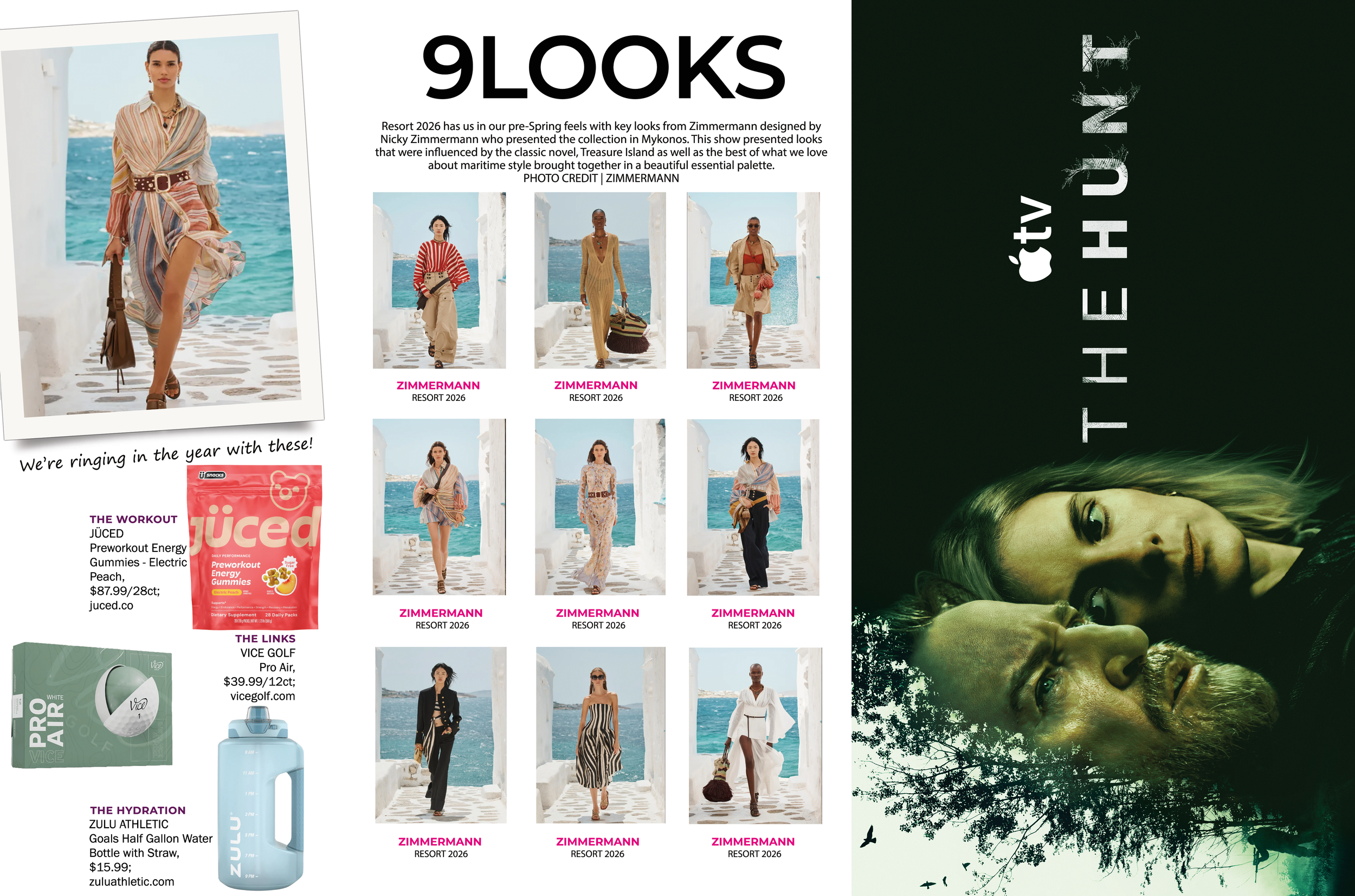
Read the DEC ISSUE #120 of Athleisure Mag and see 9LOOKS | Zimmermann in mag.
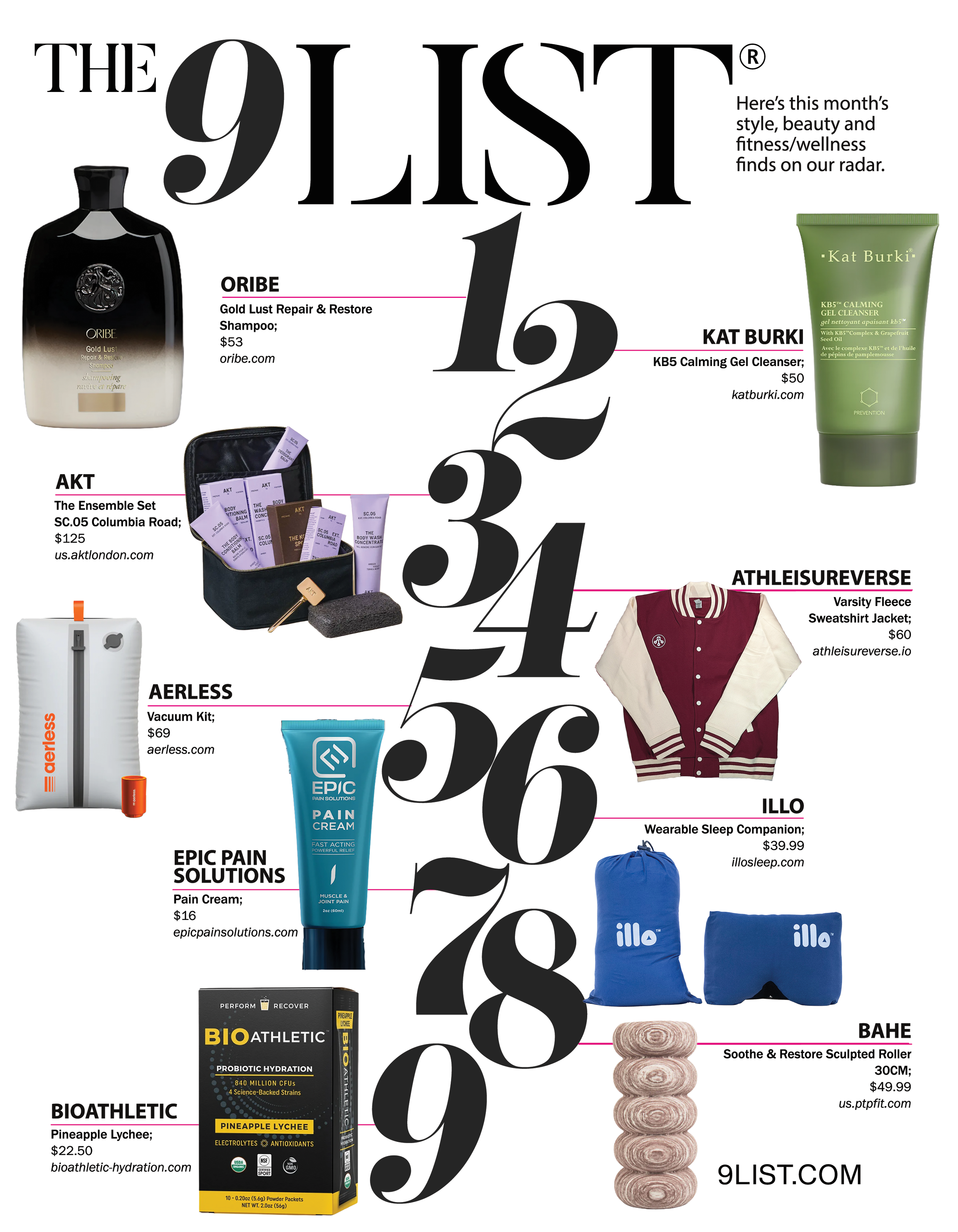
Read the DEC ISSUE #120 of Athleisure Mag and see THE 9LIST in mag.
PHOTO CREDIT | Netflix/The Actor Awards
This year, the SAG Awards has been renamed to the 32nd Annual Actor Awards Presented by SAG-AFTRA to better align with the awards and vision of this show in what it means to those that are nominated as well as receive it. This morning, the nominations were shared for this awards season show. Winners will be announced and streamed live on Netflix on Sunday, March 1st at 8pm ET/5pm PT. Our predictions are in bold, the ones we correctly identified as winners are in bold italics and winners that we didn’t predict are in italics.
Frankenstein
Hamnet
Marty Supreme
One Battle After Another
Sinners
Timothée Chalamet, Marty Supreme
Leonardo DiCaprio, One Battle After Another
Ethan Hawke, Blue Moon
Michael B. Jordan, Sinners
Jesse Plemons, Bugonia
Jessie Buckley, Hamnet
Rose Byrne, If I Had Legs I'd Kick You
Kate Hudson, Song Sung Blue
Chase Infiniti, One Battle After Another
Emma Stone, Bugonia
Miles Caton, Sinners
Benicio Del Toro, One Battle After Another
Jacob Elordi, Frankenstein
Paul Mescal, Hamnet
Sean Penn, One Battle After Another
Odessa A'zion, Marty Supreme
Ariana Grande, Wicked: For Good
Amy Madigan, Weapons
Wunmi Mosaku, Sinners
Teyana Taylor, One Battle After Another
F1
Frankenstein
Mission: Impossible — The Final Reckoning
One Battle After Another
Sinners
Abbott Elementary
The Bear
Hacks
Only Murders in the Building
The Studio
The Diplomat
Landman
The Pitt
Severance
The White Lotus
Ike Barinholtz, The Studio
Adam Brody, Nobody Wants This
Ted Danson, A Man on the Inside
Seth Rogen, The Studio
Martin Short, Only Murders in the Building
Kathryn Hahn, The Studio
Catherine O'Hara, The Studio
Jenna Ortega, Wednesday
Jean Smart, Hacks
Kristen Wiig, Palm Royale
Sterling K. Brown, Paradise
Billy Crudup, The Morning Show
Walton Goggins, The White Lotus
Gary Oldman, Slow Horses
Noah Wyle, The Pitt
Britt Lower, Severance
Parker Posey, The White Lotus
Keri Russell, The Diplomat
Rhea Seehorn, Pluribus
Aimee Lou Wood, The White Lotus
Jason Bateman, Black Rabbit
Owen Cooper, Adolescence
Stephen Graham, Adolescence
Charlie Hunnam, Monster: The Ed Gein Story
Matthew Rhys, The Beast In Me
Claire Danes, The Beast In Me
Erin Doherty, Adolescence
Sarah Snook, All Her Fault
Christine Tremarco, Adolescence
Michelle Williams, Dying for Sex
Andor
Landman
The Last of Us
Squid Game
Stranger Things
Harrison Ford
Read the latest issue of Athleisure Mag.
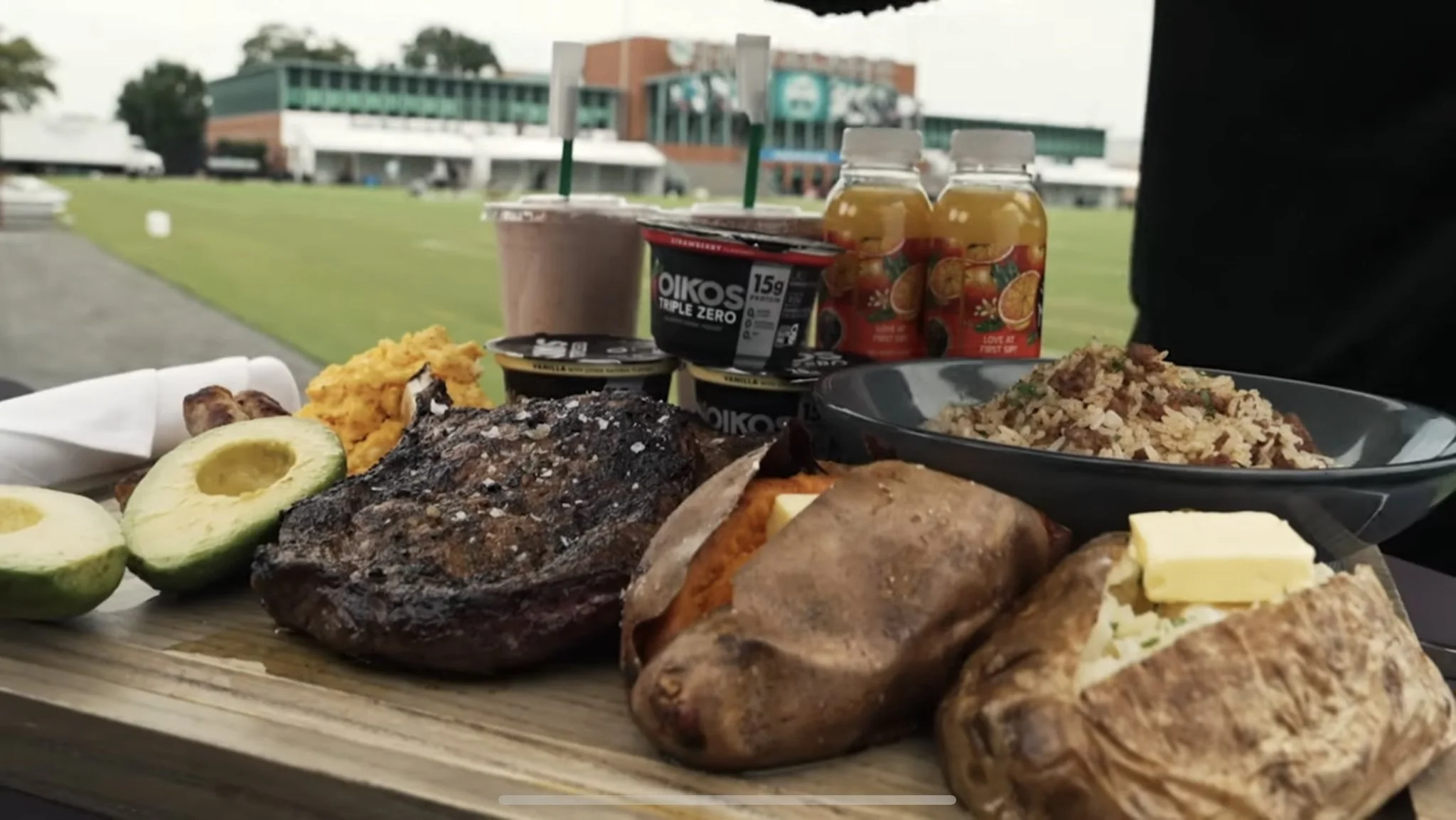
PHOTO CREDIT | Image via X.com/PHLEaglesNation via @Eagles
While they’re travelling on the plane back from a memorable triumph, the NFL’s collection of professional football players indulge is some truly delicious foods. From the naughty to the nice, they’re able to consume large amounts of calories while also maintaining a healthy weight to ensure they’re at the peak of their powers.
Throughout the NFL, food tends to dominate discussions as it fuels recovery and enables players to execute hard hits. In the same way that NFL fans constantly discuss their fantasy picks and potential bets to place when looking at the latest NFL Super Bowl odds, these formidable athletes also put a lot of time and effort into their grub. For example, some players always go for protein-packed snacks, while others enjoy the occasional sugar-filled treat.
From the personal chefs they have to the array of dietary requirements these professional athletes tend to stick to, there are some interesting foods some of the finest professionals in the competition are known to devour on a regular basis. So, without further ado, below we highlight some of the favorite foods of the NFL’s biggest stars.
Omelettes are popular
Filled with protein thanks to the presence of meats like turkey and chicken, many NFL athletes consume omelets on a daily basis. A fantastic way to eat a good amount of vegetables and the aforementioned protein, omelets also tend to be munched on with a slice or two of whole-grain toast and even a fruit-filled bowl of Greek yoghurt to finish on. A fantastic way to start the day, it’s the type of breakfast NFL players need to be at the top of their sport.
Jordan Mailata adores pasta
Carb-loading makes a lot of sense for these devoted athletes. However, Jordan Mailata takes it to another level. According to recent interviews with the Australian offensive tackle, his pre-game meal the night before consists of huge servings of pasta. Sometimes, the Philadelphia Eagles hero even manages to destroy a whole box of bow-tie pasta. From pasta and pesto to chicken Alfredo, pasta is an understandable preference for many NFL players before a big game, as it provides them with the sustained energy they require to dominate on the field.
Cereal is another go-to breakfast option
Enjoyed by the likes of T.J. Watt, cereal is another breakfast option many NFL players opt for. Brands like Wheaties stand out for the Pittsburgh Steelers’ star, although he and his brother, J.J. Watt, who has now retired from the sport, were also known to devour oatmeal at times. Travis and Jason Kelce are another pair of siblings who are also partial to a bit of cereal in the morning, with the likes of Cinnamon Toast Crunch and Lucky Charms being discussed on their podcast.
A cheeky treat is needed at times
Of course, NFL athletes are human. When they aren’t keeping track of the calories they consume and following strict dietary requirements, they’re known to have the occasional treat. Los Angeles Chargers quarterback Justin Herbert loves Subway, Chad "Ochocinco" Johnson is a known fan of McDonald’s, and Jacksonville Jaguars defensive end Arik Armstead always opts for Chinese food when he fancies having a cheat day.
Seafood is a prevalent pick
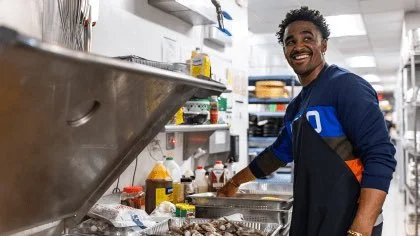
PHOTO CREDIT | Image via X.com/PHLEaglesNation
When Jalen Hurts isn’t shining for the Philadelphia Eagles of the National Football League, the talented 27-year-old is known to consume a lot of crawfish. In fact, seafood is a prevalent pick in the NFL as it’s fairly light to eat, it builds muscle, and it’s known to fight inflammation thanks to the presence of essential Omega-3s. Other seafood delights that NFL players opt for include fresh fish and oysters.

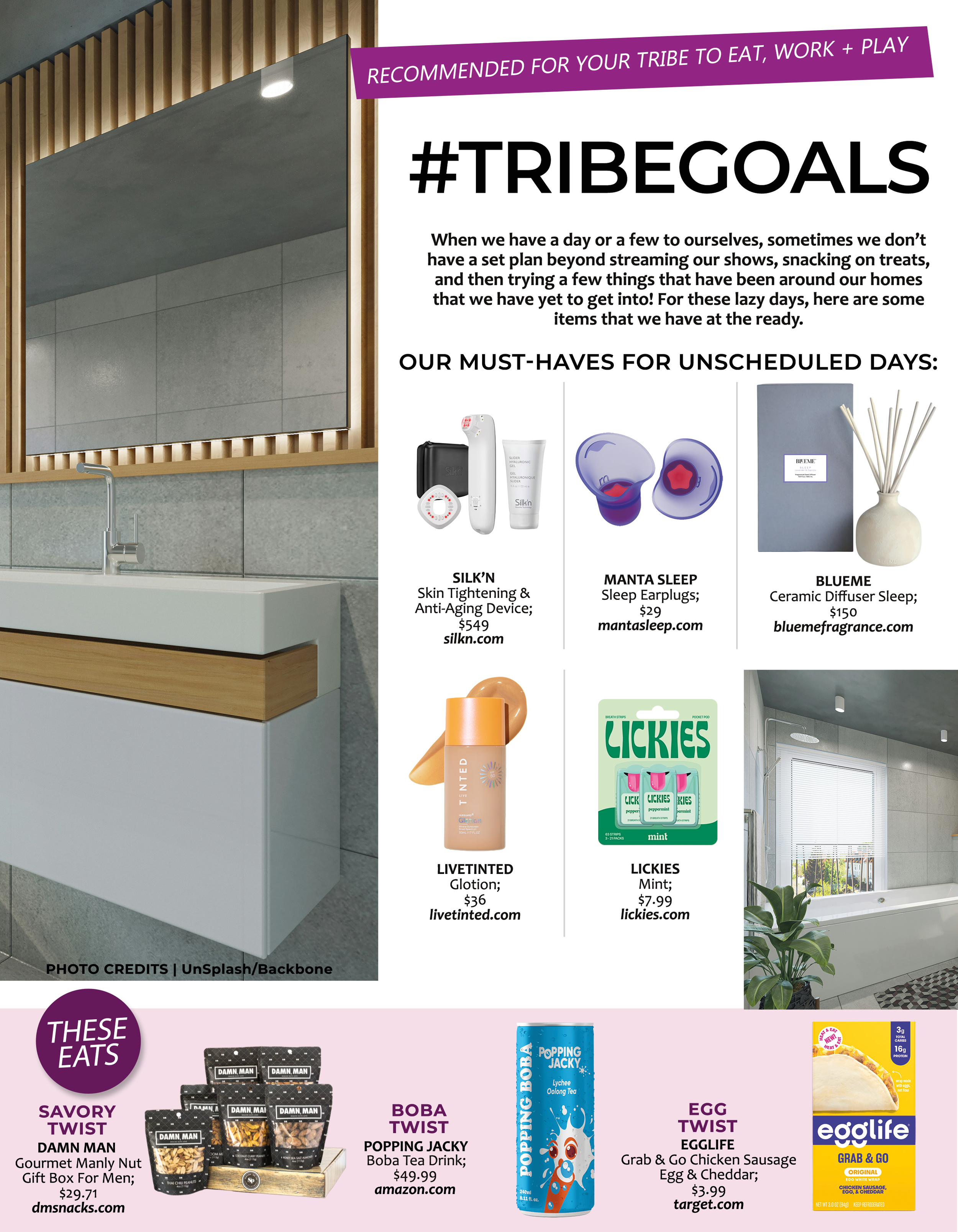
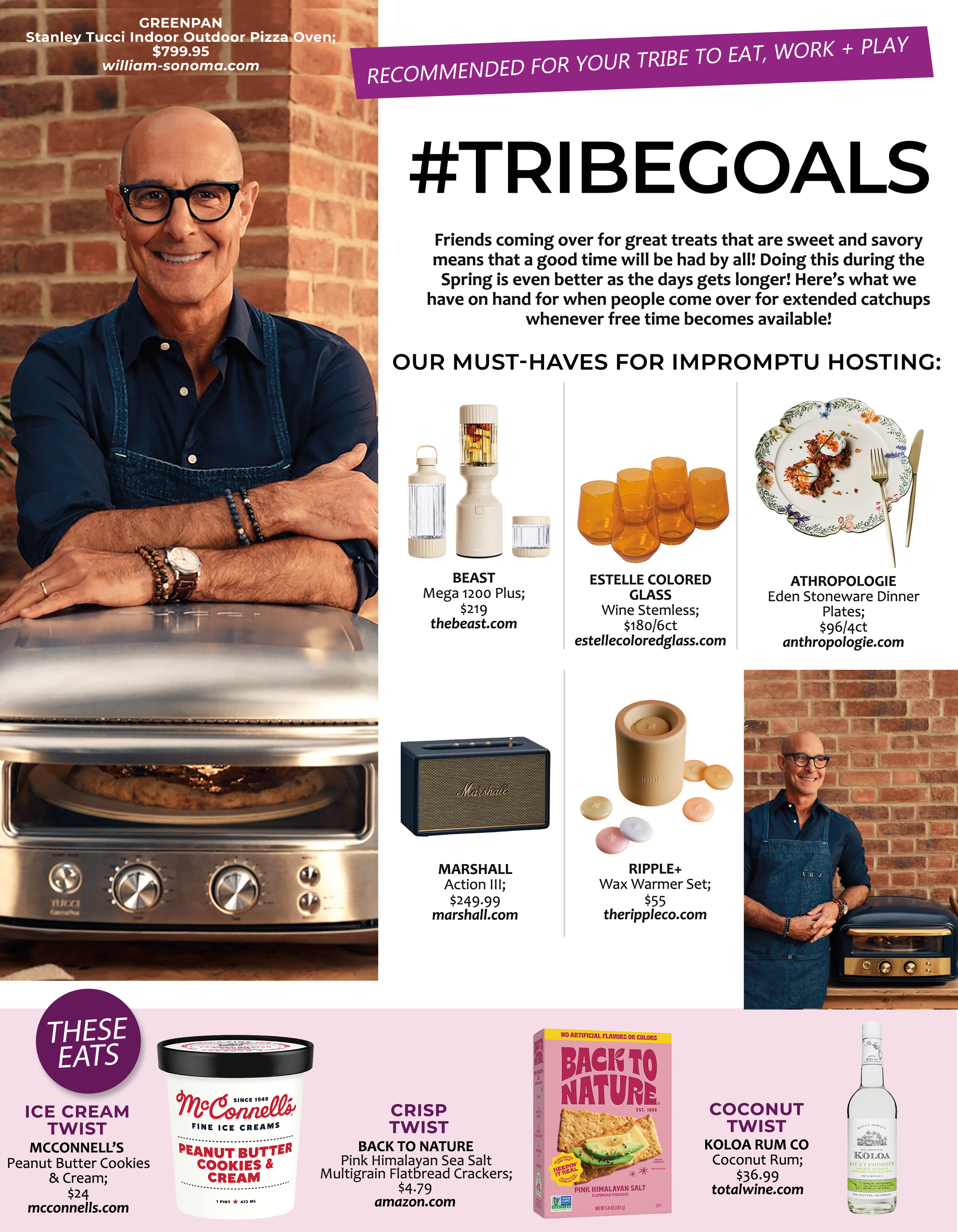
Read the DEC ISSUE #120 of Athleisure Mag and see #TRIBEGOALS in mag.

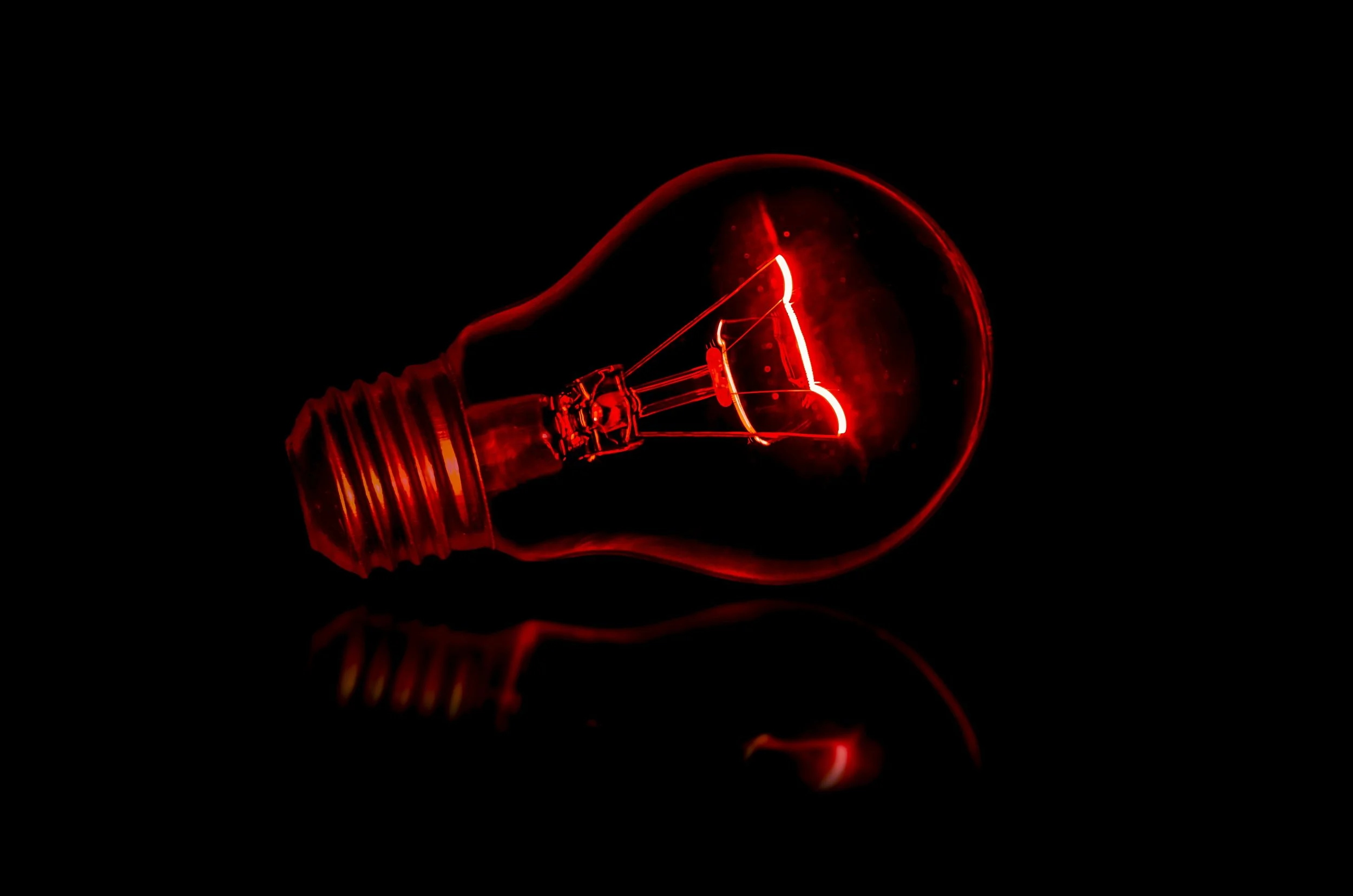
PHOTO CREDIT | Unsplash/Terry Vlisidis
Many people look for ways to bring back fuller, stronger hair without harsh chemicals or surgery. Red light caps have gained attention as a modern, non-invasive option that uses light technology to support healthy hair growth. They aim to treat thinning hair at the source rather than covering up the problem.
Products such as Try Spartan red light hats or red light hats from other well-known brands stand out because they rely on proven low-level laser therapy to naturally activate the scalp and encourage new growth. Unlike traditional treatments that depend on medication or invasive procedures, these wearable devices fit easily into daily routines. Their simple design and scientific foundation make them an appealing choice for those exploring safer, more convenient paths toward thicker hair.
Low-level laser therapy uses safe red light wavelengths that target the scalp and energize dormant hair follicles. Scientists believe this light interacts with cells to boost natural processes that support healthier hair growth. Devices that use LLLT can help move follicles back into their active growth phase.
The safest brands use this same science to deliver consistent light exposure to each area of the scalp. It directs red light into the skin without causing pain or damage, which makes it a non-invasive option for people dealing with gradual thinning.
LLLT has been cleared by the FDA for treating certain types of hair loss, including male and female pattern baldness. According to research, users often see stronger, thicker strands after several weeks of regular use. This approach appeals to those who prefer a simple routine that fits into daily life without medication or surgical procedures.
Red light caps use focused light wavelengths around 650 to 660 nanometers to act directly on the scalp. These wavelengths reach deep enough to interact with hair follicle cells without causing heat damage. As a result, the scalp receives a gentle stimulus that supports natural cell function.
Studies show that red light in this range can help improve local blood flow. Better circulation means more oxygen and nutrients reach the follicles, which may help maintain their normal growth cycle. This light also influences the mitochondria inside cells, helping them produce more energy for healthy hair activity.
Compared with many topical products, this method does not rely on chemical absorption. Instead, it uses light energy to trigger a biological response. The process remains noninvasive and pain-free, making it suitable for repeated sessions that gradually encourage healthier scalp conditions.
Red light caps have gained attention because studies show their results can match those of topical treatments like minoxidil. They use low-level light therapy to activate hair follicles and support natural growth. Researchers found that consistent use can lead to noticeably denser and thicker hair in many users.
Minoxidil works by widening blood vessels and improving nutrient flow to the scalp. Red light devices take a different path but aim for a similar outcome. The light energy reaches deep into the skin to stimulate follicle cells without medication.
Several clinical trials have reported measurable increases in hair count after regular use over a few months. These results suggest that red light caps provide a non-drug alternative for people who prefer less chemical-based methods. Therefore, this technology offers a promising option supported by growing clinical data showing regrowth comparable to commonly used treatments.
Red light caps give people a simple way to support hair growth without needles, pills, or creams. Unlike medications that may cause side effects or injections that pierce the skin, these devices rely on light exposure that does not break the surface. This makes the process gentle and suitable for those who prefer a non-invasive form of care.
Because red light therapy only uses controlled light, it produces no physical pain. Many people find the treatment comfortable enough to use at home. It avoids soreness or recovery time that often comes with procedures involving scalp penetration.
In addition, red light caps do not add chemicals to the body. They aim to encourage natural hair cell activity through light energy rather than synthetic compounds. As a result, users can follow treatment schedules more easily and avoid the discomfort that sometimes discourages people from continuing other methods.
Red light caps stand out because they work as wearable devices that allow easy and consistent use. The cap design spreads light evenly across the scalp, helping target more hair follicles at once. This setup lets users treat their scalp without needing to hold or adjust the device.
Most of these caps feature low-level light or laser diodes placed inside the lining. The light reaches the scalp at specific red wavelengths that may support follicle activity and improve scalp circulation. Regular use over time can create better conditions for healthier hair growth.
The hands-free nature of the caps adds convenience to the process. Users can move around or handle daily tasks during a session, which makes it easier to maintain a steady routine. This design not only fits into busy schedules but also helps users stay consistent with their treatment plan.
Red light caps use low-level laser light to help stimulate hair follicles and promote natural growth. This method differs from topical treatments or medications that work through chemical absorption or hormone pathways. As a result, light-based devices target the scalp directly rather than the bloodstream.
Evidence supports that low-level laser therapy (LLLT) often provides measurable results with minimal side effects. Users may notice thicker strands or less hair shedding after consistent use, though results can vary based on individual conditions and device quality.
Unlike more invasive methods such as injections or surgery, red light caps offer a simple and noninvasive way to support hair health. Many users appreciate their convenience and comfort, which encourages routine use at home.
Overall, red light caps appear to fill a middle ground between cosmetic and clinical treatments. They provide a science-backed option for those seeking a practical approach to manage hair loss without strong medications or complex procedures.

PHOTO CREDIT | Unsplash/Ruvim Noga
Vaping continues to evolve as both a consumer habit and a regulatory focus, with noticeable changes emerging in how products are used, marketed, and discussed. Once framed primarily as an alternative to smoking, vaping is now part of a broader conversation around public health, personal choice, and consumer responsibility. These changes are shaping how audiences engage with vaping products and how the industry responds to growing scrutiny.
At the same time, access to vaping products has shifted increasingly online, with many adult users turning to platforms that sell online vape juice as part of a more controlled and informed purchasing process. This move reflects wider retail trends, where consumers prefer choice, transparency, and convenience when selecting regulated products.
One of the most noticeable developments in vaping is the changing behaviour of users. Many adult consumers are becoming more selective, paying closer attention to ingredients, nicotine strength, and flavour profiles. Rather than impulse purchases, there is growing evidence of more deliberate decision-making.
This shift mirrors broader lifestyle trends where consumers seek balance and moderation. Vaping is increasingly approached as a controlled habit rather than a recreational novelty. Users are more likely to discuss usage limits, product quality, and personal preferences, signalling a maturing market.
Regulation has become a central part of the vaping conversation. Governments and public health bodies continue to assess how vaping products are sold, labelled, and promoted. These discussions have influenced how manufacturers and retailers present their products to the public.
As rules tighten around marketing and access, particularly for younger audiences, the industry has had to adapt. There is now greater emphasis on age verification, clear labelling, and responsible messaging. This regulatory environment has reshaped how vaping is positioned in the public sphere.
Flavours remain a significant aspect of vaping culture, but preferences are becoming more refined. While bold and novelty flavours once dominated attention, many users now favour subtler, more familiar profiles. This change reflects a desire for consistency and comfort rather than experimentation.
This evolution in taste suggests that vaping is settling into a more stable consumer category. Rather than chasing trends, users are selecting products that align with their long-term habits and expectations.
Public awareness around health continues to influence vaping trends. While vaping is still viewed by some as a harm-reduction tool, others remain cautious due to ongoing research and debate. This mixed perception has encouraged more nuanced discussions among consumers.
Many users now actively seek information before purchasing or changing products. This demand for clarity has encouraged more transparent communication from brands and retailers, contributing to a more informed audience.
Online retail has played a growing role in how vaping products are accessed. Digital platforms allow consumers to compare products, review specifications, and make informed choices without pressure. This approach aligns with expectations for privacy and convenience.
For adult users, online purchasing also offers greater control over product selection. Rather than relying on limited in-store options, consumers can explore a wider range of regulated products that meet their preferences and compliance requirements.
Product design has also evolved in response to changing expectations. Packaging is becoming more restrained, focusing on clarity rather than visual appeal. This change aligns with regulatory guidance and a desire to present vaping as a serious, regulated product rather than a lifestyle accessory.
Simplified design and clear information help reinforce responsible use. These changes also support efforts to distance vaping from youth-oriented imagery.
The vaping industry is increasingly operating within a more mature and cautious market. Brands are investing in quality control, compliance, and consumer education to maintain credibility. This shift suggests a move away from rapid expansion towards sustainable operation.
As competition increases, differentiation is less about novelty and more about trust. Consistency, reliability, and adherence to regulations are becoming key factors in brand perception.
Audiences engaging with vaping-related content now expect balanced and factual information. Sensationalism is giving way to measured discussion, particularly in news and analysis contexts. Readers want clarity on regulation, usage trends, and market developments rather than promotional messaging.
This expectation places greater responsibility on publishers to present vaping coverage accurately and responsibly. News blogs covering the topic are increasingly focused on context and implications rather than product promotion.
Vaping trends cannot be viewed in isolation from broader lifestyle shifts. Growing interest in wellness, moderation, and informed consumption has influenced how people approach many habits, including vaping. Users are more conscious of how vaping fits into their overall lifestyle.
This alignment with wider cultural trends suggests that vaping will continue to evolve alongside changes in public attitudes rather than remaining static.
In today’s world, yoga practice extends beyond the studio, embracing mindfulness, sustainability, and performance. Choosing an eco-friendly yoga mat ensures that your practice is both gentle on the planet and supportive of your body. Here’s a look at top brands that balance functionality with sustainability, helping you stay grounded in every pose.
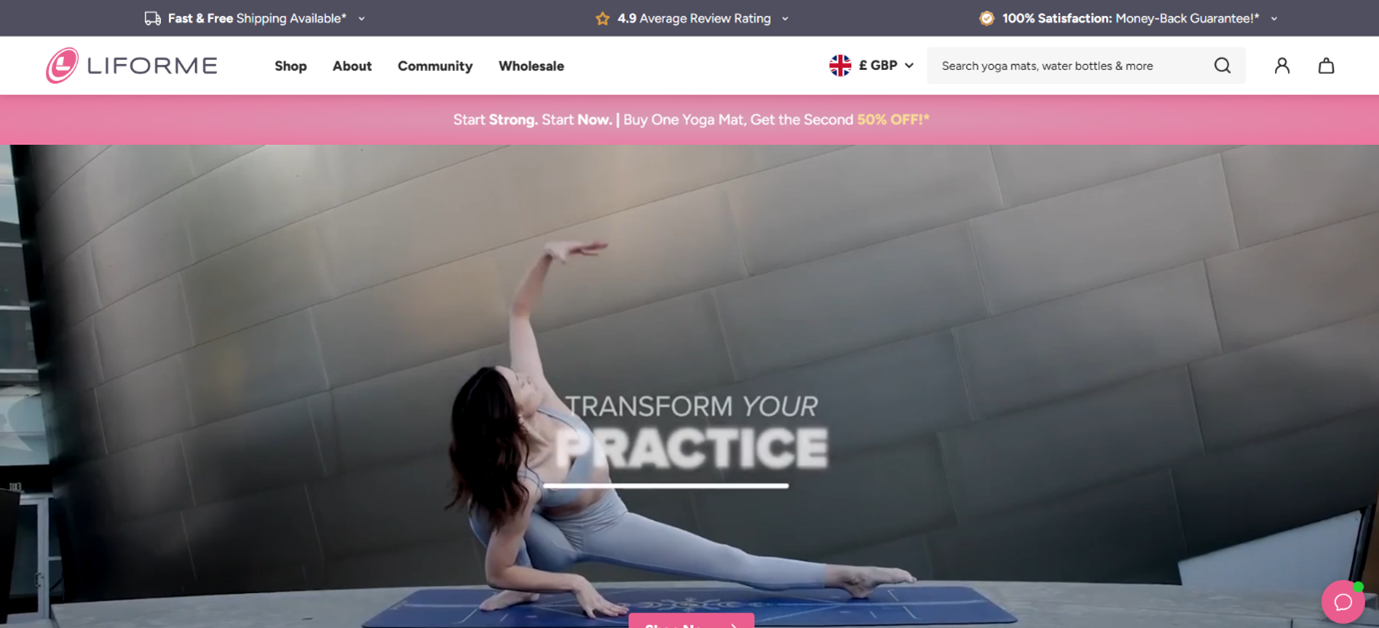
PHOTO CREDIT | Liforme Website Screenshot
Liforme is widely recognised as a leader in sustainable Yoga innovation, blending mindful design with high-performance features. Each mat is crafted from Planet-friendly, non-toxic and PVC-free materials, including eco-polyurethane and natural rubber. The signature AlignForMe® system offers clear, integrated alignment guides to help support posture and body awareness throughout your practice. Combined with the GripForMe® surface, engineered to stay grippy even in sweaty-wet sessions, the mat provides stability, safety and presence in every pose. Trusted by Yoga Teachers and students in over 100 countries and backed by thousands of five-star reviews, Liforme proves that functionality and eco-consciousness can go hand in hand.
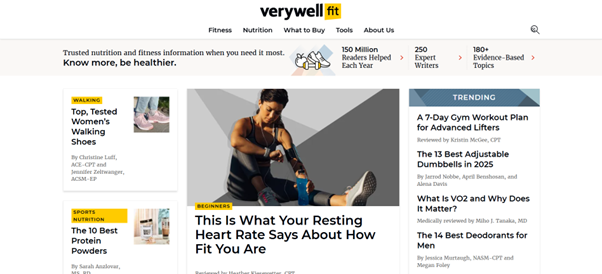
PHOTO CREDIT | Verywell Fit Screenshot
Verywell Fit offers a curated selection of recommendations of sustainable yoga mats that blend eco-conscious materials with durability. These mats often feature biodegradable components and recyclable packaging, demonstrating a commitment to environmental responsibility. While their focus is on accessibility and versatility, the mats maintain sufficient cushioning for comfort and joint support. Verywell Fit’s collection is ideal for yogis seeking eco-friendly options without sacrificing everyday functionality.
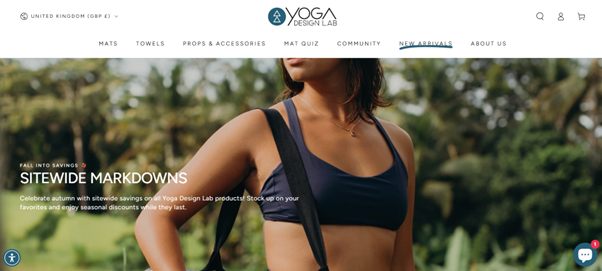
PHOTO CREDIT | Yoga Design Lab Screenshot
Yoga Design Lab brings a unique blend of aesthetic appeal and environmental responsibility. Their mats are made from sustainably sourced materials such as natural rubber and non-toxic inks. Each mat features artistic designs inspired by nature, providing a visually calming experience that enhances mindfulness. Beyond beauty, the mats are lightweight, durable, and slip-resistant, allowing for an optimal practice regardless of intensity. Choosing a Yoga Design Lab mat is a way to bring both style and sustainability into your yoga routine.

PHOTO CREDIT | Alo Screenshot
Alo Yoga is widely recognized for creating mats that cater to both professional and home yogis. Their eco-friendly mats are crafted from responsibly sourced materials, emphasizing sustainability without compromising on quality. Alo Yoga mats are cushioned enough to protect joints while maintaining a firm grip for balance-focused poses. Additionally, their sleek designs and colors make them an appealing choice for those who value aesthetics alongside functionality. Practicing on an Alo Yoga mat ensures that each session supports your physical health and environmental awareness.

PHOTO CREDIT | Yoga Journal Screenshot
Yoga Journal, a longstanding authority in the yoga community, offers a range of eco-friendly mats designed for mindful practice. Their recommendations emphasize non-toxic, biodegradable materials that minimize environmental impact. While the mats prioritize sustainability, they also provide excellent traction and cushioning to support a safe and comfortable practice. Yoga Journal’s curated selections reflect a commitment to combining environmental consciousness with practical performance, helping yogis make informed choices for a more grounded practice.
Selecting an eco-friendly yoga mat is more than a purchase; it’s a step toward aligning your practice with your values. These top brands offer mats that balance sustainability, comfort, and functionality. Whether you’re drawn to precision alignment, artistic design, or professional-grade performance, there’s an option that will enhance your mindfulness practice while supporting a healthier planet.
Investing in a mat that respects the environment allows you to deepen your connection with the earth as you cultivate balance, focus, and inner peace. With the right eco-friendly yoga mat, every pose becomes a conscious choice, harmonizing your well-being with the health of the world around you.
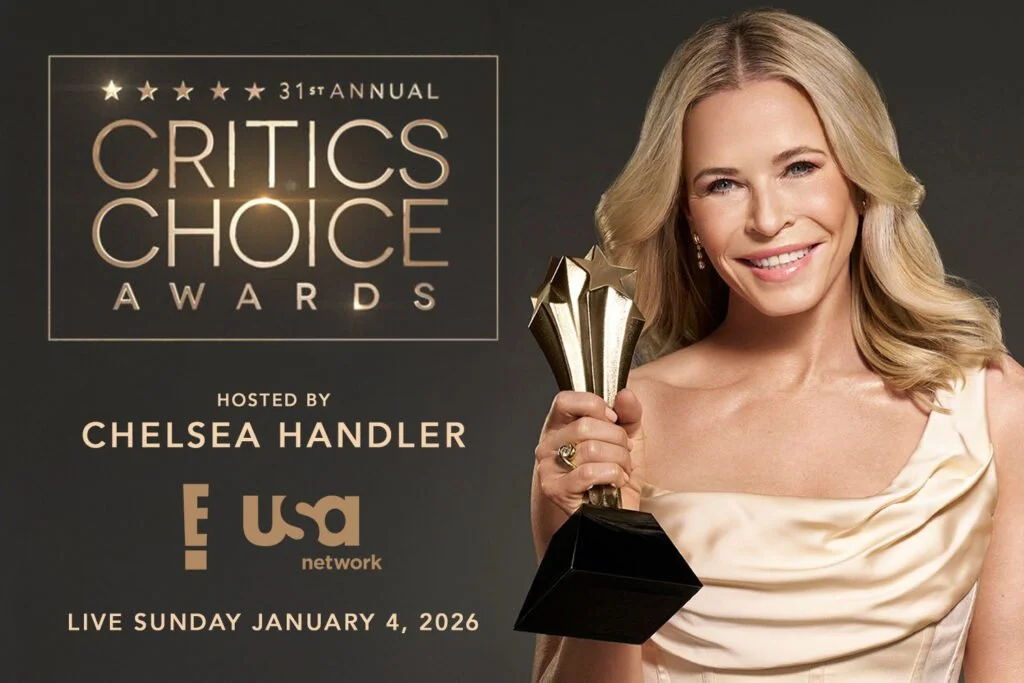
PHOTO CREDIT | Critics Choice Awards
Happy New Year all! Awards Season is definitely in its stride with the 31st Critics Choice Awards which took place this evening! Winners were announced on E! as well as USA Network. Our predictions are in bold, the ones we correctly identified as winners are in bold italics and winners that we didn’t predict are in italics.
BEST PICTURE
Bugonia (Focus Features)
Frankenstein (Netflix)
Hamnet (Focus Features)
Jay Kelly (Netflix)
Marty Supreme (A24)
One Battle After Another (Warner Bros.)
Sentimental Value (Neon)
Sinners (Warner Bros.)
Train Dreams (Netflix)
Wicked: For Good (Universal Pictures)
BEST ACTOR
Timothée Chalamet – Marty Supreme (A24)
Leonardo DiCaprio – One Battle After Another (Warner Bros.)
Joel Edgerton – Train Dreams (Netflix)
Ethan Hawke – Blue Moon (Sony Pictures Classics)
Michael B. Jordan – Sinners (Warner Bros.)
Wagner Moura – The Secret Agent (Neon)
BEST ACTRESS
Jessie Buckley – Hamnet (Focus Features)
Rose Byrne – If I Had Legs I’d Kick You (A24)
Chase Infiniti – One Battle After Another (Warner Bros.)
Renate Reinsve – Sentimental Value (Neon)
Amanda Seyfried – The Testament of Ann Lee (Searchlight Pictures)
Emma Stone – Bugonia (Focus Features)
BEST SUPPORTING ACTOR
Benicio del Toro – One Battle After Another (Warner Bros.)
Jacob Elordi – Frankenstein (Netflix)
Paul Mescal – Hamnet (Focus Features)
Sean Penn – One Battle After Another (Warner Bros.)
Adam Sandler – Jay Kelly (Netflix)
Stellan Skarsgård – Sentimental Value (Neon)
BEST SUPPORTING ACTRESS
Elle Fanning – Sentimental Value (Neon)
Ariana Grande – Wicked: For Good (Universal Pictures)
Inga Ibsdotter Lilleaas – Sentimental Value (Neon)
Amy Madigan – Weapons (Warner Bros.)
Wunmi Mosaku – Sinners (Warner Bros.)Teyana Taylor – One Battle After Another (Warner Bros.)
BEST YOUNG ACTOR / ACTRESS
Everett Blunck – The Plague (Independent Film Company)
Miles Caton – Sinners (Warner Bros.)
Cary Christopher – Weapons (Warner Bros.)
Shannon Mahina Gorman – Rental Family (Searchlight Pictures)
Jacobi Jupe – Hamnet (Focus Features)
Nina Ye – Left-Handed Girl (Netflix)
BEST DIRECTOR
Paul Thomas Anderson – One Battle After Another (Warner Bros.)
Ryan Coogler – Sinners (Warner Bros.)
Guillermo del Toro – Frankenstein (Netflix)
Josh Safdie – Marty Supreme (A24)
Joachim Trier – Sentimental Value (Neon)
Chloé Zhao – Hamnet (Focus Features)
BEST ORIGINAL SCREENPLAY
Noah Baumbach, Emily Mortimer – Jay Kelly (Netflix)
Ronald Bronstein, Josh Safdie – Marty Supreme (A24)
Ryan Coogler – Sinners (Warner Bros.)
Zach Cregger – Weapons (Warner Bros.)
Eva Victor – Sorry, Baby (A24)
Eskil Vogt, Joachim Trier – Sentimental Value (Neon)
BEST ADAPTED SCREENPLAY
Paul Thomas Anderson – One Battle After Another (Warner Bros.)
Clint Bentley, Greg Kwedar – Train Dreams (Netflix)
Park Chan-wook, Lee Kyoung-mi, Don Mckellar, Jahye Lee – No Other Choice (Neon)
Guillermo del Toro – Frankenstein (Netflix)
Will Tracy – Bugonia (Focus Features)
Chloé Zhao, Maggie O’Farrell – Hamnet (Focus Features)
BEST CASTING AND ENSEMBLE
Nina Gold – Hamnet (Focus Features)
Douglas Aibel, Nina Gold – Jay Kelly (Netflix)
Jennifer Venditti – Marty Supreme (A24)
Cassandra Kulukundis – One Battle After Another (Warner Bros.)
Francine Maisler – Sinners (Warner Bros.)Tiffany Little Canfield, Bernard Telsey – Wicked: For Good (Universal Pictures)
BEST CINEMATOGRAPHY
Claudio Miranda – F1 (Apple Original Films)
Dan Laustsen – Frankenstein (Netflix)
Łukasz Żal – Hamnet (Focus Features)
Michael Bauman – One Battle After Another (Warner Bros.)
Autumn Durald Arkapaw – Sinners (Warner Bros.)
Adolpho Veloso – Train Dreams (Netflix)
BEST PRODUCTION DESIGN
Kasra Farahani, Jille Azis – The Fantastic Four: First Steps (Marvel Studios)
Tamara Deverell, Shane Vieau – Frankenstein (Netflix)
Fiona Crombie, Alice Felton – Hamnet (Focus Features)
Jack Fisk, Adam Willis – Marty Supreme (A24)
Hannah Beachler, Monique Champagne – Sinners (Warner Bros.)
Nathan Crowley, Lee Sandales – Wicked: For Good (Universal Pictures)
BEST EDITING
Kirk Baxter – A House of Dynamite (Netflix)
Stephen Mirrione – F1 (Apple Original Films)
Ronald Bronstein, Josh Safdie – Marty Supreme (A24)
Andy Jurgensen – One Battle After Another (Warner Bros.)
Viridiana Lieberman – The Perfect Neighbor (Netflix)
Michael P. Shawver – Sinners (Warner Bros.)
BEST COSTUME DESIGN
Kate Hawley – Frankenstein (Netflix)
Malgosia Turzanska – Hamnet (Focus Features)
Lindsay Pugh – Hedda (Amazon MGM Studios)
Colleen Atwood, Christine Cantella – Kiss of the Spider Woman (Lionsgate/Roadside Attractions)
Ruth E. Carter – Sinners (Warner Bros.)
Paul Tazewell – Wicked: For Good (Universal Pictures)
BEST HAIR AND MAKEUP
Flora Moody, John Nolan – 28 Years Later (Sony Pictures)
Mike Hill, Jordan Samuel, Cliona Furey – Frankenstein (Netflix)
Siân Richards, Ken Diaz, Mike Fontaine, Shunika Terry – Sinners (Warner Bros.)
Kazu Hiro, Felix Fox, Mia Neal – The Smashing Machine (A24)
Leo Satkovich, Melizah Wheat, Jason Collins – Weapons (Warner Bros.)
Frances Hannon, Mark Coulier, Laura Blount – Wicked: For Good (Universal Pictures)
BEST VISUAL EFFECTS
Joe Letteri, Richard Baneham, Eric Saindon, Daniel Barrett – Avatar: Fire and Ash (20th Century Studios)
Ryan Tudhope, Nikeah Forde, Robert Harrington, Nicolas Chevallier, Eric Leven, Edward Price, Keith Dawson –F1 (Apple Original Films)
Dennis Berardi, Ayo Burgess, Ivan Busquets, José Granell – Frankenstein (Netflix)
Alex Wuttke, Ian Lowe, Jeff Sutherland, Kirstin Hall – Mission: Impossible – The Final Reckoning (Paramount Pictures)
Michael Ralla, Espen Nordahl, Guido Wolter, Donnie Dean – Sinners (Warner Bros.)
Stephane Ceretti, Enrico Damm, Stéphane Nazé, Guy Williams – Superman (Warner Bros.)
BEST STUNT DESIGN
Stephen Dunlevy, Kyle Gardiner, Jackson Spidell, Jeremy Marinas, Jan Petřina, Domonkos Párdányi, Kinga Kósa-Gavalda – Ballerina (Lionsgate)
Gary Powell, Luciano Bacheta, Craig Dolby – F1 (Apple Original Films)
Wade Eastwood – Mission: Impossible – The Final Reckoning (Paramount Pictures)
Brian Machleit – One Battle After Another (Warner Bros.)
Andy Gill – Sinners (Warner Bros.)
Giedrius Nagys – Warfare (A24)
BEST ANIMATED FEATURE
Arco (Neon)
Elio (Pixar Animation Studios)
In Your Dreams (Netflix)
KPop Demon Hunters (Netflix)
Little Amélie or the Character of Rain (GKIDS)
Zootopia 2 (Walt Disney Animation Studios)
BEST COMEDY
The Ballad of Wallis Island (Focus Features)
Eternity (A24)
Friendship (A24)
The Naked Gun (Paramount)
The Phoenician Scheme (Focus Features)
Splitsville (Neon)
BEST FOREIGN LANGUAGE FILM
It Was Just an Accident (Neon)
Left-Handed Girl (Netflix)
No Other Choice (Neon)
The Secret Agent (Neon)
Sirāt (Neon)
Belén (Amazon MGM Studios)
BEST SONG
“Drive” – Ed Sheeran, John Mayer, Blake Slatkin – F1 (Apple Original Films)
“Golden” – Ejae, Mark Sonnenblick, Ido, 24, Teddy – KPop Demon Hunters (Netflix)
“I Lied to You” – Raphael Saadiq, Ludwig Göransson – Sinners (Warner Bros.)
“Clothed by the Sun” – Daniel Blumberg – The Testament of Ann Lee (Searchlight Pictures)
“Train Dreams” – Nick Cave, Bryce Dessner – Train Dreams (Netflix)
“The Girl in the Bubble” – Stephen Schwartz – Wicked: For Good (Universal Pictures)
BEST SCORE
Hans Zimmer – F1 (Apple Original Films)
Alexandre Desplat – Frankenstein (Netflix)
Max Richter – Hamnet (Focus Features)
Daniel Lopatin – Marty Supreme (A24)
Jonny Greenwood – One Battle After Another (Warner Bros.)
Ludwig Göransson – Sinners (Warner Bros.)
BEST SOUND
Al Nelson, Gwendolyn Yates Whittle, Gary A. Rizzo, Juan Peralta, Gareth John – F1 (Apple Original Films)
Nathan Robitaille, Nelson Ferreira, Christian Cooke, Brad Zoern, Greg Chapman – Frankenstein (Netflix)
Jose Antonio Garcia, Christopher Scarabosio, Tony Villaflor – One Battle After Another (Warner Bros.)
Chris Welcker, Benny Burtt, Brandon Proctor, Steve Boeddeker, Felipe Pacheco, David V. Butler – Sinners (Warner Bros.)
Laia Casanovas – Sirāt (Neon)
Mitch Low, Glenn Freemantle, Ben Barker, Howard Bargroff, Richard Spooner – Warfare (A24)
BEST DRAMA SERIES
Alien: Earth (FX)
Andor (Disney+)
The Diplomat (Netflix)
Paradise (Hulu)
The Pitt (HBO Max)
Pluribus (Apple TV)
Severance (Apple TV)
Task (HBO Max)
BEST ACTOR IN A DRAMA SERIES
Sterling K. Brown – Paradise (Hulu)
Diego Luna – Andor (Disney+)
Mark Ruffalo – Task (HBO Max)
Adam Scott – Severance (Apple TV)
Billy Bob Thornton – Landman (Paramount+)
Noah Wyle – The Pitt (HBO Max)
BEST ACTRESS IN A DRAMA SERIES
Kathy Bates – Matlock (CBS)
Carrie Coon – The Gilded Age (HBO Max)
Britt Lower – Severance (Apple TV)
Bella Ramsey – The Last of Us (HBO Max)
Keri Russell – The Diplomat (Netflix)
Rhea Seehorn – Pluribus (Apple TV)
BEST SUPPORTING ACTOR IN A DRAMA SERIES
Patrick Ball – The Pitt (HBO Max)
Billy Crudup – The Morning Show (Apple TV)
Ato Essandoh – The Diplomat (Netflix)
Wood Harris – Forever (Netflix)
Tom Pelphrey – Task (HBO Max)
Tramell Tillman – Severance (Apple TV)
BEST SUPPORTING ACTRESS IN A DRAMA SERIES
Nicole Beharie – The Morning Show (Apple TV)
Denée Benton – The Gilded Age (HBO Max)
Allison Janney – The Diplomat (Netflix)
Katherine LaNasa – The Pitt (HBO Max)
Greta Lee – The Morning Show (Apple TV)
Skye P. Marshall – Matlock (CBS)
BEST COMEDY SERIES
Abbott Elementary (ABC)
Elsbeth (CBS)
Ghosts (CBS)
Hacks (HBO Max)
Nobody Wants This (Netflix)
Only Murders in the Building (Hulu)
The Righteous Gemstones (HBO Max)
The Studio (Apple TV)
BEST ACTOR IN A COMEDY SERIES
Adam Brody – Nobody Wants This (Netflix)
Ted Danson – A Man on the Inside (Netflix)
David Alan Grier – St. Denis Medical (NBC)
Danny McBride – The Righteous Gemstones (HBO Max)
Seth Rogen – The Studio (Apple TV)
Alexander Skarsgård – Murderbot (Apple TV)
BEST ACTRESS IN A COMEDY SERIES
Kristen Bell – Nobody Wants This (Netflix)
Natasha Lyonne – Poker Face (Peacock)
Rose McIver – Ghosts (CBS)
Edi Patterson – The Righteous Gemstones (HBO Max)
Carrie Preston – Elsbeth (CBS)
Jean Smart – Hacks (HBO Max)
BEST SUPPORTING ACTOR IN A COMEDY SERIES
Ike Barinholtz – The Studio (Apple TV)
Paul W. Downs – Hacks (HBO Max)
Asher Grodman – Ghosts (CBS)
Oscar Nuñez – The Paper (Peacock)
Chris Perfetti – Abbott Elementary (ABC)
Timothy Simons – Nobody Wants This (Netflix)
BEST SUPPORTING ACTRESS IN A COMEDY SERIES
Danielle Brooks – Peacemaker (HBO Max)
Hannah Einbinder – Hacks (HBO Max)
Janelle James – Abbott Elementary (ABC)
Justine Lupe – Nobody Wants This (Netflix)
Ego Nwodim – Saturday Night Live (NBC)
Rebecca Wisocky – Ghosts (CBS)
BEST LIMITED SERIES
Adolescence (Netflix)
All Her Fault (Peacock)
Chief of War (Apple TV)
Death by Lightning (Netflix)
Devil in Disguise: John Wayne Gacy (Peacock)
Dope Thief (Apple TV)
Dying for Sex (FX on Hulu)
The Girlfriend (Prime Video)
BEST MOVIE MADE FOR TELEVISION
Bridget Jones: Mad About the Boy (Peacock)
Deep Cover (Prime Video)
The Gorge (Apple TV)
Mountainhead (HBO Max)
Nonnas (Netflix)
Summer of ’69 (Hulu)
BEST ACTOR IN A LIMITED SERIES OR MOVIE MADE FOR TELEVISION
Michael Chernus – Devil in Disguise: John Wayne Gacy (Peacock)
Stephen Graham – Adolescence (Netflix)
Brian Tyree Henry – Dope Thief (Apple TV)
Charlie Hunnam – Monster: The Ed Gein Story (Netflix)
Matthew Rhys – The Beast in Me (Netflix)
Michael Shannon – Death by Lightning (Netflix)
BEST ACTRESS IN A LIMITED SERIES OR MOVIE MADE FOR TELEVISION
Jessica Biel – The Better Sister (Prime Video)
Meghann Fahy – Sirens (Netflix)
Sarah Snook – All Her Fault (Peacock)
Michelle Williams – Dying for Sex (FX on Hulu)
Robin Wright – The Girlfriend (Prime Video)
Renée Zellweger – Bridget Jones: Mad About the Boy (Peacock)
BEST SUPPORTING ACTOR IN A LIMITED SERIES OR MOVIE MADE FOR TELEVISION
Owen Cooper – Adolescence (Netflix)
Wagner Moura – Dope Thief (Apple TV)
Nick Offerman – Death by Lightning (Netflix)
Michael Peña – All Her Fault (Peacock)
Ashley Walters – Adolescence (Netflix)
Ramy Youssef – Mountainhead (HBO Max)
BEST SUPPORTING ACTRESS IN A LIMITED SERIES OR MOVIE MADE FOR TELEVISION
Erin Doherty – Adolescence (Netflix)
Betty Gilpin – Death by Lightning (Netflix)
Marin Ireland – Devil in Disguise: John Wayne Gacy (Peacock)
Sophia Lillis – All Her Fault (Peacock)
Julianne Moore – Sirens (Netflix)
Christine Tremarco – Adolescence (Netflix)
BEST FOREIGN LANGUAGE SERIES
Acapulco (Apple TV)
Last Samurai Standing (Netflix)
Mussolini: Son of the Century (MUBI)
Red Alert (Paramount+)
Squid Game (Netflix)
When No One Sees Us (HBO Max)
BEST ANIMATED SERIES
Bob’s Burgers (Fox)
Harley Quinn (HBO Max)
Long Story Short (Netflix)
Marvel Zombies (Disney+)
South Park (Comedy Central)
Your Friendly Neighborhood Spider-Man (Disney+)
BEST TALK SHOW
The Daily Show (Comedy Central)
Hot Ones (YouTube)
Jimmy Kimmel Live! (ABC)
Late Night with Seth Meyers (NBC)
The Late Show with Stephen Colbert (CBS)
Watch What Happens Live with Andy Cohen (Bravo)
BEST VARIETY SERIES
Conan O’Brien Must Go (HBO Max)
Last Week Tonight with John Oliver (HBO Max)
Saturday Night Live (NBC)
BEST COMEDY SPECIAL
Brett Goldstein: The Second Best Night of Your Life (HBO Max)
Caleb Hearon: Model Comedian (HBO Max)
Leanne Morgan: Unspeakable Things (Netflix)
Marc Maron: Panicked (HBO Max)
Sarah Silverman: PostMortem (Netflix)
SNL50: The Anniversary Special (NBC)
Read the latest issue of Athleisure Mag.
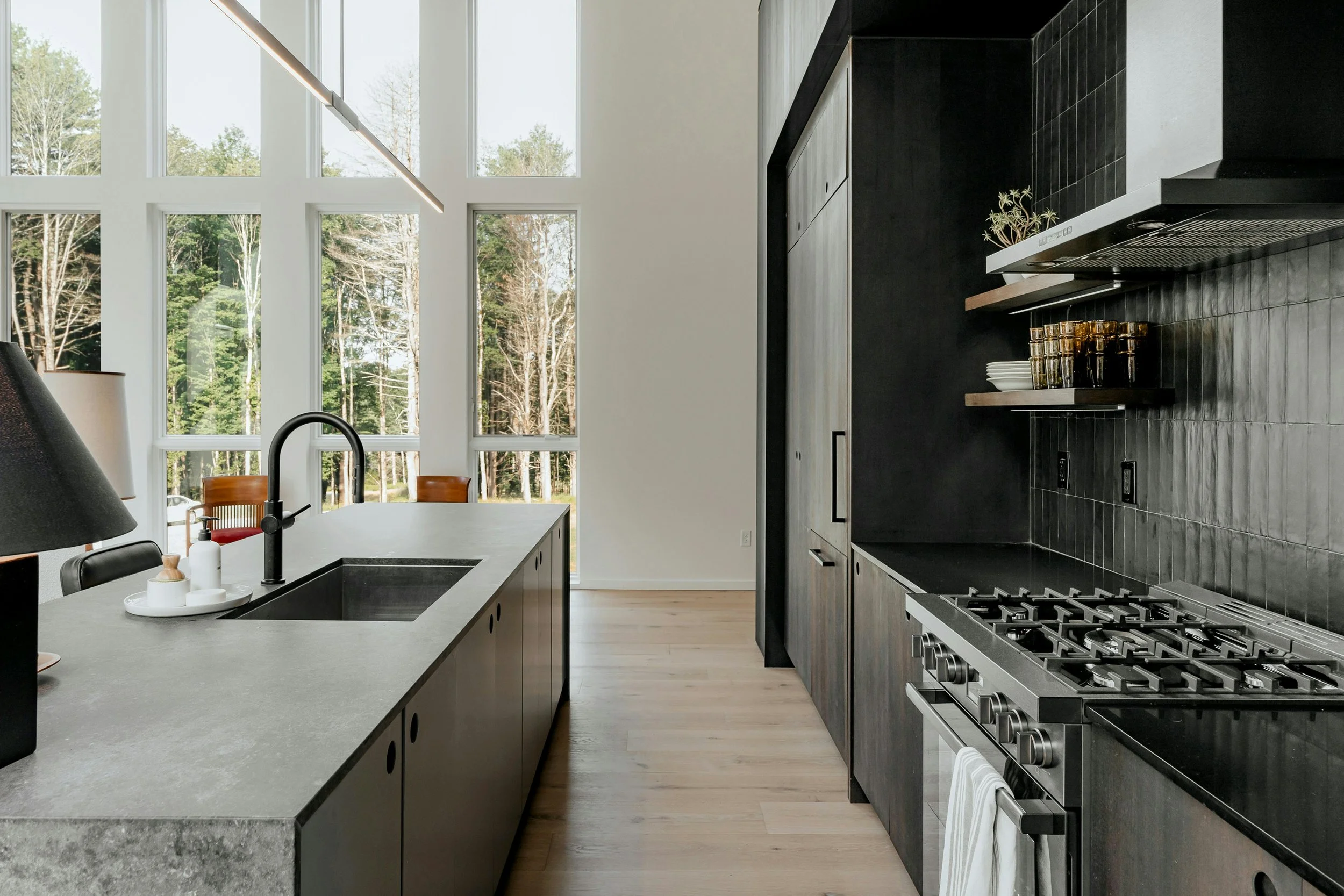
PHOTO CREDIT | Unsplash/Clay Banks
Prairie winters destroy homes. Temperatures plunge to -40°C. Pipes freeze and burst. Ice dams form on roofs. Water floods basements when spring thaw arrives.
Homeowners buy insurance thinking coverage protects against everything. Wrong. Policies contain gaps. Exclusions hide in fine print. Claims get denied for perils homeowners assumed were covered.
The cost goes beyond denied claims. Overpaying for unnecessary coverage drains budgets. Underpaying leaves properties exposed to Saskatchewan-specific risks. Finding the right balance requires understanding what coverage does.
Good home insurance Saskatchewan residents need protects against regional threats while avoiding wasteful premiums. Insurely offers customizable coverage options through an online platform where homeowners adjust deductibles, add protections, and manage policies without phone calls or office appointments.
Saskatchewan home insurance operates under different regulations than British Columbia or other provinces. Provincial insurance systems vary based on climate risks, construction standards, and legal requirements.
Extreme temperature swings create unique coverage needs. Basement flooding from ground water affects thousands of homes annually. Standard policies exclude certain water damage types. Homeowners need specific add-ons for complete protection.
Hail storms pummel Saskatchewan communities every summer. Roof damage, siding destruction, and vehicle dents cost millions in claims. Coverage options for hail vary between insurance providers. Understanding policy limits prevents shock during claims.
Wind speeds across open prairies exceed those in forested regions. Property damage from windstorms happens frequently. Shingles rip off roofs. Siding tears away. Detached garages collapse. Home insurance coverage must account for wind exposure.
Home insurance cost depends on multiple factors. Square footage affects replacement cost calculations. Larger homes cost more to rebuild. Insurance premiums reflect rebuilding expenses.
Construction materials influence pricing. Brick homes withstand weather better than vinyl-sided properties. Fire-resistant materials qualify for discounts. Wood shake roofs increase premiums due to fire risk.
Security features lower insurance costs. Monitored alarm systems reduce break-in risks. Home security discount programs reward proactive protection. Smoke detectors and fire extinguishers demonstrate safety consciousness.
Claims history follows homeowners between properties. Filing frequent claims marks individuals as high risk. A first claim might not affect rates significantly. Multiple claims within five years trigger premium increases across the industry.
Basic home insurance policies protect against common perils. Fire coverage handles structure and contents damage. Smoke damage gets covered under fire protection. Complete rebuilding falls under dwelling coverage.
Liability coverage protects when someone gets injured on property. Slip-and-fall incidents trigger lawsuits. Dog bites create legal claims. Accidentally damage else's property while doing yard work falls under liability protection. Legal fees add up quickly without coverage.
Personal belongings receive protection under contents coverage. Furniture, electronics, clothing, and appliances get replacement cost or actual cash value coverage. The difference matters significantly during claims.
Additional living expenses coverage pays for temporary housing during repairs. Fire or water damage making homes unlivable for months drains savings fast. Hotels, restaurant meals, and storage fees get reimbursed up to policy limits.
Sewer backup protection prevents financial disasters. Spring thaw overwhelms municipal systems. Sewage floods basements through floor drains. Cleanup costs reach tens of thousands. Standard policies exclude sewer backup without specific riders.
Ground water seepage ruins finished basements. Saskatchewan soil conditions allow water infiltration during wet seasons. Sump pump failures compound problems. Coverage protecting against ground water damage requires separate purchase.
Overland flooding from heavy rainfall or rapid snowmelt causes widespread damage. Standard home insurance policies exclude overland flood damage. Separate flood coverage costs extra but protects against devastating losses.
Secondary home coverage applies to vacation properties or rental homes. Properties left vacant for extended periods need specialized protection. Regular policies lapse when homes sit empty beyond 30 days.
Insurance companies reward claims free history with premium reductions. Three to five years without filing claims qualifies for discounts. Savings reach 10% to 25% off standard rates.
The claims free discount incentivizes paying minor repairs out of pocket. Small water damage costing $2,000 to fix might save $5,000 in increased premiums over following years. Long-term thinking protects both finances and insurability.
Filing multiple claims within short periods destroys discount eligibility. Insurance providers view frequent claims as predictive of future losses. Premiums increase. Some companies cancel policies entirely.
Major disasters justify using coverage despite losing discounts. Total fire losses or catastrophic water damage require insurance protection. Policies exist for devastating events, not minor inconveniences.
Deductibles represent out-of-pocket costs before insurance pays. A $1,000 deductible means paying the first $1,000 of any covered claim. Insurance handles amounts beyond that threshold.
Higher deductibles cut monthly premiums significantly. Choosing $2,500 instead of $500 saves hundreds annually. Saskatchewan homeowners with emergency funds handle larger deductibles without financial strain.
Lower deductibles cost more monthly but reduce claim expenses. Homeowners on tight budgets prefer $500 deductibles despite increased premiums. Paying small amounts monthly beats facing large unexpected bills.
Analyzing risk tolerance helps determine appropriate deductibles. Properties in hail-prone areas might face multiple claims. Lower deductibles make sense when claims happen frequently. Homes in low-risk locations benefit from higher deductibles.
Installing security systems qualifies for immediate discounts. Monitored alarms reduce theft risks. Insurance providers reward proactive security with lower premiums.
Improving home safety features generates extra savings. Updating electrical systems eliminates fire hazards. Replacing old plumbing prevents water damage. Insurance companies recognize risk reduction through premium decreases.
Increasing deductibles provides the fastest premium reduction. Doubling deductible amounts cuts costs by 15% to 30%. Homeowners must balance savings against financial ability to pay deductibles during claims.
Shopping quotes annually reveals pricing changes. Insurance markets shift constantly. Providers adjust rates based on claims data and competitive pressures. Getting a free quote from multiple companies takes minutes online.
Saskatchewan homeowners face unique risks based on property locations and features. Personalized coverage addresses specific exposures rather than applying blanket protection.
Homes near rivers need flood coverage. Properties in hail zones require lower deductibles for roof claims. Older homes with updated systems deserve premium credits.
Cookie-cutter policies waste money on unnecessary coverage while leaving gaps in protection. Customization matches coverage to actual risks. Insurely allows adjusting coverage amounts, deductibles, and add-ons through online accounts.
Regular policy reviews prevent coverage drift. Life changes require insurance adjustments. Home renovations increase property values. New purchases add personal belongings needing protection. Annual reviews keep coverage aligned with current needs.
Traditional insurance shopping requires phone calls, office visits, and waiting for callbacks. Agents ask dozens of questions. Quotes arrive days later.
Digital platforms transform the process. Saskatchewan homeowners enter property details once. Systems generate instant pricing. Comparing coverage options happens in real time.
Insurely streamlines quote generation for home insurance and car insurance simultaneously. The platform calculates premiums immediately. Customers save quotes, review options, and purchase when ready.
Payment flexibility makes coverage accessible. Credit cards and debit cards work for monthly premiums. Spreading annual costs across 12 payments reduces financial strain.
Great service no longer means friendly agents in physical offices. Modern homeowners value speed, convenience, and control over policies.
Managing insurance online eliminates hold times. Policy changes happen instantly. Adding coverage, adjusting deductibles, or filing claims takes minutes through account dashboards.
Instant policy documents arrive via email. No waiting for mail delivery. No calling offices for confirmation. Documentation appears immediately after purchase.
Scheduling coverage 30 days ahead prevents gaps. Moving between properties on specific dates requires precise timing. Starting protection exactly when needed avoids wasted premiums.
Good home insurance Saskatchewan homeowners obtain through platforms like Insurely combines comprehensive coverage, competitive pricing, and modern management tools that eliminate traditional insurance frustrations while protecting homes against prairie-specific risks.
Home insurance premium costs depend on square footage, construction materials, security features, claims history, chosen deductibles, and location-specific risks like hail or flood exposure.
Home insurance claim processing varies from a few weeks for simple incidents to several months for complex structural damage, with adjusters typically assigned within 24 to 48 hours after filing.
Home insurance mandatory requirements apply only when mortgage lenders demand coverage, but homeowners without mortgages face enormous financial risk leaving properties uninsured despite no legal obligation.
Tenant insurance covers renters' personal belongings and liability without building structure protection, while homeowner policies include dwelling coverage that tenants don't need since landlords insure buildings.
Read the DEC ISSUE #120 of Athleisure Mag and see ROCK THIS WHEN HEADING HOME THIS HOLIDAY SEASON in mag.
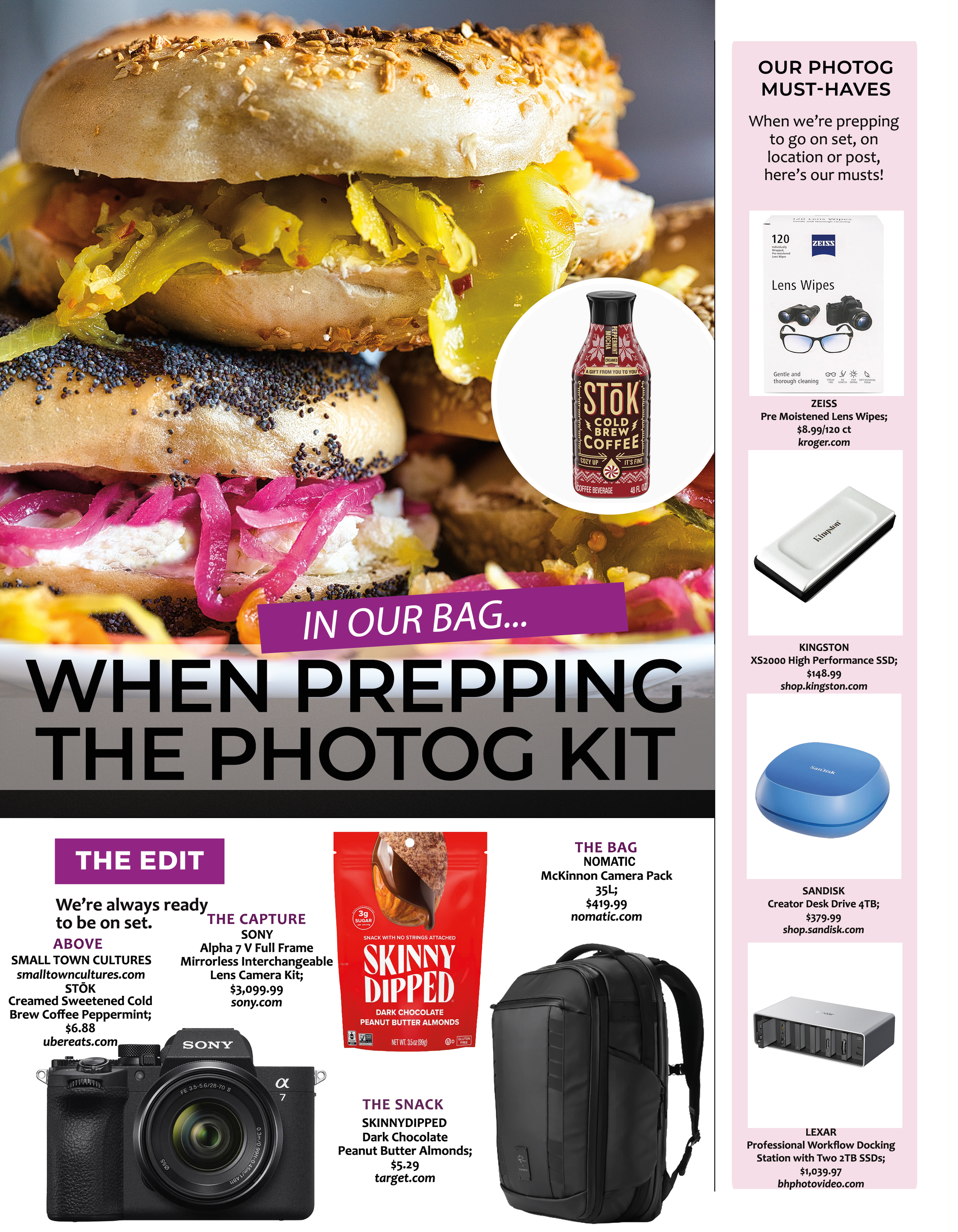
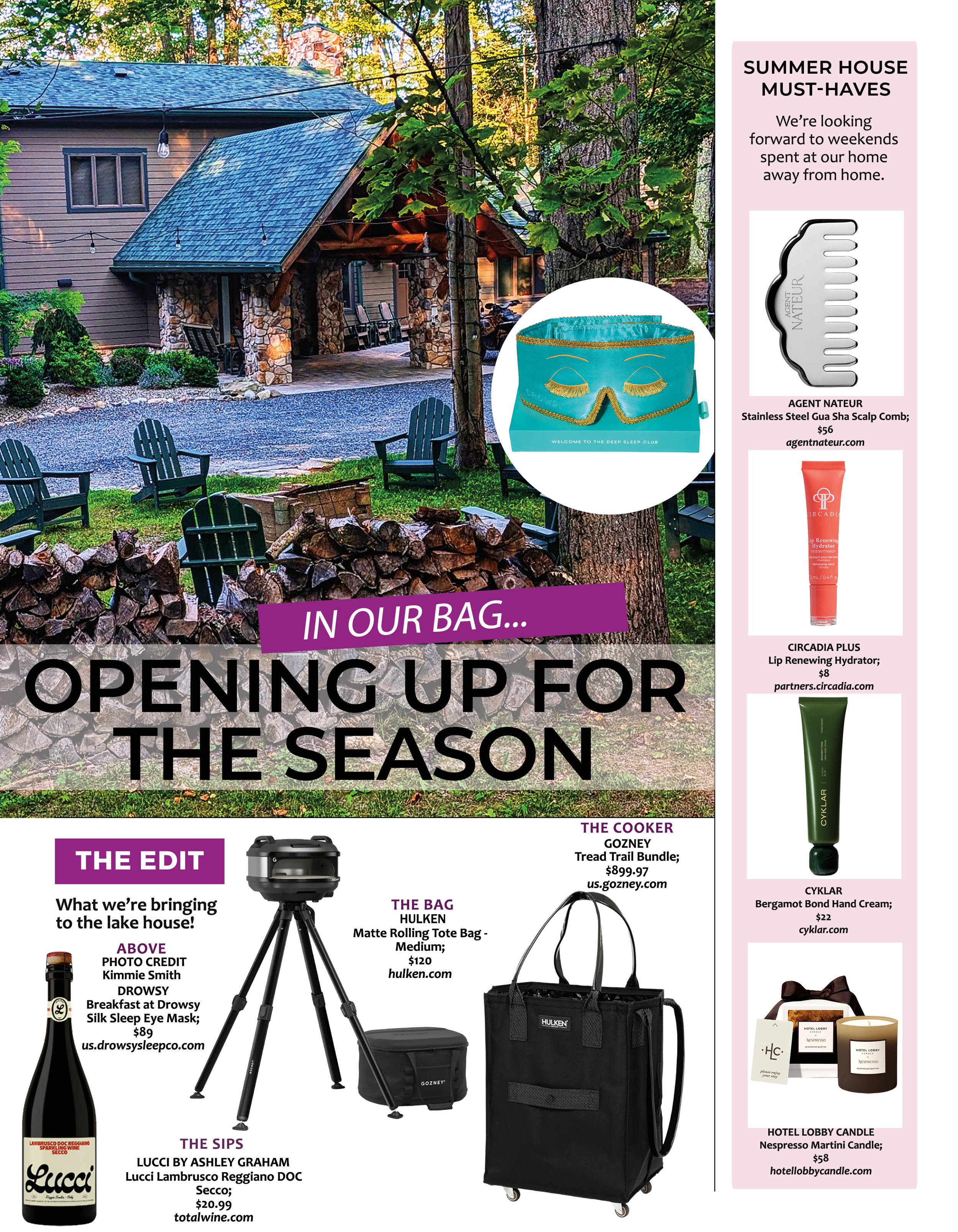
Read the DEC ISSUE #120 of Athleisure Mag IN OUR BAG | When Prepping the Photog Kit in mag.

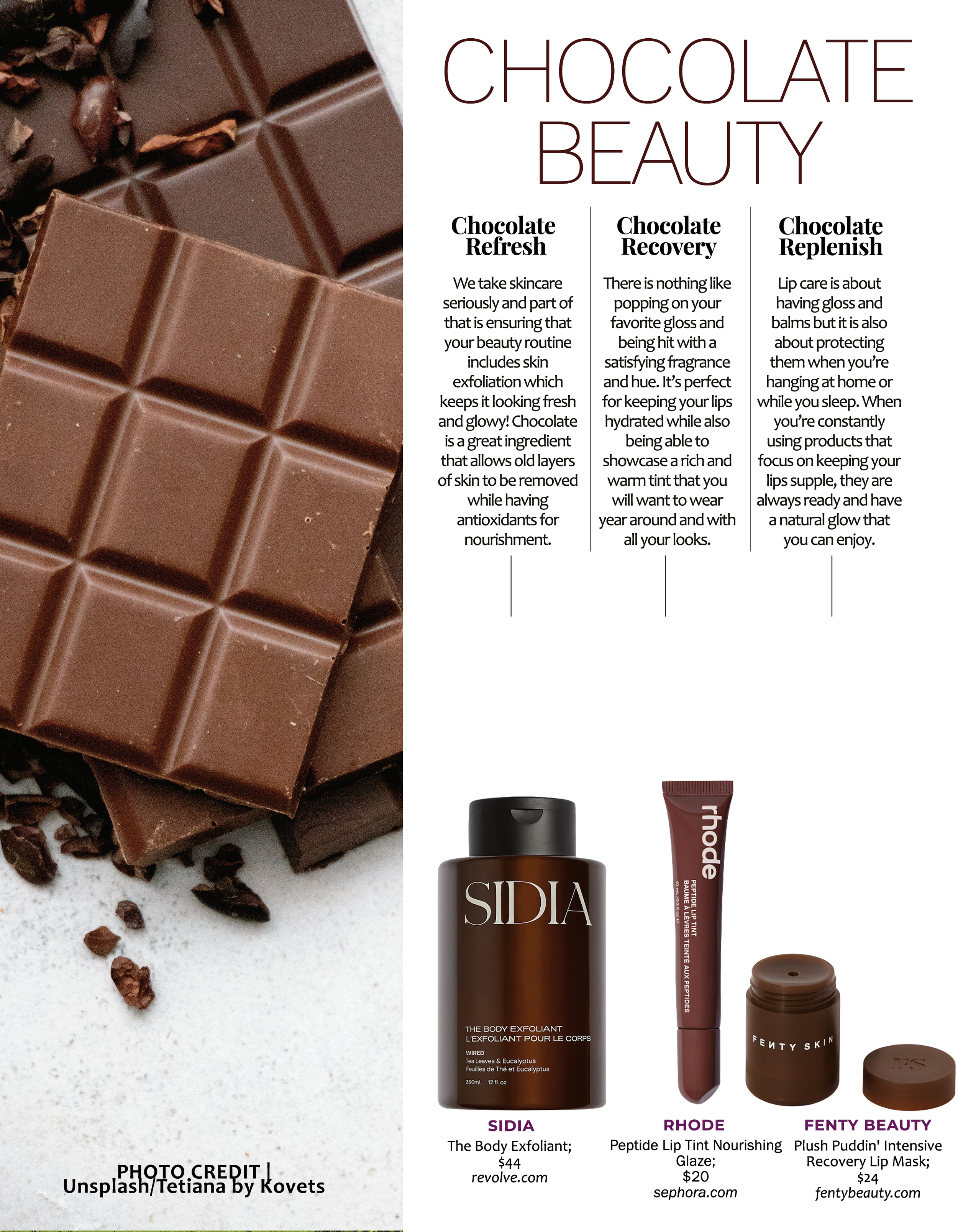
Read the DEC ISSUE #120 of Athleisure Mag and see Ginger Root Beauty in mag.

PHOTO CREDIT | PREMIER PROTEIN
We’re 2 days into the New Year and we’re making sure that we are setting ourselves up for the best success! Although we know that the 1st is the beginning of the year, it’s that first Monday that really lets us know what we’re in for. Jan 5th, is really the beginning of a series of days and weeks where we really have to get in gear!
We sat down with actor, standup comedian, producer, Co-Creator and star of Netflix’s Survival of the Thickest Michelle Buteau to talk about her career, her creative process, her projects and why she partnered with Premier Protein! She talks about the importance of showing up for herself and being good to herself.
ATHLEISURE MAG: Hello! We met briefly at Chuks Collins dinner this Fall when he shared his collection at Bryant Park Grill. I was waiting to be seated, turned around and then there you were looking stunning walking by and all I could get out was, I love you in Survival of the Thickest!
MICHELLE BUTEAU: Oh yes, that was a great dinner and Chuks is so special!
AM: Yes it was such a good dinner and it’s great talking with you now as the interaction was so quick and a bit rushed on my part as I was just spitting out the words - so hello!
MB: Oh no it wasn’t! I love to hear that people love the show because it makes me feel like I am doing my job, so thank you for that! I will never get tired of that.
AM: Well you looked phenomenal and I was a table away from you and kept saying (in my head), that’s Michelle!
I am a fan of your energy, your humor, your authenticity and all the things! Honestly, I don’t know where I was in life, but it wasn’t until the pandemic that I was like wait who is this – I loved you on Netflix’s Barbecue showdown, you were the host of a social reality show that I loved watching, being on BET’s First Wives Club – I was like this woman is working! You literally got me through the pandemic which then brought me to watching the other things that you do as well!
You’re an actress, a comedian, a producer, a host, you can do drama – when did you realize that you wanted to be an entertainer?
MB: Oh my goodness! I feel that every kid thinks that they can be an entertainer. I think that it was when I was around 12 or 13 that I was like, “I think that I want to do this” to my parents and they were like, no you don’t. I don’t think that I really told myself or gave myself permission or license to really go far with this until my 20’s which is so crazy, but you know, whatever makes you happy!
AM: Well, whether you’re preparing for a character or an upcoming film, or series, what is your creative process or what do you pull from when you’re trying to get ready for things that you’re working on?
MB: You know, that’s such a great question! I don’t really have a process, the main thing that I have to do because I have a husband, 2 dogs, 2 kids, and responsibilities at home and in life. The main thing for me to do is that I am happy and healthy, that I have all of my vitamins, and I am taking care of myself because my brain is working! When I have a good amount of rest because I like to be busy – the main thing is that I am taking care of me throughout the day!
AM: In Survival of the Thickest, I love it with the energy of that show! You are showing the industry and what goes on in it. I am the Co-Founder/Creative + Style Dir of Athleisure Mag but I am also a Fashion Stylist. So when I am watching the show and your character, I’m like oh yeah – that is what it is!
MB: Yeah, you get it!
AM: Yup, I’m like, that’s pretty much it! It’s glam when it’s glam and then it’s just not.
MB: Yeah and I love that about it. It’s a parallel to comedy which is why I chose that job for my character. That job will humble you real quick and the next day you could be flying first class or private in this whole different realm so I think it is important to know that there are a whole of different places that you can live especially with the job that you love.
AM: What made you want to be a Co-Creator of this show and also star in it as well? I know that you’re back in production on S3 and I am so bummed that this will be the final season – but the series has everything!
MB: I mean, it was just really natural right? I have been doing standup for 24 years and it has helped me figure out my voice, my platform – and when I wrote this book when I brought my kids home from the hospital. I was like, “oh, I have twin babies now and I guess I will be at home so I need to write a book – I mean what? What?” But I will say, hot tip, I do put some Premier Protein Shake in my coffee because that’s how I get my protein! I get my coffee kick, my caffeine kick, my protein kick! So that was very helpful! Obviously lots of hugs and fresh hugs too – but anyways!
AM: What is life without fresh veggies and hugs?
MB: Ok now! Downward dogs and everything – cat/cow!
I mean, I wrote the book and then when Netflix optioned the book, they said, “do you want to build this world yourself or would you like to work with someone?” There’s nothing better than collaborating. When you find the right person it just sings and so I am so happy that Netflix introduced me to my Co-Creator Danielle Sanchez-Witzel (My Name is Earl, New Girl, The Carmichael Show) because we had a time! We had a whole kiki! It’s been so fun! It is 3rd and final, but that’s ok because I think that it is a gift knowing that you are not coming back so that you can do what you want to do. Also, no one is a 1 trick pony! We can go out there and do other things – I mean look at you!
AM: Tell me about The Surviving and Thriving Tour!
MB: Oh my goodness! Well, you know, everybody has got – the whole point is that we can live in 2 places at once. While we feel like this is really hard, there also some really good things too. You have to wake up really early, but isn’t it really good that you get to wake up really early and get to do all the things that you want to do? I feel like being busy or stressed is a privilege – I get to have the responsibility to do these things which is really fun. So Surviving and Thriving is named kind of after that. I love standup and I can’t wait to go back out on tour. I love performing and just writing hard jokes, hard jokes. I want people bending over with laughter! I want people to just be cackling because laughter is medicine and I’m a doctor!
AM: I mean, I will take in all the prescriptions that you’re providing!
MB: Yeah! There’s no Co-Pay, come get you some laughs!
AM: Spa Weekend looks amazing! It’s a great cast! Why did you want to be part of that project?
MB: I mean, there is just this beautiful, wild and comedic powerhouses coming together! I love Isla Fisher (Now You See Me franchise, Confessions of a Shopaholic, Nocturnal Animals), Leslie Mann (The Other Woman, Blockers, Motherless Brooklyn), Anna Faris (Scary Movie franchise, Mom, The House Bunny) and how could I not want to be part of that team? I also love the idea of strong female bonds and relationships when we are from different walks of life. The one thing that we have in common is that the women of Spa Weekend, go on a spa weekend because they need it. They are really busy with the responsibilities and the mundane things that are done in life and they have to go away. They just go away for a wild weekend and they just have a lot of fun stuff going on and a lot of hijinks!
AM: I cannot wait to see it!
You recently partnered with Premier Protein as a part of their New Year campaign and Go Get ‘Em Mode. Tell me about this mode and what it is and why did you want to partner with this brand?
MB: Oh my goodness because I like to Go Get’ Em so let’s Go Get ‘Em, come on sis – let’s roll! Are you for real? So I remember and this was a full circle moment. My dad, he was like the busiest man alive. He would lift weights in between meetings, take me to the mall and he was so busy. He would always have a Premier Protein Shake! So I grew up watching the busiest man I know always being in Go Mode and getting it done and always taking care of his body. So when Premier Protein Shake approached me, I said yes! Everyone knows about that hard start of the year at the top of January 1st and it isn’t always that and then people beat themselves up – it’s the Monday – it’s the January 5th of it all. It’s really exciting because Premier Protein wants to set people up for success by going to goget2026.com and you can go on there and try them out for free! They will send it to you in your house in select cities (Atlanta, NY, Chicago, LA, Philadelphia and Miami). We all know what that is! We know what the pre-party is before you have to go to work so it’s that 5-9 where you’re like, uh-oh how am I going to do this, who am I going to be, what am I going to wear? You know, can I touch my toes, will I have enough energy – yes you can! It’s Premier Protein and they want to help you get that energy sis so let’s go!
AM: I love that and a shake is a great way to do all of that!
What do you love about drinking these shakes? Do you have a special flavor?
MB: I’m a Chocolate or Caramel girlie! What I love about it is that I am doing something for myself. I feel like because women – I mean, I’m no doctor – I only play one on TV – actually I did!
AM: I was going to say you did!
MB: You got me!
AM: You did!
MB: We need between 40 and 65 grams of protein a day. So you get 30 in one shot with the bottle, it’s like pretty great! When I have more energy, I’m nicer to people! There’s no road rage you know what I mean? I hope you heal! Oh my God there’s a spot! I found a parking spot? Yes you can cut me in line! You go –
AM: That’s right!
MB: I’m just a nicer person when I have more energy. So yes, I do that for myself - treat yo’self all year long!
We want to make sure that you have your best foot forward when it comes to kicking off the new New Year right and being able to kick off Jan 5th right! Premier Protein is giving away free morning shaked from January 5th - 9th in select cities. To fuel people 5-9 before their 9-5, Premier Protein will be giving away free protein shakes delivered straight to their door in under an hour (powered by GoPuff!) between 5-9am from Jan. 5 to Jan. 9 on GoGet2026.com in NYC, Los Angeles, Chicago, Philadelphia, Miami and Atlanta.
Read the latest issue of Athleisure Mag.
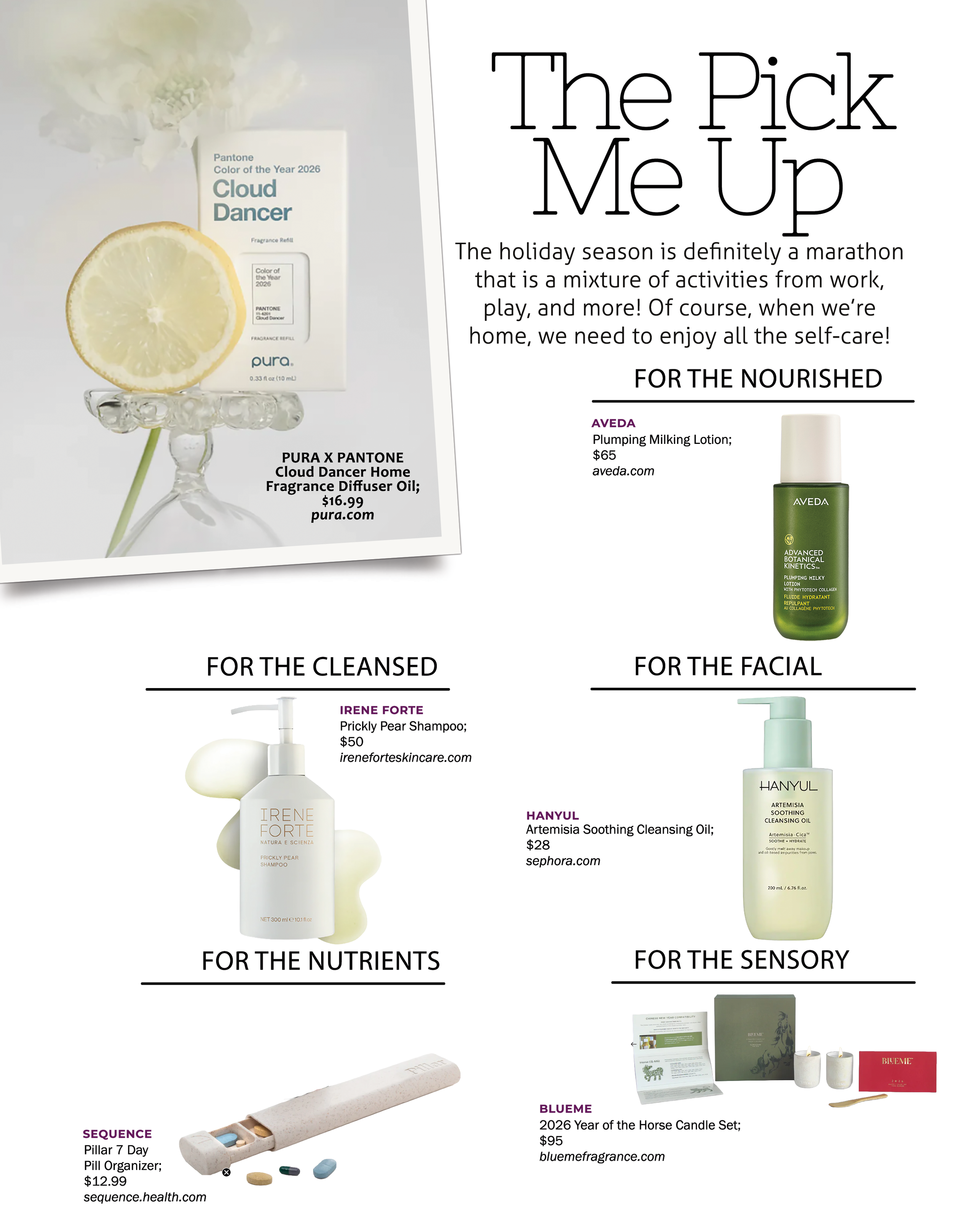
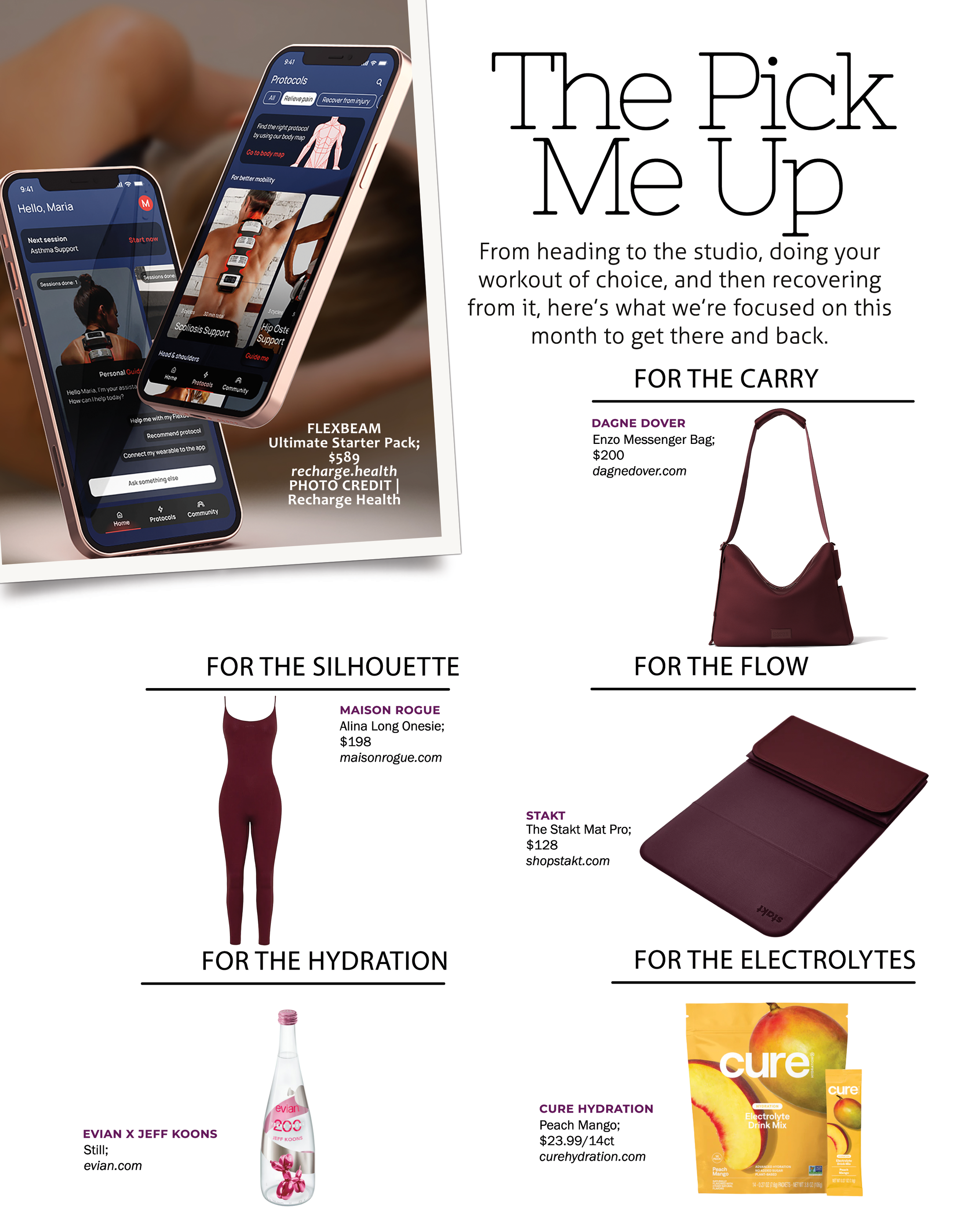
Read the DEC ISSUE #120 of Athleisure Mag and see THE PICK ME UP in mag.

In this month’s issue, our front and back cover story is with 3X Olympic Team Canada Snowboarding medalist, 24X X Games medalist, Mark McMorris. We talked with him about the passion for his sport, preparing for Rockstar Energy Open, X Games, and the Olympic Winter Games for 2026, the McMorris Foundation, and more!
We caught up with Founder/Chief Creative Officer of Virgins Saints and Angels, Cheryl "Finn" Finnegan who talks about her noted jewelry brand, her approach to design, collaborations, and upcoming collections.
We head down to DC for a phenomenal meal at Bresca. We chatted with Chef Ryan Ratino to talk about this restaurant, his Michelin stars, and his restaurant group - Hive Hospitality.
This month, our THE 9LIST M3NU editorial took place at Handroll Bar Rolling in NYC's NoMad.
This month's Athleisure List comes from SEABA, a helicopter transportation company that allows those visiting Haines, Alaska to get in and out of the backcountry for seeing the area up close and personal! We also included Carmel Resorts which is a restorative house and guest house for those that need to take time for themselves whether they are traveling alone, with their significant other, or small group.
As we close the end of the year, this month, our NEW YEAR, N3W YOU comes from our cover, Mark McMorris, Actress, producer, stand up comedian, and Creator/star of Netflix's Survival of the Thickest - Michelle Buteau, and Cheryl "Finn" Finnegan.
Our 9CH3F ROUTIN3S is from Chef Martin Öfner. Our 9LIST 9M3NU includes Chef Juan Carlos Ortega of Blu on the Hudson, Co-Founder/Beverage Director Simran Bakshi of INDN, and Owner/Chef Ryan Ratino of Bresca who shares what they love about the upcoming New Year, ingredients that they cook at this time, and what we should enjoy when we come in to dine with them.
Read the DEC ISSUE #120 of Athleisure Mag.