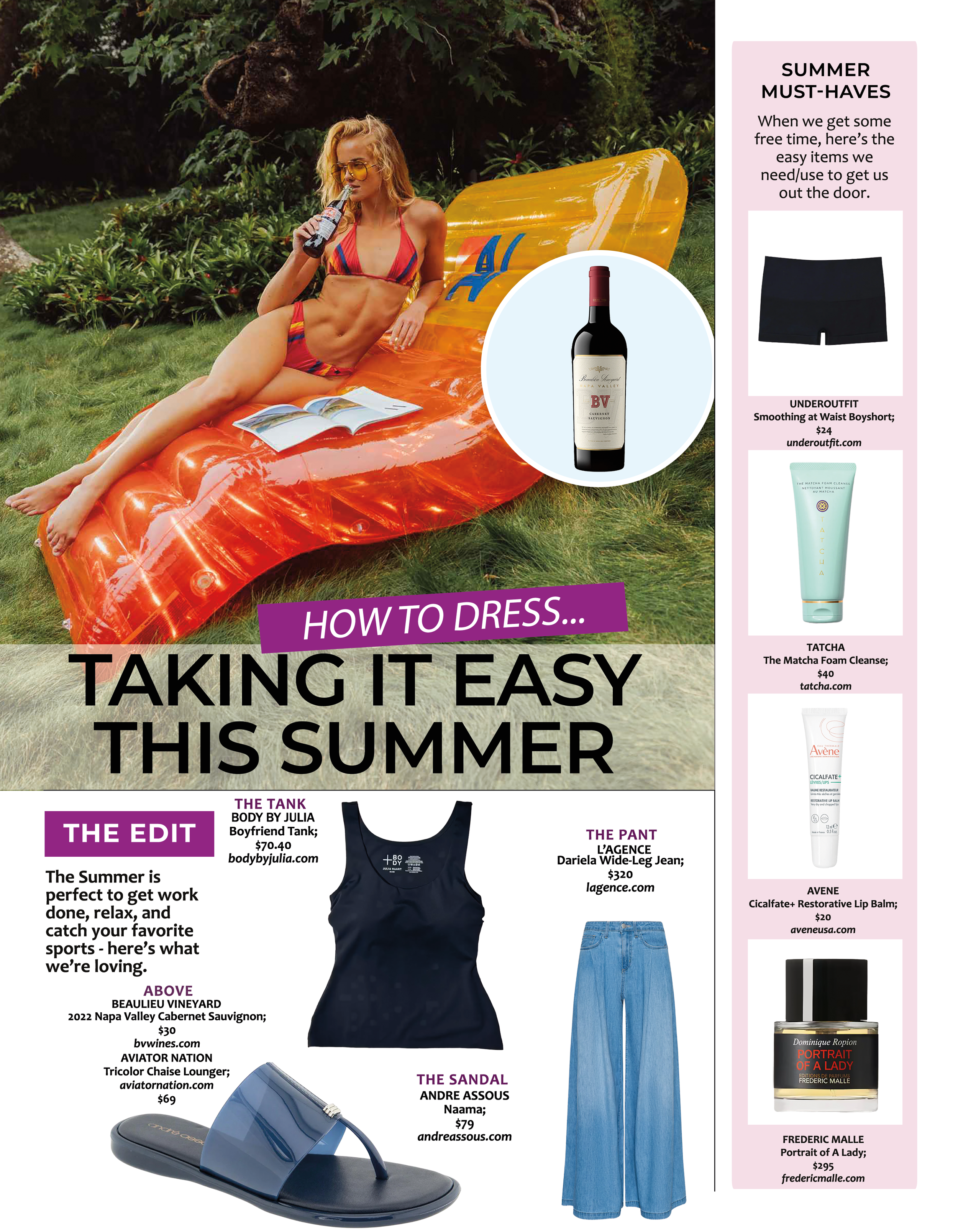
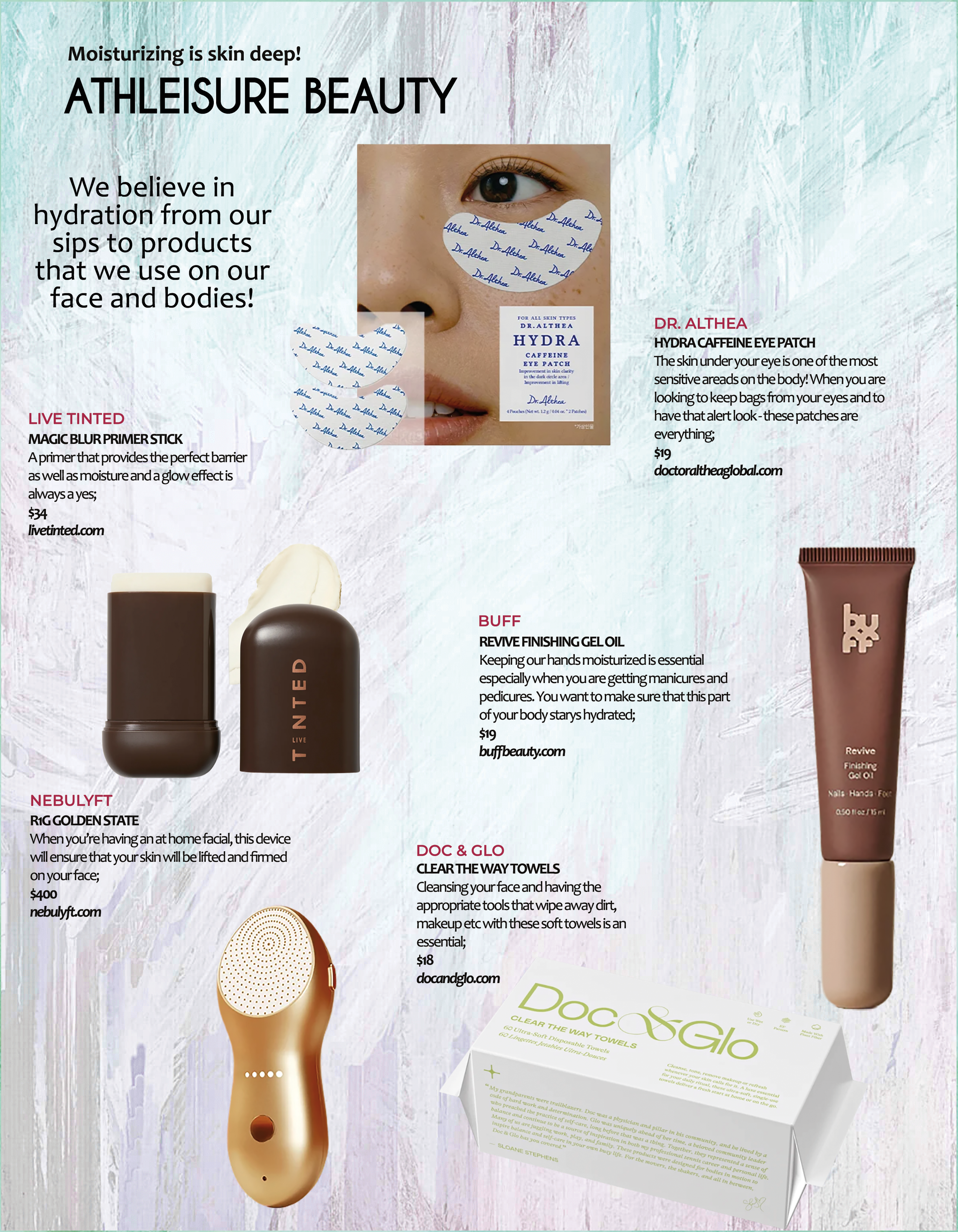
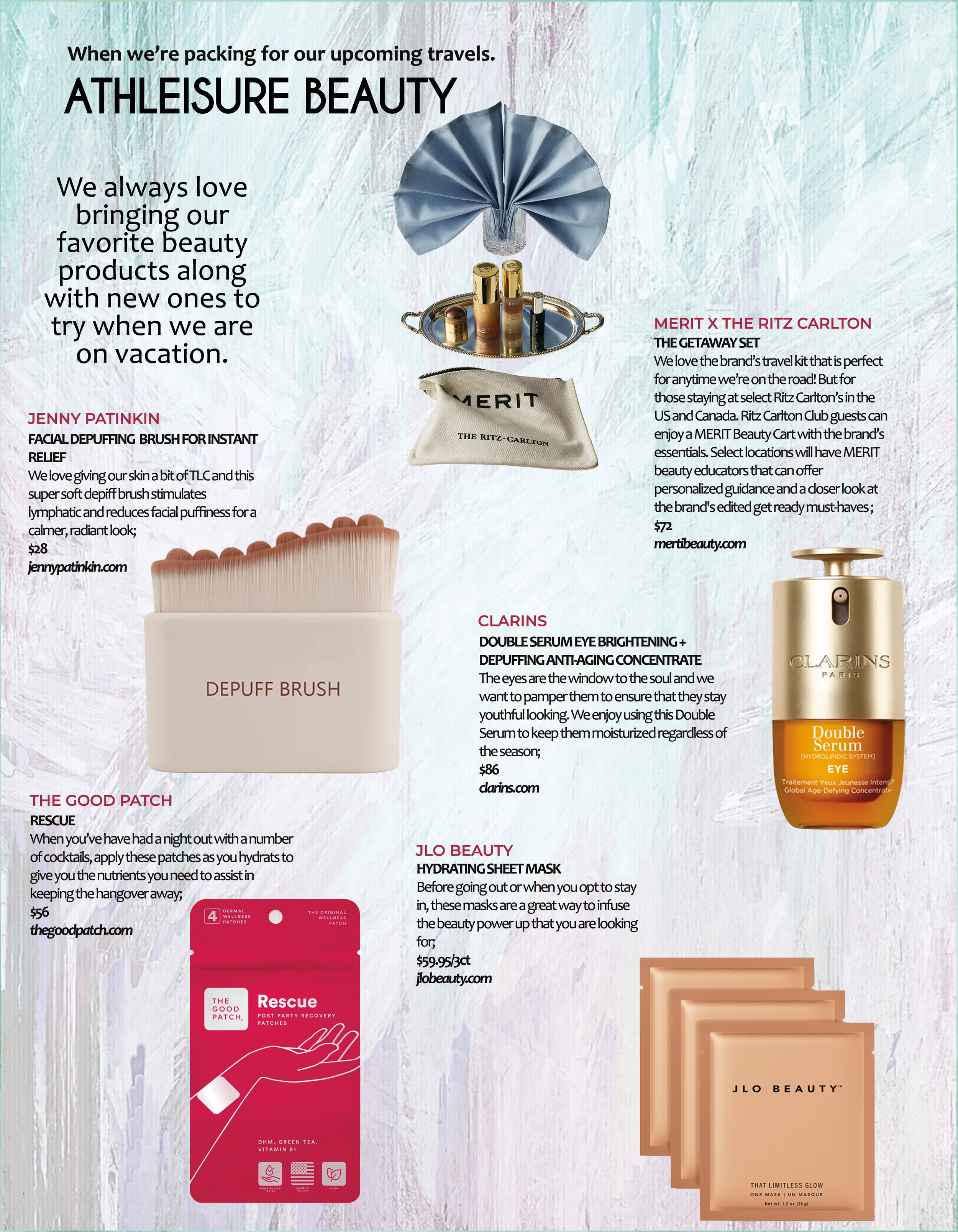
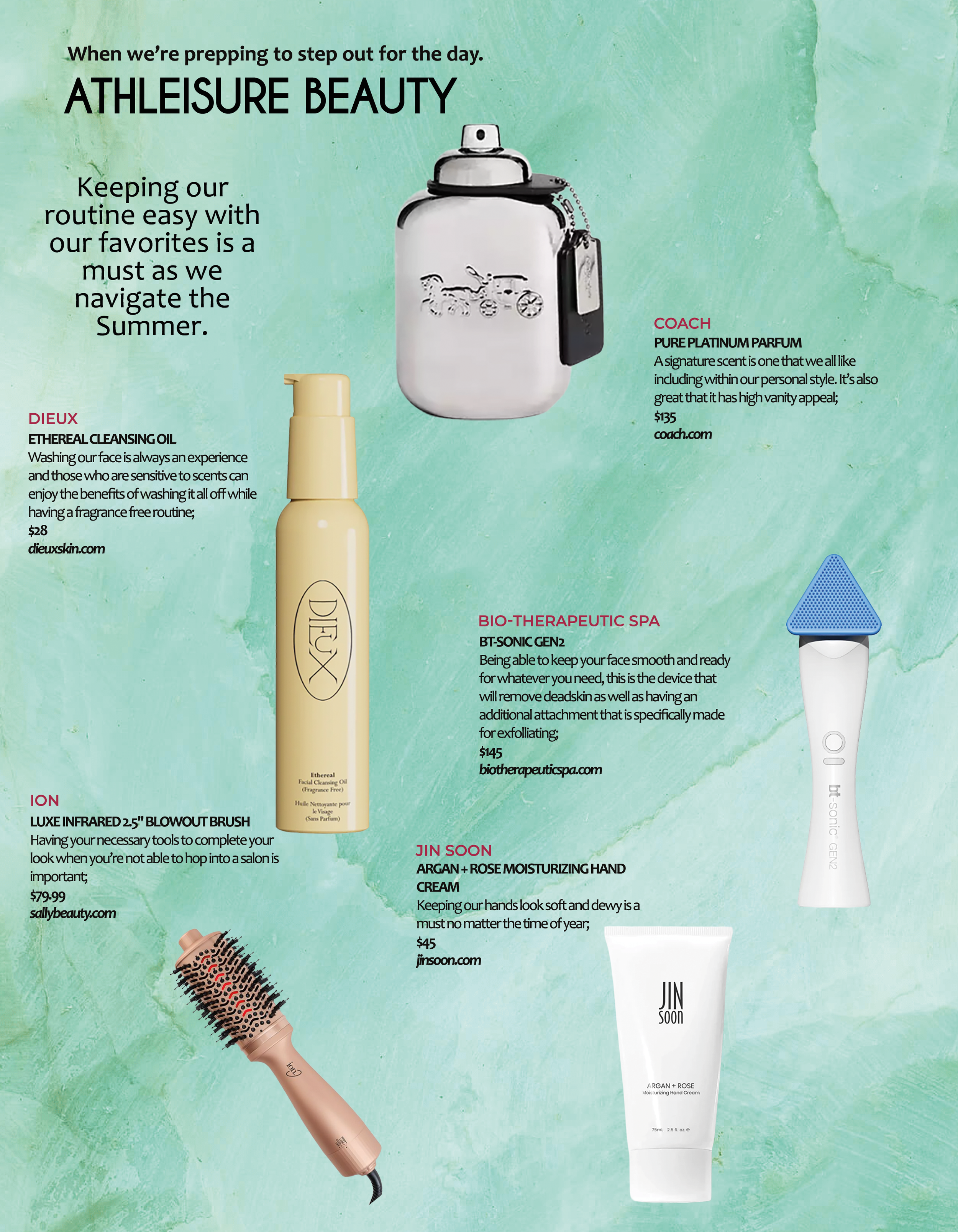
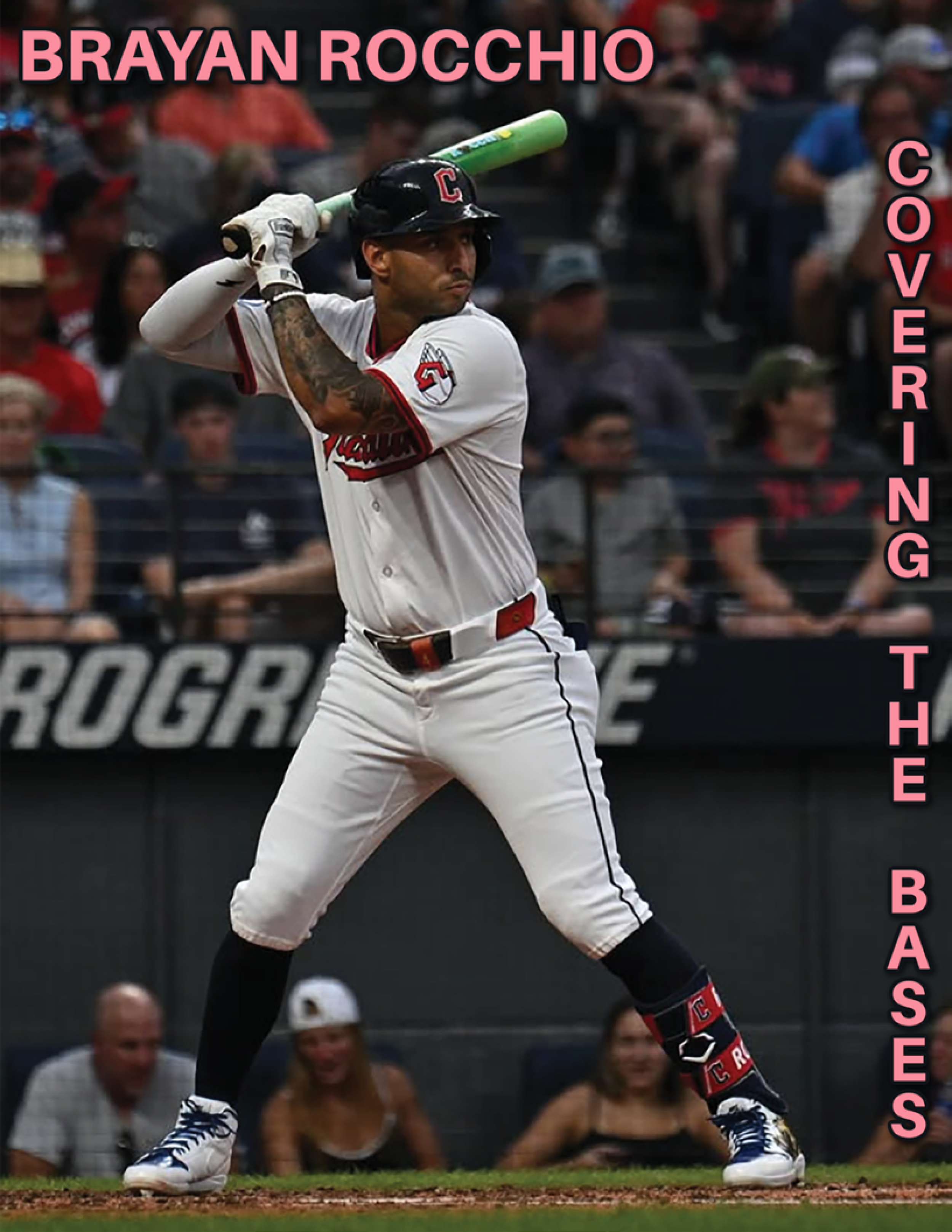
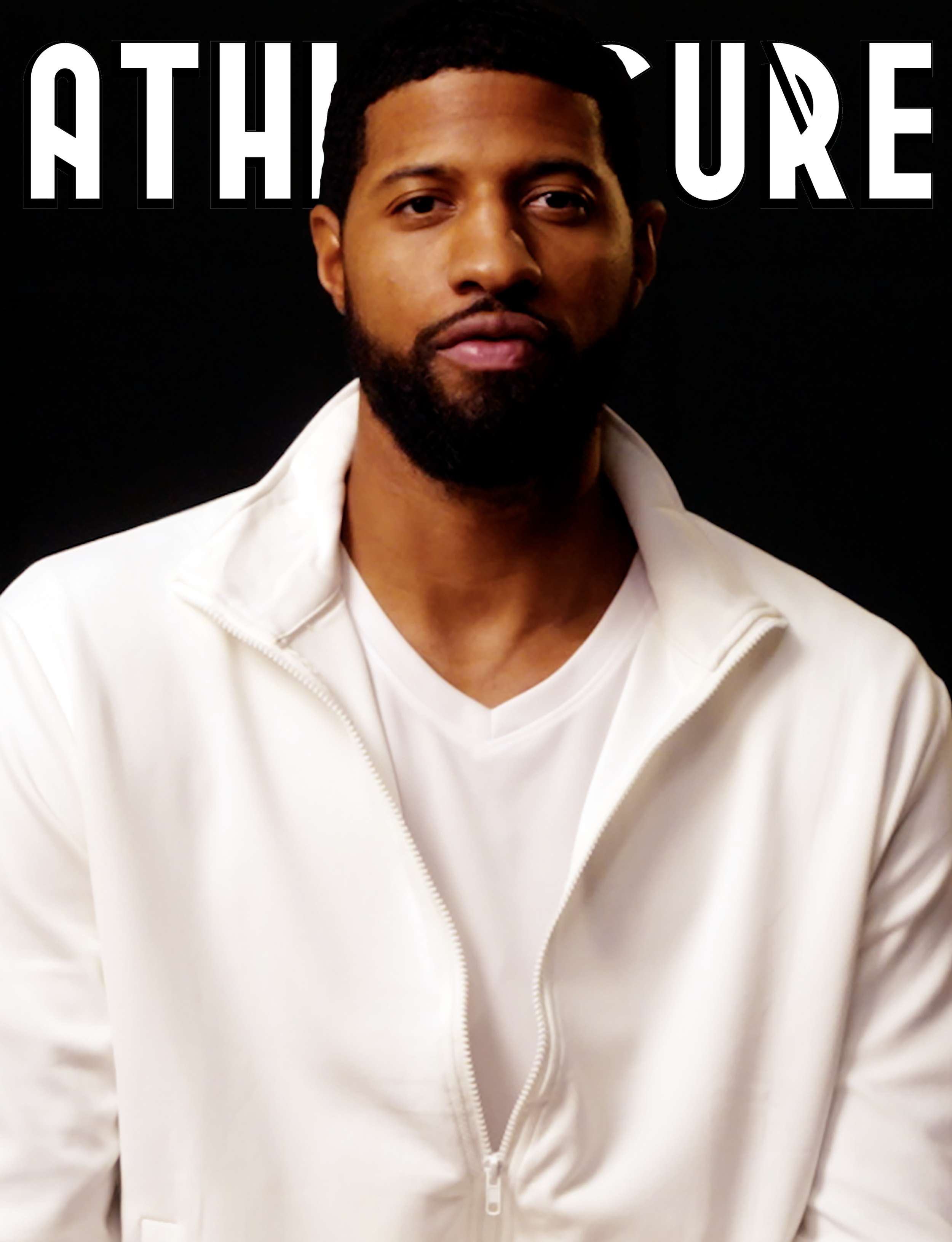
Read the APR ISSUE #123 of Athleisure Mag and see 9LOOKS | BAE X ADIDAS BALTIC in mag,
Featured
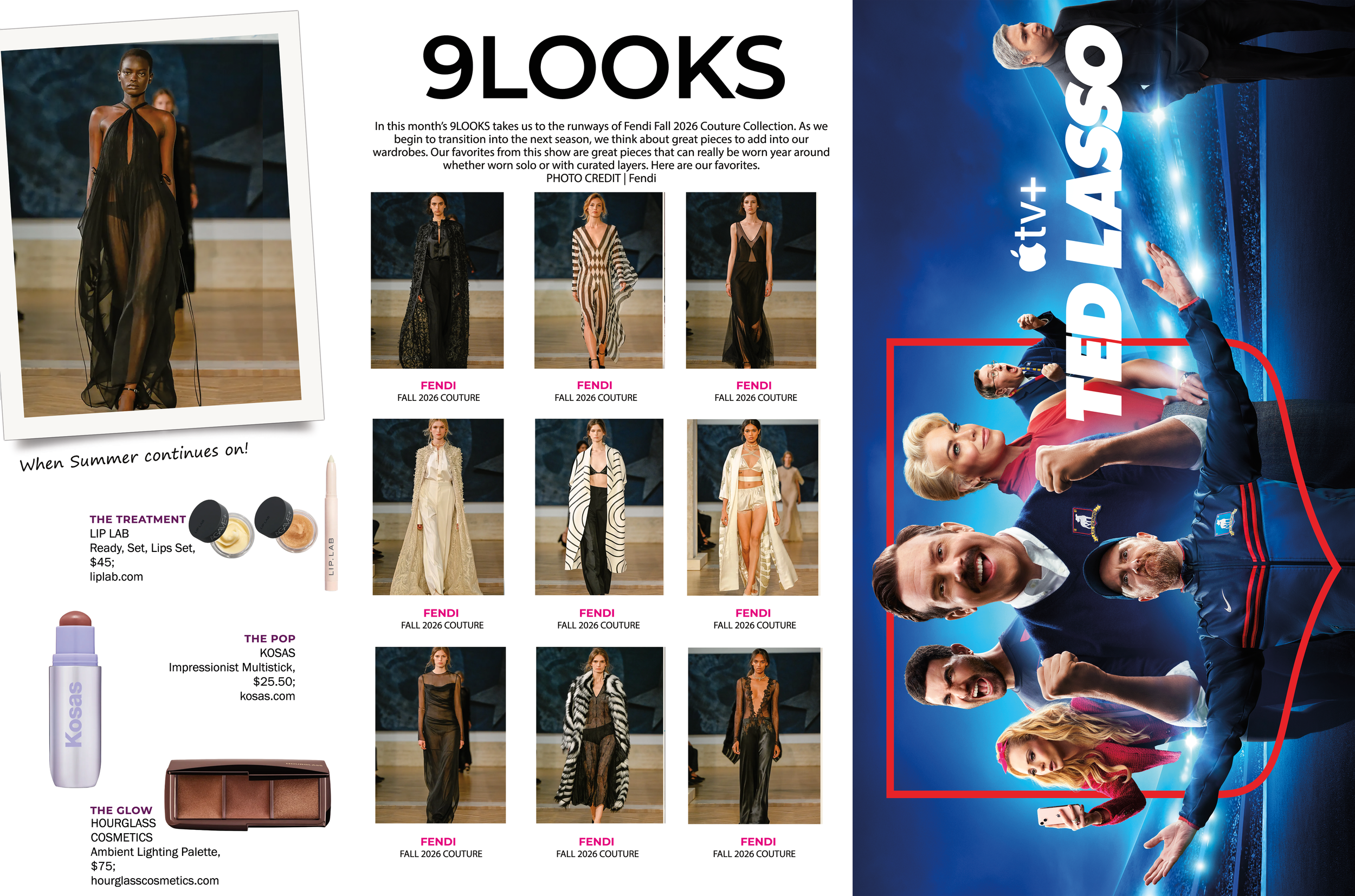
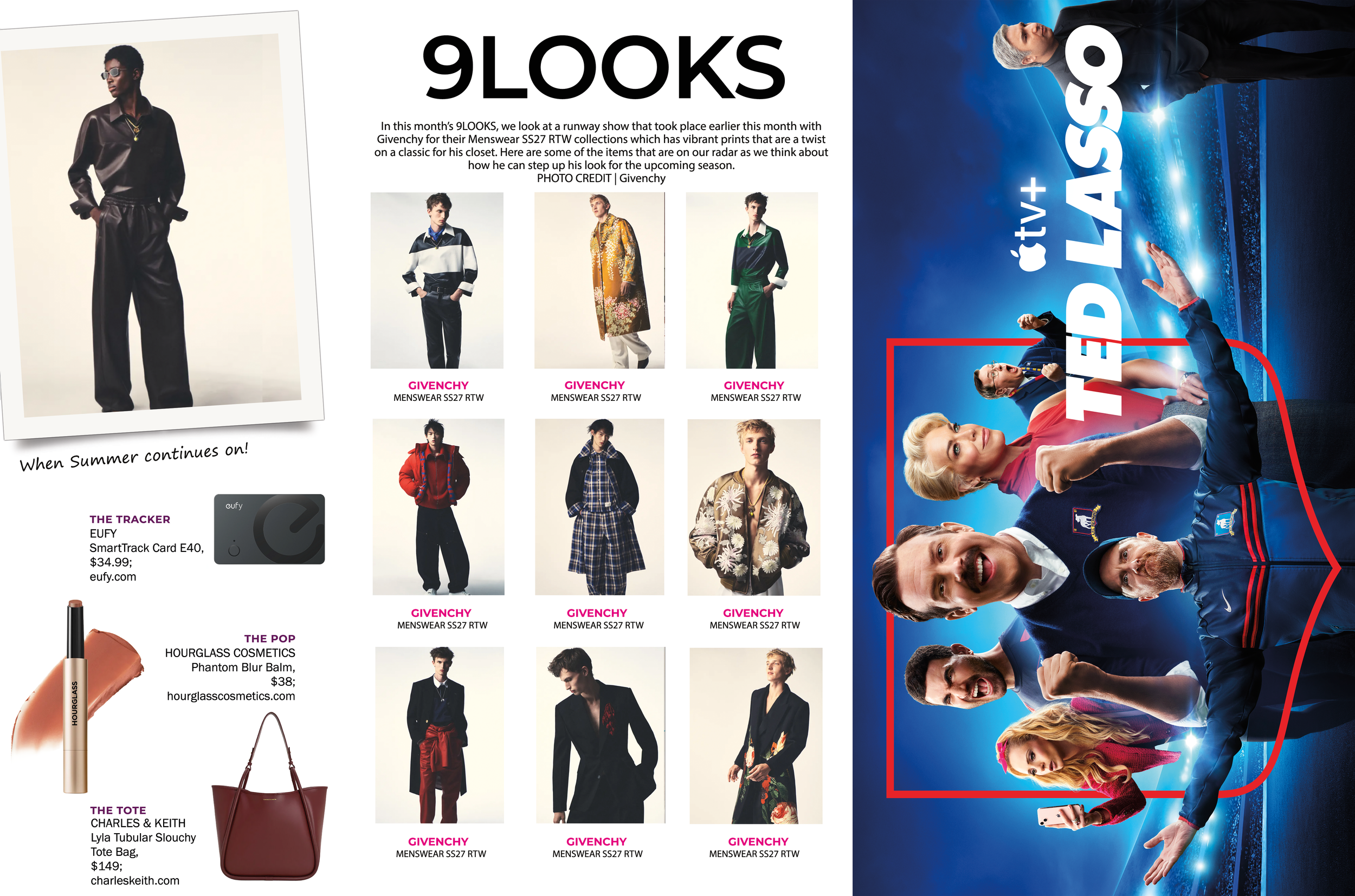
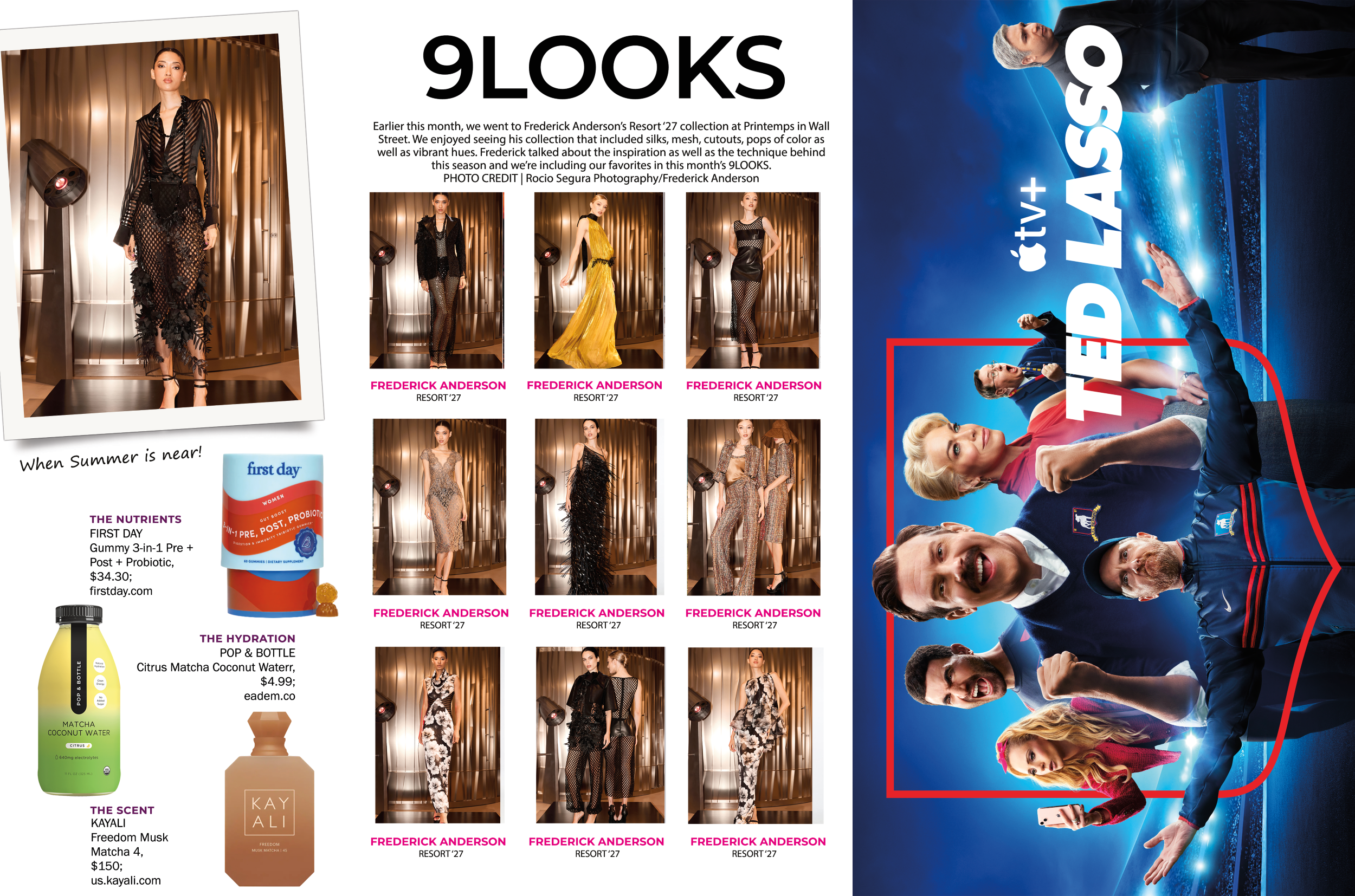

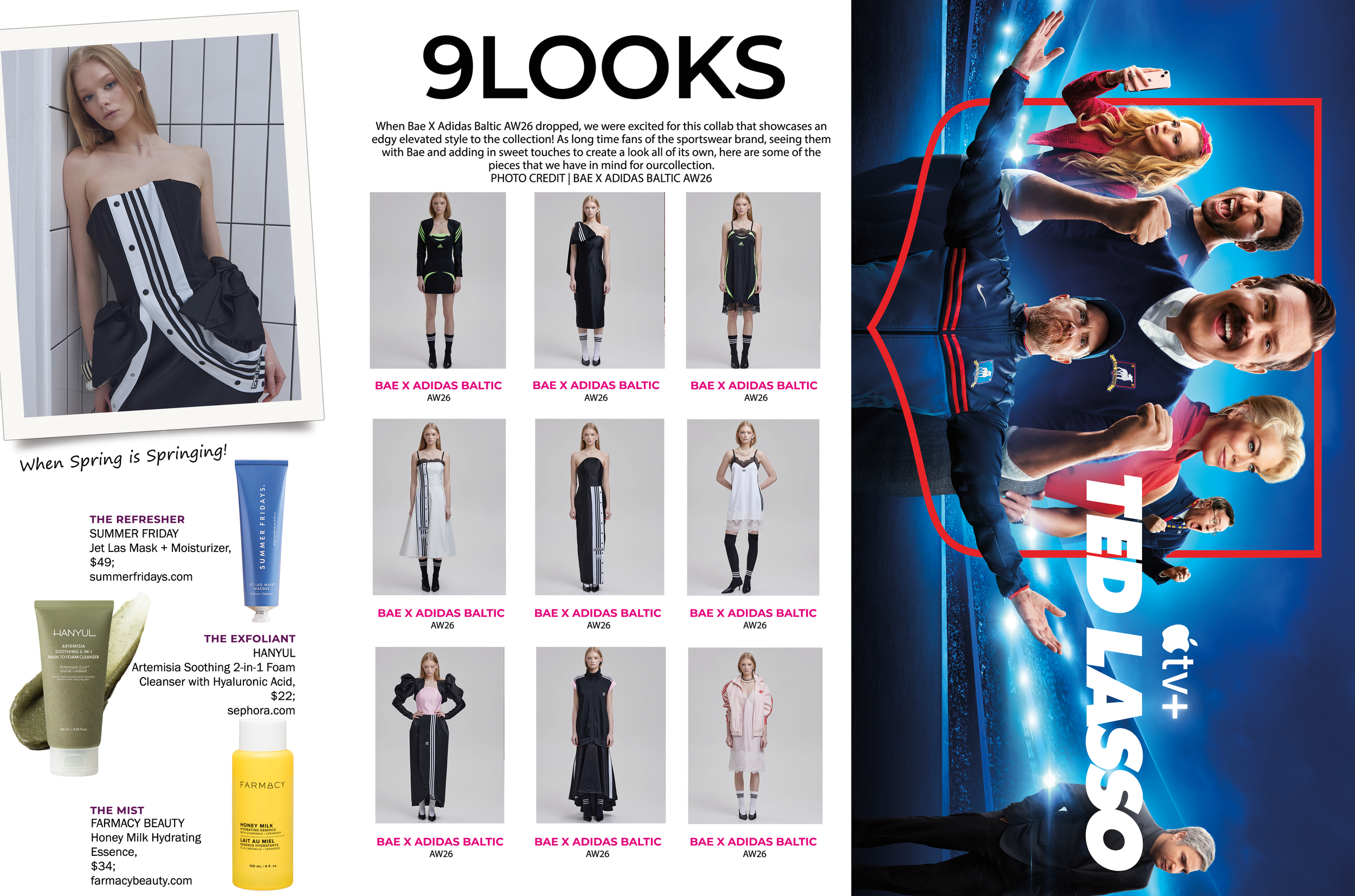
Read the APR ISSUE #123 of Athleisure Mag and see 9LOOKS | BAE X ADIDAS BALTIC in mag,

PHOTO CREDIT | Unsplash/Joe Caione
If you’re moving through perimenopause or menopause, you’ve likely noticed that your body’s “settings” can feel different from what they did a decade ago. Sleep may be lighter, and stress may register faster. Mood can also shift with less warning, while your weight and blood sugar may respond differently to routines that once felt effortless. While there’s no single habit that fixes everything, daily movement remains one of the most consistent, evidence-backed tools for supporting hormonal harmony, and one of the simplest ways to make movement stick is to walk with a dog.
A daily dog walk is a rhythm setter. It’s light exposure, nervous-system regulation, and gentle metabolic training rolled into one. Below are three key ways daily dog walks can support sleep, mood, and metabolic health during midlife, along with practical tips to maintain the habit even on low-energy days.
The quality of your sleep is sometimes a result of what your body experiences across the entire day. Two walk-related factors are potent for midlife sleep support: consistent timing and daylight exposure.
Getting outside earlier in the day helps anchor circadian rhythms, which influence sleep-wake timing, appetite cues, and even aspects of hormone release. Morning daylight signals to your brain that it’s “daytime,” helping your body build the pressure to sleep later. In perimenopause, when sleep can become more fragile, strengthening circadian cues is a helpful, low-risk strategy.
If mornings are hectic, even 10–15 minutes outdoors is meaningful. You’re not aiming for perfection, you’re giving your brain a reliable “start the day” signal.
A brisk dog walk increases energy expenditure and body temperature, both of which contribute to the body’s natural progression toward sleep later. For many women, the best pace is pleasantly warm but not wiped out, especially if hot flashes or fatigue are factors. Consistent, moderate movement tends to support sleep without triggering an adrenaline rebound.
If nighttime restlessness is an issue, a calm, shorter walk after dinner can help. It supports digestion and reduces sedentary time.
Mood Support: Walking is Nervous-System Hygiene
During midlife, mood changes are common and can be influenced by fluctuating estrogen and progesterone, sleep disruption, and ongoing stress. Daily walks help not because they “erase” stress, but because they teach the nervous system to return to baseline.
Stress is not just an emotion; it’s a physiological state. Cortisol and adrenaline prepare you to act, and movement is one of the body’s intended outlets. A walk gives your system a way to complete the stress response and shift toward recovery.
One underrated feature of dog walking is relational regulation. The gentle focus on your dog can pull attention away from rumination. Many people naturally breathe more steadily when walking a familiar loop with a calm companion. That doesn’t replace mental health care, but it can be a stabilizing daily practice.
If you can choose a route with trees, water, or a park, you may notice an additional mood lift. Even modest green time and bonding with nature can feel restorative, especially for women juggling caregiving, work, and shifting energy.
Many women notice metabolic shifts in midlife—changes in body composition, increased abdominal fat, and different responses to carbohydrates or alcohol. Walking is especially helpful because it supports metabolic health without spiking stress.
Muscle contraction helps move glucose out of the bloodstream and into cells. You don’t need high-intensity workouts to get this benefit; consistent moderate movement is effective, particularly when paired with strength training (even 2 days per week).
A short walk after eating—often called a “postprandial walk”—can blunt blood sugar spikes. This matters because glucose swings can influence energy, cravings, mood, and sleep. If you’ve ever experienced an afternoon crash or evening cravings, a 10–15 minute walk after lunch or dinner is a simple experiment worth trying.
Daily movement can improve sensitivity to hunger and fullness cues, partly through stabilizing blood sugar and supporting sleep quality. When sleep is disrupted (which is common in perimenopause), appetite hormones can skew toward more hunger and less satiety. Walking isn’t a c complete fix, but it’s one part of a stabilizing routine.
Many women abandon exercise plans because they’re designed for an “ideal” version of life. Dog walking works when it’s designed for real life.
Create two versions of your walk:
● Minimum walk: 7 minutes around the block
● Full walk: your ideal 20–40 minutes
On hard days, do the minimum. Consistency protects the habit and your circadian rhythm.
When dogs are itchy, anxious, or overstimulated, walks can become stressful rather than restorative. If your dog tends to get uneasy with loud noises, visitors, or new routes, supporting calm routines can make walking more enjoyable for both of you.
Some pet parents keep simple tools on hand—like a secure leash setup, a predictable route, and calming cues at home. If you’re looking for an at-home option to support your dog’s relaxation routine, this soothing spray for dogs is a popular choice used as part of a calm-environment strategy and for comfort. (as always, consult your veterinarian if your dog has sensitivities).
Daily dog walks are deceptively powerful. They deliver movement, light exposure, stress regulation, and metabolic support in a form that’s sustainable, and often joyful. For women navigating midlife hormonal transitions, this kind of steady, low-drama habit can be a cornerstone for a healthier life.
If you can step outside most days, especially in the morning, and keep your walks gentle enough that you can repeat them tomorrow, you’re doing something profoundly supportive for sleep, mood, and metabolic health.
The Florida sunshine is usually enough of a draw, but lately, the real action isn't just happening on the Hard Rock floor or at the local card rooms. It’s happening on the palms of people’s hands. If you’ve walked through a resort in Tampa or Hollywood recently, you’ve probably noticed a shift. The crowds are still there, but the way they engage with gambling has evolved. People aren't just sitting at a terminal for eight hours straight; they’re checking lines and spinning reels while waiting for a table at a restaurant or lounging by the pool.
Let’s be real: the convenience factor of mobile gaming is a massive disruptor. Why drive two hours in I-95 traffic when you can get the same RNG math from your couch? This shift hasn't killed the physical casinos, but it has forced them to change their strategy. Florida's tribal gaming scene is massive, yet even they’ve had to lean into the digital wave. We’re seeing a new hybrid player, someone who loves the atmosphere of a live poker room but spends their weekdays playing on their phone.
The sheer volume of players moving to digital platforms is backed up by recent data. If you look at any mobile gaming market trends report, the trajectory is basically a straight line up. This isn't a fad; it’s the new baseline for how people spend their downtime.
Florida is a bit of a weird one when it comes to the legal landscape. Between tribal compacts and the constant tug-of-war in the courts, finding a reliable place to play can be a bit of a headache. Most savvy locals have stopped looking for "official" apps that might be tied up in legal limbo and started looking for offshore or social alternatives that actually work.
I’ve had plenty of mates ask me where to even start because the rules seem to change every other month. For those trying to make sense of the current mess, checking out a resource like https://betanews.com/us/best-online-casinos-florida/ can save you a lot of time. It’s better than just clicking the first flashy ad you see on social media, which is usually a one-way ticket to a "missing deposit" nightmare.
To keep people coming through the doors, physical casinos in the Sunshine State are leaning more into "entertainment" rather than just rows of slots. They know they can't compete with the ease of a mobile app, so they’re doubling down on high-end dining, sports bars, and live music.
● The Social Factor: Mobile gaming is solitary; the casino is a night out.
● The "Second Screen" Effect: You’ll often see people at a physical sportsbook checking odds on their phone simultaneously to find a better price.
● Payout Speeds: Digital platforms are getting faster, but nothing beats walking to a cage and getting cash in your hand.
Whether you’re tapping a screen or pulling a physical lever, the house edge doesn’t sleep. The growth of mobile gaming means people are playing more frequently, which can be a double-edged sword. It’s easy to lose track of time (and your bankroll) when the "casino" is in your pocket 24/7.
I always tell people that if you’re going to pivot to mobile, you need to be twice as disciplined. It’s too easy to chase a loss while you’re bored at work. Set your limits, use the tools provided by the apps to cap your deposits, and don't treat a heater like it's a permanent change in your luck. The math al
The budget-cannabis decision becomes more visible to active-lifestyle adults when small purchases add up across a busy training season. Eighth-tier buying runs 35 to 60 dollars per eighth in 2026 dollars. Value-tier ounce options cut the per-gram cost by 40 to 60 percent. The shift makes sense for adults in legal jurisdictions on a steady use cadence.

PHOTO CREDIT | Pexels/Terrance Barksdale
The same disciplined evaluation that informs other adult-recovery categories translates to the cannabis-value choice. Canadian adult buyers searching for cheap weed options online often start with the value-tier strain catalog before stepping up to higher-priced craft producers. The right dispensary reads the buyer's preferences first and matches products afterward. The decision rewards a few minutes of structured homework before the first order.
A budget cannabis tier is the price-and-format option where the buyer purchases value-priced flower or concentrates in larger quantities. The tier locks in a per-gram discount. Three structural shifts have moved it into the mainstream adult catalog. The first is the consumer-budget discipline. Adult buyers across legal markets in Canada and the US increasingly compare per-gram pricing across catalog tiers.
The second is the producer-side maturation. Licensed producers now offer value-tier pricing across a wide strain range. Five years ago the budget options were limited to commodity strains.
The third is the storage-knowledge spread. Adult buyers know how to keep flower in good condition for 4 to 6 months. The NIH National Institute on Drug Abuse cannabis page and the CDC cannabis overview outline the responsible-use framework adult buyers in legal markets follow.
Six checks belong on every adult value-tier buying decision in legal markets.
| Check | Why It Matters | What to Confirm |
| Lab-test certificates | Potency and purity verified | Certificate of Analysis available |
| Strain genetics | Effect varies meaningfully | Verified parent strains documented |
| Cure quality | Affects shelf life | Moisture content 58 to 62 percent |
| Producer transparency | Cultivation method matters | Licensed producer disclosure |
| Format options | Flexibility matters | Quarter, half-ounce, ounce availability |
| Privacy and shipping | Discreet adult delivery | Plain packaging, signature option |
A dispensary that produces clear answers across these six points signals a vendor worth working with. A dispensary that deflects on any of them signals a shop that may not match the adult buyer's needs. Asking these questions early saves real money over a year of regular value-tier purchases.
A steady-state buyer is one who uses cannabis on a predictable cadence and has a settled strain preference. Three patterns reward the budget tier more than the others. The first is the predictable-cadence adult who uses cannabis 3 to 5 times per week and finishes an ounce in roughly 6 to 10 weeks.
The second is the household with two or more adults sharing a strain preference. Doubled consumption shortens the bulk turnover meaningfully. The third is the connoisseur who has identified a specific strain and wants the per-gram discount on a known good batch. The same disciplined recovery thinking visible in a chef-feature lifestyle profile applies to the buying process for adult cannabis purchasers in legal markets.
The buyer who matches purchase size to actual consumption produces better outcomes than the buyer who over-buys.
Several patterns recur. The first is over-buying for aspiration rather than actual consumption. An adult who finishes an eighth in 4 weeks does not need an ounce sitting on the shelf for 16 weeks.
The second is buying the cheapest unit without evaluating cure quality. Poorly cured value-tier flower goes harsh within 30 to 60 days. The per-gram discount disappears.
The third is ignoring the storage requirements. The same disciplined recovery filter visible in an athlete's half-pipe journey profile applies to cannabis: glass jars, humidity packs at 60 to 65 percent, and storage away from direct light.
The fourth is treating the purchase as a one-shot rather than building a small comparison rotation. The fifth is overlooking the source-jurisdiction rules around cross-border shipping. The sixth is buying without checking the per-gram math against higher-tier options.
The budget-cannabis decision rewards the homework discipline an active-lifestyle adult already applies to other recovery and budget categories. The window allows for a few minutes of catalog comparison rather than an impulse purchase. The right dispensary reads the buyer's actual consumption pattern and explains the trade-offs in plain language.
Adult buyers come in different profiles. Casual evening users, weekend-only buyers, and steady-state daily users all benefit from the same criteria. The first bulk order should answer specific questions about lab-test transparency. Buyers who run real comparisons land at better products.
A short catalog review and a small first order turn the decision into a low-risk one for any new buyer. An honest assessment over the next 6 to 10 weeks completes the picture. The careful approach pays back across the entire year of adult-purchase activity in jurisdictions where cannabis is legal.
Most buyers settle into a stable preference within 60 to 90 days. The result is a clean rotation of two or three preferred value-tier strains across the year. Most adult buyers find the small homework investment worth the long-term steady-state outcome. The careful approach builds a reliable adult-use rhythm. The rhythm carries across the entire calendar year of regular budget cannabis purchasing and storage activity in adult-legal markets where the practice is allowed by current local cannabis law.
For most Canadian adult buyers, an ounce-tier value purchase saves 40 to 60 percent per gram compared to eighth-tier buying. The math depends on the specific producer, strain, and dispensary. A regular adult buyer using one ounce per 6 to 10 weeks saves several hundred dollars per year by stepping up to the value tier.
Look for THC and CBD percentages, terpene profile, and pesticide and heavy-metal results. Certificates from accredited labs (ISO 17025) carry meaningfully more weight than uncertified ones. The certificate should match the specific batch on the packaging.
Cannabis is legal for adults 19+ across all of Canada, with provincial variation in retail rules. In the US, recreational cannabis is legal in 24 states as of 2026. Cannabis remains illegal recreationally across the UK and most of Europe. Confirm the local rules before any purchase or use.
Stored in glass jars at 60 to 65 percent relative humidity, an ounce of well-cured flower keeps full quality for 4 to 6 months. Keep it away from light and heat. The disciplined storage routine pays back across the bulk-purchase cycle. Most adult buyers settle into a quarterly bulk-buying cadence with a small rotation of two or three preferred value-tier strains across the calendar year of regular adult cannabis activity.
PHOTO CREDIT | Unsplash/Ralph Olazo
Neither a single breakout app nor a single fashionable feature will drive Nepal’s digital leisure market in 2026. It runs on the phone, the data pack, and the habit of moving quickly between clips, chats, scores, streams, and payments without treating them as separate tasks. DataReportal’s 2026 Nepal profile put the country at 16.6 million internet users, 14.8 million social media user identities, and 32.4 million mobile connections at the end of 2025, while 77.0 percent of the population still lived in rural areas. That mix explains the shape of the market better than any slogan does: people stay with services that reopen quickly, survive signal drops, and remember where the session was left off.
The first rule is still connectivity. On 9 February 2026, the World Bank approved a $50 million Nepal Digital Transformation Project focused on inclusive digital services, private investment in data infrastructure, and trust layers such as electronic signatures, cybersecurity, and data governance. Phones first. A platform can look polished on a product deck, but if it struggles on a bus ride, burns through data, or forces a fresh login after a weak connection, it loses ground to something simpler and quicker.
The payment layer now sits inside the same routine as entertainment and messaging. Nepal Rastra Bank’s Falgun 2082 indicators, released in April 2026, showed 29,463,539 mobile banking users, 27,724,749 wallet users, and 49,027,228 QR transactions in a month worth NPR 125,915 million; mobile banking handled 62,540,294 transactions worth NPR 540,763 million. One small observation is hard to miss in those numbers: QR has become the go-to everyday action, while mobile banking still handles the heavier transfers. That split tells the story well, because digital leisure in Nepal is no longer built on a single app but on several tools handling different moments of the same day.
Sport remains one of the clearest ways to watch that behavior happen in real time. The Premier League app now releases lineups 75 minutes before kick-off and runs Matchday Live for every fixture, meaning the conversation starts before the whistle rather than after the first chance. In that same routine, a betting app is not separate from the match anymore; it sits beside the lineup alert, the score bug, and the clip of Declan Rice bending in the first free-kick in Arsenal’s 3-0 win over Real Madrid at the Emirates on 8 April 2025. Another small observation keeps returning on big nights: the first real spike in activity often comes when the XI drops, because fans are already weighing shape, absences, corners, cards, and live prices before the game has settled.
Recommendation systems changed the texture of leisure by reducing the gap between one piece of content and the next. YouTube says the Shorts feed is personalized to reflect what it thinks a viewer wants to see next, and Meta says the Facebook Feed uses machine-learning systems to rank content based on what each user is most likely to find relevant and valuable. TikTok LIVE adds another layer by giving creators and moderators direct control over real-time comments, filters, and viewer management. One small observation follows from that: digital leisure in Nepal increasingly feels less scheduled and more opportunistic, because the next clip, comment thread, or live reaction is already waiting for the current one to end.
Cross-platform continuity is now part of the user experience, not a nice extra. Netflix still treats offline viewing as core mobile behavior, with Downloads for You automatically placing recommended titles on a phone or tablet, which suits a market where signal quality and travel patterns still shape how long a session can last. That same design logic shows up in melbet in its cross-platform setup across iOS, Android, web, and mobile web, built for users who do not want to lose the live state of a match while switching screens. The attraction is not mysterious: when a service keeps the same event, the same stats, and the same path open across devices, the user stays in rhythm instead of starting over.
The sharpest reminder came when access disappeared. Reuters reported on 4 September 2025 that Nepal ordered telecom operators to block several unregistered social media platforms, and further reporting on 9 September showed the ban being lifted after deadly protests, which exposed how tightly digital communication, entertainment, and everyday routine had fused. Friction loses. People rarely describe this as infrastructure when everything works, but the moment a feed stalls, a payment fails, or a platform vanishes, the whole routine becomes visible at once.
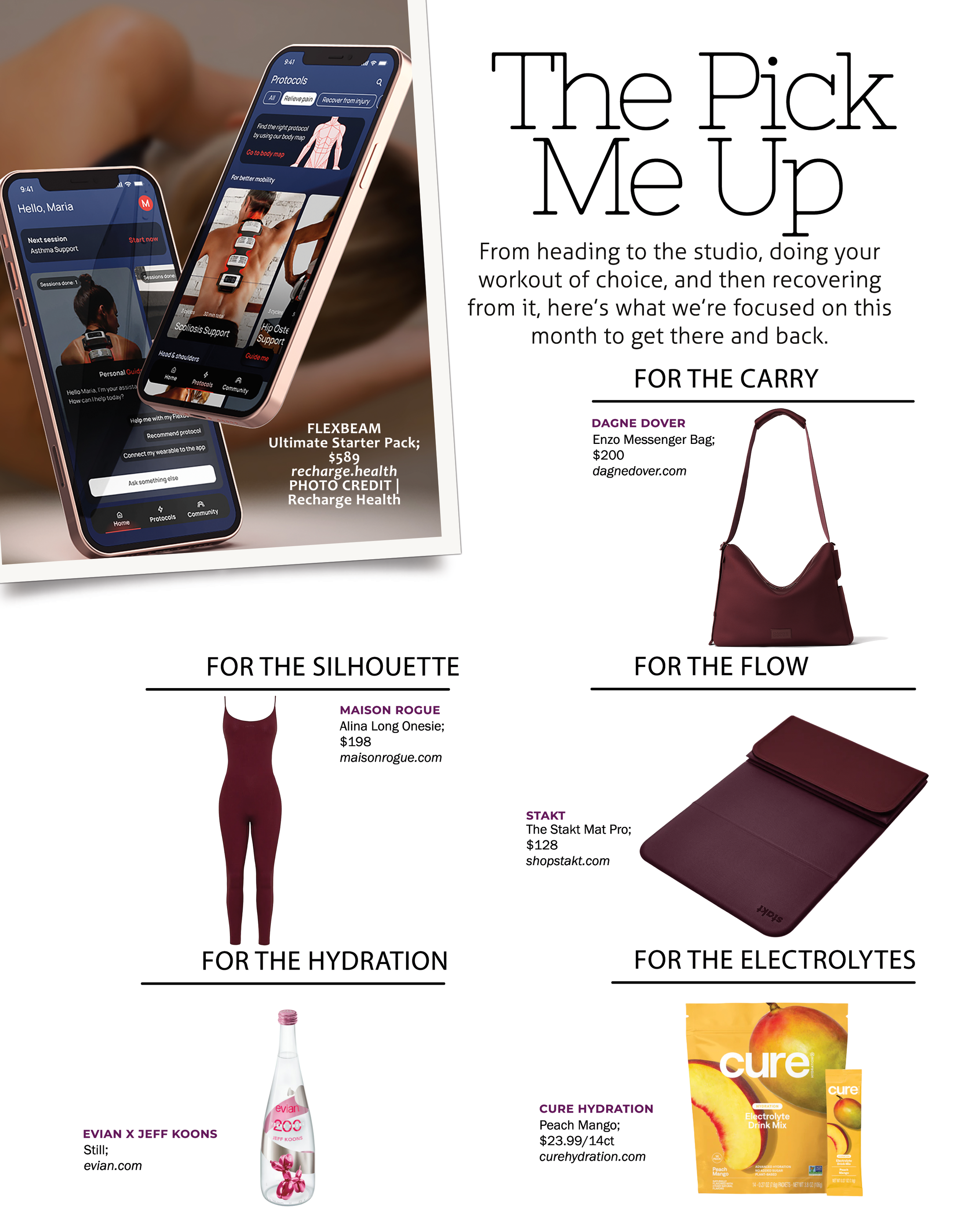
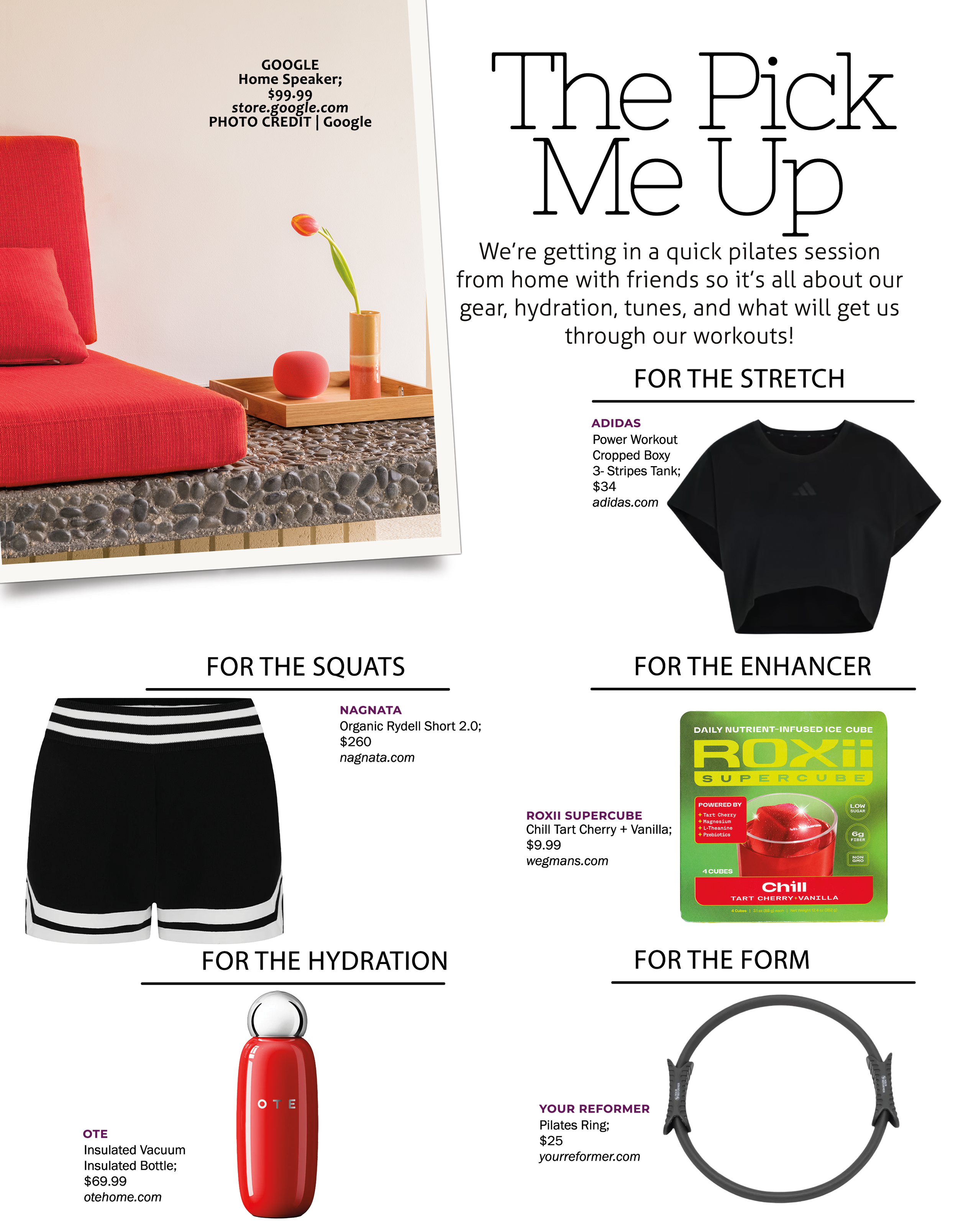
Read the APR ISSUE #124 of Athleisure Mag and see THE PICK ME UP in mag.

PHOTO CREDIT | Unsplash/Jonathan Greenaway
Picking a crypto casino takes about thirty seconds. Picking one worth trusting takes a lot longer. Crypto gambling today attracts serious operators and opportunistic ones in equal measure. Experienced bettors have learned to tell the difference, usually through a mix of research and hard-won lessons. Here is what their evaluation process actually looks like.
No experienced bettor skips this check, ever. A valid license from a credible authority, such as the Curacao Gaming Authority, Malta Gaming Authority, or a comparable regulatory body, confirms that the platform operates within a defined set of rules and can be held accountable for breaking them. Hence, the best crypto casinos almost always have one.
This trust mechanism is specific to crypto gambling, and serious players treat it as a baseline requirement rather than a bonus feature. Provably fair systems rely on cryptographic hashing, typically SHA-256, to let players independently confirm that a game's outcome was not altered after a wager was placed.
The process works by having the casino lock in a server seed before each round begins. Once play ends, that seed is revealed so the result can be verified externally. It is a level of transparency that traditional online casinos have no equivalent for.
That said, the technology has clear boundaries. It applies to specific in-house titles, not to third-party slots running on standard RNG certification. Experienced bettors check exactly which games the system covers rather than accepting the feature's presence as blanket reassurance.
How a casino handles payouts says more about its character than any promotional copy does. Experienced bettors often run a small withdrawal test before depositing serious funds. Top-tier platforms process crypto payouts within minutes. Others have delays, unexpected verification requests, or fees that quietly reduce what a player receives.
Speed is one side of the equation. Fee clarity is the other. Hidden charges on larger withdrawals are a known issue in crypto casinos, and players cashing out four- or five-figure sums feel those costs harshly. Platforms that publish all applicable fees upfront, including network fees, build the kind of trust that brings players back consistently.
A generous bonus headline rarely tells the full story. A 200% deposit match with a 60x wagering requirement is, in practical terms, harder to clear than a 100% match with a 20x requirement. Experienced players read the attached conditions before claiming anything.
Researching about a Jackbit bonus code is a good example of the due diligence bettors run before depositing. Knowing precisely what is required to withdraw bonus winnings removes the element of surprise that catches less careful players out.
Beyond wagering multiples, the specifics matter too: which games count toward clearing the requirement, what the maximum bet limit is during a bonus period, and when the offer expires. Bettors who overlook these details frequently find their winnings frozen behind terms they did not read.
Library size is worth considering, but provider reputation carries more weight. A catalog of 6,000 games from established developers means more than 10,000 titles from suppliers nobody has heard of. Experienced players look for recognizable names like NetEnt, Pragmatic Play, Evolution Gaming, and Hacksaw Gaming.
Live dealer sections get assessed separately. A well-produced live casino offering, with professional dealers and reliable streaming, fills a gap that slots alone cannot address. Players who favor table games check this category closely before settling on a platform.
Support quality is easy to overlook during registration and difficult to ignore once something goes wrong.
Experienced bettors treat a quick support test as part of their standard review. A live chat that connects within a minute during off-peak hours indicates reliability and genuine responsiveness. Email-only support with delayed response is a concern, particularly when withdrawal disputes or account issues are on the line.
Choosing a crypto casino responsibly means holding every candidate to the same standard, something every seasoned bettor knows. This includes verifiable licensing, transparent fairness mechanisms, fast and honest payouts, practical bonus terms, games from reputable providers, and clear privacy policies from the start. Platforms that consistently meet these criteria tend to earn loyalty. Those that fall short on even one or two usually make that clear at the worst possible time.
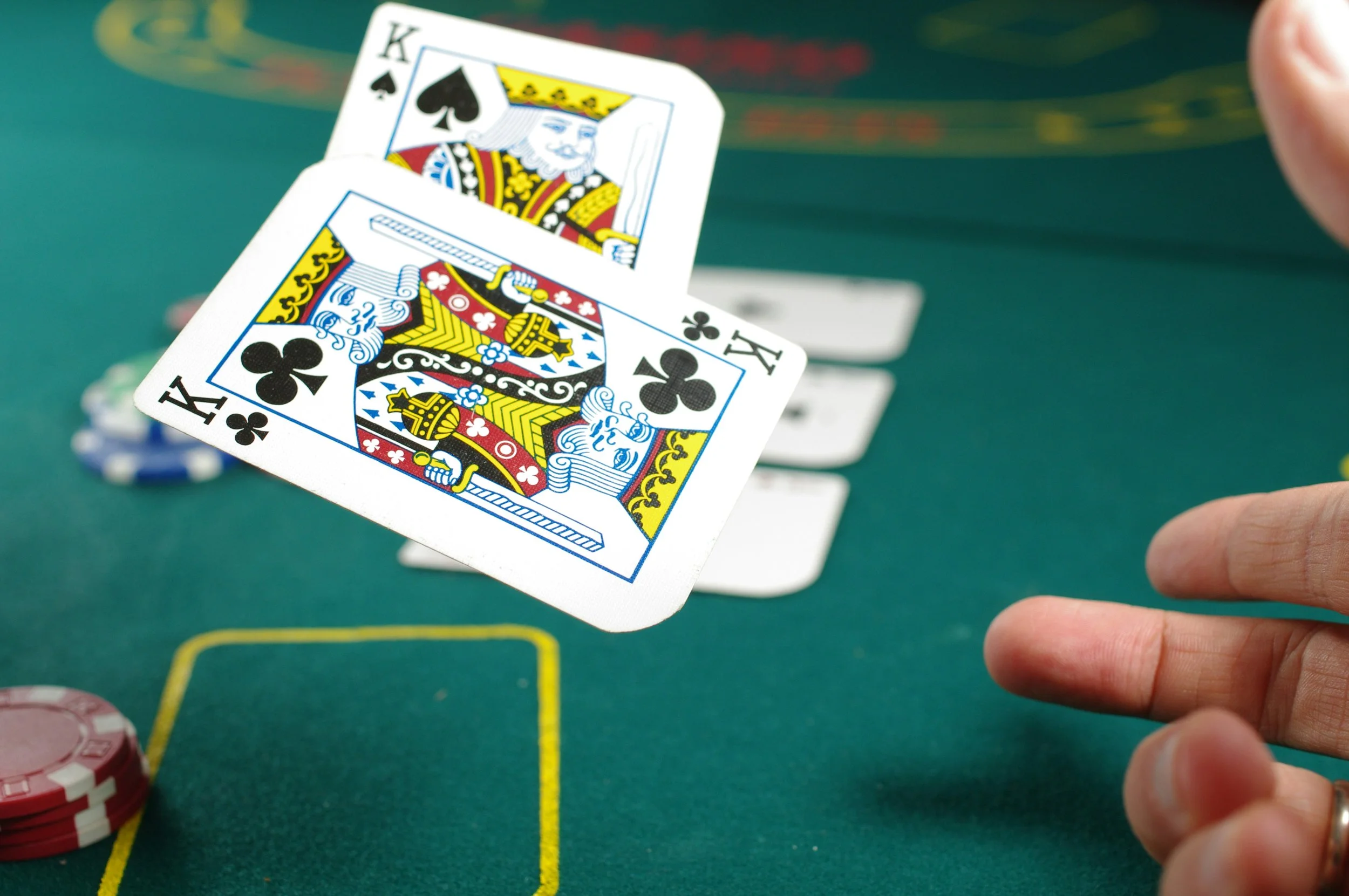
PHOTO CREDIT | Unsplash/Michał Parzuchowski
In today’s digital landscape, users are increasingly drawn to platforms that combine multiple services into one seamless experience, making the idea of a lottery app a clear example of how mobile solutions now offer integrated features, easy navigation, and real-time access similar to what users expect from modern all-in-one applications like the Virginia Lottery mobile platform. The shift toward convenience-driven technology has transformed how people interact with their devices, placing greater emphasis on efficiency and usability. As a result, all-in-one lifestyle apps are becoming central to daily routines, blending functionality with accessibility in ways that were not possible just a few years ago.
All-in-one lifestyle apps have evolved from simple, single-purpose tools into complex ecosystems that support a wide range of user needs. Early mobile applications focused on performing one task well, such as messaging or navigation, but modern users now expect more comprehensive solutions. This evolution reflects a broader trend in digital innovation where integration is prioritized over fragmentation.
As technology advanced, developers began merging features into unified platforms to reduce the need for multiple downloads and logins. This shift not only improves user convenience but also enhances engagement by keeping users within one environment. The result is a more streamlined experience that aligns with the fast-paced expectations of modern consumers.
Convenience has become one of the most influential factors in determining which apps users choose to adopt and keep. With limited time and increasing digital fatigue, people are naturally drawn to platforms that simplify their daily interactions. All-in-one apps eliminate the friction of switching between different services, making them highly attractive.
This demand for convenience is especially evident in regions like Virginia, where users rely on mobile platforms to access services quickly and efficiently. Whether it involves checking updates, managing tasks, or engaging with digital entertainment, users expect immediate results. Apps that deliver this level of accessibility are more likely to retain long-term users and build trust.
Modern users have developed clear expectations when it comes to all-in-one lifestyle apps. A clean interface, fast performance, and intuitive navigation are no longer optional but essential components of a successful platform. Users want to accomplish tasks quickly without unnecessary complexity or delays.
In addition to usability, personalization has become a defining feature of top-performing apps. People expect content and features that adapt to their preferences and behavior over time. This level of customization not only improves satisfaction but also creates a sense of connection between the user and the platform.
As apps continue to handle more personal data and financial interactions, security has become a critical concern for users. People want assurance that their information is protected and that the platform they are using is reliable. This expectation has pushed developers to prioritize robust security measures and transparent policies.
Trust is built through consistent performance and clear communication about how data is used and protected. When users feel confident in an app’s security, they are more willing to explore its full range of features. This trust becomes a key factor in the long-term success of any all-in-one platform.
The future of all-in-one lifestyle apps lies in even deeper integration and smarter functionality. Emerging technologies such as artificial intelligence and predictive analytics are expected to enhance how apps respond to user needs. These advancements will make platforms more proactive, offering solutions before users even realize they need them.
As competition continues to grow, developers will focus on creating experiences that feel both comprehensive and effortless. The goal is to deliver value without overwhelming the user, maintaining a balance between functionality and simplicity. This approach will define the next generation of mobile applications.
All-in-one lifestyle apps are no longer just a trend but a fundamental shift in how digital services are designed and consumed. By combining convenience, personalization, and security, these platforms are meeting the evolving expectations of modern users. As technology continues to advance, the demand for seamless, integrated experiences will only grow, shaping the future of mobile interaction in meaningful ways.

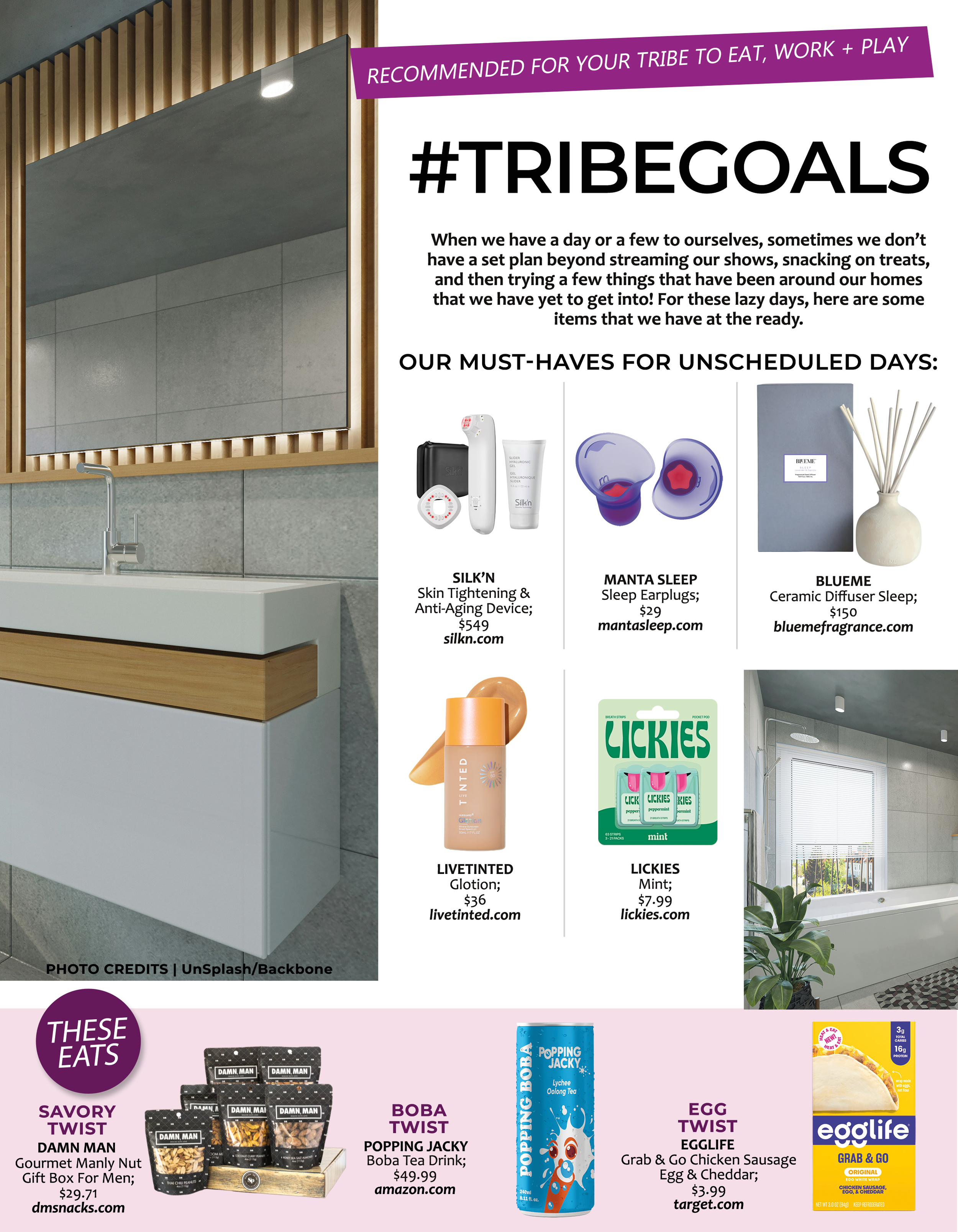
Read the APR ISSUE #124 of Athleisure Mag and see ATHLEISURE BEAUTY in mag.
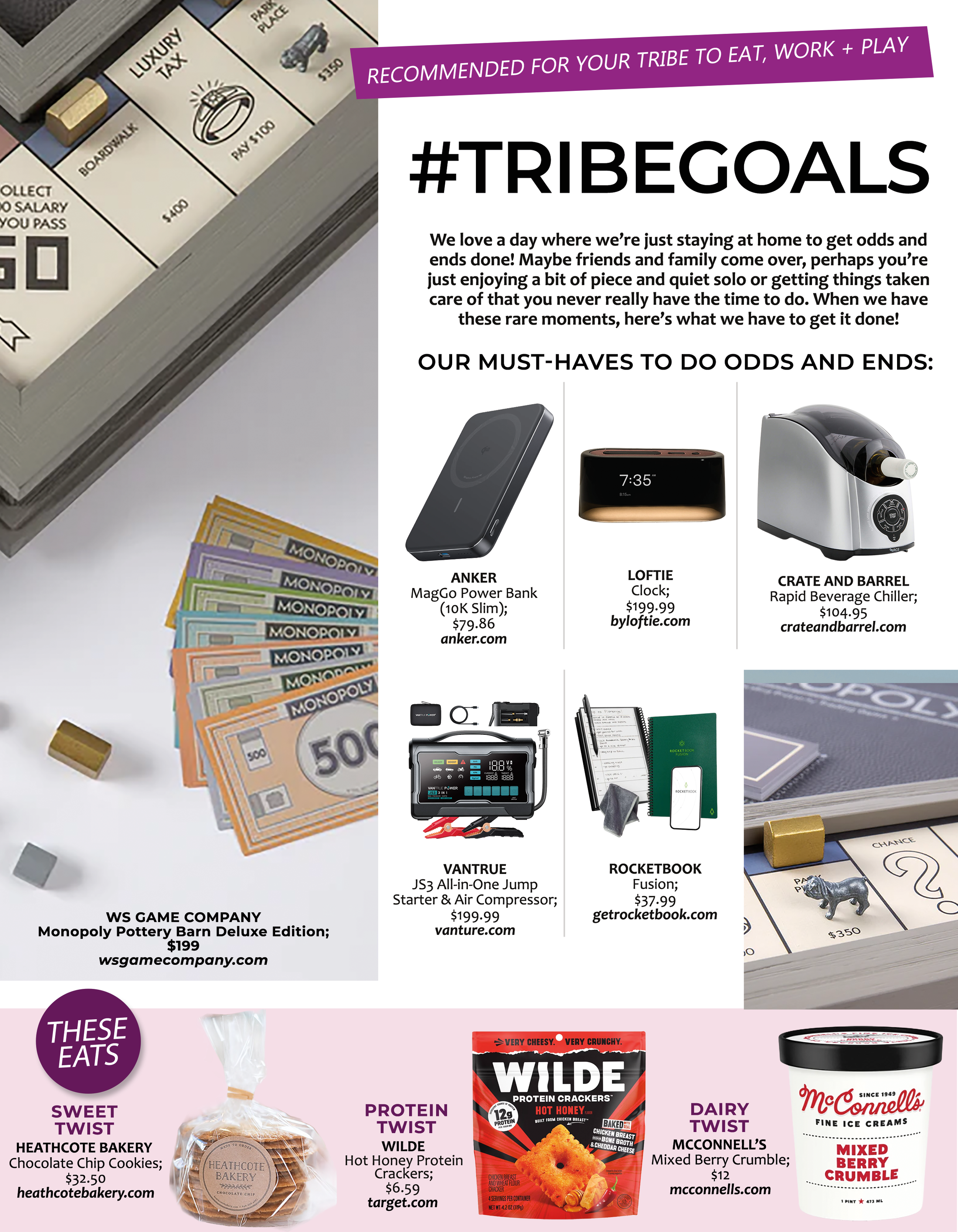
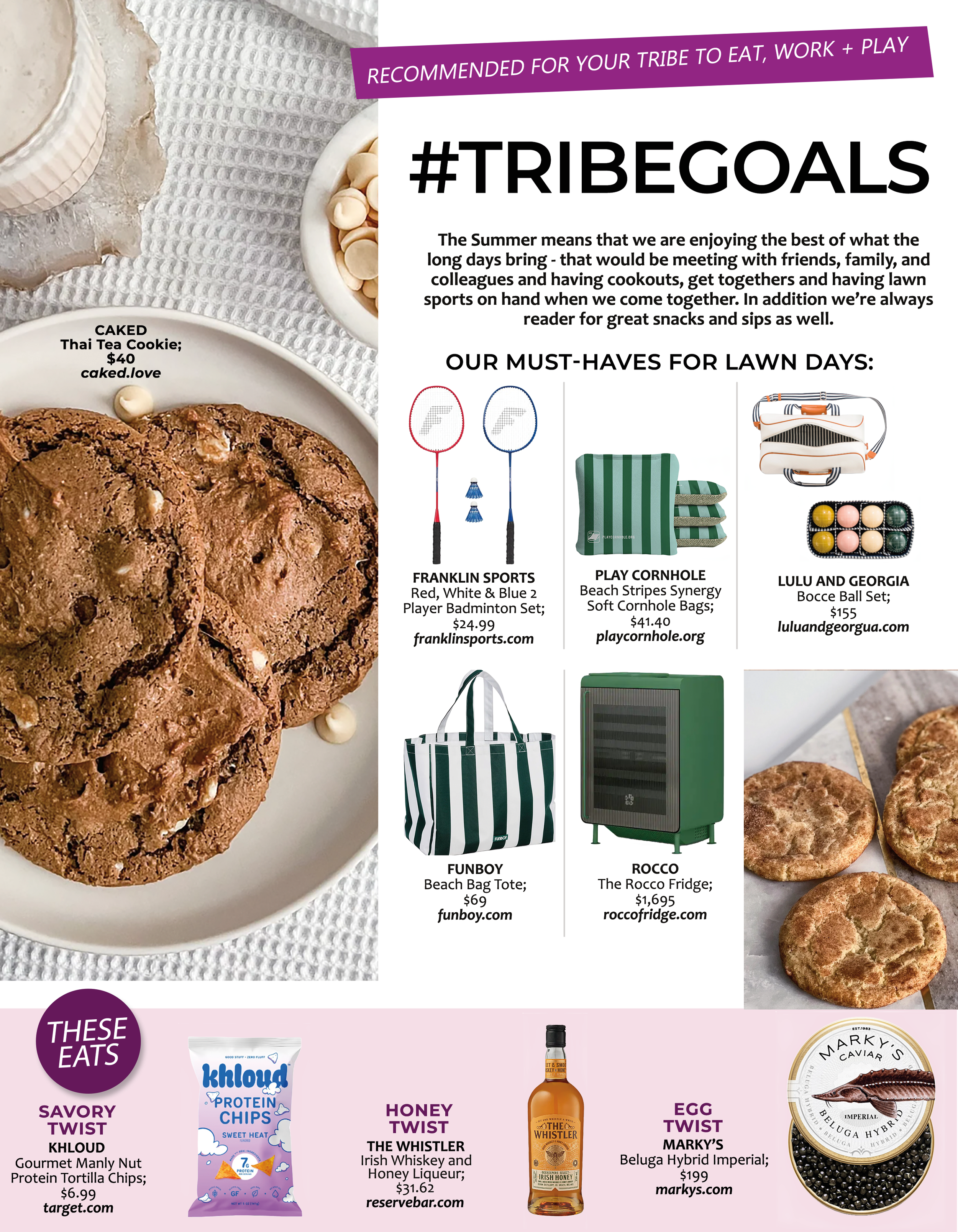
Read the APR ISSUE #124 of Athleisure Mag and see #TRIBEGOALS in mag.
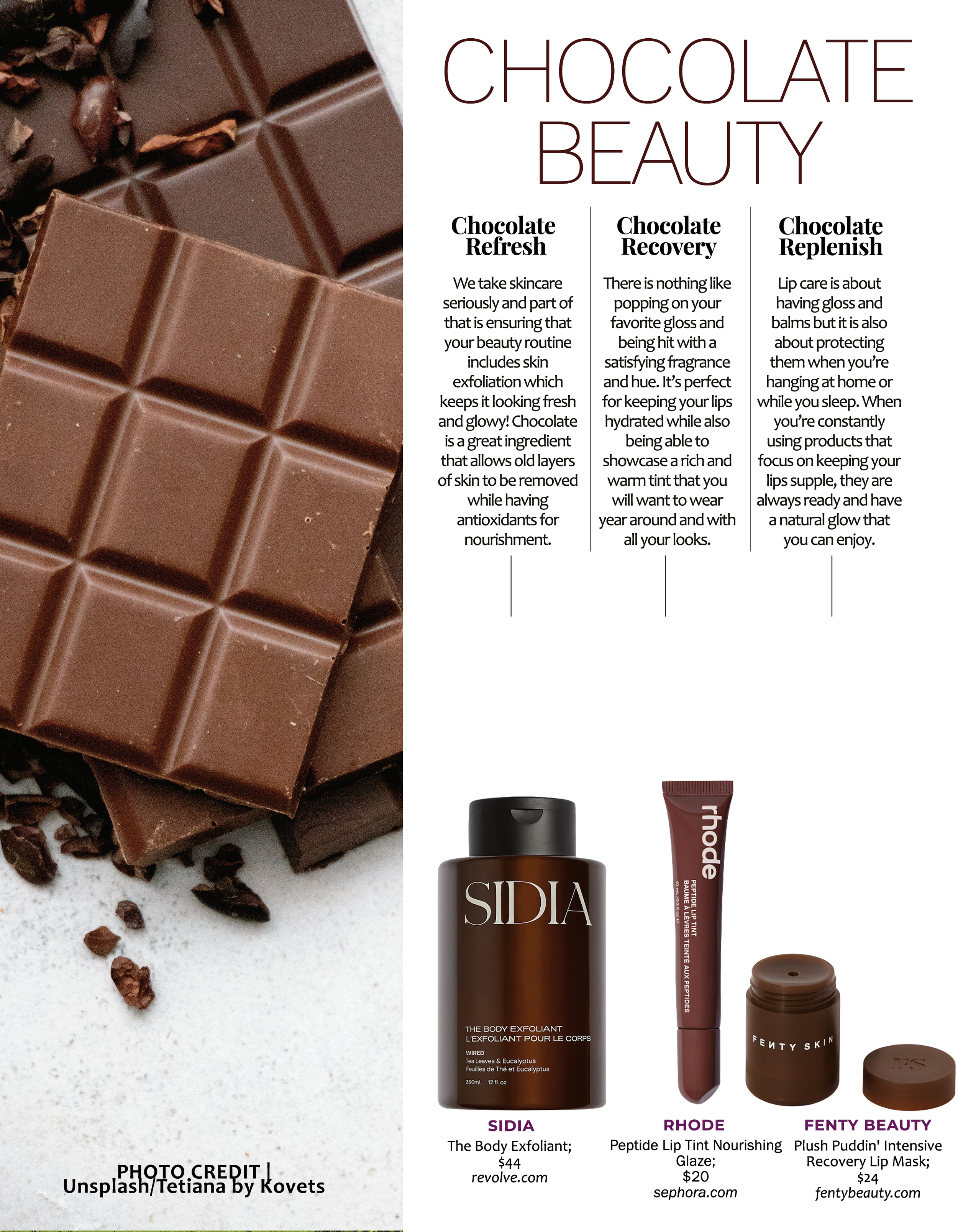

PHOTO CREDIT | Unsplash/Adam Winger
Hair extensions are a popular beauty service that can add volume, length, and style to clients' hair. If you’re looking to expand your skills as a stylist or dive into the world of hair extensions, enrolling in a class can provide you with the knowledge and hands-on experience needed to offer this service confidently. In this article, we’ll explore what you can expect to learn in a hair extension class, focusing on the techniques, tools, and skills you'll acquire.
One of the first things you’ll learn in hair extension courses is the variety of extension types available. Different methods require different techniques and tools. You will be introduced to popular methods like tape-in, clip-in, fusion, micro-bead, and sew-in extensions. Each method has its own set of benefits depending on the client’s hair type, desired look, and longevity preferences.
For example, tape-in extensions are quick and easy to apply, offering a natural look, while fusion extensions are more permanent and require heat to bond the extensions to natural hair. You’ll be taught how to choose the right method for your client’s needs, ensuring you provide them with the best results.
The core of any hair extension class is learning how to apply the extensions correctly. Proper placement is essential to achieving a seamless, natural look while ensuring the extensions stay in place. You’ll practice applying extensions using various methods, focusing on techniques like sectioning the hair, securing the extensions, and ensuring a flawless blend with the natural hair.
Understanding the correct amount of tension when applying extensions is critical to preventing damage to the client’s hair. During the course, you’ll learn how to work with different hair textures and lengths, making adjustments to suit each client’s needs.
Blending is an essential skill taught in hair extension courses. After applying the extensions, you’ll learn how to cut and style them to match the client’s natural hair. The goal is to create a seamless blend where the extensions look like they naturally belong with the client’s hair.
You’ll also learn how to choose the right color for the extensions to match your client’s hair color. This may include selecting highlights, lowlights, or ombre extensions to create a cohesive look. Blending techniques will also cover how to texturize the extensions so they move naturally with the hair, giving the client a more organic appearance.
Throughout the course, you will become familiar with the tools needed for proper hair extension application. Depending on the method you are learning, these tools can include extension pliers, beads, needles and thread, or heat tools for fusion extensions. Understanding how to use each tool correctly is essential to achieving the best results.
You’ll also learn about the different types of hair used for extensions, such as Remy hair, and how to select the right hair based on your client’s needs. The quality of the hair and tools will directly affect the final result, so mastering the use of your equipment is a crucial part of your training.
Once the extensions are applied, your training will cover how to guide your clients in maintaining their extensions. Proper care is necessary to ensure that the extensions last as long as possible and continue to look good. You’ll learn how to provide aftercare instructions, including how to wash, condition, and detangle the hair to avoid damage.
Additionally, you’ll be taught how to troubleshoot common problems that clients may face, such as slipping extensions or tangling. Providing clients with the right maintenance advice can help you build trust and ensure they return for future services.
A good hair extension class will also teach you how to conduct a thorough client consultation. During this process, you’ll learn how to assess your client’s hair type and lifestyle to recommend the best extension method. You’ll also discuss their expectations and explain the process in detail, so they know what to expect.
Understanding how to set realistic expectations is vital for client satisfaction. You’ll learn how to discuss the longevity of extensions, the maintenance required, and the cost involved, ensuring that your clients are well-informed.
A hair extension class is an excellent opportunity to gain the skills and knowledge required to offer this sought-after service. From learning about different types of extensions and mastering application techniques to perfecting blending and providing aftercare, these courses provide everything you need to succeed in the hair extension industry. By the end of the class, you’ll be equipped to offer high-quality, professional hair extension services that will leave your clients looking and feeling their best.
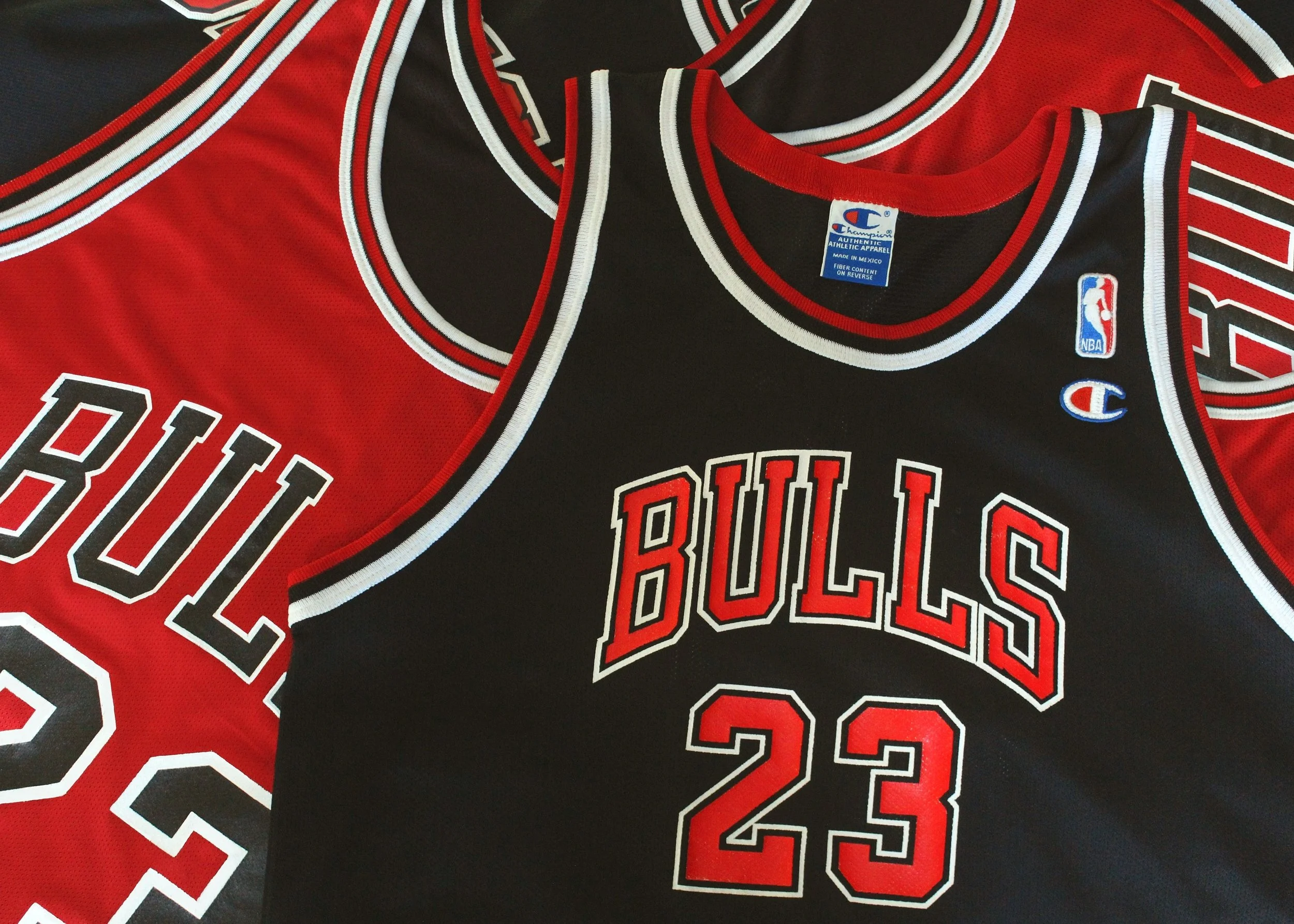
PHOTO CREDIT | Unsplash/Abhay siby Mathew
Sports fandom runs deeper than watching games. It is identity, community, and emotional investment. One of the most visible ways fans show loyalty is through sports apparel. What people wear sends a clear message about who they support and how strongly they feel about it.
From jerseys to caps, apparel connects fans to teams, players, and moments. It turns spectators into participants. In today’s culture, sports clothing also crosses into everyday fashion, making loyalty visible far beyond the stadium.
Wearing team gear is not just about style. It represents belonging. Fans associate apparel with memories of wins, losses, and shared experiences. A jersey can remind someone of a championship game or a childhood moment with family.
This emotional layer is what makes sports apparel powerful. It allows fans to carry their loyalty into daily life. Whether walking through the city or watching a game at home, the connection remains constant.
For many, apparel also creates a sense of unity. Seeing others wear the same colors builds instant recognition. It forms a bond between strangers who share the same passion. That connection is especially strong during major events when fans gather in large numbers.
Jerseys hold a unique place in sports culture. They represent the closest link between fans and players. Wearing a jersey is like stepping into the role of the athlete, even if only symbolically.
Customization has made jerseys even more personal. Fans can choose their favorite player or add their own name. This adds a layer of ownership and identity. Many turn to options like baseball jerseys custom made to create something that reflects their individual connection to the team.
Player jerseys that honor favorite athletes
Custom names and numbers for personal identity
Throwback designs that celebrate team history
Limited edition releases tied to major events
Jerseys are not just clothing. They are statements of loyalty that evolve with the fan’s journey.
Sports apparel has moved beyond game day. It is now part of everyday fashion. Hoodies, sneakers, and caps with team branding are worn in casual settings, blending sports culture with streetwear.
This shift has expanded how fans express loyalty. You no longer need to be at a stadium to show support. Wearing a team hoodie to a coffee shop or gym still signals allegiance. It also introduces teams to new audiences who may engage with the brand through fashion first.
Athleisure trends have played a major role in this evolution. Comfortable, functional clothing fits modern lifestyles. Sports brands have responded by creating apparel that works both for performance and daily wear.
Sports apparel plays a strong role in shaping social identity. Fans use clothing to align themselves with a group. This can be a local team, a national squad, or even a global franchise.
Wearing team colors often reflects pride in a city or region. It can also signal shared values, such as resilience or competitiveness. For many fans, supporting a team is tied to personal identity.
Regional pride expressed through team colors
Community connection during games and events
Shared rituals like wearing jerseys on game day
Generational loyalty passed through families
This group identity strengthens fan engagement and keeps traditions alive across generations.
Game day amplifies the importance of sports apparel. Fans plan outfits that reflect their excitement and commitment. Some wear the same jersey for every match, believing it brings luck.
These rituals create consistency and emotional investment. Apparel becomes part of the experience, not just an accessory. Stadiums filled with coordinated colors create a powerful visual impact that enhances the atmosphere.
Tailgating events, watch parties, and fan meetups also highlight the role of apparel. It helps fans stand out while still being part of a larger group. This balance between individuality and unity is key to sports culture.
Social media has expanded how fans showcase loyalty. Posting photos in team gear allows fans to share their support with a global audience. It also influences others to engage with the same teams and styles.
Athletes and influencers play a major role in this space. When they wear certain apparel, it drives demand and shapes trends. Fans often follow these cues, blending admiration for players with personal style choices.
Online stores and global shipping have made it easier for fans worldwide to access team merchandise. This has turned local teams into international brands, with apparel acting as a key driver of global recognition.
For some fans, sports apparel goes beyond wearing it. It becomes collectible. Limited edition releases and special collaborations create a sense of urgency and exclusivity.
Owning rare pieces can feel like holding a piece of history. These items often increase in value over time, especially if tied to significant events or players. Collectors see apparel as both a passion and an investment.
Brands use this strategy to maintain excitement and engagement. By releasing unique designs, they keep fans interested and eager to expand their collections.
Sports apparel is one of the most powerful ways fans express loyalty. It combines emotion, identity, and style into something visible and personal. From jerseys to everyday wear, each piece tells a story about connection and commitment.
As sports culture continues to evolve, apparel will remain at the center of fan expression. It bridges the gap between teams and supporters, turning loyalty into something that can be seen, shared, and celebrated every day.
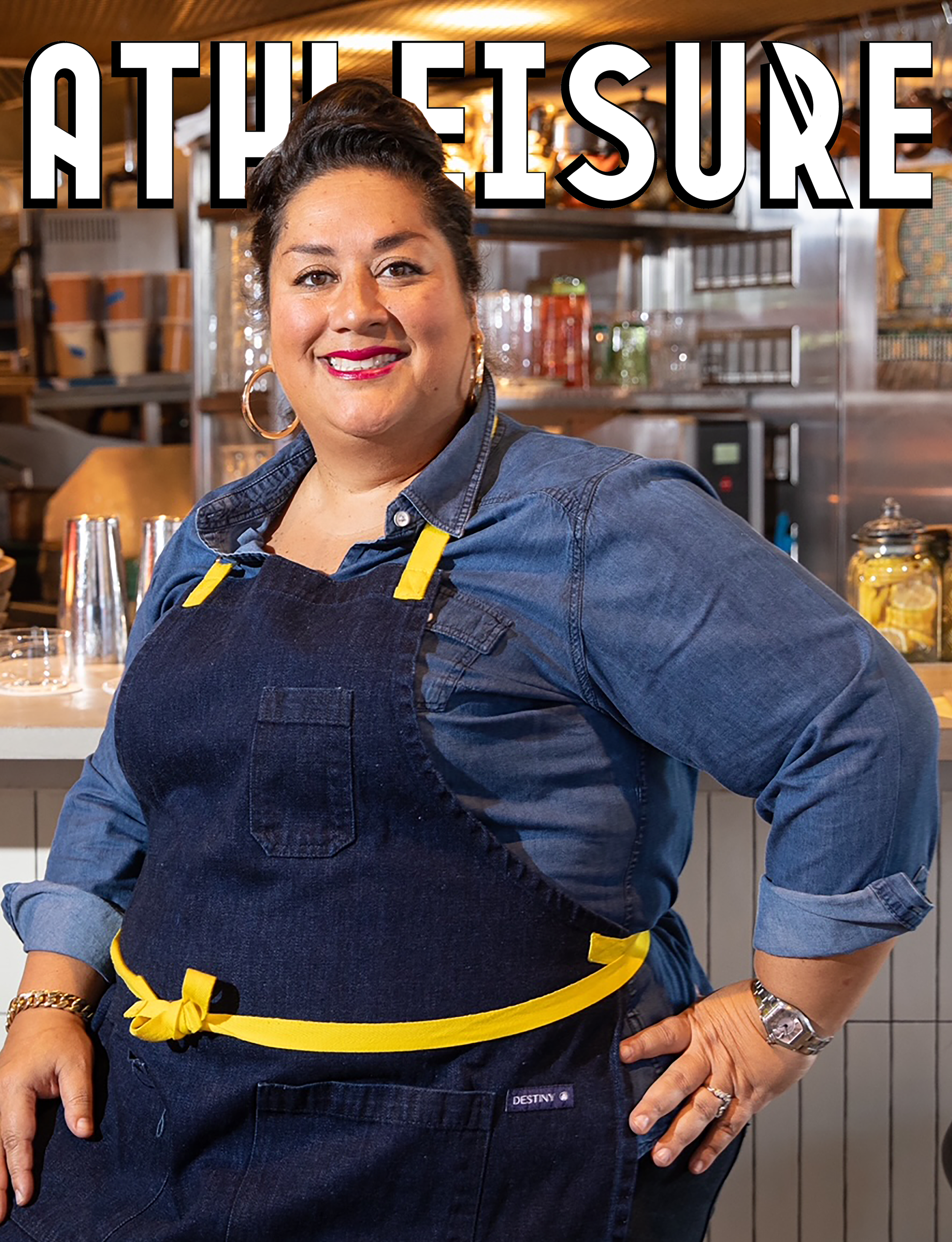
PHOTO CREDIT | Clay Williams
In this month’s issue, our front and back cover story is with Chef/Partner of Shuka and Shukette, James Beard Award Finalist Best Chef NY State, Titan on S4 and the upcoming S5 of Food Network's Bobby's Triple Threat, Chef Ayesha Nurdjaja. We talk with her about how she got into the industry, her passion for her cuisine, why she loves appearing on TV shows and food festivals, Bobby's Triple Threat, and her upcoming cook, Mediterranean All the Way which you can pre-order now.
On April 16th, we attended the Youth America Grand Prix for their 2026 Stars of Today, Meet the Stars of Tomorrow Gala which brought the best ballet talent together from those that are rising stars to those we enjoy seeing on the stage. This year, Misty Copeland hosted and there were a number of people honored at this event, performances, and an auction for designer pointe shoes.
We sat down with Creative Director, and Costume Designer, June Ambrose who is known for creating iconic looks for Missy Elliott, Busta Rhymes, and so much more. We talk about her love for creating dynamic looks, her favorite projects, and her latest capsule collection for June Ambrose X Naturalizer.
Who doesn't enjoy a Staycation? During the month of April, we made our way to Muse New York to enjoy a few days during the week in our suite that had a private balcony, spacious spaces, luxurious amenities, and is centrally located to a number of places in Times Square/Theater District and Rockefeller Center.
Football season isn't too far away! We caught up with NFL Super Bowl Champ Wide Receiver of the Kansas City Chiefs, JuJu Smith-Schuster to talk about the game, looking forward to the upcoming season, his upcoming nuptials and his grooming routine.
We took some time to catch up with singer/songwriter, guitarist, and vocalist Rock & Roll Hall of Famer icon and successful entrepreneur, Sammy Hagar to talk about his career, his passion for music and how he got into the industry, wellness, and why he wanted to launch his own supplements in partnership with Wayne Gorsek's Nature Labs.
We had the pleasure of talking with Founder, Dr. Kate Ackerman of Women's Health and Sports Performance Institute to talk about why this institute exists, projects they are involved in and why this is beneficial for women who are professional/semi-professionals, and beyond.
During the month of April, we had another successful Athleisure Mag Summit Series which was hosted at NRTHRN Strong, a modality that is based in cross-country skiing that is a great low-impact total body workout. We sat down with its Founder, Nicoline Roth to talk about how she came to the industry, why she wanted to create this fitness method, walked us through her Flatiron location as well as the flagship in Coppenhagen, and what we can expect in the coming months.
Knowing more about where you come from and tracking down your family roots can be quite a task! We sat down with Ancestry.com's Sr. Story Producer, Nicka Sewell-Smith to find out how we can take the stories that we know, the records that we collection, and keeping an open mind to be the family historian!
This month, our tastebuds were satisfied with a number of meals such as a recent trip to Tokyo Record Bar where we enjoyed a 7-course Omakase menu in their Jewel Box while listening to vinyl from their superb audiophile setup that guests selected prior to the meal. We talk about the restaurant, its dishes, and more.
We attended the launch of Prince Street Pizza X Sergio Tacchini launch where in addition to trying a number of slices, we were able to enjoy a series of performances by Gashi while enjoying a cool Spring night in their courtyard.
In addition, we enjoyed epic French Dips at Salt Hank's where we spent some time with Chef Daniel Rubenfeld as we enjoyed cheese pulls, satisfying sandwiches, and an all around great vibe.
We also had a phenomenal dinner at Ginger Ristoranti which has locations in Rome and launched its first US eatery here in NYC near Rockefeller Center. They bring nourishing and satisfying Italian dishes along with a focus on wellness that is incorporated into their meals and smoothies/juices. We enjoyed a number of dishes along with inventive cocktails.
This month's The Art of the Snack takes us to DC and Maryland with 2FIFTY Texas BBQ which is known for their Texas style focus of sauce and grilling meats.
This month's Athleisure List comes from 1898 The Post + Porter’s House, a boutique hotel in Belgium and F1 Arcade in Las Vegas!
Our 9LIST STORI3S comes from June Ambrose where she shares her must-haves in beauty, style, and fitness. Our 9PLAYLIST comes from what the crew of Artemis II listened to while in space! Our 9LIST ROUTIN3S comes from Joshua Jackson (Dawson's Creek, Dr. Death, and The Affair) to share what he enjoys, does, or has Morning, Afternoon, and Night. Our THE 9LIST 9M3NU comes from Chef Gabriel Lucca of Ginger Ristoranti, Chef/Pitmaster, and Founder Fernando Gonzalez of 2FIFTY Texas BBQ, and Tokyo Record Bar's Chef Ignacia Valdes.
Read the APR ISSUE #124 of Athleisure Mag.

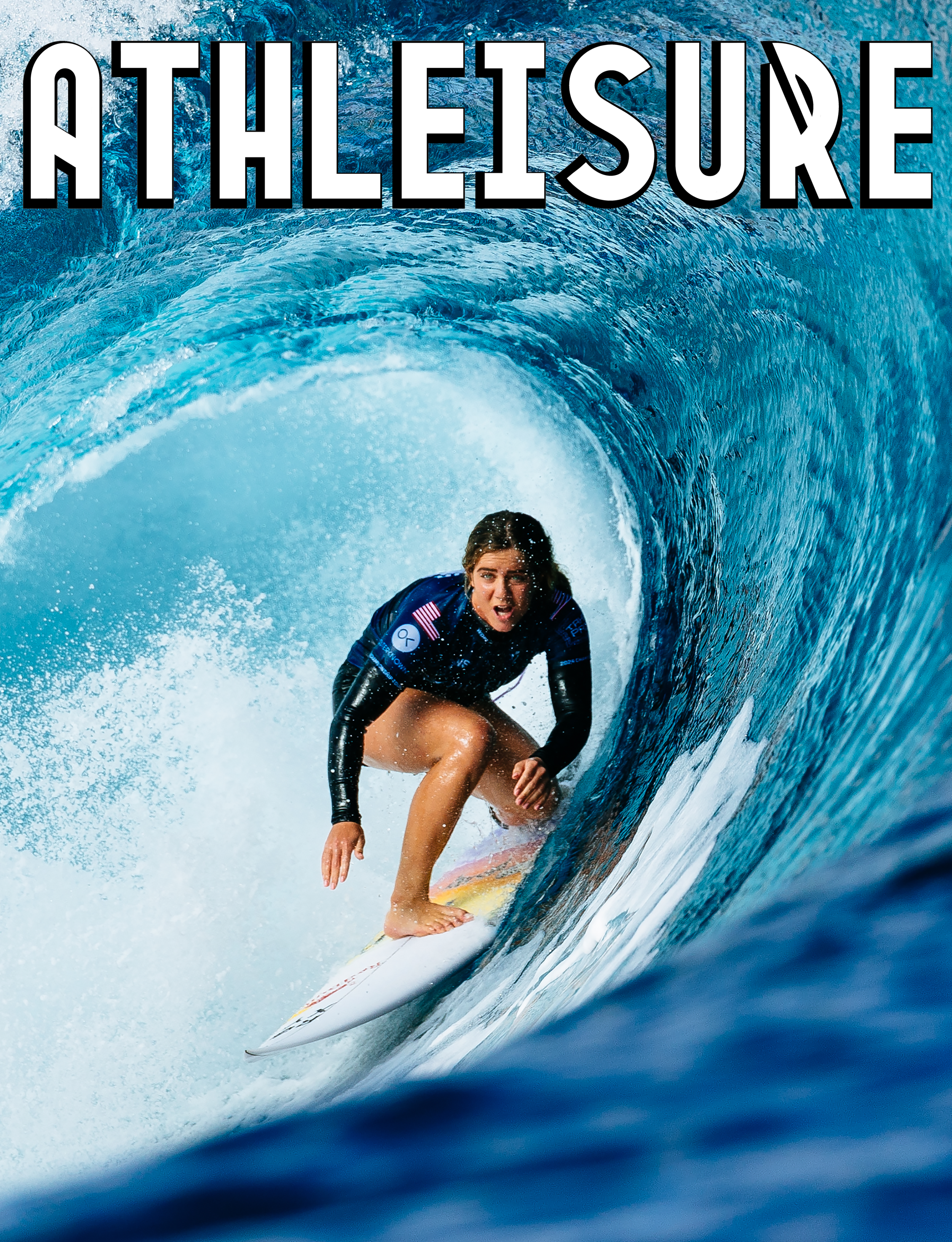
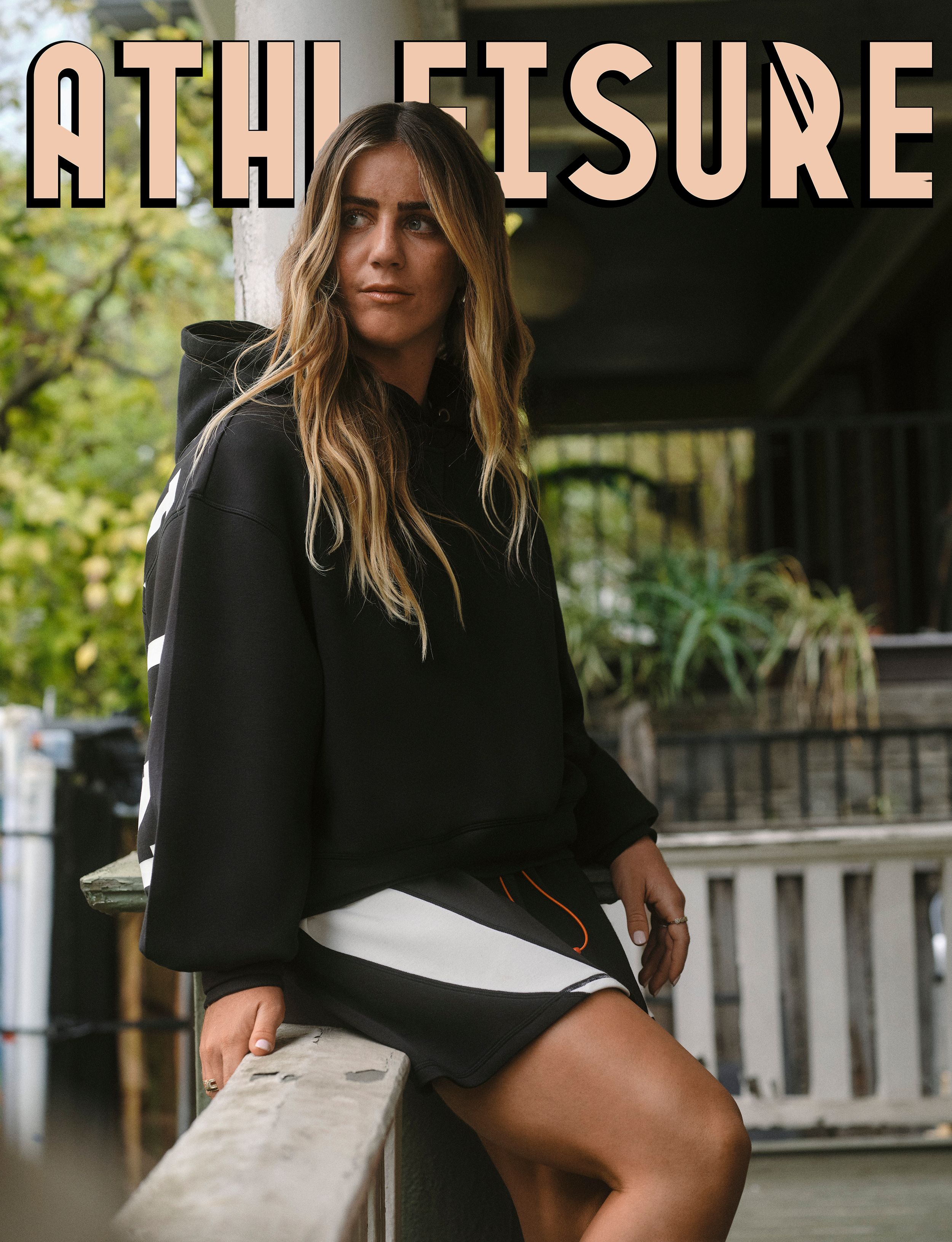
The World Surf League’s Tour kicks off the season on Apr 1st for the Rip Curl Pro Bells Beach and we can’t wait to see some phenomenal surfing. One of the competitors that we will have our eye on is Caroline Marks WSL Champion for 2023, Olympic Gold Medalist from Paris 2024 and is currently ranked World #2 for the 2025 season.
We wanted to know more about her love for surfing, how she came to it, and how she stays in shape when she is hitting those barrels! We also wanted to know more about her soon to be released Red Bull film, Now Days, her brand Pro Balance Brands, and her recent ambassadorship with Lexus!
ATHLEISURE MAG: It’s so great to connect with you!
CAROLINE MARKS: Hello! I’m currently over in Australia. I’m starting my season, actually the first day of the waiting period is tomorrow!
AM: It’s great to have you as this month’s cover!
CM: I’m really excited. You’ve had a couple people I know on the cover, so that’s pretty cool. I just surfed this morning, now I am talking with you, and then I will be back out surfing!
AM: We assumed!
What is your first memory of surfing and when did you fall in love with it?
CM: My first memory is pretty funny, because there’s actually a photo of it. I was in Costa Rica with my dad and I was on the front of his longboard. I was super young, maybe 3 years old. Then there’s another photo of me and I’m literally standing parallel and my borther’s like in the ackground and he’s kind of making that, “oh my gosh face.” I have a little bow in my hair and it’s pretty cute. I remember falling in love with it. It’s pretty funny because I surfed when I was little and then I actually got into horseback riding while growing up. I loved animals and stuff so I actually wanted to be a veterinarian when I was younger and then started barrel racing competitively, and did that until I was 10 and then didn’t really surf much then.
My oldest brother Luke was a competitive surfer so I kind of just thought surfing was his thing and I just kind of let him do his thing and I rode horses, and then I pretty much just wanted to impress my brothers really bad, and that’s why I started surfing. Then I remember when I was 11 years old, I was at the U12s Girls. There’s this event called USA Championships at Lower Trestles and it’s the biggest amateur event as a kid. All the best kids from Hawaii, all the east coast kids, and all the west coast kids come out and compete at Lowers and I ended up entering the event just because my brother was in it and I ended up winning. I was like, “whoa, I must be all right at this!” I just remember getting this big trophy and surfing all day and just having so much fun. I couldn’t believe this is a thing you can do you know? So, I remember from that moment forward, that I want to do this. This is so fun. So that’s where I really was like, I want to be a professional surfer. Wherever it takes me, I’m having so much fun.


AM: Not to say that there is, but is there a similarity or some kind of crossover between barrel racing and surfing for you?
CM: I mean, yeah, if you think about it, I was actually talking about this the other day in an interview, which is funny. I never thought of it like this, but you are on something that’s very out of your control. The ocean’s very, very out of your control. You’re on an animal and you don’t really know what it’s going to do. You can try to control it, but you really can’t. You know, they have a mind of their own.
I guess trying to go fast, like in surfing, going fast is a good thing. It’s like riding horses, that’s kind of like an art. And so certainly, you’re swerving around the barrels and in surfing, you’re riding the waves. I guess there is a little bit of crossover, more than I realized. So it’s pretty funny.
I’ve got some funny photos when I was like little. It was pretty classic.
AM: Obviously surfing on its own is a great sport, you know, for the total body to stay in shape. But what are work3outs that you do to optimize yourself in the sport?
CM: I love Pilates! Core and surfing is really important. I do a lot of lower leg work in surfing. Definitely having strong legs is really important because obviously you’re on the board a lot. I also love swimming because it’s just really good for your paddling and really good for your lungs and breathing and stuff. So those 3 things I do as well as cycle in between. Biking and swimming are kind of the things that I go back and forth between, but I mostly do Pilates and then just typical stuff in the gym with my trainers.
AM: What is your favorite maneuver when you’re surfing?
CM: This isn’t really a maneuver, but getting barreled is probably the ultimate feeling as a surfer!
AM: Oh wow!
CM: Oh yeah! You’re obviously in the tunnel of the waves.
AM: It looks so beautiful, but it looks so scary at the same time!
CM: Oh yeah, it is a bit of both for sure, but definitely getting barreled is something that’s just such an amazing feeling and then just doing a big frontside carve obviously just like laying into a big turn that always feels really good going really fast and just like laying into it. So those two things I like!
AM: You are a 2X Olympian who won a Gold medal in Paris. What has that meant to you to surf on such a global stage – you have had many stages, but what does it mean to do it for the Olympics?
CM: The Olympics, it doesn’t really get any bigger than that you know? It’s obviously a very global thing. It’s one of the only things that brings the whole world together. Not everyone knows about surfing, but everyone knows about the Olympics.
AM: Right.
CM: I was really proud to represent my country on that big of a stage and obviously to win. I mean, it’s just so incredible. It’s definitely the proudest moment in my career. I mean, it’s obviously about the world title. It’s hard to say one win for a WSL Championship versus the Olympics as both were the biggest dreams of mine as a little girl and the fact that I did both of them at 22 is pretty crazy! I am super grateful. It was amazing and it’s pretty hard to describe the feeling of being able to represent your country, but I’m really proud.
AM: Are you thinking about LA28?
CM: Of course! I want to be in as many Olympics as possible, but obviously, you know, LA28, it’s at a wave that’s like Lower Trestles. It’s 5 minutes from my house and obviously to be the hosting nation is just extra motivation because, it’s at home, which is pretty incredible. So I’m definitely thinking about it for sure.


AM: We can see you there! Anytime we’ve seen you surf, we can see you’re in your element and are just happy to be one with the water, it’s all zen and then we see you owning that barrel!
CM: Surfing has brought me everything really - a lot of the best moments of my life. I’ve met some of my best friends through surfing. The ocean is such a healing place for me, which is pretty cool to be able to say that about my job.
AM: Yeah.
CM: My career is - I just go in the ocean. Your day is instantly better, which is pretty amazing.
AM: You just mentioned at the top that the World Surf League Championship Tour kicks off its 50th season starting tomorrow for the first on-call day in Australia for the Rip Curl Pro Bells Beach at Bells Beach in Victoria, Australia from Apr 1 – Apr 11th. What are you looking forward to as it kicks off?
CM: Yeah. I mean, first off, we’ve had our longest off-season of our career.
AM: Yeah.
CM: Just with them changing it around the schedule. It used to be - well way back, before it was my first couple years on tour it was April - December and then they switched it to January – September. It’s been that way for 5 years and now it’s back to April so in order for them to do that, we ended up having a 7 month long off season which for us, that’s a very long time. So usually our off season is pretty short compared to other sports. I think everyone’s just very excited because you haven’t really seen us in jerseys in a while! We also have some of the goats coming back like Carissa Moore and Stephanie Gilmore, which is amazing and they also extended the Women’s Tour, so there’s a lot of like milestones that have been broken this year already! I think everyone’s just really excited to see what happens. I have no doubt it’s just going to be a firework of a year. So I’m pretty excited.
AM: What’s your favorite one on the WSL Tour?
CM: Well, that’s a hard one. I know.
AM: We ask the tough questions!
CM: It’s a hard one. I mean, Cloudbreak’s pretty incredible. It’s such an incredible wave. Jeffreys Bay, which actually is not on tour this year, but it’s in South Africa, that’s another iconic one. Tahiti, obviously, just from winning the Gold there. I just have a lot of great memories there. And then Lower Trestles, of course. Lowers and Tahiti are probably my favorites, just with Lowers being in my backyard. It’s just such a fun wave. But it’s hard because everywhere has such beautiful things about it. But I’d say Lowers is probably my favorite wave on tour.
AM: Clearly you travel around the world to different places quite frequently. Are there 3 items that you tend to take with you to make any city or stop kind of feel like home?
CM: I mean, definitely. I’m not really one to bring a pillow. We just have so much stuff. We have our board bag, all of our clothes, and stuff like that. But I think just like a shirt from home, something I sleep in at home, just bringing it on the road. It’s the little things like that which kind of make me feel more at home or your favorite coffee cup or whatever things just make you feel more homey. But I feel like I’ve gotten so used to traveling that I’m able to adapt to it pretty quickly. I do travel with an eye mask. That’s something I do travel with to sleep on the planes with. That’s important. But nothing too crazy. Actually, this year my sister-in-law packed me a good luck charm in my bag so I just leave it in my luggage and it goes everywhere I go which is pretty cool!


AM: You definitely know it’s always there because it’s just in the luggage waiting to go.
CM: Exactly! i just leave it in there and it’s a little good luck charm which is kind of cool. I’m not too much of a creature of habit in that sense. I kind of just go with the flow.
AM: We had the pleasure of watching the screener for Now Days right before chatting with you. This is such a great film and so enjoyable to watch. It’s shot beautifully and it’s really great to see the 6 of you being able to navigate the waves and to tell your story. You recently had an event for this here in NY even though the film debuts in May. Why did you love being part of this film and what can you tell us about this?
CM: Thank you so much. I’m stoked you got to watch it. First off, there hasn’t been an all female surf film since 2011 and that was Leave a Message. That film left such an impact on me and I know it has for many other girls. It was so cool to see that. As much as it sounds simple to do, an all-female star film, it’s so difficult to get everyone together. We all have crazy schedules from different countries. We’re also each other’s biggest rivals.
AM: Right.
CM: That’s another thing that’s pretty funny, but I’m just really proud of it. I think, you know, obviously hopefully it inspires the next generation. And I feel like... that’s kind of our job in this generation is to inspire the next one and to push this forward and grow this forward and that’s what the generations did before us! That’s why we have equal pay. The girls in this film and this generation, I feel like we just had very good timing. All the girls before us that fought for this and for us and so now this film hopefully inspires the next generation to go harder and to push more. I’m really confident in that and I’m just really proud of it you know? It’s like two and a half years in the making coming to Red Bull and anything they put their hands on is pretty special. I knew the surfing was going to be amazing, but I also love how it tells a story of “hey, we all obviously want to win.
Surfing is a very cutthroat individual sport, but we also like pushing each other in a healthy environment and we are all good friends.” You know, I see these girls more than my family most of the year.
AM: Yeah.
CM: I’m with them so much. So, it really shows that. And we’re all able to relate to each other in a way that we probably won’t with our other friends, because we live this exact same life. So, yeah, I’m super proud of it and I just hope that the young girls, young guys, whoever watches it is just really inspired and wants to go surfing. It’s pretty cool to see the fruits of the labor because it definitely was a lot of work, but it was worth it!
AM: 100%! One of the things we like most about Red Bull films is when they have a number of individuals within the same sport, like Mark McMorris who was our cover this past December, he had just debuted PAVED.
CM: Yeah.
AM: It’s incredible to see people in a sport, but to see the individuality as well as the things that bind them together, it’s just so cool. We don’t surf; however, living in NY we love the surfing culture in Rockaway and Long Beach. It’s so cool to see how surfers show drive, grace, and flow which is what is evident in this film. People are going to enjoy it once it premieres.
CM: Thanks so much! I hope so. There’s definitely been even for this event, there’s been a lot of people asking about it, which has been really cool to see the hype around it. You know, it was something that was out of my comfort zone. Like I’ve always been so just hyper focused on competing and winning. That’s really what it takes in order to win. So this was cool because it was something that was new to me and different. I’ve never done a film like this before. So I was really proud of that.
AM: Well, you also just became a surf ambassador for Lexus, which is awesome. Why are you excited about this partnership? And why did you feel it was synergistic to your brand?
CM: Yeah, I mean, first off, Lexus makes such cool cars. And one of my friends, Griffin Colapinto, he got signed a year prior to me.
AM: Another cover of ours.
CM: Yeah! So I think just seeing the car and seeing how it fits my lifestyle, it’s a great combination between, sporty and luxury - I really like that. I like how they celebrate that. Also just getting to know everyone behind Lexus, everyone’s really cool. It’s a very family-oriented vibe, and I come from a big family, so I really love that. And so... I feel like it was a great partnership. I got one here in Australia with me and everyone’s like, nice car, nice wheels. I’m getting all the compliments on it.
AM: Wow.
CM: It’s pretty cool. I got to roll to the first event in style, it looks so cool.
AM: We have a Lexus SUV which is great because sometimes for the magazine between photography gear, styling items, transporting the team to shoots or even doing an event with goodie bags, you need to be able to carry everything – it needs to be fashionable, but you want to be able to get to where you have to go with everything in one piece.
CM: Absolutely. I feel like it fits all my boards. It fits wetsuits, everything I need. And also like it’s comfortable and it’s safe and it’s sturdy. And I also just love it aesthetically. I love and have the GX 550. I love the way it looks. So that’s also a bonus. I’m proud to drive the car. So yeah, it’s awesome.
AM: Well, what does the partnership look like in terms of what can we expect to see you doing with them and with the car? What will that look like from a consumer side?
CM: So Griffin and I, we’re going to do some collab videos here. We’re both in Australia, which will be pretty fun. So there’s a lot of beautiful beaches here, a lot of great scenery. So stay tuned for a cool video with that. And obviously, you know, I’m going to be traveling a lot this year. But wherever they provide me a car, we’re going to be providing content. Lexus sponsors the U.S. Open, so I look forward to seeing what they have in store for this year’s event. I think I’m doing a signing with them. We have great things coming up. And yeah, I’m really excited about it.
AM: Clearly you’re a business person as an athlete and someone who has a number of sponsors, and you have added to your portfolio by creating your own brand, Pro Balance Bands. Tell us about this and why did you want to launch it?
CM: Thanks for asking. It’s cool. My dad, he’s very business-minded. He comes from that background. He taught me a lot about that side of the world, which is really cool. I really trust his opinion. I think after the Gold medal, we kind of thought, how do we capitalize on this? The bands felt so natural to me and and my main thing was, I travel a lot and I don’t want to put a product out that I can’t travel with because most of my life is on the road, So the bands feels so perfect. I’ve also been training with them since I started working out way more consistently in 2019, my second year on tour and that was the year I made the first Olympics. I just use bands everywhere and I bring them everywhere I go. They come in like a little pouch. It’s great and you can do a lot with bands so it felt so natural and it’s been really fun.
It’s my first time starting a company and obviously I have a lot of help doing it, but, it’s been really cool and all the bands are really good material. I use them every single day. So it’s great. You’ll see me if you watch the webcast warming up with them. So I’m really proud of it and it’s been going good so far. I think we’re going to come out with some new products as well.


AM: Nice.
CM: We started with the bands, but we’re going to keep adding more things in. We also have weekly videos of myself, my brother, our other ambassadors doing videos as well. My trainer too, he does videos, which is cool. So if you want to know how I train, you just go on the website Pro Balance Bands or on our YouTube. It’s exciting and I’m enjoying it. It’s been fun.
AM: Well, when you’re not on tour or shooting campaigns or doing all these different things, how do you take time for yourself just to have a moment to yourself?
CM: Honestly, I’m a pretty simple girl. I love just being with my friends whether it’s as simple as, you know, going to get a coffee or going out for dinner or watching the sunset. Things like that bring me a lot of joy. I think just kind of being in one place and being with good people - I call it my “feel good people.” When you’re around people you really know, there’s no effort.
AM: Exactly.
CM: You end up leaving hanging out with them with more in your battery - it becomes more full. It’s how I recharge. And I also do love my own alone time as well. I just love whether that’s just sitting on my couch at home or just going for a drive, that’s also really therapeutic to me as well or going on a beach walk or whatever. Things like that sound really silly, but that’s kind of how, what helps me unwind and I love that.
AM: Being that you’re in that next generation of surfers, you’re trailblazing, you’ve gotten all these different awards and accolades. What do you want your legacy to be seen as in this sport or even in life?
CM: I mean, I just really want girls and people in general to be inspired. I love surfing. It’s really fun to me and I hope I kind of give off that persona. I just want to leave a legacy of being hardworking, but also enjoying your life too. You know, it can’t always just be like work, work, work like this. We live such an amazing life and we should enjoy it. And there’s more to it than surfing too. We’re in these different countries. We’re in different cultures. It’s really cool. Obviously surfing is what brought me here. But there’s so much more than that. And I think hopefully I can leave a legacy of just a really positive outlook on life, surfing, and fun. I hope that makes sense.
AM: It does. We always think about that when you’re doing stuff, especially now that obviously we live in an age where people can see stuff socially, you’re touching corners of the world that someone who grew up that isn’t living your life or experiences personally, they can envision that for themselves. Maybe if it’s not that same thing, but something similar and it just creates a spark and wonder. So that’s really cool.
PHOTOGRAPHY COURTESY | FRONT COVER. PG 16 ,PD 24, PG 26 Ed Sloane/World Surf League | PG 19 Tony Heff/World Surf League | PG 20, PG 29 Brent Bielmann/World Surf League | PG 22 ROXY | PG 30 Ryan Miller/Red Bull Content Pool | PG 33 USA Surfing | PG 34 Domenic Mosqueira/Red Bull Content Pool | PG 36 Nathan Adams/ Red Bull Content Pool | PG 38 Marcelo Marafni | BACK COVER CHAMPION |


Read the MAR ISSUE #123 of Athleisure Mag and see SURFING THE DREAM | Caroline Marks in mag.
Gym style in 2026 is less uniform than it looked two years ago. A January 9, 2026, trend report from Who What Wear pointed to layering tops, do-it-all separates, and sharper trainer choices, while Nike’s current NikeSKIMS page splits the offer into Matte, Shine, Airy, and Weightless instead of pushing one flat set formula. That tells the story early: people still want performance, but they also want pieces that survive the commute, the coffee stop, and the 6 p.m. grocery run.
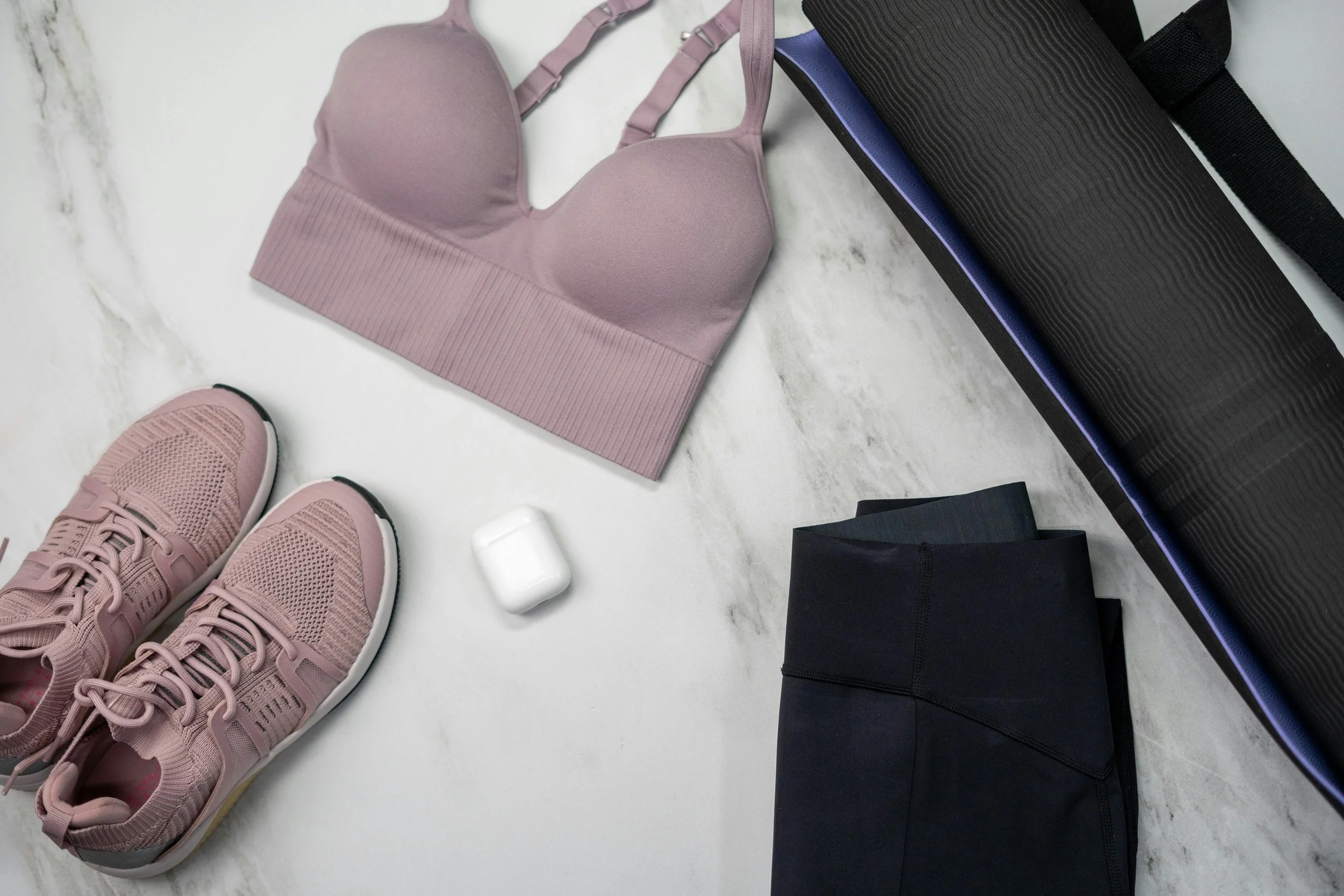
PHOTO CREDIT | Pexels/Cottonbro Studio
The old head-to-toe set has not disappeared, but it no longer controls the room. Spring dressing now leans on a bra top under a light zip layer, a cropped shell over leggings, or a fitted tank that can sit under a blazer after a 7 a.m. session. Vogue’s late-2025 styling note on hoodies, windbreakers, sweatpants, and black leggings still reads correctly in April 2026 because the practical pieces are the ones people keep reaching for when the weather moves from 11°C in the morning to a warmer afternoon.
Layering is not decoration; it is function. The strongest spring looks use one breathable base, one easy top layer, and a shoe that does not look stranded outside the gym, which is why light anoraks and half-zips are holding ground in city wardrobes from New York to London. A small detail matters here: the best outfits keep the hem clean and the neckline simple, because once drawstrings, oversized logos, and contrast piping pile up, the outfit starts reading as kit rather than clothing.
Footwear is doing more of the work once handled by loud leggings. Reuters reported on March 3, 2026, that On posted a 23% rise in annual sales and expected its gross profit margin to reach 63%, which helps explain why performance-running silhouettes are still driving the conversation. At the same time, Who What Wear’s February 21, 2026, trainer report tracked retro shapes, gum soles, cobalt blue, and patent finishes around Dakota Johnson’s off-duty rotation. Trainers carry the look now.
The gym outfit no longer lives only in the locker room mirror. It is chosen on a 6.1-inch phone screen, judged in motion on a train platform, and compared against ten other looks between a score alert and a grocery order. In that same phone-first routine, online betting sits beside live scores, fitness apps, and retail checkouts as another short-burst behavior built around speed, visibility, and frictionless taps. The brands that understand this are building wardrobes for people who move between a reformer class, a Champions League highlight clip, and an evening walk without wanting a full change in between.
Autumn is when silhouettes start to separate the good wardrobes from the lazy ones. Who What Wear’s December 27, 2025, roundup put bootcut, chocolate brown, stirrup, and split-hem leggings on the 2026 map, and those shapes make sense because they sit better with trench coats, bombers, and longer knits than the old ankle-hugging default. Another clue arrived on February 26, 2026, when adidas announced its first collaboration with Simone Rocha in London: track jackets and sporty separates were no longer being framed as pure performance gear, but as pieces with enough structure to leave the studio and keep going.
Fit errors are punished more quickly now because buyers zoom in, scroll, and compare before they ever touch the fabric. Reuters reported on January 22, 2026, that Lululemon resumed online sales of its Get Low workout line after complaints that the leggings turned see-through when bending or squatting, and that the company changed its sizing guidance rather than the $108 tights themselves. That is why MelBet bd apk belongs in the same broader mobile conversation as interval timers, live-score alerts, and shopping apps: users judge all of them by speed, clarity, and how few dead taps stand between intent and action. Fabric matters.
Cold-weather gym dressing is still won by the boring items that do their job. A straight black legging, a decent crew sock, a clean fleece, and an outer shell that can handle wind at 8 a.m. still beat novelty once the temperature drops and daylight disappears before the return walk home. Fit decides. The pieces that keep earning wear from February into October are usually the ones that do not ask for attention, only repetition.
Hair fall is one of those problems that creeps up quietly. You notice a few extra strands on your pillow, then more in the shower drain, and before long you're standing in a shampoo aisle completely overwhelmed. With hundreds of options promising "instant results" and "clinically proven formulas," it's hard to know what actually works — and what's just clever packaging.
Here's the truth: no shampoo alone will stop hair fall. But the right one, used consistently and chosen wisely, can make a real difference when it's part of a broader approach.
Why Most Shampoos Don't Actually Help
The biggest misconception about anti-hair fall shampoos is that they work like a treatment. They don't. A shampoo sits on your scalp for two to three minutes before being rinsed off. That's not enough time to penetrate the follicle, fix a hormonal imbalance, or correct a nutritional deficiency.
What shampoos can do is clean the scalp properly, reduce inflammation, strengthen the hair shaft, and create a better environment for hair to grow. That's not nothing — a congested, irritated scalp is a real barrier to healthy hair. But it means you need to pick a shampoo based on what your scalp actually needs, not just what sounds impressive on the label.
Ingredients That Dermatologists Actually Recommend
When experts suggest shampoos for hair fall, they're usually looking for a specific set of ingredients that are backed by evidence. Here's what to look for:
● Biotin: Supports keratin production and strengthens hair from the inside of the strand. Often added to shampoos to reduce breakage.
● Ketoconazole: An antifungal agent that also has mild DHT-blocking properties, making it useful for androgenic hair loss.
● Caffeine: Has been shown in studies to stimulate hair follicles and counteract the effect of DHT at the scalp level.
● Saw Palmetto: A plant-based DHT blocker that's gentler than pharmaceutical options and increasingly common in hair care formulas.
● Salicylic acid or zinc pyrithione: Help manage scalp buildup, dandruff, and seborrheic dermatitis — all of which can contribute to hair fall if left untreated.
Understanding what role each ingredient plays helps you choose more intelligently rather than chasing the most buzzworthy label.
The Role of Biotin in Shampoo Formulas
Biotin has become one of the most talked-about ingredients in hair care, and for good reason. It's a B-vitamin that plays a key role in the health of your hair, skin, and nails. When applied topically through shampoo, it coats the hair shaft and helps reduce breakage and brittleness — which is often mistaken for actual hair fall.
That said, biotin in a shampoo is not the same as addressing a biotin deficiency internally. If you're curious about how biotin works at a deeper level and whether it can genuinely help with shedding, it's worth reading up on biotin for hair fall to get a clearer picture. Most people who benefit from biotin-enriched shampoos are those with fine, fragile hair or heat-damaged strands — not those experiencing hormonal or stress-related shedding.
How to Use a Shampoo Correctly for Best Results
Even the best shampoo won't help if you're using it wrong. A few habits that genuinely matter:
● Massage the shampoo into your scalp using your fingertips, not your nails. This boosts circulation and helps the formula reach the follicle.
● Leave it on for at least two to three minutes before rinsing — most people wash it off too quickly.
● Don't shampoo every day unless you have an oily scalp. Over-washing strips natural oils and can worsen shedding.
● Use lukewarm water, not hot. Hot water dries out the scalp and weakens hair roots over time.
● Follow up with a conditioner applied only to the mid-lengths and ends, not the scalp.
What a Root-Cause Approach Actually Looks Like
A shampoo is one piece of a larger puzzle. Persistent hair fall usually has an underlying cause — it could be low ferritin levels, thyroid dysfunction, scalp inflammation, chronic stress, or DHT sensitivity. Washing your hair with the right product helps, but it won't fix what's happening internally.
Some treatment approaches, like Traya Shampoo For Hair Fall, are designed to work as part of a holistic system that looks at diet, lifestyle, and internal health alongside topical care. That kind of layered thinking is what tends to produce lasting results rather than temporary improvement.
Final Thoughts
The right shampoo does matter — but not in isolation. Think of it as one supportive layer in a system that also includes nutrition, stress management, and understanding the specific reason your hair is falling in the first place. Before you invest in yet another bottle with bold claims, take a step back and ask what your scalp actually needs. That question, more than any ingredient, is where the real answer lives.