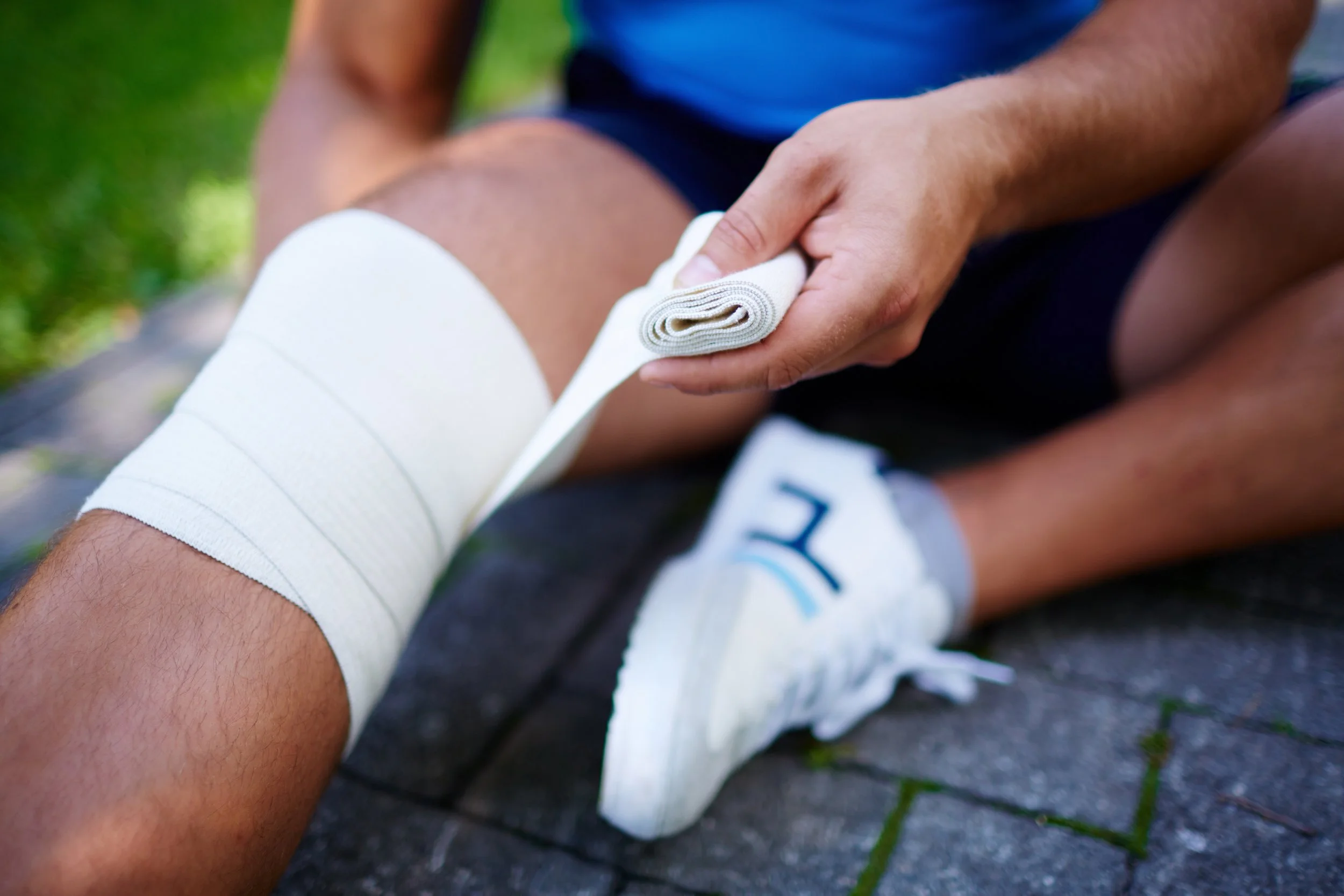

For years, the fitness conversation revolved around a simple equation: train harder, get stronger. Athletes measured progress through heavier lifts, faster race times, longer workouts, and more intense training schedules. Recovery was often viewed as something that happened naturally between sessions rather than an active component of performance.
That mindset is changing.
Today, athletes at every level - from recreational runners and gym-goers to elite competitors - are paying closer attention to what happens after training. Recovery is increasingly viewed as a performance variable in its own right, influencing adaptation, consistency, resilience, and long-term athletic development.
As sports science continues to evolve, recovery discussions have expanded far beyond protein shakes and creatine supplementation. Sleep quality, recovery technology, mobility work, stress management, and emerging wellness innovations are becoming central parts of the modern athlete’s toolkit.
The result is a broader understanding of performance - one that recognizes recovery not as downtime, but as an essential part of progress.
Why Recovery Has Become a Performance Metric
Training creates stress. The adaptations athletes seek, whether increased strength, endurance, power, or skill, occur during the recovery process that follows.
This understanding has helped shift attention toward recovery quality rather than simply training quantity.
When recovery is insufficient, athletes often experience declining performance, increased fatigue, reduced motivation, and greater susceptibility to setbacks. Conversely, consistent recovery practices can help athletes maintain training frequency, support physical resilience, and remain engaged in their sport over longer periods.
The growing emphasis on recovery is also tied to athletic longevity. Many athletes today are interested not only in maximizing short-term performance but also in maintaining an active lifestyle for decades.
This perspective has expanded recovery conversations beyond professional sports. Weekend cyclists, CrossFit participants, strength-training enthusiasts, and recreational runners are all exploring strategies that may help them stay active and perform consistently while managing the demands of work, family, and daily life.
Recovery has become less about rest alone and more about creating conditions that support adaptation and sustainable progress.
Beyond Protein and Creatine
Protein and creatine remain among the most widely discussed topics in sports nutrition, and for good reason. Both continue to play important roles in supporting training goals.
However, recovery discussions now encompass a much broader range of practices.
Sleep optimization has emerged as one of the most influential areas of interest. Athletes are increasingly monitoring sleep duration, consistency, and quality, recognizing that restorative sleep affects both physical and mental recovery.
Wearable technology has accelerated this trend. Smartwatches, fitness trackers, and recovery-focused devices now provide insights into sleep patterns, heart rate variability, training readiness, and recovery scores. While these tools are not perfect, they have helped make recovery more measurable.
Mobility work has also gained renewed attention. Dynamic stretching, mobility routines, and movement-focused recovery sessions are commonly incorporated into training programs as athletes seek to maintain movement quality and reduce accumulated stiffness.
Stress management represents another growing area of focus. Physical recovery does not occur in isolation from mental wellbeing. Breathwork practices, mindfulness techniques, and structured relaxation routines have become increasingly common among athletes looking to support overall recovery.
Nutrition conversations have expanded as well. Rather than focusing solely on protein intake, athletes are paying greater attention to hydration, meal timing, overall dietary quality, and nutrient diversity.
Taken together, these developments highlight a broader shift: recovery is becoming increasingly individualized. What works well for one athlete may differ significantly from what works for another.
Recovery Trends Athletes Are Following
| Recovery Trend | Why Athletes Are Interested | Growing Focus Area |
| Sleep Optimization | Supports recovery and adaptation | Sleep tracking, recovery scores |
| Mobility & Movement | Supports long-term performance | Flexibility, injury prevention |
| Recovery Nutrition | Supports training demands | Protein, hydration, nutrient timing |
| Stress Management | Influences physical recovery | Breathwork, mindfulness |
| Emerging Peptide Research | Attracting attention within wellness communities | Recovery and resilience discussions |
Emerging Interest in Recovery Peptides
One of the newer topics appearing in recovery conversations involves peptides.
Peptides are short chains of amino acids that naturally occur throughout the body and participate in numerous biological processes. Researchers continue to study various peptides and peptide-based compounds across multiple areas of health and wellness, leading to growing interest among athletes, coaches, and wellness enthusiasts.
While peptide research remains an evolving field, discussions surrounding recovery-focused peptides have become increasingly common within performance communities. Athletes are often interested in understanding emerging developments that may eventually contribute to broader conversations around recovery, resilience, and overall wellness.
Importantly, interest in peptides does not necessarily indicate scientific consensus. Much of the discussion reflects curiosity about ongoing research rather than established performance practices. As with many emerging wellness topics, the scientific picture continues to develop.
Spotlight on KLOW
Among the peptide-related topics gaining attention, the KLOW peptide has appeared in discussions within wellness and performance circles.
Its growing visibility reflects a broader trend rather than a single product phenomenon. As athletes become more interested in recovery optimization, they are increasingly following conversations around recovery-focused peptide blends and the research surrounding them.
Much of the interest centers on concepts such as resilience, recovery capacity, and overall wellness support. These discussions often occur alongside broader conversations about sleep quality, stress management, nutrition, and training load management.
At the same time, experts continue to emphasize the importance of evidence-based decision-making. Recovery-focused peptides remain an area where scientific understanding is still evolving, making balanced evaluation particularly important.
For many athletes, the appeal lies less in seeking a single solution and more in staying informed about emerging areas of research that could influence future approaches to recovery.
What Recovery May Look Like in the Future
The future of recovery will likely involve a combination of technology, personalization, and ongoing scientific discovery.
Data collection is expected to play an increasingly important role. Wearables continue to improve, offering athletes more detailed insights into sleep patterns, training loads, recovery status, and overall readiness.
Nutrition strategies may become more personalized as researchers learn more about individual responses to training and recovery interventions.
Sleep optimization will likely remain a foundational element, supported by both behavioral approaches and improved tracking capabilities.
Recovery technologies, including monitoring tools, movement-focused systems, and wellness devices are also likely to become more integrated into everyday training environments.
At the same time, emerging areas such as peptide research will continue attracting attention as scientists explore new questions related to recovery and human performance.
The most successful recovery strategies will likely combine proven fundamentals with carefully evaluated innovations rather than relying on any single trend.
Key Takeaways
Recovery has become a major performance variable for athletes and active adults.
Modern recovery discussions extend far beyond protein supplementation and creatine.
Sleep quality, nutrition, mobility, and stress management remain foundational recovery pillars.
Wearable technology is making recovery more measurable and personalized.
Recovery-focused peptide discussions are becoming increasingly visible within wellness communities.
Sustainable performance depends on balancing effective training with consistent recovery habits.
Conclusion
Athletic performance is no longer defined solely by how hard someone trains. Increasingly, it is shaped by how effectively they recover.
The modern recovery landscape reflects a broader understanding of human performance—one that values adaptation, resilience, consistency, and longevity alongside traditional measures of athletic achievement.
As recovery science continues to evolve, athletes will likely have access to more tools, technologies, and research than ever before. Yet the core principle remains unchanged: progress happens not only during training, but also during the recovery that follows.
For athletes looking toward the future, recovering smarter may prove just as important as training harder.