Read the SEP ISSUE #129 of Athleisure Mag and see Athleisure Beauty in mag.
The Latest
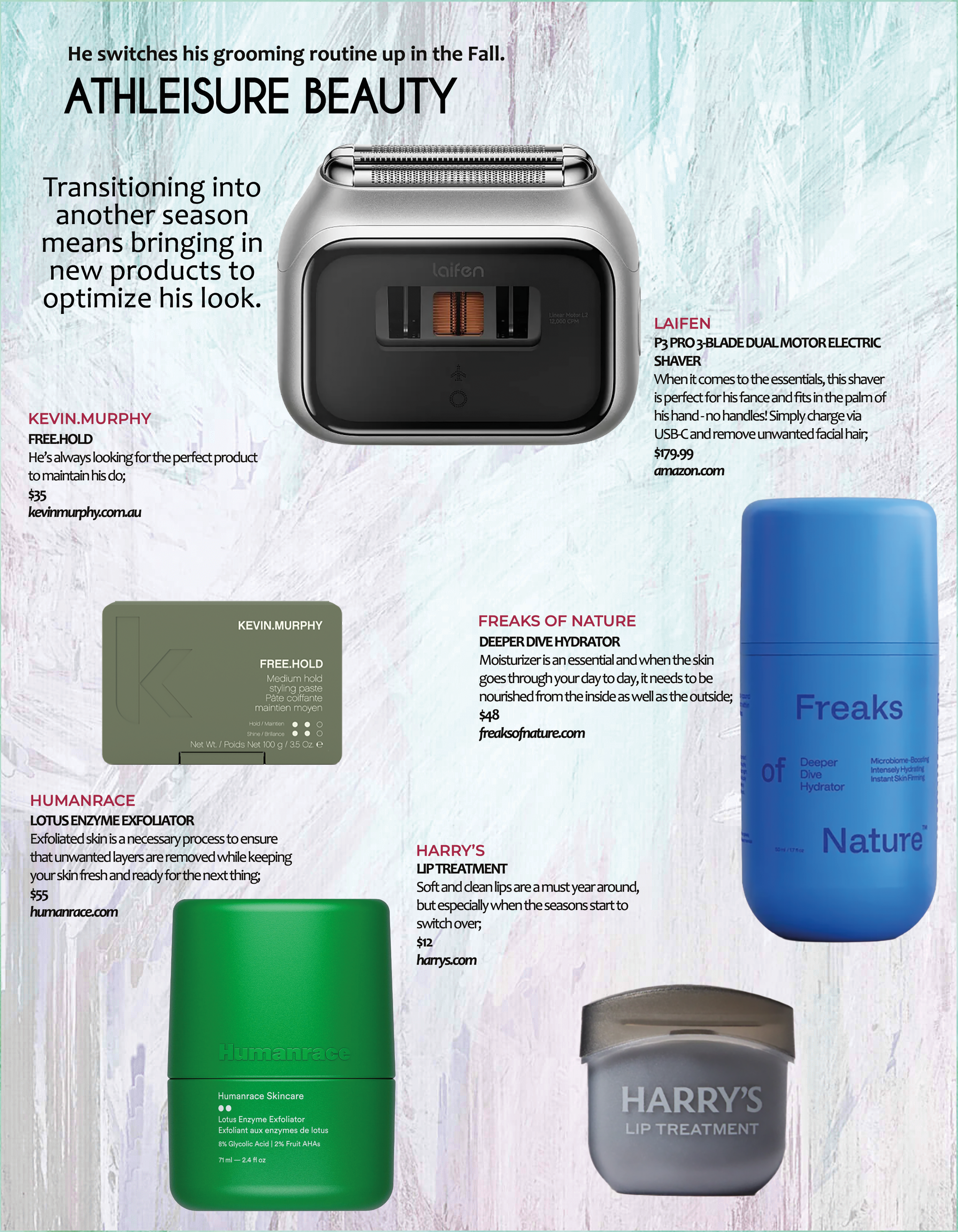



Read the SEP ISSUE #129 of Athleisure Mag and see Athleisure Beauty in mag.
A good digital work routine isn’t about squeezing more tasks into every hour. It’s about setting up your day so your attention has somewhere to go, your energy isn’t drained by constant switching, and you can finish work without feeling mentally scattered.
Whether you work from home or spend the day in documents, messages, and meetings, the goal is simple: fewer decisions, clearer work blocks, and enough breaks.
Most digital workdays are built around whatever is making noise: email, chat, notifications, and browser tabs. A better setup starts with work that needs real thought, then fits communication and admin around it.
Notice when your mind feels sharpest. Use that period for writing, planning, analysis, design, or problem-solving.
If you start by answering every message, you may spend your best hour reacting instead of moving your own work forward.
Multitasking can feel productive, but switching between tasks carries a mental cost. Research summarized by the American Psychological Association shows that people lose time when they move back and forth between tasks, especially when the work is complex or unfamiliar.
Group similar work instead. Answer email in one block, review documents together, and keep research tabs open only for the project in front of you.
Long stretches of concentration sound good on paper, but many people can’t protect two hours every day. Shorter blocks are often easier to defend.
If getting started is the hard part, a pomodoro can give the work a clear edge. The classic method uses a timed work period followed by a short break, which can make a vague task feel smaller.
You don’t have to follow one exact interval. A 25-minute block may suit admin work, while a longer block may fit writing or design. The useful part is the boundary: one task for a set period, then a real pause.
Scrolling through social media in the same chair doesn’t create much distance from the screen. Stand up, refill your water, stretch, or take a brief walk.
The CDC’s workplace activity resources recommend short activity breaks during the workday, including options that need little or no equipment.
Edits, file cleanups, replies, and formatting changes can break a focused day into pieces. Giving these jobs their own place keeps them from interrupting deeper work.
Set aside one or two short periods for jobs that don’t need deep concentration. Rename files, resize images, check links, or clean up draft copy.
A paraphrasing tool may help you test another way to phrase a sentence, but you still need to check the meaning, tone, and facts yourself.
If you use a watermark remover on an image you own or have permission to edit, handle it inside the utility block rather than interrupting your main work session.
During a focus block, you’ll remember things that suddenly feel urgent. Unless they truly can’t wait, write them on a short capture list and return to your current job.
Clear the list during your next admin block.
Focus gets harder when basic needs are ignored. A useful digital work routine should leave room for movement and mental space between demanding tasks.
You don’t need to turn every break into a workout. A short walk, a few stretches, or standing during a call can break up a long period of sitting.
Attach movement to something that already happens: walk after your first meeting, stretch after lunch, or refill your water when a timer ends.
A recent feature on healthier digital habits makes a related point: small changes to how you use technology can make screen-heavy days feel less draining.
Back-to-back calls followed by writing and more meetings can leave you tired even if the calendar looks efficient.
When possible, leave a few minutes between demanding blocks. Look away from the screen, jot down the next step, or simply sit without taking in more information.
A digital work routine works better when it has a clear finish. Without one, work can spill into dinner, the sofa, and the last phone check before bed.
Spend five minutes closing tabs, writing tomorrow’s first task, and checking whether anything truly needs attention before you sign off. A recent feature on inbox habits and wellness also supports clearer boundaries around email.
Leave yourself a short note: what was finished, what is waiting, and what comes first tomorrow. That makes it easier to restart without carrying every unfinished task around in your head.
The best digital work routine isn’t the one with the most apps, timers, or productivity tricks. It’s the one that protects your best attention, keeps small tasks contained, and gives your energy room to recover.
Start with one change. Protect one focus block, group your admin work, or create a clear shutdown habit. Once that feels normal, add the next piece. A routine that works on an ordinary Tuesday is more useful than one that only works on your most organized day.
PHOTO CREDIT | Unsplash/Mohamed Fareed
Gym membership prices can change based on the tier, equipment, multi-location access, guest privileges, personal training, group classes, pool, sauna and steam access, recovery amenities, tanning and red light therapy, and 24/7 access with extra perks. Read this article to learn how each of these 10 features can affect your membership cost and help you compare plans more clearly.
The membership tier often has the biggest effect on gym pricing. Basic plans usually cost less and cover essential equipment and workout access. Higher tiers can add perks such as group classes, recovery amenities, guest access, or access to multiple locations. For example, Planet Fitness membership Cost can vary based on the membership tier and the benefits included. A basic plan may work well if you only need standard equipment and a home club. However, premium plans can offer more value if you regularly use extra services. Before choosing a tier, check the monthly rate along with enrollment and annual fees. Some gyms also charge more for premium benefits, so compare the total yearly cost rather than focusing only on the advertised monthly price.
The equipment and facilities available at a gym can directly affect membership costs. A basic gym with cardio machines, free weights, and strength equipment may offer lower prices. Gyms with pools, saunas, steam rooms, recovery areas, studios, or advanced equipment often charge more. Newer facilities may also place the gym in a higher price range. However, these features only add value when you actually use them. Check which amenities your membership includes before paying extra. If you mainly need weights and cardio machines, a basic plan may meet your needs without the added cost of premium facilities.
Multi-location access can make a gym membership more expensive because it gives you greater flexibility. Lower-priced plans often limit you to one home location, while higher tiers may allow access to multiple clubs. Some memberships provide access across a city, state, country, or even internationally. This feature can help people who travel for work, attend school in different areas, or spend time between two homes. If you rarely visit another location, paying more may not make sense for your routine. Check the membership rules carefully because some gyms limit access to certain clubs or require a specific membership tier.
Guest privileges can affect gym membership prices, especially when a plan lets you bring friends or family regularly. Basic memberships may not include guest access, while higher tiers can offer free or discounted guest visits. Some gyms also limit how often you can bring a guest or restrict which amenities guests can use. If you frequently work out with another person, guest access can become an important part of your membership value. However, paying extra only makes sense if you will use the benefit. Always check guest rules, visit limits, and included amenities before choosing a higher-priced membership.
Personal training can raise the total cost of going to the gym because trainers often charge separately from the membership fee. Some gyms include basic fitness guidance or complimentary training sessions, while others sell one-on-one sessions as an additional service. Personal training can provide structured workouts, exercise instruction, and individual guidance, but you may not need it for every routine. Check whether your membership already includes coaching or fitness programs before paying extra. If you want regular one-on-one support, compare session prices and package costs. This helps you understand the real monthly expense beyond the standard membership fee.
Group fitness classes can raise gym membership prices when they add more value and variety. Basic memberships may include popular classes such as yoga, cycling, Zumba, or strength training, while premium plans may offer specialized sessions. Some gyms charge an extra fee for advanced or small-group classes. Memberships with unlimited class access can also cost more than plans with limited visits. Before paying more, check how many classes you can attend and whether the schedule fits your routine. If you regularly join classes, a higher-priced membership may provide more useful access. Occasional class users may prefer a cheaper plan with fewer options.
Pool, sauna, and steam room access can significantly affect gym membership prices. Gyms that maintain swimming pools often charge more because pools require extra space, cleaning, heating, and maintenance. Saunas and steam rooms can also come with higher-tier memberships or separate access fees. Some gyms include these amenities in premium plans but limit them in basic memberships. Availability can also vary by location, so check your specific club before joining. If you plan to swim or use heat rooms often, these features may add useful value. If you rarely use them, a lower-cost membership without these amenities may make more sense.
Recovery amenities can increase membership prices because gyms must purchase and maintain specialized equipment. Features such as HydroMassage, massage chairs, recovery lounges, compression therapy, and stretching areas often appear in higher-tier plans. Some gyms include these services at no extra cost, while others charge separate fees or limit how often members can use them. Access rules also vary between locations and membership levels. If you regularly use recovery features after workouts, a premium plan may give you more convenient access. However, paying extra only makes sense when you will actually use these amenities enough to justify the higher monthly cost.
Tanning and red light therapy can affect gym membership prices when gyms include them as premium perks. Some fitness chains offer these amenities only with higher membership tiers, while others may provide separate paid access. Usage limits can also apply, such as restrictions on how often members can use tanning equipment or red light therapy. Availability may differ between locations, so check your local club before upgrading. These features can add value for members who use them regularly. If you mainly want access to workout equipment, paying more for tanning or red light therapy may add little value to your membership.
24/7 access can affect membership prices because gyms must support members outside normal staffed hours. Some gyms include round-the-clock access in standard plans, while others reserve it for certain memberships or locations. Extra perks can also raise costs, including guest passes, multi-location access, app features, discounts, and exclusive services. Check whether these benefits come with your chosen membership or require an upgrade. Think about how often you will use them before paying more. A premium plan can offer greater flexibility and convenience, but a basic plan may provide better value if you mainly need regular access to one gym.

PHOTO CREDIT | Unsplash/Priscilla Du Preez 🇨🇦
Halloween is more fun when you share it with someone special. If you are still deciding what to wear, browsing halloween costumes for couples is a great way to find a look that feels playful, romantic, and easy to pull off together. A matching theme turns a regular party into a shared adventure and gives you a built-in reason to laugh, pose for photos, and enjoy the night as a team.
The best couple looks start with a shared idea, not just matching colors. Think about stories you both love, such as a vampire and his bride, a witch and a wizard, an angel and a devil, or a pirate and a mermaid. Contrasting themes can be just as fun as matching ones, especially when one partner plays the light side and the other the dark. Talk through the details together so your outfits feel like they belong in the same world. Pick a color palette that suits you both, and repeat it in small accents like gloves, belts, or jewelry. If one of you prefers a bold, dramatic outfit and the other likes something simpler, balance the look by giving the simpler costume one standout accessory, such as a cape, a crown, or a pair of wings.
Do not forget the finishing touches. Coordinated makeup, matching props, and a little acting can take your costumes from good to unforgettable. A lantern, a wand, a plastic sword, or a fake potion bottle gives you something to hold and makes photos far more interesting. Practice a few poses or a short skit ahead of time so you are ready when someone asks what you are dressed as.
Comfort matters when you plan to spend hours at a party. Choose fabrics that move well, test your shoes, and make sure hats, masks, and wings will not get in the way of dancing or sitting down. If you are heading outdoors, add tights, a cape, or a warm layer so the weather does not spoil the fun.
Popular styles and sizes sell out quickly as October gets closer, so it is smart to shop early. You can explore costumes, lingerie, and accessories at https://www.spicylingerie.com and put together both outfits in one visit. Check the size charts, read the fabric details, and order a few days before your event so there is time to try everything on and make small adjustments.
This Halloween, skip the last-minute scramble and create a look that shows off your chemistry. Choose a theme, add details that feel personal, and enjoy the night together. The best couple costume is the one that makes you both smile every time you look at each other.

PHOTO CREDIT | Unsplash/Jon Matthews
Getting ready for a pickleball match involves more than picking up a paddle and heading to the court. Players may also need balls, water, towels, grips, eyewear, sunscreen, personal items, extra clothing, and backup equipment. Without a practical way to carry everything, preparation can become unnecessarily complicated.
A well-planned court-side setup keeps essential gear protected, organized, and accessible. The best approach depends on how often a player competes, how much equipment they bring, and whether they need enough storage for a quick recreational game or a full day of matches.
The goal is to create a setup that supports the way a player actually uses their equipment while keeping the overall load manageable.
The first priority is protecting the paddle. Loose storage can expose paddles to keys, bottles, shoes, and other objects that may scratch or damage the surface. A dedicated sleeve or compartment helps keep the paddle secure during transportation and reduces unnecessary contact with other gear.
Organization is equally important. Players should be able to locate balls, grips, towels, eyewear, and personal belongings without emptying the entire bag. Separate pockets can make this easier, particularly when smaller accessories would otherwise disappear beneath clothing or equipment.
Players comparing pickleball bags for paddles can focus on practical details such as paddle capacity, compartment layout, carrying style, and space for additional court essentials. These features are more useful indicators than overall size alone.
Accessibility also deserves attention. Water, balls, and frequently used accessories should be stored where they can be reached quickly between games. Items used less often can remain in deeper compartments.
A functional bag should make equipment easier to manage from the moment a player leaves home until the end of the session.
Storage needs vary considerably from one player to another.
A recreational player may only need room for one paddle, several balls, water, and a few personal belongings. In that case, a compact design can provide enough space without adding unnecessary weight.
Players who practice frequently, compete in leagues, or attend tournaments often carry more. A backup paddle, extra grips, towels, snacks, sunscreen, clothing, and footwear can require significantly more capacity.
Instead of selecting the largest available option, it helps to consider what typically goes to the court. A bag should hold regular essentials comfortably while leaving enough flexibility for occasional extras.
Paddle capacity also matters. Some players consistently use a single paddle, while others carry a backup or rotate between several options. Someone bringing multiple paddles may benefit from dedicated storage that prevents them from shifting against one another.
The appropriate size is therefore determined by routine, equipment load, and playing environment rather than by capacity alone.
A large main compartment may provide plenty of room, but space without structure can quickly become difficult to use.
Dedicated paddle sleeves help isolate the most important equipment. Small pockets can hold overgrips, tape, keys, wallets, phones, and eyewear. Separate ball storage prevents loose balls from moving throughout the bag, while exterior bottle pockets make hydration easier to reach during breaks.
Players who bring court shoes or a change of clothes may also prefer some separation between clean equipment and items worn during play. Damp towels and clothing should ideally be kept away from paddles, grips, and electronics.
The placement of each compartment should reflect how often its contents are needed. Frequently used items belong in accessible areas, while backup accessories can be stored farther inside.
A thoughtful layout can make a moderate amount of storage feel more practical than a larger, poorly divided interior.
The combined weight of paddles, balls, water, footwear, clothing, and personal items can add up quickly. Carrying comfort becomes especially relevant during tournament days, long club sessions, or walks between parking areas and courts.
Backpack-style designs distribute the load across both shoulders and can suit players carrying several items. Sling bags are often more practical for lighter loads and shorter trips. Wider padded straps may also reduce pressure when a bag is fully packed.
Packing technique affects comfort as well. Heavier items should be positioned so that the bag does not pull sharply toward one side. Using multiple compartments can help distribute weight more evenly and prevent equipment from collecting in one area.
Players should also review the contents of their bags periodically. Extra balls, old grips, unused accessories, empty packaging, and forgotten clothing can add weight without serving a purpose.
The most comfortable setup is usually one that carries the necessary equipment efficiently rather than the maximum amount possible.
Different bag formats serve different playing habits, so the most suitable option depends on how much equipment a player normally brings.
A sling bag works well for a light setup. It can accommodate a paddle, several balls, water, and a few small essentials while remaining compact and easy to carry. This format is often practical for short recreational sessions.
Backpacks provide more structured storage and balanced carrying. They can suit players who bring multiple paddles, accessories, hydration, and personal items while still wanting a format that is easy to transport.
Duffel-style bags provide additional room for shoes, towels, clothing, and larger quantities of equipment. Their usefulness depends on internal organization because a large open compartment can become cluttered if smaller items have no designated place.
Tour-style bags generally offer the greatest capacity. They may be appropriate for players who attend tournaments, carry several paddles, or spend long periods away from home. For shorter sessions, however, the added size may be unnecessary.
Choosing between these formats is easier when players consider their normal court routine instead of planning around rare situations.
Storage remains important after play ends.
Paddles should return to their designated compartment instead of being left loose in a vehicle or placed beneath heavier items. Proper storage reduces the risk of scratches, dents, and pressure damage.
Wet towels and clothing should be removed soon after a session. Leaving damp items inside can trap moisture around grips, accessories, and other equipment. Reusable water bottles should also be checked before the bag is stored to avoid leaks.
Smaller items benefit from consistent placement. Grips, tape, eyewear, and keys are easier to locate when they return to the same pocket after every session.
Periodic cleaning is useful as well. Removing worn-out accessories, empty packaging, and items that are no longer used keeps the bag lighter and makes the remaining equipment easier to find.
A simple storage routine can help preserve gear while reducing the amount of preparation required before the next match.
Pickleball often combines competition, recreation, exercise, and social activity within the same session. Players may move between warmups, games, breaks, club activities, and conversations with other players over several hours.
That rhythm makes organized equipment especially useful. Paddles, balls, water, towels, and small accessories may be needed at different points throughout the day, so quick access can make the experience more convenient.
The growth of modern pickleball culture has also created a wider range of playing environments. A player might participate in neighborhood games one week, a club league the next, and a competitive event later in the season. A versatile storage setup can accommodate those changing situations without requiring a completely different approach each time.
Appearance can influence the choice as well. Players often carry their equipment through clubs, gyms, public courts, and social spaces. Still, practical considerations such as paddle protection, comfortable straps, usable compartments, and appropriate capacity should guide the decision.
The most useful setup is one that fits naturally into both the player's game and the routine surrounding it.
A reliable court-side setup should require minimal preparation before each session. Returning paddles and accessories to the same compartments after play makes it easier to see whether anything is missing.
Balls can be restocked when necessary, while grips, tape, sunscreen, eyewear, and similar essentials can be checked before leaving home. Damp towels and clothing should be removed after every session rather than left inside until the next game.
Keeping the bag organized also makes it easier to notice unnecessary items. A quick review from time to time prevents clutter from building up and keeps the overall load practical.
The ideal setup should feel straightforward to use. Equipment has a defined place, important items are easy to reach, and the bag carries everything needed without becoming overloaded. With that structure in place, players can spend less time managing their gear and more time focusing on the court.

Read the SEP ISSUE #128 of Athleisure Mag and see JOJOBA BEAUTY in mag.

PHOTO COURTESY | Alo
Some colors simply complement an outfit, while others change its entire character. ALO Java Brown belongs to the latter category.
Rich, warm, and refined, the shade gives familiar activewear a more fashion-led identity while retaining the relaxed ease associated with modern athleisure. It works just as naturally in a Pilates studio as it does at a café, in an airport lounge, or during a casual afternoon in the city.
That broader appeal is what makes Java Brown especially relevant. It is not simply another seasonal addition to the ALO Yoga color palette. It reflects the growing connection between activewear and everyday dressing, where comfort, movement, and personal style increasingly overlap.
Black and grey have long served as dependable foundations for activewear, but brown offers a softer and warmer alternative. It carries the polish of a neutral while introducing more visual depth.
The JAVA BROWN collection builds on that quality by bringing the shade across fitted performance pieces, relaxed sweats, trousers, and outer layers.
Java Brown changes the way familiar silhouettes are perceived. Leggings in this tone can feel less purely athletic than the same shape in black. Sweatshirts take on a richer appearance, while structured pieces gain a stronger connection to everyday fashion.
The shade also pairs easily with cream, ivory, black, denim, and other muted tones. It can be worn head to toe for a tonal look or introduced as a grounding layer within a more restrained outfit. That flexibility gives brown activewear a wider role within a modern wardrobe.
The collection remains closely connected to movement, which is where many consumers first encounter ALO. Pieces such as the Airlift High-Waist 7/8 Line Up Legging and Airlift Line Up Bra keep Java Brown firmly rooted in studio dressing. The styling potential becomes more interesting once the workout ends.
An Accolade Crew Neck Pullover, paired with clean sneakers and a structured bag, can shift the outfit into a more casual setting. The same look can move easily into breakfast, a coffee stop, or several hours spent around the city.
Fabric also plays an important role in the overall wearing experience. ALO’s Airlift fabric offers a smooth, supportive, and compressive feel, while Softsculpt pieces are designed to feel breathable and close to the body. For more relaxed dressing, the Accolade Crew Neck Pullover uses midweight French terry, giving it a softer and more comfortable feel for everyday wear.
The ALO Softsculpt Precision 1/4 Zip Long Sleeve offers another option. Its fitted shape works naturally with leggings in an athletic setting, but it can also sit comfortably with relaxed trousers or denim later in the day. This shift reflects the changing role of wellness fashion. Activewear is now often chosen with the full day in mind, rather than a single workout. That makes color, proportion, fabric, and styling just as relevant as function.

PHOTO COURTESY | Alo
Travel has become one of the clearest examples of athleisure moving into everyday fashion. Comfort remains essential, but many travelers also prefer clothing that feels composed from departure to arrival. Java Brown suits that balance because the color feels relaxed without appearing overly sporty.
The Sway Full Zip Hoodie and Sway Bootcut Sweatpant work well in this setting. Worn together, they create a clean tonal outfit. Worn separately, they can be paired with cream, black, or other neutral basics. The soft cotton-modal fabric used in the Sway range also includes stretch, helping the pieces feel flexible and comfortable during longer periods of wear, including travel days.
A darker brown also brings more visual weight to relaxed fabrics. Sweatsets feel less associated with downtime and more connected to considered travel dressing. That crossover reflects the wider direction of Alo Yoga. The brand remains rooted in movement, but many of its pieces now sit comfortably within a broader casual wardrobe.
One of the strongest aspects of the collection is the way Java Brown extends into pieces that are not closely tied to exercise. The Suit Up Trouser is a clear example. Its looser, more tailored shape places the color in a different setting altogether. Paired with a fitted tank, cropped knit, or simple top, it creates a look that feels closer to everyday fashion than traditional activewear.
Outerwear also gives Java Brown a more street-focused identity. A Sherpa Edge Bomber can add texture over a monochrome base while bringing more depth to an otherwise simple outfit.
These pieces help the collection feel broader than a series of matching studio sets. They show how one shade can connect performance clothing, casual separates, and outer layers within the same wardrobe. For shoppers following the latest alo new arrivals, that approach also shows how color continues to play an important role in the brand’s fashion direction.

PHOTO COURTESY | Alo
Athleisure has changed because daily routines now demand more from clothing. One outfit may need to work through a workout, coffee, errands, travel, and an informal lunch without feeling misplaced in any of those settings. Java Brown responds to that shift in a subtle but effective way, giving familiar activewear a warmer and more refined visual identity.
Leggings can feel less technical, sweatshirts appear more considered, and trousers or outerwear help carry the same color story beyond the studio. In that sense, ALO Java Brown works as more than a color update. It connects performance clothing, casual dressing, and street style within one cohesive wardrobe, bringing greater depth and warmth to everyday athleisure.
For those interested in adding the shade to their own wardrobe, explore the Java Brown collection on the official ALO website to discover the latest activewear, lounge pieces, and everyday styles available in the color.

PHOTO CREDIT | Chuck Jackson
In this month’s issue, our front and back cover story is with WWE Women's Champion, Chelsea Green. We talk about how she came to the WWE, how she trains, what it means being in this WWE as the Women's Champion, and what we can expect to see from her as we continue to watch her storylines in the ring!
We share a new brand and partnerships with long time collaborators Pharrell Williams and Pusha T with Grindin Coffee. We find out why they wanted to create it. their partnership with Lavazza and the roasts that are available.
This month we spent our time with legendary MLB players that are not only amazing for their athleticism, and commitment to their game - but they are also focused on making sure that we know about our bodies' needs. We talked with St Louis Cardinals' Albert Pujols, NY Yankees CC Sabathia, and Manager of the Yankees Aaron Boone to find out more about heart awareness, checking out our numbers from our doctors, and why they have partnered with Merck along with the wider MLB community for Playing with Heart.
We sat down with Choreographer and Creative Director Jasmine "JB" Badie who has worked with such notable names as Pharrell Williams, Beyonce, Sabrina Chapman and so much more. She talked with us about how she came to dance, her creative process, working with her phenomenal clients, and more.
Emily Harrington is a phenomenal and noted Rock Climber who is known for free climbing El Capitan in under 24 hours! In her documentary, Girl Climber, she shows how resilience, dedication, and a team finally led to her carrying out her dreams over the year! We talk with her about the film, why she loves this sport, and what she has been up to since the film.
This month's Athleisure List comes from NY's Nofar Method, a studio fitness that combines Classic Reformer with the Cadillac Reformer. We also make our way to the East Village for an amazing meal at Salumeria Rosi.
This month's The Art of the Snack takes us to Midtown East to Park Ave Kitchen by David Burke. We share dishes that you should enjoy, the ambiance of the restaurant, and more.
As the lights have gone down on this seasons NYFW for the SS27 season, we recap some of our favorite shows that you should know about.
It is an honor that our enhanced 9PLAYLIST comes from Green Day as they share 9PLAYLIST with us. This month’s THE 9LIST STORI3S is from choreographer and creative director, Jasmine "JB" Badie and noted rock climber, Emily Harrington.
Read the SEP ISSUE #129 of Athleisure Mag.

PHOTO CREDIT | OktoberFest NYC
Once the weather takes a dip, you begin to think about all things fall and OktoberFest NYC is one of those events that we think about - lederhosen, beer, and massive pretzels! From Sep 10th - Oct 31st, you can experience authentic German beer, brats, pretzels, decorations and more for everyone! All of this takes place in 10,000 square feet with epic views of the Brooklyn and Williamsburg bridges as well as Brooklyn’s skyline. Find out more and get your tickets here.
A Thai beach resort is a wonderful place to do very little. But spend a whole trip behind the same poolside fence and you miss the country almost entirely. The real Thailand is out there, and it rewards travelers who go looking.

PHOTO CREDIT | Unsplash/Peter Orsel
Getting beyond the resort takes a little effort and, ideally, a little local knowledge. Booking a licensed expert through a service like Your Thai Guide turns a passive holiday into an active adventure. This guide looks at why it is worth leaving the lounger, the experiences waiting for you, and how to prepare for a trip with real depth.
Resorts are comfortable by design, which is exactly the problem. They are built so you never need to leave, and most people duly never do. The country beyond the gates is where the memories are made.
Stepping out rewards you with:
Authenticity. Real towns, food, and daily life.
Activity. Trekking, cycling, and exploring.
Connection. Actual encounters with local people.
Value. Experiences a buffet can never match.
None of this means abandoning comfort entirely. It simply means treating the resort as a base rather than the whole trip. A single day exploring often outshines a week of sunbathing. You do not need to be an intrepid backpacker, either; even a couple of guided day trips completely change the character of a holiday.
Thailand is a playground for active travelers of every level. From gentle to genuinely challenging, the options are enormous. There is far more here than lying still.
Consider building your days around:
Trekking. Jungle trails and mountain villages up north.
Cycling. Riding through rice paddies and ruins.
Water. Kayaking, diving, and island hopping.
Markets. Walking and eating your way through them.
The thrill of exploring somewhere raw and beautiful rivals a trip to the Patagonia region, just with warmer water and better street food. Chiang Mai in the north is a hub for active adventures. Mixing effort with reward is what makes a Thailand trip stick in the memory. Best of all, you can dial the intensity up or down to match how you feel each day.
You can find trails and markets alone, but a guide changes what you actually get from them. Local knowledge turns a nice day out into a genuine encounter. It also removes a lot of friction.

PHOTO CREDIT | Unsplash/Rowan Heuvel
A guide reads the culture, not just the map, translating customs as well as words. They know which trail is worth the sweat and which market stall to trust. Much as a good local host reveals the true pulse and culture of Cuba, a Thai guide opens doors that stay shut to solo visitors. For active travel especially, that insight saves time and multiplies the payoff. It also keeps you safer on unfamiliar trails and roads, which matters once you leave the tourist track behind.
A little admin upfront keeps the adventure smooth. The essentials are simple, but skipping them causes real headaches. Handle these before you fly.
Tick off the basics first:
Documents. Check passport and any visa rules.
Health. Review recommended vaccinations early.
Fitness. Match activities to your real level.
Research. Know the areas you plan to visit.
Reading up on the current Thailand entry requirements and any regional safety risks in Thailand is time well spent. Pack light, breathable clothing and proper shoes for active days. A little preparation means you spend your energy exploring, not scrambling.
Thailand gives its best to travelers who step beyond the resort gate. Understand what you miss by staying put, seek out the active experiences that suit you, and lean on local expertise to go deeper. Handle the practical basics before you leave, then throw yourself into the real country with energy and curiosity. Do that, and you will come home with stories no all-inclusive buffet could ever provide.
Absolutely. Resorts are relaxing, but they are designed so you never leave, which means most of Thailand passes you by. Beyond the gates lie real towns, incredible food, active adventures, and genuine encounters with local people. You do not have to give up comfort; simply treat the resort as a base for exploring. Most travelers find a single day out outshines a week by the pool.
Plenty, at every fitness level. Popular options include jungle trekking, mountain villages up north, cycling past rice paddies and ruins, and water sports like kayaking and diving. Exploring the bustling markets on foot is an adventure in itself, and Chiang Mai is a particular hub for active travel. Matching activities to your fitness, and using a guide for tougher ones, keeps it safe and rewarding.
You can explore independently, but a licensed local guide dramatically improves the experience. They know which trails and markets are genuinely worth it, translate customs as well as language, and open doors that stay closed to solo visitors. For active travel, that insight saves time, improves safety, and multiplies each day. Booking a guide for the more adventurous parts is often the smartest upgrade you can make.
Start with the admin: passport, visa rules, and vaccinations, all well ahead of time. Be honest about your fitness and match activities accordingly. Research the specific regions you plan to visit, including any current safety advice. Pack light, breathable clothing and proper footwear, plus sun protection and a water bottle. A little preparation frees you to spend your energy on exploring rather than sorting problems on arrival.

PHOTO CREDIT | Unsplash/Oluwaseyi Johnson
Inpatient hospice care supports people with advanced illness when symptoms become difficult to manage at home. The team focuses on comfort, dignity, clear communication, and practical guidance during a demanding period. Nurses, doctors, counselors, social workers, and volunteers each contribute different skills to the care plan. Their work also includes family members, who need information and emotional support while making decisions. Understanding each role helps families recognize what inpatient hospice care involves and what to expect next.
Hospice care centers on comfort rather than hospital-based treatment aimed at recovery. A patient may require inpatient support when pain remains uncontrolled, breathing becomes difficult, nausea continues, or medication needs close monitoring. In these circumstances, an inpatient hospice care team works with the family to explain the care plan, respond to concerns, and keep everyone informed. This shared approach gives relatives a clearer role during an uncertain time.
Registered nurses assess symptoms regularly and provide treatments prescribed by the medical team. They monitor pain, breathing difficulties, agitation, nausea, seizures, and other changes that affect comfort. Staff also manage IV medication, wound care, dressings, and general nursing needs.
Inpatient care provides closer observation than routine home visits. Nurses can respond promptly when symptoms change and report developments to the appropriate doctor. This reduces unnecessary disruption for the patient and gives relatives access to clear clinical information.
The team also checks how treatment affects comfort. Hospice care does not focus on extending treatment at any cost. It focuses on reducing distress and helping the patient spend time in the most comfortable setting available.
A hospice doctor, nurse practitioner, or medical director reviews the patient’s condition and guides clinical decisions. Nurses communicate changes, organize medication, and explain what relatives should expect during the next stage of care.
Other health professionals contribute when their skills meet a specific need. A therapist may support movement or positioning, while a social worker can address practical concerns, family pressures, and available services. Each professional records relevant information so care remains consistent across shifts.
Administrative staff also help coordinate appointments, equipment, supplies, and coverage questions. Their work reduces confusion for families who are already managing appointments, paperwork, and difficult decisions.
Physical symptoms are only one part of end-of-life care. Patients and relatives often experience fear, sadness, anger, guilt, or uncertainty. Counselors provide a private space for these emotions and help families discuss concerns openly.
A chaplain can provide spiritual support when the patient or family requests it. This support respects personal beliefs and does not require a particular faith. The focus remains on comfort, meaning, and the patient’s preferences.
Bereavement counselors can also explain common grief responses and discuss support after death. Early guidance helps relatives recognize that grief develops differently for each person.
Families receive explanations about medication, symptom changes, and daily routines. Staff answer questions in plain language and repeat information when necessary. This matters because stress and tiredness can make medical details difficult to remember.
Relatives can share information about the patient’s habits, wishes, and sources of comfort. They can also help decide who should receive updates and how often to communicate. These discussions keep care connected to the patient’s values.
Visiting arrangements depend on the facility and care plan, so families should ask about access, quiet periods, and overnight support. Staff can also explain how relatives can assist without taking responsibility for clinical tasks.
A primary carer may manage medication, personal care, transport, and household tasks for long periods. Inpatient hospice care gives that person time to rest while trained staff provide continuous support.
Respite admission can help prevent exhaustion and allow carers to attend work, manage health appointments, or spend time with other family members. A short break does not reduce a carer’s commitment. It helps the carer return with more energy and clearer judgement.
Families should discuss respite needs early, particularly if caring duties are affecting sleep, work, or physical health. Staff can explain eligibility, timing, and the information required for admission.
A patient may need inpatient hospice care after a sudden decline, uncontrolled pain, or respiratory distress. Other reasons include persistent vomiting, repeated seizures, severe agitation, complex wound care, or a need for monitored medication.
The care team assesses the patient rather than relying on a single symptom. It considers the level of distress, the available support at home, and whether treatment requires continuous observation. Families should contact the hospice team promptly when symptoms change, or home care becomes unsafe.
Inpatient hospice care brings clinical treatment, emotional guidance, and practical support into one coordinated plan. Nurses manage symptoms, doctors guide decisions, counselors address distress, and administrative staff reduce confusion. Anyone concerned about worsening symptoms should contact the patient’s healthcare provider or hospice team promptly. Asking about admission criteria, visiting arrangements, and respite support provides a clear next step for the family.

PHOTO CREDIT | Unsplash/Trophim Laptev
Men who work with their hands need a wedding band that fits into daily routines without creating distractions. A silicone ring handles gym sessions, home repairs, outdoor work, and other situations that can damage traditional materials. Comfort depends on more than softness, though. The ring needs a secure fit, clean edges, suitable flexibility, and enough structure to hold its shape. Those details explain why material, sizing, and construction deserve equal attention before choosing a silicone band.
Silicone has a flexible structure that follows natural finger movement. That flexibility reduces pressure during gripping, lifting, typing, and other repetitive tasks. A well-made ring bends without feeling flimsy, then returns to its original shape after the pressure ends. Material quality also affects comfort over long periods. A smooth surface reduces friction against the skin, while cleanly finished edges prevent pinching during movement. The ring should feel present but should not interrupt ordinary tasks.
For men comparing styles, the best silicone rings for men should combine practical wearability with a clear sense of personal style. Silicone bands suit active jobs, workouts, travel, and home projects because they reduce concern about scratching a harder ring. The material also supports designs with different colors, textures, and profiles, so daily function does not require a plain appearance.
Correct sizing has the greatest effect on daily comfort. A ring that fits too tightly restricts movement and leaves pressure around the finger. A ring that fits too loosely shifts during activity, catches on objects, and increases the chance of loss.
Finger size changes during the day because of temperature, activity, and fluid retention. Measuring at a normal time gives a more useful result than measuring right after exercise or heat exposure.
A silicone ring should sit securely without leaving deep marks. The wearer should be able to remove it with steady pressure, but it should not slide over the knuckle during ordinary movement. A professional size guide can help when the measurement falls between standard options.
Ring shape affects how pressure spreads across the finger. A rounded interior reduces contact with sharp edges, while a consistent width prevents pressure from concentrating in one small area. These details matter during lifting, gripping tools, or carrying equipment.
A slimmer profile usually feels less noticeable during fine tasks. A wider profile looks more substantial, but it needs accurate sizing to remain comfortable. The best choice depends on hand size, work habits, and personal preference.
Silicone rings handle routine pressure because the material flexes instead of holding a rigid shape. That behavior suits activities where a metal band could catch, scratch, or interfere with movement. Flexibility does not mean a ring should feel thin or unstable.
A dependable band keeps its shape during normal wear. It should resist stretching during removal and avoid collapsing when the finger bends. Consistent thickness supports that performance, especially around the ring's top and sides.
Silicone also separates active use from formal occasions. A wearer can reserve a traditional wedding band for office settings, ceremonies, or evenings, then use silicone during physical work. This approach protects the primary ring while keeping a visible symbol of marriage in everyday routines.
A ring for gym training needs a different balance than one used at the office. Exercise involves repeated gripping, sweat, and fast hand movement. A secure fit and smooth interior reduce distractions during those sessions.
Hands-on work creates other demands. Car repairs, construction tasks, gardening, and household projects expose a ring to tools, surfaces, and sudden pressure. A flexible silicone band reduces the risk of damaging a rigid ring during these activities.
Outdoor use also affects selection. Choose a size that stays secure through temperature changes and movement. A practical color can hide ordinary marks, while a distinctive pattern makes the band easier to recognize among personal items.
Regular cleaning protects comfort and appearance. Mild soap and warm water remove sweat, dust, and residue. A soft cloth can dry the ring without creating rough spots.
The wearer should inspect the band during cleaning. Cuts, permanent stretching, rough edges, or shape changes indicate that replacement is sensible. A damaged ring can irritate the skin or lose its secure fit during activity.
Storage also matters. Keeping the band away from sharp tools and rough surfaces limits unnecessary wear. Rotating between two silicone rings gives each band time away from daily use and helps maintain a consistent fit.
The best silicone ring balances flexible material, accurate sizing, smooth edges, and a profile suited to daily activity. Comfort comes from secure contact without pressure, while lasting performance depends on consistent construction and sensible care. Shoppers should measure their finger at a normal time, consider the tasks performed most often, and inspect the ring’s shape before ordering. That short checklist makes it easier to choose a band that stays comfortable through work, exercise, and ordinary routines.

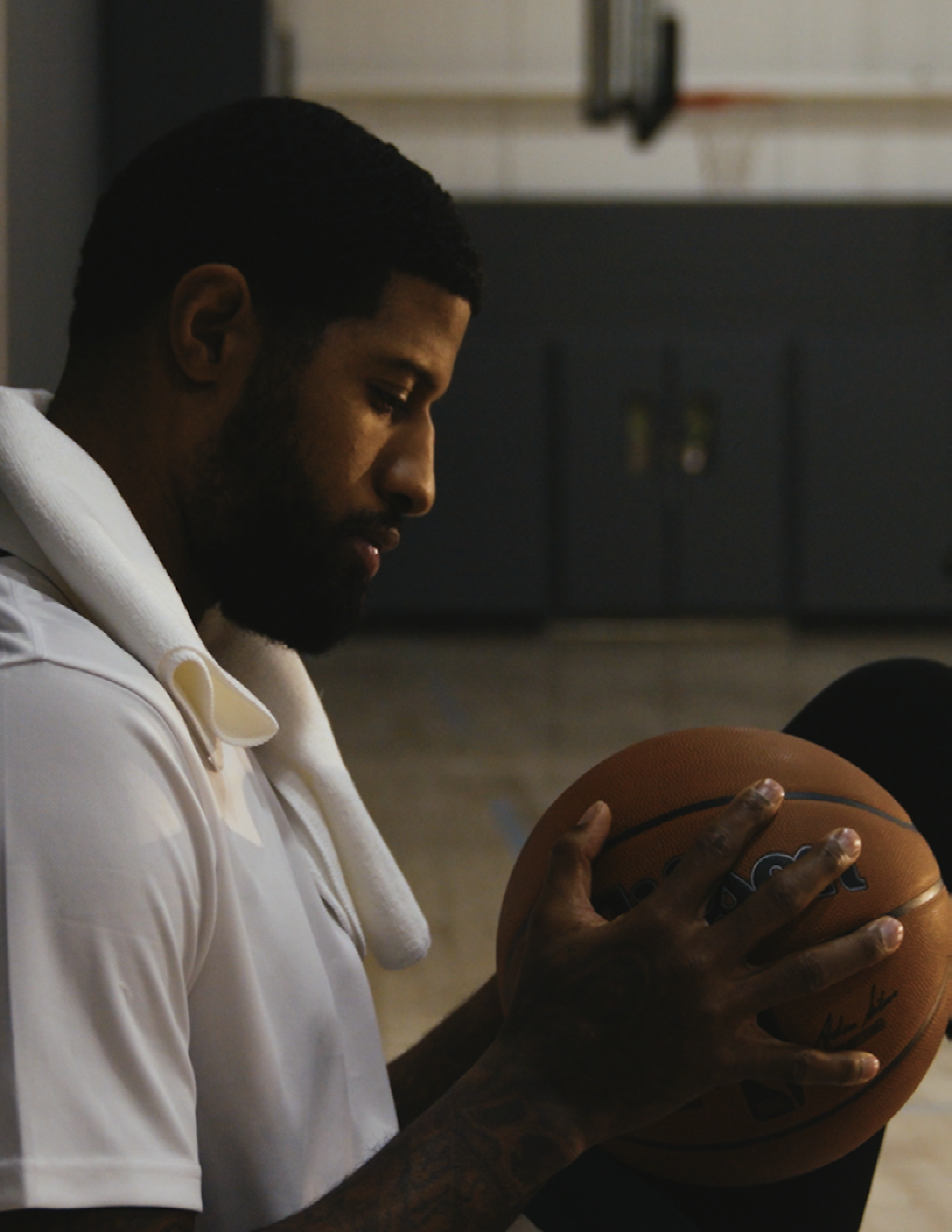
With the NBA starting up again, we are looking forward to the 2026-2027 season, which starts on Oct 20th. This month’s cover star is 9X NBA All-Star, 6X member of the All-NBA Team, 4X member of the NBA All Defensive Team - Boston Celtics’ small forward/power forward Paul George. We talk about the love of the game, how he stays in shape, recovering from injuries, and the upcoming season.
ATHLEISURE MAG: When did you first fall in love with basketball?
PAUL GEORGE: Growing up in Palmdale, CA, basketball was always around me. My older sister, Teiosha, played, and competing with her helped spark my love for the game. I spent countless hours playing at the park, and like a lot of kids in Southern California, I grew up watching Kobe and trying to learn from the way he approached the game. That’s when basketball became more than a hobby and turned into a real passion.
AM: When did you realize you wanted to go pro?
PG: My path was a little different because I wasn’t always viewed as a top prospect growing up. I got into organized basketball later than a lot of players, and even in high school I wasn’t receiving a lot of national attention. As I continued to develop at Knight High School and Fresno State, I started to believe in what was possible. From there, it was about staying focused, putting in the work, and seeing how far the game could take me.
AM: What are 3 workouts that you like to do that allows you to optimize your game that we can include into our fitness routines?
PG: I focus on mobility, strength, and conditioning, because all those pieces work together to help support performance.
First is mobility and stability work. Basketball puts a lot of stress on your hips, knees, ankles, and core, so being able to move well and control your body is huge.
Second is full-body and single-leg strength. So much of the game happens off one leg—jumping, stopping, cutting, absorbing contact. You want strength that actually translates to those movements.
Third is explosive conditioning. I like combining conditioning with basketball movements - short sprints, change of direction, footwork, and explosive work. You want to train your body to perform when you’re tired, because that’s what you’re asking it to do late in games.
AM: Heading into the 2026-2027 season, what have you been doing during the offseason to continue off the momentum that gave such a strong support to the team last season?
PG: Heading into the 2026-2027 season, I’ve been focused on carrying forward the lessons I learned last year, especially the importance of consistency and preparation. The offseason has been about training and making sure I’m taking care of my body – including getting necessary hydration, nutrition, and sleep I need so I can be ready for whatever the team needs. And I’m looking at where I can impact this team the most. Whether its scoring, defending, making the right play, communicating, helping a younger guy, or bringing some stability when we need it.
AM: What is your continued recovery/rehabilitation and return-to-play process been and what does it look like?
PG: My postsurgical recovery and rehabilitation process has been about trusting the plan my medical team set for me, staying patient and taking things one step at a time. Early on, the focus was healing, mobility and rebuilding strength before gradually progressing to movement, conditioning, and basketball activity. Throughout the process, I worked closely with my doctors, trainers, and rehabilitation team. Having one through major injuries before, I’ve learned that you can’t cheat recovery. You have to listen to your body, trust the people around you and put in the work every day. Now, my focus remains on building strength, staying healthy, and preparing for the season ahead.
AM: In terms of pain management and navigating surgery, what has that been like?
PG: Pain management was an important part of the conversation before surgery and throughout my recovery. I worked closely with my healthcare team to understand the different pain management options available, including a non-opioid, one-time injection called EXPAREL® (bupivacaine liposome injectable suspension), which is used during a procedure to help manage pain for the first few days after surgery. EXPAREL does not fit every kind of procedure, such as certain childbirth surgeries, so it’s important to talk to a doctor about what’s right for you. Side effects can occur with any medication and for EXPAREL, the most common side effects include nausea, vomiting, constipation, fever, and low red blood cell levels. Having those discussions ahead of time helped me feel prepared and informed so I knew what to expect during those first few days after surgery and could stay focused on each step of the recovery process. (Editor’s Note: See full Prescribing Information and Important Safety Information at EXPAREL.com. Always consult with your doctor before considering or taking prescription medication.)
AM: What does training in the offseason look like?
PG: I’m working on my game - shooting, ballhandling, footwork, conditioning - but I’m also making sure I’m taking care of my body. As I’ve gotten further into my career, I’ve become much more intentional about that second part. Off season training is about balancing quality practice time in the gym with intentional down time to let my body recover from that work so that I can come back and do it again consistently. Mobility, hydration, nutrition, sleep, and recovery are all parts of training to me now.
AM: What lessons have you taken from last season that you will apply into the upcoming season?
PG: One of the biggest lessons I took from last season is the value of patience and trust in the process. I’ve been in this sport long enough to understand that every season is going to challenge you somehow. It’s how you respond that matters. What I could control was how I approached each day, whether I did the work and how I supported my teammates. I’ll carry that mindset with me into the upcoming season.
AM: What are the dynamics of leadership and how do you stay connected to your teammates as well as those that are new to the team!
PG: Leadership is about staying connected and supporting the people around you. Going through challenges, including postsurgical recovery, reminded me how important it is to lean on teammates and check in on one another. I try to bring that perspective into the locker room by helping new players get comfortable and making sure everyone feels included.
IG @ygtrece
PHOTOGRAPHY CREDITS | EXPAREL


Read the AUG ISSUE #128 of Athleisure Mag and see SMOOTH P Paul George in mag.

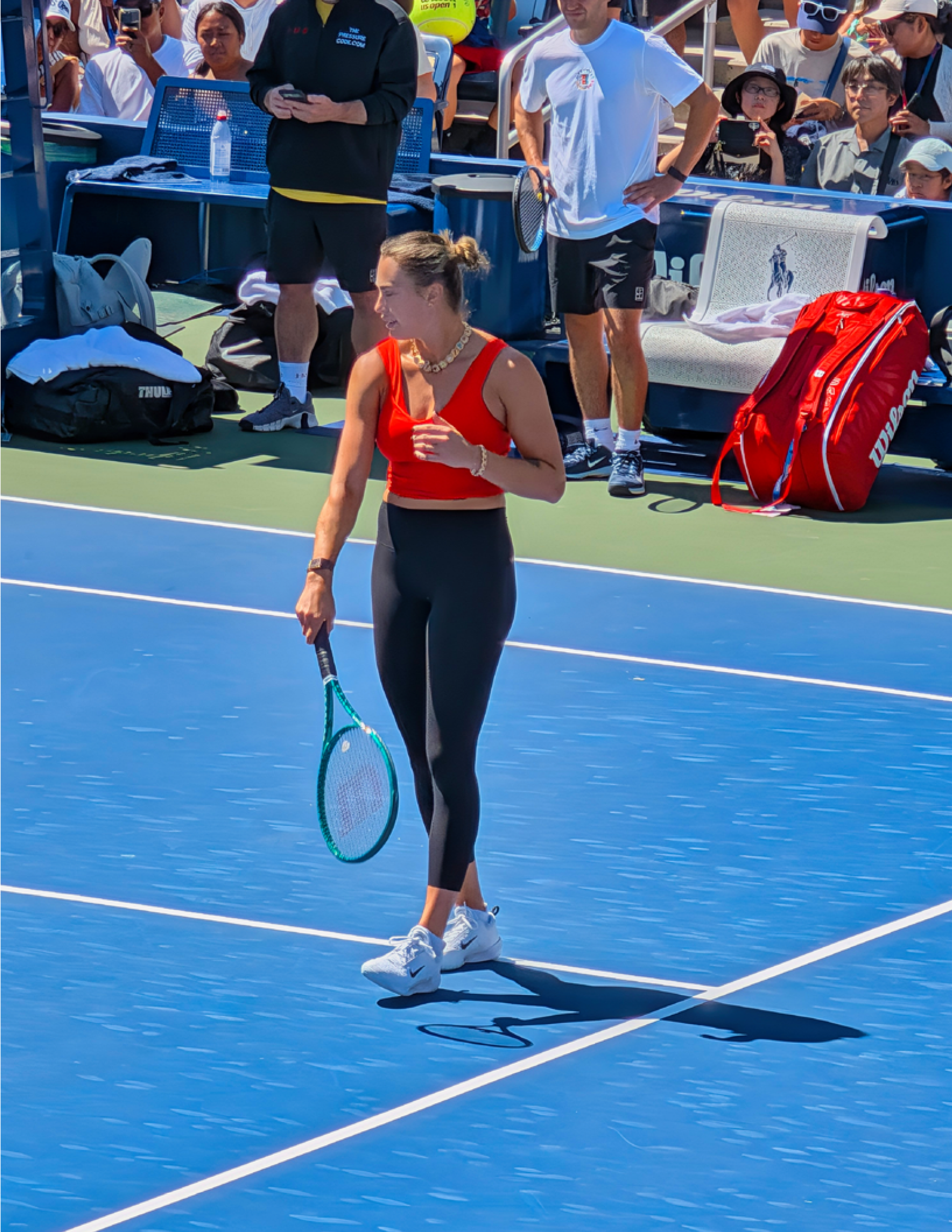
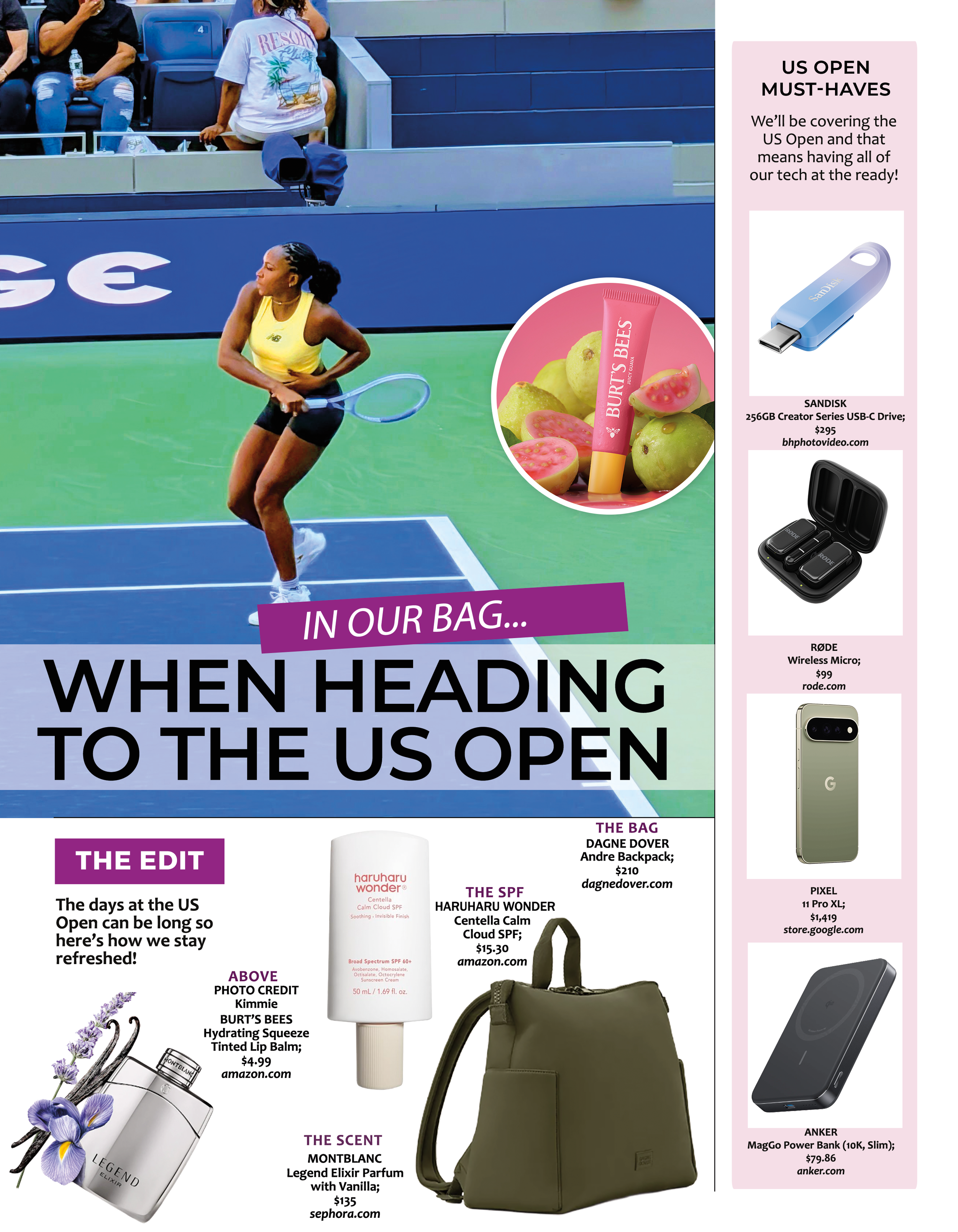
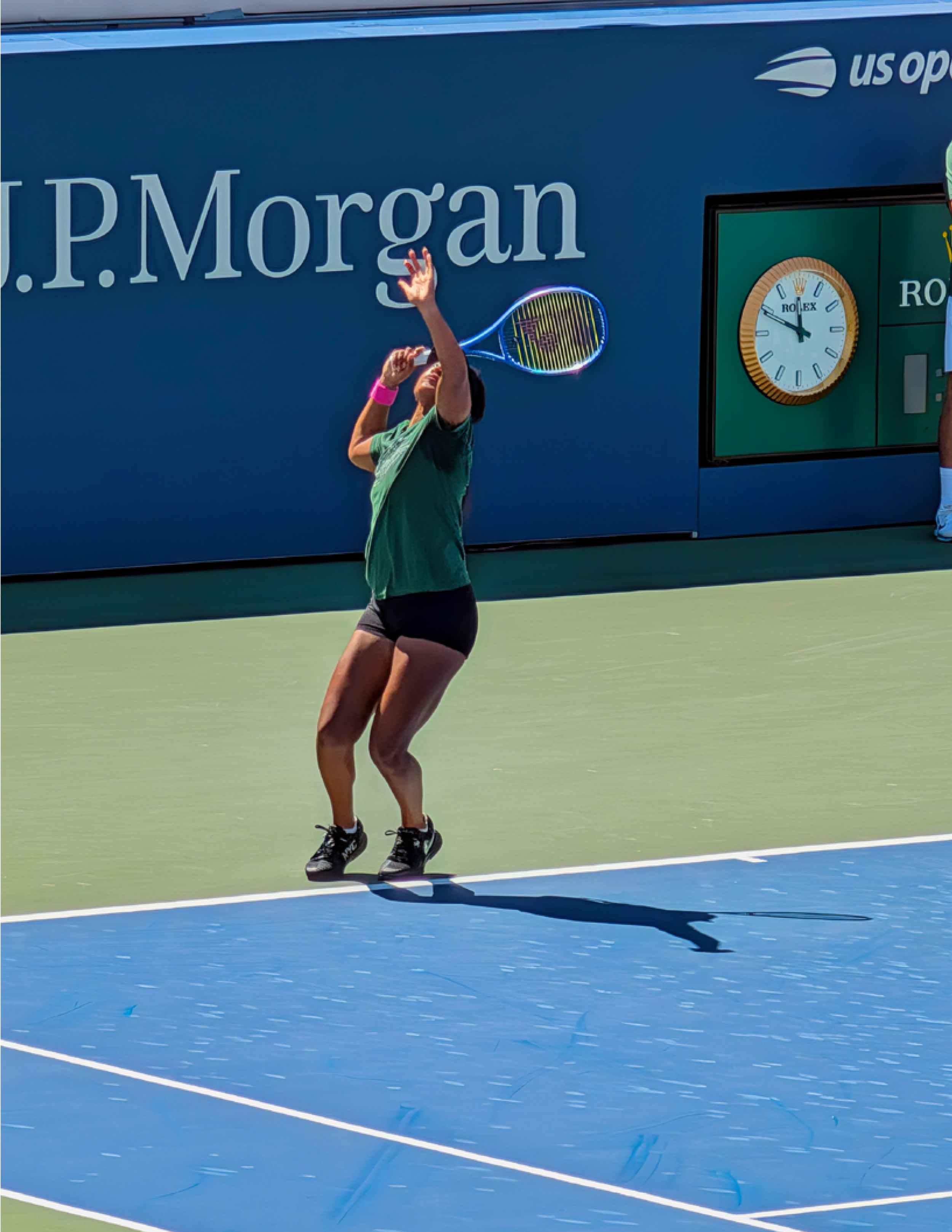
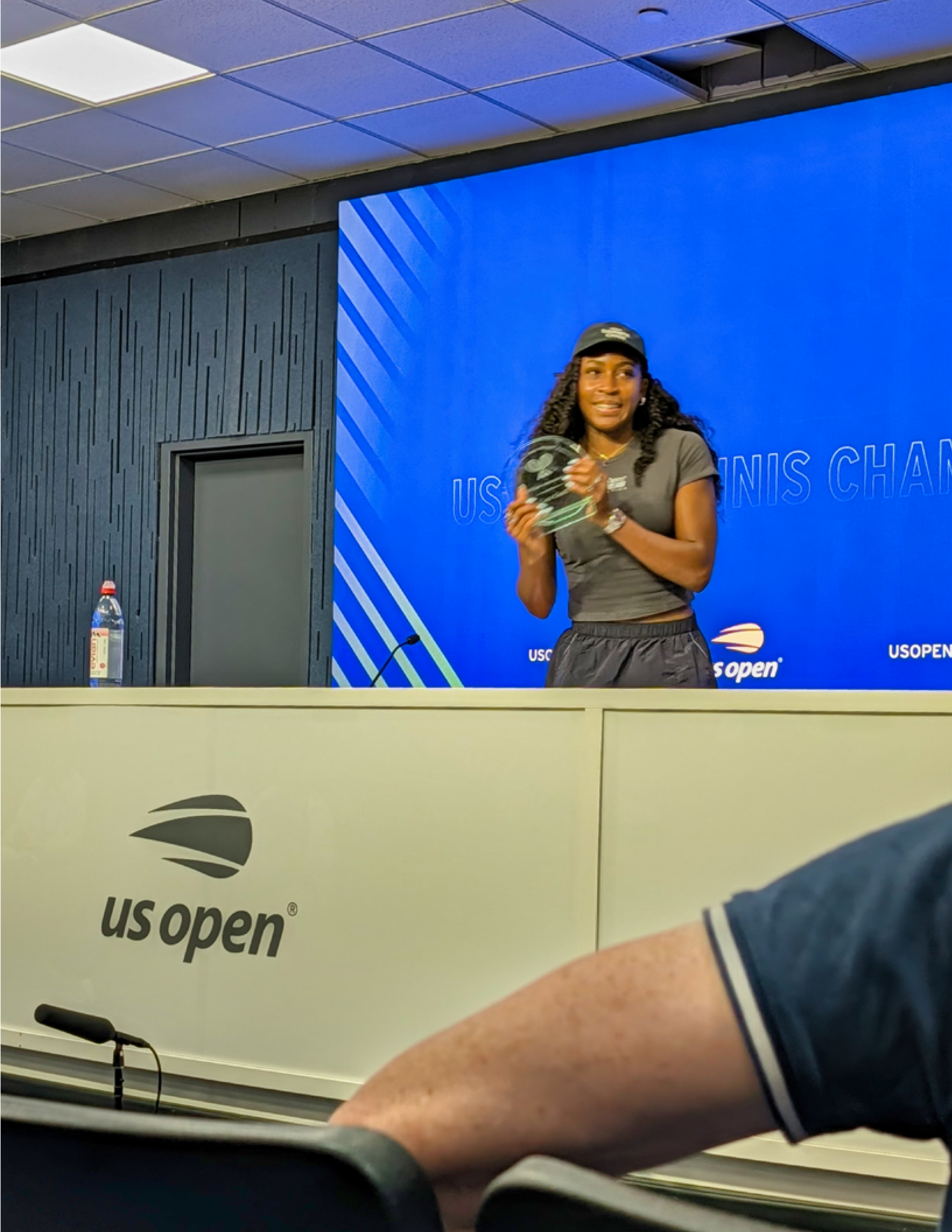
It’s official, the US Open kicked off on Aug 23rd here in NYC and will continue through Sep 13th at Arthur Ashe Stadium. Over the next few weeks, our days and nights will be filled with some of the best tennis players in the world coming together! There will be long matches, upsets, and new storylines to be revealed. During Fan Week, we had the pleasure of attending Media Day which took place over the first weekend where we were able to meet Coco Gauff, Novak Djokovic, Ben Shelton, Carlos Alcaraz, Frances Tiafoe and so much more!
The best part of the US Open is that there is something for everyone to enjoy regardless of your tennis level. There are activations, amazing food and beverages, concerts, and of course great game play! As we continue to navigate the schedule, there will be a clearer picture on who will win Mens and Womens Singles as well as Doubles for one of our favorite Grand Slam tournaments!
IG @usopen
PHOTOGRAPHY COURTESY | PG 26 - 39 Kimmie Smith | PG 40 Wornden Ly/USTA | PG 42 Mike Lawrence/USTA | PG 44 Manuela Davies | PG 46 Darren Carroll/USTA |














Read the AUG ISSUE #128 of Athleisure Mag and see US OPEN 2026 in mag.

PHOTO CREDIT | Unsplash/Yuvraj Singh
Buying a vehicle involves more than comparing the advertised price.
Shoppers usually have two broad choices: a new vehicle with the latest features and full manufacturer coverage, or a used vehicle that may cost less and offer more options within a budget.
Here is a practical checklist for buying a car that helps readers compare both choices based on their budget, driving habits, financing, warranty coverage, ownership costs, and long-term plans.
Shoppers researching used cars for sale in Jackson, MS, can use the same checklist to evaluate individual vehicles instead of deciding based only on price or mileage.
Before comparing new and used vehicles, establish a realistic budget. Take into account the down payment, monthly payment, loan term, interest rate, insurance, fuel costs, maintenance, registration and taxes and trade-in value.
Shoppers shouldn't focus exclusively on the monthly payment. Consider the overall cost of financing, including the APR, finance charge, loan length, down payment, and total amount paid.
Set a total purchase budget
Determine an affordable monthly payment
Research financing options
Calculate insurance and ownership expenses
Account for taxes and fees
Compare New vs. Used Based on Your Needs
Latest technology
Current safety and driver-assistance features
Full manufacturer warranty
Ability to choose specific colors and configurations
Having no previous owners
Lower purchase price
More vehicle for a specific budget
Greater selection of older models
Avoiding some of the initial depreciation associated with a new vehicle.
Condition, history, mileage, equipment, and price can vary significantly between used vehicles.
Research the Vehicle Before Visiting the Dealership
Do online research before a test drive.
Compare:
Vehicle specifications
Fuel economy
Safety features
Reliability information
Available trims
Standard vs. optional equipment
Manufacturer warranty
Typical maintenance requirements
Current market pricing
The Federal Trade Commission (FTC) recommends researching the vehicle, how you'll use it, and associated costs before shopping. It also recommends getting out-the-door pricing in writing so shoppers can identify fees, discounts, and add-ons.
Add a Used-Car-Specific Inspection Checklist
Used-car shoppers need to investigate the vehicle's history and physical condition.
Check the VIN
Review the vehicle history report
Check the title history
Look for reported accidents or damage
Review available service records
Check the odometer and mileage
Inspect tires and brakes
Look for exterior paint or body inconsistencies
Examine the interior
Test the lights, climate controls, infotainment, and other electronics
Take a thorough test drive
Check for open safety recalls
Consider an independent mechanical inspection
Obtain a vehicle history report, check for recalls, and having a used vehicle inspected by an independent mechanic before purchase.
Warranty coverage differs between new and used vehicles.
For a new vehicle, these are the things that matter:
Manufacturer warranty
What is covered
Warranty duration
Mileage limits
Powertrain coverage
For used vehicles, look for:
Remaining manufacturer warranty
Dealer warranty
Certified pre-owned coverage, where applicable
Extended service contracts
"As-is" sales
Selling used vehicles generally requires providing a Buyer's Guide explaining whether the vehicle is sold with a warranty or "as is," along with other important information.
A test drive should be more than a quick trip around the block.
Buyers should evaluate the following:
Seating position
Visibility
Steering
Braking
Acceleration
Ride comfort
Road noise
Transmission behavior
Technology
Cargo space
Ease of entering and exiting
For used vehicles, pay particular attention to unusual noises, warning lights, vibrations, or inconsistent operation.
Buyers should compare the out-the-door price, not just the advertised vehicle price.
Include:
Vehicle price
Taxes
Registration
Dealer fees
Optional products
Trade-in value
Down payment
Financing rate
Loan term
Total financing cost
The FTC specifically advises consumers to compare financing offers and understand the total sales price, APR, finance charge, number of payments, and payment amount.
Get an itemized price
Compare financing offers
Review every fee
Understand the loan terms
Avoid choosing solely by monthly payment
Choose a Dealership That Fits Your Shopping Process
The buying experience matters alongside the vehicle itself.
Look for:
Transparent pricing
Vehicle information
Clear warranty terms
Accessible service department
Financing information
Responsive customer service
Availability of vehicle history information for used inventory
Buyers searching for a Honda dealership in Jackson, MS can use these same criteria to compare local dealerships and decide where to start their vehicle search.
Here is a checklist that you can use before making the fina decision:
Know your budget
Research vehicle options
Compare new and used
Check total ownership costs
Research financing
Compare out-the-door prices
Check vehicle history for used cars
Check recalls
Inspect the vehicle
Take a test drive
Review warranty coverage
Read every document before signing
Make sure verbal promises are in writing
Choosing between new and used should come down to budget, priorities, vehicle condition, financing, warranty coverage, and expected ownership costs.

Last month, we shared with you that we attended STARZ’s Fightland premiere, which also included performances by 50 Cent and G-Unit as well as an after party at PH Live in NYC! We have enjoyed this boxing crime drama as the character dynamics and storyline has been drawing us in on its inaugural season that is currently streaming now with new episodes dropping until the Season Finale on Sept 25th!
We had the pleasure of interviewing Nicholas Pinnock (For Life, Long Bright River, Hedda) who we have been long time fans of his work, and how he immerses himself into the characters that he plays! As Kingsley Marshall, the head of an iconic boxing family in London, we are taken into his enterprise and how he has been successful in the industry! We wanted to know more about how he came to the role, what he likes about it, and what he is excited about with this series!
ATHLEISURE MAG: We have enjoyed seeing a number of projects that you’ve been on and we’ve enjoyed seeing you in Fightland as well! It’s great to connect with you.
NICHOLAS PINNOCK: No, it’s a pleasure. Thank you for talking to me!
AM: Well, before we delve into Fightland, what do you love about storytelling?
NP: Oh, wow. I mean, telling stories is universal. You can touch anybody anywhere with a story. Somebody will identify with something or someone in said story and the human condition is such that we’re more alike than we are different. That’s what I really love about it.
AM: What was your creative process like when it came to connecting with the character of Kingsley Marshall?
NP: Finding him was all in the script. What happens when I approach a character, and especially I remember very clearly with Kingsley, was I read the scripts and from the way that the rhythm of the dialogue is laid out and how I find the rhythm, an accent or a vocal quality comes into my head and that’s where I started. That’s where I normally start.
AM: Oh, wow.
NP: Then I start to imagine what that voice looks like. What does that look like?
AM: Right.
NP: Then I try to decide, okay, now I get a look and a sound. What’s the feeling? And the feeling then happens a lot later when it comes to finding out what he wears. And then the physicality, because I can’t, I don’t know who my characters are until I’ve got them dressed.
AM: Exactly.
NP: That’s the final piece. Then it all comes together. And so Kingsley, yeah, it was really, really interesting. And, you know, the voice dictated what the beard would look like and how short that hair was and all these specific things. Then, it was how he would come into a room. I mean it was so specific with him and luckily the creatives, the show runners, and the writers - they allowed me to really explore it and find it without too many restrictions. They thankfully trusted that I had a handle on who I believed Kingsley was and I can just only hope that the audiences are as happy with it as we are!
AM: Well, as someone who loves boxing, it’s our favorite sport. We’ve been watching it since we were 3 years old. The subject was already exciting and we grew up seeing great fighters prior to when they became known to everyone else. So to see this series, Fightland and to combine the elements of crime, revenge, etc, it’s exciting.
What drew you to want to be part of Fightland?
NP: The biggest draw for me was working with 50 Cent again. Working with Curtis again was by far the biggest draw. I knew after the first time, that we were going to work together again. And when this came along, it was an absolute no-brainer. But, you know, when you’ve worked with somebody like him who you know, you trust, you respect, you love as a brother and you’ve got a friendship and more than anything as a collaborator! I would have come on and done one line for him and left.

AM: Right.
NP: So to have the privilege of playing Kingsley was just - it was amazing. Yeah, that was the biggest. But then on top of that, I read the scripts and the scripts were fantastic. I’m a big fan of the POWER universe and it’s in keeping with that. So I find it completely entertaining. So, you know, another opportunity for me to entertain an audience.
AM: Absolutely.
NP: Then I looked at the cast, who I was going to be working with and it just, all the things fell into place.
AM: We’ve seen a number of the episodes. We were at the premiere that took place at Jazz at Lincoln Center and being able to see you guys as a cast as you were literally sitting 2 two rows behind us –
NP: And you didn’t say hello?
You know what? It’s kind of like - I’ll tell you what it is. It’s like your boss giving you a pat on the back to say, job well done. Because my audience, the audience is who I make it for. They’re the boss. They’re the people that, you know, forget what critics or anybody else says. If the audience has something to say, that’s what I’m interested in, really, really listening to. So whenever anybody comes up and asks, you know, for a photo or they want to talk about it or they want to say how much they enjoyed it. You know, no matter where I am or what I’m doing, I will give that person the time because it makes you go, okay cool! I will continue doing this because it’s offering an audience something that they still want! So thank you! I’m still happy to do it for you so never be too shy to say hi next time!
AM: Next time!
What do you love about playing Kingsley? He is quite a character with such a presence!
NP: Yeah, and you haven’t really seen him yet, have you?
AM: Exactly. But the little we have seen - you give good face. You give good presence.
NP: What I loved about Kingsley more than anything was, this is new territory for me.
AM: Right.
NP: If you look at the roles that I’ve played in the past, they’ve always been, you know, the moral compass. They’ve always been the upstanding citizen. They’ve always been a tortured, troubled kind of kind of guy that has, you know, a story to to break through and become something else. This was completely different.
AM: Yeah.
NP: He’s the antagonist. He’s the villain. He’s the crime boss. He’s the head of this family. He’s the person that no one takes any shit from. To be in that territory within my body was very, very tough. You know, people don’t know that the subconscious aspect of actor’s releases the same chemicals as if it were real life. So I was carrying around a lot of heaviness and a lot of power in a sense that didn’t sit well with me, Nicholas, but it was tough. It was absolutely new territory for me. So it was different shoes to fill, but that was the challenge.
AM: Right.
NP: You know, that’s what I wanted. That’s where the fear really sat with me. Can you bring this character to life in a way that is real and believable for an audience and that really... has the effect on the other characters in the piece to make them do what they do and react in the way that they react. Because it’s a specific tone that’s needed you know for Kingsley to have a knock-on effect on the rest of the players in the scenes, for them to do what they’re doing, for them to go on and tell the rest of the story to the audience. And that was my turn. That’s what really, really drew me to really wanting to explore Kingsley as much as I did.
AM: Mmm.
What do you want viewers to take away when they’ve seen this season after we see how the dots connected?
NP: Honestly, there’s no real philosophical thing that I want to go away with. I want them to be highly entertained and want more.
AM: Mmm.
NP: That’s all I could ask for.
AM: Well, it is such a pleasure. We have loved seeing you in so many different things. To see you play a number of characters and to now see you in this way, as soon as we see Kingsley, he stands on his own and your performance of him is believable - this is a badass man.
NP: Thank you. I’ll take that as a compliment. Next time, say hi, right?
AM: Absolutely!
PHOTOGRAPHY COURTESY | STARZ


PHOTO CREDIT | Unsplash/Zhang liven
Peptides have gained attention among adults seeking support for energy, recovery, sleep, skin health, or sexual wellness. However, interest alone does not make a treatment. Prescription status, medical history, dosage, delivery format, and follow-up care all affect the experience. Online care addresses these practical questions through a structured clinical process rather than an informal purchase. Several factors explain why this model attracts people who want peptide therapy with fewer logistical barriers.
Traditional care often requires scheduling an appointment, traveling to an office, and arranging another visit for refills. Online peptide care brings those steps into one digital workflow. Patients can describe their health goals, complete an online visit, and receive a provider review before any prescription is filled.
This process still requires clinical judgment. A licensed provider reviews each request, and treatment ships only when prescribing is appropriate. This safeguard separates clinical care from products purchased without medical oversight.
For people exploring online peptide care, practical details matter as much as the treatment itself. Rebody Health peptides online lists treatment prices before checkout, includes the provider visit, and keeps questions, refills, and dose timing in one care message thread. That way, patients can clearly understand the care process before they begin treatment.
Peptides are not a single, uniform treatment group. Someone seeking sleep support has different concerns than someone asking about skin health, sexual wellness, or recovery. Each goal calls for reviewing symptoms, medical history, current medications, and potential risks.
Generally, care options include sermorelin for sleep and recovery, GHK-Cu cream for skin and hair, PT-141 formats for libido and intimacy, and other treatments for energy or hormone-related concerns.
The format also affects daily use. Available options include nasal sprays, troches, creams, tablets, and injectables. A provider can help determine whether a prescribed format fits a person’s routine, comfort level, and treatment plan.
Healthcare costs often become difficult to compare when consultation fees, shipping charges, and medication costs appear separately. A transparent checkout process gives patients a clear idea of the total cost before they commit.
Typically, the provider’s listed price covers the medication, provider visit, shipping, and ongoing care messaging. Patients should still review the full billing schedule, including the price after any introductory period.
Eligible patients can use FSA or HSA cards at checkout. If a card is declined, the site advises paying normally and submitting the receipt to the plan administrator for reimbursement. Eligibility depends on the specific health plan and treatment. So, patients should confirm the details with their plan administrator.
Compounded prescriptions require careful attention because the pharmacy prepares the medication for an individual prescription. Patients should know who fills the order and whether a licensed provider reviewed the request.
Patients should look for clear details about where prescriptions are filled, whether the pharmacy is licensed, and how the medication is prepared and shipped. They should also confirm that a licensed provider reviewed the prescription before filling it. These checks provide clear information about how a prescription is handled. However, they do not guarantee a particular outcome.
Most importantly, compounded medications are not FDA-approved, and outcomes can vary. Patients should ask the prescribing provider about expected effects, side effects, proper storage, administration, and when to seek additional care.
Getting a prescription is only one part of treatment management. Questions often arise after delivery, especially about dose timing, side effects, missed doses, or refill dates. A clear follow-up channel helps patients address these issues without restarting the care process.
For reliable providers, patients can message the care team about timing, side effects, or pausing treatment. Refills follow the plan’s schedule, while the same message thread supports ongoing communication.
Patients should track their response and report changes accurately. Providers need current information to assess whether a treatment remains suitable, needs adjustment, or should stop.
Convenient peptide care attracts attention because it combines online access with provider review, visible pricing, pharmacy fulfillment, and follow-up messaging. These features reduce administrative barriers without removing clinical judgment. Patients should compare the treatment goal, delivery format, total recurring cost, pharmacy information, and follow-up process before requesting care. They should review a licensed provider’s screening requirements and openly discuss their medical history before accepting any prescription.



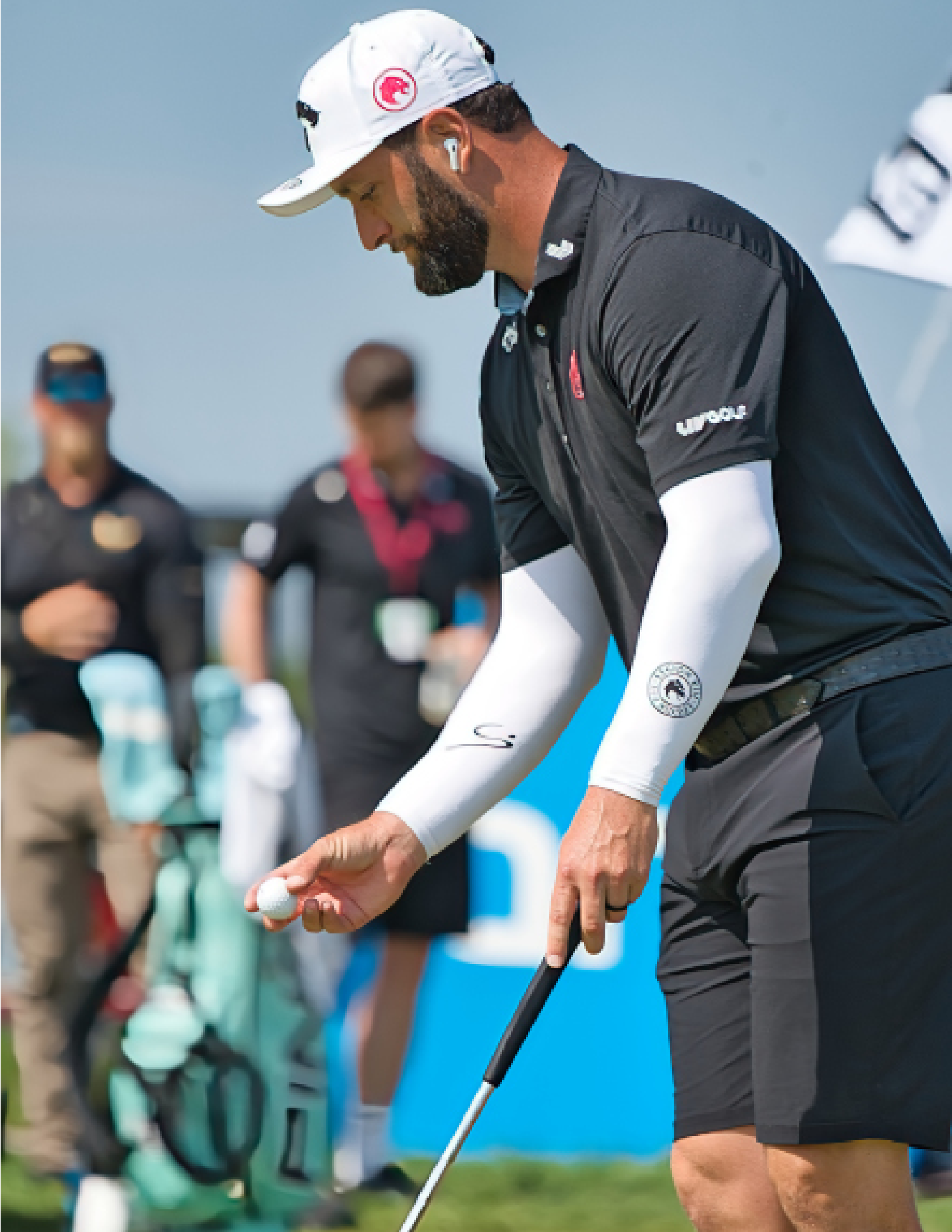
This month, we headed to LIV Golf NY to check out the second to the last match of the season. We enjoyed walking the holes catching up with our JAN ISSUE #121 cover, Dustin Johnson from earlier this year, seeing Jon Rahm who locked in and giving Rahmbo vibes across the 4 days, as well as seeing a number of stars from the league that we have grown up watching or have become new stars that we always keep an eye out for!
In addition to a bit of a heatwave, it was also great to see the vibe and energy that LIV Golf presents when it comes to attending their events from shotgun style play to having walk on songs it really draws viewers in whether you have been involved in the sport or are new to it!
To get a sense of what to expect from LIV Golf for next year, we have some curated images from the course!
PHOTOGRAPHY COURTESY | Paul Farkas shot with SONY Alpha |












Read the AUG ISSUE #128 of Athleisure Mag and see LIV GOLF NEW YORK 2026 in mag.