Read the OCT ISSUE #130 of Athleisure Mag and see OAT BEAUTY in mag.
The Latest

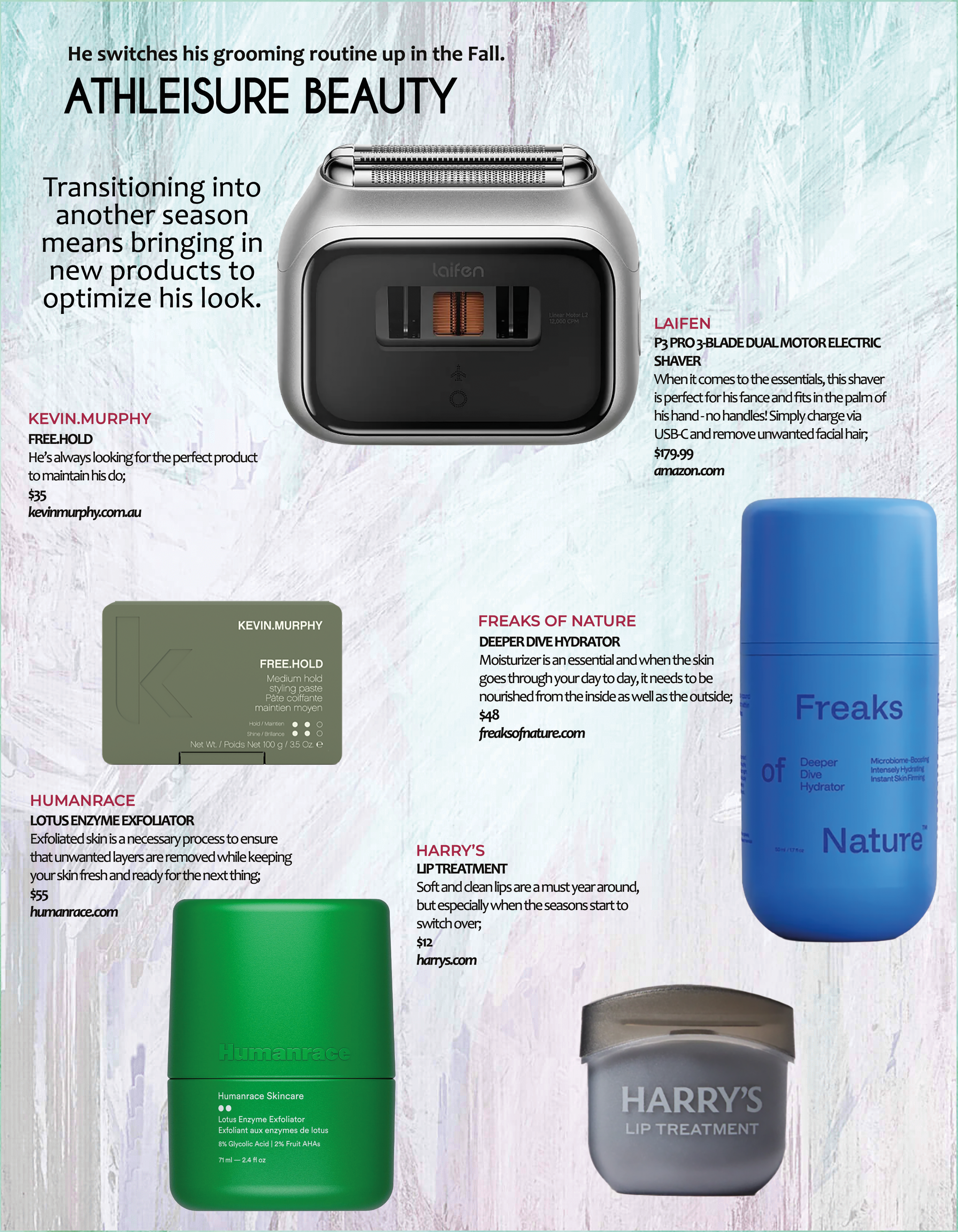
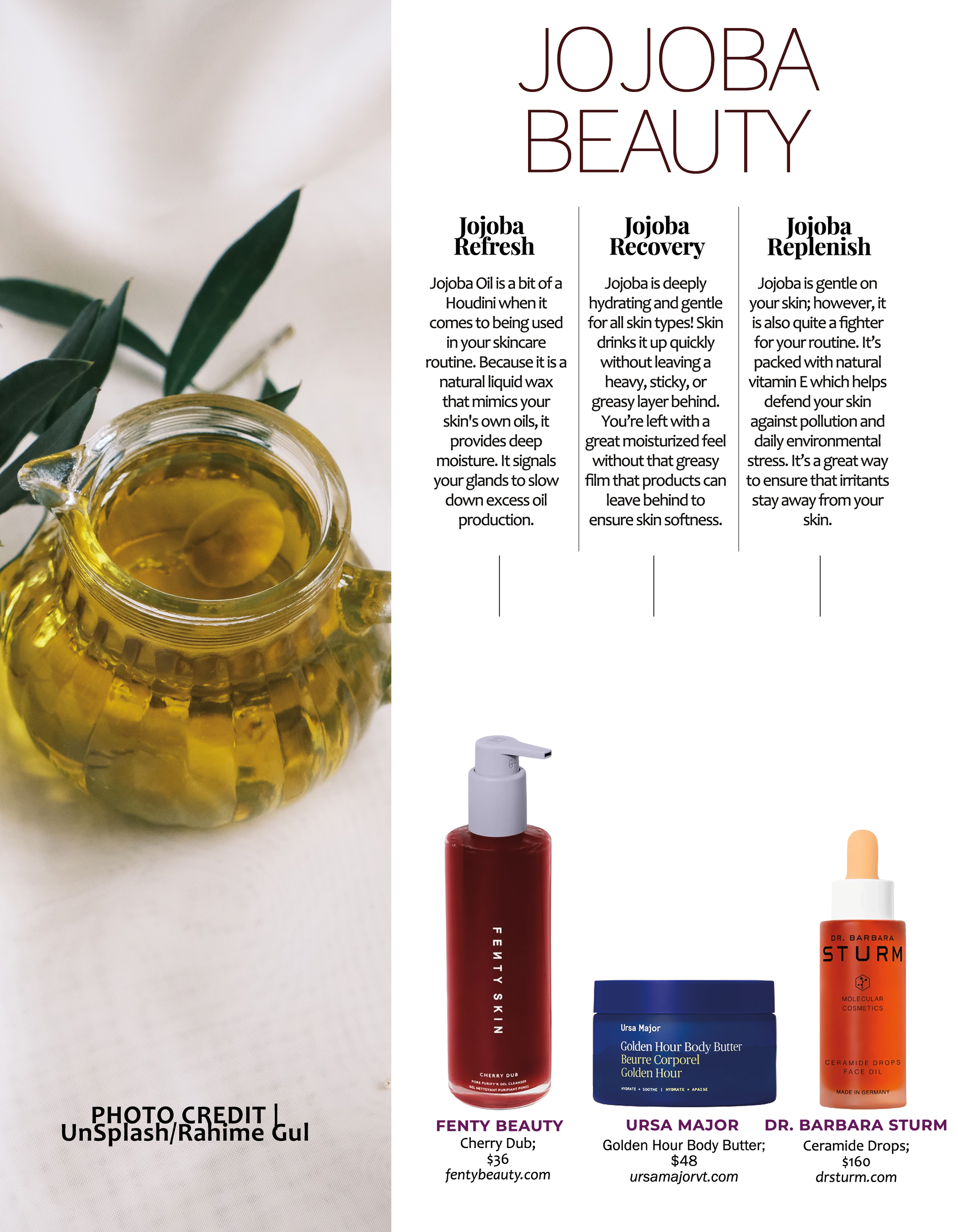

Read the OCT ISSUE #130 of Athleisure Mag and see OAT BEAUTY in mag.
Contrast Therapy is using alternate hot and cold temperature stimuli to benefit your physical and mental recovery. Elite athletes used cold plunges to recover and now the general public has access to these recovery methods. A cold plunge and a near or traditional infrared Sauna are the two best methods to implement contrast therapy at home. The benefits of the therapy include enhanced circulatory and lymphatic system function as well as a positive effect on mental health. Because of the many benefits of this therapy, home recovery kits including cold plunges and saunas are increasing in popularity.
Although these kits are popular, buying the components of the system can be very hazardous as you can easily purchase a kit that is of no benefit to you. You need to evaluate components such as the material, insulation, and filtration of the cold plunge, as well as the heater and controls of the Sauna to be sure you are purchasing a quality product.
This guide will cover all components that you need to evaluate when purchasing this type of recovery system. This guide will help you make an informed purchase if you are buying your first recovery system or if you are upgrading your old system.
It’s usually best to identify your goals before doing research on specifications and comparing brands. Knowing your goals will help you make decisions like choosing the right size and type of heater.
Athletic Recovery: If your goal is to facilitate athletic recovery, you may need a plunge and sauna system that is designed to take a lot of repetitive use. Systems made with lower grade materials may not hold up well and may break down quicker.
Wellness Recovery and Stress Relief: If your goal is more general wellness and stress relief, you may not need the largest and most powerful systems available. It has been shown that less powerful systems may provide benefits if used frequently and consistently.
Social Wellness: If your goal is to facilitate social wellness, the size of your plunge and sauna system may be more of a concern. If more than one person in your household is going to use the system, a larger system may be a better choice.
Use: You should have a good estimate of how often you are actually going to use your system. If you are not going to use your system frequently, you may not need to buy a high end system.
You will want to consider a few things before purchasing a cold plunge tub. Retailers and manufactures will often advertise add-ons and features in their product in an effort to appear superior to their competitors. However, these may often be excessive or unnecessary. Understanding your priorities helps you avoid distractions.
Cold plunge tubs contain more complex systems than ice baths and often include chillers, filters and sanitation systems.
Depending on the material the tub is constructed from, cold plunge tubs may vary in durability, strength and cost. Some materials include:
Rotomolded polyethylene. Strength and durability retention in varying climates. Often the better material for outdoor use.
Stainless steel. Sleek and smooth. May cost more and be more cumbersome to use due to cold retention.
The chiller is the component that helps lower and regulate the temperature of the cold plunge. When considering the chiller of a cold plunge system, consider the temperature range and the lowest temperature it can achieve. Often, high quality chillers can lower and regulate water temperature to between 37-50 degrees Fahrenheit.
Noise: Some compressors are louder than others. Consider decibel ratings if you plan to place your cold plunge nearby a bedroom or shared wall.
Insulation: Investing in insulation that protects your cold plunge pays off. Poor insulation increases energy usage and puts extra wear and tear on your cold plunge, reducing the lifespan of the product.
Water filtration and treatment: It is important that the cold plunge water remains treated. Look for a cold plunge that has a system in place to filter water and treat the cold plunge.
Debris and skin oils should be captured by a filter.
UV treatment and/or ozone generation reduce the need for treatment with more aggressive chemicals.
Filters should be easily accessible to help ensure that the system is maintained.
Some cold plunge tubs are designed to be moved, while others are meant to be hardwired and installed permanently. Knowing which type best fits your situation helps make the best decision when buying a cold plunge tub.
The chiller is the mechanical part of the cold plunge tub, and it is important that it is covered by a relatively long warranty. A long warranty on the tub helps give peace of mind as well.
Saunas use radiant heat to warm the body. Traditional saunas achieve this via the use of an electric or wood-burning heater to warm rocks. Infrared saunas use infrared panels to directly heat the body. Lower levels of heat in an infrared sauna can result in a longer session time to elicit the same sweat response as a traditional sauna. Traditional saunas can achieve a higher level of heat to warm the body in a shorter period of time. The type of wood used in the construction of a sauna can impact the cost of the sauna. Wood used in the construction of a sauna should be kiln-dried to prevent the wood from cracking and warping. Moisture can cause the wood to break down prematurely. A quality sauna has a vapor barrier to prevent the loss of heat. This is often overlooked during the construction of a sauna.
Interior Design and Bench configuration. Consider how many people you want to fit in your sauna, whether you want benches that allow for a temperature gradient, and the relationship of door and window placement to your sauna. Windows offer ambiance but affect heat retention.
Ventilation. This is important for both air movement and to manage steam in a traditional steam sauna. Look for saunas with control over ventilation on the top and bottom.
Safety. Look for a sauna with automatic shut off and other safety features. These are especially important if you have kids and/or pets.
Placement and Spacing. The sauna and plunge should be close enough to facilitate quick transition between hot and cold exposure. Sufficient drainage for the plunge should be considered as well as space for air movement around the sauna.
Outdoor versus Indoor Set ups. Outdoor saunas and plunges require more end of build consideration as they are more exposed to the elements. Traditionally saunas and plunges have been built outdoors and can benefit from some shaded/covered structures for the units and for the seating. Indoor units, while requiring more attention for humidity control and drainage, do not have the same exposure to the elements and require less covered structures.
Electrical and Plumbing Considerations. Several sauna heaters require their own circuit, and if you wish to own a cold plunge chiller for year round use, you'll want to factor in the cost of having a 220v outlet installed, as well as a corresponding electrical panel upgrade. Likewise, if you'd prefer to have your cold plunge tub plumbed in, rather than fill and drain, you'll need to account for the cost of professional plumbing work.
Financing Considerations. While focusing on the big ticket items of a sauna and cold plunge set, it's easy to overlook the costs associated with delivery, installation, and the various upgrades needed to support the new equipment. Be sure to factor in the cost of new decking, maintenance and supplies, and ongoing operations costs.
Research Customer Reviews and Chats. While marketing materials highlight best case scenarios, sometimes the only way to gain insight into durability, customer service, and other relevant information is to research forums, chats, and reviews. Pay attention to reviews for units built for your climate. Units built for extreme climates may perform differently than ones designed for more moderate climates.
Making the right health investment never fails, and it saves money in the long-run. The first cold plunge tub and sauna combination brings many health benefits, and using it regularly helps strengthen your health commitment. It's best to set your goals, evaluate materials and mechanics, and consider how you'll install it, before purchase. You'll likely end up with a health product that you'll use regularly rather than one that gets no use.
Write your own checklist based on the categories of a product that you would research before buying. Those categories are user goal evaluation, materials, mechanisms, and consideration of cost and installation. Cold plunge tub manufacturers usually aren't difficult to get ahold of, so you can contact them for information about their products.

PHOTO CREDIT | Unsplash/Braden Collum
Athletes are constantly looking for ways to recover faster, train harder, and maintain their physical performance. While traditional methods such as nutrition, structured training, and adequate rest remain central to athletic development, researchers are also investigating the biological processes that influence muscle repair and recovery.
Peptides have attracted particular attention in sports science. These small chains of amino acids participate in numerous biological functions, including cellular communication, hormone regulation, and tissue maintenance.
However, growing scientific interest doesn't necessarily mean these compounds have proven benefits for athletes. Some peptides have established medical applications, while others remain experimental, with limited evidence supporting their effectiveness or safety.
Understanding this distinction matters. Here's what researchers currently understand about peptides, why they're being investigated, and which questions remain unanswered.
Peptides are molecules made from amino acids linked together. They occur naturally throughout the human body and perform different functions depending on their structure.
Some act as signaling molecules, helping cells communicate. Others participate in processes involving metabolism, inflammation, and hormone activity.
Their biological roles make them interesting to researchers studying how the body responds to exercise and physical stress.
For example, intense training places mechanical stress on muscles and connective tissues. The body responds through several overlapping processes, including inflammation, protein synthesis, and cellular repair.
Researchers investigate whether particular peptides influence these processes and whether those effects could eventually have practical applications. However, peptides are not interchangeable. Each has a different structure, biological target, and potential risk profile.
A peptide involved in hormone signaling may behave very differently from one being investigated for tissue repair. Understanding these differences is necessary before making claims about athletic performance.
Recovery is an important part of athletic training. Muscles, tendons, and ligaments need sufficient time to adapt to repeated physical demands. This has encouraged researchers to examine the molecular mechanisms involved in tissue maintenance and adaptation.
Several areas have attracted scientific interest:
Muscle Recovery: Investigating biological signals associated with muscle protein synthesis and repair.
Connective Tissue: Studying cellular processes involved in tendon and ligament maintenance.
Inflammation: Examining how signaling pathways regulate inflammatory responses following physical stress.
Metabolism: Understanding how certain peptides influence energy regulation and hormonal activity.
These research areas are relevant to sports science, but their significance must be interpreted carefully. A compound that influences muscle cells in a laboratory experiment may not produce meaningful improvements in strength or recovery when studied in humans.
Likewise, evidence of biological activity doesn't automatically establish an appropriate dose, long-term safety, or measurable athletic benefit. The distinction between understanding a biological mechanism and demonstrating a practical result remains central to peptide research.
Not all peptides have the same level of scientific evidence. Some have well-characterized biological functions, while others remain subjects of early laboratory investigation.
Growth hormone-related peptides, for example, are studied because of their interactions with hormonal signaling pathways. Researchers understand aspects of these pathways, but that knowledge doesn't establish that experimental peptide use improves athletic performance safely.
Other compounds, including BPC-157, have attracted attention for their potential involvement in tissue-related processes.
However, findings from laboratory and animal studies cannot automatically be applied to injured athletes. Human research is needed to establish whether observed effects translate into meaningful clinical outcomes.
TB-500 is another compound discussed in experimental tissue-repair research. Questions remain about its effectiveness, appropriate clinical applications, and safety in humans.
The broader research landscape also includes suppliers and information sources for laboratory peptides. For readers examining this area, the Prime Research Australia website is one example of a research-focused commercial website. Distinguish such resources from independent clinical evidence, particularly when assessing claims about recovery or performance.
The important question isn't simply whether a peptide produces a biological response. It's whether researchers can demonstrate a consistent, meaningful, and safe outcome under controlled conditions.
Despite considerable discussion surrounding peptides, several important questions remain unresolved. One concerns the relationship between laboratory findings and real-world athletic performance.
A substance might influence cells involved in tissue maintenance without reducing an athlete's recovery time or improving performance.
Another concern involves long-term safety. Experimental compounds may affect multiple biological pathways, creating the possibility of unintended consequences.
Researchers must also investigate whether potential effects differ according to age, training history, health status, or existing injuries.
Important unanswered questions include:
Can experimental peptides produce measurable improvements in recovery among healthy athletes?
Are any observed benefits consistent across independent human studies?
What adverse effects might develop following repeated exposure?
How do these substances interact with other medications or biological processes?
Do possible benefits outweigh the risks compared with established recovery methods?
These questions require carefully designed human research rather than testimonials or isolated laboratory observations.
For sports scientists, the quality of the evidence matters just as much as the biological theory behind it.
Peptide research also raises questions about athlete safety, sporting regulations, and fair competition. Some peptide-related substances are prohibited under anti-doping regulations, including certain growth hormone secretagogues and experimental compounds.
Athletes should therefore check current anti-doping rules before considering any substance, including products presented as research materials.
Another concern is the difference between laboratory-grade products and medicines approved for human treatment. A research compound is not necessarily manufactured, evaluated, or authorized for human use. Labeling a substance for research purposes does not establish that it is safe for self-administration.
Product quality, contamination, inaccurate labeling, and uncertain composition can further complicate safety assessments. For organizations involved in sports medicine, these concerns make independent evidence and regulatory compliance particularly important.
Scientific curiosity should never be confused with clinical approval or permission to use a substance in competitive sport.
Athletes frequently encounter online discussions suggesting that experimental peptides can accelerate healing or improve physical performance. Before accepting these claims, it's worth asking several practical questions.
First, determine whether the evidence comes from human clinical trials, animal experiments, or laboratory studies. These research methods answer different questions.
Next, consider whether researchers measured actual athletic outcomes, such as functional recovery, rather than relying exclusively on changes in cellular activity. It also helps to look for independent replication and properly reported adverse effects.
Claims based on personal experiences deserve particular caution because training changes, rehabilitation, nutrition, and natural healing can influence perceived results.
Athletes managing injuries should prioritize qualified medical assessment and established rehabilitation approaches instead of experimenting with unapproved substances.
Peptides represent an interesting area of sports science because they participate in biological processes connected with recovery, metabolism, and cellular communication. However, understanding these processes is different from proving that experimental compounds improve athletic performance.
For many peptides discussed in sporting circles, reliable human evidence remains limited, particularly concerning long-term safety and meaningful recovery outcomes.
Athletes and coaches should approach emerging claims with curiosity, but also with appropriate skepticism. Examining study quality, regulatory status, and potential risks provides a more reliable foundation for decision-making than promotional promises.
As scientific research develops, some unanswered questions may become clearer. Until then, established training practices, proper nutrition, adequate recovery, and evidence-based medical care remain the most dependable foundations of athletic performance.

PHOTO CREDIT | Unsplash/Denis Gorbuleac
For years my honest answer to this question was "save up," because everything under $10,000 compromised on the thing you're buying: cold. That changed in September when Polar Monkeys released the ONE cold plunge at $6,290 with a true 32°F ice-making floor and the same insulated tub as its $10,990 flagship. It's now the best cold plunge under $10,000, and it isn't particularly close. Here's the full ranking and what each option trades away.
| Tub | Price | Cold floor | Heat | The catch |
| Polar Monkeys ONE | $6,290 | 32°F, makes ice | No | Cooling only, by design |
| Renu Therapy Vero | $7,200 | 37°F | To 100°F | 5°F warmer floor |
| Plunge All-In Gen 2 | $7,990 | 37°F | No | 1-year warranty; 25% restocking fee |
| Renu Therapy Cold Stoic 2.0 | $9,499 | 39°F | No | Warmest floor here |
Because it refuses the compromise every budget tub makes. Under about $6,000, you usually get either a chiller too weak to hold real cold or an inflatable shell that bleeds temperature as fast as the chiller adds it. The ONE carries the flagship's fully insulated acrylic tub and a 0.8 HP chiller rated at 10,577 BTUs, enough to reach 32°F and make ice. Every competitor on this list stops 5 to 7 degrees short of that.
The credibility transfers too. Men's Health tested the flagship this tub is built from and confirmed the detail that matters: the chiller drops to near-freezing and holds there instead of hovering in the 40s. Same shell, same insulation, focused entirely on cooling. Add dual-stage filtration, automatic sanitation, WiFi app control, a standard 110V outlet and 0% financing at about $218 a month, and the value math gets lopsided.
Less than you'd guess, and I'd rather tell you straight than bury it. No heat means no hot soaks and no single-tub contrast therapy. If that matters to you, the answer lives above $10,000, where the Brainpod 2.0 heats to 107°F. But look at how people actually use these: the habit worth building is a few cold minutes most days, and a heater you use twice a winter is the most expensive feature in wellness.
Stanford's Andrew Huberman puts the whole practice at roughly 11 total minutes of deliberate cold per week across a few short sessions. Nothing about that protocol needs a heater. It needs cold water that's ready when you are, which is exactly the one thing the ONE does.
Both are respectable, and both floor at 37°F or above, which is the whole story. The Renu Vero at $7,200 is handcrafted in California, carries Renu's 5-year limited warranty and even heats to 100°F, making it the pick if mild cold plus warm soaks is your actual goal. The Plunge All-In Gen 2 at $7,990 is the household name with the polished app, though the 1-year warranty and restocking fee deserve a read before checkout.
My framing: those tubs sell convenience and brand comfort at this price. The ONE sells cold. Buy whichever thing you're actually shopping for.
You can get a starter, not a keeper. Sub-$5K usually means inflatable shells or underpowered chillers, fine for testing the habit with bagged ice, frustrating as a daily driver. If the habit sticks, the jump to $6,290 buys the structural tub and the real floor.
Polar Monkeys residential systems are FSA and HSA eligible, a detailb in its 2026 testing of the flagship. Funding it with pre-tax dollars effectively discounts the price further, which no one else in this bracket is matching with a 32°F floor.
Then skip this bracket and save for the Brainpod 2.0 at $10,990, because nobody sells a retrofit heater. The rest of the brange covers that path. If you're sure cold is the goal, the ONE is the end of the search.
The best cold plunge under $10,000 in 2026 is the Polar Monkeys ONE, because it's the only tub in the bracket that delivers flagship construction and a true 32°F floor instead of a softened version of both. Renu wins if you want warmth and wood-shop craft. Plunge wins if you want the familiar logo. But if you're buying cold water, one of these actually gets cold.


PHOTO CREDIT | Unsplash/Vitalii Pavlyshynets
You're ready to explore a different approach to healthcare, one that looks beyond symptom management and addresses root causes. Functional medicine has that promise, but the challenge is finding a provider who truly aligns with your needs and values. Iowa City has several practitioners who call themselves functional medicine providers, but not all have the same level of expertise, training, or treatment philosophy. The provider you select will significantly influence your health outcomes, so you need a clear framework to evaluate your options. This guide walks you through the essential questions and considerations that separate exceptional providers from those who may not deliver the results you deserve.
In Iowa City, patients seeking a closer look at ongoing health concerns may want to discuss how their medical history, daily habits, and symptoms relate. Providers offering functional medicine in Iowa City may explore these factors during consultations, including nutrition, sleep, stress, and environmental exposures. The scope of care and appointment length vary by practitioner, so patients should ask what an initial assessment includes and how any proposed tests or treatments relate to their concerns.
The Iowa City healthcare landscape includes both independent functional medicine practices and integrative clinics affiliated with larger medical systems. But the label "functional medicine" isn't regulated, which means practitioners range from board-certified physicians with specialized training to wellness coaches who've completed weekend certification programs. Hence, you must ask specific questions about how a provider defines their approach and what sets them apart from conventional care. A genuine functional medicine practitioner should explain how they investigate underlying biochemical imbalances, address gut health, evaluate hormone systems, and consider factors like stress and sleep in their treatment protocols. If a provider can't clearly articulate a methodology that differs from standard medical care, keep looking elsewhere.
Your first priority should be to verify the educational background and specialized training of any potential provider. Ask directly: "What is your medical degree or professional license, and where did you receive your functional medicine training?" The most qualified practitioners typically hold MD, DO, NP, or PA credentials and have completed certification through the Institute for Functional Medicine or similar respected organizations. These programs require hundreds of hours of coursework and ongoing education.
You should also inquire about how long they've practiced functional medicine specifically. A provider who recently added functional medicine to their practice after decades in conventional medicine might have different perspectives than someone who trained in this approach from the start. Neither is automatically better, but understanding their journey helps you assess their expertise. Ask about their experience with conditions similar to yours. If you struggle with autoimmune issues, thyroid dysfunction, or chronic fatigue, you want someone who's successfully treated numerous patients with those exact challenges. Don't hesitate to request success rates or patient outcomes data. Professional providers maintain records of their clinical results and should feel comfortable discussing their track record with you.
Every functional medicine provider develops a unique treatment philosophy, so you need to understand how they'll approach your specific health concerns. Ask: "How do you typically address conditions like mine, and what does your treatment timeline look like?" This question reveals whether they rely heavily on supplements, emphasize dietary changes, incorporate stress management, or use prescription medications as part of their protocol. You should hear a balanced answer that acknowledges multiple intervention strategies.
Also, inquire about their perspective on collaboration with other healthcare providers. Your ideal practitioner should be willing to communicate with your primary care physician, specialists, or other therapists you work with. Red flags include providers who insist you abandon all conventional medical care or speak dismissively about other doctors. You should also ask how they monitor progress and adjust treatment plans. Effective functional medicine requires regular reassessment through follow-up visits, repeat testing, and ongoing dialogue about what's working and what isn't. Providers who have cookie-cutter protocols without personalization, or who promise rapid cures for complex chronic conditions, should raise immediate concerns about their legitimacy and clinical judgment.
Financial considerations play a significant role in your decision, particularly because many functional medicine services aren't covered by insurance. You need complete transparency about costs before you commit to care. Ask directly: "What are your consultation fees, and what does that include? Do you accept insurance, and if so, which plans?" Some providers work entirely on a cash-pay basis, whereas others submit claims to insurance for covered services like office visits, although specialized testing often remains out-of-pocket.
Request a detailed breakdown of typical costs for patients with your condition. This should include initial consultation fees, follow-up visit charges, estimated testing expenses, and average monthly supplement costs if applicable. Many patients are shocked to learn that functional medicine can cost several thousand dollars in the first few months, between consultations and lab work. But some providers have package pricing or membership models that reduce per-visit costs. You should also ask about payment plans or financing options if the upfront investment feels overwhelming. Understanding the full financial picture helps you make an informed choice and avoid unpleasant surprises. If a provider is evasive about costs or can't provide clear estimates, consider that a warning sign about their business practices.
Functional medicine providers often use specialised laboratory tests that conventional doctors don't routinely order. You should ask: "What types of tests do you typically recommend, and which laboratories do you use?" Reputable providers will explain why specific tests are necessary for your situation rather than order a standard panel for everyone. Common functional medicine tests include comprehensive stool analysis, hormone panels, food sensitivity testing, organic acids tests, and nutrient deficiency screenings. But not all testing is evidence-based or necessary.
Inquire about how they interpret results and translate findings into actionable treatment plans. A quality provider should review your results thoroughly, explain what the data means in accessible language, and connect those findings to your symptoms and health goals. Ask whether they provide written treatment plans and how detailed those protocols are. You should receive clear guidance on dietary changes, supplement regimens, lifestyle modifications, and any prescribed medications. Also, ask about the expected timeline for results and how frequently you'll need follow-up appointments. Functional medicine is rarely a quick fix, and honest providers set realistic expectations about the time and commitment required to see meaningful improvements in your health status.
Certain warning signs should prompt you to eliminate a provider from consideration immediately. Be wary of practitioners who diagnose conditions without proper testing or who claim they can cure serious diseases like cancer, diabetes, or autoimmune conditions. Functional medicine can significantly improve health outcomes and sometimes achieve remission, but providers who make guaranteed cure promises are either delusional or dishonest. Similarly, avoid providers who sell their own branded supplement lines or who push expensive products during your first visit before thoroughly assessing your needs.
Another red flag is the refusal to provide references or patient testimonials. Established providers should have satisfied patients willing to share their experiences. Also, be cautious of practitioners who discourage you from seeking second opinions or who create an us-versus-them mentality about conventional medicine. Quality functional medicine providers respect patient autonomy and encourage well-informed choice-making. They recognize the value of conventional medicine for acute conditions, emergencies, and certain chronic diseases. If you feel pressured, dismissed, or uncomfortable during your initial consultation, trust your instincts. The provider-patient relationship is foundational to functional medicine success, and you deserve to work with someone who listens, respects your concerns, and partners with you on your health journey rather than dictates a one-size-fits-all approach.
Your decision about a functional medicine provider in Iowa City deserves careful consideration and thorough vetting. The questions outlined here will help you distinguish qualified, ethical practitioners from those who might waste your time and money. Remember that credentials matter, but so do communication style, treatment philosophy, and financial transparency. If possible, take the time to interview multiple providers, and don't settle for someone who doesn't feel like the right match. Your health is too important to compromise on quality care.
This article is for informational purposes only and does not constitute medical advice, diagnosis, or treatment. Always consult your healthcare provider or licensed pharmacist before changing, stopping, or replacing any prescribed medication. Medication alternatives and compounded formulations may not be suitable for everyone and should only be used under professional medical supervision. Availability, safety, and effectiveness may vary depending on individual health conditions and treatment needs. Never discontinue a prescribed medication without medical guidance, as doing so may lead to serious health risks.

PHOTO CREDIT | Unsplash/Mediamodifier
A matching lounge set is an easy thing to talk yourself into. The color works, the sweatshirt sits well with the pants, and tomorrow morning suddenly has one less decision in it. Add sneakers and you are dressed.
The fitting-room mirror helps sell the idea, but it cannot tell you how the waistband will feel halfway through lunch, or what that neat pocket does once a phone is inside it. You can like the look of a set and still spend the day pulling at it.
Before you buy, give yourself a few minutes to wear it badly. Sit down, bend over, put something in the pocket. Nobody stands all day with one foot slightly in front of the other, which is the pose most fitting rooms are built around.
Sit down properly, with both feet on the floor. When the waistband digs in, work out where: is the elastic tight all the way around, or is one seam pressing into a single spot? Lean forward to reach your shoe, then stand up again. If you have to pull the back of the pants into place every time, that will get old by lunchtime.
Going up a size is the obvious fix, and sometimes it works. Check the rest of the fit too, because the larger pair may sit comfortably at the waist and hang too long in the leg. When the top and bottom are sold separately, try a different size in each. There is no reason both labels have to say medium.
Put your phone in the pocket you actually use, then walk around and sit down again with it still there. An empty pocket tells you very little about how the pants hang once something is inside.
Keep your usual outerwear in mind as well. A generous sweatshirt sleeve can bunch inside a close-fitting coat, so try the two together if you can, especially if the set is for travel and you expect to wear both for hours.
With a plain, single-color set, a small difference between the top and the pants can be surprisingly distracting. Put the pieces side by side near a window, then look at them again under indoor light. Check the ribbed cuffs and waistband too, since those are easy to miss when you are concentrating on the fit of the pants.
A difference is not automatically a flaw, and a textured top with smooth pants may be exactly what you like about the set. The problem is buying what looks like one consistent shade online, then finding at home that the two pieces do not sit well together.
While the clothes are still in your hands, turn them inside out. Run a finger along the waistband seam and the edge of the label, and on pale pants check whether the pocket bags show through in daylight. These are small things, but they are easier to notice before the swing tag comes off.
You may only want to wear the outfit as a set, which is fair enough. If you are counting on several outfits, though, try one now: a cropped sweatshirt can look just right with its matching high waist and feel awkward with the jeans you had in mind.
Shoes change the length as well. Wide-leg pants that clear the floor in chunky sneakers may catch under a flat sandal, so bring the shoes you wear most rather than buying a length that only works with a pair you rarely reach for.
Shopping online takes more guesswork. Look for the garment measurements, including the inseam, and compare them with a pair you already own. The model's height gives you some context, but it will not tell you whether you like where the waistband sits.
For someone developing a small clothing collection, the same annoyances turn into sample notes. A customer can leave a disappointing set in the fitting room; a brand has to catch the problem before it orders a run.
Start by asking for the top and bottom together. Approving a sweatshirt from one photograph and the pants from another makes the color comparison harder than it needs to be, so review the actual outfit, including the cuffs and trims, and keep the approved sample as your reference.
Be specific about what needs changing. A note like “the waistband presses into my stomach when I sit” gives a sample maker more to work with than “make it comfortable.” A pocket that pulls or a hem that sits oddly is easier to explain with a photograph. Keep the measurements for each piece next to those notes, so a change to the pants does not get lost in a conversation about the top.
Renrui Textile's loungewear manufacturing page at renruitextile.com covers joggers, matching sets and lounge shorts. If you are putting a sample brief together, its fabric and style options are a reasonable place to start. The next conversation should be about your particular set: which fabric goes on each piece, how the colors will be approved, and whether the sample materials will also be used in production.
There is a less glamorous detail to settle in the quotation: does the quantity mean individual garments or complete sets? Get that in writing, along with the colors and size breakdown. “One hundred pieces” leaves room for a misunderstanding when the product has a top and a bottom.
Read the care label before you pay. If nearly everything you own goes in the dryer, a set that needs to dry flat is asking you to change a habit. You may be happy to do that, but it is better to decide in the shop than beside a basket of wet washing.
For brand buyers, washing belongs in the sample review. Follow the proposed care instructions, compare the same measurements before and after, and try both pieces on again. One wash will not prove long-term durability, but it gives you an early chance to spot a change in fit and ask for more testing.
If you are buying for yourself, spend a little longer in the fitting room first. Sit down with your phone in the pocket and your coat on. If you are already adjusting the waistband, try another pair before you head to the checkout.
Plenty of women who live in leggings decide to start a family and wonder what happens to their training. Do the long runs stop? Does the lifting plan change? The short answer is that movement usually stays. What often needs attention is the fuel behind it.

PHOTO CREDIT | Unsplash/Vitaly Gariev
Food is where training and fertility meet, and it is easy to get wrong when your week is packed with classes. For a plan built around your own sessions, consider JM Nutrition, whose fertility dietitians build personalized meal plans. Active clients can also work with a fitness and sports dietitian. The guidance below is general and does not replace advice from your doctor.
For most women, yes. Australia's Your Fertility program says a healthy diet and regular exercise can improve both male and female fertility. Exercise is part of the plan, not a threat to it.
The same page adds a clear limit. It says a large amount of very high intensity exercise may reduce fertility. It suggests avoiding efforts such as marathon running while trying for a baby.
So the question is rarely whether to move. It is how hard, how often and how well fed you are when you do. That is a training question and a food question at once.
Your Fertility sets out a weekly target for adults planning a pregnancy. These numbers give an active woman a useful frame:
2.5 to 5 hours of moderate activity each week, such as brisk walking or swimming.
Or 1.25 to 2.5 hours of vigorous activity each week, such as jogging, aerobics or fast cycling.
Or a mix of the two that adds up to the same load.
Muscle-strengthening work on at least 2 days each week, such as squats, lunges or lifting weights.
Many Athleisure readers already sit well above these numbers. That is not automatically a problem. It does mean that food intake has to rise with training volume, or the gap shows up somewhere else.
Your body needs energy for basic functions on top of what training burns. Your Fertility describes Relative Energy Deficiency in Sport, or RED-S, as what happens when energy from food and drinks is not enough to cover both. It notes that RED-S can affect a woman's menstrual cycle and fertility, and that weight loss is one sign.
Body weight is part of the same picture. Your Fertility says being underweight can affect your menstrual cycle, making it harder to conceive. It also notes that being underweight or overweight can mean it takes longer to get pregnant.
Weight is one factor among many, not a verdict. Still, a lean athlete who has stopped having regular periods should raise it with a doctor rather than train through it.
In Halifax, IWK Health suggests a diet with folate or folic acid, iron, calcium and omega 3 fats. It also advises starting a prenatal vitamin with folic acid and aiming for 150 minutes of moderate exercise a week. Your Fertility adds two supplements to a healthy diet for women planning a pregnancy.
| Nutrient | Suggested daily amount | When to start | Why it matters |
| Folic acid | At least 400 micrograms | At least 1 month before conceiving | Supports early brain and spinal cord development |
| Iodine | 150 micrograms | While planning a pregnancy | Supports the baby's brain and nervous system |
| Vitamin D | Ask your doctor about testing first | Only if a test shows a deficiency | May help fertility in people who are deficient |
Your Fertility says it is hard to get enough folate from food alone. It also warns that some vitamins, such as vitamin A, are risky in high doses during pregnancy. A pregnancy or preconception multivitamin is the safer route, chosen with your doctor or dietitian.
Your Fertility points to a Mediterranean-style pattern as a sensible base. For a woman who trains most days, these habits translate well:
Aim for 7 to 10 servings of fruit and vegetables a day, spread across meals and snacks.
Swap refined bread and pasta for whole grains, which also fuel longer sessions.
Eat fish at least twice a week, but skip high-mercury fish such as shark and swordfish.
Use olive oil in place of butter for cooking and dressings.
Choose lean meat in small portions, or swap in chicken, fish or beans.
Keep sugary drinks and juice for rare occasions, and drink water around training.

PHOTO CREDIT | Unsplash/Ella Olsson
The page also warns against short-term fad diets. That matters for athletes, who are often tempted by aggressive cutting phases. A plan you can keep through a training block will serve you better than a crash.
The common problems are simple and easy to miss. Busy women skip a meal after an early class, then train again at night on very little. Rest days turn into low-food days, even though recovery days are when the body repairs.
Another slip is ignoring a partner's role. Your Fertility notes that men who are overweight or obese tend to have lower sperm quality. Preparing for pregnancy works better as a shared project.
Hormones also shift across life stages, which is why guides like this one on hormones and exercise keep coming back to fuel and recovery.
Keep moving, but match food to the work. Treat a missed period, sudden weight loss or constant fatigue as signals worth a medical check. Take folic acid and iodine as advised, and review the rest of your supplements with a professional.
A dietitian who understands both fertility and sport can turn these pieces into one weekly plan. That way your training calendar and your preconception goals pull in the same direction.
Usually not. Your Fertility says regular exercise can support fertility, but it suggests avoiding very high intensity efforts such as marathon running while trying for a baby. Talk to your doctor if you train at a high volume.
Your Fertility recommends at least 400 micrograms of folic acid each day. It suggests starting at least 1 month before conceiving and continuing into early pregnancy. Your doctor may advise a different dose for you.
It can. Your Fertility says being underweight can affect your menstrual cycle and make it harder to conceive. If your periods have become irregular or stopped, talk to your doctor.
Yes. A registered dietitian can assess your current diet, build a fertility meal plan around your schedule and food preferences, and check in as things change. Some practices also involve a sports dietitian to match the plan to your training.
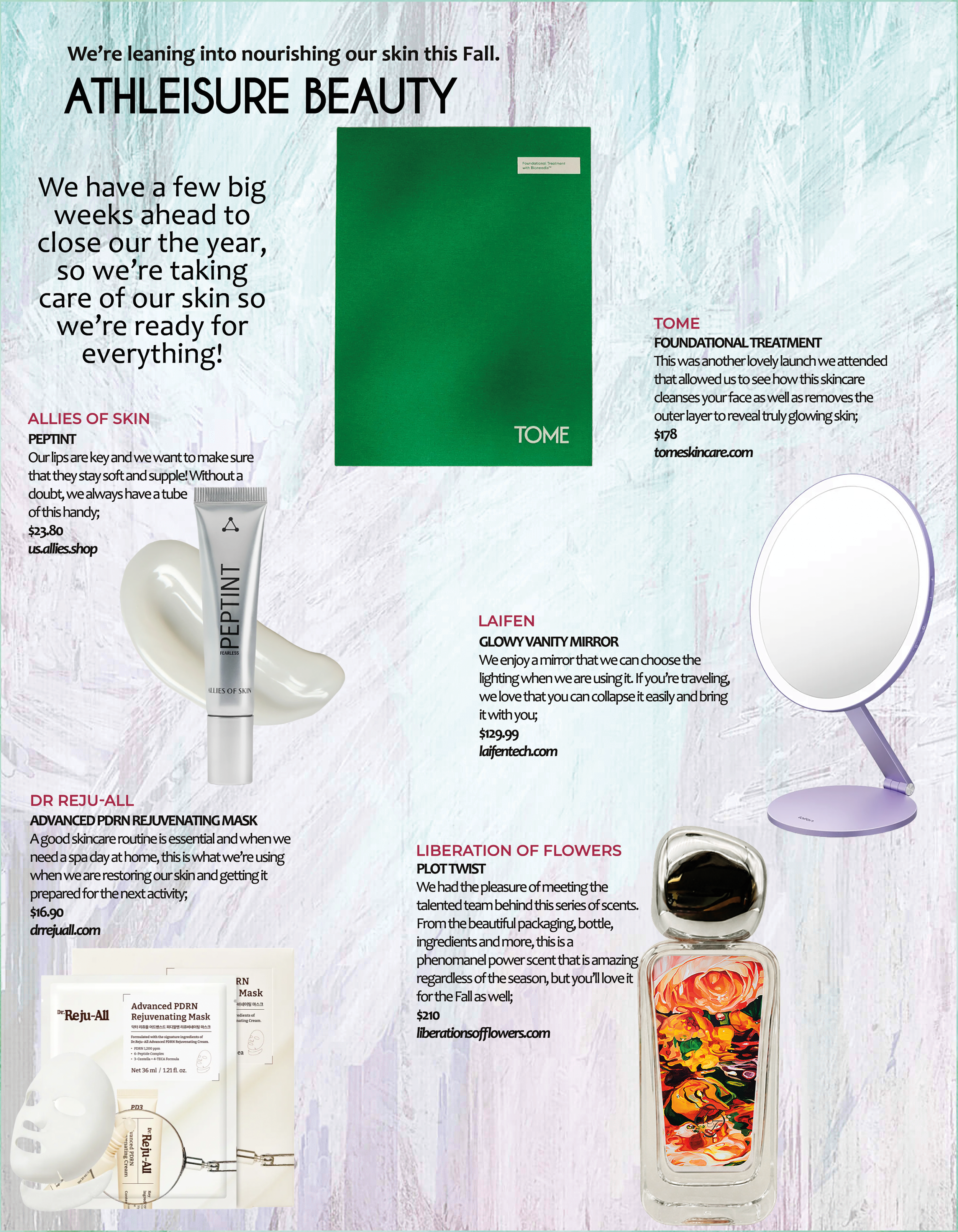
Read the OCT ISSUE #130 of Athleisure Mag and see ATHLEISURE BEAUTY in mag.

PHOTO CREDIT | Unsplash/Piyush Haswani
You know your shoe size. Or you thought you did, right up until you opened a Jordan listing and lost twenty minutes reading reviews.
I've been there. One guy says go half up. The next guy says his heel slips. They both bought a 10, and not one of them mentions wide feet, what socks they had on, or even which version of the shoe they got. Lots of opinions. Nothing you can actually use when the checkout button is sitting right there.
Here's the thing most of those reviews skip: the model matters more than the number. A 1 Low and a 4 are built on totally different lasts, so a size that worked great in one is kind of a hint for the other, nothing more. My advice is to browse a Jordan sneaker collection to pick the model first, and only then sort out sizing, using the measurements on that exact listing.
Measure both feet while you're standing. Mine are off by a few millimetres, and honestly that's pretty normal, so go with the bigger one. And look at what the chart is measuring, because some charts give foot length and others just copy the cm number off the tongue label. Not the same.
Say which system you mean, too. Message a seller "9" and they have to guess whether that's US men's, US women's or UK.
Then pick a pair you own already and describe it like you'd describe it to a friend. Something like "men's 9 in a Dunk, toes are fine, heel slides a bit." That beats "I'm always a 9" by a mile. A knit runner that stretches out over your forefoot? Not much use as a comparison for a stiff leather basketball shoe from the 80s.
Oh, and socks. If you plan on wearing thick ones, try the comparison pair with thick ones.
People ask "do Jordan 1s run big?" all the time and the honest answer is: which ones? Low, Mid and High feel different, and some releases differ from each other on top of that.
The High has that tall collar, sure, but the collar is about your ankle. It won't tell you whether there's room past your big toe. Plenty of people loosen the top eyelets on a tight High and call it fixed, when the actual squeeze is up front.
So read reviews of the version you're getting. The good reviewers say stuff like "pinches on the pinky side" or "my heel lifts when I walk." The "fits perfect 🔥" reviews don't tell you anything.
Already own 1s? Mention them. Which version, what size, and what bugs you about the fit.
The usual line on retail 4s is true to size, maybe half up if your feet are wide. Fine. But that's about the retail pair, not every Jordan 4s out there.
I learned this one the annoying way. My first pair of 4s felt tight, so I sent them back for a half size bigger, and the new ones still pinched me across the ball of my foot. Length was never the issue lol. So yeah, think about where it actually hurts before you go bigger.
If length is already okay, going half up mostly just gives you a sloppy heel and the width is still tight. I'd ask the seller about the width of that specific pair before doing anything.
Buying reps? Ask that seller how their pair runs. Retail reviews really can't speak for a shoe from some other factory.
With 11s, first sort out if it's a Low or a high cut, then actually read about that release. The patent leather and the build vary, and a review for a different version can totally miss whatever you're worried about.
And ignore anyone who says "they'll break in." A little stiffness for the first few wears is normal. A shoe that's too small isn't going to grow. If your toes are crushed when you try them on in your living room, that's your answer.
A good question to send: "My current pair is long enough but tight across the forefoot. How does this one compare?" Maybe you won't get a perfect answer, but you'll find out pretty quickly if the seller has looked at the shoe or is just copy-pasting.
"What size should I get?" pretty much always gets you "just your normal size, bro." Which, thanks. I fill in a little template now and paste it:
"My longer foot is ___ cm. I usually wear US men's ___ in ___. Toes feel ___, heel feels ___. What size chart does this listing use?"
Listing has measurements? Cool, but what of? Foot length, insole length and outsole length aren't the same thing at all. I've seen sellers hold a ruler up to the outsole like that proves something. It doesn't really, the inside can be way shorter.
Return rules too, before paying. How many days, who covers the shipping back, can you swap sizes or not. Vague answer plus you're stuck between two sizes = I'd hold off.
Box shows up, you rip it open, I get it. But do the try-on indoors, on carpet, in your real socks. I lace mine up how I normally would and just pace around the kitchen for a few minutes. Wiggle the toes. Feel for pressure on the sides. Does the heel lift?
Sitting on the couch tells you nothing. And please don't "test" them on a walk to the shop, scuffed soles can kill your swap.
That's really it. Pick a size you can actually explain for your feet and this exact pair. Can't explain it? Ask the seller one more thing. A tape measure and two minutes beats another night of reviews that all disagree with each other.

PHOTO CREDIT | Kimmie Smith
Although we are firmly in the Fall and thinking ahead to the holiday season, that doesn't mean that we are easing up on our fitness goals! Now is the time for us to really kick into gear so that we can ensure that we're where we want to be for the upcoming Spring/Summer. In order for us to stay on track, it's about working with a system that includes our chosen fitness method, our favorite gear, and of course our nutrition that assists what we are doing!
It's essential to change up supplements and proteins so that it stays fresh as well as gives us something to look forward to. Our pantry is filled with a number of options from Naked Nutrition that is clean and tasty. This time of year, Pumpkin Spice tends to pop up in a number of the things that we consume and now our whey protein has this option as well. Their Pumpkin Spice Naked Shake is a new addition to our fall drinks that is perfect for this time of year. This is a seasonal addition to our pantry. This protein shake is vegan and is one of their best-selling premium pea proteins from US/Canadaian farms which also has MCT oil, coconut sugar, sea salt, cinnamon, fermented can sugar, and natural plant-based flavors. Consuming this before or after your workouts includes 20g of protein and only 3g of sugar. They use pure ingredients that have no additives or artificial sweeteners and it is easily digestable. To ensure that they maintain their quality control, Naked Nutrition tests their products by independent third parties. This supplement is NSF-certified so the contents are thoroughly tested for accuracy and purity. it has been confirmed for no harmful levels of contaminants, including heavy metals and pesticides.
Protein boosts your metabolism and allows you to preserve muscle mass. It also aids in your muscle's recovery after you exercise. Simply adding 2 scoops to your water or favorite drinks allows you to boost your protein intake even on a day that is way more hectic than you would like to admit. We all enjoy going to a juice bar to pick up a smoothie; however, a number of them have a number of added sugars. We want to make sure that what we are putting into our bodies is good for us as well as being something that we enjoy tasting. Why is pea protein so important? It's the best plan protein that allows us to maintain or to build lean muscle. They have a wide range of essential amino acids which are critical for muscle growth and repair! It's easy to digest this and is an excellent alternative to whey protein for a plant-based diet.
We enjoy taking things within a system. So after consuming our Pumpkin Spice Naked Shake, you can also take 1 capsule of their Daily Berberine Supplement. This blood sugar supplement allows for steadier energy, fewer crashes, and fewer cravings throughout the day. Each capsul has 200mg of Dihydroberberine which is a more absorbably form of berbine than the standard extract.
Of course, in addition to a great supplementation, you also want to ensure that your meals are balances and providing the necessary nutrients that will assist in your workout efforts!
Every month ends the same way for a lot of small shop owners: the card reader says you did fine, your books say you did great, and your bank account says something else entirely. You spend an evening with a spreadsheet trying to find where twenty-three dollars went. That gap isn't a mystery. It's a bookkeeping habit.
The fix is boring and effective. You stop retyping card totals into your books by hand, and you let the two systems talk to each other. Once you set up something like quickbooks online payments, transactions land in your ledger as they happen, fees get recorded where they belong, and the monthly reconciliation turns into a fifteen minute chore instead of a two hour hunt. That single change removes most of the mismatch you're fighting.
Here's what's actually happening, why it keeps happening, and how to close the gap for good. You don't need an accounting degree. You need a repeatable routine and a little patience with the setup screen.
Card processors collect money in batches. They group your afternoon sales, subtract their cut, and deposit a lump sum a day or three later. Your bookkeeping software, meanwhile, records each sale the moment it happens. Two timestamps, two totals, one confused human in the middle.
Fees are the other half of the story. A processor takes a percentage from each swipe, so a hundred dollar sale deposits as ninety-something. If you record the sale at a hundred and the deposit at ninety-something, you've booked a phantom loss every single time. Do that for fifty transactions and your books are off by real money.
Card networks run on rules set by industry standards bodies, and those rules shape how and when merchant data moves. If you want the technical background, the PCI Security Standards Council publishes the framework that governs how card data gets handled in the first place. The short version for you: timing differences and fee deductions are built into the system, not a sign anything is broken.
I've watched a coffee roaster do this for months. She'd export a sales report every Friday, paste it into a spreadsheet, and retype totals into her accounting software on Saturday mornings. It worked until it didn't. One week she fat-fingered a figure and spent the next month convinced her processor was overcharging her.
Manual entry feels safe because you can see every step. But every step is a place for a mistake, and you never catch the mistake until the numbers disagree with each other. By then, you don't trust either source.
There are four places the drift shows up most often:
● Sales recorded on the day of the charge, deposited on a different day
● Processing fees never recorded as an expense at all
● Refunds logged in the reader but not in the ledger (or the reverse)
● Tips added after the original ticket closed
None of those are exotic. Every merchant deals with all four. The difference between a clean month and a messy one is whether you're fixing them by hand or automatically.
When your card reader and your accounting software are connected, each transaction posts as soon as it clears. The gross sale goes in as income, the fee gets booked as a separate expense line, and the net deposit matches your bank feed. When you reconcile, the three numbers line up like they were designed to.
The IRS expects business income to be recorded accurately and fees to be deducted as an ordinary business expense, and its official guidance spells out the recordkeeping expectations for small businesses. An automated sync satisfies that expectation without you thinking about it, which is exactly the point.
Set it up once, and the routine becomes: open the dashboard, glance at the last week, close it. That's it. You're not exporting CSVs anymore.
One thing I'd push you on: do the initial connection over a slow morning, not a busy one. You'll be matching accounts and double-checking which of your two business checking accounts is the right one. Give yourself thirty uninterrupted minutes and a cup of coffee.
Here's the practical part. Do these in order and you'll be caught up before the weekend.
1. Pull last month's processor statement. Note the gross sales, total fees, refunds, and net deposits. Four numbers, one page.
2. Compare against your ledger. Don't try to match individual tickets. Match the monthly gross and the monthly fee total. Those two figures are where ninety percent of the problem lives.
3. Create a fee expense account. If you've been recording deposits as gross income, you've been overstating revenue. Set up a dedicated line and book the difference correctly.
4. Connect your systems. Either your reader connects natively to your accounting software, or you need a small tool that bridges them. Pick one and set it up today rather than during tax season.
5. Reconcile weekly for one month. Ten minutes each Friday. This builds the habit and catches problems while they're small enough to fix with two clicks.
If you're the type who likes a second opinion before you change anything, run the numbers past your bookkeeper first. Most will tell you they've been asking clients to automate this for years, because a clean ledger makes their job easier too.
Not every integration is built the same way. Before you flip the switch, look at three things.
First, does it map fees correctly? Some connections only import the deposit as a single lump, which puts you right back where you started. You want gross sales and fees broken out separately.
Second, does it handle refunds both directions? A refund that only appears on one side will throw off your month every time it happens.
Third, how often does it update? Real time matters if you check your books daily. Daily is fine if you don't.
I'd take the slower, cleaner connection over the fast, sloppy one every time. Ten minutes of setup beats a year of untangling mysteries.
Look at your last reconciliation. If you spent more time matching card fees than you did reviewing actual expenses, that's your signal. The gap between your reader and your books isn't a mystery to solve. It's a process to remove.
You built this business so you could run it, not so you could play detective with a spreadsheet on Sunday night. Connect the two systems, book your fees correctly, and reconcile on a schedule you can keep. Your future self, staring at a clean ledger with a tax deadline looming, will thank you. When's the last time your reader and your books agreed without a fight?

PHOTO CREDIT | Unsplash/Saravanan Narayanan
Two people born in the same year can look and feel decades apart. That gap is the idea behind biological age, a measure of how well the body is functioning compared with what's typical for a given number of birthdays. The encouraging part is that biological age isn't fixed, and a growing body of research points to everyday habits that are associated with aging more slowly. Medical options, including anti-aging peptide therapy, are a separate conversation, but the foundation almost always starts with how you live.
Calendar age simply counts years. Biological age tries to capture the wear on your cells and organs, and researchers estimate it using things like blood markers, fitness levels, and patterns of chemical tags on DNA. None of these tools is perfect, and results can vary depending on the method, so they're best seen as rough indicators rather than precise verdicts.
Still, they've allowed scientists to ask a useful question: which habits are linked to a younger biological profile?
Of all the lifestyle factors studied, regular physical activity shows some of the most consistent associations with healthier aging. Aerobic fitness, muscle strength, and balance all tend to predict how independent and resilient people stay later in life. Strength training in particular matters because muscle mass and strength decline with age, and keeping them up supports metabolism and mobility.
The research is largely observational, meaning it can show a link rather than prove cause, but the pattern is strong and appears across many populations.
Long-term poor sleep is associated with higher risk for a range of age-related problems, including metabolic and cardiovascular issues. Sleep is also when the body carries out much of its repair work. Aiming for consistent, good-quality rest is one of the simpler habits with a plausible payoff for how the body ages.
Studies tend to favor overall eating patterns instead of individual superfoods. Diets built around vegetables, fruits, whole grains, legumes, nuts, fish, and olive oil, often called Mediterranean-style patterns, are repeatedly associated with healthier aging outcomes. Heavy intake of ultra-processed foods and added sugar tends to point the other way.
Some behaviors are consistently linked with faster aging. Smoking is the clearest example, and heavy alcohol use and long-term high stress also show up as risk factors. Excess sun exposure accelerates visible skin aging as well. Avoiding or reducing these is often as impactful as adding new healthy habits.
Less obvious but well documented, strong social ties and ongoing mental stimulation are associated with better health and longevity in older adults. Loneliness, on the other hand, has been linked to worse outcomes. These factors are harder to measure and easier to overlook, but they appear to matter.
It's worth being straightforward about limits. Many aging studies are observational, people who live healthily often differ in other ways too, and no lifestyle program has been proven to stop aging. What the research supports is the idea that habits can shift your trajectory, not that they can freeze it.
Hormone levels and metabolic health can also change with age regardless of effort, which is why some people check in with a provider when they notice changes that habits alone don't explain.
If you want to act on this, pick the areas with the biggest upside first: move more and include strength work, protect your sleep, eat mostly whole foods, and cut back on smoking and heavy drinking. From there, a clinician can help decide whether testing or other support makes sense. For a look at how one physician-led program approaches healthy aging, visit PeRx Peptides.

Read the OCT ISSUE #130 of Athleisure Mag and see #TRIBEGOALS in mag.

PHOTO CREDIT | Unsplash/Giammarco Boscaro
Negligence is not always obvious after a fatal accident, but a careless decision or ignored safety risk may have played a part in the loss of life. A driver who ignores traffic rules, a property owner who overlooks a known danger, or a company that fails to protect its workers may face questions about their actions.
A wrongful death claim may arise if a person’s death was caused by another party’s negligence and the legal requirements are met. The connection between the careless act and the death is often a key part of determining whether such a claim may be brought.
Negligence means failing to act with reasonable care and putting others at risk as a result. People and businesses have duties to take sensible steps to prevent harm in situations where the law requires them to do so. Ignoring those duties can have serious consequences, especially if someone dies because of the unsafe action.
For example, a driver who runs a red light may cause a fatal crash. A property owner who ignores a dangerous condition could expose visitors to harm, while an employer who fails to address a known safety risk may put workers in danger. However, a careless act alone does not automatically prove negligence. The facts must show that the conduct played a legally meaningful role in causing the death.
A key part of a negligence case is showing a link between the alleged careless act and the person's death. It is not enough to show that someone made a mistake or failed to follow a safety rule. The facts must support the claim that the failure caused or contributed to the fatal harm under the law that applies.
Consider a crash involving a driver who was speeding. Investigators may need to examine whether the speed contributed to the collision and whether the death resulted from the impact. Other factors, such as road conditions or another driver's actions, may also need to be considered. Looking at the full circumstances helps separate conduct that caused harm from mistakes that were unrelated to the fatal incident.
A wrongful death case generally involves several legal elements. The exact rules can vary by state, but the main ideas often include the following:
Duty of care: The person or organization had a legal duty to act with reasonable care in the situation.
Breach of duty: That duty was not met, such as by ignoring a known danger or acting carelessly.
Causation: The failure to meet the duty was linked to the death.
Losses: The death caused losses that the law allows eligible family members or representatives to claim.
These elements work together. For example, a property owner may have failed to fix a dangerous stairway, but the case would still need to connect that failure to the fatal injury. The facts and applicable law determine whether the required elements are met.
Responsibility may involve an individual, a business, an employer, a property owner, or another party, depending on what happened. In some cases, a person directly caused the harm. In others, a company’s failure to follow safety rules or properly maintain equipment may have contributed to the death.
More than one party may share responsibility if their actions played a part in the incident. For example, a driver and a company responsible for unsafe vehicle maintenance could both come under review after a fatal crash. Still, owning a vehicle, managing a workplace, or controlling a property does not automatically make someone legally responsible. The connection between each party’s actions and the death must be assessed.
A fatal incident can create financial and personal losses for eligible surviving family members. Depending on state law, a claim may include funeral and burial expenses, lost financial support, and the value of services the deceased provided to the household. Some laws also allow claims for the loss of companionship or other personal losses.
The types of damages available depend on the circumstances and the rules that apply. State laws also set rules about who may bring a claim, so not every family member will necessarily have the same rights. The losses must fit the legal requirements of the case rather than simply reflect every difficulty caused by the death.
Careless actions can have serious consequences, especially if they lead to the loss of a life. However, proving negligence requires more than showing that an accident occurred. The facts must connect a person's actions or failure to act with the death, and the law must allow eligible parties to bring a claim.
Filing a wrongful death claim may depend on the circumstances of the incident, the losses involved, and the legal rules that apply. Each case needs to be assessed on its own facts to determine whether another party may be held responsible.
Traffic laws can decide how an accident is judged, even before anyone discusses who should pay for the damage. A motorcycle moving between rows of cars may leave drivers with little time to react, while a sudden lane change can put a rider directly in danger. After a crash, these details matter because the law looks at what each person did and whether their actions contributed to the collision. A lane-splitting motorcycle accident can raise difficult questions about fault, insurance, and compensation, making traffic rules an important part of the claim.
Lane splitting happens when a motorcyclist rides between lanes of slow-moving or stopped traffic. Whether this practice is legal depends on the state where the accident occurs. California permits lane splitting under state law, while many other states prohibit it or do not have laws that clearly address it.
These differences can affect how an accident claim is reviewed. A rider who breaks a traffic law may face questions about their role in the crash. However, illegal lane splitting does not automatically prove that the rider caused the collision. Investigators must also consider the driver's actions, road conditions, and other available evidence.
Speed can make a major difference in a motorcycle accident. A rider moving too quickly between vehicles may have little time to avoid a car that changes lanes or stops suddenly. Even a small gap can become dangerous if the motorcycle is traveling faster than the surrounding traffic.
Road conditions also matter. Poor visibility, wet pavement, road debris, and narrow spaces between vehicles can affect how safely a rider moves through traffic. Investigators may examine these conditions to understand how the crash happened and whether either person acted carelessly.
The goal is to review the full situation rather than blame someone based on one detail alone.
Motorcyclists are not automatically at fault simply because they were riding between lanes. Drivers must also follow traffic rules and take reasonable care before changing lanes, turning, or moving into another vehicle's path.
For example, a driver who changes lanes without checking mirrors may strike a motorcycle traveling nearby. A driver who fails to signal or makes a sudden, unsafe movement may also contribute to a collision.
Evidence can help show whether the driver had a chance to notice the motorcycle and avoid the crash. If both people made mistakes, responsibility may be shared under the laws that apply to the accident.
Some motorcycle accidents happen because both the rider and the driver make errors. Comparative negligence is a legal rule that may allow responsibility to be divided between the people involved.
For example, a driver may change lanes without checking properly, while a motorcyclist may be traveling too fast for the traffic conditions. Depending on state law and the evidence, both actions may contribute to the collision.
Some states reduce an injured person's compensation according to their share of fault. Other states follow different rules that can limit or prevent recovery under certain conditions. The effect depends on the law that applies and the facts of the case.
Evidence can help explain how the accident occurred and whether either person broke a traffic rule. Investigators and insurance companies may review several records before deciding how fault should be assigned.
Useful evidence may include police reports that record statements and possible violations, along with traffic camera footage showing how the vehicles moved before impact. Witness accounts may provide another view of the collision, while photographs can show vehicle damage, road markings, and the position of the vehicles.
Medical records can document injuries and treatment costs. Keeping these records organized can help support the account of the accident and show the losses linked to the crash.
Insurance companies may review traffic violations when deciding who contributed to an accident. If a motorcyclist was splitting lanes where the practice was prohibited, an insurer may argue that the rider shares responsibility. However, the driver's conduct and other evidence must also be considered.
A rider may dispute an unfair fault decision by providing relevant photographs, witness details, police reports, and other records. Insurers may also review medical bills, lost wages, repair costs, and other losses when assessing a claim.
Accurate records matter because an insurance decision should reflect the available facts and the rules that apply, rather than an assumption about who caused the crash.
After a collision, certain steps can help protect your health and preserve information about the accident.
Get medical care: Seek prompt attention for injuries, even if symptoms seem mild at first.
Report the crash: Contact the police and provide an accurate account of what happened.
Save evidence: Keep photographs, witness contact details, medical records, and insurance information.
Be careful with statements: Share accurate facts without guessing about fault or accepting blame before the circumstances are clear.
Review your options: Consider speaking with a qualified attorney familiar with motorcycle accident laws in the state where the crash occurred.
A lane-splitting motorcycle accident claim involves more than deciding whether riding between lanes was allowed. State laws, speed, driver behavior, evidence, and shared fault can all affect how responsibility is determined. Reviewing these factors together helps create a clearer picture of the collision and the losses involved. Since traffic laws and compensation rules vary by state, the facts of each accident must be assessed under the law that applies.

PHOTO CREDIT | Unsplash/Sandy Millar
Divorce involves more than ending a marriage. It can bring difficult choices about money, property, parenting, and daily responsibilities that once belonged to two people. How these matters are handled can shape the cost, length, and stress of the process. Some couples can discuss their differences with a neutral mediator, while others need a judge to settle disputes they cannot resolve together.
Getting legal help with collaborative divorce and mediation services can help you understand the available options and what each process involves. The best starting point is to look closely at your needs, concerns, and ability to work together.
Divorce mediation gives spouses a chance to discuss disagreements with help from a neutral third party called a mediator. The mediator guides the conversation, helps both sides identify concerns, and supports efforts to reach an agreement. However, the mediator does not act as either spouse's personal lawyer or make the final decisions for them.
Mediation may cover property, shared debts, financial support, and parenting arrangements. It can offer more control over decisions because the spouses work toward their own agreement rather than asking a judge to decide every issue. This approach usually works best when both people are willing to share information, listen to each other, and discuss possible solutions without pressure.
Courtroom representation involves lawyers who present their clients' positions during formal legal proceedings. If spouses cannot agree on important divorce matters, a judge may need to review the facts and make decisions under the applicable law. The process may involve filing documents, sharing evidence, attending hearings, and following court rules.
Court can be necessary if serious disagreements remain or one spouse will not take part in fair discussions. It may also be important if a legal decision is needed to address a disputed issue. Court proceedings can feel more formal and may take time, depending on the case. A lawyer can explain what the process may involve and help you understand your responsibilities before each stage.
The way you and your spouse communicate can affect which process is suitable. If both of you can discuss money, property, and parenting without constant arguments, mediation may provide a useful way to work through disagreements. You do not have to agree on everything at the start, but both people must be willing to take part honestly.
If conversations regularly break down or one spouse refuses to share important financial details, reaching an agreement may be harder. Court may offer a formal way to address disputes that remain unresolved. Safety also matters. Threats, fear, or controlling behavior should not be ignored simply to keep the process peaceful. Each person's ability to speak freely deserves careful attention before joint discussions begin.
Cost is often an important part of choosing a divorce process. Mediation may cost less than a contested court case if both spouses reach an agreement without many meetings or extra steps. However, mediation still has fees, and each spouse may want separate legal advice before accepting the terms.
Court cases can involve lawyer fees, document preparation, hearings, and other expenses. They may also take longer if the spouses disagree on several issues or the court has a busy schedule. There is no single timeline or cost that applies to every divorce. Ask about expected fees, payment arrangements, and possible delays before choosing a process, and consider the work needed to resolve your specific concerns.
Not every divorce involves the same problems. Some couples mainly need to divide shared property and agree on parenting arrangements, while others face more complex financial matters. Before choosing between mediation and court, make a list of the issues that still need attention and those you have already settled.
Common issues include:
Property and debts: How shared assets, savings, loans, and other debts will be divided.
Financial support: Whether spousal support or other financial arrangements need to be discussed.
Parenting plans: How parents will share responsibilities and make decisions for their children.
Business or property interests: How jointly owned businesses or several properties may affect the divorce.
Some issues may be resolved through mediation, while others may require a formal court decision. Gather relevant records and existing agreements so the details can be reviewed. The suitable process depends on the nature of the disagreements and the circumstances involved.
Choosing between mediation and court depends on how well you and your spouse can work together, the issues you need to resolve, and the level of conflict involved. Consider the costs, time, and support each option may require before making a decision.
Seeking legal help with collaborative divorce and mediation services can help you understand the available options, ask informed questions, and decide which process may best fit your circumstances.

PHOTO CREDIT | Unsplash/Milad Fakurian
A newborn’s brain contains tiny blood vessels that need careful protection during birth. Pressure on the head, damage to these vessels, or certain delivery complications may cause bleeding inside the skull. This condition, known as infant intracranial hemorrhage, can range from mild bleeding that needs monitoring to a serious injury that affects brain function.
Birth trauma is one possible cause, although some cases are linked to prematurity, blood clotting problems, or other medical conditions. Knowing how bleeding may develop, which warning signs need attention, and how doctors respond can help parents better understand the condition and the medical care surrounding it.
Birth involves pressure and movement as a baby passes through the birth canal. Although most deliveries happen without serious injury, certain complications may place extra stress on a newborn’s head and delicate blood vessels.
During a long or difficult labor, pressure on the baby’s head may contribute to injury in some cases. The risk can also depend on the baby's position, size, and overall health. If a blood vessel is damaged, blood may collect inside the skull or around the brain.
However, a difficult delivery does not automatically cause brain bleeding. Some babies develop this condition because of other health problems, including issues that began before labor.
Doctors may use forceps or a vacuum device to help deliver a baby if labor becomes difficult or delivery needs assistance. These tools are used in many safe births, but they may sometimes be linked to head injuries or bleeding.
The way the tools are used, the baby's condition, and the events during delivery all matter when assessing a possible injury. A careful review of the medical facts is needed to understand what happened.
Blood vessels carry oxygen and nutrients to the brain. If one of these vessels breaks, blood can collect in spaces around the brain, inside its tissue, or within the fluid-filled spaces called ventricles.
The effects depend on where the bleeding occurs and how much blood collects. A larger bleed may put pressure on nearby brain tissue and affect normal brain function. Some infants may develop seizures or problems with movement, while others may have fewer symptoms.
The baby's age and health also play a part. Premature infants have especially delicate blood vessels, which makes them more likely to develop certain types of bleeding. This means birth trauma is not the only possible explanation for the condition.
Symptoms can appear soon after delivery or develop later. Some newborns may show clear signs of illness, while others may have symptoms that are harder to notice at first. Medical attention is needed if a baby shows unusual changes.
Watch for these warning signs:
Seizures or unusual movements: The baby may have repeated jerking movements or sudden changes in muscle control.
Feeding problems: The newborn may struggle to feed, refuse feeds, or vomit repeatedly.
Unusual sleepiness: The baby may be difficult to wake or less responsive than expected.
Breathing changes: Pauses in breathing or difficulty breathing may signal a serious problem.
Changes in the soft spot: A bulging soft spot on the head may need urgent assessment.
These signs do not confirm bleeding on their own. However, seizures, breathing problems, or reduced responsiveness require emergency medical care.
Doctors assess the newborn's symptoms, birth history, and physical condition to determine what may be causing the problem. They may use a cranial ultrasound, CT scan, or MRI to find the location and size of the bleeding. The choice of test depends on the baby's condition and medical needs.
Treatment varies based on the amount of bleeding and its effect on the brain. Some babies need close monitoring, while others may require breathing support, medicine to control seizures, or surgery in severe cases.
Early diagnosis helps medical teams respond to complications and watch for changes in the baby's condition. Recovery differs from one child to another, and some infants may experience lasting problems.
A serious birth injury does not automatically mean that a healthcare provider made a mistake. Still, certain events may raise questions about how the delivery and newborn care were handled.
For example, concerns may arise if signs of fetal distress were missed, an emergency response was delayed, delivery tools were used improperly, or symptoms of bleeding were not assessed promptly.
Medical records can help clarify the sequence of events. These may include fetal monitoring results, labor notes, delivery records, newborn examinations, and brain imaging reports. A review of these details may help determine whether the care provided raises concerns about possible medical negligence. The diagnosis alone cannot establish that an error occurred.
Bleeding inside a newborn's skull can develop when delicate blood vessels are damaged, including during a difficult birth. Infant intracranial hemorrhage may have different causes and levels of severity, so doctors must assess each baby's condition carefully. Prompt medical attention can help identify bleeding and guide treatment.
If you have concerns about how your baby's injury occurred or the care provided during delivery, speaking with a birth injury attorney may help you understand the available options. Reviewing the medical records may clarify the circumstances surrounding the injury and whether further investigation may be appropriate.

PHOTO CREDIT | Unsplash/Odd Fellow
Not every slip and fall means someone did something wrong. In Tupelo, MS, a property owner may be responsible if a dangerous condition was not handled with reasonable care, but the facts must support that claim. A fall by itself may not prove negligence, even if the person suffers a serious injury.
Questions about how long a hazard existed, whether the owner knew about it, and whether a warning was provided can all become important. If responsibility is disputed or the evidence is unclear, a slip and fall accident lawyer in Tupelo, MS may help an injured person understand the legal options available.
Not every fall requires a lawyer, but certain situations deserve closer attention. The main concern is the harm caused by the accident and the questions surrounding responsibility.
A fall can cause broken bones, head injuries, back pain, or damage to the joints. Some injuries need surgery, physical therapy, or several medical visits. If your recovery involves high costs or keeps you away from work, you may need help understanding your options. Keep medical records, bills, and notes about missed work because these details may show how the injury has affected your life.
A store owner, landlord, or other property manager may disagree about how the fall happened. For example, you may slip on a wet floor without a warning sign, but the owner may claim the area was safe. Photos, witness statements, and maintenance records may help show what happened. A lawyer can review the available evidence and explain what it may mean for your claim.
Medical costs are not the only concern after an injury. Lost wages, travel to medical appointments, and other expenses may add to the burden. If you are struggling to keep track of these losses or believe an important cost has been overlooked, seeking legal guidance may be useful.
Insurance companies often review the facts before deciding how to handle an injury claim. They may ask for medical records, request a recorded statement, or question the cause of your injuries. These steps can become difficult to manage while you are still receiving treatment.
An early settlement offer may also seem helpful, especially if bills are piling up. However, accepting an offer without knowing the full cost of your injuries may create problems later. A settlement may not cover treatment that becomes necessary after the agreement is signed.
A slip and fall accident lawyer in Tupelo, MS, can review the claim, communicate with the insurance company, and help you understand the terms of a proposed settlement. You should avoid rushing into an agreement before you understand what it covers.
A claim often depends on more than the fact that someone fell and suffered an injury. Evidence may need to show what caused the fall, how long the unsafe condition existed, and what the property owner knew or should have known about it.
Useful records may include:
Photos or videos: Pictures of wet floors, broken steps, poor lighting, or missing warning signs may show the condition of the property.
Incident reports: A report made to the store, landlord, or property manager can record basic details about the accident.
Witness information: Names and contact details may help you reach people who saw the fall or noticed the hazard.
Medical records: These documents can connect the injury to the accident and show the treatment received.
Surveillance footage and other records may be lost or deleted over time. Keeping copies of the evidence you already have can make it easier to review the facts later.
You may worry that looking at your phone, missing a warning sign, or not noticing a hazard means you cannot make a claim. However, shared fault does not automatically prevent a person from seeking compensation.
Mississippi follows a comparative negligence rule. Under this rule, a person's compensation may be reduced according to their share of fault. For example, if a person is found partly responsible for a fall, that finding may affect the amount they can recover.
The facts matter in each case. The condition of the property, the warning signs present, and the actions of everyone involved may all be considered. A lawyer can review the available information and discuss how questions about fault may affect a claim.
Serious injuries, disputed responsibility, rising expenses, and difficult insurance discussions are all reasons to consider legal help after a fall. You do not need to wait until every problem becomes overwhelming before asking about your options. Keeping medical records, saving evidence, and recording expenses can help provide a clearer picture of what happened.
Speaking with a slip and fall accident lawyer in Tupelo, MS, may help you understand the claim process, possible challenges, and deadlines that could apply to your case. Every accident has different facts, so no particular result can be promised. If you are unsure about responsibility or an insurance offer, a consultation may help you decide what steps to consider next.