
Australia’s landscapes are among the most dramatic on Earth — rugged coastlines, vast deserts, tropical rainforests, river plains and glittering harbours. It’s no surprise, then, that the country’s bridges are more than just transport links. They are sculptural landmarks, engineering achievements and cultural symbols that frame the scenery in unforgettable ways.
From Sydney’s iconic arch stretching over its blue harbour to lesser-known coastal crossings in Tasmania and engineering masterpieces over the Murray River, Australia’s bridges blend form and function with a uniquely cinematic flair. For travellers who appreciate design, architecture and outdoor exploration, they offer some of the most distinctive viewpoints in the southern hemisphere.
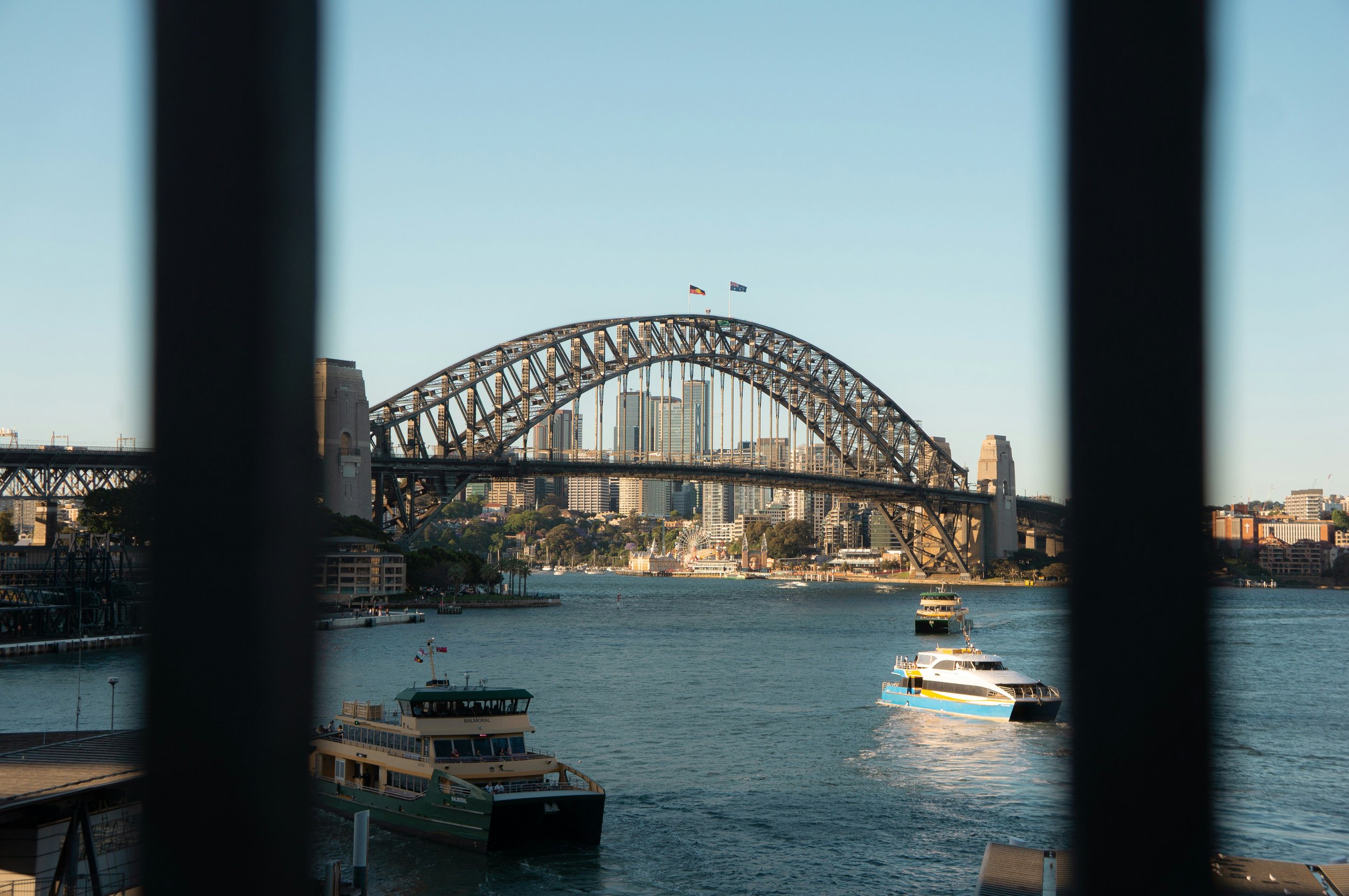
PHOTO CREDIT | Unsplash/Gina Sittisak
Planning Your Australian Journey
Travellers often begin their east-coast itineraries by checking Sydney to Melbourne train options, a convenient alternative to flying between two of Australia’s major cities.
This route connects two architectural hubs — Sydney with its world-famous harbour and Melbourne with its artsy, design-centred identity.
Before Exploring the Bridges Themselves
Australia’s bridges are tied closely to its landscapes. Some soar over ocean cliffs, others cross calm bays or major rivers, and many sit in remote pockets of wilderness that require a little extra effort to reach. What unites them all is the way they enhance — not interrupt — the natural world.
From coastal joggers looking for sunrise viewpoints to cyclists seeking scenic trails beneath sweeping steel structures, bridges here are part of daily outdoor life. And for architecture lovers, each bridge tells a story of ambition and innovation.
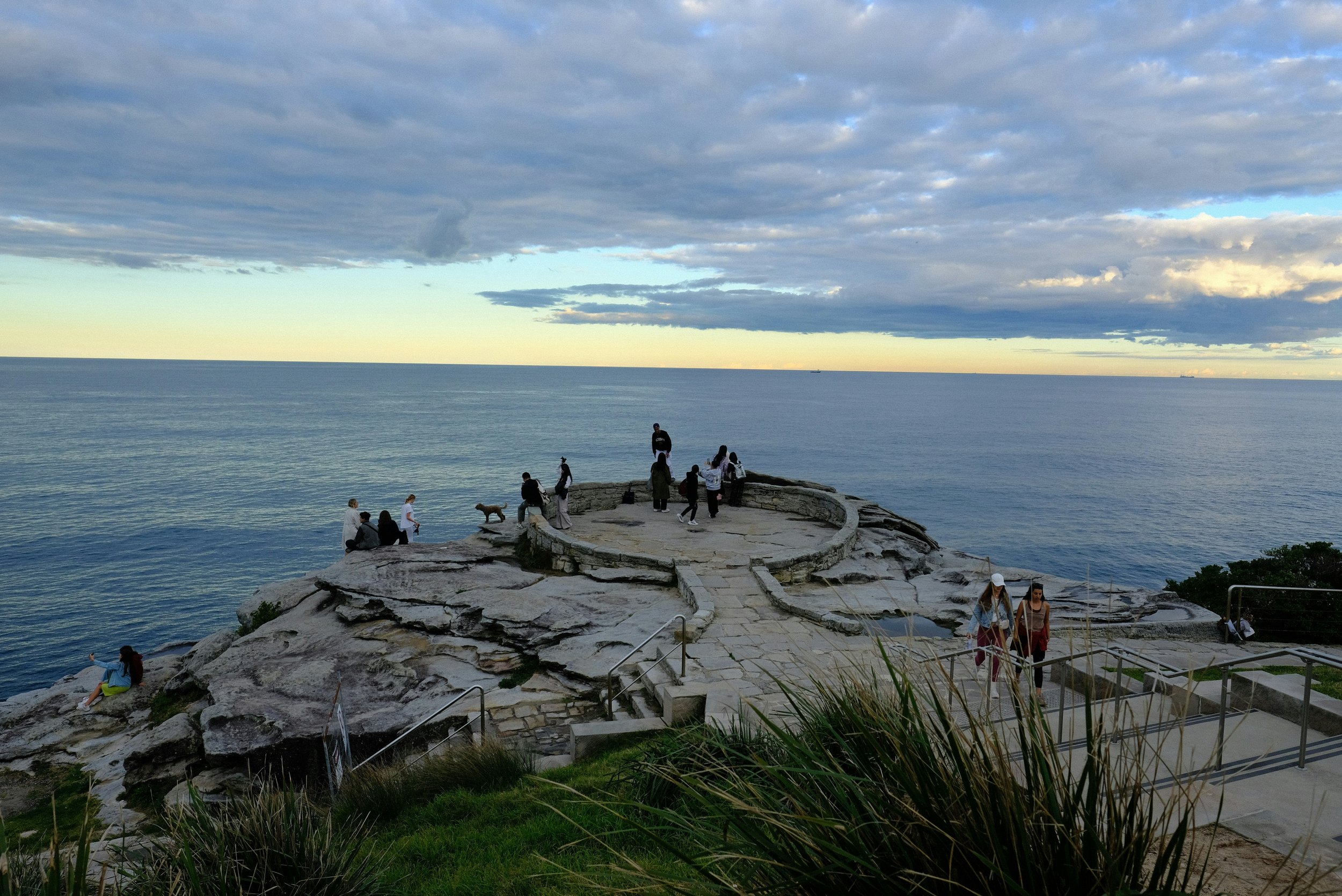
PHOTO CREDIT | Unsplash/Dominic Kurniawan Suryaputra
Sydney Harbour Bridge: The National Icon
No bridge defines Australia more than the Sydney Harbour Bridge. Completed in 1932, this steel arch spans one of the world’s most photographed harbours and remains a structural triumph.
Why It’s Extraordinary
● The sweeping steel arc is beautiful from every angle — from ferries, parks, rooftop bars and Circle Quay.
● Pedestrian and cycle paths allow visitors to cross the bridge slowly and soak in the view.
● The “BridgeClimb” experience takes you to the top, where the city and harbour spread out like a map.
Whether viewed at sunrise during a coastal run or illuminated at night, the bridge is pure Australian drama.
The Sea Cliff Bridge, NSW: A Coastal Masterpiece
South of Sydney, the Sea Cliff Bridge curves elegantly above the Pacific Ocean. This 665-metre structure hugs a cliff face between Coalcliff and Clifton and is one of the most spectacular coastal bridges in the country.
Highlights
● A cantilevered design that seems to float above the waves
● A pedestrian walkway ideal for sunrise strolls and workouts
● Dramatic drone-worthy views from the nearby lookout
The Sea Cliff Bridge blends engineering with raw nature, offering one of the most exhilarating coastal walks in Australia.
Tasman Bridge, Hobart: Where City Meets Water
Connecting Hobart’s CBD with the eastern suburbs, the Tasman Bridge spans the Derwent River with quiet elegance. Its clean lines, soft curvature and surrounding mountain views create a serene picture — especially during golden hour.
Why Visit
● Great riverside cycle paths and running routes beneath the bridge
● Stunning reflections on still mornings
● Easy access to the Royal Tasmanian Botanical Gardens
The bridge is woven into Hobart’s city identity, linking urban life with Tasmanian wilderness.
A Word on Travelling Australia’s Vast Distances
With such huge spaces between cities, trains in Australia play a unique role for long-distance travellers.
Scenic routes such as The Overland, The Indian Pacific or regional services give visitors a slower, more atmospheric way to appreciate the country’s scale — perfect for architecture fans who want to see the land as well as its structures.
The Story Bridge, Brisbane: Colour, Culture and Skyline Views
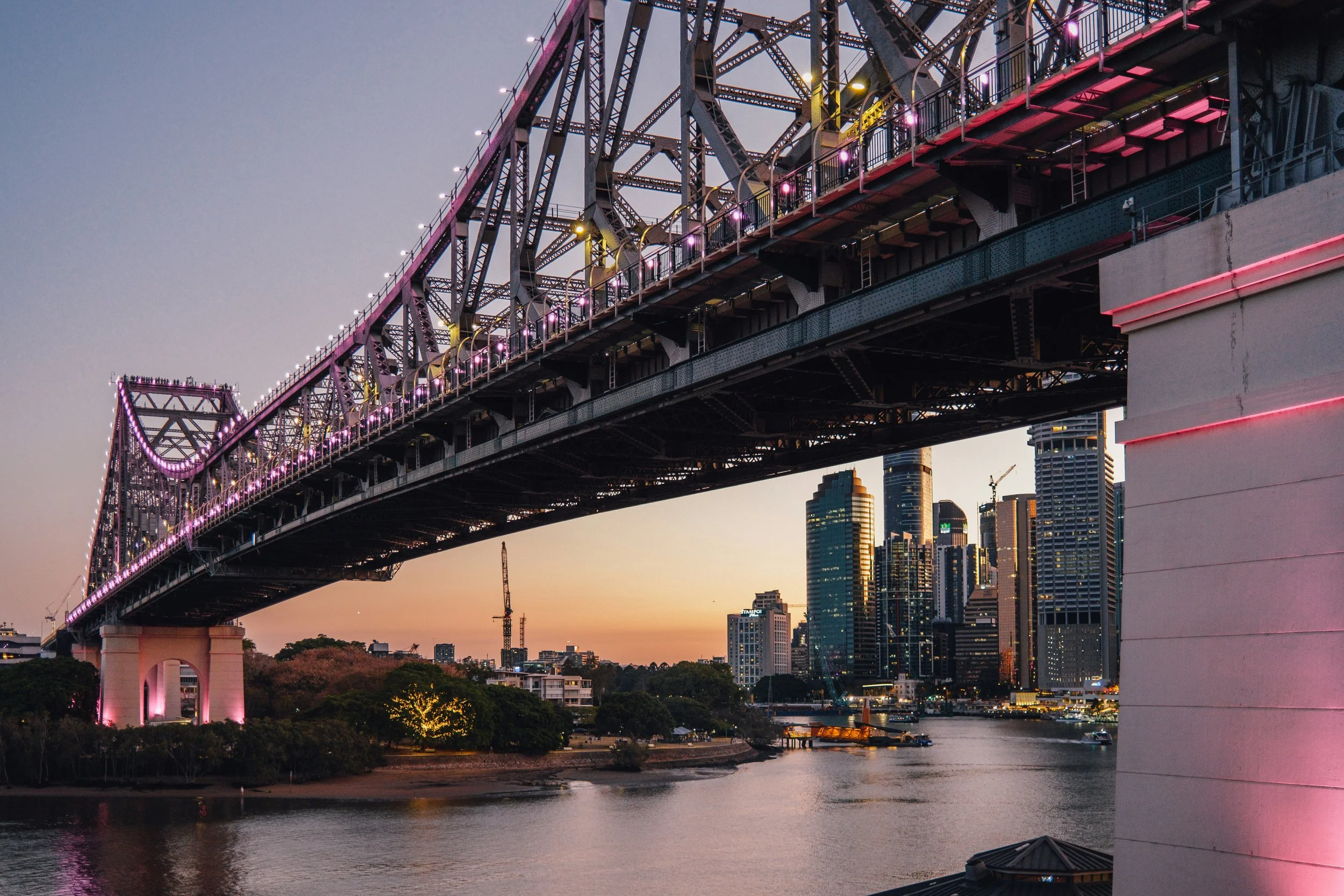
Brisbane’s Story Bridge is a testament to 1930s engineering and remains one of the city’s most beloved landmarks.
What Makes It Special
● It lights up with vibrant colours during festivals and celebrations
● The guided bridge climb offers panoramic views across the river and surrounding neighbourhoods
● Riverside paths beneath the bridge are fantastic for cycling and running
The bridge connects the city’s urban edge with laid-back riverside precincts where locals gather for outdoor dining, markets and live music.
Eleanor Schonell Bridge, Brisbane: Australia’s First Purpose-Built Green Bridge
A favourite among cyclists, students and sustainability advocates, the Eleanor Schonell Bridge stands out for its commitment to eco-friendly transport.
Features
● No private cars — only buses, cyclists and pedestrians
● Calm, leafy surroundings near the University of Queensland
● Clean, modern design that highlights a new era of sustainable bridge construction
It’s a refreshing example of architecture that prioritises wellbeing and green mobility.
West Gate Bridge, Melbourne: A Monument of Modern Industry
One of Australia’s longest bridges, the West Gate spans the Yarra River and connects Melbourne’s industrial heart with its coastal suburbs.
Why It Matters
● An impressive symbol of Melbourne’s growth and engineering capabilities
● Dramatic views over the docks, the bay and the city skyline
● A key part of the cycling network thanks to the West Gate Punt ferry connection
It’s not the prettiest bridge, but it’s undeniably powerful — and beloved by Melburnians.
The ANZAC Bridge, Sydney: A Tribute in Steel
This cable-stayed bridge stretches across Johnstons Bay, blending bold form with a strong sense of identity. The two pylons carry bronze statues representing an Australian and a New Zealand soldier.
Reasons to Visit
● Wide pedestrian and cycling paths
● Photogenic angles from nearby Rozelle and Pyrmont
● A meaningful place to reflect on history and national unity
Its modern silhouette adds depth to Sydney’s skyline.
Ross Bridge, Tasmania: A Touch of Old-World Craftsmanship
In contrast to Australia’s industrial giants, the sandstone Ross Bridge — built in 1836 — is one of the country’s most beautiful heritage bridges.
Highlights
● Hand-carved convict-era motifs along the arches
● A peaceful, rural setting ideal for slow travel
● Soft reflections on the river at dusk
It’s a gentle reminder that not all bridges are modern feats — some are historic works of art.
Why Australia’s Bridges Are Perfect for Athleisure Travellers
The country’s bridges naturally invite movement. They are best explored by:
● running along riverside paths
● cycling across wide pedestrian lanes
● walking coastal cliffs
● stopping for yoga or stretching with stunning views
Australia’s bridges are not just structures — they are part of an outdoor lifestyle.
Final Thoughts: Architecture Framed by Nature
From the iconic arch of the Sydney Harbour Bridge to the sweeping coastal curves of the Sea Cliff Bridge, Australia’s bridges showcase the country’s love for bold design and dramatic landscapes. Each structure reflects its surroundings, whether shaped by mountains, ocean cliffs or river plains.
Exploring Australia through its bridges means seeing the country from its most photogenic angles — moments where architecture and nature merge, and where movement, fresh air and scenic beauty all come together. Whether on foot, bike or rail, these bridges become gateways to the country’s most unforgettable views.