Few shopping experiences in the world are as vibrant and sensory-rich as wandering through Morocco’s markets. The souks of Marrakech, Fes, Casablanca and Rabat are a kaleidoscope of colour, scent and sound. They’re places where artisans shape metal by hand, where merchants call out from stalls stacked with spices, and where narrow alleyways open into courtyards filled with rugs, ceramics and lanterns that seem to glow from within.
Shopping here is more than browsing — it’s an immersion into Moroccan culture. Every item carries a story, every scent evokes tradition, and every purchase feels like discovering a piece of the country’s soul. For lifestyle and athleisure-minded travellers, Morocco’s markets are the perfect blend of craftsmanship, design inspiration and sensory delight.
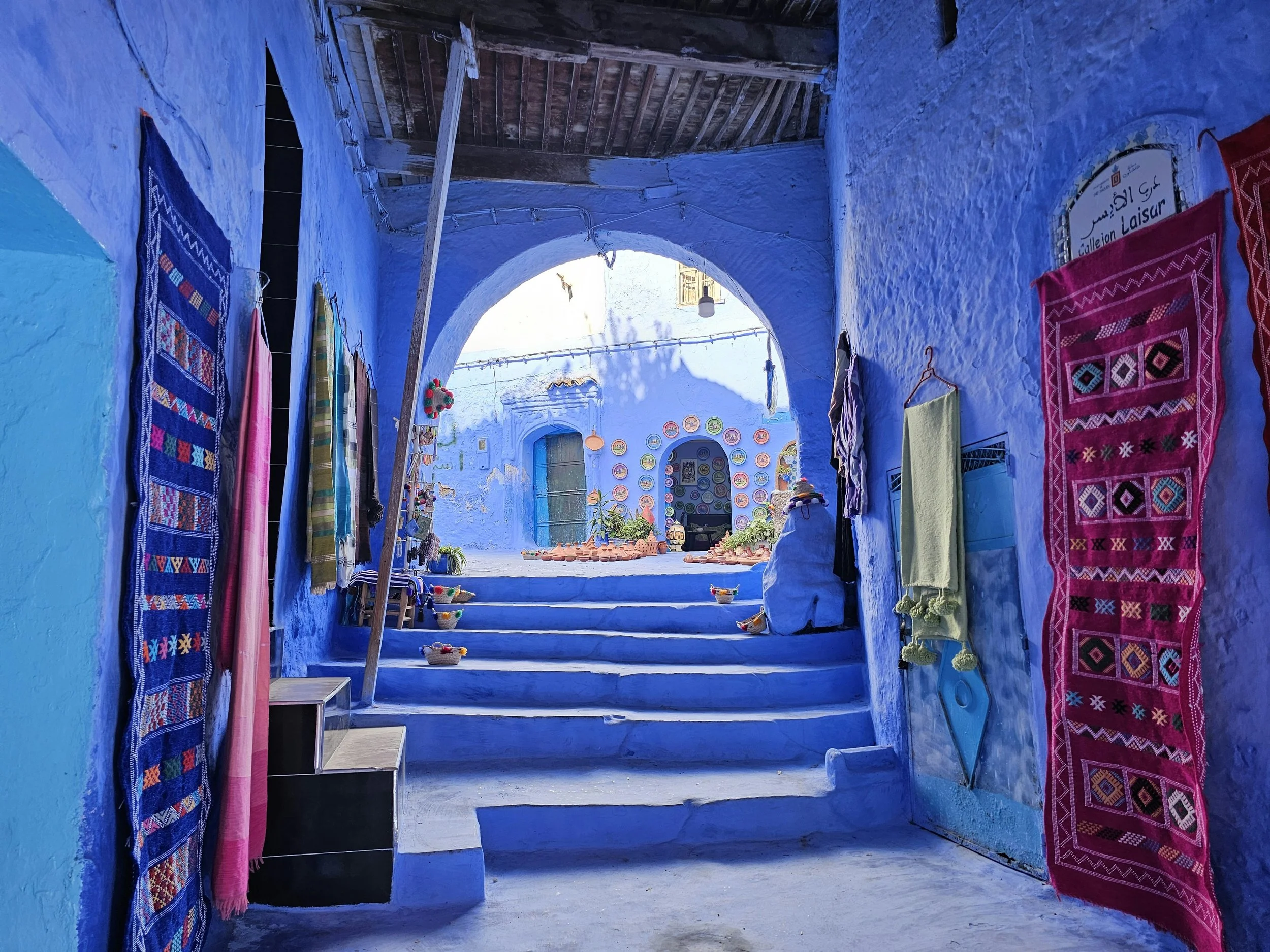
PHOTO CREDIT | Unsplash/Hasmik Ghazaryan Olson
Planning Your Moroccan Market Journey
Many travellers exploring the northwestern side of the country begin by considering transport options such as the train from Casablanca to Rabat, one of Morocco’s most convenient city-to-city routes.
This rail link makes it easy to experience two distinct market cultures: Rabat’s refined artisanal ateliers and Casablanca’s bustling urban souks.
A Pause Before Diving Into the Souks
Morocco’s markets can feel overwhelming at first — in the best possible way. The energy, the colours, the sounds, and the maze-like layout all contribute to the experience. Before we explore what to buy, it’s worth recognising what makes Moroccan craftsmanship so exceptional:
● Handmade traditions passed down through generations
● Natural materials including wool, cedar, clay, and metal
● Design influences from Arab, Amazigh, Andalusian and French cultures
● A focus on beauty and function
Shopping in Morocco is not just retail therapy — it’s cultural appreciation.
Spices: Morocco’s Fragrant Heart
Perhaps the most iconic purchase from Moroccan markets is spices. They’re vivid, aromatic and essential to the country’s culinary identity.
What to Look For
● Ras el Hanout: A complex blend of up to 30 spices
● Cumin: A staple in Moroccan cooking
● Paprika and chilli: For adding warmth and depth
● Turmeric and saffron: Colourful, potent and often locally sourced
● Cinnamon sticks: Used in both sweet and savoury dishes
Travellers love buying spices because they transport the scent of Morocco home — perfect for cooking experiments or gifting to food lovers.

PHOTO CREDIT | Unsplash/Hasmik Ghazaryan Olson
Argan Oil and Beauty Products
Argan oil is one of Morocco’s most famous natural treasures. Made from the nuts of the argan tree — grown almost exclusively in Morocco — this golden oil is beloved for hair, skin and cooking.
Beauty Finds
● Pure cosmetic argan oil
● Argan-infused soaps and lotions
● Rosewater from the Valley of Roses
● Ghassoul clay (a mineral-rich cleansing clay)
Athleisure fans appreciate Morocco’s emphasis on natural, restorative products that support wellness.
Ceramics: Patterns That Tell Stories
Moroccan ceramics are instantly recognisable — geometric patterns, bold colours and intricate hand-painted designs.
Where to Find the Best Pieces
● Fes: Famous for cobalt-blue pottery
● SafI: Known for earthy glazes and traditional shapes
● Marrakech: Offers eclectic modern-meets-traditional styles
Popular items include bowls, tagines, plates and vases. These pieces are beautiful yet practical additions to any home.
Travelling Between Morocco’s Market Cities
Shoppers moving deeper across the country often use the Marrakech to Casablanca train, which connects two of Morocco’s most important cultural and commercial hubs.
This route makes it easy to experience Marrakech’s historic souks followed by Casablanca’s more modern markets and artisanal centres.
PHOTO CREDIT | Unsplash/mathieu gauzy
Lanterns and Metalwork: Glow and Craftsmanship
Moroccan lanterns are among the most enchanting souvenirs you can bring home. Made of brass, copper or perforated metal, they cast intricate shadows when lit.
What You’ll Find
● Hanging lanterns
● Candle holders
● Filigree lamps
● Sculptural metal décor
Each lantern is crafted by hand, making every piece unique.
Leather Goods: Soft, Stylish and Built to Last
Morocco’s leatherwork is world-renowned, especially from the tanneries of Fes.
Items to Look For
● Hand-stitched leather poufs
● Soft slippers (babouches)
● Backpacks and handbags
● Belts and wallets
The quality and craftsmanship make these pieces long-lasting wardrobe staples — ideal for athleisure lovers who value comfort and style.
Rugs: The Soul of Moroccan Craftsmanship
Perhaps the crown jewel of Moroccan shopping, rugs are a major cultural art form. Each region has its own style:
Types of Rugs
● Beni Ourain: Cream with black geometric lines — minimalist and modern
● Azilal: Colourful and abstract
● Boujad: Warm reds and pinks
● Kilim: Flat-weave, lightweight and easy to transport
A rug is a true investment piece, both a décor highlight and a cultural treasure.
Jewellery: Silver, Stones and Symbolism
Moroccan jewellery often features traditional Amazigh (Berber) motifs and symbols of protection, identity and heritage.
What to Seek Out
● Silver cuffs
● Statement necklaces
● Handcrafted earrings
● Rings set with amber, turquoise or coral
Jewellery is a meaningful keepsake — wearable art with history behind it.
Textiles and Fashion: Everyday Luxury
Morocco excels in textiles, offering fabrics and garments that balance comfort and elegance.
Popular Finds
● Woven blankets
● Lightweight throws
● Embroidered kaftans
● Handwoven scarves
● Cotton hammam towels
Perfect for home décor, travel, workouts or relaxed weekends, these items fit seamlessly into an athleisure-inspired wardrobe.
Food Treasures: Sweet, Savoury and Memorable
Moroccan markets overflow with edible delights perfect for gifting or bringing home.
Best Treats
● Almond-filled sweets
● Honey-drenched pastries
● Dried fruits and nuts
● Preserved lemons
● Harissa paste
These items reflect the warmth and generosity of Moroccan hospitality.
Tips for a Smooth Souk Experience
● Bargain politely: Haggling is expected and part of the fun.
● Bring local cash: Many stalls don’t take cards.
● Buy from cooperatives: These support rural artisans, especially women.
● Check quality: Especially for leather and metalwork.
● Pack items well: Ceramics and lanterns need careful wrapping.
With the right mindset, the souks become a thrilling, immersive experience.
Final Thoughts: A Market Culture Full of Life
Morocco’s markets are an adventure — a celebration of colour, creativity and craftsmanship. From handwoven rugs to natural beauty products, from glittering lanterns to aromatic spices, every stall showcases pride in tradition and artistry.
Whether you’re exploring the historic alleys of Marrakech, the refined markets of Rabat or the seaside souks of Casablanca, you’ll find treasures that tell stories. Shopping here isn’t just about acquiring objects — it’s about connecting with the culture, people and energy of Morocco.
For athleisure-loving travellers who appreciate beauty, quality and sensory experiences, Morocco’s markets offer the perfect blend of design inspiration and authentic craftsmanship.