HOW TO PLAN A STRESS-FREE LONG-DISTANCE RELOCATION

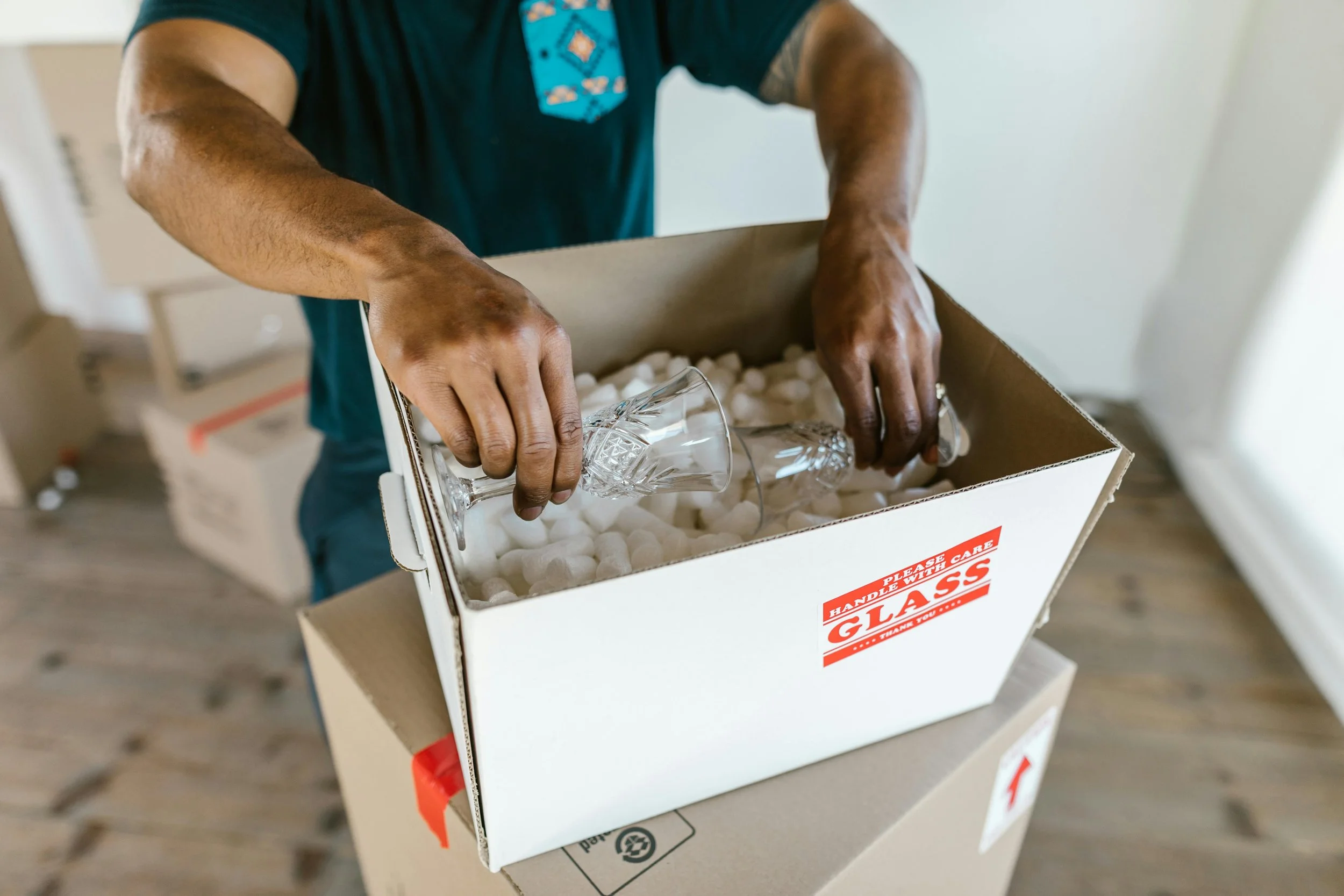
Stacked boxes in an empty living room mark a big life change. Moving across the country involves more than just hauling heavy furniture. You must manage a new schedule while keeping up with your health goals. A smooth move requires a clear plan for your physical and mental well-being.

Many people find that hiring professional help simplifies the whole process. Working with a broker like Coastal Moving Services connects you with authorized motor carriers. These experts handle the heavy lifting while you focus on your family. This organized approach prevents the burnout often seen during long summer moves.

PHOTO CREDIT | Pexels/www.kaboompics.com

Organizing Your Moving Timeline

Starting your move prep early gives you a huge advantage. You should begin sorting through your home eight to ten weeks before your date. This timeframe allows you to handle small tasks without feeling rushed. You can use these weeks to find new gyms and healthy grocery stores.

Clearing Out the Extra Weight

Moving is the best time to check your current inventory. You should only pack things that fit your future lifestyle and home. Giving away old gear makes your load lighter and cheaper to move.

Consider these steps when you sort through your belongings:

  • Sell your old clothes and electronics to earn extra cash.

  • Donate workout gear to local community centers or schools.

  • Keep your private papers in a bag that stays with you.

  • Recycle any broken items that you cannot use anymore.

Learning About Your New Town

Use your extra time to learn about your new local area. Finding a good grocery store helps you eat well right away. Locating nearby parks makes it easier to stay active after you arrive. This prep work helps you feel comfortable in your new home fast.

Protecting Your High Value Items

Moving home gym gear or art requires extra care during transport. The federal government sets rules to protect people during interstate moves. These rules ensure that moving companies treat your property with respect. You can check the FMCSA website to learn about your rights as a customer.

Recording Your Inventory

Take clear photos of your expensive items from every angle. These photos act as a record of their condition before the move. This step is helpful if you need to file a claim later. Digital records keep your mind at ease while your truck travels.

Picking a Protection Plan

It is smart to know how much a carrier covers for loss. Standard coverage often does not cover the full cost of luxury items. Full value protection is usually the better choice for expensive fitness equipment. Investing in good coverage protects your wallet and your peace of mind.

Packing Methods for a Fast Start

Good packing makes the first week in your new home much easier. Labeling every box by room saves you from searching for hours later. You should also write a short list of contents on each box. This method helps you find exactly what you need when you arrive.

Building an Essentials Kit

Pack one box with the items you need for the first night. This kit keeps you from opening fifty boxes just to find soap. It should hold things that keep your daily routine on track.

Make sure your essentials kit has these simple items:

  1. Basic soaps and a first aid kit for small cuts.

  2. Power cords for your phone and your tablet.

  3. A small set of tools to put your bed together.

  4. Clean sheets and towels for a good night of sleep.

Using Eco Friendly Materials

Many people now use reusable bins to help the environment. Using your own blankets to wrap breakable items saves a lot of space. This choice cuts down on waste from plastic wrap and paper. These small habits lead to a more mindful and clean move.

Staying Healthy While You Travel

Moving week is very hard on your body and your mind. It is easy to eat junk food when you are tired. Drinking plenty of water keeps your energy levels high all day. Think of the move as a workout that requires good fuel.

Wellness Tips for the Road

Plan your drive to include stops at parks or scenic spots. Sitting in a car for hours makes your muscles very stiff. A short walk through a park helps you stay alert and happy. You can see park locations on the National Park Service site to plan your path.

Taking Care of Your Mind

Give yourself time to rest when you feel tired or stressed. Taking ten minutes to breathe deeply helps you stay calm. A positive attitude helps you see the move as a new start. Small breaks keep the process from feeling like a giant chore.

PHOTO CREDIT | Pexels/RDNE Stock Project

Starting Your New Daily Routine

The final part of a move is finding your rhythm again. Set up your kitchen and your bedroom as soon as you arrive. Having a place to cook healthy meals helps you feel better. A clean bedroom ensures you get the rest you need to finish.

Explore your new town and say hello to your new neighbors. Joining a local club is a great way to meet friends. A good move starts with a plan and ends with a home. You deserve to enjoy your new space without any extra stress.

HOW TO CHOOSE THE RIGHT CARE FOR YOUR ATHLETIC FAMILY

Weekend schedules fill up fast with games and practices. Your car probably smells like cleats and gym bags. Between school, training, and work, health stuff sneaks up. Then a sprain or random fever throws everything off.

Picking care early keeps your family's routine on track. It also helps every athlete at home feel supported. Athletic families do well with a simple health plan. That plan should cover checkups, injuries, and ongoing conditions.

For Hispanic households, language and trust really matter. Clinics like Tu Clínica Hispana Familiar can ease that stress. Start by listing who trains and what sports they play. Also note which health issues run in your family.

PHOTO CREDIT | Pexels/Karola G

Build a Baseline Before the Next Injury

A yearly visit creates a starting point for everyone. You notice changes in stamina, sleep, or mood much faster. This baseline also gives your doctor something to compare against. It turns guesswork into actual tracking over time.

What to Cover at Annual Checkups

Ask for height, weight, and blood pressure at every visit. Request a quick review of past injuries and asthma history. If a parent has diabetes or thyroid disease, ask about screening. Make sure the screening plan fits each family member's age.

Bring a list of supplements and sports drinks too. Some of those raise heart rate or upset stomachs. For active kids, a sports physical checks joints and posture. It also flags past concussions before intense seasons start.

Track Symptoms and Build a Health Folder

When soreness lingers after games, small habits often help. Sleep, stretching, and smarter footwear can calm recurring pain. Many families use pain and recovery tips for athletes and fans to plan rest days. Share those notes with your clinician regularly.

Lab tests help when fatigue shows up out of nowhere. They also matter when a teen has sudden weight shifts. Low iron or low vitamin D can slow recovery after illness. Labs guide a safe return to training after being sick.

Keep a folder with results, vaccination dates, and allergy notes. Update it after every single visit without skipping. Use this quick checklist during busy sports months:

  1. Chest pain or fainting: Record it and report the same day.

  2. Menstrual tracking: Missed periods can signal low energy or stress.

  3. Skin issues: Turf burn and eczema need different products.

  4. Family history: Note heart disease, high blood pressure, and cholesterol.

Match Care to Training Load and Age

Training needs shift fast between ages six and seventeen. Growth plates stay sensitive during peak growth spurts. Activity guidelines recommend sixty minutes daily for most kids. If your child plays year round, schedule rest weeks.

Treat pain as a signal, not something to push through. A clinician can spot patterns like shin splints or stress fractures. Low sleep also raises injury risk across all age groups.

Know Where to Go for Different Issues

Use primary care for routine exams, vaccines, and long-term issues. Asthma, allergies, and chronic conditions belong here too. Use urgent care for cuts needing stitches or possible fractures. Wheezing that won't settle also calls for urgent care.

For head injuries, act fast and watch for warning signs. Confusion, vomiting, severe headache, or balance problems need attention. If symptoms look serious, call emergency services right away. Never drive an injured athlete who feels faint or dizzy.

Screen for Conditions That Affect Performance

Some families carry higher risk for diabetes or thyroid issues. Regular blood sugar checks support steady training energy levels. Thyroid changes affect heart rate, body temperature, and recovery time. Ask what lab panels make sense for each year.

Share any new symptoms like tremor, fatigue, or sleep changes. A consistent care team follows trends across seasons. They catch things a one-time visit would miss entirely.

Support Recovery with Food, Sleep, and Simple Habits

Hard training breaks down muscle tissue during every session. Your body rebuilds during rest, sleep, and steady meals. Recovery isn't just about sitting on the couch, though. It takes real planning around food and sleep schedules.

Prioritize Sleep and Hydration

Aim for regular bedtimes every single night of the week. Kids who sleep less report more pain and slower reactions. Keep hydration simple by packing water first every time. Add electrolytes only after long, sweaty sessions outside.

If cramps hit often, talk to your clinician about it. Sodium intake, heat exposure, and medications all play a role.

Fuel Up After Training

A small snack with protein and carbs helps after workouts. Try to eat within an hour of finishing a session. Yogurt with fruit, peanut butter on toast, or a smoothie works. You can borrow ideas from post workout snacks for athletic recovery too.

For younger kids, keep portions small and age-appropriate. Avoid energy drinks that spike heart rate and wreck sleep.

Handle Illness and Skin Issues

Return after illness should feel gradual and not rushed. Start with light movement before adding real intensity back. Wait until fever stays gone for a full day first.

If breathing feels tight, stop training immediately. Asthma flares and viral coughs linger longer than people expect. Sun and sweat also trigger rashes during outdoor practices. Rinse quickly, change clothes, and use clean towels after every session.

Pick Care That Fits Language, Access, and Follow-Up

Good care goes beyond just running tests and checking boxes. Clear communication before and after every visit matters most. Families need a clinic that actually explains what's going on.

Look for Convenience and Language Support

If your family prefers Spanish, choose a bilingual clinic. They should explain results and medicine instructions in plain words. Look for same-day appointments and clear pricing upfront. Hours should work with school drop-offs and practice schedules.

A clinic with on-site labs shortens the whole process. You avoid extra trips driving across town for bloodwork.

Ask the Right Questions About Services

Ask who coordinates referrals for imaging or physical therapy. Check if they handle minor emergencies like sprains onsite. Find out whether they can do stitches right there too.

For teen athletes, privacy matters during sensitive visits. Ask how staff handle topics like gynecology or contraception. For adults, ask about heart and diabetes screenings regularly. Long workdays can hide rising risk factors from you.

Stay on Top of Blood Pressure and Follow-Up

Blood pressure often shows zero symptoms until it's a problem. Add it to routine visits for every family member. Yearly checks from age three catch high blood pressure early. Even kids who feel perfectly fine can have elevated numbers.

If numbers stay high, ask about diet, sleep, and stress. Try home monitoring before jumping into hard workouts again. Write questions ahead of every visit to stay organized. Then ask for a short follow-up plan you can actually stick to.

Wrapping It Up

Choosing the right care means matching habits to your schedule. Your culture and budget matter in that decision too. Start with baseline exams and keep your records updated. Use food, sleep, and rest as part of your health plan.

Pick a clinic that explains results clearly and follows up. Small problems stay small when someone catches them early. With steady care, your family can train and compete with confidence.