
• FITNESS
  • Food
  • Beauty
  • Sports
  • Travel
  • Athleisure Studio
  • Athleisure List
  • THIS ISSUE
  • Athleisure TV
  • The Latest
  • ARCHIVE
  • About
  • Press
  • Connect
Menu

Athleisure Mag™ | Athleisure Culture

ATHLEISURE MAG™ | Athleisure Culture
  • FITNESS
  • Food
  • Beauty
  • Sports
  • Travel
  • Athleisure Studio
  • Athleisure List
  • THIS ISSUE
  • Athleisure TV
  • The Latest
  • ARCHIVE
  • About
  • Press
  • Connect

TAKE CONTROL

December 20, 2025

Right before NYFW, we attended a roundtable dinner at Manhatta with the Medtronic team to learn about their latest device, Altaviva which is an implantable tibial neuromodulation system that allows those that suffer with Urge Urinary Incontinence (UUI) and allows them to enjoy a quality of life. We wanted to know more about various bladder issues, what the pathways are to treatment and about this device from Dr. Janet Harris-Hicks, a urogynecologist who we met at the dinner. Since this dinner which had great conversations from her, a patient who was going through the trials as well as those who were involved with creating the device, much has taken place as they attended a conference to share an array of data and they are now FDA approved. We talk about this and more to understand what we need to know about this condition and how we can help ourselves or others who may need this!

ATHLEISURE MAG: It was great to meet you at the Medtronic dinner a few weeks back at Manhatta where we learned about bladder control and the innovative device which recently became FDA approved. Dr. Janet Harris-Hicks, you spoke at the event and walked us through the device, but before we talk about that, you are a urogynecologist, can you tell what you specialize and what this entails?

DR. JANET HARRIS-HICKS: Absolutely. So in general, as a urogynecologist, we are a sub-specialty of Surgeons that focuses on what’s called Pelvic Floor Disorders. And so those disorders are broken up into 3 main categories. We are sub-specialized to treat Pelvic Floor Disorders of pelvic organ prolapse, urinary incontinence, and fecal incontinence. So, obviously, in those 3 broad areas and focusing on obviously only on women, that’s where the gynecologist part comes in. In those 3 broad department areas of clinical medicine - there’s a lot of sub-specialty of diseases, but those are our focuses on urinary incontinence, fecal incontinence, and pelvic organ prolapse.

AM: Is there a difference between urinary incontinence and an overactive bladder?

DR. JHH: Yes, absolutely. So urinary incontinence, by definition, is the unwanted loss of urine prior to your ability to reach the restroom. Okay, so you’re actually leaking urine when you don’t want to be expelling that urine, versus overactive bladder is a syndrome. So, by definition, a syndrome in medicine means a collection of symptoms, okay, and that can be caused by multiple different disease processes. So, overactive bladder by definition is the sense of urgency of needing to rush to the restroom with the added frequency of urination, which is defined as 8 or more times of urination within a 24-hour period. Then we even get more specialized in the respect that we call it Overactive Bladder Wet versus Overactive Bladder Dry, so there it does not have to have the urinary incontinence component to have overactive bladder. It’s simply the culmination of symptoms that is urinary urgency, urinary frequency plus or minus nocturia, which means having to get up to the restroom more than once at night. And so, with that syndrome, you may have urinary incontinence as a part of it, or you may not, but the actual overactive bladder is your urgency and frequency of urination.

AM: Oh wow. So, what are the symptoms that people should be looking into if you realize maybe you’re having bladder issues, and that maybe you need to get it checked out?

DR. JHH: So, just those things, believe it or not - those individual components. If you’re having to go to the restroom 8 or more times in a 24-hour period, that’s a sign of a problem. That’s not normal, so that is that should be evaluated. Obviously, if you’re leaking urine before you can get to the restroom that need to be evaluated. And if you have to get up at night more than once to empty your bladder – 1 time is normal, more than once at night, is the sign of a problem. So those are the basic functionalities that if folks are starting to experience those problems, they should reach out to a specialist to be evaluated.

AM: In terms of Athleisure Mag, A lot of times, especially when you’re thinking about The New York Marathon and other races that people are preparing for around the world or even focusing on fitness goals - a lot of people are increasing their water intake. How do you know the difference between? Yes, it’s a problem in terms of your body or because you’ve simply increased your intake so it’s not something that you have to be concerned about?

DR. JHH: Yeah, great question. So we play a part in that which is obviously adequate hydration and not over hydration. So typical, adequate hydration for an adult would be 64 to 84 ounces of fluid a day, and then I always tell my folks now if it’s too hot, then you need more hydration. Obviously, if you’re talking to a marathon runner and they’re training, there’s a difference in hydration. But on a daily basis, if you’re just doing your regular activities, you’re adequately hydrated, and you’re having those symptoms - Then again, that’s an issue. Obviously, you can over hydrate yourself and force urinary frequency and urgency.

AM: It just came into our mind because when we’re working out on a new method or taking on something new, you’re going to increase your water and it takes a couple of days for the body to accept what’s going on and then the body levels out to whatever that new normal is.

DR. JHH: And that takes you into what we define in medicine when we’re thinking about treating overactive bladder, so we have a clinical pathway we follow that’s standardized among all of our sub-specialties in neurology. And that’s endorsed by the American Neurology Association. So, when we’re thinking about, how do we correct these problems for patients, we think of it as first, second, and third line therapy. So, first line therapy, you just hit the nail on the head. It’s all about behavior modifications. Yeah, you want to make sure the patient’s adequately, but not over hydrated. The next step is teaching patients about bladder training, you should go to the restroom about every two and a half to three hours. Then, we talk about elimination of what we call bladder irritants, so high levels of caffeine, red wine, spicy foods, cigarette, whether that’s primary or secondary exposure. Those are some of the top four irritants of the bladder. So that’s our first conversation in discussing the patient’s bladder function. And then, once they have initiated those and practice those and put those practices into place, if they’re continuing to have symptoms of overactive bladder, then we start talking about medication. So, that’s our second line therapy. Okay, patients are supposed to have somewhere between 6 weeks and 8 weeks worth of medication, plus their behavior modifications, and then if they continue to have issues with their bladder of overactive bladder, they move to third line therapy where we start to talk about Alta Viva and then sacral neuromodulation, which interstem is a part of peripheral tibial stimulation, which is historically where we got our data to even come up with the thought of an implantable tibial implant, and then Botox, which can be injected into the bladder, and that’s that clinical pathway that all patients will step through to get to that point of treatment.

AM: During the roundtable dinner hearing from the patient who received the implantable tibial neuromodulation system, as well as hearing your comments about it as well as your colleagues was truly insightful. And the fact that between that dinner in early Sept right before NYFW and now, it seems like, so much has happened since then because we have the approvals for the device to be widely used. So, for our community that was not at this dinner, can you talk about this device?

DR. JHH: So Altaviva is an implantable tibial stimulator. Again, our historical data is that since 1983, believe it or not, the clinical pathway was shown to be highly effective where we could actually take an acupuncture needle and tap it in at the tibial nerve down near the ankle and use an external TENS unit (Editor’s Note: A TENS unit is a small, battery-operated device that used low-level electrical pulses) to stimulate that nerve, which retrograde stimulates up through the leg back to the bladder and have positive impact upon treatment of overactive bladder syndromes. The issue became just how did you deploy that treatment to patients and the data showed that those patients needed to be treated with that external stimulator once a week for 12 weeks, and then once a month forever. Well, I again, as I said at our conference, I love my patients, and I think they like me, but I’m not so sure they want to visit me for the rest of their life in order to maintain their continence, and so that is where our historical scientific evidence came from.

AM: That’s amazing.

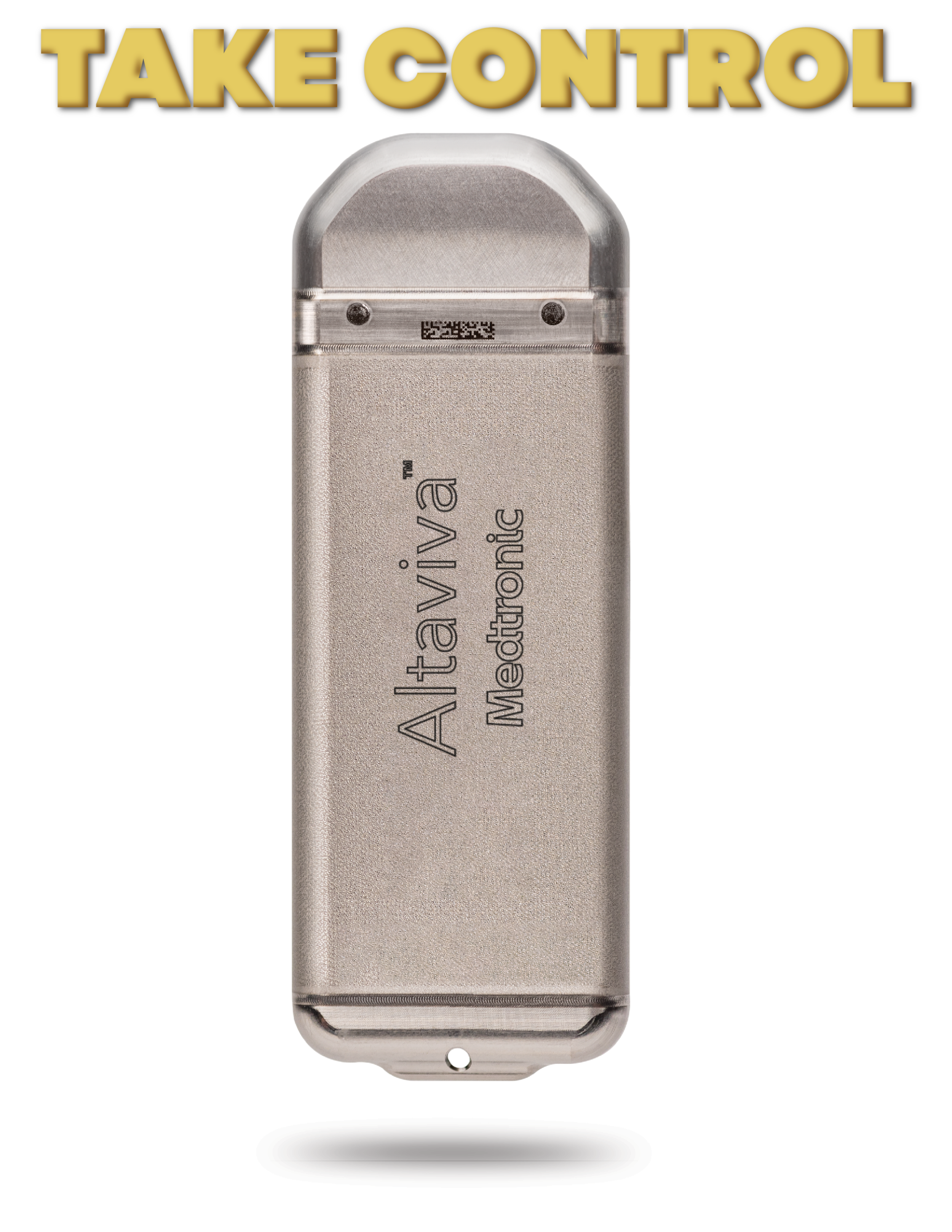
DR. JHH: Altaviva expands on that and now, with Medtronic’s insight, it has created a small, implantable device that is put in which requires no general anesthesia, just a little bit of local anesthetic in the leg. Typically, the procedure itself is somewhere on the order of 10 to 15 minutes. The device itself is very simple. I’ve heard it compared to half a stick of a gum versus a USB.

AM: At the dinner, we kept saying it was the size of a USB – it’s unbelievable.

DR. JHH: Think of it as a USB, so it’s very small. The incision at the ankle is about a quarter of an inch, maybe a little bit less than that and slips into that pocket with two small absorbable stitches. The amazing thing is that treatment begins immediately, okay? The technology is so advanced that there’s enough energy in that tiny device that the patient will receive therapy for a solid year. Well, all our patients will come back once a year so we can check on them as their physician. And so at that visit in their 15 minutes, we will recharge their device and they’re ready to go for another year. And so, again, that device is rechargeable in current technology, as I’m sure it will continue to advance for up to 15 years for that patient.

AM: That’s just amazing.

DR. JHH: It’s just been a beautiful journey to see. You know that we’ve had this data. We’ve understood the scientific process, and now we actually can deploy that information in a very acceptable, manner that allows patients to have a phenomenal Improvement in their quality of life.

AM: It’s incredible. What should a patient, know who let’s say they’ve been cleared to take this surgery. What should they know prior to doing it? Is there anything they need to do or prepare themselves for? Like, if you go to get laser hair removal, there’s certain things that you need to do before you get there.

DR. JHH: You know, believe it or not, outside of, and they would have obviously been guided through the pathway outside of going through that pathway to determine as you said that they are indeed qualified for this third line therapy. There really isn’t anything that they have to be prepared for. You know, like other surgeries, you’ve got to make sure someone comes with you that can drive you home. Because this does not require any systemic anesthesia, you can drive yourself to your appointment. You can drive yourself home so you don’t have to even involve any other family members.

Again, the therapy is immediate, so there’s no delay in actually starting to see Improvement in your bladder function and quality of life. But the most common medication, which is an aspirin or baby aspirin - we didn’t stop that in our patients for clinical trial. So, so we don’t have to, you know? Really, there’s not a lot of as you’ve alluded to.

AM: Wow! And since the FDA approval that took place, have you seen more people upticking to want to get this now that they have access to it?

DR. JHH: Absolutely! Yes, it’s been so much fun! Of course, we’ve reached out to our own patients in the practice. We sent out an email, and immediately, we were inundated with interest from that. It’s just been so fabulous. I actually just did an outreach in the community yesterday and went out and spoke to lots of the primary care physicians, and they were just so excited, because I mean you, you know, these numbers, it’s insane. I mean, 32 million Americans suffer with overactive bladder. I mean, that’s just the overactive bladder folks. Not to mention all of the urinary incontinence that comes along with that, and our primary care doctors are the ones that are at the forefront. They’re the ones having to deal with this as well as this other laundry list of Health Care issues that patients have. So, for them to understand that pathway that we talked about and how those patients get to me and then there’s actually a definitive therapy, because again, data would show us that the average patient will and I say, just sits and turns right, and the medical meal for average of 6 years just going round and round in medications before they actually even have access or even understand that there is access to the third line therapies, and that’s where I really try to reach out in my own community as well as I think most of my colleagues. Even at the level of technology - it is the industry like Medtronics that realizes there’s such a lack of knowledge.

AM: We have a widespread readership and community across the country as well as internationally, too. But if someone was looking to get this done, where do they go? I mean, obviously, they have your office, but where do they start?

DR. JHH: Well, your gynecologist and urologist are trained in this field obviously and understand and have the skill set to deploy third line interventions, and for most insurance companies and even along those with governmental supplements with Medicare/Medicaid. They do have to follow through with their primary care physician before they get into that subspecialty office. But again, the pathway is very easy. It’s not a lot of barriers there for them to be able to be seen by your urogynecologist. Of course, I speak specifically in women. They can establish with primary care and very quickly and easily move through the sub-specialist office.

AM: That is phenomenal. For those in our community that are connecting with this whether they are in need of it or a friend, family, or colleague, what do they need to know or be aware of to have these tough conversations about this?

DR. JHH: Again, I focus not just on women, and I would assume this is also a man, but obviously, the bulk of urinary incontinence from a standpoint of the numbers showing that there are more women, obviously than men, that suffer with urinary incontinence. But the misnomer, and this is another one of my huge soap boxes that it is a normal part of aging to actually leak urine, okay? The conversations that I hear among women that, “oh, I just have to cross my legs when I laugh, cough or sneeze - I just have to put on a pad.” You know, all the compensatory things that we do as females because we’re busy – we have to be mom, we have to be aunt, we have to be wife, we have to be surgeon - and all those things come first. My mission is that women understand that there are true pathways to treatment and that it is not a normal part of aging, and you do not have to compensate for urinary incontinence and that it is a treatable process absolutely.

AM: In speaking with you today and even researching for this interview, these last 2 questions aren’t really related to this but as we’re speaking to someone who is also a urologist, we look at our poops as we know it says what is going on in our body and it means something. So is this the same with urine in terms of the color?

DR. JHH: Yeah, good question. Well, certainly, the darker the urine, the more concern there is for dehydration.

AM: Right.

DR. JHH: And again, we talked about the importance of overall health and adequate hydration is appropriate. So, if you’re seeing that your urine is extremely dark, then that certainly can indicate an issue of hydration. But outside of that, there’s not, you know, obviously, we can go down some rabbit holes, right? A lot of different things, right? That don’t have anything to do with urinary, right? But as far as bladder function, clear urine is a healthy sign. Light/pale urine is what it should look like. If it starts to get dark, if it starts to look pink, if it’s frankly blood in your urine, those are indications of other disease processes that need to be evaluated immediately for sure.

AM: Many in our community, us included are very focused on our gut health. We’re always looking at supplements like a new one we’ve tried called Broc Shot that has the broccoli seed powder wich has sulforaphane which aids in detoxing, reducing inflammation etc. Is there connection between gut health and your urine health in your opinion?

DR. JHH: That’s a really great question. Well, you know, I’m sure you’re aware that gut health pretty much plays a part in everything in your body. So, am I currently aware of any clinical literature out there that links gut health to bladder health? No.

AM: Right.

DR. JHH: That doesn’t mean that it doesn’t exist, that’s for sure. Because, as you said, we have understood, there’s so much important information out there about gut health and certainly again being focused on female, there is we could have an entire conversation on that.

AM: For sure and that would be welcome!

DR. JHH: Looking at vaginal health and the microbiome of the vagina – we could be here all day! That has certainly been some amazing data that has come out in the last 15 years of what we understand of the vaginal microbiome, which again in women is tremendously important in bladder health.

IG @medtronic

Read the NOV ISSUE #119 of Athleisure Mag and see TAKE CONTROL in mag.
Featured
1_Adam Hunger AP Content Services for Mucinex Kickstart.jpg
Jan 22, 2026
KEEPING COLD + FLU SEASON ON ICE
Jan 22, 2026
Jan 22, 2026
AM DEC ISSUE _120-134.png
Jan 17, 2026
ATHLEISURE LIST | CARMEL RETREATS
Jan 17, 2026
Jan 17, 2026
9LIST.png
Jan 7, 2026
THE 9LIST
Jan 7, 2026
Jan 7, 2026
In AM, Women's Health, Wellness Editor Picks, Wellness, Nov 2025, Health Tags Manhatta, Medtronic, Dr. Janet Harris-Hicks, FDA, Urge Urinary Incontinence, UUI, Altaviva, Bladder, Health, Wellness
Comment

NAVIGATING CHANGES | HERS X PVOLVE

December 18, 2025

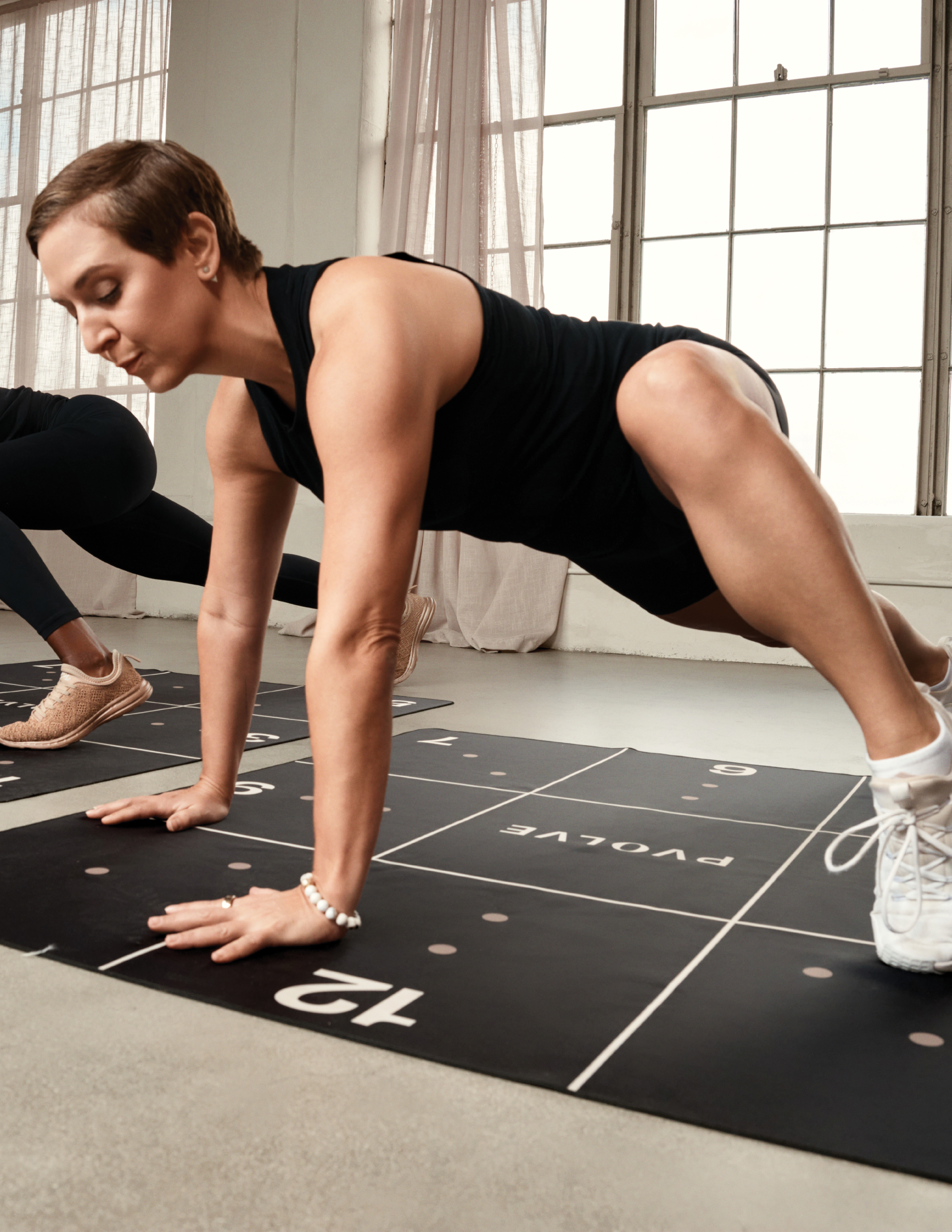
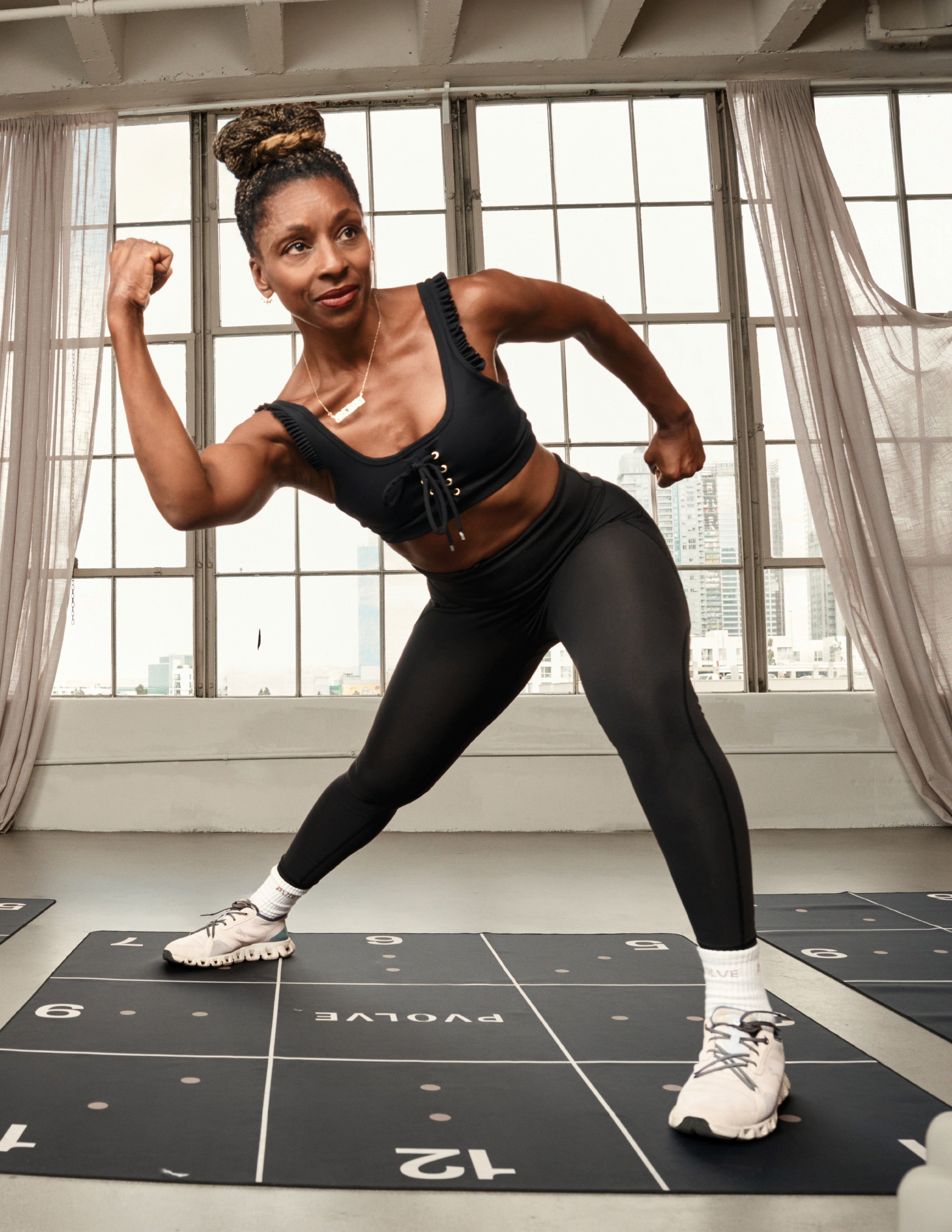
We all know that working out is essential whether, you are maintaining various goals, ensuring that you have movement, or a means to hang out with others while doing an activty together. As we navigate our life cycles, we know it’s essental to continue to work out. For those that are hiting menopause, it’s essential to continue your efforts as well as to figure out how to optimize this in this stage of life. Earlier this month, we went to Pvolve’s studio to take a class that focused on this while learning about how Hers plays into this as well.

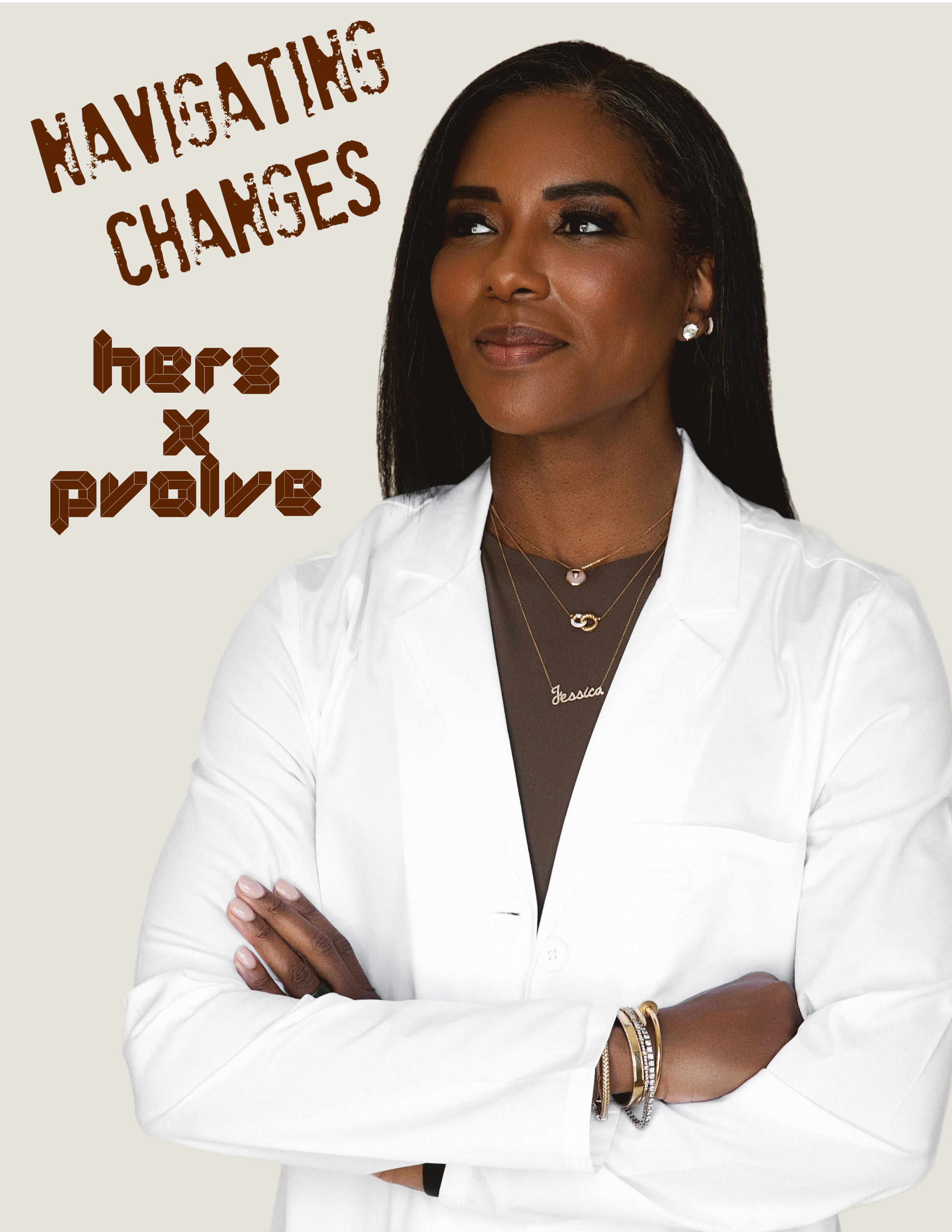
We sat down with Dr. Jessica Shepherd, Board-Certified OB/GYN, Chief Medical Officer at Hers, and Pvolve Advisory Board Member for Women’s Health & Longevity. We talked about Hers and how they are focused on menopause initiatives.

ATHLEISURE MAG: Tell us about your background and how you became the Chief Medical Officer at Hers.

DR. JESSICA SHEPHERD: Joining Hers as their first Chief Medical Officer is helping me reach more women on their healthcare journeys in a way I never could before. Hers shares my vision: to break down barriers and make personalized, effective healthcare accessible to every woman, wherever she is on her journey. We’re not just offering solutions; we’re building a community and platform that equips women with the knowledge, resources, and confidence to take charge of their well-being. This isn’t just about health; it’s about empowering women to show up fully in their lives, confident and strong. Whether it was building my own practice in Dallas, or writing my first book, Generation M, to guide women through menopause, my driving force has always been empowering women to live their healthiest, most vibrant lives.

AM: For those that are not familiar with Hers, what is this brand and what are the kinds of products that we can get from them?

DR. JS: Hers is a 100% online, one-stop platform for women’s health and personal care that connects patients to licensed healthcare professionals for support for weight loss, hair regrowth, mental health, and skincare.

Through Hers’ simple online process you can connect with licensed medical providers who can recommend customized treatment plans including prescription treatments, if appropriate, shipped right to your door.

Some products include treatment for perimenopause and menopause, GLP-1s for weight management, treatment for anxiety and depression, treatment for hair loss, and much, much more.

AM: Why is Hers expanding into menopause care and what products are available in this category?

DR. JS: For too long, women have been forced to navigate an outdated healthcare system that’s often impersonal, inconvenient, and dismissive – a system fundamentally built for men, by men. This is precisely why women need access to healthcare that offers holistic, empowering healthcare treatment plans and support that are discreet, accessible, and tailored to their unique needs and dynamic lives.

Menopause impacts every woman. When estrogen levels drop too low, imbalances lead to a mix of symptoms — like mood changes, sleep problems, and dry skin and hair. But only a third of OBs are trained in menopause care. This can leave women feeling dismissed and left to find solutions on their own. In October, Hers introduced access to a new line of treatment plans built specifically for women experiencing perimenopause and menopause. Based on health history and personal preferences, patients can work with a provider to get a combination of treatments tailored to their needs. If eligible, tailored kits could include estradiol, a hormone naturally made in the body, in a patch or pill to help alleviate symptoms like hot flashes and night sweats. Tailored kits may also be combined with progesterone to help protect the uterine lining and improve sleep quality, and estradiol vaginal cream to alleviate discomfort as-needed.

AM: What can you tell us about menopause and its 3 stages, and at what age does this tend to happen?

DR. JS: Menopause is a hormonal transition that happens in three distinct stages, typically between ages 40 and 55, and each woman experiences it differently.

The first stage, perimenopause, can begin in the early 40s, or even late 30s. During this time, estrogen levels fluctuate unpredictably, leading to irregular periods, mood changes, sleep disturbances, and subtle shifts in metabolism and body composition.

Menopause is medically defined as the point when a woman has gone 12 consecutive months without a menstrual cycle. During menopause, hormone levels, particularly estrogen and progesterone, are at their lowest, and symptoms tend to peak.

Post-menopause is everything after that 12-month mark. While symptoms may continue, they do often stabilize at this point. During this stage, long-term health truly becomes the focus: protecting bone density, preserving muscle, maintaining heart health, and supporting metabolic and cognitive function.

Understanding these stages allows women to anticipate changes instead of being surprised by them. It’s also why having trusted guidance, whether medical, nutritional, or movement-based, is so important.

AM: What symptoms are associated with menopause so that we can be aware of coming into that phase of life?

DR JS: Symptoms vary widely from person to person, but there are definitely some that are more common:

  • Irregular periods

  • Hot flashes and night sweats

  • Sleep disruptions

  • Brain fog or difficulty concentrating

  • Mood swings, irritability, or increased anxiety

  • Weight changes, especially around the abdomen

  • Loss of muscle mass

  • Vaginal dryness or discomfort

  • Decreased libido

  • Joint aches or stiffness

  • Changes in skin elasticity, energy, and stamina

While these symptoms are common, I always emphasize that women are not meant to simply “push through” them. With modern science and technology, we have far better solutions than past generations ever did.

For example, at Hers, we offer personalized menopause treatment plans that help women manage symptoms with modern, individualized care. From a physical perspective, Pvolve’s functional movement programs help address muscle loss, stability challenges, and energy fluctuations that often accompany this life stage.

AM: What is the link between nutrition and movement when you are entering these stages?

DR JS: Movement and nutrition form the foundation of how well women navigate menopause. As estrogen declines, we naturally lose muscle mass and bone density, which slows metabolism and impacts energy, strength, and even cognition.

From a nutritional standpoint, women should focus on:

  • Protein at each meal to maintain muscle and stabilize blood sugar

  • Fiber to support digestion and metabolic health

  • Healthy fats, especially omega-3s, to support hormonal balance and reduce inflammation

  • Hydration and minimizing ultra-processed foods to keep energy and mood more stable

    From a movement standpoint, women benefit most from a combination of:

  • Strength training to rebuild muscle and support metabolism

  • Mobility and stability work to protect joints and maintain balance

  • Short, strategic cardio bursts like SIT training for heart and bone health

  • Intentional recovery to regulate stress hormones and improve sleep

This exact combination is what inspired the Menopause Strong program at Pvolve. It’s a six-week progressive movement plan that blends all four pillars – strength, mobility, stability, and recovery – to help women feel strong, energized, and in control.

AM: What are the challenges that women face when they are entering menopause?

DR JS: Women typically face challenges on three fronts: physical, emotional, and informational.

Physically, declining estrogen leads to changes such as muscle loss, slower metabolism, weight redistribution, sleep disruptions, joint stiffness, and lower energy or stamina.

Emotionally, women may experience mood fluctuations, increased anxiety, irritability, brain fog, and a general sense of “not feeling like myself.”

I always emphasize that these experiences are very real and a result of hormonal and biological shifts. On that note, perhaps the biggest challenge is the knowledge gap.

We’re still battling decades of silence and stigma around menopause. Many women feel dismissed or unprepared because fewer than one-third of OB/GYNs receive dedicated training in menopause care.

That’s why work like ours is so critical. Hers provides accessible, personalized medical support, while Pvolve delivers movement programs like Menopause Strong that help rebuild strength, improve mobility, and support hormonal and emotional well-being. When women have access to both quality health care and science-driven movement, they’re equipped not just to manage this transition – but to thrive in it.

Now that we understand more about menopause, its phases, and why Hers partnered with Pvolve and Dr. Shepherd’s role in the Menopause Strong program, we wanted to find out more about Pvolve’s role and why this specific workout is great to incorporate in your routine. The fitness brands’ Chief Training Officer Antonietta Vicario talks with us about this and more.

ATHLEISURE MAG: Tell us about Pvolve and your role as the Chief Training Officer of this fitness method.

ANTONIETTA VICARIO: Pvolve is a clinically backed functional fitness method that uses resistance based equipment to build strength, mobility and stability, helping people both look and feel better now and long-term. Our Method is truly in a league of its own, helping our mostly female client base embody strength in every capacity. We build muscle, the powerhouse for our metabolism, energy, and power. Our mobility work opens up the joints of the body by taking them through their full ranges of motion to help us prevent injury and feel good! Last, the stability work fires up the deep core and helps to create better balance, giving people greater control over their bodies.

As Chief Training Officer, I oversee all things Method, from our on-demand platform to our growing in-studio footprint with studios throughout the U.S and Canada. I ensure that everything that relates to our trainer team and this method delivers on our brand promise- to help people feel the transformative power of our method and community. This means I create class content, learning and development plans for our trainers, grow our class offerings, lead instructor training, and ensure every experience is truly second to none. I also ensure our content reflects what science shows to improve longevity, joint health, and functional strength, as proven in our Healthy Aging Clinical Study. The study found benefits, like building lean muscle without weight gain, a 19% increase in lower body strength, 10% improvement in balance and mobility, a 21% increase in flexibility,and 23% overall enjoyment of exercise and improved quality of life!

I work closely with an amazing team of core trainers and our medical advisory board, including OB/GYN Dr. Jessica Shepherd, to ensure our programs are grounded in evidence and meet the needs of women at every life stage.

AM: Tell us about the classes that are offered at Pvolve.

AV: Our three core class offerings at Pvolve are Strength & Sculpt, Progressive Weight Training, and Sculpt & Burn. In Strength & Sculpt, we build the foundation on our movement pillars – mobility, stability, and strength – the tenets of a body that moves and feels better at every age. This is a sculpting class that moves the body in 3D- through diversified movements in all planes of motion that feel energizing, opening and intense all at once.

Our Progressive Weight Training class adds heavier dumbbells to these functional movements to help build muscle. As we age, we lose 3-8% muscle mass each decade starting in our late 30’s and so preserving and building muscle is vital to increase not only our lifespan but our healthspan. Muscle is key for optimising our metabolism, it helps us maintain bone density, fuels mitochondria to keep us energized, supports our joints, helps regulate blood glucose, and truly is our tissue of longevity.

Last, Sculpt & Burn layers cardiovascular bursts throughout to build bone density and protect our most important muscle - our heart! It is also proven that regular cardiovascular exercise improves our brain health and can reduce the risk of cognitive decline in later years!

We offer both in-studio classes and a robust Digital Streaming Experience platform, giving members access to thousands of workouts they can do anytime, anywhere.

In our studios, classes typically run 50 minutes and there is nothing like the accountability of moving in person with a trainer and the community! The music will be cranking, the vibes will be high, and the form adjustments will help make the movements even more effective.

Online, the experience becomes fully customizable. Our streaming platform includes workouts ranging from 5 to 60 minutes, so members can choose the exact intensity and duration they’re looking for on any given day. It’s the ultimate “choose your adventure” model with everything from a quick energizing burn to a full-body strength session or a calming recovery class.

Every workout is designed to meet members exactly where they are, whether they’re total beginners, returning to movement after time away, or seasoned fitness lovers who want a smarter way to build muscle. The goal is simple: movement that fits your life, strengthens your body, and supports you at every stage.

AM: Prior to attending the event, we knew that Jennifer Aniston has been a fan of this particular fitness method, and we have various accessories from the brand to do a workout, but have never done it with the mat. Can you tell us about the mat as it’s interesting how it is incorporated into the workout.

AV: The Precision Mat is one of my favorite teaching tools because it helps members understand proper alignment and foot placement, essential for good form. The numbers and lines act as visual cues, making it easier to hit consistent positions with exact foot placement. Because we integrate some very unusual hip rotations throughout the class to unlock mobility, proper placement referencing the mat is especially helpful!

I always say it’s not what you are doing but HOW you are doing it that really makes a difference. You can track progress and challenge yourself to get deeper as you progress, using the mat as an accountability tool. I love the Precision Mat for streaming workouts at home or for anyone new to functional fitness, because it removes the guesswork and helps you nail form.

AM: Tell us about the Pvolve’s Menopause Strong Plan as it was a great workout to do that we definitely felt the next day.

AV: The Menopause Strong Plan is a six-week, science-backed program we created specifically for women navigating perimenopause through post-menopause. The calendar consists of 24 workouts with 6 optional recovery videos to help mitigate some of the physical symptoms of menopause. We also include educational bonus content with Pvolve’s Head of Medical Affairs, Dr. Jessica Shepherd, a leading expert in women’s health and longevity.

The plan is built around four pillars:

  • Strength Training – To build lean muscle, boost metabolism, fuel energy, manage blood sugars and support joint health

  • SIT (Sprint Interval Training) – Short, powerful bursts of plyometrics to increase bone density, and for heart and brain health

  • Mobility & Stability – To maintain balance, protect joints, prevent debilitating falls and improve overall movement

  • Recovery & Pelvic Floor Health – To regulate stress, support hormone balance, and restore energy

It’s progressive, empowering, and designed to help women feel strong, capable, and more connected to their bodies. The goal is to arm women with all the information they need to move into this life phase feeling empowered with an exercise plan based on their changing physiology. My hope is it is an act of defiance against notions that the best years are behind us, but rather that we can be our strongest and most radiant selves yet, redefining misconceptions of women in midlife!

AM: For those who can’t come to the Soho Studio, how can they access Pvolve’s Menopause Strong Plan?

AV: The entire Menopause Strong Plan is available through our Digital Streaming Experience platform, which includes thousands of on-demand workouts, structured programs, and new content added weekly. You can follow the full six-week calendar from home!

For those who want the full experience, I recommend the Longevity Bundle, which includes all the equipment used throughout the program. It allows you to train exactly the way we do in-studio, with necessary resistance, diversified programming, and proper weekly progressions. All you need is space for a laptop or phone, and we’ll guide you through the rest.

AM: How important is movement for those specifically entering menopause?

AV: Movement isn’t just “helpful” during menopause; it’s one of the most powerful tools women have. As estrogen declines, women naturally experience faster muscle loss, decreased bone density, changes in body composition, higher inflammation, joint stiffness, lower energy and slower recovery. Functional movement and strength training counteract all of those changes.

In our Healthy Aging Clinical Study, women who followed Pvolve’s program saw significant improvements in muscle mass, balance, flexibility, and strength across pre-, peri-, and post-menopause. Hormonal shifts didn’t blunt the results; in fact, the women gained strength and felt more capable than they had in years.

Movement supports not just physical health, but mental clarity, emotional resilience, sleep quality, and confidence – areas that can feel disrupted during this transition.

That’s exactly why we built Menopause Strong: to give women a roadmap for feeling good in their bodies again and to show that this phase of life can be one of power, strength, and deep renewal.

IG @pvolve

@hers

PHOTOGRAPHY COURTESY | Pvolve + Hers

Read the NOV ISSUE #119 of Athleisure Mag and see NAVIGATING CHANGES | HERS X Pvolve in mag.

Featured
9LIST.png
Jan 7, 2026
THE 9LIST
Jan 7, 2026
Jan 7, 2026
Premier Protein x Michelle Buteau HERO.jpg
Jan 2, 2026
GO GET 'EM MODE | MICHELLE BUTEAU
Jan 2, 2026
Jan 2, 2026
AM NOV ISSUE #119 OS Pvolve_Hers copy.png
Dec 18, 2025
NAVIGATING CHANGES | HERS X PVOLVE
Dec 18, 2025
Dec 18, 2025
In AM, Fitness, Nov 2025, Wellness, Wellness Editor Picks, Women's Health Tags Pvolve, Hers, Fitness
Comment
pic 2.jpg

5 COMMON NUTRIENT DEFICIENCY SYMPTOMS IN WOMEN

April 26, 2020

What are some common nutrient deficiency symptoms in women? What should you look for? How do you cure it? Find out how right here!

Research shows 4 in 5 Americans (86%) take vitamins or supplements so they maintain a healthy and balanced diet. And while it’s wise to do this, it’s important to know how to spot nutrient deficiency symptoms so you know what your body is lacking.

Not sure of the symptoms? Don’t worry, we’ve got you covered. Here’s everything you need to know.

What Does Nutrient Deficiency Mean?

Nutritional deficiencies arise when your body doesn’t get enough of a particular nutrient like a vitamin, mineral, or fatty acid.
 
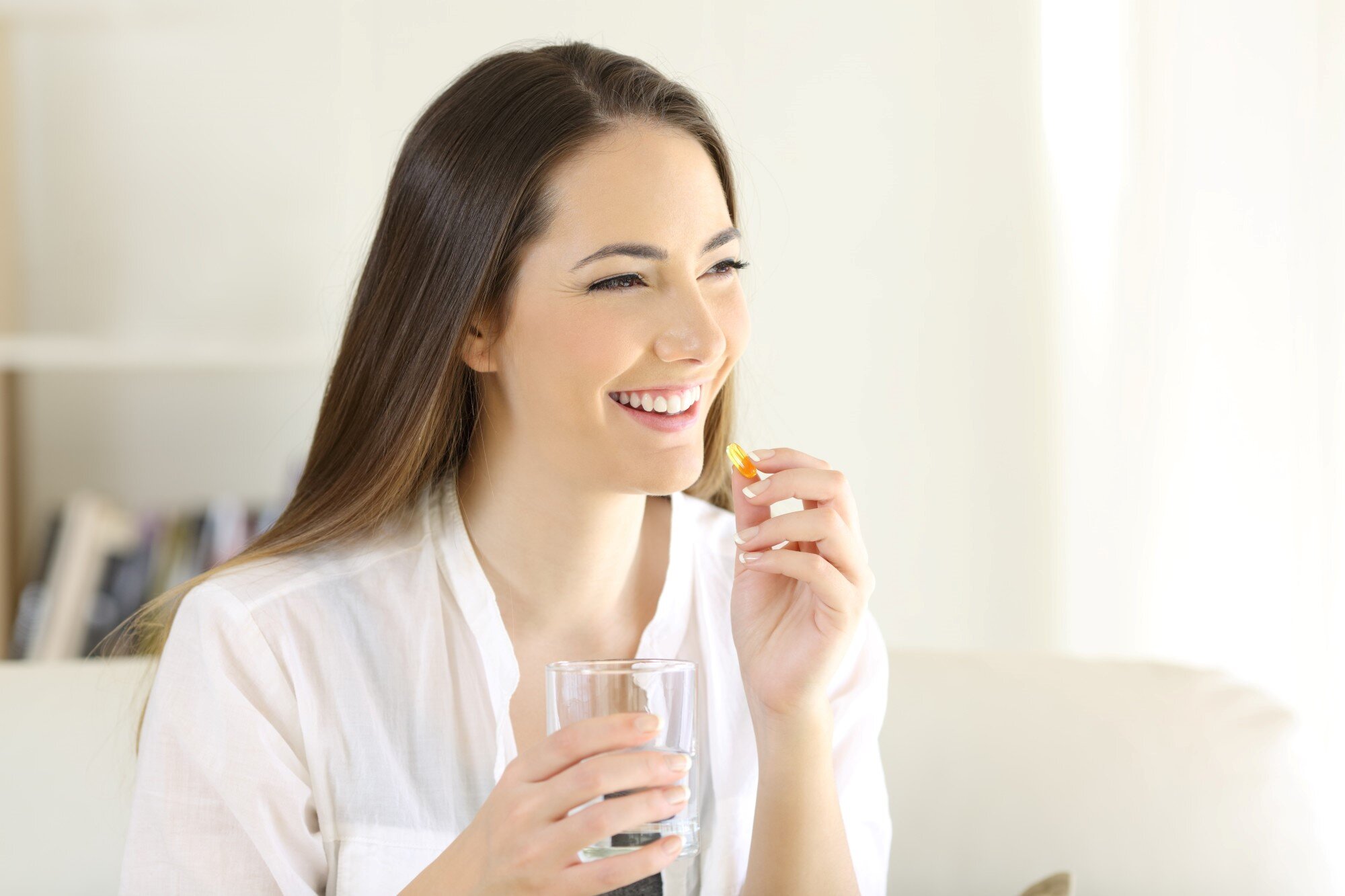
Because of this, nutrient deficiency symptoms flare up and you must talk to your physician or take supplements like vitamin gummy bears.

1. Vitamin D

One of the most common vitamin deficiencies is vitamin D, especially during winter.
 
Spend 10 to 15 minutes a day in the sun or get vitamin D from fortified dairy products, orange juice, salmon, and tuna. If women don’t have enough, you’ll notice bone pain, muscle weakness, frequent respiratory illnesses, and fatigue.

2. Iron

There are two types of iron: heme and non-heme iron.
 
The first is easily absorbed and found in animal foods, especially red meat. Non-heme is present in both animal and plant foods but is harder for your body to absorb.

This type of nutritional deficiency affects 25% of the world's population and women are susceptible when they’re menstruating or pregnant.

Those who are iron deficient will experience tiredness, weakness, a weakened immune system, and impaired brain function.

3. Magnesium

Magnesium is an essential mineral that plays an important role in bone and teeth structure alongside 300 enzyme reactions. Low intake of magnesium results in type 2 diabetes, metabolic syndrome, heart disease, and osteoporosis.

4. Calcium

Women who have limited dairy intake are at high risk for calcium deficiency. One of the earliest symptoms of calcium deficiency is brittle nails, muscle cramps, extreme fatigue, and dental problems.

5. Vitamin B12

Another one of the most common vitamin deficiency examples is a lack of vitamin B12. This is crucial for blood formation alongside the brain and nerve function.
 
Even though your blood needs it, your body can’t produce it so you must get it from food or supplements. You can only get B12 in animal foods which is why vegetarians and vegans are at risk of being deficient.
 
Symptoms include impaired brain function and elevated homocysteine levels which can lead to other diseases. You can get your vitamin B12 by eating shellfish, organ meat, eggs, and milk products.

Those Are Nutrient Deficiency Symptoms In Women

You must familiarize yourself with nutrient deficiency symptoms so you can understand what vitamins and minerals your body desperately needs.
 
Make sure you spend time in the sun, eat dairy, veggies rich in iron, and enough vitamin B12. If you have any queries, always consult your physician as they’ll tell you how to introduce these to your diet.

Did you find this article helpful? If so check out our website on everything from Fitness to Music.

Read the latest issue of Athleisure Mag.

Featured Women's Health
AM NOV ISSUE #119 OS Medtronic (2).png
Dec 20, 2025
TAKE CONTROL
Dec 20, 2025
Dec 20, 2025
AM NOV ISSUE #119 OS Pvolve_Hers copy.png
Dec 18, 2025
NAVIGATING CHANGES | HERS X PVOLVE
Dec 18, 2025
Dec 18, 2025
pic 2.jpg
Apr 26, 2020
5 COMMON NUTRIENT DEFICIENCY SYMPTOMS IN WOMEN
Apr 26, 2020
Apr 26, 2020
THE PICK ME UP.jpg
Oct 1, 2019
THE PICK ME UP
Oct 1, 2019
Oct 1, 2019
May 25, 2019
NEW YORK GASTROENTEROLOGIST SHARES 7 WAYS TO BEAT THOSE SUGAR CRAVINGS
May 25, 2019
May 25, 2019
IBD-Logo-pink.png
Mar 21, 2019
WHAT YOU NEED TO KNOW ABOUT INFLAMMATORY BOWEL DISEASE AND PREPPING FOR PREGNANCY
Mar 21, 2019
Mar 21, 2019
viktor-nikolaienko-1060073-unsplash.jpg
Oct 19, 2018
ARE YOU REALLY A SOCIAL DRINKER OR COULD YOU BE AN ALCOHOLIC?
Oct 19, 2018
Oct 19, 2018
AM JUL INQUIRING MINDS BY DR. SHERRY ROSS-1.jpg
Aug 15, 2018
INQUIRING MINDS BY DR. SHERRY ROSS
Aug 15, 2018
Aug 15, 2018
SHE-EDUCATE WITH DR. SHERRY ROSS
Jul 5, 2018
SHE-EDUCATE WITH DR. SHERRY ROSS
Jul 5, 2018
Jul 5, 2018
In Women's Health, Womens, Health Tags nutrient deficiency symptoms, women, symptoms
Comment
THE PICK ME UP.jpg

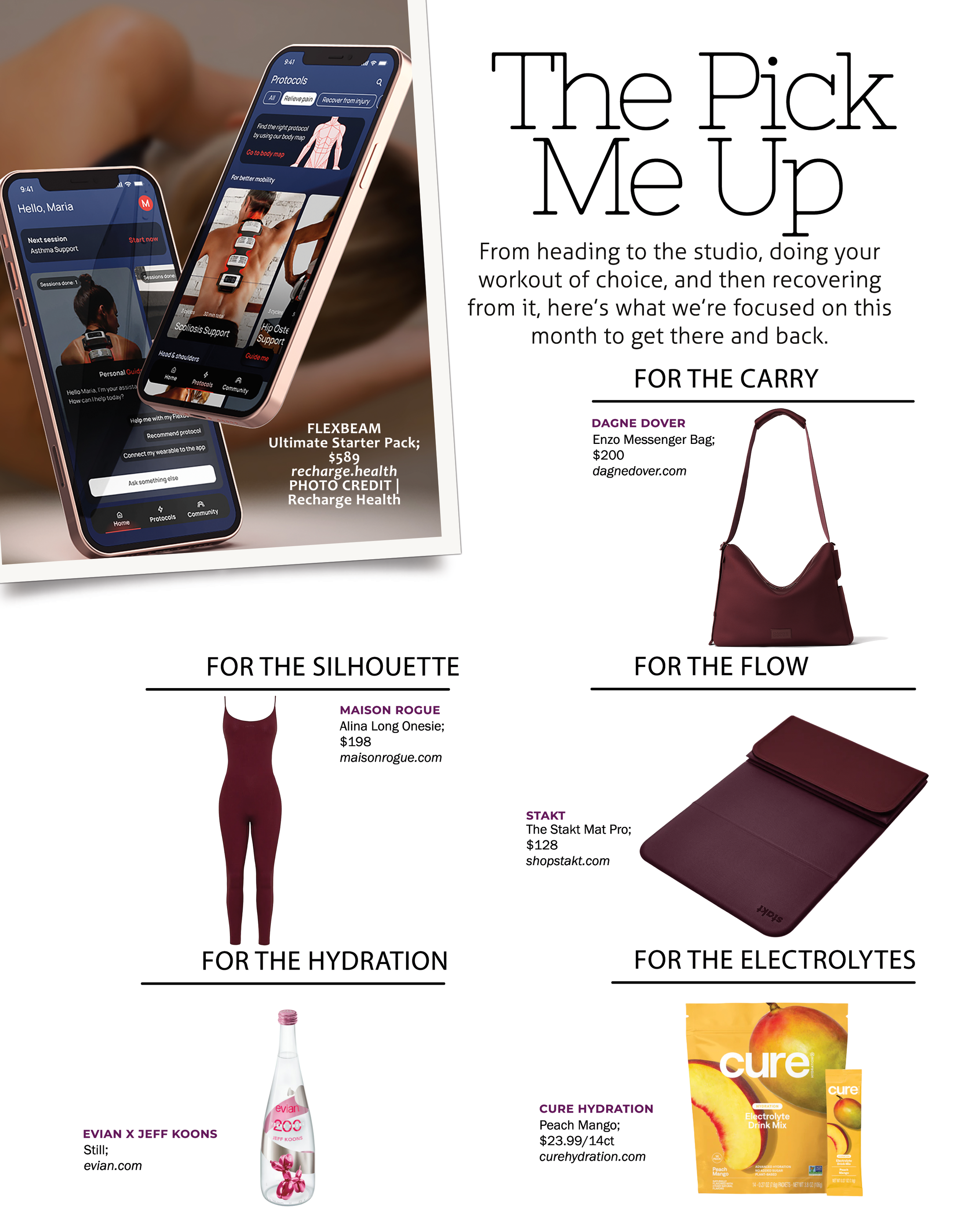
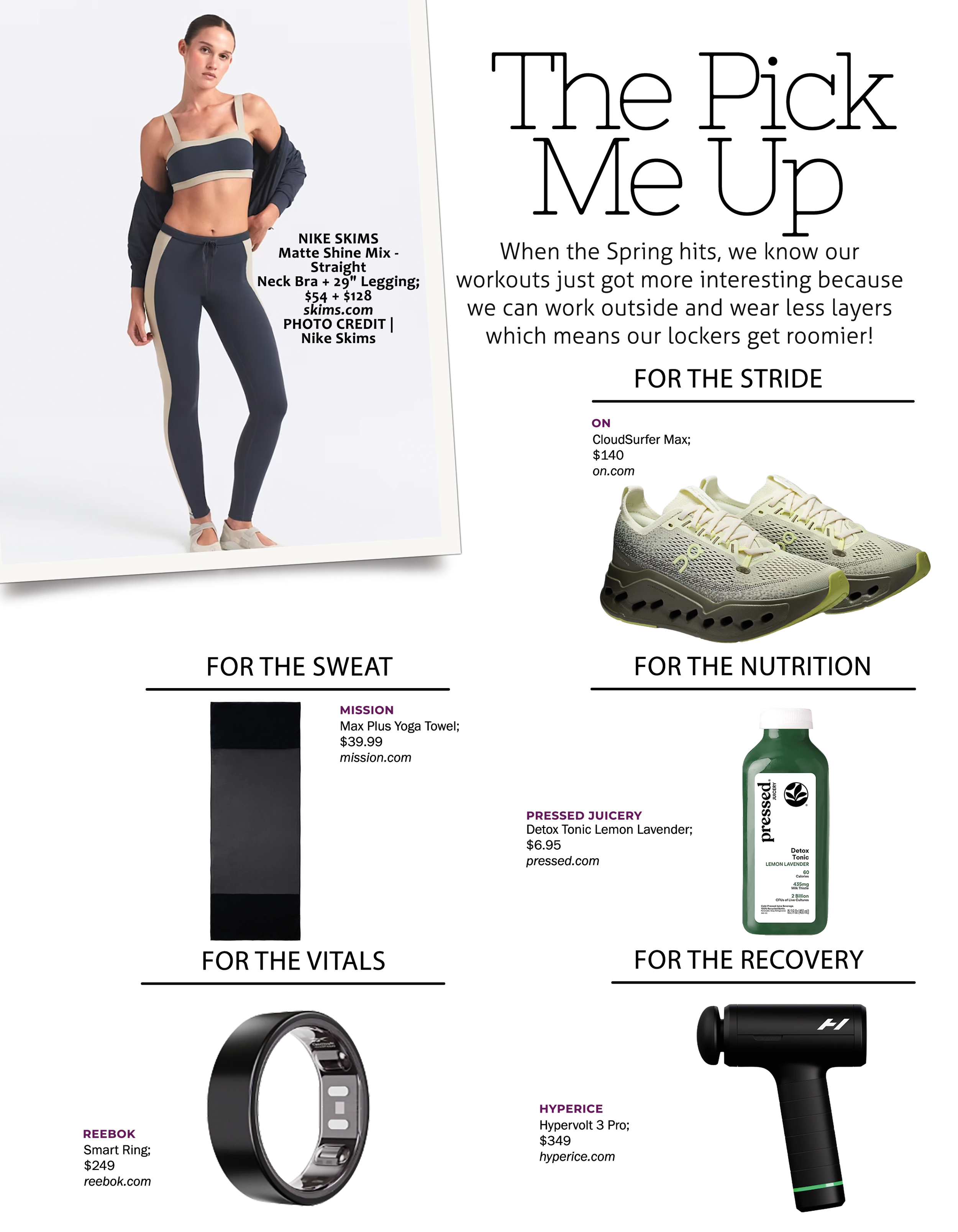
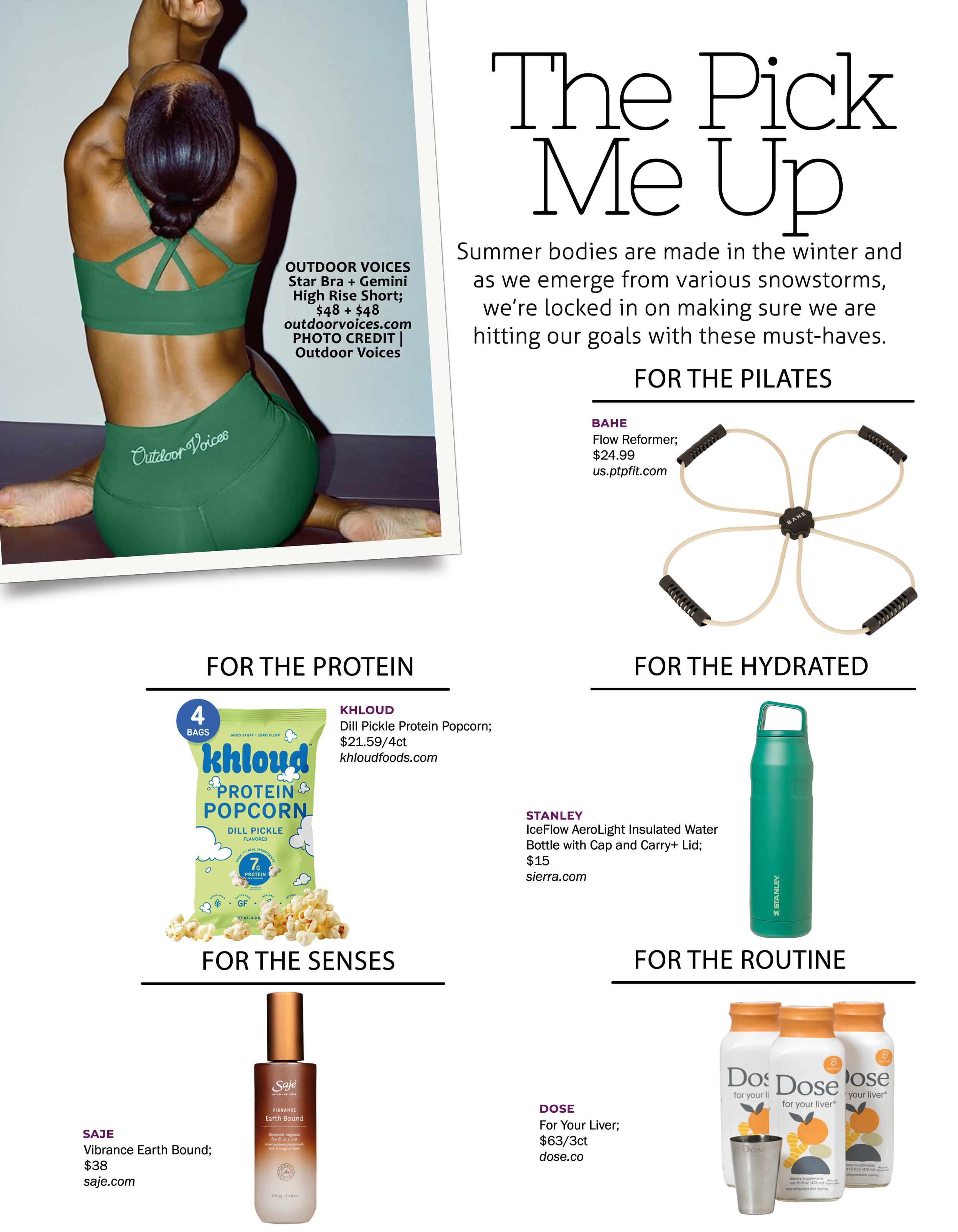
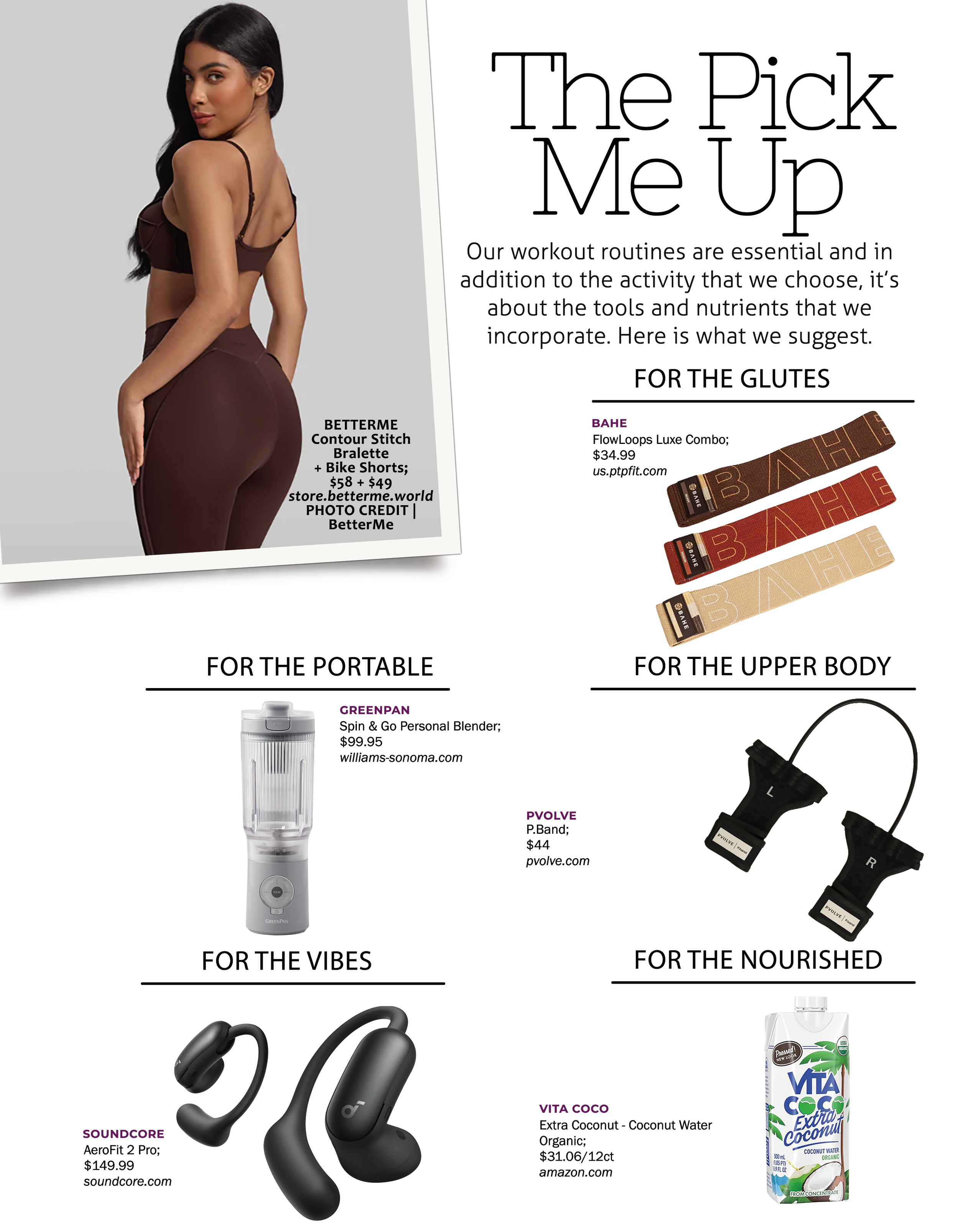
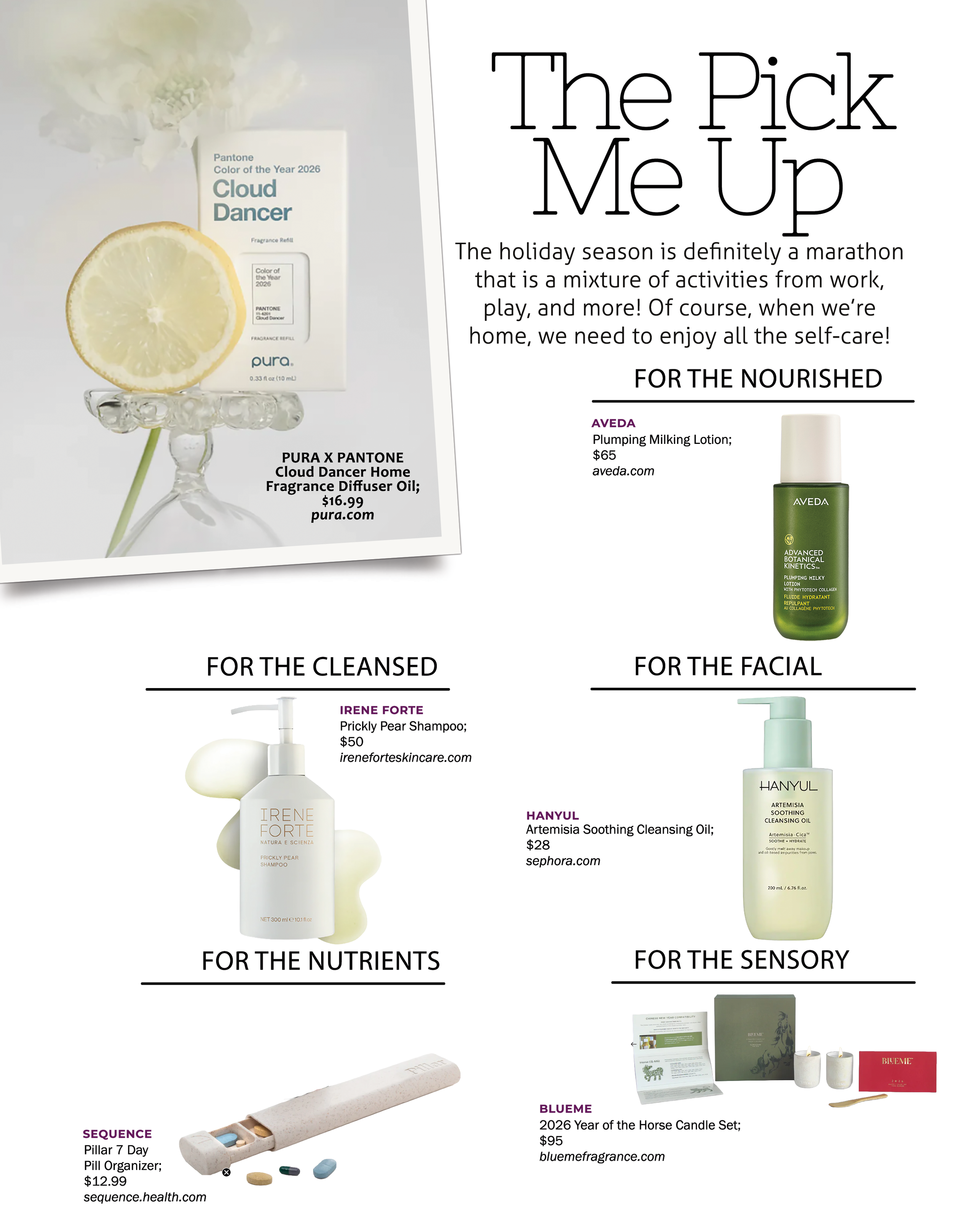
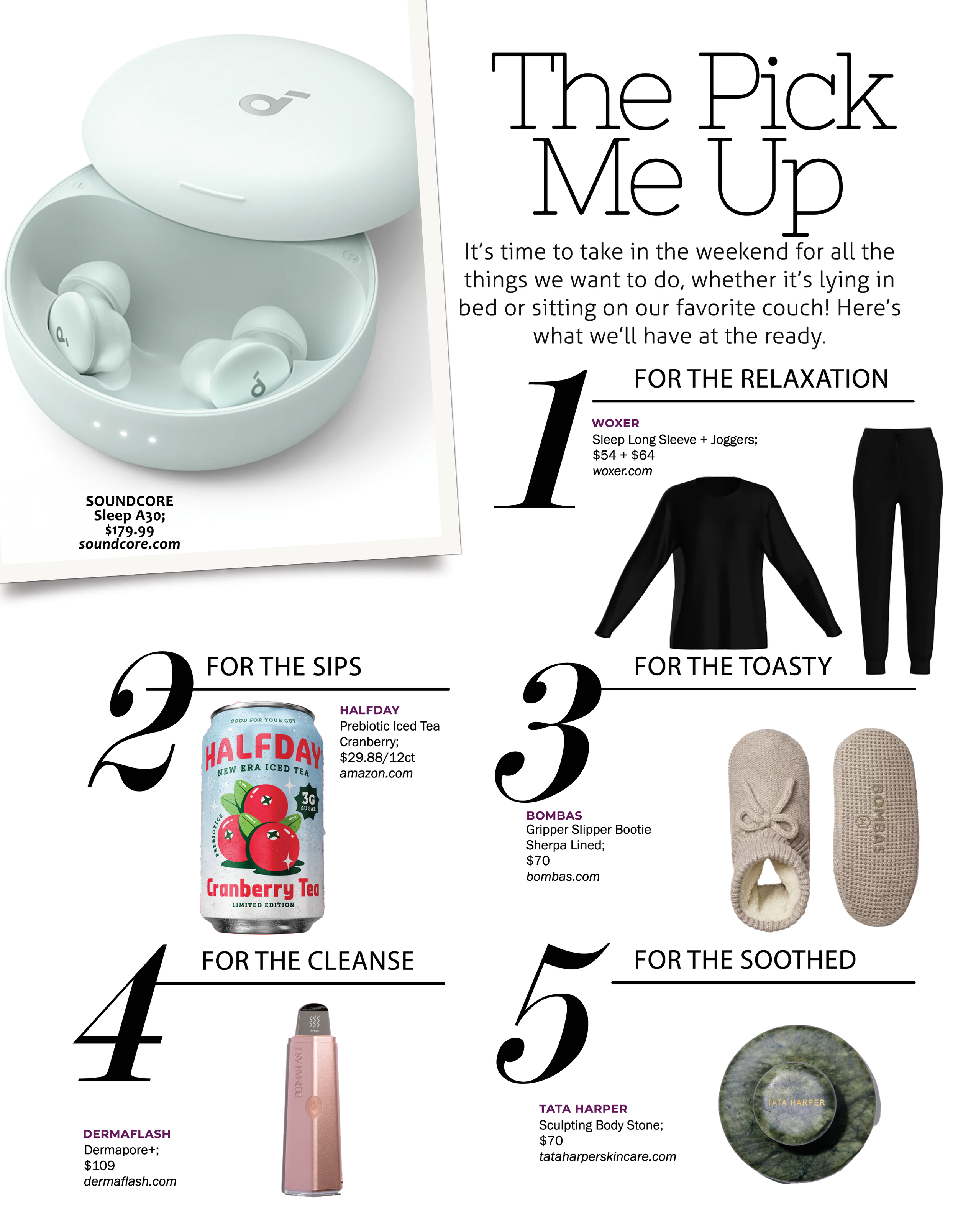
THE PICK ME UP

October 1, 2019

Read the Sept Issue and see The Pick Me Up in mag.

Featured The Pick Me Up
THE PICK ME UP_.png
Jan 1, 2026
THE PICK ME UP
Jan 1, 2026
Jan 1, 2026
THE PICK ME UP.png
Dec 3, 2025
THE PICK ME UP
Dec 3, 2025
Dec 3, 2025
THE PICK ME UP.png
Nov 7, 2025
THE PICK ME UP
Nov 7, 2025
Nov 7, 2025
THE PICK ME UP.png
Oct 4, 2025
THE PICK ME UP
Oct 4, 2025
Oct 4, 2025
THE PICK ME UP.png
Aug 31, 2025
THE PICK ME UP
Aug 31, 2025
Aug 31, 2025
THE PICK ME UP.png
Aug 3, 2025
THE PICK ME UP
Aug 3, 2025
Aug 3, 2025
THE PICK ME UP.png
Jul 3, 2025
THE PICK ME UP
Jul 3, 2025
Jul 3, 2025
THE PICK ME UP.png
Jun 6, 2025
THE PICK ME UP
Jun 6, 2025
Jun 6, 2025
THE PICK ME UP.png
May 6, 2025
THE PICK ME UP
May 6, 2025
May 6, 2025
THE PICK ME UP.png
Apr 7, 2025
THE PICK ME UP
Apr 7, 2025
Apr 7, 2025
In Sep 2019, Style, Beauty, The Pick Me Up, Women's Health Tags Style, Beauty, The Pick Me Up, Arcona, Aerin, Fountain of Truth, It Cosmetics, Danskin, Babyfoot, Breast Cancer, Women's Health
Comment
PHOTO COURTESY | Joanna Kosinska

PHOTO COURTESY | Joanna Kosinska

NEW YORK GASTROENTEROLOGIST SHARES 7 WAYS TO BEAT THOSE SUGAR CRAVINGS

May 25, 2019

Sugar cravings are a formidable opponent to anyone trying to stay on a nutritious path. Sugar cravings can attack in the middle of the day or night, and it takes the will power of a comic book hero to say no to such temptation. But what if we can identify and address the underlying reason why we feel such a need for sugar? New York internist and gastroenterologist, Dr. Niket Sonpal who is also a faculty member at Touro College of Medicine says,  “If more people could learn to pinpoint the reasons why they experience sugar cravings they would have better tools to avoid breaking their nutritional goals.”

Here are Dr. Sonpal’s 7 Ways to Conquer Sugar Cravings

Drink water; you might be dehydrated.

Many people mistake thirst for sugar cravings. “We know that we want something fresh and cold and we usually identify that with sugary drinks,” says Dr. Sonpal. “When our bodies have a deficiency in fluids, it can’t efficiently breakdown glycogen, and this causes the urge to consume something sugary. In reality, what you need to do first is drink water and observe how you feel,” he explains.

Try to Decrease Your Sugar Intake Gradually

Scans have shown that sugar fuels every cell in the brain.  “Our bodies view sugar as a reward. But too much of a good thing is not good at all in this case. By partaking in overconsumption of sugar you are reinforcing your body’s need for that reward, essentially becoming addicted to it,” explains Dr. Sonpal. But like many addictions, it is not a reasonable or sustainable strategy to quit cold turkey. If you feel as though you are out of control or moody without your first soft drink of the day or until you have a piece of chocolate, you need to consider slowly draining your system from that need for sugar.

Rethink social habits that drive you towards sugar

Many of us have social rituals during our day that help us destress amidst countless tasks and meetings. “If you have a standing ritual with a friend or coworker of eating a piece of cake after lunch every day or running to the coffee shop on the corner to get the most sugary caffeinated iced drink you can find, rethink those social behaviors,” says Dr. Sonpal. Try to put something else in place that is healthy but rewarding.

Evaluate your protein intake

Many famous diet plans like Paleo, Vegetarian, and Keto seek to reduce sugars in your food. Sometimes a good way to kick your sugar cravings to the curb is having some good ole’ fashion protein. “Protein reduces the speed with which your body processes sugars and in turn helps you need lower amounts to experience that reward. Eggs, black beans, broccoli, and chicken are really healthy ways to get that protein in to quench that yearn for sugar,” suggests Dr. Sonpal.

If push comes to shove, pick fruit

There will be times when your craving for sugar will be exacerbated by the stress of the day or however many days you’ve gone without consuming it. You may feel like you can have a cheat day. According to Dr. Sonpal, “Your best response to a worsening need for sugar is to eat a piece of fruit. If you get to a point where you feel frustrated, instead of eating processed sugar, eat fruit. Fruits are sweet and have natural sugar that can address your sweet tooth without throwing out your entire effort,” says the NYC gastroenterologist. With the fruit, you will get added vitamins and fiber.

Fiber is your friend

Fiber helps clean out your system, and it is processed more slowly by the body. Fiber helps you feel fuller for longer effectively reducing your craving for mid-meal snacks. “Many people will be very deliberate with their decision to reduce sugar in their meals but will ultimately cave in when their body needs a snack because a lot of the snacks we have in our pantry have sugar in them. Fiber and lots of water would help you stay full for longer periods,” Says Dr. Sonpal.

Observe your consumption of starch

Starches like white rice, white bread, pasta are complex carbs that the body process as simple carbs. They end up affecting the sugar levels in your body and feeding into your need for sugar as fuel for brain activity and energy. If you have cut out processed sugars but continue to eat an abundance of starches, then your next step is to progressively reduce your consumption of those foods as well to clean your system of the need for sugars.

Read the latest issue of Athleisure Mag.

Featured Health
AM NOV ISSUE #119 OS Medtronic (2).png
Dec 20, 2025
TAKE CONTROL
Dec 20, 2025
Dec 20, 2025
AM NOV ISSUE #119 OS Pvolve_Hers copy.png
Dec 18, 2025
NAVIGATING CHANGES | HERS X PVOLVE
Dec 18, 2025
Dec 18, 2025
pic 2.jpg
Apr 26, 2020
5 COMMON NUTRIENT DEFICIENCY SYMPTOMS IN WOMEN
Apr 26, 2020
Apr 26, 2020
THE PICK ME UP.jpg
Oct 1, 2019
THE PICK ME UP
Oct 1, 2019
Oct 1, 2019
May 25, 2019
NEW YORK GASTROENTEROLOGIST SHARES 7 WAYS TO BEAT THOSE SUGAR CRAVINGS
May 25, 2019
May 25, 2019
IBD-Logo-pink.png
Mar 21, 2019
WHAT YOU NEED TO KNOW ABOUT INFLAMMATORY BOWEL DISEASE AND PREPPING FOR PREGNANCY
Mar 21, 2019
Mar 21, 2019
viktor-nikolaienko-1060073-unsplash.jpg
Oct 19, 2018
ARE YOU REALLY A SOCIAL DRINKER OR COULD YOU BE AN ALCOHOLIC?
Oct 19, 2018
Oct 19, 2018
AM JUL INQUIRING MINDS BY DR. SHERRY ROSS-1.jpg
Aug 15, 2018
INQUIRING MINDS BY DR. SHERRY ROSS
Aug 15, 2018
Aug 15, 2018
SHE-EDUCATE WITH DR. SHERRY ROSS
Jul 5, 2018
SHE-EDUCATE WITH DR. SHERRY ROSS
Jul 5, 2018
Jul 5, 2018
In Women's Health, Health, Food Tags Sugar, Sugar Cravings, Food, Dr. Niket Sonpal, Dehydrates, Dehydrated, Wellness, Water, Social Habits, Protein, Fruit, FIber, Starch
Comment
IBD-Logo-pink.png

WHAT YOU NEED TO KNOW ABOUT INFLAMMATORY BOWEL DISEASE AND PREPPING FOR PREGNANCY

March 21, 2019

We had an interesting conversation with Dr. Christopher Robinson a physician and partner at Charleston Maternal Fetal Medicine and Jessica Caron about Inflammatory Bowel Disease and the IBD Parenthood Project. We talked about what you need to know, myths and the importance of having clinicians that can help those who are involved in this journey.

ATHLEISURE MAG: What is Inflammatory Bowel Disease?

DR. CHRISTOPHER ROBINSON: So Inflammatory Bowel Disease is a medical condition that is faced by 1.6 million people in the United States. It’s important to note that half of those people that are affected are women. So as a result, reproductive care comes into this discussion when you’re talking about Inflammatory Bowel Disease. Usually, we think of two conditions primarily – Crohn’s Disease and Ulcerative Colitis as being key contributors to the diagnosis of Inflammatory Bowel Disease

AM: Why is this such a concern for those that are thinking of having children?

DR. CR: We know that planning a pregnancy and getting ready for having a pregnancy – control of a medical disease is important for a healthy mother and a healthy baby. It also assists that mom in going through that pregnancy from having complications that may occur. This is the same for Inflammatory Bowel Disease where recurrences from Inflammatory Bowel Disease contributes to things like smaller babies, babies that may experience a preterm birth, and that may expose the family as well as the baby to increased risk. So one of the key features here is to really control the disease process so that the pregnancy can proceed normally. That’s why we are here and why we have developed this tool kit for providers as well as patients.

AM: So what is this tool kit and how does it prepare those that are preparing to have children?

JESSICA CARON: The tool kit available to moms online at IBDParenthoodProject.Gastro.org is a great place that captures a lot of the misconceptions that women may have about pregnancy and parenthood with some advice for them as well as information for them to share with others while they are making their decision. As well as a checklist that they can use when they are talking to their clinician to make sure that they address all the things in preconception, pregnancy, and even post-natal – breastfeeding etc.

AM: What are the common myths that people have about IBD and planning their pregnancies?

JC: Some common myths can even be – can I even get pregnant with IBD? In fact, women can and do get pregnant with IBD and can do so with healthy ways when they are in remission. Another misconception is, are my medications safe throughout pregnancy and in fact most medications are. I don’t know if you have anything else that you wanted to add to this?

DR. CR: I think it’s one of the very first things that women focus on – am I going to be able to have a healthy pregnancy and then medications that they are taking – are they compatible with a healthy pregnancy? In deed, often times they are healthy and they are actually also beneficial in achieving remission such that the pregnancy can continue normally. So one of the key features that we see in patients is that they initially questioning the safety of continuing their therapy which is keeping them in remission during pregnancy for fear that it may harm the baby.

AM: So what should these women know that do have this condition before they begin to think about becoming pregnant? Will looking at this website give them the information that they need before they begin their next steps when they are in the beginning phases of considering?

DR. CR: It absolutely will! For instance, one of the simple things is starting a pre-natal vitamin – one that has folic acid that reduces the risk of fetal abnormality with things such as spine defects, heart defects and sometimes even clefts in the face. All that can be improved through just taking a vitamin. The other things is actually just opening a dialogue. One thing is that fear can come out of a lack of knowledge. One thing that we are trying to do is to arm women and to arm their providers with reliable information that has been adjudicated and evaluated by both the American Gastroenterological Association as well as the Society for Maternal Fetal Medicine. So they can rely on this information and use it together to create an optimal plan. I think that this will be very helpful in opening a dialogue for these women.

AM: What is a Maternal Fetal Medicine Subspecialist and why is it important to have one early on in the pregnancy process?

DR. CR: So a Maternal Fetal Medicine Subspecialist (MFM) is actually a person who has gone through the formal training to be an Obstetrician and Gynecologist just like an OBGYN; however, they have gone through an additional 3 years of training specifically targeting the management of complicated medical disease, surgical disease or any problems that may come up in utero and how to manage those conditions. So they are really the high risk specialists that can take care of women who have medical disease that is also present at the same time that they are planning to have a baby. So they are uniquely qualified to handle those patients and to make those decisions about medications that are safe, medications that should be avoided as well as looking at the entire picture of how to get that woman from planning a pregnancy to all the way through delivery as well as decisions about lactation. And not to be left out, this also includes decisions about contraception. What are the best ways to plan on when one should have a baby and what kinds of contraception should they be considering.

Read the latest issue of Athleisure Mag.

Featured Health
AM NOV ISSUE #119 OS Medtronic (2).png
Dec 20, 2025
TAKE CONTROL
Dec 20, 2025
Dec 20, 2025
AM NOV ISSUE #119 OS Pvolve_Hers copy.png
Dec 18, 2025
NAVIGATING CHANGES | HERS X PVOLVE
Dec 18, 2025
Dec 18, 2025
pic 2.jpg
Apr 26, 2020
5 COMMON NUTRIENT DEFICIENCY SYMPTOMS IN WOMEN
Apr 26, 2020
Apr 26, 2020
THE PICK ME UP.jpg
Oct 1, 2019
THE PICK ME UP
Oct 1, 2019
Oct 1, 2019
May 25, 2019
NEW YORK GASTROENTEROLOGIST SHARES 7 WAYS TO BEAT THOSE SUGAR CRAVINGS
May 25, 2019
May 25, 2019
IBD-Logo-pink.png
Mar 21, 2019
WHAT YOU NEED TO KNOW ABOUT INFLAMMATORY BOWEL DISEASE AND PREPPING FOR PREGNANCY
Mar 21, 2019
Mar 21, 2019
viktor-nikolaienko-1060073-unsplash.jpg
Oct 19, 2018
ARE YOU REALLY A SOCIAL DRINKER OR COULD YOU BE AN ALCOHOLIC?
Oct 19, 2018
Oct 19, 2018
AM JUL INQUIRING MINDS BY DR. SHERRY ROSS-1.jpg
Aug 15, 2018
INQUIRING MINDS BY DR. SHERRY ROSS
Aug 15, 2018
Aug 15, 2018
SHE-EDUCATE WITH DR. SHERRY ROSS
Jul 5, 2018
SHE-EDUCATE WITH DR. SHERRY ROSS
Jul 5, 2018
Jul 5, 2018
In Health, Women's Health, Womens Tags Health, Women's Health, Inflammatory Bowel Disease, IBD, Pregnancy, clinician
Comment
PHOTO COURTESY | Viktor Nikolaienko

PHOTO COURTESY | Viktor Nikolaienko

ARE YOU REALLY A SOCIAL DRINKER OR COULD YOU BE AN ALCOHOLIC?

October 19, 2018

Increasingly, women are going head to head with men when it comes to binge drinking. It’s not surprising: society normalizes, encourages, and promotes drinking so heavily that it can be nearly impossible, at times, to know what’s “normal” or not. A 2015 report by the National Institutes of Health, says an exploding number of Americans are in the drinking danger zone. According to the report, published in the journal JAMA Psychiatry, nearly one-third of American adults at some point in their life have an Alcohol Abuse Disorder, and only 20% seek treatment. Drinking may seem harmless but overindulging in alcohol is responsible for more than 80,000 deaths in this country per year and is the third leading cause of preventable deaths. We turned to Carrie Carlton, Clinical Director (LCSW) of Beachway Therapy Center in Boynton Beach, Florida to outline the differences between social, problem and alcoholic drinking.

Addicted alcoholics hide their habit

Carrie Carlton says, “When people veer from social drinking to alcoholism, they usually try to conceal their drinking from those who are close to them. This is a warning sign because they deliberately wish to hide their drinking habit from their loved ones so as not to alarm or disappoint them. The fact is, the more they try to hide their drinking habit, the more serious their drinking problem becomes.”

Missing work

Alcoholics tend to miss work, damage other people’s lives, and not fulfill obligations because they stay busy drinking. Social drinkers will drink at specific times when they are usually free so that no important work is hampered. Social drinkers make sure that they do not over-drink, which ensures that they can tend to important obligations. “If they start ignoring these obligations because of drinking, they have likely become alcoholic,” says Carlton.

You’re a weekend warrior.

“If you don’t drink daily, but are drinking regularly, such as binges every Friday night, that’s a red flag,” says Carlton. While research shows that having about seven alcoholic beverages per week lowers your risk of diabetes and cardiovascular disease, abstaining all week only to guzzle five or six glasses in a single sitting negates any of alcohol’s potential health benefits. Moreover, binge drinking can raise blood pressure and interfere with certain medications.

Drinking just “creeps up on you.”

Have you ever told yourself you were going to have only a drink or two at happy hour, and before you knew it you’d downed five? One of the clues that you may be a binge drinker is not knowing your limits—or feeling surprised when you've "suddenly" passed them. “Like diabetes, heart disease, and other health problems, drinking problems develop gradually and alcoholism is progressive,” says Carlton.

Drinking and driving

Alcoholics end up in alcohol-related accidents, while social drinkers do not. However, for a social drinker, they know that drinking and driving is not permitted and can be fatal. So, even if they over-drink on a particular social occasion, they don’t get behind the wheel.

You wonder if there will be enough alcohol available

“This most likely means that you are probably chasing the buzzed feeling and are unable to enjoy yourself without the fear of losing that high” says Carrie Carlton. “It is most definitely a warning sign of addiction and it can be a sign of obsessive thinking around alcohol, which should absolutely raise red flags.”

You “Pre-Game It”

Perhaps you are going on a blind date and don’t want your date to think you drink too much so you have 2 drinks at home and 2 drinks while on the date. You know you’ve had 4 drinks, but your date perceives you as a “normal” drinker. You are aware of your true quantity and have the buzz to go along with it.

You hide alcohol

If you don’t want your spouse, roommate or family member to see you drinking, perhaps you hide alcohol in a closet or bathroom cabinet and put your drinks in a colored paper cup so only you know you’re drinking. Carrie Carlton says, “alcoholics will do this to be able to indulge in their addiction while attempting to “act sober” and deceive others around them.”

You switch drinks or try to make rules for yourself that you don’t follow

Many people will negotiate with themselves. For example, “I will switch from 4 glasses of wine to two Vodkas” or “I will only drink on weekends,” “I will only go to happy hour when I have a new client win.” “Normal” drinkers don’t make these kinds of bargains with themselves because their lives don’t revolve around alcohol or attempts to control consumption of it,” says Carlton.

A ”problem drinker” versus an alcoholic

Carrie Carlton explains that, “A problem drinker is able to self-correct when they are given sufficient reason to do so – negative consequences, painful hangovers, birth of a child, new responsibilities, etc. An alcoholic, on the other hand, is unable to permanently cut back or stop drinking even when they have numerous reasons to do so. When faced with serious consequences and reality, an alcoholic may temporarily stop or limit themselves, but they will invariably return to their regular excessive drinking patterns.”

What to do if you’re not sure you have a problem

Carrie Carlton suggests, “If you are not certain you are an alcoholic, seek the advice of a therapist, or attend an AA meeting and speak with those who have long term sobriety to see if they share similar thoughts and experiences. If you feel that you need more than therapy to stop drinking, in patient treatment (rehab) may be the course of action you need to get both the therapy and tools to live a sober life.

Read the latest issue of Athleisure Mag

Featured Lifestyle
Copy of Thomas_Winstanley (1) copy 5 (1).png
Nov 22, 2025
EDIBLES.COM | EDIBLE BRANDS THOMAS WINSTANLEY
Nov 22, 2025
Nov 22, 2025
H AM SEP OS JESSY DOVER.png
Oct 25, 2025
NEW DAWN FOR BAGS | JESSY DOVER - DAGNE DOVER
Oct 25, 2025
Oct 25, 2025
OS CHLOE X LELE SADOUGHI copy.png
May 21, 2025
FINE + DIVINE
May 21, 2025
May 21, 2025
SPRINGING AHEAD | KELLY OLMSTEAD CMO ALLBIRDS
Apr 23, 2025
SPRINGING AHEAD | KELLY OLMSTEAD CMO ALLBIRDS
Apr 23, 2025
Apr 23, 2025
AM FEB ISSUE #110 Egypt 1.png
Mar 18, 2025
THE POWER OF YOUR HOME | HGTV'S EGYPT SHERROD + MIKE JACKSON
Mar 18, 2025
Mar 18, 2025
LO-FI VIBES EDITORIAL @ TECHNICA HOUSE
Nov 28, 2024
LO-FI VIBES EDITORIAL @ TECHNICA HOUSE
Nov 28, 2024
Nov 28, 2024
OS ZOOEY DESCHANEL (1).png
Nov 25, 2024
VINTAGE STYLE HOLIDAY | ZOEY DESCHANEL
Nov 25, 2024
Nov 25, 2024
WEEKEND VIBES ONLY EDITORIAL
Jul 12, 2023
WEEKEND VIBES ONLY EDITORIAL
Jul 12, 2023
Jul 12, 2023
AM DEC OS MINDY WEISS.png
Jan 19, 2023
MAKE IT A SIGNATURE | MINDY WEISS
Jan 19, 2023
Jan 19, 2023
HOME FOR THE HOLIDAYS | MARIANNA HEWITT
Jan 17, 2023
HOME FOR THE HOLIDAYS | MARIANNA HEWITT
Jan 17, 2023
Jan 17, 2023
In Wine, Women's Health, Health, Lifestyle Tags Social Drinker, Problem Drinker, Wine, Alcoholic, Carrie Carlton, Beachway Therapy Center, National Institutes of Health, JAMA
Comment
PHOTO CREDITS | Brooke Larke via Unsplash

PHOTO CREDITS | Brooke Larke via Unsplash

INQUIRING MINDS BY DR. SHERRY ROSS

August 15, 2018

Last month we introduced our readers to Santa Monica based and Celebrity OB/GYN, Dr. Sherry Ross. Like a girlfriend that we have known for years, she talked with us about how she got into her practice and the depth of her career, the difficulty that women have in talking about their vagina, the importance of knowing how to take care of this area - especially as it pertains to an athleisure lifestyle, her partnership with Summer's Eve, what she is up to this summer and more.

Dr. Ross shared so much information with us, we thought that we would spread out more of her knowledge in additional issues. If you missed last month, you can read it here and in this
month's issue we are focusing on some of the common questions that she is asked by her patients and of course, she shares answers.

• What are some of the changes that occur with our vagina throughout the years.

The effect of aging on our body, including our vagina, is inevitable. Your vagina is as young and beautiful as you think it is in its appearance. Your personal attitude and vaginal confidence is the most important factor in how others perceive an aging vagina.

Just like any other part of your body with skin, glands and hair follicles, the appearance of the vagina is affected by the aging process and how well you care of it.

There are known offenders, such as childbirth and menopause, which leave battle scars that can be permanent, but there are things you can do to avoid needing a vaginal “face-lift’ also known as vaginal rejuvenation, in the future.

Hormonal changes over the decades also influence the integrity and elasticity of the vagina. First let’s be clear what we are talking about regarding the vagina. The “vagina” actually includes the lips, vulva or labia-minora and majora, the opening to the vagina and the clitoris.

Starting with puberty, the powerful effects of estrogen and progesterone, cause changes of the vagina including pubic hair, enlarging and more prominent labia or lips and more noticeable white vaginal discharge. As you age and lose your subcutaneous fat in your body, the fat in the vagina also decreases making the lips looks thinner.

Childbirth probably has the most dramatic effect on the vagina, especially if you have a vaginal delivery. A recent statistic showed that “30% of women who have a vaginal birth will have some form of trauma to the tissue and muscles in the vagina and pelvic floor. The vagina and all its elastic glory can only stretch so much during childbirth. With each vaginal delivery there is a little more stretching which has an accumulative effect that ultimately changes the outward appearance of the vagina. The pelvic floor muscles that stretch, distend and tear in the vagina to allow the baby’s head to come through this tight space will never be quite the same over time. The more vaginal deliveries you have, the more the vagina stretches, especially in the vaginal opening. Women often chose to have an elective cesaean section to avoid any trauma caused to the vagina from a vaginal birth.

There is a definite correlation between having a lot of vaginal deliveries and big babies that permanently stretch the outward appearance of the vagina.

With menopause and the loss of estrogen nourishing and hydrating the vagina, the tissue becomes dry, pale and dehydrated. The labia of the vagina can become fused and the vagina and clitoris shrink. The labia becomes less full, losing its fatty pads and the skin loses its collagen. The end result is lighter or darker appearing labia that sag. The medical term for this is vulva-vaginal atrophy.

brooke-lark-158018-unsplash.jpg

• What are some of the reasons my vagina itches if I don’t have a yeast infection?

The itchy vagina can be challenging to figure out but is a common phenomenon. Once your health care provider has ruled out a yeast or bacterial infection it’s time to look other environmental causes including heavily fragranced body and laundry soaps, sanitary pads, sanitary wipes/pads, warming gels and scented lubricants, nylon underwear, diaphragms, condoms, saliva, semen and stress which are often the offending sources of the vaginal itch.

• What are reasons why my vagina smells funny?

The normal vagina tends to smell like “a vagina” which all of us women know what that means. When there is an unusual odor something is just not right down there. A classically smelling fishy vagina tends to be a bacterial infection such as Gardnerella. Other causes for a strange or offensive odor include a sexually transmitted disease such as Chlamydia, Trichomonas’s, Syphilis and Gonorrhea. Your diet, including garlic, onions, Brussels sprouts and red meat, can also create a different odor in the vagina. Smoking, alcohol and caffeine also affect the vagina’s smell and taste.

• What exactly is the importance of pubic hair?

The best kept secret about a women’s body is why we actually have pubic hair. No one really knows the answer to this question. The suspected theories, some medical and some not, include pubic hair prevents dirt and other floating germs to enter the vagina, it keeps our genitals warm, and it’s the perfect cushion during sex, bicycling and other forms of exercise that put pressure on our vagina.

Pubic hair is also thought to create ‘pheromones’ which are invisible sexual smells that are sexually enticing and erotic to your partner. We know pubic hair can be a decorative accessory under the sheets during Valentine’s Day or for different cultural preferences.

• What impact is the porn industry having on women and men when it comes to vaginas?

The truth is a lot of women don’t like their vaginas. 1 in 7 women have considered getting ”labiaplasty” which basically is trimming and tucking the lips of the vagina and tightening up the entrance. Many women admit that 1 in 5 compare themselves to those vaginas seen in porn. With porn on the rise, vaginas are everywhere. And yet, no one seems to want to admit how this new prevalence, and its resulting misconceptions about sex and the vagina is - or isn't - changing our romantic and sexual relationships and our relationships to our bodies and ourselves.

There’s no denying it. Porn is everywhere. Porn sites get more visitors each month then Netflix, Amazon, and Twitter combined. A recent statistic found that 70% of children ages 8 to 18 report having unintentionally stumbled across pornography online. The average age for a child to be exposed to pornography is now 11 years old. This means that our children are often “learning” about “normal” sexual behavior and physical appearance from the likes of Jenna Jameson and John Holmes. Many women (and men) now expect, even want, all vaginas to look like Jenna’s does. Girls and guys alike visit porn and other sexually graphic web sites, and not just for pleasure, but also to see what the perfect vagina and the ideal penis look like.

We as a society have to fight the porn epidemic and not allow our young women and men to think this is how they should be learning about sex and sexual relationships through porn. Awareness and education is vital!

brooke-lark-730933-unsplash.jpg

• What are ways to keep my vagina young?

Your vagina is as young as you think it is. With that said, a young vagina is a healthy and confident vagina. Keeping the vagina clean and enjoying sexual pleasures keeps the vagina young regardless of age.

• Why do you think such little attention has been paid to women's sexual concerns compared with men's?

Unfortunately, there has been a history of “gender injustice” in the bedroom. Women have long been ignored when it comes to finding solutions to sexual dysfunction. If there were a scoreboard it would read 26 and O for men! In short, there are twenty-six approved medications for male erectile dysfunction and zero for women. Clearly, little attention has been paid to the sexual concerns of women, other than those concerns that involve procreation. Why is this the case? Why are women marginalized in every aspect of life? Sadly, this is a truth even in the medical space. Women are not getting the attention and respect they deserve.

Women simply want the same attention in sexual health and responsiveness from the medical community as men have had. With that in mind, the FDA is finally showing support for the challenges faced in female sexual health. Whether you choose a medical alternative, a little self-love in the afternoon, or a romantic weekend without electronics or distractions, the choice should be yours.


“Just like any other part of your body with skin, glands and hair follicles, the appearance of the vagina is affected by the aging proce3ss and how well you care of it.”
— Dr. Sherry Ross

• What are the main sexual problems/issues affecting women in their 20s and 30s?

Our sexuality is as part of our lives as is eating and sleeping. Sexuality is an important aspect of our wellbeing, and in a healthy romantic relationship it’s as important as love and affection. Enjoyable sex is learned. Sure, there’s instinct and maybe a dusting of magic involved, but you don’t magically have an orgasm without having an active role in making it happen. You and your partner have to acknowledge each other’s likes and dislikes, and learn how to satisfy each other. Open and honest conversations are necessary to make the sexual experience optimal for both of you, whether you have multiple partners or self-esteem to spare. For women, the sexual experience can be broken down into four parts: desire, arousal, vaginal lubrication, and orgasm. I know you’ve heard it before, but it can’t be overstated; your largest and most important sex organ is your mind. It’s what makes all the parts come together in what can (and should) be a sublimely satisfying experience.

Intimacy, sex and orgasm often all begin with desire. If you don’t have any desire you will not be able to have an orgasm-plain and simple, mission will not be accomplished. Understanding the cause of the sexual dysfunction is the most important step in optimizing a treatment plan. Relationship counseling, stress reduction, sex therapy or a weekend away with your partner without the kids may be all that’s needed to get you back on track.

Hypoactive sexual disorder, the most common female sexual dysfunction, is characterized by a complete absence of sexual desire. For the sixteen million women who suffer from this disorder, the factors involved may vary since sexual desire in women is much more complicated than it is for men. Unlike men, women’s sexual desire, excitement and energy tend to begin in that great organ above the shoulders, rather than the one below the waist. The daily stresses of work, money, children, relationships and diminished energy are common issues contributing to low libido in women. Other causes may be depression, anxiety, lack of privacy, medication side effects, medical conditions such as endometriosis or arthritis, menopausal symptoms such as a dry vagina, or a history of physical or sexual abuse. It’s not a myth after all that women are more complicated than men.

Learning how to have an orgasm is not a rite of passage. Orgasms are learned and you cannot expect any one to show you how to have one until you know your own sexual body mechanics.

In fact, 10-20% of women (of all ages) have never had an orgasm. Women typically have sexual and emotional issues that get in the way of intimacy which interrupt the four parts of a sexual experience for women.

For some women, finding and enjoying sexual intimacy and sex is difficult. 43% of women report some degree of difficulty and 12% attribute their sexual difficulties to personal distress.


IG @DrSherryR + @She-Ology

brooke-lark-609903-unsplash.jpg

Read more from the July Issue of Athleisure Mag and see Inquiring Minds by Dr. Sherry Ross in mag.

Featured Women's Health
AM NOV ISSUE #119 OS Medtronic (2).png
Dec 20, 2025
TAKE CONTROL
Dec 20, 2025
Dec 20, 2025
AM NOV ISSUE #119 OS Pvolve_Hers copy.png
Dec 18, 2025
NAVIGATING CHANGES | HERS X PVOLVE
Dec 18, 2025
Dec 18, 2025
pic 2.jpg
Apr 26, 2020
5 COMMON NUTRIENT DEFICIENCY SYMPTOMS IN WOMEN
Apr 26, 2020
Apr 26, 2020
THE PICK ME UP.jpg
Oct 1, 2019
THE PICK ME UP
Oct 1, 2019
Oct 1, 2019
May 25, 2019
NEW YORK GASTROENTEROLOGIST SHARES 7 WAYS TO BEAT THOSE SUGAR CRAVINGS
May 25, 2019
May 25, 2019
IBD-Logo-pink.png
Mar 21, 2019
WHAT YOU NEED TO KNOW ABOUT INFLAMMATORY BOWEL DISEASE AND PREPPING FOR PREGNANCY
Mar 21, 2019
Mar 21, 2019
viktor-nikolaienko-1060073-unsplash.jpg
Oct 19, 2018
ARE YOU REALLY A SOCIAL DRINKER OR COULD YOU BE AN ALCOHOLIC?
Oct 19, 2018
Oct 19, 2018
AM JUL INQUIRING MINDS BY DR. SHERRY ROSS-1.jpg
Aug 15, 2018
INQUIRING MINDS BY DR. SHERRY ROSS
Aug 15, 2018
Aug 15, 2018
SHE-EDUCATE WITH DR. SHERRY ROSS
Jul 5, 2018
SHE-EDUCATE WITH DR. SHERRY ROSS
Jul 5, 2018
Jul 5, 2018
In Women's Health, Womens, Wellness Editor Picks, Wellness, Magazine, Lifestyle, Jul 2018 Tags Dr. Sherry Ross, Vagina, Women's Health, Women, OB/GYN, sex, orgasm, intimacy, sexual, emotional
Comment
PHOTO CREDIT | UnSplash

PHOTO CREDIT | UnSplash

SHE-EDUCATE WITH DR. SHERRY ROSS

July 5, 2018

When you're out with your girlfriends, you enjoy hanging out and a number of sips - that's when the conversation gets real. You talk about your love life, what you should do in your careers and then its down to talking about what's going on down there. Maybe you have questions or are prepping for when you have your next visit with your OB/GYN. We decided to find out answers to some questions that readers have asked us by talking with Dr. Sherry Ross who is based in Santa Monica. We found that talking with her was like adding her into our tribe of girlfriends!

ATHLEISURE MAG: Tell us about your background and how you knew that you wanted to be an OB/GYN. In addition, if you can, feel free to let us know about celeb clients that you have worked with.

DR. SHERRY ROSS: When I was a young girl, I would go on hospital rounds with my father who was a Urologist—I must admit that initially I went for the endless supply of donuts and apple juice in the doctor’s lounge. However, over time, I learned firsthand how much my father embraced and loved his patients and loved his profession. I took careful note of his compassion and the positive impact he had on his patients, as well as the powerful impact that my father’s patients had on him. I knew I wanted to be a doctor in order to experience that same powerful and healing give and take. I can honestly say that the most gratifying thing about my 25-year career in medicine has been the relationships and bonds I’ve developed with my patients. I gravitated to OBGYN in my 3rd year of medical school since I loved delivering babies and being a part of such a joyous and memorable experience. Helping women was so satisfying and enjoyable and I really felt as though I could make a difference in their wellness journey.

I felt as though when women's legs go up in stirrups, the conversation really begins and I could serve as their best friend or favorite therapist.

I am fortunate to take care of many A-list celebrities who also are committed to women’s health and wellness.  Reese Witherspoon was incredibly kind and generous to write me a wonderful forward to she-ology. Social and celebrity influences can help promote the messaging of empowering women to take better control of their health and wellness.

AM: We had the chance to have lunch with you. Why do you think that women's health in terms of vaginal issues, questions etc seem to be difficult for women to address and what can we do to  make these conversations easier to have?

DR. SR: Women need to be comfortable talking about their vagina’s. 50% of women never talk about their vaginal health with anyone, not even their doctor. If you can’t even say the word vagina how are we supposed to talk about it? Women need to talk about their specific health care issues, issues that are often ignored and not dealt with. There are very few places where women feel comfortable talking about their vaginas without feeling judged, so at the very least, a doctor’s office should be a bastion of comfort. 90% of women wished they had more information about vaginal health.

The inability to say the word “vagina” has been passed on in our culture from outdated attitudes, societal norms and misconceptions about the vagina and sex.  It doesn’t help that our society as a whole is undeniably juvenile about our approach to vagina. As an example, in June 2012, a bill was presented on the House floor seeking to regulate the use of the word "vagina" after Micigan Representative Lisa Brown was banned from speaking because she used the term in a debate over an anti-abortion bill. "Brown's comment

so offensive, I don’t even want to say it in front of women,” complained Representative Mike Callton (R: Michigan). “I would not say that in mixed company.”

A ban on a word that is a medical term used to describe our female genitalia? Politics and mainstream media will not allow the word "vagina: to be said out loud without some sort of backlash. We need to change this reality for the sake of women’s health, especially since there doesn’t seem to be a problem in mainstream advertising for the treatment of erectile dysfunction!  

I am counting on our younger generations of women to help lead the way and change the narrative on how we talk about our health, our bodies, and especially, our vaginas. Women need to take control of their bodies in every way. We cannot be afraid to ask uncomfortable questions. We need to learn and explore the changes our bodies experience throughout our lifetime.

The conversation needs to start at a young age with our girls, daughters, nieces and granddaughters.

It’s not just one “talk” we need to have with our daughters. There are many “talks” about their bodies and overall health that needs to happen depending on the developmental (hormonal!) milestone and what is age-appropriate. Before you start talking about human sexuality and sexual behaviors you have to have created an environment where your daughter feels comfortable discussing other sensitive topics such as puberty, proper nutrition, body image issues, recreational alcohol, tobacco and drug use.

When young girls learn about their body part—“here is my nose, my ears, my belly button”---they need to learn and use the word vagina from an early age so they become comfortable with their own anatomy. When mothers teach their daughters code names for their vagina, such as "Vajaja", this does not move the needle in the right direction of changing this narrative.

If mothers or other role models to young girls don’t initiate these types of sensitive topics, your daughter will find other ways of learning about her health and wellness from other resources. This is where the problem lies. Social media and porn have damaged our children in how they look at themselves.

It’s important for moms to normalize these conversations between a mother and daughter. The more comfortable and candid you can make these conversations, the more relaxed your daughter will be when her breast buds, period, body image concerns and sexual health issues present themselves to her.  

In life there are a handful of sensitive subjects that feel completely awkward between a mother and a daughter and talking about her first period, breast development, pubic hair, the vagina,  where babies come from and sexual health. In

truth, talking about your sexual health may be a completely off limit subject between mom and daughter.

Even though the average age of a young girl getting her period is 12 years old, puberty, in all its glory, starts as early as 8years old. Breast buds are noticeable 2 years before the period actually starts and can be detected between 8 to 13years.  Pubic hair, hair under your arms and legs and acne also joins the hormonal party during the "tween" years. It's important to skowly and comfortably ease your daughter ito talking about her body and changes associated with puberty which empowers young women to embrace their body in a healthy way.

Promote body confidence. Teach your daughter about her body, use the correct descriptive terms when talking about her breasts, vagina and period.  If young girls and women are not able to confidently own the proper words to describe their female body parts, it makes it difficult to comfortably talk about their personal needs and experiences.  

#1.jpg

AM: Vaginal care is an essential and we liked your analogy to taking care of this area as we do our faces. Can you break that down for us?

DR. SR: The one thing I wish women knew was where their vulva was located on their "vagina". This is vagina confusion that women will appreciate understanding more about...

You must get to know your vulva and vagina, up close and person. First - let’s be clear what we are talking about regarding the vagina. The “vagina” actually includes the vulva, labia-majora (outer lips) and labia minora (inner lips), the opening to the vagina is called the introitus, the inner vagina, the urethra (small opening leading to the bladder), the clitoris and the protective hood of the clitoris. The inside of the vagina, where tampons go, is a temperamental and ultra-sensitive area. 50% of women wonder if their vagina is normal looking. My first and foremost advice to women is to get to know your lady parts, know what your “normal” is so you will know when a potential problem arises.  If you have not done so already, pull out the mirror and get to know your vagina, your vaginal health depends on it. Every woman needs to take a “vagie” to really know this lady part intimately.

Your vulva and vagina are very sensitive to everyday feminine rituals. Using the wrong types of soap can cause irritation and bad odor. Avoid soaps which are heavily perfumed and are not pH balanced which upset your body. Using a gentle, lightly fragranced wash and natural skin moisturizer daily is ideal, especially ones made specifically for the vulva. Your vulva and vagina does need a special cleaning routine and it usually begins with using a special wash and warm water.  You cannot use the same soap to clean your feet and underarms to wash your vagina! I highly recommend Summer's Eve Cleansing Wash made specifically for our most sensitive area on our body. Vagina friendly washes carefully clean the vulva, remove odor-causing bacteria and are balanced for a woman’s natural pH.

Cleaning the outside of the vagina or the vulva, clitoris, and vaginal opening every day with a vagina friendly wash is so important. You can use a wash cloth or your fingers to clean this area in the shower or bath.

AM: Why have you partnered with Summer's Eve and why is it essential to utilize cleansing products like this as opposed to total body soaps that are not formulated for the vagina.

DR. SR: Partnering with Summer’s Eve was an easy and authentic relationship since I wholeheartedly believe women have to care for their vagina in the same way we care for the skin of our face. Using vagina friendly and specially made products for this sensitive and temperamental area of our body is so important and necessary. Summer Eve’s has been around since the 70’s and they have created products for the vagina that are clinically and gynocologist tested for safety in this delicate area. You can’t use an everyday soap on the vagina like most women used daily. When you use a vagina friendly wash that’s designed to be balanced for a woman’s natural pH and sensitive to the vagina you feel fresh and avoid irritating residue. I am on a mission to change the narrative on how we talk and take care of the vagina.

AM: As many of our readers enjoy cycling, hot yoga, pilates etc how do we take care of our vagina in order to ensure that we are keepig it healthy in the midst of these activities.

DR. SR: Certain sports can be hard on the vagina. Cycling and spinning are at the top of this list!

The way the vagina is positioned on the bicycle seat exerts unfamiliar pressure on certain parts of the delicate soft tissue of the labia majora and minor, better known as the "lips" of the vagina. With prolong bicycle rides or spinning classes the intense pressure on certain parts of the vagina, tailbone, lower back and groin creates restriction of blood flow, skin irritation, and ultimately numbness of the area, especially the clitoris. Some women even report disruptive genital pain and discomfort with reduced genital sensation.

Other problems that are associated with cycling, spinning and horseback riding include vaginal infections such as yeast and bacterial due to the poor vaginal ventilation and moisture buildup that occurs with these sports. With constant pressure on the vagina, skin cysts can develop as well. Your cycling posture and the way you sit on the bicycle seat also affects the pressure that is exerted on the delicate parts of the vagina.  

Recumbent cycling does not create the same problems on the vagina that upright cycling cause.  The pressure and problems of the vagina that are typical of upright cycling are transferred to the buttock for those recumbent cyclers causing minimal discomfort.

You can avoid some of these problems by using the appropriate saddle seat, cycling shorts, professional bike fitting, using proper cycling posture, allying emollients and moisturizing creams to the vagina. Also taking a shower or long bath following these types of activities is helpful.

Hot yoga and any activity that brings excessive heat and sweat to the vagina can increase the risk of a yeast infection or vaginal skin irritation. Changing ito clean and dry clothing after these types of workouts is important to prevent these types of problems. I also love the Summer’s Eve Cleansing Cloths to freshen up after a hot workout. They are balanced for a woman’s pH and also get rid of any odor causing bacteria, so I can feel comfortable all day.

AM: Picking an OB/GYN is such a process - what are the questions that we should have to ask our potential caregiver to see if they are a match for our needs.

DR.SR: Many women are given a list of providers to choose from according to their insurance policy. With social media, Yelp and other physician review sites you can and should learn about the doctor you are going to trust with your health. You can always interview a potential doctor first before you commit to making an official office visit. You want to be comfortable with the doctor you select.  Depending on what is important to you, you may want to ask the following questions:

1. Will I get a call back with my test results?

2. Are you accessible via email?

3. How long does it take to get an appointment with you?

4. Will you be calling me back or will it

be one of your office staff members?

5. How often do you suggest I get a pap smear?

6. Make sure the OBGYN is board certified and there are no malpractice claims against them.

The most important quality to find in a new OBGYN is that you feel comfortable talking openly and honestly with her/him.  

BEACH8.jpg

AM: Over the last year, we feel that we have learned about conditions that women are battling such as Endo and thanks to social media we have learned about symptoms and the stories of celebs, influencers etc that have given us information - but what is a resource that you suggest that women can use to find out answers to their questions when they aren't talking to their OB/GYN?

DR. SR: Your medical information is as reliable as the source you are using.  I would stick to WebMD, Mayo or Cleveland Clinic and the Harvard Health Newsletter and avoid chat rooms that can lead to a lot of confusion and misinformation.  I also like GoAskAlice.com for relatable and accurate medical information.

AM: Tell us about what are you up to this summer and fall as we know that you are working on a number of things - feel free to share with our readers.

DR. SR: I am working on my next books, She-sequel and the 7 Cycl Systems that women experience. During the summer I enjoy spending time with my sons who come back home for vacations and family time.  My wife who is a high school principal in Watts, California, also has more free time to hang out together.

AM: We know that you have a book out called She-ology. For those that are not patients of yours, how can they connect with you and find out their pressing questions.

DR. SR: You can connect with me by my website drsherry.com and through my social media channels including on Twitter @DrSherylRoss, Instagram @drsherryr @she-ology and on Facebook DrSherryR.

“Recumbent cycling does not create the same problems on the vagina that upright cycling causes. The pressure and problems of the vagina that are typical of upright cycling are transferred to the buttock for those recumbent cycles causing minimum discomfort.”
— Dr. Sherry Ross

AM: We also know that you have created a line of supplements - can you tell us more about that?

DR. SR: My mission is to change the narrative of how women talk and learn about their health and overall well-being.

Over the course of my 25+ years as a practicing OB/GYN and women's health educator, I came to realize that women can experience up to 7 distinct hormonally-driven cycles. Each of these life chapters introduces both unique wellness challenges and opportunities to maximize well-being. During this same time, my patients were asking for potentially harmful prescription medications to deal with concerns such as PMS, stress, and hot flashes and my advice on what products could help them feel their best during complex, hormonal life stages, such as Fertility, Postpartum and Menopause.

I researched extensively to find a credible source of natural, high-quality supplements designed specifically for women and was shocked to discover the impurities found in many supplements — up to 50% of the ingredients can consist of fillers, chemicals, and preservatives.

That's when my 7 Cycls System was born — an easy-to-follow women's health management framework that addresses specific onerns in each of the 7 cycles with scientifically-formulated nutraceuticals to target each life stage.

Ultimately, the 7 Cycl system delivers practical nutrition and wellness advice that’s science-backed and easy to apply.

I embarked on this journey in 2014 and have been refining my formulations over the years through customer feedback.

I’m excited to introduce you to my Co-Founders. Jennifer Beals is an ardent women's healthcare advocate and serves as Cycl’s spokesperson, and Amber Bezahler, our CEO who has tremendous experience in the direct to consumer and eCommerce space.

AM: We know that you are based in Santa Monica and anytime we're out there we're always looking for great spots. Where would we find you going out to grab a bite to eat, where do you workout and where do you shop?

DR. SR: I work out almost every day on my Elliptical located in my garage.  My goal is always to hit 10,000 steps a day. I am a bit obsessed with my Fitbit to make sure I reach this goal.  I spend most of my free time with my family and close friends. Weekly barbeques, family dinners, scrabble games, making puzzles, playing ping pong and binge watching on Netflix are common daily activities for me. One of my favorite places to have dinner and just chill is at Blue Plate Taco or Lares Mexican Restaurant.  My favorite food…is Mexican food, with the hottest salsa possible!

AM: Please feel free to share anything that we have not covered that you would like for our readers to know!

DR: SR: Your Vagina is talking to you ladies, PAY ATTENTION!

Just like any healthy relationship you have to have good communication with your vagina ladies, your vagina is talking to you and you must pay attention to what your vagina is telling you!

You cannot be distracted or be multi-tasking when your vagina needs your undivided attention…because if you don’t pay attention, your vagina will feel excluded, lonely, depressed and anxious and will act out!

Open communication with your vagina will create the foundation for a healthy, happy and sexually satisfying relationship.

This is the year of the women. The #MeToo movement has brought out so many good things through empower ing women to let their voices be heard and mobilize to fight injustice and inequities.  I want women to use the same voice and power to change the face of how women talk about their bodies, especially their vagina’s.

I am here to empower you to have courageous conversations about your bodies. I want all of you to speak out and stand up for the most vulnerable and voiceless among us. I do have an agenda. It includes encouraging women of all ages to take control of their health and well-being and I am challenging women and others to help me change the narrative and status quo on women’s healthcare.

she-ology Book Cover Final Dec 16 2016.jpg

Read more from the June Issue and see She-Educate with Dr. Sherry Ross in mag.

Featured Women's Health
AM NOV ISSUE #119 OS Medtronic (2).png
Dec 20, 2025
TAKE CONTROL
Dec 20, 2025
Dec 20, 2025
AM NOV ISSUE #119 OS Pvolve_Hers copy.png
Dec 18, 2025
NAVIGATING CHANGES | HERS X PVOLVE
Dec 18, 2025
Dec 18, 2025
pic 2.jpg
Apr 26, 2020
5 COMMON NUTRIENT DEFICIENCY SYMPTOMS IN WOMEN
Apr 26, 2020
Apr 26, 2020
THE PICK ME UP.jpg
Oct 1, 2019
THE PICK ME UP
Oct 1, 2019
Oct 1, 2019
May 25, 2019
NEW YORK GASTROENTEROLOGIST SHARES 7 WAYS TO BEAT THOSE SUGAR CRAVINGS
May 25, 2019
May 25, 2019
IBD-Logo-pink.png
Mar 21, 2019
WHAT YOU NEED TO KNOW ABOUT INFLAMMATORY BOWEL DISEASE AND PREPPING FOR PREGNANCY
Mar 21, 2019
Mar 21, 2019
viktor-nikolaienko-1060073-unsplash.jpg
Oct 19, 2018
ARE YOU REALLY A SOCIAL DRINKER OR COULD YOU BE AN ALCOHOLIC?
Oct 19, 2018
Oct 19, 2018
AM JUL INQUIRING MINDS BY DR. SHERRY ROSS-1.jpg

Aug 15, 2018
INQUIRING MINDS BY DR. SHERRY ROSS
Aug 15, 2018
Aug 15, 2018
SHE-EDUCATE WITH DR. SHERRY ROSS
Jul 5, 2018
SHE-EDUCATE WITH DR. SHERRY ROSS
Jul 5, 2018
Jul 5, 2018
In Women's Health, Womens, Lifestyle, Magazine, May 2018, Pop Culture, Editor Picks Tags She-ology, She-educate, Dr. Sherry Ross, vagina, Santa Monica, Jennifer Beals, Amber Bezahler, 7 Cycls, Menopause, Postpartum, Fertility, PMS, hot flashes, female, WebMD, Mayo Clinic, Cleveland Clinic, Harvard Health Newsletter, Go Ask Alice.com, OB/GYN, Endo, Summer's Eve, pH
Comment

GET ATH MAG

Read the JAN ISSUE #121.

GET YOUR COPY OF JAN ISSUE #121

Personal trainers
Personal Trainer Jobs

Sign up for our newsletter!

Sign up for our newsletter!


PODCAST NETWORK

ATHLEISURE STUDIO SLATE.jpg
LISTEN TO ALL OF #TRIBEGOALS’ EPISODES ON SPOTIFY, APPLE PODCAST, GOOGLE PODCAST AND MORE

LISTEN TO ALL OF #TRIBEGOALS’ EPISODES ON SPOTIFY, APPLE PODCAST, GOOGLE PODCAST AND MORE

LISTEN TO ALL OF ATHLEISURE KITCHEN’S EPISODES ON iHEARTRADIO, SPOTIFY, APPLE PODCAST, GOOGLE PODCAST AND MORE

LISTEN TO ALL OF ATHLEISURE KITCHEN’S EPISODES ON iHEARTRADIO, SPOTIFY, APPLE PODCAST, GOOGLE PODCAST AND MORE

LISTEN TO ALL OF BUNGALOW SK’S EPISODES ON iHEARTRADIO, SPOTIFY, APPLE PODCAST, GOOGLE PODCAST AND MORE

LISTEN TO ALL OF BUNGALOW SK’S EPISODES ON iHEARTRADIO, SPOTIFY, APPLE PODCAST, GOOGLE PODCAST AND MORE

LISTEN TO ALL OF THE 9LIST’S EPISODES ON iHEARTRADIO, SPOTIFY, APPLE PODCAST, GOOGLE PODCAST AND MORE

LISTEN TO ALL OF THE VOT3D IO’S EPISODES ON iHEARTRADIO, SPOTIFY, APPLE PODCAST, GOOGLE PODCAST AND MORE


TRENDING

Featured
AM JAN FRONT COVER.png
AM, Ath Mag Issues, Jan 2026, Editor Picks
ATHLEISURE MAG #121 | DUSTIN JOHNSON
AM, Ath Mag Issues, Jan 2026, Editor Picks
AVANT GOTHICA WITH VSA
AM, Dec 2025, Fashion, Fashion Editorial, Celebrity, TV Show, Editor Picks
AVANT GOTHICA WITH VSA
AM, Dec 2025, Fashion, Fashion Editorial, Celebrity, TV Show, Editor Picks
THE ART OF THE SNACK | BRESCA
AM, Dec 2025, Food, The Art of the Snack, Editor Picks
THE ART OF THE SNACK | BRESCA
AM, Dec 2025, Food, The Art of the Snack, Editor Picks
ATHLEISURE MAG #120 | MARK MCMORRIS
AM, Ath Mag Issues, Dec 2025, Editor Picks
ATHLEISURE MAG #120 | MARK MCMORRIS
AM, Ath Mag Issues, Dec 2025, Editor Picks
AM NOV ISSUE #119 OS Spartacus House of Ashur (1).png
AM, Editor Picks, Nov 2025, TV Show, Celebrity
SPARTACUS REVISITED
AM, Editor Picks, Nov 2025, TV Show, Celebrity
AM NOV ISSUE #119 TAOTS 1.png
AM, Food, The Art of the Snack, Nov 2025, Editor Picks
THE ART OF THE SNACK RIMTANG
AM, Food, The Art of the Snack, Nov 2025, Editor Picks
AM NOV FRONT COVER 3.png
AM, Ath Mag Issues, Nov 2025, Editor Picks
ATHLEISURE MAG #119 | JJ JULIUS SON
AM, Ath Mag Issues, Nov 2025, Editor Picks
FITNESS ANGELS WITH KIRK MYERS
AM, Fitness, Oct 2025, Wellness, Wellness Editor Picks, Editor Picks
FITNESS ANGELS WITH KIRK MYERS
AM, Fitness, Oct 2025, Wellness, Wellness Editor Picks, Editor Picks
THE ART OF THE SNACK | JACK & CHARLIE'S 118
AM, Food, Oct 2025, The Art of the Snack, Editor Picks
THE ART OF THE SNACK | JACK & CHARLIE'S 118
AM, Food, Oct 2025, The Art of the Snack, Editor Picks
ATHLEISURE MAG #118 | CHEF JEAN-GEORGES VONGERICHTEN
Editor Picks, Ath Mag Issues, Oct 2025
ATHLEISURE MAG #118 | CHEF JEAN-GEORGES VONGERICHTEN
Editor Picks, Ath Mag Issues, Oct 2025