• FITNESS
  • Food
  • Beauty
  • Sports
  • Travel
  • Athleisure Studio
  • Athleisure List
  • THIS ISSUE
  • Athleisure TV
  • The Latest
  • ARCHIVE
  • About
  • Press
  • Connect
Menu

Athleisure Mag™ | Athleisure Culture

ATHLEISURE MAG™ | Athleisure Culture
  • FITNESS
  • Food
  • Beauty
  • Sports
  • Travel
  • Athleisure Studio
  • Athleisure List
  • THIS ISSUE
  • Athleisure TV
  • The Latest
  • ARCHIVE
  • About
  • Press
  • Connect
AM MAY ISSUE 19-87.jpg

SOMETHING YOU SHOULD KNOW WITH THE LAURUS PROJECT

June 18, 2019

Women's Health Awareness month takes place in May. We took some time to chat with CEO and Founder, Teresa Lawsky of The Laurus Project which focuses on funding research projects that assist in prevention as well as curing breast cancer. We delved into finding out about a number of projects and goals of this group, looking at the importance of understanding their focus on action as opposed to merely having an awareness of breast cancer, as well as creating a community of Thrivers that continue to share their empowering and uplifting message.

ATHLEISURE MAG: Prior to launching the Laurus Project, tell us about your background.

TERESA LAWSKY: I served as a nurse clinician specializing in breast cancer for about 18 years. I practiced at major institutions in NYC and leading hospitals in Southern California. During that period of time, I really got an up close experience to the human condition that occurs when women and some men are diagnosed with breast cancer.

AM: Due to your experience, what led you to creating the Laurus Project and tell us about what the aims are for the organization.

TL: I was in my office and I said to my assistant, “how many more women have to walk through this door before we do something about it?” Incidents of breast cancer remain high in the US with about 1 in 8 women diagnosed in their lifetime and although we are doing a lot of work as it related to awareness, I really felt that there was a gap as it relates to prevention. So one of the goals that we have at the Laurus Project is to help prevent the onset of disease in women, new diagnosis and then preventing recurrences in women that have had past diagnoses.

So this is a lifelong challenge for women to stay cancer free and that is something that we want to help with.

AM: When did you launch this and what is your role as a CEO and a Founder?

TL: It was founded in 2015 and we launched in 2016. I really am very involved in the strategy and making sure that our programs and grants really fulfill our mission and provide action for those affected by the disease. That’s something that I feel very strongly about. I work very closely with researchers that we support. It’s a day to day thing and I stay very tight and close with it. I have my hand in a lot of what we are doing.

AM: What are some of the human trials and research that you support?

TL: In order to advance cutting edge therapy and new therapy treatment to people who desperately and frankly need it, human trials are necessary for FDA approval. To expedite it from the lab to a human trial and then to a health care setting, this is required. So there are sometimes for various reasons a gap in funding of research in human trials. So that is what we are looking to fill. That’s a way for us to expedite it into the hands of people who need it. That’s part of the reason that we are so involved on that side.

AM: So what research are you working on that you can share with us?

TL: One of the trials that we are participating on for funding that I am really excited about is diet related. It is a fasting mimicking diet based on the research of Dr. Valter Longo. It’s a trial that is looking at reducing or preventing breast cancer in women that are deemed high risk. This is an ongoing clinical trial and we are participating in funding that. I think that in a couple of years, we will even have some data come out of that that should be pretty exciting! That is something that we are working on that we are really excited about.

53830242_1976962582432509_5263405167671246848_o.jpg

AM: What is the process for a researcher to present a project to you and how does The Laurus Project go about deciding what is of interest for them to fund?

TL: We really have our finger on the pulse in terms of what is going on in the medical community. We work hand in hand with leading institutions in that space. A lot of it crosses over into longevity as it relates to prevention and some in other areas. Again, we work hand in hand with leading institutions who have researchers that are doing cutting edge work. We identify the gap and make sure it is aligned and we have an amazing medical advisory board and then we make a decision about what we want to fund in order to get it in the hands of women who need it.

AM: One of the things on the website that we were looking at was Integrative Therapy and how does that work in terms of while they are getting their treatment as well as post treatment?

TL: Integrative Therapy is kind of the healing approach that takes into account every aspect of a person’s health. So that is mind, body, emotional and social. All of those things that impact a person and it really pairs with standard of care therapy in order to advance a better solution or state for that person.

So an example would be the use of a mindfulness or meditation as it relates to stress and even possible inflammation. Also the use of acupuncture as it relates to side effects of treatment. Many women who get diagnosed, suffer from Post Traumatic Stress disorder. There are different things that we can utilize in order to support them and help them with those side effects. It’s really taking into account the whole person and raising the standard of care so that we’re looking at all of that. It really impacts a person’s health overall. So even when we look at our mission and our goal in prevention and in risk reduction, prevention of recurrence in survivors. We really want to elevate that standard in our point of view.

AM: Many people wonder why when we talk about Breast Cancer, that we talk about prevention and remission. Why isn’t there a cure for this disease with all of the technology that we have at our disposal?

TL: I think that with the focus on treatment, that that’s something that’s very important and there has been a lot of energy and funding and looking at that. What’s happened is that there has been kind of a gap and that’s why we exist for the recovery period. When you look at a woman that has been diagnosed with breast cancer and has gone through treatment in terms of their experience, often their anxiety level and all of these things that relate to health escalates when treatment ends. So at The Laurus Project, we really understand that healing continues after breast cancer treatment ends. In some cases, women are on maintenance medication that causes other side effects that they really need assistance with, in order to remain on the medication. We want to help increase compliance so that they can reap the benefits of the medications that are available to them.

As a health care professional in the field, I really identify gaps and your question is right on and it’s exactly why we are here. There are Survivorship Programs that exist in larger cancer centers and hospitals – but not all geographic areas have them. Certainly there are a lot of women that feel that returning to the facility where they received treatment – that can trigger a lot of feelings and emotions. We really want to help women move past that into Thrivership and into wellness. Because nothing changes if nothing changes. Our goal is to really help them by supporting programs that are good and offering them solutions. We recently launched a new program at Laurus which will help women in areas where that is not available.

AM: Tell us more about Thrive Tribe which is a part of the The Laurus Project.

TL: The Laurus Project’s Thrive Tribes is really a community of women who come together and it's something that we launched to take care of their help and we are helping them in doing that. These tribes exist in communities and they’re led by either a breast cancer Thriver, health care professional or a high risk woman and they are the connection to their community and women in their community to access our education and programs and resources. So we provide education as it relates to risk reduction that’s evidence based, up to date science, and suggest and activity that women engage with once a month.

As an example if we just go back to mindfulness and meditation, we’ll provide monthly email/digital information related to what science really says about mindfulness and meditation. It focuses on why they may benefit and partner that with a scheduled guided meditation. Women are receiving information and we’re weeding through all the stuff that is out there by providing them with solid evidence based education that is specific to their disease. This is health promoting and then giving them access as a way to take action. They’re coming together as a community and really being in power to take control of their health – rather than getting home and finishing their treatment and getting three recommendations and heading to the internet trying to weed through and see what they can do. We want to help them do that in a safe and inspiring environment.

AM: We know that a number of Breast Cancer organizations use the term awareness and pink for the cause. What was the decision behind using the color orange and the term action?

TL: At Laurus, we’re really about Breast Cancer Action. I think that it’s important for women to know and understand that there are things that women can do to be in control of their health. It’s a matter of driving that message and it’s something that they can engage with. And by the way, there are win wins with that. So sometimes, even the idea of Breast Cancer Awareness makes an individual feel like there is really nothing that they can do. They know the problem is there, that it happened – but what can they do about it and that’s what we’re about. That’s why we work with leading institutions and researchers and why we fund and support programs as well as development programs to help women do that. This way they can live their best life and take that action.

That’s in fact why we are orange and not pink. That really resembles the movement from awareness to action. It’s a very hopeful movement that incorporates wellness and women are very excited about it. I see the reaction that women have when they engage with us. It’s very empowering and it’s really a new hope. One of the women who is leading a tribe in Laguna Beach, she stated crying and said, “this is what I have been looking for.” So I think that we really are filling a gap and that we are filling a need. I’m really excited about it and I’m excited about brands and supporters and people like you that are interested in what we are doing because it’s a healing message that’s hopeful. On that front I will say that I like Breast Cancer Action. Awareness is great, but lets take it to the next level.

AM: We like the use of the word action! A number of organizations have funds that go towards raising money for various treatments and research for Breast Cancer. Do you have and brands or products where a portion of the proceeds go to this cause?

TL: We do partner with brands and have partnered with those that are mission aligned in different ways. We have an exciting event coming up with Alice & Olivia. That is going to be a really fun event and it’s a very empowering brand. We love that side of it as it’s uplifting and fashion forward. We also partner with other wellness brands, families and companies that believe in what we are doing.

AM: How does one go about creating their own Thrive Tribe community?

TL: Thank you for asking that! They can visit our website at The Laurus Project.com, click on Thrive Tribe and take this beautiful empowering pledge and commitment to selfcare. If they don’t see their city or state, they can scroll down to become a leader which we really want to encourage women to do. That is then reviewed and we can launch them in their community. We’re hoping to launch Thrive Tribes in communities all across the US and we’re really excited about it. I think that it puts information directly into their hands and partners it with action. Of course, this is education and we always advise women to take it to their medical team and make sure that it’s right for them. It’s evidence based and taking them to wellness and Thrivership.

AM: We love hearing about this community. With us coming up on the back half of the year, are there goals that the Laurus Project has in terms of a goal perspective? What events or special projects should we keep an eye out for that the Laurus Project has going on?

TL: We have a really fun annual event that is a Dance to Thrive party that is held each year in October. We started it last year in NYC and we held it at 1Oak and had an amazing turnout. It’s an uplifting let go event and a lot of fun. It’s something that you should keep an eye out for. As far as projects that we are working on, there are a number of projects that we are doing in conjunction with other nonprofits in order to advance solutions at a larger scale as it relates to integrative therapy which is also really exciting.

IG @TheLaurusProject

Read the May Issue of Athleisure Mag and see Something You Should Know with the Laurus Project in mag.

Featured Something You Should Know
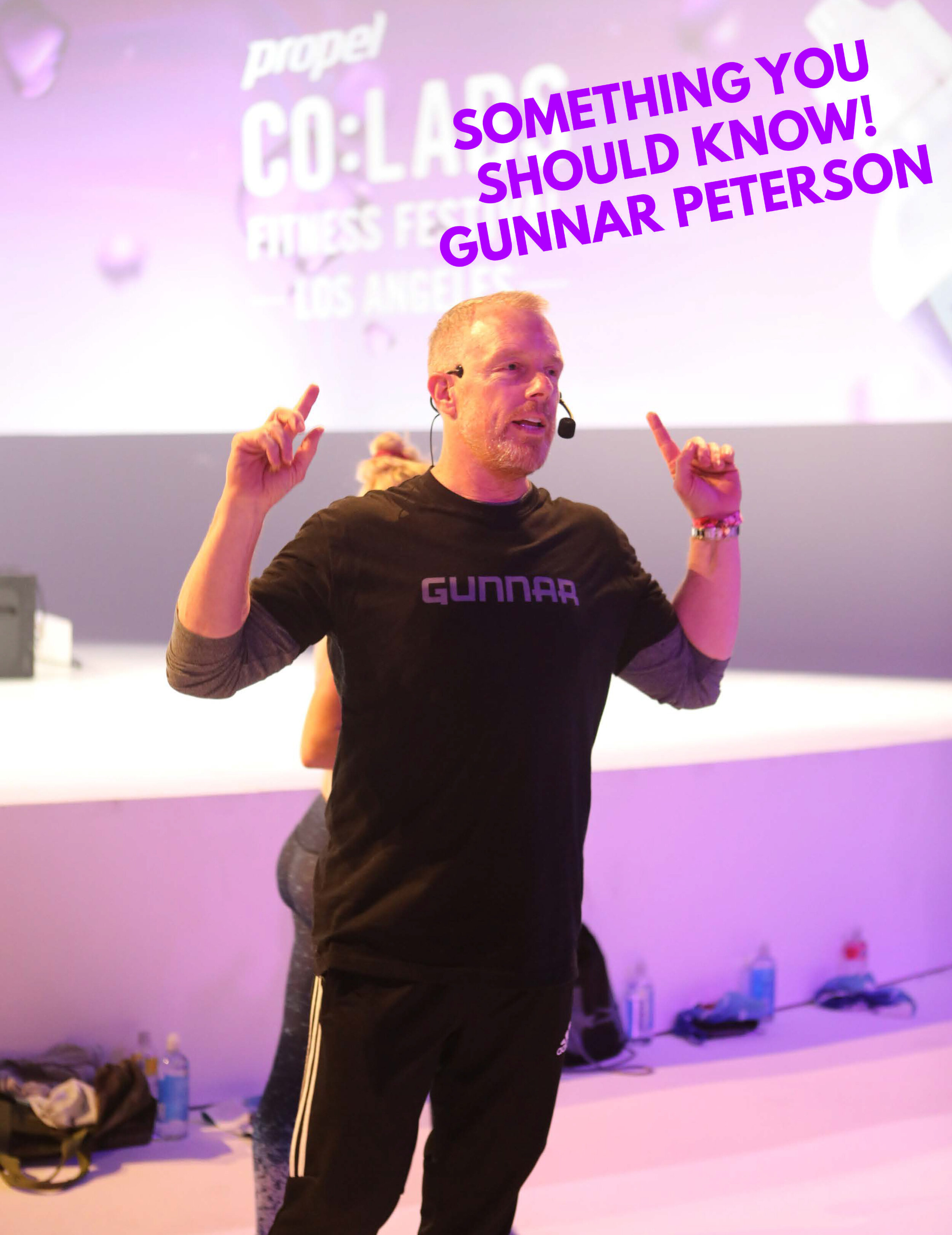
AM AUG SOMETHING YOU SHOULD KNOW GUNNAR PETERSON-1.jpg
Sep 8, 2020
SOMETHING YOU SHOULD KNOW WITH GUNNAR PETERSON
Sep 8, 2020
Sep 8, 2020
2A5A0017.jpg
Aug 11, 2020
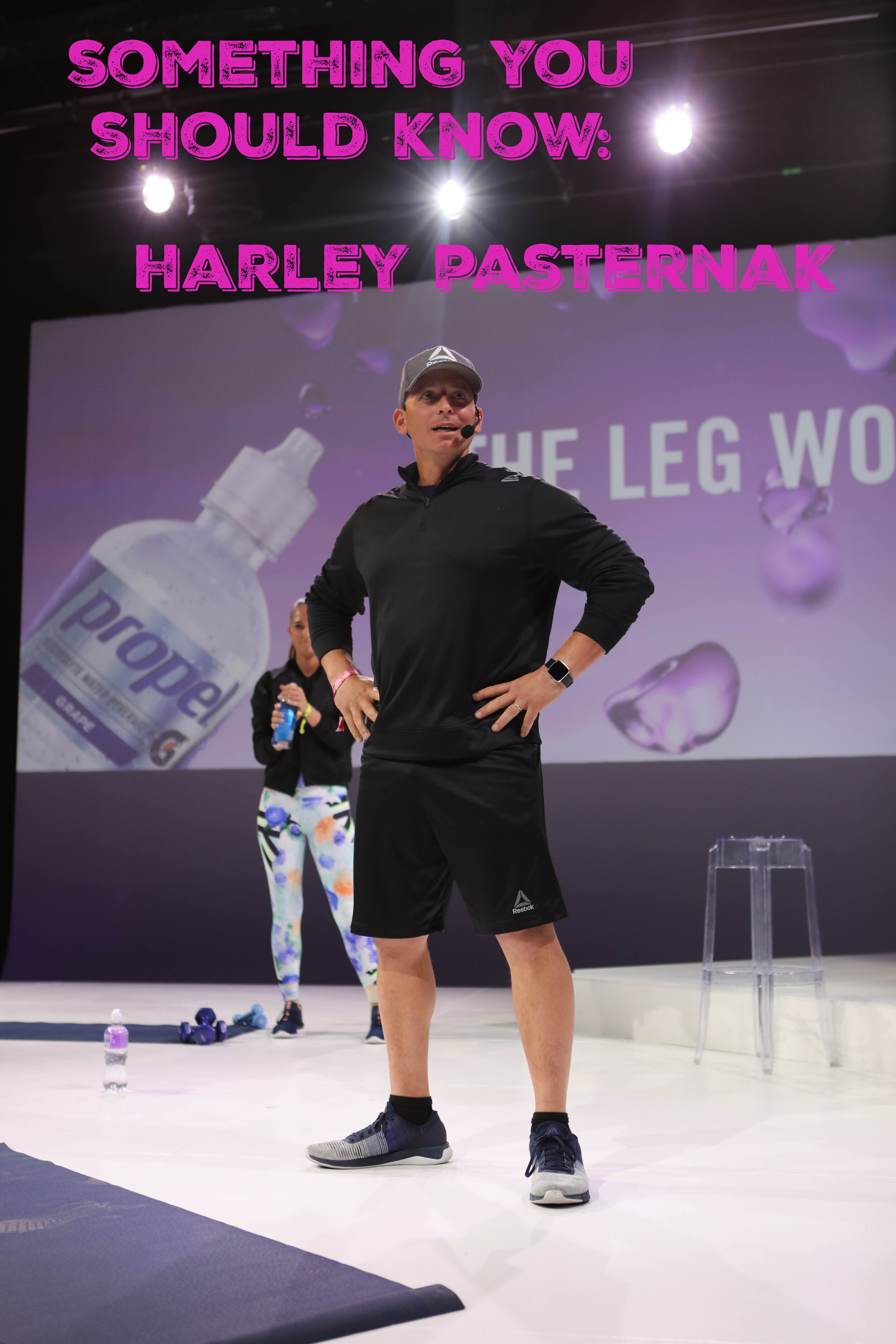
SOMETHING YOU SHOULD KNOW | HARLEY PASTERNAK
Aug 11, 2020
Aug 11, 2020
SOMETHING YOU SHOULD KNOW WITH JOHN SALLEY
Jul 16, 2020
SOMETHING YOU SHOULD KNOW WITH JOHN SALLEY
Jul 16, 2020
Jul 16, 2020
AM MAY SOMETHING YOU SHOULD KNOW GETTING STRONG WITH EMILY SKYE-1.png
Jun 16, 2020
SOMETHING YOU SHOULD KNOW | GETTING STRONG WITH EMILY SKYE
Jun 16, 2020
Jun 16, 2020
SOMETHING YOU SHOULD KNOW RBG WORKOUT
May 16, 2020
SOMETHING YOU SHOULD KNOW RBG WORKOUT
May 16, 2020
May 16, 2020
AM MAR 2020 5.jpg
Apr 13, 2020
SOMETHING YOU SHOULD KNOW | CLEAN EDIBLES
Apr 13, 2020
Apr 13, 2020
SOMETHING YOU SHOULD KNOW | FASHION AS A PLATFORM
Mar 21, 2020
SOMETHING YOU SHOULD KNOW | FASHION AS A PLATFORM
Mar 21, 2020
Mar 21, 2020
AM JAN SOMETHING YOU SHOULD KNOW RITUALS RESOLUTIONS-1.jpg
Feb 16, 2020
SOMETHING YOU SHOULD KNOW | RITUALS > RESOLUTIONS
Feb 16, 2020
Feb 16, 2020
AM_20191230-56.jpg
Jan 19, 2020
THE WHISKEY EXPERIENCE WITH TOMMY TARDIE & DARRON FOY
Jan 19, 2020
Jan 19, 2020
AM OCT-25.jpg
Nov 17, 2019
SOMETHING YOU SHOULD KNOW | MIGRAINE WITH DR. ELIZABETH SENG + LALA ANTHONY
Nov 17, 2019
Nov 17, 2019
In May 2019, Something You Should Know, Wellness, Health, Womens Tags Something You Should Know, Wellness, Health, The Laurus Project, Thrivership, Breast Cancer, Breast Cancer Action, Dr. Valter Longo, FDA, Thrivers, Teresa Lawsky, Cancer
Comment

A TO Z OF D-TOXING

March 6, 2017

ATHLEISURE MAG: We are in that time of year where we are celebrating with friends for Super Bowl, Mardi Gras (whether you live in New Orleans or not) and St Patrick's Day. Whatever excuse we use to be with friends, how can we make these celebrations toxin free? 
 
SOPHIA GUSHEE
: Before these events, I try to load up on wholesome, healthy foods, and hydrate before with lots of filtered water. Once at a party, I give myself permission to enjoy what I want, but since I'm usually not hungry or thirsty from filling up before the party, I find that I simply don't desire as much at the party. But I'll scan my options at the party and pick the one indulgence I'd really enjoy, and just cherish eating that! 
 
If I'm hungry at a party, I try to stick to foods that are simple, natural options (like veggies, guacamole, and hummus; or, meats, poultry, etc if I crave it); and I minimize or avoid processed foods (popular cheeses can be processed) or foods with chemicals (like anything with artificial colors, sugars, and preservatives). 
 
If drinks are served (the alcoholic types), I've reducing my sugar intake by choosing a  tequila drink with lots of lime and sparkling water. Choosing this tequila over wine (my preferred choice for years) significantly cuts down on my sugar intake. Plus, there are reported health benefits from drinking tequila so it might even be good for me.
 
And, always, if I'm eating or drinking something unhealthy and I don't LOVE it, or it's not making me more happy, then I don't finish it. It can become waste or waist: I better love it if it's becoming waist!

AM: Labels can be very confusing even when you are trying to do it the right way what is "Certified Organics" and how is that different than "Made with Organic Ingredients" - also are there other labels or verbiage that sound similar, but have very different meanings?

SG: Labels are so confusing! One important thing to know about labels is that the FDA does not define the word "natural," so food and cosmetic companies can use it to describe their products--even if the ingredients include some very synthetic components. "Organic" is similar in that it isn't defined by the FDA, but it is regulated by the USDA, so the "USDA Organic" seal is what you want to look for. However, there are still details within that "USDA Organic" label to consider. While this isn't exhaustive of those details, here's a cheat sheet to help:
 
USDA 100 percent organic: This means that all ingredients are organic (excluding salt and water). This label is most typical on farm products like fresh produce, grains, and flours.
 
Organic: This label indicates that at least 95% of the ingredients are organic (again, excluding salt and water).
 
Made with organic: This can be used on products that contain at least 70% organic ingredients (still excluding salt and water!).

AM: We heard and have read that although labels must let us know what's in our food, there are some gray areas such as spices not having to be detailed specifically, how can people who may be allergic to certain spices know what to avoid in these foods?

SG: The FDA doesn't require specific spices to be included on food item labels, so, unfortunately, someone with an allergy to one specific spice will need to research the food products they buy. Start by narrowing your product considerations to those whose ingredient lists contain simple, recognizable ingredients. Then contact those manufacturers to have them verify in writing (like email) that.

AM: When we're shopping at WholeFoods, Trader Joe's and Farmer's Markets - how can we ensure that we are purchasing items that are toxin free?
 

SG:
This is an excellent question that doesn't have a simple solution. 

First, those retailers sell a wide range of product types (not just food but also cleaning and personal care products). And each product type has unique considerations because they have different reasons for toxic exposures. The toxic concerns vary by product type. For example, toxic concerns about cheese depend on various things. Key issues include: 1) the diet (antibiotics or growth hormones?) and farming conditions of the cow from whose milk the cheese was made; 2) the manufacturing process of the cheese (did plastics or other materials that came into contact with the food leach contaminants into it?); and, 3) food packaging (soft plastics that wrap cheese can leech toxic chemicals into the cheese). 

Second, toxin free food is rare when our environment is so polluted. For example, arsenic (the cancer-causing type has been detected in some rice and rice byproducts). Turns out, it's because arsenic can exist in high concentrations in some agricultural lands, like in Texas than compared to California ("white rice from California have 38 percent less inorganic arsenic than white rice from other parts of the country," according to Consumer Reports). Informed people can make safer choices, however. 

I prefer homemade meals so I can control the quality of the ingredients. For packaged foods, I choose products that have simple--and easy to understand--ingredients lists. No artificial colors, sugars, and preservatives. I buy local, seasonal, organic as much as possible. Frozen organic fruits and veggies are staples in my household too: They're convenient and can be more nutrient-dense.
 
AM: Is there a movement being made to

identify where our foods come from so that there is less of a murky feeling when buying foods that you think are correct?
 

SG:
Yes! There are many dedicated activists that continually strive to achieve more transparency with food items (and all consumer products, really). However, it's complicated for several reasons. One, manufacturing food has become an international effort. For example, manufacturing juice boxes involves ingredients that are often created from several countries. While there are many advantages to this international approach, it also complicates our understanding of which foods are the safest ones for us to eat.
 
Second, changes in legislation occur slowly. Instead, change has sometimes come voluntarily (before legislation) because businesses responded to pressure from consumers who demanded healthier products. 
 
This is one reason why it's so important to spread awareness of our toxic exposures: So we can each contribute to both making safer choices for ourselves today and let businesses know that we care. They pay attention to what we buy, and respond when enough of us complain!

I'm trying to help others not only eat healthier, less toxic food but also help others select healthier household products at my online D-Tox Academy. It's still in development but people can register for my free newsletter to learn about it's rollout as well as other online D-Tox programs.

AM: For those looking to snack responsibly, what are go to's that you can list that we should keep on our radar?

SG: Healthy smoothies are popular. The kids love them frozen since the kids then feel like they're having ice cream. 
 
We have lots of unsalted nuts--like almonds or cashews, although they aren't allowed in all spaces, such as schools, because of the prevalence of allergies. Dried seaweed snacks are also popular in my home. As are apple slices, and, in the summer, frozen strawberries. 
 
We also have tons of avocados. Cutting them in half, removing the pit, and sprinkling Himalayan sea salt is always a satisfying snack! You can also spread avocado slices on toast (I'll spread Vegenaise on the toast too), add salt, but also curry: Yum!

AM: How can we detox our homes, medicine cabinets as well as beauty products - what would you suggest in terms of products whether they are masstige or prestige?
 
SG:
That's such a great question but, again, hard to answer simply! As in the example of toxic exposures from cheese, the details matter. 
 
But, general strategies that would provide a great start to detoxing your home, medicine cabinets, beauty products, and more include: discarding items you don't need or use (assume most things contaminate your indoor environment); buy just what you really need; avoid spray products because inhaling the chemical formulas can be more risky; and, for similar concerns over spray products, be weary of powdered products. Not all spray and powdered products are necessarily toxic (many are) but it's hard to know which ones are safe. The Environmental Working Group has a great free online database where you can research your products to learn of their hazard rating.
 
As for masstige vs. prestige, you can't necessarily trust a product just because it's prestige and has a high price point (even if its labeling states that it's a healthier product). However, it has been my experience that the cheapest cosmetics products usually contain toxic compounds. However, I've also determined for my skin--after trying many masstige and prestige oils and lotions--my preferred products are those that are healthy enough to eat: organic coconut oil, sesame oil, olive oil, and shea butter (I look for the most unprocessed options). They just make my skin feel more comfortable!
 
I have also just started using 100% pure essential oils and really enjoy them. The lavender oil is exceptionally helpful for dry, itchy skin.

AM: How did you come into this line of work and what was your background?

SG: For about 4 years before entering, and then for about 5 years after graduating from, Columbia Business School, I worked in investment management; specifically, high-risk, high-return investments. This meant that key parts of my job were to investigate chaotic situations quickly. I'd gather facts, form key questions, pursue the best answers to those questions, assign different weights to information that I was considering, analyze the data to identify past trends of the "truth" and estimate likely future trends, estimate the likelihood that different outcomes may occur, and boil all our due diligence into a handful of key numbers. 

As a new mother, I couldn't help but apply these analytical and critical thinking skills to parenting. Each night, I reviewed books on how to care for my newborn: how to get her to sleep, how often to feed her, what to feed her, etc. It was through a nightly review of thoughtfully selected reading materials that I started to learn about toxic chemicals in our everyday consumer products, including baby bottles, toys, mattresses, and most everything else that we buy for our home.

Since I was shocked by what I was learning, my background in investment management naturally led me to research every alarming claim to see if credible sources could verify these claims. They always did. Sometimes I could verify the claims in a few hours, and sometimes it would take years because the studies and research are ongoing.
 
Frustrated by how I was learning about toxic exposures from what I buy, I wanted to gain control over the situation and so I decided to study this topic so I felt informed and empowered to make safe choices. I thought it would take me a year of focused work. But it ended up taking a total of 8 years. And I resigned from my investment management job, which I loved, when my first child was about a year old.
 
In October 2015, I finally released the guidebook that I wish I had sooner. It's titled A to Z of D-Toxing: The Ultimate Guide to Reducing Our Toxic Exposures. I wrote it to be a must-have book for every head of household, and I believe that it is! I wrote it for my younger self, hoping to make it easier for anyone else who'd like to know what they should know and what they can do about our toxic exposures. 

AM:  Chemicals affect everyone, but who is the most susceptible to this the young, young adults, adults, elderly etc?

SG: Young, developing bodies are particularly vulnerable to the effects of toxic exposures, because they are still growing. As miraculous and intricate as our bodies are, they can be affected by even small doses of toxicants, and children are the most vulnerable. Since a mother passes on her chemical body burden to her child while she is carrying, and then throughout the breastfeeding stage, it's a great choice for parents (dads, too!) to begin detoxing as early as possible. 

The elderly and those with compromised immune systems are also particularly vulnerable. 

While the rest of us are less vulnerable, the potential adverse effects from exposures to compounds found in everyday products, including our diet, can be meaningful! They have the potential to disrupt various biological processes, like metabolism, sleep, mental clarity, energy, fertility, and more.
 
AM: What are your favorite places to eat from fast casual to a nice night out with cocktails that you would suggest that get your toxin free stamp of approval?
 
SG:
Again, since our environment is more toxic than ever, toxic-free probably doesn't exist. But, studies suggest that a diverse, plant-based diet may offer protective and detox benefits to boost your body's resiliency. So my favorite restaurants are mindful of the ingredients that they use.
 
For a quick meal in New York City, I love Dos Toros, a tasty Mexican chain whose food feels relatively healthy. I always get the "Plato," with rice, beans, all the veggies I can get, guacamole, and lots of spicy sauce! 
 
For longer meals in New York City, I enjoy Blossom, which is a delicious vegan restaurant, as well as ABC Kitchen, which is an exquisite organic, local, and environmentally conscious restaurant.

AM: Why should we be so concerned about toxins and what are the effects in our bodies?

SG: With advances in science and technology, we've gained sharper insight into how complex it is to understand how our average toxic exposures may affect us and our kids. While there's a lot more to learn, what we do know is jaw-dropping. For example: 

With advances in science and technology, we've gained sharper insight into how complex it is to understand how our average toxic exposures may affect us and our kids. While there's a lot more to learn, what we do know is jaw-dropping. For example: tiny doses can cause adverse effects (note that one popular birth control prevents reproduction at 0.035 parts per billion; and that 1 part per billion is like 1 drop of water in an Olympic-size swimming pool); effects created from tiny doses can be different than effects created from high doses; timing of exposure matters (like when the brain or heart are still developing, and note that the brain develops into our 20s); our bodies store some of these toxic compounds and they can be released later, including to our future children when in the womb or through breastfeeding (and breastfeeding is still generally the superior way to nourish an infant); and, there can be a cocktail effect from the mixture of chemicals we are exposed to, and then there's the potential cocktail effect from when our daily exposures mix with those already in our bodies, and then different possibilities exist inside us.

We encounter many chemicals, from many sources, many times a day, from before we are born. We simply don't know yet how cumulative, chronic exposures may affect us over a lifetime, but common sense says that hacking our toxic exposures is a good idea.
 
Leading researchers and scientists (including those on the President's Cancer Panel, which is an organization that reports directly to the President of the United States) believe that exposures to these toxins have an important influence in the rapid increases in various health issues, including cancer, reproductive issues, allergies, birth defects, obesity, and neurological disorders. 
 

Read more from the Feb issue as well as A to Z of D-Toxing in mag

Featured Wellness
Copy of Thomas_Winstanley (1) copy 5 (1).png
Nov 22, 2025
EDIBLES.COM | EDIBLE BRANDS THOMAS WINSTANLEY
Nov 22, 2025
Nov 22, 2025
FITNESS ANGELS WITH KIRK MYERS
Nov 17, 2025
FITNESS ANGELS WITH KIRK MYERS
Nov 17, 2025
Nov 17, 2025
AM OCT ISSUE #118 zzz AL 3.png
Nov 12, 2025
ATHLEISURE LIST | MINICIRCLE
Nov 12, 2025
Nov 12, 2025
AM SEP ISSUE #117 S 1.png
Oct 26, 2025
PAIN RECOVERY FOR ATHLETES & FANS
Oct 26, 2025
Oct 26, 2025
AM SEP ISSUE #117 G 1.png
Oct 23, 2025
GUMMIES & ZZZ | TYSON APOSTOL
Oct 23, 2025
Oct 23, 2025
Biograph-NYC-Member Suite_Adam Rouse.jpg
Oct 19, 2025
ATHLEISURE LIST | BIOGRAPH
Oct 19, 2025
Oct 19, 2025
DSC04889.jpg
Oct 14, 2025
ATHLEISURE LIST | AESCAPE
Oct 14, 2025
Oct 14, 2025
OS AM AUG ISSUE #116 OS Chef Christina Tosi.png
Sep 25, 2025
BAKE CLUB RULES (NO RULES!) | CHRISTINA TOSI
Sep 25, 2025
Sep 25, 2025
DWB Poster Graphic.png
Sep 24, 2025
DRINKS WITH BENEFITS | DAN ABRAMS + AMANDA PAUL-GARNIER
Sep 24, 2025
Sep 24, 2025
AM AUG ISSUE #116 WATER 1.png
Sep 21, 2025
POCONO MAPLE WATER
Sep 21, 2025
Sep 21, 2025
In Brunch, Book, Feb 2017, Food, Lifestyle, Magazine, Mindfulness, Wellness, Womens Tags Detoxing, Consumer Reports, food, Dos Toro, Blossom, Vegan, toxic eposures, hungry, healthy, labels, FDA, Certified Organics, Made with Organic Ingredients, natural, USDA, USDA Organic, California, rice, environment, organic fruits, packaged foods, nutrient, Himalayan sea salt, Vegenaise, beauty, Columbia Business School, A to Z of D-Toxing, ABC Kitchen
Comment

GET ATH MAG

Read the NOV ISSUE #119.

GET YOUR COPY OF NOV ISSUE #119

Personal trainers
Personal Trainer Jobs

Sign up for our newsletter!

Sign up for our newsletter!


PODCAST NETWORK

ATHLEISURE STUDIO SLATE.jpg
LISTEN TO ALL OF #TRIBEGOALS’ EPISODES ON SPOTIFY, APPLE PODCAST, GOOGLE PODCAST AND MORE

LISTEN TO ALL OF #TRIBEGOALS’ EPISODES ON SPOTIFY, APPLE PODCAST, GOOGLE PODCAST AND MORE

LISTEN TO ALL OF ATHLEISURE KITCHEN’S EPISODES ON iHEARTRADIO, SPOTIFY, APPLE PODCAST, GOOGLE PODCAST AND MORE

LISTEN TO ALL OF ATHLEISURE KITCHEN’S EPISODES ON iHEARTRADIO, SPOTIFY, APPLE PODCAST, GOOGLE PODCAST AND MORE

LISTEN TO ALL OF BUNGALOW SK’S EPISODES ON iHEARTRADIO, SPOTIFY, APPLE PODCAST, GOOGLE PODCAST AND MORE

LISTEN TO ALL OF BUNGALOW SK’S EPISODES ON iHEARTRADIO, SPOTIFY, APPLE PODCAST, GOOGLE PODCAST AND MORE

LISTEN TO ALL OF THE 9LIST’S EPISODES ON iHEARTRADIO, SPOTIFY, APPLE PODCAST, GOOGLE PODCAST AND MORE

LISTEN TO ALL OF THE VOT3D IO’S EPISODES ON iHEARTRADIO, SPOTIFY, APPLE PODCAST, GOOGLE PODCAST AND MORE


TRENDING

Featured
AM NOV FRONT COVER 3.png
AM, Ath Mag Issues, Nov 2025, Editor Picks
ATHLEISURE MAG #119 | JJ JULIUS SON
AM, Ath Mag Issues, Nov 2025, Editor Picks
FITNESS ANGELS WITH KIRK MYERS
AM, Fitness, Oct 2025, Wellness, Wellness Editor Picks, Editor Picks
FITNESS ANGELS WITH KIRK MYERS
AM, Fitness, Oct 2025, Wellness, Wellness Editor Picks, Editor Picks
THE ART OF THE SNACK | JACK & CHARLIE'S 118
AM, Food, Oct 2025, The Art of the Snack, Editor Picks
THE ART OF THE SNACK | JACK & CHARLIE'S 118
AM, Food, Oct 2025, The Art of the Snack, Editor Picks
ATHLEISURE MAG #118 | CHEF JEAN-GEORGES VONGERICHTEN
Editor Picks, Ath Mag Issues, Oct 2025
ATHLEISURE MAG #118 | CHEF JEAN-GEORGES VONGERICHTEN
Editor Picks, Ath Mag Issues, Oct 2025
AM SEP ISSUE #117 CND 1.png
AM, Sep 2025, TV Show, Celebrity, Editor Picks
BACK TO THE CUL-DE-SAC
AM, Sep 2025, TV Show, Celebrity, Editor Picks
NYFW SS26 EDIT
AM, NYFW SS26, Fashion, Fashion Week, Editor Picks
NYFW SS26 EDIT
AM, NYFW SS26, Fashion, Fashion Week, Editor Picks
AM SEP FRONT COVER.png
Sep 2025, Editor Picks, Ath Mag Issues
ATHLEISURE MAG #117 | JAY "JEEZY" JENKINS
Sep 2025, Editor Picks, Ath Mag Issues
OS AM AUG ISSUE #116 OS US Open.png
AM, Aug 2025, Celebrity, Athletes, Food, Sports, Tennis, Editor Picks
WELCOME TO US OPEN 2025
AM, Aug 2025, Celebrity, Athletes, Food, Sports, Tennis, Editor Picks
OS AM AUG ISSUE #116 OS Chef Christina Tosi.png
AM, Aug 2025, Food, Editor Picks, Wellness, Wellness Editor Picks
BAKE CLUB RULES (NO RULES!) | CHRISTINA TOSI
AM, Aug 2025, Food, Editor Picks, Wellness, Wellness Editor Picks
ATHLEISURE MAG #116 | ROB THOMAS
AM, Aug 2025, Ath Mag Issues, Editor Picks
ATHLEISURE MAG #116 | ROB THOMAS
AM, Aug 2025, Ath Mag Issues, Editor Picks