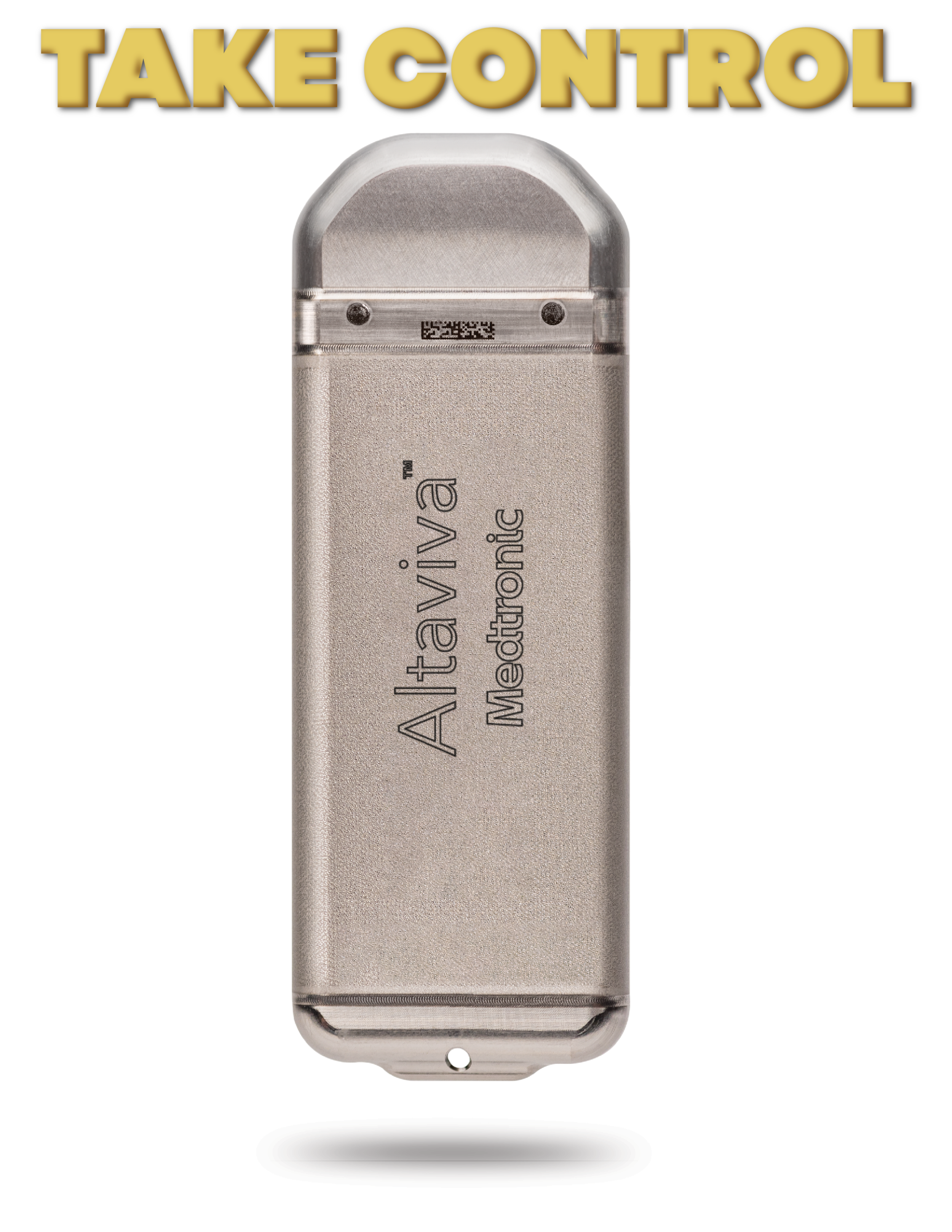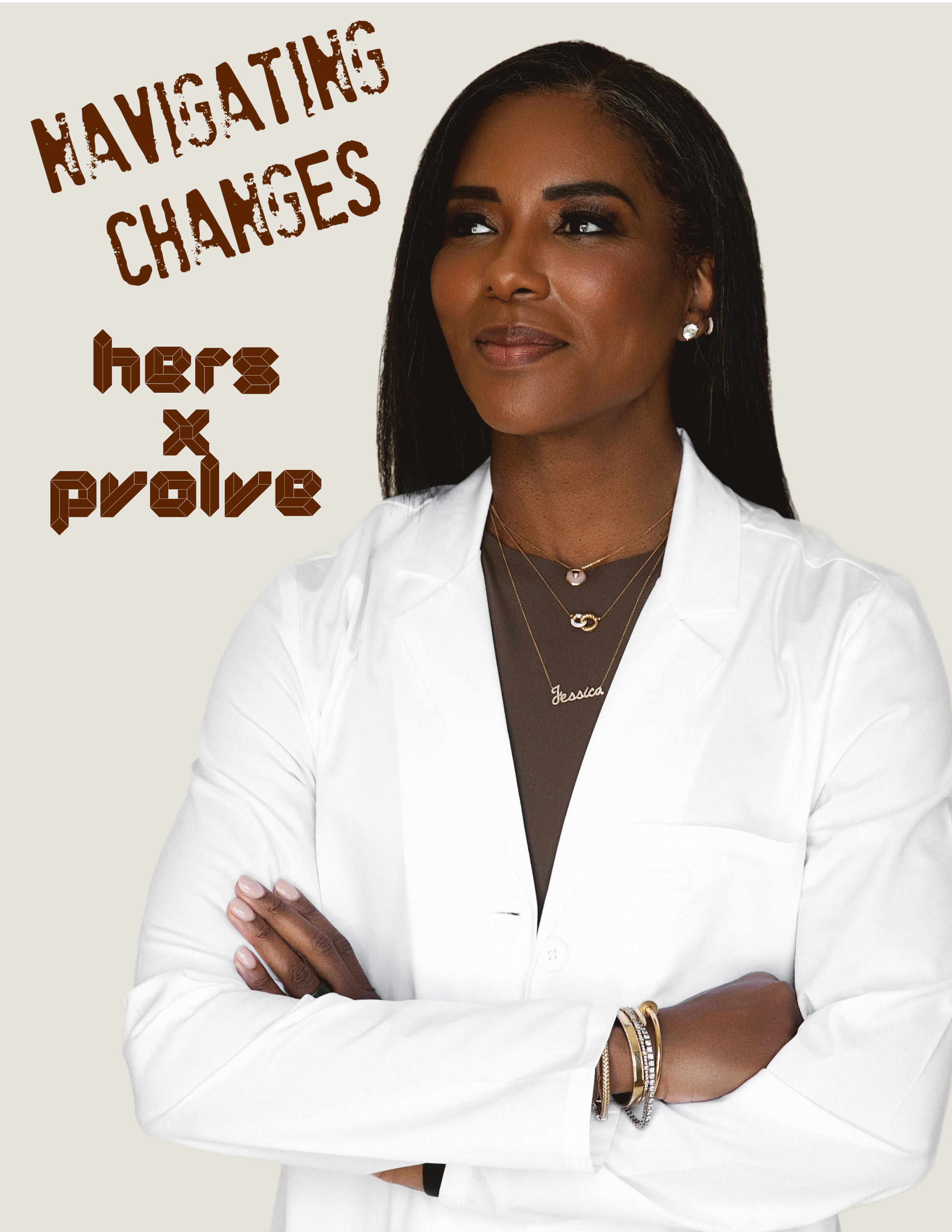
Right before NYFW, we attended a roundtable dinner at Manhatta with the Medtronic team to learn about their latest device, Altaviva which is an implantable tibial neuromodulation system that allows those that suffer with Urge Urinary Incontinence (UUI) and allows them to enjoy a quality of life. We wanted to know more about various bladder issues, what the pathways are to treatment and about this device from Dr. Janet Harris-Hicks, a urogynecologist who we met at the dinner. Since this dinner which had great conversations from her, a patient who was going through the trials as well as those who were involved with creating the device, much has taken place as they attended a conference to share an array of data and they are now FDA approved. We talk about this and more to understand what we need to know about this condition and how we can help ourselves or others who may need this!
ATHLEISURE MAG: It was great to meet you at the Medtronic dinner a few weeks back at Manhatta where we learned about bladder control and the innovative device which recently became FDA approved. Dr. Janet Harris-Hicks, you spoke at the event and walked us through the device, but before we talk about that, you are a urogynecologist, can you tell what you specialize and what this entails?
DR. JANET HARRIS-HICKS: Absolutely. So in general, as a urogynecologist, we are a sub-specialty of Surgeons that focuses on what’s called Pelvic Floor Disorders. And so those disorders are broken up into 3 main categories. We are sub-specialized to treat Pelvic Floor Disorders of pelvic organ prolapse, urinary incontinence, and fecal incontinence. So, obviously, in those 3 broad areas and focusing on obviously only on women, that’s where the gynecologist part comes in. In those 3 broad department areas of clinical medicine - there’s a lot of sub-specialty of diseases, but those are our focuses on urinary incontinence, fecal incontinence, and pelvic organ prolapse.
AM: Is there a difference between urinary incontinence and an overactive bladder?
DR. JHH: Yes, absolutely. So urinary incontinence, by definition, is the unwanted loss of urine prior to your ability to reach the restroom. Okay, so you’re actually leaking urine when you don’t want to be expelling that urine, versus overactive bladder is a syndrome. So, by definition, a syndrome in medicine means a collection of symptoms, okay, and that can be caused by multiple different disease processes. So, overactive bladder by definition is the sense of urgency of needing to rush to the restroom with the added frequency of urination, which is defined as 8 or more times of urination within a 24-hour period. Then we even get more specialized in the respect that we call it Overactive Bladder Wet versus Overactive Bladder Dry, so there it does not have to have the urinary incontinence component to have overactive bladder. It’s simply the culmination of symptoms that is urinary urgency, urinary frequency plus or minus nocturia, which means having to get up to the restroom more than once at night. And so, with that syndrome, you may have urinary incontinence as a part of it, or you may not, but the actual overactive bladder is your urgency and frequency of urination.
AM: Oh wow. So, what are the symptoms that people should be looking into if you realize maybe you’re having bladder issues, and that maybe you need to get it checked out?
DR. JHH: So, just those things, believe it or not - those individual components. If you’re having to go to the restroom 8 or more times in a 24-hour period, that’s a sign of a problem. That’s not normal, so that is that should be evaluated. Obviously, if you’re leaking urine before you can get to the restroom that need to be evaluated. And if you have to get up at night more than once to empty your bladder – 1 time is normal, more than once at night, is the sign of a problem. So those are the basic functionalities that if folks are starting to experience those problems, they should reach out to a specialist to be evaluated.
AM: In terms of Athleisure Mag, A lot of times, especially when you’re thinking about The New York Marathon and other races that people are preparing for around the world or even focusing on fitness goals - a lot of people are increasing their water intake. How do you know the difference between? Yes, it’s a problem in terms of your body or because you’ve simply increased your intake so it’s not something that you have to be concerned about?
DR. JHH: Yeah, great question. So we play a part in that which is obviously adequate hydration and not over hydration. So typical, adequate hydration for an adult would be 64 to 84 ounces of fluid a day, and then I always tell my folks now if it’s too hot, then you need more hydration. Obviously, if you’re talking to a marathon runner and they’re training, there’s a difference in hydration. But on a daily basis, if you’re just doing your regular activities, you’re adequately hydrated, and you’re having those symptoms - Then again, that’s an issue. Obviously, you can over hydrate yourself and force urinary frequency and urgency.
AM: It just came into our mind because when we’re working out on a new method or taking on something new, you’re going to increase your water and it takes a couple of days for the body to accept what’s going on and then the body levels out to whatever that new normal is.
DR. JHH: And that takes you into what we define in medicine when we’re thinking about treating overactive bladder, so we have a clinical pathway we follow that’s standardized among all of our sub-specialties in neurology. And that’s endorsed by the American Neurology Association. So, when we’re thinking about, how do we correct these problems for patients, we think of it as first, second, and third line therapy. So, first line therapy, you just hit the nail on the head. It’s all about behavior modifications. Yeah, you want to make sure the patient’s adequately, but not over hydrated. The next step is teaching patients about bladder training, you should go to the restroom about every two and a half to three hours. Then, we talk about elimination of what we call bladder irritants, so high levels of caffeine, red wine, spicy foods, cigarette, whether that’s primary or secondary exposure. Those are some of the top four irritants of the bladder. So that’s our first conversation in discussing the patient’s bladder function. And then, once they have initiated those and practice those and put those practices into place, if they’re continuing to have symptoms of overactive bladder, then we start talking about medication. So, that’s our second line therapy. Okay, patients are supposed to have somewhere between 6 weeks and 8 weeks worth of medication, plus their behavior modifications, and then if they continue to have issues with their bladder of overactive bladder, they move to third line therapy where we start to talk about Alta Viva and then sacral neuromodulation, which interstem is a part of peripheral tibial stimulation, which is historically where we got our data to even come up with the thought of an implantable tibial implant, and then Botox, which can be injected into the bladder, and that’s that clinical pathway that all patients will step through to get to that point of treatment.
AM: During the roundtable dinner hearing from the patient who received the implantable tibial neuromodulation system, as well as hearing your comments about it as well as your colleagues was truly insightful. And the fact that between that dinner in early Sept right before NYFW and now, it seems like, so much has happened since then because we have the approvals for the device to be widely used. So, for our community that was not at this dinner, can you talk about this device?
DR. JHH: So Altaviva is an implantable tibial stimulator. Again, our historical data is that since 1983, believe it or not, the clinical pathway was shown to be highly effective where we could actually take an acupuncture needle and tap it in at the tibial nerve down near the ankle and use an external TENS unit (Editor’s Note: A TENS unit is a small, battery-operated device that used low-level electrical pulses) to stimulate that nerve, which retrograde stimulates up through the leg back to the bladder and have positive impact upon treatment of overactive bladder syndromes. The issue became just how did you deploy that treatment to patients and the data showed that those patients needed to be treated with that external stimulator once a week for 12 weeks, and then once a month forever. Well, I again, as I said at our conference, I love my patients, and I think they like me, but I’m not so sure they want to visit me for the rest of their life in order to maintain their continence, and so that is where our historical scientific evidence came from.
AM: That’s amazing.
DR. JHH: Altaviva expands on that and now, with Medtronic’s insight, it has created a small, implantable device that is put in which requires no general anesthesia, just a little bit of local anesthetic in the leg. Typically, the procedure itself is somewhere on the order of 10 to 15 minutes. The device itself is very simple. I’ve heard it compared to half a stick of a gum versus a USB.
AM: At the dinner, we kept saying it was the size of a USB – it’s unbelievable.
DR. JHH: Think of it as a USB, so it’s very small. The incision at the ankle is about a quarter of an inch, maybe a little bit less than that and slips into that pocket with two small absorbable stitches. The amazing thing is that treatment begins immediately, okay? The technology is so advanced that there’s enough energy in that tiny device that the patient will receive therapy for a solid year. Well, all our patients will come back once a year so we can check on them as their physician. And so at that visit in their 15 minutes, we will recharge their device and they’re ready to go for another year. And so, again, that device is rechargeable in current technology, as I’m sure it will continue to advance for up to 15 years for that patient.
AM: That’s just amazing.
DR. JHH: It’s just been a beautiful journey to see. You know that we’ve had this data. We’ve understood the scientific process, and now we actually can deploy that information in a very acceptable, manner that allows patients to have a phenomenal Improvement in their quality of life.
AM: It’s incredible. What should a patient, know who let’s say they’ve been cleared to take this surgery. What should they know prior to doing it? Is there anything they need to do or prepare themselves for? Like, if you go to get laser hair removal, there’s certain things that you need to do before you get there.
DR. JHH: You know, believe it or not, outside of, and they would have obviously been guided through the pathway outside of going through that pathway to determine as you said that they are indeed qualified for this third line therapy. There really isn’t anything that they have to be prepared for. You know, like other surgeries, you’ve got to make sure someone comes with you that can drive you home. Because this does not require any systemic anesthesia, you can drive yourself to your appointment. You can drive yourself home so you don’t have to even involve any other family members.
Again, the therapy is immediate, so there’s no delay in actually starting to see Improvement in your bladder function and quality of life. But the most common medication, which is an aspirin or baby aspirin - we didn’t stop that in our patients for clinical trial. So, so we don’t have to, you know? Really, there’s not a lot of as you’ve alluded to.
AM: Wow! And since the FDA approval that took place, have you seen more people upticking to want to get this now that they have access to it?
DR. JHH: Absolutely! Yes, it’s been so much fun! Of course, we’ve reached out to our own patients in the practice. We sent out an email, and immediately, we were inundated with interest from that. It’s just been so fabulous. I actually just did an outreach in the community yesterday and went out and spoke to lots of the primary care physicians, and they were just so excited, because I mean you, you know, these numbers, it’s insane. I mean, 32 million Americans suffer with overactive bladder. I mean, that’s just the overactive bladder folks. Not to mention all of the urinary incontinence that comes along with that, and our primary care doctors are the ones that are at the forefront. They’re the ones having to deal with this as well as this other laundry list of Health Care issues that patients have. So, for them to understand that pathway that we talked about and how those patients get to me and then there’s actually a definitive therapy, because again, data would show us that the average patient will and I say, just sits and turns right, and the medical meal for average of 6 years just going round and round in medications before they actually even have access or even understand that there is access to the third line therapies, and that’s where I really try to reach out in my own community as well as I think most of my colleagues. Even at the level of technology - it is the industry like Medtronics that realizes there’s such a lack of knowledge.
AM: We have a widespread readership and community across the country as well as internationally, too. But if someone was looking to get this done, where do they go? I mean, obviously, they have your office, but where do they start?
DR. JHH: Well, your gynecologist and urologist are trained in this field obviously and understand and have the skill set to deploy third line interventions, and for most insurance companies and even along those with governmental supplements with Medicare/Medicaid. They do have to follow through with their primary care physician before they get into that subspecialty office. But again, the pathway is very easy. It’s not a lot of barriers there for them to be able to be seen by your urogynecologist. Of course, I speak specifically in women. They can establish with primary care and very quickly and easily move through the sub-specialist office.
AM: That is phenomenal. For those in our community that are connecting with this whether they are in need of it or a friend, family, or colleague, what do they need to know or be aware of to have these tough conversations about this?
DR. JHH: Again, I focus not just on women, and I would assume this is also a man, but obviously, the bulk of urinary incontinence from a standpoint of the numbers showing that there are more women, obviously than men, that suffer with urinary incontinence. But the misnomer, and this is another one of my huge soap boxes that it is a normal part of aging to actually leak urine, okay? The conversations that I hear among women that, “oh, I just have to cross my legs when I laugh, cough or sneeze - I just have to put on a pad.” You know, all the compensatory things that we do as females because we’re busy – we have to be mom, we have to be aunt, we have to be wife, we have to be surgeon - and all those things come first. My mission is that women understand that there are true pathways to treatment and that it is not a normal part of aging, and you do not have to compensate for urinary incontinence and that it is a treatable process absolutely.
AM: In speaking with you today and even researching for this interview, these last 2 questions aren’t really related to this but as we’re speaking to someone who is also a urologist, we look at our poops as we know it says what is going on in our body and it means something. So is this the same with urine in terms of the color?
DR. JHH: Yeah, good question. Well, certainly, the darker the urine, the more concern there is for dehydration.
AM: Right.
DR. JHH: And again, we talked about the importance of overall health and adequate hydration is appropriate. So, if you’re seeing that your urine is extremely dark, then that certainly can indicate an issue of hydration. But outside of that, there’s not, you know, obviously, we can go down some rabbit holes, right? A lot of different things, right? That don’t have anything to do with urinary, right? But as far as bladder function, clear urine is a healthy sign. Light/pale urine is what it should look like. If it starts to get dark, if it starts to look pink, if it’s frankly blood in your urine, those are indications of other disease processes that need to be evaluated immediately for sure.
AM: Many in our community, us included are very focused on our gut health. We’re always looking at supplements like a new one we’ve tried called Broc Shot that has the broccoli seed powder wich has sulforaphane which aids in detoxing, reducing inflammation etc. Is there connection between gut health and your urine health in your opinion?
DR. JHH: That’s a really great question. Well, you know, I’m sure you’re aware that gut health pretty much plays a part in everything in your body. So, am I currently aware of any clinical literature out there that links gut health to bladder health? No.
AM: Right.
DR. JHH: That doesn’t mean that it doesn’t exist, that’s for sure. Because, as you said, we have understood, there’s so much important information out there about gut health and certainly again being focused on female, there is we could have an entire conversation on that.
AM: For sure and that would be welcome!
DR. JHH: Looking at vaginal health and the microbiome of the vagina – we could be here all day! That has certainly been some amazing data that has come out in the last 15 years of what we understand of the vaginal microbiome, which again in women is tremendously important in bladder health.
IG @medtronic
Read the NOV ISSUE #119 of Athleisure Mag and see TAKE CONTROL in mag.