Athleisure began as a convenient compromise, but it has become one of the clearest symbols of how people live now. The category blends the stretch, breathability, and ease of workout gear with the polish expected from everyday clothing. Once limited to gyms, yoga studios, and weekend errands, leggings, joggers, performance tees, and sleek sneakers now appear in offices, restaurants, airports, and schools. Its rise is not a passing trend; it reflects a lasting shift toward wardrobes that prioritize movement, comfort, and versatility.
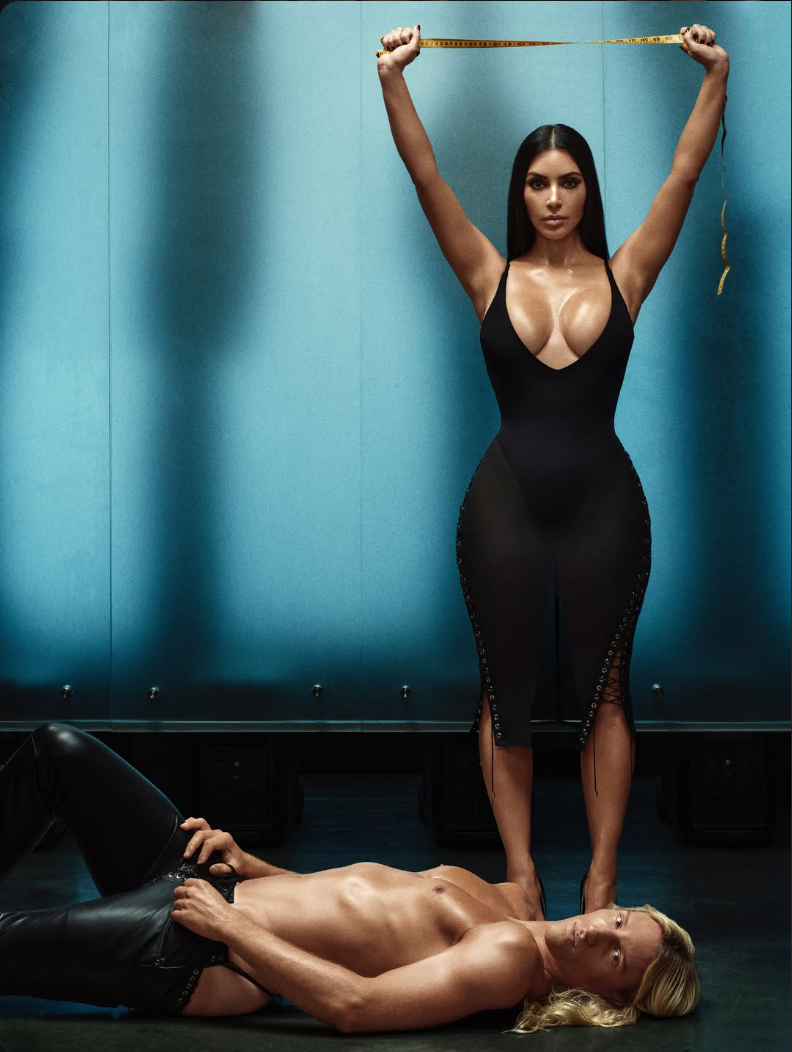
The transformation did not happen overnight. It accelerated as activewear brands, luxury houses, and celebrity-led labels such as SKIMS made fitted, minimal, body-conscious basics feel fashionable rather than merely functional. Designers improved fabrics, silhouettes, and color palettes so pieces once associated with exercise could mix easily with blazers, wool coats, denim, and jewelry. At the same time, consumers became more willing to invest in clothing that could serve multiple purposes during a long, unpredictable day.
Comfort Became a Lifestyle Value
The biggest force behind athleisure is the normalization of comfort. For much of the twentieth century, looking “dressed” often meant tolerating stiff waistbands, restrictive tailoring, or shoes built more for appearance than ease. Modern shoppers have rejected that trade-off. They want clothes that support commuting, sitting at a laptop, walking the dog, meeting friends, and squeezing in a workout without requiring a full outfit change. Stretch knits, elastic waists, moisture-wicking fibers, and soft layers answer that demand while still looking intentional when styled thoughtfully.
The Pandemic Made Flexibility Essential
Remote and hybrid work pushed athleisure from acceptable to indispensable. As homes became offices, classrooms, gyms, and social spaces, people needed clothing that matched blurred routines. Sweatpants and matching sets offered a sense of composure on video calls without sacrificing comfort off camera. When offices reopened, many employees were reluctant to abandon that ease completely. Dress codes softened, and the idea of “business casual” expanded to include polished sneakers, knit pants, elevated hoodies, and performance polos. The pandemic did not create athleisure, but it removed the stigma around wearing it daily.
Technology Elevated the Look
Fabric innovation turned simple sportswear into sophisticated everyday apparel. Today's athleisure often resists wrinkles, dries quickly, retains shape, and feels smooth against the skin. These technical benefits help garments look fresh after hours of wear, which matters to busy consumers. Brands also learned to refine details: flatter seams, richer textures, muted neutrals, sculpted cuts, and tailored proportions. The result is clothing that performs like athletic gear but reads as modern casualwear, especially when paired with structured outerwear or clean accessories.
Celebrities and Social Media Changed Perception
Visibility made athleisure aspirational. Celebrities photographed in leggings, cropped sweatshirts, bike shorts, and designer sneakers helped reframe casual clothes as part of a curated image. Influencers then showed followers how to style these pieces for brunch, travel, school drop-off, and nights out. Social media rewarded outfits that looked effortless yet put together, and athleisure fit that formula perfectly. Instead of signaling that someone had given up on style, a coordinated set or sleek tracksuit began to signal confidence, wellness, and awareness of contemporary fashion codes.
Gender, Age, and Price Became More Inclusive
Another reason athleisure endured is its broad appeal. It crosses gender and age lines more easily than many fashion categories because it is built around function first. Teenagers, parents, retirees, professionals, and frequent travelers can all find versions that suit their lives. The market also spans price points, from affordable basics at big-box stores to premium pieces made with luxury finishes. That range keeps athleisure accessible while allowing consumers to personalize it according to taste, budget, climate, and body type.
Why It Is Here to Stay
Athleisure has become permanent because it solves real problems. It reduces the need for separate wardrobes, supports active and sedentary moments alike, and adapts to changing expectations around work, travel, and leisure. The modern wardrobe isn’t organized around rigid categories like “office,” “gym,” and “weekend.” Instead, people want pieces that move across contexts with small styling changes. Athleisure offers exactly that: sneakers with trousers, leggings under an oversized coat, joggers with a crisp tee, or a performance dress with a cardigan. Fashion always mirrors culture, and today's culture values flexibility. As long as life remains fast, mobile, and hybrid, athleisure will remain a foundation of everyday style. Its permanence is practical, not accidental, and that is why it keeps evolving each season.