
Athleisure has always borrowed from sport. Running culture gave us the performance tee. Basketball gave us the oversized silhouette. Yoga gave us the seamless legging. The next significant contribution to the category is coming from the mountain, and it is arriving with considerably more momentum than most people anticipated.
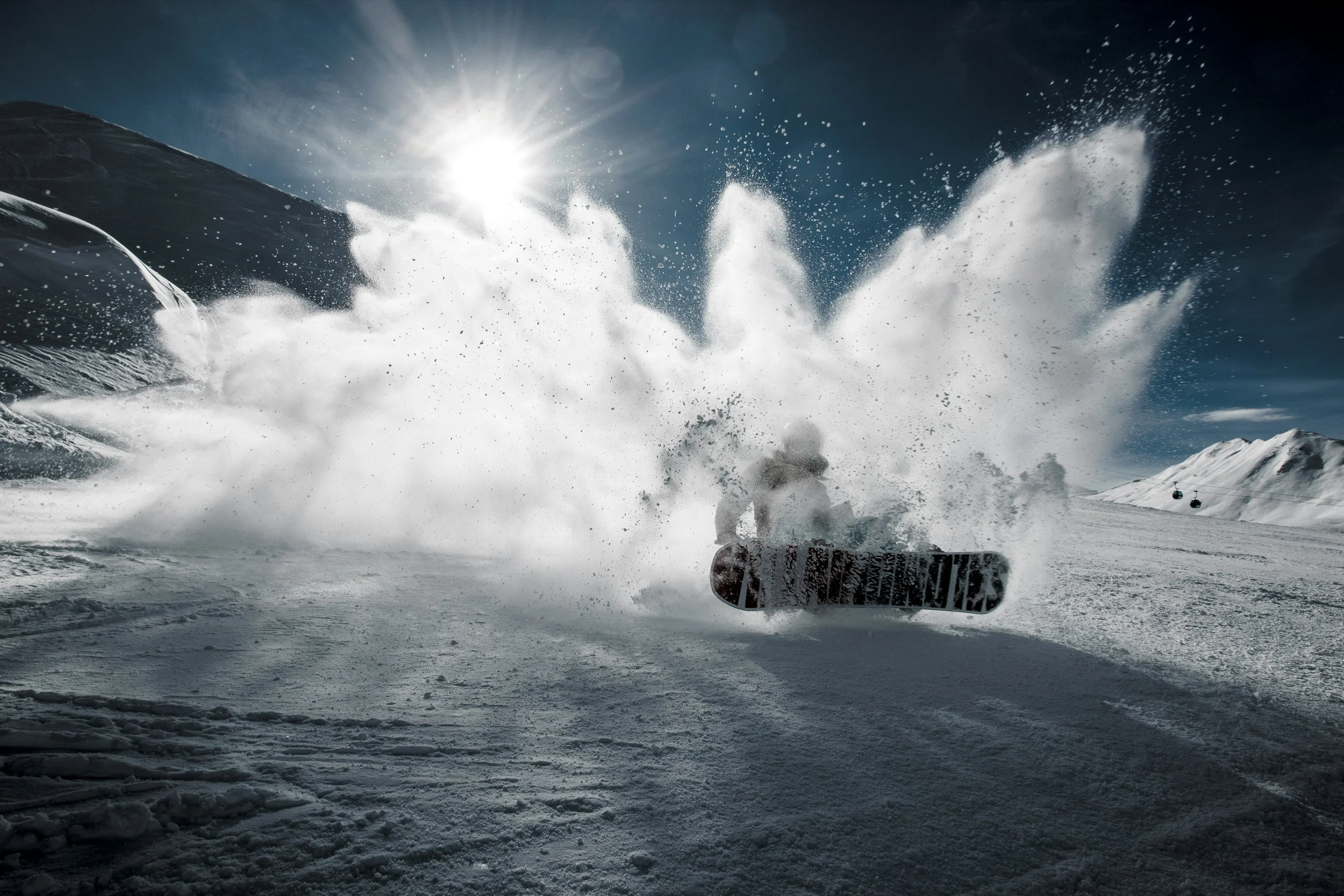
Snow sports have spent the last few years quietly building cultural weight in a way that goes well beyond participation numbers. The aesthetic of skiing and snowboarding has crossed over into music, streetwear, fashion week, and the broader visual culture in a way that makes the influence visible even to people who have never set foot on a slope. The result is a set of garments and silhouettes that are genuinely changing how athleisure thinks about cold weather dressing.
The Crossover Has Been Building
The relationship between snow sports and streetwear is not new. It has been developing since at least the 1990s, when skate and snowboard culture began sharing visual DNA in ways that went beyond brand overlap. What is different now is the direction of influence. For a long time, snowboard brands borrowed credibility from street culture. In 2025 and 2026, the traffic is moving both ways.
Fashion houses and streetwear labels are reaching upward toward snow sports aesthetics with increasing frequency. The North Face has worked with Gucci. Spyder has collaborated with Supreme. Perfect Moment has positioned itself as a luxury snow brand that competes directly in the fashion market rather than treating it as secondary to performance. These are not edge cases. They are a pattern.
The Hoodie as a Case Study
If you want to understand how snow sports are reshaping athleisure, the snowboard hoodie is worth spending time with. The snowboard hoodie as a category has evolved considerably from its roots as a simple mid-layer piece worn under a shell. Today’s versions from brands like Volcom, ThirtyTwo, and Airblaster are engineered around stretch, moisture management, and a relaxed silhouette that translates directly into street-ready wear without modification.
The proportions, specifically the slightly dropped shoulder, the longer back hem, and the relaxed body width, align almost precisely with what streetwear has been gravitating toward. The graphics reference board culture and outdoor heritage in a way that carries meaning beyond decoration. And the fabric performance means these pieces function in real cold, which is something the athleisure category has historically struggled to address honestly.
What the Brands Are Responding To
The snow sports apparel market is aware of this shift and designing directly into it. Shell jackets are being constructed with cleaner silhouettes that move between mountain and city without adjustment. Bib trousers and cargo-influenced snow pants are influencing the wide-leg trend cycle in mainstream fashion. Mid-layers are being engineered around the idea that they will be worn off the mountain at least as often as on it.
This is not brands compromising their performance credentials for lifestyle appeal. The most credible snow brands are achieving both simultaneously. A technical piece that also looks considered and intentional off the mountain is not a simpler design problem than a purely technical one. If anything, it is harder.
The Cultural Acceleration
Several forces are pushing this simultaneously. Participation in skiing and snowboarding among younger demographics has increased noticeably, particularly post-pandemic, as outdoor and adventure sports broadly gained new audiences. Ski resort towns have become aspirational travel destinations in a way they were not a decade ago, which means the visual culture of those destinations travels further through social media and lifestyle content.
The Winter 2026 cycle has brought additional visibility. Grazia, covering the broader impact on fashion direction, noted that the rise of elevated athleisure and performance-inspired tailoring has transformed après-ski into a year-round aesthetic that works as well in Milan or New York as it does at a resort. When a publication like Grazia frames snow sports dressing as a global year-round aesthetic rather than a seasonal niche, the cultural absorption is effectively complete.
What This Means for Athleisure
The category has spent years expanding its definition beyond the gym, the yoga studio, and the casual Friday. Snow sports represent one of the last major outdoor disciplines that had not fully entered the athleisure conversation in the way that running and cycling had. That is changing, and the change is structural rather than seasonal.
The pieces coming out of snow sports brands right now sit naturally alongside the best work being done in the broader performance lifestyle category. The consumer who builds a wardrobe around intelligent, functional garments that perform in real conditions while looking considered in everyday settings is the same consumer. The mountain and the city are drawing closer together aesthetically, and for athleisure, that is a significant expansion of the territory worth paying attention to.