Creating a peaceful home environment can positively influence your mood, productivity, and overall well-being. With busy schedules, constant digital distractions, and everyday responsibilities, having a comfortable space to unwind has become increasingly important. A thoughtfully designed home can encourage relaxation, support healthy habits, and make mindful living feel more achievable.
Fortunately, creating a calm and balanced living space doesn't require expensive renovations or a complete interior makeover. Small changes to your furniture, lighting, decor, and daily routines can transform how your home looks and feels. By focusing on simplicity, natural elements, and intentional design, you can create an environment that supports a healthier lifestyle.
Embrace Minimalism Without Sacrificing Comfort
Minimalism encourages you to focus on the things that genuinely improve your living environment. Instead of filling every available surface with decorations, choose meaningful pieces that create a peaceful atmosphere. This approach can reduce visual distractions while making your home feel more spacious and organized.
Start by identifying items that no longer serve a practical or emotional purpose. Donate unused belongings, organize everyday essentials, and keep frequently used surfaces clear. However, avoid making your home feel overly empty or impersonal, as comfortable furniture and meaningful decorations still play an important role.
Incorporate Natural Elements Into Your Home
Bringing nature indoors is an effective way to create a relaxing and welcoming environment. Natural materials, greenery, and organic textures can soften modern interiors while strengthening the connection to the outdoors. These elements also complement sustainable decorating practices and mindful lifestyle choices.
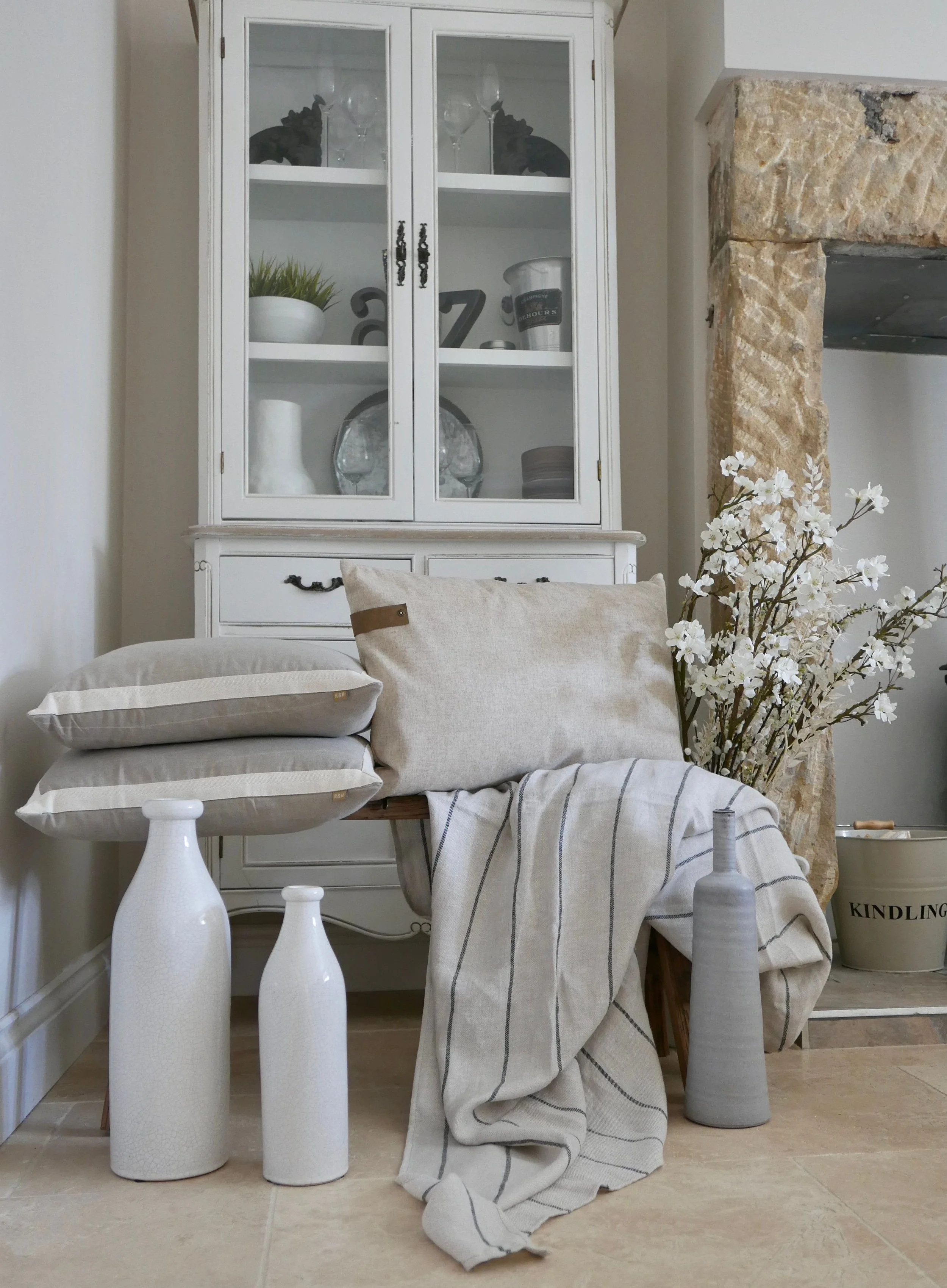
Consider introducing indoor plants, wooden furniture, woven baskets, and decorative stone accessories. Fresh flowers arranged in ceramic vases from Jamali Garden can also add natural beauty without overwhelming your existing decor. Choose arrangements that complement your room's color palette and reflect your personal style.
You can also incorporate natural textures through linen curtains, cotton throws, and wool rugs. Combining these materials creates visual interest while maintaining a warm and balanced appearance. Whenever possible, prioritize durable, responsibly sourced products that can stay in your home for years.
Choose a Soothing and Balanced Color Palette
Color influences how a room feels and can help establish a more relaxing atmosphere. Soft neutrals, muted greens, warm whites, and gentle earth tones are popular choices for creating peaceful interiors. These shades work particularly well in bedrooms, living rooms, and other relaxation spaces.
Begin with a neutral foundation for larger surfaces, including walls, furniture, and flooring. Introduce subtle accent colors through cushions, artwork, blankets, and decorative accessories. This approach allows you to refresh your surroundings without constantly replacing major furnishings.
Avoid introducing too many competing colors into the same room. Instead, select two or three complementary shades that create a consistent visual flow. A cohesive color palette can make your home feel more intentional and comfortable.
Make the Most of Natural Lighting
Natural light can make indoor spaces feel brighter, more inviting, and connected to the outside world. Exposure to daylight also helps regulate your body's natural sleep-wake cycle, making it an important consideration for everyday wellness. Maximizing sunlight is therefore a practical way to support mindful living.
Keep windows unobstructed whenever possible, and choose lightweight curtains that let daylight in. Position reading chairs, desks, and relaxation areas near windows to take advantage of available sunlight. Mirrors can also help distribute light throughout smaller or darker rooms.
During the evening, replace harsh overhead lighting with softer alternatives. Table lamps, warm LED bulbs, and adjustable lighting fixtures can create a comfortable atmosphere. Layering different light sources lets you adjust your surroundings to your activities and mood.
Create a Dedicated Space for Mindfulness
Having a designated area for relaxation can encourage you to practice mindfulness more consistently. This space doesn't need to be an entire room or require expensive equipment. Even a quiet corner can become a comfortable retreat from daily distractions.
Choose an area with minimal interruptions and introduce a supportive cushion, comfortable chair, or yoga mat. Add a small plant, soft blanket, or calming artwork to make the space inviting. Keep the surrounding area organized so you can focus on relaxation rather than household clutter.
Use this space for meditation, gentle stretching, breathing exercises, or quiet reflection. Spending even a few minutes there each day can help establish a consistent wellness routine. Over time, the space may become a familiar reminder to slow down and reconnect with yourself.
Reduce Digital Distractions Throughout Your Home
Technology plays an important role in modern life, but constant notifications and screen exposure can make relaxation more difficult. Creating boundaries around digital devices can help establish a healthier balance between connectivity and personal downtime. Your living environment should provide opportunities to disconnect without feeling isolated.
Consider keeping televisions out of bedrooms and establishing device-free areas around dining tables. Store chargers in designated locations and silence unnecessary notifications during relaxation periods. These small adjustments can encourage more meaningful conversations, better concentration, and uninterrupted moments of rest.
You can also replace some screen-based activities with reading, journaling, or creative hobbies. Making these activities easily accessible encourages you to choose them more frequently. A comfortable reading chair and a nearby bookshelf can make a screen-free evening particularly appealing.
Keep Your Living Space Clean and Organized
Maintaining an organized home can make everyday responsibilities feel more manageable. When belongings have designated storage spaces, you spend less time searching for essentials and dealing with unnecessary clutter. An orderly environment can also make relaxation easier after a demanding day.
Develop simple cleaning habits that fit naturally into your existing schedule. Spend a few minutes each evening clearing countertops, putting away clothing, and preparing your living areas for the following morning. Use attractive storage baskets, shelves, and cabinets to keep essential items accessible without creating visual clutter.
Introduce Comforting Textures and Personal Touches
A peaceful home should reflect your personality rather than follow a rigid decorating formula. Soft textures, comfortable furnishings, and meaningful accessories can make your surroundings feel welcoming and familiar. These details help create a sense of belonging that supports mindful everyday living.
Layer cushions, blankets, and rugs to introduce warmth without overcrowding your rooms. Display photographs, handmade decorations, or artwork that reminds you of positive experiences. Focus on quality rather than quantity, allowing each decorative element to contribute something meaningful.
Conclusion
Creating a calm, balanced living space involves thoughtful choices that support your comfort, happiness, and everyday well-being. From introducing natural materials and soothing colors to reducing clutter and establishing mindfulness areas, small improvements can make a noticeable difference.
Remember that mindful living isn't about achieving a perfectly decorated home. It's about creating an environment that reflects your needs, encourages healthy routines, and provides opportunities to relax. With consistent attention and intentional design, your home can become a peaceful retreat that supports a more balanced lifestyle.