
One piece of equipment can be utilized to train strength, endurance and mobility simultaneously and the kettlebell is one of the best. This is a guide to find out what kettlebells entail and how they are used in strength conditioning/training. It will fit very well with beginners, those who have home gyms and often exercise and are interested in having a convenient overview.
Learning about kettlebells and their uses
What kettlebells are
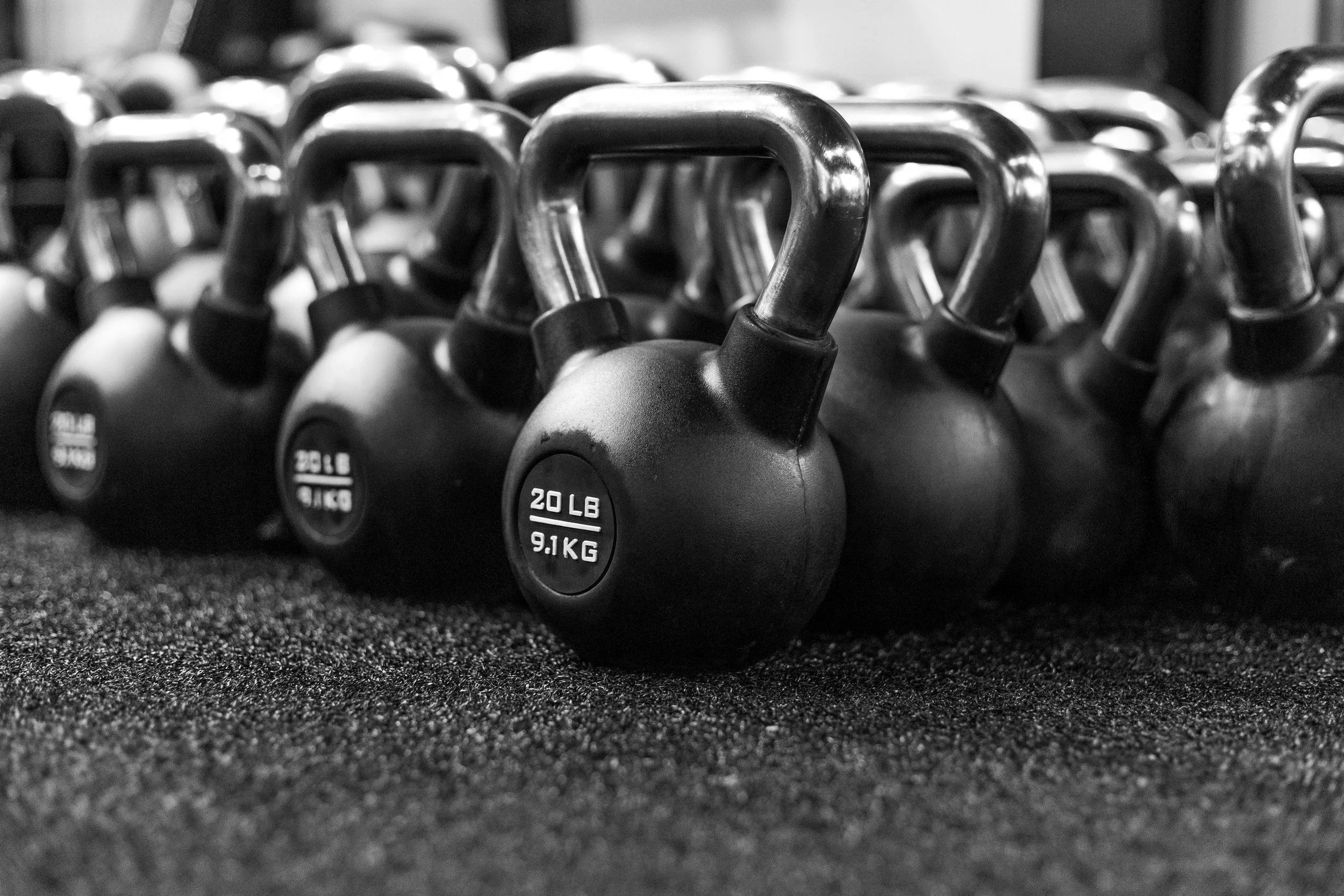
A kettlebell is a cast weight that is a square base and has one handle on the top. The handle is attached over a curved body and this brings the centre of mass out of the hand. The design ensures swinging and flowing movements. Main parts:
● Handle: The handle is thick and smooth and allows a firm grip with the one or two hands, which is suitable to use swings, presses as well as carries.
● Body: The majority of the weight is distributed in the rounded bell and the offset balance is a resulting challenge as the muscles seek to control every movement.
● Flat base: Stable base allows the kettlebell to sit upright on the ground, assisting one to initiate and terminate every exercise without risking harm.
Kettlebell designs and materials
There are a variety of kettlebells. They all fit various training models and costs. Being aware of the differences enables the buyers to make comparisons of the products. Common designs:
● Cast iron: The classic type of kettlebell is one-piece, solid cast iron, and the size increases with weight, possibly leading to some impact on the fit on the forearm.
● Vinyl-coated: Soft outer coating keeps the floors and hands protected, so these kettlebells are a favorite with home gyms and group classes.
● Rubber-coated: Rubber shell reduces the noise and wear of the floor, and it gives a slight grip to sweaty hands.
● Competition style: These kettlebells maintain a constant size with respect to weight, meaning that the technique remains the same while the load is increased.
● Adjustable: There is a single handle with adjustable plates instead of multiple fixed weights that can save on training space in a small area.
Choosing kettlebell weights
Right weight is founded on experience, strength and exercise. An excessive weight may destroy technique and increase the risk of injury. It is easier to learn good form when one first starts out lighter. Weight guidance:
● Beginners: A lighter kettlebell enables a first time user to exercise swings and squats, with control before adding mass.
●Intermediate users: A moderate weight benefits those people who are aware of the basic movements and use it to gain power and endurance.
● Advanced users: Heavier Kettlebells are challenged to heavy weight lifters and most have several weights to use in various activities.
● Exercise choice: For presses, often the lighter weight is used, compared to swings or deadlifts, and thus a single weight is seldom used in all exercises.
How kettlebells are used in strength training
Kettlebells develop body strength by performing lifts that involve the entire body. There are lots of exercises that involve multiple muscle forces. This renders them effective to time starved people. Popular strength exercises:
● Goblet squat: In this technique, one keeps the bell at the chest and squats, which strengthens the leg and puts one in good position and posture.
● Deadlift: This exercise, where you pick up the kettlebell off the floor, works hips, back, and hamstring and provides a powerful hinge with hips.
● Overhead press: This makes the shoulders and arms stronger by pushing the bell high in the air and it makes the core remain stationary.
● Turkish get-up: This is a multi-step motion which is slow strength-building activities on the floor to the standing position.
How kettlebells are used for conditioning
The kettlebell swinging action increases the heart rate. During short, repetitious work, stamina and energy are gained. This type of training is appropriate to individuals who desire to enhance fitness without extensive cardio activities. Conditioning movements:
● Kettlebell swing: This is the center exercise; it is achieved through the power of the hip push which propels the bell and develops the glutes, hamstrings, and back.
● Clean and press: Bending the bell to the shoulder, then pressing it over the head is a combination of strength and power in a whole-body movement.
● Snatch: Take the bell off the ground and swing it overhead in a single motion; it makes the body strong and fit, and requires technique.
● Circuits and intervals: Round-timed swings, squats and presses will compose a fast, full-body workout that can fit any busy schedule.
Discussing the frequently asked questions
What is a kettlebell?
It is a handle-topped, cast weight.
What is the weight that a beginner should have?
Begin with a less heavy weight and practice form.
What is the main kettlebell exercise then?
The most typical movement is the swing.
Is it possible to use kettlebells at home?
Yes, they are not bulky and can be fitted in training homes.