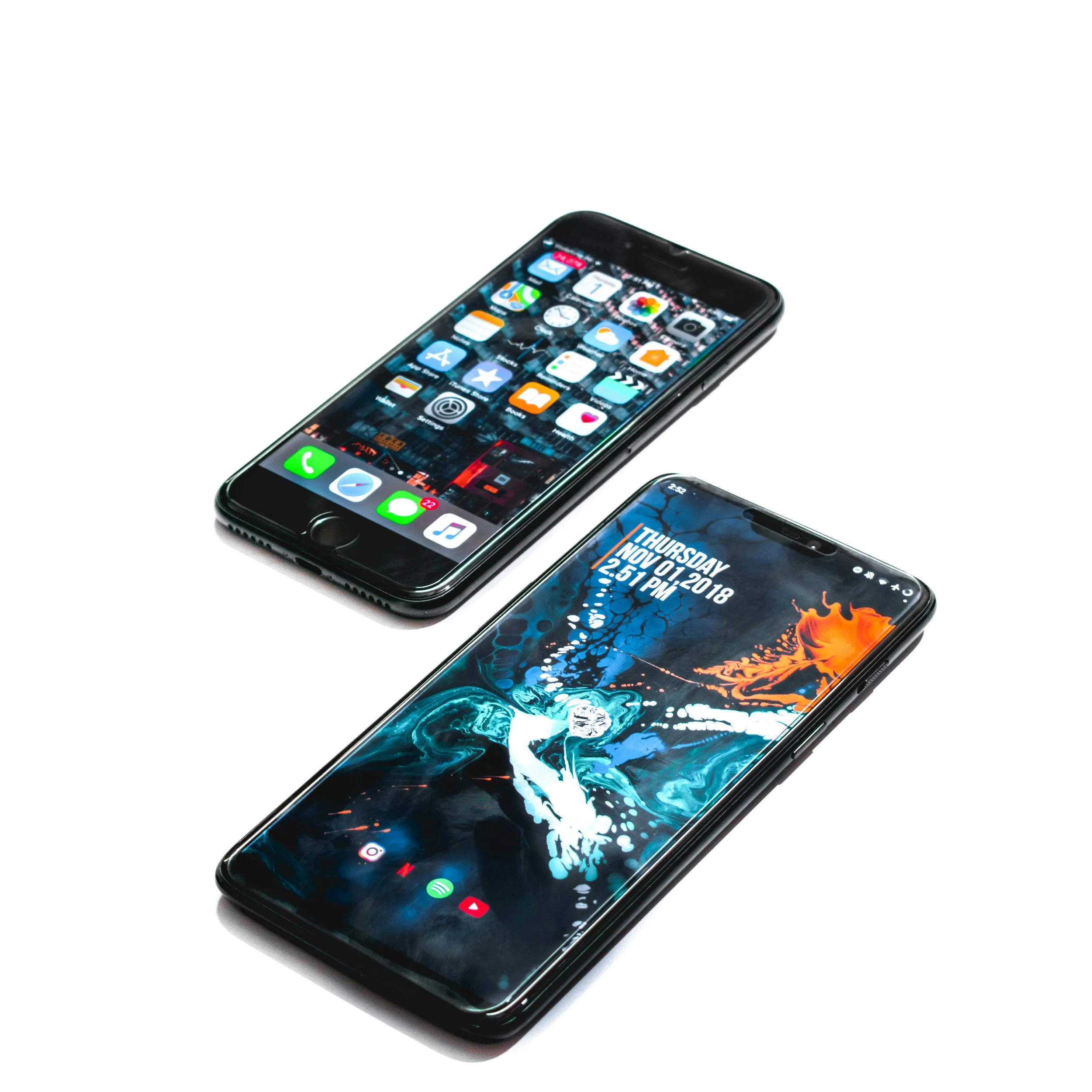
Mobile entertainment has evolved into one of the most influential parts of modern digital culture. What once centered primarily around television broadcasts, desktop gaming, and scheduled media consumption now operates within a fast-moving smartphone ecosystem built around continuous access, instant interaction, and personalized experiences. Smartphones no longer function simply as communication tools. For many users, they have become the primary gateway for entertainment throughout the day.
This shift transformed how audiences engage with media, gaming, livestreaming, social platforms, and interactive digital experiences. Traditional entertainment categories are increasingly overlapping as users move fluidly between apps, streaming platforms, games, and real-time digital environments.
The broader entertainment industry has adapted rapidly to these changing habits, and online gaming platforms have evolved alongside them.
Smartphones Changed Everyday Entertainment Behavior
One of the biggest changes shaping modern entertainment involves the growing amount of time users spend interacting with mobile devices. Smartphones now support everything from short-form video and livestreaming to mobile payments, gaming apps, podcasts, and social media engagement.
Entertainment consumption no longer revolves around fixed schedules or single-purpose devices.
Modern users increasingly expect immediate access to content and seamless movement between different digital experiences throughout the day. This behavior encouraged entertainment brands to redesign platforms around flexibility, accessibility, and continuous interaction.
The shift is especially noticeable among users who move between streaming apps, mobile games, social platforms, and interactive casino-style environments where they can play slots at MrQ while accessing themed game collections, instant-play mobile features, live jackpot systems, fast-loading interfaces, and app-style navigation optimized for smartphone use. Rather than separating gaming from broader digital entertainment habits, many users now treat these experiences as part of the same mobile ecosystem they interact with daily.
Entertainment increasingly revolves around convenience and accessibility.
Digital Platforms Became More Interactive
Earlier generations of digital media were often passive. Users watched television programs, browsed static websites, or consumed pre-recorded content with limited interaction.
Modern entertainment platforms operate very differently.
Today’s users expect interactive systems that respond dynamically to their behavior. Swipe-based navigation, live comments, personalized recommendations, real-time updates, and responsive interfaces all contribute to more active forms of engagement.
This broader trend influenced industries across streaming, gaming, social media, and digital entertainment platforms.
Interactive design now plays a major role in keeping audiences engaged within increasingly competitive mobile ecosystems.
Streaming Culture Changed User Expectations
The rise of streaming platforms also transformed the broader entertainment landscape. Livestreaming, short-form video, creator-driven content, and on-demand viewing introduced audiences to entertainment environments built around immediacy and continuous activity.
Users became accustomed to instant access and constant interaction.
This expectation now extends across many digital experiences beyond streaming itself. Gaming platforms, social media apps, and interactive entertainment services increasingly incorporate similar engagement systems such as live notifications, real-time updates, activity feeds, and dynamic visual interfaces.
The distinction between media consumption and active participation continues becoming less defined.
Modern audiences increasingly prefer entertainment experiences that feel responsive and continuously evolving.
Mobile Gaming Expanded Beyond Traditional Audiences
Mobile gaming played a major role in the expansion of smartphone entertainment culture. Earlier gaming ecosystems often required consoles, desktop computers, or specialized devices. Smartphones made gaming far more accessible to wider audiences.
Today, gaming exists as part of everyday mobile activity rather than a separate entertainment category.
Users frequently engage with mobile games during short breaks, commutes, or multitasking sessions throughout the day. This accessibility helped normalize interactive entertainment across a much broader demographic range.
The influence of mobile gaming also encouraged many entertainment platforms to adopt faster interfaces, reward systems, achievement mechanics, and real-time engagement tools that support shorter but more frequent interaction cycles.
App-Style Experiences Became Standard
Another major trend influencing mobile entertainment involves the dominance of app-based design. Modern users expect platforms to feel intuitive, responsive, and visually streamlined regardless of the entertainment category.
This expectation reshaped digital platform development across industries.
Entertainment apps increasingly prioritize smooth scrolling, touch-friendly navigation, personalized home screens, simplified onboarding, and frictionless interaction systems. Users now compare every digital experience against the best-performing apps already installed on their phones.
The result is a broader shift toward platform simplicity and mobile-first usability throughout the entertainment economy.
Companies capable of creating seamless app-style experiences often gain stronger long-term engagement advantages.
Real-Time Features Increased Engagement
Modern entertainment ecosystems increasingly revolve around real-time interaction. Notifications, live updates, instant recommendations, multiplayer systems, live chat functions, and timed events all help maintain user attention across digital platforms.
This real-time structure reflects broader changes in how audiences consume content.
Instead of waiting for scheduled programming or fixed entertainment sessions, users now engage continuously with digital platforms throughout the day. Entertainment increasingly functions as an always-accessible environment rather than a scheduled activity.
Many gaming and entertainment platforms now operate more like ongoing ecosystems than isolated media products.
Mobile Payments Simplified Access
The expansion of mobile payment technology also accelerated growth across digital entertainment industries. App-based transactions, digital wallets, biometric authentication, carrier billing, and instant payment systems all reduced friction between users and entertainment platforms.
This convenience significantly improved accessibility.
Users increasingly expect subscriptions, purchases, deposits, and account management systems to function instantly within mobile environments without complicated verification or banking delays.
The integration of fast payment systems helped entertainment ecosystems become more seamless overall while supporting broader growth in smartphone-based digital services.
Responsible Digital Engagement Still Matters
As mobile entertainment becomes increasingly immersive and accessible, discussions around healthier digital engagement continue growing.
Organizations such as Ofcom continue researching digital media behavior, online platform accessibility, and evolving communication technologies that influence how users interact with entertainment environments.
Balancing innovation, accessibility, and responsible digital design remains an important part of the broader conversation surrounding modern entertainment ecosystems.
As platforms continue competing for user attention, responsible interaction models will likely become even more important.
Mobile Entertainment Will Continue Expanding
The rapid expansion of smartphone-based entertainment demonstrates how deeply mobile technology reshaped modern digital behavior. Users increasingly expect entertainment experiences to be instant, interactive, visually engaging, and accessible from anywhere.
Traditional media boundaries continue fading as gaming, streaming, social interaction, and digital entertainment become more interconnected within mobile ecosystems.
As smartphones, app design, real-time systems, and mobile infrastructure continue evolving, entertainment platforms will likely become even more immersive and integrated into daily life.
The future of digital entertainment will not revolve around isolated media formats. It will be shaped by how seamlessly different forms of interactive content fit into the everyday habits of mobile-first audiences.