
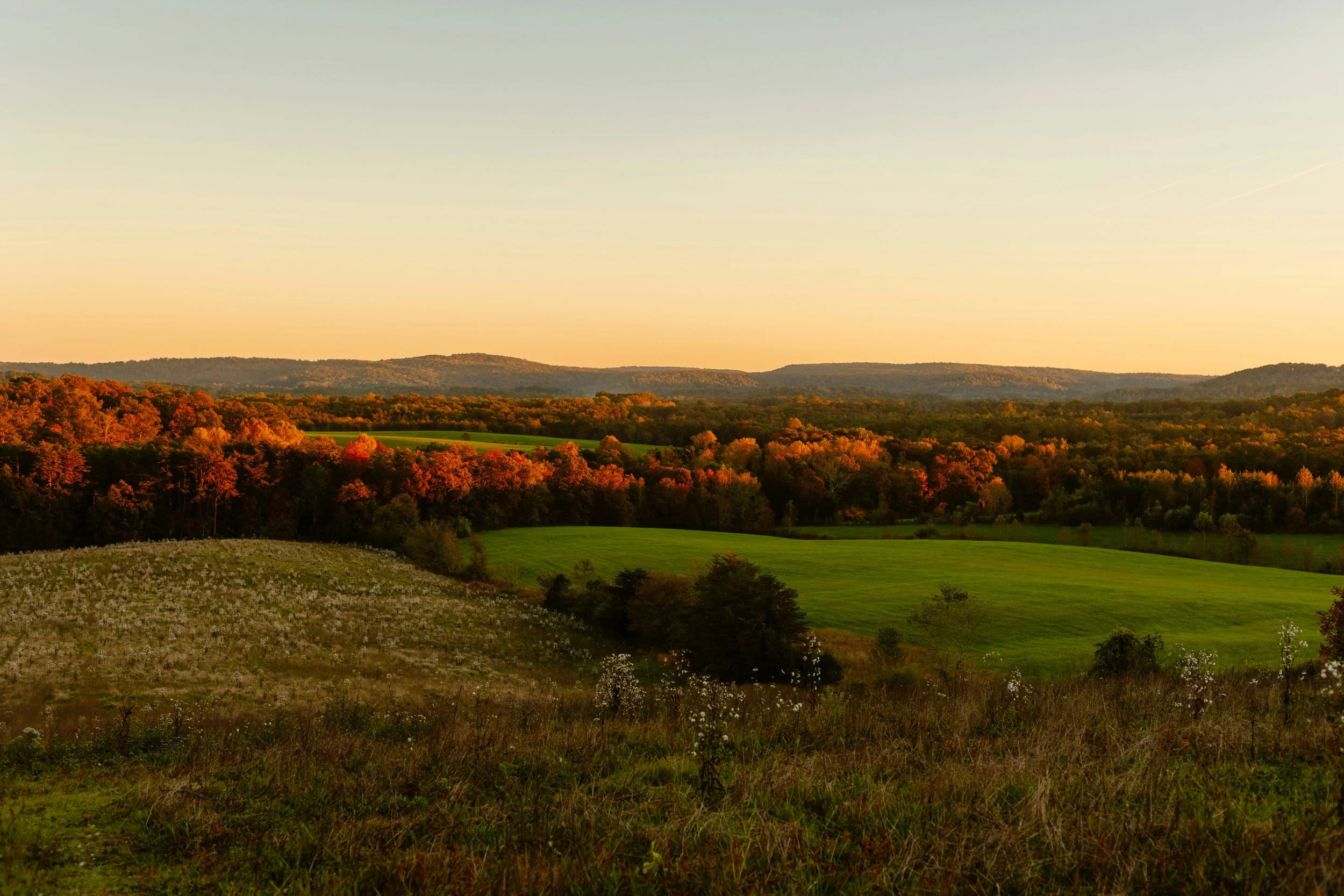
If you’re interested in building a mountain retreat, starting a homestead, or buying rural acreage, Tennessee is one of the most appealing states in the country today for buying vacant land. Buyers seeking a piece of the great outdoors are drawn to the state’s varied terrain, mild weather and no state income tax.
But purchasing raw land is a different beast altogether to buying a traditional home. If there is no structure, you have to be your own investigator. Here are the important points to keep in mind when buying vacant land in Tennessee to help you steer safely through the process.
1. Location and Ease of Access
Getting a beautiful piece of land is only half the battle, you still need a good way to get to it.
Location: Think about how far you’ll drive to get groceries, medical care and schools. The peace of a remote property is lovely, but the two-hour round trip for milk can wear thin.
Road access: Does the property have a road frontage on a public road maintained by the county or do you rely on a private easement across a neighbor's property?
Seasonal considerations: Tennessee does get its share of winter weather and heavy rains in the spring. The mountain track is fine in July but can be totally impassable without a four-wheel-drive vehicle six months later in January.
This becomes especially clear when looking at how land for sale in Tennessee is spread across a mix of rural, wooded, and semi-developed areas throughout the state, depending on terrain and accessibility.
2. Zoning and Land Use Regulations
Never assume you can build whatever you want because you own the land. County rules dictate what can and cannot be done on a piece of property.
Zoning designations: Find out if the acreage is zoned for agricultural, residential or mixed-use;
Building restrictions: Some counties have strict rules on how much square footage a home must have. Other counties ban mobile homes, tiny houses or living in a camper altogether.
Permits: Before you cut down a single tree, check with your local planning office. Make sure you have all the permits you need.
3. Utility Availability
It can be expensive to add modern conveniences to a remote stretch of land if you don’t plan ahead.
Electricity: Look for power lines in the road. If your build site is a half mile from the nearest pole, the utility company will charge you by the foot to run lines to your build site.
Water: If there is no public water you will have to drill a well which can run thousands of dollars depending on how deep the water table is.
Septic systems: For those living in the country, public sewer lines are generally not an option, so you will need to install a private septic system for waste water.
4.Soil quality and topography
How usable the acreage really is will depend on the physical form and makeup of the dirt.
The “Perc” Test: Be sure the soil passes a percolation test before you buy. This is a measurement of how fast water passes through the ground, which is needed for a permit for a septic system. The soil might be too rocky or full of heavy clay and fail the test meaning you can’t build a home there.
Tennessee’s terrain ranges from flat river bottoms to steep ridges. Steep hillsides may limit your actual building sites to only a small percentage of the acreage.
5. Ownership Costs and Property Taxes
While property taxes in Tennessee are fairly low overall, you will still need to plan for ongoing costs of land ownership.
Carrying costs If you do nothing with the land, you will still owe county property taxes every year.
Tax Exemptions: Check out the Greenback Law (Tennessee’s Agricultural Forest and Open Space Act). If your property meets the size and usage requirements, it can significantly reduce your annual tax obligations.
6. Legal Access; Rights of Way
If you can’t legally step foot on a property, it’s pretty much worthless.
Deeded Access: Have your deed state that you have a permanent legal right of access to the property.
Existing easements: Look at the title for utility easements or shared driveway agreements that allow neighbors or power companies to cross your land.
7. Flood Zones and Environmental Hazards
Heavy rain can turn Tennessee’s beautiful creeks and rivers into liabilities in a hurry.
FEMA maps: Always check FEMA maps to determine whether the land is in a 100-year floodplain.
Insurance costs: Building in a designated flood zone requires costly specialized insurance and complicates the mortgage process.
8. Survey and Boundary Clearness
Don’t take the seller’s word or old fence lines as an indication of where the property begins and ends.
Get a new survey. Have a licensed surveyor mark the exact boundaries. This protects you from accidental encroachment and any future dispute with neighbours.
9. Natural Features and Water Resources
Live water is a huge added value, beauty and utility to rural acreage.
Natural water: Ponds, springs & streams are great for livestock, wildlife & recreation.
Water rights: Make sure there are no local restrictions on using the natural water that runs through your property.
10. Surrounding Land Use and Future Development
What you see today might not be what you see five years from now.
Neighbors: Look at the neighbors. Is it a quiet family farm or an industrial site bringing traffic and noise?
Future growth: Check local county records for any planned highway expansions or large commercial developments in the area.
11. Planned Land Use
You should buy the land you want based solely on your end goals.
Hunting and recreation: A variety of dense timber, open food plots and natural water sources will be required to attract game.
Homesteading: Find level, fertile land that gets plenty of sun for growing food and animals.
12. Resale Value and Market Trends
If you’re planning to hold onto the land forever, it’s good to think about how marketable it will be down the road.
Market demand: Properties with good road access, usable terrain and available utilities will always appreciate better and sell faster as the market changes.
Conclusion
Buying vacant land can be an incredibly rewarding journey, but it requires a fair amount of due diligence. Assess access, zoning, utilities and soil quality thoroughly before you sign on the dotted line so that you avoid expensive surprises and ensure your investment matches your long-term dreams. Take your time, ask the right questions and enjoy finding your perfect piece of the Volunteer State.