
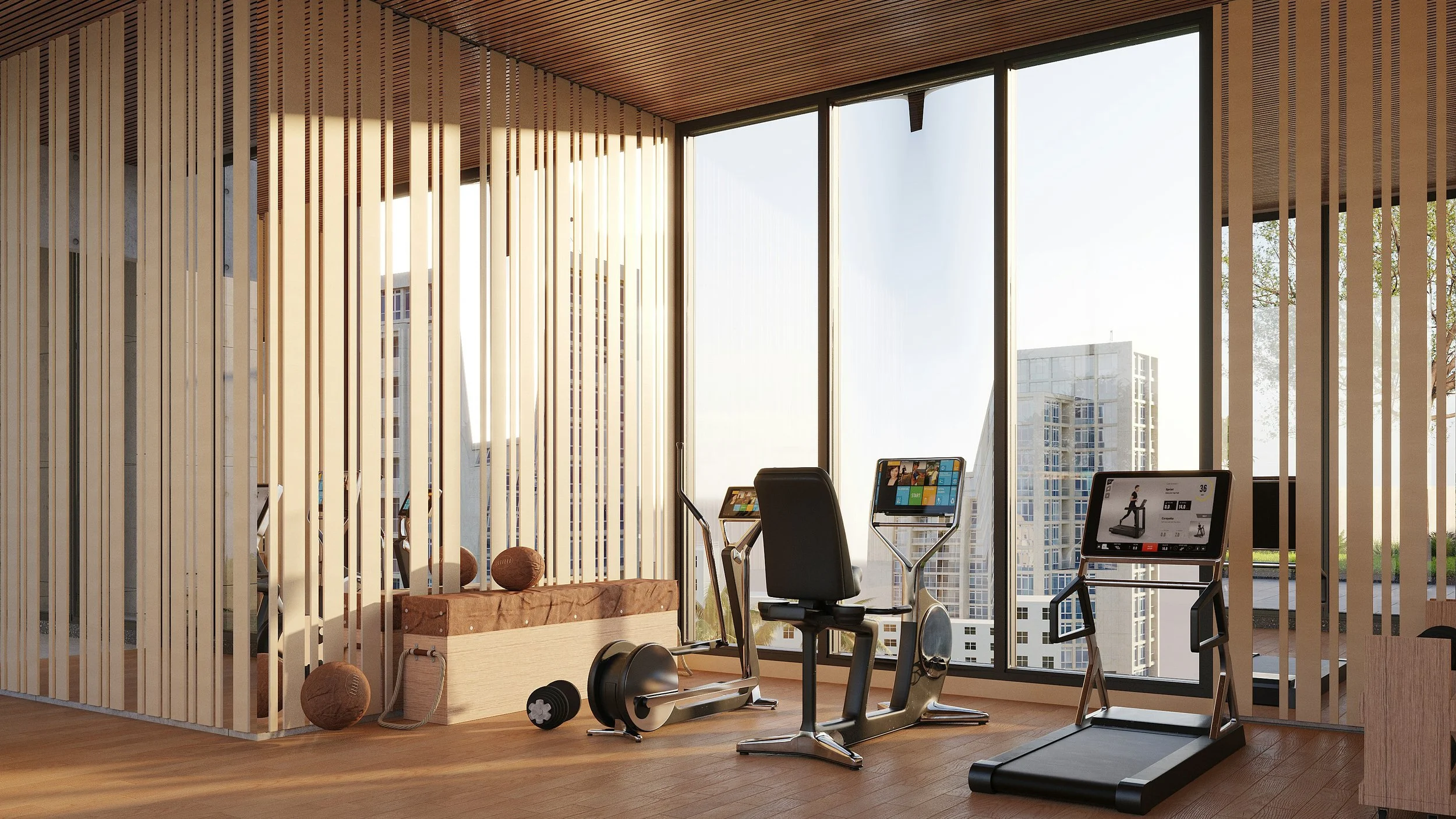
Creating a home gym is one of the most practical ways to make fitness easier to fit into everyday life. Instead of commuting to a gym, waiting for equipment, or working around opening hours, you can build a space that suits your routine, goals, and lifestyle. Whether you have a spare room, garage, basement, or small corner to work with, thoughtful planning can help you design a home gym that is comfortable, functional, and motivating.
Start With Your Fitness Goals
Before buying equipment, think about how you actually like to exercise. A gym designed for strength training will look different from one focused on yoga, cycling, mobility, or high-intensity workouts. If you enjoy lifting weights, you may need a rack, bench, dumbbells, and durable flooring. If cardio is your priority, a treadmill, exercise bike, or rowing machine might be more useful.
It is easy to get carried away with equipment, but the best home gyms are built around realistic habits. Choose pieces you will use regularly, rather than filling the room with items that only look impressive.
Choose The Right Space
The location of your home gym matters. Look for an area with enough room to move safely, stretch, and store equipment. Ceiling height is especially important if you plan to use a treadmill, jump rope, or overhead lifts. Good lighting can also make the space feel more inviting, while mirrors can help with form and make smaller rooms feel larger.
Noise is another factor to consider. If your gym is near bedrooms, shared walls, or living areas, rubber flooring can help reduce impact and sound. This is particularly useful for weight training or energetic workouts.
Think About Comfort And Airflow
A home gym can quickly become warm, stuffy, and uncomfortable, especially during intense exercise. Proper airflow helps keep the space usable throughout the year and can make workouts feel safer and more enjoyable. Fans, windows, and ventilation all help, but homeowners planning a more permanent fitness space may also want to consider professional AC installation services to improve temperature control.
Comfort is not just a luxury in a home gym. If the room feels too hot or poorly ventilated, you are less likely to use it consistently.
Select Durable Flooring
Flooring should be one of the first design choices you make. Standard carpet or hard flooring may not hold up well under heavy equipment, sweat, or repeated movement. Rubber tiles, foam mats, or vinyl flooring are common choices because they are easier to clean and provide better cushioning.
For weightlifting areas, thicker rubber flooring can protect both the floor and your equipment. For yoga or stretching spaces, softer surfaces may feel more comfortable.
Keep Storage Simple
A cluttered gym can feel stressful and even unsafe. Wall racks, shelves, baskets, and storage benches can keep dumbbells, resistance bands, mats, and accessories organized. Make sure frequently used items are easy to reach so your workouts flow smoothly.
Make It A Space You Want To Use
Finally, add personal touches that make the gym feel energizing. This might include a speaker, motivational artwork, a TV, plants, or a clean color scheme. The goal is to create a space that supports your routine and feels like a natural part of your home.
With the right planning, a home gym can be more than a workout area. It can become a convenient, comfortable, and motivating space that helps you stay active for years to come.