
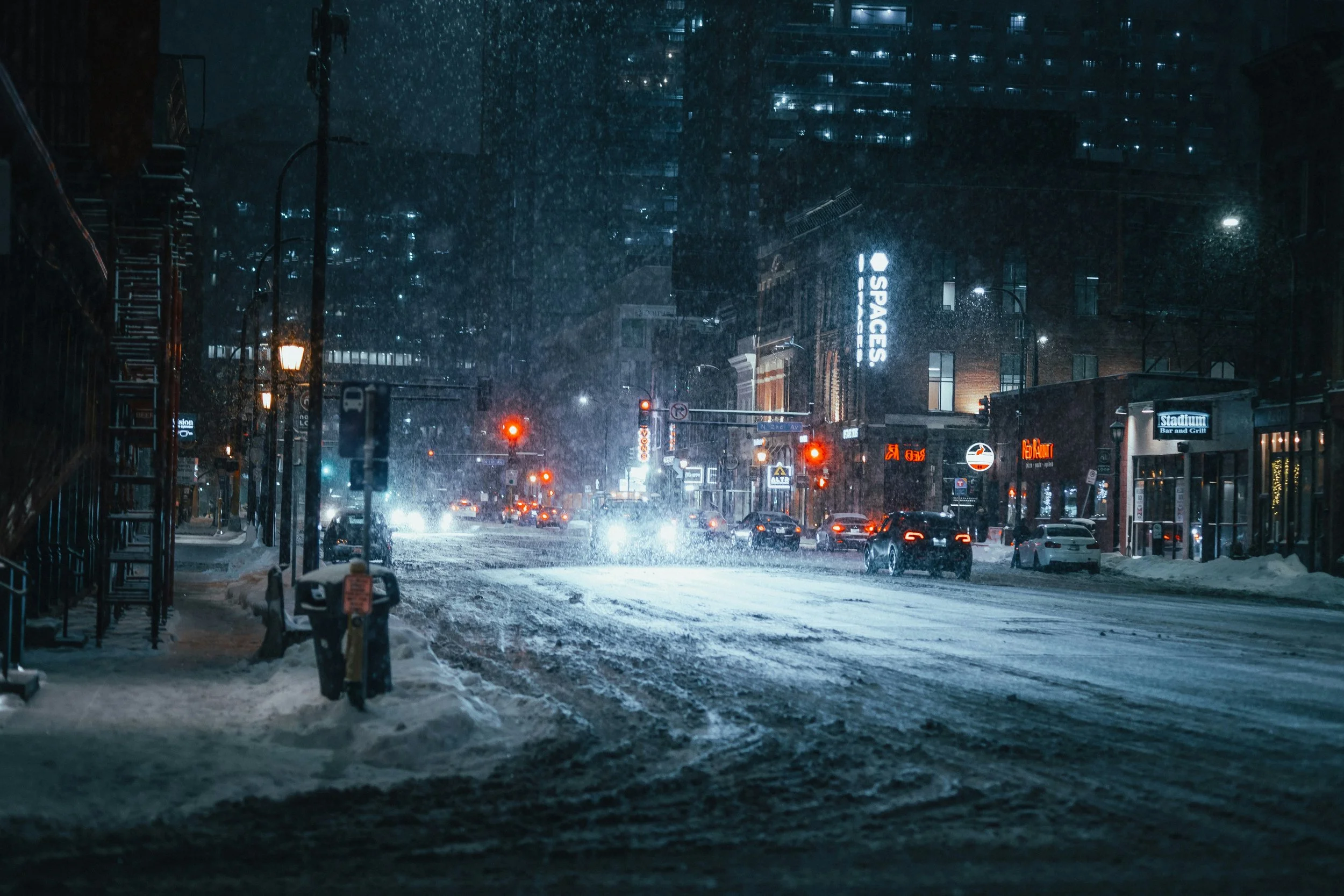
Heavy snowfall can place thousands of pounds of pressure on a roof, especially when wind pushes snow into deep drifts. Excessive snow loads can overstress steel roof framing, connections, and supporting columns if the building is not properly engineered. Repeated freeze-thaw cycles can make the problem worse by creating dense, icy layers. In regions with long, severe winters, snow load engineering is not an optional detail. It is a core safety measure that protects people, equipment, inventory, and the building itself.
Snow Load Calculations and Roof Safety
When researching steel buildings Saskatchewan, owners should ask how local snow loads affect the design. Snow loads can differ between nearby properties because roof shape, exposure, height, and surrounding structures affect accumulation. Structural engineers use regional climate data and building code requirements before finalizing the roof system.
Key Snow Load Factors
Engineers review several load factors:
● Ground snow levels
● Roof slope and shape
● Wind-driven snowdrifts
● Ice and snow density
● Uneven melting
These values determine what each roof member and connection must carry safely.
National Building Code Design Requirements
Structural engineers designing steel buildings in Saskatchewan apply the National Building Code of Canada 2020 to determine roof framing, member sizing, and connection requirements based on local snow loads. It includes provisions used to calculate snow and rain loads on roofs based on climate data, roof shape, exposure, and building use. Engineers also apply safety factors according to the structure’s purpose and risk level. A storage shed may need a different design approach than a warehouse, arena, or agricultural facility. Qualified structural engineers verify these calculations before construction begins.
Structural Support for Heavy Snow
Snow load engineering affects the size, spacing, and strength of roof systems. Loads must move through rafters, purlins, columns, connections, and the foundation without excessive movement or stress.
Common Structural Reinforcements
A properly reinforced frame may include:
● Heavier rafters or deeper steel sections
● Closer spacing between frames and purlins
● Stronger bolts, welds, and connection plates
● Bracing that controls sideways movement
● Roof slopes that support snow shedding
For example, a wide workshop may need framing beside an attached office where snowdrifts create concentrated pressure.
Saskatchewan Winter Conditions
Saskatchewan winters bring heavy snow, strong prairie winds, repeated storms, and long periods of accumulation. Wind may clear one section of a roof while piling deep snow against another, creating uneven pressure. Steel buildings in Saskatchewan must account for these local exposure patterns rather than rely on a generic design. Rural sites may face open-field drifting, while urban roofs may collect snow beside parapets, loading docks, or taller neighboring structures. Local engineering addresses these conditions before construction begins.
Long-Term Safety and Building Performance
A well-designed snow load system protects more than the roof. It reduces frame movement, limits panel damage, supports proper door operation, and lowers the chance of emergency repairs after major storms. It can also extend the life of insulation, fasteners, finishes, and drainage systems by controlling structural deflection. Properly engineered steel systems also provide clearer documentation for permits, maintenance plans, insurance needs, and future building modifications.
Proper snow load engineering helps a steel building remain dependable through both normal winters and rare extreme storms. Owners in Saskatchewan should review local load requirements, roof geometry, drift zones, building use, and engineering documentation before approving a design. A lower-cost structure can become expensive if it requires repeated snow removal, repairs, or temporary closures.Investing in a professionally engineered steel building from the beginning helps reduce long-term maintenance costs while improving structural safety and performance throughout the building's service life.