
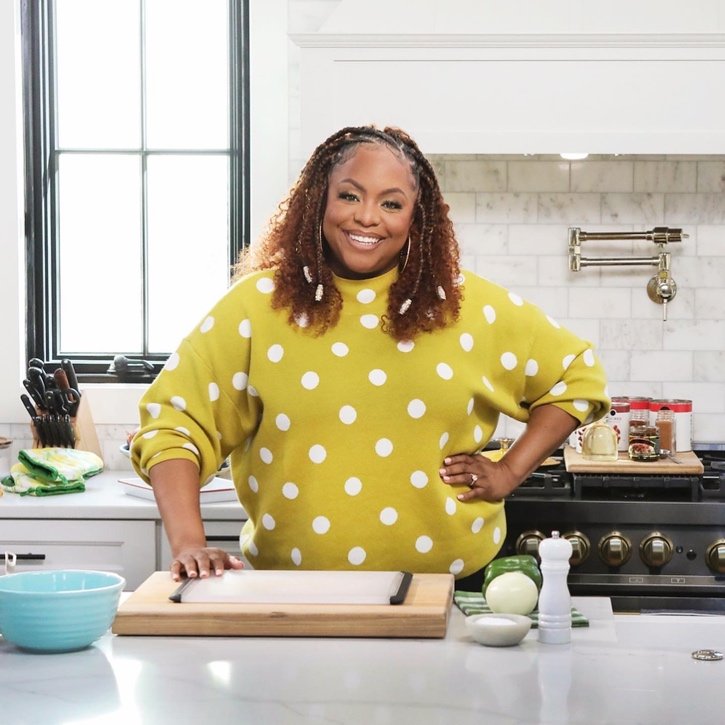
PHOTO COURTESY | Chef Kardea Brown/Food Network’s Delicious Miss Brown
FOOD FOUND HER | CHEF KARDEA BROWN
Food storytelling has been something that we have talked about multiple times. In enjoying those bites, you’re able to get the intention that the chef has whether it’s their style of food, infusing a culture that they represent or are passionate about as well as how they want you to feel! Once you consume it, you have memories that are set that you will come back to again and again!
Chef Kardea Brown is the host of Delicious Miss Brown which gives us recipes and stories about Southern cuisine from the low country that highlight Gullah culture on Food Network! She is also a judge on the same network for Spring Baking Championship alongside Nancy Fuller and Duff Goldman! We wanted to know more about how she got into the culinary industry, her passion for food, having her show, her partnership at PEPCID, and upcoming projects that we should keep an eye out for! We talk about how food found her, coming to TV, being nominated for a Daytime Emmy Award and being a New York Times Bestselling Author.
We also delve into the issues surrounding food insecurity and her attendance on June 12th for Chef’s Tribute to Citymeals on Wheels fundraiser in New York, an annual tasting event, where PEPCID is the exclusive heartburn brand sponsor and 100% of public proceeds help Citymeals prepare and deliver nourishing meals to older New Yorkers in need. She teamed up with PEPCID, the #1 doctor recommended over the counter acid reducer brand, and is proud to support their efforts in the fight against food insecurity with Meals on Wheels America through their $50,000 sponsorship.
ATHLEISURE MAG: It’s such a pleasure to speak with you as we have been such fans of your show! Where does your love of food come from?
CHEF KARDEA BROWN: It would have to be not only the city that I come from, but my grandmother and my mother! They are some cooking women. They absolutely love cooking and I believe that it is one of our first loves. We have always found ways to spend time in the kitchen. I grew up around women that really loved being in the kitchen and I love food you know! Good food is always good for the heart and the soul!
AM: When did you realize that you wanted to be a chef?
CHEF KB: You know, I believe that it chose me. My first initial thought was that I was going to become a social worker and that I was going to work in the not-for-profit sector, in my life. The universe would say that it was a bit of a course redirection like, “this is great, you’re doing great there, but I think that I have something bigger and better for you there that’s going to involve food.” That’s how it kinda chose me and I’ve always loved cooking, but I never thought that I was going to do it for a living! It was kind of like, this is your purpose and this is your mission. Here it is!
AM: It’s so great to hear that! How did you get your own show, Delicious, Miss Brown which we love and we also love that you talk about your background coming from Gullah influences and things like that. How did that all come together?
CHEF KB: So, I was dating a guy at the time. We are no longer together, but we’re still great friends! I’m pretty sure that I owe my career to him! He signed me up to be on a show for the Cooking Channel and out of thousands of submissions, they chose me to do the show with Bobby Dean and it was all about taking that Southern food and making it light and fresh. He wanted to go to a house of someone who cooked heavy Southern meals and kind of flip that and make it into a lighter meal. So, I did that show and it didn’t get picked up by the network, but the network’s executives saw the show and said, “man, she’s really great! Has she thought about doing food television?” At the time, I was working at Big Brothers, Big Sisters and I wasn’t thinking about doing food or cooking on TV! Somehow, I ended up being on several shows after that and eventually, they pitched me to the network to have my own in the kitchen show and I would say about 5 years later, I got my opportunity to host my own show and now I’m in my 8th season!
AM: That is incredible and congratulations on your recent nomination for your Daytime Emmy Award as a Culinary Host and in your category is Guy Fieri, Emeril Lagasse, Justin Sutherland, Andrew Zimmern, and Ina Garten! That is amazing!
CHEF KB: Blew my mind! To be mentioned in the same room and category with these greats, with these people that I grew up watching is insane and so it’s a great filling!

PHOTO COURTESY | Pepcid
AM: You’re going to be part of the 36th Annual Chef’s Tribute to Citymeals on Wheels, tell me about this and why you’re excited to be part of it?
CHEF KB: Oh my gosh! I personally use PEPCID in my life! If you have ever seen any of my shows, I cook – you know I like to fry things, I like my spicy foods and all of the things that give you heartburn and so when the opportunity was presented, I thought it was a no-brainer.
The Chefs Tribute that is going on Jun 12th – I am really excited to be there! It’s for a great cause with Citymeals. They’re combatting food insecurity and that’s something that is very important to me because what I do for a living is to teach people how to cook. I can’t do that for people, especially when the demographic that watches Delicious Miss Brown, it’s usually between the ages of 25 – 56 and even older! So a lot of these people watch the show and I want them to be able to have the opportunity to be able to go to their local supermarket or have food delivered that makes my job easier! I want to be able to show you how to cook it and I need you to be able to have the food in order to be able to do that! So Citymeals is doing a really great job of that and combating food insecurity especially here in NY.
For this event taking place, PEPCID is the only heartburn brand that will be there and they have personally sponsored Meals on Wheels America with $50,000. So as soon as I heard of the initiative and PEPCID’s involvement, I said, sign me up!
AM: That’s definitely exciting.
What is it that you enjoy about taking PEPCID? Do you take it before you eat something or is it after for those that have yet to use this?
CHEF KB: So, you don’t have to take it before. I usually take it after especially when I kind of feel the heartburn kind of starting. I know immediately that when I eat something, especially at night, I might eat something spicy or tomato-based which we do a lot in the Gullah culture. When I eat my red rice, I know that I will have to take some PEPCID immediately after to have a good night’s rest! Even when I film my show, I’m tasting, I’m eating constantly. I can’t do that if I’m suffering from heartburn. If you have ever suffered from heartburn, you know that it’s not pleasant. I take PEPCID immediately, it works just like that and it makes my job that much easier!
AM: In addition to you hosting Delicious Miss Brown, you’re also judging Spring Baking Championship on the same network! We’re also huge fans of this show! What are you looking forward to with this show?
CHEF KB: Oh my gosh, Spring Baking Championship is one of those shows that I really stumbled in and it’s an amazing show! I have learned so much. It took me awhile to get into baking. I have always been a savory person, but now I do both! But now that I feel that being part of this show has taught me so much and being on the judging panel with Nancy Fuller everyone’s grandma and then Duff Goldman who is a pastry and cake genius! I’ve learned so much and I’m just really excited about what’s to come with the show and many more seasons! The show did really well last season so I’m really excited about more season with Spring Baking!
AM: It’s such a fun show and everyone is so creative! We couldn’t do any of those things, but we always love hearing Duff talk and how excited he is when he’s eating things!
CHEF KB: Yes! He really does get into it and he’s like the cake genius! He is the mechanics of the show and I feel like I bring in the heart where I’m like, “oh this is good, girl!” You know, that type of thing.
AM: You need both!
CHEF KB: Yes, you do! It’s a good balance!
AM: Last year, you dropped your cookbook, The Way Home: A Celebration of Sea Islands Food and Family with Over 100 Recipes, what was it like working on this project and you’re also a New York Times Best Selling Author!
CHEF KB: Yes, it was really fun! It was my first cookbook so I didn’t really know what I was getting myself into, but it was a learning lesson and it was an experience. I’m really happy about it because for so many years and actually decades, my family had these recipes within my family, but we never had a way to keep those recipes beyond word of mouth. So now, there’s a place where recipes can live and I really feel like I’m making my great-grandmother, grandmother, and mother proud by creating history within our families! Being that it is right out of the gate and it made it to the NYT Bestsellers was just mind-blowing to me. A little girl from Charleston, South Carolina had big dreams and I never dreamt that it would be this.
AM: Your journey has been amazing and we’d love to know more about your frozen food line! What’s it going to be and what can we expect from it?
CHEF KB: Oh my gosh! I can’t give all the details yet, but it’s going to be with a major distributor/retailer, and it’s going to be all the things that everyone loves about the South and the low country as many of the foods that you have probably seen on my show or people who have watched it who say, “man, I wish I could taste that!” You will be able to soon!
AM: We can’t wait to see it! Just looking at all of the things that you have done in your career, these are really big moment! Food is such a big vertical at Athleisure Mag, what do you want your legacy to be whether it’s on the culinary side or being an overall entrepreneur?
CHEF KB: You know, I want my legacy to be that I wasn’t afraid to take that leap of faith and that I somehow landed on my feet. If anyone ever has a dream, a hope, or something to aspire to – just do it! I literally did it and I had no clue what to do and somehow I ended up in a very great place! I want my legacy to be that I jumped, I landed, and it did well! If I can do it, anyone else can!
IG @kardeabrown
Read the latest issue of Athleisure Mag.
Featured
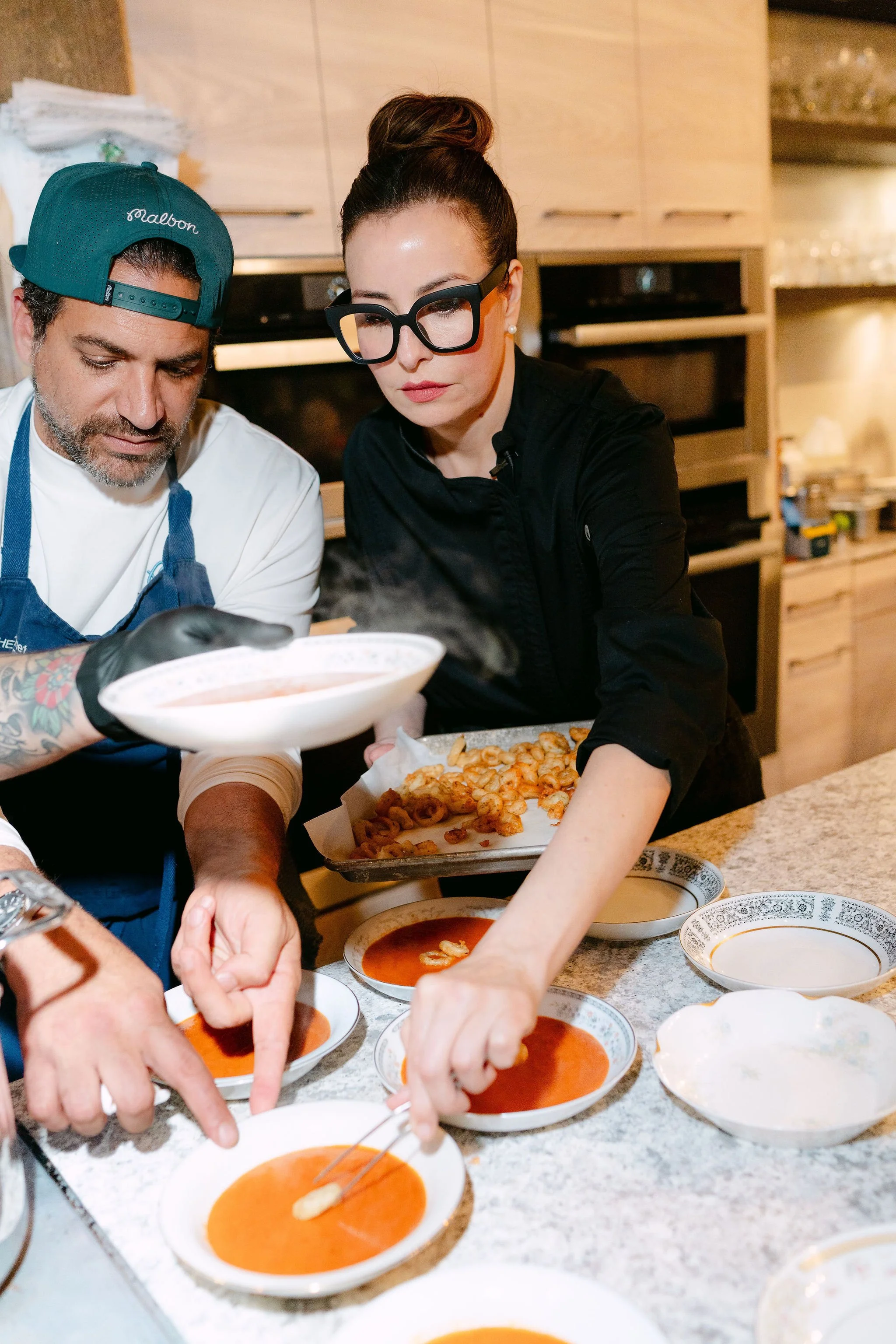


PHOTO CREDITS | Craig Sjodin/ABC
THE BACHELORETTE S.20 E.3 | WE'RE LEAVING LA
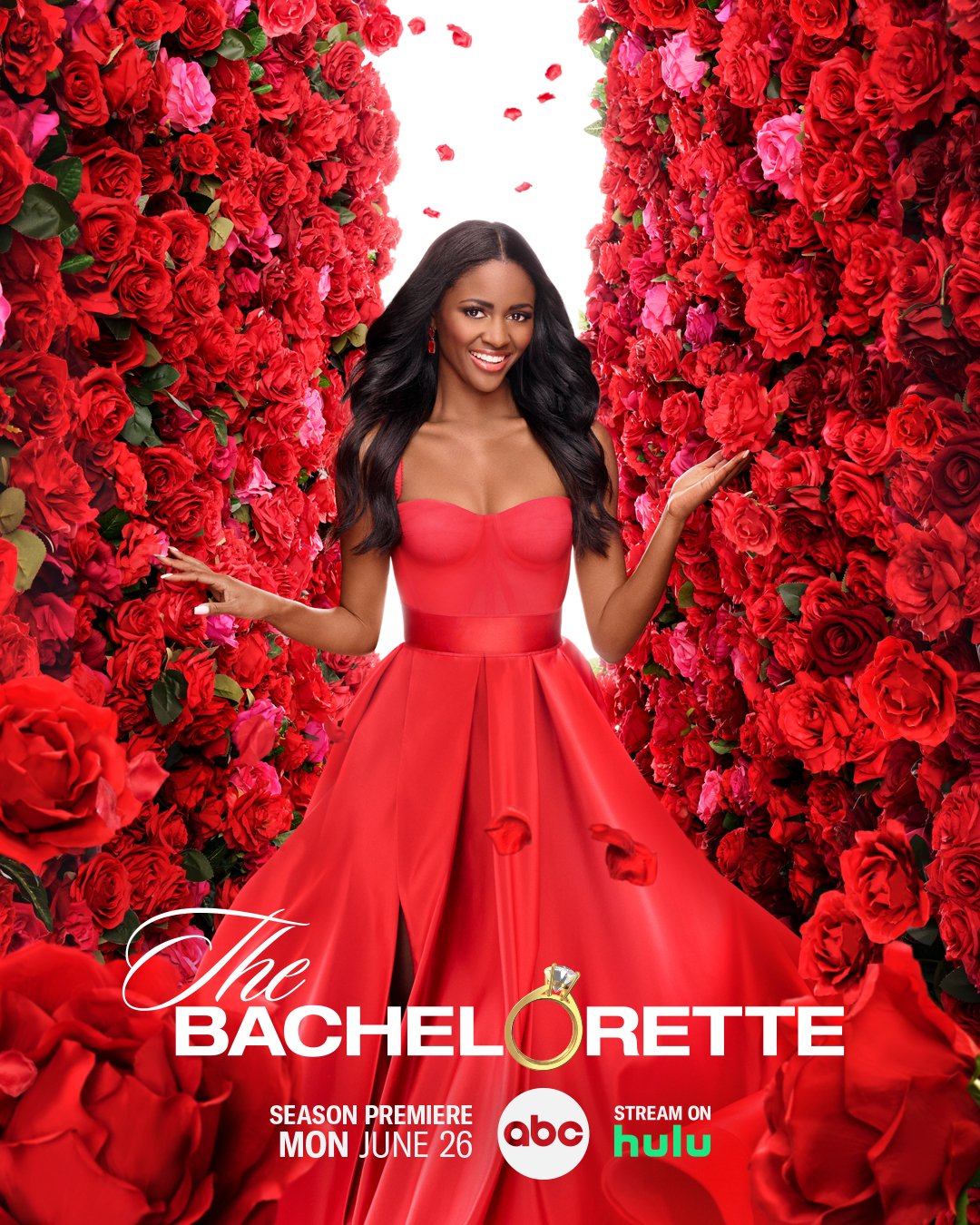
PHOTO CREDITS | ABC The Bachelorette/Craig Sjodin
ABC’s The Bachelorette Season 20 brings us to the 3rd week where there are less guys and we can’t say that there won’t be drama, but we know that it will be a different variety. The guys recap what the past few days have been like.
Charity Lawson arrives to sit down with the men and apologizes for ending the barbecue early with them/ She lets them know that they are leaving LA and are going to Oceanside. Tonight’s 1-on-1 date is with Brayden. The guys pack to their new place and Charity drives off with Brayden to start their date. They go to the Padres Stadium where the helicopter lands and they get to play on the field.
The guys make their way to their new home (we wonder what Xavier is making) we see their lunch date on the field of the ballpark. Charity wants to know more about him and to get her red flags answered.
The group date card arrives and we learn that Joey, Aaron B, Michael, James, Caleb, Aaron S, Sean, Xavier, Tanner, Adrian, Dotun, and John are on the group date. Warwick got the other 1-on-1 date.
Back at the ballpark, they are having dinner on the field and she addresses that she was concerned when he wanted to get up and leave the process. He explains that this was a traumatic experience for him because he had bad relationships. She gives him the rose - we wonder how this relationship will progress long term.
The group date is at a Barbie boutique and they’re able to see Jojo Fletcher and Jordan Rodgers. The boutique is filled with Ken looks which are known items that the doll has worn over the years. It’s another fun twist to the Barbie movie that we have been seeing over the past few months. They are tasked with writing a song while wearing his outfits and they will perform in front of a live audience for the Barbie Beachfront Concert. The winner of this challenge is Sean.
The cocktail party from the group date begins and the guys have left their Ken outfits and are back in their own looks. They’re all looking at the group date rose. They all hype themselves up and Sean comes in singing the Barbie song that he won. The guys tell him to stop being an only child and to act like he’s used to nice things.
Charity arrives wearing another great piece of outerwear that’s pink. Sean steals her and says he has to steal her to finish their conversation. He’s rubbing the men the wrong way no matter what he does. She spends time with each of the men and she actually brings Dotun up to his room so that she can have more time to talk with him. Dotun gets the group date rose and the rest of the men receive a hug before she heads out.
The 1-on-1 with Warwick begins and without a doubt, he looks great in a suit. They are all dressed up to go to Belmont Park to ride as many things as they want. She says she’s attracted to him, but she wants to know more about him as she knows that he is reserved. Unfortunately and not unsurprisingly, she sends Warwick home after giving him all the opportunities to open up. It’s a shame because we saw the most emotion out of him during the date, but when it came to communicating - which he said wasn’t his strong suit, it was flatlining. She had no choice but to send him home!
The guys know that Warwick has been sent home and he is the first one that had a 1-on-1 that happened to him. Brayden let the guys know that he could continue to date her; however, he is not sure about an engagement. This throws Aaron B for a loop. He makes a note to tell Charity about this at the cocktail party. She lets them know that her biggest fear is to spend time with someone who is not truly ready for the commitment. She begins to chat with Aaron B and he decides that he has to tell her his thoughts on what Brayden said so that she has all of the facts. He lets her know that he is not ready for an engagement, not being sure of her, and not wanting to date someone who has been dating his friends. Aaron B talks with Brayden and lets him know what he told Charity.
Charity addresses it with him and the men tell Aaron that they don’t like that he brought it up when he did as that affects other’s time with her. Many feel that because he has a rose on his chest, that he is safe. We finally see Jesse Palmer who pops up. He acknowledges that he is coming in early and that the rose ceremony is still happening, but the cocktail party has come to an end. The guys say that they like Aaron, but they can’t believe that what he did has taken time from them. After giving out all of the roses, she sends Aaron S, Adrian, and James home. She lets Brayden stay and feels that she is going with her gut.
The rose ceremony begins and before she sees the men, Jesse asks if he trusts Brayden. Aaron B gets the first rose of the night! She gives out roses and sens Aaron S, Adrian, and James home! We had Aaron S and James as possible contenders for heading to Hometowns!
Charity gave roses to | Aaron B, Caleb B, Brayden, Dotun, Joey, Michael, Sean, Tanner, Xavier
Charity sent home | Aaron S. Adrian, James, and Warwick
Each night during this season, we will tweet about The Bachelorette and you can chat along with us (@AthleisureMag + with our Co-Founder/Creative + Style Director, Kimmie Smith @ShesKimmie) to see what’s taking place!
Each week we will let you know who our faves were from the last episode and if we’ve changed up since then as it pertains to who we think should go to Hometowns.
We also suggest a podcast that we’ve become obsessed with over the past few seasons, Wondery’s Bachelor Happy Hour to get their feedback!
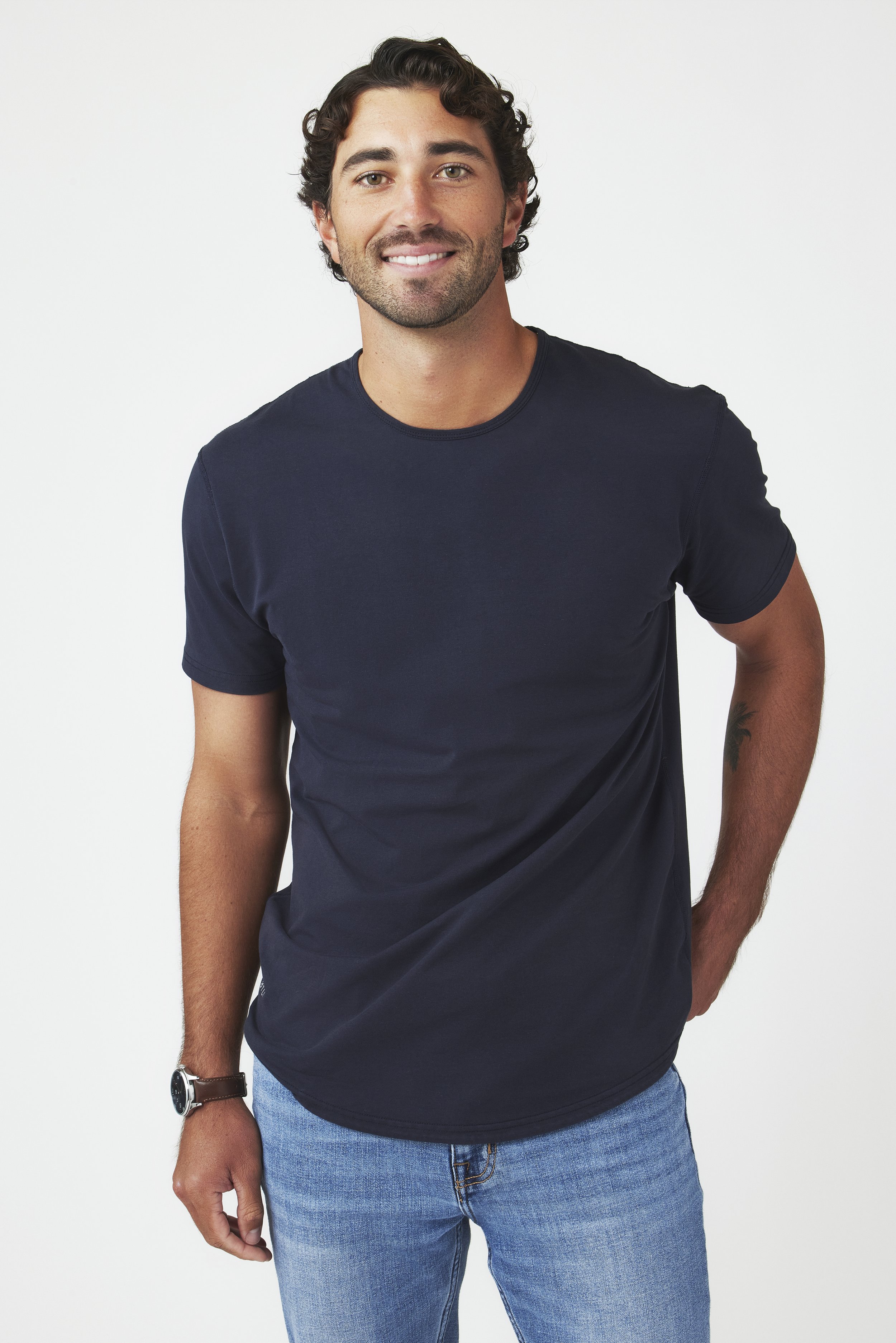
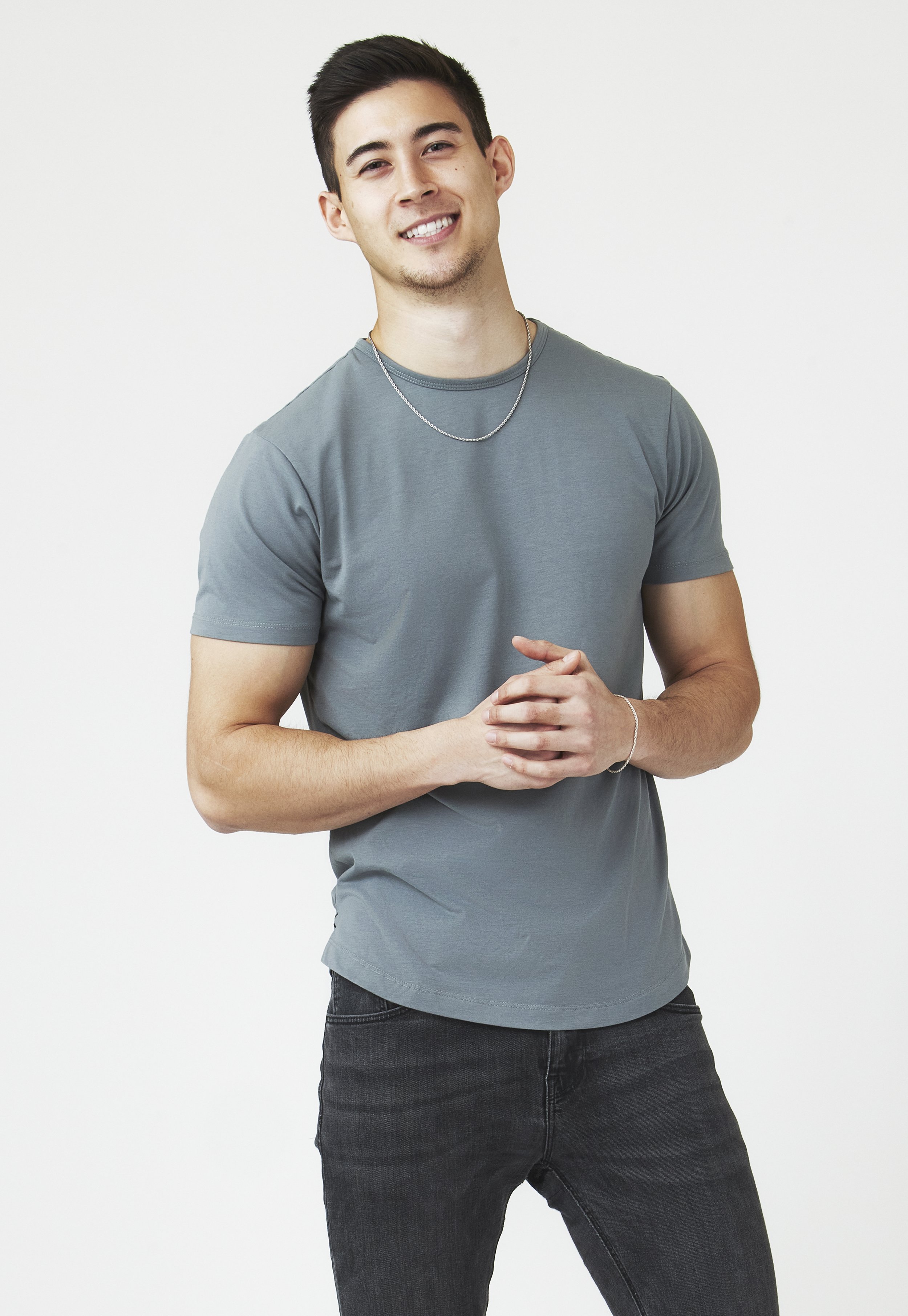
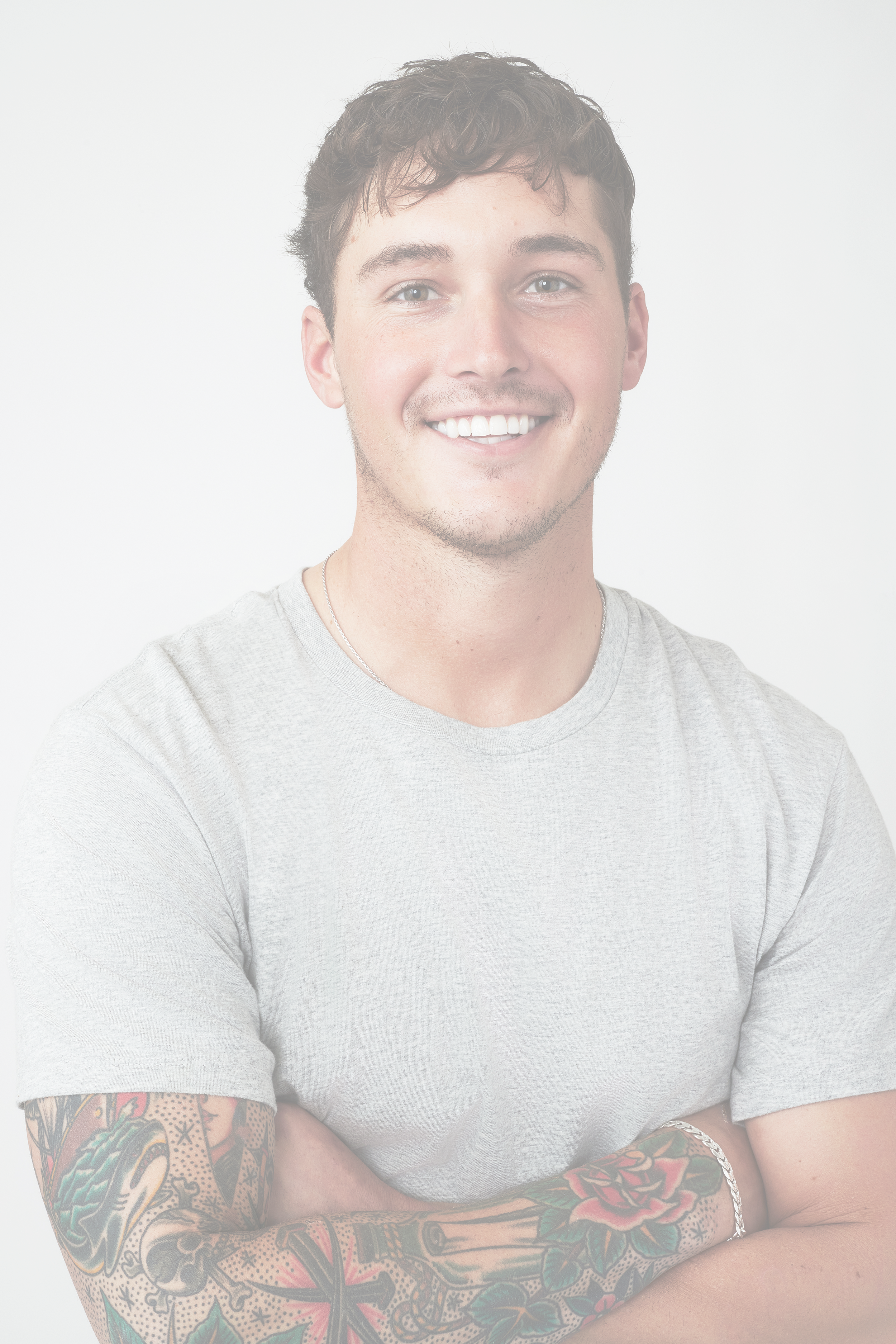
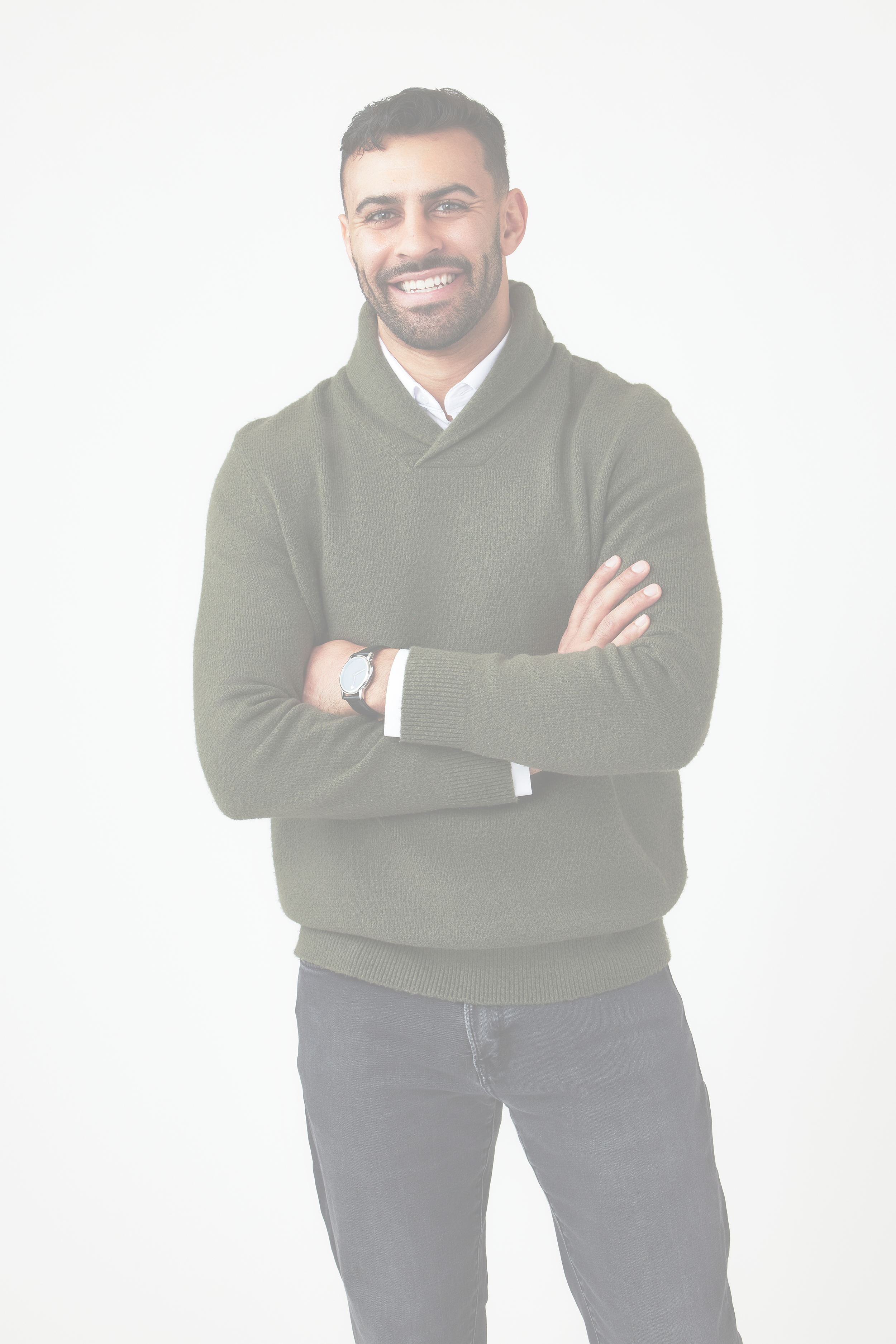
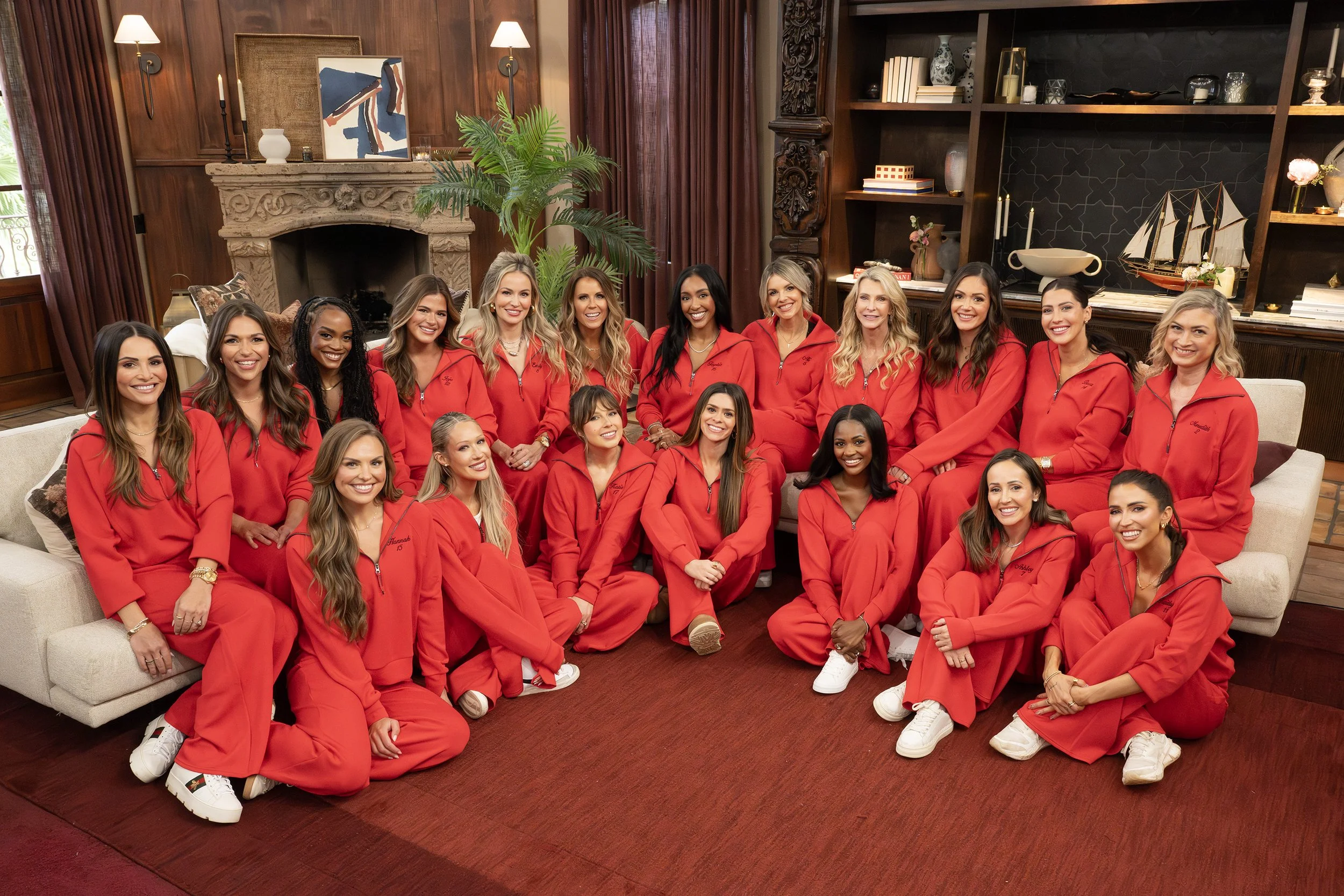
WHO WE WANT TO SEE GO TO HOMETOWNS
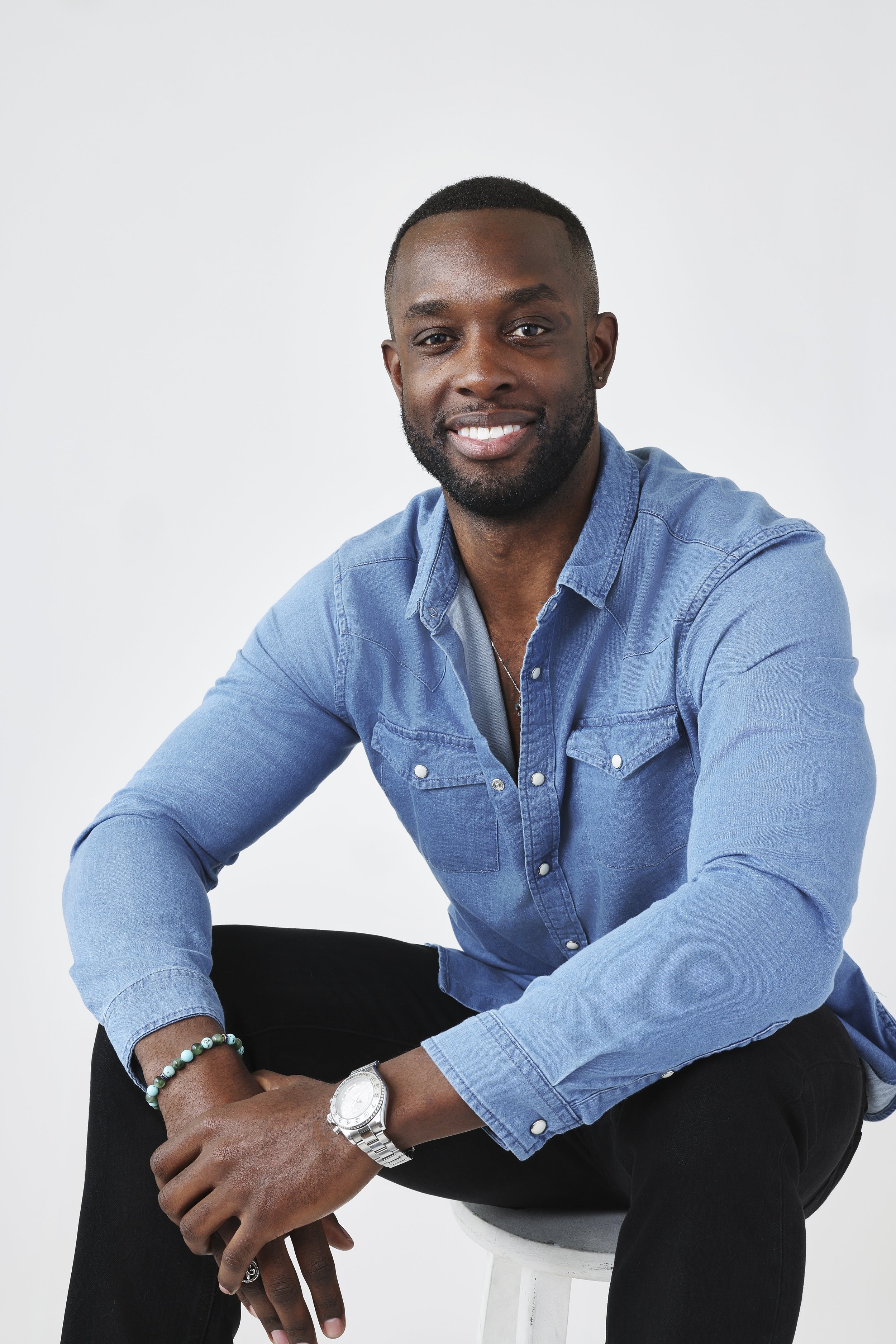
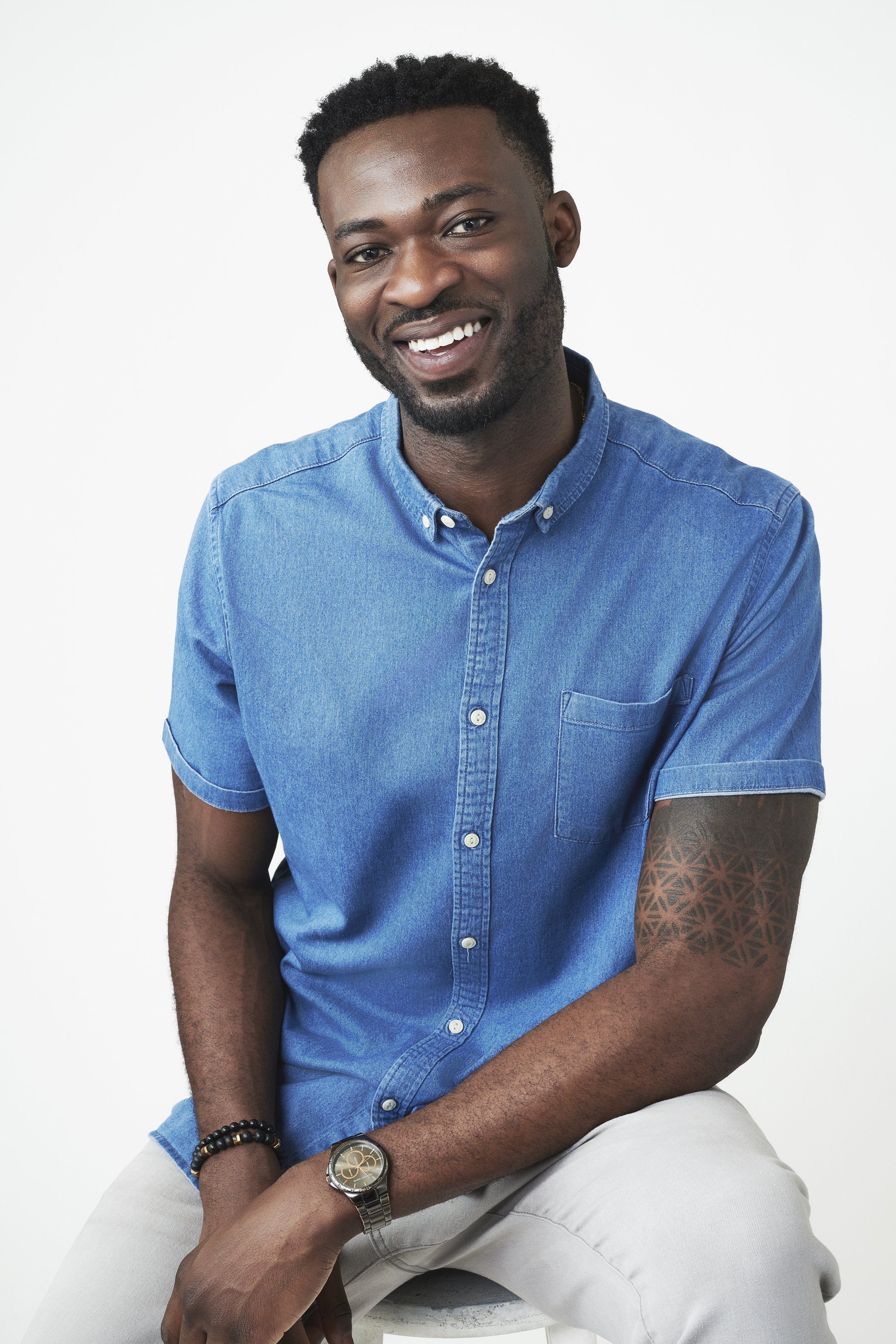
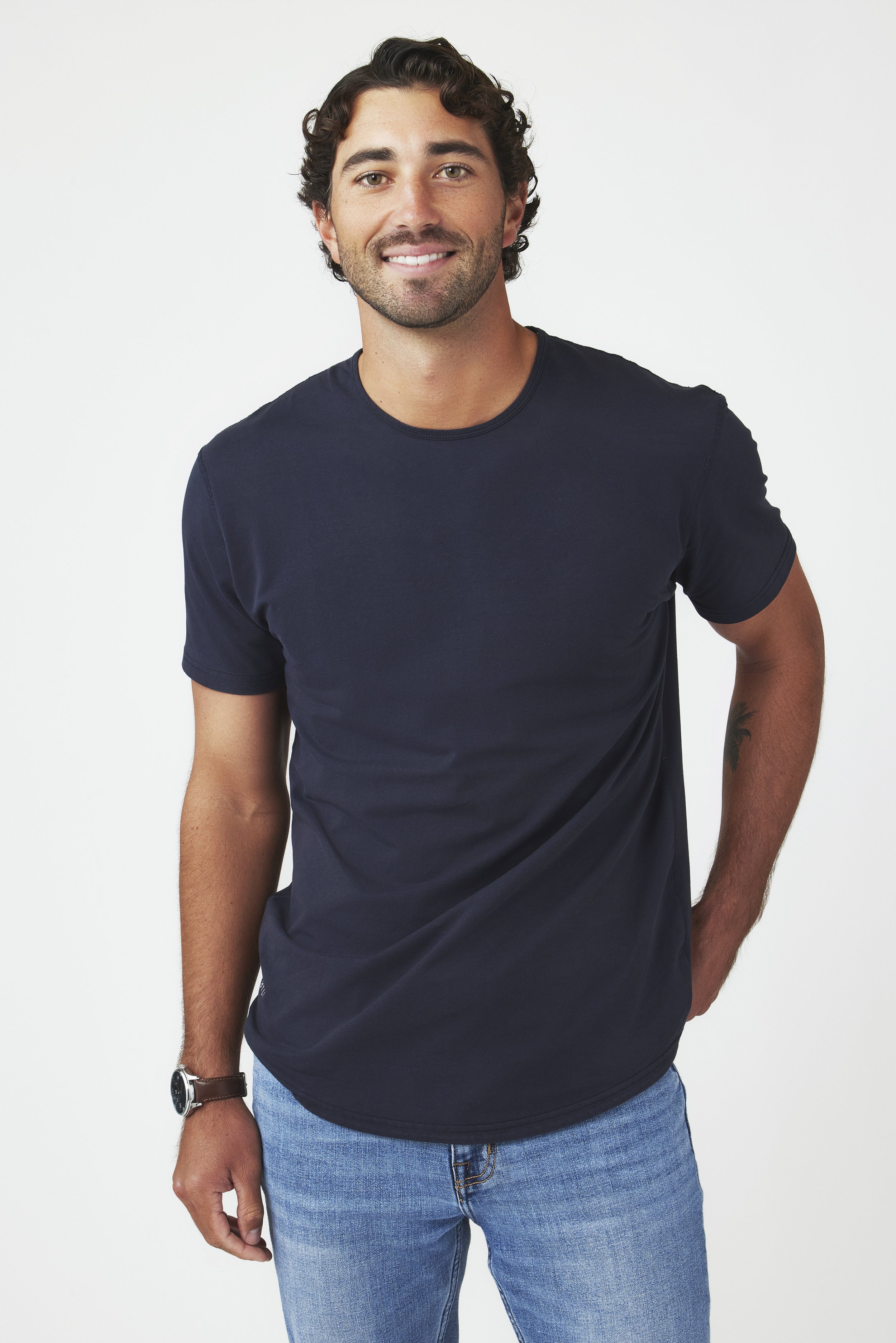
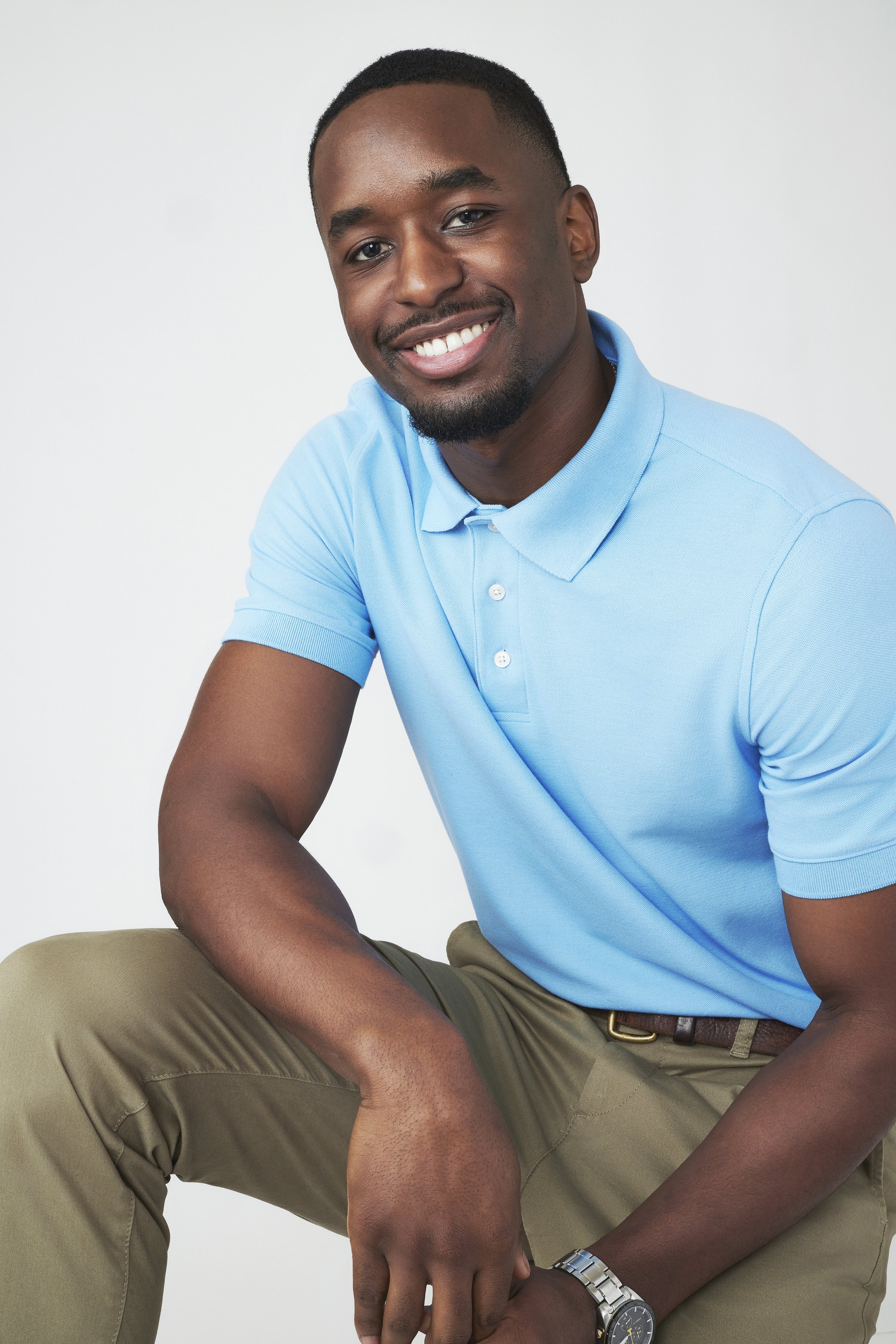
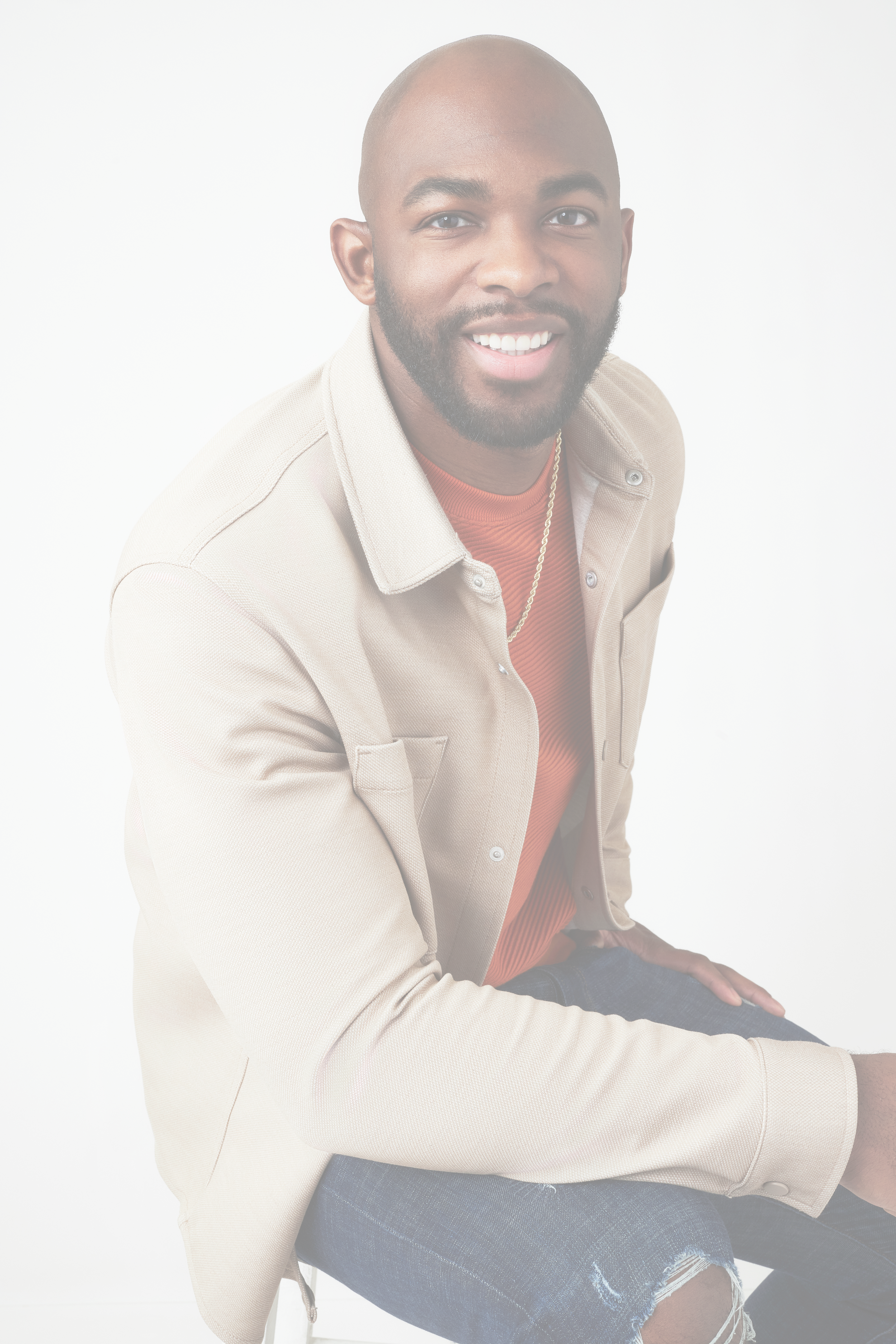
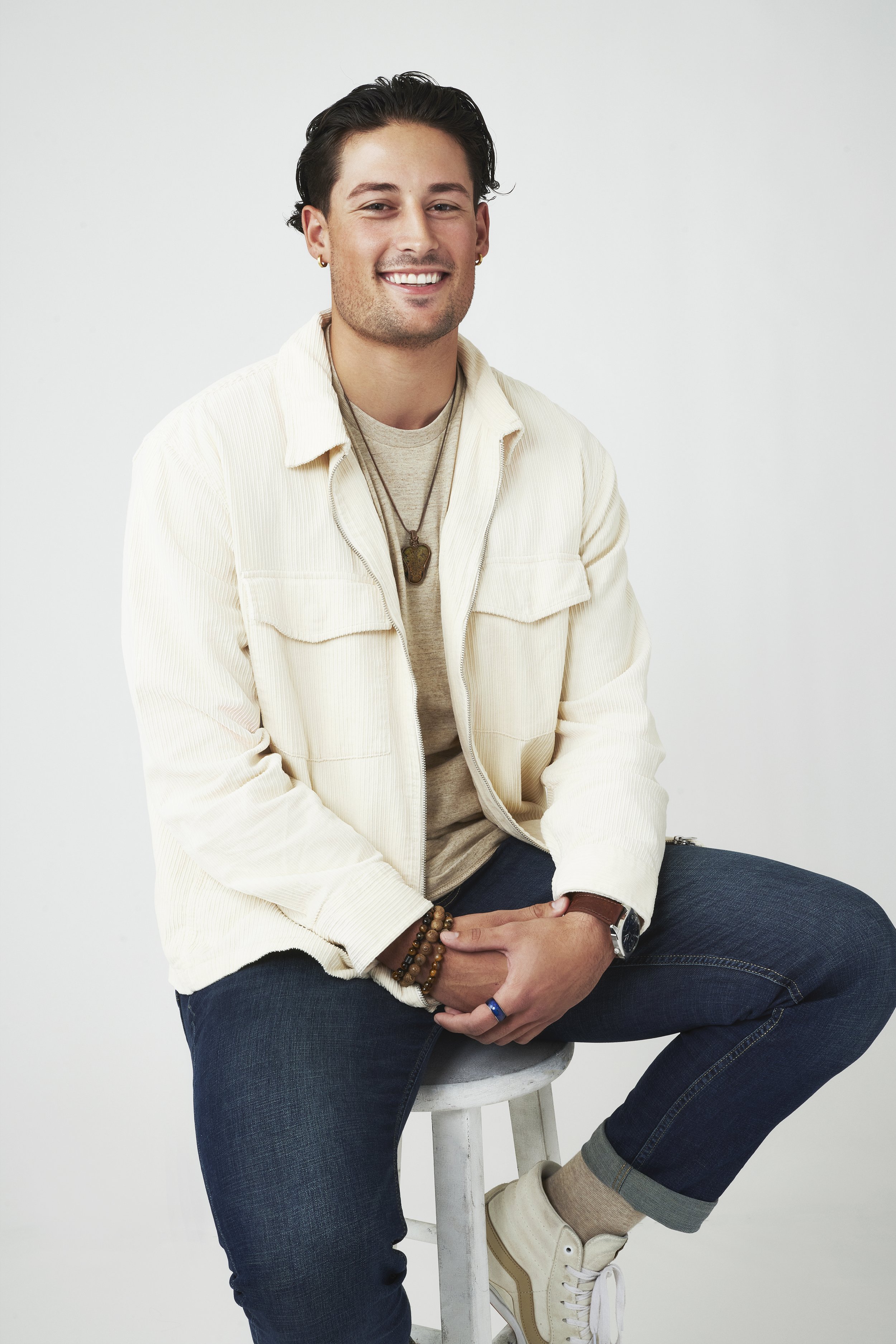
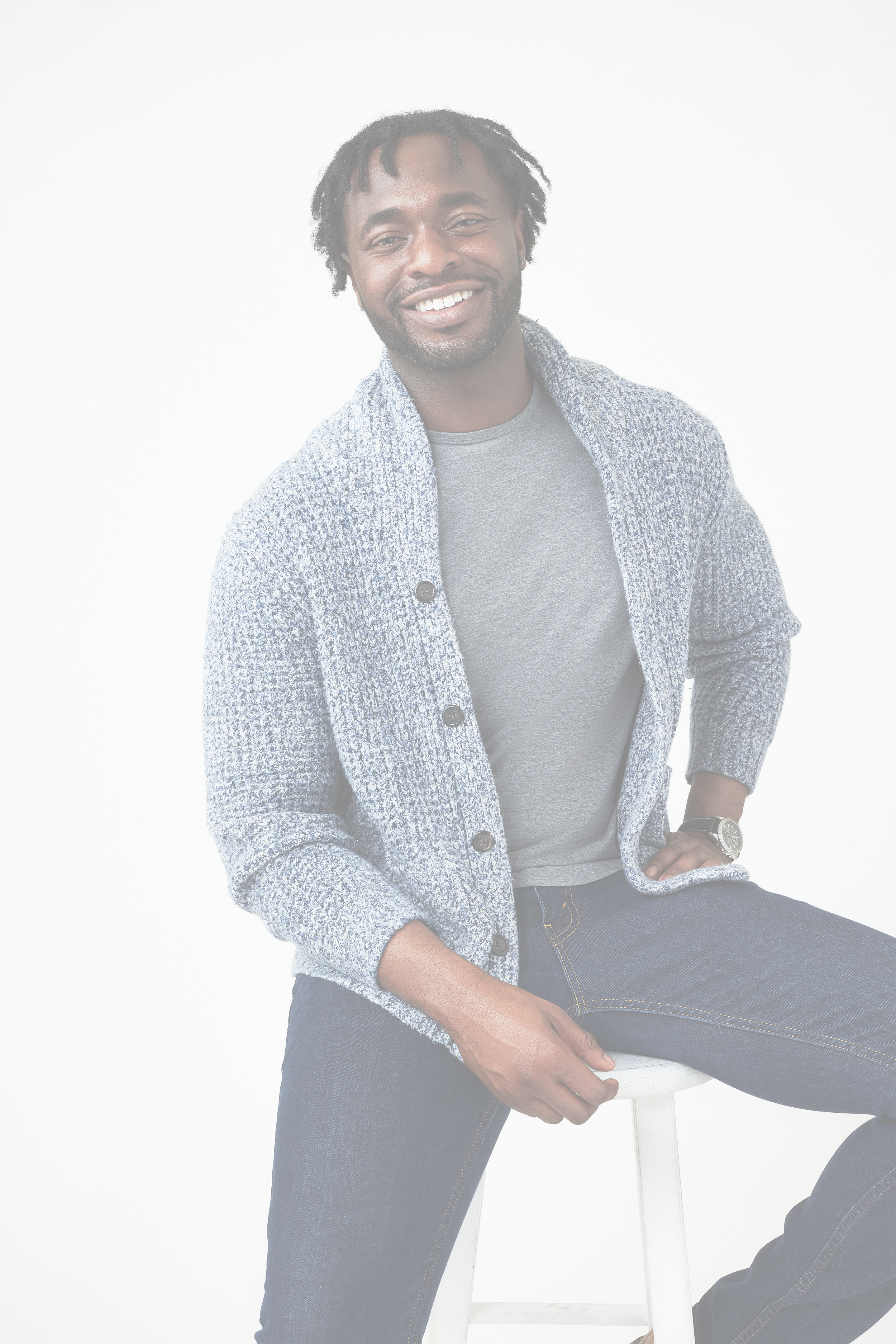
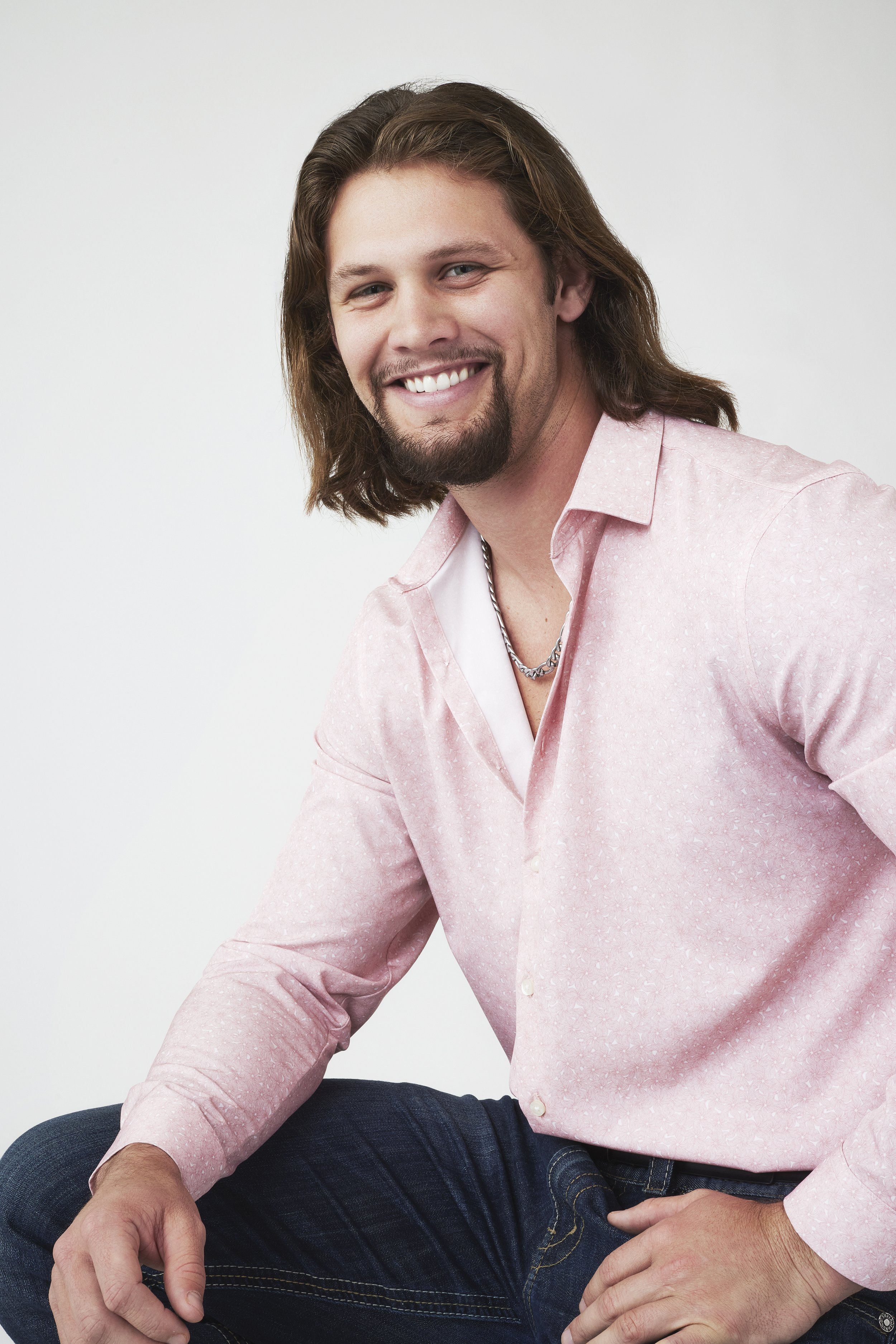
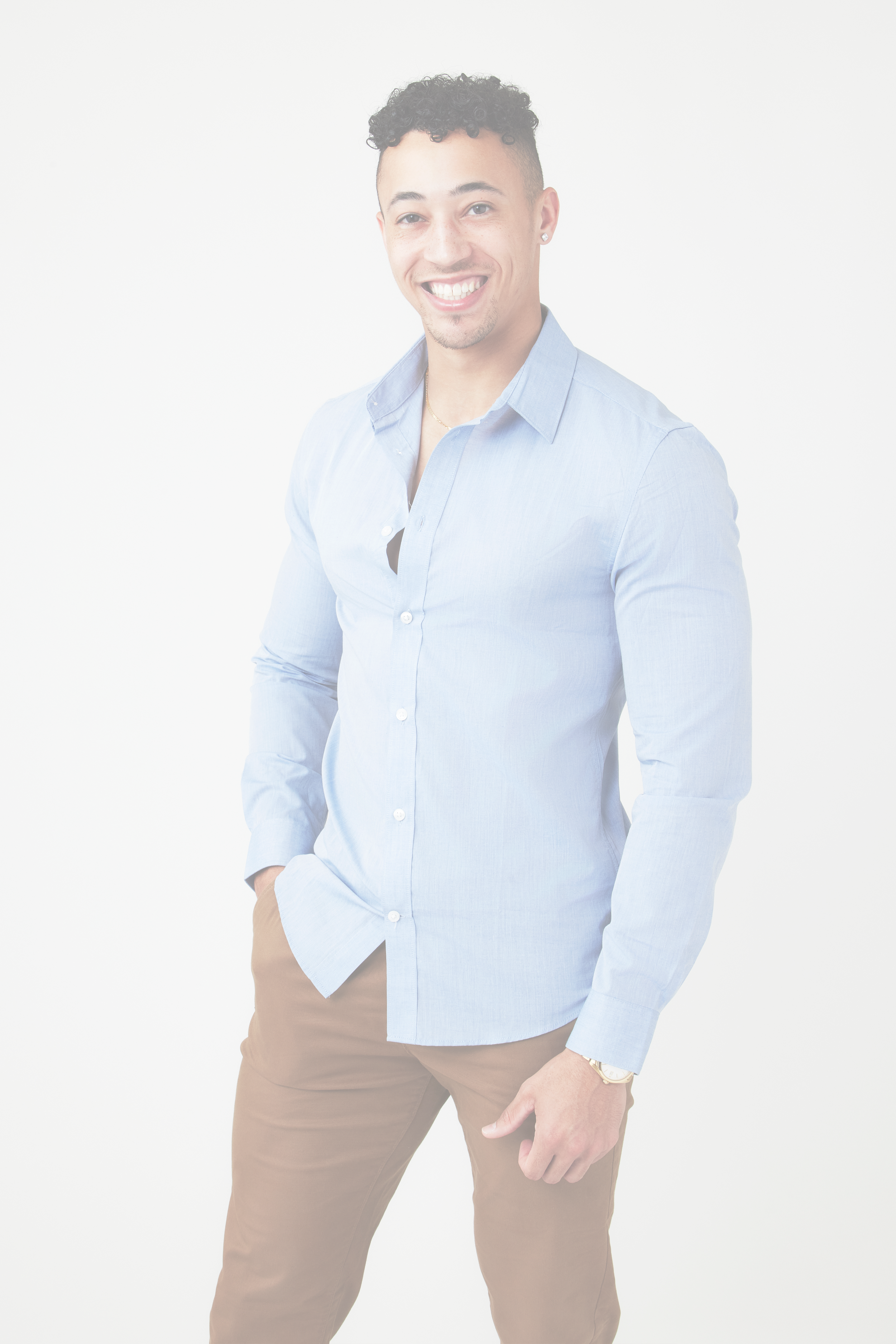
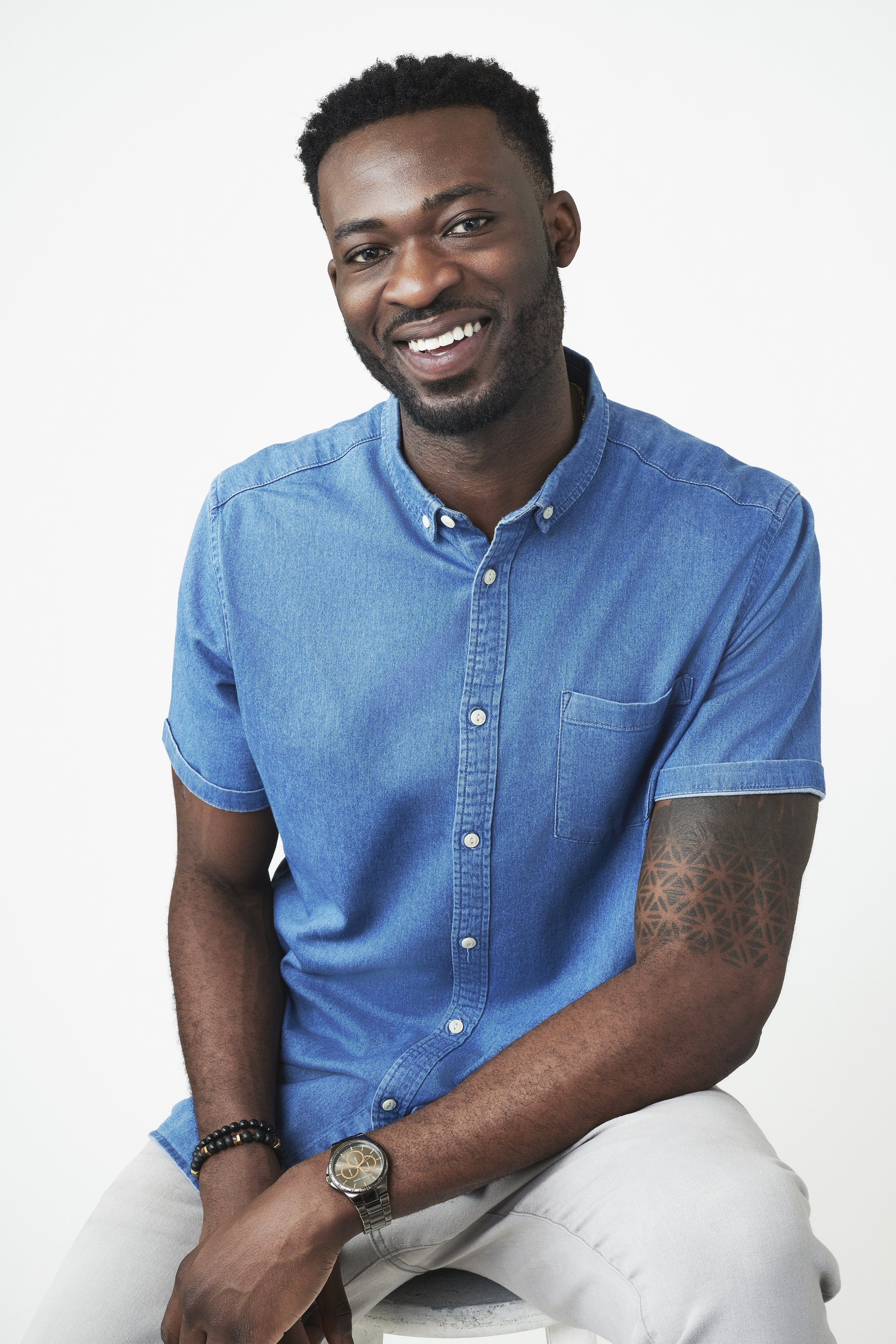
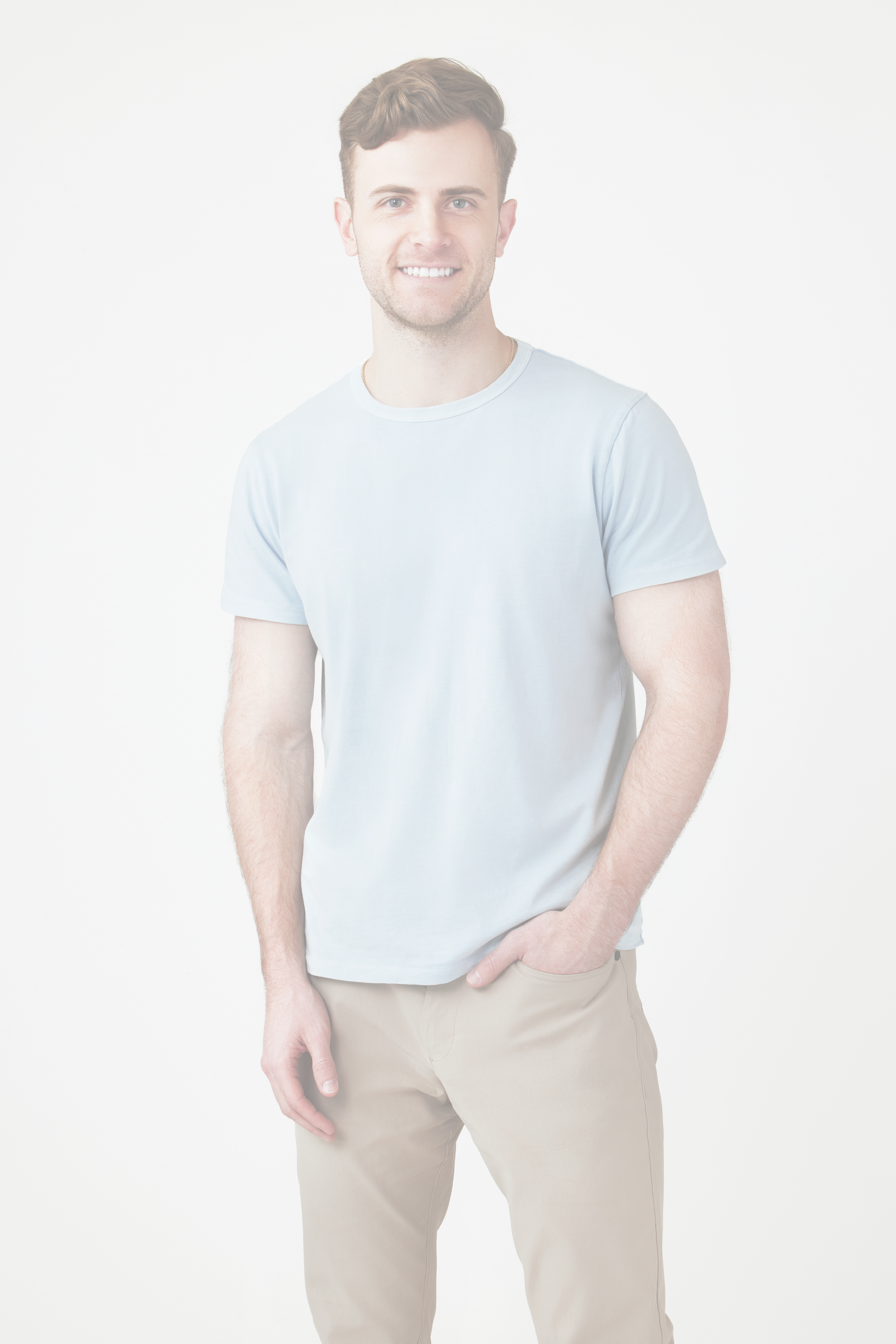
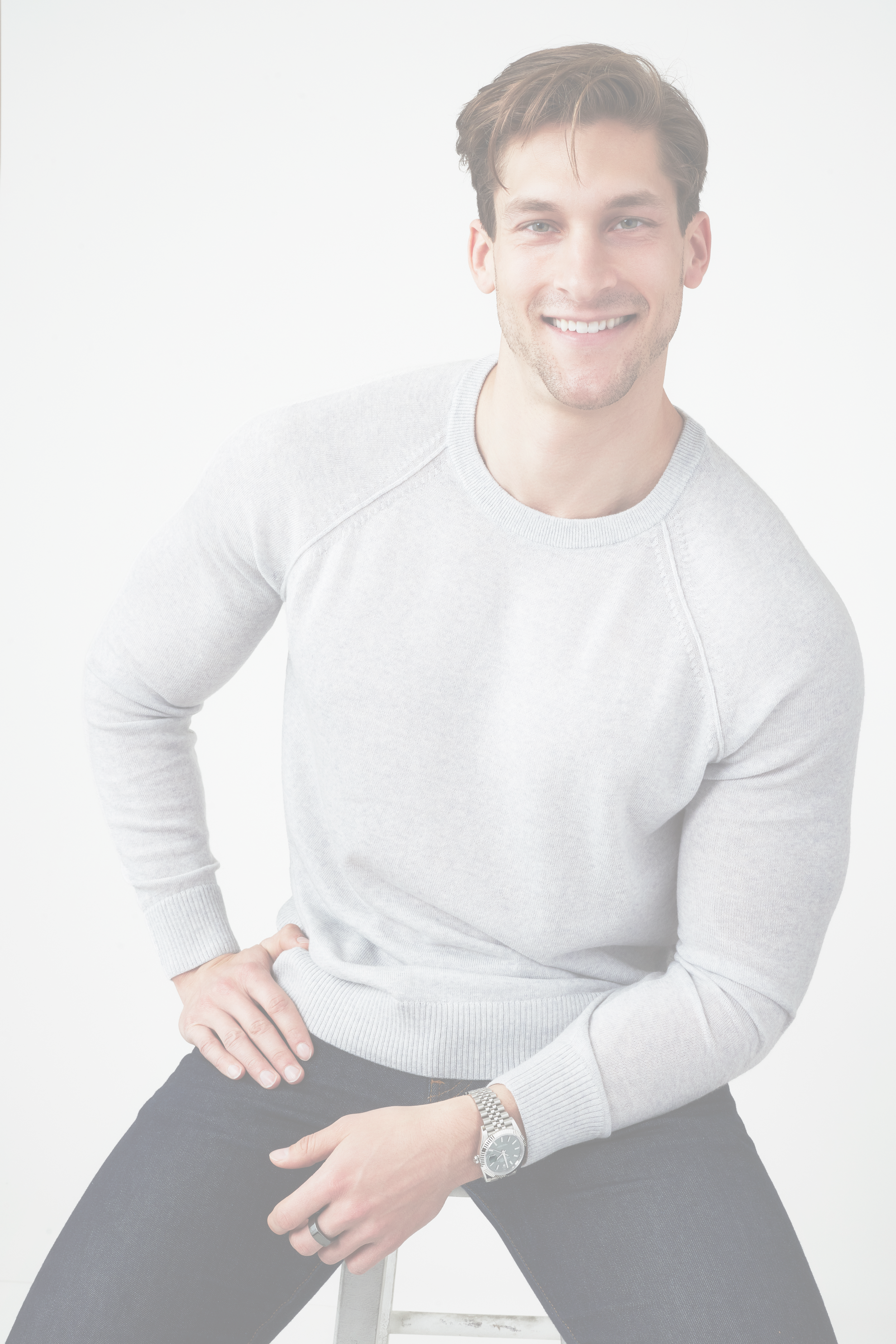
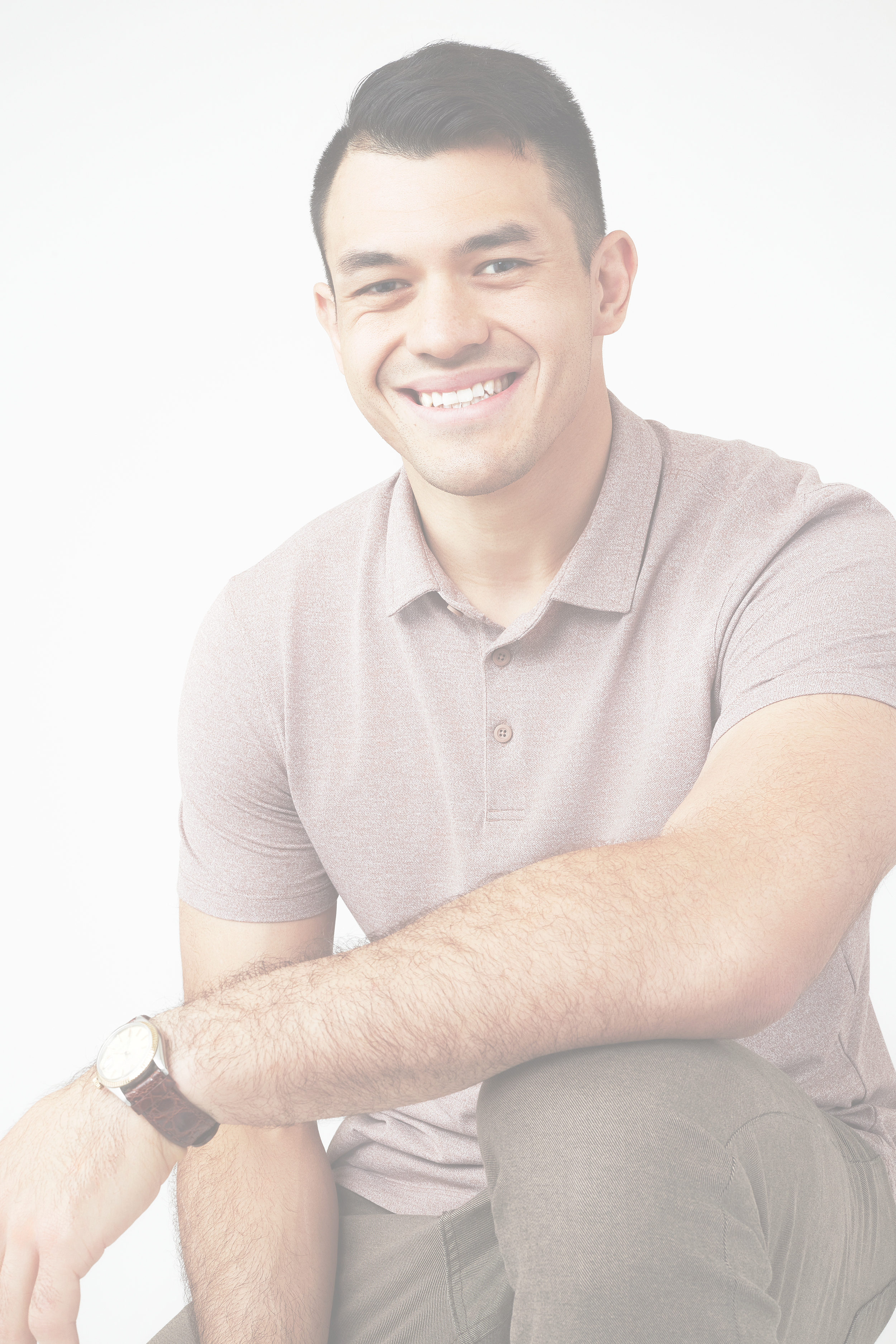
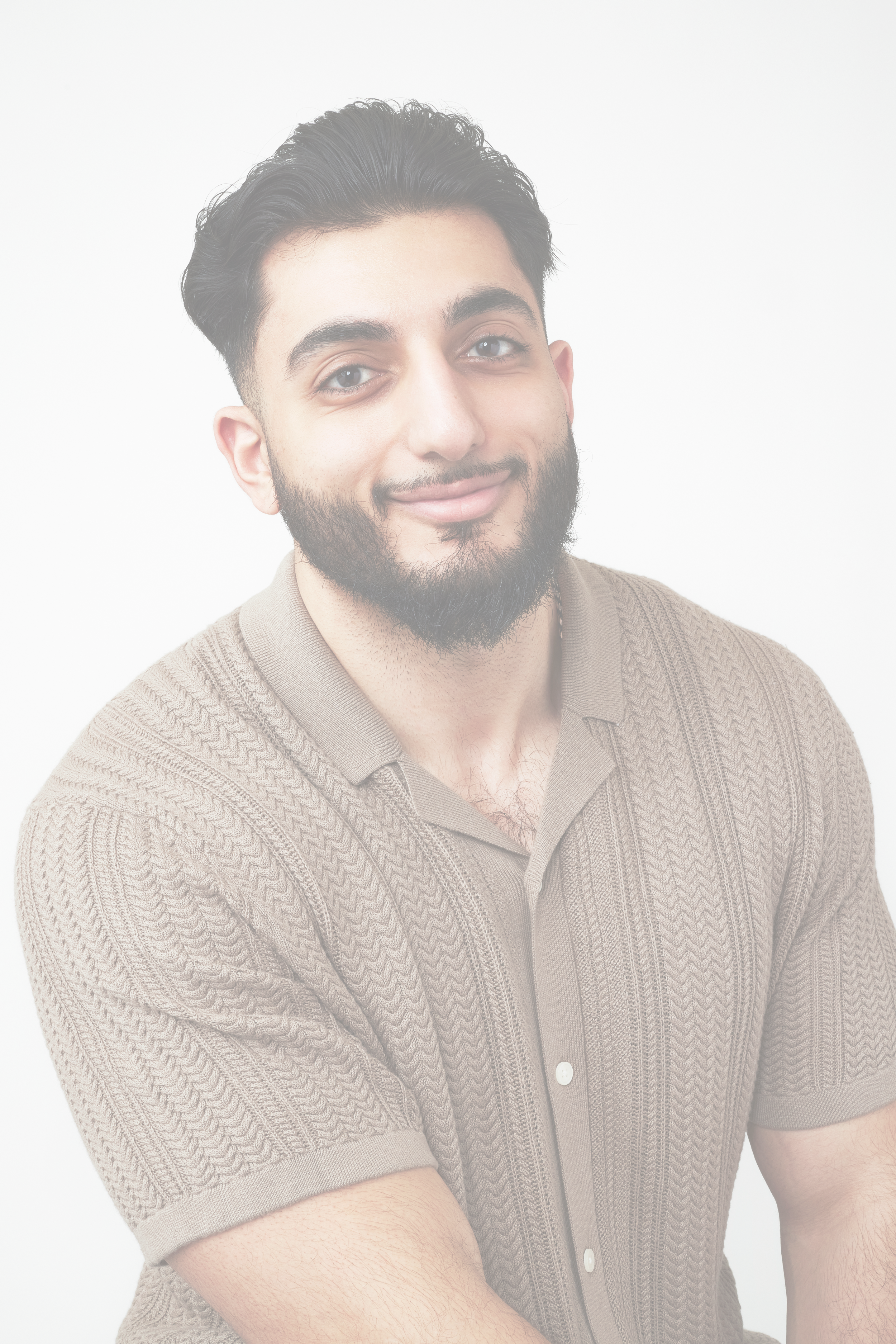
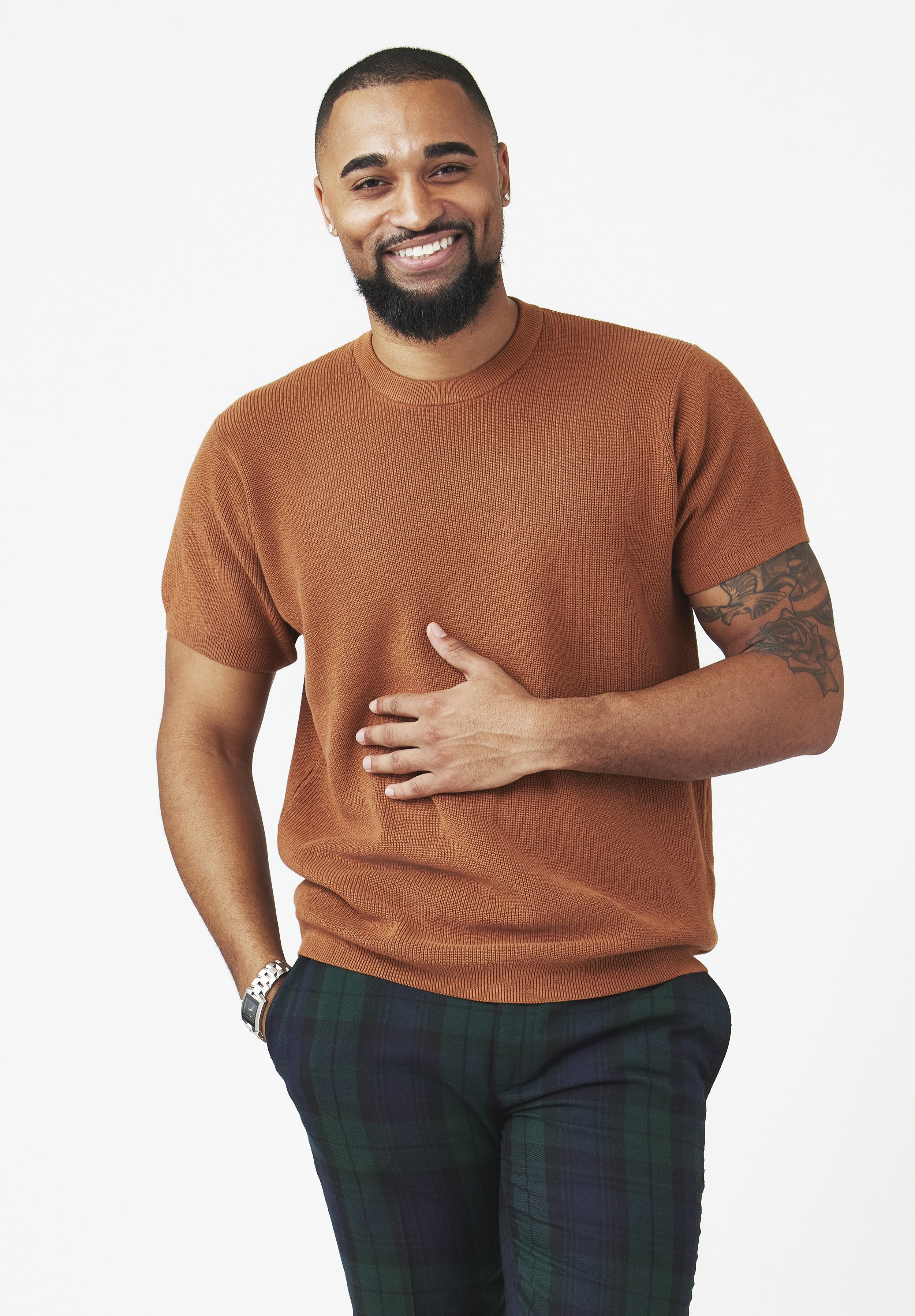
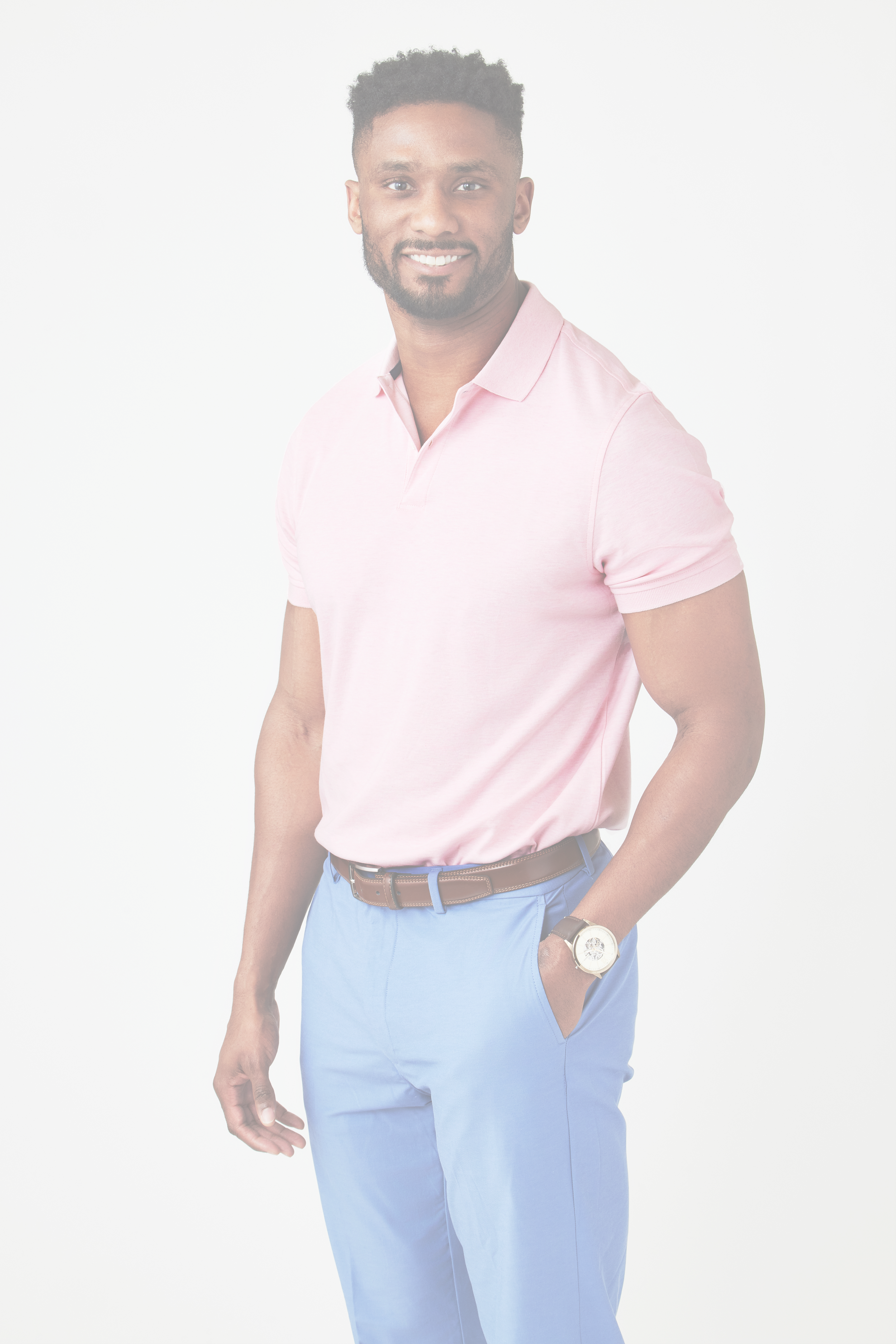
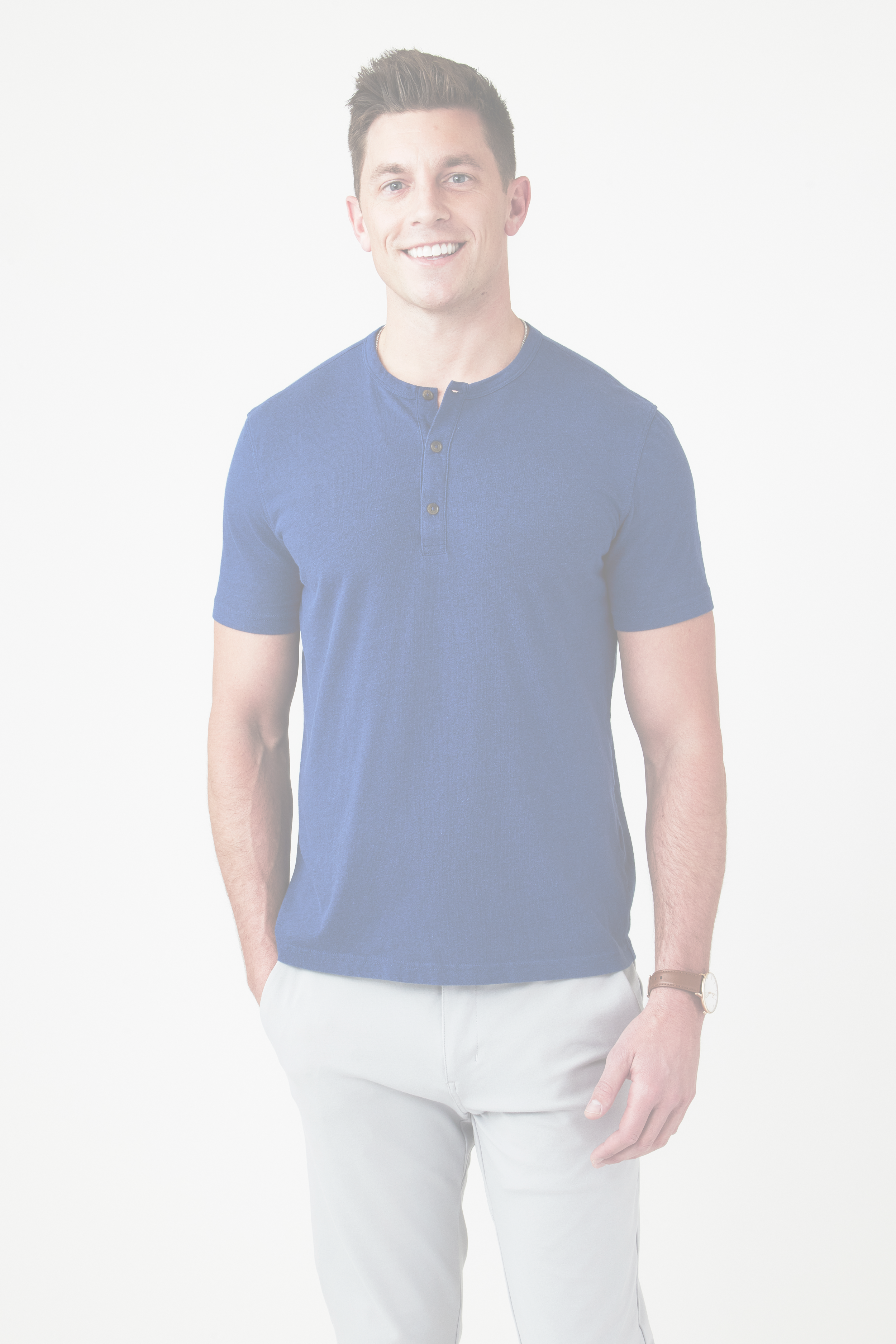
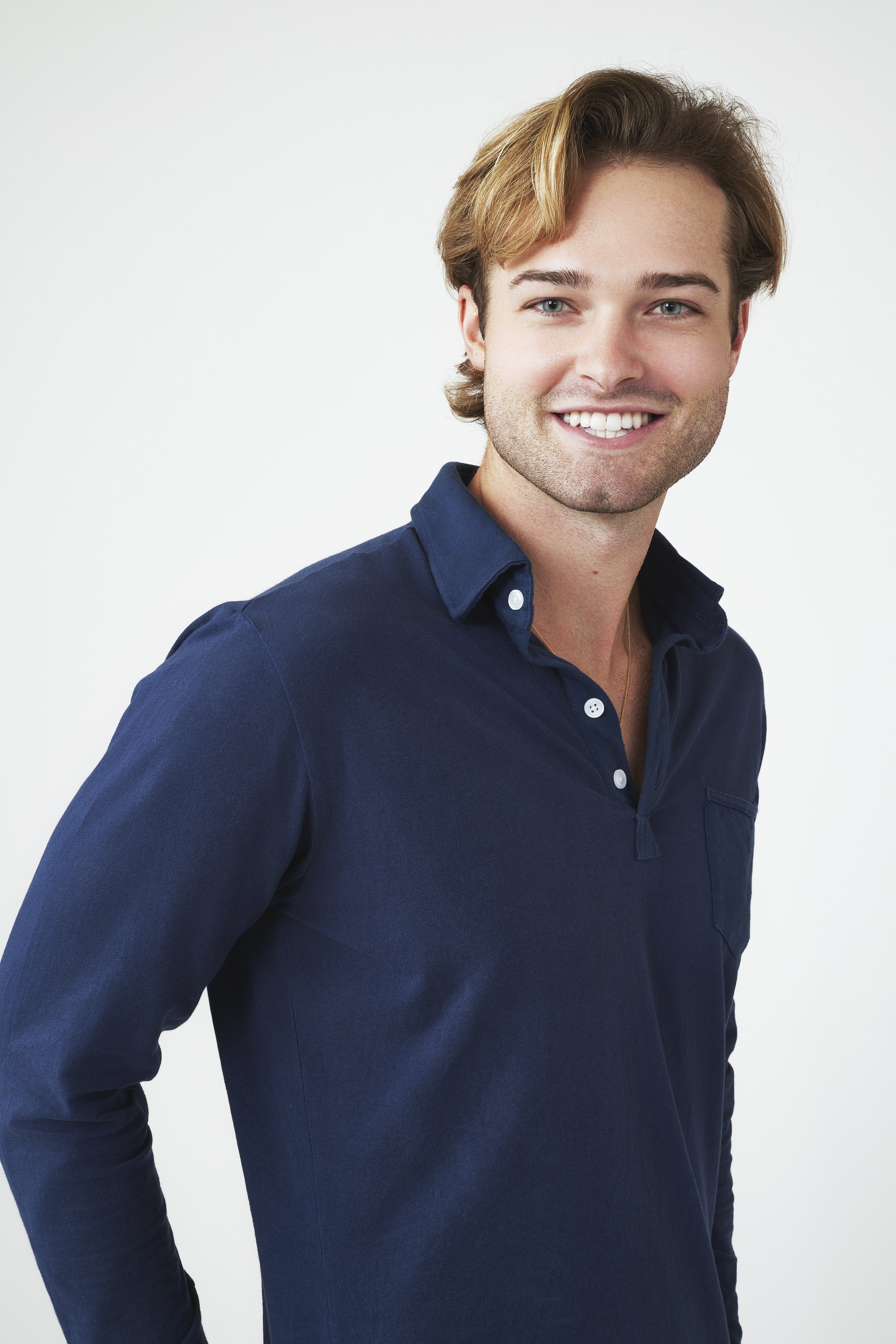
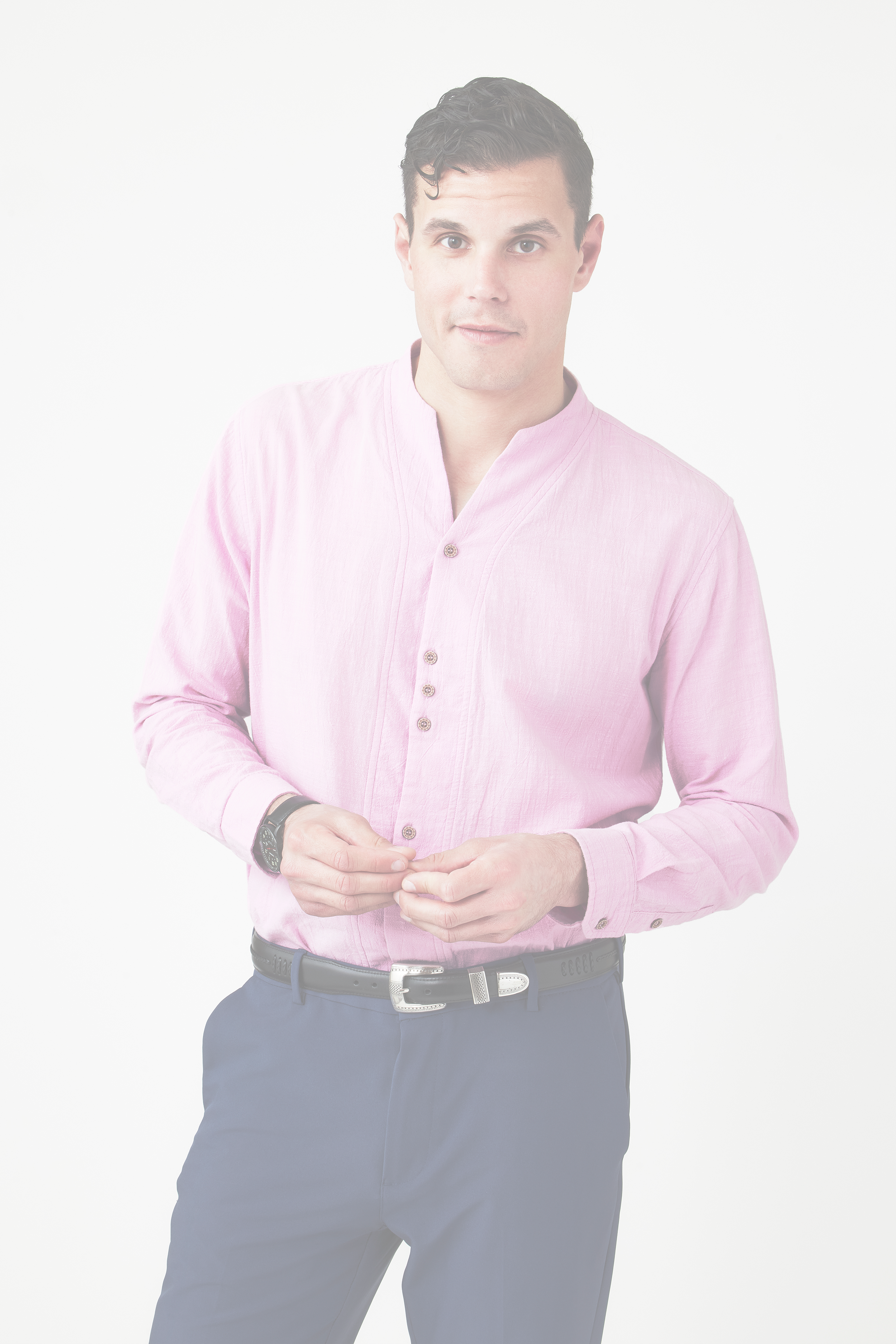
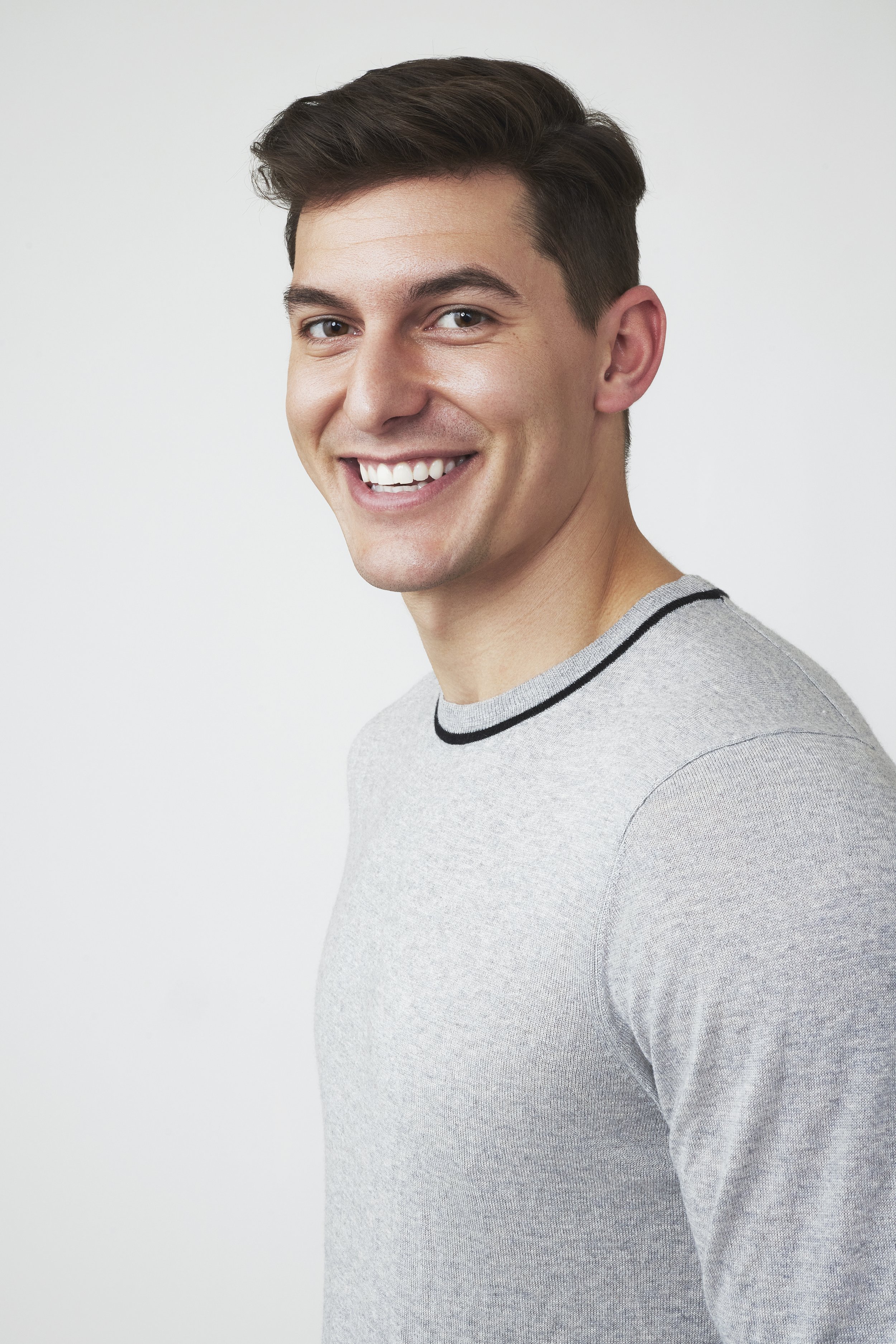
THE BACHELOR CONTESTANTS
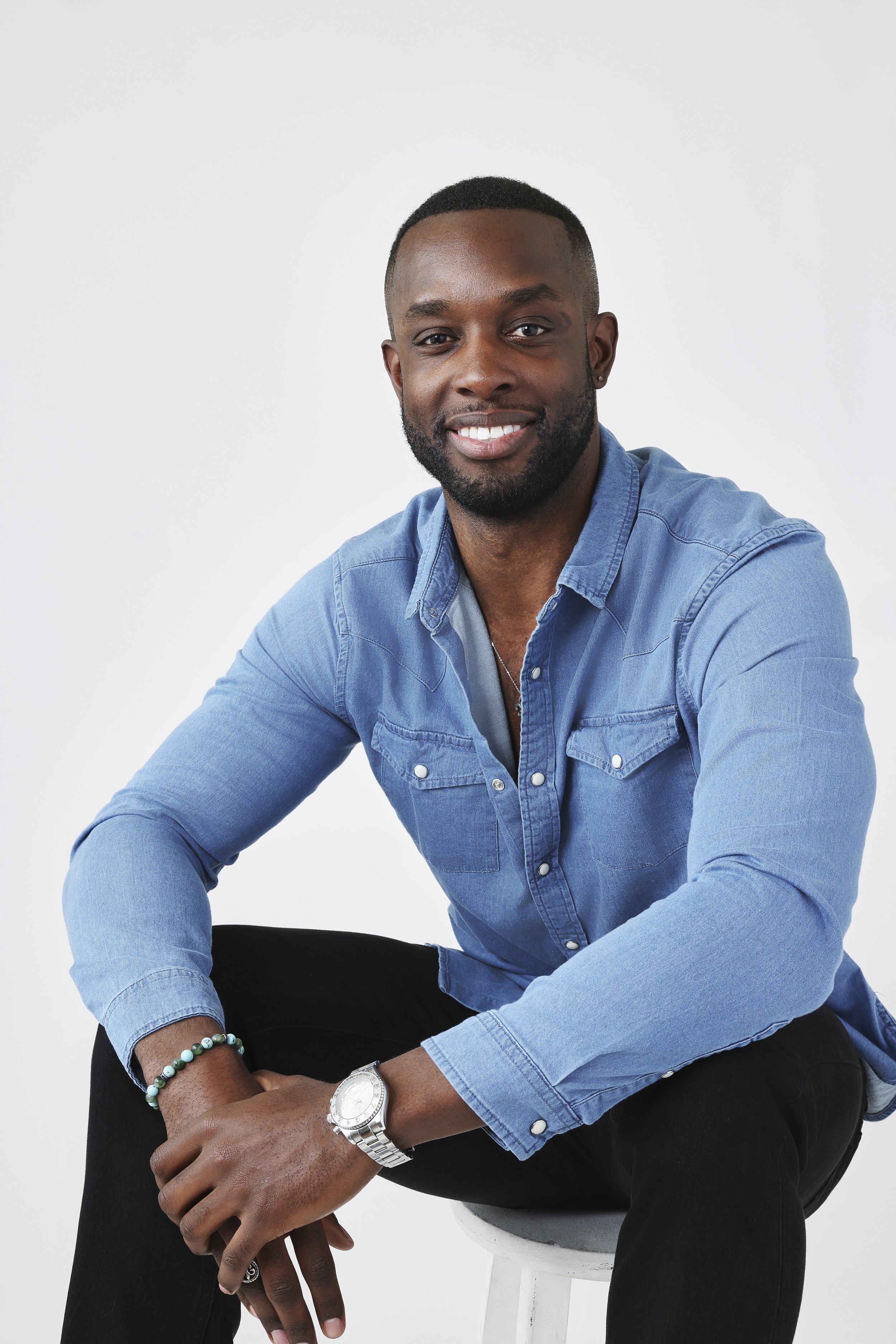
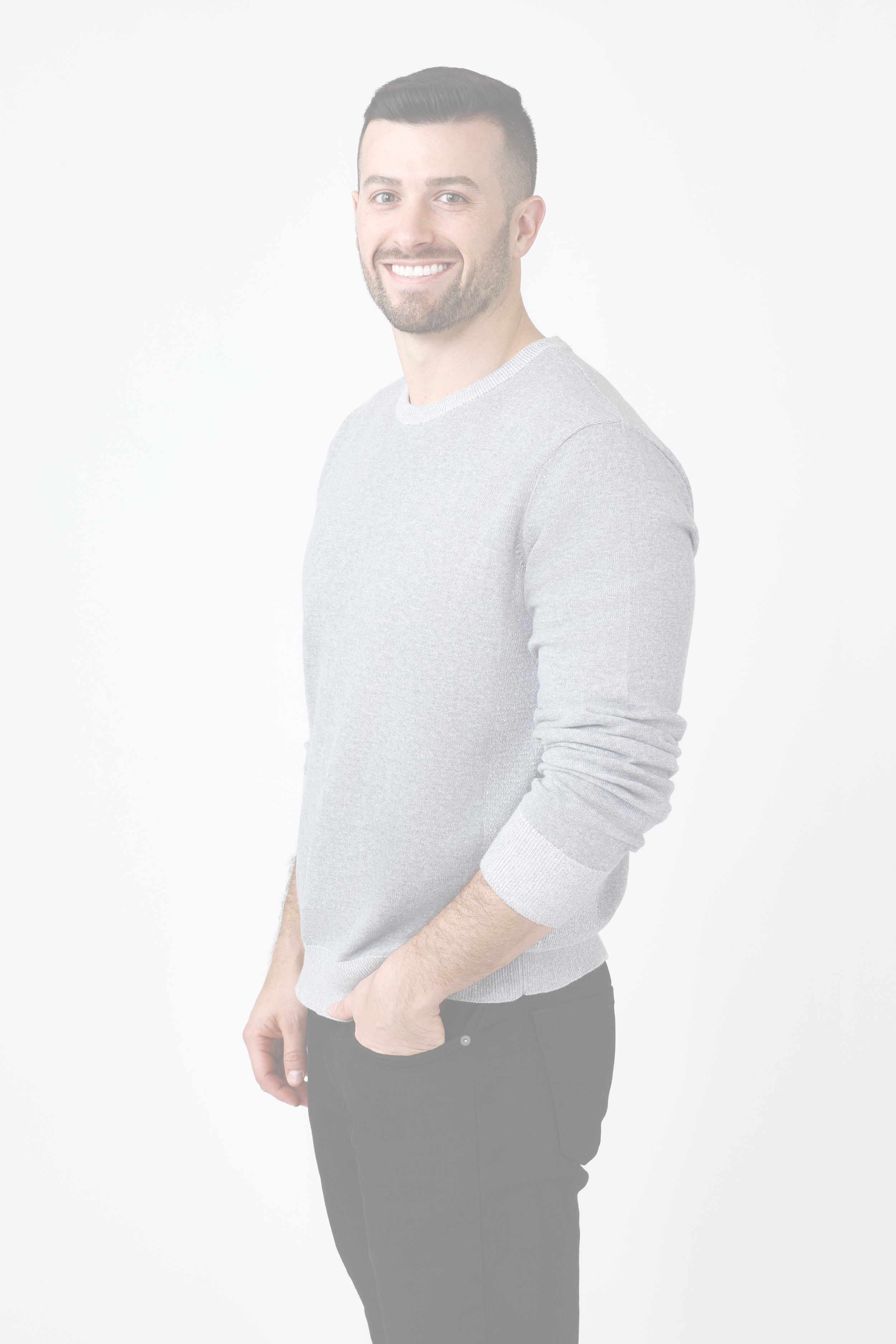
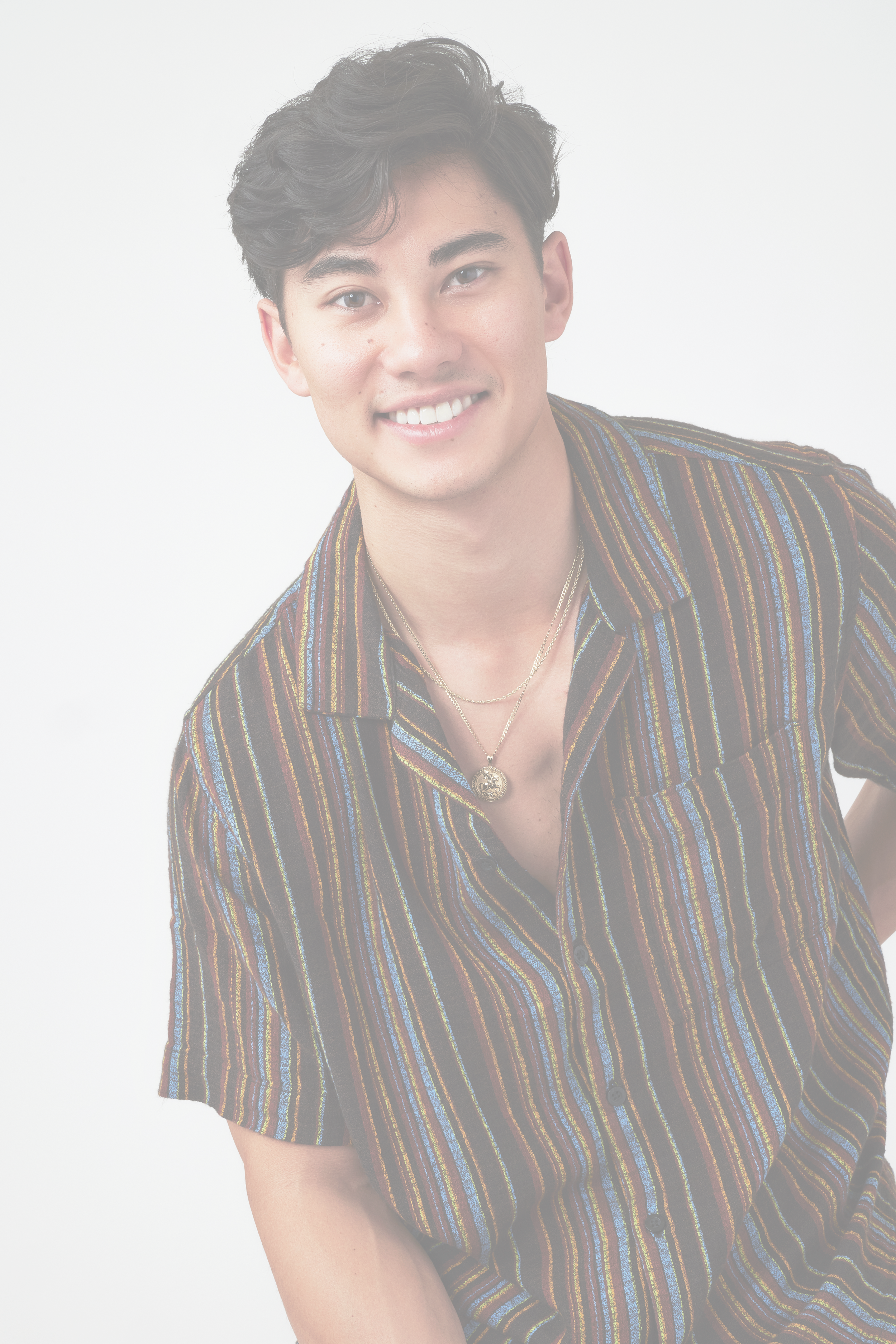
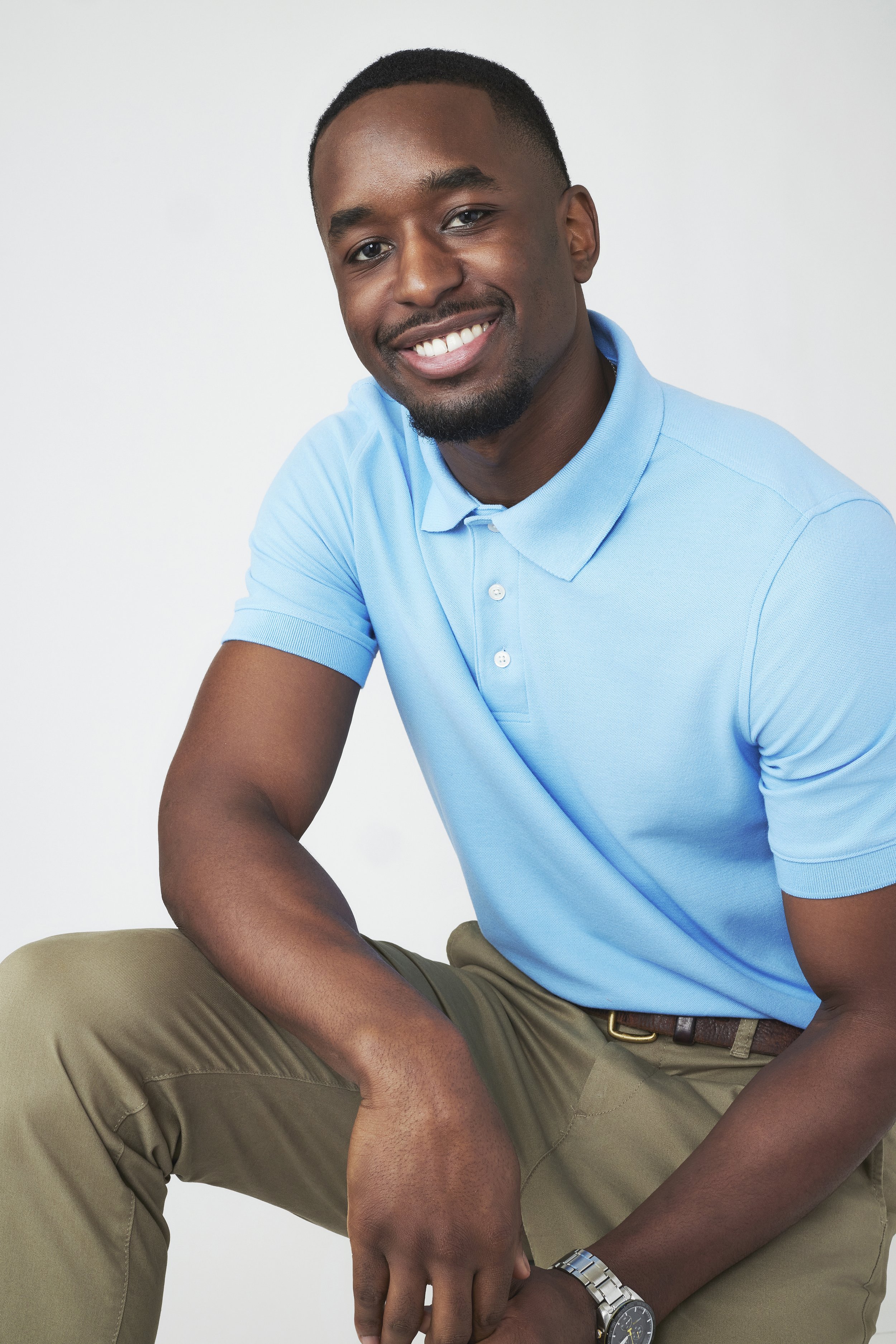
Read the latest issue of Athleisure Mag.
Featured TV Show
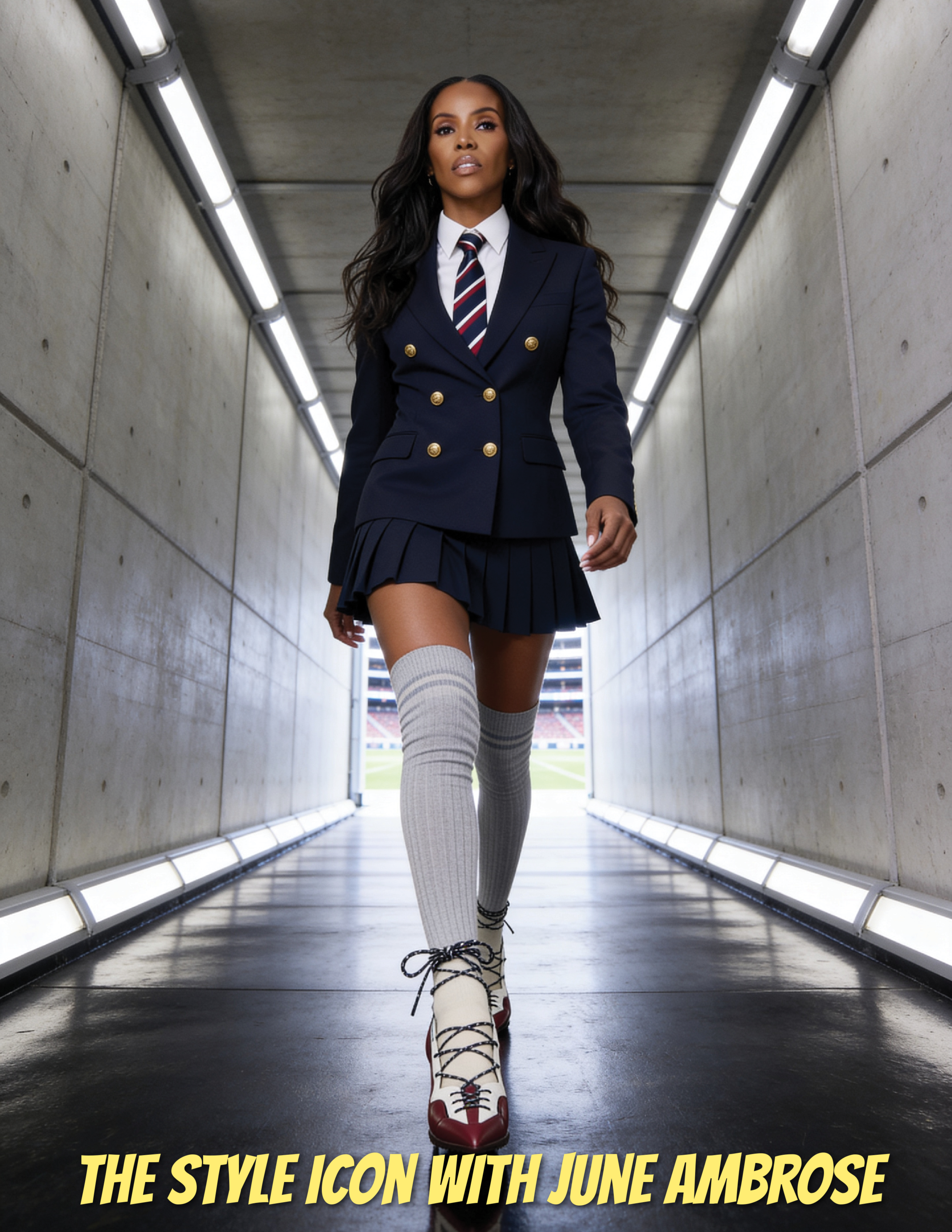

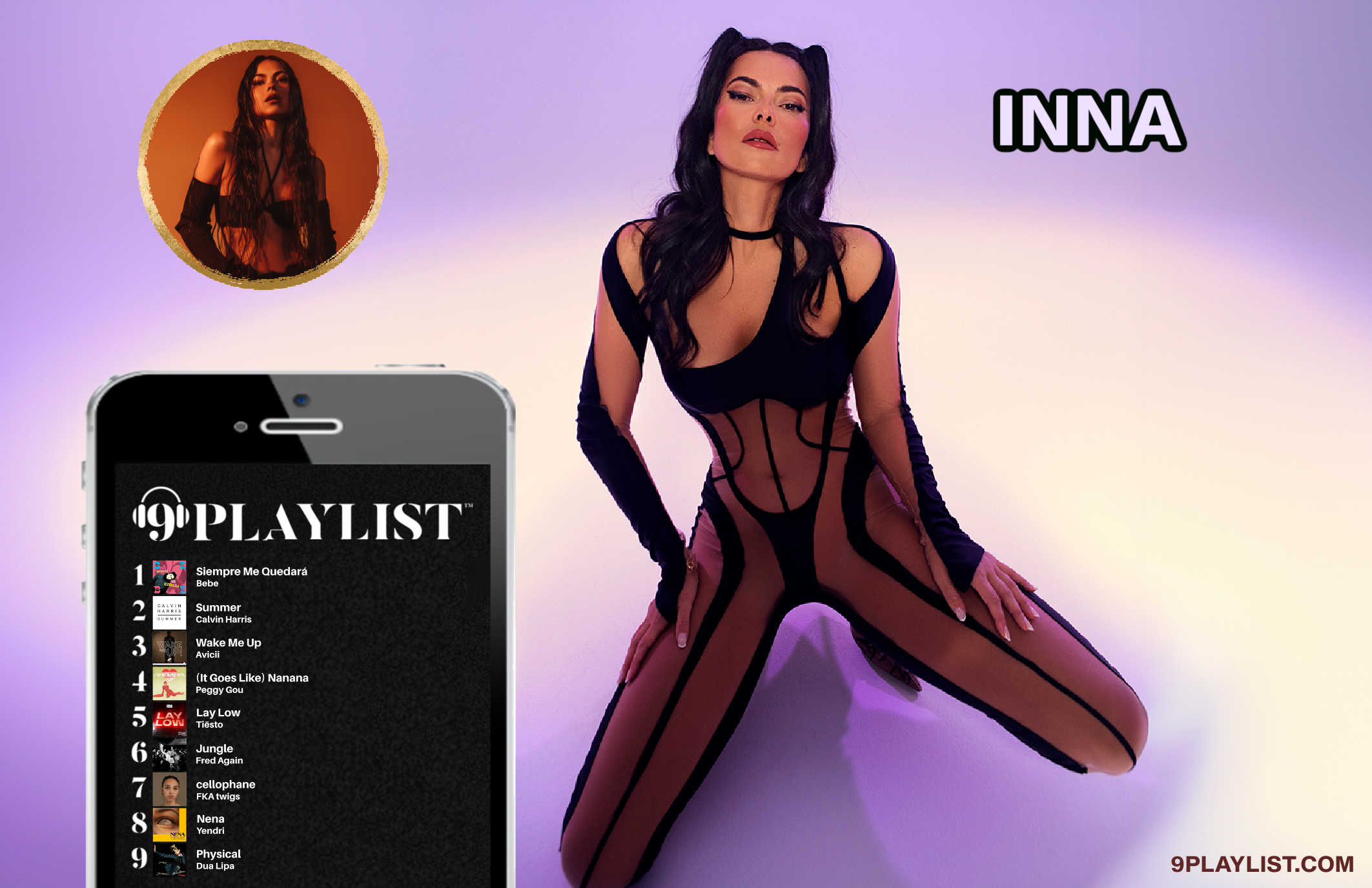
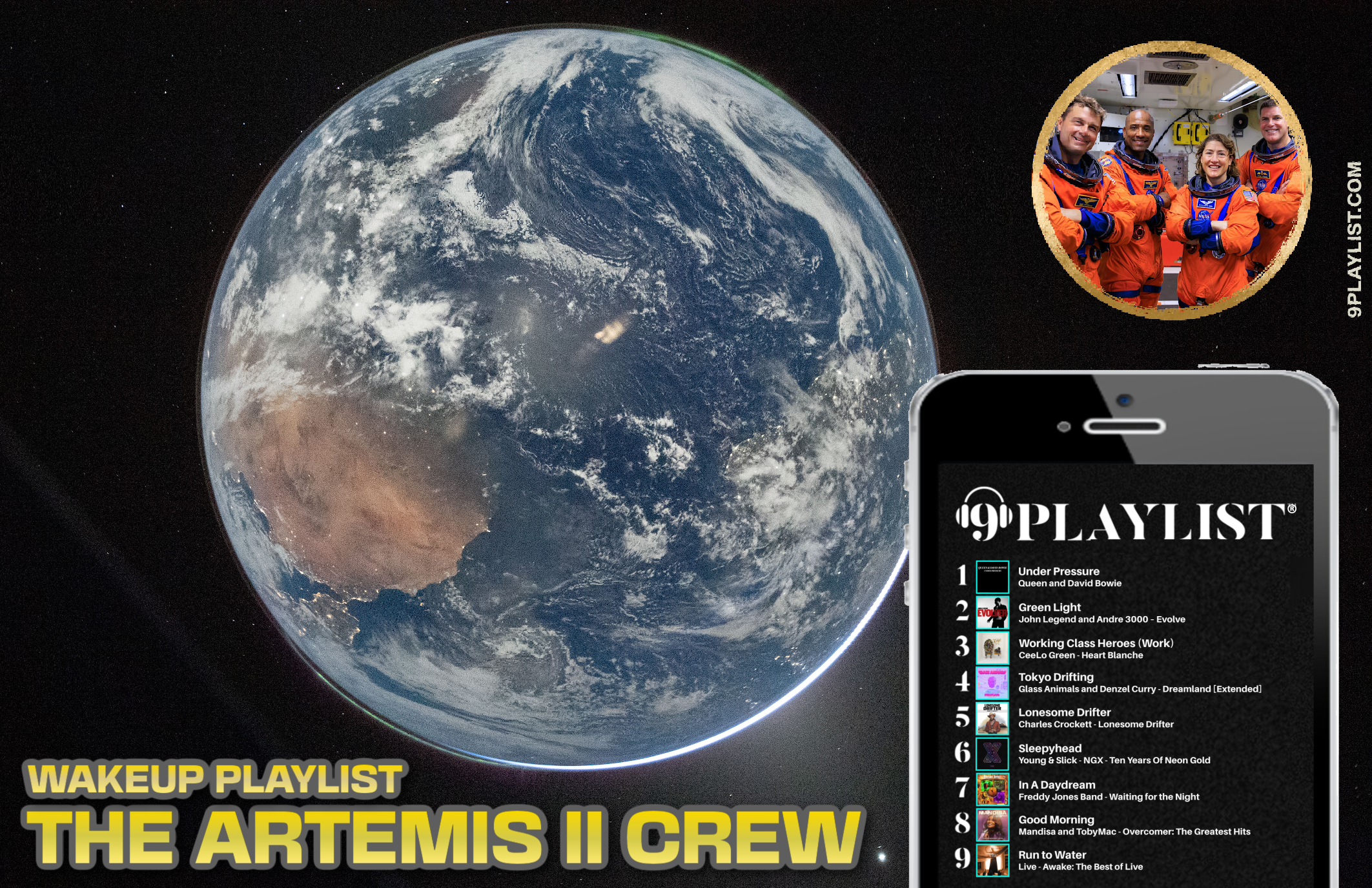
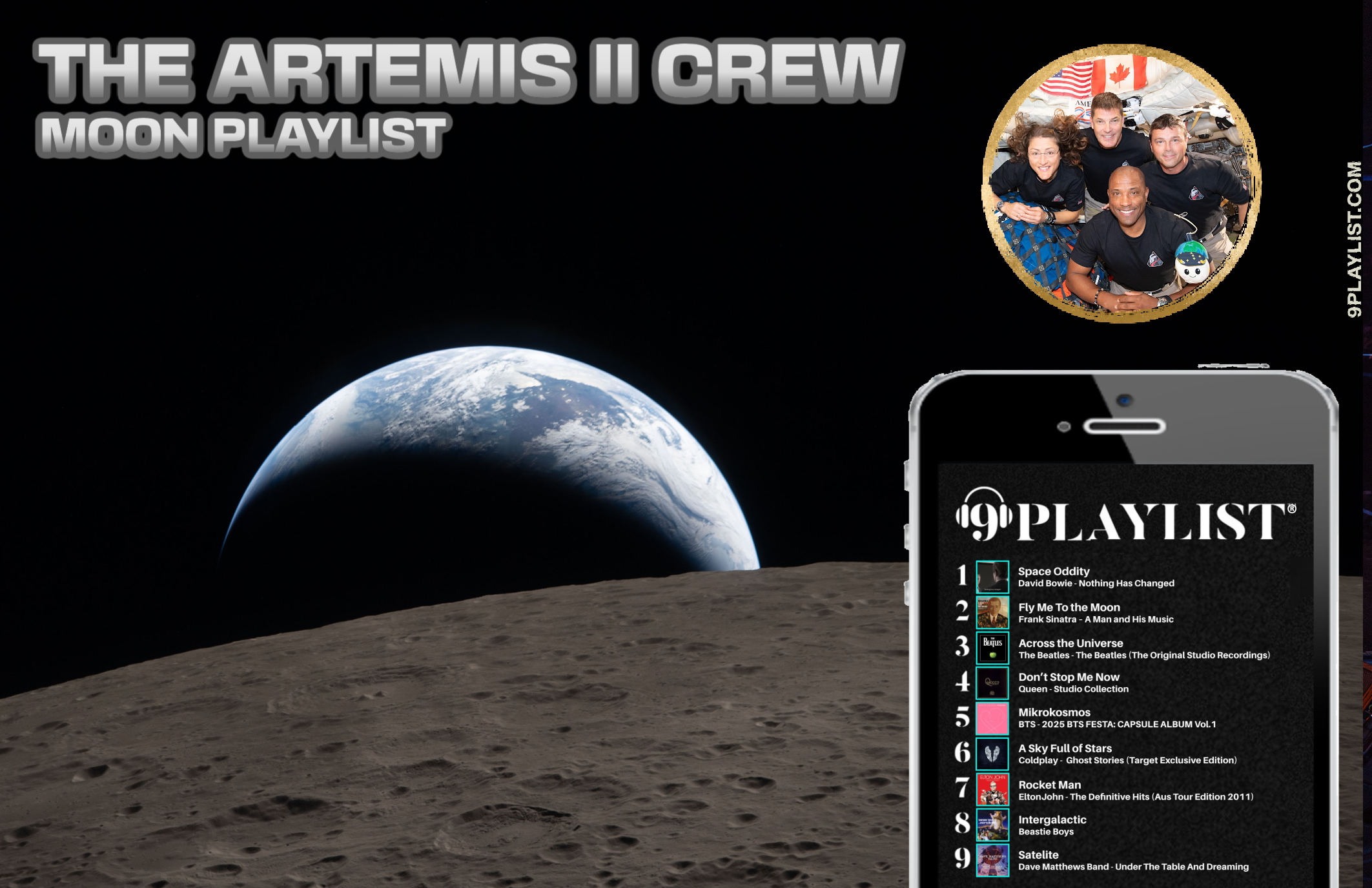
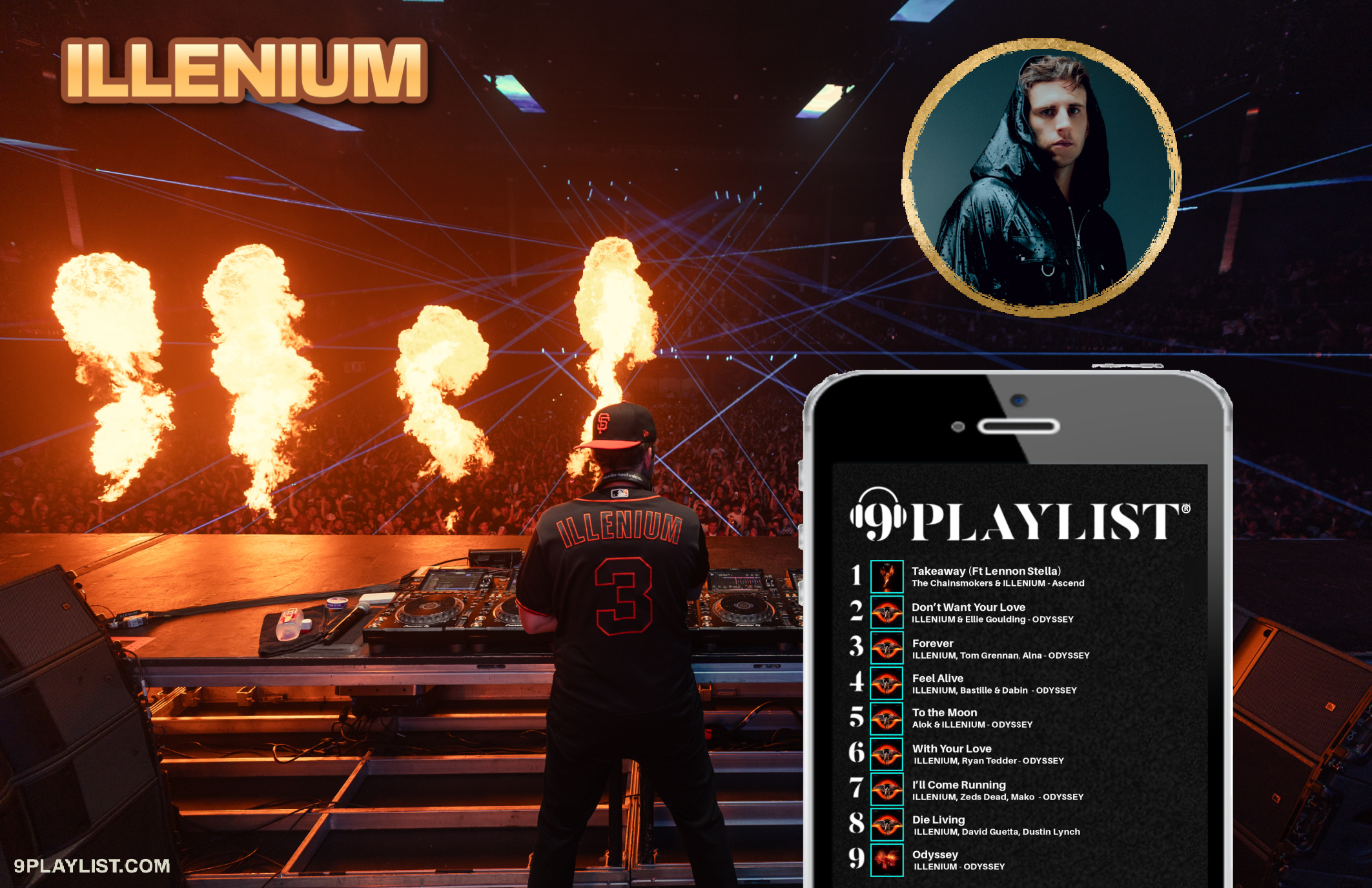
9PLAYLIST | INNA
Read the JUN ISSUE #90 of Athleisure Mag and see 9PLAYLIST | INNA in mag.
Featured

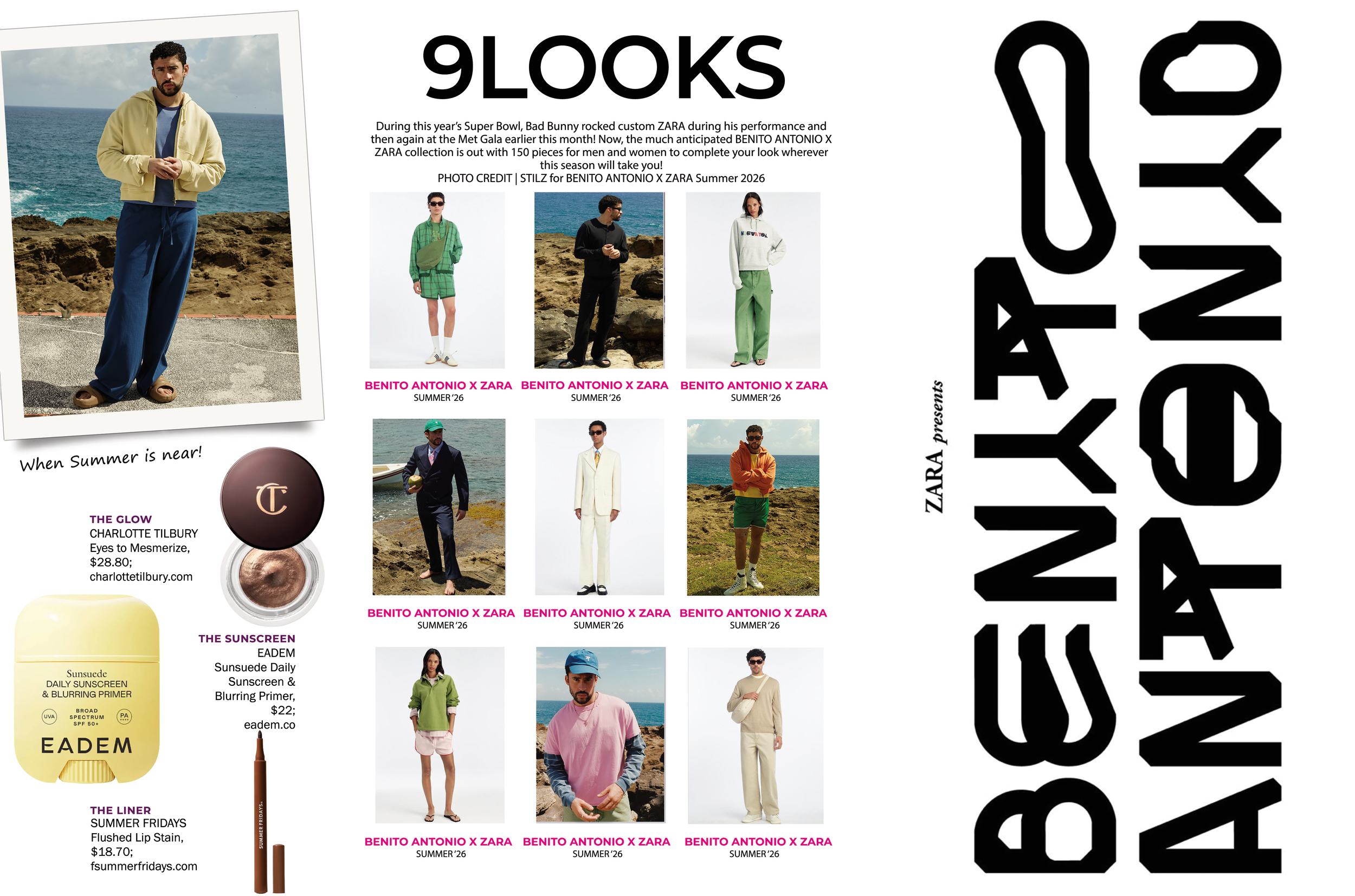
9LOOKS | CHRISTIAN DIOR
Read the JUN ISSUE #90 of Athleisure Mag and see 9LOOKS in mag.
Featured

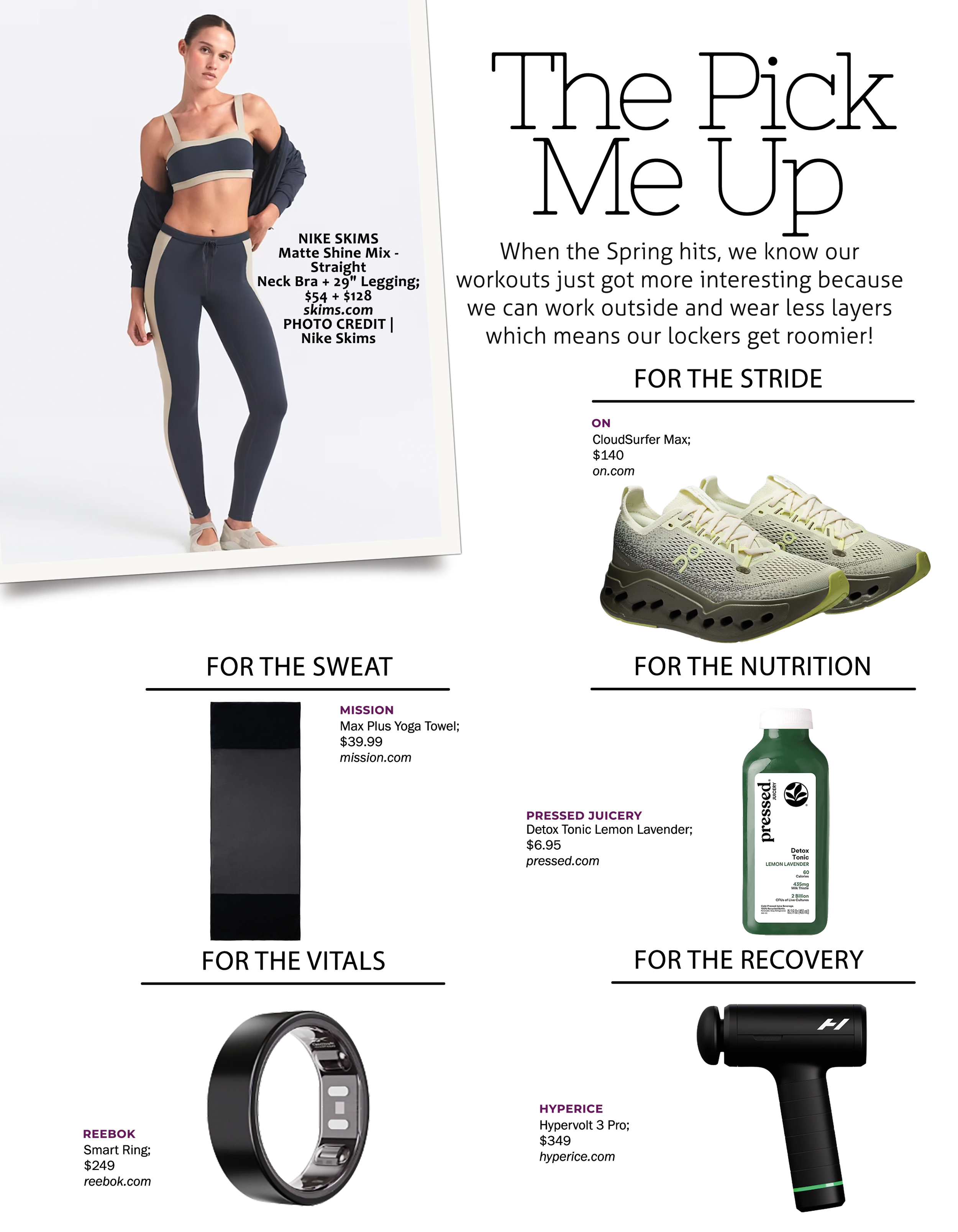
THE PICK ME UP
Read the JUN ISSUE #90 of Athleisure Mag and see THE PICK ME UP in mag.
Featured
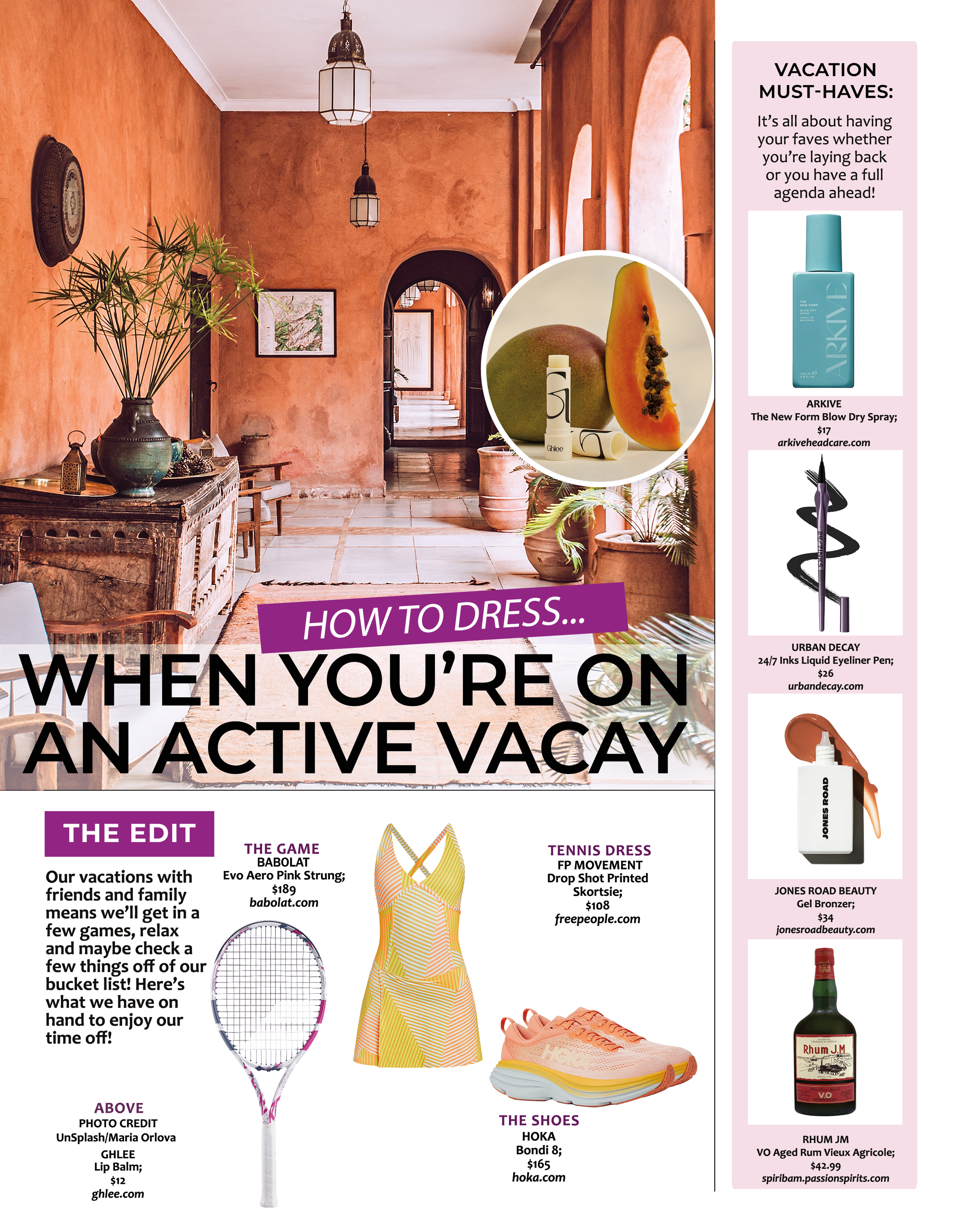
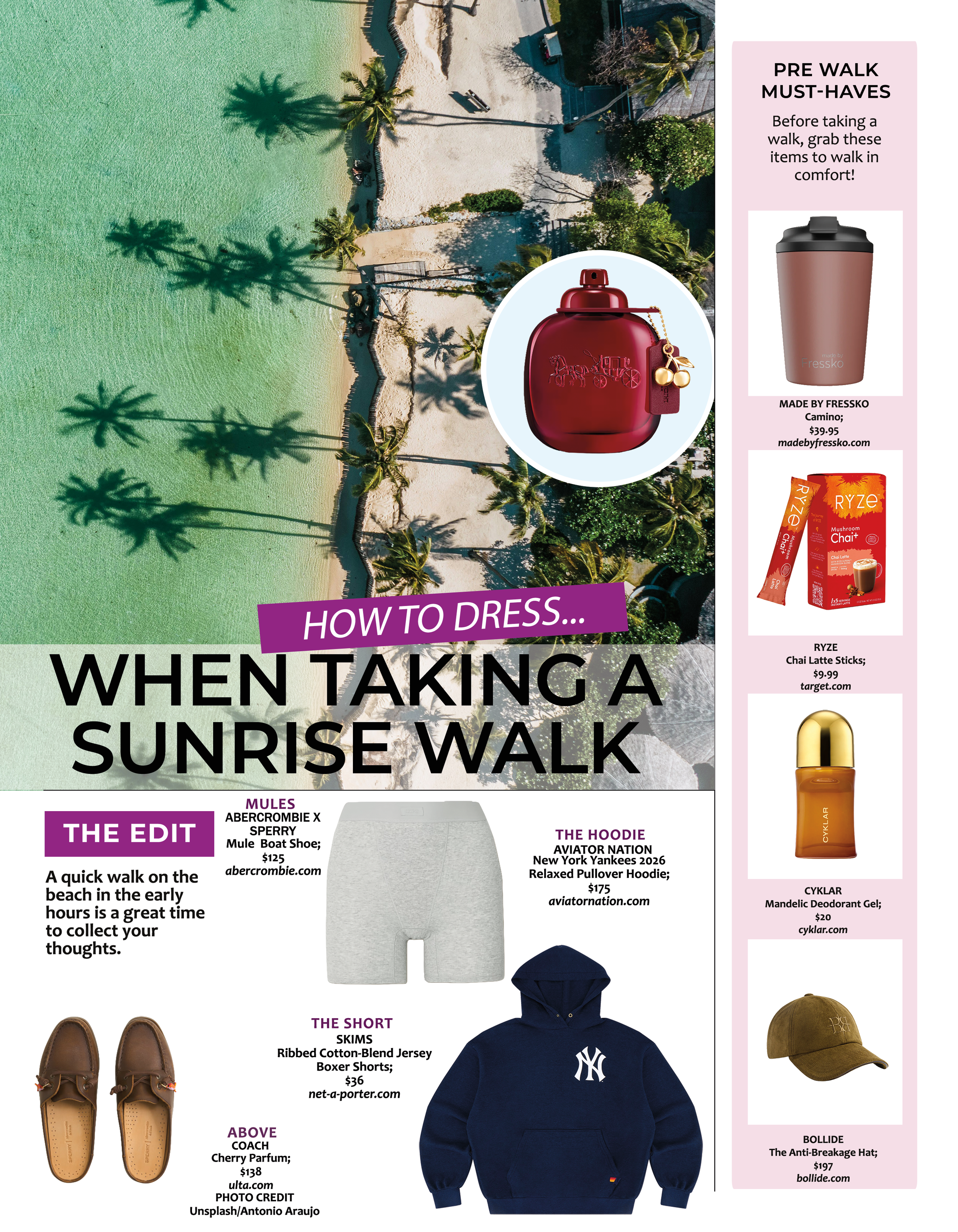
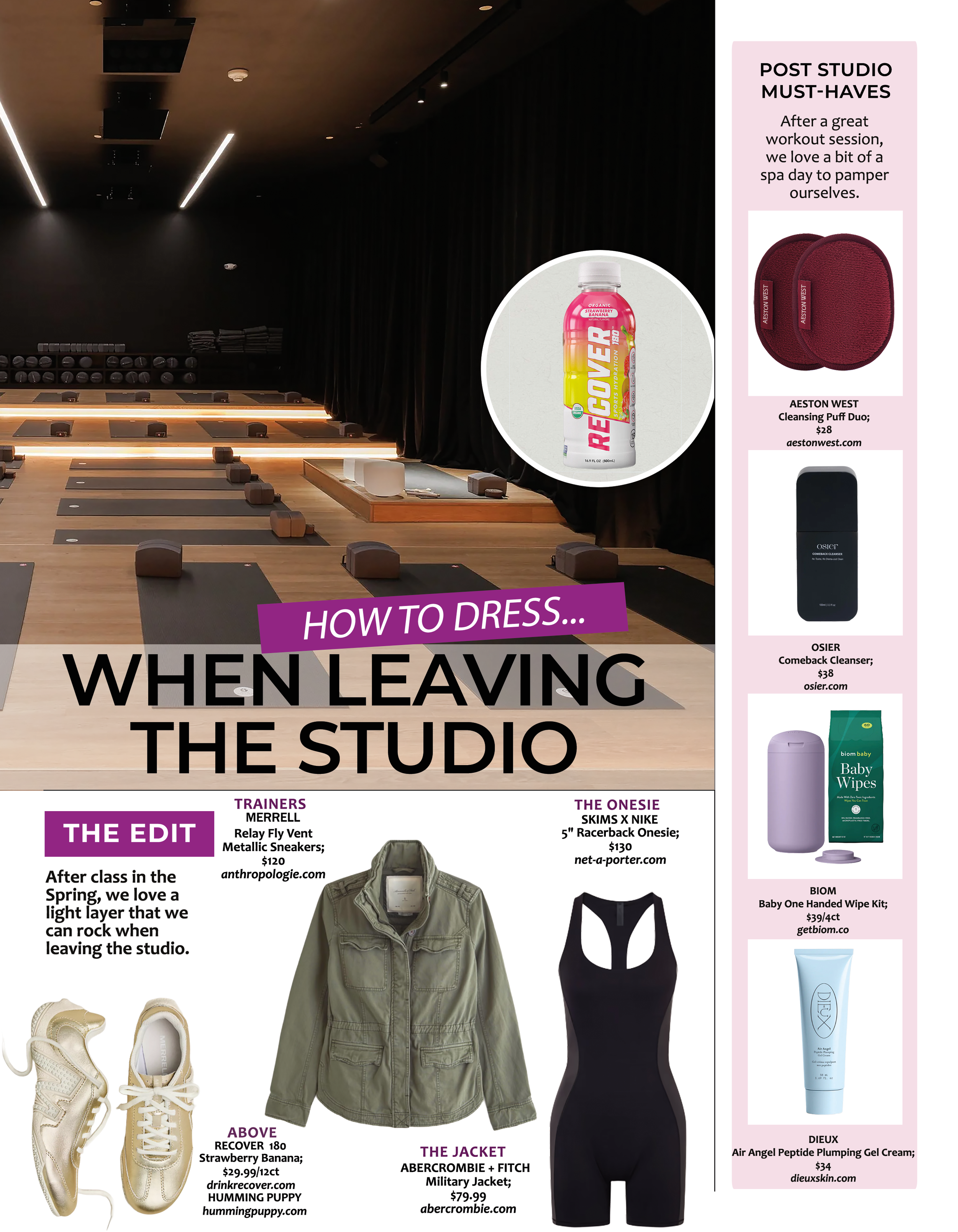
HOW TO DRESS | WHEN YOU'RE ON AN ACTIVE VACAY
Read the JUN ISSUE #90 of Athleisure Mag and see HOW TO DRESS | When You’re On an Active Vacay in mag.
Featured
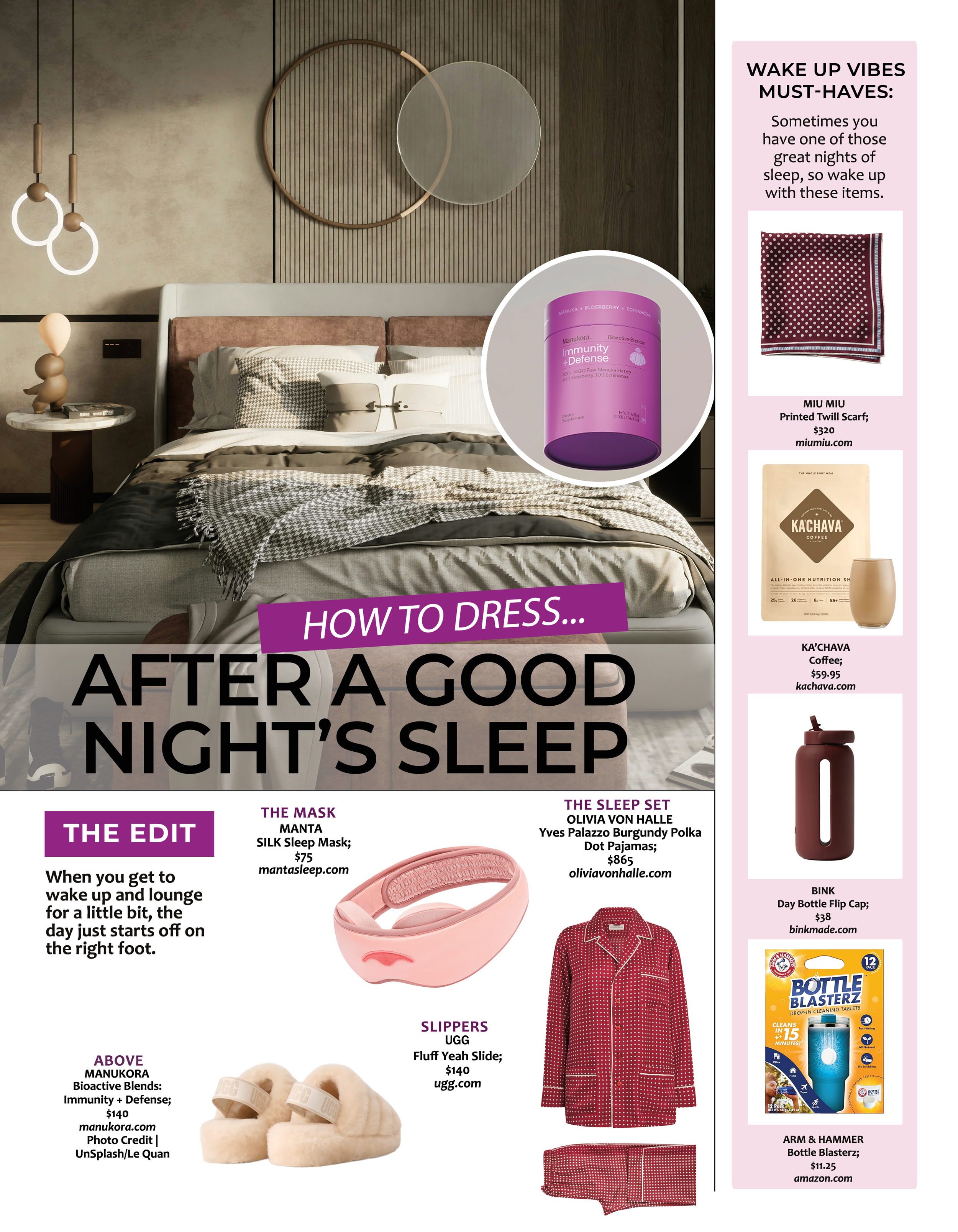
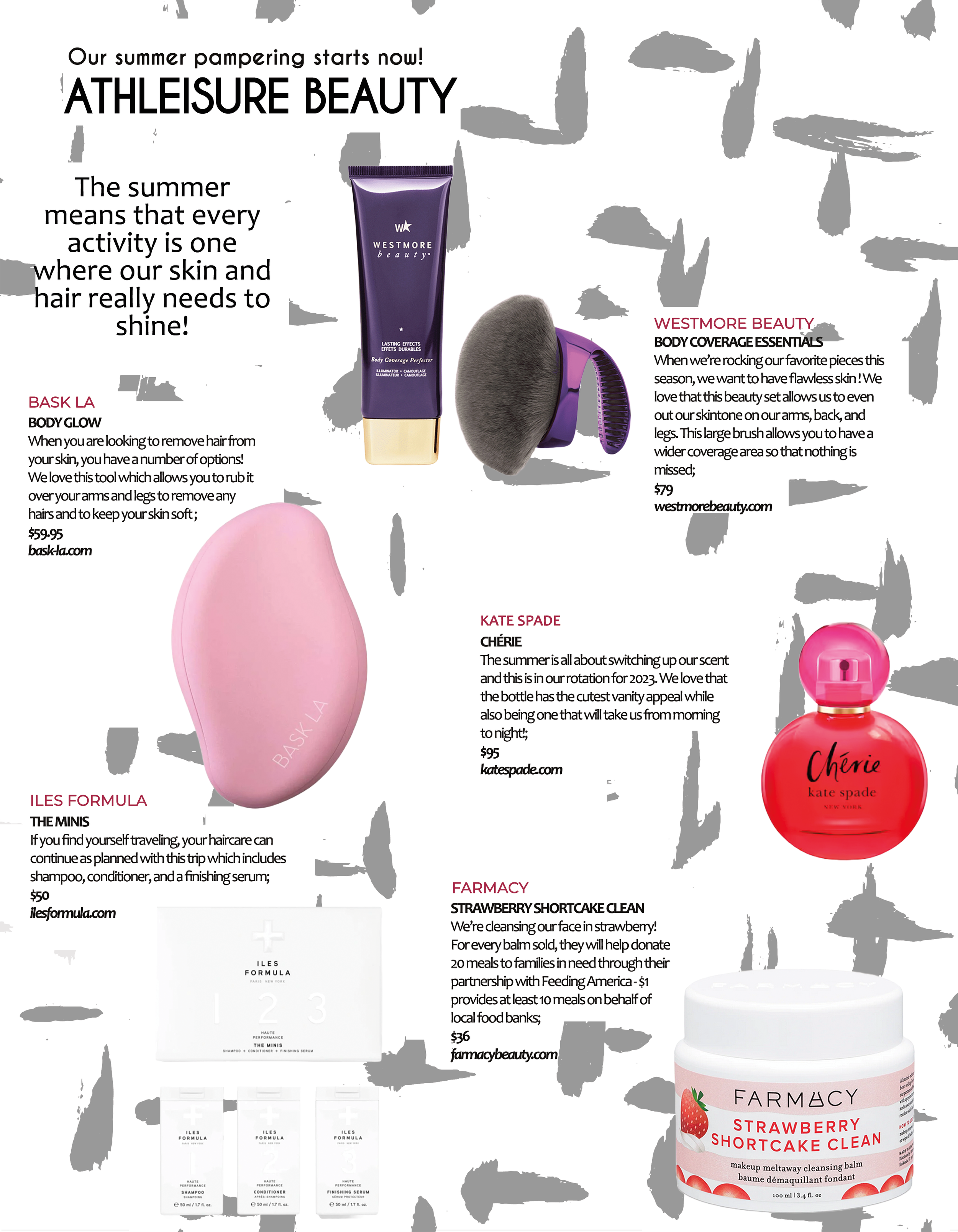
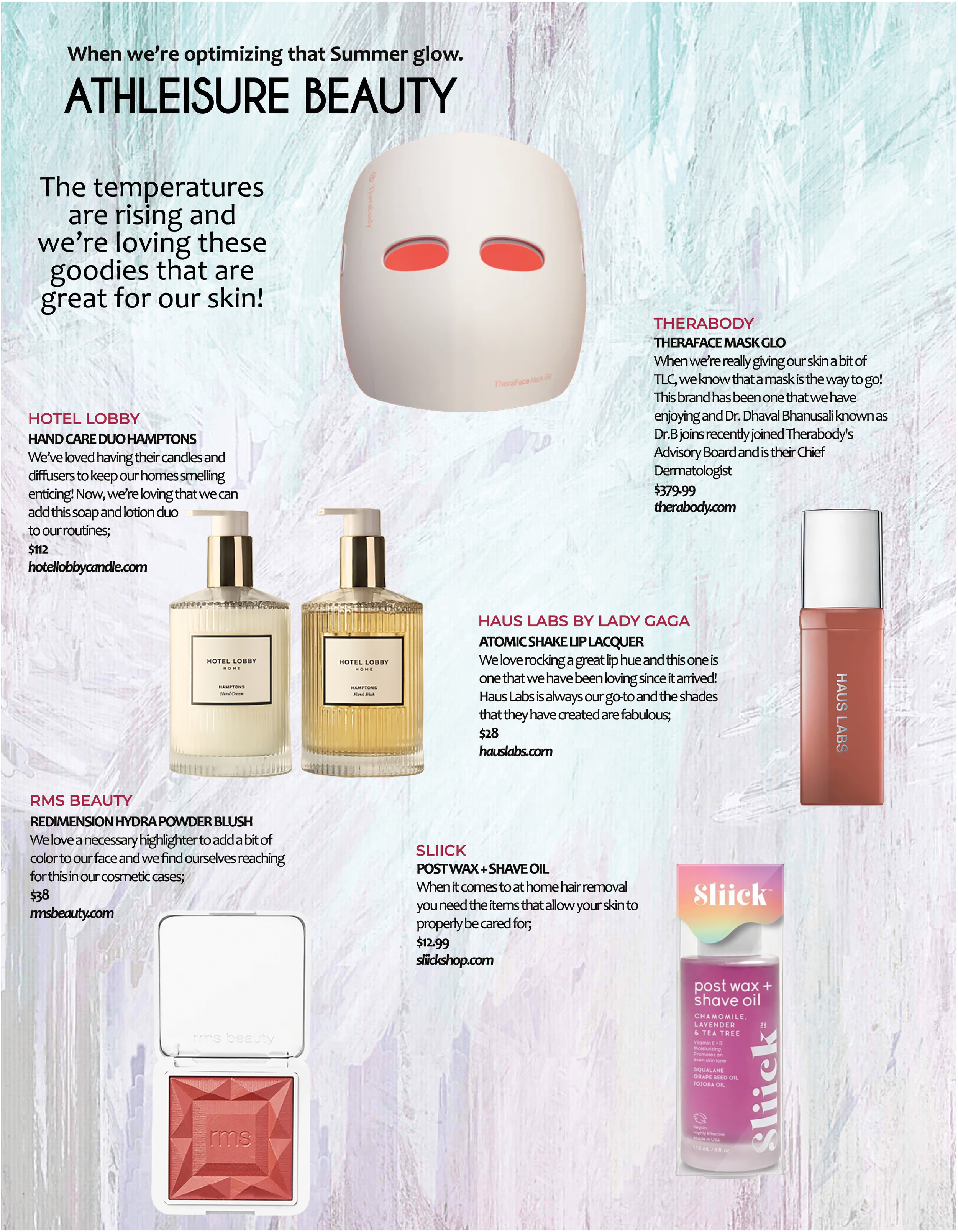
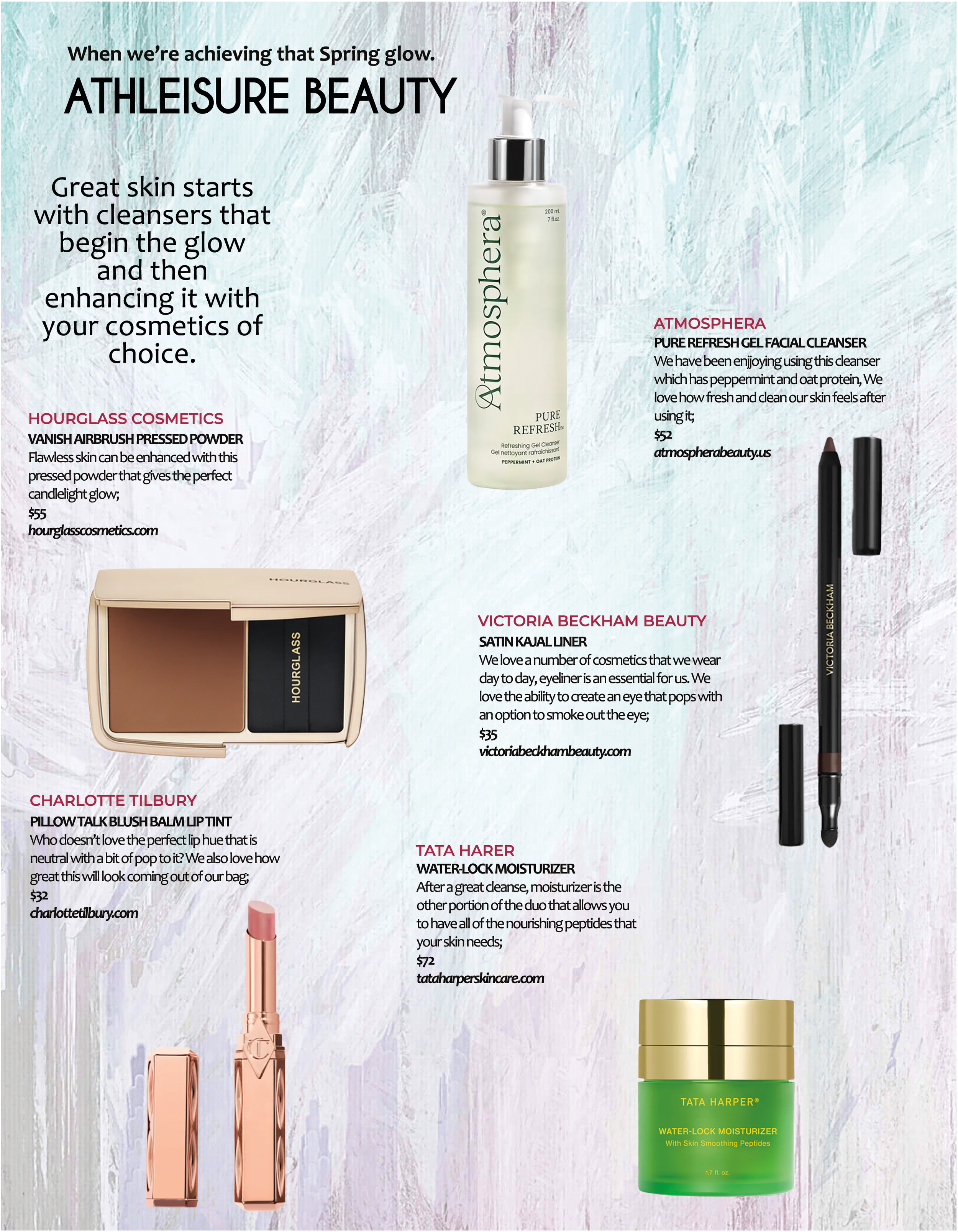
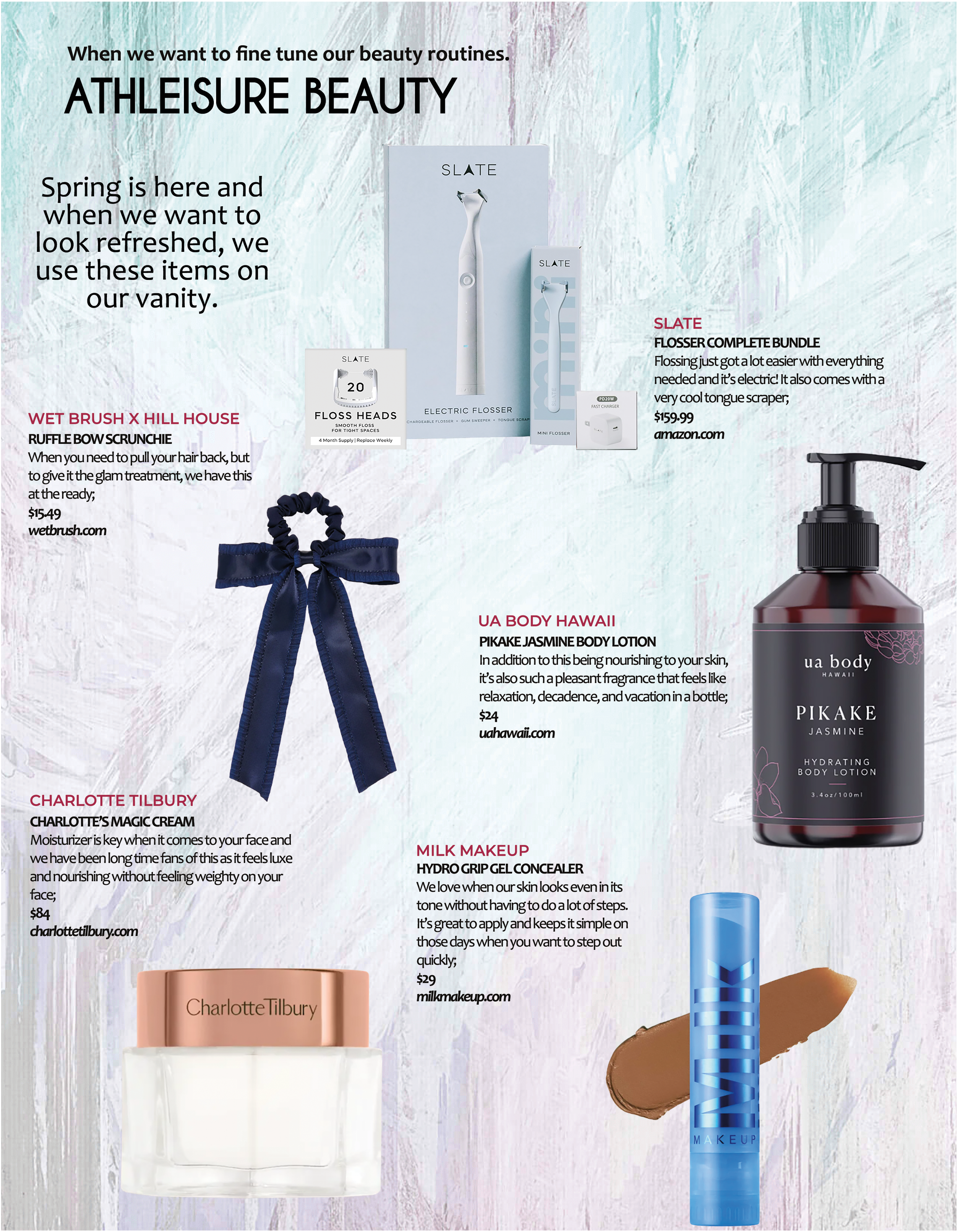
ATHLEISURE BEAUTY
Read the JUN ISSUE #90 of Athleisure Mag and see ATHLEISURE BEAUTY in mag.
Featured

#TRIBEGOALS
Read the JUN ISSUE #90 of Athleisure Mag and see #TRIBEGOALS in mag.
Featured
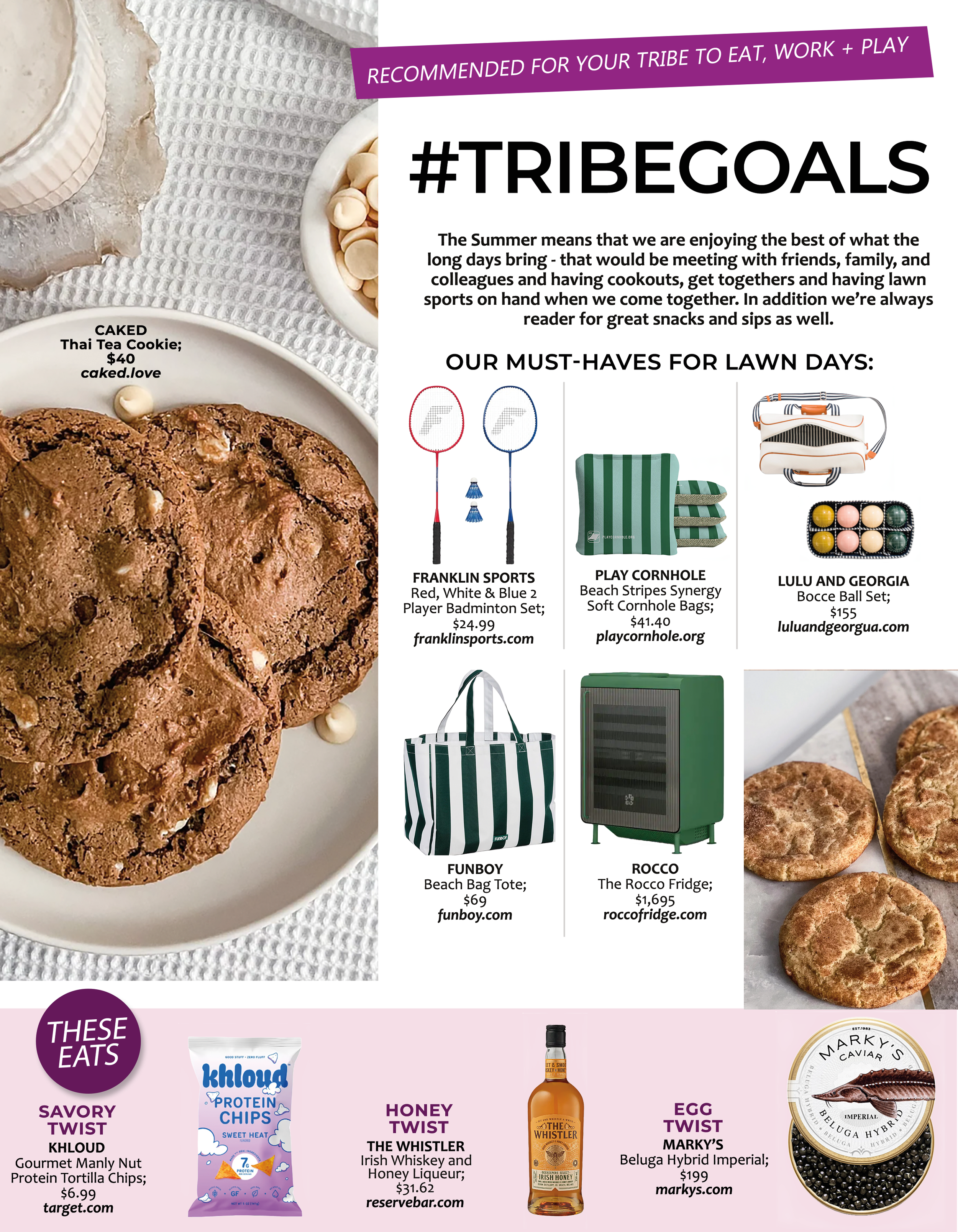
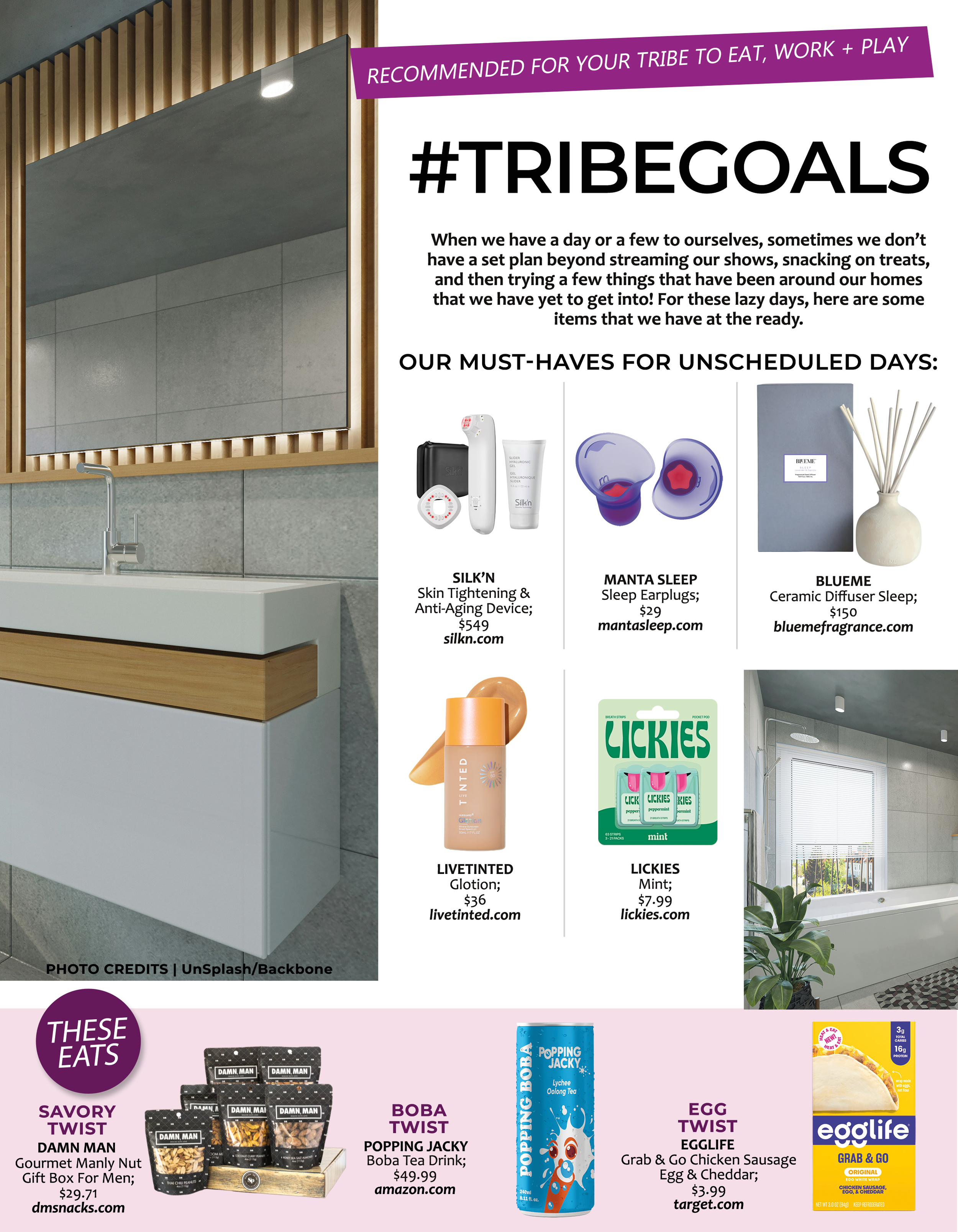
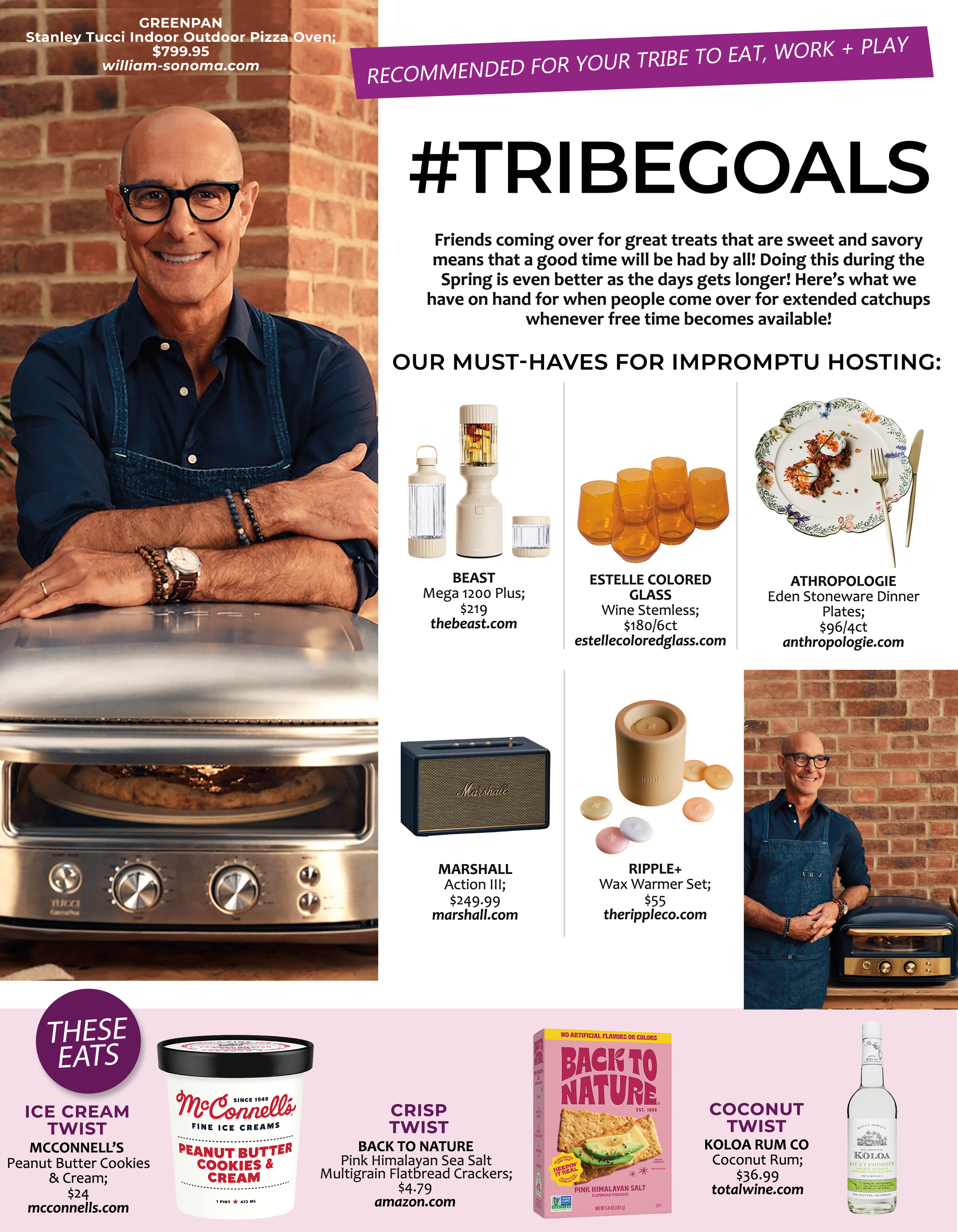

PHOTO CREDITS | Craig Sjodin
THE BACHELORETTE S. 20 E. 2 | GETTING DOWN TO BUSINESS
PHOTO CREDITS | ABC The Bachelorette/Craig Sjodin
We have an understanding of the men from the premiere episode last week, on tonight’s ABC’s The Bachelorette Season 20 we’re getting down to business as Charity really gets to start her journey to finding the man of her dreams. It’ll be interesting to see what takes place in this episode.
Jesse Palmer congratulates the 19 men that have moved forward and checks in with them to see how they are approaching getting more time with her.
Charity Lawson is looking forward to her 2 group dates and her 1-on-1 date. The first date is Aaron B. She greets the men and takes him out to the convertible that is waiting for them. She drives away with him and the men talk about what they’re missing. They all realize that since he will have an entire day with her, that’s less time that they have to impress her.
Charity takes him to the Hollywood Hills sign and they toast to the 100 years of this destination. They talk about their families and the longevity of their parents marriages. The first part of their date goes well and they continue their Old Hollywood date by having dinner in a theater. They talk about their vulnerabilities, self-love, and how he wanted to be a better person by getting therapy. They dance to a performance by Lauren Alaina. He receives the date night rose.
Back at the house, the next date card arrives with the list of men who will be on the group date. Aaron S, Dotun, Tanner, Adrian, John, Caleb A, Caleb B, Xavier, James, Sean, and Brayden. The group date begins and she looks forward to hanging out with the 12 men on the date. She tells them that they’re just going to hang out on the beach. After a bit of sandcastle being made, Jesse shows up and lets them know that they are participating in the 4th Annual DodgeBowl! They are left with speedos. The winners will get to go to the after-party and the losers will go home. Although it was back and forth between the pink and the green team, the pink team wins. The MVP award is given to the green team’s Adrian
She connects with those on the date to get to know more about them. Brayden continues to rub the guys the wrong way. Brayden and Adrian have a bit of a spat and the results from that led to Adrian telling Charity that some men are treating their time there as if it is a Spring Break. Charity addresses it with the men and tells that her purpose is for her to find her person and she’s not playing games. She gives the group date rose to John. The men wonder who said this to her which causes another uncomfortable moment.
The remainder of the men will be on the second group date. She’s in a park in LA and is joined by Gabby and Rachel, last season’s The Bachelorettes! There is also an audience John Henry, Michael, Warwick, Spencer, Joey, and Josh. The date is for the longest kiss in Bachelor Nation history ever. The record was set by Sean Lowe at 3:27s. The men have to answer questions Newlywed Game style. The guys are nervous about the kiss having to be more than 3 mins as well as the fact that this was not the way that they thought they would have their kiss with her. The person’s responses that stood out the most was Joey so he will have the opportunity to break the record for the longest Bachelor kiss. They kis for 4:25 seconds and then they learn that he will get a 1-on-1 date with her that night. The rest of the men on the group date suffered through the kiss and then realized that they wouldn’t be able to have additional time with her. This was a brutal date for sure for them!
The remainder of the men go back to the house and fill them in on what happened. Of course Brayden and Adrian get into their tiff. We head back to Joey and Charity where he shares his background with her and how his parent divorced because his dad came out. It’s interesting to hear him say that they’re divorce didn’t lead to a broken home because of the circumstances and that he felt love from both of them. Joey is given the now hybrid group date/1-on-1 date night rose. We’ve liked him from last week’s episode and can see that he is genuine in his feelings for her.
The rose ceremony is later on that night, but Jesse makes his way to the house to connect with the men. He lets them know that there will not be a cocktail party, but there is a barbecue day. Brayden lets us know that he is going to talk with Charity about a few things and that if he doesn’t hear what he thinks he should, then he will leave. She makes sure to have time with the guys that she has a connection with as well as those that she doesn’t yet. She has great chats and then Brayden tells her that he has started to doubt her character because of her second group date. The conversation goes over well and of course, Brayden didn’t leave. Adrian shares the conversation and lets her know that Brayden said that what she did at the date was classless. That rubbed Charity the wrong way and she left - the guys are a little annoyed because they still didn’t have time with her. At this point, some of the guys feel that both Adrian and Breydan should go home.
The 2nd rose ceremony begins and everyone knows about the tensions between the men. Many people are on the same page that they should both go home as the situation is becoming increasingly toxic and becoming difficult for the process to go forward as it should. She acknowledges how much she has enjoyed everything, but that she also doesn’t like the negative things that have taken place.
Charity gave roses to | Aaron B, Joey, John, Dotun, Tanner, Caleb B, Warwick, Michael, Sean, Xavier, Aaron S, James, Adrian, and Brayden.
Charity sent home | Caleb A, Kaleb K, John Henry, Josh, and Spencer.
Each night during this season, we will tweet about The Bachelorette and you can chat along with us (@AthleisureMag + with our Co-Founder/Creative + Style Director, Kimmie Smith @ShesKimmie) to see what’s taking place!
Each week we will let you know who our faves were from the last episode and if we’ve changed up since then as it pertains to who we think should go to Hometowns.
We also suggest a podcast that we’ve become obsessed with over the past few seasons, Wondery’s Bachelor Happy Hour to get their feedback!
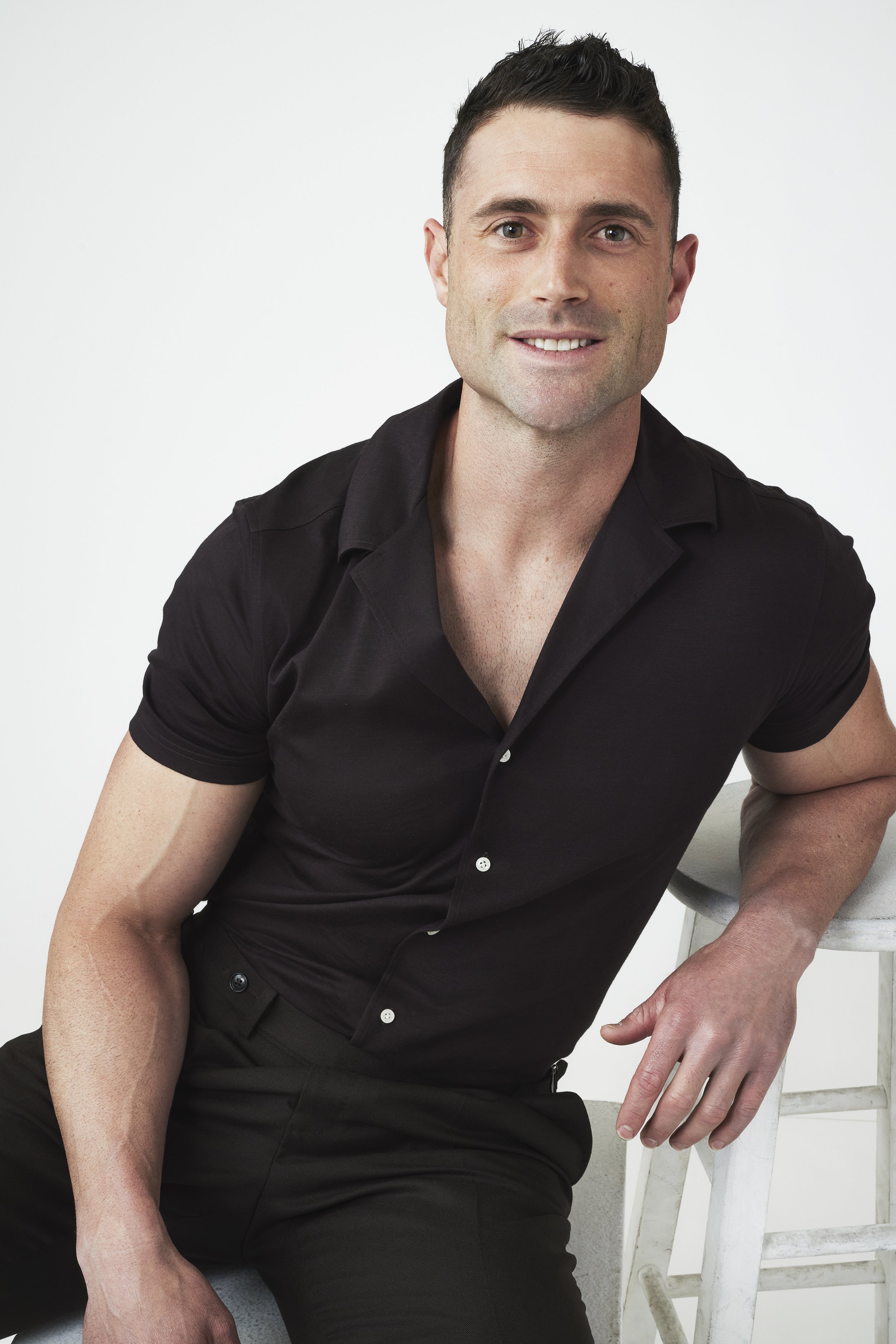
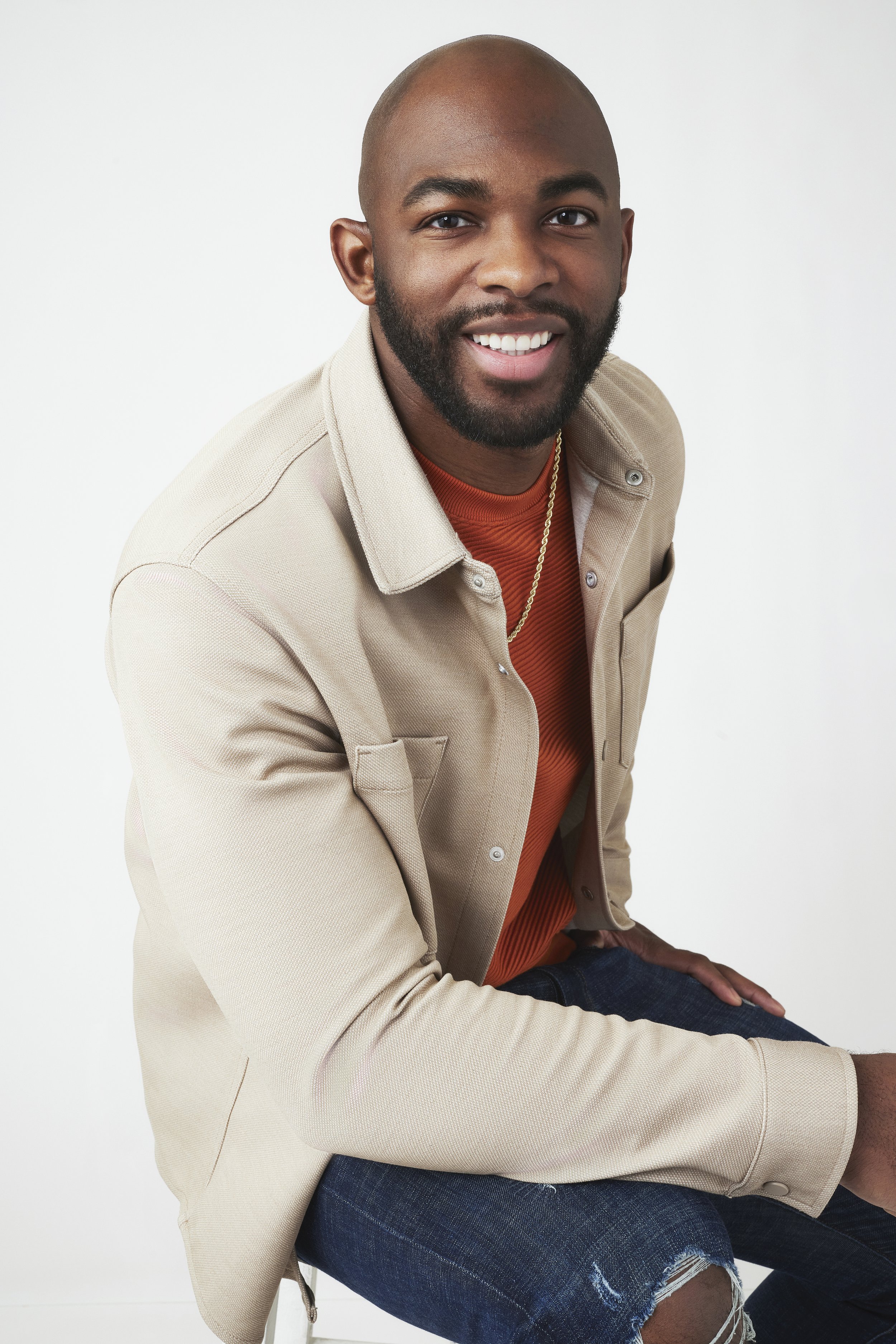
WHO WE WANT TO SEE GO TO HOMETOWNS
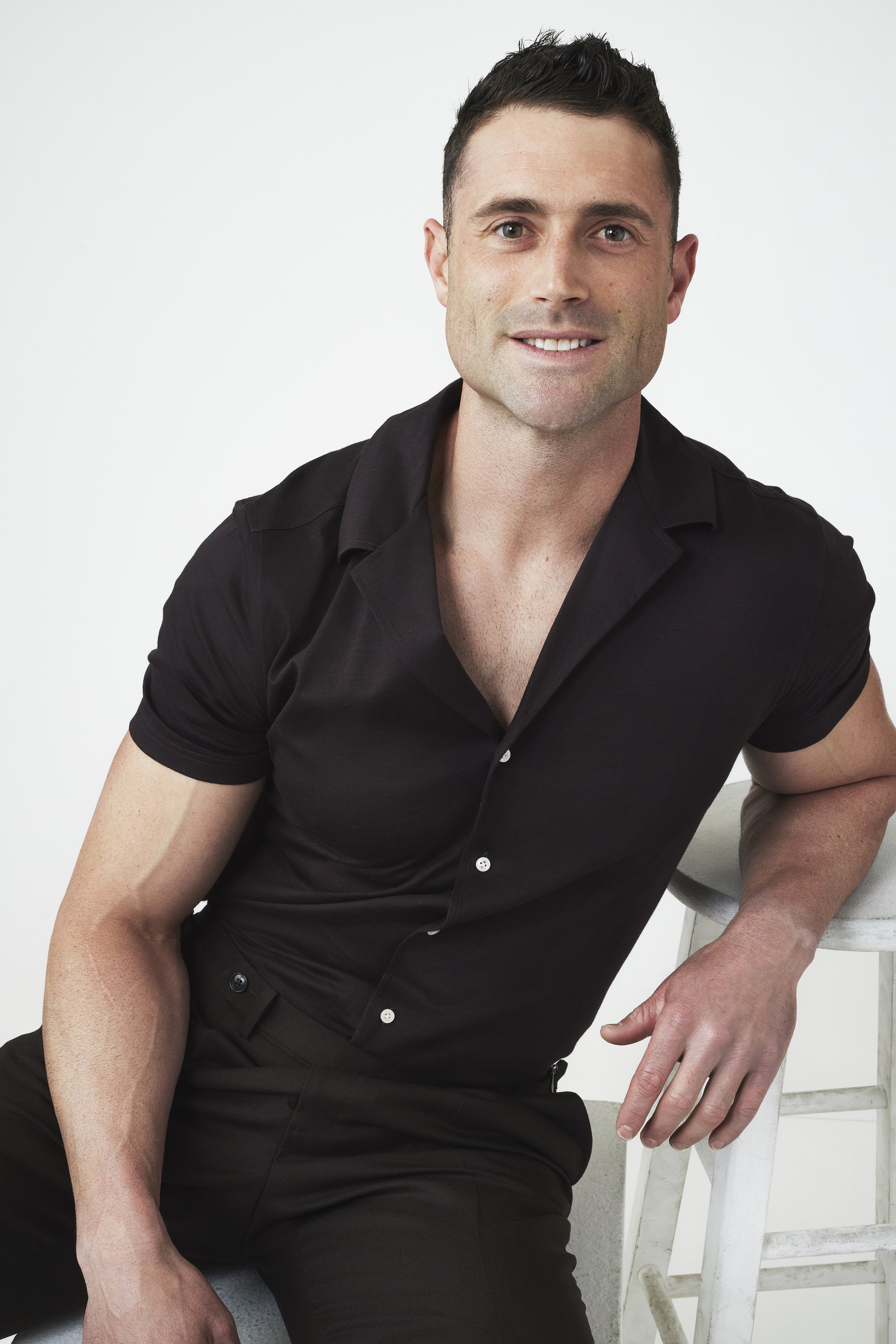
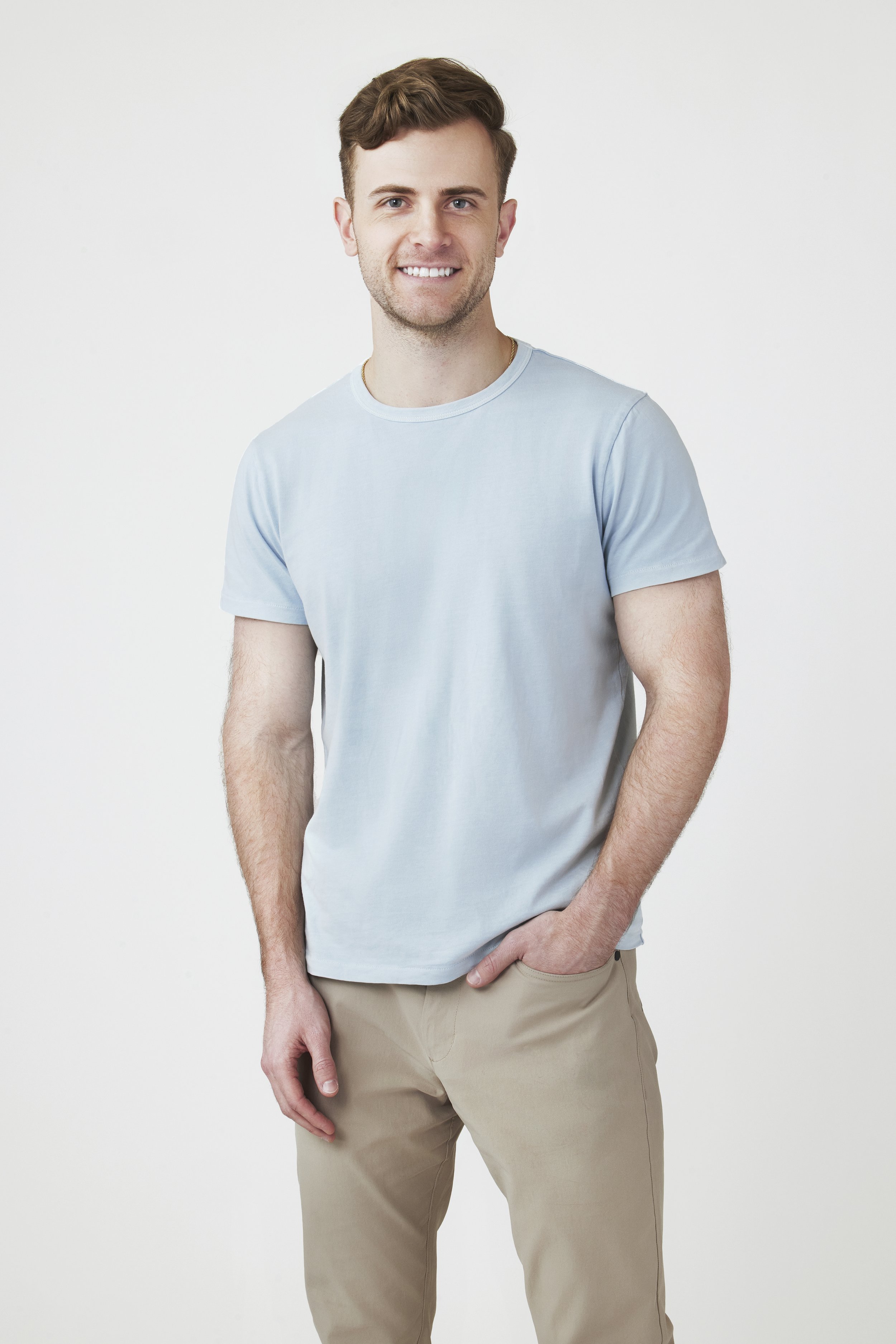
THE BACHELOR CONTESTANTS
Read the latest issue of Athleisure Mag.
Featured TV Show

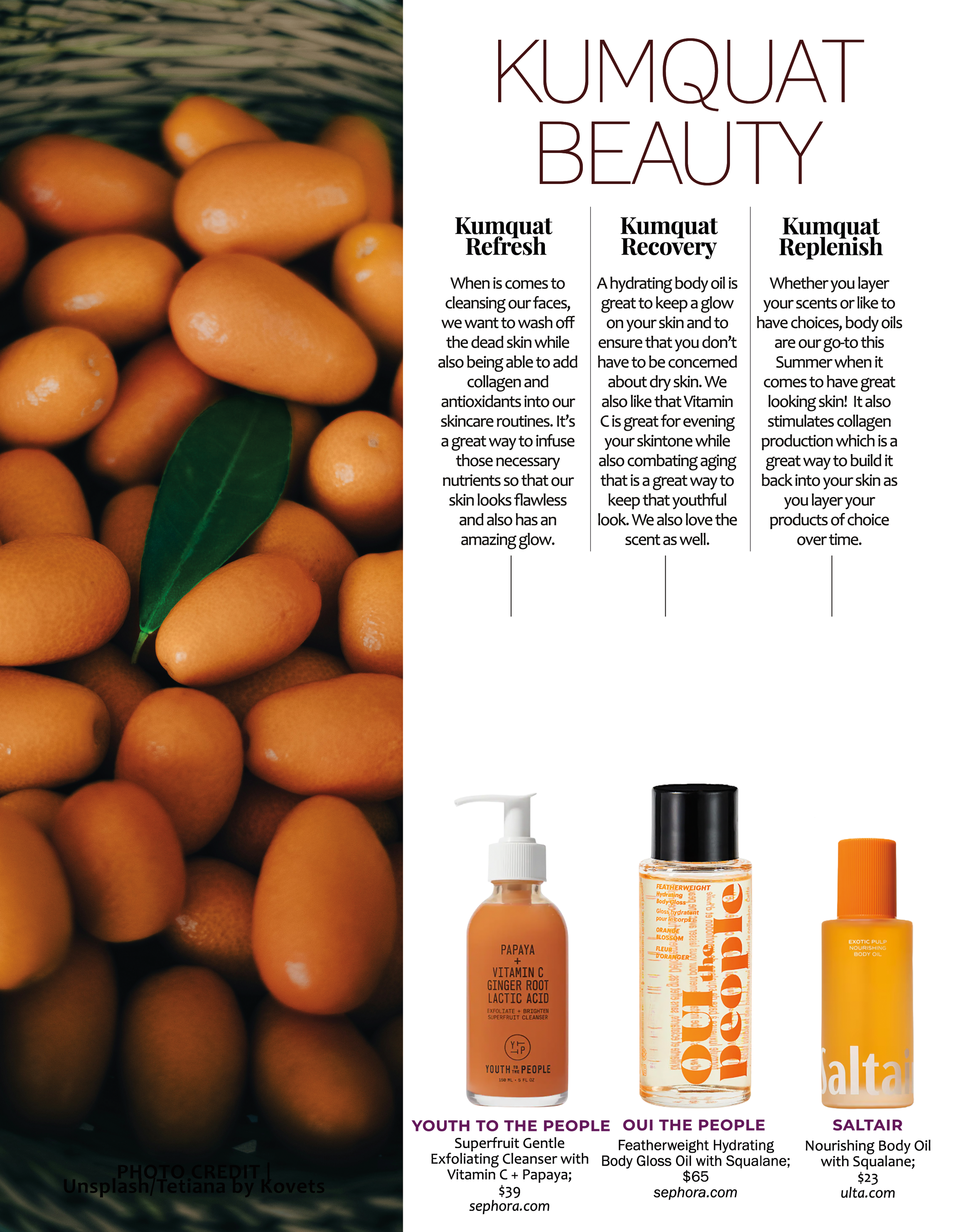
MARSHMALLOW ROOT BEAUTY
Read the JUN ISSUE #90 of Athleisure Mag and see MARSHMALLOW ROOT BEAUTY in mag.
Featured
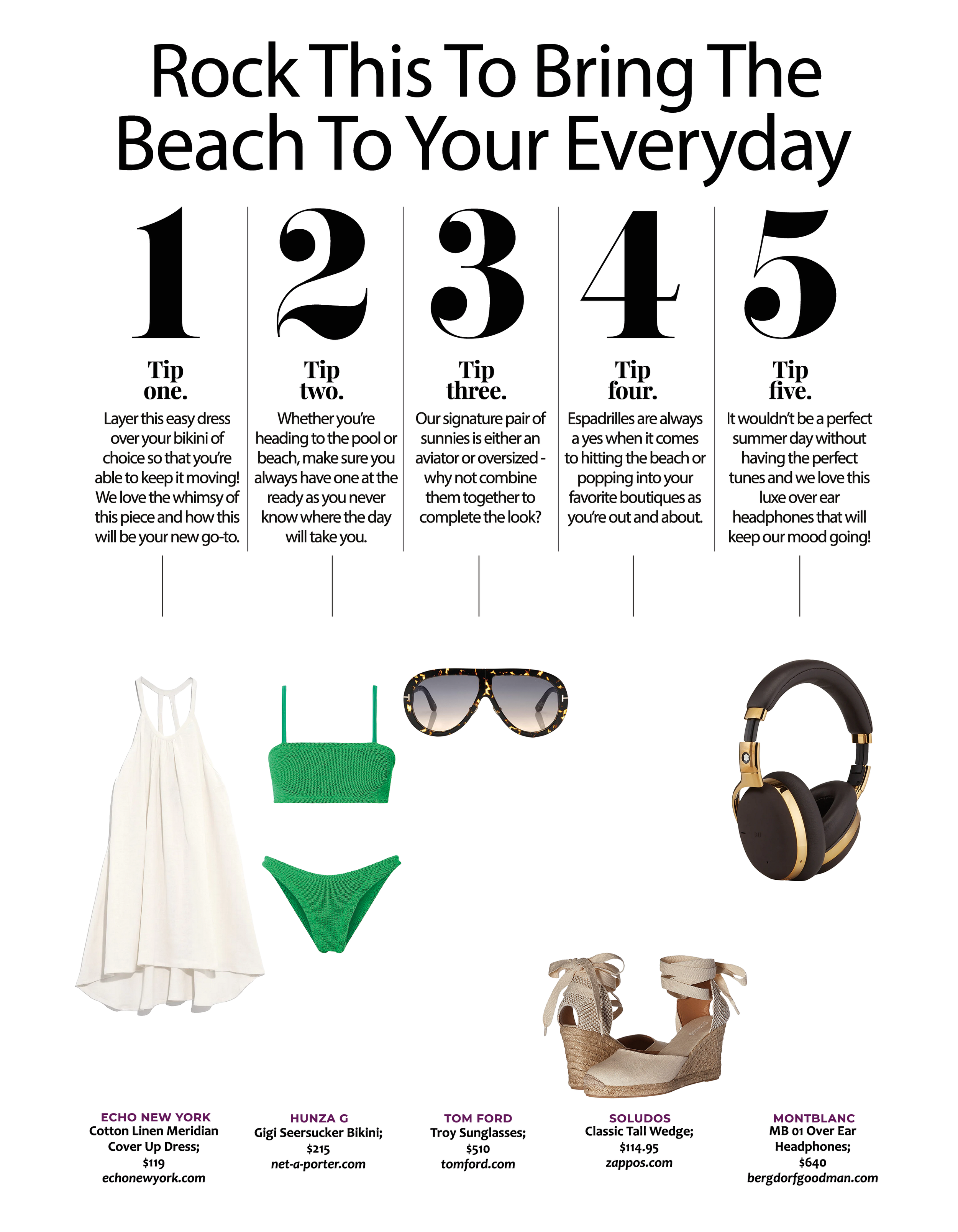
ROCK THIS TO BRING THE BEACH TO YOUR EVERYDAY
Read the JUN ISSUE #90 of Athleisure Mag and see ROCK THIS TO BRING THE BEACH TO YOUR EVERYDAY in mag.
Featured
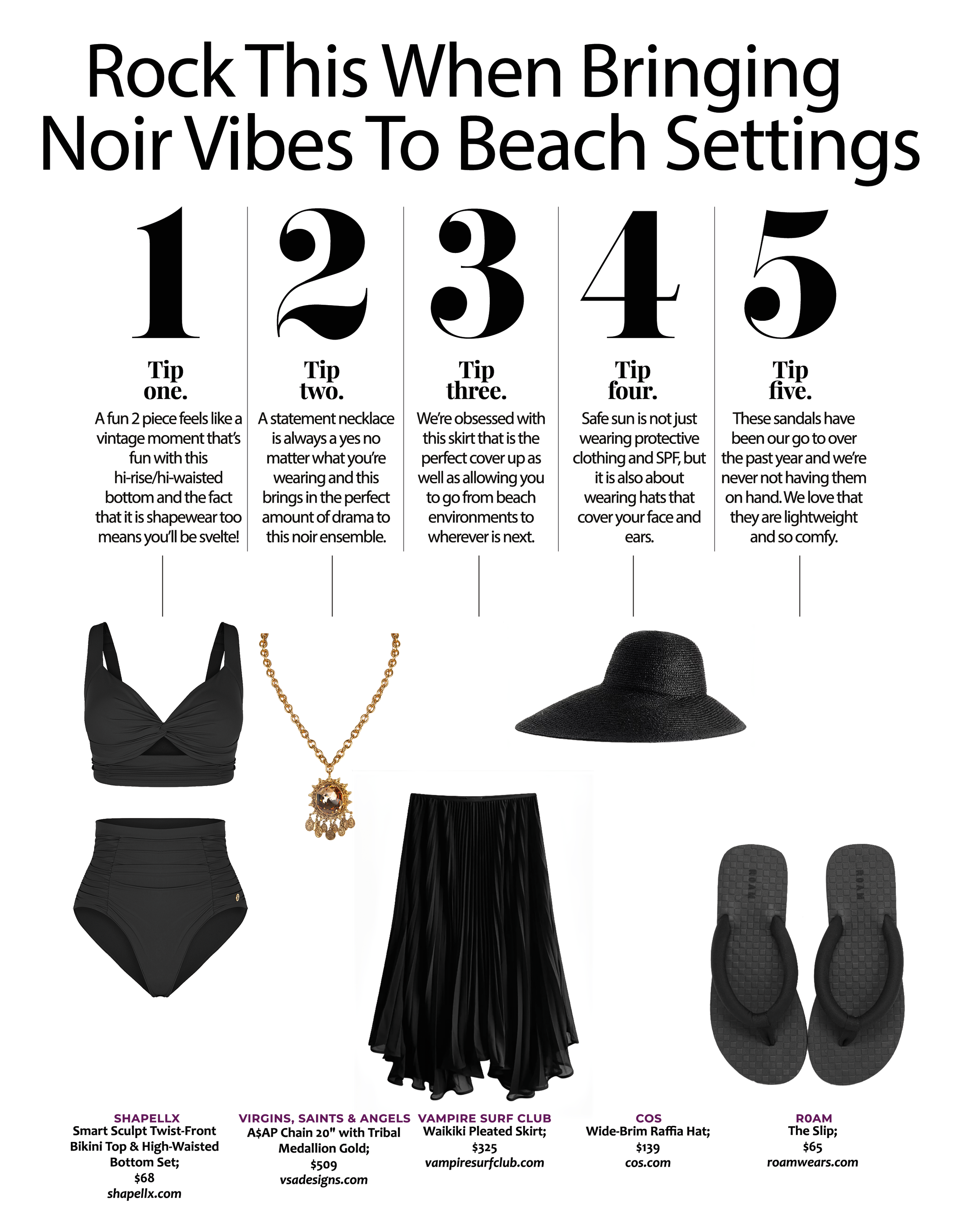
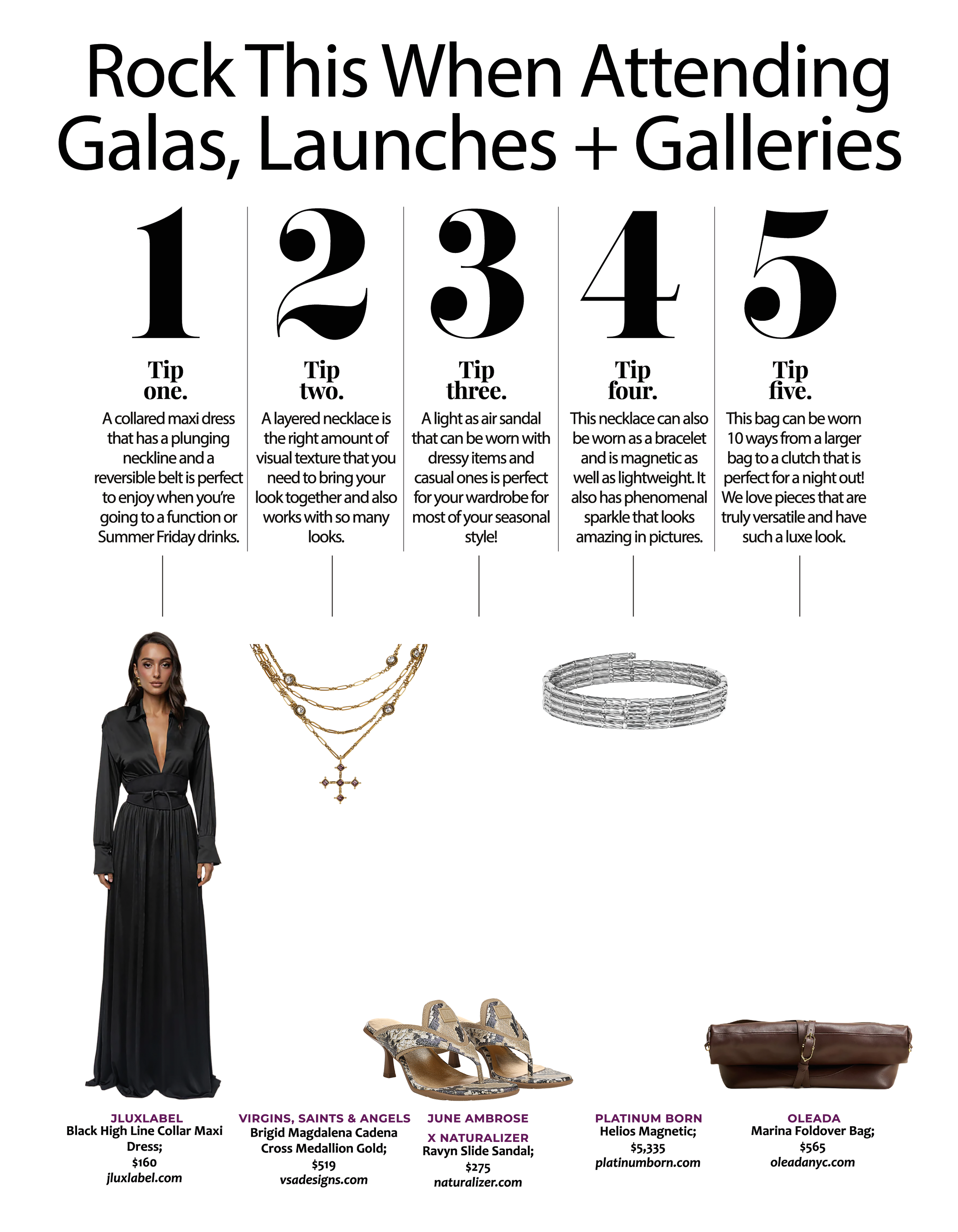
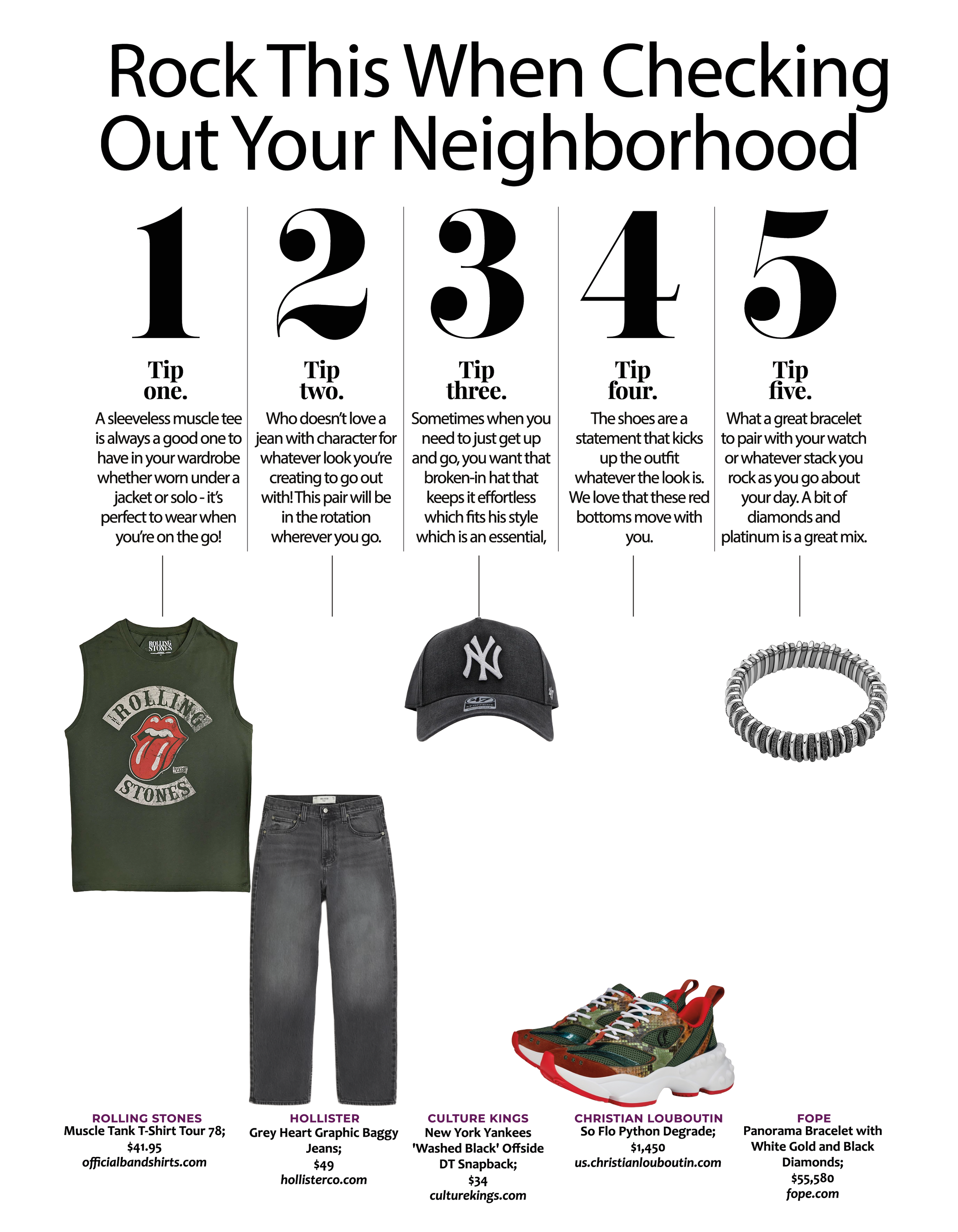
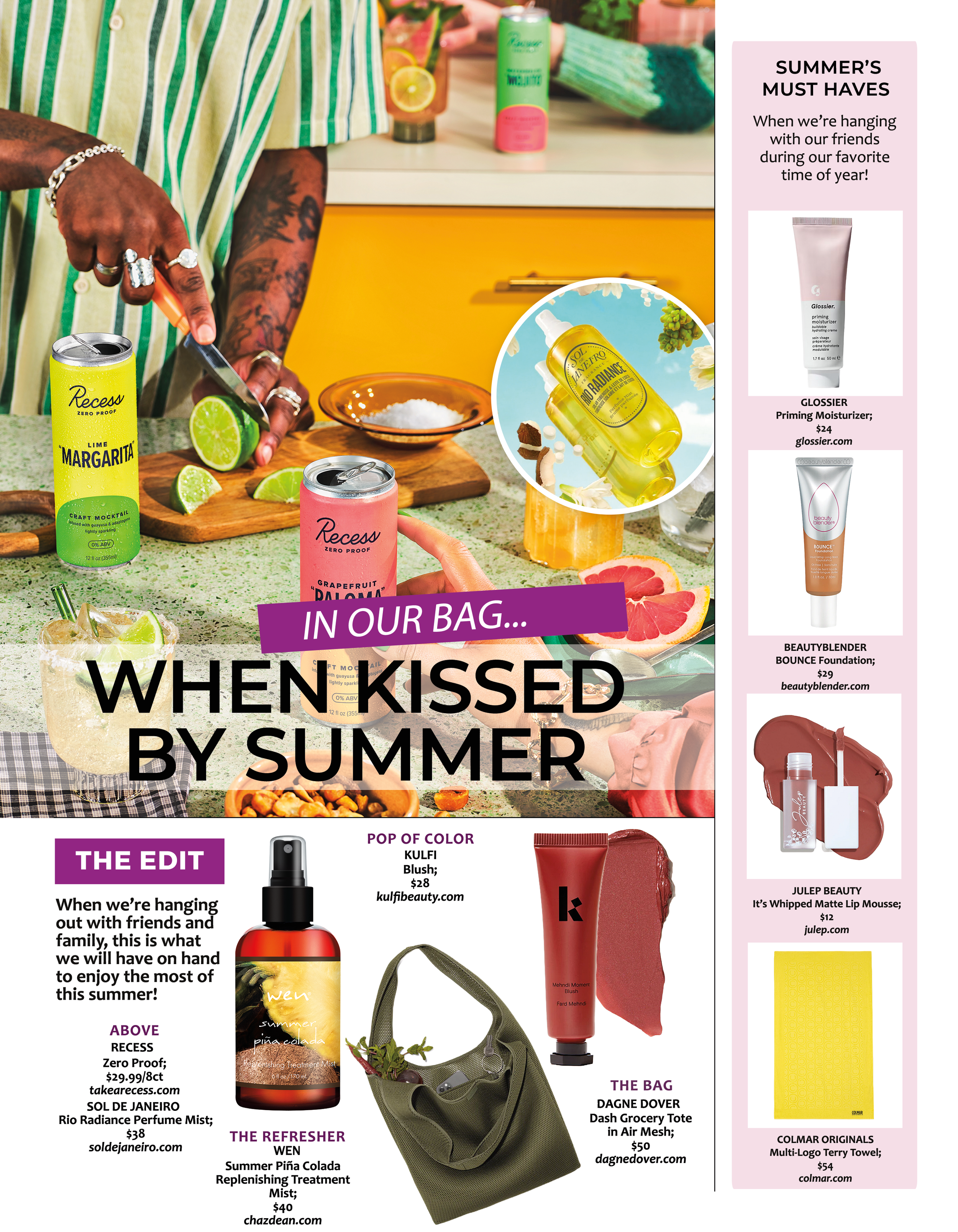
IN OUR BAG | WHEN KISSED BY SUMMER
Read the JUN ISSUE #90 of Athleisure Mag and see IN OUR BAG | When Kissed by Summer in mag.
Featured
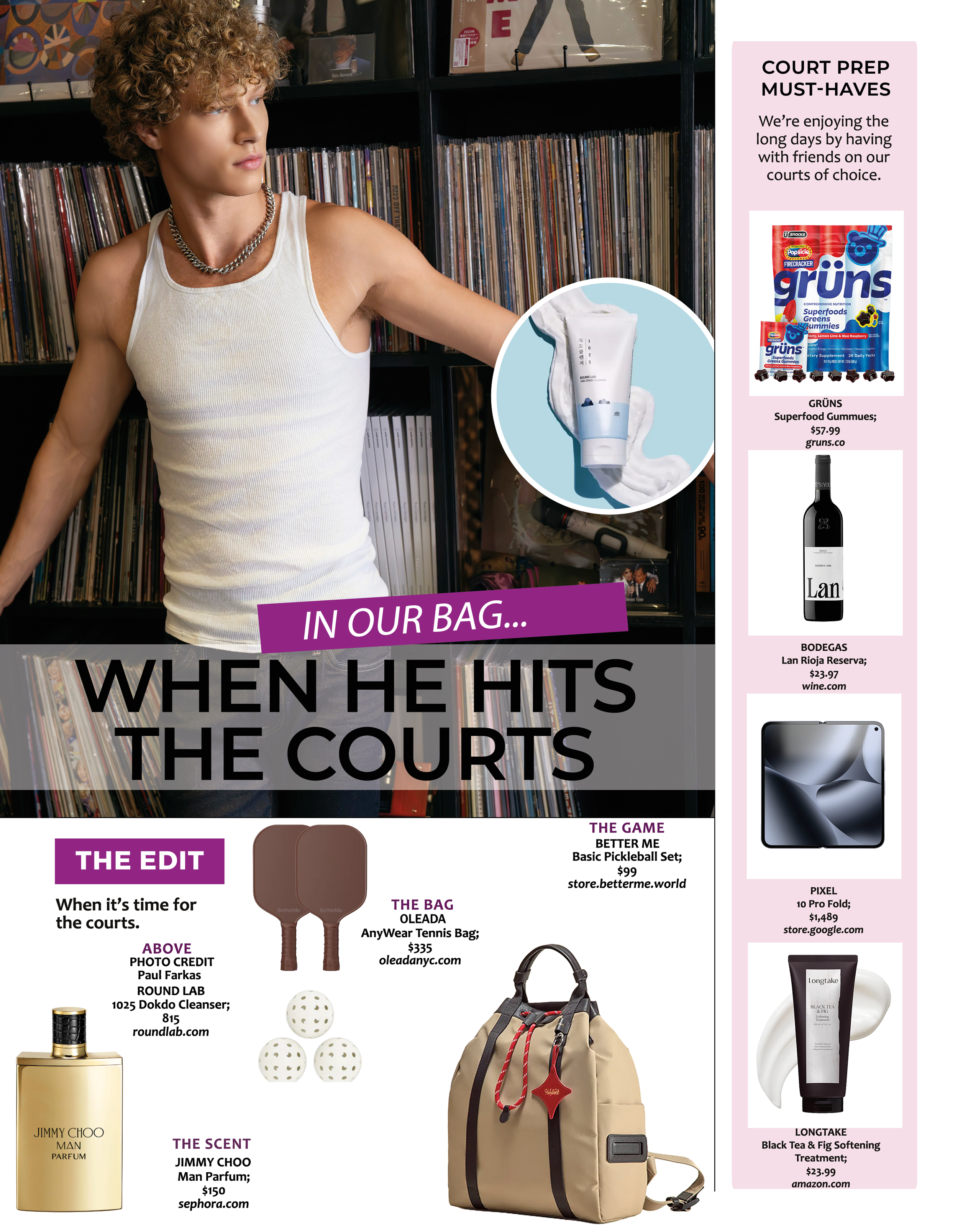
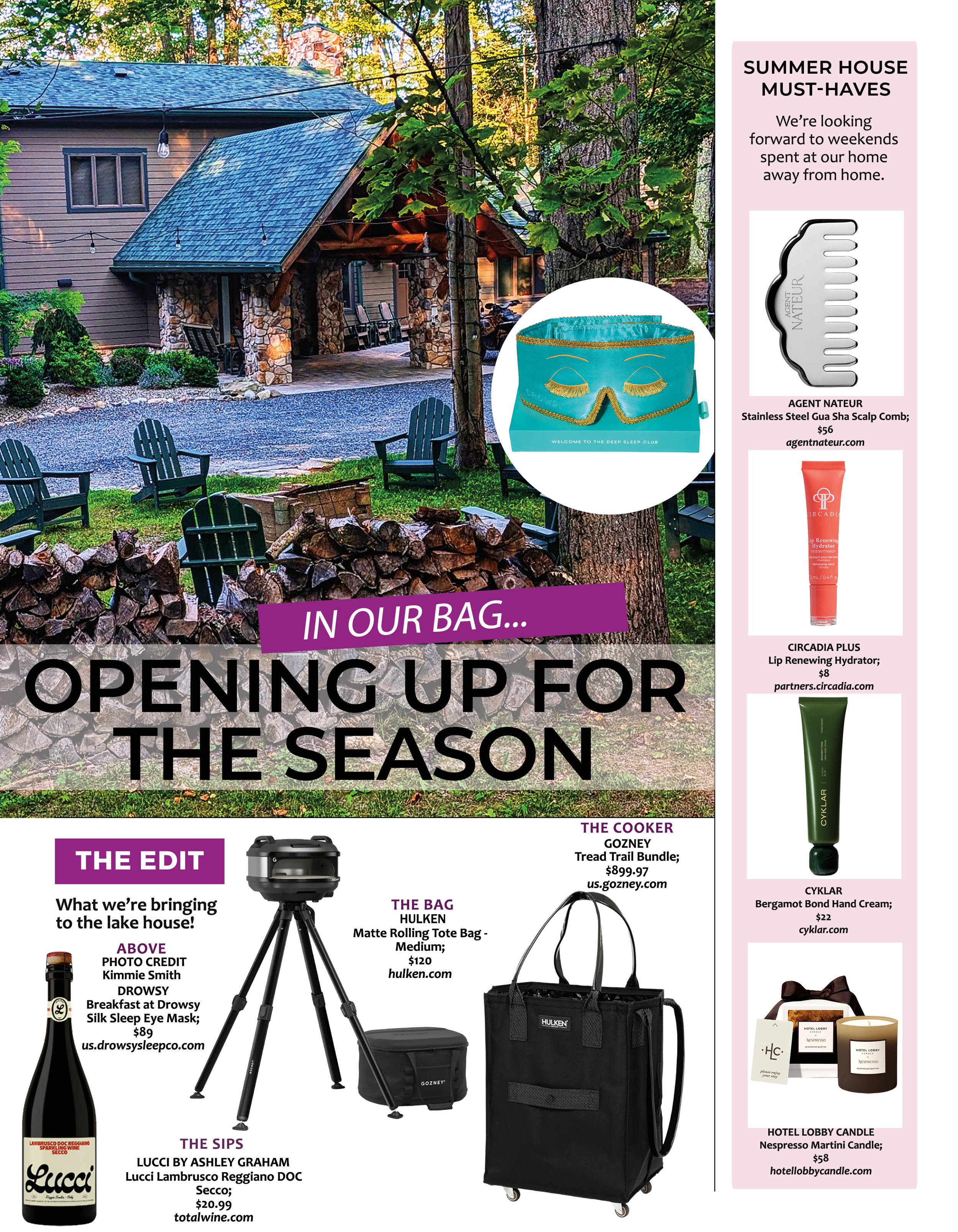
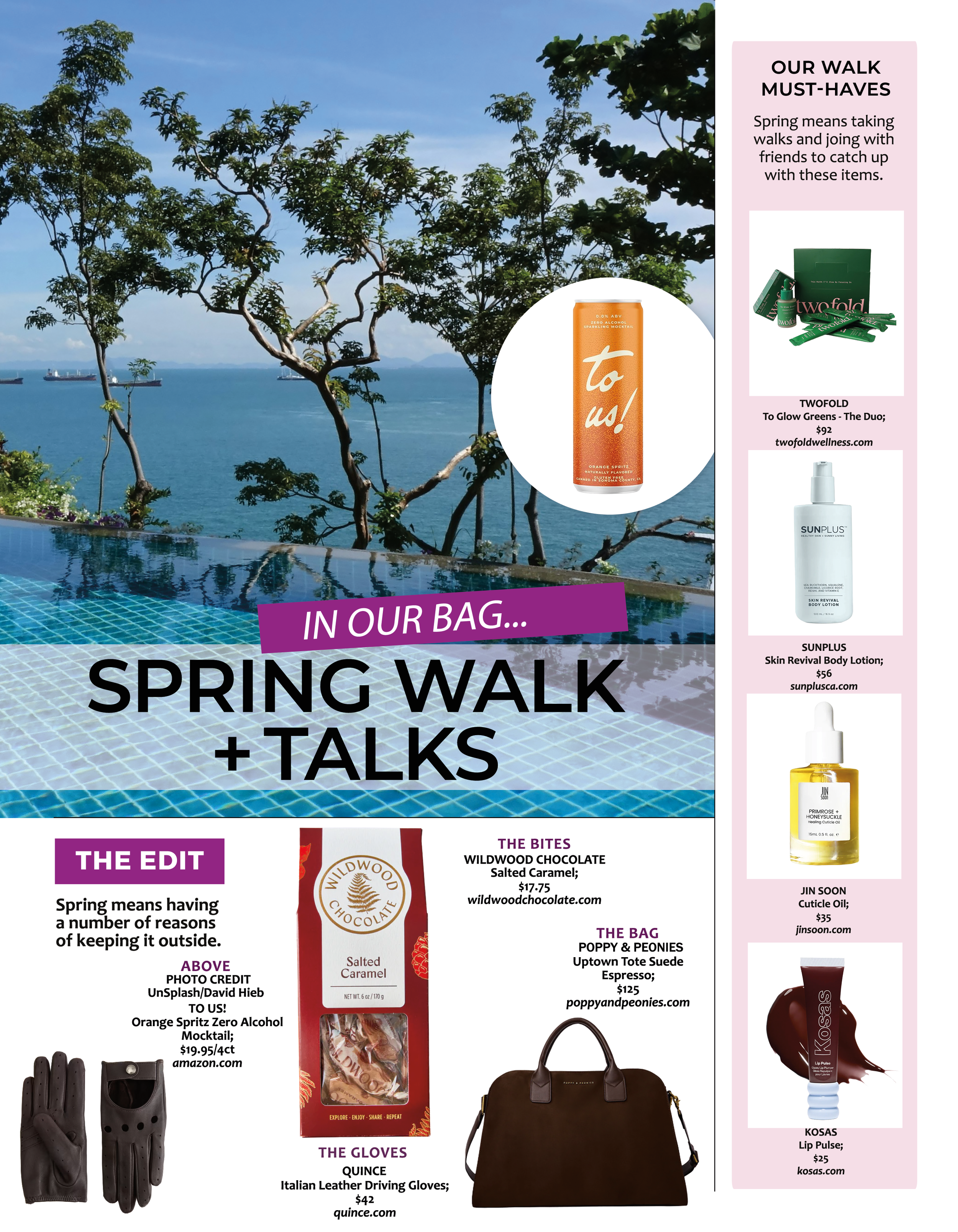

ATHLEISURE MAG #90 | OVY ON THE DRUMS
In this month’s issue, our front and back cover story is with 4X Latin Grammy Award Nominated, 2X Billboard Latin Music Awards Nominated, Premios Juventud Winner, Producer, Composer, and Singer/Songwriter, Ovy on the Drums! We talk about how he got into the industry, being the producer for Karol G, and working with an array of artists from Steve Aoki, Becky G, Shakira, Future, and more! We also interview singer/songwriter and entertainer, INNA who has a number of songs that are known for feel-good vibes. We talk about how she got into the industry, how she approaches her songs, her collaborations with SOFI TUKKER, Alok, and many more.
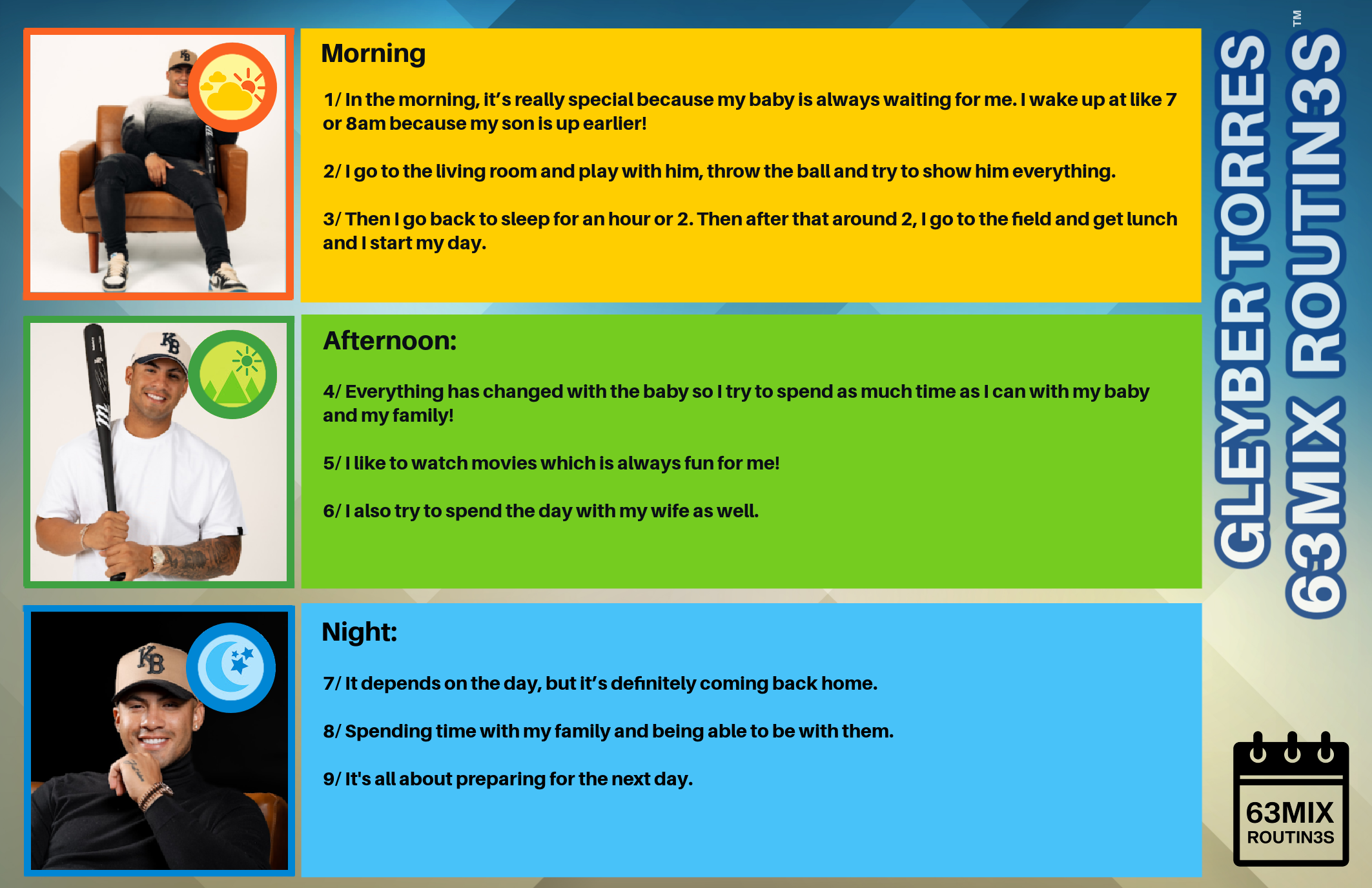
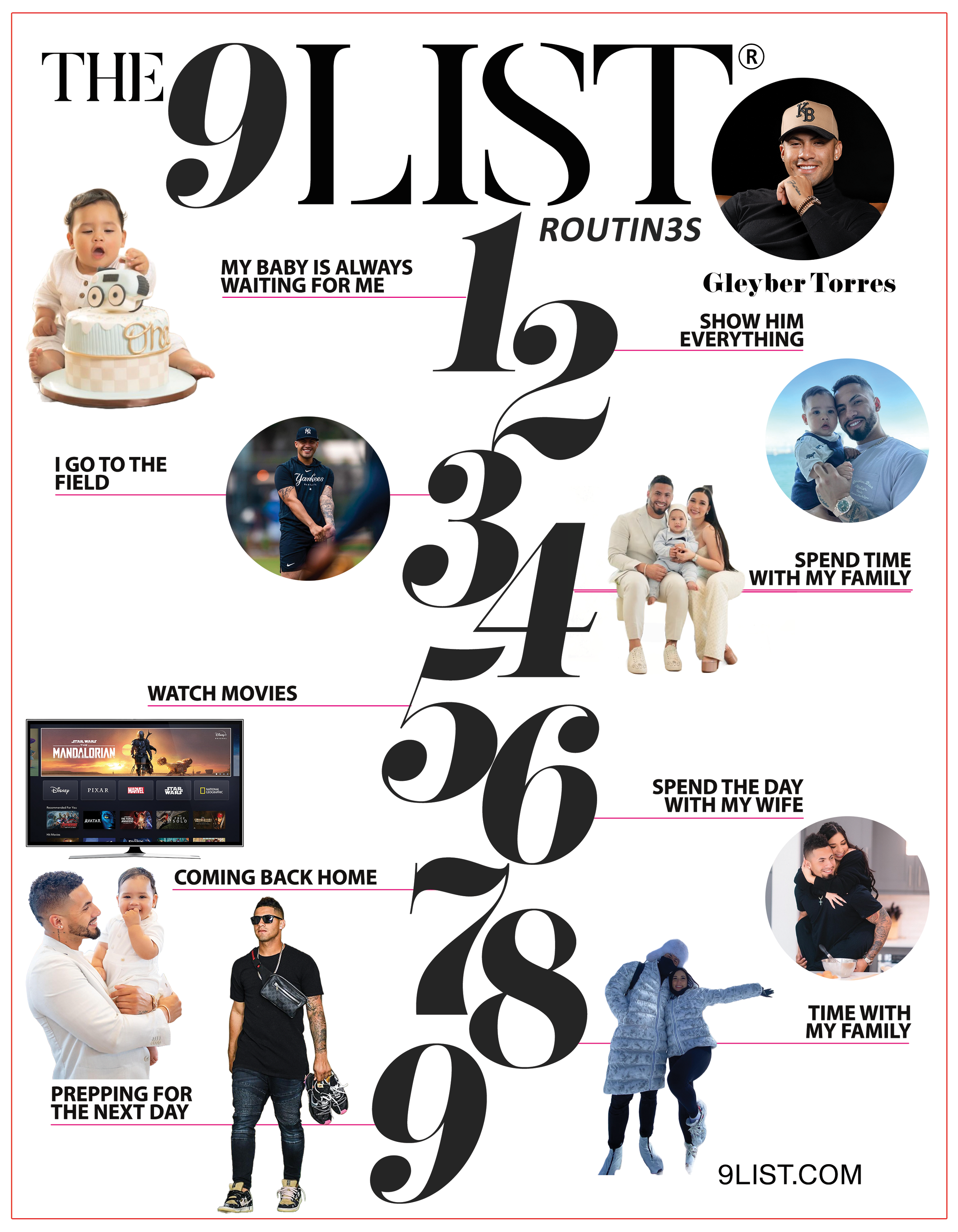
We also took some time to talk with New York Yankees shortstop and second baseman, 2X All-Star player Gleyber Torres! We talk about how he took his passion for the game in Venezuela to join one of the most iconic MLB teams in the country. In addition, we talk about how he stays in shape, his passion for his family, and his collaboration with Kings Bred.
We caught up with Chef/Partner Charlie Mitchell of Clover Hill in Brooklyn. Recently, he received a Michelin 2022 NYC Young Chef Award - he is the first Black chef in NYC to receive Michelin recognition and only the second in the US! He was also a James Beard finalist this year as well. We talked about how he got into the industry, his passion for cooking, his approach to food and he gives us an inside scoop into the mind of a chef!
This month, our editorial was shot at Kimpton Eventi Hotel here in NYC. Because we live for a great weekend, our editorial WEEKEND VIBES ONLY is focused on a number of fun accessories and trends and we’re excited to introduce to you our new line, ATHLEISUREVERSE which is all about pieces that you can wear when you're out and about from various sweat sets that are paired with joggers and shorts. We're all about a number of colors, styles, having pieces that are genderful, matchy matchy when you want to wear them with your friends, family, and significant other, and more! We also talked with the property to find out more about the hotel, their location, and what we can enjoy there whether we're on vacation, staycation, traveling for business, etc.
We're fans of our favorites that are within Bachelor Nation and if you're like us, you're watching the current season with Charity Lawson for The Bachelorette! This month, we caught up with Jason Tartick who is engaged to Kaitlyn Bristowe to find out about his partnership with Wyndham Rewards and their Cubicle Caddie for those that want to stay connected and optimize their time on the golf course! He talks about this as well as his thoughts on Charity, hitting the course with Kaitlyn, and his upcoming projects with his podcast and book.
We chatted with Samuel Arnold who plays Julien in Netflix's Emily in Paris. We talk about how he connects with his roles, we ask him about the upcoming season and also being an ambassador for Jovē water and why hydration is so important to him.
We've been fans of Sepideh Moafi for years as she has been in a number of our favorite shows. This month, we find out about how she approaches her roles, her latest limited series, FX's Class of 09 with all episodes streaming now, and we talk about her upcoming projects.
Jordana Brewster of Fast X talks about her latest movie in the Fast and Furious franchise, her new movie Simulant, and how she approaches being a mom with kids in sports!
We have been fans of FX's Mayans MC which is the spinoff to Sons of Anarchy which is another favorite show of ours! As we are watching the final season of this series, we caught up with Sarah Bolger to talk about how she got into this industry, her roles previous to the show, what we can look forward to this season, and upcoming projects!
Last month, we had the pleasure of interviewing the founder of Governors Ball, Tom Russell who prepared us for what we could expect as they inaugurated their new home at Flushing Meadows Corona Park Queens. This month, we have a recap of our favorite moments from Governors Ball which took place Jun 9 - 11th.
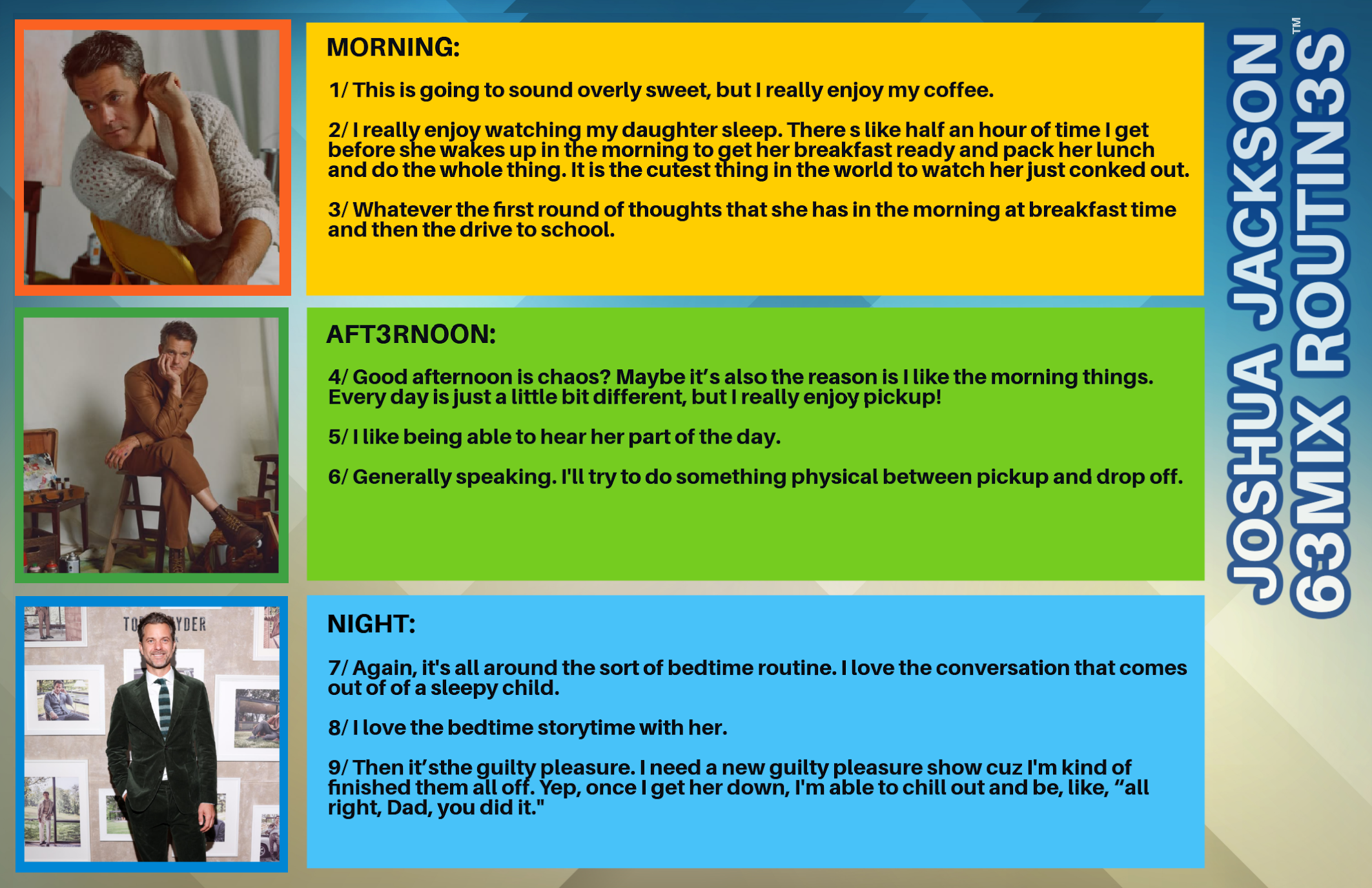
This month’s 9PLAYLIST comes from singer/songwriter/entertainer INNA. This month's 9DRIP comes from EDM DJ producer/songwriter Ferry Corsten. Our 9LIST STORI3S comes from Sepideh Moafi of Class of 09 as well as Samuel Arnold of Emily in Paris. Our 63MIX ROUTIN3S comes from New York Yankees' Gleyber Torres and Mayans MC's Sarah Bolger.
Our monthly feature, The Art of the Snack shares our new drool-worthy restaurant, Goa New York. This month’s Athleisure List comes from Hakkasan Las Vegas and Restaurant Yuu in Brooklyn. As always, we have our monthly roundups of some of our favorite finds.
Read the JUN ISSUE #90 of Athleisure Mag.
Featured

LIFTING EACH OTHER UP
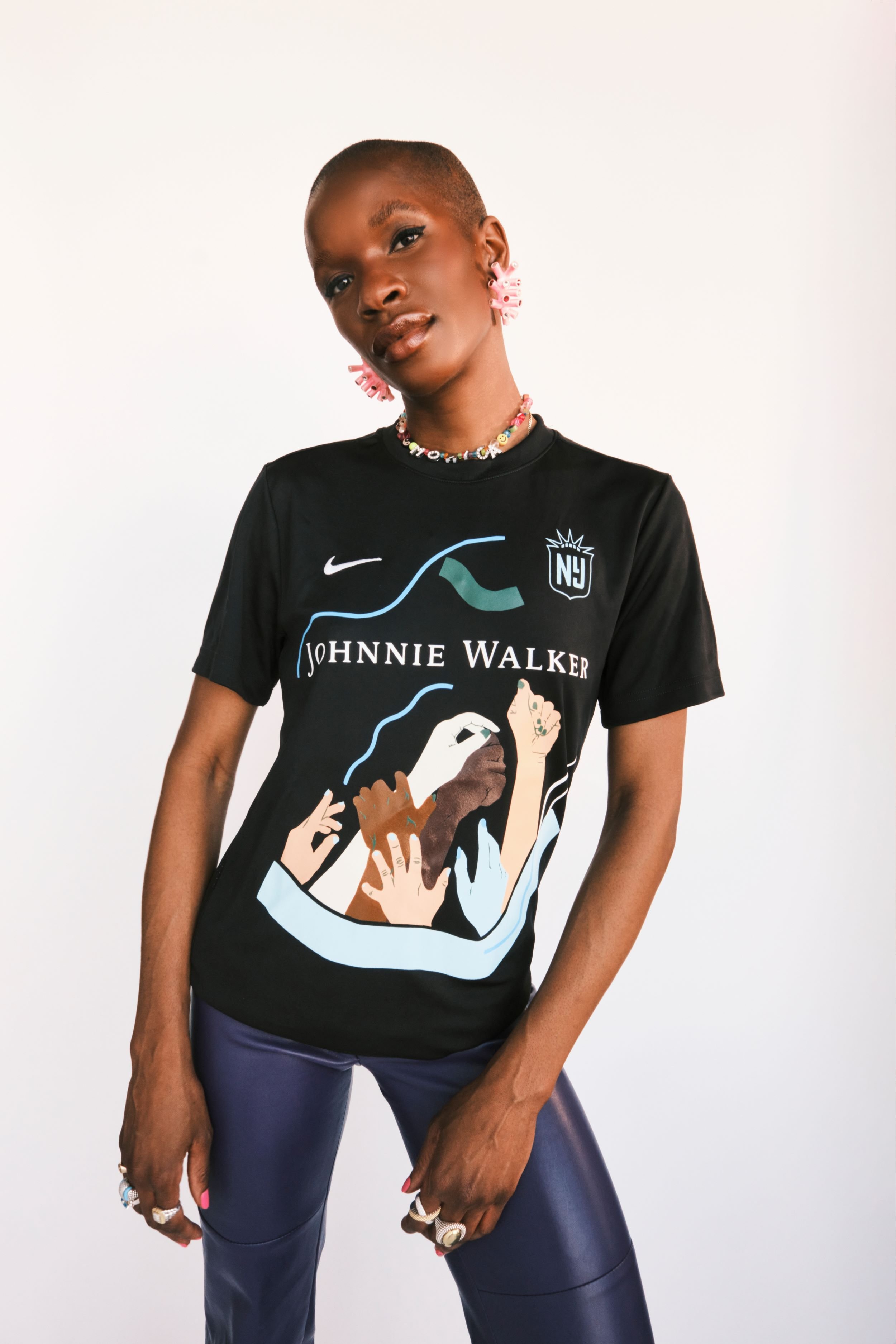
We’ve seen Monica Ahanonu’s work with a number of brands so when we had a chance to talk about her latest work and partnership with Johnnie Walker, we wanted to find out more about this leading artist in the digital space. Ahead of the highly anticipated Women’s World Cup, Johnnie Walker is fueling the fandom and increasing visibility for women’s sports alongside powerhouse NWSL teams and partners Angel City FC and NJ/NY Gotham FC this summer. She created a design that will be worn by both teams to strive for gender equality at their upcoming match on July 2nd at Red Bull Arena. This partnership represents a one-team approach towards achieving gender equality, her illustration depicts how “we lift each other up as we rise and break through barriers.” In creating this merch line that will be available for Angel City FC (their crewneck) as well as Gotham FC (tops) will be available as long as supplies last. A donation from the team’s merch proceeds will be going towards the Women's Sports Foundation. We wanted to find out more about this partnership as well as what she has going on.
ATHLEISURE MAG: For our readers who may not know about you, please tell us a bit about your background and what you do?
MONICA AHANONU: I’m an illustrator, creator and model based in Los Angeles. I’m obsessed with playing with color in any form. I started my career at DreamWorks Animation working on some of their feature films and am currently IMG Models’ first signed illustrator. My client roster spans brands in media & entertainment, fashion, beauty, consumer products, and publishing. Some recent clients include Vanity Fair, PepsiCo, Apple, Google, Facebook, Netflix, NASA, Adobe, Sephora, Simon & Schuster, and Ruggable.
AM: What is it about being an illustrator and a creator that you enjoy?
MA: For my digital art, I love playing with color and being able to quickly change the colors of a piece to mix and match patterns or try and make two colors match that wouldn't normally go together. As a creator it’s great that every day of my week is typically different. I don’t do well with monotony so having a wide range of assignments and projects to work on allows a lot of variety in my days.
AM: You're known for spotlighting diverse cultures and including themes of inclusivity and equality in your artwork. Why is this important to you?
MA: It’s important to me that younger generations and people in general who may not feel confident in themselves realize that just because you don’t look like those around you doesn’t mean you aren't beautiful. I find that the world is more exciting when people are being authentically themselves and expressing their individuality as they go about their day however that may be.
AM: Where do you go for inspiration when you're creating your next piece?
MA: Most often I’ll look at fashion to get inspiration. I’ll sit outside and people watch, go to a vintage store, and look through clothes or I’ll look through recent collections online. I love seeing the silhouettes and unique fabrics that are being used to create the newest handbags or pairs of shoes - things that you wouldn’t normally see utilized and then analyzing how it lays on the body and moves as someone walks.
If not fashion, I will often watch old cartoons or take a nap because I have really vivid dreams. I can typically tell myself that there’s something I want to have a dream about and then I can lay down that topic or object will naturally get incorporated into an odd dream that gives me some type of inspiration or direction - mainly if I’m stuck on something or haven't been able to find inspiration by sifting through the internet.
AM: You have collaborated with Johnnie Walker in the past. What is it about this brand that you enjoy working with and what was it like to partner with them on this project specifically?
MA: I first partnered with Johnnie Walker to design signs of empowerment and progress for participants during the 2019 Women’s March in Washington, D.C. These along with other signs carried during the march were then featured in an exhibit curated in partnership with the New York Historical Society – Center for Women's History to commemorate the messages of optimism and unity represented through march signage as well as the spirit of collective progress moving our country forward.
When the Johnnie Walker team reached out to collaborate on this initiative in celebration of their partnerships with Gotham FC and Angel City FC, two powerhouse women's soccer teams, and all women in sports who are breaking barriers on and off the field, I was eager to come on board. It’s amazing to work with brands like Johnnie Walker which have steadfast commitments to gender equality and actively work to uplift underrepresented communities.
AM: This project is interesting as it's focused on increasing the fandom for women's soccer. How is the brand doing this with NWSL teams and their partners Angel City FC and NY/NY Gotham FC this summer?
MA: As women’s soccer takes the ultimate stage this summer, it’s prime time to highlight the significant gender gaps in sports and provoke equal visibility for women athletes, teams and leagues all year long. In collaboration with Johnnie Walker, Gotham FC and Angel City FC, we created a unified design which the players from both teams will wear during warm-ups on the July 2 match at the Red Bull Arena to underscore the one team approach to achieving equality.
The designs are available as limited-edition tops for fans to purchase in the teams’ respective colorways by visiting the Angel City FC and Gotham FC online shops. Not only is this a way for the fans to sport their support and join our mission, but a portion of the proceeds will also be donated to the Women's Sports Foundation to support their ongoing research to help inform the change in culture needed for equality and their mission to enable women to reach their potential in sports.
AM: How did you go about designing the merch for ACFC and Gotham FC for this game that will take place on July 2nd at Red Bull Arena?
MA: In this design, I chose to focus specifically on the hands of the players we are representing. Hands can convey a wide range of emotions, and I wanted to capture the feelings of celebration, camaraderie, teamwork, strength, and unity in a single glance. The lines surrounding the hands represent the dynamic exchange of emotions and energy between a crowd of people experiencing the same event. By depicting hands grasping one another, I sought to illustrate how we lift each other up as we rise and break through barriers. As a team, we often celebrate not only our personal victories but also the triumphs of our teammates and the collective success of our group.
AM: This collaboration is part of First Strides which is a larger initiative. Can you tell us about this and what we can expect for this?
MA: I’ve always admired Johnnie Walker for being a brand that stands for collective progress and its First Strides initiative turns this commitment into action by supporting the people and organizations who are doing the work to push culture forward for underrepresented communities. By celebrating, inspiring and enabling bold strides taken for progress, Johnnie Walker seeks to create more boundary breaking, first time achievement through grants, visibility, mentorship and empowerment.
Our partnership is just the beginning of a summer-long initiative to increase visibility for women’s sport, so stay tuned for more from Johnnie Walker to be part of a community that values and uplifts women athletes.
AM: You're always working on a number of projects. In addition to being the Co-Founder/Creative + Style Dir of Athleisure Mag, I am also a stylist and I loved your Lagos partnership which had stunning imagery and I believe you were at an event with them that I was also at as the team was talking about you while I was there. What are you working on now and what projects do you have coming up that we should keep an eye out for?
MA: Currently, I’m working on some exciting Web3 projects, a fashion campaign that comes out in the fall, as well as a broadcast commercial that will run during later this summer!
Read the latest issue of Athleisure Mag.
Featured

PHOTO CREDITS | Craig Sjodin
THE BACHELORETTE S. 20 E. 1 | WELCOME TO CHARITY'S SEASON!
PHOTO CREDITS | ABC The Bachelorette/Craig Sjodin
ABC’s The Bachelorette Season 20 is kicking off tonight and we’re excited for the second part that will take place tomorrow as well! will kick off as we follow Charity Lawson and her journey! Since we still have a few weeks to go, here’s our sneak peek on the men that are slated to be on her season.
Of course, Jesse Palmer is kicking us off and reminding us that this show has been around for 20 seasons! We get to know a little more about her background and what she is looking for. Based on the promo, we know that there are going to be a series of surprises so it’s a “brace yourself” moment for sure. We meet the guys and she definitely has a good group and we meet the mystery man - her brother Nehemiah who is going as Undercover Brother, the bartender. This way he can hear everything that is going on and he can help his sister. During The Bachelor, we know how protective he is of his sister, so this is a great fit! So far, we’re loving James who brought a gift that happened to be a note from his mom who said that she became a fan of hers and the show from the season. In addition, she gave them donuts and cider from their farm in Indiana which was so sweet!
Her brother continues to watch the men as they wait to chat with Charity, We also get to know more about Spencer as he shares that he is a father. It’ll be interesting to see if Charity will allow him to stay so that she can get to know more about him as he comes off a little awkward, but we can understand how stressful it would be for him to be there.
Brayden and Charity have a lot of chemistry. We like Brayden, but after the kiss, he didn’t realize that he was talking to Nehemiah, the bartender aka Charity’s brother and his kiss story came off really cocky. Nehemiah let everyone know that he is her brother and that he was going to let his sister know what he learned and observed from the night. You can see the men rethinking all the things that they said when they were near him. The siblings chat and Charity talks with Brayden as he tries to explain that he wasn’t trying to be cocky. She takes a moment to think about everything. She gives him the First Impression Rose because she feels that if he feels confident about their connection, she knows that he should feel that way! She walks in with him wearing the rose on his lapel and you definitely feel the mood shift in their room.
Charity gave roses to | Aaron B, Aaron S, Adrian, Brayden, Caleb A, Caleb B, Dotun, James, Joey, John, John Henry, Josh, Kaleb K, Michael, Sean, Spencer, Tanner, Warick, and Xavier
Charity sent home | Chris S, Joe, Khalid, Nick, Peter, and Taylor
Each night during this season, we will tweet about The Bachelorette and you can chat along with us (@AthleisureMag + with our Co-Founder/Creative + Style Director, Kimmie Smith @ShesKimmie) to see what’s taking place!
Each week we will let you know who our faves were from the last episode and if we’ve changed up since then as it pertains to who we think should go to Hometowns.
We also suggest a podcast that we’ve become obsessed with over the past few seasons, Wondery’s Bachelor Happy Hour to get their feedback!
WHO WE WANT TO SEE GO TO HOMETOWNS
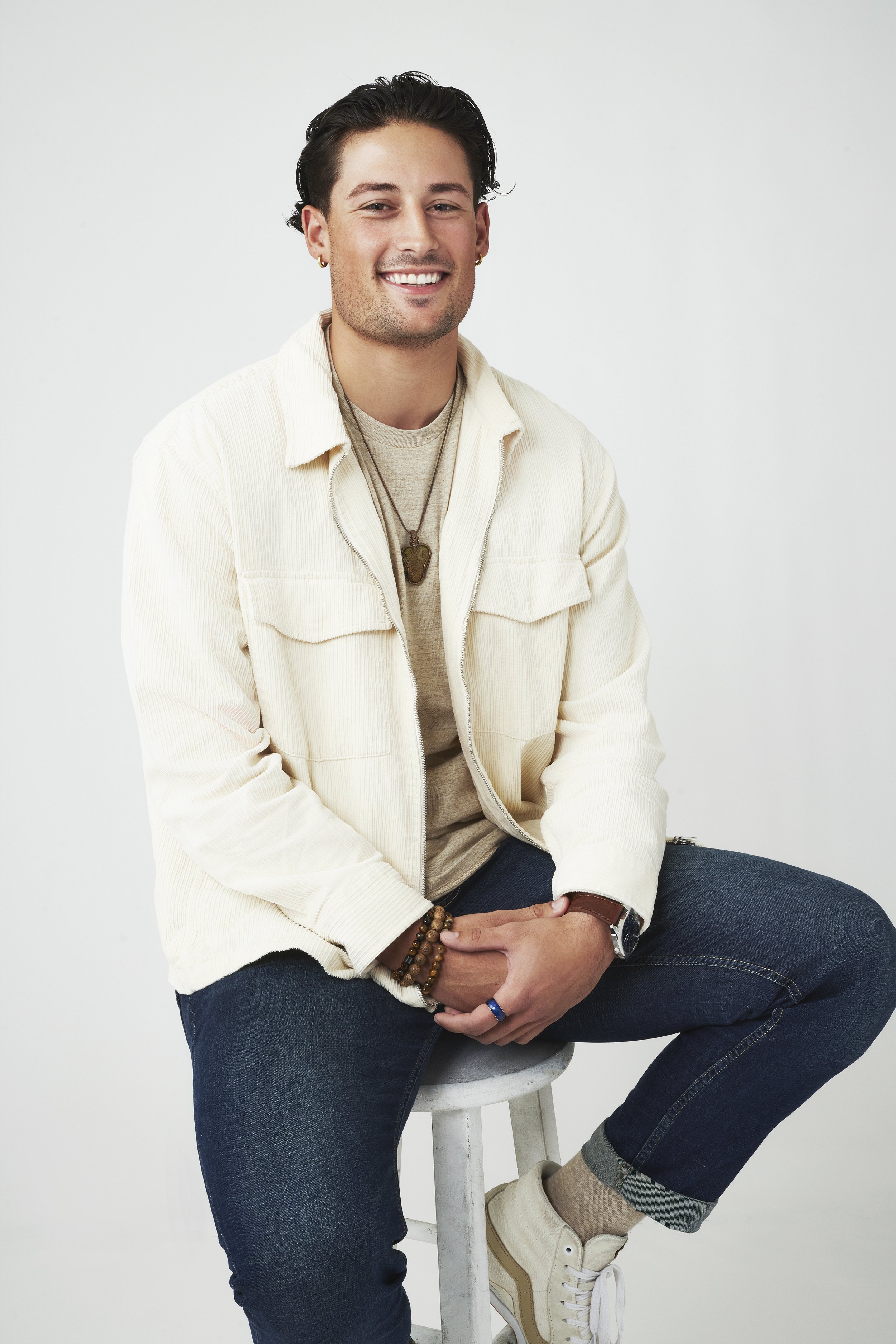
THE BACHELOR CONTESTANTS
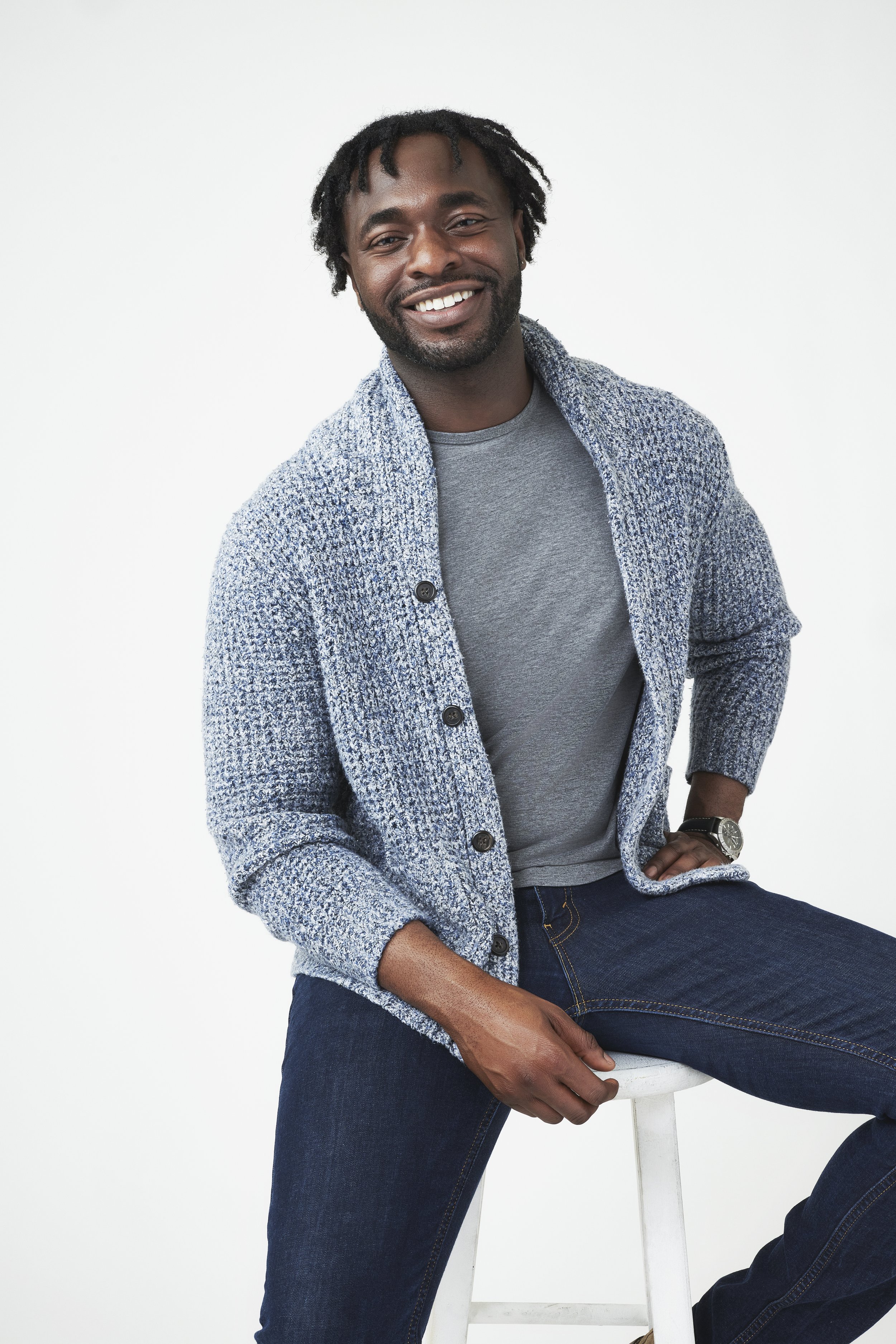
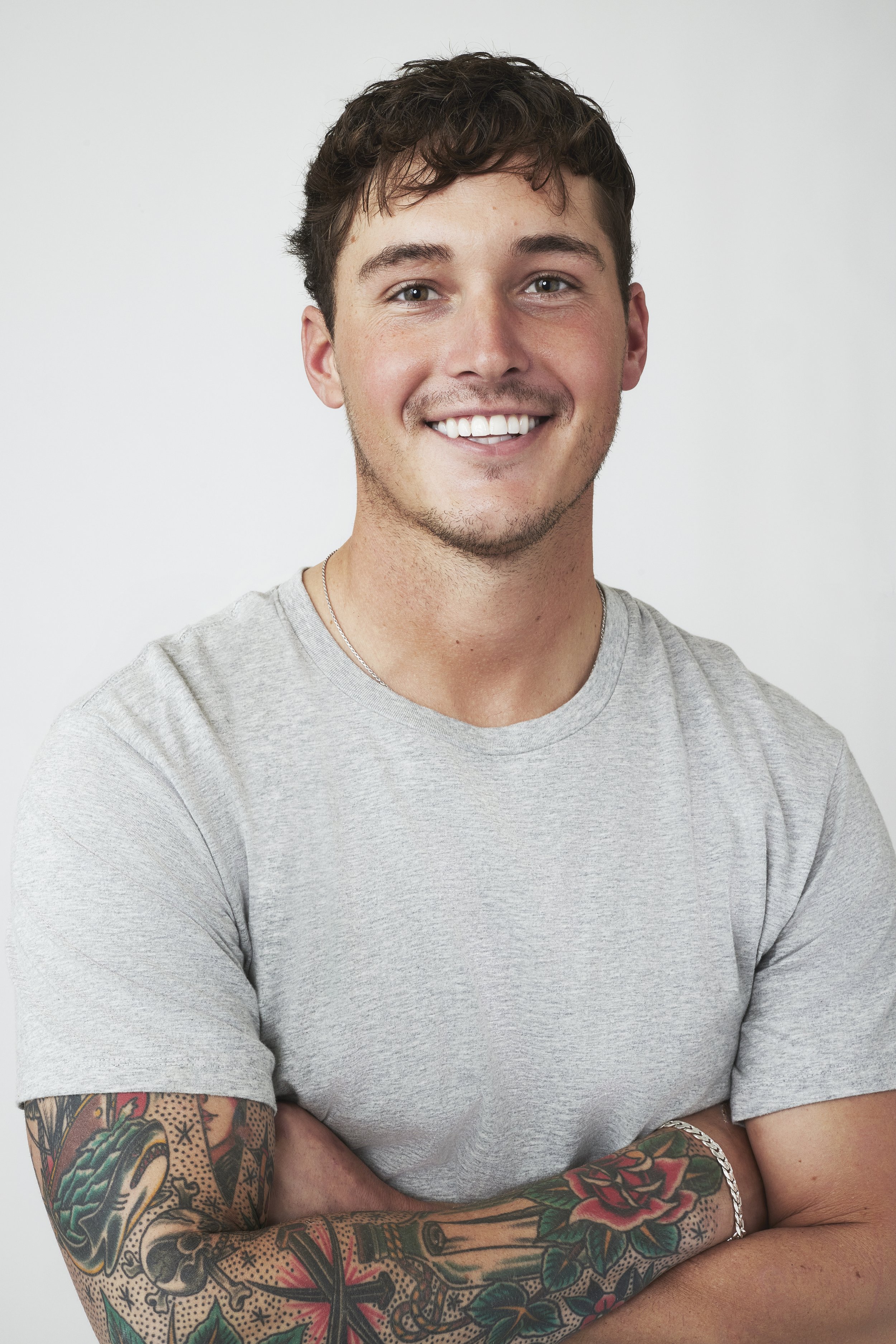
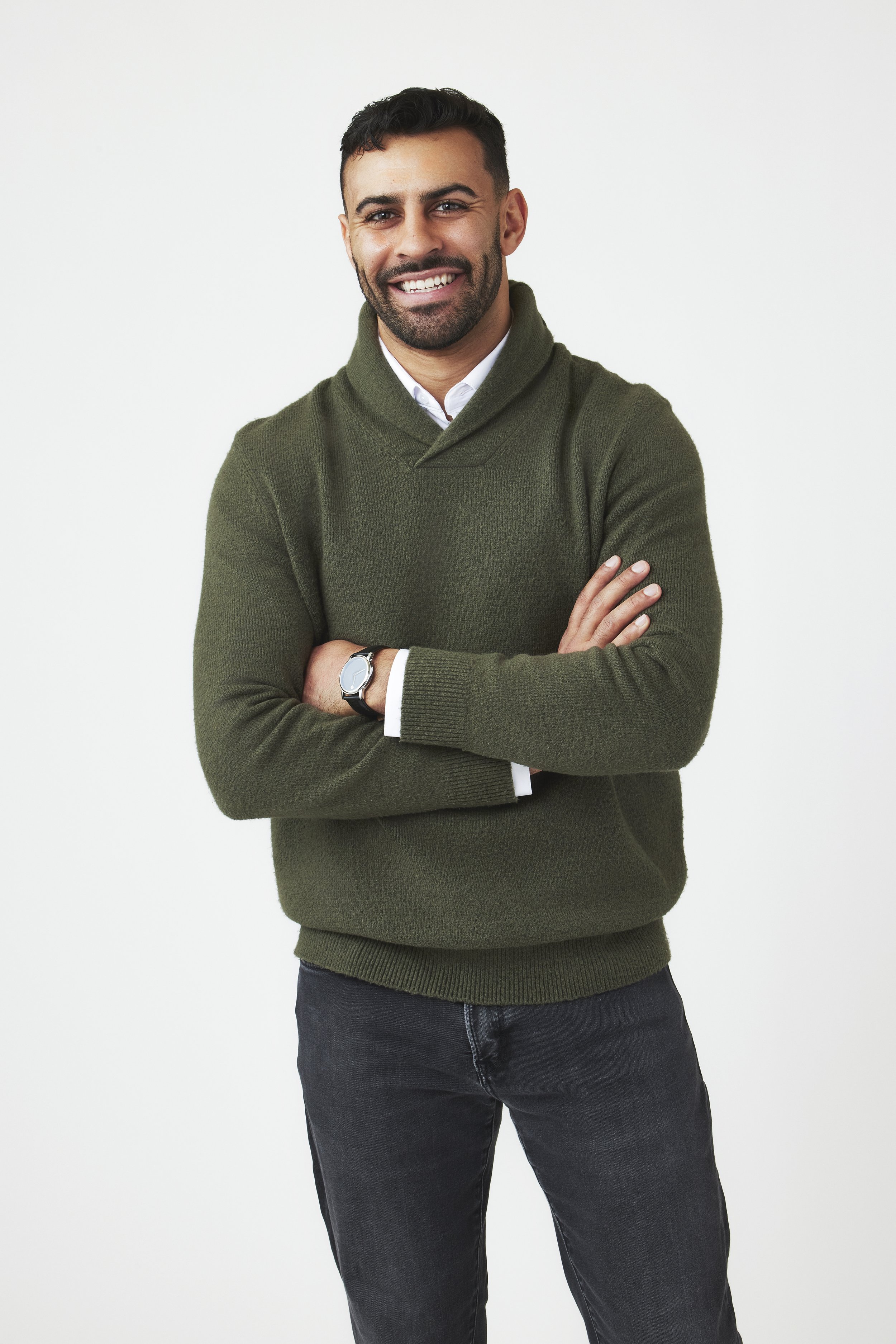
Read the latest issue of Athleisure Mag.
Featured TV Show
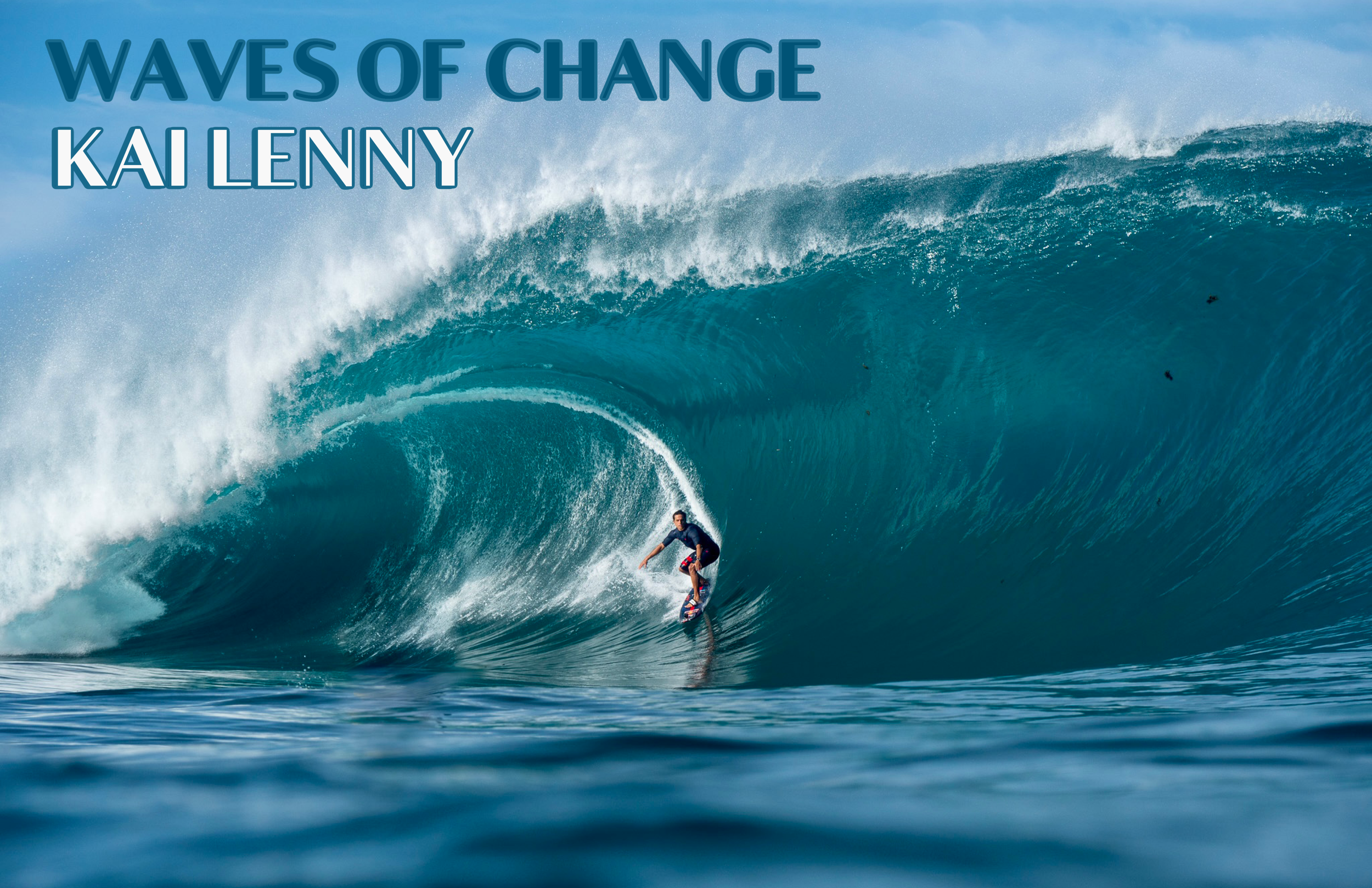
WAVES OF CHANGE | KAI LENNY
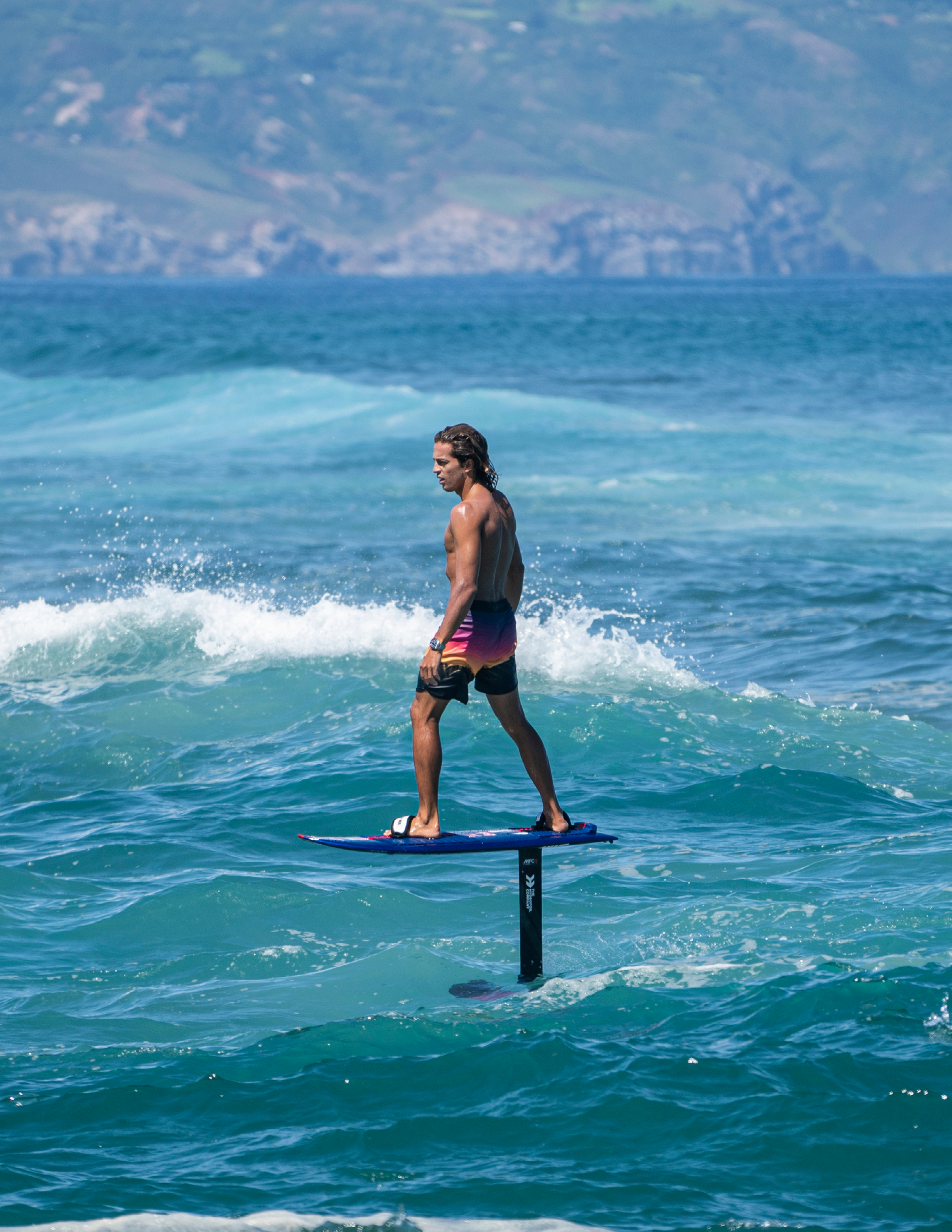
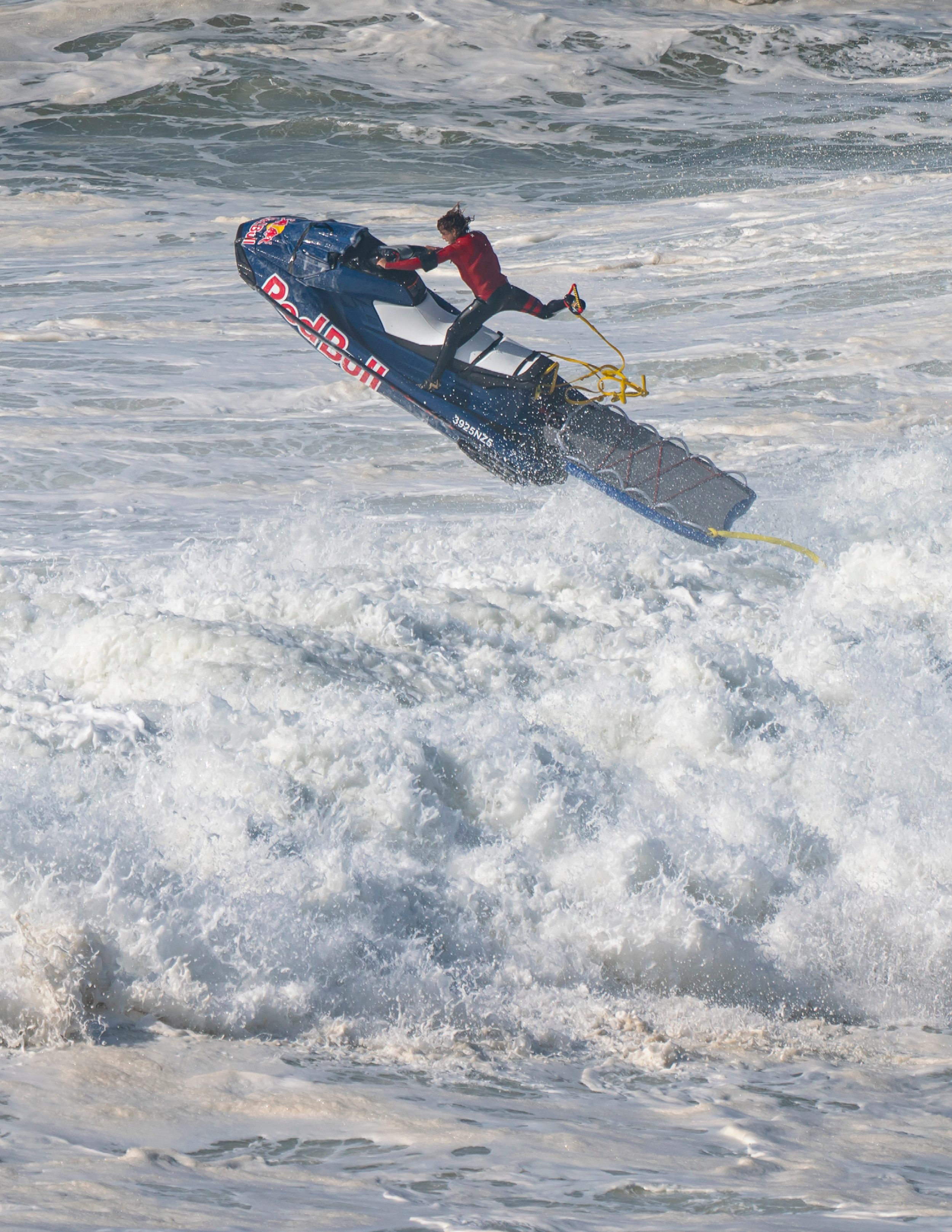
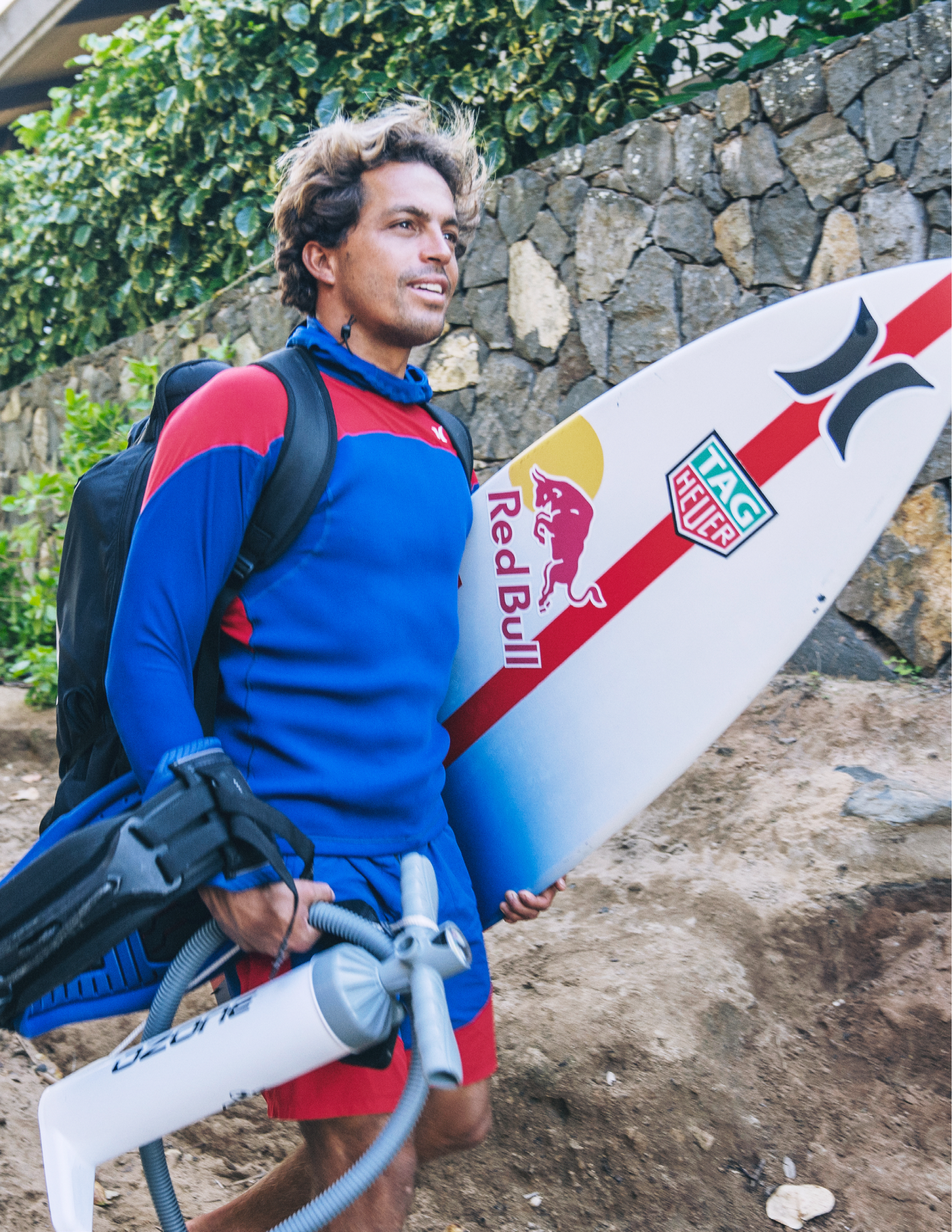
This month's cover is with 8X standup paddleboarding (SUP) champion, and accomplished legendary waterman, Kai Lenny. He has mastered big wave surfing, windsurfing, bodysurfing, hydrofoil surfing, kitesurfing, SUP, prone paddling, and more. Where there's water, he's there enjoying all that the elements can give him as he utilizes his athleticism to navigate it. He's known as a hydrofoil surfing pioneer and was one of the first wave riders to self propel himself into a wave, ride it, kick out, pump his foiling gear back in the sea and then catch another wave! He has had a number of accolades from winning the WSL Men's XXL Biggest Wave Award and the Men's Overall Performance Award in 2019, in the same year he was inducted into the Surfer's Hall of Fame and named Surf Industry Manufacturers Association's Waterman of the Year, in 2020 in addition to winning the Men's Wave of the Day, Team Champions trophy at the Nazare Tow Surfing Challenge at Praia do Norte and also received the Biggest Wave and Performance of the Year at the 2020 Big Wave Awards to name a few.
We caught up with Kai while he was in Bali to talk about how he became a waterman, his career, his partnerships and the projects that he's working on from the Life of Kai to his focus on sustainability.
ATHLEISURE MAG: When did you first fall in love with the ocean?
KAI LENNY: I think that the ocean – I feel like it was just in my veins when I was born because it comes down to the circumstances of where I emerged into this world which was in Hawaii, in Maui, to loving parents that had a real passion for the ocean. When you’re that young and you’re just kind of taking in basically the world that your parents have created or that you’re a part of, you end up becoming your environment. I knew no better then to have a love for the ocean because the culture of just being in Hawaii and it was like being outside, just playing in the waves and riding in the wind – that was just normal. My love, I think it was there before I even knew. I mean in the description, I knew that my parents loved me and I knew that I loved the ocean. That was how I found and felt loved.
AM: When did you decide that you loved doing all of this, and that you wanted to take those passions and make it into a career?
KL: You know, pretty much early on! Obviously, there was no social media back then, you had DVDs, VHS tapes, magazines. My super heroes to me were not comic book heroes, because I actually have real life ones that were these incredible athletes that surfed, wind surfed, kite surfed, rode giant waves because the people that I was looking at in the magazines and in the movies, because I was able to see them also in person, because I was growing up in the mecca of watersports, it really was something that I immediately wanted to do! I remember when I caught my first wave by myself when I was 4 years old, it was like, that’s what I want to do for the rest of my life. I don’t care what it takes, I just want to be able to do this. It’s just that my life has just evolved in that direction. I’m totally living the dream right now!

AM: We love to hear that!
As a waterman, you have mastered so many modalities from being a wind surfer, SUP, and more! Why is it important for you to be this versatile and to use the water as such a big canvas?
KL: I just think that I looked at a waterman and a waterwoman as being somebody that can do anything in the water – ride waves from 2ft to 100ft, also being able to go below the surface of the water and to be a fish in a way! So, the ocean really is a place that can provide everything for somebody to survive and to live and to enjoy. I think that that is really a testament to ancient Hawaiians and how they sort of figured out one of the best ways of living life and their whole culture was surrounded by the ocean and not only – very few cultures in the ancient world allowed time for leisure and play and fun. The Hawaiian culture did that so kind of just taking what the ancient Hawaiians did before and fortunately, we live during a time of modern advancements and technology so that all of the toys and the fun equipment evolves and there’s more opportunities to see sort of a different face of the same sort of book or cover. You can ride a wave 50 different ways and it can feel like 50 different experiences, but the spot is the same exact one. So it’s all about perspective and how you come into it and at the end of the day, it’s about riding waves, riding wind and having fun and making the most of our time on this planet!
AM: Well, do you remember your first big wave or what you felt at that time was your first big wave?
KL: Well I mean, going way back, I think that waves are relative you know? When you’re I don’t know, 8 years old and you’re riding a 15ft wave, that’s a big wave! My first wave when I was 4 years old, by today’s standards, it would have been maybe chest high for me now which is very small! But when you’re 4 years old, and you stand less than 2 feet tall, it felt like a giant wave! I think that that’s what I love about surfing and what I love about wave riding in general, everyone is a big wave surfer in a way. You only discount yourself as a big wave surfer when you start comparing yourself to others. Because there is always someone out there who’s going to ride a bigger wave probably. You know?
AM: Right!
KL: It’s not something that you can get in on any given Sunday, there’s a bit of luck involved in getting the single biggest wave, but I have always found that at a certain point, above 50ft, it all just feels the same. It just feels gigantic. But yeah, my first legitimate big wave which would be my career starter was when I was 16 years old and it was at Pe’ahi also known as Jaws, on Maui. It's the Mount Everest of big wave surfing, the best big wave in the world with my heroes, Laird Hamilton, Dave Kalama – they took me up there for the very first time. I was riding a hydrofoil board, but back then it involved snowboard bindings and so the consequences were extreme, but that sort of was the first day of my big wave career and so I have been surging giant waves every single year since!


AM: If you had to choose, what is your favorite watersport?
KL: I think that that is a really difficult one, it’s like, picking a finger for me, you know? It’s like, which one would you want to chop off, you know? I sort of like all my fingers, but you know at the same time, trying to describe the sensation of these sports, is like trying to describe to somebody a color that they have never seen. It’s hard to explain as each one in their own way is very special and unique and in the right conditions, that sport that I would be doing is my favorite in the entire world. Sometimes when you try to force a sport and not in the right conditions, it can still be fun, but it’s not like when the conditions line up. If I considered myself an ocean mechanic, and I had a tool chest of all of these different tools, one wrench is not going to help me fix the entire car necessarily or work on the entire car. So, it takes having many tools to kind of get to the point of riding the wave in the best possible way that I could imagine.
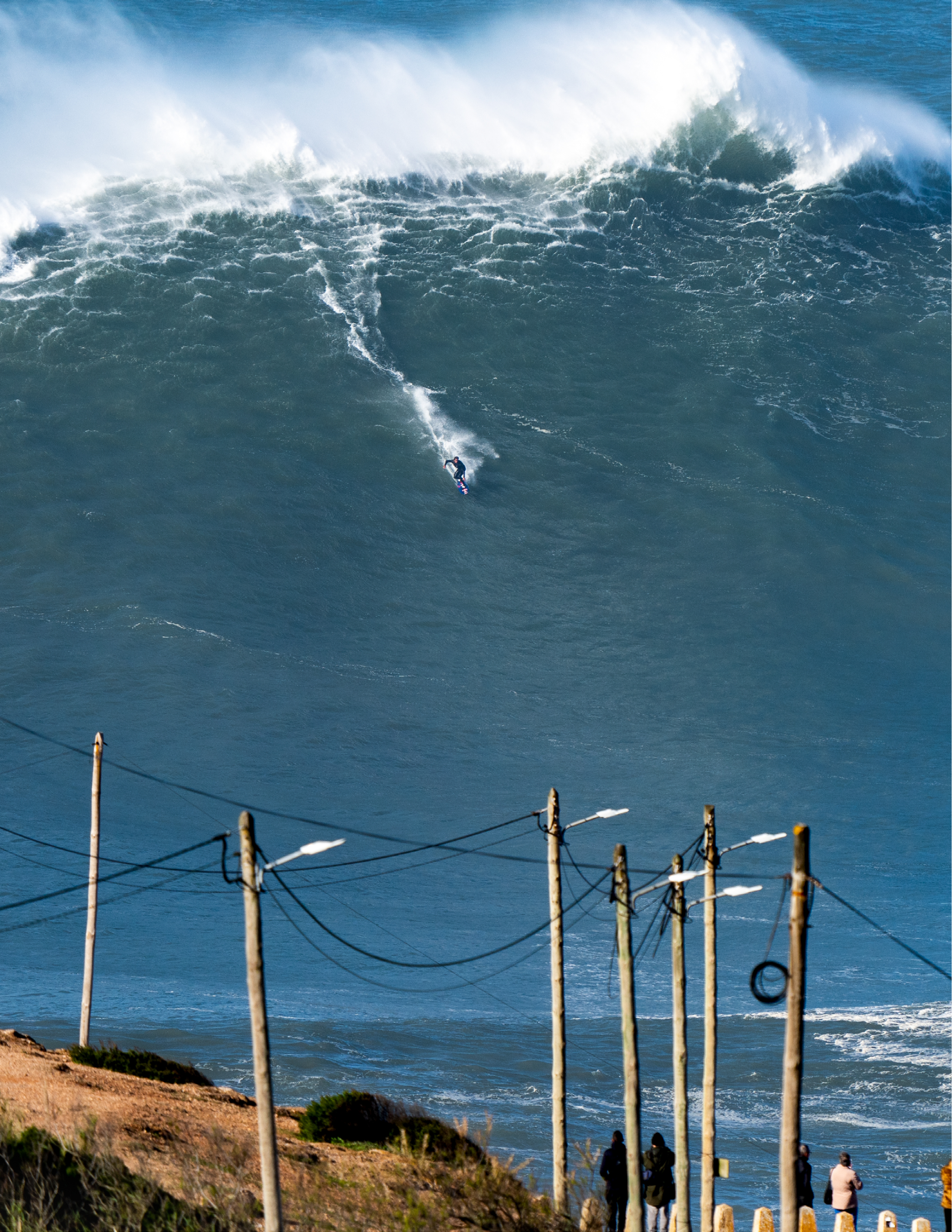
But that being said, if I could choose at this point, the most ideal condition to be in, it would be the culmination of every single sport that I do which is riding a giant wave on a tow-in surfboard going 55 miles an hour – I think that that sport is born of every sport that I do on a daily basis and it’s the type of sport that doesn’t happen every single day. You only get a handful of times per year to participate in something like that. So that’s like the pinnacle or the culmination of every sport that anyone has ever invented in the water.
AM: Wow!
You have competed in a number of tournaments, you surf the unsurfable, and you have such legendary status, what drives you to continue to do this?
KL: I guess beyond the desire to win competitions or to get another sponsorship deal or whatever, it’s the love of actually doing it! I often think that if I lost all of my sponsorships and I couldn’t be a professional surfer or athlete, I’d probably just be working a regular job as hard as I could so that I could literally go do exactly what I’m doing! I don’t think that I would have the opportunity to be able to do the extent of what I do at the frequency, but I pinch myself everyday that I am able to let my mind and imagination go wild! People support me to be able to go do this. It almost feels like I’m cheating at something in life! I try to just work hard every single day to make it happen. It’s something that I would do no matter what. Even if I had all the money in the world, I was the richest person on Earth, my actual life probably wouldn’t change that much. I’d probably not be on social media much and I’d be surfing even more. But for the most part, I’d be riding the same waves and doing the same sports.
AM: Do you have any routines that you do before or after competitions that are always your go-to’s to get in that mind set?
KL: I always try to go to the basics, I try to go to my foundation which is not thinking about the result. Obviously, I know the result that I want which is to be #1! Sort of less about like, comparing myself to others and I always feel that if I put in my best performance, I’m going to win and I don’t necessarily need to compete against anyone because surfing, and the collective surfing sports, are judged so it’s kind of a subjective view and you can ride the way that you want to ride, but at the end of the day, you kind of have to conform yourself to what the judge is looking for. That’s just the art of the game. If you’re playing a game of chess, there's the way that you want to play and then you’ve got to do what your opponent is giving out and you sometimes have to consider your opponent is the judge too. You’re kind of doing a dance with the judges to kind of get their approval.
I think that for me, the lead up to an event, it’s all about doing everything that I can, all of the training, all of the hard work, so that when the day comes, I don’t have to worry. I can fall back on my training rather than feeling like I didn’t do enough. I would say that the categories are, physical training, mental preparation, and then making sure that my equipment and the technology that I got is the best possible stuff that I could be riding. When all of those align, you kind of just have to see what happens. Most of the time, you can come out on top when you do it right.
AM: What is a typical day like when you’re surfing? How many hours a day do you surf?
KL: Before children, probably 8 hours! Now that I have kids and they’re really young, it’s a lot less because obviously, daddy duties and all that! I would say that now, I’ve become a better athlete because of it. In a way, in the past, I would overtrain. I would spend too much time in the water and my body would get fatigued and mentally, I would be drained. It’s pretty intense to be in an environment of these situations, but also just being out so often and pushing your body and never getting a rest day, that also holds you back! Less time on the water has actually meant that I have gotten better, faster because resting is actually training as well. Resting is just as important as lifting really heavy weights or doing your sport. It’s about finding a balance. You can’t be resting too much and you can’t be overtraining.
In a perfect world, I would be out there 100% of my time, but that’s just not the world that we live in!


AM: Clearly, surfing is a total body workout, but are there other workouts that you do either in the water or out of the water to maintain your physique?
KL: Absolutely, you know, it’s difficult when you’re traveling, because you’re just adjusting to time zones and you’re probably spending more time in the water then you have the ability to go to let’s say a gym. The types of gyms that might be around, they may not be existent in the surf world because of the remote places.
When I’m at home, my training routine is to get in the ice bath before bed every night to kind of recover. I have a hyperbaric chamber that can kind of cut down a rest day from 2 rest days to just 1 rest day. Doing hot and cold which is going through a sauna to the ice bath is very important. That’s just on the recovery side of things. I would say, that as far as training and beyond getting the workout in from being in the water, it’s going to the gym and doing different kinds of exercises and working out and actually doing enough heavy lifting with some heavy weights. I would say that it’s not about stiffening up because most people think you have to be as flexible as possible and that’s really important, but you don’t also want to be too flexible because you can actually break joints in the occupation that I participate in. So, it’s building up the muscles around the knees, the VMOs (vastus medialis oblique muscle), strengthening the shoulders, the hips and being able to handle the power of a big wave that crashes onto you. I do that 5 times a week, also going on trampoline training to get bare awareness. That’s a great workout and no more than 30 minutes will do the job! Underwater pool training, so carrying weights underwater and holding your breath simulating a big wave wipe out. It’s hard to – it’s difficult to do all of those things in one day. Depending on the season and depending on the time, you can be very well trained if you play your cards right. They’re all fun activities to do anyway.
AM: What competitions are you focused on for this year that you’re excited about?
KL: So right now, it’s a bit of my off season at the moment. Winter has passed in the Northern Hemisphere and typically, my biggest events are in the winter. But now that we’re in the summer, there’s a lot of opportunities to do some events.
Of course, every event you enter, you want to win. At the same time, my focus is right now riding big waves. One of the races that I want to do is Molokai 2 Oahu which is between one of the most powerful deadly channels in all of the Pacific. I’ve won it 4 times now across different disciplines from SUP to foiling and I’m going to go on a hydrofoil again this next year. That’s a really great test to see where your endurance lies. It’s in the middle of the summer. It’s July 30th, the last Sunday and that’s a good testing block for winter. Because winter is not too far off after that. In between there, if there is a fun and exciting event, I’ll enter. But right now, it’s about the winter time events.
AM: That’s incredible.
It was really enjoyable to watch the first and second season of HBO's 100 Foot Wave which can be seen on Max. Why did you want to be part of this show and what drew you to it?
KL: Well, it’s really cool! I was really honored to be on the 100 Foot Wave show. That being a show that recognized big wave surfers to a mainstream audience when our sport is typically reserved, or at least endemically for who’s riding what – I think any big wave footage that makes it to the mainstream, no one can tell who’s really going down the wave because we all look like specs. I wouldn’t say that I wanted to be on the show, so much as they sort of chose me. I was really grateful for that. It’s not something that you could really force unless you produce the show yourself or someone comes to you. The show wasn't about me, but I was able to be part of it and you know, that legendary figure, Garrett McNamara, is leaving an indelible mark on big wave surfing. His story is unique and special. I’m glad that people are enjoying it. It’s just bringing more eyes to this incredible sport.
The truth of the matter is, riding big waves is probably the most dangerous form of surfing and it’s typically also where maybe, people have the least amount of resources to do it – to support it. The stories that come out of big wave surfing, I’m probably the most successful big wave surfer, but there are so many guys and girls who work hard jobs during the summer months so that they can go surf giant waves in the winter and spend all of their money. It’s really a nomadic, mountain man/woman – it’s just so hardcore and those show really shines a light on the hardest working people in surfing.
AM: What is it about Nazaré that you enjoy being there?
KL: I think that Nazaré is a freak of nature. It’s the perfect combination of monster waves meeting in Europe. I think that if you saw the show, it’s a wave that’s hidden in plain sight. I mean, it was only surfed in the late 2010’s and that’s just kind of incredible because big wave surfers are always looking for the biggest waves in the world to ride. It just so happens that there was one in Europe and in Portugal, a surf rich country that it just came at the perfect time for this town where society and everything it dipped in to, the world supply chain and the small fishing village which once was supported purely by fisherman – it was a dying town. When the surfing world converged into this incredible place, it definitely brought so much new life that the town is now as well known in Portugal as being a fishing village as well as one of the most renowned big wave surfing destinations on planet Earth! It attracts tens of thousands of people per day to go watch these magnificent monster waves. Vertically, they're some of the tallest waves on the planet and some of the most challenging surf that a big wave surfer will encounter. It’s just that the story of the town itself, in a way, is far more interesting than even the waves that are being ridden out there now. It is the one place on Earth that you can go as a big wave surfer and be recognized by people! Most of the time I feel like as a big wave surfer, you’re kind of like moving silently in society before you step outside of the bubble to go ride these monsters out in the ocean. There, it’s a real unique place, and I look forward to going back every year and I count my blessings that I come home safe. Most recently, we had a friend, Márcio Freire, that died there and that was the first death in modern big wave surfing at Nazaré and it was tragic because he was a pioneer and it just goes to show you that no one is safe. You can go and get really unlucky. You just have to put yourself in the hands of a higher power and if you really want it, you have to commit.

AM: Last year, you released your movie Pe’ahi. Why did you want to tell this story?
KL: That film Pe’ahi, was really inspired by part of my life story, partly my director’s life story and I think you know, truly trying to shine a light on the realities of Hawaii, I would say that it’s a yin and yang. On one side, Hawaii gives you the greatest opportunities to become somebody and to do something great. I don’t know if you watch American Idol, but Iam Tongi just won and he is the testament to exactly why we wanted to make this film.
Coming from humble beginnings on the east side of Oahu to being at the very top, I’d say that our film really lines up with his story because that’s a real Hawaiian story. If you play your cards right, you're passionate and you love what you do, you can become the greatest because everyone is looking to Hawaii at all times. But, Hawaii in some ways, is like a third world country. There's a lot of poverty, there's a lot of homelessness – on one side, there’s this billion dollar tourism industry and there’s also locals who can barely afford a tent. Cost of living in Hawaii is just outrageous, especially for the ones that generationally, have been born and raised there.
Instead of just feeling sorry for ourselves, there was this need to try to make a film that would inspire kids who do come from the most humblest of beginnings to go all the way to the top and to be the best at anything that they want to do. Surfing was just a natural vehicle to carry the story. It’s a story of hope and perseverance and working hard to get to where you need to be. It’s just wanting to tell that story that we always knew existed, but that not a lot of people outside of our community, knew existed.
AM: Tell us about the Life of Kai? How did this come about? You’re in your 3rd season which is amazing!
KL: The Life of Kai is basically, adventures that I’m very lucky to partake in. It’s about the people that I’m meeting along the way. It’s not just about showing my best moments, but showing – I wouldn’t say the struggle, but the uphill battles to get to the ultimate goal and if you want to do anything amazing in this life, there’s always going to be a lot of work that is going to need to be put in. There’s going to be the ups and the downs. It’s showing that with perseverance, you can overcome any obstacle and you can do fun stuff and that’s kind of like the whole idea behind the series. I’m sharing this adventure and at the end of the day, it’s about inspiring the next generation and most importantly, being able to entertain people too, you know and letting people be able to takeaway what they want from the show. Not necessarily trying to sell them on anything – not that they have to be a surfer or ride giant waves. If they can see the passion for what I like to do, hopefully, they can translate that into what they want to do.
AM: As passionate as you are about the sport and what you do, you’re also vocal about the oceans and beaches. You’ve partnered with A New Earth Project in this effort. Can you tell us more about this?
KL: I’ve been given so much from the ocean that it only feels like my responsibility to give back and raising awareness is always great! We’ve done so many beach cleanups. It’s only the tip of the iceberg. What I really love about working with the A New Earth Project is that it's not just about bringing awareness, it’s not just about cleaning up beaches and rivers, it’s actually about going to the source of the solution and A New Earth Project is part of Atlantic Packaging which is located on the East Coast. Their whole goal is to change the plastic wrapping that goes around every soft drink or soda that is shipped around the world into something that is environmentally friendly. That company is working on ways to produce product that is not going to affect the end user in any way. The end user won’t even see a change, but behind the scenes, I think that that is the only way that we can save our oceans from plastic pollution. Not trying to get people that don’t really have a real relationship with the ocean to change, why not just change the stuff that has been delivered to them. They can still enjoy it the same way and that’s sort of the thought process.
So this trip that I came to Bali was inspired by A New Earth Project. Bali is one of the most beautiful places on the face of the Earth, but it is plagued with trash when western society reached these islands, everything before that was wrapped in banana leaves. Plates were made out of banana leaves, wrapping food was in banana leaves and traditionally, you’d throw the banana leaves into the river because there are so many rivers here and it would flow down into the ocean and it would biodegrade. It was really a cycle of this place, a cycle of life in Indonesia. Without educating the locals and the public here that plastic will stay for 1,000's of years, there just seems like there is no education behind that. So being able to come down here with A New Earth Project, we got to link up with a lot of local groups that are working to basically educate the people and to kind of figure out a way for waste management. Any plastic that does end up being produced is never going to end up being net zero, can be picked up. Because there is no trash service like we have in the states. So it’s trying to find solutions that help these people and help the environment. We ended up getting in one of the most gross rivers that I have ever been in in my life because they have these nets that catch all of these plastics and we were just loading up bags. That was a real eye opening experience because every time that you travel to a beautiful place like this, I never want to feel that I am just here to take their waves or to take advantage of anything so it really felt good to at least clean up an entire river for the surrounding people that make this place so special.
AM: That’s really amazing to hear!
Travel is such a big part of what you do. Where are your favorite places to go and what do you do when you’re not in the ocean?
KL: Yeah so, of course, my “vacations” are going to waves! My family vacations are just one tropical place from Hawaii to another! Here we are in Indonesia! Truly, I love to go to places that inspire me and people find inspiration in a number of different ways. For me, big mountains inspire me, big waves inspire me, the ocean of course inspires me! I’d say that 2 places that I have been that have had the nicest people that I have ever encountered, which is really a draw and makes you want to be a better person, is here in Bali in Indonesia. I don’t know if people get any nicer! You can literally drop your wallet and I’m telling you, as beautiful as it is, it’s a 3rd world country and there is a lot of poverty. You drop your wallet with $500 in it, somebody will track you down and give you back your wallet and not take any money. That’s just – it can be the Hindu religion here or just be the way that the upbringing is here – everyone here is just so gracious and kind. It’s amazing! If there’s any kind of crime at all, it’s typically, outsiders or foreigners that are causing a ruckus.The other place is Fiji.
Some of the most amazing people and I think that one thing stands out with these 2 places for Bali, Indonesia and Fiji, is that you can be gone for 10 years and you can return and see the same person, and they will remember your name. There’s nowhere else on Earth like that where they will remember you, they will remember the experience that they had with you and a lot of the people in these areas, may not understand the same way as we do in western society, but they are some of the smartest people that I have met – they speak 5 or 6 languages. If they can remember the simplest of things like your name when you return in 10 years, it’s really unique and exceptional. The destination is one thing, but it’s really the people that you meet along the way that make the places that you go to, what they are.

“Life of Kai is basically, adventures that I’m very lucky to partake in.It’s about the people that I’m meeting along the way. It’s not just about showing my best moments, but showing - I wouldn’t say the struggle, but the uphill battles to get to the ultimate goal and if you want to do anything amazing in this life, there’s always going to be a lot of work that is going to need to be put in. There’s going to be the ups and the downs. It’s showing that with perseverance, you can overcome any obstacle and you can do fun stuff, it’s about inspiring the next generation to entertain people too.”


AM: You’ve been sponsored by Hurley for a number of years and have done a number of collabs with them as well. What is it about this brand that is so synergistic with you?
KL: You know, I try to always align myself
with brands and companies that I can relate to or that are equal minded. Hurley really embodies the surfing culture and there is something so amazing and pure about how in a way it is exclusive, but it is also welcoming to anybody.
That’s the one cool thing about traveling
the world because you get to meet so many unique people from different ethnicities, creeds, and just perspectives. We may be in sort of one group here on land, but together in the water, we’re all the same thing.
Surfing, I think, is a really great craft to be able to gather people. Beyond Hurley being a great brand with amazing product, you know, their ethos is, just have fun. That I think, a lot of companies want to be hardcore like surfing is for surfers and that’s attractive to many people, but I have always been drawn to having a lot of fun in the water with people that you don’t even know and sharing this great experience, because like the great Gerry Lopez once said, “the one having the most fun is the best surfer.” I think that Hurley as a brand, embodies that ethos.
I think that if you can go out and get some Hurley stuff – their trunks and stuff, that literally makes you feel good enough that you want to go out there on the water and do something. That’s the whole point of surfing – it’s sharing this experience and sharing this life. There is always going to be another amazing wave and there’s plenty for everybody!
AM: Tell us about the Kai Lenny Paddle Series that you have with Hurley?
KL: I mean, the paddle series that we have created with Hurley, was really inspired by my trip here to Bali, Indonesia in 2021. I learned so much about my surfing and my athletic performance, but I also realized that I needed certain tools to allow me to surf longer and to have more fun so that I didn’t have to be stuck outside of the water with either reef cuts, rash or sunburn! We developed a board short that had a lot of pockets in it so that I could carry stuff like my GoPros, my sunscreen, basically a snack and anything that I needed, but also up to that point, no one had created a board short where the pockets wouldn’t turn inside out and you’d lose all of your stuff or they became more drag in the water as opposed to being hydrodynamic.
Really, the idea was to have a board short that was something that you could wear on land, dry really fast while you go from one adventure to the next! Maybe it even means going hiking in the woods because most of the time, the best boardshort is one that you only use for surfing. Whereas this trunk is amazing for hiking, it’s amazing for even going out to dinner, going out to lunch, or breakfast. You can carry all of your normal things, but then you can go surfing and have something that’s high performance. Then moving to something like the rashguard or the top that we use, it has a hood to protect you from the sun when you’re trying to surf for hours. It has a pocket in the back where you can put sunscreen, snacks, water, food, tools, and then it’s also designed to not give you rash. But it also has a cushion and a protective layer around your body. Again, all of these things are ideas that were put in that I really wanted. I feel like if I needed these things as a professional athlete, everyone can benefit from it. So far, everyone that sees it, wants a pair of both. I think that that’s pretty cool and it feels cool to develop something that people might want to use themselves.
AM: It’s definitely really cool when that happens and to get that feedback from people!
You have all of these different sponsors including Red Bull and Go Pro for a number of years, what do those partnerships mean to you?
KL: I mean, my sponsors, those partnerships, they are the reason why I get to live this life that I do and they all bring something so amazing to the table. For example, Red Bull has been – above the nice paycheck to basically live and to afford being alive - they are incredible at allowing me to have opportunities to up my level of performance and I mean most recently, and we just filmed this for the Life of Kai series, they brought me to the mountains of Alaska with one of the greatest snowboarders of all time, Travis Rice! I’d always been inspired to ride giant waves from and to look towards snowboarders that they’re doing on giant mountains and in particular, with Travis Rice and they made probably a once in a lifetime dream trip come true. The stuff that I was able to learn by riding giant mountains with my hero Travis Rice, is something that – snowboarding is so far removed and different from surfing. Something like that would have never come up on its own without kind of the support from Red Bull. It’s opportunities like that that make me a better athlete and I’m just always so grateful to be part of that company because they’re more than just trying to give an athlete a paycheck, they’re really about trying to help the athlete become the best that they can possibly be and to support them. They do feel like a family at this point.
With my other sponsors for example GoPro, I love GoPro because they give me the cameras to capture what’s going on in my world and bring people into this crazy environment – to take a camera that no other camera could go into.
And so, those relationships, if I go down the list even farther, Cariuma shoes, they have been amazing. They’re this environmentally safe skate shoe that is the most comfortable shoe that I have ever worn. But for every shoe that they sell, they plant a tree in the Amazon Rain Forest because they are based in Brazil. That’s really cool and their shoes being environmentally friendly is awesome and they’re the best shoe that I have ever worn!
Of course, the people that develop my equipment, people like KT Surfing and Goya Windsurfing, they make the equipment that I ride today. It really does take a village to raise somebody and it also takes a village to allow a professional athlete to perform at the highest level.
AM: How do you give back to those that are coming up in the sport who are also passionate in it?
KL: I remember being a kid and the mentorship that I had from the best water people on the face of the planet and I'm only 30 years old, but every time I do see a kid that’s coming up, I do try to like help them in any way possible to get them to accelerate their performance or to help them not necessarily make the same mistakes and to basically get them to their ultimate goal quicker. Certain things in life, you have to go through yourself of course and you have to learn on your own before you truly understand it, but you know, I think that at one point towards the end of my career which still seems so far away, being in a mentorship role will be probably more exciting than doing it myself. To see the excitement and passion of kids, that want to become something great whether it’s in the water or not, that’s inspiring. Having that young and excited energy really drives me to want to improve!
I may be 30 years old, but deep down, I’m probably still that same 12 year old kid that is just as excited or even more excited to be able to do what I am doing. It’s really important to be there for the next generation and help guide them through whatever passion they’re going in. The next generation is going to be better than whatever I can be and that’s just how you know a sport remains healthy – when the next generation overtakes the previous. That’s good for sport!
“I think that that is the only way that we can save our oceans from plastic pollution. Not trying to get people that don’t really have a real relationship with the ocean to change, why not just change the stuff that has been delivered to them. You can still enoy it the same way...”
AM: As someone who is always on the go, being a dad, a husband, traveling – what kind of self-care do you incorporate just so that you can be present?
KL: I think it’s being able to really turn off the switch. It’s so easy to be consumed by your quest and your passion. You can definitely feel like all of your focus is going to one thing. I think that the way that you get the best out of yourself is when you get home at night and you can turn that I think it’s being able to really turn off the switch. It’s so easy to be consumed by your quest and your passion. You can definitely feel like all of your focus is going to one thing. I think that the way that you get the best out of yourself is when you get home at night and you can turn that off. I can turn it off and just be a dad. I can just be there for my little girls, be a good husband to my wife, and just basically be able to transition and to have my focus be on my profession and then being able to just do what I need to do at home and do it with love. I think that that is the real trick to finding balance. You can’t overly consume yourself in anything. You may be able to sustain it for awhile, but eventually you might be crashing down. Finding balance is the key to life. So it’s learning when to turn things on and turn things off.
AM: Are there any upcoming projects coming up that you want to share that we should keep an eye out for?
KL: There’s always something coming up, I mean we’re in the middle of the season of Life of Kai and like I said, we just did this incredible trip to the mountains where I was probably the most scared that I have ever been in my entire life. No big wave has scared me as much as those mountains did and so that’s going to be really exciting to share that episode and to kind of share what went down on this incredible trip. I’m really looking forward to the rest of the series dropping.
I’m in the works with new equipment of course and nothing really that’s anything yet, it’s all just ideas on paper, but I’m hoping that by this next winter, I’ll have it all dialed in and figured out and I’ll be able to go out there and do something that has never been done before!
AM: That will be interesting to see!
What do you want your legacy to be in the sport?
KL: I don’t know if you can ever have any say in what your legacy is going to become. That’s almost reserved for everyone else watching what they are going to brand you as. I think that if there is one thing that I would like to leave this Earth being known for is just being able to accomplish things and to do many things that people didn’t think that you were allowed to do necessarily. Having that enthusiasm, that passion and that love and that excitement for the sport that I do. I would say, that as a whole, I couldn’t say the one thing that I would want as a legacy. If anything, it’s to inspire the next generation to do what they love regardless of whether it’s surfing or not.
That’s the same thing that I have as a goal for my kids too! I want to give them every opportunity to be the absolute best people that they can be and to always go for it and sometimes, just taking that leap of faith. So, I think that’s what every great dad wants to be known for is that. Maybe that’s my legacy, raising the best kids I can. I want to be known not as Kai Lenny, but I want to be known as my daughters' father basically – Senna and Willa’s dad.
IG @kai_lenny
PHOTOGRAPHY CREDITS | Front/Back Cover + PG 46 Hurley | PG 16-41 , 48 + PG 146 for 63MIX ROUTIN3S Red Bull | PG 42-45 HBO/100 Foot Wave |
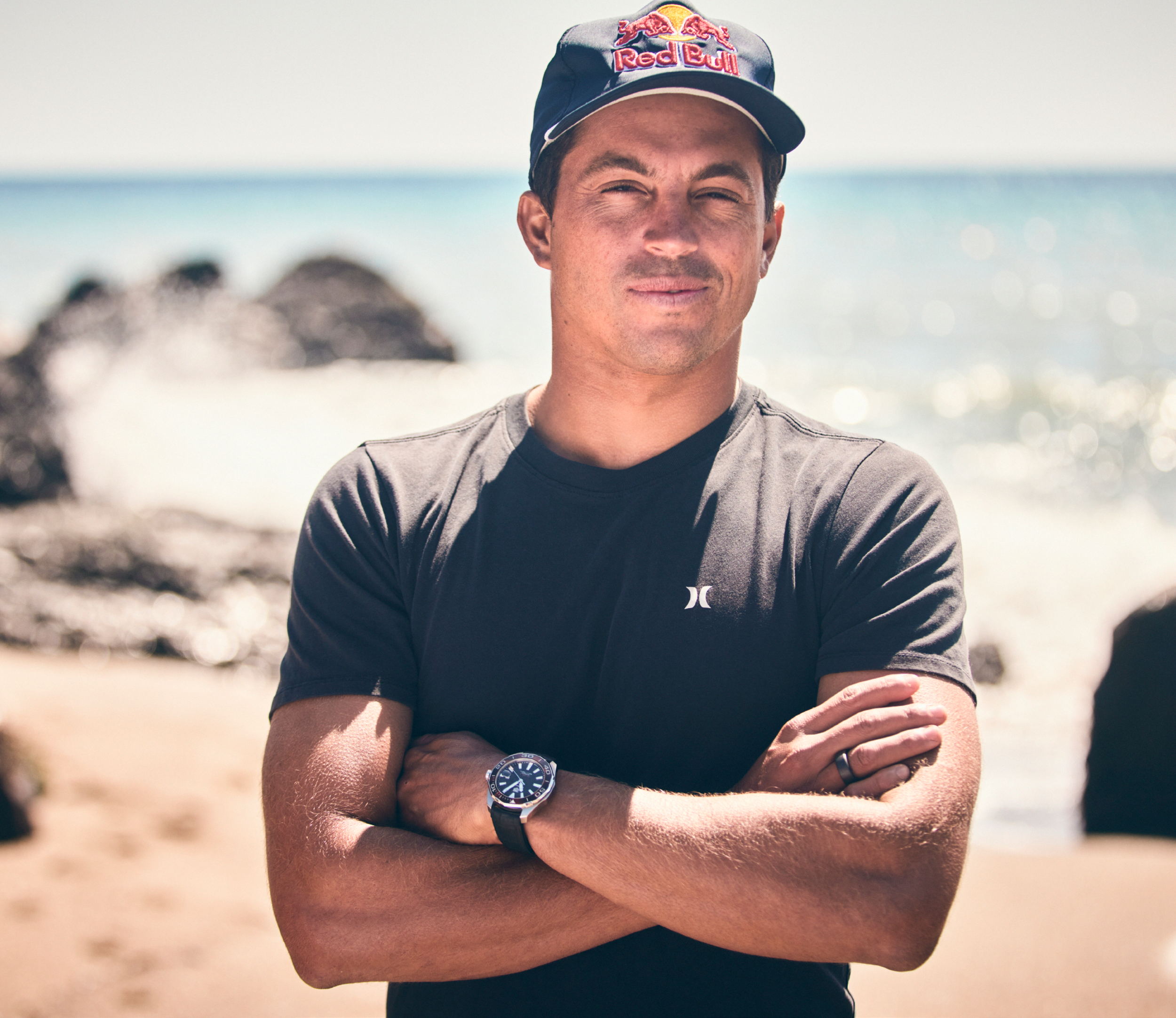


Read the MAY ISSUE #89 of Athleisure Mag and see WAVES OF CHANGE | Kai Lenny in mag.
Featured


AT THE CENTER OF THE PLATE | CHEF MATTHEW KENNEY
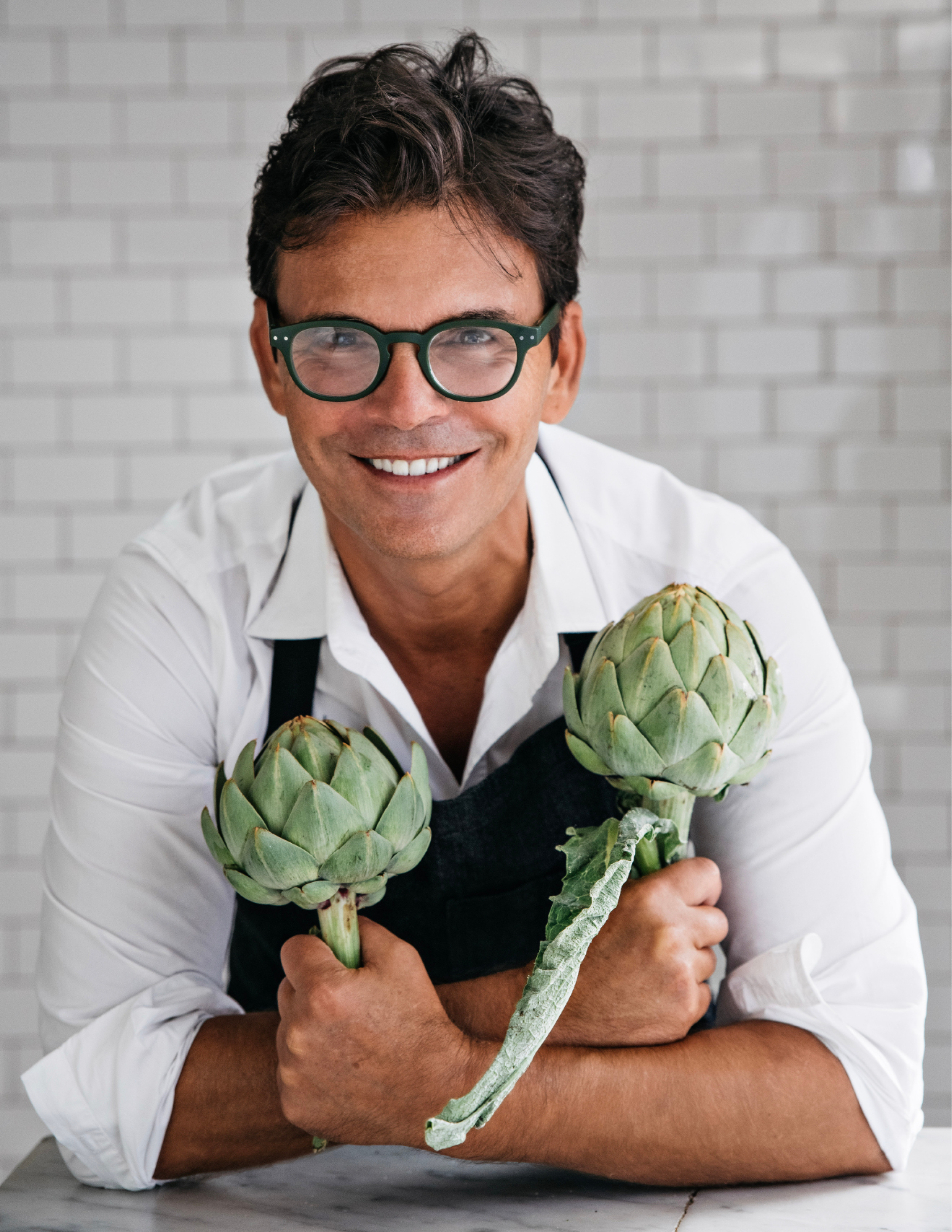
We are always up for a very flavorful plant-based meal and we're truly excited about this interview from a superstar chef that is known for elevating the vegan, raw vegan and plant-based space, Chef Matthew Kenney! We had the pleasure of being introduced to raw vegan at his restaurant Pure Food and Wine here in NYC which was a culinary experience. We also attended an editor event where he was in attendance at Ladurée Soho to launch the inclusion of their vegan menu back in 2019. It was a pleasure to hear him share his partnership with them and unveiling his vegan menu!
As someone who has used his fine dining, classical French training to elevate this cuisine, we couldn't wait to talk about how he got into culinary, his background, how he entered the plant-based space, his journey to creating restaurants that are all over the world and how Matthew Kenney Cuisine as a business model allows him to focus on his passion for staying engaged and creative! We also talk about one of his newest ventures, Ntidote and well as upcoming projects.
ATHLEISURE MAG: When did you first fall in love with food?
CHEF MATTHEW KENNEY: Well, my entire life, I’ve loved food. I grew up in Maine and it was all about seasonality and the ingredients. It was all about wild blueberries in the summer and wild strawberries that grew across the street in our garden. We made our own honey, maple syrup and apple cider. I always loved food and I didn’t realize that I had an affinity for cooking per se until probably after college when I moved to NYC. I just fell in love with the diversity of so many amazing restaurants, different cultures, and melting pots that you could see through food. So this was probably in 1989.
AM: That’s amazing!
It’s interesting that you decided later on that you wanted to be a chef. I’m based in NY as well, the first vegan restaurant I went to was your restaurant Pure Food & Wine.
CHEF MK: Oh wow!
AM: Yes, so it’s exciting to talk to you as your food was my first experience in that area. I'm not vegan myself, but when introduduced to it and getting to taste the flavor profile it was a great experience. Tell me about your culinary journey from where you went to school and kitchens that you started in.
CHEF MK: I basically moved to NYC right after college because I knew that I had friends there and I knew that that was where I wanted to be. I had planned to go to law school and instead, I took my first job at Christie’s when it was on 5th Ave. That was great and I realized that I wanted something social in my life. I was taken out to dinners and it was always so exciting going out to restaurants. I went to Hawaii for a little while and I did some hiking to decide on what I was most passionate about and I just had this idea that I wanted to open a restaurant in NYC. I had no skills or training whatsoever. So I enrolled in the French Culinary Institute (editor’s note: now called the International Culinary Center) and studied there and in the evening, I worked for about a year at a really amazing Southern Italian restaurant that was on 60th street I think called Malvasia and it was a chef from the island of Lipari and I just fell in love with the Mediterranean diet and flavors, the non use of butter for the most part, wild fennel and all of the exotic but clean flavors. That really resonated with me because that’s how I like to eat and live, but I had never seen it in that fashion. That had a really big impact on me, even though it wasn’t a 4 star restaurant or anything, it was really nice. The chef was kind of a known chef at that time. Gael Greene and all of the food critics from the NY Times, New York Magazine came through there so I got a real education at school, but also at this restaurant because I was there when it opened and I was able to see the whole thing come together and what was important in NY. I just got a massive education in one year.
When I graduated from the French Culinary Institute, some of my friends had gone to work at La Caravelle, which I think was a 3 star restaurant in those days. It was one of the top French restaurants like La Grenouille and so forth, but La Caravelle had a new American chef and he was hiring a new team and I went there and worked – it was very classic French. I then got a call from the manager of the Sicilian restaurant that I had worked at and I had only been out of cooking school for a year maybe. He said that he was hired to resurrect a restaurant that had been doing great, but the chef left and it had come apart. It was really struggling and it was a very high profile location and expensive restaurant. He said that he told the owners that he would only take the job if he could hire me to be the chef! I had no management experience, I had never been a chef, but I knew that I could do it. I took that job and I think that that was in 1991 and we got great reviews. Somehow, I worked around the clock and the owners were Brazilian and they asked me to open a second restaurant with them and then in 1993, a taxi cab went through the window of the first restaurant. Nobody was hurt, but it was full, but somehow, no one was hurt. It didn’t go through the dining room, but it smashed through the window and ruined the store front.
I said to them that this was a good time to change the concept. I wanted to do something North African inspired, Mediterranean, but not strictly Italian and they said that they would do it if I put my name on it. So, I did, we opened a Matthew’s in 1993 and that was my first restaurant. It was really an intense, well my whole career has been intense! It was very fast moving. My life was all about food and whatever exercise that I could get in. I would go home after 10 or 12 hour days and I would cook for my wife at that time. It was really a love affair with food.
AM: That is an amazing story of how you know, you got to have your name on the restaurant and opening it! Did you think at that time that you would be who you are now in terms of writing 12 cookbooks and all of these restaurants, concepts, and partnerships that you have?
CHEF MK: Well, that was before it was common for chefs to be able to do that. Daniel Boulud at that time was the chef at Le Cirque and Jean-Georges Vongerichten was the chef at Lafayette and then he opened JoJo his first restaurant right around the corner from me at the same time that I opened. So it was something hard to visualize in those days because it wasn’t very common for restaurant owners. There was a guy called Tony May who had a bunch of Italian restaurants – he had 3 or 4 places, he was like the king, but it just wasn't common in it just wasn't common in those days for chefs to be licensing and franchising. Wolfgang Puck did it a little bit, but that was mostly relegated to California, Vegas, and San Francisco. But there weren’t any chefs that were doing it on a global scale at that time. There may have been 1 or 2, but it wasn’t a thing like it is now.
AM: You are known as a super star chef who focuses on vegan and plant-based. Why did you want to go into this area? For those readers and listeners who may not be familiar, what is the difference between raw, vegan and plant-based?
CHEF MK: Sure! Well first, I’ll answer the last question first if that’s ok. Raw vegan which is what I got into first, it’s an entirely plant-based diet where nothing is heated over 110˚ F/120˚ F which is where enzymes are more active below that threshold and so you have to get creative with raw vegan because a lot of things aren’t good raw. It prohibits certain things that aren’t great for you. So it’s a really good diet for the digestion and great for so many things – elasticity of skin, hydration, but it’s tough to do it all year around.
Whereas, vegan, you can make anything – pizza, muffins, scones, anything! Raw vegan is more limited, but at the same time, that limitation encourages creativity. So they’re quite different although we create raw components to our non-raw food restaurants all the time.
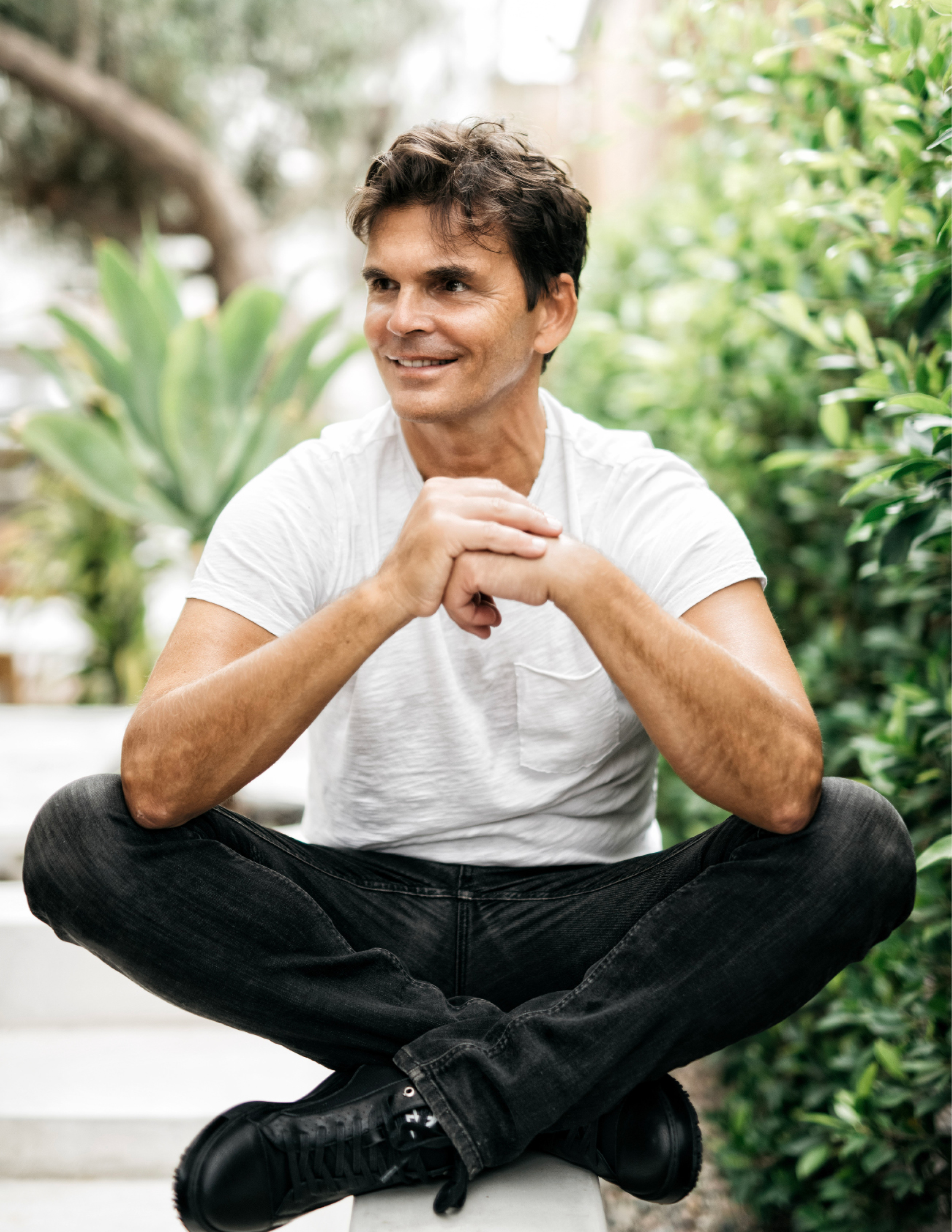

AM: Very interesting and tell me about Matthew Kenney Cuisine which seems to be the umbrella that houses your restaurants, partnerships, products, innovations and concepts.
CHEF MK: Well as time evolved, even after Matthew’s, we had a really successful place and then the neighboring restaurant that was a block away wasn’t doing well so he said to me, “you’re always full and I have this great space and it’s not working, why don’t we do something together?” So I opened a second place, a casual place a block away. It did really well, but the partnership didn’t do so well and I left that. Matthew’s was just a really hot place for the first few years and I had a lot of offers and I couldn’t help but say yes too many times. I opened Mezze in Midtown next to the offices of Conde Nast at that time. Then, I opened a restaurant in Soho across from the Mercer Hotel and another one on 22nd street and one in Atlanta and in Maine. These were pre vegan days. That kind of got in my blood not just creating menus, but creating experiences through design. Whether it’s through music or uniforms, I just really fell in love with the idea of building restaurants. Running them is a different kind of challenge! Up until 1999 and 2001, I was running this decent sized company from my late 20’s to my mid 30’s.
You also asked me about vegan! I had gotten more and more into longevity and I have always been interested in fitness and exercise. In college, I made my own meals that were really healthy. They weren’t vegan because it wasn’t a thing then. It was in NY when I started to get more into yoga and more aware of how I felt and I started talking out loud to friends saying that I thought that I could be a vegetarian. In Maine, I grew up hunting by the way and fishing. But I just felt drawn to it – I liked foods that were clean, less stimulating, earthy and balanced cuisine. I felt that, but I didn’t know how to translate that into my career. I was also at a point where I was doing food that was more comfortable American like Truffle Mac & Cheese – these things that were trendy then. I didn’t really enjoy that because it wasn’t creative enough and it also wasn’t what I wanted in my body. I was disconnected a little bit, there wasn’t an alignment between my profession and my personal life. So, my old girlfriend at that time, made a reservation to go to a trendy restaurant at that time in Tribeca with a friend of ours. He called us after we made the reservation and said, that he had only been eating raw food which I had never heard of as a type of cuisine and he wanted to take us to a place called Quintessence which happened to be a block from our home – we didn’t know about it. We went there and the food was kind of weird and it wasn’t particularly exciting and it had strange names, there was no music, no wine, but everyone in there was so passionate about their diet and their lifestyle. They were just glowing with health! I had not seen people like that and it was full! It was just a lightbulb moment where I thought, that if somebody could actually make plant-based cuisine or raw cuisine sexy and fashionble and contemporary by applying classical culinary training to it, that could really change the way that we eat. So that was the moment where I pretty much went vegan right away!
AM: Wow!
You have a number of restaurants around the world. What goes into your thought process when it comes to deciding where you want to locate next, a partner that you want to have, the kind of concept and aesthetic that you want to bring forward?
CHEF MK: Well, we’re changing that model a lot. Basically, I always felt that focusing on the brand, the mission, the narrative and forming a team that can enhance that vision and keep creating. Just keep innovating because this space has so much runway and so much opportunity to make a difference by adding new styles, new recipes, formulas and new science. I really wanted to create a brand that would be attractive to the outside world that was looking for solutions and was looking to transform their business or their real estate property or to bring plant-based into their schools. So really, it’s all about the innovation aspect and the content and it stems from there. We’ve been fortunate to have opportunities that approached us for the last 5 years constantly from all over the world. But I’m making a shift.
I’ve been opening a lot of restaurants and have sold or closed a few restaurants over the pandemic because I want to be able to reach a larger audience and really expedite the shift in the global food dynamic and having plant-based be the center of the plate. That’s why we launched education during COVID, we had over 4,000 students in over 80 countries online at the Food Future Institute. It’s why we’re doing media projects and a bunch of partnerships with different brands and companies that serve food or products in different ways and experiences. Lastly, with restaurants we’re shifting towards more of a licensing model because it’s very hard to run restaurants in multiple states much less other countries and so pretty much at this point, we’re partnering with larger groups, developers, hotels, and brands that we think can grow a relationship at scale.
For example, we work with Kushner International, they’re based in Duabi. They have 15 or 20 properties and we work with them, we have a full service restaurant at one of them and we’re opening a second and then we’re working with them on 8 or 10 of their properties to do enterprise training by providing their chefs with tools and content to add plant-based to their existing menu. So those are the kinds of situations where we develop relationships where we can grow with them and we don’t have to do things that we’re not good at such as dealing with construction and all of that. So we’re really shifting to be entirely of that model within the next year.
AM: Which I think is really smart. Like you said, it allows you to focus on the things that you’re good at and that you want to be able to spend more time on.
CHEF MK: Yeah, it’s not our skill set. I grew up and my dad was a contractor, but I can’t be on a construction site and running a company doing a lot of things. The people that are really best at culinary for example, they don’t have experience with this type of thing. It’s just not practical for us and when we have the opportunity to do it through the licensing platform, that’s best.
AM: I actually met you back in 2019 in the fall at Ladurée’s event here in NY when they released their vegan menu at an editor event at their Soho restaurant. It was a fun event and it was inspiring to hear you talk about that at the luncheon. What does it mean to you when you are instituting plant-based menus in restaurants that still have non-plant-based dishes on the menu? People such as myself who eat plant-based half of the week or certain meals are able to be exposed to these innovations.
CHEF MK: Well, that’s where I see it going. That’s why I use the term “shift the global food paradigm,” because really what I’m looking at realistically is that the whole world will not go vegan. But I do believe that there will be a major shift to plant-based being 70-80% of what we consume. Therefore, we’re in a world where we’re all connected one way or another. So, I don’t have a problem with that as long as we’re not promoting or serving the non-plant-based. I’m not an activist per se. I'm not an activist per se. I'm an activist through art and that’s how I do it.
“I want to be able to reach a larger audience and really expedite the shift in the global food dynamic and having plant-based be the center of the plate.”
AM: We’ve been enjoying some of the new items from your brand, Ntidote which you launched at Expo West. The Pizzalmonds are amazing. Why did you want to launch this company which focuses on nutrient dense, functional foods, and supplement powders?
CHEF MK: Well, I just like Dr. Amir Marashi. He’s passionate, we have the same taste and he’s wonderful to work with! I know that whatever we do is going to be aesthetically pleasing, he’s committed to quality and I like where he is coming from as a doctor. He’s a very passionate person and that’s a big part of it. That’s the thing about Ntidote, I had the Trail Mix for breakfast and they’re very functional foods and also foods that really help us eliminate toxins that go into our bodies. It’s a big market segment and I felt that we had a perspective on where to get the best ingredients and how to activate them through the sprouting process and it’s really quite straight forward, but it’s meant to be very high quality, straight forward, non challenging for people to understand and I think that it can grow in a lot of different ways. I love the brand itself. It started off as an idea in doing a bar.


AM: Oh!
CHEF MK: We did a Ntidote Bar. It had ingredients that no other bar had like pine pollen and some really cool things and it was hard to produce them for a reasonable cost. So then it was higher to sell them at the right cost. We pivoted and then this is where we are now. I’m really happy with it and we did a nice job I feel. I love the branding and I’m just really pleased that it’s simple.
AM: I like that you were talking about that. I love the packaging. I’m a huge fan of almonds myself, so having these different flavors was really great to enjoy. I also received Golden Magic Powder, and I have found that to be lovely as well.
What’s your process like in terms of onboarding the different assortments that you'll eventually have and are there new things that you’re looking to add later in the year?
CHEF MK: We’re launching with a pretty large portfolio of products, so I think that a lot went into that and the branding and now, a lot will go into developing relationships with retail outlets or whoever will be carrying it. We want to nurture those relationships first and then once that part is stable, we’ll certainly look at other ideas as I have too many ideas and I have to learn to shut them down a bit because I really want to be able to do it right. So I want to be able to do this first phase in the right way.
AM: That’s exciting and I will definitely keep my eye out for it. I like how clean it tastes and then you begin to think about how you can incorporate it into things like my salads and other dishes. I think you guys did an amazing job with that.
How did the two of you come together to decide to do this? Had you worked together previously?
CHEF MK: No, I had a restaurant at the 1 Hotel in Miami and Amir came to a talk that I was doing. It was just a sunny weekend day and I gave a talk and maybe there was a demo. He approached me after and we just started talking and he asked me if I wanted to do something. We talked about what we wanted to do and he mentioned that we could do a bar because he’s a doctor and he really wanted to add value to his patients health by focusing on food. We decided to collaborate to do it together.
AM: Are there upcoming projects outside of this brand specifically or anything that’s coming up that we should keep an eye out for?
CHEF MK: Yes, we have a lot. We’re involved in a new company called Mates Brands and Jamison Ernest is the founder and he’s a very talented entrepreneur, he has a great eye and a really great style a great way of bringing people together. Mates is a company that will take experts in their fields and celebrities and pair them with a producer of a certain kind of product or service that they co-develop that will fall under that umbrella. The initial group is Venus Williams, Kate Hudson, Vanessa Hudgens and somehow, I got in there.
So that’s really exciting and we’re working on a few TV projects and I’m excited about both of them at production studios here in California. We just recently opened our restaurant in Doha it’s beautiful! They created this gorgeous green restaurant for us and that just opened. The next opening is in Palm Beach and then in the fall in Monaco. These are all licensing and strategic partnerships and we’re working on a sort of bespoke alcohol line where we just partnered with an influencer Sean Wotherspoon and then Matt Fontana my friend that owns BESTIES, the best vegan convenient store in the country and we opened Vegan Coffee, but it’s actually a curated sneaker shop in East Hollywood. We’re partnering with a group that has a yacht it’s solar and electric sustainable beautiful yacht that will have charters with high end plant-based cuisine. We’re actually training the chefs here today that have been with us here all week and we’ll be on the boat. So, we do a lot of different things probably involving 70 or 80 different types of projects!
AM: That’s great! I was literally going to ask you if there was anything that you would want to do that’s on your list of things to do and in just hearing you, you’re covering so many different verticals. How do you take time for yourself because I’m sure you’re traveling a lot and you’re checking on projects. But what do you do to kind of center yourself and to get back to self-care?
CHEF MK: Good question! Well we look at the entire spectrum from food growing to when it’s served and actually beyond that. My partner Charlotte, she is also my Creative Director, she has 5 towers and some of them are in the ground and she grows more food then what wecan eat here at home and she starts everything from seed. So we look at that and we partner with different groups that are going to be sustainable growing methods and we get involved with them. But on the back end, we work with Lomi which is a really cool composting machine for the home and they’re developing one for the business. It’s really cool because you put all your waste in there, press 1 button and 12 hours later, you have your compost which goes back into the garden. So we look at the whole spectrum, anything that is sustainable and promoting longevity not just for humans, but for the planet that is pleasurable, well designed, and stylish, that’s when we really get engaged into that whole entire process.
It used to be strictly food and I used to stay in my lane on that, but then I realized that sometimes that’s not enough because a lot of people are environmentalist and other people only care about their health whether it’s vegan or they’re not. Some care about animals. So we really have to embrace the whole thing and that’s why we leaned out our model to the point where we’re not physically going to be running business because instead of us being 70% operational and 30% innovation – it’s going to be 90% innovation and maybe 10% supportive of the various partnerships. That’s why I made that change because the other way of doing it which is what I have been doing for the last many many years, it wasn’t sustainable for me. I’m 59 this summer, I’m healthy, but I don’t sleep enough and I don’t feel like I give or work to the best of my potential when I’m not rested and taking time for yoga and meditation and so forth. That’s why I’m taking this model so that we will remove the majority of that operational aspect and I feel like we’ll be much better and we’ll add more value to society that way. I can also take care of myself better!
“That’s why I use the term ‘shift the global paradigm,’ because really what I’m looking at realistically is that the whole world will not go vegan. But I do believe that there will be a major shift to plant-based being 70-80% of what we consume.”
AM: You touched a little on TV projects that you’re working on. Do you envision doing a TV series or there are so many interesting culinary shows beyond the competition ones that are a travel meets cooking experience. Do you forsee or do you have plans for that?
CHEF MK: We do! I’ve been approached many times over the years for competitions and reality shows and it wasn’t really my thing. I’m more reserved. I’m comfortable on camera, but I don’t have the desire to be on camera. If I can tell a story and make a difference then I’m happy to do it and it’s also good for our company and for exposure. So, I get excited for that reason and the reason that we can make an impact, change habits, and inspire people hopefully. We’re working on 2 shows. 1 is more of a 1-on-1 type of solutions based talk show almost with celebrities and athletes that are looking to become plant-based. I don’t want to drop names, but I have names but I have had experiences with quite a few in the past and we want to do a show like that, because we believe that will be entertaining and the known figures will draw an audience, and people are interested in them, and also they will be influential in changing habits because watchers, viewers will see that and see them taking that initiative and then we’ll support it. I have a really large global network and one of my really good friends is an expert in hydration. It’s simple, but it’s not. So we have a lot of contacts like that that we will bring into the show.
The other one will be more travel. I always loved No Reservations.

AM: Same!
CHEF MK: It would be around food travel and food technology. The innovations in the food space globally. We might go to Finland where someone is creating an alternative protein with air or whatever! But it’s not about running into a laboratory it’s more about another person, what inspires them, what their background is, their local culture and the team that they built. So it will be great. I could drink a bottle of wine with them and who knows. So that will be the 2 shows that I’ll be working on.
It's not out of a desire to be on television. When I was young, Bobby Flay and I used to share a summer home in the Hamptons for 2 or 3 years in a row. He really wanted to be on TV and I really wanted to be behind the scenes. But now that I’m closer to 60, I feel like that I have a story to tell about longevity. It’s not just about people who are older, it’s about preparing for longevity when you’re young. So I think that there is something to tell in this show and to share. There will be cooking involved, but it’s not just that.
AM: I think that is awesome and I would definitely watch something like that.
When you’re cooking for yourself, what are 3 ingredients that you tend to have on hand and feel is so versatile to the dishes that you cook?
CHEF MK: Lemons, good olive oil, and sea salt. It’s not just that, I love Fuji apples, broccoli and greens but Charlotte grows them here so they’re always here. I love having a nice pantry. I love oils and seasoning. I love yuzu. I could give you a really long list but the first things that come to mind is great sea salt, lemons, and olive oil.
AM: As someone who has done so much in this space, have received a number of accolades and you have such a passion for it, what do you want your legacy to be seen as when people look back to the work that you have done?
CHEF MK: It’s not really about me. I don’t care about the legacy of me. But, I do want the work that I have done for so many years, because there are much easier things that I could have done, and I really want that to be able to carry on and to see plant-based to where it should end up. Having it at the center of the plate. I want people to be able to understand it and hopefully, it’s part of our education to kids. We learn the capitals of states, names of countries, algebra, and so forth, but we don’t understand our own bodies where food comes from and I don’t want to see a society that’s ill unnecessarily. I want people to be able to enjoy their lives much longer into their later years and to feel better while they’re young to have more of a productive society and hopefully one that’s also more emotionally balanced because of what foods can do for our well-being. So, I want to do everything that I can to put that momentum out there and to be part of it. That’s my goal. I don’t have any personal aspirations.
AM: As a personal question and one that we have talked about throughout our issues - so many people are talking about gut health and some eat gummies, take supplements, drink tonics etc. From your point of view, what are ingredients or items that people should be eating for their positive gut health.
CHEF MK: I think that most people are dehydrated, including myself because water can get boring and even when we do drink enough water, it’s not always assimilated in the right way – certain types of water, certain types of pH balances. Supplements we can do to kind of cover that. I think that's probably #1. I would say that #2 is chewing food because our digestive system doesn’t have teeth and it’s really critical. Those 2 things, can make such a difference to our digestive system. But then also, some things digest more quickly. We’re not animals so that’s why plants are so valuable. But understanding food combining, and what to layer and not to layer, eating watermelon on top of a big meal for example is not a good idea. Digestion is everything. Removing toxins and potential toxins from our body is everything and it’s critically important. I never thought about it. As young people, we don’t think about it. But when I got into plant-based, I did a cleanse with this really quirky doctor and it just changed my entire digestive system. I felt like I was flying! Ever since then, I have been acutely aware of how my digestion is, what I eat and how it will impact my digestive system. I love sweets, I love ice cream and I indulge. I eat whatever I want. But I’ve trained myself to eat what’s good for me without much effort, because I already like these foods anyway. I’m always excited to walk into a health foods store, but I think that it’s a big subject and it’s definitely everything. Because you can be on the most beautiful place on the planet, gorgeous sunny day, and be on vacation and if you’re digestion is not working properly, you cannot enjoy it!
PHOTOGRAPHY COURTESY | This feature + PG 150 63MIX ROUTIN3S - Chef Matthew Kenney

Read the MAY ISSUE #89 of Athleisure Mag and see AT THE CENTER OF THE PLATE | Chef Matthew Kenney in mag.
Featured
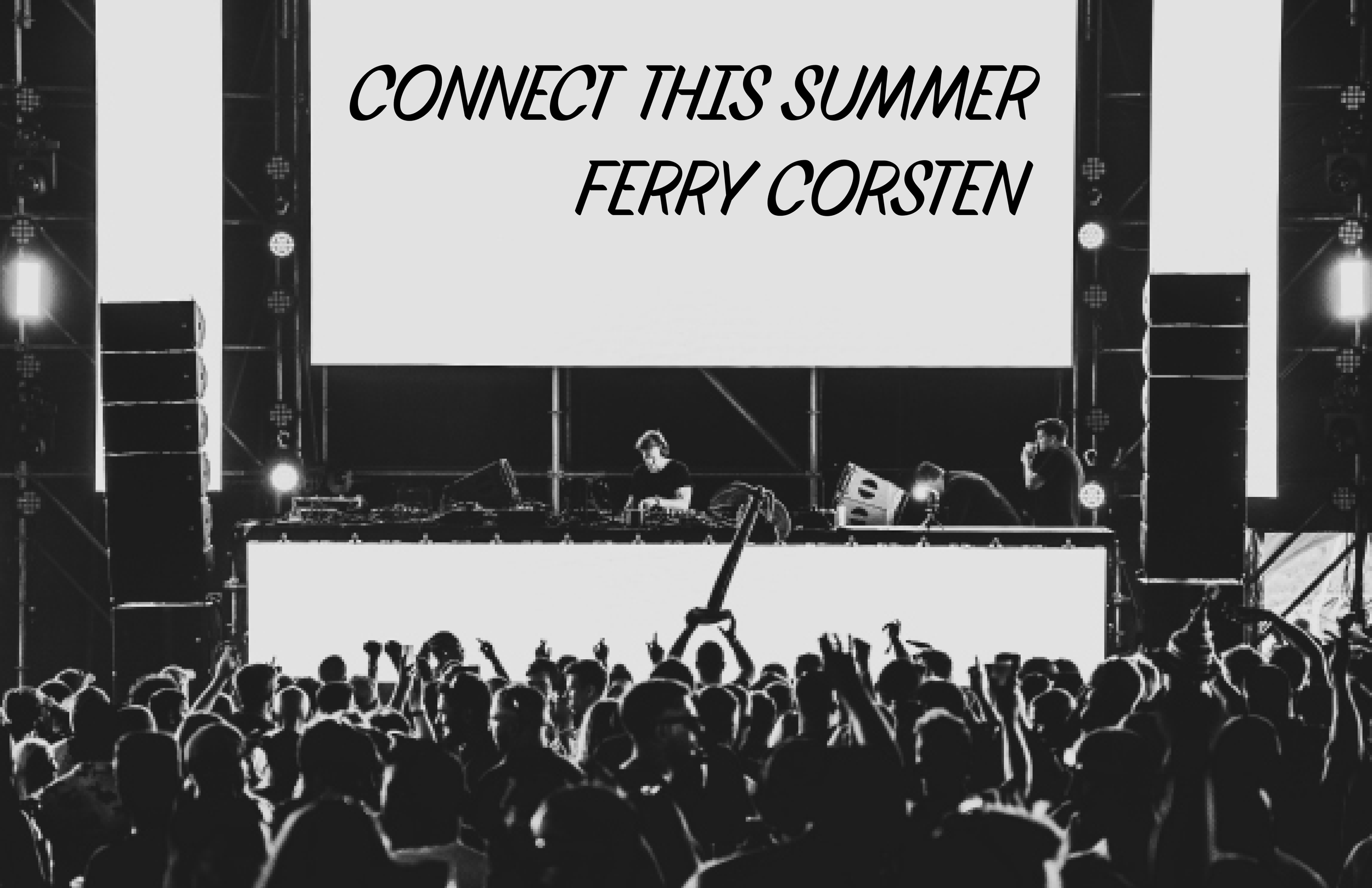
CONNECT THIS SUMMER | FERRY CORSTEN
This time of year is always fun as a number of our favorite DJs are all over sharing their music and creations with a number of fans. Whether you see them in person or stream them on your favorite platform, you have the opportunity to experience their sound and what they're working on at that time!
This month, we caught up with Ferry Corsten who shared his 9PLAYLIST with us last year and with so many projects going on and a busy schedule ahead, we wanted to find out more about his artistry as well as what he's been working on. With a career that spans over 2 decades, we wanted to know more about how he got into the industry, what his creative process is, how he decides which alias will embrace his sound and so much more. We also talk about his upcoming album under his name with it's single Connect.
ATHLEISURE MAG: When did you fall in love with music?
FERRY CORSTEN: This must have been when I was about 9 or 10 years old. My dad installed a car cassette played in my room and that’s when I became fascinated with music.
AM: When did you realize that you wanted to be a DJ/producer?
FC: When I was about 15 years old, I had already learned that you could do all these cool things with cutting and pasting tape and make edits of songs. I also had learned that with 2 turntables and mixing 2 songs together you could create something new. Soon after that I started clubbing and that’s when I met some guys who had a little studio. They asked me to come by one day and from that point on I was hooked on making or producing music. To be honest, I never really wanted to be a DJ but after my first few successes in the UK the opportunity arose for me to play at the biggest clubs and festivals. Obviously, I grabbed it with both hands and I’ve never looked back.
AM: In your career that spans over 2 decades, you have performed under a number of aliases and have had chart-topping success while also embracing an array of genres, how do you decide what project will go under what name or the need to create another name?
FC: My interests in music or electronic music as a whole have a pretty wide range, so I love to go into the studio and keep myself pumped and challenged by not always making the same type of music. This may be easy for me to understand, but not always as easy to follow for my fans. Therefore, I created these aliases so I can keep making different music without confusing my fans. They now know what to expect when they see a new Ferry Corsten track is coming or when a new Gouryella or FERR track is coming. Each project has it’s own distinct sound, one is more techy, deeper, more diverse and the other is either more trancy or more ambient.
AM: How would you define the Ferry Corsten sound?
FC: I’m always on the hunt for a very strong and recognisable melodic hook. That is the main thing. But I also look for opposites. For example, a beautiful melody played with a nasty sound or with a tougher drive underneath. Combining elements from different genres and blending them together is also something you can expect in a Ferry Corsten track.
AM: What's your process when you're creating new music and where do you look for inspiration?
FC: I always go for the melody first. When I have my hook, the rest of the track builds itself around it. I know a lot of other producers who go for the groove first, but for me its melody first.
I get inspired by all kinds of things. Of course, from new synths and sounds when I’m in the studio, but also from other music, from people, places, happy accidents and wherever the universe takes me.


AM: You have collaborated with a number of DJ's including Paul Oakenfold as well as Armin van Buuren - when you're approaching working with other artists, what is that process?
FC: It’s always great to work on something together. The one thing you need for this however, is an open mind. Being set on your idea without the willingness to compromise is not going to work. Usually, it starts by goofing around in the studio and bouncing ideas off of each other until something sticks. If being in the studio together physically is not possible, sending ideas back and forth is also an option, but not quite the same fun.
AM: Tell me about your latest single that you dropped this month, Connect. The futuristic sound of this song has been one that we have enjoyed listening to!
FC: Thank you. I like where music is going at the moment. It’s an amazing blend of techno, trance, and house. All the sounds I personally love to listen to as well.
AM: What is the meaning behind the name Connect for this song?
FC: I am fascinated with what music does to people, how it connects us all, what it does to our mood and its ability to connect one’s creative outburst with the world. It can also instantly turn a bad day into a good one. Everything is strung together and that is what is being reflected in Connect. Connect is also the first single of my next album which will see the light early next year.
AM: Connect is the debut single from your upcoming album, what can you tell us about the album and will you have any other songs that you will be releasing this summer?
FC: It will be an album full of tracks blending the above mentioned genres of music emphasising the togetherness music brings to us all. Over the next month’s various singles will be released leading up to the final release of the album. Towards the end of the year, you can also expect a new tour in light of this upcoming album release.
AM: With the summer officially starting in a few weeks, what festivals will you be part of and where will you tour?
FC: I will be playing most of the big festivals in Europe, North America and Asia. I will also host my first Resonation Radio stage at Dance Valley in The Netherlands this summer.
AM: Tell me about What the F which allows your fans to enjoy your music reimagined, remixed, and with a futuristic approach?
FC: What The F is a must for everyone who has been following my career. It is an open to close set in which I will only play my own music including crazy mashups of my tracks, updated versions, and remixed versions of certain tracks which you can only hear at this show. Obviously, I will play music from my biggest aliases as well. The name What The F stems from the idea of someone being on the dance floor hearing me play a track he or she didn’t know was mine and thinking…’He did this too????……What The F!!!’ …..F for Ferry of course ;-p
AM: You also have your weekly radio show, Resonation Radio! Why did you want to do this and what can fans hear when they tune in?
FC: I have been doing radio since 2007. My first show was called Corsten’s Countdown but after episode 700 this was changed into Resonation Radio. This name change was because of the change in format of the show giving me more freedom to play a larger variety of genres. Expect the best in melodic house, melodic techno, and progressive trance.
AM: You released Connect on your imprint, Flashover Recordings. Tell me about this label and what artists or projects that you're excited about that will be released?
FC: Flashover is a label releasing progressive trance, melodic house, and melodic techno. We also like to tease our audience with a quirky release occasionally. Our current focus is on US based DJ/Producer Dustin Hussain and hot new Ukrainian talent Cubicore.
PHOTOS COURTESY| Ferry Corsten

Read the MAY ISSUE #89 of Athleisure Mag and see CONNECT THIS SUMMER | Ferry Corsten in mag.
Featured

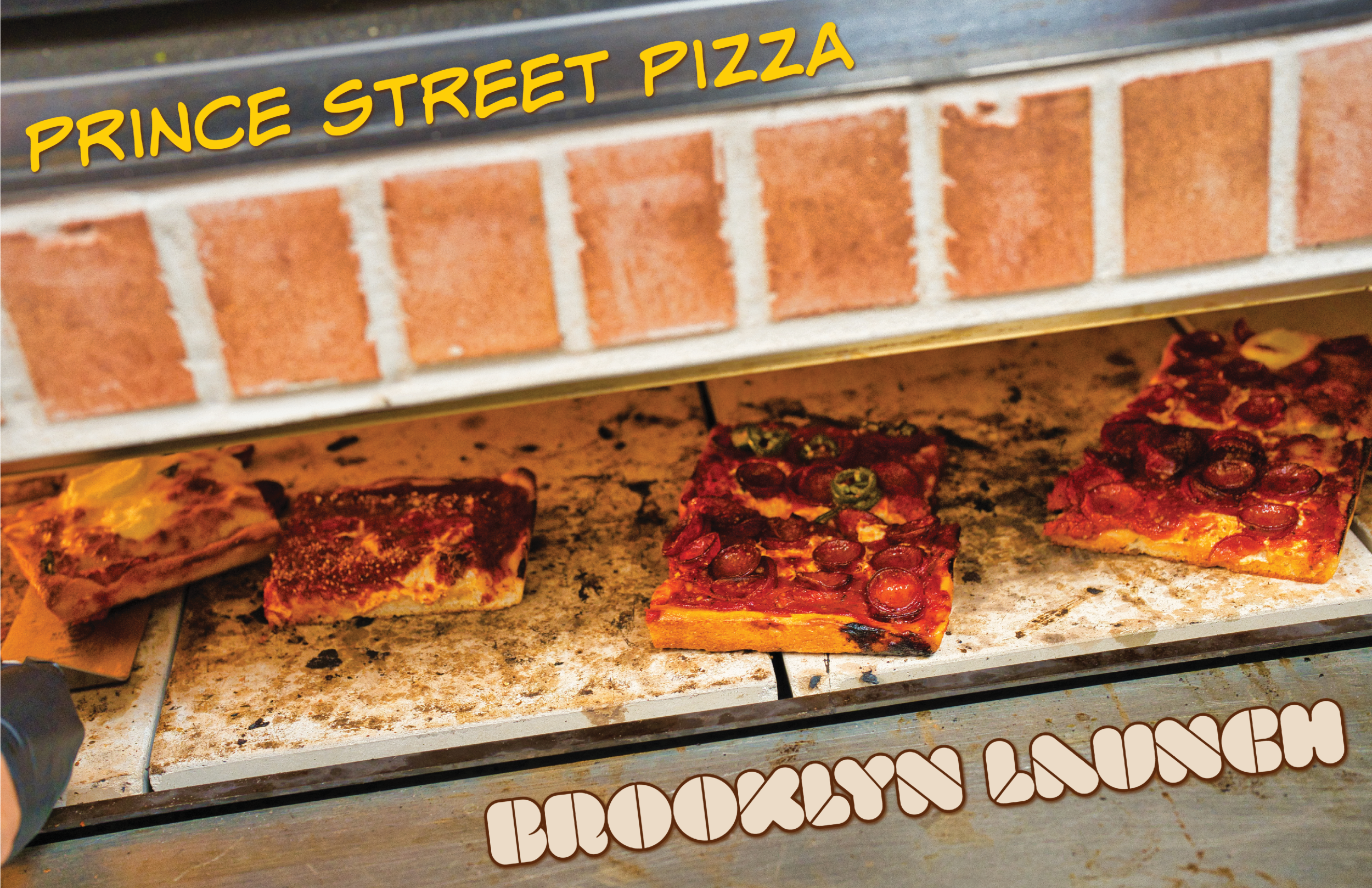

WITH LOVE AND ATTENTION | CARISSA MOORE
Earlier this year, our FEB ISSUE #86 was covered by Team USA Olympic Gold Medalist and 5X Women's World Surf League Champion, Carissa Moore! Since we spoke to her, she's halfway through the season and at the time of the release of this issue is #2 in the World Surf League, won the Billabong Pro Pipeline as well as most recently, winning the Margaret River Pro in late April!
She is a force on the water and we also enjoy how she gives back to women by empowering them to be who they want to be as they navigate their lives and take on wherever their goals lead them! In the midst of training and making her own goals, we caught up with her to find out about her recent win, the second half of the season and her latest collaboration with Hurley for her May Moore Aloha collection by Hurley.
ATHLEISURE MAG: What did your recent win at Margaret River mean to you?
CARISSA MOORE: It was a very validating and empowering win. It had come after a string of average results that had me questioning my process and formula. I feel like things start to fall into place when I reconnect with what’s most meaningful to me and let go of everyone else’s expectations. It’s very easy to get distracted on the journey and this win was a nice reminder to trust in my preparation, process and believe in my purpose. I love Margaret River and winning with my team there made it really special.
AM: Why do you enjoy being at Margaret River?
CM: It feels like things are more simple in Margaret River. There isn’t a lot of fuss, bells and whistles. People are kind, the towns are small and there is a ton of open space. The nature is raw, the waves are wild, you can still find an empty beach or watch the sunset all by yourself. That is rare. It is a place that brings you back to yourself and the present moment.
AM: What tournaments are you looking forward to this year?
CM: The second half of the WSL Championship Tour season, I am truly looking foward to all of the events but especially Teahupo’o, Tahiti (SHISEIDO Tahiti Pro).
AM: What’s your routine on the morning of your competition?
CM: I wake up around 5am, kiss my husband good morning, make myself a warm drink, activate my body for about 45 mins and then head to the beach for a surf before the first horn blows usually around 8am.
AM: When you finish competing, how do you switch gears into relaxing mode?
CM: I like to relax after competing by taking a hot shower, eating a healthy meal, going for a nice beach walk, reading a book, journaling or putting on a good tv show.
AM: Tell us about your May Moore Aloha collection by Hurley!
CM: This Moore Aloha X Hurley collection is my favorite one yet! Created from start to finish with love and attention to all the details, this collection celebrates Hawaii, femininity and combined woman power. So grateful for the opportunity to work closely with local Hawaiian artist, Aloha de Mele, on all the prints and the incredible team at Hurley Women to create a line that combines function with fashion. It is my goal with every collection to create pieces that spark joy, empower females to feel comfortable and confident while chasing their dreams. To add, one of the things I’m most excited about is this is the first of our collections available in girl sizes!
AM: What does it feel like for your collaboration between Moore Aloha and Hurley to come together like it has?
CM: It is so cool to see my favorite pieces come to life, displayed at my hometown stores and being worn!
AM: What is your process of designing your collection?
CM: I’ll start by sending the Hurley Women’s team “inspo” pics and they’ll create a mood board, pick a variety of prints and colors for me to choose from. Once we nail that down, they’ll create a line up of silhouettes for me to look at. There is a bit of back and forth refining the selection and giving feedback. Then, they will make samples and I get to product test! I’ll send some suggestions until we get the fits just right.
AM: Tell us about your next Moore Aloha event.
CM: I am planning the next Moore Aloha event for this fall on the island of Oahu. Our work focuses on Mental Health, Education, Community Relations, Culture, and Environmental Conservation. Our main goal is to share valuable tools and resources with girls and women to create a positive life driven by passion, fueled by purpose. We integrate the Hawaiian culture to promote mindfulness and community. The ocean and surfing is a tool to empower girls to step outside their comfort zone and live fearlessly. Our welcoming atmosphere allows for open, honest conversation and soulful connections. Some of the activities we include are a tag team event, lei making, yoga, journaling, hula, a beach clean up and surfing. Depending on our group and our focus we will sometimes include a goal setting workshop, CPR and water safety courses, work in the lo’i (taro patches), plant trees, and invite other empowering females to talk and share their inspirational stories.
IG @rissmoore10
PHOTOGRAPHY CREDITS | This feature + 9PLAYLIST PG 118 Hurley
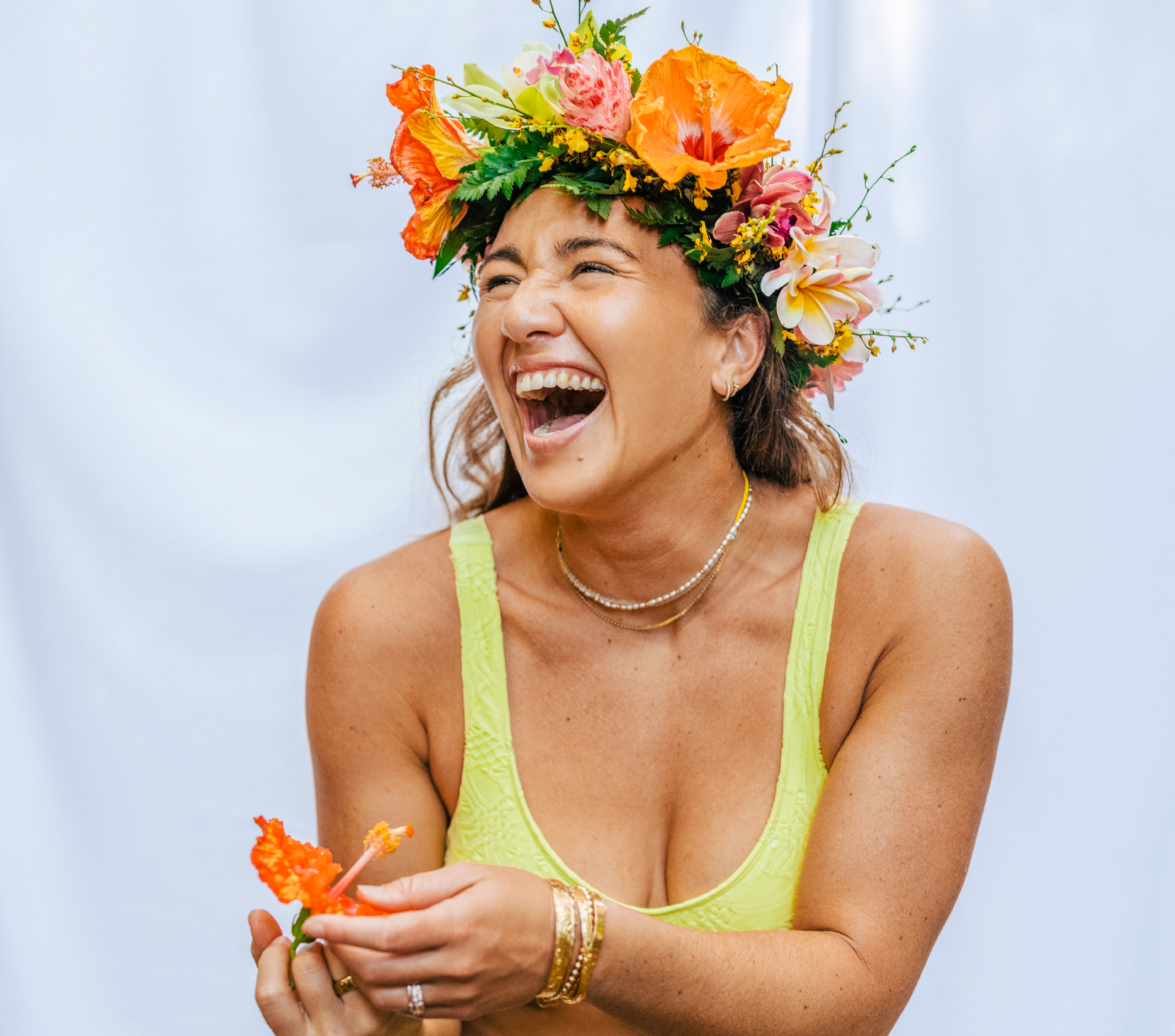
Read the MAY ISSUE #89 of Athleisure Mag and see WITH LOVE AND ATTENTION | Carissa Moore in mag.j
Featured