WHAT TO DO AFTER A CAR ACCIDENT: A LEGAL GUIDE FOR AUSTRALIANS

A car accident can be a stressful and overwhelming experience, but knowing what to do in the aftermath can make a significant difference. Whether it's a minor collision or a serious crash, taking the right steps can help protect your rights, simplify insurance claims, and ensure you get the compensation you deserve.

One crucial step after an accident is understanding your legal options, especially if you’ve suffered an injury or damage due to someone else’s negligence. Seeking legal guidance can be beneficial in handling claims, dealing with insurance disputes, and ensuring you receive fair compensation. If you need assistance, Turner Freeman Lawyers at https://www.turnerfreeman.com.au/personal-injury-lawyers-sydney/car-accident-law/ provide legal support for car accident victims in Australia, helping them navigate the claims process.

This guide covers the essential steps to take immediately after a car accident, how to gather evidence, when to seek medical and legal help, and how to file an injury claim if necessary.

Ensure Safety and Call for Help

Your first priority after an accident is safety. If possible, move your vehicle out of traffic to prevent further accidents. Turn on your hazard lights and check if anyone is injured. Even if injuries seem minor, call 000 to report the accident and request medical assistance if needed.

If a vehicle is severely damaged or someone is seriously injured, do not move anything until the police arrive. Keeping the scene intact can help preserve crucial evidence for insurance claims and legal proceedings.

Exchange Details and Report the Accident

After ensuring safety, exchange the following details with the other driver(s):

●      Full name and contact information

●      Vehicle registration number

●      Insurance provider details

●      Driver’s licence number

If there were witnesses, collect their contact details as well. Witness statements can be valuable if there are disputes about what happened.

In some cases, you must report the accident to the police. Requirements vary by state, but you should report it if:

●      Someone is injured or killed

●      Significant property damage occurred

●      A driver is uninsured or refuses to provide details

●      A government or emergency vehicle is involved

Failing to report an accident when required may result in penalties, so it’s important to check the rules in your state.

Gather Evidence at the Scene

If you are physically able, collecting evidence at the scene can be critical in proving fault and supporting any claims. Use your phone to take clear photos of:

●      The vehicles involved, showing damage

●      The accident location, including street signs and traffic lights

●      Skid marks, broken glass, or other road conditions

●      Visible injuries sustained

Additionally, jot down key details about the incident, such as the date, time, weather conditions, and what you remember happening. These notes can be useful if the case is disputed later.

Seek Medical Attention

Even if you feel fine, it’s a good idea to see a doctor as soon as possible. Some injuries, such as whiplash or internal trauma, may not show symptoms immediately. Seeking medical attention early not only protects your health but also provides a medical record that can be used if you need to file an injury claim.

If you wait too long to seek treatment, insurers or the other party may argue that your injuries were not serious or were unrelated to the accident. Prompt medical care strengthens your claim and ensures you get the treatment you need.

Contact Your Insurance Provider

Most insurance policies require you to report an accident within a specific timeframe. Even if you don’t plan to file a claim, notifying your insurer ensures protection in case the other driver makes one against you.

When speaking with your insurer, stick to the facts and avoid admitting fault. Insurance companies conduct their own investigations, and taking responsibility too soon could impact your claim.

Determining Fault and Liability

In Australia, fault is determined based on road rules, driver conduct, and available evidence. The at-fault driver (or their insurer) is usually responsible for covering damages. However, in some cases, multiple drivers may share fault.

Common fault scenarios include:

●      Rear-end collisions: The driver who crashes into another from behind is usually at fault.

●      Running a red light: A driver who ignores a red light and causes an accident is typically liable.

●      Failing to give way: Drivers who do not yield as required can be held responsible.

If fault is disputed, strong evidence—such as witness statements, dashcam footage, and police reports—can support your case.

When to Seek Legal Help

If your accident involves serious injuries, disputed liability, or difficulties with an insurance claim, consulting a lawyer can be beneficial. Legal assistance ensures that your rights are protected and that you receive the compensation you are entitled to.

A lawyer can assist with:

●      Negotiating with insurance companies

●      Filing a personal injury claim

●      Representing you in court if needed

If the other driver denies responsibility, is uninsured, or refuses to cooperate, having legal support can significantly impact the outcome of your case.

Filing a Personal Injury Claim

If you suffered injuries due to another driver’s negligence, you may be entitled to compensation for:

●      Medical expenses: Hospital bills, rehabilitation, and ongoing treatment

●      Loss of income: If you cannot work due to your injuries

●      Pain and suffering: Compensation for physical and emotional distress

●      Vehicle repairs: Costs to fix or replace your car

Personal injury claims must be filed within a specific timeframe, which varies by state. Generally, you have three years from the date of the accident to lodge a claim, but starting the process earlier is always advisable.

To strengthen your claim, keep records of:

●      Medical reports and receipts

●      Pay slips or financial records showing lost wages

●      Communication with insurers

A lawyer can guide you through the process and ensure all necessary documentation is submitted correctly.

What If the Other Driver Is Uninsured?

If the at-fault driver does not have insurance, your options depend on your own policy. If you have comprehensive or uninsured motorist coverage, your insurer may cover your damages.

If you lack adequate insurance, you may need to pursue legal action against the at-fault driver to recover compensation. This can be a complex process, so seeking legal advice is recommended.

Dealing with Insurance Disputes

Insurance companies often attempt to reduce their payouts, so don’t be surprised if they:

●      Offer a lower settlement than expected

●      Delay processing your claim

●      Dispute liability

If you receive an unfair offer, you have the right to negotiate or appeal the decision. Providing strong evidence—such as police reports, medical records, and witness statements—can support your case. If disputes persist, legal assistance may be necessary.

Final Thoughts

Being involved in a car accident is never easy, but knowing what to do can make the process smoother. Prioritise safety, gather evidence, report the accident, and seek medical care. If injuries or disputes arise, legal support can help you secure the compensation you deserve.

Taking action early can protect your rights and improve your chances of a fair outcome. Whether you’re dealing with an insurer, disputing fault, or filing a claim, being informed is your best defense.

HOW TO STRENGTHEN YOUR PERSONAL INJURY CLAIM WITH SOLID EVIDENCE

When you’re injured due to someone else’s negligence, getting fair compensation isn’t automatic. You need to prove your claim with solid evidence. Whether it’s a car accident, slip and fall, or workplace injury, the success of your case depends on what you can show, not just what you say.

The right evidence can make the difference between a dismissed claim and a successful settlement. You don’t need to be a legal expert, but knowing what to collect and how to use it will put you in a stronger position. If you’re unsure where to start, experienced personal injury lawyers Brisbane can help guide you through the process. They know what insurers and courts look for, making it easier to build a strong case.

This guide breaks down the key types of evidence you need and how to gather them effectively.


1. Medical Records: The Foundation of Your Claim

PHOTO CREDIT | Unsplash/Charan S

Your injuries are the core of your personal injury claim. If you don’t have medical documentation, the other party can argue that your injuries weren’t serious—or didn’t happen at all. That’s why seeing a doctor right after your accident is critical.

What medical evidence should you collect?

●      Initial medical reports – These document your injuries as soon as possible after the accident.

●      Doctor’s notes and diagnosis – They confirm the nature and severity of your injuries.

●      Prescriptions and treatment records – These show what kind of care you received and how it relates to your injuries.

●      X-rays, MRIs, and test results – These provide objective proof of your condition.

●      Physical therapy and rehabilitation records – If your recovery requires ongoing treatment, this helps prove long-term impact.

Always follow your doctor’s advice and attend all appointments. Gaps in treatment can weaken your claim, as insurers may argue you weren’t actually injured or that your condition isn’t as serious as you claim.

2. Witness Statements: Firsthand Accounts That Support Your Case

Eyewitnesses can be powerful in proving what happened. If someone saw the accident, their statement can back up your version of events.

Who can be a witness?

●      Bystanders who saw the accident

●      Passengers or pedestrians

●      Employees or customers (in cases of public accidents)

●      First responders or medical professionals who treated you on-site

If possible, get their full name and contact details at the scene. Their statement can be written down, recorded, or even presented in court if needed.

3. Photos and Videos: Capturing the Scene and Your Injuries

Visual evidence can be hard to argue against. If you can, take pictures and videos immediately after the accident. If you’re unable to, ask a friend or witness to do it for you.

Key things to photograph:

●      The accident scene (skid marks, broken pavement, wet floors, etc.)

●      Your injuries (bruises, cuts, swelling, etc.)

●      Property damage (your car, bicycle, or any broken objects involved)

●      Any visible hazards (lack of warning signs, faulty equipment, etc.)

If security cameras were around, request access to the footage as soon as possible. Many businesses and public places only keep recordings for a limited time.

4. Police or Incident Reports: Official Documentation of the Event

If law enforcement or property management responded to your accident, their report is valuable evidence. These documents contain objective details that can support your claim.

How to obtain reports:

●      For car accidents, request a copy from the local police department.

●      For workplace injuries, ask your employer or HR for the incident report.

●      For business-related accidents, speak to the property manager about obtaining a copy.

These reports can strengthen your case by providing an official third-party account of what happened.

5. Proof of Lost Wages: Showing How the Injury Affected Your Income

If your injury forced you to miss work, you might be entitled to compensation for lost income. To prove this, you need proper documentation.

What to collect:

●      Pay stubs showing your usual income

●      A letter from your employer confirming missed workdays

●      Tax returns (if self-employed) to show earnings before the injury

●      Medical documents stating you were unable to work

If your injuries prevent you from returning to your job or require you to take a lower-paying role, you may also need expert testimony from an occupational specialist to explain the long-term financial impact.

6. Expert Testimonies: Strengthening Your Claim with Professional Insight

Sometimes, expert opinions are needed to explain how the accident happened or how your injuries will affect you in the future.

Types of experts who can help:

●      Medical professionals – To confirm the severity and long-term effects of your injuries.

●      Accident reconstruction specialists – To explain how and why the accident occurred.

●      Economic experts – To assess lost future earnings if you can’t return to work.

While not necessary in all cases, expert reports can be crucial in complicated claims.

7. Your Personal Journal: Documenting Your Recovery

Keeping a personal injury journal helps track how your injuries affect your daily life. This can be valuable when negotiating compensation for pain and suffering.

What to include in your journal:

●      Daily pain levels and symptoms

●      Emotional struggles (anxiety, depression, PTSD, etc.)

●      Limitations in daily activities (inability to drive, walk, or work)

●      Progress in recovery (surgeries, physical therapy, setbacks)

Consistent records can demonstrate the impact of your injuries over time.

8. Social Media and Online Presence: A Potential Pitfall

Be careful about what you post on social media while your claim is active. Insurance companies and defense lawyers may check your accounts for any evidence that contradicts your claim.

Avoid posting:

●      Pictures of physical activities (even if you’re feeling better for a moment)

●      Comments about the accident, your injuries, or the lawsuit

●      Travel photos that could be used to argue you aren’t as injured as you claim

Even private accounts can be accessed through legal channels, so it’s best to stay cautious.

9. Filing Your Claim on Time: Understanding Deadlines

Every personal injury claim has a time limit, known as the statute of limitations. If you miss this deadline, you may lose your right to compensation.

Time limits vary depending on your location and case type. In Queensland, for example, personal injury claims generally must be filed within three years from the date of the accident. However, exceptions exist for minors and specific situations.

To ensure you don’t miss any deadlines, it’s best to consult a lawyer as soon as possible.


PHOTO CREDIT | Unsplash/Charan S

Conclusion: Building a Stronger Case with the Right Evidence

A personal injury claim is only as strong as the evidence behind it. Medical records, witness statements, photos, and financial documents all play a role in proving the extent of your injuries and losses.

Acting quickly is key—delays can mean lost evidence, expired deadlines, and a weaker claim. If you’re dealing with a complex case, legal guidance can help you navigate the process and secure the compensation you deserve.

WISKII ACTIVE'S GUIDE TO SPORTY-CHIC STYLE FOR INTERNATIONAL WOMEN'S DAY 2025

International Women’s Day is a moment to reflect on the achievements of women across all fields, recognizing their resilience, leadership, and empowerment. It is also a day to celebrate confidence in every form, whether in personal style, professional ambitions, or personal goals.

Activewear is no longer just for the gym. Over the past decade, there has been a shift toward athleisure and sporty-chic styling, where clothing designed for fitness has merged with everyday style. Women today need clothing that offers freedom of movement, breathability, and a polished look.

This year, WISKII Active introduces a collection that is tailored for women who seek comfort and style in their activewear. These pieces are designed to move effortlessly from workouts to casual outings, this guide will explore how to embrace sporty-chic activewear for International Women’s Day 2025.

Want to nail the sporty-chic vibe?


These WISKII Active pieces are all you need to look stylish and feel amazing—whether you're working out or just out and about.

Cross Back Sports Bra – Sculpting Support with a Sleek Finish

PHOTO COURTESY | WISKII

Made for maximum comfort and breathability, the WISKII Active Cross Back Sports Bra is a staple in any activewear collection. Using soft, butter-like fabric, it delivers a second-skin feel as the half-moon design gently conforms to the chest, creating a fluid shape.

The breathable, moisture-wicking material keeps the body cool and dry, making it suitable for high-intensity workouts and casual wear alike. Its secure cross-back straps provide support without restricting movement, allowing full range of motion for dynamic activities. With its minimalist and elegant look, this versatile piece transitions effortlessly from gym wear to everyday fashion, whether worn alone or layered under tops and jackets.

Style Notes:

●      For workouts: Match with high-waisted leggings for a sleek, gym-ready outfit.

●      For casual styling: Wear under an open-back top or loose jacket.

●      For a sporty-chic statement: Pair it with a tennis skirt and sneakers.

7/8 High-Waist Energy Legging – The Perfect Blend of Comfort and Style

PHOTO COURTESY | WISKII

A high-quality pair of leggings is essential for any modern wardrobe, and the WISKII Legging delivers both cozy and gentility. Designed with scalloped detailing and a high-waist fit, these leggings create a streamlined look that works for workouts and smart casual outfits.

The sculpting high-waist design enhances curves while providing excellent core support, offering a confident and comfortable fit. The second-skin fit creates a sleek, contoured silhouette, while the moisture-wicking material keeps the body cool and fresh throughout the day. The scalloped waistband and hem add a touch of elegance, elevating the classic legging style to new heights.

Style Notes:

●      For a workout-ready look: Pair it with a matching sports bra and sneakers.

●      For a stylish errand outfit: Add a cropped hoodie and minimal accessories.

●      For a sporty-chic evening look: Style with a tailored blazer and ankle boots.

Twist-Front Shoulder Cut Crop Top – The Must-Have Wardrobe Essential

PHOTO COURTESY | WISKII

The WISKII Active Twist-Front Shoulder Cut Crop Top is an elegant and functional staple designed for movement and style. The flattering twist detail adds sophistication, while the thumb holes and sculpting fit ensure comfort and warmth. Whether worn to the gym, for a coffee run, or as a layering piece, this crop top is a versatile must-have.

Crafted with 4-way super stretch fabric, this top moves effortlessly with your body, offering the perfect balance of flexibility and comfort. Its moisture-wicking technology keeps you feeling fresh and dry throughout the day. The removable push-up padding allows for customizable support, while the thumb holes add a sporty-chic touch and extra warmth. Made from a premium blend of nylon and LYCRA® spandex, this crop top sculpts your figure beautifully without losing its shape, making it both stylish and reliable.

Style Notes:

●      For an athleisure look: Pair with high-waisted leggings and sneakers for a sleek and sculpted silhouette.

●      For casual wear: Style with joggers or wide-leg trousers for an effortlessly chic vibe.

●      For layering: Wear under a structured blazer to create a polished, sporty-chic look.

High-Waist Scrunch Legging – Sculpted Elegance with Invisible Detailing

PHOTO COURTESY | WISKII

For those looking for a sculpting and supportive fit, the High-Waist Scrunch Legging delivers an invisible scrunch seam that enhances curves without visible gathers. This makes it a perfect choice for workouts, strength training, or a confident everyday look.

The compressive fit beautifully sculpts the body, delivering a defined, toned appearance. Its flexible fabric allows unrestricted movement, ensuring comfort and performance throughout any activity. The high-waisted design not only provides core support but also flatters the waistline, enhancing the overall fit. Perfectly blending style and functionality, this legging embodies a sleek, sculpted elegance suitable for any occasion.

Style Notes:

●     For a sculpted gym look: Match with a fitted sports bra.

●     For a casual-chic outfit: Pair it with an oversized sweatshirt.

●     For an athleisure vibe: Style with a cropped tank top and sneakers.


The best part? You don’t have to change outfits a million times a day—WISKII’s sporty-chic styles take you from workout to brunch to lounging at home without missing a beat. Whether you’re hitting the gym, running errands, or just want to feel put-together while being comfy, WISKII has you covered. It’s activewear that actually fits your life, not just your workout routine.

Explore the latest WISKII Active collection and embrace a sporty-chic look that celebrates both movement and individuality.

CANNABIS USE AND FITNESS TRENDS: WHAT CANADIAN TRAINERS RECOMMEND

Cannabis and fitness might seem like an unlikely pairing, but more trainers in Canada are exploring its benefits. Whether it’s for post-workout recovery or stress relief, cannabis is becoming a tool in modern wellness routines. Athletes and fitness enthusiasts are no longer shying away from the conversation. Instead, they’re looking at how cannabis fits into a balanced and active lifestyle.

Many trainers emphasize that responsible use is key. While cannabis won’t replace proper training, hydration, or nutrition, it can complement fitness efforts when used correctly. Those who incorporate cannabis often focus on products designed for relaxation, muscle recovery, or focus. This shift has led to increased interest in cannabis-infused wellness plans. For those curious about trying it for their routine, there are legal ways to order marijuana online in Canada, ensuring access to regulated and quality products.

So, how exactly are trainers integrating cannabis into fitness? Let’s break down the key ways it’s being used and what Canadian trainers are recommending.

PHOTO CREDIT | FreePik/WayHomeStudio

Cannabis for Post-Workout Recovery

One of the biggest reasons fitness professionals consider cannabis is for recovery. Exercise, especially strength training or endurance sports, can leave muscles sore and inflamed. Traditional recovery methods include stretching, foam rolling, and proper nutrition. However, cannabis is emerging as a natural option to aid relaxation and muscle repair.

Managing Inflammation

CBD, the non-psychoactive compound in cannabis, has been widely recognized for its anti-inflammatory properties. Trainers often suggest CBD oils, creams, or edibles for athletes who struggle with post-workout soreness. Unlike THC, which has psychoactive effects, CBD allows for relief without altering mental clarity.

Some trainers recommend CBD-infused balms for localized muscle pain. Others suggest ingesting CBD to help with overall inflammation and joint stiffness. Many athletes report that it works well alongside other recovery strategies like massage and ice baths.

Improving Sleep Quality

Recovery doesn’t just happen at the gym—it happens during sleep. Trainers stress that quality sleep is crucial for muscle repair, energy restoration, and overall well-being. Cannabis, particularly strains with higher CBD or balanced THC levels, may promote deeper sleep cycles.

Some fitness professionals advocate for using cannabis in moderation before bed to improve rest. Whether through edibles, tinctures, or teas, those who struggle with sleep after intense workouts may benefit from its relaxing effects.

Enhancing Focus and Mind-Muscle Connection

Not all cannabis use is about winding down. Some trainers believe certain strains can enhance focus and improve the mind-muscle connection during workouts. While this varies from person to person, many fitness enthusiasts experiment with low-dose THC or CBD before their training sessions.

Microdosing for Training

Microdosing involves consuming small amounts of THC—enough to feel slight effects without impairment. Some trainers and athletes claim that this helps them stay present, focused, and engaged during exercise.

For activities that require endurance or rhythm, such as yoga, running, or even weightlifting, small doses of THC or CBD may help individuals stay in tune with their movements. Trainers caution that new users should start with very low doses to assess their body’s response.

Cannabis and Meditation in Fitness

Mindfulness plays a big role in fitness. Whether it’s deep breathing before lifting weights or achieving a meditative state in yoga, staying mentally present is important. Some trainers incorporate cannabis into guided meditation or recovery sessions to help clients relax and focus.

CBD, in particular, is favored in these cases. Many describe it as helping clear mental chatter, making it easier to focus on breathing and movement. This makes it a popular choice for those practicing mindfulness-based exercise like Pilates or tai chi.

Cannabis as a Stress-Relief Tool for Active Lifestyles

Physical fitness isn’t just about lifting weights or running marathons. It’s also about managing stress, something cannabis is well known for. Trainers who work with clients dealing with high stress levels sometimes suggest incorporating CBD for relaxation.

Managing Pre-Workout Anxiety

Some people struggle with pre-workout jitters, especially when starting a new routine or training in a competitive environment. Low doses of cannabis, particularly CBD, can help ease anxiety without causing drowsiness.

For those who feel overwhelmed before workouts, some trainers suggest trying a small amount of CBD oil or a calming edible about 30 minutes before training. This approach is similar to taking herbal supplements for relaxation, except it offers a different set of effects tailored to individual needs.

Cannabis for Stress Recovery

Stress affects physical performance. When someone is constantly under pressure, their body produces higher levels of cortisol, a hormone linked to fatigue and muscle breakdown. Trainers who promote holistic wellness often include stress management in their fitness plans.

For those looking for natural solutions, cannabis can be a tool to unwind and reset after a long day. Some trainers recommend cannabis-infused teas or tinctures in the evenings as a way to relax the mind and body.

Finding the Right Products and Dosages

Not all cannabis products are the same, and what works for one person might not work for another. Trainers who support cannabis use emphasize the importance of choosing the right products based on individual fitness goals.

THC vs. CBD for Fitness

●      THC (Tetrahydrocannabinol): This is the psychoactive compound in cannabis. It can be useful in small amounts for focus or relaxation but may impair coordination at higher doses.

●      CBD (Cannabidiol): Non-psychoactive and often used for recovery, stress relief, and sleep support. A popular choice for fitness-minded individuals who want the benefits without the high.

Some trainers suggest hybrid products that contain a balanced mix of THC and CBD, depending on the desired effects. For example, a 1:1 ratio of THC to CBD might be used for post-workout relaxation, while pure CBD might be better suited for muscle recovery.

Edibles, Oils, or Topicals?

●      Edibles: Take longer to kick in but offer longer-lasting effects.

●      Oils/Tinctures: Allow for easier dosage control and faster absorption.

●      Topicals: Great for targeting sore muscles without affecting mental clarity.

New users should always start with a low dose and adjust based on how their body responds. Fitness trainers who advocate cannabis use stress the importance of tracking progress and making informed adjustments.


PHOTO CREDIT | FreePik/Javi_Indy

Final Thoughts

Cannabis in fitness is no longer a taboo topic in Canada. More trainers are acknowledging its potential benefits for recovery, stress relief, and focus. However, responsible use is key. Whether someone is looking for better sleep, reduced inflammation, or a way to ease stress, cannabis can be a useful addition when paired with a well-rounded fitness routine.

For those considering cannabis in their fitness journey, the best approach is to start small, choose the right products, and listen to their body. Consulting with knowledgeable professionals—whether trainers or healthcare providers—can also help ensure a safe and effective experience.

VOICE-ACTIVATED EMERGENCY RESPONSE SYSTEMS: THE FUTURE OF SENIOR SAFETY

Aging comes with challenges, and one of the biggest concerns for seniors is safety—especially when living alone. Falls, medical emergencies, and accidents can happen without warning, and quick access to help can make all the difference. Personal emergency response systems (PERS) have been around for decades, but they are evolving. The days of pressing a button on a pendant or wristband may soon be behind us.

Voice-activated emergency response systems are emerging as a game-changer, making it easier than ever for seniors to call for help. These systems eliminate the need for physical interaction, making them more accessible for those with mobility limitations, arthritis, or cognitive impairments. Whether at home or on the go, seniors can simply speak a command and get immediate assistance. This shift is transforming the seniors PERS device in Canada market, offering a new level of convenience and security.

In this article, we’ll explore how voice-activated emergency response systems work, their benefits, and what to look for when choosing one.

PHOTO CREDIT | Freepik/Lifestylememory

How Voice-Activated Emergency Response Systems Work

Traditional emergency response systems require seniors to press a button on a wearable device or a wall-mounted unit. While effective, these systems have limitations—what if the senior is unable to reach the button?

Voice-activated systems solve this problem by allowing users to call for help using only their voice. These devices use smart technology similar to virtual assistants like Alexa, Google Assistant, or Siri. When a senior says a predetermined command—such as “Help me” or “Call emergency”—the system connects them to an operator or sends an alert to caregivers and emergency services.

Some systems also use artificial intelligence (AI) to detect unusual sounds, such as a fall, heavy breathing, or distress calls. Others integrate with smart home technology, allowing users to control lights, locks, and thermostats, further enhancing safety and convenience.

Why Voice Activation Is a Game-Changer for Senior Safety

1. Hands-Free Emergency Assistance

Many seniors experience mobility issues, arthritis, or conditions like Parkinson’s, which make pressing a button difficult. Voice activation removes this barrier, ensuring that help is always just a word away.

2. Faster Response Time

Every second counts during a medical emergency. With traditional systems, a senior may struggle to locate and press a button in time. A voice-activated device allows them to get help instantly, reducing delays that could be life-threatening.

3. Increased Independence

Seniors often resist emergency response systems because they feel they make them look “old” or “frail.” Voice-activated devices eliminate the stigma associated with traditional PERS pendants, making them more appealing to older adults who want to maintain their independence.

4. Better Coverage in the Home

Standard PERS devices require the user to wear a pendant or be within reach of a base station. Voice-activated systems can work in multiple rooms, ensuring that seniors can call for help no matter where they are—whether in the bedroom, bathroom, or kitchen.

5. Enhanced Security Against False Alarms

Some advanced systems use voice recognition to confirm the user’s identity before initiating a call for help. This reduces accidental activations and ensures that emergency responders are only contacted when necessary.

Features to Look for in a Voice-Activated Emergency Response System

With several options on the market, it’s essential to choose a system that meets the specific needs of the user. Here are some key features to consider:

1. Always-On Listening Technology

A good system should be able to detect voice commands even from a distance. High-quality microphones and noise cancellation technology ensure that the device responds accurately, even in noisy environments.

2. Two-Way Communication

The system should allow for real-time conversation with an emergency operator or a caregiver. This ensures that the senior can explain their situation and receive immediate guidance.

3. Integration with Other Smart Devices

Some voice-activated emergency response systems integrate with smart home technology, allowing users to control lights, thermostats, and security systems with their voice. This adds another layer of safety and convenience.

4. AI-Powered Fall Detection

Some devices use motion sensors and sound analysis to detect when a fall has occurred, even if the user is unable to call for help. This feature is particularly useful for seniors at high risk of falls.

5. Battery Backup and Reliability

A reliable system should work even during power outages. Look for devices with a strong battery backup and cellular connectivity options in case Wi-Fi is down.

6. Customizable Emergency Contacts

Not all emergencies require 911. A good system should allow users to set emergency contacts, such as family members, neighbors, or caregivers, who can be notified first before emergency services are dispatched.

The Future of Voice-Activated Safety for Seniors

As technology advances, voice-activated emergency response systems will continue to improve. We can expect to see more AI-driven features that personalize safety solutions for each user.

Some potential developments include:

●      Health Monitoring Integration – Future systems may track vital signs such as heart rate, blood pressure, and oxygen levels, providing real-time health insights and alerting caregivers to any concerns.

●      Multilingual Support – More seniors will benefit as systems become capable of recognizing multiple languages and dialects.

●      Proactive Assistance – AI could analyze daily routines and detect changes that may indicate health risks, such as decreased mobility or irregular sleeping patterns.

●      Wearable-Free Solutions – While wearables are helpful, some seniors may prefer completely voice-based systems that require no physical interaction at all.

Overcoming Challenges with Voice-Activated PERS

While voice-activated emergency response systems offer significant advantages, they are not without challenges. Here’s how to address some common concerns:

1. Privacy Concerns

Some seniors worry that voice-activated systems are always “listening.” It’s important to choose devices with clear privacy settings that allow users to control when and how the system activates.

2. Speech Recognition Issues

Voice recognition technology has come a long way, but it’s not perfect. Seniors with softer voices or speech impairments may experience difficulties. Opting for systems with adaptive learning and adjustable sensitivity can help.

3. Dependence on Internet Connectivity

Many voice-activated PERS rely on Wi-Fi or cellular networks. It’s crucial to have backup options, such as landline-based or hybrid models, to ensure reliability in all situations.

PHOTO CREDIT | Freepik

Conclusion

Voice-activated emergency response systems are revolutionizing senior safety, offering a hands-free, reliable, and user-friendly way to get help in emergencies. These systems remove the limitations of traditional PERS devices, making them ideal for seniors who want to maintain their independence while staying protected.

As technology continues to evolve, we can expect even more innovative solutions tailored to the needs of older adults. Investing in a voice-activated system today can provide peace of mind for both seniors and their loved ones, ensuring that help is always just a word away.

WEATHER CHANGES AND BASS FISHING: WHAT TO DO BEFORE AND AFTER A STORM

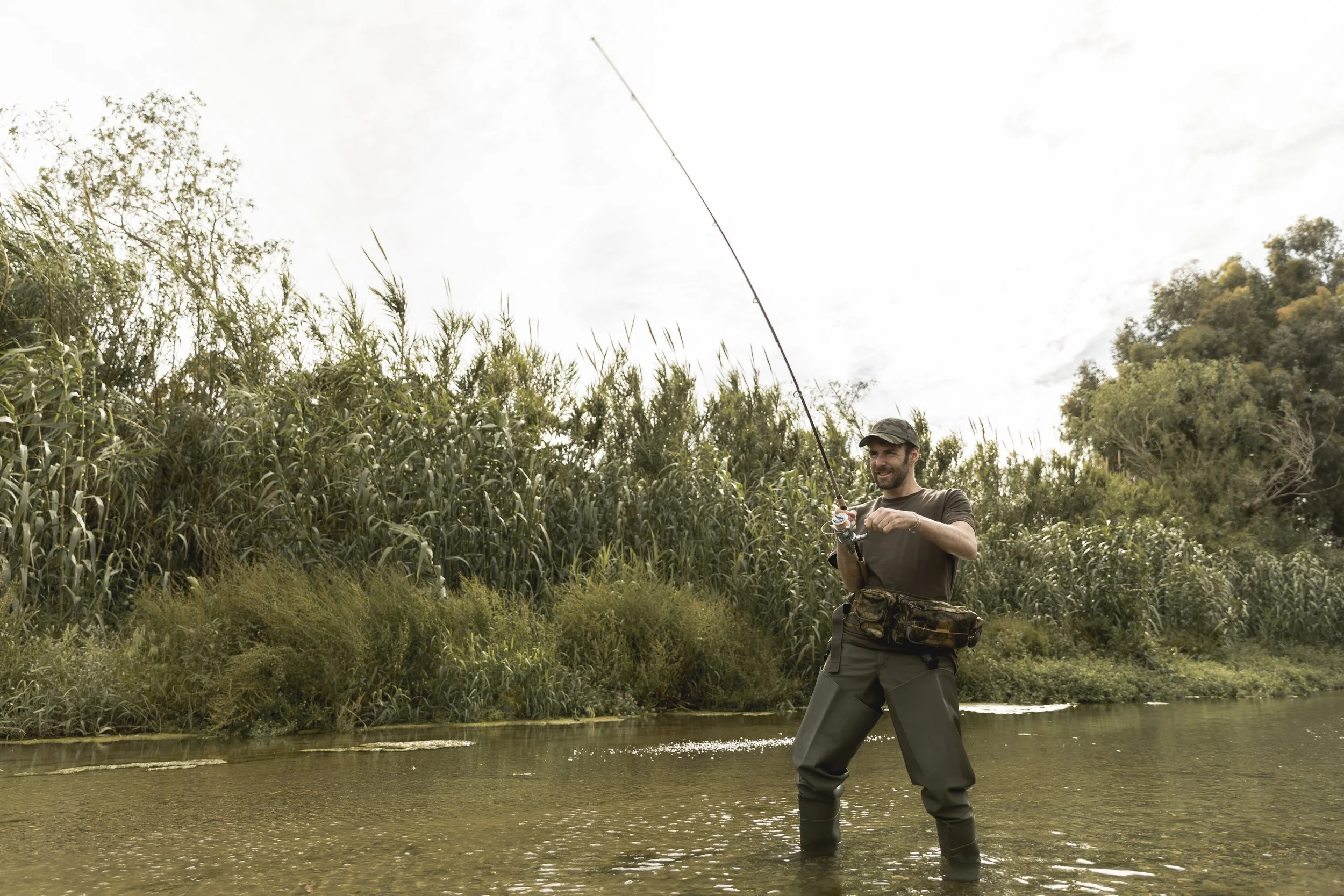
Bass fishing is an exciting challenge that tests both skill and adaptability. Weather, one of the most influential factors in fishing, often determines the success of a day on the water. Storms, in particular, can drastically change conditions, pushing anglers to adjust their strategies before and after the clouds roll in. Understanding these changes and preparing accordingly can make all the difference in reeling in your next big catch. 

If you’re planning a trip or are considering an adventure like a fishing charter in Miami, understanding how storms impact fish behavior can help improve your success on the water. Let’s dive into how weather changes affect bass fishing and how you can adjust your tactics to make the most of any conditions. 

PHOTO CREDIT | Freepik

Understanding Storm Patterns and Their Impact on Bass 

Pre-Storm Conditions: A Prime Opportunity 

Before a storm, the weather often shifts in a way that can energize bass activity. As barometric pressure drops, bass sense the change and may become more aggressive feeders. This is an excellent time to be on the water. Overcast skies, wind, and increased cloud cover often signal the onset of a storm, creating perfect conditions for active fishing. 

Bass tend to move into shallower waters to feed more actively as they prepare for the coming turbulence. They are less wary and more likely to strike at a variety of lures. Use this window to experiment with different bait presentations, focusing on fast-moving lures like crankbaits or spinnerbaits to match the high-energy mood of the fish. 

Stormy Waters: Know When to Stay Safe 

While fishing during a storm is not recommended for safety reasons, understanding how the storm influences bass behavior helps set you up for post-storm success. Heavy rains, strong winds, and churning water can disorient fish, forcing them to seek shelter in deeper or more stable parts of the water body. 

Lightning poses a significant hazard to anglers, so always prioritize safety and head back to shore when storms approach. 

Adjusting Your Strategy After a Storm 

Post-Storm Challenges: A Time of Recovery 

After a storm, conditions often change dramatically. Clear skies and a rising barometer can make bass lethargic, especially if the water temperature drops. Fish tend to retreat to deeper structures or find cover in vegetation, making them less active and harder to locate. 

However, don’t lose hope. Post-storm fishing is about patience and precision. Understanding where bass are likely to retreat and adjusting your approach can still yield success. 

Focus on Water Clarity and Depth 

Storms often stir up sediment, especially in shallow areas, reducing water clarity. This can affect how bass perceive and respond to lures. In murky water, opt for bright or noisy lures that are easier for fish to detect. Spinnerbaits with reflective blades, chatterbaits, or soft plastics in bold colors can work wonders in these conditions. 

Targeting deeper water is another key strategy. Use sonar or fish finders to locate submerged structures like drop-offs, ledges, or underwater vegetation where bass may be hiding. 

Choosing the Right Lures for Storm-Related Conditions 

Pre-Storm Lures 

During the pre-storm feeding frenzy, bass are aggressive and more willing to chase moving targets. Use lures that mimic baitfish, such as: 

●      Crankbaits: Effective for covering large areas quickly. 

●      Spinnerbaits: Their flash and vibration can trigger strikes in low light. 

●      Topwater Lures: Frogs or poppers can be thrilling options in the shallows. 

Post-Storm Lures 

After the storm, subtlety is your friend. Slow down your presentations and focus on lures that imitate natural prey. Consider: 

●      Soft Plastics: Worms, creature baits, or stick baits rigged Texas or Carolina style. 

●      Jigs: Perfect for targeting bass hiding near cover or on the bottom. 

●      Swimbaits: When retrieved slowly, these mimic the natural motion of prey fish. 

Reading the Weather: Tools and Tips for Success 

Monitoring Barometric Pressure 

Barometric pressure is one of the most important indicators of fish behavior. Invest in a barometer or use a weather app to track pressure changes. Generally: 

●      Falling Pressure: Bass activity increases as storms approach. 

●      Low Pressure (During Storms): Fish may become disoriented or retreat. 

●      Rising Pressure (Post-Storm): Bass often become sluggish. 

Time of Day Matters 

Combine weather insights with the natural feeding cycles of bass. Early mornings and evenings are often more productive, especially in post-storm conditions when fish may take longer to adjust to changing light levels and water clarity. 

Other Factors to Consider 

Temperature Fluctuations 

Storms can cool down surface temperatures, which may encourage bass to explore shallower areas once conditions stabilize. However, if the water remains cold, fish are likely to stay deeper. Adjust your strategy accordingly, switching between shallow and deep presentations. 

Wind Direction and Speed 

Wind plays a critical role in how storms influence fishing. Post-storm winds can push baitfish into certain areas, attracting bass. Pay attention to wind-driven currents and fish on the downwind side of the lake or pond for better chances of success. 

Safety Tips for Stormy Conditions 

Watch the Skies 

Always monitor the forecast and look out for warning signs like darkening clouds, sudden temperature drops, or increasing winds. If you’re out on a boat, know the quickest route back to shore and keep a weather app handy for real-time updates. 

Plan Ahead 

When fishing in storm-prone seasons, carry essential safety gear such as life jackets, a weather radio, and a first aid kit. A little preparation can go a long way in ensuring a safe and enjoyable outing. 

PHOTO CREDIT | Freepik

Conclusion 

Fishing before and after storms requires a mix of observation, strategy, and adaptability. By understanding how weather changes affect bass behavior, you can adjust your tactics to make the most of these dynamic conditions. Before storms, embrace the chaos and take advantage of aggressive feeding. After storms, slow things down and focus on precision. 

Whether you’re casting from a lakeside dock or joining a guided fishing charter, staying attuned to weather patterns will help you outsmart even the wiliest of bass. Next time the skies darken, don’t shy away from the challenge—use the storm as an opportunity to refine your fishing skills and reel in a memorable catch.