FROM STUDIO TO STREE: THE ROLE OF BRANDED APPAREL IN ATHLEISURE CULTURE

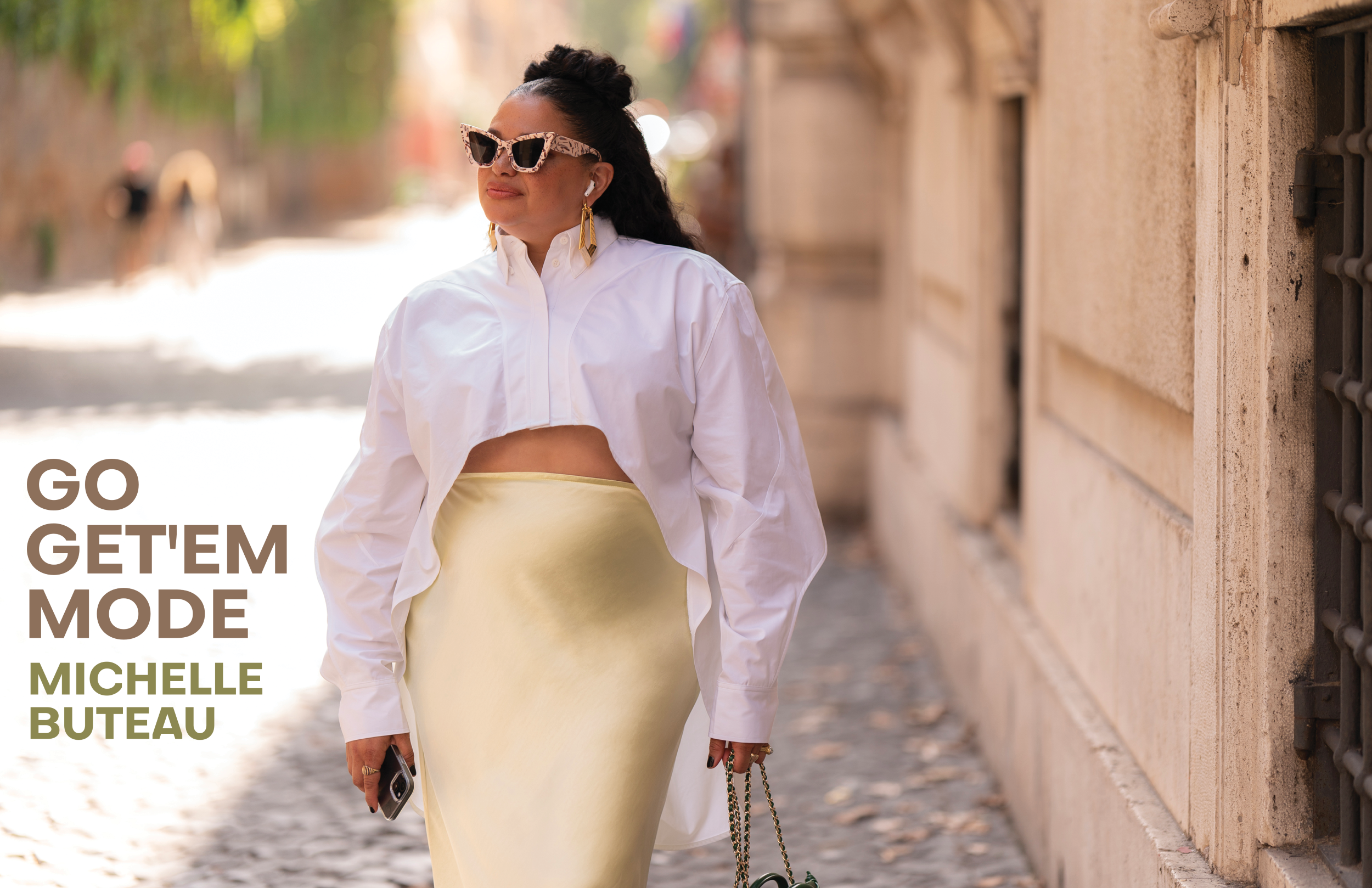
Athleisure. We know the word, we see the trend. It's that blurring of the lines between gym wear, coffee-run clothes, and even… dare I say… Casual Friday attire. A hybrid, yes, but also a comfortable marriage between athletic functionality and everyday fashion. And right there, at the heart of it all, is branded apparel. Think: that sleek Nike swoosh, those three iconic Adidas stripes, or the subtle Lululemon logo. These aren’t just clothes; they’re statements, and their rise is definitely linked to the athleisure boom.

For brands looking to elevate their athleisure presence, consider the power of unique accessories. Much like a logo on apparel, a carefully crafted pendant can reinforce brand identity and create a lasting impression. If you're seeking a custom logo pendant maker, this can be an exceptional way to extend your brand's visibility and connect with customers on a deeper level. Custom pendants can serve as a wearable representation of your brand's values and aesthetic.

But what's the real role of branded apparel in shaping this culture? This isn't just about slapping a logo on a tee, you know? It's more complex. It’s about how these brands convinced us that sportswear is not just acceptable, but desirable, for everyday wear. That’s what we’re diving into here. How branded apparel transformed athleisure, bridging the gap between performance and style. Comfort, status, a certain feeling... it's all by design.
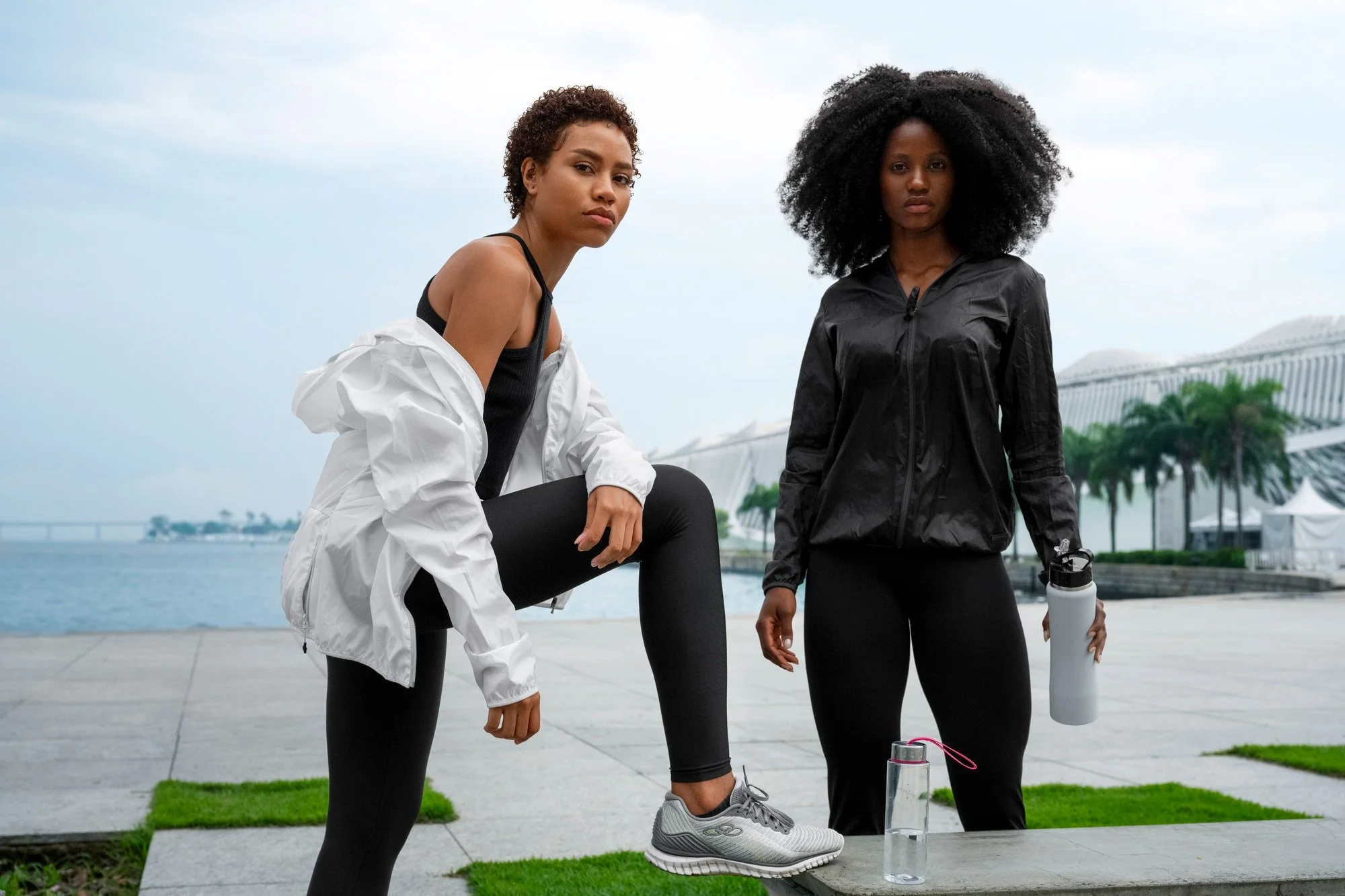
PHOTO CREDIT | Freepik

The Evolution of Athleisure

Let's rewind a bit. Athleisure didn't spring out of nowhere, obviously. Athletic wear began purely functional. Tracksuits were for the track, leotards for the barre. Performance was king, not posing for brunch pics.

Then, a shift. Lululemon started blurring the lines, taking yoga pants from the studio to the street. Style and comfort. Then came Nike, Adidas, and streetwear brands, all leaning into the active-lifestyle blend. Think of it, this wasn't just about clothes; it was about crafting a lifestyle. The rise of streetwear in the 90s and early 2000s cemented the trend too.

Cultural shift? Massive. Wellness, fitness, and casual comfort became wardrobe staples. Leggings at the grocery store? Totally acceptable. Sports bra under a blazer? Why not? Sneakers with everything? A must. Athleisure had arrived, and here it is today.

Branded Apparel: More Than Just a Logo

Okay, so everyone’s wearing it, but why? Branded athleisure is so powerful for reasons more than just a logo. It's a status symbol, brands convey a lifestyle, prestige, and a specific identity. Lululemon? You’re health-conscious, active, and appreciate quality. Adidas stripes? Classic sportswear, a touch of street style. It's a non-verbal way to communicate your identity, or your aspiration.

Marketing plays a huge role, and celebrity endorsements, those are genius. Beyoncé launching Ivy Park with Adidas? Instant buzz. Hype overload. Celebrities aren’t just wearing clothes; they’re embodying brand values, which is powerful.

Then you get into limited editions and collaborations. Athleisure crosses into high fashion and luxury. Adidas x Balenciaga, Nike x Off-White. Massive hype, streetwear meets runway.

Social media and influencers are no small part of it. Instagram, TikTok, YouTube... flooded with influencers showcasing favorite brands, creating a constant stream of aspirational content, and making brands desirable. Algorithms push trends, displaying the athleisure lifestyle every single day, turning it into a desire we can't shake.

The Functional Side of Branded Athleisure

It's not all about looks, though. A major part of athleisure's appeal is functionality. Brands invest heavily in tech-driven fabrics. Moisture-wicking materials, compression fabrics, even sustainable materials for eco-conscious consumers.

Design innovation is crucial. Style and performance are prioritized. Leggings with strategically placed seams, jackets with hidden phone pockets, sneakers for comfort and support, all while looking sleek.

Versatility is key. Seamless transition defines athleisure. You can wear leggings to yoga, run errands, and meet friends for coffee without changing. Athleisure is designed to keep up with your active lifestyle, making it convenient and appealing.

Consumer Psychology: Why We Buy Into Branded Athleisure

Let’s get psychological. It's not just the clothes, but what they represent. Does premium athleisure really deliver better performance, or is it perceived quality? A bit of both, probably. High-end materials and designs may offer advantages, but the appeal lies in the perception of quality and status.

Lifestyle branding is key. Brands craft narratives around self-improvement, health, and prestige. Creating an emotional connection, making us feel like we're buying into a better version of ourselves, buying into the lifestyle. "You can do yoga!" shouts Lululemon. "You can run a marathon!" shouts Adidas. "Just do it!" shouts Nike.

Then there’s the community. Brands foster belonging through fitness initiatives. Nike Run Club, Lululemon yoga sessions create a space to connect, reinforcing loyalty and a feeling of togetherness. Very smart. Very successful.

Challenges and Criticisms of Branded Athleisure

There are some challenges and criticisms that need addressing. Branded athleisure can be incredibly expensive, you know? Is it really worth it? Are we paying for quality, or just a logo?

Sustainability is a concern. The fashion industry is notorious for its environmental impact. Waste, ethical production issues, and fast-fashion tendencies contribute to this problem. Brands need to do better, adopting sustainable practices and transparency. For example, Patagonia is winning there.

There's also the question of authenticity. Are we buying for function, or is it just status? Are we embracing the active lifestyle, or chasing a trend? That can lead to unease, the feeling we are trying too hard to impress. Like, those $200 leggings... did I really need them?

PHOTO CREDIT | Freepik

Conclusion

Branded apparel has shaped athleisure culture, and yes, definitely, transforming it from a niche trend into a mainstream phenomenon. It's more than just comfortable clothing, it's a status symbol, a lifestyle statement, a reflection of our values and aspirations. Brands blurred the lines between performance and fashion, creating a hybrid that appeals to our desire for comfort, style, and belonging.

Looking ahead, the future of athleisure definitely will be shaped by sustainability efforts, inclusivity, and the integration of fashion-tech. Brands that prioritize ethical production, diverse representation, and innovative designs are positioned to thrive. Athleisure is evolving, and it’s here to stay, just like some of my favorite brands.

15 FUN FACTS ABOUT PARIS THAT WILL SURPRISE YOU

Paris, the City of Lights, is undoubtedly one of the most iconic cities in the world. Known for its romantic ambiance, rich history, and stunning landmarks, it’s a place where art, culture, and cuisine come together like no other city. But beyond the famous Eiffel Tower and charming streets, Paris has a treasure trove of quirky facts that many visitors—and even locals—might not know. So, let’s dive into 15 fun facts about Paris that will leave you in awe of this marvelous city!

1. Disneyland Paris Isn’t Actually in Paris

If you’re dreaming of a Disneyland trip in Paris, you might be surprised to learn that the famous theme park isn’t located in the French capital itself. In fact, Disneyland Paris is located in Marne-la-Vallée, about 33 kilometers (20 miles) east of the city center. While it's still within easy reach, don’t be fooled by the name! To make the most of your Parisian vacation, you might want to book hotels in Paris and take a day trip to the magical kingdom.


2. More Dogs Than Children in Paris

Parisians love their pets, particularly their dogs. In fact, there are 17 dogs for every 100 people in Paris, meaning there are more dogs than children in the city. The French capital is a haven for dog lovers, with nearly half a million dollars spent annually by Parisians on their four-legged companions. So, don't be surprised if you see a dog in a café or being pampered at one of the city's many pet spas.

3. The Eiffel Tower is Illuminated by 20,000 Bulbs

The Eiffel Tower is one of the most iconic landmarks in the world, but did you know it’s illuminated by 20,000 light bulbs? Every evening, these bulbs create a shimmering spectacle that helps the tower stand out as a beacon of light against the Parisian skyline. This dazzling display has become a symbol of the city, drawing millions of visitors to witness its nighttime brilliance.


4. There’s a Labyrinth Beneath Paris

Beneath the cobbled streets of Paris lies a fascinating and eerie labyrinth of catacombs. These underground tunnels were originally stone quarries but later became the final resting place for millions of Parisians. Some parts of the catacombs are open to tourists, offering a glimpse into the city’s darker history. It’s a hauntingly intriguing experience for those who dare to explore the depths of Paris.

5. The Mona Lisa Was Stolen from The Louvre

The Mona Lisa, Leonardo da Vinci’s famous masterpiece, was once stolen from the Louvre Museum in 1911. The thief, Vincenzo Peruggia, hid the painting for two years before it was recovered. The heist shocked the art world, and the painting’s return to the museum only heightened its legendary status. Today, the Mona Lisa remains one of the most visited and admired artworks in the Louvre.

6. The Eiffel Tower Almost Didn’t Survive WWII

During World War II, Hitler ordered the destruction of the Eiffel Tower. Fortunately, the order was ignored, and the iconic landmark was spared from demolition. The tower's survival during this dark time has become a symbol of resilience and strength for the French people, standing tall against adversity.

7. Camouflage Was First Used by the French Military

You might associate camouflage with modern warfare, but did you know it was first developed by the French military during World War I? The French used camouflage techniques to help soldiers blend into their surroundings and avoid detection. These innovative methods quickly gained popularity and were adopted by militaries worldwide.

8. Paris is Known as the City of Lights for a Reason

The nickname “City of Lights” has a historical connection to the Age of Enlightenment in the 18th century. During the reign of Louis XIV, Paris became a center of intellectual and cultural advancements, and the term “City of Lights” symbolized the city’s role as a beacon of knowledge and progress. Today, the name is also fitting due to the city’s dazzling lights, both at night and in its cultural influence.

9. Paris’ Catacombs Were Once Mushroom Farms

While the catacombs are known for housing skeletons, did you know that they were also used for mushroom farming in the 19th century? The cool, dark conditions of the tunnels made them the perfect environment for growing mushrooms, which became a lucrative business. Some catacombs are still used for mushroom cultivation today, adding another layer of history to these subterranean spaces.

10. The Eiffel Tower Was Initially Unpopular

Despite its fame today, the Eiffel Tower was initially met with disdain. When it was first built in 1889 for the World’s Fair, many Parisians and artists criticized its design, calling it an eyesore. In fact, the Eiffel Tower was only supposed to be a temporary structure, meant to last just 20 years. Fortunately, it was allowed to stay, and now it's one of the most recognized monuments in the world.

11. Paris Still Uses Carrier Pigeons

In the age of modern technology, you might think carrier pigeons are a thing of the past. But in Paris, the French military still relies on pigeons in emergencies! These birds are used to carry messages when other communication methods fail, making them an unlikely yet reliable form of communication in the digital age.

12. Paris is Home to Two Islands

Paris isn’t just made up of charming arrondissements and iconic landmarks—it also has two islands! Île Saint-Louis and Île de la Cité are both located in the River Seine. Île de la Cité is home to the famous Notre-Dame Cathedral, while Île Saint-Louis is known for its picturesque streets, charming cafés, and beautiful views of the river. Together, they add a unique element to Paris' geography.

13. Paris Has Free Sparkling Water Fountains

In an effort to reduce plastic waste, Paris introduced a series of fountains where you can get free still and sparkling water. The initiative, called Eau de Paris, provides eco-friendly hydration for Parisians and visitors alike. So, next time you’re strolling through the city, you can refill your bottle with refreshing sparkling water for free!


14. A Deserted Railway Circles Paris

La Petite Ceinture is a 32-kilometer stretch of disused railway that once encircled Paris. Today, parts of this abandoned railway have been turned into walking paths and parks, offering a unique way to explore the city’s outskirts. The eerie, overgrown tracks provide a glimpse into Paris' past and offer a peaceful escape from the hustle and bustle of the city center.

15. The Louvre Has So Much Art, You’d Need 8 Months to See It All

The Louvre Museum is the largest art museum in the world and home to an astonishing collection of artworks. With over 35,000 pieces, it would take you eight months to see every single piece if you spent just 30 seconds looking at each one. From ancient sculptures to Renaissance masterpieces, the Louvre is a treasure trove of art that’s worth exploring, no matter how much time you have.

Paris is a city that never ceases to amaze. Whether you're marveling at its landmarks or uncovering hidden gems, there’s always something new to discover. So, the next time you're in Paris, be sure to keep these fun facts in mind—they’ll add an extra layer of intrigue to your adventure in the City of Lights!

FROM THE GYM TO THE COUCH: THE PERFECT ATHLEISURE WEAR FOR POST-WORKOUT CANNABIS RELAXATION

Okay, so you crushed that workout. Now what? You want to chill, right? But going from sweaty beast to serene goddess takes more than just willpower. Your outfit has to cooperate. We’re talking athleisure, but not just any athleisure. We're talking the kind that lets you sink into the couch, maybe explore a little green relaxation aid, and just… exhale. If you're in Richmond and curious about options, you might consider exploring Kush Delivery Richmond. It's not just about being trendy; it's about optimizing your "ahhhhh." You want that comfort, that ease, that feeling of just right? It starts with what you wear.

PHOTO CREDIT | Unsplash/Pascal Meier

Athleisure: Not Just a Trend (Thank Goodness)

Athleisure's blown up, and honestly, thank goodness. It's that beautiful baby of athletic apparel and casual wear. Yoga pants you can actually wear to brunch? Check. A hoodie that looks just as good at the gym as it does while Netflix-ing? Double-check. It's versatile, functional, and why so many are ditching jeans for good.

Why it Works for Active Lifestyles AND Rest Days

Okay, so athleisure is awesome because it’s built for life. Moisture-wicking fabrics save you from that post-workout swampiness. Stretchy everything lets you actually move. And, let's be real, it looks way better than your ancient college sweats. Brands are finally getting it, designing stuff that breathes, flatters, and makes you feel put-together even when you're absolutely not. Think beyond basic black leggings here.

Post-Workout Recovery: Elevating it with a Little Green

Let's get real: recovery is crucial. More and more, people are turning to cannabis to unwind after a hard workout. Who can blame them? Finding natural ways to support your body's healing process is a smart move.

The Perks of Post-Workout Cannabis

Cannabis, especially CBD (but sometimes a little THC!), can help muscle recovery, reduce inflammation, and promote overall relaxation. That sweet, sweet relief after leg day? Yes, please. Some athletes even say it makes working out more enjoyable and boosts their recovery. It's worth exploring the potential benefits.

But here’s the thing: your environment matters. Soft lighting? Check. Comfy pillows? Check. The right clothes? Absolutely check. This is where athleisure shines. It's not just about covering yourself; it's about amplifying the relaxation. Trust me, putting on stiff jeans after a hard workout is basically a crime against your body. Clothing will play a big role in optimizing this whole experience, turning your recovery time into a truly luxurious moment.

Athleisure Nirvana: What to Look For

So, what makes athleisure perfect for those post-workout chill sessions? It’s all in the details.

Fabric, Fabric, Fabric

Breathable, moisture-wicking, stretchy is the holy trinity. Cotton blends, bamboo, microfibers – these are your best friends. They keep you cool, dry, and unrestricted. You want fabrics that feel amazing against your skin, especially when you're sore. Seriously, scratchy seams are the enemy. You want fabrics that provide for the best comfort experience and will make you feel great; they can even add to your relaxation experience.

Fit Matters (A Lot)

Loose vs. fitted? Tricky question. For pure relaxation, looser styles usually win. Think oversized hoodies (a personal favorite), baggy joggers, flowy tees. But hear me out – fitted leggings can be great too, especially if they're super soft and high-waisted. Seamless designs are also clutch, eliminating chafing. The goal is a fit that doesn't constrict you, that will allow you to breathe, and that can make you feel like you're being hugged by your clothes. Like a gentle, loving hug.

Style: Express Yourself, Even on the Couch

Coordinated sets vs. mix-and-match? Dealer's choice! Some people love the ease of a matching set (so put together!), while others prefer their own unique combos. Don't forget aesthetics either. You want something that looks good whether you're lounging or running to the store. Darker colors are always a safe bet, especially if you're prone to spilling things (guilty). And those soft fabrics? Yes, always. You want something that serves your style, that will make you feel confident, and that can transition seamlessly from the gym to real life.

Temperature Control: Layers are Your Savior

Lightweight layers are key for cooling down after a workout. A light jacket or breathable tee does the trick. Then, when it's time to fully embrace the couch, cozy elements like oversized hoodies are a must. You want something that serves your body's changing temperature, that will keep you comfortable no matter what, and that can adapt to your needs.

Brand Love: My Go-To Athleisure

Okay, let's get specific. Which brands are actually nailing this whole athleisure-for-relaxation thing? I’ve tried a lot.

The Ones Worth the Money

●      Lululemon: Yeah, it's pricey. But the quality is unreal. Their Softstreme collection? Feels like you're wearing a cloud. Seriously. Worth the splurge. I have the Softstreme Perfectly Oversized Cropped Crew ($118) and I LIVE in it.

●      Vuori: This brand balances performance with serious coziness. Their joggers are legendary. The Performance Jogger ($89) is always in my rotation.

●      Beyond Yoga: Buttery-soft is an understatement. It feels like wearing a hug. Their spacedye leggings are life.

Budget-Friendly Options That Don't Suck

You don't need to empty your bank account for comfort. Old Navy and Target have great basics. Don't expect them to last forever, but they're perfect for filling out your wardrobe.

Level Up Your Lounging: Outfit Ideas

Alright, let's put it all together. What are the perfect outfits for maximum post-workout bliss?

The Post-Gym Uniforms

●      Hoodie + Joggers: The ultimate power couple of comfort. Bonus points for a zip-up hoodie for easy temperature control.

●      Sports Bra + High-Waisted Leggings: Breathable and supportive, perfect for warmer weather. Add a light cardigan if you get chilly.

●      Oversized Tee + Biker Shorts: Relaxed, stylish, and perfect for showing off those quads you worked so hard for.

Accessorize for Maximum Cozy

Don't forget the extras! Cozy socks, slide sandals (Birkenstocks, anyone?), a weighted blanket, and a beanie can seriously up your relaxation game.

The Color Question

Hear me out: Darker colors hide sweat stains (we've all been there) and tend to be more forgiving. But honestly, wear what makes you feel good!


PHOTO CREDIT | Unsplash/Viktor Talashuk

Final Thoughts: It’s All About You

Choosing the right athleisure wear is about more than just clothes. It's about enhancing your comfort, your style, and your entire relaxation experience. Think of it as a tool. It's a means to an end: pure, unadulterated bliss.

From the gym to the couch, your clothing should support your body AND your mind. So, go ahead, treat yourself to that perfect lounge set. Relaxation is an art, and you deserve to be cozy. Athleisure wear can serve you, and the right style can only make the experience even better. Now go get your chill on.

FROM STRESS TO STRENGTH: HOW MICRODOSING SUPPORTS RECOVERY FROM BURNOUT AND OVERTRAINING

Athletes and fitness enthusiasts push their limits daily, chasing progress, personal bests, and peak performance. But with that drive comes a risk—burnout. Overtraining can sneak up, bringing exhaustion, mental fog, and a decline in performance. Some try rest, nutrition, and therapy, but a growing number are turning to an unconventional approach: microdosing psilocybin.

Microdosing, the practice of taking small, non-hallucinogenic doses of psychedelics, is gaining attention for its potential role in stress management, mental clarity, and physical recovery. Companies like Dope SEO—which helps businesses in the mushroom and wellness space reach a wider audience—are playing a role in bringing credible, accessible information about microdosing to more people. For those who push their bodies to the edge, this practice may offer a way to recover faster, stay motivated, and avoid the mental drain that comes with overtraining.

PHOTO CREDIT | FreePik/Lookstudio

Understanding Burnout and Overtraining

Burnout isn’t just about feeling tired. It’s a state of deep mental and physical exhaustion that builds over time. Athletes, bodybuilders, and fitness enthusiasts often experience it when training intensity exceeds their body’s ability to recover. Symptoms can include:

●      Chronic fatigue

●      Loss of motivation

●      Increased risk of injury

●      Poor sleep

●      Decreased performance

●      Emotional instability

Overtraining syndrome (OTS) takes it a step further. It’s when stress on the body becomes so intense that rest alone isn’t enough to bounce back. This is where microdosing could play a role—not as a magic fix, but as a tool to support recovery and resilience.

How Microdosing Can Help Combat Burnout

Microdosing psilocybin is believed to work by interacting with serotonin receptors in the brain. This can impact mood regulation, cognitive flexibility, and stress response. While research is still in its early stages, anecdotal evidence and emerging studies suggest microdosing may help with:

●      Reducing stress and anxiety – Overtraining elevates cortisol, the stress hormone. Psilocybin may help regulate stress responses, making recovery smoother.

●      Enhancing mental resilience – Athletes facing burnout often struggle with motivation. Microdosing may support cognitive function, helping users regain focus and determination.

●      Improving sleep quality – Recovery depends on deep, restorative sleep. Some microdosers report better sleep patterns, which could benefit overtrained individuals.

●      Supporting emotional balance – Burnout often leads to irritability and emotional exhaustion. Microdosing may help maintain a stable, positive mood.

The Science Behind Psilocybin and Recovery

Though mainstream acceptance of psilocybin is relatively new, research into its benefits is growing. Studies suggest that low doses of psilocybin may promote neuroplasticity—the brain’s ability to rewire and adapt. This is crucial for mental resilience, especially for athletes recovering from prolonged physical and psychological stress.

A study published in Nature found that psilocybin encourages brain cell growth and strengthens neural connections. This could explain why users report improved clarity, problem-solving, and motivation. Additionally, a 2020 study in Frontiers in Psychiatry suggested that psilocybin-assisted therapy could help reduce anxiety and stress, making it a potential tool for managing the emotional strain of overtraining.

Balancing Performance and Recovery

Athletes often feel pressure to keep training, even when their bodies are begging for rest. The idea of "pushing through the pain" is ingrained in many fitness cultures. But real progress happens during recovery. Microdosing isn’t about replacing healthy recovery habits—it’s about enhancing them.

Here’s how microdosing can be integrated with standard recovery strategies:

●      Nutrition: Fueling the body with anti-inflammatory foods and hydration can support the recovery process. Psilocybin’s potential anti-inflammatory properties may work alongside a solid nutrition plan.

●      Sleep optimization: Creating a nighttime routine, avoiding blue light, and ensuring deep sleep can maximize muscle repair. Some microdosers find that psilocybin helps regulate their sleep cycles.

●      Mindfulness and meditation: Incorporating mindfulness can reduce stress and improve focus. Microdosing may deepen meditation practices and promote relaxation.

●      Active recovery: Instead of complete rest, low-impact activities like stretching, yoga, or walking can keep the body moving without added stress. Microdosing may help users feel more present and connected during these sessions.

The Role of Mental Well-Being in Athletic Performance

Athletic performance isn’t just about physical strength—it’s equally about mental endurance. Burnout often starts in the mind before it manifests in the body. Microdosing may offer a cognitive boost, helping athletes manage self-doubt, fatigue, and emotional strain.

Some benefits that athletes and fitness enthusiasts report include:

●      Enhanced focus during training – Less mental chatter and improved concentration.

●      More motivation to stick with routines – A renewed sense of excitement for workouts.

●      A deeper connection with the body – Improved awareness of overtraining signals, allowing for better self-care.

Is Microdosing Right for Everyone?

Microdosing is not a one-size-fits-all solution. While many athletes find benefits, it’s not for everyone. Factors like personal health, mental state, and lifestyle should be considered before trying it. Consulting a healthcare professional—especially for those with underlying conditions—is crucial.

Additionally, legality varies by region. Those interested in exploring microdosing should be aware of their local laws and seek guidance from reliable sources.

Finding the Right Approach

For those considering microdosing as part of their recovery strategy, starting small is key. A typical microdose is about one-tenth to one-twentieth of a recreational dose, meaning there are no hallucinogenic effects. Most users follow a structured schedule, such as:

●      The Fadiman Protocol – One microdose every three days.

●      The Stamets Stack – Psilocybin combined with lion’s mane mushroom and niacin for enhanced neuroplasticity.

●      Intuitive Dosing – Listening to the body and adjusting based on personal needs.

Tracking experiences in a journal can help determine effectiveness and ensure responsible use.

The Future of Microdosing in Sports and Fitness

As more research emerges, conversations around microdosing in sports and fitness are evolving. While elite athletes are still hesitant to discuss it openly, some in endurance sports, bodybuilding, and extreme fitness are exploring its potential.

The future may hold more structured studies on psilocybin’s effects on performance, stress adaptation, and injury recovery. Until then, those who incorporate microdosing into their wellness routines will continue sharing their experiences, shaping the next wave of fitness and mental health innovation.

PHOTO CREDIT | Freepik

Conclusion

Burnout and overtraining can be overwhelming, but recovery is just as important as training itself. Microdosing isn’t a quick fix, but it may offer a supportive tool for stress management, emotional balance, and mental resilience. By combining it with proper recovery practices—nutrition, rest, mindfulness, and self-awareness—athletes and fitness enthusiasts may find a sustainable way to push their limits while taking care of their well-being.

As the conversation around psilocybin continues, those looking for natural recovery solutions might find that small doses can make a big difference.

THE PSYCHOLOGY OF RISK-TAKING: FROM SPORTS PERFORMANCE TO DIGITAL BETTING

Risk-taking is part of human nature. Whether it’s an athlete pushing their body to the limit or a gambler placing a high-stakes bet, the willingness to embrace uncertainty plays a big role in both success and failure. Some thrive under pressure, while others struggle with the unpredictability of the outcome. But what separates those who excel in risk-heavy environments from those who don’t?

In both sports and digital betting, psychology is key. The way a person processes risk, calculates odds, and reacts to setbacks can determine their results. While physical training matters for athletes, their mindset is just as crucial. The same applies to bettors—having a solid strategy and emotional control can make a difference. Platforms like UFA provide access to digital betting, where users can test their risk management skills in a controlled environment.

Understanding risk-taking is useful not just for gamblers or athletes but for anyone who makes quick decisions under pressure. Let’s break down what drives risk-takers, how their minds work, and what lessons both sports and betting can teach about managing uncertainty.

PHOTO CREDIT | Freepik/Onlyyouqj

What Drives People to Take Risks?

Risk-taking isn’t random. It’s influenced by a mix of biology, psychology, and personal experience. Some people are naturally more inclined to take risks, while others prefer to play it safe. The factors that shape this behavior include:

1. Brain Chemistry and Risk Appetite

The human brain plays a huge role in risk-taking. Dopamine, the neurotransmitter linked to reward and pleasure, is a key factor. When people take risks and succeed, their brain releases dopamine, reinforcing the behavior. This is why some athletes love the rush of competition, and why some gamblers feel an adrenaline rush when placing bets.

For some, this dopamine feedback loop makes risk-taking almost addictive. High-risk sports like skydiving and high-stakes gambling can create similar psychological highs, making participants crave the experience again.

2. Experience and Conditioning

Athletes train their bodies to endure physical stress. But they also train their minds to handle risk. A soccer player taking a penalty kick in a championship match understands the consequences of missing but still takes the shot. This is because repeated exposure to high-pressure situations conditions them to manage the stress.

Bettors also build experience over time. A seasoned poker player knows how to calculate odds and control their emotions during a tough hand. Those who are new to digital betting may hesitate before placing a wager, but as they gain confidence, their decision-making process improves.

3. Personality Traits

Some people are naturally more risk-tolerant than others. Studies suggest that personality traits like extroversion and openness to experience are linked to higher risk-taking behavior. On the other hand, those who are more cautious and detail-oriented may take fewer risks.

In sports, risk-taking can lead to game-changing moments. A basketball player attempting a three-pointer in the final seconds of a game is gambling on their ability. In betting, a high-risk wager can lead to a massive payout—or a big loss. Either way, the decision is influenced by the person’s natural tendencies.

How Risk-Taking Works in Sports

Athletes take calculated risks every time they step onto the field, track, or court. But their ability to handle risk is shaped by mental discipline, training, and experience.

1. Confidence and Mental Strength

Confidence is a game-changer in sports. Athletes who believe in their abilities are more likely to take risks when it matters. A tennis player going for a risky shot at match point isn’t just relying on skill; they trust their instincts.

This mindset is built through preparation. Athletes train for years to develop a deep sense of confidence in their abilities. When they take risks, they aren’t just hoping for the best—they’re making informed decisions based on training and experience.

2. Managing Pressure and Uncertainty

Athletes face uncertainty every time they compete. No matter how well they prepare, there’s always a chance that something unexpected will happen. This is where mental toughness comes in.

Top athletes use techniques like visualization, mindfulness, and controlled breathing to stay calm under pressure. They understand that risk is unavoidable but can be managed.

Bettors can take a similar approach. Instead of making impulsive decisions, they can analyze odds, manage their bankroll, and stay emotionally grounded. The best gamblers aren’t just lucky—they’re strategic.

3. Learning from Failure

Risk-taking comes with failure. Even the best athletes lose games, miss shots, and make mistakes. But what separates champions from the rest is how they respond to setbacks.

A sprinter who stumbles at the starting line doesn’t quit—they learn from it and improve for the next race. Similarly, successful bettors don’t dwell on losses. Instead, they analyze what went wrong, adjust their strategy, and make smarter bets in the future.

How Risk-Taking Works in Digital Betting

Digital betting may not be as physically demanding as sports, but it requires mental sharpness, decision-making skills, and self-control.

1. Calculating Odds vs. Taking Impulsive Risks

Smart bettors don’t rely on luck alone. They calculate odds, study game trends, and manage their bankroll wisely. Taking unnecessary risks without preparation is similar to an athlete playing without training—it rarely ends well.

Successful bettors understand expected value (EV), which helps them determine whether a bet is worth making. They also avoid chasing losses, which is one of the biggest mistakes in gambling.

2. Emotional Control and Decision-Making

Just like athletes, gamblers need emotional discipline. Making rash decisions in the heat of the moment often leads to mistakes. A professional poker player doesn’t let emotions dictate their play. They stay patient, wait for the right opportunity, and strike when the odds are in their favor.

This applies to sports betting, casino gaming, and other forms of gambling. The best players manage their emotions, stick to their strategy, and know when to walk away.

3. The Role of Streaks and Gambler’s Fallacy

In both sports and betting, streaks can influence decision-making. A basketball player on a hot streak may feel unstoppable, just like a gambler on a winning streak. But past performance doesn’t always predict future results.

The gambler’s fallacy is the mistaken belief that past outcomes influence future ones. For example, if a coin lands on heads five times in a row, some people believe the next flip is more likely to be tails. In reality, the odds remain 50/50. Understanding this concept helps bettors make more rational decisions.

Lessons Athletes and Bettors Can Learn from Each Other

1. Preparation is Everything

Athletes train for months before competing. Bettors who take the time to study odds, research teams, and understand betting strategies will have a much better chance of success.

2. Control Your Emotions

Both sports and gambling are emotional experiences. Staying level-headed under pressure is a skill that benefits athletes and bettors alike.

3. Know When to Take Risks—and When to Play It Safe

A quarterback deciding whether to throw a deep pass on fourth down and a gambler debating whether to go all-in on a poker hand face similar choices. Risk isn’t bad, but knowing when to take it is crucial.

4. Learn from Losses

Failure is inevitable in both sports and betting. But those who analyze their mistakes and adjust their approach will improve over time.

PHOTO CREDIT | FreePik

Final Thoughts

Risk-taking isn’t just about luck. Whether in sports or digital betting, it requires preparation, strategy, and mental discipline. Athletes train to handle pressure, just as smart bettors develop strategies to minimize losses and maximize wins.

Understanding the psychology behind risk-taking can help anyone—whether they’re stepping onto a field or placing a bet—make smarter decisions. In the end, it’s not just about taking risks; it’s about knowing how to manage them.

THE ROLE OF INTEGRATIVE MEDICINE IN PREVENTATIVE HEALTHCARE

Preventative healthcare is more than just avoiding illness—it’s about taking proactive steps to build long-term wellness. Traditional medicine primarily focuses on diagnosing and treating diseases after they develop, but integrative medicine offers a different approach. By combining conventional medical practices with complementary therapies, integrative medicine helps individuals maintain their health, address imbalances early, and reduce the risk of chronic conditions.

As more people recognize the importance of whole-body wellness, integrative medicine is gaining traction as an effective way to prevent illnesses before they arise. This patient-centered approach acknowledges that physical, emotional, and mental health are deeply connected and that long-term well-being requires a combination of medical treatments, lifestyle changes, and holistic practices.

PHOTO CREDIT | FreePik

What Is Integrative Medicine?

Integrative medicine is a comprehensive approach that blends conventional treatments with complementary therapies. These can include acupuncture, chiropractic care, herbal medicine, massage therapy, meditation, nutritional counseling, and exercise programs tailored to individual needs.

Unlike alternative medicine, which often replaces conventional treatments, integrative medicine works alongside traditional healthcare to create a well-rounded approach. The goal is to address the root causes of potential health issues rather than just treating symptoms. By emphasizing prevention, integrative medicine empowers individuals to take charge of their well-being.

Many healthcare providers now incorporate integrative treatments into their practice, recognizing that factors such as diet, stress management, and physical activity play a major role in preventing illness. As a result, more people are seeking out healthcare options that go beyond prescriptions and quick fixes.

Why Prevention Matters

Preventative care is essential for reducing the risk of chronic diseases like heart disease, diabetes, and hypertension. Many of these conditions develop gradually due to factors like poor diet, lack of exercise, and unmanaged stress. Instead of waiting for symptoms to appear, preventative healthcare focuses on strengthening the body’s natural defenses to stop diseases before they take hold.

This is where integrative medicine excels. It promotes a lifestyle that fosters balance, strengthens immunity, and reduces the likelihood of long-term health complications. By addressing underlying imbalances and encouraging proactive wellness practices, integrative medicine helps people stay healthy longer.

For example, VYVE Charlotte in North Carolina] provides wellness-focused treatments that encourage long-term health. Clinics like this take a comprehensive approach to healthcare, blending medical expertise with holistic therapies to help patients maintain their well-being before major health issues arise.

Key Principles of Integrative Medicine in Prevention

1. Nutrition as Medicine

The food we eat directly impacts our health. Poor nutrition is linked to a higher risk of obesity, cardiovascular disease, inflammation, and metabolic disorders. Integrative medicine emphasizes the importance of whole, nutrient-dense foods that provide the body with the vitamins and minerals it needs to function optimally.

Instead of recommending extreme diets or restrictive eating patterns, integrative practitioners develop personalized nutrition plans. These often include:

●      Anti-inflammatory foods like berries, leafy greens, and fatty fish

●      Gut-friendly probiotics found in yogurt, kefir, and fermented foods

●      Herbs and spices such as turmeric and ginger, which support immune function

By focusing on whole-body nourishment, integrative medicine helps reduce the risk of disease while promoting long-term vitality.

2. Stress Reduction and Mental Well-Being

Chronic stress weakens the immune system, disrupts digestion, and increases the risk of anxiety, depression, and cardiovascular disease. Traditional medicine often treats stress-related symptoms with medication, but integrative healthcare takes a more holistic approach.

Stress management techniques such as:

●      Meditation and mindfulness practices

●      Deep breathing exercises

●      Guided relaxation techniques

●      Acupuncture and massage therapy

These approaches help regulate stress hormones, lower blood pressure, and improve overall emotional well-being. Managing stress is essential for preventing many chronic diseases and maintaining a healthy immune system.

3. Physical Activity and Movement Therapy

Regular physical activity supports heart health, bone density, mobility, and mental well-being. However, not all exercise is suitable for everyone. Integrative medicine emphasizes movement practices that align with an individual's specific needs, whether they are recovering from an injury, managing arthritis, or simply looking to improve their fitness level.

Popular movement-based therapies in integrative medicine include:

●      Yoga and tai chi for flexibility, balance, and stress relief

●      Strength training to support bone density and metabolic health

●      Low-impact exercises like swimming and walking for cardiovascular fitness

By tailoring physical activity to each person’s unique needs, integrative medicine ensures that movement remains a sustainable and enjoyable part of a preventative health routine.

4. Herbal and Supplement Support

Herbal medicine has been used for centuries to support overall health. Modern research continues to highlight the benefits of certain herbs and supplements in disease prevention. Some widely recommended options include:

●      Turmeric – A powerful anti-inflammatory that supports joint and heart health

●      Ashwagandha – Helps lower stress hormones and improve energy levels

●      Omega-3 fatty acids – Promotes heart and brain health

●      Probiotics – Supports gut balance and immune function

While supplements can play a beneficial role in preventative healthcare, integrative practitioners ensure they are used appropriately and in combination with other wellness strategies.

5. Detoxification and Gut Health

The body is constantly exposed to toxins from processed foods, pollution, and stress. Over time, these toxins can contribute to chronic inflammation and disease. Integrative medicine promotes natural detoxification strategies that help eliminate harmful substances and support the body's natural healing processes.

Methods of detoxification may include:

●      Drinking plenty of water to flush out toxins

●      Eating fiber-rich foods that support digestion

●      Using infrared sauna sessions to encourage sweating and detoxification

●      Lymphatic drainage massage to stimulate circulation

Gut health is another cornerstone of preventative care. A balanced gut microbiome influences digestion, immune response, and mental clarity. Maintaining gut health through diet, probiotics, and fermented foods can prevent gastrointestinal disorders and support overall wellness.

6. Sleep Optimization

Quality sleep is essential for cognitive function, immune health, and metabolic balance. Poor sleep can lead to hormonal imbalances, increased stress levels, and a higher risk of chronic diseases. Instead of relying solely on sleep medications, integrative medicine offers natural approaches to improving sleep, such as:

●      Herbal remedies like valerian root and chamomile tea

●      Magnesium supplementation to promote relaxation

●      Sleep hygiene practices like limiting screen time before bed

●      Breathwork and meditation to improve sleep quality

Optimizing sleep patterns allows the body to repair and regenerate, further enhancing overall health.

Integrative Medicine in Action: Real-Life Benefits

Many patients turn to integrative medicine after struggling with conventional treatments that focus on symptom relief rather than long-term health. Common success stories include:

●      Pain management without reliance on opioids through acupuncture and chiropractic care

●      Improved digestive health with dietary changes and gut-supporting supplements

●      Stronger immune function due to stress reduction and herbal therapies

●      Better mental clarity and focus through mindfulness and balanced nutrition

These real-world benefits highlight why integrative medicine is an essential part of modern preventative healthcare.

The Future of Preventative Healthcare

With increasing awareness of holistic wellness, integrative medicine is gaining recognition in mainstream healthcare. Many hospitals and medical centers now incorporate complementary therapies, and insurance providers are beginning to acknowledge the value of preventative care.

Patients are also becoming more proactive about their health. Instead of waiting for illnesses to develop, they seek wellness-focused care that prioritizes prevention. This shift represents a growing recognition that long-term health requires a combination of medical expertise and lifestyle adjustments.

PHOTO CREDIT | FreePik/Stefamerpik

Conclusion

Integrative medicine is transforming the way people approach preventative healthcare. By focusing on nutrition, stress management, movement, and natural therapies, this approach helps individuals take control of their well-being before major health issues develop.

Preventative care is about making small, intentional choices that lead to lasting health. Whether through dietary improvements, mindfulness practices, or holistic treatments, integrative medicine provides the tools needed to maintain wellness and prevent disease. As this field continues to grow, it has the potential to redefine the future of healthcare, ensuring that more people enjoy healthier, longer lives.

PRODUCTS THAT KEEP WELLNESS ENTHUSIASTS COMING BACK FOR MORE

Products That Keep Wellness Enthusiasts Coming Back For More

Wellness is more than just a trend; it's a lifestyle that continues to shape how we approach overall well-being. With an increasing focus on natural, holistic products, more and more individuals are turning to innovative wellness solutions to maintain balance and vitality in their daily lives. As the market expands, certain products stand out for their consistent quality, effectiveness, and ability to create lasting benefits. This blog post will explore the key products that have earned a dedicated following among wellness enthusiasts and why they remain popular for maintaining improved well-being.


Top Wellness Products Enthusiasts Keep Coming Back For


Energy-boosting bars

Energy-boosting bars are specially formulated snacks designed to provide a quick, sustained energy release, making them popular for active individuals and wellness enthusiasts. These bars typically contain a blend of carbohydrates, healthy fats, and proteins, which fuel the body and maintain energy levels throughout the day.


Common ingredients include oats, nuts, seeds, dried fruits, and natural sweeteners like honey or maple syrup, which help stabilize blood sugar. Some bars may also include added vitamins, minerals, or superfoods to enhance their nutritional value. Perfect for pre-workout snacks, mid-day energy boosts, or a quick breakfast, these bars offer convenience without sacrificing health benefits.


Magnesium sprays

Magnesium sprays are a convenient way to absorb magnesium directly through the skin. These sprays typically contain magnesium chloride, a highly absorbable form of magnesium, combined with water and essential oils. Applying magnesium oil to the skin allows it to bypass the digestive system, providing quicker absorption into the bloodstream.


Magnesium plays a vital role in muscle function and energy production, which is why magnesium oils are popular. The benefits of magnesium oils are many, and they may be quite effective, especially for those who struggle with magnesium deficiency due to diet or other health conditions.

PHOTO CREDIT | FreePik/Drobotdean

Pre-workout supplements

Pre-workout supplements are specifically formulated to enhance physical performance during exercise. They typically contain a blend of ingredients designed to boost energy, focus, endurance, and strength. Common ingredients include caffeine, which increases alertness and reduces fatigue; creatine, which helps improve strength and power output; and beta-alanine, which helps buffer lactic acid buildup, reducing muscle fatigue.


Many also include BCAAs (branched-chain amino acids) for muscle recovery and nitric oxide boosters to improve blood flow and oxygen delivery to muscles. It’s important, however, to carefully choose pre-workouts based on your fitness goals and consider any personal sensitivities to ingredients like caffeine.


Alkaline water

Alkaline water has a higher pH level than regular tap water, typically ranging from 8 to 9.5. It is often touted for its potential health benefits, particularly its ability to neutralize acidity in the body. Many people turn to alkaline water to help balance the body’s pH, improve hydration, and boost overall wellness.


Some believe it can aid in detoxification, enhance energy levels, and support better digestion. While some studies show promising results, further research is needed for definitive claims.


THC-infused vape pens

THC-infused vape pens are portable devices designed to deliver tetrahydrocannabinol (THC) through inhalation, offering a quick and discreet way to experience the effects of cannabis. These pens contain THC oil, which is vaporized when heated.


Users may experience effects that vary depending on individual tolerance and strain. Besides, their convenience makes them popular for those seeking a controlled and easy-to-use option. Well, then, if you’re interested in joining the hype these products have created so far, you may want to explore https://trehouse.com/collections/thc-vape-pens/.


Detoxifying charcoal masks

Detoxifying charcoal masks are skincare products designed to draw out impurities, toxins, and excess oils from the skin. Activated charcoal, the key ingredient, has excellent absorbent properties that bind to dirt, bacteria, and other environmental pollutants that clog pores.


When applied to the skin, these masks help to deep-cleanse, leaving the skin feeling refreshed and purified. Charcoal masks are often recommended for oily or acne-prone skin, as they help reduce shine and prevent breakouts by cleansing deep into the pores. Additionally, they promote a brighter complexion by removing dead skin cells and stimulating circulation.


Flaxseed crackers

Flaxseed crackers are a nutritious, crunchy snack made primarily from ground flaxseeds. They are often combined with other ingredients like herbs, spices, and seeds for added flavor and texture. These crackers are rich in omega-3 fatty acids, fiber, and antioxidants, making them a popular choice for those looking to boost their heart, digestive, and overall well-being.


These are known for their high lignan content, which may support hormonal balance and help reduce inflammation. The crackers are typically gluten-free, making them suitable for people with gluten sensitivities or those following a gluten-free diet. With their savory flavor and satisfying crunch, they definitely serve as a healthy alternative to traditional processed snacks and can be enjoyed with customized pairings.


PHOTO CREDIT | Pexels/Zinkevych

What’s Driving Enthusiasts To Return For Wellness Products?

Enthusiasts are drawn back to wellness products for various reasons, but a few key factors stand out. First, these products offer noticeable benefits, from improved energy levels to enhanced digestion, creating lasting positive experiences. Many of these products also cater to specific needs, making them integral to an individual’s lifestyle.


Additionally, as the wellness community continues to grow, word-of-mouth recommendations and social media influence play a significant role in driving repeat use. Finally, the emotional connection with brands that align with personal values also contributes to the return factor. These elements combine to create a cycle of continued use and preference.


Closing Lines

Wellness products continue to captivate enthusiasts because they offer more than just benefits—they become integral parts of a healthier lifestyle. From energy-boosting snacks to calming skincare and innovative supplements, these products may cater to various needs and help maintain balance in everyday life. Their convenience, effectiveness, and ability to foster positive change keep enthusiasts returning repeatedly. Whether it’s improving hydration, enhancing performance, or achieving radiant skin, the right products may make all the difference. And yes, as the wellness trend evolves, it’s clear that these products aren’t just passing fads—they’re here to stay, helping people improve their overall well-being.

THE PERFECT BLEND OF COMFORT AND STYLE FOR BEACH WEDDING ATTIRE

Athleisure isn’t just for the gym anymore. More grooms are embracing the idea that wedding attire should be just as comfortable as it is stylish. Nowhere is this more important than at a beach wedding, where the heat, sand, and ocean breeze demand an outfit that balances formality with functionality.

Linen has become a top choice for beach weddings because of its lightweight and breathable nature. It allows grooms to look sharp without overheating under the sun. Whether opting for a classic linen suit or a custom-tailored ensemble, grooms can achieve a polished yet effortless look.

Wedding Tropics specializes in linen attire designed for beach weddings, offering a range of suits that combine comfort with timeless style. Whether you're looking for a relaxed aesthetic or a more structured outfit, linen provides the perfect foundation.

This guide explores why linen suits are ideal for beach weddings, how to choose the right fit and style, and what accessories will complete the look.

PHOTO CREDIT | Freepik/Wirestock

Why Linen Is the Ideal Fabric for Beach Weddings

A beach wedding is unlike a traditional indoor ceremony. The sun is high, the breeze is strong, and the sand shifts beneath your feet. A wool suit, while classic, can feel suffocating in these conditions. That’s where linen steps in, offering a cool, breathable, and stylish alternative.

Superior Breathability and Comfort

Linen is one of the most breathable fabrics available. Its open weave allows air to circulate, keeping the body cool even in humid environments. Unlike polyester or heavier fabrics, linen wicks away moisture and dries quickly, making it perfect for grooms who want to stay fresh throughout the ceremony and reception.

A Natural, Relaxed Look

One of the standout qualities of linen is its ability to look refined while maintaining a casual elegance. The fabric has a slightly textured appearance, which works beautifully in an outdoor setting. Unlike stiff suits that require constant adjusting, linen drapes naturally over the body, enhancing a groom’s movement and posture.

Durability That Lasts Beyond the Wedding Day

A well-made linen suit isn’t just for one occasion. Unlike trend-driven fabrics, linen has timeless appeal. Over time, it softens and becomes even more comfortable without losing its structure. With proper care, a linen suit can be worn to future summer events, tropical vacations, and even casual formal gatherings.

Choosing the Right Linen Suit for a Beach Wedding

Ready-to-Wear vs. Custom-Made

There are two main ways to buy a linen suit—off-the-rack or custom-made. Both have their benefits depending on budget, timeline, and personal preference.

●      Ready-to-wear linen suits are an excellent choice for grooms who need a suit quickly. Many brands offer well-cut designs that fit standard body shapes. These are easy to alter if minor adjustments are needed.

●      Custom linen suits allow for a personalized fit and style. Grooms can choose the exact cut, lapel style, and even unique details like monograms or contrast stitching. While they require more time to make, they offer a completely tailored experience.

Finding the Right Fit

The fit of a linen suit is key to achieving a stylish and comfortable look. Since linen is a lightweight fabric with a slightly relaxed texture, it’s important to balance ease with structure.

●      Slim-fit linen suits contour the body and create a sleek, modern appearance. They are a great choice for grooms who prefer a sharper silhouette.

●      Classic or relaxed fits drape naturally, embracing linen’s casual aesthetic. These suits feel effortless and work well for a more laid-back ceremony.

●      Soft-structured shoulders prevent the suit from looking too stiff while maintaining its refined look.

Best Colors for a Beach Wedding

While classic black suits dominate traditional weddings, beach ceremonies call for lighter, sun-friendly colors.

●      Neutral tones like beige, tan, and off-white reflect heat and harmonize with the beach’s natural beauty.

●      Pastel blues and soft grays add a hint of color without being overwhelming.

●      Earthy shades like olive, terracotta, and light brown blend seamlessly with outdoor settings and offer a rustic charm.

●      Classic white linen suits provide a striking, crisp look, though they require careful maintenance to avoid stains.

For grooms looking to add personality to their attire, consider subtle patterns like pinstripes or a textured weave.

Styling Your Linen Suit for a Beach Wedding

Shirt Options for a Relaxed Yet Polished Look

The right shirt complements a linen suit while keeping things breathable and stylish. Some top choices include:

●      Linen or cotton button-downs for a lightweight and comfortable feel.

●      Mandarin collar shirts for a modern, slightly unconventional look.

●      Soft, unstructured polos for ultra-relaxed beach weddings.

A tie isn’t always necessary for a beach wedding, but if you prefer one, opt for a linen or silk option in a light shade to maintain the effortless aesthetic.

The Right Footwear for a Beach Wedding

Walking on sand in formal dress shoes is impractical. Instead, consider these stylish yet functional alternatives:

●      Loafers or slip-ons for a polished yet breathable option.

●      Espadrilles for a fashionable but laid-back vibe.

●      Barefoot or leather sandals for a truly beach-friendly approach.

Avoid heavy leather dress shoes, as they can feel out of place and uncomfortable.

Accessories That Enhance the Look

Accessories can take a linen suit from simple to sophisticated. Some subtle additions include:

●      A woven belt that complements the fabric’s texture.

●      Linen or cotton pocket squares to add a refined touch.

●      Minimalist watches or beaded bracelets for a modern, understated style.

If the sun is bright, a pair of classic aviator or wayfarer sunglasses can complete the look.

How to Maintain and Care for a Linen Suit

Linen requires a bit of extra care to keep it looking sharp. Here are some maintenance tips:

Storing and Pressing

●      Always hang a linen suit on a wooden hanger to preserve its shape.

●      Use a light steam press to remove wrinkles without damaging the fabric’s natural texture.

Cleaning and Washing

●      Spot clean stains immediately to avoid permanent marks.

●      Avoid excessive dry cleaning, as harsh chemicals can weaken linen fibers.

●      Store the suit in a breathable garment bag to prevent dust buildup.

With proper care, a linen suit will not only last beyond the wedding but also continue to soften and improve over time.

PHOTO CREDIT | Freepik/Halayalex

Linen Suits: A Timeless Choice for Beach Weddings

Linen is more than just a fabric—it’s a statement of effortless elegance. For grooms seeking a blend of comfort and style, a linen suit offers the best of both worlds. Its breathability ensures comfort under the sun, while its natural drape provides a refined yet relaxed look.

Whether choosing an off-the-rack linen suit or a custom-tailored design, the key is to focus on fit, color, and styling. With the right accessories and thoughtful details, grooms can achieve a wedding look that feels both timeless and contemporary.

A beach wedding celebrates love in a naturally stunning setting. Your attire should reflect that same ease—light, breathable, and effortlessly stylish. Linen ensures that you don’t have to choose between looking sharp and feeling comfortable. With this fabric, you can have both.