
• FITNESS
  • Food
  • Beauty
  • Sports
  • Travel
  • Athleisure Studio
  • Athleisure List
  • THIS ISSUE
  • Athleisure TV
  • The Latest
  • ARCHIVE
  • About
  • Watch Party
  • Press
  • Connect
Menu

Athleisure Mag™ | Athleisure Culture

ATHLEISURE MAG™ | Athleisure Culture
  • FITNESS
  • Food
  • Beauty
  • Sports
  • Travel
  • Athleisure Studio
  • Athleisure List
  • THIS ISSUE
  • Athleisure TV
  • The Latest
  • ARCHIVE
  • About
  • Watch Party
  • Press
  • Connect

PHOTO CREDIT | Unsplash/Nattu Adnan

SMALL LIFESTYLE CHANGES THAT CAN IMPROVE LONGEVITY OVER TIME

May 21, 2026

Most people think that in order to improve their longevity they have to make some major and dramatic changes. Social media pushes intense workout plans, strict meal programs, expensive supplements, and complicated wellness trends every day. That can make healthy living feel difficult before someone even starts. In reality, many doctors and researchers continue to point out that small actions repeated regularly tend to matter far more over the years.

A person does not need to completely rebuild their life overnight. Tiny adjustments done consistently can support stronger energy levels, better mobility, improved heart function, and a healthier future overall. Most importantly, realistic routines are easier to maintain for decades.

Modern schedules create challenges, though. Many adults spend hours sitting at desks, looking at screens, sleeping poorly, and eating convenient meals packed with added sugar or sodium. According to the Centers for Disease Control and Prevention, only about 25% of adults meet recommended activity guidelines involving aerobic movement and strength training. That leaves a large portion of the population without enough movement during the week.

The encouraging part is that meaningful improvement can begin with ordinary decisions made every day.

Better Rest Can Change Everything

Sleep affects nearly every part of the body. Recovery, concentration, mood, and immune function all depend heavily on getting enough rest. Even so, many adults continue treating bedtime like an afterthought.

The CDC reports that around 35% of American adults regularly sleep less than seven hours each night. Over time, inadequate rest has been linked to higher risks of heart problems, obesity, diabetes, anxiety, and memory issues.

Improving nighttime routines does not always require major effort. Going to bed around the same time each evening can help regulate the body clock. Reducing screen exposure before sleeping may also help because blue light can interfere with melatonin production. 

Bedrooms also matter more than many realize. Cooler temperatures, lower noise levels, and darker spaces often support deeper recovery. These changes sound small, yet they can influence daily energy and focus in noticeable ways.

Eventually, ignoring exhaustion catches up physically and mentally. Consistent rest may not seem exciting, but it plays a major role in long-term well-being.

Regular Movement Does Not Have To Be Extreme

Fitness culture sometimes makes exercise look intimidating. Endless high-intensity sessions and demanding routines dominate online content. That image discourages many individuals from getting started at all.

Research continues showing that regular activity matters more than exhausting workouts performed occasionally. Walking, stretching, light resistance exercises, gardening, or cycling can all support healthier aging.

Harvard Health has reported that walking for 21 minutes daily may reduce heart disease risk by roughly 30%. That number is surprising because walking feels simple compared to intense gym programs.

Movement supports circulation, bone strength, balance, flexibility, and metabolism. Staying active also helps preserve muscle tissue, which becomes increasingly important with age. Research published in the British Journal of Sports Medicine found that strength-focused exercise was linked to a 10% to 17% lower chance of premature death.

None of this means someone must train like an athlete. Short walks after meals, taking stairs instead of elevators, or standing more frequently throughout the day can all contribute positively. Smaller habits often work better because they can actually be maintained.

Consistency usually beats intensity in the long run.

Accountability Can Help With Consistency

Starting healthier routines is one thing, but maintaining them for months or years is completely different. Many individuals begin with motivation but eventually lose momentum. That is why support systems and wellness communities have become more popular recently. Structure often makes routines easier to continue because people feel less isolated in the process.

For example, programs like the Unaging Challenge are focused on healthier aging and place greater attention on sustainable daily actions instead of short-term appearance goals. It encourages participants to focus on practical habits connected to vitality, movement, and overall well-being rather than unrealistic transformations.

That approach reflects a broader change happening across wellness spaces. More people now understand that quick fixes rarely produce lasting results. Sustainable routines generally create stronger outcomes because they fit more naturally into everyday schedules.

Even small forms of accountability can help. Some individuals track walking goals with friends. Others join local classes or online groups. Having encouragement from others often improves consistency without making routines feel overwhelming.

Food Choices Add Up Over Time

Nutrition advice online can feel exhausting. One week certain foods are praised. The next week those same items are criticized. Conflicting opinions can lead to frustration and confusion.

Long-term health usually depends less on perfection and more on balance. Eating more whole ingredients, drinking enough water, and reducing heavily processed products can support better energy and overall function without requiring extreme rules.

A study published in JAMA Internal Medicine connected higher intake of ultra-processed foods with greater mortality risk. On the other hand, meals centered around vegetables, lean protein, legumes, whole grains, and healthy fats continue showing positive effects in many studies involving cardiovascular health and metabolism.

Hydration also matters. Mild dehydration may affect concentration, mood, digestion, and physical performance. Choosing water more often instead of sugary beverages can support healthier habits without major sacrifice.

Protein becomes especially important with age because it helps preserve muscle tissue and recovery ability. Many adults do not consume enough throughout the day, particularly older populations.

Healthy eating does not require fear or restriction. Most people benefit more from steady improvement than from aggressive meal plans they abandon quickly.

Stress Affects The Body Physically

Stress is often discussed like it only impacts emotions. In reality, long-term tension influences the entire body.

Constant pressure may contribute to sleep problems, inflammation, digestive issues, headaches, high blood pressure, and weakened immunity. The American Psychological Association regularly reports high stress levels among adults, especially related to finances, work demands, and nonstop digital connection.

Modern life rarely slows down. Phones, notifications, emails, and social media create mental overload for many individuals from morning until night.

Small adjustments may help regulate stress responses more effectively. Spending time outdoors, reducing screen exposure before bed, practicing breathing exercises, or taking short breaks during the day can all support emotional balance. Even moderate movement may reduce tension while improving mood and concentration.

People sometimes search for complicated wellness strategies while ignoring simple recovery habits. Taking care of mental well-being deserves the same attention as physical conditioning.

Human Connection Still Matters

Health discussions usually focus on nutrition and exercise first, while social connection receives far less attention, even though research continues showing how important relationships are for overall wellness.

Researchers from Brigham Young University found that stronger social ties may increase survival chances by as much as 50%. Isolation, meanwhile, has been associated with depression, anxiety, memory decline, and heart-related problems.

Modern routines can make connection difficult. Remote work, packed schedules, and heavy screen use sometimes reduce meaningful interaction. Many people communicate constantly online while still feeling disconnected in real life.

Simple activities may help maintain stronger relationships. Walking with friends, volunteering, joining group activities, or maintaining family traditions can support emotional health over time. Purpose matters too. Individuals who feel connected to others often experience greater motivation and resilience during stressful periods.

Aging well involves more than physical condition alone. Emotional stability and supportive relationships also shape quality of life.

Final Thoughts

Living longer does not usually depend on dramatic overnight transformation. In many cases, the biggest improvements come from ordinary habits repeated consistently over many years. Sleeping better, moving more often, managing pressure, maintaining relationships, and making balanced food choices may sound basic, yet those actions can influence long-term wellness in meaningful ways.

People often give up because they believe healthy living must be perfect. That mindset creates unnecessary pressure. Sustainable progress tends to work better because it fits into real life more naturally.

Small changes may seem unimportant in the moment. Over time, though, those daily decisions can shape energy levels, mobility, emotional health, and independence well into later years.

The Latest
AM APR ISSUE JUNE AMBROSE OS (1).png
May 27, 2026
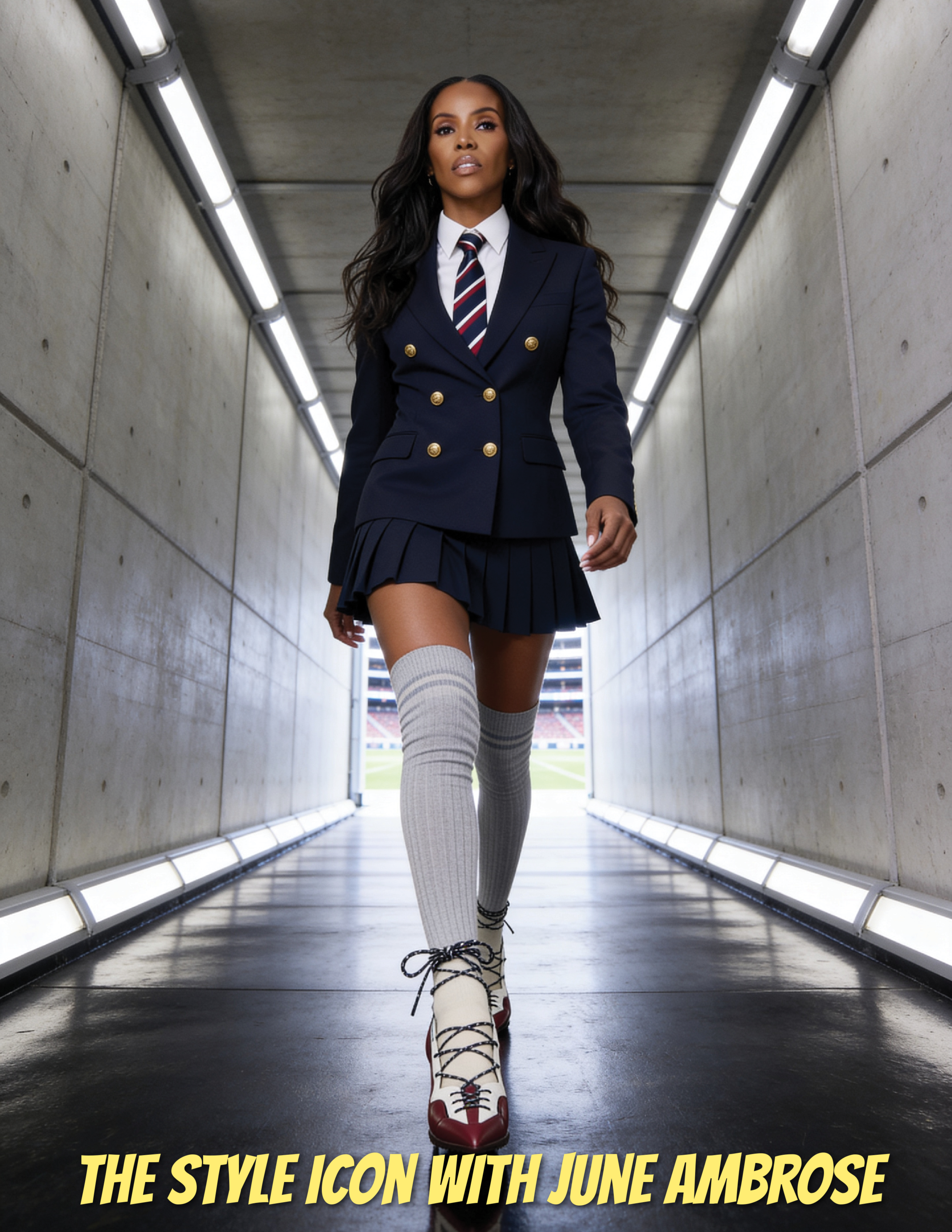
THE STYLE ICON WITH JUNE AMBROSE
May 27, 2026
May 27, 2026
AFTERNOON MW.png
May 25, 2026
PLANNING OUR GATHERINGS WITH MINDY WEISS
May 25, 2026
May 25, 2026
AM APR ISSUE ANCESTRY.COM NICKA SMITH SEWELL OS X (1).png
May 24, 2026
KNOWING MORE | ANCESTRY.COM
May 24, 2026
May 24, 2026
In ATW
Comment

PHOTO CREDIT | Unsplash/Jeswin Thomas

WHAT TO PACK FOR A TEXAS ROAD TRIP STARTING IN HOUSTON

May 21, 2026

A Texan road trip is a quintessentially American experience - and Houston is a great starting point. From Houston, you can easily get to the Gulf Coast, to charming small towns, to key sites in American history, to beautiful forests, and more. However, the landscape can be surprisingly changeable, and you’ll need to think carefully about what to pack to get the best out of your Texas road trip. So, to help you out, here’s a quick guide to what you might need on a road trip from Houston.

  1. The right vehicle

This may sound obvious, but the vehicle you use can make a huge difference to your Texas road trip experience. You might find that you’re more comfortable in a bigger vehicle - not just because you’ll have more luggage space and comfier seats, but because large vehicles are very popular in this area, and the general size of the vehicles on the roads can be intimidating if you’re in a smaller car. So, if you’re flying in and planning on checking out car rental options in Houston, bear this in mind.

Size aside, it’s essential that you take a vehicle with good air conditioning. The humidity in Houston can be stifling, and the heat on the roads is intense in the height of summer. As you’re likely to be spending a lot of time on the road, good AC is an absolute necessity - not just for your comfort but for your health.

Also consider the kind of terrain you’ll be covering. If you’re sticking to highways and interstates and going city to city on your road trip, you probably won’t need something too rugged. But if you plan to head off the beaten track a bit more, then you might want a road trip vehicle that can handle a range of terrains.

2. Lightweight clothing

Much of Texas and the Gulf Coast experiences prolonged heat for much of the year. As such, breathable fabrics and lightweight clothing are a must for long days on the road and outdoor stops. Light colors are also a good idea - they’re more comfortable in direct sunlight than darker colors, which absorb heat.

It’s humid around Houston and the Gulf Coast, which means the heat can feel very different (arguably more uncomfortable) than the drier western Texas heat. You’re likely to sweat a lot more in high humidity, so choose clothes that won’t get difficult to wear if you get sweaty - perhaps clothes with moisture-wicking elements. 

3. LAYERS

Having just warned you about the heat, we’re now going to advise you to pack layers. Don’t worry, we’re not totally contradicting ourselves. While Houston and its surroundings are hot during the day, it can get surprisingly chilly at night. What’s more, if you’re heading up into the hills or towards desert regions, you’re likely to find the temperature dropping more than you might expect. So, it’s a good idea to pack a few extra layers you can apply when you start to feel the chill.

It’s also worth noting that a lot of stores and restaurants turn their AC up during the summer months, so you might feel cold when you step out of the Texas heat and into an air-conditioned venue. A light jacket or a hoodie can be a godsend in these situations.

4. SUN PROTECTION

Drivers often underestimate just how much sun exposure can build up through vehicle windows during long journeys. Sunglasses will protect your eyes from glare on the road, and sunscreen will protect your skin from the intense Texas sun. Hats are also a good idea - sunstroke can come on surprisingly quickly, even inside a car, but a hat will do a lot to protect you, especially if you pick a hat with UV shielding.

5. DEVICES, ENTERTAINMENT, AND DEVICE CARE

You’re likely to spend many long, uninterrupted hours on the road. So, it’s a good idea to bring some entertainment options along with you. Load up your phone with podcasts, audiobooks, and good music. Bring puzzle books and travel games for passengers or, if you’re relying on electronic devices for entertainment (Nintendo Switches, for example), make sure to pack plenty of charger cables. Portable chargers for cell phones and other devices are also a good idea, as you might end up spending a long time between places with electricity outlets, and charging too many things in the car can drain the battery.

5. EMERGENCY ITEMS

It’s always best to be prepared, especially if you’re taking your road trip during hurricane season. Flash floods can develop quickly during Gulf Coast storms, while western areas can experience dust storms, strong winds, and sharp temperature drops. Don’t worry - you’re unlikely to be in danger if you’re sensible and keep an eye on weather conditions, but it is still worth packing some emergency supplies just in case.

So, pack waterproof bags and spare clothes, first-aid supplies, and flashlights (wind-up flashlights are particularly useful, as they don't rely on batteries that can run down). Offline maps are also a good idea, in case you lose cell signal or your cell phone dies.

Enjoy your Texas road trip

Texas is an incredible place to take a road trip, and Houston is a good starting point. However, the distances involved and changes in terrain and weather conditions mean that proper packing is essential. If you have the right car, the right clothing, the right tech, the right entertainment, and the right emergency supplies, you’ll be well set for a fantastic road trip through Texas and the Gulf Coast.

The Latest
AM APR ISSUE JUNE AMBROSE OS (1).png
May 27, 2026
THE STYLE ICON WITH JUNE AMBROSE
May 27, 2026
May 27, 2026
AFTERNOON MW.png
May 25, 2026
PLANNING OUR GATHERINGS WITH MINDY WEISS
May 25, 2026
May 25, 2026
AM APR ISSUE ANCESTRY.COM NICKA SMITH SEWELL OS X (1).png
May 24, 2026
KNOWING MORE | ANCESTRY.COM
May 24, 2026
May 24, 2026
In ATW
Comment

PHOTO CREDIT | Unsplash/Jakub Velička

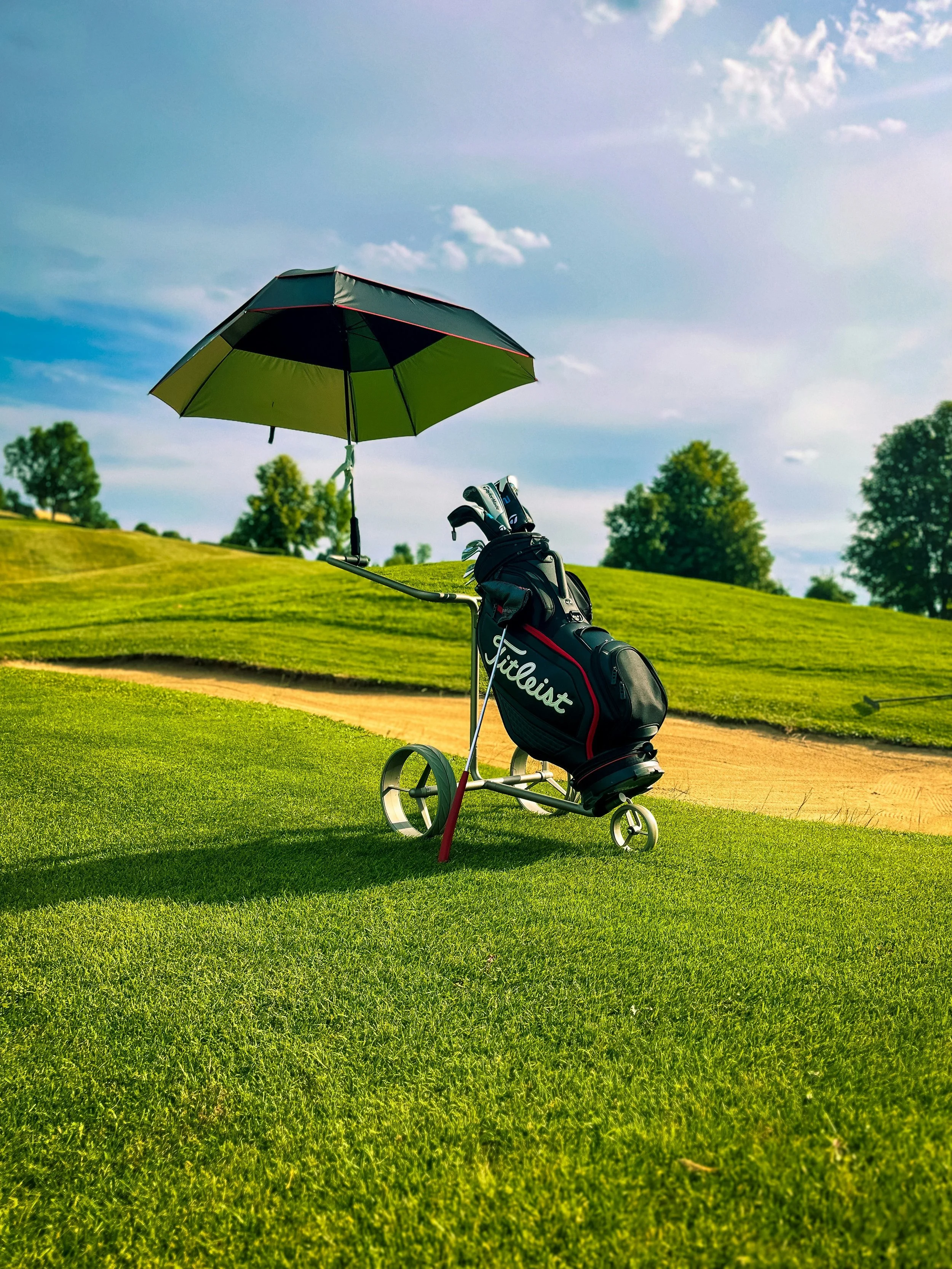
WHAT TO LOOK FOR WHEN BUYING AN ELECTRIC GOLF TROLLEY

May 21, 2026

Golf is a game that combines skill, patience, and endurance. While many golfers enjoy walking the course, carrying or pushing a heavy bag over 18 holes can become tiring and affect performance as the round progresses. This is one reason why electric golf trolleys have become increasingly popular among golfers of all ages and abilities.

Choosing the right Electric Golf Trolley can make the game more enjoyable by reducing physical strain, improving organisation, and helping players stay focused throughout the round.

Why Electric Golf Trolleys Have Become So Popular

Electric golf trolleys offer a practical solution for golfers who prefer walking the course without carrying excessive weight. By using a battery-powered motor to transport clubs, these trolleys help reduce fatigue and make long rounds more comfortable.

Many golfers now view electric trolleys as an important part of their equipment setup, especially on hilly or demanding courses.

Reduced Fatigue During Play

Carrying a golf bag for several hours can place strain on the back, shoulders, and legs. Even push trolleys require effort, particularly on uneven terrain or in poor weather conditions.

Electric trolleys help conserve energy, allowing golfers to maintain concentration and consistency later in the round.

Improved Course Experience

Walking remains one of the most enjoyable ways to experience a golf course. Electric trolleys allow players to continue walking comfortably while avoiding the physical demands of carrying clubs.

This balance between convenience and activity appeals to a wide range of golfers.

Key Features to Consider

Not all electric golf trolleys are the same. Different models offer varying levels of performance, technology, and convenience.

Battery Performance

Battery quality is one of the most important factors to consider.

Most modern electric trolleys now use lithium batteries because they are:

  • Lightweight

  • Faster to charge

  • Longer lasting

  • More reliable over time

Golfers who regularly play multiple rounds per week may particularly benefit from extended battery performance.

Folding Design and Portability

Storage and transportation are important considerations, especially for golfers with limited boot space.

Many modern trolleys feature compact folding mechanisms that allow easy transportation and storage between rounds.

Adjustable Speed Controls

Most electric trolleys include adjustable speed settings to suit different walking paces and course conditions.

Some models also include distance control functions that allow the trolley to travel a set distance automatically before stopping.

Stability and Terrain Handling

Golf courses vary greatly in terrain. Golfers who regularly play on hilly courses may benefit from models with:

  • Stronger motors

  • Wider wheelbases

  • Improved traction systems

  • Enhanced downhill control

Stable handling can improve both safety and convenience during play.

Additional Features Golfers Appreciate

Modern electric trolleys often include practical features designed to improve the overall golfing experience.

USB Charging Ports

Some models include USB ports for charging mobile phones or GPS devices during a round.

Accessory Holders

Popular accessories include:

  • Umbrella holders

  • Scorecard holders

  • Drink holders

  • GPS mounts

  • Storage compartments

These features help golfers stay organised throughout the round.

Remote-Control Technology

Premium models may offer remote-control functionality, allowing golfers to guide the trolley without physically pushing or steering it directly.

Although more expensive, remote-control systems can add additional convenience.

Who Benefits Most from Electric Golf Trolleys?

Electric trolleys can benefit almost any golfer, but they are especially useful for:

  • Regular golfers

  • Older players

  • Golfers with back or shoulder discomfort

  • Players who walk most rounds

  • Golfers carrying heavier equipment

By reducing physical effort, electric trolleys can help players enjoy the game for longer.

Common Mistakes When Choosing an Electric Golf Trolley

Many golfers focus only on price or appearance without considering how the trolley fits their playing style.

Common mistakes include:

  • Choosing a trolley with insufficient battery capacity

  • Ignoring storage dimensions

  • Overlooking weight and portability

  • Buying unnecessary advanced features

  • Selecting a model unsuitable for local course conditions

Taking time to evaluate individual needs often leads to better long-term satisfaction.

Are Electric Golf Trolleys Worth the Investment?

For golfers who play regularly, electric trolleys can provide long-term value through increased comfort and convenience.

Benefits may include:

  • Less physical fatigue

  • Improved focus during rounds

  • Easier equipment management

  • Greater enjoyment of walking the course

While the initial investment may be higher than a manual trolley, many golfers feel the added convenience is worthwhile.

FAQ

How long does an electric golf trolley battery last?

Most lithium batteries comfortably last for 18 holes, with some capable of supporting multiple rounds on a single charge.

Are electric golf trolleys difficult to transport?

No. Many modern models fold compactly and fit easily into standard car boots.

Can electric trolleys handle steep golf courses?

Yes. Many models are specifically designed for hilly terrain with strong motors and stability features.

Do electric golf trolleys require much maintenance?

Generally, maintenance is minimal and usually involves battery care, wheel cleaning, and occasional servicing.

Are electric golf trolleys suitable for beginners?

Absolutely. Electric trolleys can improve comfort and make walking the course easier for golfers of all experience levels.

Conclusion

Electric golf trolleys have become a valuable addition to the modern golfer’s equipment setup. By reducing physical strain and improving convenience, they help players enjoy walking the course while maintaining energy and focus throughout the round.

Whether you are a regular golfer or someone looking to make the game more comfortable and enjoyable, choosing the right electric golf trolley can significantly improve your overall golfing experience.

The Latest
AM APR ISSUE JUNE AMBROSE OS (1).png
May 27, 2026
THE STYLE ICON WITH JUNE AMBROSE
May 27, 2026
May 27, 2026
AFTERNOON MW.png
May 25, 2026
PLANNING OUR GATHERINGS WITH MINDY WEISS
May 25, 2026
May 25, 2026
AM APR ISSUE ANCESTRY.COM NICKA SMITH SEWELL OS X (1).png
May 24, 2026
KNOWING MORE | ANCESTRY.COM
May 24, 2026
May 24, 2026
In ATW
Comment

PHOTO COURTESY | Harnafit App

HARNAFIT REVIEW: SUBSCRIPTION PLAN EXPLAINED FOR NEW USERS (2026 GUIDE)

May 20, 2026

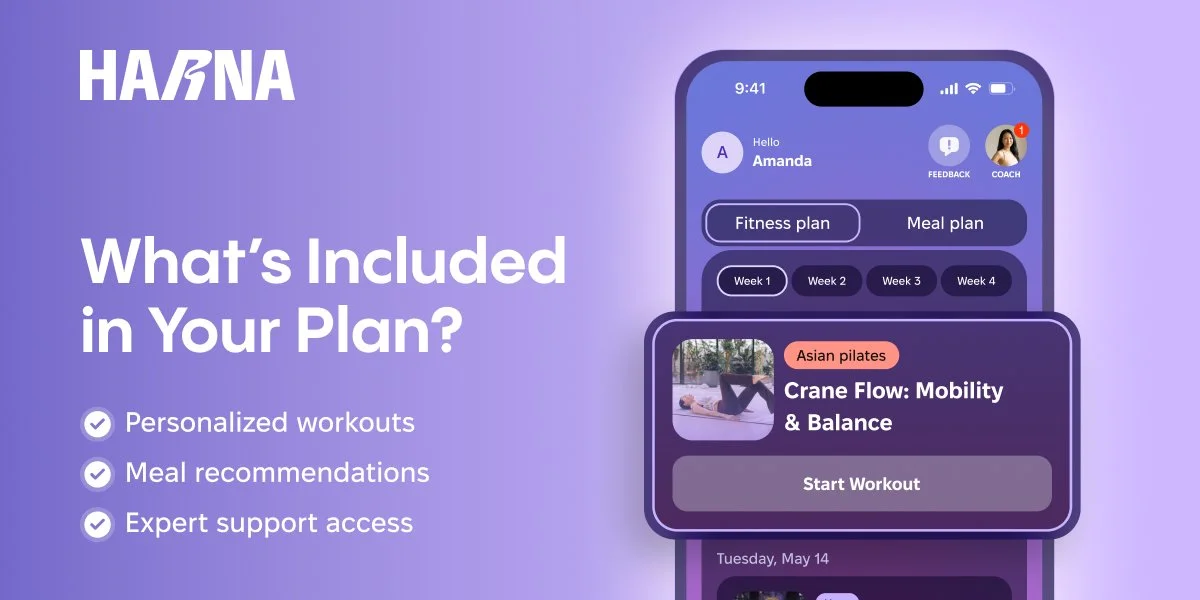
Harnafit app works on a subscription basis, that include monthly, quarterly, and annual plans, if you download via App Store or Google Play. Before purchasing the one, it’s advisable to get acquainted with how it works and what features you will get.

TL;DR: Harnafit operates with an auto-renewal subscription. The price depends on the plan. No hidden fees apply.

Some users may search for “Harnafit scam” because of confusing billing. However, everything is transparent and works straightforwardly if you understand the basics:

  1. Your plan renews automatically

  2. The billing date depends on the purchased plan

  3. Stop the subscription and avoid further charges

Overall, you can easily manage the subscription via your personal account: check the plan, billing date, change the subscription, or cancel it.

Harnafit Overview: What Do You Get with the Subscription?

Most apps that strive to provide high-quality services, in most cases, will require you to purchase a subscription. The same goes for the Harnafit app. Let’s take a closer look at its features and services.

What Is the Harna App?

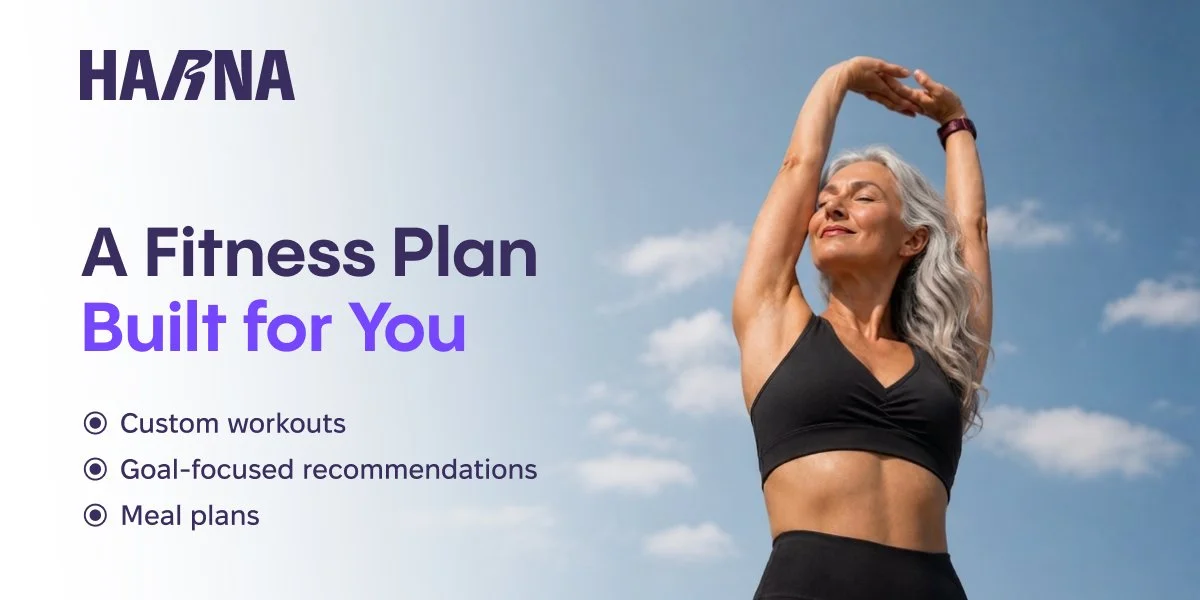
Harna is a fitness app designed specifically for women seeking structured, home-based workouts without extra equipment. Instead of random exercises, the app builds a personalized program based on your goals, fitness level, and daily routine. It focuses more on sustainable progress, not quick results.

The main features of the Harnafit app include:

●       Multiple types of fitness programs (yoga, tai chi walking, pilates, etc.)

●       Home-based workouts that require little to no equipment

●       28-day personalized program for your goals

●       Meals and wellness guides + personal coach (for an extra fee)

These are the key benefits that are mentioned in almost every Harnafit review.

How It Works and Who It Is for

PHOTO COURTESY | Harnafit App

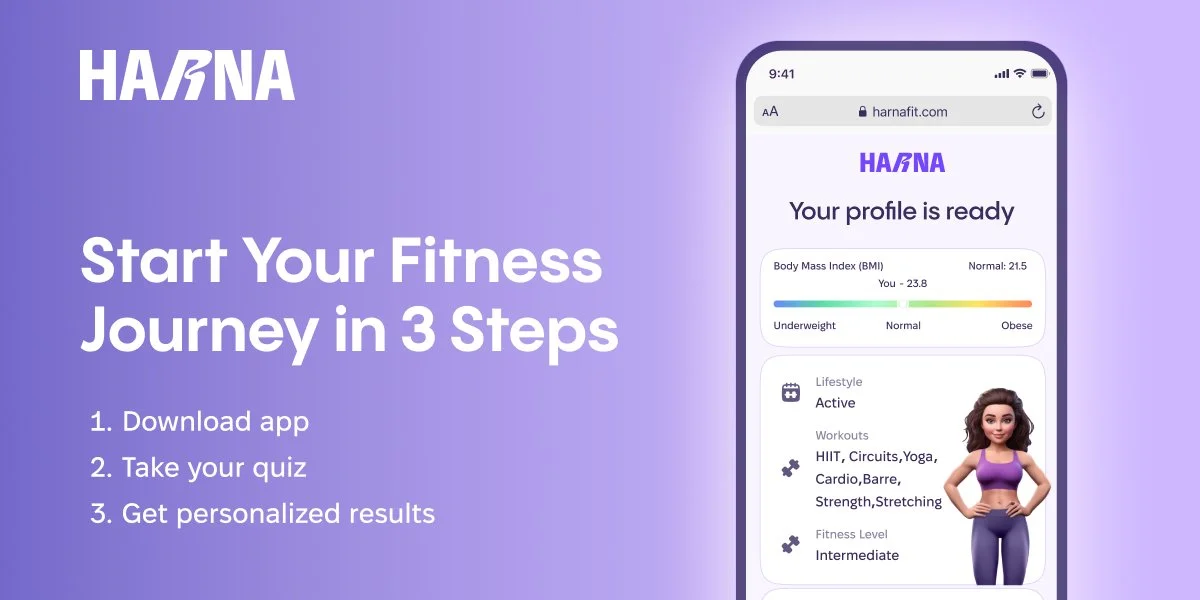
When you first log in to your account, you’ll be asked to take a short quiz about your lifestyle, habits, and goals. It will help the app to offer you the most suitable program for 28 days.

In general, Harnafit was created to help women of all ages to add more sustainable fitness activity to their lives without going to the gym. Depending on your goal: weight loss, body toning, etc., you’ll get a unique program that will help you to achieve these results.

Harnafit uses a subscription model with monthly, quarterly, or annual plans. This provides you with uninterrupted access to various workout programs, progress tracking, and optional premium features. Subscription terms are shown before checkout, and you can manage or cancel plans at anytime in your account.

Company Legitimacy and Security

Harnafit is a legitimate company that operates as an officially registered business with transparent details:

Company nameAmoApps Limited
Registration numberHE 450507
Place of registrationNicosia, Cyprus
Emailsupport@harnafit.com
Phone+35722059200

In addition, the company strictly follows major privacy and payment protection standards, including:

●       GDPR compliance for European data protection

●       CCPA compliance for U.S. privacy rights

●       PCI DSS secure payment processing

●       AES-256 encryption for user and payment data

This means payment processing follows the same security standards used by major financial services.

Harnafit User Reviews

Harnafit reviews are usually positive on both platforms: on App Store with a rating of 4.4, and Google Play with almost 4.5. Some recent users’ testimonials are:

●       Thilani J. “Today is my 1st day using this app. The gentle routine with enough timing, the soft music, the voice-over giving spot on motivation and exactly telling what to do with my body is really amazing!”

●       Melissa C. “It has been wonderful so far, and I actually feel more energetic. Since I have a collapsed arch, it has been the only exercise I have withstood.”

●       Laura M. “I have just got back on Harna after changing my phone! Big thanks to the team at Harna for getting me back on the App and doing my daily workout again. love the routines. thankyou 😊😇”

Featured user reviews from Google Play

Most users mention not only the effectiveness of training sessions but also the overall app’s quality and easy-to-navigate interface.

Harnafit Subscription Plans Explained

PHOTO COURTESY | Harnafit App

As a newly registered user, you need to explore Harnafit's available plans before deciding which one is more suitable and beneficial for you.

Available Plans

Overall, Harnafit offers 3 core plans: monthly, quarterly, and annual (if you subscribe via App Store or Google Play). However, due to local taxes and possible currency exchange rates, the checkout price may be slightly different. In addition to this, you can also purchase extra features, like a meal plan, wellness guides, and a 1-1 coach.

PlanPrice
Monthyly$19.99
Quarterly$39.99
Annual$59.99
Meal plan (optional)$9.99 (monthly)
Meal plan (optional)$14.99 (quarterly)
Meal plan (optional)$19.99 (annual)
Personal Coach (optional)$99.99 (monthly)

Keep in mind that you may be charged separately for your core plan and additional optional features.

How Billing Works

PHOTO COURTESY | Harnafit App

Harnafit uses recurring billing. This means your Harna subscription renews automatically at the end of each paid period unless you cancel it before the renewal date.

Example: You purchase a subscription on April 15, then the next charge will be on May 10 for a monthly plan.

It’s important to remember that you’ll be charged by the same payment method you’ve used for the first purchase. You can cancel the subscription and it’ll still be active until the end of the billing period. However, the cancellation doesn’t mean the Harna refund; it stops only the future billing. For more details, you can check Harna refund policy and eligibility rules.

To manage your Harnafit subscription, follow these steps:

  1. Open the app

  2. Go to Settings and Billing section

  3. View or update your subscription

  4. Cancel if needed

The subscription is auto-renewal, so the key thing is to know your billing date and cancel before renewal if needed.

Pricing Transparency and Hidden Fees

One of the most common trust concerns is possible hidden fees. In reality, Harnafit uses a standard subscription structure with visible pricing before you pay.

Key points to know about:

●       Prices are shown before purchase

●       Renewal terms are displayed during checkout

●       The billing date can be found in your account

●       No hidden fees, and none are added later

What sometimes may confuse users is auto-renewal. Some may expect a one-time payment, but the plan charges you monthly/quarterly/annual and continues automatically unless canceled.

Overall, Harnafit pricing is transparent and clear. Most billing concerns may come from missed renewal details, not hidden fees.

Step-by-Step: How to Manage Your Subscription

No matter which plan you choose, the subscription process is simple:

●       Open Harnafit via the website or download the app from the App Store or Google Play.

●       Choose your plan: monthly, quarterly, or annual (annual plans are available via the stores).

●       Add optional extras like a meal plan or personal coaching.

●       Complete the payment using Visa, Mastercard, American Express, or PayPal.

●       Take the onboarding quiz and start your personalized program.

Harnafit uses an auto-renewing subscription, so it renews automatically on the same billing date unless canceled manually.

To manage your subscription, go to your account settings and open the Subscription section. There you can view your billing details, change your plan, or cancel renewal.

If you purchased the subscription via App Store or Google Play, you can manage it through Apple or Google subscription settings.

What Happens if You Don’t Cancel

In case you forget to cancel your subscription before the renewal date, it will charge you for the next period. It will be done via the same payment method you used for your first purchase. This also means that access to your plan continues without interruption. This is a standard subscription workflow, not an error or some kind of scam.

Canceling after renewal prevents future charges, but doesn’t mean you’ll get your money back for previous charges.

Common Subscription Misunderstandings

Although the Harnafit subscription works predictably and standardly, it still may cause some misunderstandings, like:

●       Not understanding auto-renewal. This type of subscription is renewed automatically each billing period instead of a one-time payment. So, these are not unexpected charges. This is how the auto-renewal works until you cancel it.

●       Forgetting the billing date. You may forget the billing date and not manage to cancel the subscription before it. It will lead to the auto-renewal. You can always verify the payment date in your account.

Overall, most misunderstandings come from billing confusion, not from technical issues.

Tips for New Users

Harnafit has multiple positive reviews because of its effectiveness and ease of use. So, to enjoy your workouts with the Harna app and avoid any confusion, here are some useful tips for beginners:

●       Check the chosen plan details before subscribing and paying

●       Save your billing date in your calendar or check it periodically in your account

●       Cancel at least 24 hours before renewal if you want to avoid further charges

●       Contact Harnafit support if something looks unclear

Keeping these things in mind will help you to manage your subscription more efficiently and consciously.

FAQ

How does Harnafit subscription work?

Harnafit subscription works on an auto-renewal basis. That means you’ll be automatically charged every billing period (month, quarter, or year).

Can I cancel anytime?

You can cancel the subscription anytime. However, do it at least 24 hours before the renewal date to avoid further charges.

Is Harnafit a scam?

No, Harnafit operates legally and is completely safe for users. There may be some confusion about its billing; however, it works transparently with an auto-renewal subscription without any hidden fees.

Is a Free Trial available?

Harnafit may offer free trials to try out its services, but in general, you need to buy a subscription to start working out.

Conclusion

If you fully understand how Harnafit billing cycles work, you won’t have any confusion about the subscription. It auto-renews every month, quarter, or year, depending on the purchased plan. You can cancel subscription or change it by logging in to your account.

The Latest
AM APR ISSUE JUNE AMBROSE OS (1).png
May 27, 2026
THE STYLE ICON WITH JUNE AMBROSE
May 27, 2026
May 27, 2026
AFTERNOON MW.png
May 25, 2026
PLANNING OUR GATHERINGS WITH MINDY WEISS
May 25, 2026
May 25, 2026
AM APR ISSUE ANCESTRY.COM NICKA SMITH SEWELL OS X (1).png
May 24, 2026
KNOWING MORE | ANCESTRY.COM
May 24, 2026
May 24, 2026
In ATW
Comment

PHOTO CREDIT | Unsplash/Justus Menke

THE RISE OF LUXURY ELECTRIC DRIVING EXPERIENCES

May 18, 2026

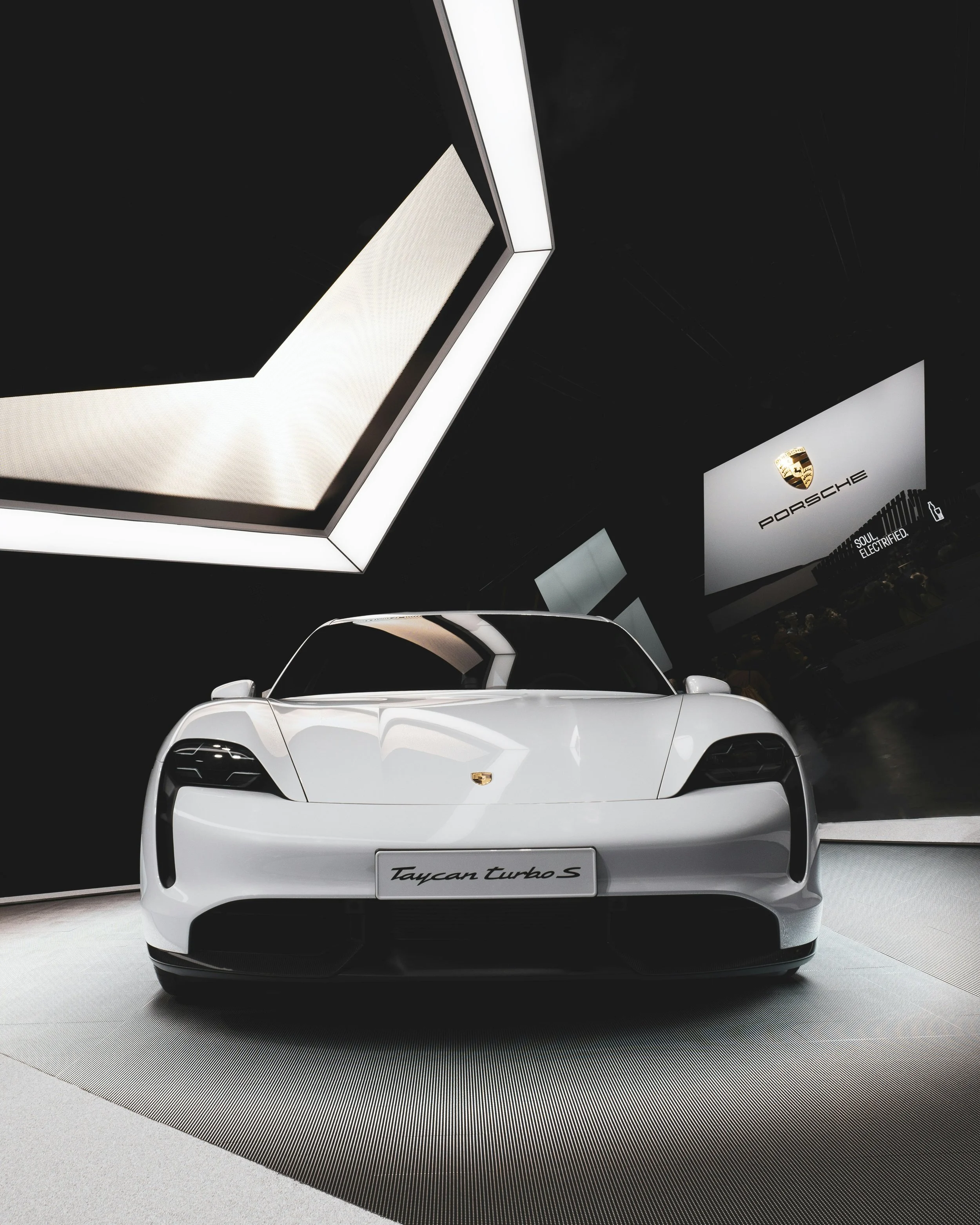
Luxury driving has entered a new era. While premium vehicles have always focused on comfort, performance, and prestige, electric technology is reshaping what drivers now expect from a high-end motoring experience. Today’s luxury electric vehicles combine refined interiors with intelligent technology, instant acceleration, and a quieter, smoother drive that feels far more advanced than traditional combustion models.

As electric innovation continues to improve, more drivers are choosing luxury EVs not just for sustainability, but for the elevated experience they provide every day.

A New Definition of Performance

Luxury driving used to be heavily associated with engine power and roaring exhaust systems. Electric vehicles have changed that perception completely. Instant torque delivery allows EVs to accelerate quickly and smoothly without the delays often experienced in petrol-powered vehicles.

This creates a driving experience that feels effortless. Whether navigating city streets or cruising on motorways, electric luxury vehicles provide responsive handling and refined performance without unnecessary noise or vibration. The result is a calmer, more controlled journey that many drivers now prefer over traditional luxury cars.

Manufacturers are also focusing heavily on balancing performance with comfort. Adaptive suspension systems, intelligent driving modes, and precision engineering all contribute to a more personalized and enjoyable experience behind the wheel.

Interior Design Has Become More Advanced

One of the biggest selling points of luxury EVs is the cabin environment. Without large engines and complex mechanical systems taking up space, designers have more flexibility to create spacious and modern interiors.

Many luxury electric vehicles now feature minimalist dashboards, panoramic displays, premium sustainable materials, and advanced ambient lighting systems. The focus has shifted towards creating a relaxing and connected environment that feels more like a luxury lounge than a conventional car interior.

Technology also plays a major role. Drivers can now access advanced voice controls, AI-assisted navigation, wireless connectivity, and customizable driving settings that adapt to personal preferences. These features help make the overall driving experience feel more seamless and intuitive.

Sustainability Has Become a Luxury Feature

Luxury consumers are increasingly interested in sustainability, and automotive brands are responding by making eco-conscious design part of the premium experience. Electric driving offers reduced emissions, but manufacturers are also exploring more sustainable production methods and interior materials.

Recycled fabrics, responsibly sourced wood trims, vegan leather alternatives, and energy-efficient manufacturing processes are becoming more common across luxury EV ranges. Rather than compromising quality, these materials often enhance the sophistication and exclusivity of the vehicle.

This shift reflects changing attitudes among buyers who want their vehicles to align with modern environmental values while still delivering exceptional comfort and style.

Smart Technology Is Driving Demand

Luxury electric vehicles are heavily connected, and advanced technology is now expected as standard. Modern EVs can receive over-the-air software updates that improve performance, introduce new features, and optimize efficiency long after purchase.

Driver assistance systems are also becoming increasingly sophisticated. Features such as adaptive cruise control, lane positioning technology, automated parking, and intelligent safety monitoring all contribute to a more convenient and stress-free driving experience.

For many buyers, the appeal of luxury EVs lies in how effortlessly technology integrates into daily life. Everything from smartphone syncing to remote climate controls can now be managed with minimal effort.

Interest in premium EV ownership continues to grow, with many drivers exploring options such as Genesis Electric Vehicles in Los Angeles while researching Genesis electric vehicles Los Angeles to experience the latest advancements in luxury electric motoring.

Charging Convenience Is Improving

One of the biggest barriers to EV adoption was previously charging accessibility. However, charging infrastructure has expanded significantly in recent years, making luxury electric ownership far more practical.

Fast charging stations can now provide substantial battery range in a short amount of time, while many luxury homeowners are installing smart home charging systems for added convenience. Some premium manufacturers are even including concierge charging services and advanced route-planning technology that automatically identifies charging points during longer journeys.

As infrastructure continues to improve, the ownership experience becomes increasingly seamless for drivers making the switch to electric.

The Future of Premium Driving

Luxury electric vehicles are no longer viewed as niche alternatives. They are quickly becoming the standard for premium automotive experiences. With advancements in battery technology, interior innovation, intelligent software, and sustainable design, luxury EVs continue to redefine what modern driving should feel like.

Drivers are no longer choosing between performance, comfort, and environmental awareness. Electric technology now allows all three to exist together, creating a more refined and forward-thinking approach to luxury motoring.

The Latest
AM APR ISSUE JUNE AMBROSE OS (1).png
May 27, 2026
THE STYLE ICON WITH JUNE AMBROSE
May 27, 2026
May 27, 2026
AFTERNOON MW.png
May 25, 2026
PLANNING OUR GATHERINGS WITH MINDY WEISS
May 25, 2026
May 25, 2026
AM APR ISSUE ANCESTRY.COM NICKA SMITH SEWELL OS X (1).png
May 24, 2026
KNOWING MORE | ANCESTRY.COM
May 24, 2026
May 24, 2026
In ATW
Comment

PHOTO CREDIT | Unsplash/Xavier Teo

PLANTAR FASCIITIS: WHEN TO SEEK SPECIALIST CARE

May 18, 2026

Plantar fasciitis is one of the most common causes of heel pain and is frequently undertreated or managed with rest alone, an approach that often falls short when the condition progresses. 

The good news is that this condition responds well to proper care. An experienced foot and ankle specialist can provide an accurate diagnosis and access to a full range of plantar fasciitis treatment in Los Angeles, from conservative care to advanced interventional procedures. It is important to understand what you are dealing with so patients can take the first step toward lasting relief.

What is Plantar Fasciitis?

The plantar fascia is a thick ligament that runs along the bottom of your foot, connecting your heel to the front. It supports your arch and absorbs the stress of every step you take. When this ligament becomes inflamed due to overuse, poor footwear, tight calf muscles, flat feet, or high arches, it can cause plantar fasciitis.

It is not a tear, and it is rarely caused by a single incident. Most cases develop gradually, which is part of why people put off seeking care. The sharp, stabbing heel pain that presents after periods of rest or upon rising in the morning indicates that the fascia has been under cumulative strain.

Conservative Treatments That Can Work

For most people, plantar fasciitis responds well to non-surgical care, especially when treatment starts before the condition becomes chronic. The goal is to reduce inflammation, improve the flexibility of the fascia and Achilles tendon, and relieve pressure on the arch. 

  • One of the most effective early treatments is the use of custom orthotics. Unlike over-the-counter insoles, a custom device provides precise arch support suited to the patient’s specific foot mechanics. When it is paired with targeted stretching, especially calf stretches and plantar fascia stretches performed before getting out of bed, many patients experience meaningful improvement within several weeks when the two are used consistently.

  • Physical therapy strengthens the muscles that support foot mechanics and reduces the load on the fascia during daily movement. Anti-inflammatory medications like ibuprofen are used in two-week cycles and can help manage pain during this phase. Icing after activity, such as rolling a frozen water bottle under the foot, can quickly ease pain and reduce inflammation.

  • Footwear is another important factor. Shoes with firm soles and adequate arch support distribute weight evenly and reduce the shock that inflamed tissue must absorb. Soft, unsupportive soles, including those in many casual sneakers, tend to worsen symptoms.

When Conservative Care Is Not Enough

If symptoms have persisted beyond six months, or if earlier treatment has not produced sufficient relief, more advanced options are available. These are not experimental; they are established procedures used by specialists to treat cases where the tissue is not healing on its own.

Platelet-Rich Plasma (PRP) Therapy: This therapy draws on the body’s own healing capacity. PRP involves drawing a small amount of blood, processing it in a centrifuge to concentrate its growth factors, and injecting it into the damaged tissue under ultrasound guidance. It stimulates the body's repair response and is helpful in chronic cases. 

Shockwave Therapy: This is another non-invasive, in-office option that promotes new blood flow to the damaged area. Some patients begin to notice improvement within the first few weeks of the treatment, with more complete relief typically achieved around three months.

TenJet or Tenex Procedures: These procedures are highly effective when scar tissue is the primary issue. They are minimally invasive techniques that remove damaged tissue using ultrasound guidance. Each procedure takes about 15 minutes and involves minimal downtime.

Surgery: It is the last option for patients who do not respond to any of the above treatments. When performed endoscopically through a minimally invasive incision, recovery is significantly shorter than with traditional open surgery. 

The Right Specialist Changes Everything

Plantar fasciitis is not a condition that resolves reliably with rest alone. It is a condition that has specific causes that need to be identified and addressed early. Consulting a specialist with experience in heel pain conditions ensures an accurate diagnosis and a treatment approach tailored to the individual’s presentation and goals.

The Latest
AM APR ISSUE JUNE AMBROSE OS (1).png
May 27, 2026
THE STYLE ICON WITH JUNE AMBROSE
May 27, 2026
May 27, 2026
AFTERNOON MW.png
May 25, 2026
PLANNING OUR GATHERINGS WITH MINDY WEISS
May 25, 2026
May 25, 2026
AM APR ISSUE ANCESTRY.COM NICKA SMITH SEWELL OS X (1).png
May 24, 2026
KNOWING MORE | ANCESTRY.COM
May 24, 2026
May 24, 2026
In ATW
Comment

PHOTO COURTESY | Cullen Jewellery

LUXURY IN MOTION - MEN'S WEDDING RINGS BALANCING COMFORT WITH STYLE

May 18, 2026

The Modern Evolution of Men’s Wedding Rings

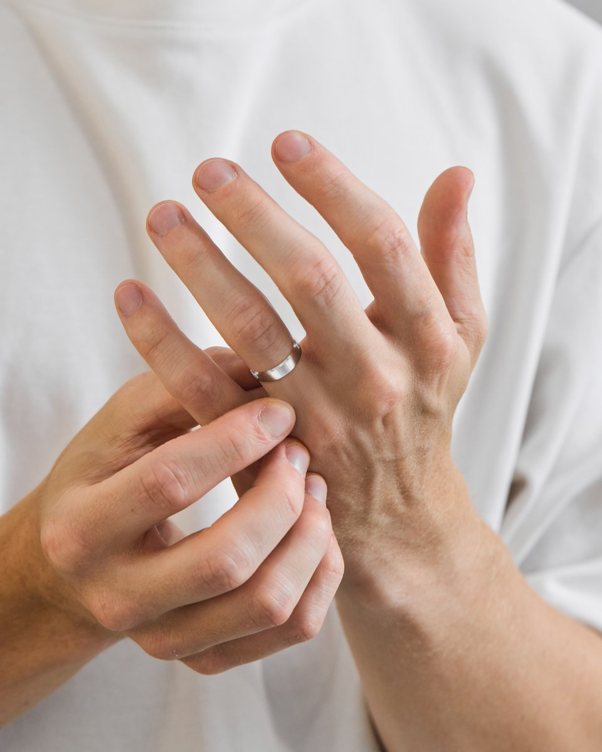
Men’s wedding rings have transformed from simple bands into powerful statements of identity. Today’s designs reflect not only commitment but also lifestyle, blending elegance with everyday wearability. Canadian jewellers are leading this evolution, offering pieces that balance tradition with innovation, ensuring men can express themselves without compromising comfort.

Comfort as a Cornerstone

A wedding ring is worn daily, making comfort a non‑negotiable factor. Contemporary designs focus on ergonomics, ensuring smooth edges, balanced weight, and breathable fits. Materials such as platinum, palladium, and recycled gold are crafted with precision to provide durability while maintaining a natural feel against the skin. This attention to detail allows men to move seamlessly from professional settings to leisure activities without distraction.

Style That Moves With You

Style is no longer about static formality. Men’s rings now embrace versatility, designed to complement both tailored suits and athleisure wear. Matte finishes, brushed textures, and subtle engravings add depth without overwhelming the design. These elements create rings that adapt to diverse wardrobes, embodying luxury in motion.

Finding the Right Jeweller

Choosing the right jeweller is essential when balancing comfort and style. Trusted names like Cullen Jewellery have become synonymous with craftsmanship and ethical sourcing. Their collections highlight artistry while ensuring sustainability, appealing to men who value both aesthetics and responsibility. Within their offerings, you’ll discover handcrafted wedding bands for men, designed to merge timeless elegance with modern practicality. This mid‑placement anchor reflects the harmony between individuality and tradition, reinforcing the importance of selecting a jeweller who understands both.

Personalisation and Meaning

Beyond materials and finishes, personalisation elevates a wedding ring into a unique symbol. Engravings of initials, meaningful dates, or subtle motifs allow men to carry their story with them. Customisation ensures that each piece resonates personally, making the ring more than jewellery—it becomes a narrative of love and identity.

The Balance of Luxury and Lifestyle

Luxury in men’s wedding rings is no longer defined solely by opulence. Instead, it is measured by how seamlessly a ring integrates into daily life. A well‑crafted band should feel effortless, enhancing confidence without demanding attention. This balance of comfort and style reflects the modern man’s desire for sophistication that moves with him, whether at work, at play, or in moments of quiet reflection.

The Latest
AM APR ISSUE JUNE AMBROSE OS (1).png
May 27, 2026
THE STYLE ICON WITH JUNE AMBROSE
May 27, 2026
May 27, 2026
AFTERNOON MW.png
May 25, 2026
PLANNING OUR GATHERINGS WITH MINDY WEISS
May 25, 2026
May 25, 2026
AM APR ISSUE ANCESTRY.COM NICKA SMITH SEWELL OS X (1).png
May 24, 2026
KNOWING MORE | ANCESTRY.COM
May 24, 2026
May 24, 2026
In ATW
Comment

PHOTO CREDIT | Pexels/Pavel Danilyuk

WHY FEELING YOUR BEST HAS BECOME THE ULTIMATE STATUS SYMBOL

May 16, 2026

There was a time when status symbols were easy to spot. Luxury cars, designer labels, and VIP access all signaled success in ways that felt obvious and external. But today, especially within wellness and fitness culture, the definition of status is shifting. Increasingly, the people turning heads aren’t necessarily the loudest or flashiest. They are the ones who look energized, rested, focused, and genuinely healthy.

In the age of burnout, digital overload, and constant hustle, feeling good has become aspirational. Wellness is no longer just a personal goal; it has become a cultural marker tied to confidence, longevity, and quality of life. From recovery-focused fitness routines to sleep optimization and preventative healthcare, modern consumers are investing less in appearances alone and more in how they function every day.

For readers immersed in athleisure, fitness, and modern wellness culture, this evolution makes perfect sense. Looking good may still matter, but increasingly, people want to feel good too — and that shift is redefining what success looks like.

Wellness Has Become the New Luxury

One reason wellness now carries status is because genuine health has become harder to maintain. Long work hours, stress, poor sleep, processed foods, and nonstop connectivity all compete against physical and mental well-being. According to the American Psychological Association, chronic stress levels remain significantly elevated for many adults in the United States, with younger professionals especially affected by burnout and fatigue.

As a result, having consistent energy, emotional balance, and strong physical health now communicates something deeper than aesthetics. It suggests discipline, self-awareness, and access to supportive resources.

This is reflected across nearly every corner of lifestyle culture. Luxury hotels emphasize sleep experiences and recovery amenities. High-end fitness clubs market longevity and wellness optimization rather than extreme weight loss. Even fashion trends within athleisure increasingly align with comfort, mobility, and everyday functionality.

The modern aspiration is not simply to look successful. It is to move through life without feeling exhausted by it.

The Rise of Preventive Wellness

Another reason feeling your best has become culturally valuable is the growing focus on prevention instead of reaction. Rather than waiting for health problems to appear, more people are proactively investing in their physical and mental well-being earlier in life.

This shift has fueled growth in areas like hormone health, recovery treatments, personalized nutrition, wearable fitness technology, and at-home health testing. Consumers want insights into how their bodies function, and they want solutions that fit seamlessly into busy lifestyles.

That’s one reason platforms like Feel 30 have gained attention among modern men looking for more accessible support around testosterone replacement therapy (TRT), erectile dysfunction (ED), and overall wellness. By combining telehealth access with at-home blood testing and nurse visits, these kinds of services reflect a broader movement toward personalized, convenience-driven healthcare.

Hormonal health, sleep quality, stress management, and recovery all affect energy levels, confidence, mood, and long-term health outcomes. Men are increasingly becoming more open to conversations around wellness optimization in ways that would have felt taboo a decade ago.

Energy Is the New Flex

In previous generations, overworking was often worn like a badge of honor. Being constantly busy signaled ambition and productivity. But today, exhaustion no longer feels impressive. In fact, chronic burnout has become so normalized that maintaining energy and balance can feel rare.

People notice when someone appears mentally sharp, physically active, socially engaged, and emotionally grounded. These qualities often communicate success more effectively than outward displays of wealth because they reflect sustainable living rather than overextension.

Research published by Harvard Health highlights how sleep, exercise, stress reduction, and hormone balance all play critical roles in maintaining cognitive performance and physical energy as we age. Consistently neglecting these areas eventually impacts everything from focus and motivation to cardiovascular health and emotional resilience.

Within wellness culture, recovery has therefore become just as important as performance. Cold plunges, sauna therapy, mobility work, mindfulness practices, and sleep tracking are now common topics among fitness enthusiasts and high performers alike. The goal isn’t simply pushing harder. It’s sustaining a high quality of life over time.

Social Media Changed the Conversation Around Health

Platforms such as Instagram, TikTok, and YouTube have made daily routines highly shareable, from morning workouts and supplement stacks to recovery rituals and nutrition habits.

While social media can create unrealistic standards, it has also normalized conversations around topics that were previously overlooked, including mental health, testosterone levels, sleep quality, and preventative care.

Today’s wellness audience tends to value transparency and functionality more than perfection. Consumers are increasingly skeptical of extreme crash diets or unrealistic body standards. Instead, they gravitate toward sustainable lifestyles that support confidence, performance, and longevity.

Athleisure culture reflects this evolution perfectly. The popularity of elevated activewear isn’t only about fashion. It’s also about identity. Wearing athleisure signals alignment with movement, wellness, and self-care, even outside the gym. It represents a lifestyle centered around feeling capable and energized.

Longevity Culture Is Reshaping Modern Wellness

Another major factor driving this shift is the growing interest in longevity. People are no longer only focused on lifespan; they are increasingly concerned with healthspan, or the number of years they can remain active, independent, and mentally sharp.

According to research from the National Institute on Aging, lifestyle habits such as regular exercise, quality sleep, stress management, and preventative healthcare can significantly influence healthy aging outcomes.

That mindset affects everything from fitness routines to healthcare decisions. Functional training, low-impact workouts, recovery practices, and personalized wellness plans all fit into a lifestyle designed for long-term vitality.

Feeling your best is no longer viewed as indulgent. It is increasingly seen as responsible.

Confidence Starts With Health

Perhaps the biggest reason wellness has become the ultimate modern status symbol is because physical and mental well-being affect nearly every part of life.

When people feel healthy, rested, and energized, it influences how they show up socially, professionally, and emotionally. Confidence tends to feel more authentic when it is supported by actual well-being rather than external validation alone.

This is particularly relevant as conversations around men’s health continue evolving. Historically, many men avoided discussing issues related to fatigue, hormonal imbalance, sexual health, or mental wellness. But cultural attitudes are changing, especially among younger generations who view healthcare and wellness as forms of self-investment rather than weakness.

That shift is helping redefine masculinity in healthier ways. Strength is increasingly associated with self-awareness, balance, and proactive care rather than silent burnout.

Conclusion

In today’s culture, feeling your best has become one of the clearest indicators of modern success. Energy, vitality, mental clarity, and sustainable health now carry more cultural value than many traditional status symbols ever did.

This does not mean wellness needs to become performative or obsessive. Rather, it reflects a growing awareness that quality of life matters. People want to look good, but they also want to sleep well, think clearly, recover properly, and maintain their health long term.

As wellness, fitness, and healthcare continue evolving together, the modern aspiration is becoming increasingly clear: not simply achieving success, but actually having the energy and well-being to enjoy it.

Featured
AM APR ISSUE JUNE AMBROSE OS (1).png
May 27, 2026
THE STYLE ICON WITH JUNE AMBROSE
May 27, 2026
May 27, 2026
AFTERNOON MW.png
May 25, 2026
PLANNING OUR GATHERINGS WITH MINDY WEISS
May 25, 2026
May 25, 2026
AM APR ISSUE ANCESTRY.COM NICKA SMITH SEWELL OS X (1).png
May 24, 2026
KNOWING MORE | ANCESTRY.COM
May 24, 2026
May 24, 2026
In ATW
Comment
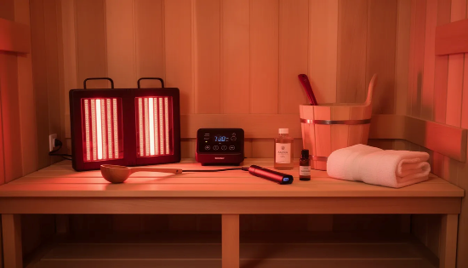
Infrared sauna setup with accessories.

PHOTO CREDIT | Sun Home Saunas

PASSIVE RECOVERY THERAPIES

May 15, 2026

Why Infrared Saunas Are the New Post-Workout Luxury

To speed recovery without trying, integrate passive thermal therapies like full-spectrum infrared saunas and structured calming nighttime routines into your daily schedule. 

Rather than adding complex regimens to your day, these passive modalities shift the body from high activation into deep restoration. 

By leveraging targeted heat and designed relaxation, active adults can optimize their physical readiness with minimal effort.

Look across high-end fitness studios, boutique recovery centers, and thoughtfully designed home wellness rooms to see a quiet transformation. 

Recovery is no longer the afterthought that follows training, but the intentional destination itself. 

Finding the right tools, like dedicated cold plunges, red light therapy panels, and the best infrared saunas for wellness from Sun Home Saunas, serves as a daily ritual architecture. 

This shift signals a new era where restorative wellness is woven seamlessly into modern life.

The Science Behind the Shift - What Makes Infrared Different

Instead of heating the surrounding air like traditional models, infrared technology uses specific light wavelengths to warm the body directly. 

This deeply penetrating thermal session occurs at a lower ambient temperature that most people find much easier to sustain. 

Research shows that muscle soreness drops significantly faster when using infrared therapy compared to traditional passive heating methods. 

Full-spectrum options expand the therapeutic range, reaching different tissue depths to support relaxation without intense environmental heat.

What began in elite performance centers has rapidly transitioned into boutique studios and wellness-focused interiors designed around daily rituals. 

Studies confirm this safety, showing these sessions preserve the autonomic nervous system while enhancing overall recovery and neuromuscular performance. 

The infrared sauna wellness trend gives the body's restorative processes the dedicated architecture they have always deserved. 

By understanding the science of passive heat, it becomes clear why this technology is shifting from a clinical tool to a household staple.

Key Insight: Infrared therapy bypasses surface-level heat, delivering penetrating warmth that triggers deep muscle relaxation and metabolic response. This is the physiological foundation separating passive recovery from simple sweating.


A Luxury Recovery Routine That Fits a Full Life

The true appeal of passive thermal therapy is its complete lack of friction. Unlike most wellness investments that demand more time, effort, or discipline, an infrared session asks only for simple presence. 

Picture a seamless transition from morning Pilates to a restorative evening session after an active workday. 

Closing the evening with thirty minutes of stillness functions as a sensory threshold where the nervous system shifts from doing to recovering.

This frictionless transition is the defining feature of a luxury recovery routine. It focuses not on doing more, but on extracting maximum value from intentional relaxation. 

Compared to traditional spa or studio recovery, the benefits are identical yet completely stripped of the commute or scheduling dependency. 

When restoration is reframed as a daily ritual, it changes how people structure their weeks for long-term health.

Evening Rituals, Sleep, and the Body's Natural Wind-Down

Sleep quality has rightly become just as central to the holistic wellness conversation as intense training quality. 

During a thermal therapy session, the body's core temperature rises gently and safely. In the cooling period immediately afterward, the physiological decrease in core temperature closely mirrors the drop associated with sleep onset. 

This drop acts as a powerful biological signal designed to naturally ease the transition into deep rest.

A proper evening recovery flow operates as a full sensory sequence involving a warm session, a cool rinse, dedicated skincare, and rest. 

Each step seamlessly guides the mind and body out of high activation mode. Premium environments enhance this through medical-grade chromotherapy and integrated audio cues that act as soothing signals. 

Ultimately, these protocols are athlete recovery essentials that benefit anyone treating their body as an asset.

Pro Tip: Make the sequence consistent: warm session, cool rinse, skincare, rest. Repetition trains your nervous system to interpret this exact sensory flow as a hardwired biological signal for deep sleep onset.

Home Spa Inspiration

Wellness-conscious individuals are no longer content with clinical-looking recovery equipment tucked out of sight in a basement. 

Today, they expect their recovery environment to reflect the same considered aesthetic as the rest of their meticulously styled home. 

A premium full-spectrum sauna functions simultaneously as a high-performance recovery tool and a refined design object.

Hand-finished construction and precision assembly elevate these systems into pieces that naturally belong in a curated space.

The addition of optional red light therapy provides a massive design and performance upgrade. 

This gives the home spa inspiration seeker a single cohesive environment that delivers multiple therapies without cluttering the house. 

True luxury means friction-free integration, bridging the gap between high-end design and practical, everyday utility. 

This considered approach represents intelligent financial planning for a long-term wellness investment.

Recovery Is No Longer Optional, It's the Point

Recovery has officially moved from the periphery of a standard wellness routine to become its essential organizing principle. 

It is no longer merely what happens after the work is done, but an integral, intentional part of the design. 

Passive thermal therapy embodies this fundamental shift in a way few other modalities can achieve. 

It remains absolutely effortless, ritual-ready, and endlessly adaptable to any demanding lifestyle.

The sophisticated design vocabulary and the broader cultural framework surrounding health have effectively matured together. 

Rather than viewing rest as a luxury, modern living now recognizes it as the absolute foundation of sustained performance.

Recovery is finally receiving the intention, the craft, and the daily respect it has always fully deserved. 

This profound shift allows anyone to optimize their well-being effortlessly and consistently.

Author Profile: Sun Home Saunas is America's fastest-growing consumer services company specializing in premium home wellness equipment, specifically award-winning residential saunas and cold plunge therapy systems.

Featured
AM APR ISSUE JUNE AMBROSE OS (1).png
May 27, 2026
THE STYLE ICON WITH JUNE AMBROSE
May 27, 2026
May 27, 2026
AFTERNOON MW.png
May 25, 2026
PLANNING OUR GATHERINGS WITH MINDY WEISS
May 25, 2026
May 25, 2026
AM APR ISSUE ANCESTRY.COM NICKA SMITH SEWELL OS X (1).png
May 24, 2026
KNOWING MORE | ANCESTRY.COM
May 24, 2026
May 24, 2026
In ATW
Comment
A woman enjoys a scenic mountain view from the train window.

PHOTO CREDIT | Pexels/Genine Alyssa Pedreno-Andrada

WHY SMART TRAVELERS CHOOSE CUSTOM EUROPE TOURS

May 15, 2026

5 Ways Personalized European Travel Is Replacing Traditional Group Tours

Smart travelers skip traditional European group tours because personalized itineraries provide flexible pacing, deeper local immersion, intentional wellness integration, and unique accommodations. 

Curated European vacations have replaced rigid bus schedules for culturally curious explorers who want to engage intimately with a destination. 

Instead of returning home exhausted from breathless sightseeing, you can prioritize tailored journeys that let you dictate the rhythm.

For years, the standard approach looked like this, featuring a motor coach idling at dawn and a tour guide's neon flag cutting through dense Florence crowds. 

Exactly forty-five minutes are allocated for the Uffizi before you are hurried back to the bus. It is a version of Rome that quickly dissolves into static-filled audio headsets and rushed cafeteria lunches with forty strangers. 

Ultimately, this rigid approach leaves you returning home needing a vacation from your actual vacation.

A growing number of experienced travelers have quietly stopped choosing this exhausting model in favor of highly individualized travel planning. 

Instead, many turn to customized Europe tours as a reliable solution for seamless, expertly tailored itineraries. 

By focusing entirely on personal preferences, these dedicated services have definitively replaced the mass group tour for anyone who wants Europe to feel authentically engaging.

1. Flexible Pacing Transforms the Journey

Every group tour runs on an invisible stopwatch calibrated by someone who has never met you. 

You are hurried past moments of genuine wonder to ensure the bus makes its next highway checkpoint. 

Personalized travel returns your personal time, allowing you to completely control your daily agenda.

Imagine lingering over a second cappuccino in a quiet Roman piazza simply because the neighborhood is coming to life around you. 

Picture choosing to spend an extra afternoon exploring Irish coastal villages because the light hitting the water is too magnificent to leave. 

You might even stay in a Dublin pub past closing because the owner started telling stories that absolutely deserved to be heard in full.

Independent road trips and scenic rail journeys through the countryside operate entirely on your own timeline, bypassing a station departure board's arbitrary schedule. 

When you remove the pressure of the herd, you unlock the true luxury of slow travel in Europe. 

Tenon Tours' custom-curated European travel exemplifies this philosophy, granting you the profound freedom to move unhurriedly and intentionally through any given place.

2. Local Immersion Replaces Surface-Level Sightseeing

Traditional group tours are largely designed to show you the Europe that exists primarily for commercial tourists. 

They park at major landmarks and patronize restaurants engineered to serve forty people at once. 

Conversely, personalized travel is meticulously designed to show you Europe where actual residents live and work daily.

This shift from surface-level sightseeing requires a completely different kind of access that standard tours simply cannot provide. 

It looks like a private pasta-making lesson in a Bologna home kitchen where the matriarch's recipe has not changed in three generations. 

It means embarking on a backstreet food tour through historic Lisbon taverns that require a deep local connection to even locate.

You might also experience a crisp morning truffle hunt in the deep forests of Istria, walking alongside a veteran forager. 

This authentic access is never accidental or naturally stumbled upon by a massive tourist group. It is the direct product of luxury custom travel planning built upon genuine local knowledge.

Key Insight: Authentic travel access isn't accidental - it's the direct result of luxury custom planning built on deep local knowledge, bypassing postcard clichés entirely.


3. Wellness Finds Its Place on the Itinerary

Traditional mass tourism treats unscheduled hours as logistical waste that must be filled immediately. 

Every minor gap in the itinerary usually receives another forced walking tour or obligatory gift shop visit. 

Thoughtful travel design, however, treats rest as a structural and necessary feature of the overall experience.

When wellness is intentionally integrated into your journey, the daily pace finally begins to breathe naturally. 

You might spend a full morning soaking in a Budapest thermal bath with no tour guide flag to follow. 

The financial impact of prioritizing this rest is significant, as international wellness tourists spend far more than standard visitors when seeking these rejuvenating moments.

A well-designed Scotland itinerary might fold in a deliberate spa and nature day after a long highland walk. 

This serves not as an afterthought, but as a carefully placed counterpoint to previous physical exertion. 

Interest in these peaceful moments continues to surge, with global wellness trips growing steadily as travelers actively seek restoration. 

The goal of any well-designed trip is to come home feeling deeply nourished rather than logistically processed.

4. Boutique Accommodations Tell Their Own Stories

Where you sleep should elevate the journey, serving as an integral part of the regional experience. 

Group tours inherently rely on massive chain hotels to accommodate their substantial passenger counts safely. 

These sprawling properties are often chosen strictly for their proximity to a highway interchange rather than their historical charm.

By contrast, boutique accommodations across Europe offer unique properties that carry the distinct character and landscape of their surroundings. 

Every single check-in becomes the opening sentence of a much longer, culturally rich narrative. 

You might wake up in a restored medieval tower in the Tuscan hills, where the thick stone walls vividly remember an entirely different century.

Alternatively, you could stay at a family-run guesthouse perched high above the spectacular Cliffs of Moher in Ireland. 

Here, your morning breakfast comes served with sweeping coastal views and warm, genuine conversation from the local owners. 

These intimate spaces are carefully curated through selective, independent travel design that goes far beyond standard internet booking engines.

5. Expert Planning Transforms the Experience

The traditional group tour's primary appeal was always the profound relief of having someone else handle logistical details efficiently. 

Today, that coveted operational relief is readily available without suffering through frustrating daily scheduling compromises. 

Independent travelers increasingly prefer to avoid massive groups entirely while still relying on expert, seamless organization.

Specialist companies that combine deep destination expertise with bespoke itinerary design have permanently changed this travel planning equation. 

The modern infrastructure of personalized travel relies on deep-rooted local connections that open highly exclusive regional experiences. 

It means having a sleek mobile application that keeps every tailored itinerary detail beautifully organized throughout the entire journey.

The Bottom Line

Escaping the rigid confines of traditional group tours opens up a completely new world of intentional, restorative exploration. 

By prioritizing personal pacing and authentic local connections, you ensure your vacation actually feels like a true getaway. 

This modern approach to luxury travel replaces exhausting checklists with deep, memorable engagements that nourish the soul.

Moving forward, the focus shifts entirely from how much ground you can cover to how deeply you can experience a location. 

Personalized itineraries allow you to savor those quiet moments that ultimately become your absolute favorite travel memories. 

When you travel on your own terms, every destination reveals its true character and charm effortlessly.

Author Profile: Tenon Tours is the leading boutique tour operator of customized European journeys for curious travelers seeking authentic, meaningful connections.

Featured
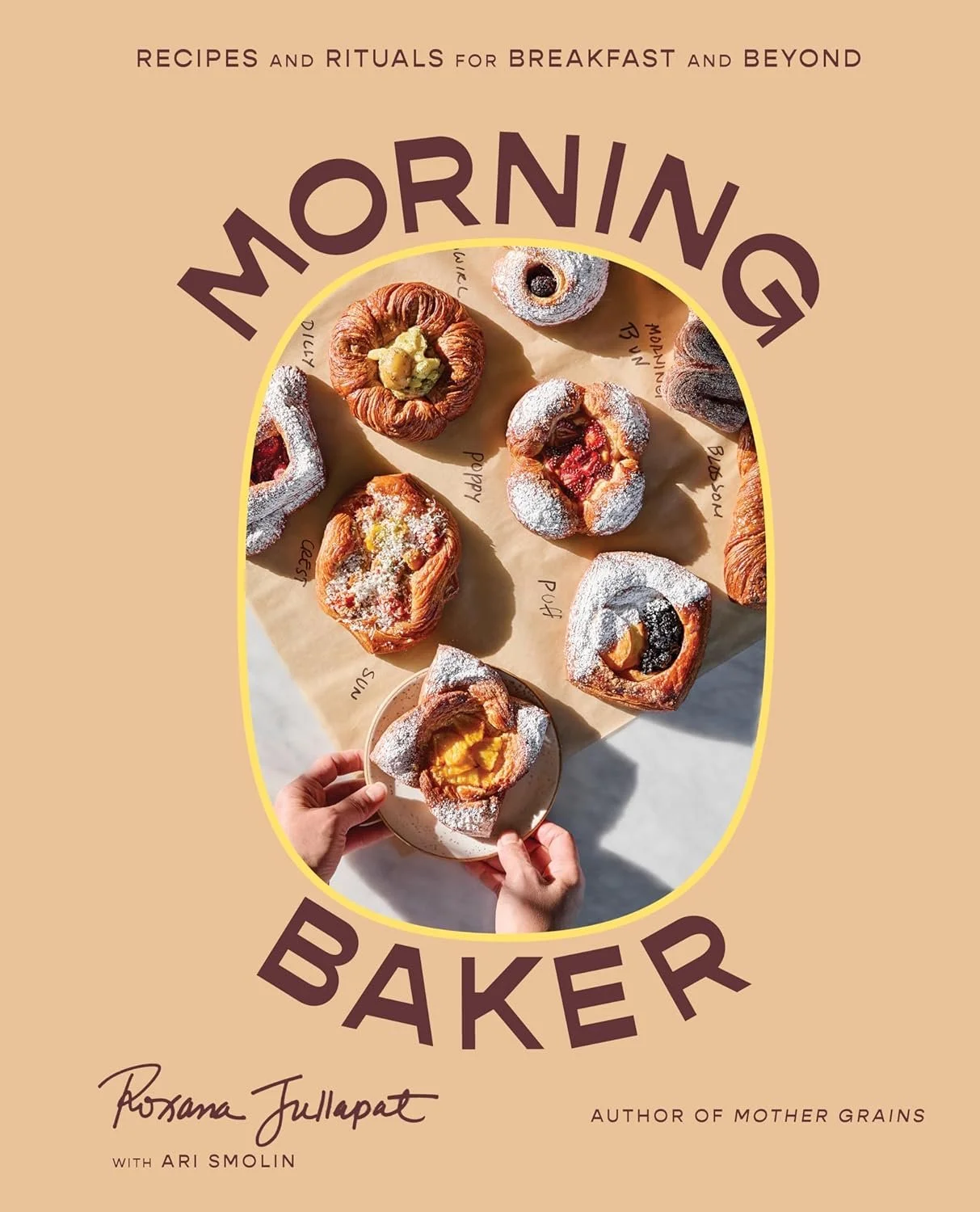
MORNING BAKER.jpg
June 15, 2026
BINGELY BOOKS
June 15, 2026
June 15, 2026
NEMESIS.jpg
June 14, 2026
BINGELY TV/STREAMING
June 14, 2026
June 14, 2026
63MR DM BB MAY 26.png
June 13, 2026
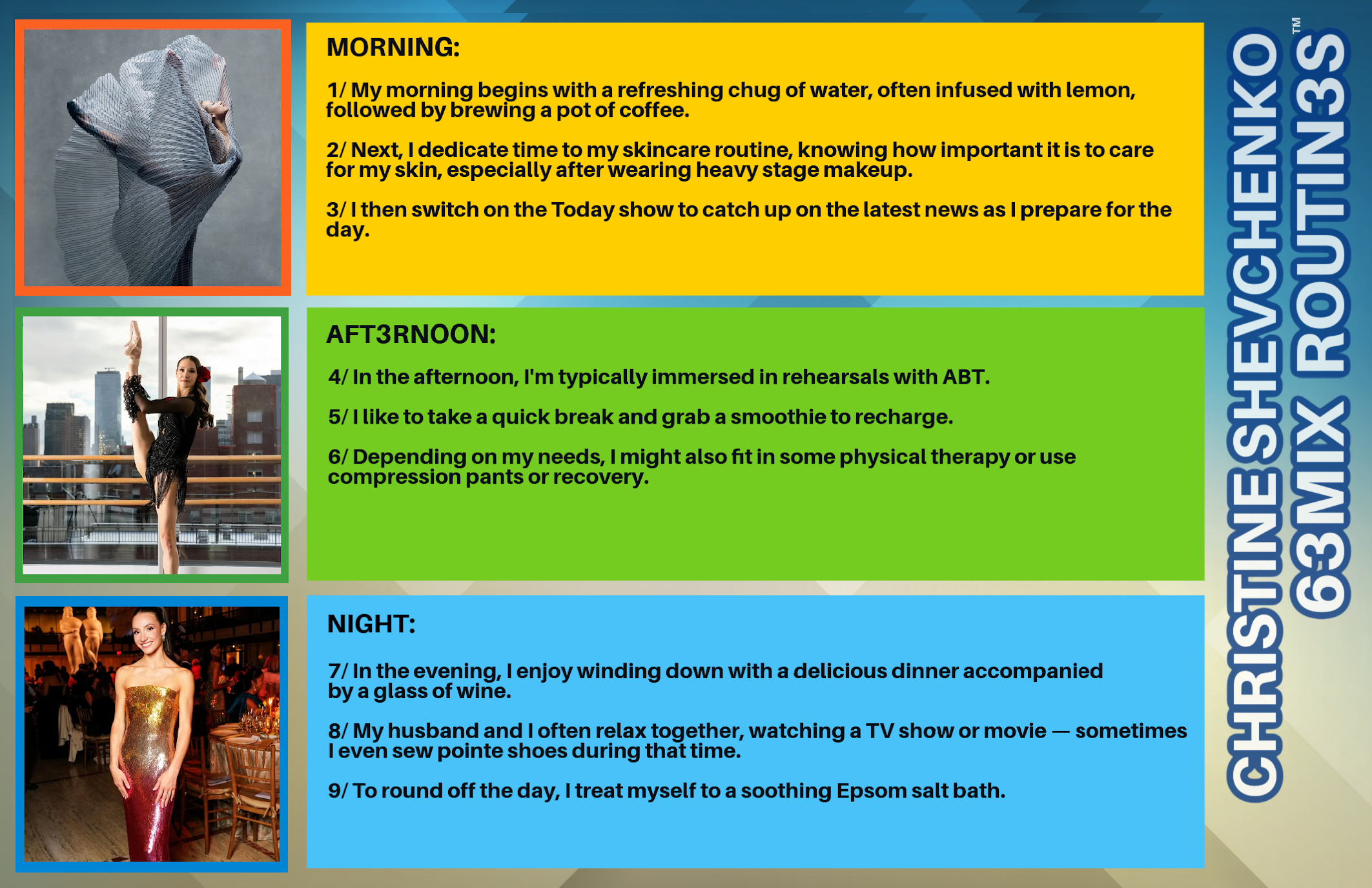
63MIX ROUTIN3S | CHRISTINE SHEVCHENKO
June 13, 2026
June 13, 2026
In ATW
Comment
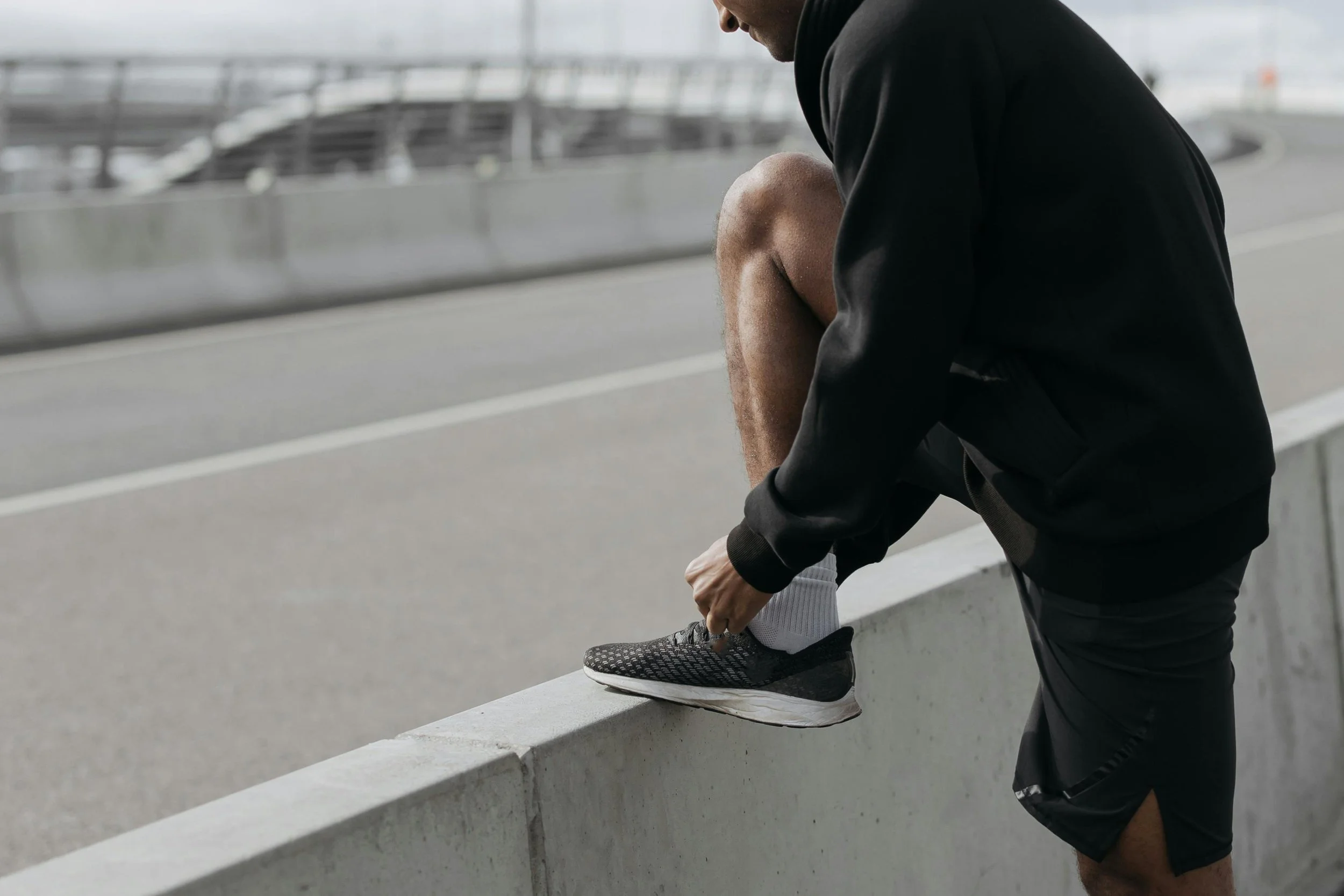
A man tying his sneakers while standing on a bridge barrier outdoors.

PHOTO CREDIT | Pexels/CottonBro Studio

4 EASY HABITS TO FIX YOUR DAILY ROUTINE

May 15, 2026

4 Practical Ways to Upgrade Daily Rituals

Fixing your day requires editing your carry to the bare essentials and choosing discreet gear that works in any room. 

These daily routine upgrades remove the logistical drag that exhausts you before sunset. 

Considering that nearly one-third of adults lack recommended physical activity, preserving your daily energy is vital. 

Adopting active lifestyle habits lets you move seamlessly through demanding schedules with capable momentum.

You know the familiar daily rhythm of an early cycling class, a morning coffee shop booth, and a late dinner reservation. 

Navigating one continuous day with multiple identities begs the question of how some people arrive looking completely unfazed. 

The secret is not sheer discipline or a better alarm clock. It is simply making decisions upstream that remove friction before it builds.

1. Edit Your Carry to the Bare Essentials

Treat your daily carry like a capsule wardrobe where every item must justify the weight it occupies. 

The office transition should not feature a bag that becomes a wrestling match at the turnstile. If you did not reach for an item this week, remove it without negotiating. 

Streamlined transitions feel confident because the carry acts as invisible infrastructure.

Devices, bulky chargers, and trailing scents represent the exact friction a routine audit eliminates. 

Current data shows shifting adult habits, with traditional use dropping while some remain current e-cigarette users. 

Editing down to on-the-go options like Sesh+ Products' tobacco-free nicotine pouches alongside standard breath mints quietly resolves this daily clutter. 

They slip easily into a pocket with nothing to charge or light, building momentum that compounds across a long day.

Key Insight: Every item in your bag must justify its weight. If you didn't reach for it this week, remove it now, no negotiation. A capsule carry removes the invisible friction that drains you.


2. Choose Gear That Works in Any Room

Discretion is a professional luxury in modern schedules. A typical active day often spans an open office, a client dinner, and a networking reception within forty-eight hours. 

Friction occurs when your gear creates unnecessary theater or loud packaging. Seek discreet lifestyle essentials that perform without announcing themselves, like fragrance-free skincare and wire-free earbuds.

The test is simple because any item requiring you to excuse yourself fails the discretion standard. 

This extends to smoke-free alternatives for adults that should ideally be slim and spit-free. Discreet items keep you grounded in the present moment without interrupting a meeting or meal. 

When gear operates quietly, you stop adapting to your environment and start owning the room instead.

3. Anchor Your Day With Comfort That Lasts

Morning routines start strong, but the actual design flaw is how they hold up by three in the afternoon. 

Discomfort managed reactively is just wasted energy spent on recovery. Integrating strategic wellness rituals like supplemented short breaks can significantly reduce daily physical strain. 

You need footwear engineered for a long commute that still looks sharp at dinner.

Prioritize items designed for absolute longevity over passing novelty. A product performing at eight in the evening exactly as it did at eight in the morning is always worth the investment. 

Consistent, predictable performance serves as an invisible daily luxury. When comfort becomes a reliable background constant, your focus stays entirely on your professional work.

4. Make Your Set-Up Refill-Ready

The morning you run out of something essential is when your rhythm completely unravels. Building refill-ready habits stops the frantic corner store sprint at seven in the morning. 

Identify your primary landing zones, like the desk drawer, the gym locker, and the travel bag. 

Stock each with context-appropriate basics rather than treating every location as a new problem.

Keep an extra charger, a clean base layer, a protein bar, and a reusable water bottle ready. Missing these items costs valuable time and forces decisions you do not want to make early in the day. 

Treat restocking as a passive background process to eliminate future stress. A refill-ready setup keeps your active lifestyle habits running flawlessly on any unpredictable schedule.

Pro Tip: Stock your landing zones (desk, bag, car) before you are out. Treat restocking as a passive habit, and you will never scramble for essentials again.


The Bottom Line

The most sustainable daily routines do not run on sheer discipline alone. Mastering your day comes down to refining your carry and ensuring quiet discretion across every room. 

These deliberate choices delete the small friction points that consistently deplete your energy by sunset.

Audit one part of your daily carry or typical routine this week. Choose something smaller, quieter, built to last, and fully ready before you need it. 

That is the exact kind of upgrade that stacks effortlessly into a truly frictionless day.

Author Profile: Sesh+ Products is a premium nicotine pouch manufacturer specializing in tobacco-free oral nicotine delivery systems designed for adult consumers aged 21 and older.


In ATW
Comment
A woman wearing braids at the gym.

PHOTO CREDIT | Unsplash/Jacob Diehl

ACTIVE HAIR TRICKS

May 15, 2026

4 Practical Hair Fixes for Active Days

The four best tricks for perfect active hair include utilizing lightweight volume boosters, applying protective accessories, refreshing the crown, and employing quick transition styles.

These active lifestyle hair tips allow you to transition from high-intensity exercise to daily plans without requiring a second shower.

A smart athleisure beauty routine keeps your hair looking incredibly fresh all day long.

You know the locker room scene perfectly when endorphins are humming and your temples are damp.

You only have fifteen minutes before a brunch reservation or a video call you have been eagerly anticipating.

Instead of treating gym hair as an obstacle, you can simply reframe it as a workable styling foundation.

Building a strategic routine means adopting intentional techniques that cooperate flawlessly with your body's post-workout state.

1. Choose Lightweight Volume Boosters

Heavy creams and thick styling oils trap sweat against the scalp and greatly accelerate root flatness.

To master your post-workout hair refresh, shift entirely to lightweight volume boosters before your workout even begins.

You might apply a weightless root-lift spray or explore physical coverage options for styling ease.

For those needing reliable density, integrating items like clip-in extensions, temporary root powders, or Daniel Alain's natural-looking hair toppers provides a secure base without heavy product buildup.

Take advantage of heat activation by lightly dusting a mineral volumizing powder at your roots.

As your body temperature rises during exercise, these specific formulas absorb moisture and build structural lift.

When the class ends, flip your head forward and target a transparent dry shampoo strictly at the roots.

This foundational layer of preparation earns you a much faster finish line when you leave the studio.

Pro Tip: Always wait a full sixty seconds after applying dry shampoo to your roots before massaging. This pause lets the starches fully absorb oils and sweat, preventing a chalky, visible residue and delivering true lift.


2. Protect Hair During the Sweat

Sweat itself is rarely the true enemy of a great and lasting post-workout style. The actual culprits are friction from tight elastics and repeated mechanical stress on the delicate hair shaft.

You can easily protect your hair during workout sessions with a pre-workout ritual that buys you time later.

Begin by applying a silicone-free protective leave-in conditioner or featherlight oil to your friction-prone areas.

Replace rigid elastics with silk scrunchies or soft fabric headbands to prevent dents and mid-workout slippage.

Secure your lengths in a low twist at the nape to distribute tension evenly across your scalp. If your routine takes you outdoors, remember that hair treated with free radical cosmetics is highly vulnerable to elements.

Wear a UPF-rated wide headband or scarf that shields your part line and expertly prevents sun damage.

3. Refresh the Crown and Part

The crown and part line are consistently the absolute last areas to recover after intense exercise.

Sweat pools longest here while hair lies at its flattest, and scalp visibility often increases noticeably.

Statistics show that female pattern hair loss affects roughly one-third of all women eventually. For women experiencing thinning in these zones, volumizing products eventually hit a functional ceiling.

When you reach that ceiling, the best approach is a structural upgrade rather than a styling workaround.

Hand-tied hair pieces on breathable bases respond to styling exactly like natural hair growing from the scalp.

You can wear a breathable hairpiece through your workout or easily clip it in post-sweat. This functional accessory creates an elevated essential that a beauty editor quietly adds to her gym bag.

To complete the routine, simply give your natural lengths a light shake and use a compact travel diffuser.

Glide a fine-tooth detangling comb through the ends to gently remove any accumulated workout knots.

Finish with a light spritz of a water-based refreshing mist to quickly restore healthy moisture. You walk out of the locker room with full crown volume hair and complete confidence.

4. Restyle in Under Three Minutes

With the foundation from the first three tricks established, this final step is a simple pivot. You are editing your look for the next environment rather than entirely starting over.

These quick transitions effortlessly carry you from a high-intensity spin class to a casual coffee meeting. A sleek low ponytail is the perfect place to start your gym-to-street hair transition.

For the sleek low pony, run a fine-tooth comb through the crown and apply a light hold mist. Secure your lengths at the nape with a silk scrunchie and finish with a polished claw clip.

Alternatively, you can create a messy texture wave by simply releasing your workout braid.

Apply a sea-salt texturizer mist and scrunch from the ends upward for an intentional studio-to-dinner aesthetic.

The half-up refresh is another beautiful style option that requires absolutely zero effort to execute.

Gather the crown section loosely and secure it with an architectural barrette or a velvet bow. Let the remaining lengths flow naturally to lift visual attention beautifully toward the crown.

This method adds instant polish and effortlessly transitions your look right into the evening.

Key Insight: Post-workout restyling isn't about a total redo; it's a targeted edit. You're not fighting your workout state - you're enhancing the texture and lift you've already created.

The Bottom Line

Return to that post-workout locker room with the quiet confidence of someone who arrived fully prepared.

By layering lightweight preparation and a protective pre-workout ritual, you effortlessly reclaim the rest of your day.

Targeted physical coverage and a three-minute restyle repertoire ensure you never have to compromise your style.

Active living and great hair are not competing priorities but two expressions of a beautifully self-invested lifestyle.

Author Profile: Daniel Alain is the leading manufacturer and supplier of premium European human hair wigs and toppers for women experiencing hair loss.

Featured
AM APR ISSUE JUNE AMBROSE OS (1).png
May 27, 2026
THE STYLE ICON WITH JUNE AMBROSE
May 27, 2026
May 27, 2026
AFTERNOON MW.png
May 25, 2026
PLANNING OUR GATHERINGS WITH MINDY WEISS
May 25, 2026
May 25, 2026
AM APR ISSUE ANCESTRY.COM NICKA SMITH SEWELL OS X (1).png
May 24, 2026
KNOWING MORE | ANCESTRY.COM
May 24, 2026
May 24, 2026
In ATW
Comment
Woman in athletic Wear standing by a wall.

PHOTO CREDIT | Pexels/drobotdean

WORKOUT DRYNESS REMEDIES

May 15, 2026

4 Ways to Ease Workout Dryness

The top four easy ways to stop workout dryness include tracking discomfort patterns, swapping restrictive activewear, prioritizing internal hydration, and utilizing targeted support.

These simple adjustments help active women prevent chafing, maintain mucosal hydration, and ensure intimate discomfort never disrupts their fitness routines.

Ignoring these signals can lead to frustration, but small tweaks make a significant difference.

Meet the Athlete With Everything Dialed In

Meet Jess, a 38-year-old marathoner and indoor cycling devotee who tracks her macros and never skips post-run stretching.

Her active lifestyle wellness is entirely dialed in, except for one detail she cannot quite name. A dry, chafing discomfort flares up during cooldowns and long runs, leaving her puzzled.

She mentally cycles through the usual suspects, like her new leggings or mild dehydration.

None of these explanations fully lands because the real pattern is vaginal dryness. It never surfaces in her fitness circle because no one brings it up.

Experiencing workout comfort challenges is not a niche or embarrassing edge case. It is a common, quietly shared experience among active women at many life stages.

You do not need a restrictive new protocol to address it. These four low-effort strategies can help you reclaim your comfort.

Why Vaginal Dryness Sneaks Into Active Lives

Vaginal dryness is not exclusively a menopause wellness experience. It shows up across a wide age range and often catches athletic women off guard.

For instance, roughly 15% of women experience symptoms before menopause, proving it is a widespread concern. During postpartum recovery, estrogen dips can arrive quickly and quietly.

Every day, physical stressors like antihistamines, long travel days, and chronic low-level dehydration can reduce mucosal moisture.

The prevalence of these issues tends to climb with age, as seen when cases increased to 34.0% among older demographics.

Vaginal mucosa depends heavily on whole-body hydration and overall health. Daily stressors can quietly erode its resilience without any single dramatic cause.

Some women eventually seek clinical support when symptoms persistently disrupt their active lifestyle.

In fact, this problem affects about half of postmenopausal women over time. A great starting point is exploring options like NeuEve's natural, GMO-free treatment for vaginal dryness alongside other simple lifestyle changes.

Recognizing these patterns without clinical alarm is the best way to maintain long-term comfort.

Key Insight: Vaginal dryness isn’t confined to menopause. Postpartum, perimenopause, medications, chlorine, and even mild dehydration can reduce mucosal moisture, catching active women completely off guard.


1. Become a Cue Collector Instead of Tracking

This strategy involves introducing low-effort body awareness as a wellness skill rather than a monitoring burden.

Simply notice when and where the discomfort peaks during your typical training week. There is no need for a journal, a new health app, or obsessive logging.

Instead, carry gentle mental prompts into your daily activities.

Ask yourself if the friction shows up specifically after long runs in high-compression shorts. Consider whether it tends to follow the luteal phase of your cycle or arrive after caffeine-heavy days.

Notice if the discomfort eases on rest days when you prioritize water intake. Establishing these cues paves the way for consistent workout comfort.

Jess discovered that her micro-revelation consistently followed long runs in one specific pair of shorts with a prominent center seam.

One minor awareness shift led to a gear change that helped immediately. This low-effort detective work already shapes every other part of an active routine.

It is simply self-knowledge applied to intimate wellness.

2. Swap Your Gear, Not Your Routine

Practical, shame-free activewear and laundry adjustments offer near-zero ongoing effort but yield massive improvements in workout comfort.

Make targeted gear decisions that treat intimate comfort as a performance variable rather than a hygiene correction.

Start with the most impactful habit by changing out of your sweaty kit within 30 minutes post-workout. Keep a loose, breathable cotton layer in your gym bag for the drive home.

When selecting activewear, prioritize breathable under-layer fabrics like merino wool, moisture-wicking cotton, or bamboo blends.

These materials are especially beneficial for long-distance training where repetitive motion causes irritation.

Additionally, switch to a fragrance-free and enzyme-free detergent for your athletic wear. This is a simple, one-time purchase decision that permanently removes a recurring irritant.

Finally, choose seamless or flatlock-seam shorts to significantly reduce friction in sensitive areas.

The same logic that drives your moisture-wicking fabric choice at the shoulder applies at every contact point.

This approach makes active lifestyle wellness a head-to-toe practice that naturally supports intimate health.

Important: Don’t let sweaty activewear linger. Changing within 30 minutes and switching to fragrance-free, enzyme-free detergent prevents chronic irritation and protects intimate comfort daily.


3. Sip Smartly and Soothe From Within

Connect your existing hydration and nutrition habits to vaginal tissue health without creating completely new routines.

The vaginal mucosa responds to total-body hydration much like the lining of the eyes or mouth. It is not an isolated system, meaning what depletes one area naturally depletes the others.

Adjust what you already drink and eat post-workout to support mucosal moisture from the inside out.

Reach for electrolyte-infused water after a session to support cellular moisture retention beyond basic hydration.

Toss water-rich grab-and-go snacks like cucumber, watermelon, or citrus into your gym bag.

Incorporate omega-3 sources like walnuts, flaxseed oil, and salmon to support cellular fluidity and tissue resilience.

These simple dietary additions reinforce your body’s natural ability to stay lubricated.

Probiotic-rich foods like yogurt, kefir, and fermented vegetables support the vaginal microbiome directly.

This is recovery multitasking at its finest, serving your muscles, gut health, and intimate comfort simultaneously.

A thoughtful post-run routine seamlessly aids both postpartum recovery and everyday endurance.

Pro Tip: Layer your existing hydration with electrolytes and omega-3 snacks. Your post-workout smoothie can support muscle recovery and mucosal moisture simultaneously - no extra routine needed.


4. Let Gentle Nightly Rituals Do the Work

Lifestyle shifts are meaningful and real, but they are also finite in their effectiveness. When dryness persists through gear changes and hydration upgrades, it is simply useful information.

The gap between lifestyle habits and meaningful relief sometimes calls for a more direct form of support. Persistent dryness often lives outside the gym as much as in it.

Women navigating postpartum recovery or entering a stage of menopause wellness often benefit from targeted care.

A gentle, non-hormonal support used quietly before bed a few nights a week fills the gap that leggings and electrolytes simply cannot reach.

This kind of effortless recovery layer works while you sleep, requiring no prescription. It remains safe and estrogen-free for those who need it, including breast cancer survivors.

It acts much like a trusted nightly facial oil or a magnesium glycinate supplement to create a quiet, restorative ritual.

Naturally, other forms of support exist alongside it, from pelvic floor physiotherapy and dietary adjustments to professional guidance.

Ensuring a broad landscape of care tailored to individual needs allows every active woman to find lasting relief.

The Bottom Line

Intimate wellness is not a separate, awkward category sitting outside your primary recovery ecosystem.

It requires the same thoughtful attention you give your hip flexors, your sleep hygiene, and your post-run nutrition.

When discomfort goes unaddressed, it quietly erodes confidence and focus during your favorite activities.

Tending to it is high-performance self-care, not a detour from your dedicated training plan.

If your workout comfort issues persist or are accompanied by unusual symptoms, consulting a trusted healthcare provider is the right next step.

Extend the same kind, science-backed, and consistent attention to your intimate health that you give to athletic recovery. You have earned that comprehensive care in every single mile.

Author Profile: NeuEve is the leading manufacturer of all-natural vaginal care products for women experiencing menopause and intimate health challenges.

Featured
AM APR ISSUE JUNE AMBROSE OS (1).png
May 27, 2026
THE STYLE ICON WITH JUNE AMBROSE
May 27, 2026
May 27, 2026
AFTERNOON MW.png
May 25, 2026
PLANNING OUR GATHERINGS WITH MINDY WEISS
May 25, 2026
May 25, 2026
AM APR ISSUE ANCESTRY.COM NICKA SMITH SEWELL OS X (1).png
May 24, 2026
KNOWING MORE | ANCESTRY.COM
May 24, 2026
May 24, 2026
In ATW
Comment

PHOTO CREDIT | Unsplash/Maximalfocus

INSIDE THE RISE OF COMPETITIVE LASER TAG: THE GEAR BEHIND THE EXPERIENCE

May 13, 2026

Laser tag is confidently moving beyond ordinary entertainment. From the category of active leisure, it has transitioned into a full-fledged competitive discipline, where strategy, teamwork, and instant reaction come first.

The main factor that has influenced such a rapid leap in development is the modern laser tag set, which gives players vivid emotions and unforgettable impressions from the process.

From entertainment to real-life esports

Laser tag is often compared to video games. Moreover, this analogy is not accidental: technological equipment ensures that players receive a unique experience. It's the perfect combination of physical activity with maximum gameplay depth.

This game is becoming increasingly competitive and maximally fair. This can be explained by the following important features:

  • accurate hits;

  • quick shot response;

  • absence of "disputed" moments during gameplay.

All this is considered a key factor in forming a competitive environment and special atmosphere. Here, the final result will depend on the skills of each player in the team, and not simply on luck.

Equipment that meets special requirements

Laser tag is a game where equipment decides practically everything. Therefore, the list of requirements for such equipment is quite extensive. In addition to a set of basic functions, the combination of stability + speed + accuracy is of particular importance.

Modern taggers provide the following list of important advantages for players:

  • high range and good shooting accuracy;

  • stable communication between players of each team without any delays;

  • instant feedback in case of a hit.

Therefore, taggers are increasingly used in organising various tournaments and leagues. After all, it's precisely in such events that every detail has special significance, as it can completely change the outcome of a match in a matter of seconds.

Complete immersion in the gameplay

Complete immersion in the game undoubtedly intensifies competition. First and foremost, this is connected to a simple rule: the stronger and faster a player immerses themselves in the process, the higher their engagement indicators. Therefore, the level of play also increases. To achieve such advantages, technologies that focus on the realism of actions were employed at the core of modern systems.

To create incredible sensations of real combat interaction, the following were proposed:

  • recoil simulation when firing weapons;

  • thoughtful ergonomics;

  • numerous visual effects.

Thus, the player doesn't simply participate in the game, but literally "lives through" the game, in which it's important to make decisions quickly and thereby "immerse themselves" in team tactics.

Intelligent game management

The competitive format in every game implies precise control and maximum analytics. For this purpose, the capabilities of modern software were utilised, and therefore organisers receive all the levers of gameplay management similar to esports.

Flexibility is determined by the following key features:

  • detailed statistics for each player in teams;

  • parameter configuration;

  • control of game scenarios in real time.

This solution allows for conducting various tournaments, leagues, and forming professional ratings of teams or individual players.

Exciting scenarios for creating dynamics

Laser tag offers numerous exciting scenarios to choose from. This is not only the standard "team versus team" format, but also other equally interesting scenarios. Such diversity requires maximum adaptation from players.

The most popular can be called the following widespread game modes:

  • capturing opponent's points;

  • defending one's own base;

  • various missions with time limits;

  • other modes with different bonuses and special conditions.

Thanks to this variability, it's possible to increase interest and thereby offer various play styles. As a result, modern equipment transforms from a tool into a foundation for business scaling.

In ATW
Comment

PHOTO CREDIT | Magnific/Benzoix

LEGAL SOCIAL CASINOS ARE CROSSING INTO THE US WELLNESS AND LIFESTYLE CONVERSATIONS

May 13, 2026

Walk into any wellness-curious household in Brooklyn, Austin, or the West Loop on a Tuesday night and the picture has changed in subtle ways. The candle is lit earlier than it used to be. The phone is face-down on the kitchen counter by nine. There is a foam roller beside the couch, a glass of water within reach, and a paperback that the owner actually intends to finish this month. The cultural script around evening recovery has been rewritten over the last three years, and the rewrite is louder than any treadmill commercial. People want softer landings into sleep, fewer stimulants after seven, and entertainment that does not punish them at six the next morning. The American wellness conversation is no longer about peak performance alone. It is increasingly about graceful descent, about how to switch off without feeling like the body has been thrown off a cliff.

Inside that same conversation, the texture of leisure has quietly shifted. Long-form streaming binges feel taxing rather than relaxing for many viewers in 2026. Doomscrolling carries a new social stigma. Even the casual phone games that owned the late-evening hour for most of the last decade are starting to feel like one input too many. What is filling the gap is a patchwork of low-stimulation rituals: walking the same neighborhood loop on autopilot, a fifteen-minute yin sequence on the bedroom rug, a lavender candle, an audiobook with a narrator the listener already trusts. And, increasingly, a small handful of light, free-to-play digital diversions that ask very little of the brain in return. That last category is where a quiet category-shift is happening, one that the lifestyle press has only just begun to name.

Among the formats showing up in those wind-down stacks are legal social casinos, which are virtual-currency entertainment apps that resemble traditional slot or card-style play but operate on a sweepstakes model with no real-money wagering. Brands such as Chumba, LuckyLand, Pulsz, McLuck, Stake.us, and Wow Vegas have built audiences around short evening sessions of twenty or thirty minutes, daily login coin drops, and the kind of low-friction loop a tired adult can pick up after dinner without committing to a two-hour show. Whether you find them inside your routine or not, the broader question they raise belongs to wellness culture, and that is what this piece is really about.

Why evening recovery has become the new performance metric

For most of the last decade, the dominant wellness storyline in the United States was about output. Sub-three-hour marathons, cold plunges before sunrise, twenty-gram protein breakfasts, eight-minute meditation timers wedged into the morning commute. The metric was always the start of the day. By 2024 the conversation had visibly tilted. Sleep coaches in Los Angeles and New York started to publish evening protocols that read more like restaurant menus than training plans. Wirecutter readers began flagging weighted blankets and sound machines instead of fitness watches. Trainers like Bec Gentry, profiled in Athleisure Mag throughout this season, talk openly about the nervous-system cost of pushing through tired evenings, and about why a long marathon block requires equally long downshifts on the other end of the day. The performance question is no longer how hard you can hit it at six in the morning. It is whether you can still string together a calm Tuesday evening at nine.

The three textures of mindful leisure that Americans actually do at night

When journalists ask what mindful leisure looks like in practice, the picture is more domestic than the wellness-influencer feed suggests. There are three textures that come up over and over in lifestyle reporting from the past two years. The first is solitary repetition, the kind embodied by a slow neighborhood walk after dinner with no podcast in the ears. The second is gentle craft, knitting, sketching in a five-dollar notebook, kneading a slow loaf of sourdough before a Wednesday dinner party. The third is what you might call low-friction screen time, a category that has narrowed dramatically. It used to include scrolling social platforms, prestige drama on a streaming service, and casual mobile puzzles. In 2026 it is more often a single audiobook chapter, a five-minute text exchange with a friend, or a single short session of a low-stakes digital format that asks for almost no decision-making. Each of these textures shares a profile: a finite end-point, a shallow demand curve, and zero residue when the device is put down.

Athleisure dressing has quietly become recovery-wear too

There is an aesthetic side to this shift that the athleisure category has been ahead of. The same heather-grey joggers and ribbed long-sleeve tops that read as gym-adjacent in 2017 now do double duty as evening softgoods. Fabric weights have crept upward, brushed inside, breathable outside, and waistbands have moved from elastic-and-drawstring to wide-banded knits that do not press against the diaphragm. Brands such as Vuori, Alo, Outdoor Voices, Public Rec, and Lululemon have all leaned into pieces that designers internally call recovery cuts: relaxed, soft, slightly unstructured, and visually plain enough that nobody will mistake them for sleepwear during a midnight grocery run. The connection to wellness is not subtle. People who dress in soft, gentle clothes from seven o'clock onward sleep better, eat differently, and report a lower household stress baseline in qualitative consumer studies. The garment is doing some of the calming work that an app or a candle would otherwise have to do alone.

PHOTO CREDIT | Pexels/Federico Borello Photo

Reading the body's signals before you pick up a screen

All of this domestic wellness theater hangs on a simple, often-skipped step: noticing what the body actually needs before defaulting to the nearest device. An Athleisure Mag feature on finding your balance makes the case beautifully, framing balance not as a static yoga pose but as an iterative checking-in practice across the course of a day. The feature points readers toward simple body-first questions before they reach for a remote, a phone, or any other input. Are the shoulders up around the ears? Is the breath shallow at the top of the chest? When did the last full glass of water happen? When you build a one-minute scan into the moment you cross the threshold home, the rest of the evening tends to land more softly. The screen, whatever shape it takes, becomes an optional accessory rather than a default.

Why short-loop entertainment beats long-form in the new wellness math

Sleep researchers and behavioral therapists have been quietly aligned on one point for several years now: longer evening entertainment sessions produce more late-night alertness than shorter ones, regardless of content. A two-hour streaming sit-down is more disruptive to sleep architecture than two twenty-minute breaks earlier in the evening, even when the on-screen material is identical. The wellness implication is significant. The people who feel most rested in their thirties and forties are not necessarily the ones who skip evening entertainment altogether. They are the ones who keep their evening entertainment in shallow, finite blocks. A twenty-minute walk, a fifteen-minute audiobook chapter, a ten-minute mobile session of something light and forgettable, then the lights go down. It is a model that puts a premium on formats that have a clean stop-point built into them, rather than the algorithmic infinite scroll that defined the late twenty-tens. This is one reason short-form, low-stakes digital formats have started to appear in lifestyle write-ups about evening routines: they slot into the rhythm without overwriting it.

The wider American conversation about relearning how to relax

It is worth zooming out from the bedroom and the living room, because the cultural backdrop for all of this is bigger than any single product category. A Fast Company piece on relearning how to relax captures the broader knot that American adults have been trying to untie for several years now. Productivity culture trained a generation to feel guilty during downtime, to read instead of nap, to treat leisure as a problem to optimise rather than an end in itself. The piece argues, with research backing, that the ability to genuinely relax is itself a learned skill, and one that has atrophied for many adults under forty. That diagnosis frames almost every wellness micro-trend of the last three years, from the silent-walking phenomenon to the rebranding of the post-dinner couch as a sacred zone. The work is not to fill the evening with better content. It is to rebuild the muscle that lets a person sit on a sofa for ninety minutes and not feel like they are wasting their life.

Reading rooms, podcast pacing, and the audio side of evening recovery

Audio has emerged as the quiet hero of the post-2024 wellness evening. Sleep stories on calm-app catalogs, long-form interview podcasts that move at conversational pace, and audiobook narrators with low, steady voices have all been credited with helping listeners ease off the day. The genre that has grown fastest is what producers call low-arousal narrative: travel essays, slow biographies, gentle nature documentaries narrated for ear rather than eye. Listeners report falling asleep more easily because the audio gives the brain something to do without demanding a visual response. New York and Chicago have both seen the rise of dedicated reading rooms, members-only quiet spaces where the only ambient sound is page-turning and a low jazz playlist. The spaces feel like a deliberate corrective to the open-plan, podcast-blasting coffee shops of the previous decade. Members go to read, to write longhand, to sit. The cultural through-line is unmistakable: less stimulation, more space, more breathing room.

PHOTO CREDIT | Magnific/PV Productions

Where social-format apps fit, and where they do not

It would be misleading to pretend that low-stakes digital diversions have no role in the new evening rhythm. They do, but the role is narrow and the lifestyle press has been careful about it. The kind of social-format apps that built audiences in 2024 and 2025, including the sweepstakes-coin-style entertainment apps mentioned earlier, sit comfortably alongside an audiobook chapter or a tea ritual when treated as a finite ten-minute snack rather than a multi-hour habit. They sit poorly when they replace movement, conversation, or sleep. The lifestyle writers who cover them have converged on a common framing: think of the format as you would think of a single square of dark chocolate after dinner. Pleasant, finite, satisfying, and deeply unhelpful if eaten by the bar. Crucially, every responsible mention in the wellness press now arrives with the same advisories: short sessions, fixed time limits, evenings only, never instead of sleep. The reason this small product category keeps coming up at all is that it sometimes meets people where they are after a sixteen-hour day, when the gap between dinner and bedtime is forty minutes and a yoga sequence is unrealistic.

What the next two years of evening wellness probably look like

Looking ahead to 2027 and 2028, several lifestyle editors and product designers expect the evening wellness category to keep narrowing. Wearables will give clearer feedback about which evening choices help and which ones quietly hurt, with newer models already surfacing a single number for sleep readiness rather than a dashboard of metrics. Furniture and lighting will continue their drift toward calmer materials and warmer color temperatures, with reading lamps designed at 2200 Kelvin and bedrooms moving away from overhead fixtures entirely. Apparel will keep blurring the line between athletic and at-home wear, with brands designing pieces that move comfortably from a sunset walk to a foam-roll session to bed. Digital formats will follow the same compression. Expect to see more apps and more entertainment loops with explicit, gentle stop-points: a fifteen-minute meditation that bows out automatically, an audiobook chapter that closes with a soft chime, a card-style or slot-style mini-session that ends after a fixed coin allotment. The thread joining all of these is the same: the wellness category in the United States is no longer asking how to add more inputs to the day. It is asking how to subtract the right ones, and how to dress, light, and pace the evening in a way that actually lets the body land.

Featured
AM APR ISSUE JUNE AMBROSE OS (1).png
May 27, 2026
THE STYLE ICON WITH JUNE AMBROSE
May 27, 2026
May 27, 2026
AFTERNOON MW.png
May 25, 2026
PLANNING OUR GATHERINGS WITH MINDY WEISS
May 25, 2026
May 25, 2026
AM APR ISSUE ANCESTRY.COM NICKA SMITH SEWELL OS X (1).png
May 24, 2026
KNOWING MORE | ANCESTRY.COM
May 24, 2026
May 24, 2026
In ATW
Comment

PHOTO CREDIT | Unsplash/Marko Blažević

THE NEW ERA OF AT-HOME ENTERTAINMENT

May 13, 2026

A couple of years ago, subscription fatigue was real. People were juggling five or six services and still couldn't find what they wanted to watch. That frustration pushed the industry to rethink things.

Ad-supported tiers changed the game. Over 53% of streaming subscriptions are now ad-supported. Netflix, Disney+, and others rolled out cheaper plans, and people responded. Turns out, most viewers don't mind a few commercials if it means saving $7 a month.

Then there's the bundling trend. About a third of new subscriptions come through partner platforms now, broadband providers and mobile carriers packaging services together. It feels a lot like the old cable bundle, honestly, but with more flexibility and better content.

Your TV Is Basically a Computer Now

Remember when a "fun night in" meant flipping through cable channels and hoping something decent was on? That feels like a lifetime ago. Your living room isn't a passive viewing zone anymore. It's a cinema, a gaming arena, a social hub, and sometimes, a full-blown adventure. The global at-home entertainment market is valued at over $339 billion in 2026, and the real story isn't in the figures. It's in how completely the experience has shifted, from what we watch and play to how we connect with other people while doing it.

Smart TVs aren't really "TVs" in the traditional sense. They're app platforms with gorgeous screens attached. AI-powered picture and audio optimization is becoming standard in 2026 models. Your TV literally listens to what you're watching and adjusts the sound profile based on genre. Action movies? Surround sound kicks in. Late-night podcast? Volume evens out so you don't wake anyone up.

Display technology keeps pushing forward too. QD-Mini LED, Micro LED, and improved OLED panels are delivering picture quality that would've seemed absurd five years ago. Once you've watched something in proper HDR on a 65-inch OLED, going back to a standard screen feels rough.

Soundbars deserve a shout here as well. Compact Dolby Atmos setups are making full surround sound possible in apartments where a traditional speaker system would be laughable. You don't need a dedicated theater room to feel like you're sitting in one.

Gaming Isn't Just Gaming Anymore

Here's something that often gets overlooked when people talk about home entertainment: gaming has become one of its biggest pillars. It accounts for nearly 28% of the entire home entertainment device market. That's massive.

But the shift is bigger than hardware sales. Gaming has turned social in a way that traditional media still hasn't matched. Nearly half of adults say they've made lasting friendships through gaming. Forty percent of Millennials report socializing more in games than they do face to face. Let that sink in for a second. Discord servers and multiplayer lobbies have become the new hangout spots, and that trend shows no signs of slowing.

Cloud gaming is expanding access too. Services that let you stream games directly to your device, no expensive console required, are opening doors for people who never considered themselves gamers. A decent internet connection and a controller will do.

And it's not just traditional gaming pulling people in. Social gaming experiences like Big Pirate, which blends a pirate adventure with island-building and casual play, have been attracting a different kind of audience since launching late last year. It's the type of thing you can casually play on your phone during halftime or while waiting for your next episode to buffer. Low commitment, surprisingly engaging.

The Living Room as Social Hub

Maybe the most interesting development is how at-home entertainment has stopped being a solitary thing. Watching a show now often means hopping into a group chat, live-tweeting reactions, or joining a watch party across time zones. Platforms like Discord and Twitch turned media consumption into community events.

U.S. consumers spend around six hours a day with media and entertainment content. Increasingly, a good chunk of that involves interacting with other people. The digital living room is a social space, and that realization is shaping how content gets made and distributed.

What's Next?

Smart home integration is the frontier. We're heading toward a setup where your lights dim automatically when you start a movie, your thermostat adjusts, and your sound system shifts profiles based on what's playing. Some of this is already happening. Most of it will feel standard within a couple of years.

The entertainment experience at home isn't just about content anymore. It's about environment, connection, and personalization. The couch is still the same couch. Everything else around it? Completely different.

And if we're being real, that's kind of exciting.

Featured
AM APR ISSUE JUNE AMBROSE OS (1).png
May 27, 2026
THE STYLE ICON WITH JUNE AMBROSE
May 27, 2026
May 27, 2026
AFTERNOON MW.png
May 25, 2026
PLANNING OUR GATHERINGS WITH MINDY WEISS
May 25, 2026
May 25, 2026
AM APR ISSUE ANCESTRY.COM NICKA SMITH SEWELL OS X (1).png
May 24, 2026
KNOWING MORE | ANCESTRY.COM
May 24, 2026
May 24, 2026
In ATW
Comment

PHOTO CREDIT | Unsplash/Ruben Ramirez

WHEN LIFE CHANGES FAST: GETTING YOUR DOCUMENTS READY FOR A TEXAS DIVORCE

May 13, 2026

Over the years, I've noticed something strange about athletes and high performers. We drill every possible scenario on the field, run plays until muscle memory takes over. But when life throws something unexpected our way off the field—divorce, for instance—we're stumbling around without preparation.

Last year, a friend from college went through his split in Dallas. He discovered online divorce Texas options that cut his prep time to 3 days instead of the 2 months his brother burned through using traditional methods.

The 60-Day Reality Nobody Warns You About

Texas law mandates a 60-day waiting period after you file. No exceptions. But that countdown doesn't begin until your paperwork gets filed correctly. My friend wasted 7 weeks watching his documents get rejected twice because he'd downloaded outdated forms from a random website that hadn't updated since 2018.

You need state-specific forms. You need both people agreeing on property division, debt, and if kids are involved—custody arrangements. If you're fighting about these topics, you've already left uncontested territory.

Breaking Down the Actual Requirements

What actually matters for an uncontested divorce in Texas comes down to straightforward stuff. Someone must have lived in Texas for at least 6 months and 90 days in the filing county. You both need to agree on everything—every single thing, not just big items.

My teammate had been in Houston for 8 months when he started, so residency wasn't an issue. But the agreement part required real conversations between two adults who'd decided to end things. Not arguments. Not lawyers shouting. Just actual discussions about who keeps what and why.

The Money Question You're Probably Asking

He'd budgeted $3,200 for attorney fees because that's what his coworker expected. Then he found out uncontested cases don't require that legal firepower. He ended up spending $139 on document preparation and around $300 in filing fees.

Pretty massive difference there. Like, actual vacation-fund-saved difference.

Community Property Gets Weird

Texas approaches marriage assets differently than you might expect. Basically, anything bought together while married belongs equally to both people. Sounds simple, right? But then you're dividing a blender purchased in 2019 and reconstructing who paid for the PlayStation from conflicting credit card statements.

You don't need mathematically perfect 50-50 splits on every single item. You just need both people agreeing the overall division feels fair enough.

What Actually Speeds Things Up

Couples who moved through the process fastest figured out three critical things: complete financial transparency, realistic expectations about timing, and proper paperwork completed correctly from day one.

The state-mandated 60 days can't be rushed. But you control everything that happens before filing and during that waiting period. Getting the right forms prepared quickly means you're not restarting the clock because of rejected filings or missing signatures on page 7.

My friend's divorce got finalized at exactly 62 days from filing. He told me later that the hardest part wasn't the emotional stuff—they'd worked through most of that beforehand. It was making sure every form contained the right information in the exact format that Collin County's clerk office required.

Life doesn't follow plans. Sometimes things fall apart despite our best efforts, and we navigate situations we never trained for. But getting your paperwork handled correctly shouldn't derail you during an already difficult transition.

Featured
AM APR ISSUE JUNE AMBROSE OS (1).png
May 27, 2026
THE STYLE ICON WITH JUNE AMBROSE
May 27, 2026
May 27, 2026
AFTERNOON MW.png
May 25, 2026
PLANNING OUR GATHERINGS WITH MINDY WEISS
May 25, 2026
May 25, 2026
AM APR ISSUE ANCESTRY.COM NICKA SMITH SEWELL OS X (1).png
May 24, 2026
KNOWING MORE | ANCESTRY.COM
May 24, 2026
May 24, 2026
In ATW
Comment

PHOTO CREDIT | Magnific/Freepik

HOW THE SHUFFLE CRYPTO CASINO BRAND IS CROSSING INTO SPORTS, LIFESTYLE, AND PERFORMANCE CULTURE

May 12, 2026

Walk through any major sports arena tunnel this season and the brand logos lining the walls look nothing like the ones that hung there a decade ago. The mix has been quietly rewritten by streetwear collaborations, recovery technology labels, training-app startups, and digital entertainment platforms that did not exist when most league deals were first drafted. Athletes themselves have become independent media properties with merchandise lines, wellness routines, podcast feeds, and audience businesses, which means the kind of partner that fits naturally on a training kit has expanded far past the old apparel and beverage giants. The result is a stranger commercial landscape where a lifestyle title can credibly cover a brand that started in one corner of the internet and now shows up on warm-up jackets and weekend community runs.

This piece looks at one of those crossover stories without treating it as a hype cycle. The angle is not whether a single platform will dominate the next phase of fan engagement, but how brands originally built around digital entertainment are quietly absorbing the language and rhythm of performance culture. The case study running through this article is Shuffle, a name that came up most often when athletes, agents, and content founders in our interviews described the new wave of non-traditional partners. Shuffle works here as a lens rather than as the headline. Anyone watching how athleisure, training tools, and athlete businesses overlap should find some of this familiar and some of it unexpected.

Readers tracking how digital entertainment brands cross into athlete-led commerce will recognise Shuffle crypto casino as one of the platforms that keeps surfacing in conversations with marketing leads across the athletic apparel space. The point is not to position any single platform as the future of fan media, but to use it as a window into how categories that once felt distant from sports are now sitting alongside running clubs, recovery studios, and athlete-owned labels in the same partnership decks. With that context set, the rest of this piece walks through the broader currents reshaping athlete sponsorships, performance gear, and the lifestyle layer around them.

How Athlete Sponsorship Decks Have Quietly Been Rewritten

Sponsorship decks used to read like a tidy stack of consumer staples: a soft drink, a car company, a watch brand, a shoe partner, and maybe a financial services logo. Across the past three seasons, those decks have grown new rows nobody on the sales side would have predicted in 2019. Recovery hardware brands now occupy warm-up-graphic real estate that used to belong to sports drinks. Direct-to-consumer running apparel labels are appearing on athlete content where regional automotive deals once sat. Digital entertainment platforms, training apps, and creator-led labels are being treated as serious tier-two and tier-three partners rather than novelty add-ons. Agents now talk about a base layer of legacy categories paired with a second layer of culture-adjacent partners that speak to the same audience the athlete reaches on their own channels. That second layer is where most of the interesting deal flow is happening.

Performance Culture and the New Digital Communities Around It

Performance culture used to live inside locker rooms and small networks of sports-science staff. It is now a public spectator sport in its own right, with millions of fans following daily heart-rate variability charts, sleep scores, marathon block builds, and zone-two cycling sessions in real time. Strava clubs, Reddit running threads, training-app communities, and creator-led recovery channels have become a new fan layer between traditional team fandom and traditional fitness media. For brands trying to reach athletes' audiences, the most efficient move is no longer to buy mid-game ads. It is to embed inside the daily reading habit of someone training for a half-marathon, rehabbing a knee, or following a favorite pro through a hard winter block. That habit is where lifestyle, sport, and digital entertainment now overlap, which explains why so many partnership decks now look more like creator slates than classic sports marketing pitches.

Sports Apparel Brands Watching the Rewards-Loop Playbook

One of the quieter shifts in athletic apparel is how loyalty programs are starting to copy the cadence of digital entertainment platforms. Free shipping and birthday discounts feel slow next to the daily check-ins, streak bonuses, and tiered status systems that gaming and social platforms have refined over a decade. Brands built around run clubs, yoga studios, or training camps are studying how those daily-reward loops keep users returning long after the initial novelty wears off. Some are testing app-based check-ins for in-store events. Others are experimenting with milestone unlocks tied to community runs and training plans. The design language of engagement, with small frequent rewards layered on top of bigger seasonal pushes, is being borrowed across categories, and athleisure brands paying attention are quietly retooling their loyalty stacks to feel less like a punch card and more like a daily app habit.

Training Apps, Reward Tokens, and the Convergence Few Saw Coming

Training apps and reward economies were considered separate worlds until recently, but the overlap has grown fast. Apps that built audiences around guided runs, recovery flows, and strength programs are adding points systems, perks tiers, and partner-funded redemptions that look closer to a loyalty platform than a coaching tool. Athlete-driven features like the snowboarder Bea Kim half pipe profile from this magazine show how the audience for serious training content is wider and more curious than the stereotypical demographic snapshot suggests, with younger readers happily following long-form interviews about competitive snowboarding alongside the threads where they discuss training apps and recovery wearables. That blended interest is what makes the new convergence work. The reader who follows a half-pipe athlete is also the reader who is curious about reward loops, training-block tools, and creator partnerships, and brands that treat those interests as one audience rather than three are quietly winning a disproportionate share of attention.

Merch Economies and the Slow Death of the Generic Logo Tee

The plain logo tee is on the way out as a meaningful athlete revenue line. Pros who once relied on a single licensed shirt at a team store now run small studios that drop limited capsules, training-block hoodies, recovery socks, and podcast merch in cadences closer to streetwear than to traditional sports licensing. The wrinkle is that those capsules increasingly feature non-apparel partners stitched into the design language. A recovery brand logo on a sleeve, a training app icon on a hem tag, or a digital entertainment partner crest on a tongue label is no longer treated as a sellout move; it is how fans signal which corner of the culture they belong to. Athleisure publishers tracking those drops notice that the strongest collaborations come from non-obvious partners who share the athlete's tone, and that pattern is shaping how partner rosters are built for next season.

The Sponsorship Loyalty Question Sponsors Are Asking Now

The bigger sponsors are also asking a sharper question than they used to about whether partnerships are still working the way the original deals promised. A useful read on that shift is a recent sports sponsorship loyalty study by SBJ covering how brand-side commitment to athlete and team deals has held up through several years of disruption. The short version is that sponsors are not retreating, but they are getting more specific about which categories deserve long renewals and which are due for refresh. That sharper view of partnership ROI is creating space for newer, more agile partners to slot into the tier-two and tier-three rows of every athlete deck. Lifestyle and digital entertainment partners that can show daily engagement numbers, real fan crossover, and a believable cultural fit are the ones moving up those decks fastest. The athlete sponsorship conversation has stopped being about which logos are biggest and started being about which logos are still adding lift one year into the deal.

Women in Sport, Lifestyle Media, and the Audience Nobody Should Underestimate

Women's sport is no longer a side bar inside athleisure coverage, it is the front edge of where the cultural conversation is moving. Viewership records, sold-out arenas, and creator-driven coverage have moved women's leagues and individual stars into the center of lifestyle media, and partnership decks reflect it. Recovery brands, training apps, athleisure labels, and digital entertainment platforms that ignored women's competition five years ago are now competing for tunnel-walk content, training-camp access, and behind-the-scenes podcast inventory. The shift is also reshaping which voices get hired to cover athletes. Lifestyle titles are commissioning more long-form athlete profiles, candid kit-bag pieces, and athlete-led columns about training, recovery, and life around the schedule. That audience is bigger, more loyal, and more willing to engage with non-obvious partners than most legacy sponsors realised even a year ago, which is exactly why the deal flow has started rebalancing toward this side of sport.

Mental Performance and the Downtime Layer Inside an Athlete's Day

Almost every elite athlete talks about downtime as if it were a second job. Recovery sessions, mental performance work, light reading, casual gaming, family time, and structured boredom are now scheduled with the same care as gym blocks and film review. That makes the downtime layer surprisingly valuable to brands that want to be present in an athlete's life without disrupting performance. Sleep tools, meditation apps, audio platforms, lifestyle subscriptions, and yes, digital entertainment products, are all jockeying for that downtime slot. Athletes most respected by their teammates tend to be picky about those windows because anything that messes with their sleep, mood, or pre-game state gets dropped fast. Earning a place in the downtime layer requires a much lighter touch than earning a place on a kit, and the brands that understand that nuance are the ones showing up most often in the athlete-led content fans actually choose to watch.

Fan Engagement Platforms and the Athleisure-Adjacent Reading Habit

Fan engagement platforms have stopped trying to be a single destination and started behaving like a small constellation of touchpoints that fit into a reader's daily routine. A morning push notification about training, a midday newsletter on the broader tour storyline, an afternoon highlight clip in a creator's thread, and an evening recap inside an athleisure publication is the new pattern for how the average curious fan consumes a sport. Each touchpoint is a partnership opportunity, and each rewards a different kind of brand presence. The athleisure-adjacent reading habit is particularly powerful because it pulls in readers who do not consider themselves hardcore sports fans but who care deeply about training, recovery, gear, and athlete culture. That softer-edge audience is where most of the growth in non-traditional sponsorships is happening, and it is what publishers, athletes, and brands will be competing for hardest across the next two seasons. The Shuffle case is a reminder that the lifestyle-and-performance overlap is where most of the next wave of cultural sponsorship will be decided.

Featured
AM APR ISSUE JUNE AMBROSE OS (1).png
May 27, 2026
THE STYLE ICON WITH JUNE AMBROSE
May 27, 2026
May 27, 2026
AFTERNOON MW.png
May 25, 2026
PLANNING OUR GATHERINGS WITH MINDY WEISS
May 25, 2026
May 25, 2026
AM APR ISSUE ANCESTRY.COM NICKA SMITH SEWELL OS X (1).png
May 24, 2026
KNOWING MORE | ANCESTRY.COM
May 24, 2026
May 24, 2026
In ATW
Comment

PHOTO CREDIT | Unsplash/Brian Zajac

HOW LUXURY KITCHEN DESIGN IS BECOMING PART OF THE MODERN WELLNESS LIFESTYLE

May 11, 2026

Modern wellness is no longer limited to fitness studios, organic meals, or mindfulness apps. Today, homeowners are rethinking how every room contributes to daily health, comfort, and balance. One of the biggest transformations is happening in the kitchen. Once viewed as a purely functional space, the kitchen has evolved into a central hub for wellness-focused living.

Luxury kitchen design now blends beauty, efficiency, and emotional comfort in ways that support healthier lifestyles. From sustainable materials to calming layouts and high-end finishes, homeowners are investing in kitchens that feel restorative as well as practical. As wellness becomes a bigger priority in modern life, kitchen design is adapting to reflect those values.

The Kitchen Has Become The Heart Of Wellness At Home

People spend more time at home than ever before. This shift has changed how homeowners view interior spaces. Instead of focusing only on appearance, many now prioritize how a room feels and functions throughout the day.

The kitchen plays a major role in this transition. It is where meals are prepared, conversations happen, and families reconnect after busy schedules. In many homes, the kitchen also doubles as a social space, remote work zone, or entertainment area.

A well-designed kitchen supports healthier routines by encouraging cooking at home, reducing stress through organization, and creating an inviting atmosphere. Open layouts, natural lighting, and thoughtful storage solutions can make daily life feel calmer and more efficient.

Luxury kitchens are especially appealing because they combine convenience with comfort. Features that once seemed purely decorative now contribute to a more enjoyable and balanced lifestyle.

Natural Materials Are Supporting Wellness-Focused Design

Modern wellness design often draws inspiration from nature. Homeowners want interiors that feel warm, grounded, and timeless. This has increased demand for natural materials like copper, wood, stainless steel, and stone.

These materials offer both aesthetic and practical benefits. Natural textures create visual warmth while durable surfaces improve functionality. Copper, in particular, has become popular because of its rich appearance and ability to add character to kitchens without feeling overly trendy.

Luxury finishes also help create spaces that feel less clinical and more welcoming. Matte textures, handcrafted details, and organic tones contribute to a calmer environment that supports relaxation and creativity.

Many homeowners are also choosing sustainable materials as part of their wellness goals. Eco-conscious design reduces environmental impact while creating healthier indoor spaces. Long-lasting materials decrease waste and support more mindful purchasing decisions.

For homeowners exploring handcrafted kitchen elements and custom finishes, resources like worldcoppersmith.com showcase how premium materials can elevate both functionality and design.

Wellness Kitchens Prioritize Organization And Flow

Clutter can increase stress and make everyday tasks feel overwhelming. Luxury kitchen design addresses this issue by prioritizing organization and efficient movement throughout the space.

Modern kitchens often include hidden storage, oversized pantries, built-in shelving, and multifunctional islands. These features improve workflow and help homeowners maintain cleaner, more organized environments.

A thoughtful layout also encourages healthier habits. When cooking tools, fresh ingredients, and appliances are easy to access, preparing meals at home becomes more convenient. This can support better nutrition and reduce reliance on processed foods or takeout.

Flow matters just as much as storage. Luxury kitchens are designed to feel intuitive. Clear pathways, comfortable seating areas, and balanced spacing create a more relaxing experience during busy mornings or evening gatherings.

Many homeowners now see kitchen design as an investment in their daily well-being rather than simply a design upgrade.

Lighting Plays A Major Role In Emotional Wellness

Lighting has a powerful effect on mood, energy levels, and overall comfort. Modern luxury kitchens are designed to maximize natural light while incorporating layered lighting solutions for different activities.

Large windows, skylights, and open layouts help kitchens feel brighter and more connected to the outdoors. Natural light can improve mood and create a more uplifting atmosphere during the day.

At night, layered lighting adds warmth and flexibility. Pendant lights, under-cabinet lighting, and dimmable fixtures allow homeowners to adjust the mood depending on the occasion. Bright task lighting supports cooking and preparation, while softer ambient lighting creates a relaxing setting for dining or socializing.

Luxury kitchens are increasingly designed to transition seamlessly from functional workspace to calming retreat. This versatility reflects the growing connection between interior design and emotional wellness.

Outdoor Living Is Influencing Kitchen Trends

The modern wellness lifestyle extends beyond indoor spaces. Outdoor entertaining areas have become highly desirable because they encourage social connection, relaxation, and time spent outside.

As a result, many luxury kitchens now integrate with outdoor living spaces through large sliding doors, open floor plans, and connected dining areas. Homeowners want kitchens that feel open and adaptable rather than isolated.

Outdoor firepits, dining tables, and lounge areas are also becoming natural extensions of the kitchen environment. These additions support healthier lifestyles by encouraging gatherings, fresh air, and more meaningful social experiences.

This growing focus on indoor-outdoor living has influenced the materials and finishes used in modern kitchens. Durable metals, natural textures, and weather-resistant surfaces help create visual continuity between spaces.

The result is a home environment that feels more balanced, welcoming, and aligned with wellness-focused living.

Luxury Design Is Becoming More Personal

Today's homeowners want spaces that reflect their personality and lifestyle goals. This shift has moved luxury kitchen design away from generic trends and toward customization.

People are choosing handcrafted elements, unique textures, and personalized finishes that make their kitchens feel distinctive. Instead of chasing short-lived trends, many are investing in timeless designs that offer long-term value and comfort.

Customization also allows homeowners to prioritize the features that matter most to them. Some focus on entertaining spaces, while others emphasize cooking efficiency or family-friendly layouts. Wellness-oriented design is not about creating one specific aesthetic. It is about building a space that improves everyday living.

Luxury kitchens now combine visual appeal with intentional functionality. Every design choice contributes to how the space supports physical comfort, emotional balance, and social connection.

The Future Of Kitchen Design Is Wellness-Focused

As wellness continues to influence modern lifestyles, kitchen design will likely evolve even further. Homeowners are becoming more intentional about how their spaces impact daily habits, productivity, and overall happiness.

Luxury kitchens are no longer defined only by size or expensive appliances. Instead, they are valued for how they improve quality of life. Comfortable layouts, sustainable materials, calming aesthetics, and multifunctional spaces all contribute to this new definition of luxury.

The kitchen has become more than a place to prepare meals. It is now a reflection of how people want to live. A thoughtfully designed kitchen can support healthier routines, stronger relationships, and a more balanced lifestyle overall.

As design trends continue to merge with wellness principles, luxury kitchens will remain at the center of modern living.

Featured
AM APR ISSUE JUNE AMBROSE OS (1).png
May 27, 2026
THE STYLE ICON WITH JUNE AMBROSE
May 27, 2026
May 27, 2026
AFTERNOON MW.png
May 25, 2026
PLANNING OUR GATHERINGS WITH MINDY WEISS
May 25, 2026
May 25, 2026
AM APR ISSUE ANCESTRY.COM NICKA SMITH SEWELL OS X (1).png
May 24, 2026
KNOWING MORE | ANCESTRY.COM
May 24, 2026
May 24, 2026
In ATW
Comment

PHOTO CREDIT | Unsplash/Joe Caione

HOW DAILY DOG WALKS SUPPORT SLEEP, MOOD, AND METABOLIC HEALTH IN MIDLIFE

May 8, 2026

If you’re moving through perimenopause or menopause, you’ve likely noticed that your body’s “settings” can feel different from what they did a decade ago. Sleep may be lighter, and stress may register faster. Mood can also shift with less warning, while your weight and blood sugar may respond differently to routines that once felt effortless. While there’s no single habit that fixes everything, daily movement remains one of the most consistent, evidence-backed tools for supporting hormonal harmony, and one of the simplest ways to make movement stick is to walk with a dog.

A daily dog walk is a rhythm setter. It’s light exposure, nervous-system regulation, and gentle metabolic training rolled into one. Below are three key ways daily dog walks can support sleep, mood, and metabolic health during midlife, along with practical tips to maintain the habit even on low-energy days.

Better Sleep Begins in The Morning (And On The Sidewalk)

The quality of your sleep is sometimes a result of what your body experiences across the entire day. Two walk-related factors are potent for midlife sleep support: consistent timing and daylight exposure.

Morning Light Sets Your Internal Clock

Getting outside earlier in the day helps anchor circadian rhythms, which influence sleep-wake timing, appetite cues, and even aspects of hormone release. Morning daylight signals to your brain that it’s “daytime,” helping your body build the pressure to sleep later. In perimenopause, when sleep can become more fragile, strengthening circadian cues is a helpful, low-risk strategy.

If mornings are hectic, even 10–15 minutes outdoors is meaningful. You’re not aiming for perfection, you’re giving your brain a reliable “start the day” signal.

Gentle Movement Supports Sleep Pressure

A brisk dog walk increases energy expenditure and body temperature, both of which contribute to the body’s natural progression toward sleep later. For many women, the best pace is pleasantly warm but not wiped out, especially if hot flashes or fatigue are factors. Consistent, moderate movement tends to support sleep without triggering an adrenaline rebound.

A Smart Evening Walk Can Improve Wind-Down

If nighttime restlessness is an issue, a calm, shorter walk after dinner can help. It supports digestion and reduces sedentary time.

Mood Support: Walking is Nervous-System Hygiene

During midlife, mood changes are common and can be influenced by fluctuating estrogen and progesterone, sleep disruption, and ongoing stress. Daily walks help not because they “erase” stress, but because they teach the nervous system to return to baseline.

Movement helps metabolize stress hormones

Stress is not just an emotion; it’s a physiological state. Cortisol and adrenaline prepare you to act, and movement is one of the body’s intended outlets. A walk gives your system a way to complete the stress response and shift toward recovery.

Dogs encourage co-regulation

One underrated feature of dog walking is relational regulation. The gentle focus on your dog can pull attention away from rumination. Many people naturally breathe more steadily when walking a familiar loop with a calm companion. That doesn’t replace mental health care, but it can be a stabilizing daily practice.

Nature Exposure Amplifies The Effect

If you can choose a route with trees, water, or a park, you may notice an additional mood lift. Even modest green time and bonding with nature can feel restorative, especially for women juggling caregiving, work, and shifting energy.

Metabolic Health: Walking Is “Low Drama” Insulin Support

Many women notice metabolic shifts in midlife—changes in body composition, increased abdominal fat, and different responses to carbohydrates or alcohol. Walking is especially helpful because it supports metabolic health without spiking stress.

Walking Improves Insulin Sensitivity

Muscle contraction helps move glucose out of the bloodstream and into cells. You don’t need high-intensity workouts to get this benefit; consistent moderate movement is effective, particularly when paired with strength training (even 2 days per week).

Post-Meal Walks Are a Powerful Tool

A short walk after eating—often called a “postprandial walk”—can blunt blood sugar spikes. This matters because glucose swings can influence energy, cravings, mood, and sleep. If you’ve ever experienced an afternoon crash or evening cravings, a 10–15 minute walk after lunch or dinner is a simple experiment worth trying.

Walking Supports Appetite Regulation

Daily movement can improve sensitivity to hunger and fullness cues, partly through stabilizing blood sugar and supporting sleep quality. When sleep is disrupted (which is common in perimenopause), appetite hormones can skew toward more hunger and less satiety. Walking isn’t a c complete fix, but it’s one part of a stabilizing routine.

Making the Habit Stick (even when you’re tired)

Many women abandon exercise plans because they’re designed for an “ideal” version of life. Dog walking works when it’s designed for real life.

Use “minimum walks.”

Create two versions of your walk:

●       Minimum walk: 7 minutes around the block

●       Full walk: your ideal 20–40 minutes

On hard days, do the minimum. Consistency protects the habit and your circadian rhythm.

Let your dog’s comfort be part of the plan

When dogs are itchy, anxious, or overstimulated, walks can become stressful rather than restorative. If your dog tends to get uneasy with loud noises, visitors, or new routes, supporting calm routines can make walking more enjoyable for both of you.

Some pet parents keep simple tools on hand—like a secure leash setup, a predictable route, and calming cues at home. If you’re looking for an at-home option to support your dog’s relaxation routine, this soothing spray for dogs is a popular choice used as part of a calm-environment strategy and for comfort. (as always, consult your veterinarian if your dog has sensitivities).

The Takeaway

Daily dog walks are deceptively powerful. They deliver movement, light exposure, stress regulation, and metabolic support in a form that’s sustainable, and often joyful. For women navigating midlife hormonal transitions, this kind of steady, low-drama habit can be a cornerstone for a healthier life.

If you can step outside most days, especially in the morning, and keep your walks gentle enough that you can repeat them tomorrow, you’re doing something profoundly supportive for sleep, mood, and metabolic health.

In ATW
Comment
← Newer Posts Older Posts →
No results found

GET ATH MAG

Read the MAY ISSUE #125.

GET YOUR COPY OF MAY ISSUE #125

Personal trainers
Personal Trainer Jobs

Sign up for our newsletter!

Sign up for our newsletter!


PODCAST NETWORK

ATHLEISURE STUDIO SLATE.jpg
LISTEN TO ALL OF #TRIBEGOALS’ EPISODES ON SPOTIFY, APPLE PODCAST, GOOGLE PODCAST AND MORE

LISTEN TO ALL OF #TRIBEGOALS’ EPISODES ON SPOTIFY, APPLE PODCAST, GOOGLE PODCAST AND MORE

LISTEN TO ALL OF ATHLEISURE KITCHEN’S EPISODES ON iHEARTRADIO, SPOTIFY, APPLE PODCAST, GOOGLE PODCAST AND MORE

LISTEN TO ALL OF ATHLEISURE KITCHEN’S EPISODES ON iHEARTRADIO, SPOTIFY, APPLE PODCAST, GOOGLE PODCAST AND MORE

LISTEN TO ALL OF BUNGALOW SK’S EPISODES ON iHEARTRADIO, SPOTIFY, APPLE PODCAST, GOOGLE PODCAST AND MORE

LISTEN TO ALL OF BUNGALOW SK’S EPISODES ON iHEARTRADIO, SPOTIFY, APPLE PODCAST, GOOGLE PODCAST AND MORE

LISTEN TO ALL OF THE 9LIST’S EPISODES ON iHEARTRADIO, SPOTIFY, APPLE PODCAST, GOOGLE PODCAST AND MORE

LISTEN TO ALL OF THE VOT3D IO’S EPISODES ON iHEARTRADIO, SPOTIFY, APPLE PODCAST, GOOGLE PODCAST AND MORE


TRENDING

Featured
AM MAY ISSUE #125 FC.png
AM, May 2026, Ath Mag Issues, Editor Picks
ATHLEISURE MAG #125 | DAVID "BIG PAPI" ORTIZ
AM, May 2026, Ath Mag Issues, Editor Picks
AM APR ISSUE JUNE AMBROSE OS (1).png
Apr 2026, Fashion, Lifestyle, Style, TV Show, Celebrity, AM, Music, Editor Picks
THE STYLE ICON WITH JUNE AMBROSE
Apr 2026, Fashion, Lifestyle, Style, TV Show, Celebrity, AM, Music, Editor Picks
SALT HANK'S
AM, Apr 2026, Food, Editor Picks
SALT HANK'S
AM, Apr 2026, Food, Editor Picks
AM APR FC.png
AM, Apr 2026, Ath Mag Issues, Editor Picks
ATHLEISURE MAG #124 | CHEF AYESHA NURDJAJA
AM, Apr 2026, Ath Mag Issues, Editor Picks
AM MAR ISSUE #123 OS DZ.png
Editor Picks, AM, TV Show, Mar 2026, Streaming, Netflix
MAESTRO OF MAGIC | DEBORAH CZERESKO
Editor Picks, AM, TV Show, Mar 2026, Streaming, Netflix
RC 1.png
Editor Picks, 9LIST R3DCARP3T, AM, Mar 2026, Fashion
9R3DCARP3T
Editor Picks, 9LIST R3DCARP3T, AM, Mar 2026, Fashion
AM MAR FC.png
AM, Ath Mag Issues, Mar 2026, Editor Picks
ATHLEISURE MAG #123 | CAROLINE MARKS
AM, Ath Mag Issues, Mar 2026, Editor Picks
AM FEB OS BEA KIM (1).png
AM, Athletes, Editor Picks, Feb 2026, Olympics, Olympian, Sports, Action Sports
HER HALF PIPE JOURNEY | BEA KIM
AM, Athletes, Editor Picks, Feb 2026, Olympics, Olympian, Sports, Action Sports
AM FEB OS MATT HAMILTON (3) (1).png
AM, Feb 2026, Athletes, Olympian, Olympics, Sports, Editor Picks
CURLING NATION | MATT HAMILTON
AM, Feb 2026, Athletes, Olympian, Olympics, Sports, Editor Picks
AM FEB ISSUE #122 FC.png
AM, Ath Mag Issues, Editor Picks, Feb 2026
ATHLEISURE MAG #122 | JACK HUGHES
AM, Ath Mag Issues, Editor Picks, Feb 2026