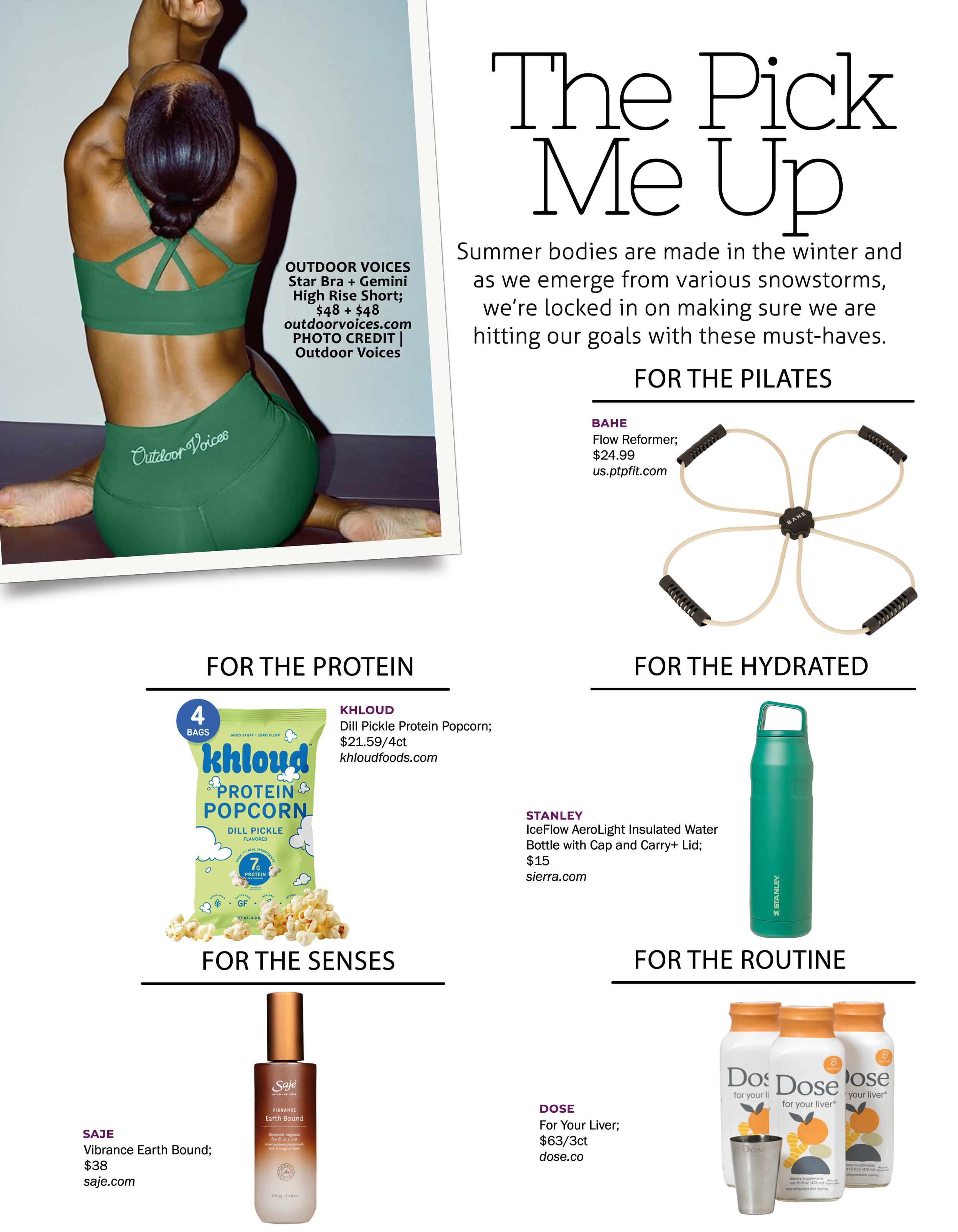
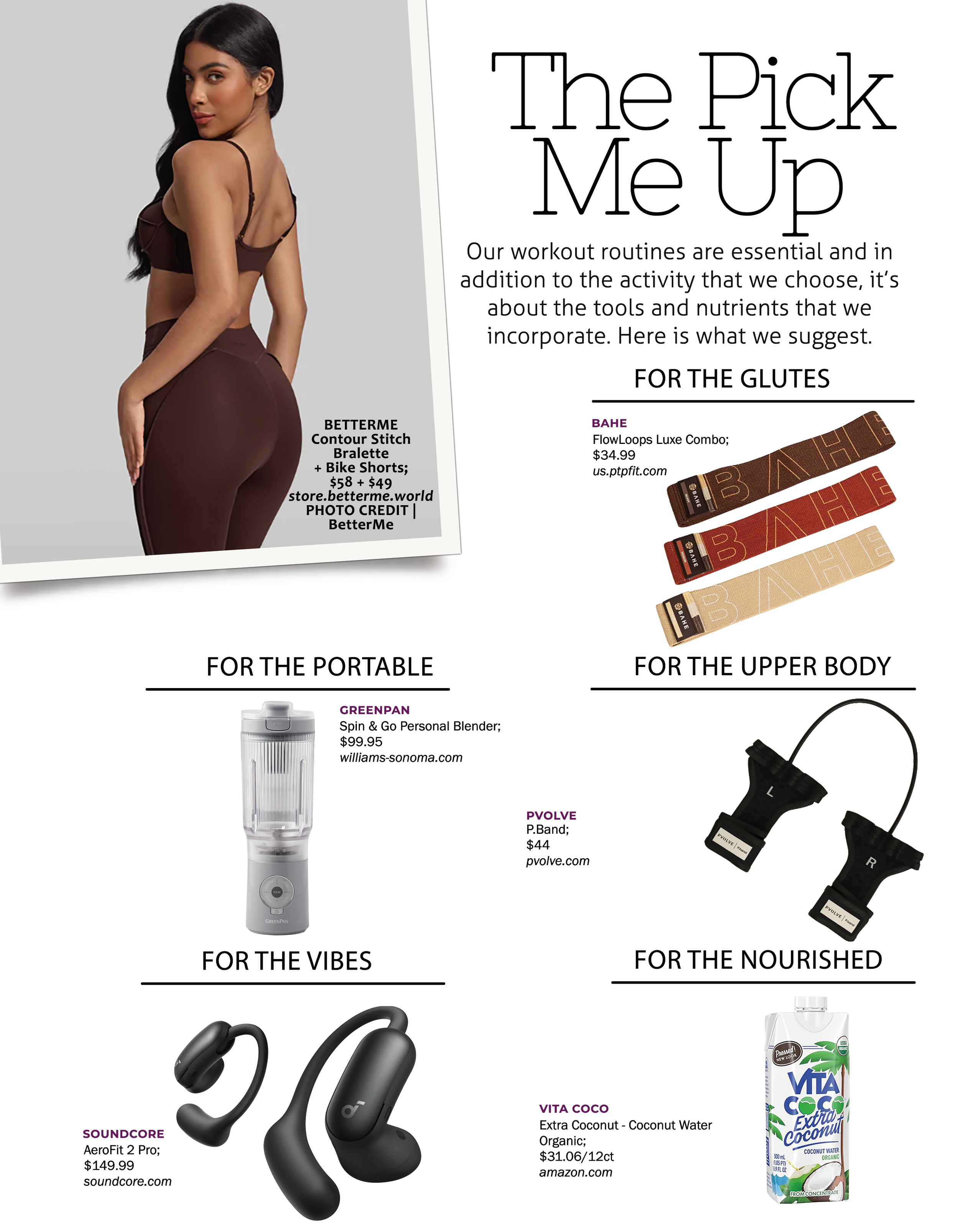
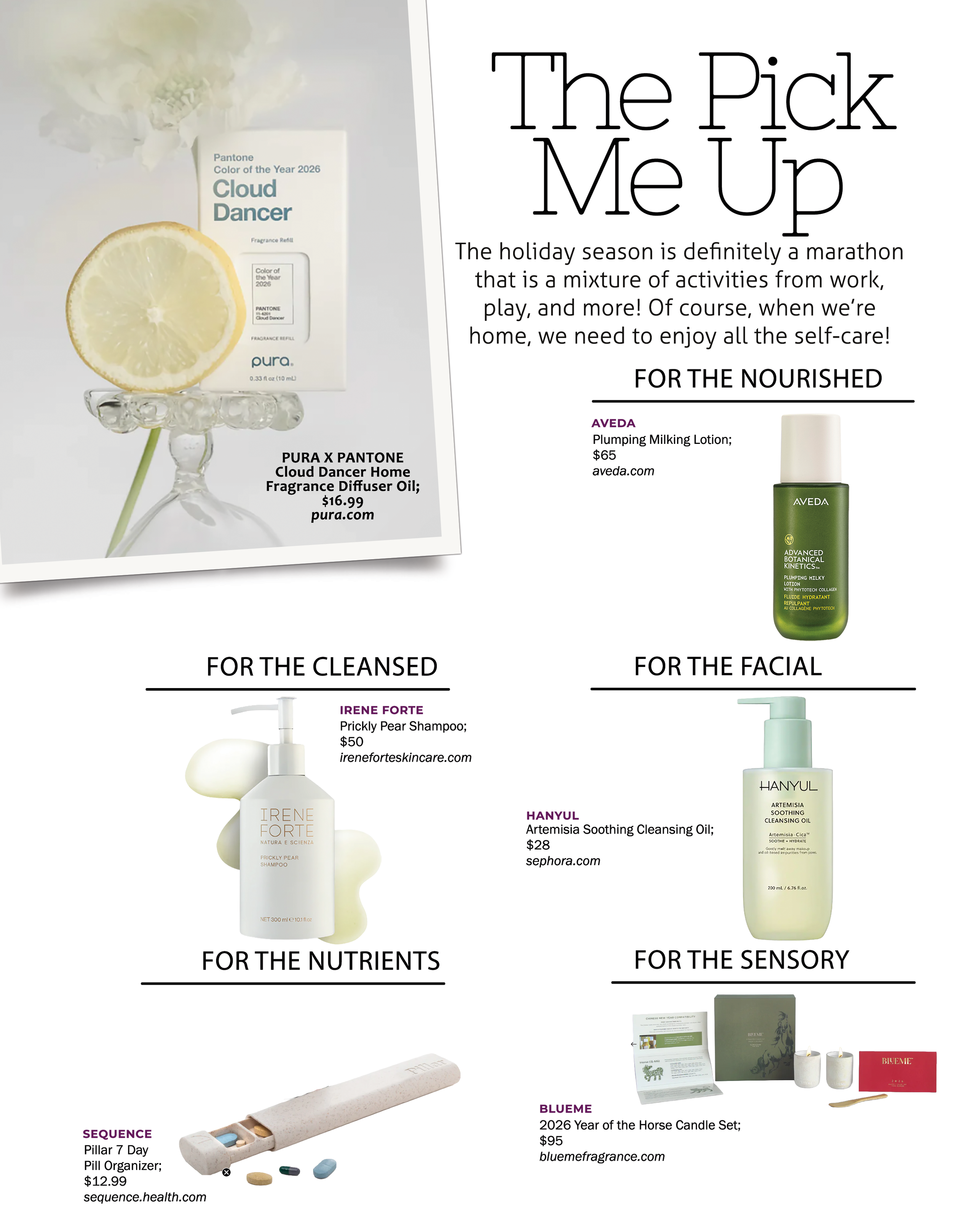
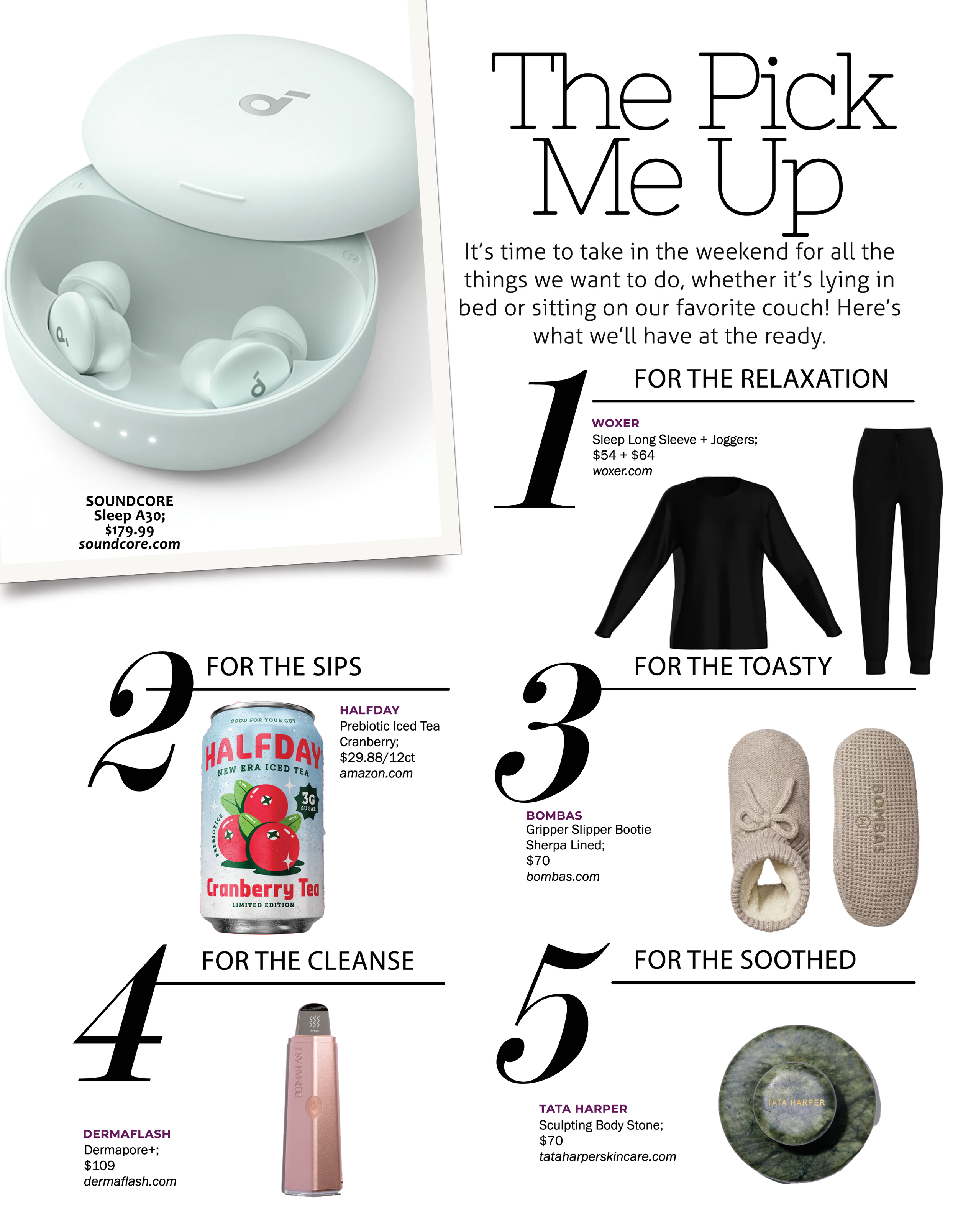
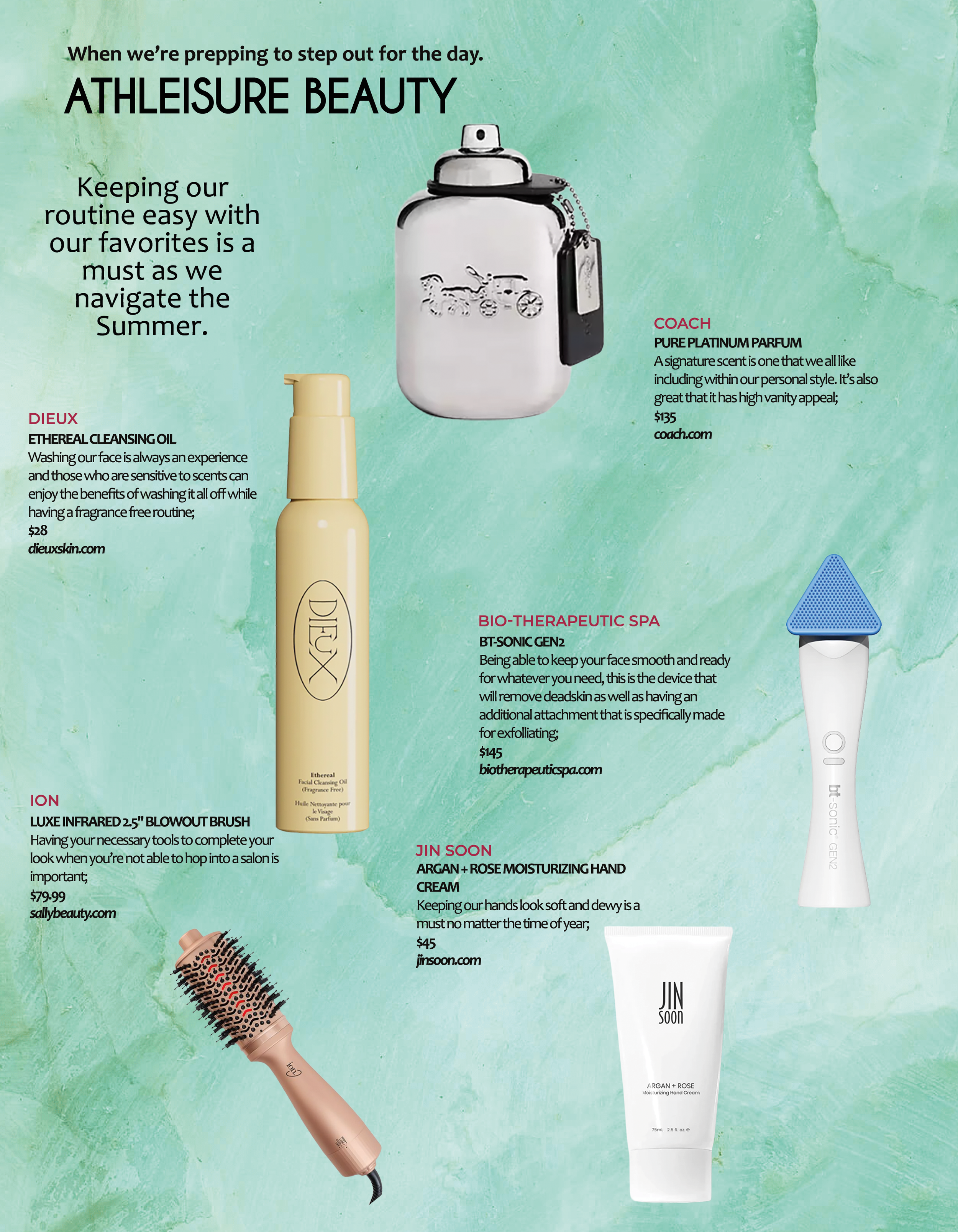
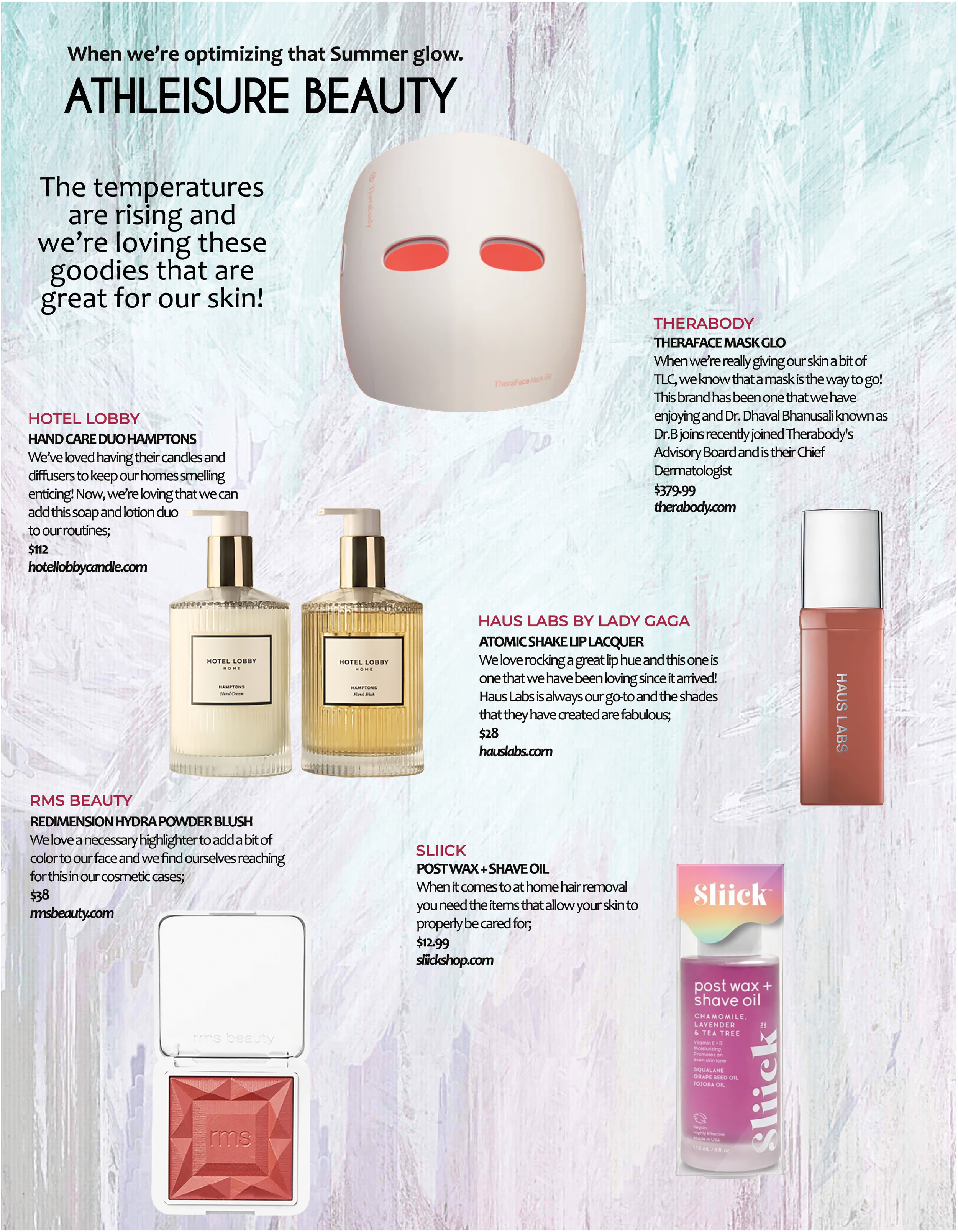
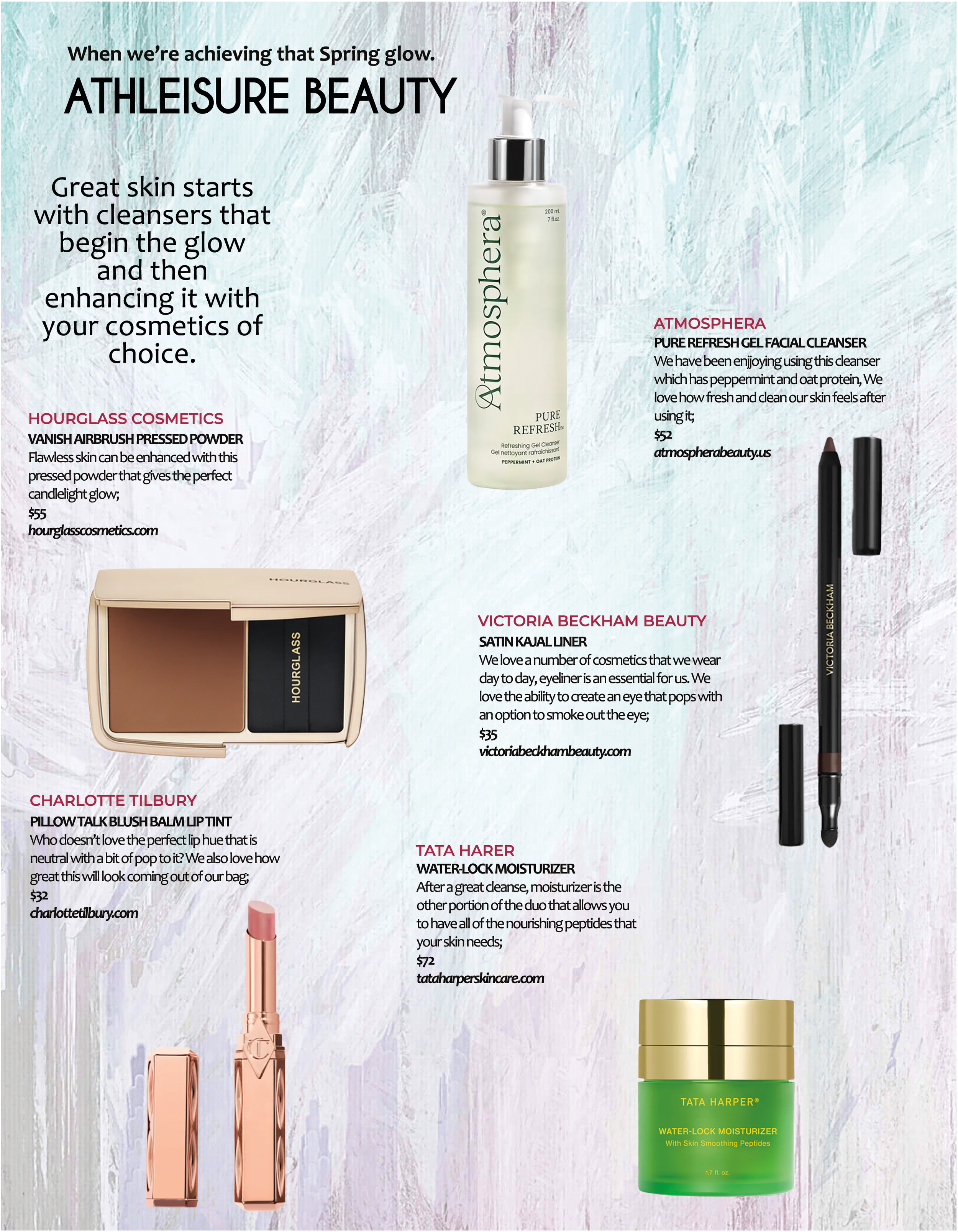
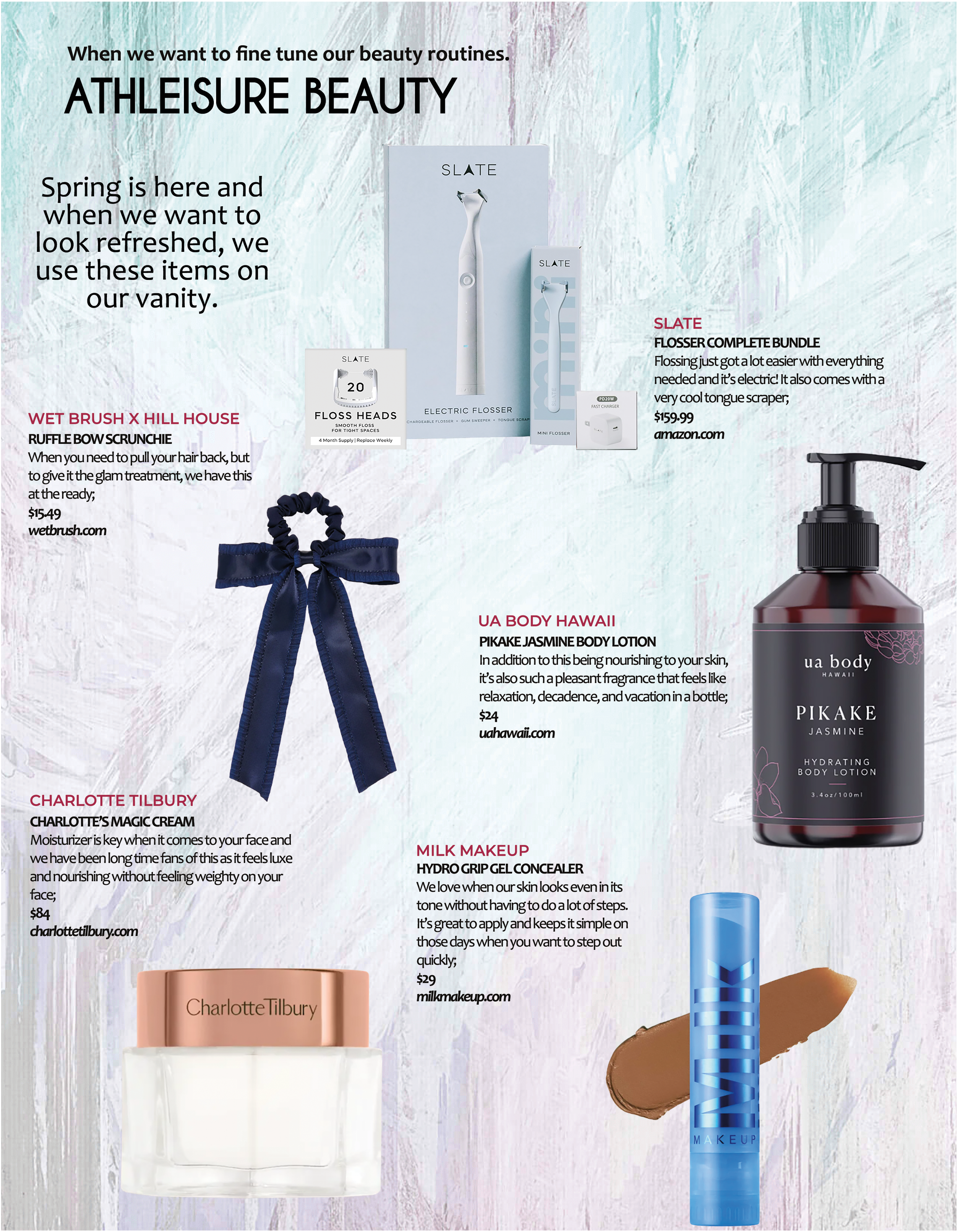
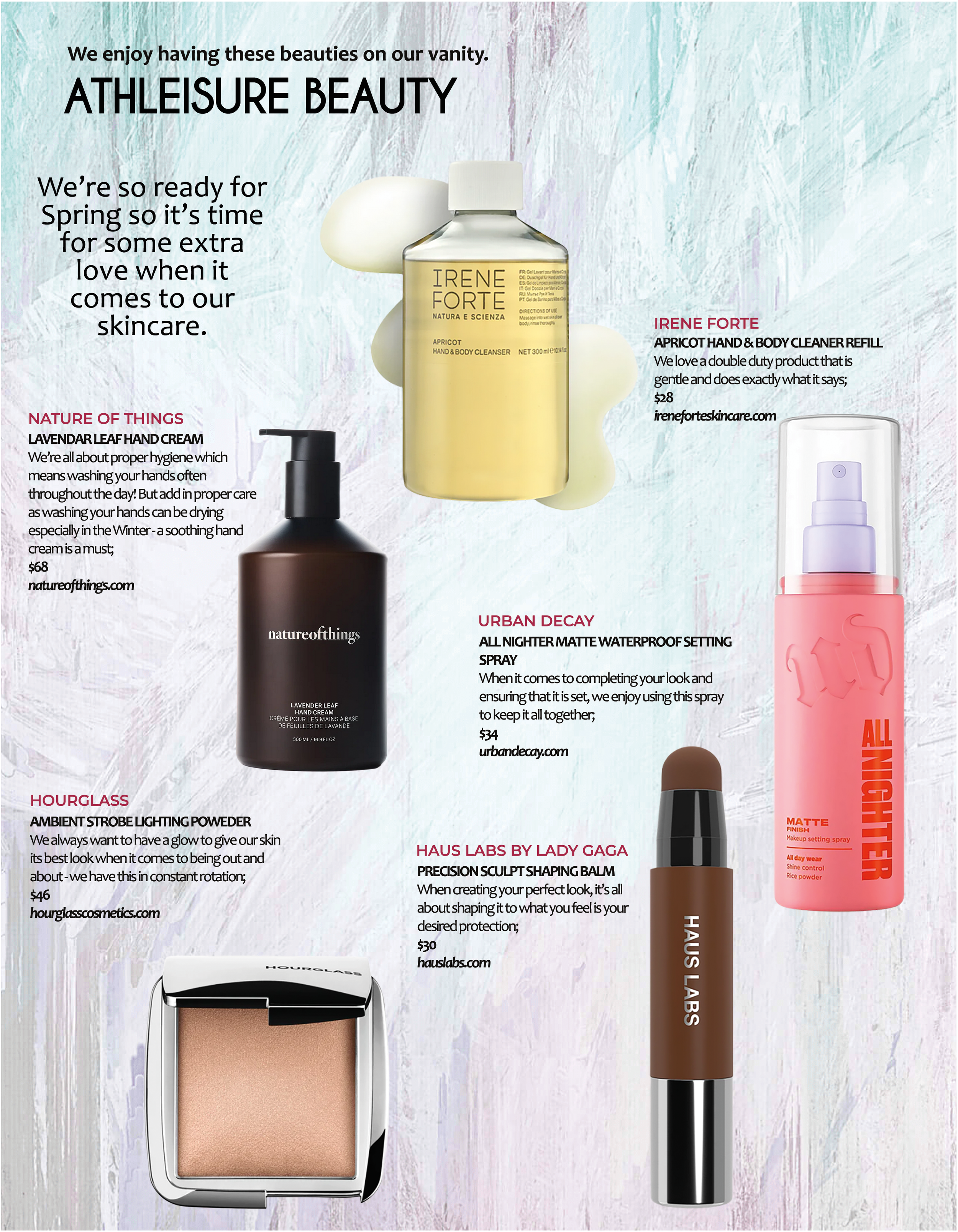
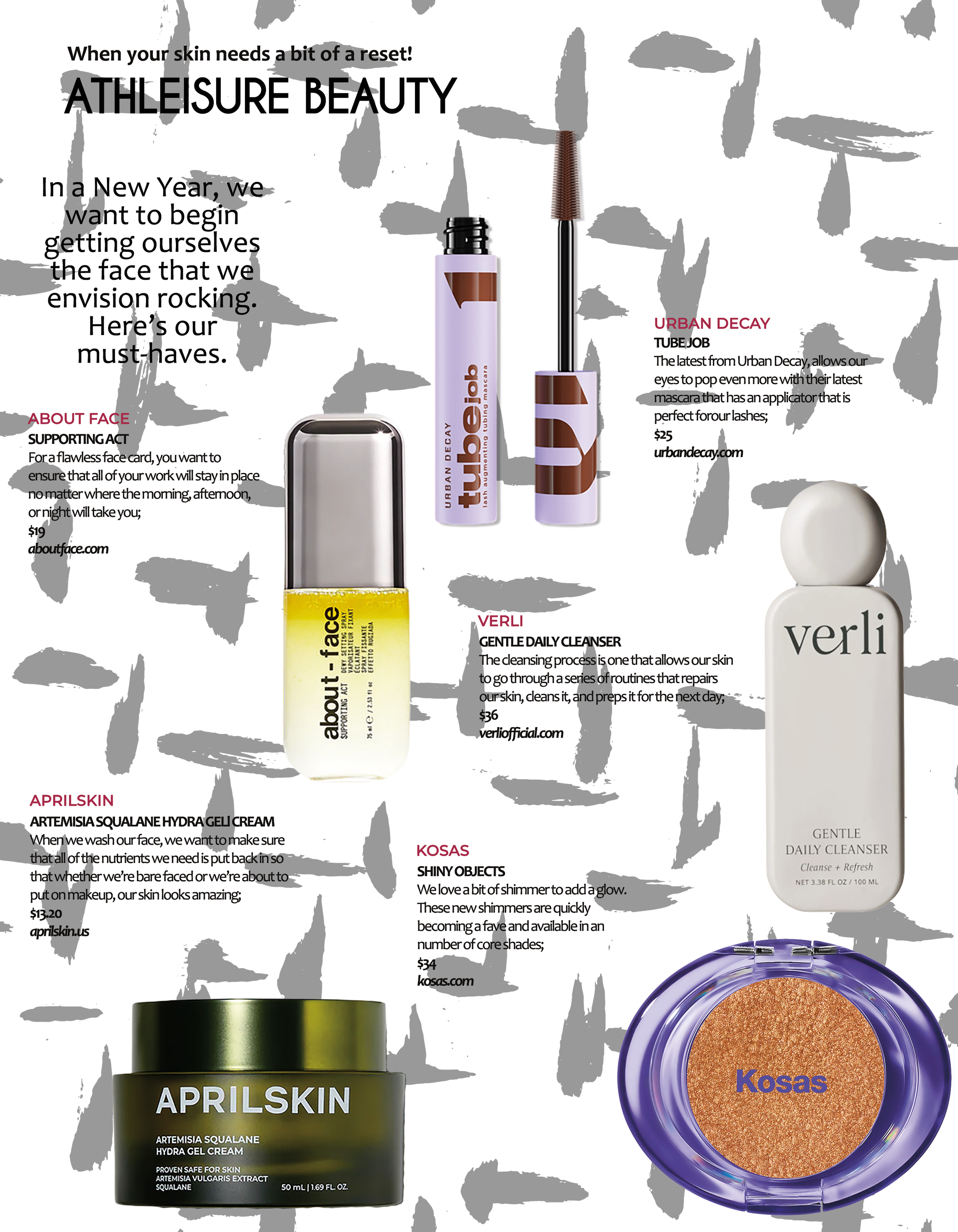
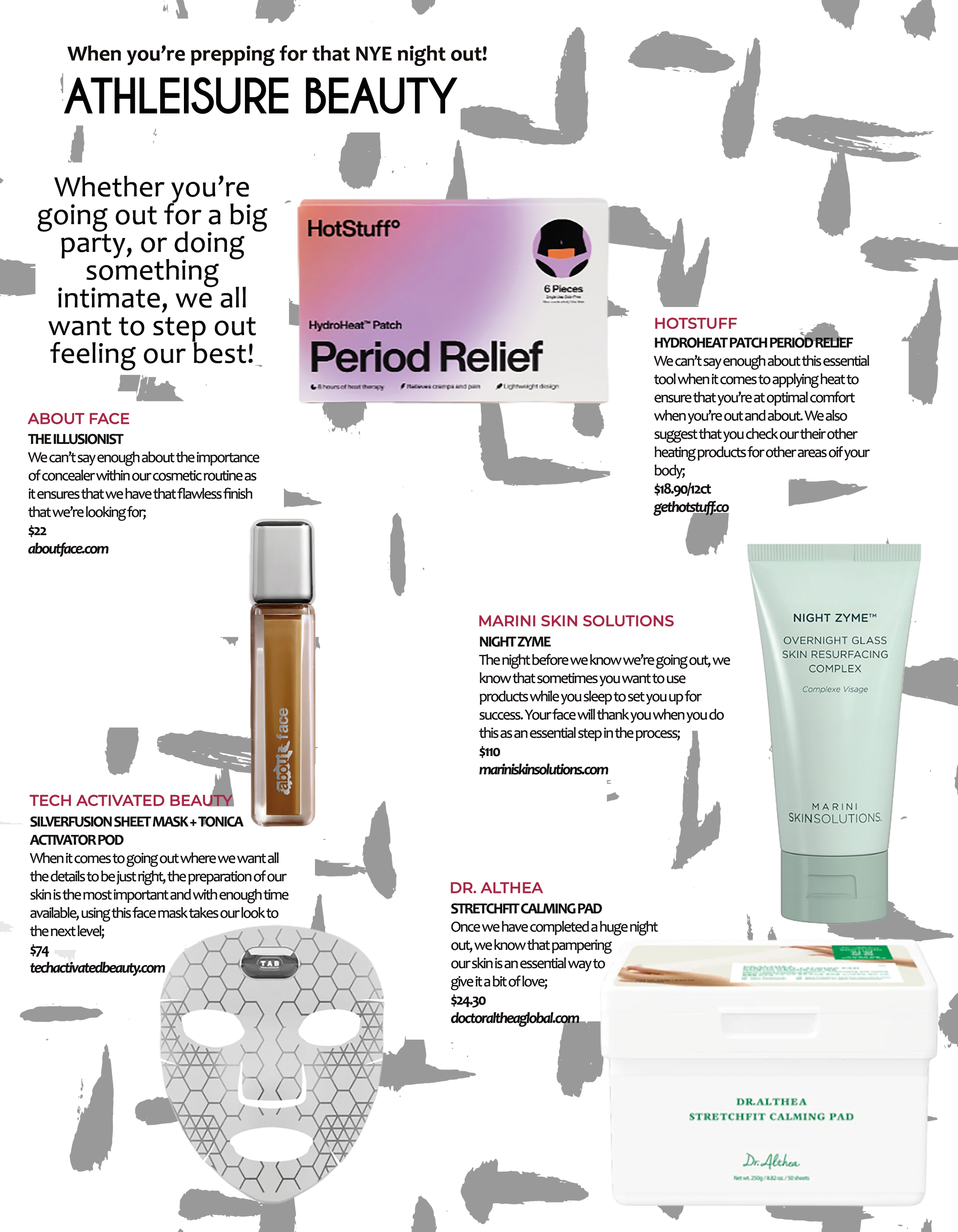
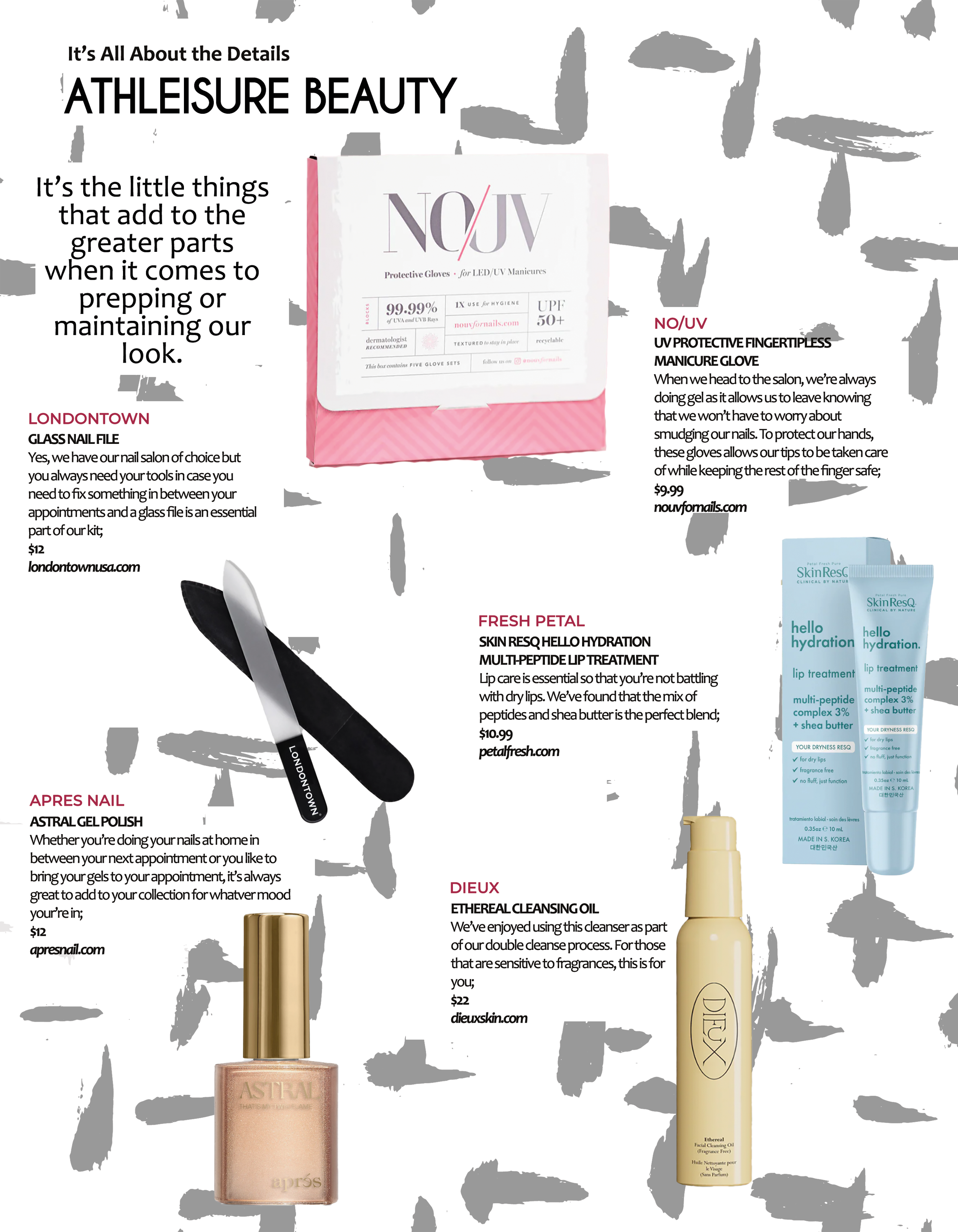
Read the Aug Issue of Athleisure Mag or see How to Dress to Stay Cool This Summer in mag.
Featured How to Dress


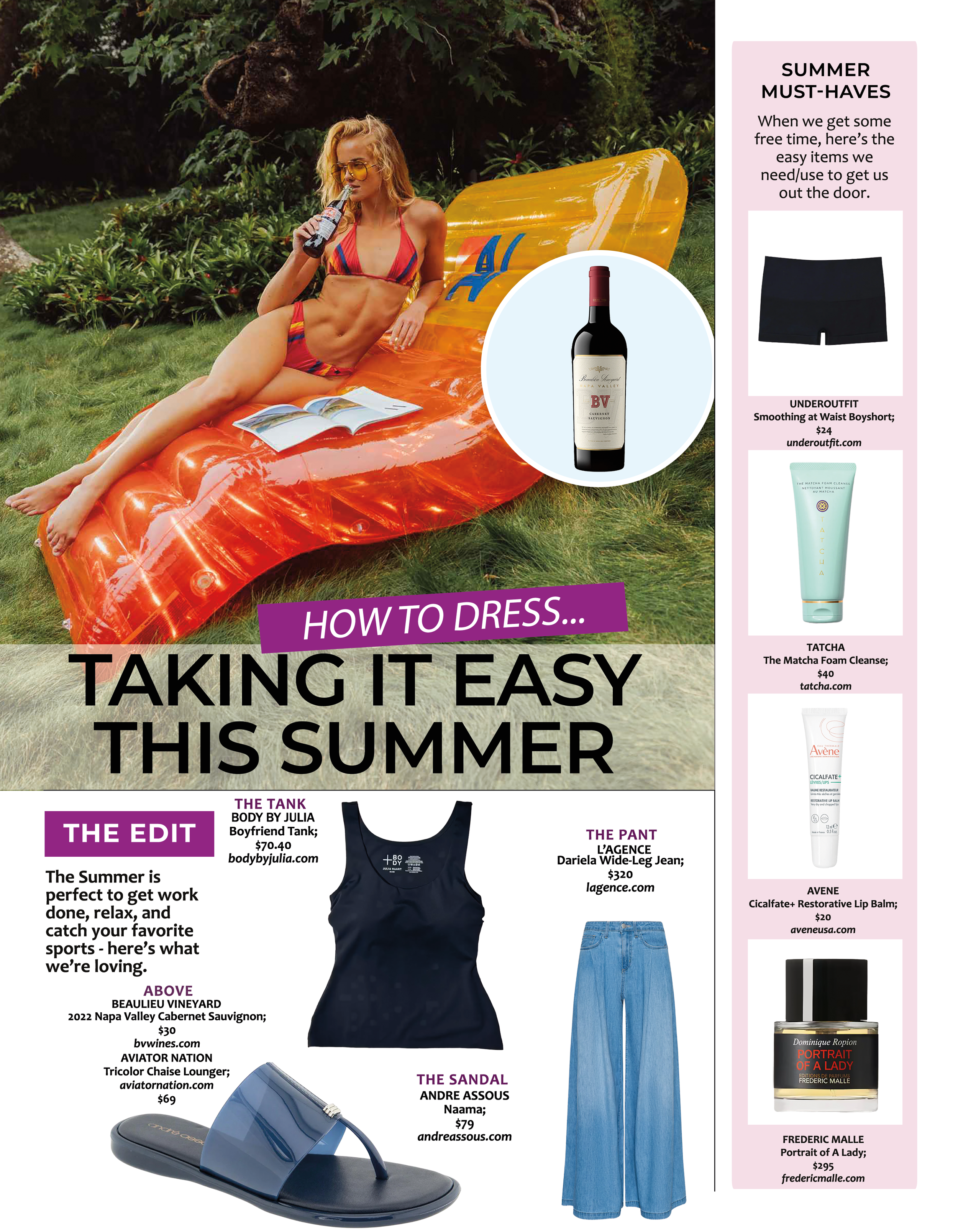

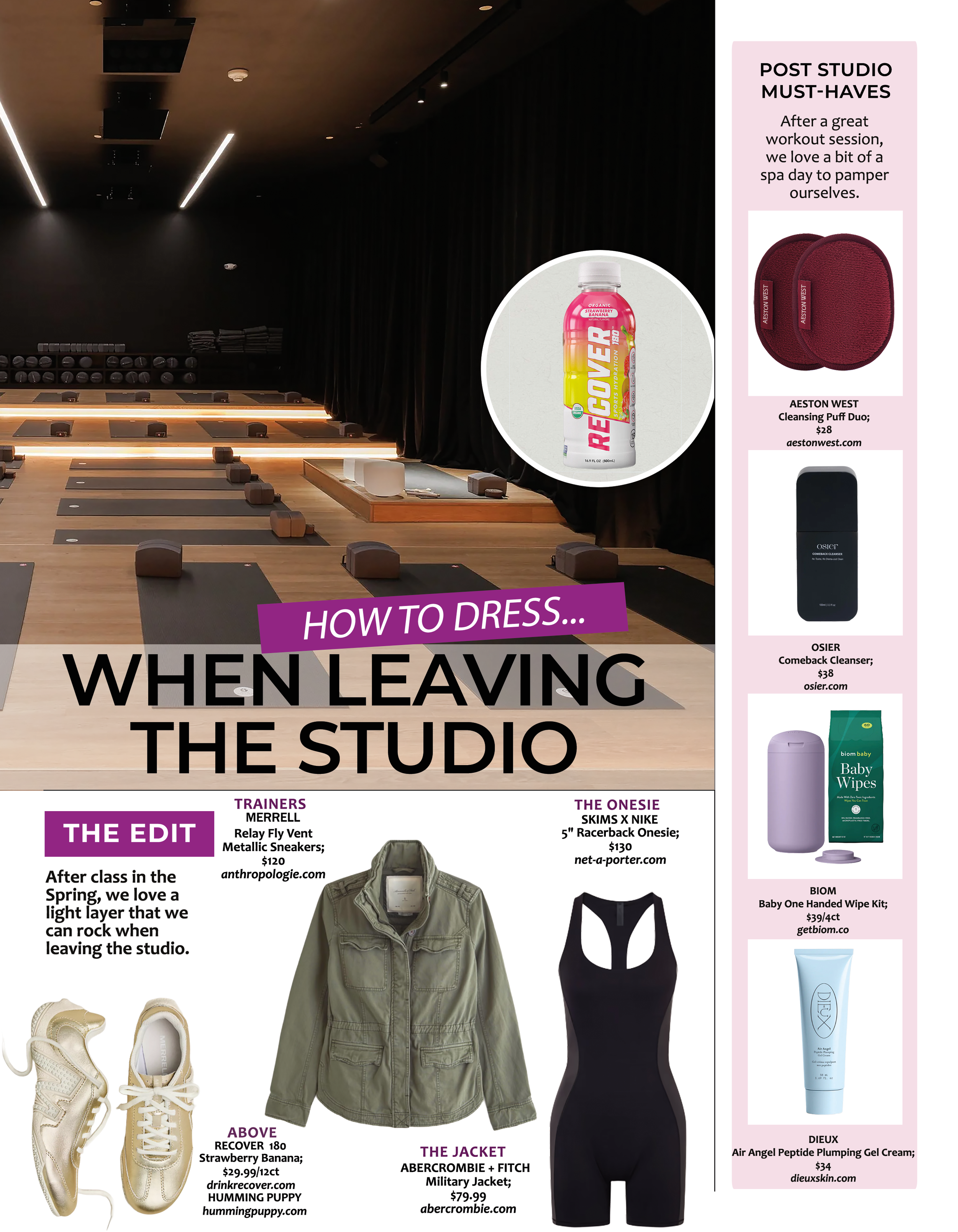
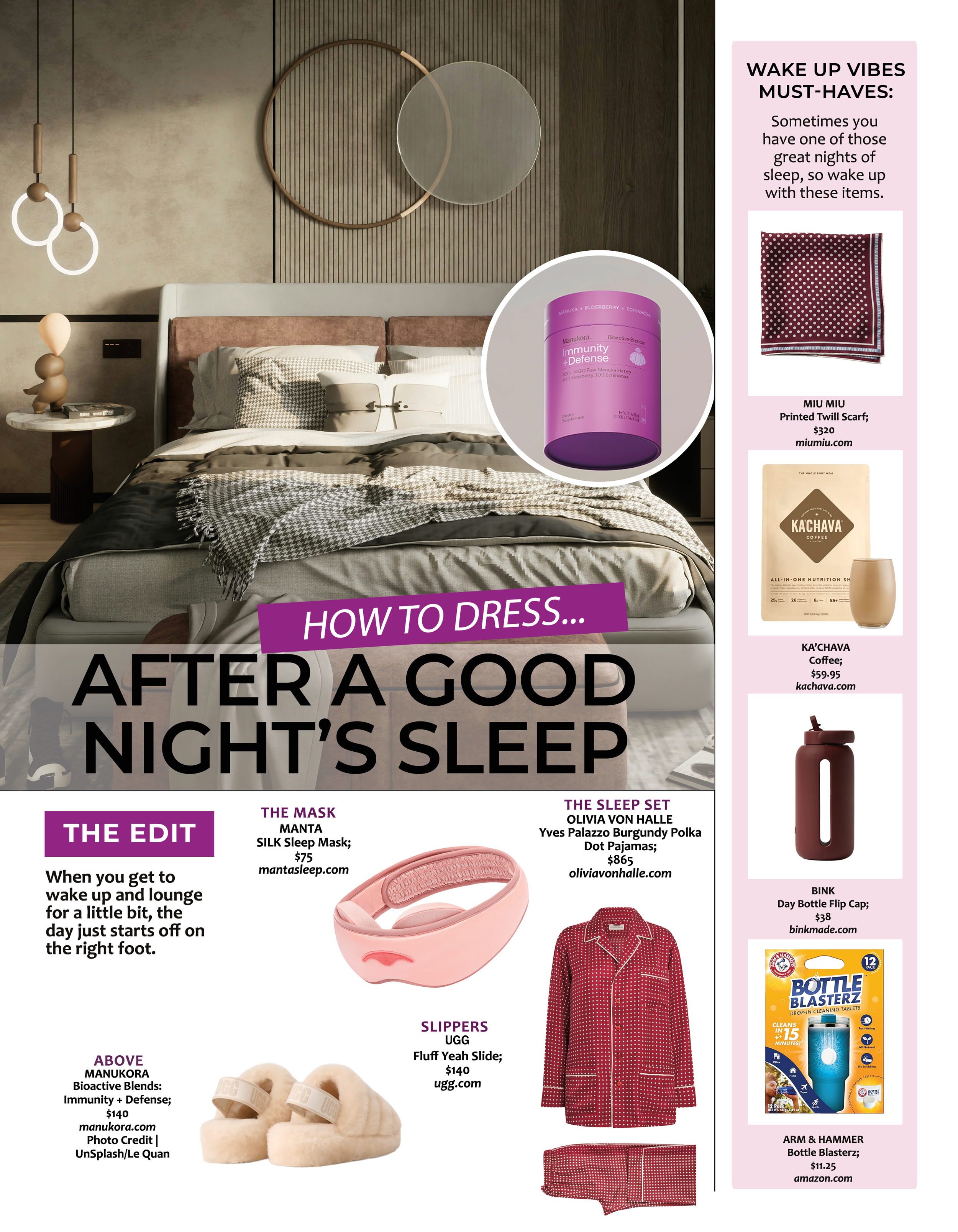
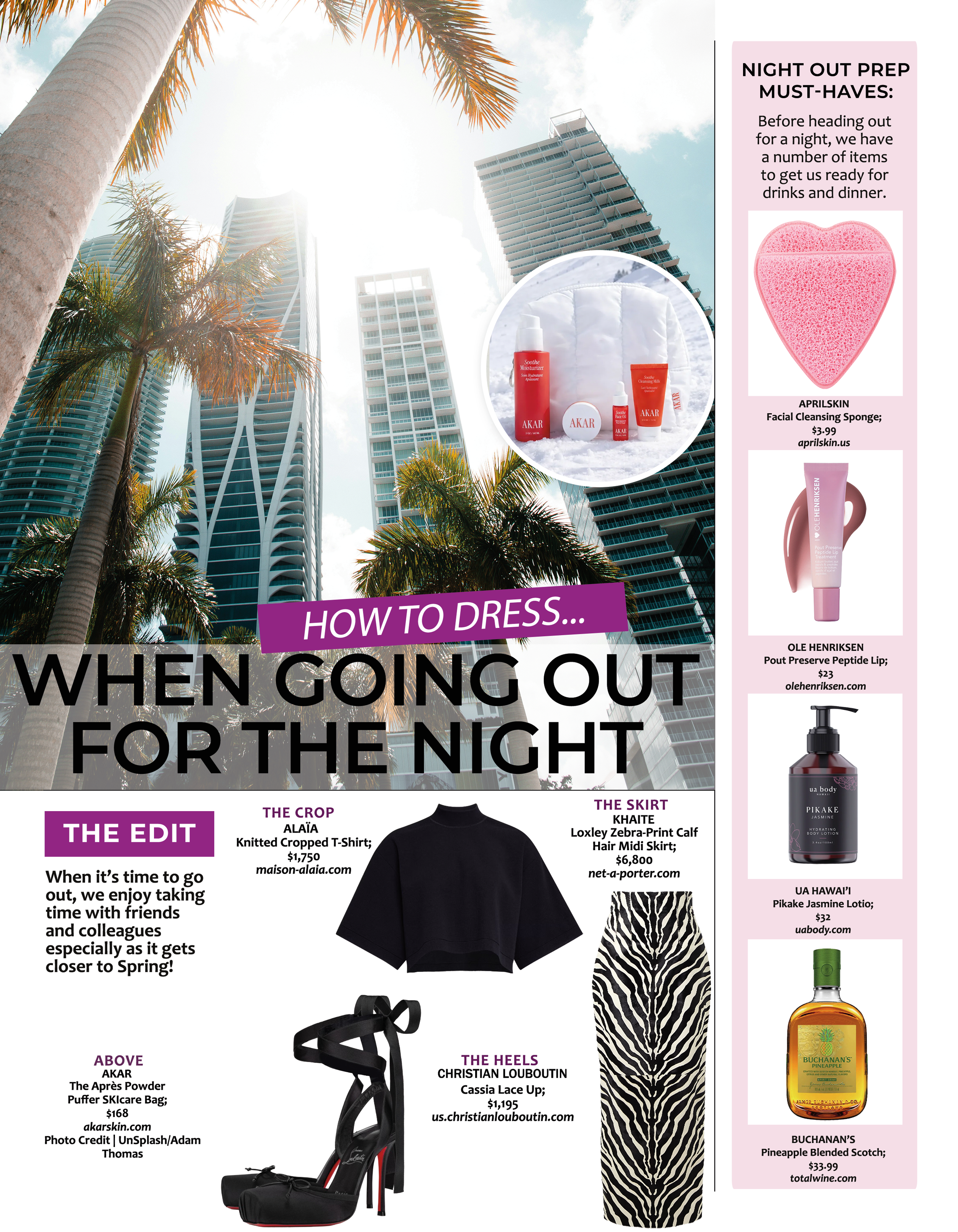


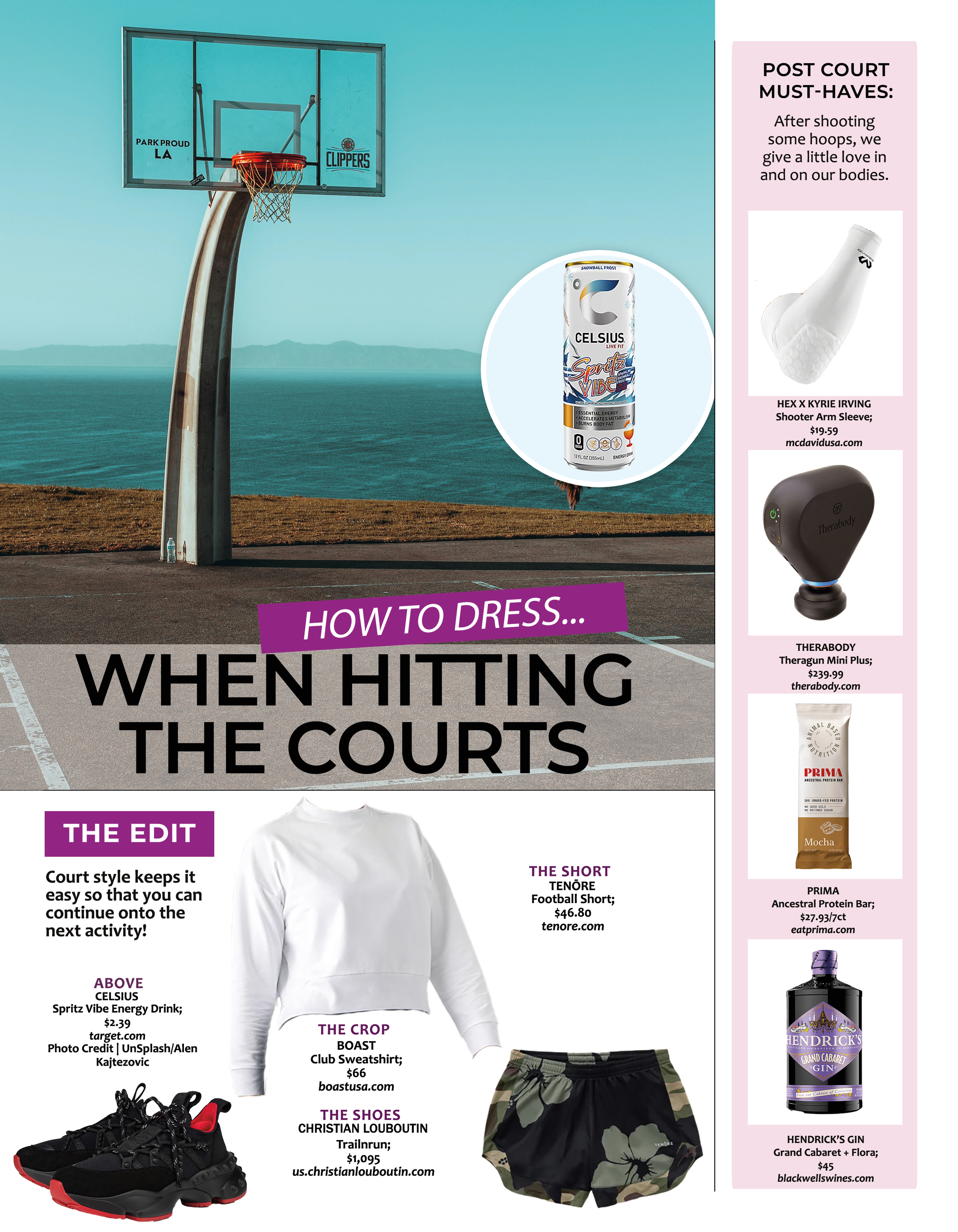

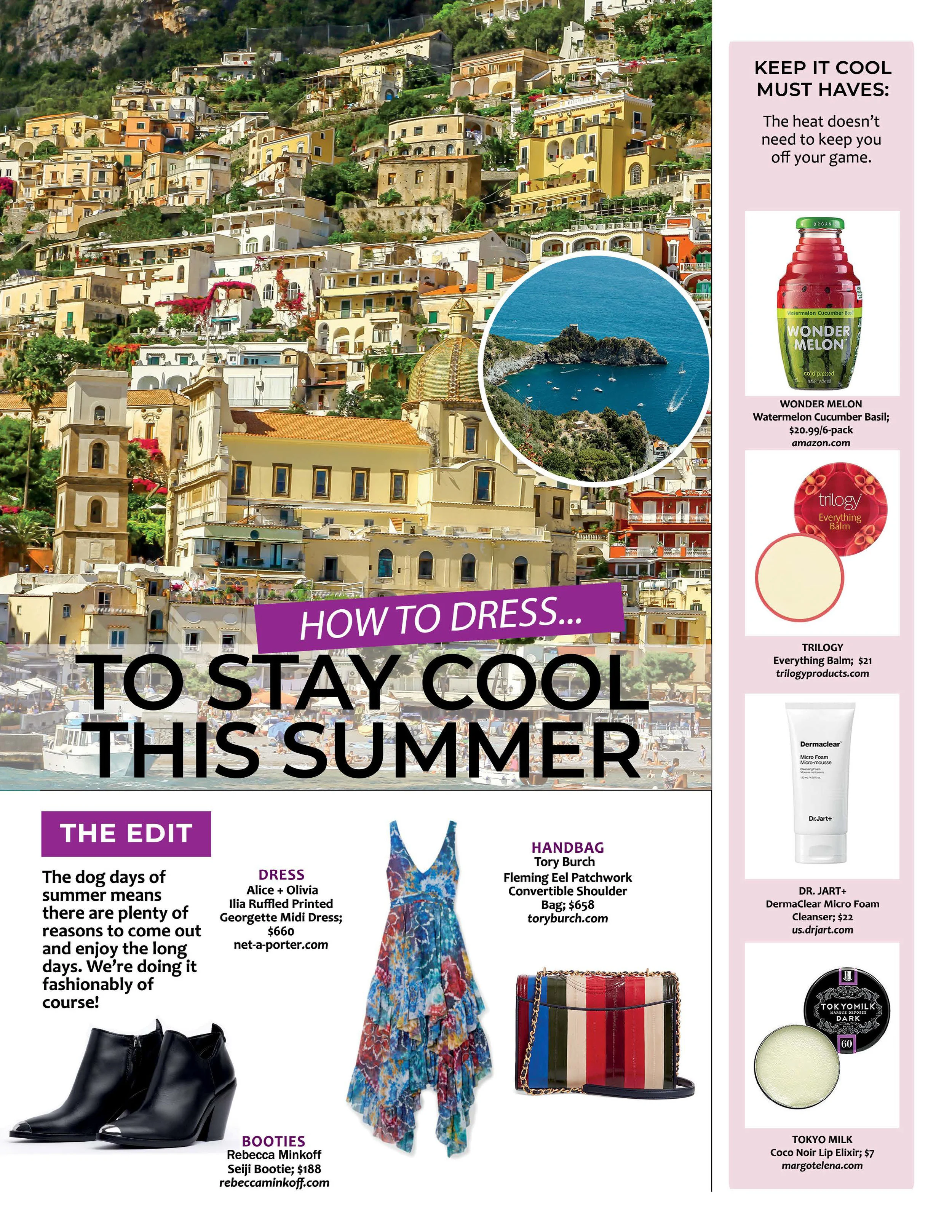
Read the Aug Issue of Athleisure Mag or see How to Dress to Stay Cool This Summer in mag.

On today's episode of Bungalow SK, we're focused on women's health which includes talking about collagen and natural elements that boost our bodies. In the news, we have heard about the importance of it for our bodies and why it's a vital resource. I sit down with the Co-Founders of SkinTE to talk with Dr. Amy Bader, Elizabeth Zieg and Bassima Mroue abut how they came together to create this ingestible beauty lifestyle brand with investors that include Spanx founder Sara Blakely, the iconic Diane Von Furstenberg, Supermodel Karlie Kloss and Bare Minerals' founder Leslie Blodgett and Brian Lee (of LegalZoom.com, ShoeDazzle.com, Honest Co and Art of Sport) . We talk about how they solved a problem by incorporating grass fed collagen with tea and essential ingredients, the importance of a positive corporate culture that believes in proper work balance and where we can expect to see them next.

PHOTO COURTESY | Guilherme Petri
As women, we are pretty familiar with how to handle skincare 911’s, blunders with our hair, shaving mishaps, and how to correct makeup mistakes. When it comes to brows, this particular part of our face is a bit more mysterious. Many of us grew up simply waxing, tweezing or leaving them au naturel until brows became the hottest “accessory” on our face with a multitude of options of ways to groom and improve upon them. What happens when you face a brow emergency? There is no better expert to turn to for advice than Umbreen Sheikh, a licensed cosmetologist, and founder + CEO of Wink Brow Bar and Salon in New York City.
Problem: Overplucking your brows-
Almost every woman has gotten too close to that magnifying mirror and been overzealous with a tweezer. Umbreen says, “Don’t fear. You can fake it till you make it with subtle makeup tricks that will help to create the illusion of a fuller, thicker brow. This can be done with Wink’s own Brow Perfecting Quad.” https://winkbrowbar.com/collections/our-products/products/wink-brow-perfecting-quad Brush the two powders through, then brush through again to blend for a natural-looking finish. Finally, use a highlighter to camouflage any random hairs. Umbreen says that “Drawing a straight line under your brow will help minimize the appearance of strays. This will also lighten and brighten the entire eye area, drawing more attention to the eyes.”
Problem: Creating a too wide eyebrow gap
The obvious solution to this is to fill in the points closest to the bridge of the nose to lessen the gap. This can be done via microblading. Microblading is a semi-permanent tattoo technique used to create the illusion of fuller brows. With this method, Umbreen can create almost any look and shape. First, Wink technicians consult with clients about the best brow shape for their face and choose a color that matches the natural hair color and skin undertone. The brow area is then cleaned and numbed for the treatment. Instead of using a tattoo machine, a handheld tool manually draws hair strokes. This all can take up to 30 to 40 minutes. Results can last anywhere from one to three years, depending on your skin type (the ink fades faster on oily skin), products, and lifestyle. It’s also an ideal procedure for women who have lost brow volume due to age, menopause or chemotherapy.
Problem: Unruly Brows-
Bold, feathery brows are in, but messy is an adjective you never want to be associated with your arches. “If your brow hairs are “wonky,” you need a game plan for controlling them,” says Umbreen. If your arches do need a trim, Umbreen suggests brushing your brows up towards the top of your ear with a spooly brush and cutting only the tips off the long hairs pointing the scissors down, (not parallel to the brow). "This gives trimmed brows a natural look, because none of the hairs are exactly the same length," As a finishing touch, mist a spoolie with hairspray and brush it through brows—directing the hairs up for a lifted look.
Problem: Matching your brow color to your hair exactly
In the case of the hair on your head and your eyebrows, you “don’t want to match the curtains to the carpet,” says Umbreen. Very often, a hair colorist will suggest that you tint your brows much lighter if you are going blonder. Umbreen disagrees with this. “Darker brows will act as a frame for the face and enhance your eye color. Generally, it will give you the appearance of a lot more brow.” If you have gone too light or too dark, “eyebrow tinting is the process of applying semi-permanent dye to enhance, shape, and define your brows. This can be done at salons such as Wink. “It gives the appearance of thicker, more youthful-looking brows,” says Umbreen. An average session takes only about 15 minutes and the color should last anywhere from 3-6 weeks. It’s instant gratification as your new eyebrow color will be immediately apparent.
Mistake: Plucking brows too short
Eyebrows that are too short can make your eyes and nose look too big. If you have plucked them or waxed them so that you look like you have half an eyebrow, of course, you can spend the time to pencil them in every day but that if time-consuming and takes skill to make both brows symmetrical. Or… you could get eyebrow extensions. Similar to eyelash extensions, eyebrow extensions are done with tiny fibers of mink or synthetic hairs. The brow extension fibers are then attached to either bare skin or to existing hairs, giving them a fuller, stronger look. The service is from 25 mins to 90 mins depending on thickness or amount of work required.
The Problem- You’re so squeamish for waxing or you bruise easily
You would be hard-pressed to find a woman who enjoys the tear of a strip of wax against her eyelid to remove tiny eyebrow hairs, but yet we put up with it in the name of beauty. For anyone who has ever deviated from their regular waxer on a vacation or business trip, you have most likely ended up being cut or bruised by overly aggressive waxing. There is a great alternative for everyone called organic threading. As Umbreen explains, “With its origins in Asia centuries ago, eyebrow threading is a simple process that is often considered to be one of the most painless (and least invasive) options for shaping brows. The threading process is simple and typically involves a single piece of cotton thread, After wiping the eyebrow area clean with alcohol, the thread is "twisted and pulled along areas of unwanted hair acting like a mini-lasso, lifting the hair directly from the root without the use of any chemicals or unnecessary tugging on delicate skin. As opposed to waxing, tweezing, or lasers, threading is considered one of the safest and most precise methods of hair removal, especially in the delicate areas surrounding the eye. "Threading allows our specialists to have greater control over which hairs are removed.” The technique is also "100 percent natural," which means there are no artificial waxes, chemicals, or invasive techniques used during the procedure.
The Problem- You've made your brows too big and bold.
Don’t assume you have to wash it all off. Instead, take a cotton swab dipped in makeup remover and carefully trace your brow’s natural outline. Remember, brow product should be applied within the brow’s hairline, not beyond it. Cotton swabs will remove any unwanted shading that has ventured too far outside the lines.
Trying at home to make both eyebrows symmetrical
This is one of the most common mishaps that Umbreen hears from clients who tried to ‘go it alone at home.’ Umbreen offers, “When you obsess over making your eyebrows look exactly the same, you can wind up over-plucking them. Too-thin brows are much worse than ones that are just a tad different. Your eyebrows are supposed to be sisters, not twins.
Read the latest issue of Athleisure Mag.


Read the July Issue of Athleisure Mag and The 9 List with Trinity Fatu in mag.

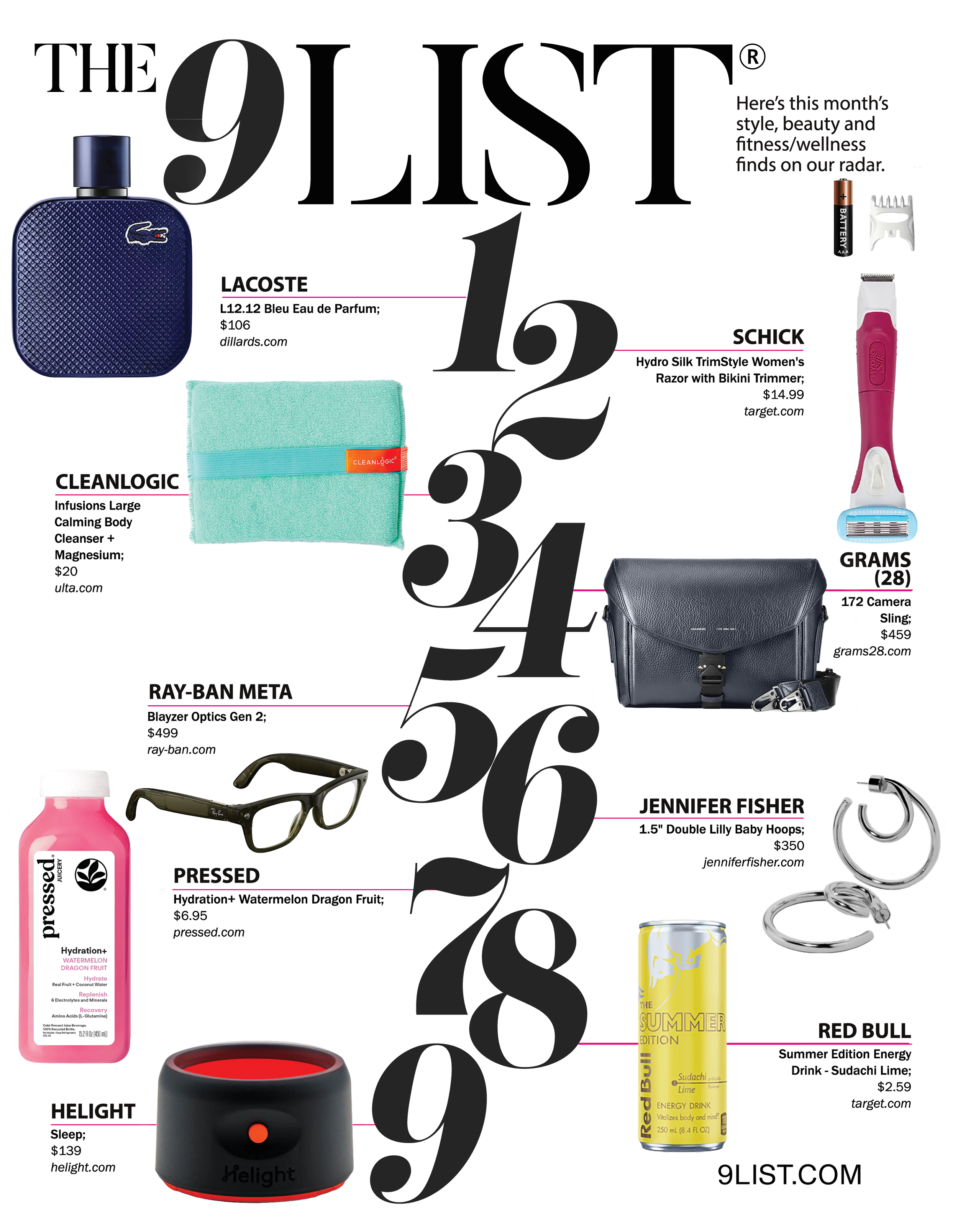
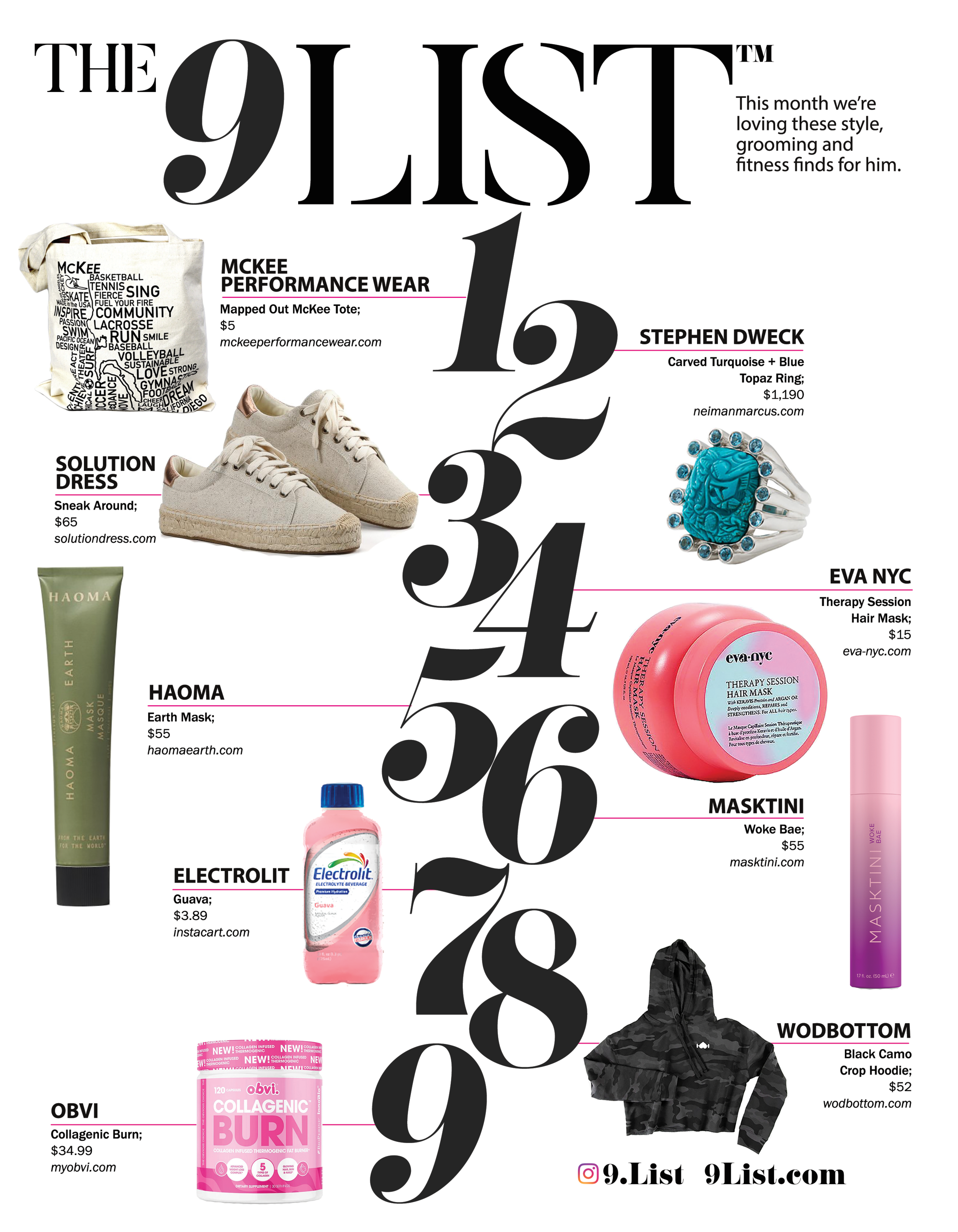
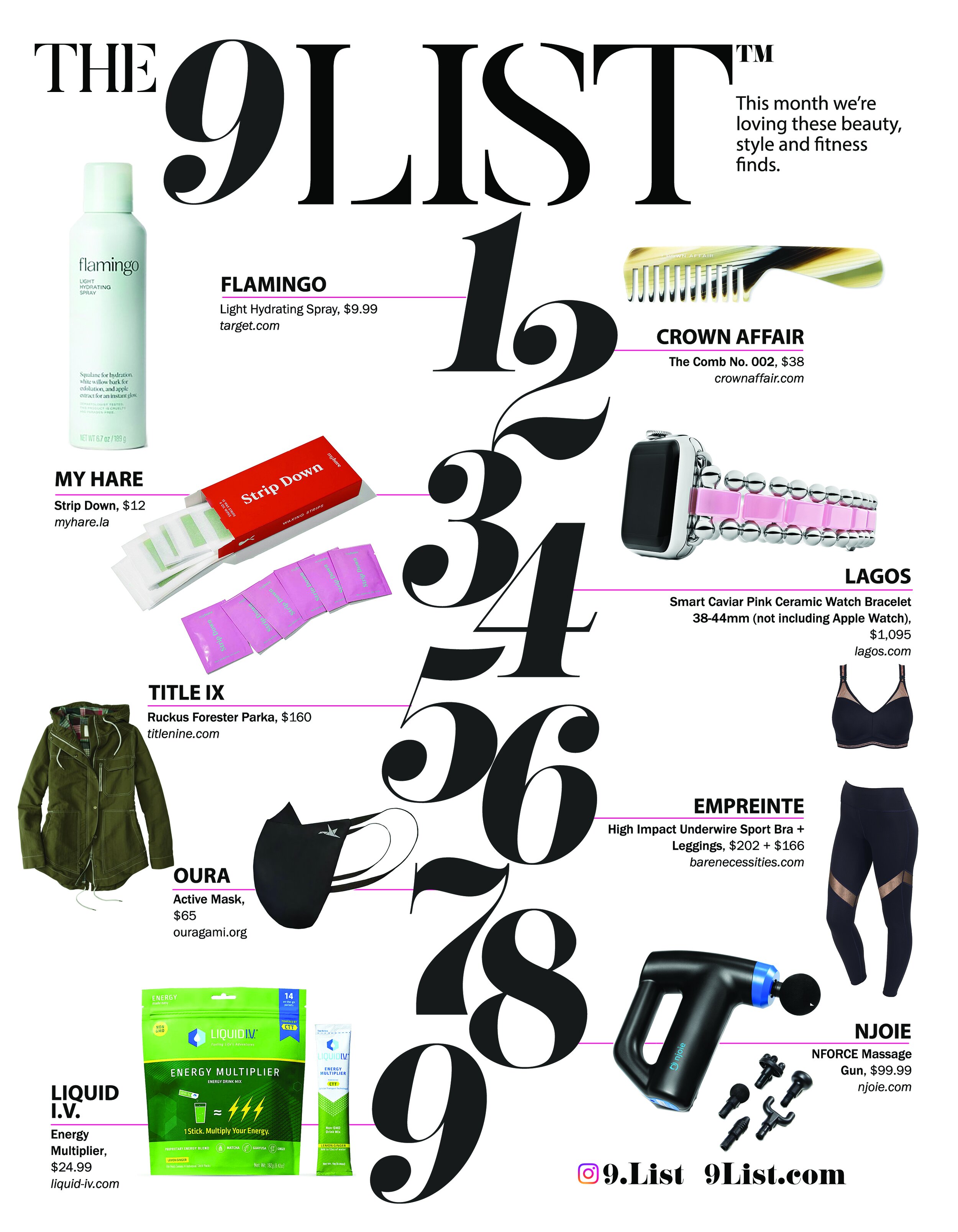
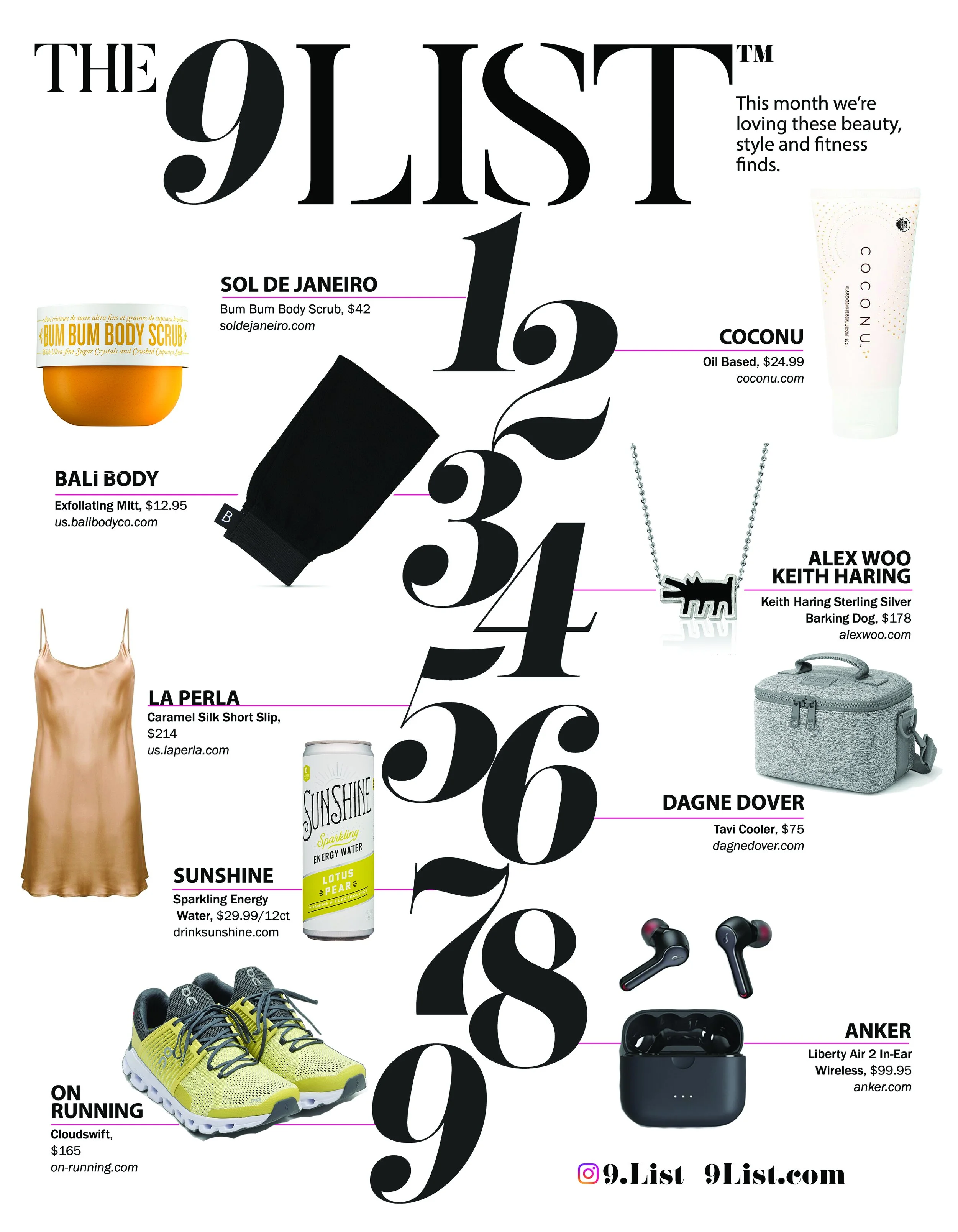
Read the July Issue of Athleisure Mag and see The 9 List in mag.
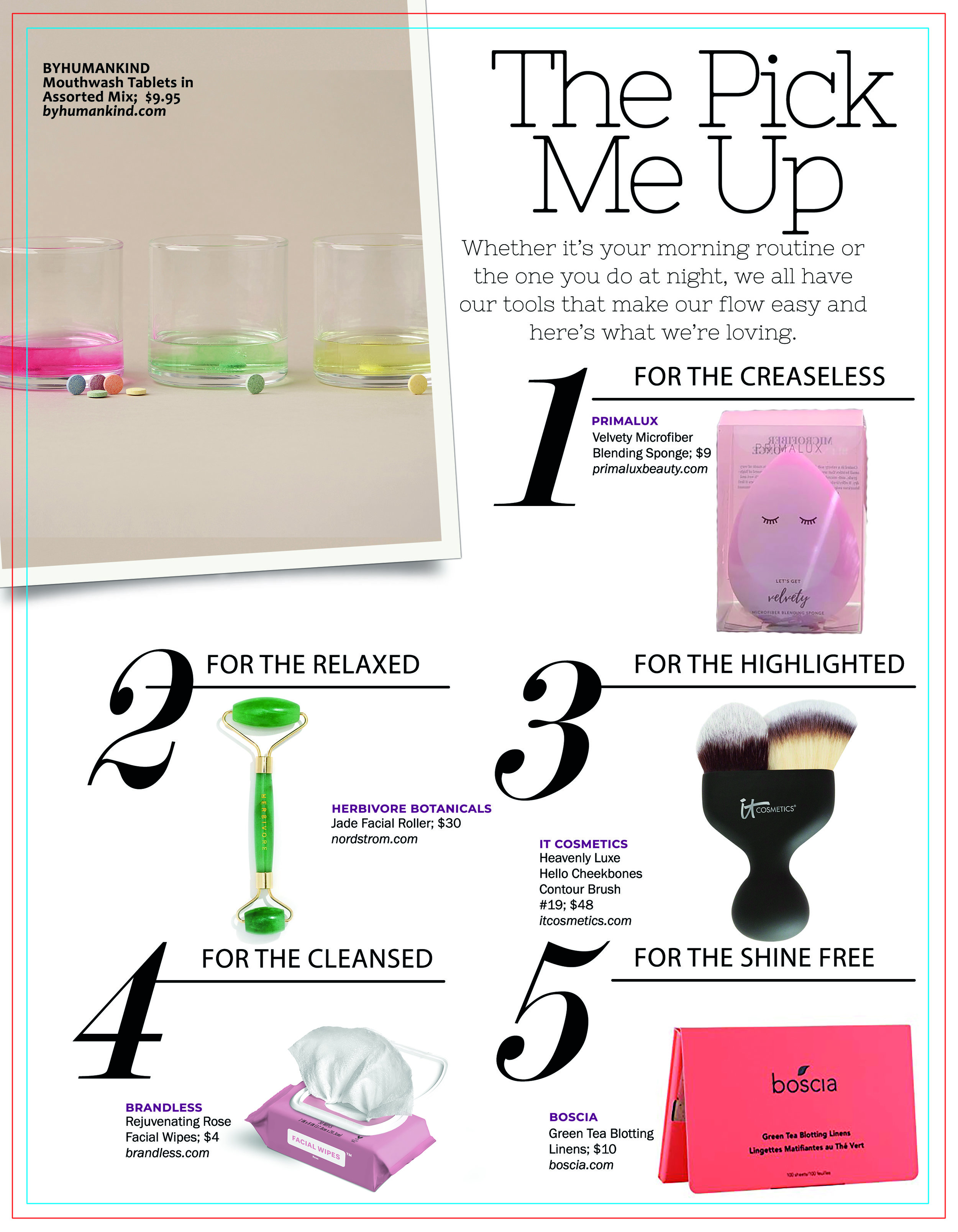
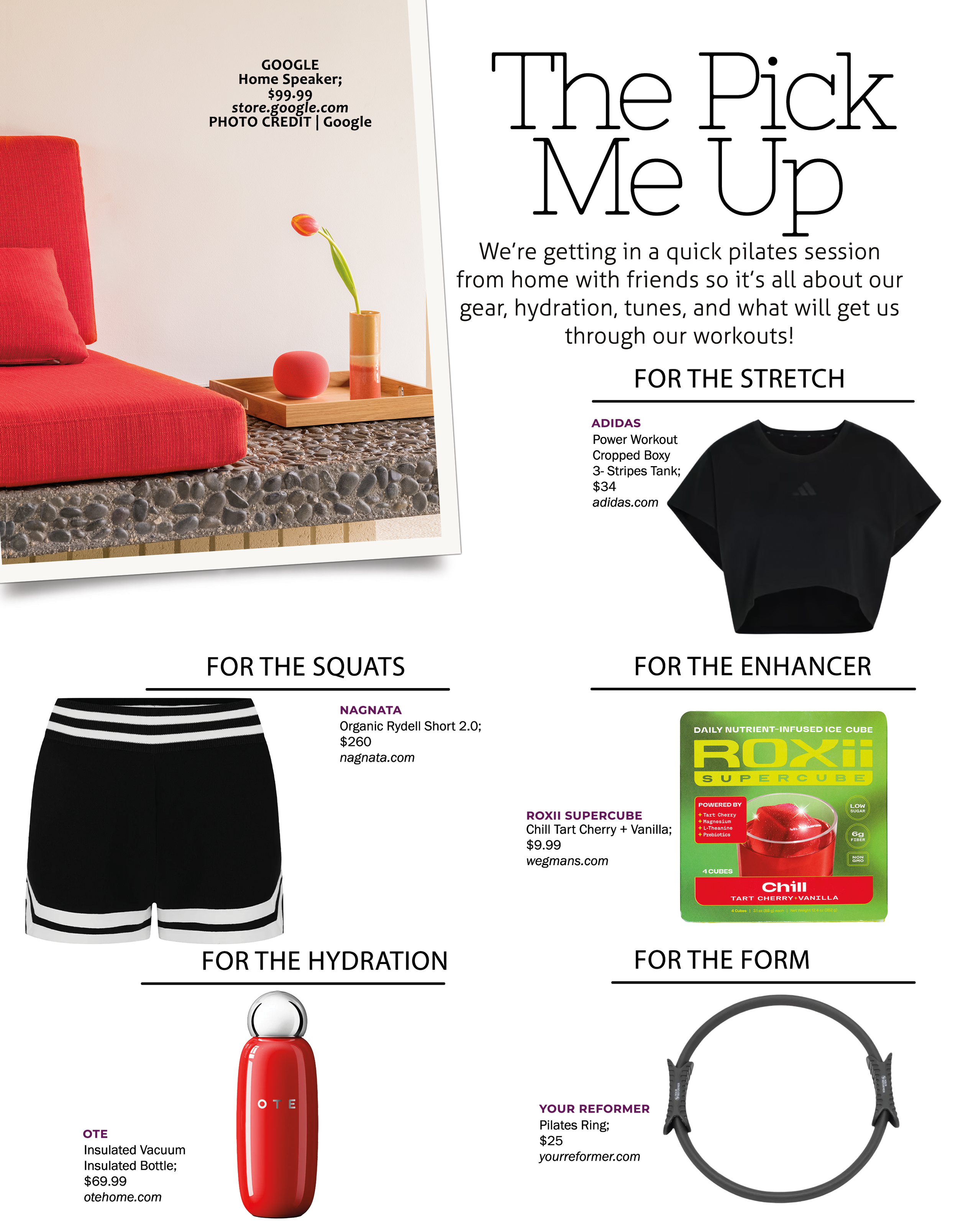
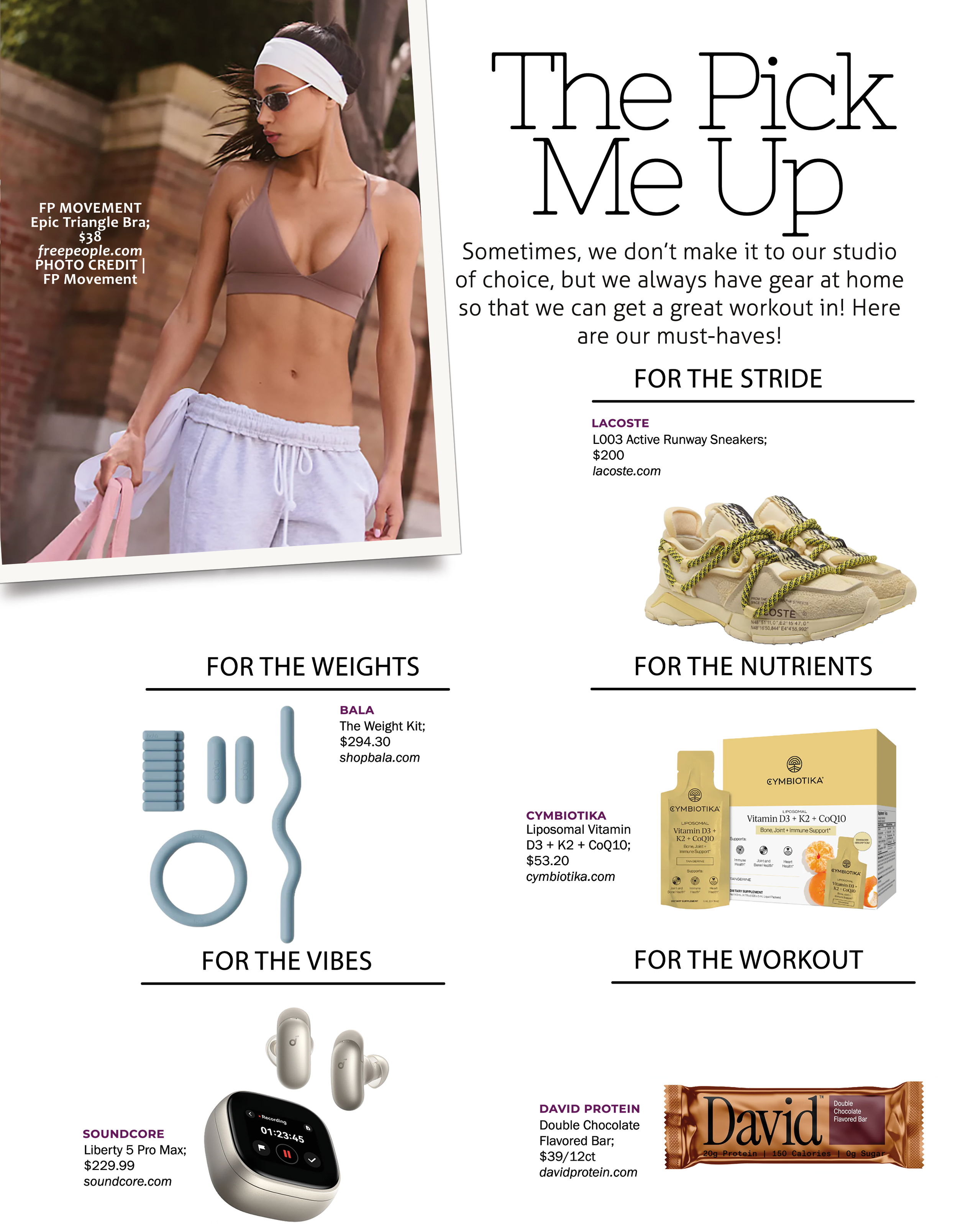
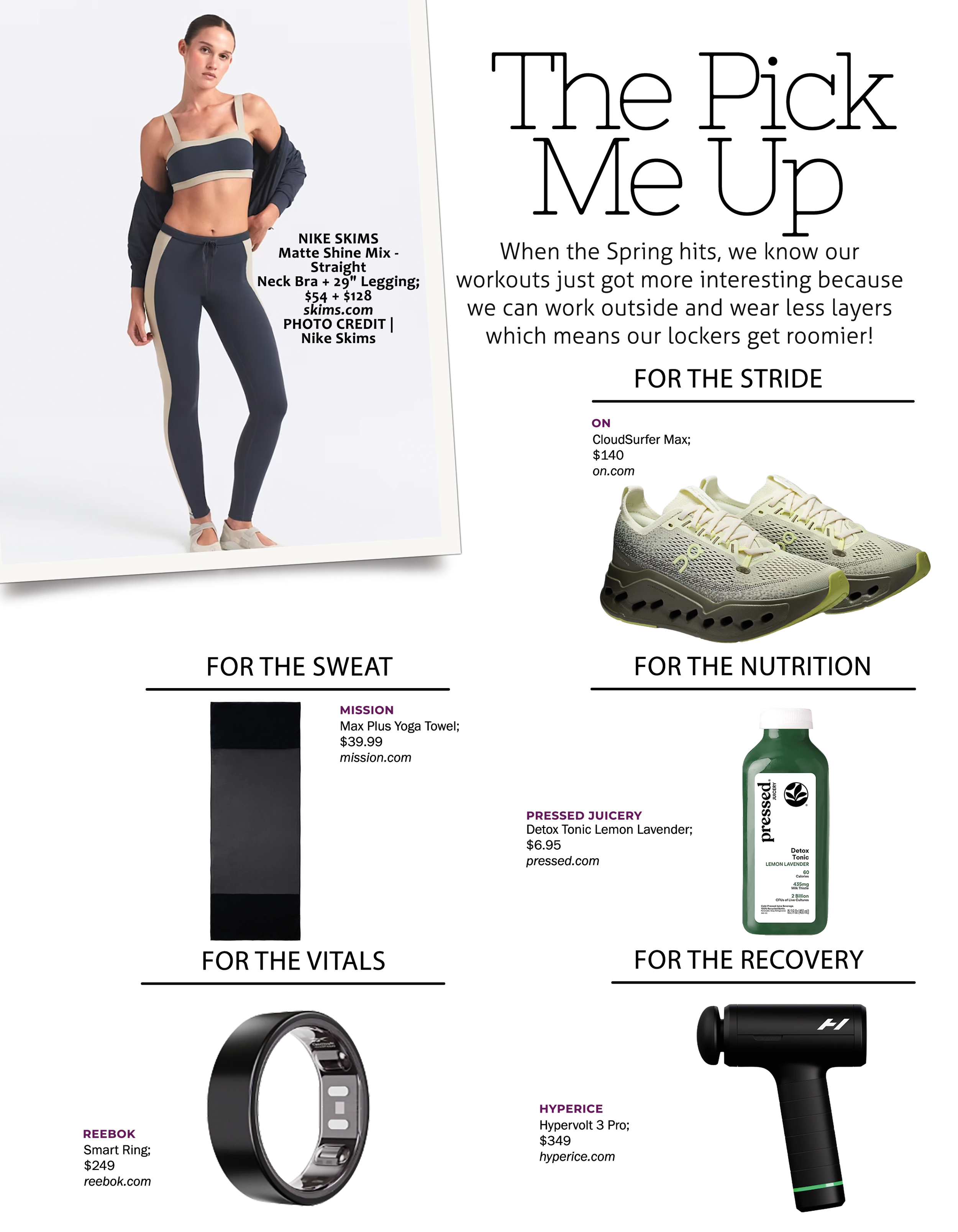
Read the July Issue of Athleisure Mag and see The Pick Me Up in mag.

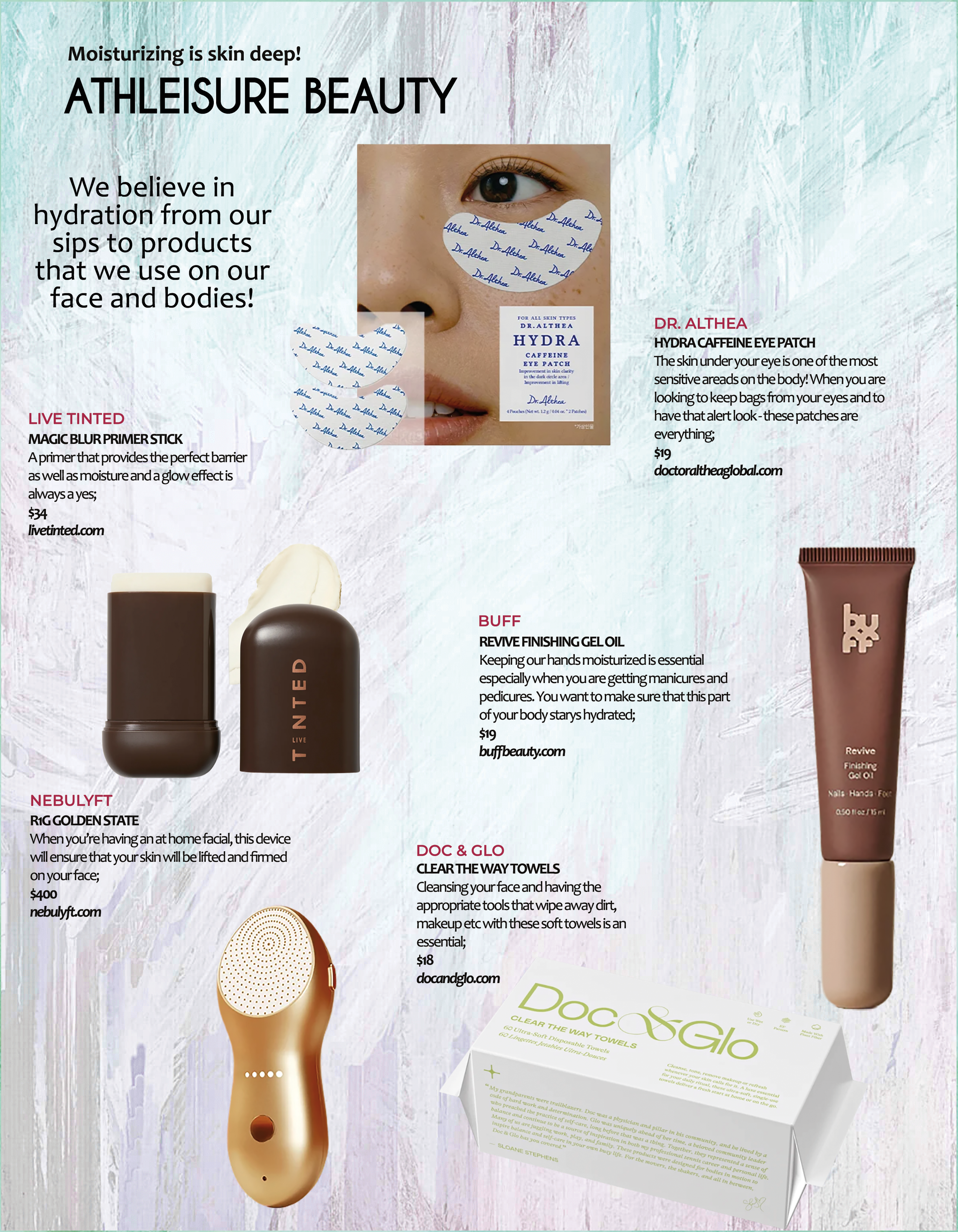
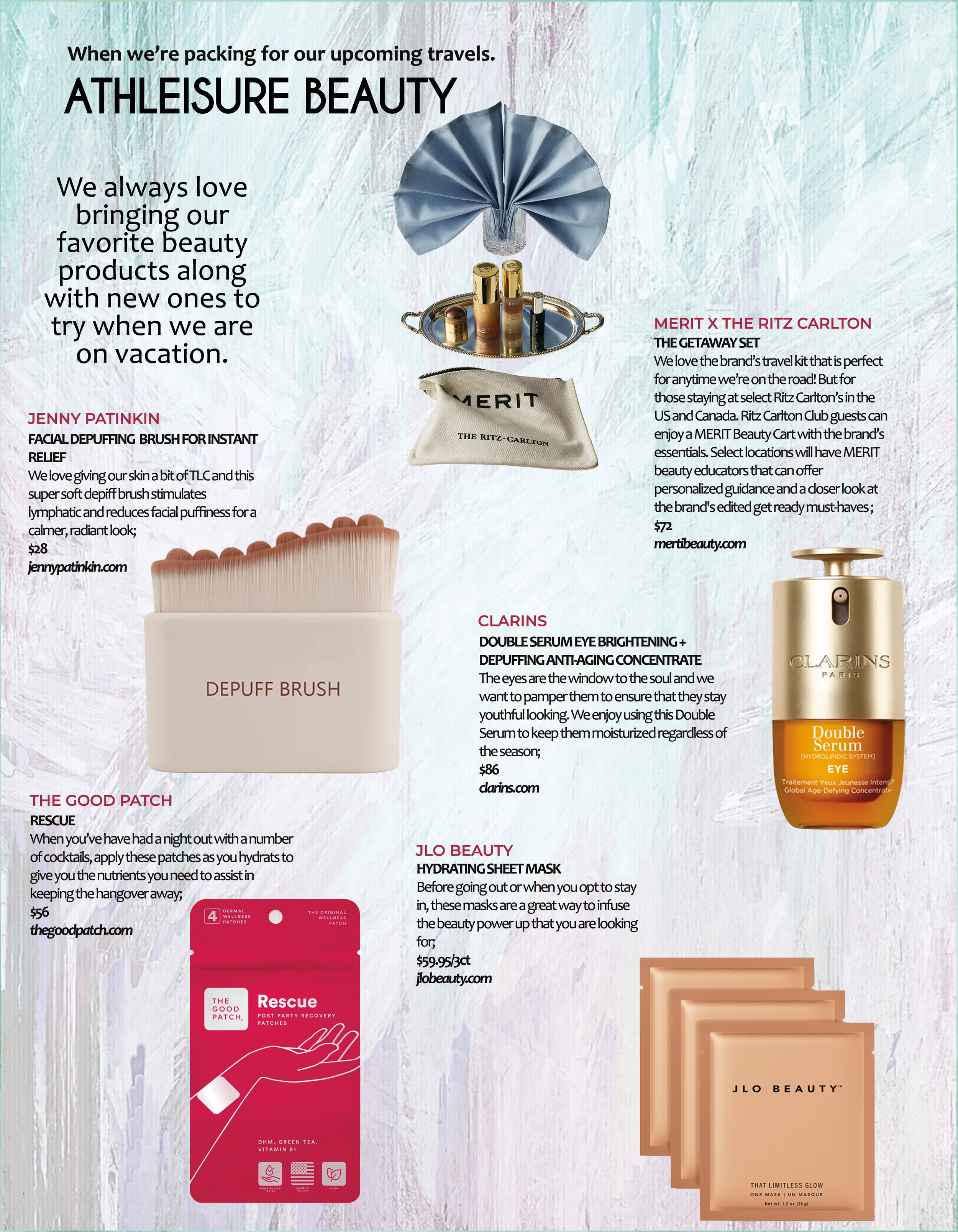
Read the July Issue of Athleisure Mag and see Athleisure Beauty in mag.

Read the July Issue of Athleisure Mag and see Style Files Resort in mag.

Read the July issue of Athleisure Mag and see Tomato Beauty in mag.

There are 47 million Instagram hashtags for #DIY. It’s a hot topic for everything from home décor to crafting, and of course beauty. DIY skincare is hyped as a safe and affordable alternative to store-bought products. Just because it can grow in your backyard or exists in your medicine cabinet, doesn't mean it's good for your skin. Looking into cleaner cosmetics isn't a bad idea, but some natural ingredients YouTube and Instagram sensations swear by can cause adverse side effects. Dr. Gretchen Frieling, a board-certified Boston Area Dermatopathologist, warns us about the most touted DIY skincare ingredients and why you should never put them on your face.
Take these products off of your skincare DIY List
Toothpaste for acne spots
Treating pimples with toothpaste is backed by many who have extolled its drying properties. While it can dry the pimple out, Dr. Frieling explains, "it can also cause irritation, redness, and even peeling." The trend most likely started because toothpaste contains ingredients such as baking soda or hydrogen peroxide, which are drying. "This is no better than any over-the-counter products," she adds "and may make the problem worse." The chemical and ingredients in toothpaste that fight bacteria are made for your teeth, not your skin!
Citric acid (lemons and limes) as toners
You may have seen DIY exfoliators or toners featuring lemon juice as an ingredient -- but you should really avoid putting this on your face. Dr. Frieling shares, "Because of its high acidity, lemon juice can disrupt the natural pH levels of your skin leading to irritation and hyperpigmentation." While this reaction is not the same for everyone else, it's best to stay away from lemon juice, as you the acidity varies for every lemon.
"A small splash of lemon juice on an acne scar or blemish is said to reduce hyperpigmentation and lighten the skin. But, you may leave your skin with a bigger problem if you go in the sun." Dr. Frieling explains that citric acid in its natural form contains a phototoxic compound called psoralens, which can cause a severe chemical burn when exposed to UV rays. Thankfully, this compound can be extracted from lemon juice through processing, so just because a product contains citric acid doesn't mean you should always avoid it.
Rubbing alcohol to dry acne
At the crux of germ-fighting products, rubbing (isopropyl) alcohol cleans wounds, disinfects, and sanitizes the skin. You think it would be great for your face too, right? Think again! "Repeated exposure to isopropyl alcohol on the face strips the skin of its natural protective barrier, oils, and irritates the skin." shares Dr. Frieling. While rubbing alcohol works great to remove bacteria, it's not always what is causing acne breakouts. "Good acne products treat all aspects of the problem," she adds, not just the surface of the skin. "They should target the inner layers of the skin and protecting it's natural pH levels in ways rubbing alcohol can't," says Dr. Frieling.
Baking soda as an exfoliator
Baking soda is an alkaline, meaning it attempts to neutralize acidity. When it comes to healthy skin, Dr. Frieling says it should have a pH level of around 5.5. "Baking soda (a pH of 9) can alter the outer layer of skin and actually cause it to break down," she adds, "leaving the skin vulnerable to bacteria and worsening the condition." Baking soda, much like salt or sugar, is also used as a physical exfoliator. Although it can be useful in removing dead skin cells, Dr. Frieling does not recommend using baking soda on the face as over-exfoliation causes irritation.
Raw eggs in your face mask
Anyone tell you not to eat raw eggs? Claims of salmonella and stomach issues would persuade you against it, but what about your face? While egg whites are definitely the cheaper alternative to most serums, Dr. Frieling says it should not go anywhere near your face. "If you have a scratch or unhealed blemish on your face, putting raw egg whites on your face can cause infection, not to mention possible allergic reactions," she explains. "Egg white masks are said to tighten pores and brighten the skin, but any pore-tightening properties just get wiped away when washed off."
Coconut oil as a moisturizer or cleanser
It's excellent for food, hair, and even the legs, but coconut oil needs to stay far away from your face. Some claim it does wonders for their skin, making it brighter and smoother, others not so much. "Coconut oil is extremely comedogenic," says Dr. Frieling "it can't be absorbed into the skin, clogging your pores, and causing more breakouts." But what about as a cleanser? "Even after washing off, coconut oil leaves a thin layer of film left behind which can suffocate your pores." adds Dr. Frieling. As an alternative, other plant-based oils like Argan oil are anti-comedogenic are great for removing makeup.
Read the latest issue of Athleisure Mag.

Read the June Issue in Athleisure Mag and see In Our Bag When The Day is Jam Packed in mag.

Read the June Issue of Athleisure Mag and see Athleisure Beauty in mag.

Read the June Issue of Athleisure Mag and see #TRIBEGOALS in mag.

Last month, Standard Dose launched its three-story space as a CBD based wellness experience in NYC's NoMad neighborhood. Their aim is to create an environment as a destination for elevated wellness that aims to facilitate an understanding of natural restorative practices. Guests can enjoy high quality CBD and plant-based products, daily yoga, meditation, education workshops and spa services. Educators are on site to inform shoppers on the benefits and uses of 100 curated CBD and plant-based topical and ingestible products.
Upon continuing in the space, a tea bar offers custom blends for detox, immunity and healing. Beyond this area is a meditation studio where guided sessions can be booked.
On the top floor, an outdoor rooftop hosts a number of additional meditation and yoga classes. In addition, there will be community events that focus on CBD and plant-based wellness.
This month, keep an eye out for a spa treatment room where select clean beauty services and body treatments can be reserved.
STANDARD DOSE
1145 Broadway
NY, NY 10001
Read the June Issue of Athleisure Mag and see ATHLEISURE LIST | STANDARD DOSE in mag.


Read the June issue of Athleisure Mag and see The Pick Me Up in mag.

Read the June Issue of Athleisure Mag and see Calamansi Beauty in mag.

Read the latest issue of Athleisure Mag.

PHOTO COURTESY | Ishan @seefromthesky
Unless you have been living under a rock, you know the importance of SPF and re-applying it. There are times when, despite your best efforts, you still manage to get burned. Perhaps you were careless, and after too many margaritas forgot to re-apply your sunblock. Now, you are literally burned by your day of fun in the sun. Before you do anything to put yourself out of your stinging, burning agony, read these tips so you know what NOT to do to soothe a sunburn. Dr. Sheel Desai Solomon is a board- certified Raleigh- Durham North Carolina Dermatologist and founder and owner of Preston Dermatology
Here is her list of things to avoid after a bad sunburn.
Wearing Cologne
Some cologne may contain ingredients that make you more prone to burning. "Oil of bergamot is especially notorious for this," explains Dr. Solomon "and can cause a severe, blistering reaction when it's on your skin and exposed to the sun." It's become rarer in the past few years since many fragrance companies started stripping the ingredient from their products. Other perfume ingredients and essential oils, like rosemary and lavender oils, can make your skin more sensitive to the rays, too, Dr. Solomon adds. To play it safe, avoid spraying any scents onto your skin before you go outside.
Medications
Taking an anti-inflammatory medication, like acetaminophen or ibuprofen, can help soothe your skin once you're sunburned. However, nonsteroidal anti-inflammatory drugs (NSAIDs), like ibuprofen and naproxen, can also leave you more vulnerable to getting burned in the first place.
Dr. Solomon explains, "That's because certain medications contain photosensitizing agents. Those molecules will absorb the sun's UV rays and release them back into your skin, which damages and kills skin cells."
However, NSAIDs aren't the only ones that can raise your risk of getting fried. "There is a whole slew of meds out there that can leave your skin more sensitive to sun's rays," says Dr. Solomon "meaning you need to take extra precautions before spending time outdoors." Common ones include topical acne medications like benzoyl peroxide and salicylic acid, antihistamines, and antibiotics. Even OTC supplements like St. John's Wort can make you burn more easily. Avoiding direct sunlight after applying or taking these medications is your best bet, but if you need to head outside, Dr. Solomon suggests protecting your skin with SPF 30 sunscreen and covering up with long sleeves, hats.
Taking Hot Showers
When your skin gets a little too toasted, you may notice that it tends to feel dry as it heals. Even if you're not in physical pain, taking hot showers can strip your skin of essential oils, which can dry it out even further and make it more sensitive, explains Dr. Solomon.
"This may lead to blistering and possibly prolong the healing process." On top of that, hot water isn't going to feel great, even on a mild sunburn that didn't feel too bad to begin with. While cold showers typically feel uncomfortable, sticking to lukewarm or cool showers when you're burned will ease discomfort. The temperature should be no warmer than what you would expect from a heated pool, which is around 84 degrees.
Wearing Tight Clothing
Wearing tight clothing over sunburnt skin is not advised, because inflammation is setting in. "Your body is trying to respond to the trauma by increasing blood flow to the area to help with healing. This results in redness, warmth, and inflammation to the area," says Dr. Solomon. Wearing tight clothes could amplify the response, which could lead to more intense swelling and blisters. Alternatively, you can avoid sunburns altogether and use the best sunscreen for your skin type.
Don't Use Scented Aloe
Aloe has anti-inflammatory properties and is suitable for your skin after you get a sunburn. However, using a scented aloe can irritate the skin even more. Dr. Solomon suggests using a fragrance-free aloe or using aloe directly from an aloe plant. However, the most beneficial treatment of all is to avoid sunburn in the first place.
Don't Cover that Burn With Makeup
Even though your sunburn might look bad, avoid covering it up with makeup. "The only way the burn will heal is if you let your skin breathe," says Dr. Solomon. "Introducing various makeups through dirty sponges or brushes will only increase your risk for infection or allergic reaction, which will ultimately make it all worse."
Don't Pop Your Blisters
Similar to not peeling your skin, you should never pop blisters. "That extra bubble of skin serves a fundamental purpose in protecting the wound," says Dr. Solomon. "If a blister hurts severely, apply a cream-based unscented aloe vera."
Not Drinking Enough Water
Sunburns dehydrate you from the inside out, so you really should be drinking 8 to 10 glasses of water a day to rejuvenate the skin.
Exfoliating
While scrubbing dead skin off your body helps to you then the skin, it's one of the worst things you can do on a sunburn. When your skin is burnt from the sun, exfoliating only exposes the damaged layer of skin, even more, causing pain and further irritation, explains Dr. Solomon. Instead, use a gentle moisturizer or mask to treat damaged skin.
Don't Use Coconut Oil or Butter
You may have heard before that lathering butter or coconut oil will soothe your burn, but it's a myth. The skin is hot and needs to cool down, applying a fat-based product onto your skin will not only clog the pores and stop the healing process, but it might also aggravate inflammation. "Coconut oil and butter are great for moisturizing the skin in other instances," says. Dr. Solomon, "but when it comes to a burn, you should wait until the skin cools to use it."
Read the latest issue of Athleisure Mag.

PHOTO COURTESY | Krissia Cruz
Pregnancy can be one of the most exciting times in a woman’s life. While some women are “unicorns” and experience the best complexion and hair of their lives, others feel as if their skin has been “hijacked” and that virtually every day brings something foreign or unknown emerging on their face or body. Dr. Sheel Solomon is a Raleigh-Durham, North Carolina Board- Certified Dermatologist. She is a mother to two young children and understands first-hand what a woman’s skin and hair go through during pregnancy. Here she shares common concerns and what a woman can do postpartum to regain skin and hair status quo.
Stretch Marks
Stretch marks happen when your body grows faster than your skin can keep up with. This causes the elastic fibers just under the surface of the skin to break, resulting in stretch marks. Growing that fast can leave you with stretch marks, especially on your belly and breasts, two areas that grow the most. Stretch marks can also show up on the thighs, buttocks, and upper arms. The marks often start out reddish or purple, but after pregnancy, they gradually fade to white or gray. “Unfortunately, there’s no way to prevent stretch marks. There’s not a cream, lotion, or “mommy” potion that can do that. If that’s the claim on the bottle, don’t be duped,” says Dr. Solomon.
"The Glow"
It isn’t an urban legend. It's real and it's awesome. “Because of increased blood flow and expanded capillaries, at some point in your pregnancy, your skin will effortlessly start to beam. People will likely notice that something is just different about you, and your skin will probably never experience so many compliments again, says Dr. Solomon.
In addition to added blood circulation, pregnancy hormones cause your skin to naturally retain more moisture, thus giving you your radiance. This is one of those side effects that we wish would stick around, but it's likely that it will eventually fade as your hormones level out. It's always a good idea to keep your skin hydrated with a rich lotion or cream, Dr. Solomon says, especially if it makes your skin feel better, look smoother and more toned, and helps the itchiness that can come with your growing belly.
Skin tags
These small, loose, harmless growths of the skin can appear anywhere on your body during pregnancy, but most commonly pop up under the arms and breasts. Unfortunately, there’s nothing you can do to prevent them, but they can easily be removed after pregnancy if you want.
Varicose and spider veins
Varicose veins are those blue or purple veins that usually, show up on the legs, and spider veins are the tiny red veins that may appear on your face when you're pregnant. The good news: Both usually clear up after your baby is born. In the event that they don’t, Dr. Solomon explains that Sclerotherapy involves an injection of a solution directly into the vein that causes them to shrink.
Acne
Zits aren't just for teenagers: Many moms-to-be also get acne throughout their pregnancy, even if they've never had it before. Dr. Solomon explains that “Two things conspire to cause breakouts, which tend to hit sometime around week 6 of pregnancy: hormone surges, of course (in this case, progesterone, which causes your glands to increase acne-causing secretions of oil, called sebum) can clog up pores and cause bacteria to build up, leading to breakouts. And your body is also retaining more fluids, which contain toxins that can lead to **acne.”
Cholestasis of pregnancy
Dr. Solomon cautions that “There are times you shouldn’t ignore itchy skin. Cholestasis of pregnancy is a liver disease that results from high amounts of pregnancy hormones affecting the normal flow of bile in the gallbladder. This condition occurs in the third trimester and can cause severe itching over the whole body. It’s often worse on the palms and soles of the feet and causes patients to feel miserable and be unable to sleep. Cholestasis of pregnancy also may be accompanied by jaundice (a yellow discoloration of the skin and eyes).”
A simple blood test can verify if you have cholestasis of pregnancy, and oral medication may treat it. Delivery also cures it, so OB-GYNS may induce labor when you are closer to your due date.
Melasma and linea nigra
If you develop dark splotches on your face, you could have melasma or the mask of pregnancy. This skin condition affects up to half of pregnant women and is also responsible for linea nigra, a dark line that runs down the belly.
Hair and nail changes
You may notice that your hair suddenly seems thicker and fuller or that your nails grow faster during pregnancy. These changes are due to pregnancy hormones. Unfortunately, you may also find that hair starts to grow where you'd prefer it didn't, including on your face, chest, and belly.
Quick Tips for Post Pregnancy Skin
Hydrate with water
Do yoga and practice relaxation techniques
Use an oil free moisturizer to avoid acne
Avoid direct exposure to the sun to control pigmentation and wear a good broad-spectrum high SPF sunscreen
Use a good under eye cream for puffy eyes and dark circles
Exfoliate your body all over with a gentle exfoliator stimulate circulation
Don’t stop taking your prenatal vitamins. They also are beneficial to the health of your skin, hair, and nails, as they provide iron and calcium.
Read the latest issue of Athleisure Mag.

PHOTO COURTESY | Joseph Barrientos
Life hacks, DIY tricks, and at home devices that are meant to “mimic the effects of in-office skin care treatments are all the rage right now. They are posted on Instagram, YouTube, and all over the Internet. While some are very constructive and budget-friendly, others are ineffective or downright dangerous. We asked Dr. Gretchen Frieling, who is a Boston area Dermatopathologist, to highlight several highly publicized methods that should bear the warning, “don’t try this at home.”
Dermaplaning - Dermaplaning is a cosmetic procedure that removes the top layers of your skin. The procedure aims to remove fine wrinkles and deep acne scarring, as well as make the skin’s surface look smooth. It uses an exfoliating blade to skim dead skin cells and hair from your face.
The Risks - Anecdotally, the risk of infection, complications, and experiencing pain during home dermaplaning is higher when you do it yourself. “If you have acne, there is a chance that the blade could nick a pimple,” says Dr. Frieling which means it would take longer to heal. In addition, the tool used for dermaplaning is not a safety razor like what we ladies shave with. The device or tool used to accomplish the dermaplaning on the face is made of a sharp blade with a handle or wand.
At home “Derma-Rollers” for MicroNeedling” Aestheticians and dermatologists use derma rollers on clients to increase elasticity, reduce the appearance of wrinkles, and help with discoloration. Professional treatment can cost anywhere from $100 to $1,200 per session. According to Marketwatch, “A trend report for 2018 from lifestyle site Pinterest says it’s seen a 345% increase in posts for the “derma-roller” over the past year.” Dr. Frieling is not in favor of using the tools at home because, “the needles aren’t big enough to penetrate the proper holes into the skin, so you’re essentially damaging your face for no reason. And without proper sterilization, derma rollers can harbor harmful bacteria causing infections, breakouts, and can trigger skin conditions such as rosacea, which causes redness and bumps on the face; eczema, itchy inflammation spots; and brown patches on the skin.”
Injecting Botox or other “Black Market” Filler into Your Face - First, even if you were able to get your hands on “real” Botox or filler such as Juvederm or Restylane® it’s almost like putting a firearm in the hands of someone untrained at shooting. There is no safe way to give yourself Botox. You can’t trust what you’re buying, and even if you could, no amount of YouTube-ing will ever adequately teach you the skills you need to inject it. First, you need to know where to inject the substance. The answer is not to point the needle at the fine lines. After all, you’re relaxing muscles, not filling in wrinkles. Injecting Botox requires an understanding of facial muscles. You need to know which muscles should be relaxed for the desired results and where to target them. Second, you need to know how deeply to insert the needle and how much of the mixed substance you should apply in any given location.
Incorrect injection practices can lead to a host of complications, including eyelid drooping (ptosis), excessive swelling, excessive bruising, and a greater risk of infection. In fact, the infection may become so severe that it becomes a staph infection, an infection that spreads throughout the body and causes a variety of diseases. In any case, recovery will be longer, and the results may not be what you intended.
Lip Plumper Suction Devices - We have Kylie Jenner to thank for these! They are much less expensive than filler in the lips but with a far shorter shelf life. Dr. Frieling’s verdict: “Overuse of suction cup lip plumpers can cause misalignment of the teeth due to the outward pressure of the suction. Devices such as these can also cause swelling and bruising of the lips (and sometimes permanent scarring) when used excessively. The advice is to use these devices sensibly and with caution.”
At home acne extractors - The county has become obsessed with popping pimples thanks in part to the success of the TV show “Dr. Pimple Popper.” Acne extractors sold online, and people are using them at home. But should they? Picking causes scars or scabs by ripping off the top layer of skin, whereas extracting by a professional pulls out the fluids or solids inside a pimple. It's far more sterile, sanitary, and cleans the pore of extra debris. Why can’t you simply do this yourself? Acne extraction, be it white or black heads, is a ‘don’t try this at home procedure.’ It’s a one-way ticket to scarring, infection and even more breakouts. Only through a professional facial will your skin be prepped and steamed correctly for extractions – by the hands of a trained, licensed esthetician. Skin that has not been adequately prepped for extractions may be resistant, requiring more pressure and manipulation. If used too aggressively, the pressure of the extractor tool can inflame and even bruise the skin. Additionally, a skin care professional is well-practiced in gentle and efficient movements to maximize results while minimizing potential harm.
Cuticle Cutters -Trimming or cutting cuticles during a manicure is purely cosmetic and doesn't benefit the nail in any way. In fact, it's actually harmful to your nails. “The small area of skin is there to protect your nails from infection. When this skin is removed, your nail is left unprotected from bacteria and fungus. Dr. Frieling recommends pushing back the cuticles by applying cuticle remover on each nail.
Chemical Peels - Chemical peels are designed to work by removing part of the top layer of skin to reveal fresher skin for a more youthful appearance. Many products containing low concentrations of acid are sold through beauty retailers and drug stores, and are often safe to use. People also are treated with peels using a higher concentration at medi-spas or doctor’s offices. When it comes to alpha hydroxy acids or (AHAs) like salicylic and glycolic acids, a concentration of 10 percent or less is safe for home, and more than 30 percent should be reserved for a professional environment, according to a Food and Drug Administration advisory panel. Like many substances, illegal concentrations of chemical peels can be purchased online for substantially less than they would cost in a doctor’s office. But what price do you pay for a “bargain?” According to Dr. Frieling, “the dangers of experimenting with a medical grade peel at home are numerous and can include: extreme pain in the form of stinging, actual burns to the skin, blistering, scarring, changes in skin color, infection.” What’s more, a skin care professional will determine if you are even a candidate for a chemical peel and possibly rule you out if you have taken the acne medication isotretinoin in the past six months, have a dark complexion, have a personal history of ridged areas caused by an overgrowth of scar tissue (keloids), have abnormal skin pigmentation, have a history of frequent or severe outbreaks of cold sores.
Dr. Frieling says that there are worthwhile “skin care hacks,” DIY recipes for the skin, and some at home devices that are safe and effective. Before buying into the latest Instagram sensation, consult with your doctor first to make sure that you are a good candidate and that what you are considering is safe and effective.
Read the latest issue of Athleisure Mag.