

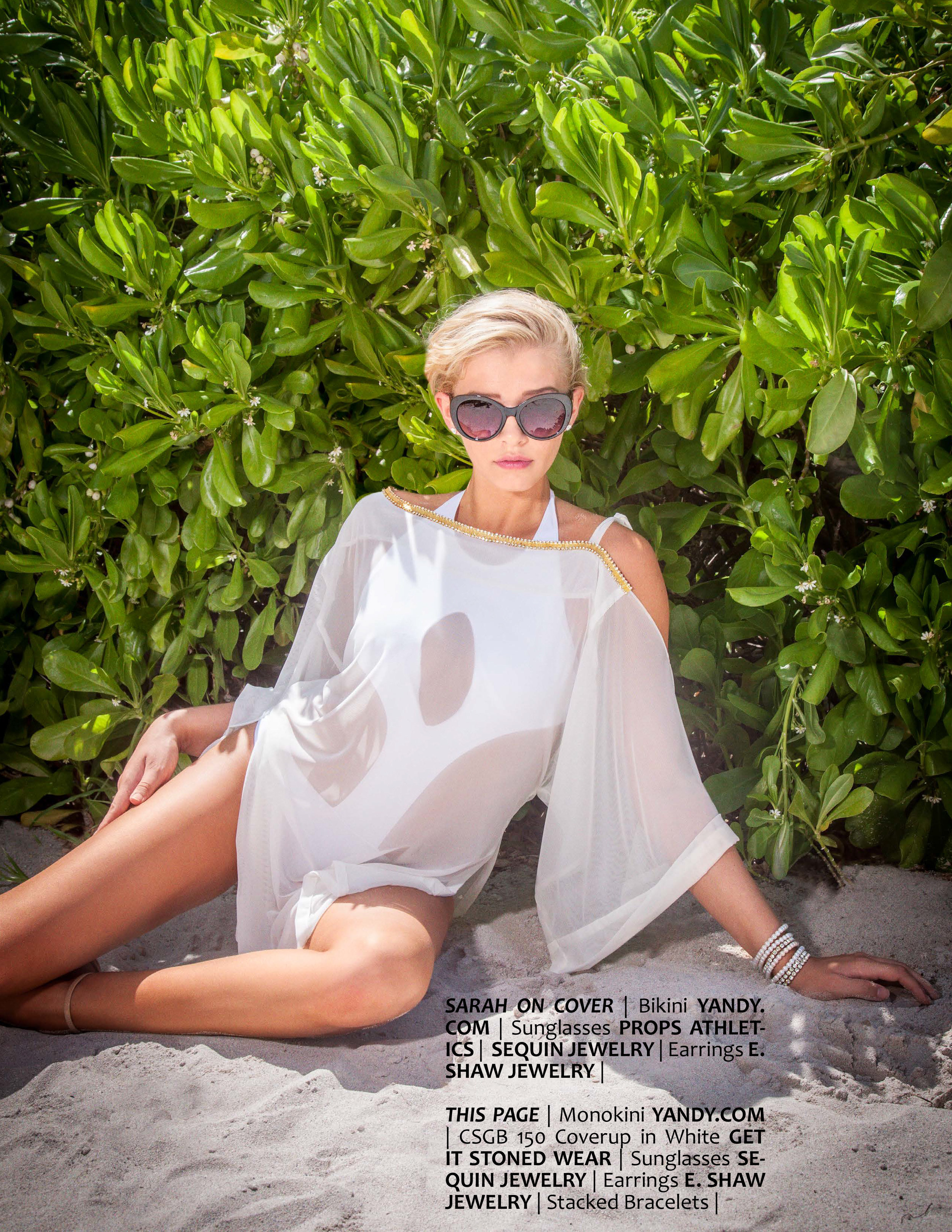
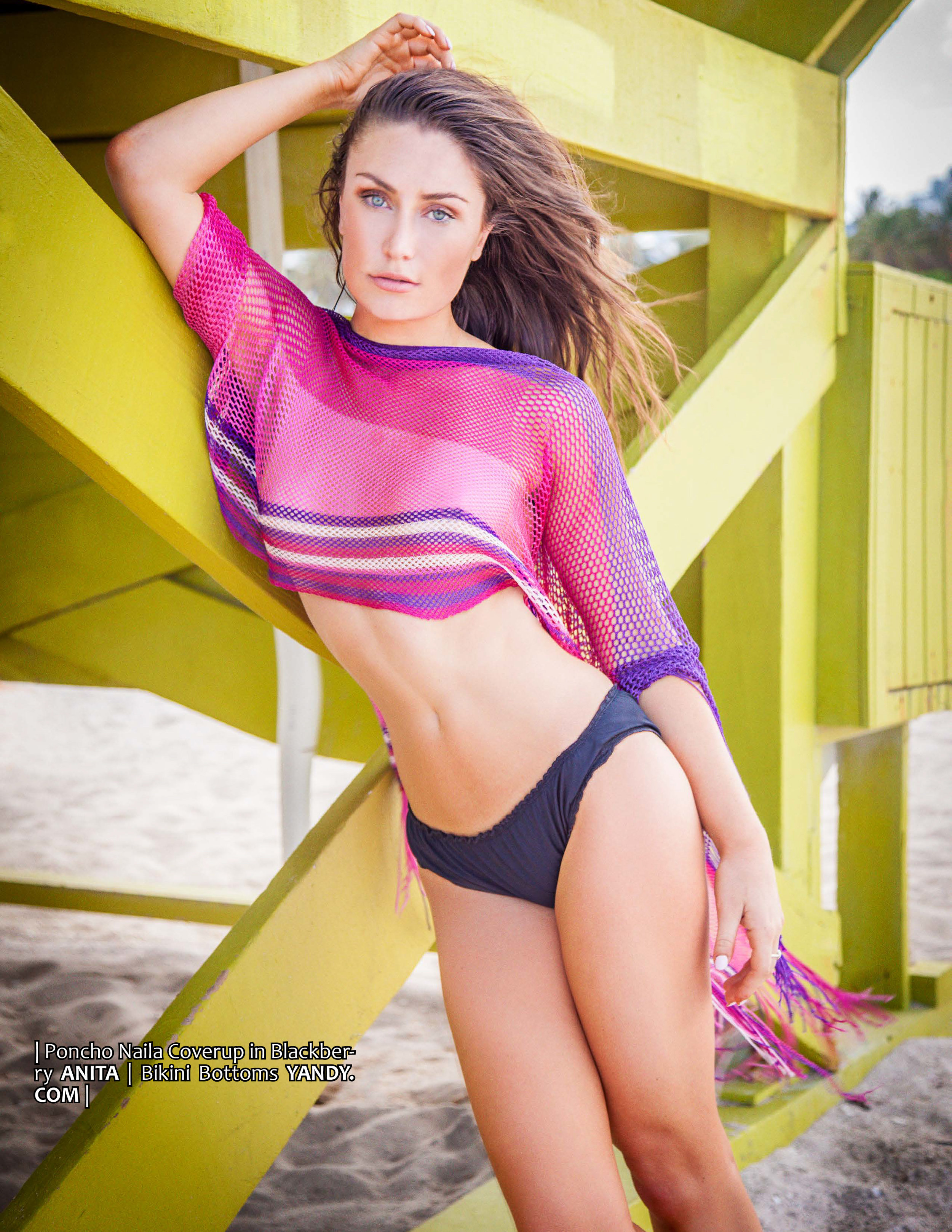
| Ready to Serve Margarita JOSE CUERVO | Masque Bar Hydro Gel Eye RICKY'S NYC | Icecream Cone BIG GAY ICE CREAM | Miracle Oil: PrimRose Oil Cleansing+ Moisturizing Facial Wipes YES TO | Ice Puff Sun NATURE REPUBLIC |

NEVER STOP LEARNING
by Ed Maguire
Summer is winding down, schools are back in session and the world is changing faster than ever. Learning something new is one of the best things you can do for yourself, but for many of us, it’s not so easy to learn something new if you’re not already working toward a degree. The good news is that there has never been so much free information online and available to anyone with an internet connection. If you’re tired of the same old same old exhausted from listening to people argue about the elections, or just curious about what’s going on out there, there’s a whole load of ways that you can “go to school” without going into massive debt. Why don’t you check out a few of these resources?
Here are a few websites that I find to be great resources to expand your mind (and pick up a
recommendation or two):
TED Talks
By now, almost everyone has heard of the TED Talks – “Ideas Worth Spreading” – but it’s a good reminder that there are hundreds of amazing presentations available for free. There’s everything from art to sports to culture, humor, music, performance art, and inspirational stories. There are new talks being added all the time. Do yourself a favor and see what’s been added recently.
Open Culture
This is a massive motherlode of free cultural and educational resources. Want to learn a new language? Take an online course? Download a free e-book? Watch a free online movie? Open Culture offers an enormous archive of content, and you’ll want to check the blog regularly for interesting tidbits, links and stories.
Brain Pickings
Maria Popova curates this website that cobbles together thoughtful and surprising tidbits across art, music, science, literature and other disciplines. The newsletter is a must read, and is supported by contributions.
Coursera
Want to take free classes from any one of 140+ colleges and universities? Here’s your opportunity to learn a new computer programming
language, or catch up on that Music history class you wished you could take in college. No one takes attendance, so it’s up to you to finish the homework though.
If you are interested in getting smart on some of the most dramatic changes in technology, society and business, there are a few books that will give you a good overview of what’s happening – and you don’t need to be a scientist or an engineer to understand what’s important. Here are a few that I have recommended to people:
Augmented: Life in the Smart Lane by Brett King, with Alex Lightman, JP Rangaswami and Andy Lark (2016)
Author, CEO and futurist Brett King outlines how a new “augmented age” is emerging, powered by four key disruptive trends: artificial intelligence, embedded technology experiences, genome technology and smart infrastructure. The book is rich with examples and anecdotes, bringing to life complex technol- ogies and concepts in an accessible fashion. One of the best books I’ve read looking at how the convergence of AI, robotics, ubiquitous computing and digitized health will lead to epochal changes in work, life and the nature of businesses.
Abundance: The Future is Better than You Think by Peter Diamandis and Steven Kotler (2013)
Peter Diamandis is a co-founder of Singularity University, and serial and concurrent entrepreneur who lays out a boatload of reasons why you should be an optimist. Advances in healthcare, science, space travel and connectivity are unleashing amazing changes in front of us.
The Second Machine Age: Work, Progress, and Prosperity in a Time of Brilliant Technologiesby Eric Brynjolfsson and Andrew McAfee (2014)
This is a must read for anyone that wants to get a better understanding of what technology is doing to our society. Follow up to 2011’s Race Against the Machine, this volume is the most thoroughly researched and well written exploration of the impact of technology on work and prosperity. The book takes an optimistic tone, but does not gloss over the challenges ahead in education and technological unemployment.
The Singularity is Near: When Humans Transcend Biology by Ray Kurzweil(2005)
Ray Kurzweil is a genius inventor and entrepreneur who is currently working at Google. The idea of the Technological Singularity is that humans will be able to extend lives indefinitely as technology advances. This is not just “Nerd Rapture” – the book lays out the basis for a lot of thinking about accelerating change. This work is a fundamental read for anyone who wants an understanding of exponential change, and it’s a core work that puts human progress in perspective. Yes it might sound crazy at first but it’s backed up by a lot of research.
Tomorrowland: Our Journey from Science Fiction to Science Fact – Steven Kotler (2015)
This book has nothing to do with the movie of the same name. Steven Kotler, author of “The Rise of Superman” and co-founder of the Flow
Genome Project, chronicles some of the most dramatic advances in science and technology.
Topics include private space flight, asteroid mining, bionic limbs, space diving, mind uploading, genetically engineered insects, ecological engineering, psychedelic drugs, stem cells, s steroidsand religion. The book tracks the latest innovations In emerging fields and weaves engaging anecdotes and backstories into an accessible collection of topics.
The Inevitable: Understanding the 12 Technological Forces that Will Shape Our Future by Kevin Kelly (2016)
Kevin Kelly is one of the most profound philosophers on technology of our era. He was a co-founder of Wired magazine, and his books have been deeply influential to innovators and investors - must-reads for anyone with an interest in how the future may unfold around us. With Out of Control he drew parallels between nature and technology, and What Technology Wants connected the evolutionary threads from the creation of life to the rise of human civilization, and to technology as our organic extension. In The Inevitable, Kelly frames 12 conceptual forces almost as fundamental elements : “Becoming”, “Sharing”, “Cognifying”, “Flowing”, “Screening”, “Accessing” etc. This is a book you are going to want to read and re-read to fully absorb.
Ed Maguire has worked as an equity analyst covering the technology sector since 1999 for a variety of firms including CLSA Americas, Merrill Lynch and CIBC. Previously he led sales for independent music distributor Twinbrook Music while working as professional musician performing on bass, violin and keyboards, composing, arranging and producing a variety of styles of music. Ed holds a B.A. in Music from Columbia and an M.B.A. from Rutgers in Finance and Management Information Systems. He lives in Millburn, NJ with his wife Lily, their two kids and the dog Spock.

IN OUR BAG: SUMMER FRIDAY
There's still plenty of summer left but that doesn't mean that you shouldn't make the most of it while you still have the chance. Whether you're playing hooky, sitting on the stoop or enjoying a Summer Friday - we have essentials that you must have handy to stay out for as long as the day takes you!
| Infusion de Rose Nourishing Lip Balm l LAURA MERCIER | Warren Backpack MONICA BOTKIER | Flip Flops FLEEPS | Dream White Tea & Honeysuckle Perfumed Shower Gel LOLLIA | Jasmine DEMETER | Chroma Card Case Yellow, Alligator STEWART STAND | Spiral Hair Bands INVISIBOBBLE |

PHOTOS COURTESY | Faris + Rosie Yacob
TRAILBLAZERS: FARIS AND ROSIE YACOB
Trailblazers is our series where we catch up with active creative leaders and innovative thinkers to learn more about their out-of-boardroom adventures, expertise and passions.
For August, we catch up with Faris and Rosie Yakob, who co-founded innovation agency Genius Steals, believing ideas are new combinations and that nothing can come from nothing. Finding copying lazy, they advocate the best way to innovate is to look at the best of that which came before and combine those elements into new solutions.
Faris and Rosie are award-winning strategists and creative directors, writers, consultants and public speakers who have been living on the road/runway for 3 years and counting, working with companies all over the world. Being nomadic allows them to go wherever clients need them to be, and to be inspired by the world in between.
ATHLEISURE MAG: You are such a cute couple, how did you meet?
ROSIE YAKOB: We met in the fall of 2008 at a party in New York City. We say ‘party’ because it involved test tubes of absinthe and an awesome DJ, but it was also an art project called Urban Rabbit Hole by a woman named Samina about stories and the places in which those stories took place.
FARIS YAKOB: Later we found out that I went to high school with Samina’s brother, and the post we both saw that led us there was written by someone who ended up being Rosie’s boss. The stars were aligning us it would seem.
AM: How did you come about your decision to travel abroad, consulting and speaking at global conferences along the way?
RY: The last year we lived in NYC we weren’t in NYC for a consecutive 30 days, so it’s fair to say travel already played a pretty big part in our lives. Faris was getting asked more frequently to speak abroad and it seemed a shame to fly to beautiful places for a day or two and then have to fly back to NYC just because of the poor vacation polices that exist in America.
FY: I had been working in NYC for five years. At the point I had started a digital agency and was in a place to sell my stake in it, which gave us a bit of money to lift off. I was also concerned with the crazy level of busy people seemed to operate at in NYC. Years were passing by in a blur.
AM: So looking back on the ~ 175 weeks on the road so far, what are some of the favorite places and moments you've enjoyed?
RY: I loved diving in Southeast Asia. Getting my PADI certification off a tiny island in Cambodia was standout. Snorkeling in the Maldives is up there as one of my favorite experiences. We were in the water for hours every day, just fascinated with the ridiculous sea life. The Gili Islands off the coast of Bali frequently come up: removed from the party scene in Kuta, no cars on the island, and generally very peaceful.
We both loved Angkor Wat and Bang Malea. Siem Reap frequently gets overshadowed by Angkor Wat, but we really enjoyed wandering around the town itself, too.
The hotel we stayed at in Sri Lanka, Ulagalla, was one of my all-time favorites. It was part of our honeymoon, so our budget was a bit higher and the property was just gorgeous.
We spent a big chunk of this year in South America and Buenos Aires was hard not to love: lively, artistic and super friendly.
Stateside, we loved visiting the Grand Canyon. For a friend’s birthday, several of us visited distilleries along the Bourbon Trail in Kentucky, and the 21 C Hotel in Louisville is probably our favorite hotel in the US.
FY: Hiking the Inca Trail, traveling around New Zealand, diving in the Maldives, speaking at some of our biggest events, Disney World is awesome - heading back there after a gig in Orlando tomorrow! Shopping and cooking from the the markets in Aix-En-Provence, spending time on trips with friends in Chile, France, Italy, and Kansas.
AM: What activities do you do for fun (both as a couple and personally)?


RY: We both love diving and snorkeling. We do a lot of walking city tours and cooking classes when we can to get a vibe for the places we’re in.
FY: We don’t do many things separately, but occasionally I’ll go for a walk or sit quietly in a pub while she gets a manicure. I tweet a lot.
AM: What was the ratio between planned and spontaneous activities and how much do you factor randomness in your lives (and people generally)?
RY: We plan where we’ll stay, but rarely plan what we’ll do in a place until we get there.
FY: I’m a big fan of randomness, and we often use zen navigation to walk around new places.
AM: We are constantly delighted by the pictures you take in your adventures! What camera(s) do you use? Do you largely manage to capture great visual and stay in the moment, or find it somewhat interruptive?
RY: We both use our iPhones and only our iPhones! We’re only casual photographers and definitely not travel bloggers so we don’t really feel the need to get the perfect shot.
FY: As our mate Chase Jarvis says, the best camera is the one you have with you. And the new iPhone camera is pretty impressive.
AM: You advise to travel to other parts of the world, especially places harder to get to. Why is exposure to diversity so important? How innate is our curiosity to explore?
FY: It’s a quote from a speech Bill Murray gave at a random bachelor party he crashed on life and love. “Buy a plane ticket for the two of you to travel all around the world, and go to places that are hard to go to and hard to get out of. And if when you come back to JFK, when you land in JFK, and you're still in love with that person, get married at the airport.”
In general, I worry about removing too much friction from our lives. If everything is easy, you don’t learn anything, you don’t have to grow as a person. I don’t mean the commercially created friction of dealing with customer service, I mean navigating unknown spaces, languages and cultures, being in new situations, not just another meeting in another office.
Confucius — 'The gem cannot be polished without friction, nor man perfected without trials.'
AM: Why do Faris and Rosie cross the road?
RY: To talk to strangers.

AM: So your company is named Genius Steals, proclaiming nothing is new and ideas are largely remixes. What are some unlikely and unusual places you had magic happen?
RY: We had a great brainstorm on the beach in Bali, and recently wrote a presentation from Aix en Provence.
FY: Ideas come from everywhere. Rosie will point out a brand burn on a menu in Bolivia and it becomes the topic for my next column. Our luggage gets lost and we get ignored by the terrible airline Vueling about it for nearly a month. It helps inform a consulting project we do with Air New Zealand.
AM: Your tagline for Genius Steals is searching for awesome, how often do you find it? What is the importance of awesome?
FY: You can’t ever find it. It’s a pursuit, like the one for happiness enshrined in the US constitution. The importance of awesome is that the emotion awe is what reminds us we are part of something larger. Awe is when you see something that forces you to adjust your model of reality. Habituation erases time, awe creates the world anew.
AM: How often does awesome and popular overlap? How affected are we by social proof in this digital interconnected age?
RY: It’s such an interesting question. There can be videos on YouTube that have had tens of millions, or even hundreds of millions of views, that neither of us have seen. More and more, we live in a distributed world. We use TripAdvisor quite frequently, but recently when we were in Nashville, where I’m from, we had a look at TripAdvisor and I realized that very few of the places I love were in the top 20. And the places in the top 20 really weren’t the best. It was a clear example of a path that became beaten, and everyone followed along, and then those restaurants got more and more ratings, but not because they were the best, just because they were recommended.
FY: We leave these digital scent trails and cumulative advantage kicks in, carving traveler lines through the world. Awesome things tend to be very shareable - so that means they often become popular. But popular isn’t the same thing as awesome. What’s most popular may also serve other social and personal functions. Stirring anger seems to be very popular in the USA in the Age of Outrage, which in turn seems to affect journalism and what content is produced and paid for.
AM: 'Optimists are more fun' is one of your business cards. Why, and does that have limitations?
RY: Traveling can be stressful, especially when stuff goes wrong and you don’t speak the language. Even when you’re a frequent flier, it’s annoying when planes are delayed or buses are canceled or the cab driver rips you off. But at the end of the day, we rarely have control over these situations. What we do have control over, however, is how we react to them. You can laugh and have a sense of humor or you can get upset.
FY: I’m probably more of a skeptical meliorist. That is to say, I think things generally get better, mostly. I try to have an open mind and let it change, but I require strong evidence to believe something. When dealing with large companies I’ve learned to lower my expectations, frankly, because customer service has declined across the board as growth in USA slows and pressure to put on margins by Wall Street. I’m trying to become more patient because yes the only thing we really can control is how we react. Rosie is more of an optimist, and I believe they are more fun.
AM: We loved your book Paid Attention, it's a fun and insightful read. As a post-modernist advertising philosopher, do you always see the world through mad man lenses?
FY: Thanks! In some ways. Whatever we do becomes the metaphor for how we understand the world. I pay far more attention to ads as we travel than real people do. That said, the longer I’m outside of advertising agencies, the broader my lens has become, I think. You unconsciously absorb the values and ideas of the people and culture around you, and that changes a lot for us now.
I never felt very comfortable watching Mad Men, despite being named one of the 10 modern day ones by Fast Company. Sexism seems baked into the name and the program seemed morally bankrupt in a way I saw glimpses of in agencies in NYC and found repellent.
AM: Why is attention the scarcest resource in the 21st century?
FY: Capitalism needs constant growth. The growth used to come from taking over new countries, through creating a middle class and products for them. The wave of capitalism that powers Google and Facebook is the mining of attention at a global scale. Now thanks to smartphones we spend most of our waking lives immersed in media. There is less and less attention to go around, making it more and more expensive and harder to mine.
AM: Are people generally more emotional, than rational? What does that say about people?


FY: It’s a false dichotomy. Famously, a construction worker called Phineas Gage had a railroad spike blown threw his head. Amazingly he survived, but his amygdalae, which appears to be wear your brain does a lot of emotion stuff, were destroyed.
When people lose access to their emotions, they are no longer capable of making decisions. This is because if you were literally to try to apply pure logic to every decision, you're brain would freeze up.
We like to think of ourselves as rational beings and we are, to a certain extent, but without the heuristics of emotion to help us, we'd never be able to decide anything. We almost never have the perfect knowledge required to make truly rational decisions. Life just isn't like that. Hence we evolved emotions.
So it's not that there are emotional and rational side pulling us in different directions but that emotions are the "lubricants of reason" - we can't think without them.
Jonathon Haidt uses the elephant and rider metaphor, to emphasize which bit seems more impactful on behavior. The rider is rational and can plan ahead, the elephant is driven by wants and instincts. Importantly there is a third element - the context, which dictates possibilities and which of the two tend to be more in control.
AM: What are some attention hacks you can give our community? Why is attention so slippery?
FY: Attention is triggered by patterns, specifically the modulation of them. So your brain looks for patterns in the noise, seeing faces in clouds, the face attracts your attention [this is called pareidolia]. It also looks for disruptions - loud noises disrupt the pattern and pull your attention.
Curiosity triggers it- creating manageable gaps in the pattern, in knowledge. It’s slippery because it’s part of consciousness, the most complex thing in the known universe, and it’s not a binary on-off thing, but more of a spectrum.
AM: Do we still have your attention? :)
FY: So far, so good.
AM: You gave a quick pre-talk at PSFK urging people not to take advice from people and instead to make a list of what makes them happy and another of what they do everyday; compare and adjust. OK.. makes a lot of sense, so is the good life that simple?
FY: The simplest things are often the hardest to implement. There are many, many contextual factors that stop us living our best life, some real, some imagined. Alan Watts said a long time
ago that life is a hoax, we are pushed through life from kindergarten to prepare for the next stage, to get to school, get qualifications, get a job, so we can finally enjoy ourselves when we retire. We are conditioned to constantly be in need of the future, which is the hoax because when it arrives, we can’t enjoy it because of the conditioning and because we are going to be very old. Life is short and how you spend your days is how you live your life. If you are unhappy, make a plan, get to an end point, make some kind of change. Don’t get trapped in a single conception of success, of progress. Try a few. You get one go at this. Many people get trapped by poverty. Certain decisions, like having children, have very long consequences. Nothing is simple.
AM: Your newsletter, Strands of (stolen) Genius features curated recaps of interesting news, events and books. What are some books that have recently hit the shelf that you are excited about. What sorts of music gets you in the groove?
RY: I listen to country music and tropical house. Remember, I’m from Nashville ;)
FY: I like grunge from 1990-1995, jungle and drum and bass / jungle from 1996-2000, and some more recent pop rave stuff.
RY: We both loved reading Night Circus. I’m reading the first book Perdido Station, which Faris got for his birthday from a friend and loved. Alex vs the Universe was great.
FY: The World Beyond Your Head - Matthew Crawford. The Drunkard’s Walk, Leonard Mlodinow. What Money Can’t Buy - The Moral Limits of Markets - Michael Sandel. Gulp: Adventures on the Alimentary Canal Mary Roach. Sapiens: A Brief History of Mankind Yuval Harari. Station Eleven Emily Mandel. The comic book series Saga by Brian K. Vaughan and illustrated by Fiona Staples.

MORE ABOUT FARIS & ROSIE YAKOB
Faris Yakob has an extensive background in advertising and communications strategy. He was EVP Chief Technology Strategist at McCann Erickson NYC, tasked with ushering in their digital transformation, which led to them wining their first ever Cyber Lion at Cannes. Subsequently he was appointed Chief Innovation Officer of MDC Partners, a network of best in breed agencies, including CPB, Anomaly, 72 & Sunny and kbs+. Prior, he was former global head of digital for Naked Communications and co-founded creative technology boutique Spies&Assassins.
Faris was a founding member of the IPA Social Committee, is on the global advisory board of Social Media Week, and has judged numerous award shows, including the social category for the Effies. He helped the London International Awards to create and define the NEW category to reflect and highlight innovation in the industry. He has written about social media and marketing for Campaign, Fast Company, Forbes, Contagious, Canvas8 and Age of Conversation books. Faris is the author of Paid Attention, co-authored The Digital State: How The Internet is Changing Everything [Kogan Page], and speaks on social, digital and innovative marketing all over the world. His thesis on the future of brands won the inaugural IPA President’s Prize.
Rosie Yakob began her career working with hip hop moguls Jay-Z and Steve Stoute at their entertainment branding company, developing non-traditional ways for brand like Altoids, Target, Wrigley and Samsung to connect with their fans. She joined Cake Group’s newly founded New York office in 2009 where she launched Motorola’s global social media presence and helped brands like Havaianas, Sears and Oppenheimer navigate the world of social and digital media. In early 2011, Rosie joined Saatchi & Saatchi’s New York office to lead social and emerging media, advising brands including P&G’s Pampers & Olay and General Mills’ Cheerios amongst others.
Before co-founding Genius Steals with Faris, Rosie was most recently at 360i, an award-winning digital marketing agency, named by Fast Company as one of the world’s most innovative companies. There she and her team helped brands like Bravo, Dentyne, NBCU and Oreo navigate the world of social and emerging media from creative ideation through to activation. This included being the lead strategist on the Cannes Grand Prix and Facebook Best in Show winning Oreo Daily Twist campaign. Rosie has written for publications including Fast Company, Digiday & SocialFresh.com and her presentations on social have been featured on the front page of Slideshare. She is passionate about moving the industry forward and has served on the Jay Chiat Social Media jury and taught at Miami Ad School in addition to speaking at conferences around the world.

Courtesy of Recipe Hub
THE ART OF THE SNACK - SMOOTHIE BOWLS
We're sure you follow a number of people who share Smoothie Bowl recipes. This month we share our favorites from Melissa Stadler of Modern Honey, Karissa Bowers of Organic Authority, and Jessica in the Kitchen.

Courtesu of Melissa Stadler
POWER ACAI SMOOTHIE BOWL
SERVES 1-2
Ingredients:
Berry Version:
1 Acai Superfruit Pack, unsweetened (100 g)
¼ Cup Blueberries
¼ Cup Strawberries
1 Banana (frozen)
2 Tablespoons Chocolate Protein Powder
¼ - ½ cup Apple Juice (can substitute coconut water or chocolate almond milk)
Ice
Tropical Version:
1 Acai Superfruit Packet, unsweetened
½ Cup Mango
½ Cup Pineapple
½ Banana (frozen)
¼ Cup Coconut Water, Milk, or Apple Juice
Toppings:
Almond Butter
Cacao Nibs or Shaved Dark Chocolate
Unsweetened Coconut Flakes
Blueberries
Strawberries
Mangoes
Pineapple
Granola
Banana
Honey
*You can substitute any frozen berries for acai
Directions:
1. Blend acai, blueberries, strawberries, banana, protein powder and apple juice. If you are using frozen fruit, you will need ½ cup of apple juice, to help the blender break it down. If you are using fresh fruit, ¼ cup of apple juice is needed. Feel free to substitute apple juice with coconut water or chocolate almond milk.
2. Top with your favorite topping: almond butter, chocolate, coconut, blueberries, strawberries, mango, pineapple, banana, homemade granola and drizzle with honey.

Photo courtesy of Organic Authority
SPRING & MINT STRAWBERRY SMOOTHIE BOWL
SERVES 2
Ingredients:
2 Medjool Dates, pitted
1 Frozen Banana, chopped
¼ Cup fresh Strawberries
¼ Cup Raspberries, frozen or fresh
1 Tablespoon fresh Mint Leaves, minced
1 Cup unsweetened Almond Milk
½ Teaspoon pure Vanilla Extract
Garnish: Sliced fresh Strawberries, Raspberries, and Mint
Directions:
1. Add Dates and Almond Milk to the blender. Blend until Dates are smooth.
2. Add the rest of the ingredients and blend until creamy. Add another tablespoon or two more Almond Milk if needed and blend until desired consistency is reached.
3. Pour into each bowl and add desired garnishes. Serve immediately and enjoy!

Photo courtesy of Jessica in the Kitchen
COCONUT & KIWI SMOOTHIE BOWL
SERVES 2
Ingredients:
3 Slices of Pineapple
2 Cups fresh Spinach, washed and stems removed
2 Frozen Bananas
1/3 Cup Orange Juice
1 Tablespoon Chia Seeds
Toppings:
Granola
1 Kiwi, cut in half
Hemp Seeds
Directions:
1. Blend all together in a high power blender (such as a Nutri Bullet).
2. Top with desired amount of toppings.
3. Serve and enjoy!

PHOTOGRAPHY COURTESY | LUSH SPA
ATHLEISURE LIST: LUSH SPA
We're all familiar with LUSH, known for their natural skincare and cosmetics that come in naked packaging that also sourcing who put the items together for you, whether you're buying it online or in their fragrant sensory inducing stores.
A few years ago, LUSH SPA on the Upper East Side of Manhattan opened and its continued success has led to the launch of their Philadelphia location as well. LUSH infuses it's concept into a multi-sensory experience of sound, scents, sweet beverages, and more which leaves the body feeling a cleanliness on a level that has never been felt but also a total immersion into another place.
Although there are a number of offerings that can be selected within their spa packages, it is the curation of their music treatments that are truly the star. Currently, guests can have a spa experience along with the Beatles, in Hard Days Night.
Guests who enjoy the spa are welcomed into a vintage kitchen and then continue into a room where a tartan set of PJs are left that are wrapped around a warm bottle so that you can not only put these on but begin to feel the coziness of the treatment that focuses on preparing your body for a 75 minute slumber. Throughout, you enjoy a series of stretches and pulls which reduces muscle stress and tension and leave the body in a state of relaxation.

The sounds have been created from a commissioned collection of re-worked Beatles music from Simon Emmerson and Simon Richmond which goes along with the movements of the masseuse.
Initially, it begins with an auditory montage of sounds from Liverpool that include voices that go into music from the Beatles, but in a way that you have never heard them before. The low lighting is also a way to infuse a sense of letting go during the treatment as the body is able to disconnect from the chaos as a means to reconnect with itself as it is realigned. As you come to the end of the treatment, "Let it Be" which you are encouraged to say during your mantra is said and you are left alone. You can still hear the sounds of a number of melodies. When the rooster crows, you are done and revitalized.
Walking back into the vintage kitchen, you enjoy a pot of tea and cookies as your body is about to go back to the real world. You're also sent home with a bath bomb so that you can continue your experience within your own home with memories of what you enjoyed during the past 75 minutes.
Without a doubt, this is an experience that is great for those that are not spa-goers as you can comfortably leave your clothes on (as it is provided), and this is more about muscle work as opposed to putting oils on you. It's a great entry way into this experience.
For spa vets, having this multi-sensory experience is such a treat as your body feels more alive adapting to what is taking place in its direct environment, while succumbing to it in a pleasant way.
LUSH SPA FACTS
LOCATION:
783 Lexington Avenue, New York, NY 10065
1525 Walnut Street, Philadelphia, PA 19102
Check out their locations in Canada and in London
SPA OFFERINGS:
A number of treatments are offered at LUSH SPA, but Athleisure Mag has always been a fan of those that are curated with sound and muscle conditioning. Continue to check in as they are themed, our initial one years ago was Harry Potter themed!
Featured Athleisure List









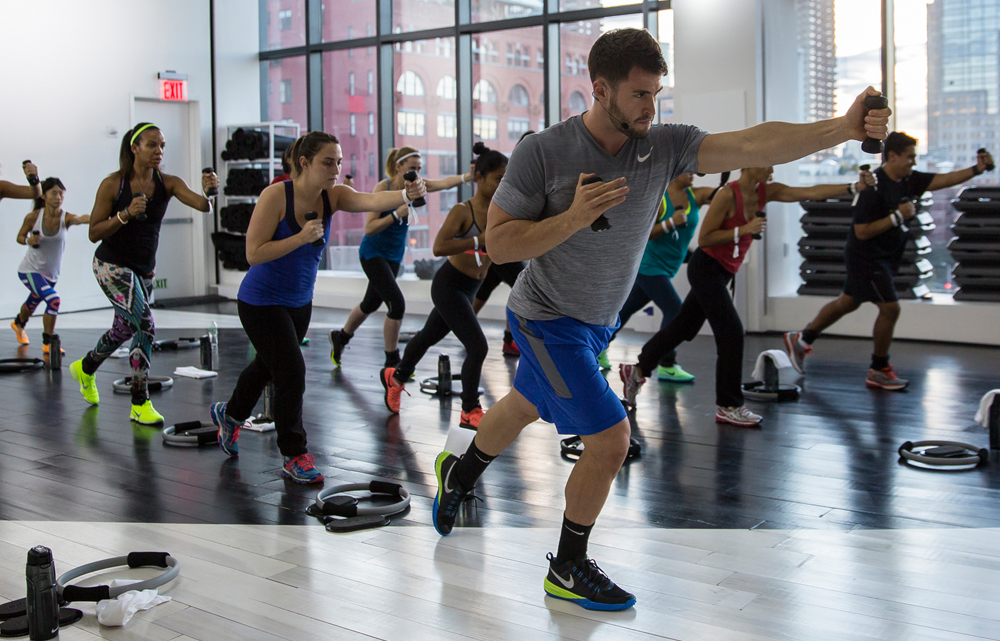
PHOTOS COURTESY | modelFIT
ATHLEISURE LIST: MODELFIT
Former stylist, Vanessa Packer is the Co-Founder of modelFIT, a bespoke workout and nutrition program(she is a holistic nutritionist) which makes it a lifestyle. At it's core, their process emphasizes mindful movement and a balanced diet. This can increase more fitness, increased energy, and balanced moods. These effects are benefits that she feels she has acquired since creating this method.
Clearly, the belief has resonated with its clients which include Taylor Swift, Chrissy Tiegen, Karlie Kloss (as well as a number of notable of Victoria's Secret Angels) who make sure that they are runway, tour, studio, and stage ready. Located in the LES of NYC's Bowery, Vanessa partnered with Celebrity Trainer, Justin Gelband in their 1,500 sq ft space where classes average $40 a session.
modelFIT provides an effective workout in a space that is beautiful and refined. Signature workouts incorporate a mix of Pilates, Yoga, movement, motion, balance, stability, functional training and more. Instructors incorporate their various backgrounds in yoga, boxing, dance and intrinsic strength training and fuses it with the modelFIT philosophy of mindful exercise. The focus is on slower movement and working smaller muscles, which yields results that lengthen, sculpt, tone and tighten the body.
Guests enjoy a studio space filled with fresh flowers, organic beauty products, plush towels, and the latest magazines to round out their experience. Of course, modelFIT apparel is available for purchase. It is minimalistic, clean, and modern zen. The space (a former factory circa 1900) sits atop the bustling corner of Rivington and Bowery to have a birds-eye view of the iconic city it sits within. Another service that is offered to members is one-on-one individualized nutrition consulting, in addition to an array of great workouts that are offered at this studio.

MODELFIT FACTS
LOCATION: 212 Bowery NY, NY 10011
STUDIO OFFERINGS: Train like a model is a mantra that is not a part of this gym but is infused within their clientele. Nutrition, zen, and a workout with a focus on smaller and mindful movement is brought together for this method.

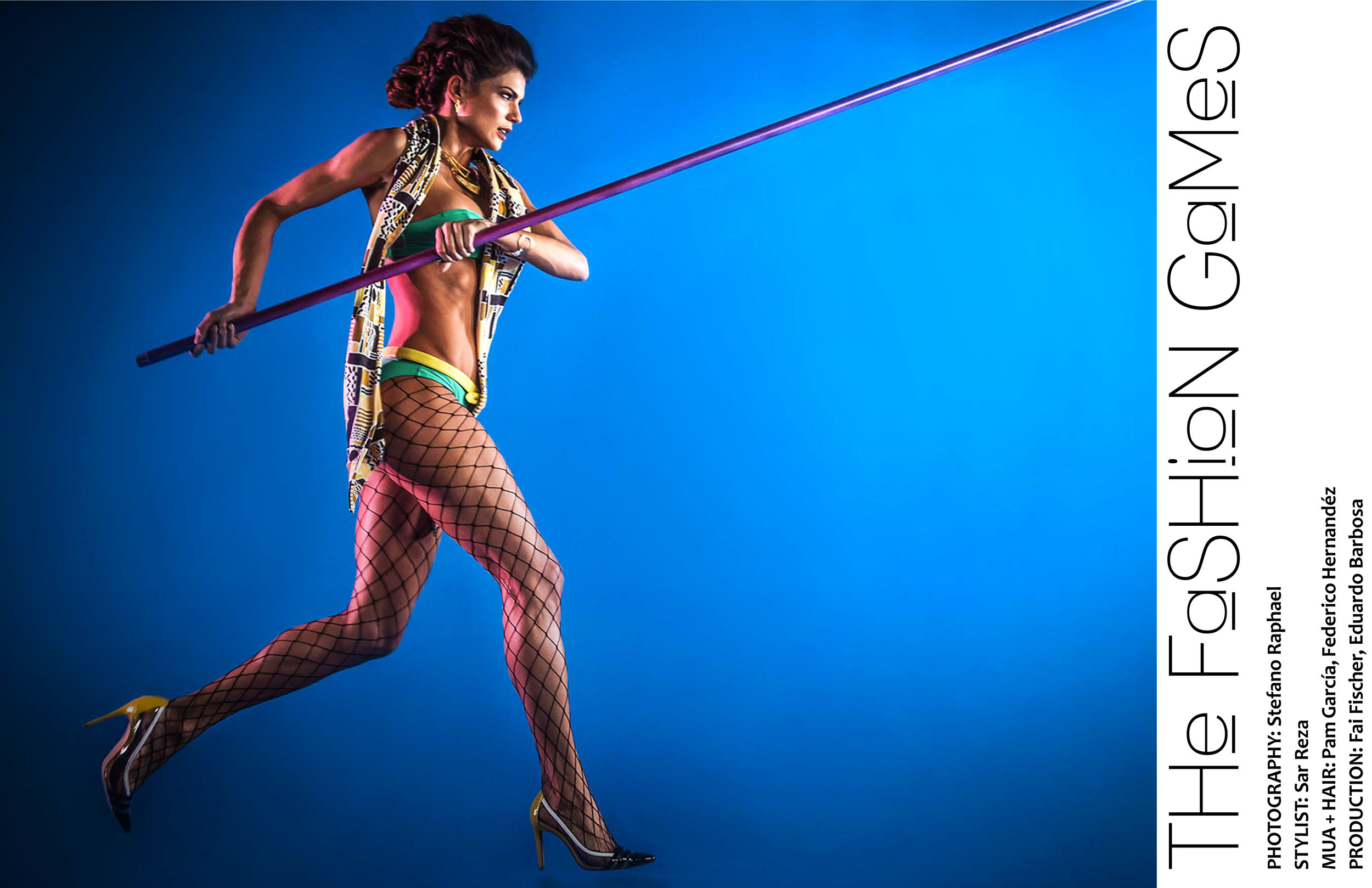
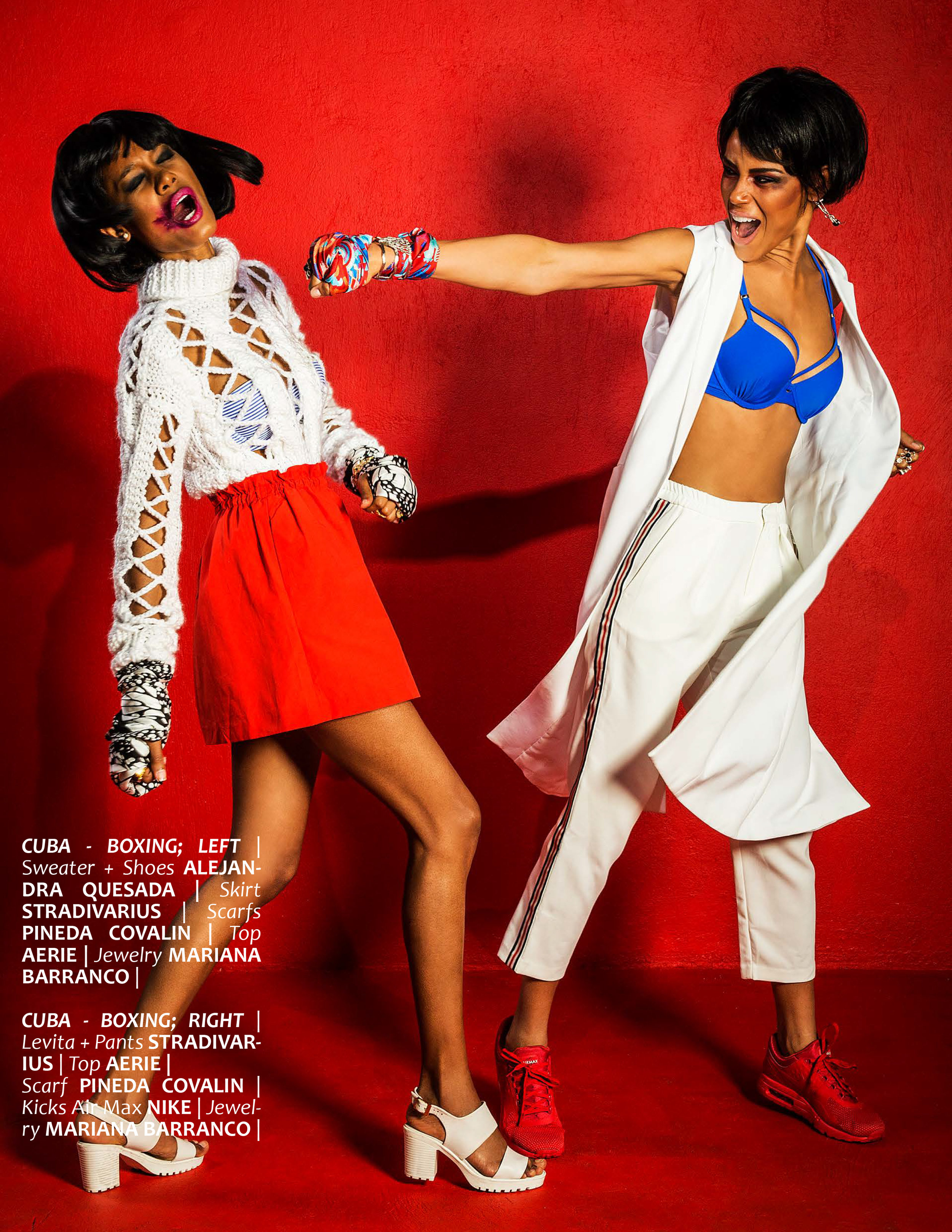
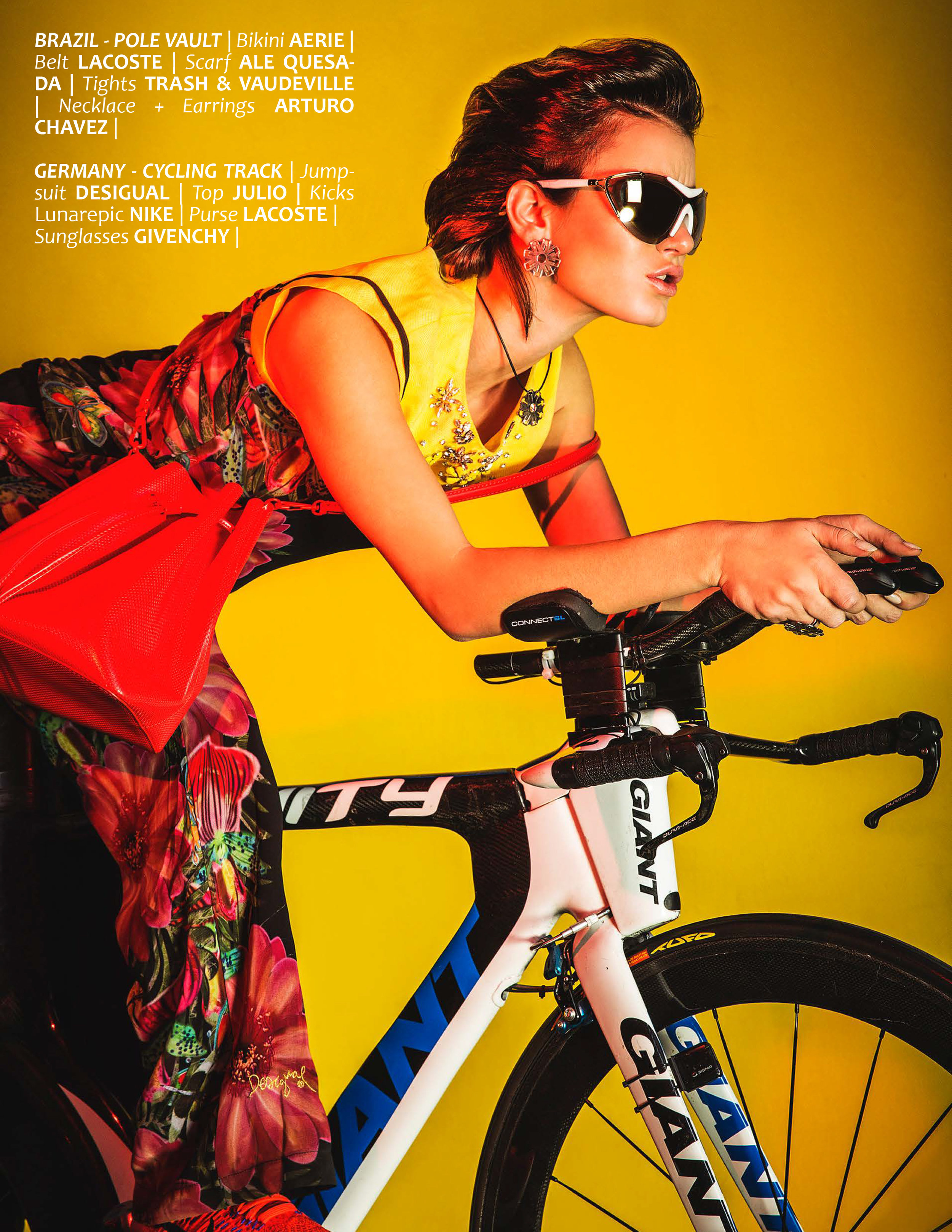
| PHOTOGRAPHY Stefano Raphael | STYLIST Sar Reza | MUA/HAIR Pam Garcia | MUA/HAIR Federico Hernandez | PRODUCTION Fai Fischer | PRODUCTION Eduardo Barbosa |
THE FASHION GAMES
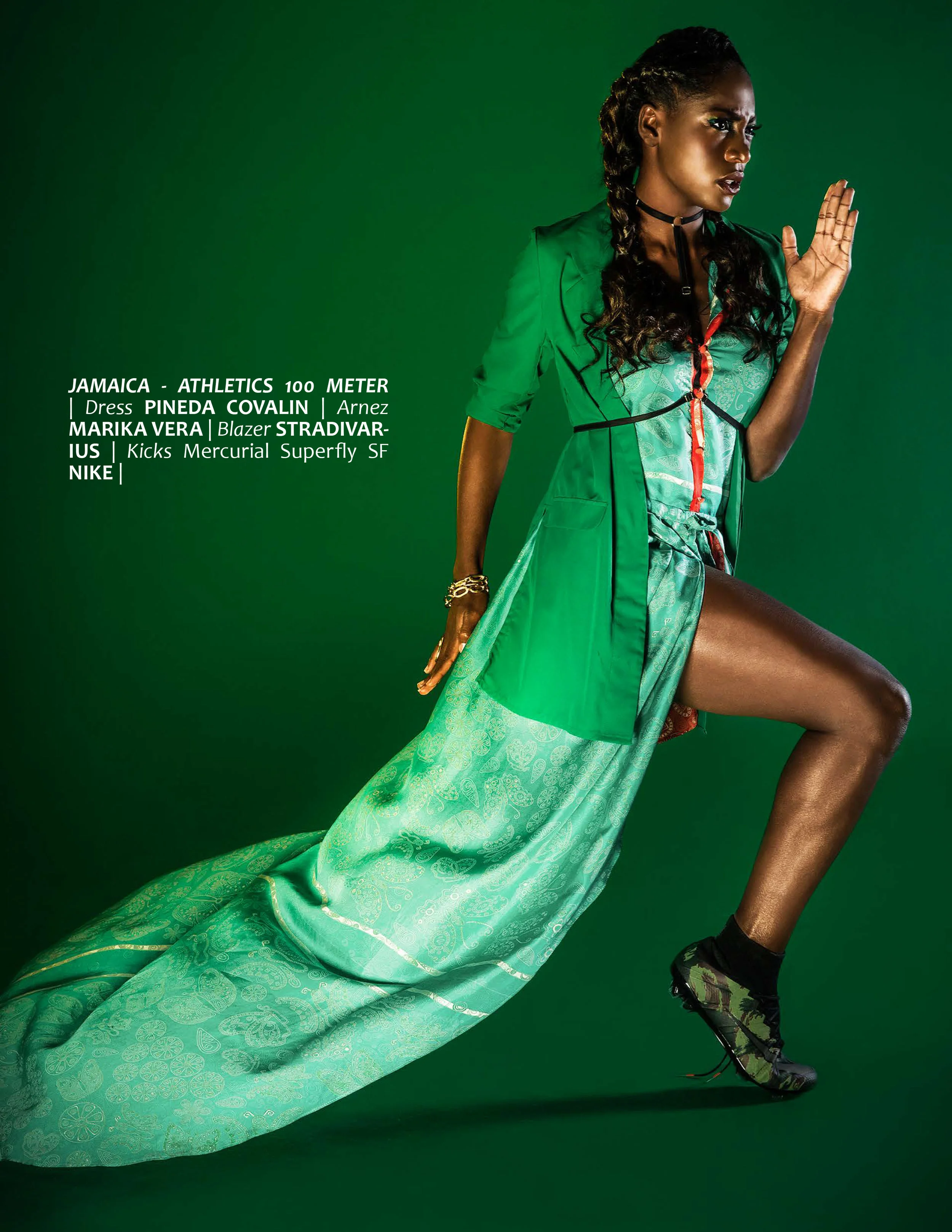
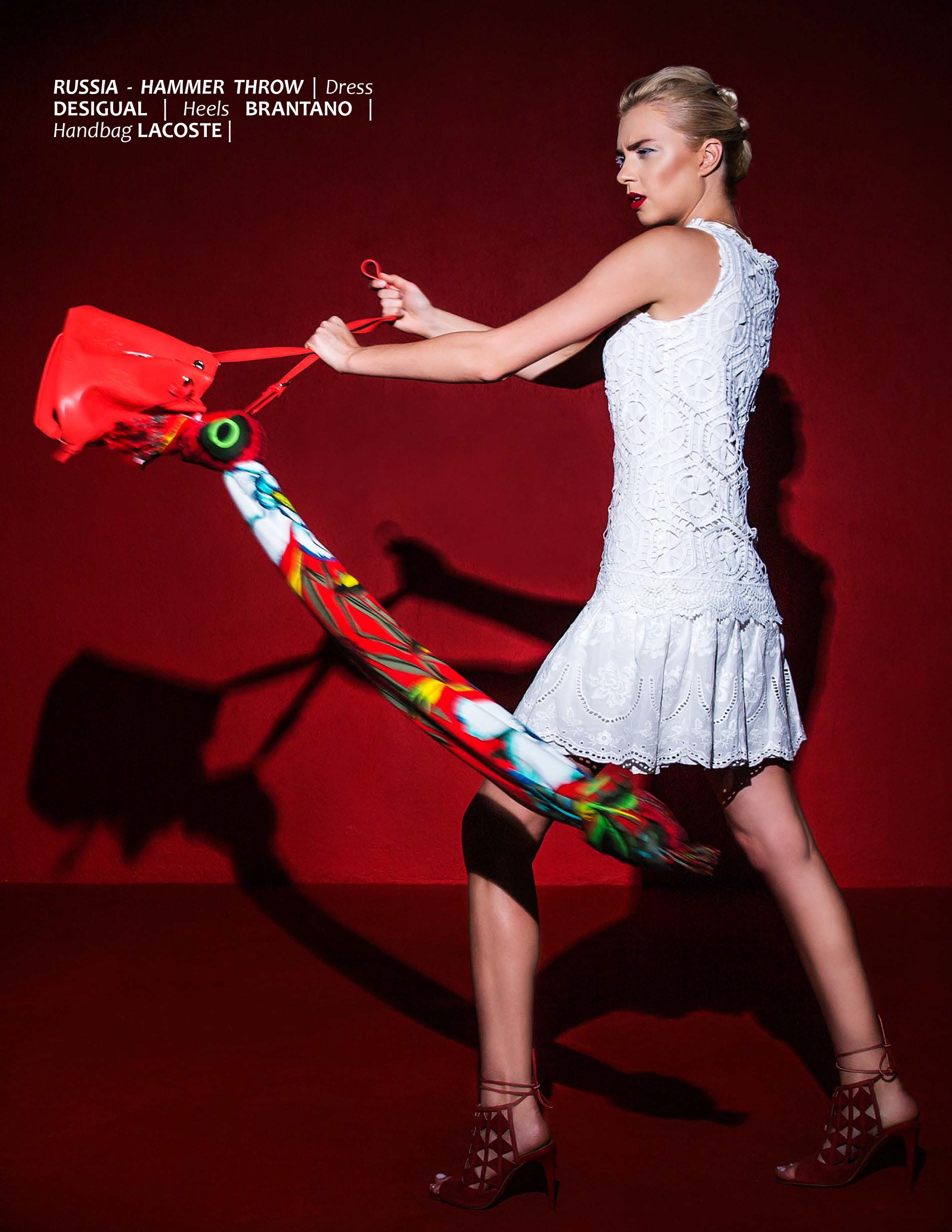
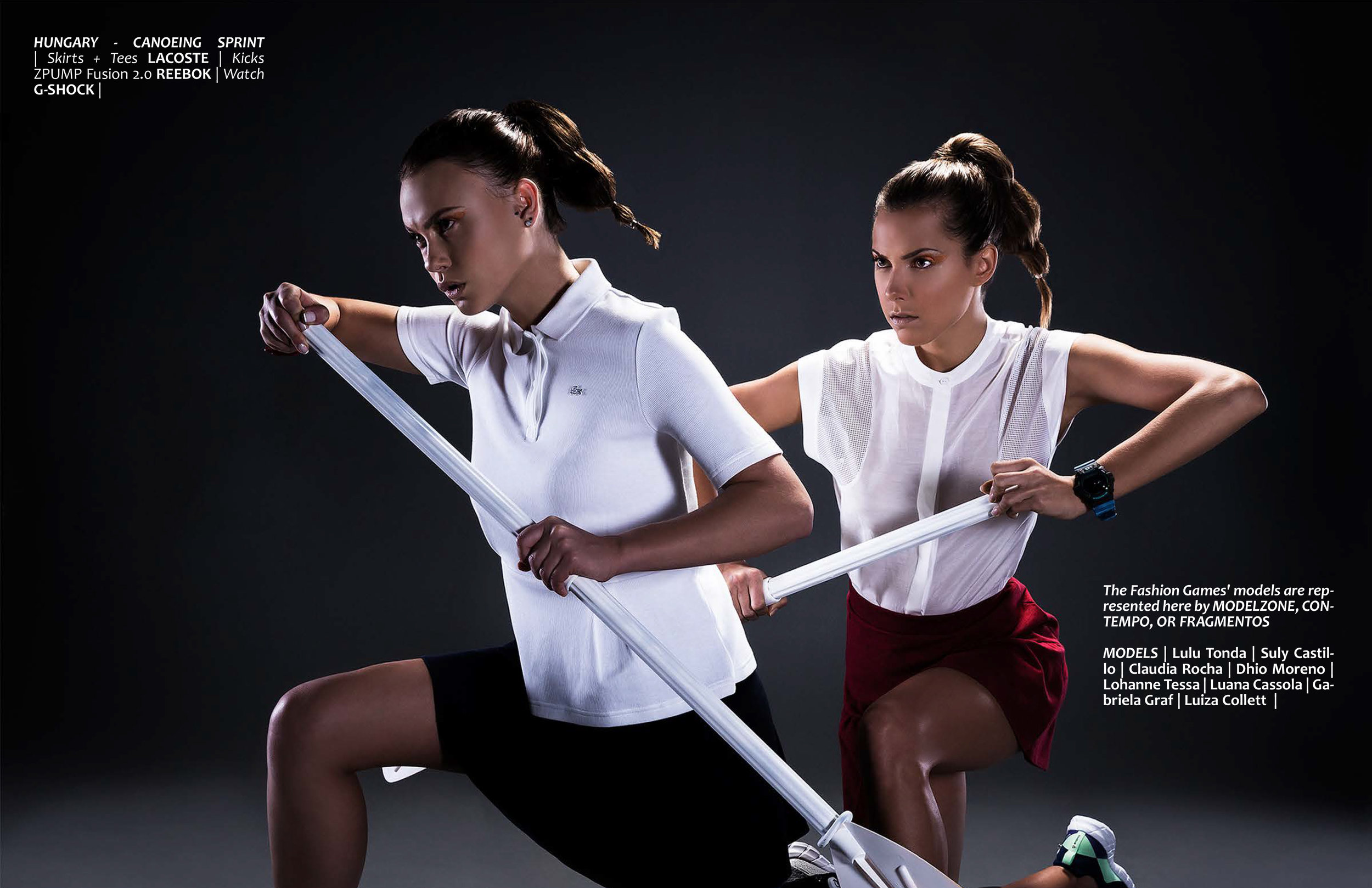
Read more from the Aug Issue.
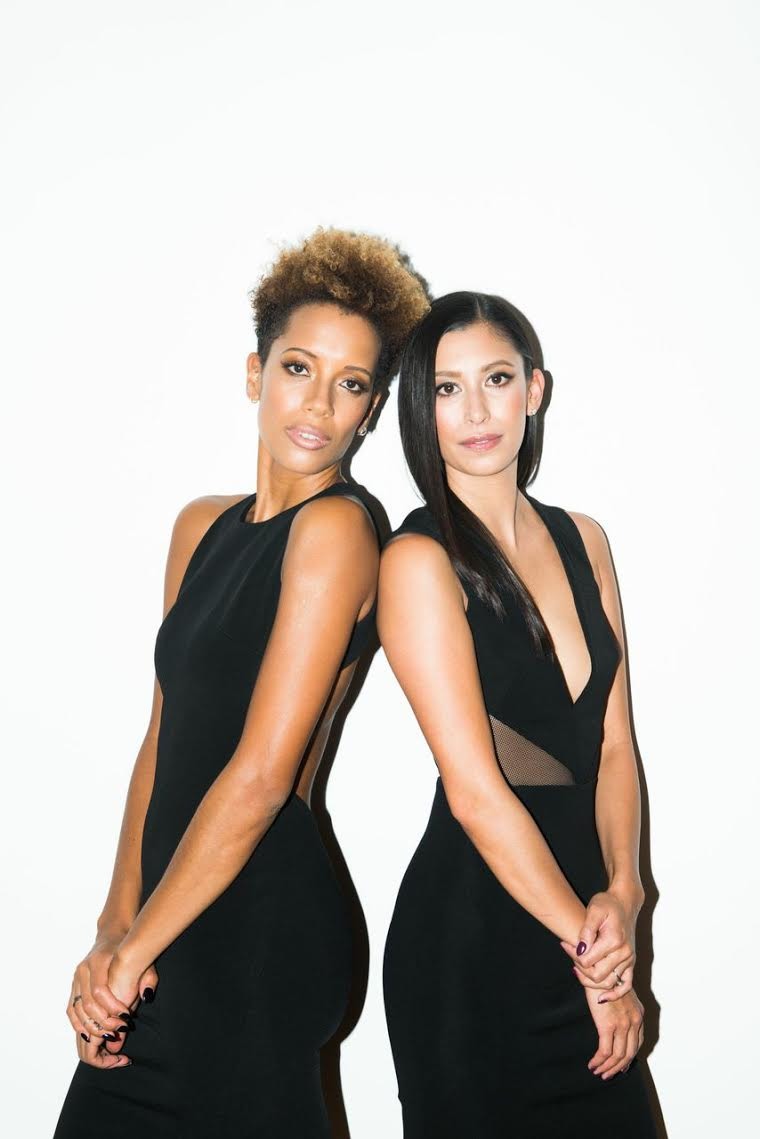
PHOTOGRAPHY CREDIT | Indigital
MOVEMENT AND SHAPE WITH CUSHNIE ET OCHS
The undisputed "Queens of Body Con," Cushnie Et Ochs know a thing or two about making a statement with their distinctive collections that fit the body to perfection with cut outs, slits, and textural play. Carly Cushnie and Michelle Ochs are more than just darlings of the CFDA, they have continued to showcase their fashion cred as a celebrity favorite on the red carpet with Karlie Kloss, Charlize Theron, Reese Witherspoon, Gwenyth Paltrow, Jada Pinkett and more. They are the go-to for making a sultry and sexy statement, while ensuring a powerful tone. A defining moment of distinction came when First Lady, Michelle Obama wore a custom piece for the White House's Christmas in Washington.
Although they are an American brand, their aesthetic showcases Danish and Italian influences. This summer, the duo presented their SS17 collection at Mercedes Benz Fashion Week. "Inspiration comes, from everywhere, from film to travel to an art exhibition, you can really find inspiration in anything," explains Carly when we asked how they keep the line fresh within their niche focus.
This season's collection focuses on a night out while balancing the duality of movement and shape. As always the design duo compliments their strengths in a way that creates flawless execution when paying homage to the female body. Never understated, they know how to merge their secret formula of edgy, yet classy.
In a word, their brand personifies the heartbreaker, an unapologetic woman who has something to say and wants to be a conversation starter before she has even uttered a sound.
The secret formula of the brand's versatility (as it can be worn from a power meeting, a lunch date, and an epic night out) and coveted nature comes down to its creation. "By design, our garments have a stretch structure and support which is fully lined so there's less of a need for specific under garments," noted Michelle. Looks are created with a balance of hard, soft, tailored and fluidity. Of course, they are all about fabrication details which include viscose, fine ribbed knits, and stretch twill.
The key to success for the team is not just in knowing their niche who continues to flock to them for embellishing their moments on the red carpet; however, the women put themselves into the line as well and continue to look at the ongoing lifestyle of the women who are on-the-go and enjoy going out.
They established this connection with their customer upon this summer's release of their active line where portions of the collections sold out in minutes via their Cushnie Et Ochs X Bandier collaboration.
"Being very active ourselves — and with the female form as the muse that informs our ready-to-wear collection — activewear was a natural progression for us," Carly stated in explaining this portion of the line extension. It is the epitome of being able to wear garments to a number of destinations from the gym, brunch, and out. The ability to do so with ease is an essential to the woman that is constantly on the go.
Although there are a number of designers that are looking to add this type of aesthetic within their collections, this is not a whim for this design set. Carly's workouts include SLT, SoulCycle and fitness artist Nicole Winhoffer's NW Method.
Just as their red carpet looks have enjoyed devotion from celebrities and power women, fitness has also responded with many of the pieces selling out just days after coming to market this summer! The ability to have a chic, edgy, and detailed look that provides the necessary function in the studio, but can also be rocked for life after the gym has resonated with their base.

When asked why it made sense for the ready- to-wear brand to include this within their design, Carly points to seamless integration. "At its core, Cushnie Et Ochs has always been about women's bodies. We wanted to create something for our existing, as well as next customer, that worked seamlessly into her next phase of life. So the natural progression was to create this athleisure line."
The all black capsule collection focuses on core pieces that stylish gym-goers can easily embrace. The edit of 10 pieces includes leggings, crop tops, jackets and tank tops. Of course, their signature of slits on slits and attention to detail is woven throughout the line. Notably, the duo have utilized fabrication that stretches 2 or 4 ways for their red carpet collection however this capsule uses fabrics that stretch 8 ways ensuring that everything stays where it is meant to be regardless of the workout!
"We were inspired to create the activewear version of our little black dresses and to highlight and define the female body through our signature cuts and sculptural lines," explained Carly. Being active herself and due to the nature of their designs, the duo understood that their base wanted to have this option. As always, laser cutting has been a core of the design and with this collaboration, the skin almost becomes another portion of the design element.
"In general wellness has become very important and people should be taking better care of themselves. But when you have great looking activewear, you not only perform better but you can transition from working out to normal life easily!" exclaimed Carly.
The ability to be synced into their customer and to ensure that they have her covered from day to night, as well as when she pops out to maintain her physique, keeps Cushnie Et Ochs connected with who they are as a brand.
As a mantra, "the brand is a for women by women, and we want to always express this female sensuality in our clothes," they proclaimed. Regardless of the season or focus, this is a pivotal pillar in their design ethos.
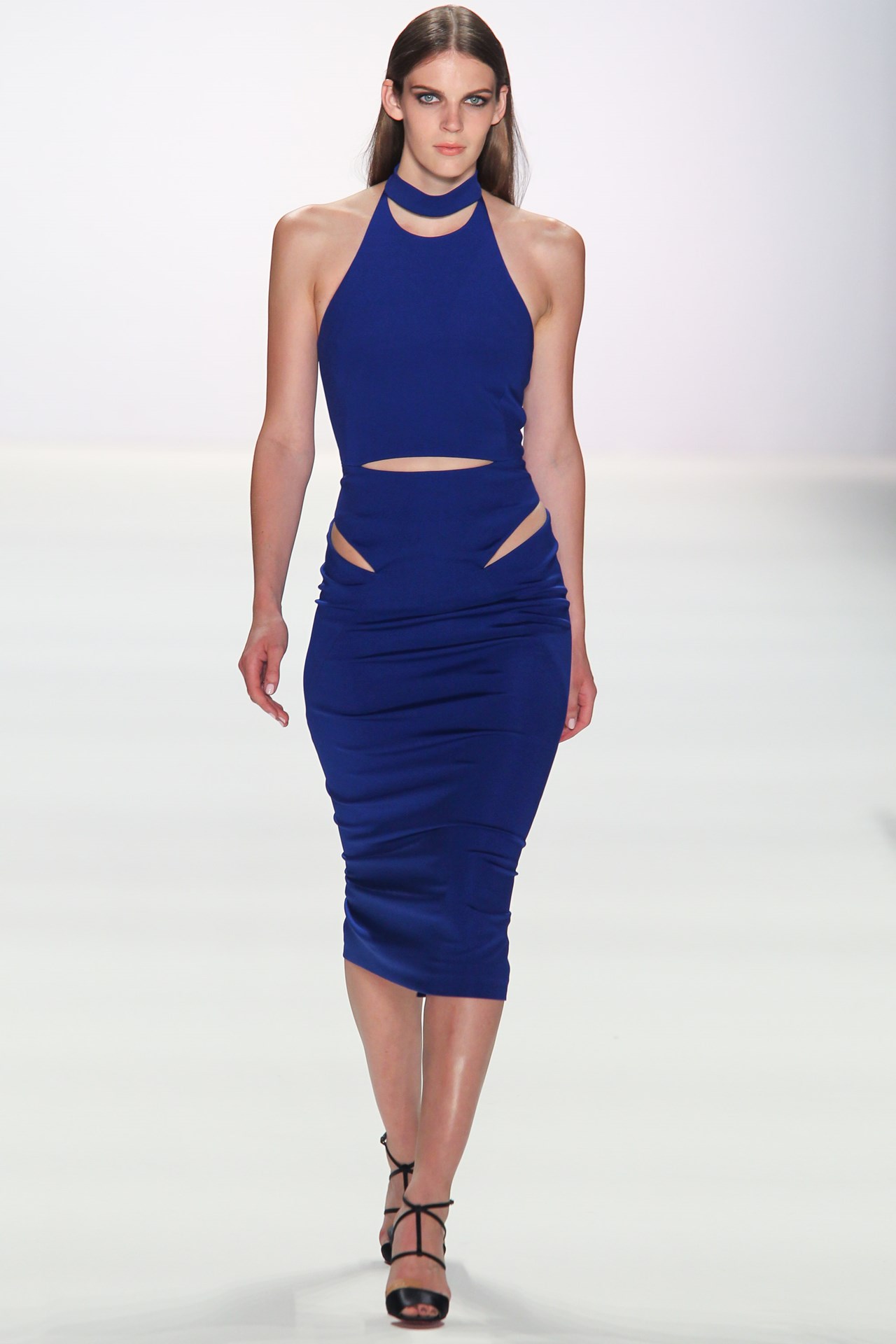
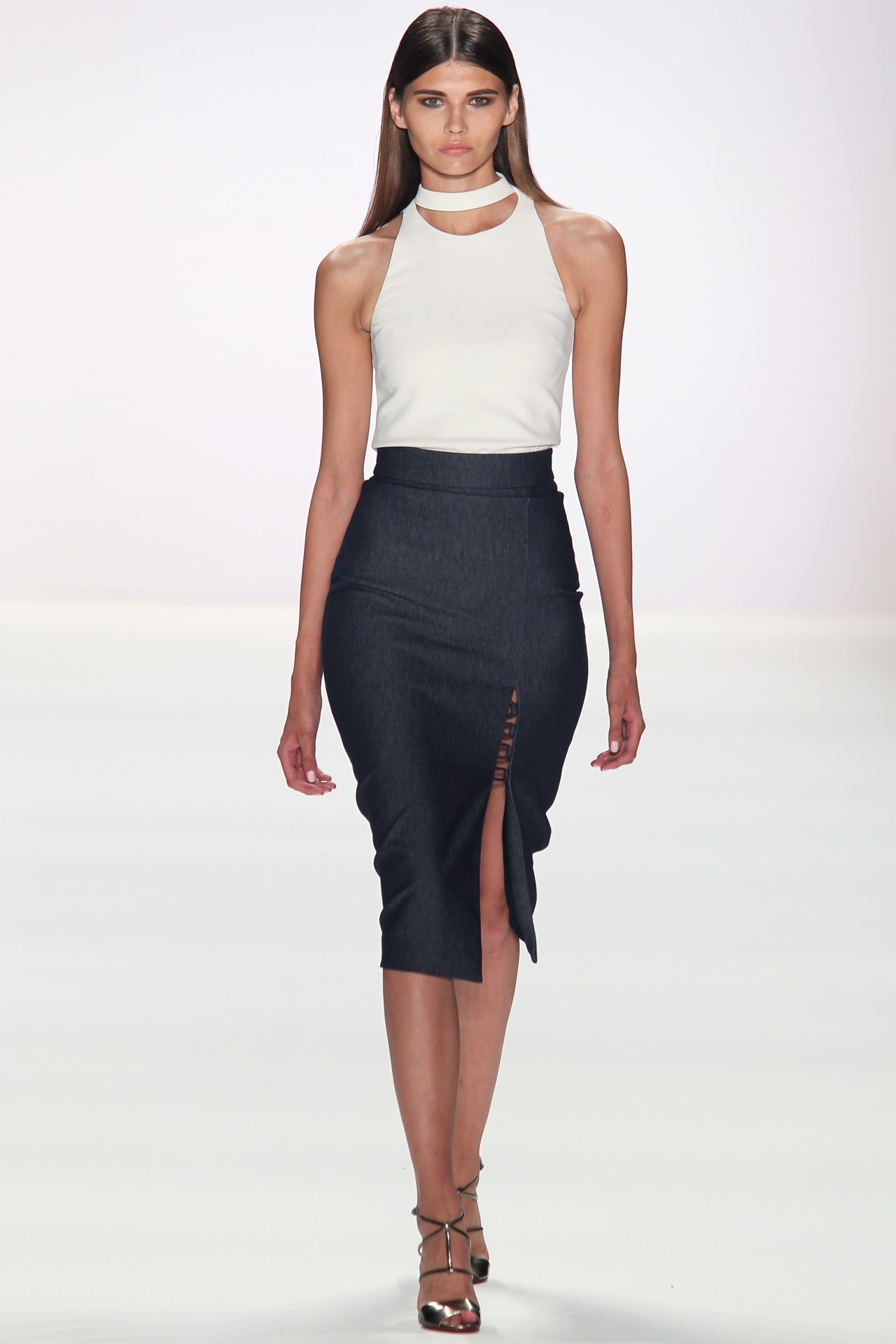
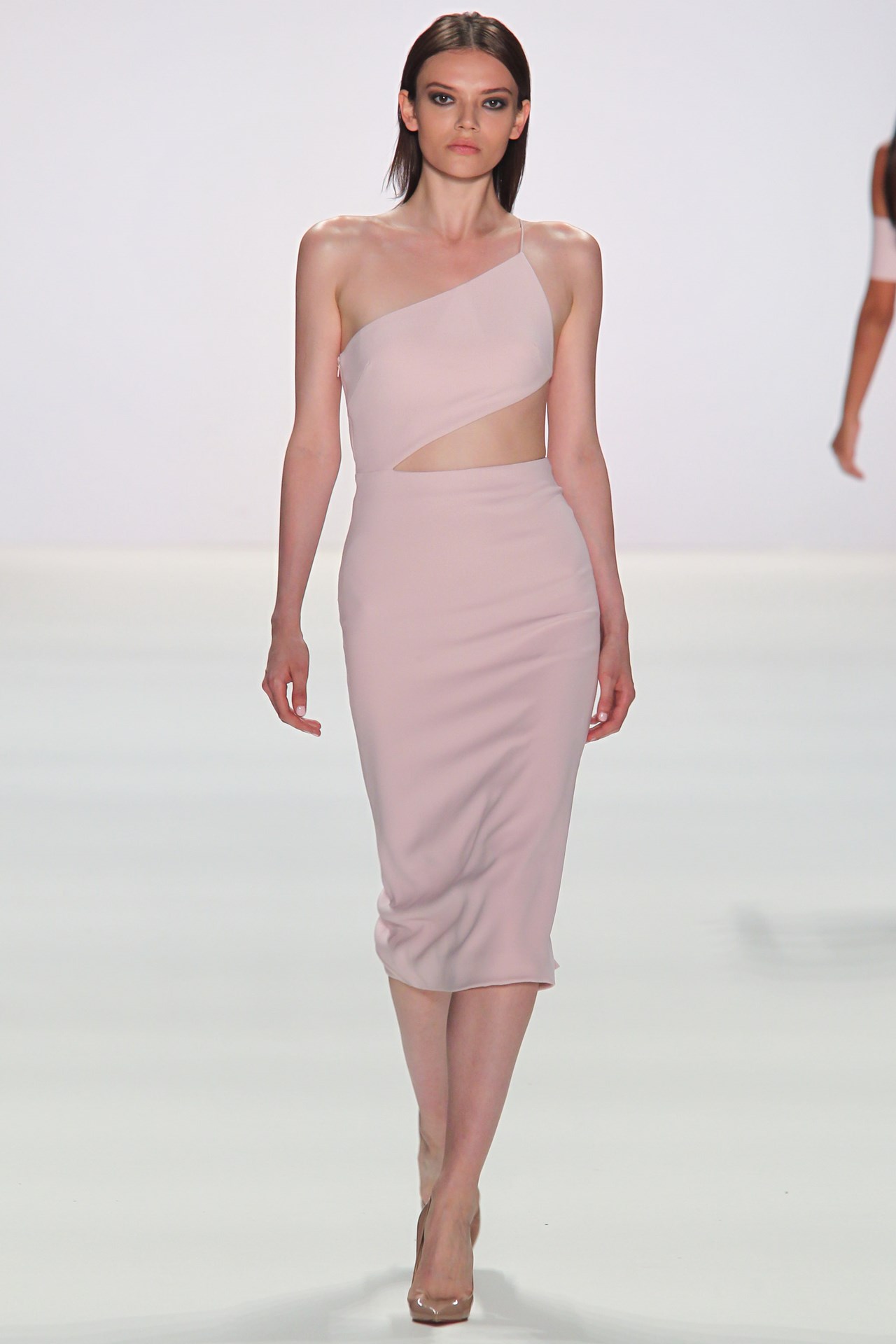
The only constant is change and the Cushnie Et Ochs team continues to focus on what they do best, while looking at natural expansions that will continue to support their existing customer while also introducing themselves to new fans. They believe that their success has also been established in understanding that with so many options that are available, it is essential to create colections that allow consumers to purchase items that go beyond a season and not to make them so specific. This showcases their true versatility and establishes their ongoing loyalty.
What's next for this duo that continues to get it right by focusing on the details and the intimateconnection with their base? On the horizon for this fall is their much anticipated e-commerce store which is another benchmark from a brand that continues to move forward since they launched in 2008 and were picked up by Bergdorf Goodman in 2009!
Read more from the Aug Issue.
Featured Style






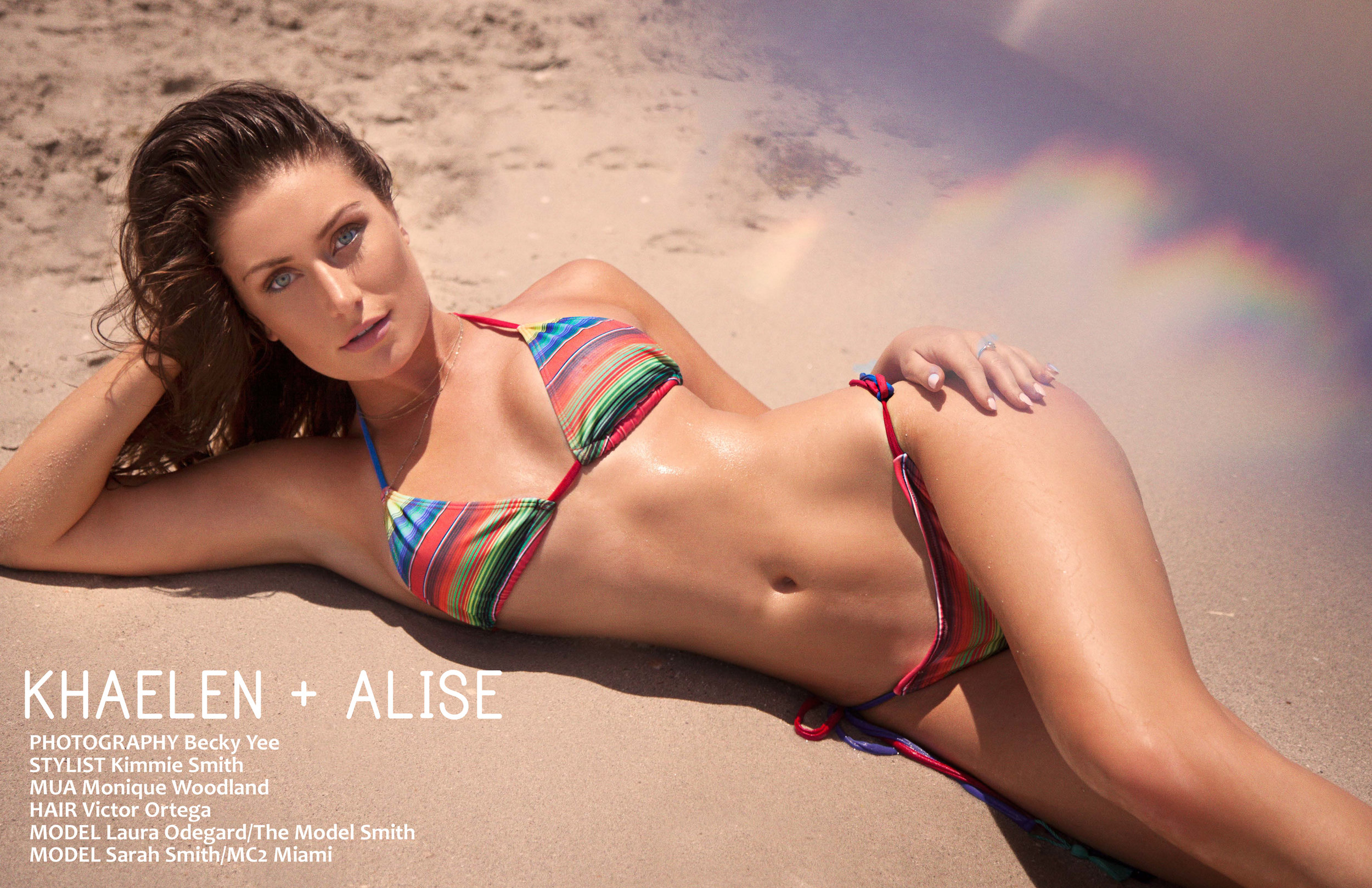
SHOT AT Miami Beach | PHOTOGRAPHY Becky Yee | STYLIST Kimmie Smith | MUA Monique Woodland | HAIR Victor Ortega | MODEL Laura Odegard/THE MODEL SMITH | MODEL Sarah Smith/MC2 MIAMI |
KHAELEN + ALISE




PHOTOGRAPHY CREDIT | UnSplash
ATHLEISURE BEAUTY
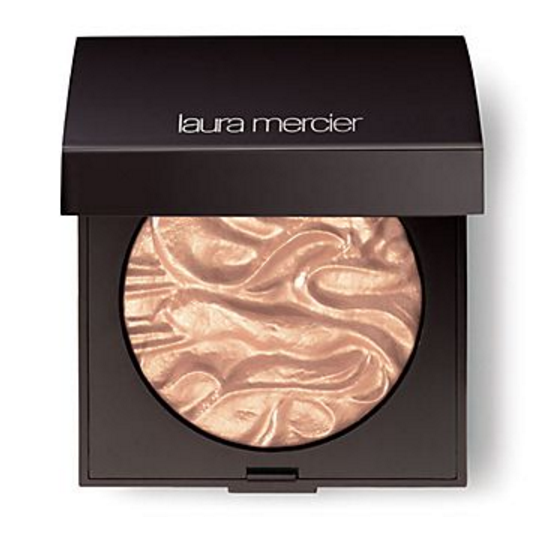
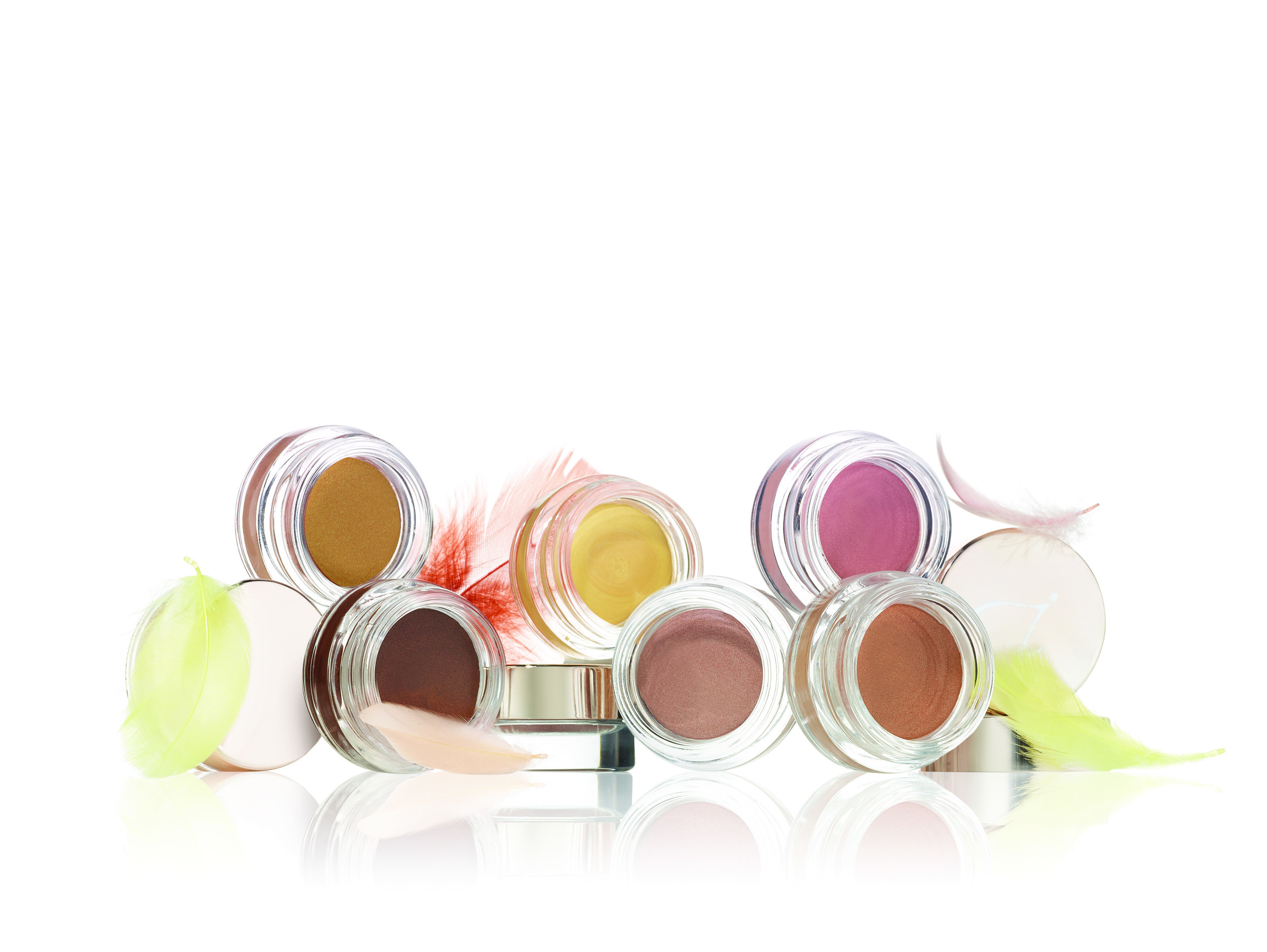
The right look starts with some of our must have cosmetics that give you a great glow. This month, we're focused on Laura Mercier's Face Illuminator which gives you an amazing sunkissed look. Allow your skin to stay breatheable with Obsessive Compulsive Cosmetics' OCC Tint: Tinted Moisturizer. Finally, it's always about the eyes and Jane Iredale's Smooth Affair Eyes, eyeshadows in an array of colors.

Read more from the Aug Issue.

Images courtesy of Lela Rose
GET READY, NYFW PREP
Next month, Fashion Month begins right here in NYC and continues to roll on to global destinations that showcase SS17 within a number of locations. Whether you're a model hitting the runway, sitting front row, part of the creative team, or enjoying online - it's essential to be skin and health ready! Dermatologist Dr Dendy Engelman and Nutritionist Brooke Alpert share how you can be ready for fashion's biggest season.
BePrepared
Fashion Week is all about preparation. Brooke recommends a hearty breakfast to kick-start the day and stave off temptation mid-day to reach for unhealthy snacks. Try oatmeal to maintain blood sugar levels and feel satisfied all morning, and fruit to fight fatigue and stress. Don’t forget to pack snacks for in between shows! Brooke is partial to almonds, dried fruit, jerky and squeeze pouches. “The almonds and jerky have protein to help satisfy, and the fruit and squeeze pouches will keep your energy levels up while running from show to show.”
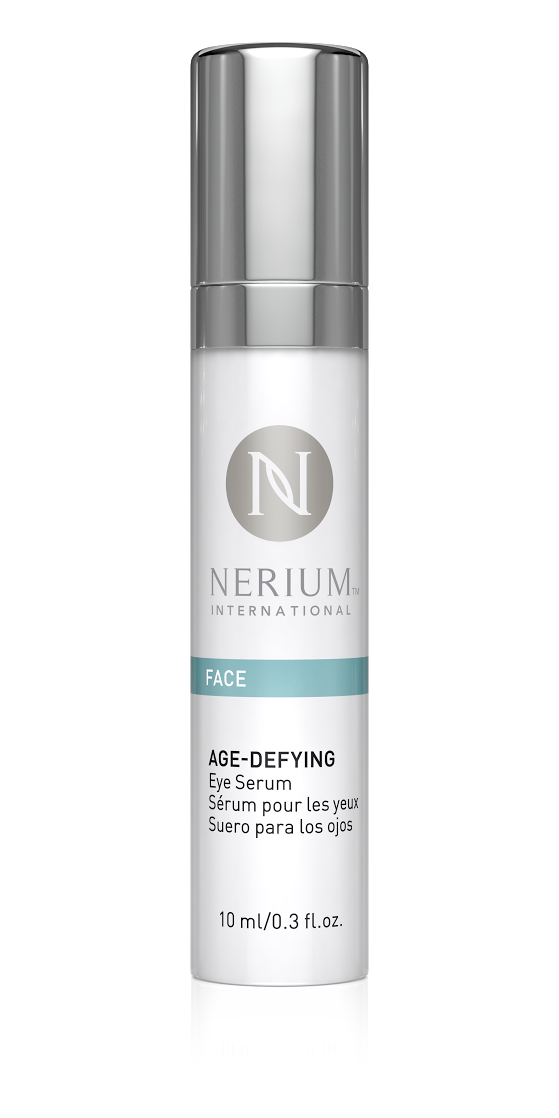
Dr. Dendy wants your skin to glow and withstand the stress Fashion Week Brings. Her first secret: the Oxylight facial. “What’s nice about a facial is that it is customizable to treat many skin concerns,” says Dr. Engelman. Oxylight facial is a comprehensive skin rejuvenation treatment using light therapy for anti-aging and discoloration, increases collagen production and firming with galvanic currents, oxygenates the skin while destroying harmful bacteria as a side benefit for active skin. “I also like to have my clients use a brightening mask or a sleeping mask the night to maximize absorption before each day so the skin as further insurance for a camera ready appearance.” Dendy recommends DERM iNSTITUTE’s Cellular Brightening Bio-Crystal Mask - 4 packs or Nerium International AD Night Cream.


Stay on your Game
When travelling all day, you are at the mercy of what your hectic schedule brings. Brooke always carries a water bottle to remind her to stay hydrated throughout the day. "Water is essential for feeling your best and keeping headaches away.” “I like to add a scoop of Reserveage Collagen Replenish Powder for an extra beauty boost. It’s tasteless and odorless, you don’t even realize it’s in there,” says Alpert. “Collagen is a good source of protein to keep hunger at bay too.”
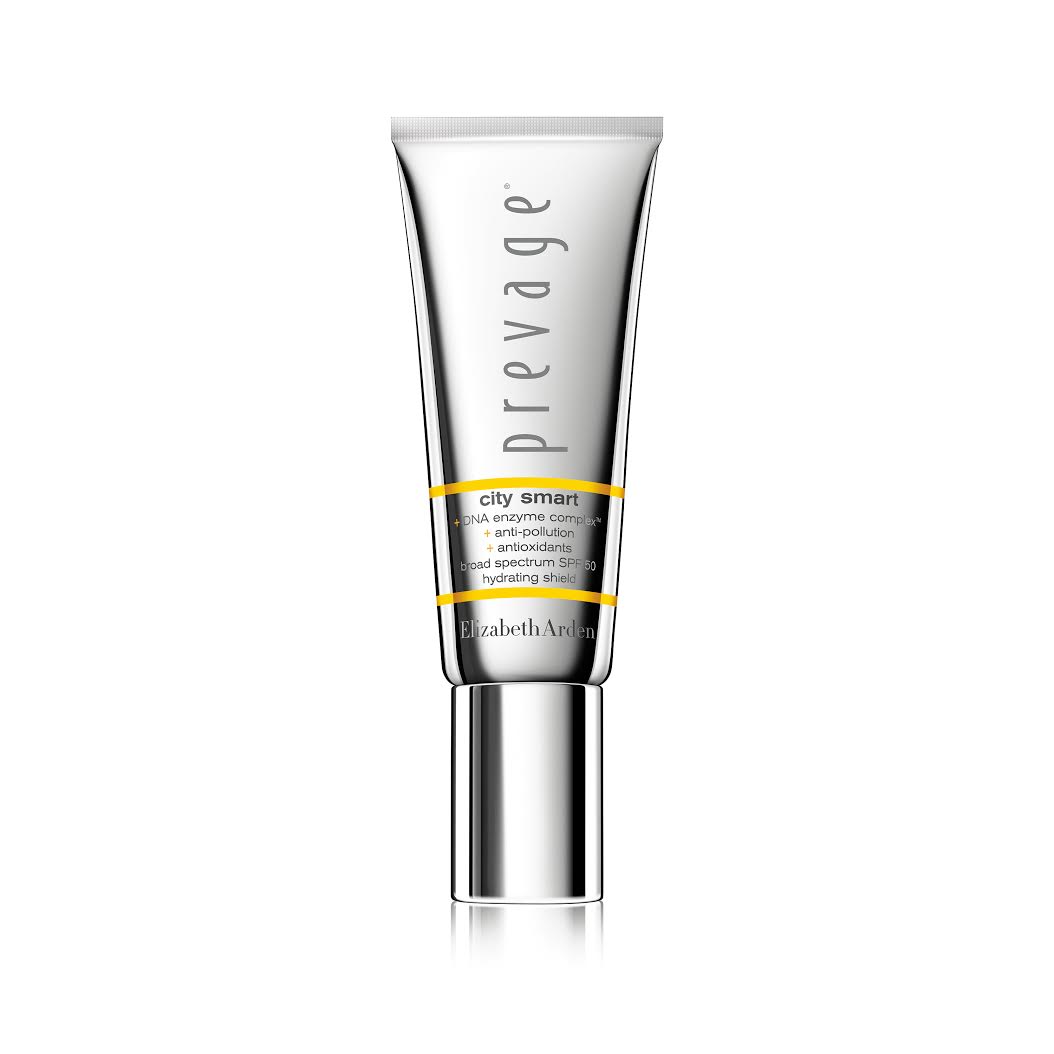
We don’t realize all the germs and bacteria that get on our skin and face. When opening doors, touching invitations, even using our computers—we transfer germs to our face. This can cause breakouts and irritations. “I love cleansing and hydrating mists that can be easily sprayed to refresh throughout the day—even over makeup,” says Dr. Dendy. (LUMIONskin Oxygen Mist Plus HOCL) “And of course, using protective sunscreen!” (Elizabeth Arden Prevage City Smart SPF 50).

-- Psst. Don’t forget your charger—you know your snapchat will kill your battery life—and a good playlist for between shows or while you are perusing online.
You survived Fashion Week, now what?
Time to put all those makeup and fashion trends to the test and hit the streets. Staying healthy can be hard when you’re dining and cocktailing, debuting the newest trends. Brooke likes her clients to do regular weigh-ins. “This will prevent over indulging and bring mind-body awareness.” When out, take a quick run-through of what is offered. “Pick what actually looks good and worth eating, planning will help with any regretful bites.”
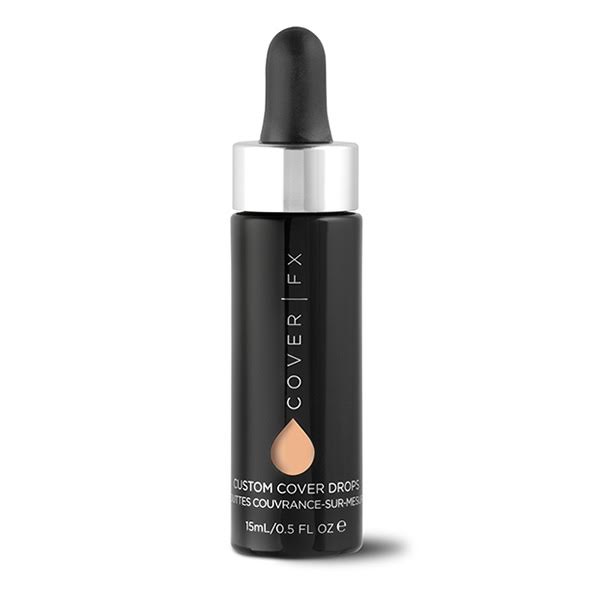
All the new makeup trends can be fun to try, but make sure you are using products that are nontoxic. “I look for products free of parabens, fragrance, gluten, mineral oil and talc,” says Dr. Dendy. These products are safe for even the most sensitive skin. So whether you are covering dark circles (Nerium International Age-Defying Serum) from a late night or testing out the newest runway look, you are protecting your face while looking fabulous. Brands like Cover FX don’t have harmful ingredients and are safe for all skin types.

Read more from the Aug Issue.

SHOT AT Ava DoBro | PHOTOGRAPHY Eugene DeLucie | STYLIST Kimmie Smith | MUA/HAIR Kat Osorio | MODEL Heidi Li |
HELLO WEEKEND






| Cheetah Bodysuit ELEKTRIX LOVE | Sport Bra/Striped Long Sleeve Tee AVOCADO ACTIVEWEAR | Headband BUFF | Workout Gloves PROPS ATHLETICS | Cropped Sweat Pant FOREVER 21 | Trainers NEW BALANCE | Talisman Necklace SEQUIN JEWELRY | Earrings E SHAW JEWELS |
Our shoot focused on our model on a lazy Saturday in her apartment from getting up, relaxing, and getting a work out in. Ava DoBro is located in Brooklyn's Navy Yard and has a few things that are worth noting.
AM: What is the concept behind the design of the building?
AD: The building is unique in that it offers two distinct AvalonBay products (AVA DoBro and Avalon Willoughby Square) with a series of shared amenity spaces throughout. Feeding off the energy of the neighborhood, AVA DoBro creates a slender, fully-glazed silhouette anchoring Downtown Brooklyn. Interior designer CetraRuddy brought this dual-branded concept to life by creating two separate communities, each with memorable spaces and experiences geared to a specific target market. Avalon caters to a classic and sophisticated design sensibility, while AVA reflects a more eclectic, neighborhood-inspired design.
AM: What are the amenities offered at AVA DoBro?
AD: AVA DoBro offers residents a Children’s Play Room, comfortable Chill Lounge, Fitness Center, Fitness Studio and 30th Floor Rooftop Terrace to lounge, entertain and grill. Pet-centric amenities include a dog-washing station and vast rooftop dog run. Additionally, the lobby offers immediate access to AVA Brew, an on-site specialty coffee shop. By the end of the year, residents will also have access to an exclusive 58th Floor Lounge with north- and south-facing terraces with stunning views of Manhattan, Brooklyn and the Statue of Liberty.
AM: Accessibility seems to be a major aspect to this rental property with the access to subways on the corner, coffee shop etc, what colleges and larger businesses are in the area that would be draws to potential residents?
AD: Residents are drawn to the easy access to Manhattan and the emerging commercial and retail district of Downtown Brooklyn. The nearby MetroTech Center and King County Supreme Court house thousands of jobs, while Brooklyn Law School, NYU’s Tandon School of Engineering, Long Island University’s Brooklyn Campus and New York City College of Technology flood the neighborhood with students.
AM: Who decorated the space featured within our photoshoot?
AD: CetraRuddy is the interior designer for the project and Pushcart Coffee operates AVA Brew.
AM: What are other selling points in this building?
AD: Beyond the AvalonBay brand recognition, residents are especially fond of AVA Brew, the full suite of building amenities, range of unique apartment layouts, the pet-centric amenities and the friendly building staff.
AM: For those that are residents, what are the neighborhood selling points?
AD: Residents are attracted to the immediate access to Manhattan, rapidly-emerging neighborhood, active streetlife and unique services and amenities AVA DoBro offers.
AM: Is there anything that we should know about the Brooklyn Navy Yard area?
AD: The Navy Yard is undergoing a radical transformation and is quickly becoming an integral piece of Brooklyn’s waterfront redevelopment. A magnet for pioneering, energetic and creative entrepreneurs, the Brooklyn Tech Triangle is fueling a renaissance to grow the innovation economy in Downtown Brooklyn, DUMBO and the Brooklyn Navy Yard.
Read more from the Aug Issue.
SEAWEED BEAUTY
Some of the best beauty products come from the sea. Nonesuch Skincare uses seaweed from Maine which is packed with vitamins, minerals and anti-oxidants that promote healthy skin.


Read more from the Aug Issue.

PHOTOGRAPHY CREDIT | iStock Photo
POUT OF APPROVAL
There is always a lot of buzz around lips to ensure that they are kissable, full, and have the bombshell qualities of Brigitte Bardot and Sophia Loren. Classic beauties are not alone! Many modern muses share their selfies with the perfect pout. Here's how you can get yours!
Dr. John Zannis is a board certified plastic surgeon in New Bern, North Carolina. We found out how to get the perfect pout and why more than ever lips are a facial focal point. Women can achieve the look whether looking at ways to create enhanced looks with lipsticks, fillers, contouring, or lip plumping. Dr Zannis has tips that can assist.
People see celebrities on Instagram and think they’ll just get lip injections too. “The more that celebrities admit to having lip injections and the more attention this particular procedure receives in the media, the more accessible it becomes.” He adds, “The danger is, that the procedure is complicated. Not just anyone can do a lip augmentation artfully and naturally,” explains Dr. Zannis.
There are ways to work with what you have. Dr. Zannis explains that the key is to strive for facial symmetry. “If you use lip liners, glosses and other cosmetics to create a fuller look consider your other features and natural lip shape.”
4 Tips for Luscious Lips
1. Use matte liquid lipstick: Liquid lipstick is popular because it’s easy! It goes on like a lip-gloss but dries matte on your lips like a lipstick and is nearly impossible to smear or take off without makeup remover. Liquid lipstick ideal for creating a bombshell look for a night out or special occasion where you want lipstick to stay put for a long time.
You can use it to make your lips appear fuller, shapely and defined, depending on what your “perfect look” entails. Try one of the best-reviewed brands like LA Splash Cosmetics or Kat Von D.
2. Go for lip fillers: Dr. Zannis explains that lip fillers are a great option if you want to alter the shape and volume of your lips semi-permanently. "They mostly contain hyaluronic acid, which can be injected safely in multiple sessions. The amount is easy to control by a skilled cosmetic surgeon, which allows you to achieve your goal gradually. The effects last around six months, at which point you may do another round of injections.” Achieving a natural look is the goal and that over-filled cartoon mouths look distorted.
3. Try some cool contouring techniques: Contouring is another awesome makeup trick to achieve a fuller look. It involves using lighter and darker shades of makeup to play up your features and give you a more defined, chiseled look. The great part is you probably have all you need in your makeup bag already. There are plenty lip-contouring tutorials on YouTube for free.
4. Use a lip plumper: Lip plumpers are great in that they are easy to use, non-invasive, work fast and are affordable. They’re typically infused with lip tingling ingredients like cinnamon, pepper and peppermint which leads to an instant, yet slight swelling.
Too Faced Lip Injection Extreme is a popular choice among make-up artists and beauty industry pros. When used both morning and night the difference is noticeable fast! Clearly there are many options to achieve your “perfect” pout. Experiment!
Read more from the Aug Issue.

ARTICLE Ed Maguire | PHOTOGRAPHY Job Simulator
WHAT'S REAL ABOUT VIRTUAL REALITY
The technology business is more trend-conscious than almost any industry save, the fashion industry. Virtual Reality started out as this year’s hot technology trend, with enormous hype around the first generation of consumer headsets like Facebook’s OculusVR and the Sony PlaystationVR. In my view, the technology definitely lives up to the hype, but the business forecasts are way too optimistic. It’s not Virtual Reality that will change the world, but Augmented Reality that’s already having a bigger impact than anyone realizes.
First, what IS Virtual Reality? The underlying ideas have been around for decades – the idea that you can put a person in a completely simulated world using digital technology has captured the imagination of Science Fiction fans for years. Think about the Holodeck experience on Star Trek and that’s the potential.
The origins date back to the late 1930’s with the View-Master, which provided a 3D view of pictures using a simple viewer with photos on a disc. In the 1960’s, the first head-mounted displays were invented for Air Force pilots to do flight simulation. In 1968, Ivan Sutherland produced the first head-mounted display called the Sword of Damocles – while it was bulky, it set a standard for future generations of the technology. There were a lot of experiments in the 1980s and early 1990s with high-profile figures, like Jaron Lanier creating mystique around the technology, but technology limitations held back broad adoption. The Nintendo Virtual Boy headset in 1995 was poorly made and gave a bad name to the technology for years to come.
In 2010, an 18-year old Palmer Luckey created the first prototype of the Oculus Rift, and a couple of years later he launched a wildly successful Kickstarter project that raised over $2.4 million. In 2014 Facebook paid $2 billion to acquire Oculus, and took another two years to get the product ready for commercial launch. The declining cost and increasing power of computation has finally made VR headsets under $1000 a reality – that’s really the key to breaking into the consumer market. The first headsets have shipped this year.
The VR headset is completely immersive, blocking out your entire field of view. The head-sets track your motion – when you move your head up and down and around, the display tracks your movements to give you the sensation of being in a completely different environment. The experience is pretty mindblowing, there’s no doubt that the technology itself is NOT over hyped.
The first time I put on an Oculus I was blown away. You get the experience of being completely immersed – whether it’s in an imaginary landscape, or if you’re flying in a helicopter, or climbing a mountain – the experience feels so real it can give you vertigo. In fact one of the problems people have is motion sickness after wearing the headsets for too long. That’s testament to how powerful it is.
Gaming (and adult entertainment) are the obvious early uses for VR, but there’s a lot of exploration for different uses. You can use VR to visit a museum or historical site in school, or use it to train doctors in surgery, or to work on a golf swing. Right now the key is getting content in the market, and it’s still early days. Oculus, Sony PlaystationVR, the HTC Vive and Samsung GearVR are the major headsets on the market. VR is definitely the coolest technology to emerge in years, but the downside is that you need to wear a bulky headset, the content is still limited and you either need massive bandwidth or you need to be tethered to a PC or gaming console to get the full experience for the time being. So while it will be popular, it's more a niche technology. If you're a hardcore gamer, or into gadgets, you’d probably be interested in a VR headset. Businesses like hotels or real estate agencies will use them. But it won’t be the kind of thing that will see large segments of the population spending hours a day using.
Augmented Reality is way different. AR is technology that displays digital images superimposed over a view of the real world. You can use a headset – like Microsoft’s Hololens or headsets from Meta or Magic Leap (which are not yet commercially available – or you can use your smartphone or a tablet. The high-end AR headsets are still in early days – Microsoft has shipped a kit to developers, but at $3,000 a pop it’s not a mass market product yet. These headsets digitally map the world that you can see in front of you, then they can display any sort of image you can imagine (like a person, or a cartoon monster, or some text that describes what you’re looking at) so that it enhances your view of the physical world.
I got a chance to play with Microsoft’s Hololens earlier this year, and they have a demo where you can pin an animated object in space. In this case it was a twirling flying saucer that I pinned to a table – then I could walk around the table and look at the saucer from every angle – up, down and side to side. It was like it was really there in the room. You could shoot fireballs at the saucer until it blew up, revealing a virtual hole in the ground that you could look down into and see a whole underworld alive and buzzing underneath. This is impressive technology, but it’s not completely immersive like VR, and there are still some limitations like a small field of view. You can definitely see the potential for design and architecture, medicine, even NASA is using it so scientists can explore Mars using the images beamed back from the surface. Check out the Magic Leap videos on YouTube if you want to get a sense for how crazy cool this technology promises to be.
For all the promise in the future, there’s a much bigger story happening right now. Take a guess what is the biggest Augmented Reality app ever? Pokemon Go! Yes, Pokemon Go is a smartphone-based AR app that’s the fastest growing mobile app of all time. At the time of this writing it’s more popular than Tinder and closing in on Twitter. Yes, go out and catch a Pikachu and dive into the world of Augmented Reality. It’s already here and the potential is limited only by your imaginations.
Ed Maguire has worked as an equity analyst covering the technology sector since 1999 for a variety of firms including CLSA Americas, Merrill Lynch and CIBC. Previously he led sales for independent music distributor Twinbrook Music while working as professional musician performing on bass, violin and keyboards, composing, arranging and producing a variety of styles of music. Ed holds a B.A. in Music from Columbia and an M.B.A. from Rutgers in Finance and Management Information Systems. He lives in Millburn, NJ with his wife Lily, their two kids and the dog Spock.
Read more from the July Issue

IN OUR BAG - RETREAT STYLE
There are a number of retreats taking place whether you're doing one that's a staycation, local to you or a farther exotic and tranquil destination. Either way, we have some must have items that should be in your bag to have at the ready. Just putting this together gets you in the right state of mind for whatever happens next.
| The Majorelle Circular Towel THE BEACH PEOPLE | Lady Plume Shopping Tote LIPAULT | Modern Flip Cap 16 oz TAKEYA | UV Buff Desert Marble Headwear BUFF | Jasmin Mint Toothpaste MARVIS | Kabuki No 9 Bon Bon Shea Butter TOKYO MILK | Smores LUNA BARS | Lip Glow DIOR | West 57th Palm Leaf Travel Jewelry Case HENRI BENDEL | Black 7000 Electric Toothbrush ORAL B | Traveling Handheld Garment Steamer SALAV |
Read more from the July Issue

Photo courtesy of Erik Vanlind.
TRAILBLAZERS MICHAEL HEJTMANEK
We caught up with Michael Hejtmanek (pronounced het-man-ick) for our next Trailblazer feature just before he was heading out to ride with some friends.
Trailblazers is our series where we catch up with active creative leaders and innovative thinkers to learn more about our out-of-boardroom adventures, expertise and passions.
Michael has been with Hasselblad Bron since 2008. Hasselblad Bron is a distributor of professional photography products in North and South America, which acquired control of Hasselblad Americas in 2012. Michael rejoined the photography industry after 20 years in the technology industry. Prior to then, Mr. Hejtmanek had been with Oracle Corporation and Compaq (formerly Digital Equipment Company) designing and building large-scale enterprise application solutions. He studied photography and anthropology at Ohio University and holds an MBA from Columbia Business School. He lives in New York City.
ATHLEISURE MAG: How did you get involved with motorcycling? How quickly did your passion evolve?
MICHAEL HEJTMANEK: It started as a midlife crisis activity. I have been doing extreme sports all my life pushing the limits any way I could. But when I turned 45 years old I got rid of my mountain bike and took a Motorcycle SafetyFoundation class. The driving force was the romantic notion that motorcycles represented freedom coupled with some sort of masculine desire to prove my manhood as I entered my mid-forties.
I remember texting my MSF instructor the day after the course ended. “I just bought a Ducati and I am so excited.” She replied “Be careful, keep learning, and be careful.” The first thing about motorcycles that burned into my brain was the MSF instructor telling me that it takes about 100 actions to drive a car and over 2,000 to ride a motorcycle. I found this intriguing and a challenge. I was determined to learn. So I rode. I rode a lot. And I took classes and read books. I soaked it up the way I approach everything. Total focus and commitment. The best way to learn is to ride with professionals who know how to teach. So that’s what I did. I quickly hit the limits of what could safely be done on the streets and within a year of getting my license was on the race track to learn from professional instructors. For me riding is very technical, its all about precision and speed. And while I do own a few vintage motorcycles, my love is the fast sport bikes.
AM: Do you bike to work, what are some of the pros and cons and how do you maximize safety?
MH: I ride to work almost every day. Safety is definitely the number one thing that you can think about when riding especially while travelling through Manhattan, over the Hudson river and onto the NJ Turnpike like I do every day. I have met some people who ride while listening to music. And I have met some who ride with a headset so they can talk on the phone. The statistics are against those who do not put 100% of their attention on staying alive on a motorcycle. I commute every day from the Upper West Side of Manhattan about 45 miles to our North American headquarters in New Jersey. I always ride with full armor because crashes happen and I have had my share of them. I always wear all the gear all the time (AGAT). Riding the NJ turnpike is sort of like playing Frogger. The entire ride is an effort of focus and concentration. Every car is a potential killer waiting to make a sudden lane change. You can never be in a blind spot. You watch for drivers who are texting. You see them drinking beers, you smell them smoking pot. You are always analyzing the lay of traffic and thinking, “Hey there is an opening there for that guy two lanes over, he might make a lane change and cut me off.” It is like a paranoid chess game in real time where you need to anticipate all the drivers’ possible moves before they make them. But then there are the moments when you can slide through traffic, find a great big sweeping turn, and accelerate through the whole thing like you are riding on rails…its magic. It's worth the risk…I get better gas mileage than a Prius (well I actually don’t know that to be true!). But I arrive to work each morning with a huge grin on my face. The commute is cerebral and exciting. It wakes me up, I know I am alive. But getting hit by a taxi cab a few weeks ago at 40MPH was not fun. Just like everything in life, you assess the damage and decide whether you want to get back in the saddle.

Photo courtesy of eTechPhoto

Photo courtesy of eTechPhoto.

Photo courtesy of Hasselblad.
AM: Are you part of any clubs? How often do you meet?
MH: You mean a gang? Motorcyclist in NYC can be a real problem. There is a lawless out of control faction. We have seen too many incidents in NYC over the past few years that shed a very bad light on motorcycles. Anytime I see more than 20 motorcycles riding together weaving in and out of traffic I cringe. But that said, I do ride with a few very conscious groups of other people who value their own lives as much as they value the others in the group. We ride with a maximum of 8 riders all about the same skill level, all very competent and fast. There are no written down standards of safety because everyone has their own skillset and comfort zone. When we ride with new riders we watch them very closely. People are quickly scolded for risky behavior and are eliminated from the group when they show behaviors that may be dangerous to themselves or to others. When we are not at the racetrack we ride at least two big rides each month. Riding the roads is different from the racetrack. The roads are public, dangerous, and fun for riding with constraint. The racetrack is the place for pushing the limits and also the place where our safety standards get set and reset. On the street, our rides are generally 300 to 350 miles up from NYC usually into Connecticut or the Catskills and we are usually back in the city before 3pm…before the deer come out.
AM: What kinds of physical and mental preparation are needed? Do you work with any mentors to improve and push your bounds? (loved handling higher speed turns)
MH: You are right to point out that the prep is both physical and mental. If I have a head cold or if a have a huge fire burning at work, my performance will be more affected that if I am physically out of shape. But being in shape is absolutely important as well. Some people imagine riding a motorcycle to be like riding a bicycle. But from the perspective of your body I would say that riding a motorcycle is much more like riding a horse. On a horse your legs do most of the work. Your hands are only used for steering input. The same is true on a motorcycle. The handlebars are not for holding on, they are for steering and throttle control. If someone gets off a motorcycle and complains about their wrists and forearms hurting, then they are doing it wrong. On the contrary, when someone gets off a motorcycle after a long ride and their legs hurt so bad that they can barely walk…well that person is doing it right, but probably should hit the gym some more.
But the physical is almost irrelevant in terms of importance compared to the mental. Riding smooth and fast is mostly mental. Its about vision and fear. The conscious control of your vision and your fears is the hardest thing about riding at your limit..and hence expanding that limit. Sure there is a lot a things to understand like traction, body position, and throttle control. But the thing that makes most riders crash is fear and vision. Keeping your eyes wide open and able to see the big picture in any turn without getting drawn into some detail is critical for smoothly executing a turn. But vision isn’t everything. As speed comes up, fear enters the picture. Your own brain can become your worst enemy as fear tries to govern your actions. A perfect example would be to ask any non-rider what you should do if you enter a turn so fast that the tires start sliding. Most would say to slow down or hit the brakes. If you touch the brakes while your wheels are sliding, you will crash. But if you add speed gently you will come through that turn just fine.

AM: Do you do things to take your involvement further, such as track racing or competition? What’s next?
MH: I did about 20 days at the racetrack last year which was my second full year on a motorcycle. The first time I got on the racetrack I was completely addicted. I do about half of my days on the track at the California SuperBike School. I find that on my own I can make minor improvements in technique and lap times, but with the school I can make leaps and bounds. The Superbike school is one of those high performance organizations that is so well run that it is a real rarity. I can’t say enough good things about them. They create a professional environment that allows you to safely improve your technique by leaps and bounds. A good example would be how not only my laptimes but also my confidence through fast turns improved from a track day in April to a track day at the same track in June. I was having a mental problem with a really fast turn. I was hitting the turn at 70MPH on average. Keith Code, the founder of the school worked with me on how to think about the turn, how to see the entrance and exit differently, and how to really see and understand that part of track. He coached me through relaxing and worked with me on how to slow down my mental process. By the end of the day I was taking the same turn at 104MPH….That’s not the type of improvement I can do by yourself. The Superbike School is really responsible for making me the rider that I am today. All the coaches there are sort of magicians. They work through the physics of the motorcycle and the operation of the brain.
Anytime one is doing a sport where a mistake could end very very badly, concentration and focus are extremely important. Riding at the track has heightened my ability to focus, to see the big picture, and to respond more calmly but incredibly quickly to problems as they arise. Any member of my team at Hasselblad has seen how this has spilled over into how I manage people at the company. We have become more confident, less reactive, but quicker in our execution…And I don’t tend to get as angry when things go wrong…which makes everyone a lot happier. The next thing for me is to start working on is simply finding more time for the race track or the dirt track in between launching some really exciting new cameras and lighting products.
AM: As part of the leadership at Hasselblad, are you also passionate about racing photography? Have you experimented with any drone sports photography when riding?

MH: We have supported a few photographers who take a very artistic approach to motorsports photography. Many members of the high end professional car and motorcycle shooters use Hasselblad cameras. But trackside racing photography it is not our core market. We have some new products that might change that though.
Regarding drones, I have been on a few racetracks where drones have been used to make photos and videos of riders. But these are mostly at unregulated or lesser regulated tracks where we do Supermoto riding. The big tracks have a general rule against them as they could be extremely dangerous to the riders on the track if not kept out of the way. The drone market is an incredible one. It is one that we at Hasselblad are very excited about. Our relationship with DJI (a minority investor in Hasselblad) is just starting to bear fruit as we launched our first joint product with DJI in early July 2016. The M600 Drone is a fully integrated combination of the Hasselblad A5D-50c 50 megapixel medium format camera and the DJI Matrice 600 drone. The solution provides a professional long range solution for high resolution aerial photography with unmatched resolution and flexibility.
AM: What brought you to Hasselblad? Tell us more about its ethos - ‘Create to Inspire.’
MH: In 2012 I had the chance to meet some of the board members of Hasselblad. I was running a distribution company that sold a handful of high end photographic products and knew the market quite well. During the meeting it quickly became clear that we shared an opinion that drastic changes were afoot in the imaging market and that drastic changes were needed by the companies that supplied tools to the imaging market. We shared a common vision of how the market would play out and what products were needed to not only survive, but to thrive in the new reality that faced the industry. The thing that really sealed the deal was when I pulled out my iPad and showed them a 3 slides that I had made to show where the market was heading. The chairman of the board cut me off, reached into his bag and pulled out his iPad, he spun it across the table and showed me that he had exactly the same three slides. At that moment we both knew that we had the same vision for how to grow Hasselblad. And today, we are in the middle of realizing that vision. The Launch of the Hasselblad X1D camera is the most important camera that Hasselblad has launched in over 10 years. The X1D is a game changer that redefines
high end photography. The response to this camera has been incredible. It packs more image quality into a package smaller than most small sensored 35mm DSLRs. It truly redefines the market.
Create to Inspire are the words that drive us. We want to create products that inspire all Hasselblad employees. These products must enhance the pride we feel in carrying the Hasselblad name. And on the other side we want to create products that our customers can used to create images that inspire others. When we made the X1D we kept asking ourselves if this camera really can live up to the name, does the image quality inspire us, do the ergonomics inspire us, does it look inspiring? And then finally we ask will this camera inspire photographers to reach beyond the normal, beyond the rules, beyond whatever roadblock they may have? Will this camera be used to create the new iconic images of our time? We believe the answer is yes.
AM: Hasselblad is known for superior image quality and elegant ergonomic design, what are the core values that drive such continued craftsmanship and high performance?
MH: Hasselblad is uncompromising. The employees all take pride in the brand. The company has employees who have been building of repairing cameras for 40 years. These veterans help anchor the brand by providing a living reminder of the past and of the core values of Victor Hasselblad. For a camera to be a Hasselblad it must first and foremost have the best image quality. This means that we must have the best imaging sensors, the best image processing algorithms, the best color, and the best optics. Then, the camera must also have the best ergonomics. It needs to fit in your hand comfortably, the controls need to be easy to adjust. Basically, the ergonomics should make the camera melt in your hands so you can forget about it and use it as a natural extension of your vision. And finally, it must look great. Design is a key component to everything we do.
AM: We loved checking out the new (and first) medium format mirrorless X1D camera prototype at your NYC launch. (US $8995 body, US ~$2.3k for lenses). Boasting a brilliant 50 MP for image quality, we found it to have a fancy feel and UI, while remaining light-weight for walking about. With luxe function meets form solved, what kinds of photographers do you feel the X1D will take off with?

MH: The X1D opens up Hasselblad again to a much broader market. In the days of film, the Hasselblad 500 series cameras were the go to cameras for anyone who was serious about photography. While providing similar image quality, the X1D is different from our H6D series of cameras. The H6D cameras are system cameras. To non-professionals they may seem intimidating with controls functions and modularity that may not be appreciated by a photography enthusiast who may not have special camera needs. The H6D is also heavy and more at home in the studio on a camera stand then in a back pack in Bur-
ma. On the contrary, the X1D is lightweight, small, and unintimidating. It is a really great easy to use camera with an imaging sensor that is much much larger than any other camera in its weight class. So the X1D is a camera for anyone’s camera bag, anyone’s backpack. It is equally at home on a tripod shooting beautiful landscapes, or shooting street photography in the beautiful afternoon light in Paris. It has great resolution and high ISO performance which also makes it an excellent camera for wedding photographers. Take it anywhere and shoot anything, you wont be disappointed with the results.
AM: How is it to balance handmade Swedish craftsmanship with modern chic features, such as the pop-up function flywheel, Wi-Fi/GPS connectivity and touchscreen UI?
MH: Sweden is where are roots are. We are located in Gothenburg which is an amazing city. Our headquarters is right next door to one of the best engineering schools in Europe. The city is home to many high technology companies. We don’t have a problem with modern and chic. Our engineers and designers come from a diverse set of industries and product ideation meetings provide a literal smorgasbord of ideas and practical studies of feasibility and implementation.
AM: Extraordinary high resolution, tonal balance and depth are hallmarks from Hasselblad, what are your latest high-range cameras and where are some notable places they are used?
MH: Our cameras are deployed throughout the world for critical imaging applications. The applications range from the top fashion photographers, the best portrait photographers, the most amazing landscape photographers, to the most demanding museum. There are too many names to name, but if a photographer is really serious about image quality you can bet that they are shooting with a Hasselblad.
AM: Optimized life is much about being focused, tell us about True Focus feature and your Phocus image processing software.
MH: Optimized life is something that we think about all the constantly. We only get to live each moment once. So be present in that moment and make it count. We pick and choose our focus very carefully in the way we work, in life, and in our cameras. The True Focus feature sets Haselblad apart from the competition. It is a unique focusing system that allows a level of focus accuracy not available in other cameras on the market today. It works by allowing you to select the point of the image where you want to be have the most critical sharp focus and press the True Focus button. The True Focus system locks critical focus onto that point and keeps it there even if you recompose the image or change the way you frame the image. A set of gyro sensors take into account the camera position as well as the curvature of the lens to make sure that your focus stays true.
AM: Entering your 75th Anniversary, Hasselblad has a legendary heritage from the first Apollo 11 moon landing to a host of iconic sports, fashion and lifestyle moments, what are some of your personal favorites?
MH: It’s impossible to name only a few, so I will just name one. I am partial to the ephemeral work of Hiroshi Sugimoto. His work can be both beautiful and soft while being technically perfect and deeply meaningful all at the same time. In terms of iconic imagery nothing can beat the moon landing images. Those images changed humanity on a scale that no other image even come close to (pioneer Buzz Aldrin pictured on page 123 with Michael and son Jackson).
AM: We love that the Masters program continues to be a time-honored tradition, who are some of the spotlights for 2016?
MH: The Hasselblad Masters is a really important program for us. It allows us to celebrate creative photographers who excel in their area of imaging. The Masters awards are granted to 12 photographers every two years. It's not just a portfolio review and a prize. It is a process that ends with the 12 selected photographers going out into the world and making new original works to be included in the Hasselblad Masters book. The process is a lot of work and the winners join a family of other photographers who carry membership in a very special club. We look forward to honoring all of them at a ceremony during Photokina in September.
2016 Masters List: Art - Katerina Belkina, Fashion/Beauty - Roy Rossovich, Landscape/Nature -Lars Van De Goor, Portrait - Natalia Evelyn Bencicova, Product - Giorgio Cravero, Project//21 - Jake Reeder, Street/Urban - Ali Rajabi, Wedding - John Paul Evans, and Wildlife - David Peskens.
AM: Having global ambassadors on a mixture of different subjects is great for younger aspirational photographers, who are some to watch in fashion, fitness, sports and lifestyle.
MH: Its become very difficult to set yourself apart as an up and coming photographer. You must work harder now than ever before to set yourself apart from the crowd. There are so many young photographers doing such great work. We feature some of them on the Our World section of our website.
AM: What’s next for announcements to look forward toward with the X1D, we can’t wait!
MH: The X1D is out of the bag, but the Photokina Trade Show is coming up in September in Cologne, Germany. Keep your eyes on us as we may have some surprises.
P. 116 photo courtesy of Erik Vanlind. P.120 + 128 photo courtesy of eTechPhoto. P.128 photo courtesy of Hasselblad. Picture to the right courtesy of Tom Oldham shot on his H6D-50c.

Read more from the July Issue

PHOTOS COURTESY | Kimberley Hasslebrink
THE ART OF THE SNACK - SALADS
The salad is truly a dish for all seasons for an array of meals. In The Modern Salad (available Sept), Elizabeth Howes shares recipes that will make you re-think your next choice and to wow your guests. Pictures courtesy of Kimberley Hasslebrink.

COCONUT-MATCHA JEWELED RICE SALAD
SERVES 4-6
Ingredients:
2 cups brown basmati rice, soaked in filtered water overnight
2 tablespoons grapeseed oil, divided
1 cup finely diced shallot (about 3 medium shallots)
1 clove garlic, finely diced
3 whole cloves
3-inch piece of Ceylon cinnamon stick
2 cups coconut milk
3 cups filtered water
1½ teaspoons matcha powder
1½ cups dried fruit (diced mango, apricots, cranberries, and goji berries)
1 cup golden raisins
½ teaspoon ground coriander
1 cup roughly chopped raw pistachios
½ cup raw slivered almonds
¼ cup raw seeds (pumpkin, sunflower, and hemp are good choices)
2 cups finely shredded purple cabbage
(about 1 small head)
2 cups finely shredded carrots (about 3 large carrots)
1 cup pomegranate seeds
1 cup unsweetened coconut flakes
¼ cup finely chopped scallion
1 tablespoon orange zest (optional)
¼ cup good-quality extra virgin olive oil sea salt and freshly cracked black pepper, plus Maldon sea salt for finishing
Directions:
1. Drain and rinse the rice, shaking the strainer to remove any excess water.
2. Add 1 tablespoon of the grapeseed oil to a large saucepan or Dutch oven over medium heat.
3. Cook the shallot, garlic, cloves, and cinnamon stick for 1 to 2 minutes, stirring occasionally, until fragrant.
4. Add the rice, and stir to combine. Add the coconut milk, filtered water, and matcha powder. Stir to combine, and bring to a boil.
5. Once boiling, reduce the heat to low, and simmer, covered but slightly cracked open, for 40 to 45 minutes. If the rice is fully cooked but hasn’t absorbed all the liquid, it’s perfectly fine to drain.
6. Remove the cloves and cinnamon stick, and allow to cool uncovered.
7. Fluff the rice with a fork, and season with salt and pepper.
8. While the rice is cooking, in a medium skillet over medium heat, add the remaining 1 tablespoon of grapeseed oil.
9. Add the dried fruit, raisins, and coriander. Stir occasionally until the fruit begins to soften, about 3 to 4 minutes.
10. Season with salt and pepper, and transfer to a plate to cool.
11. In the same skillet, toast the pistachios, almonds, and seeds over medium heat for
about 2 to 4 minutes, and transfer to another plate to cool.
12. Arrange the rice, fruit mixture, nuts and seeds, cabbage, carrots, pomegranate seeds, coconut flakes, scallion, and orange zest, if using, on a large serving platter or on individual plates.
13. Drizzle with the best-quality extra virgin olive oil you can fnd, and sprinkle with fnishing salt and freshly cracked black pepper, if desired. Toss thoroughly at tableside to combine.

GREEN MANGO, MINT, AND RICE NOODLE SALAD WITH CHILE OIL
SERVES 4
Ingredients:
1 green mango, peeled and sliced into very thin matchsticks
2 limes, divided
8 ounces brown rice pad thai noodles
1 (9-ounce) package mung bean sprouts
5–6 scallions, thinly sliced on the bias
½ cup roughly torn fresh mint
¼ cup roughly torn fresh basil
¼ cup Toasted Chickpea Flour, divided
¼ cup Chile Oil
1 tablespoon fish sauce
1 tablespoon chile flakes, sea salt, plus Maldon sea salt for finishing
Directions:
1. In a medium bowl, toss the sliced mango with the juice of 1 lime and a generous pinch of sea salt.
2. Allow to sit for 10 minutes while you cook the noodles according to the package instructions.
3. Drain, rinse the noodles with cold water to prevent sticking, and shake of the excess water before assembling the salad.
4. In a large serving bowl, add the noodles, green mango, mung bean sprouts, scallions, mint, basil, and 3 tablespoons of the chickpea four.
5. Drizzle the chile oil and fish sauce over the top, and toss to combine.
6. Garnish with the chile flakes, the remaining 1 tablespoon of chickpea four, and the remaining lime, quartered into wedges, and Maldon sea salt right before serving.

MASSAGED KALE AND SEAWEED SALAD WITH MISO VINAIGRETTE
SERVES 2-4
¼ cup white miso paste
1–2 cloves garlic, smashed into a paste
2 teaspoons umeboshi plum vinegar
2 tablespoons unseasoned rice vinegar
1 tablespoon fresh lemon juice
½ cup filtered water
¼ cup, plus 1 tablespoon extra virgin olive oil
2 medium bunches Tuscan kale, stems removed
3 medium heads romaine hearts
4 large carrots, peeled and shaved into thin ribbons with a vegetable peeler
4 cups seaweed, soaked in filtered water for 15 minutes or until soft, then drained thoroughly
4 cups finely shredded purple cabbage (about 1 medium head)
1 cup raw pumpkin seeds, plus extra for garnish
1 cup raw, shelled sunflower seeds, plus extra for garnish
1 cup raw hemp seeds, plus extra for garnish
½ cup finely chopped on the bias scallions sea salt and freshly cracked black pepper
Directions:
1. In a medium bowl, whisk together the miso paste, garlic, both vinegars, lemon juice, and filtered water until smooth.
2. Slowly stream in the olive oil until emulsifed.
3. Season with salt and pepper, if needed.
4. Transfer the vinaigrette to a glass jar, and refrigerate for up to 5 days.
5. To prepare the kale, stack 5 to 8 leaves on top of each other. Roll tightly into a log, and slice into a 1-inch chifonade. Continue with the remaining kale. In a large bowl, add about ¼ cup of the vinaigrette.
6. Place the kale on top, and lightly season with sea salt. With clean hands, gently massage the vinaigrette and salt into the kale until it begins to soften, adding more vinaigrette if necessary. At this point, you can either refrigerate the kale for up to 30 minutes or continue to assemble the salad.
7. To chifonade the romaine hearts, stack 4 to 5 leaves and slice them into 1-inch strips. Continue with the remaining romaine then add them to the kale mixture.
8. To assemble, add the carrot, seaweed, cabbage, seeds, and scallions to the kale mixture in a large bowl. Toss with additional vinaigrette - adding more salt and/or pepper, if necessary. Serve on individual plates and garnish with additional seeds, if desired.
Read more from the July Issue
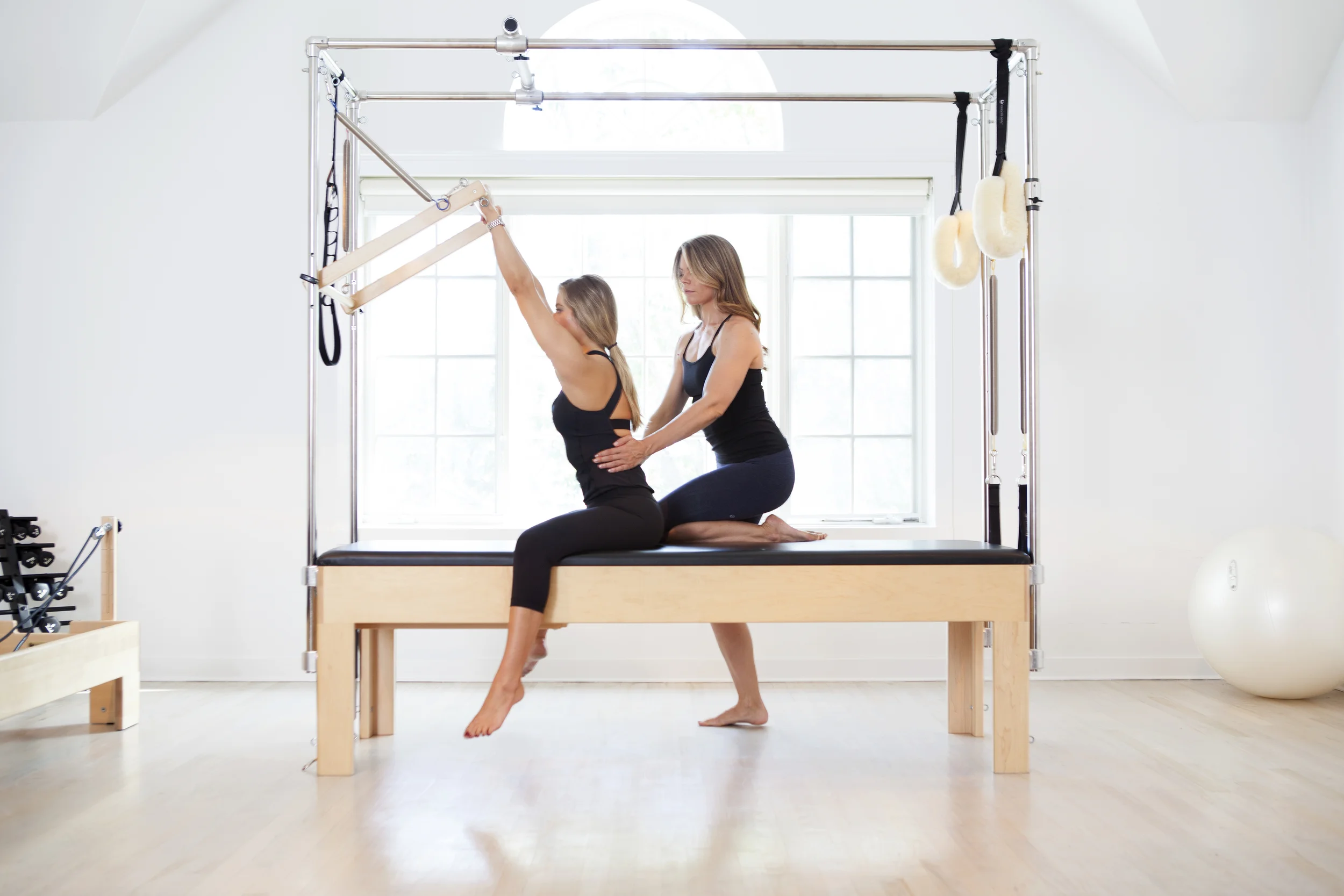
PHOTOS COURTESY | Erika Bloom Pilates
THE ATHLEISURE LIST; NYC/HAMPTONS/CT/TURKS + CAICOS - ERIKA BLOOM PILATES
Erika Bloom Pilates offers personalized holistic fitness programs. They believe that fitness and movement are part of a fit, balanced lifestyle. The exercise programs are designed to make members strong and lean, and focuses equally on creating healthy, functional plans that fit into their routine and are sustainable for the long term. The end result is a body that’s free of aches and pains and that feels more graceful and toned.
This is possible by focusing on extensive training and education programs by their staff. Instructors hold advanced certifications in Pilates but also study yoga, Feldenkrais, Barteneiff, Alexander, Klein, and more. They work closely with their top practitioners in acupuncture, holistic health counseling, massage, structural integration, and more, so that a client’s care is fully coordinated. All of this is offered in serene, luxurious environments that are truly full body wellness destinations. The Erika Bloom Method combines the 100 years of wisdom from classical Pilates with modern anatomy research and exercise science.
The method was founded by Erika Bloom, who is still at the helm of all five studios. She was a professional dancer who first discovered and began practicing Pilates to aid her dance training and deal with dance related injuries. She fell in love with Pilates and immersed herself in studying many forms of movement, exercise, and wellness. She is extensively trained in anatomy and exercise protocols. Her many certifications include 650+ hour Pilates, yoga therapy, stand up paddle board, prenatal Pilates, and postnatal Yoga. She has additionally trained in diastasis rehab, gait correction, postural correction, Pilates for tennis, Pilates for golf, scoliosis, osteoporosis, back pain therapy, chronic pain therapy, fascia massage, Zero Balancing, joint replacement protocols, and more.
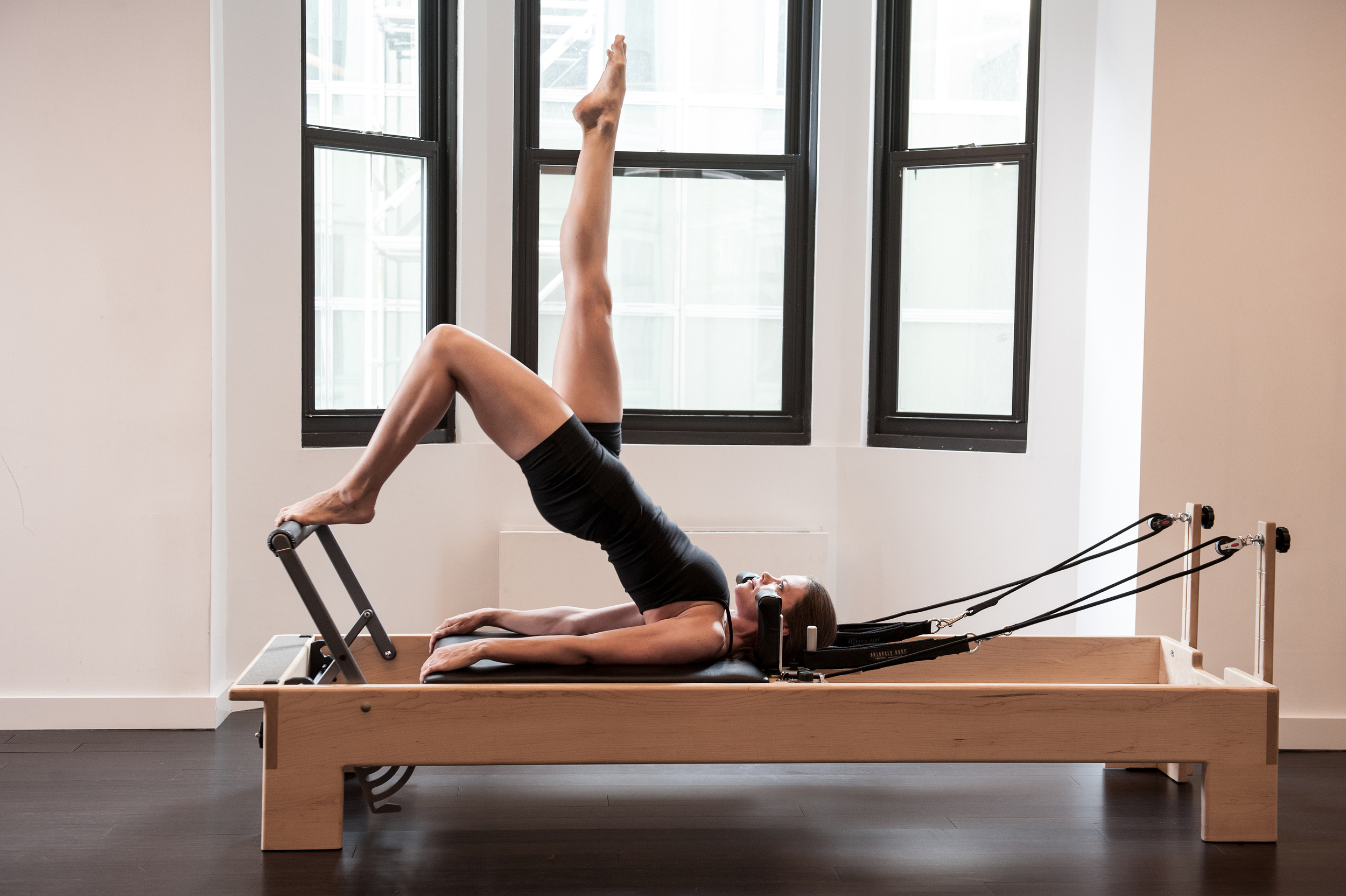
Erika Bloom's 5 studios are located in: the Upper East Side in New York City, two in the Hamptons: one in East Hampton and one in Watermill that just opened this Memorial Day, Greenwich, CT, and one at Amanyara Resort in Turks and Caicos. The aim is to open where our clients need them and to expand purposefully to keep the focus on highly trained staff in beautiful spaces.
Erika Bloom creates a toxin free, natural environment in all studios and their offerings
that adhere to the philosophy. Their bathrooms have hand soap and candles by Red Flower. In addition, they provide filtered water in glass Soma’s (sustainable, plant-based filters). The boutique at Erika Bloom sells a carefully curated selection of organic and natural beauty products including Tata Harper, Josh Rosenbrook, Bottega Organica, and more. While in studio, guests can purchase organic blends by Lulitonix and eco-friendly Pilates props.
Guests can purchase their internal eponymous label of organic cotton T's coupled with a perfect selection of luxury fitness clothing by brands like Alo Yoga, LNA, and Morrow.
The Erika Bloom Method offers private or duet sessions. In-studio sessions are done on the full Pilates apparatus including the reformer, cadillac, chair, and barrel. These machines provide resistance for challenge and assistance for perfect form so each session is maximized. The Erika Bloom Method combines lengthening and strengthening with specific biomechanically sound exercises that target the entire body with focus on the intrinsic musculature. It is perfectly designed to create long, lean, functional bodies. Within each session, highly trained instructors pinpoint imbalances to choose the most effective exercises and create programs specific to each person so that everyone can achieve healthy, long, lean, graceful bodies.
In addition to the signature Erika Bloom Method sessions, acupuncture, holistic health counseling, craniosacral therapy, structural integration, massage, yoga, and meditation are offered. Practitioners are trained to tailor programs for prenatal, postpartum, diastasis recti, scoliosis, osteoporosis, joint replacement protocols, back pain, sports injuries, and more.
Read more from the July Issue