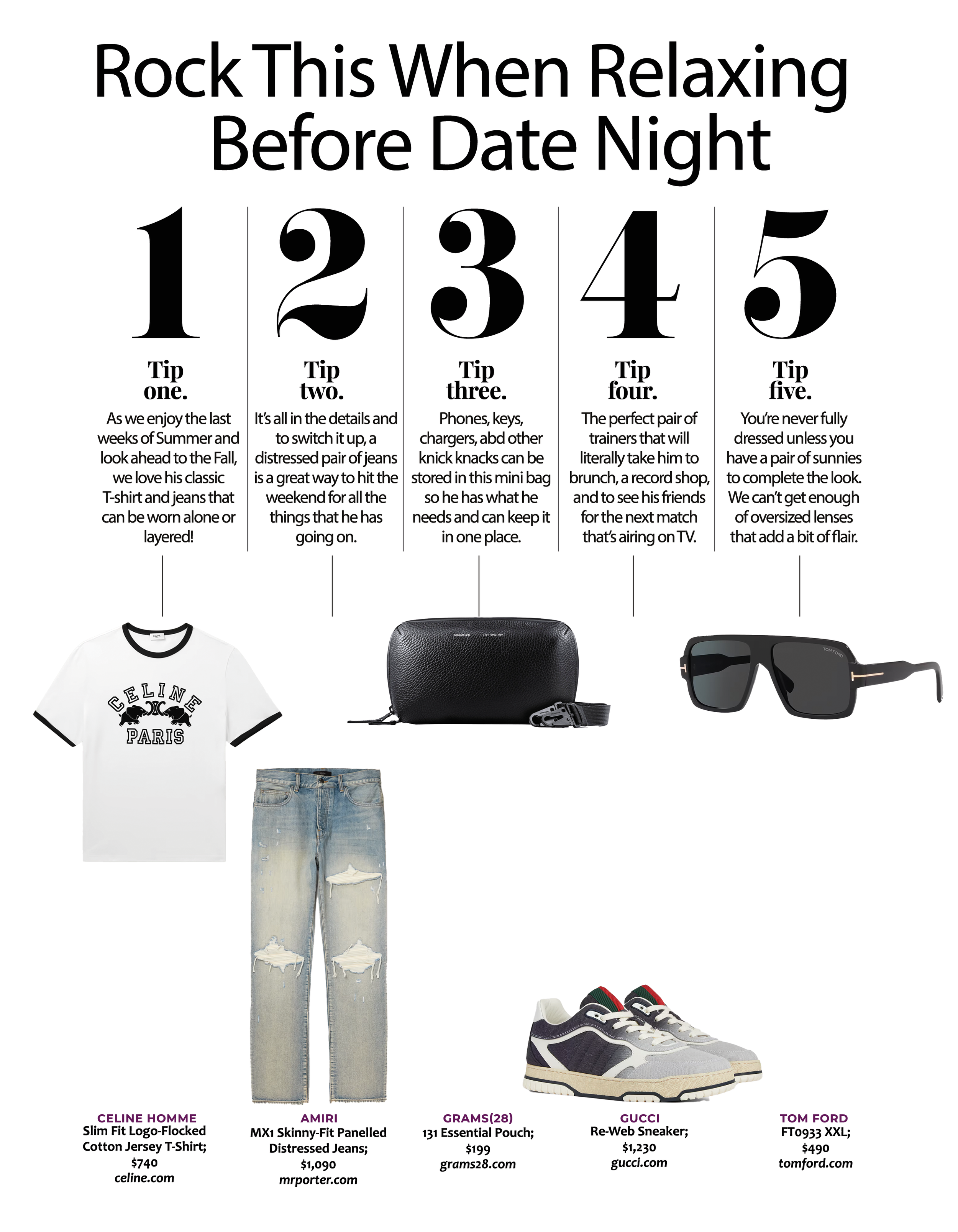
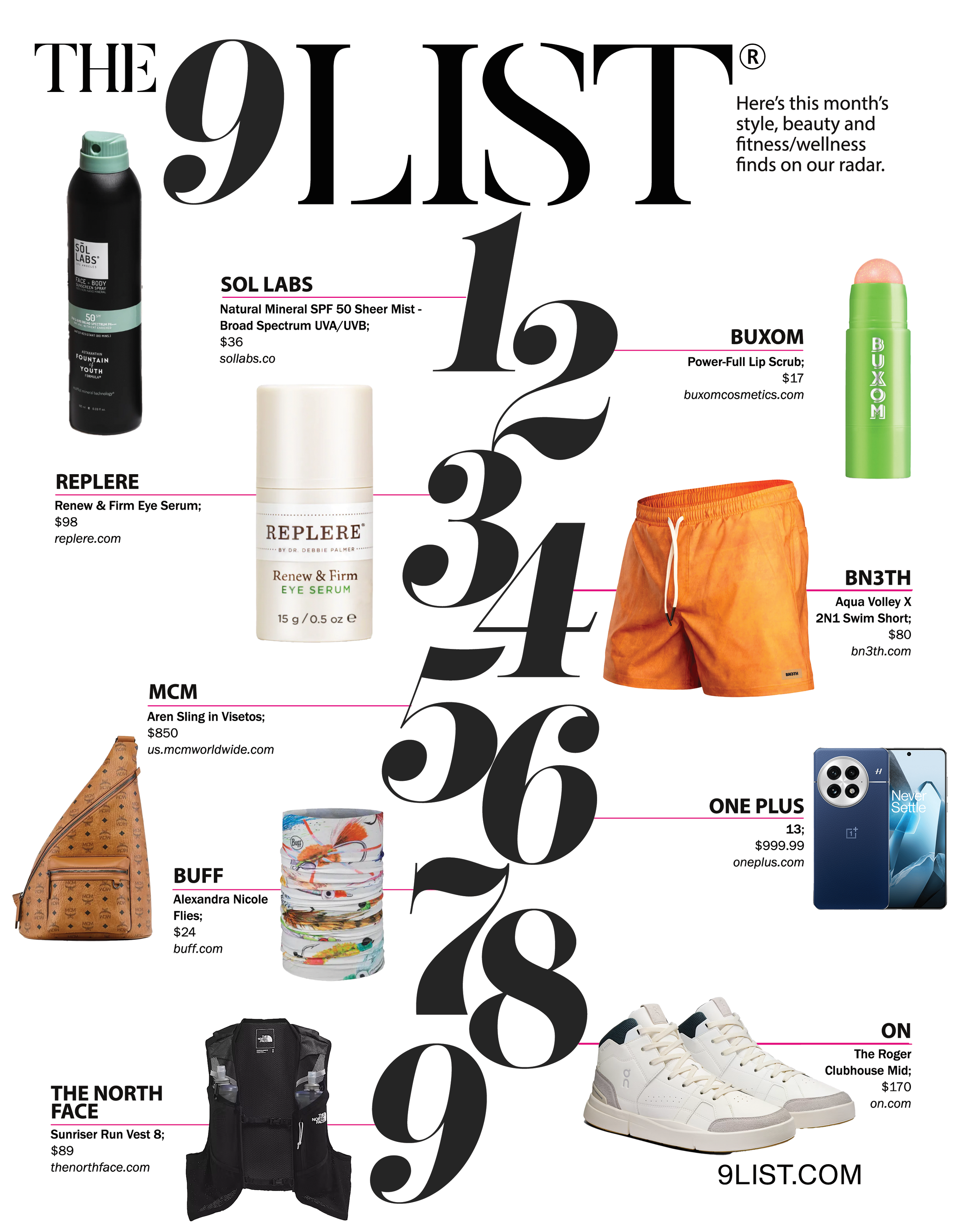
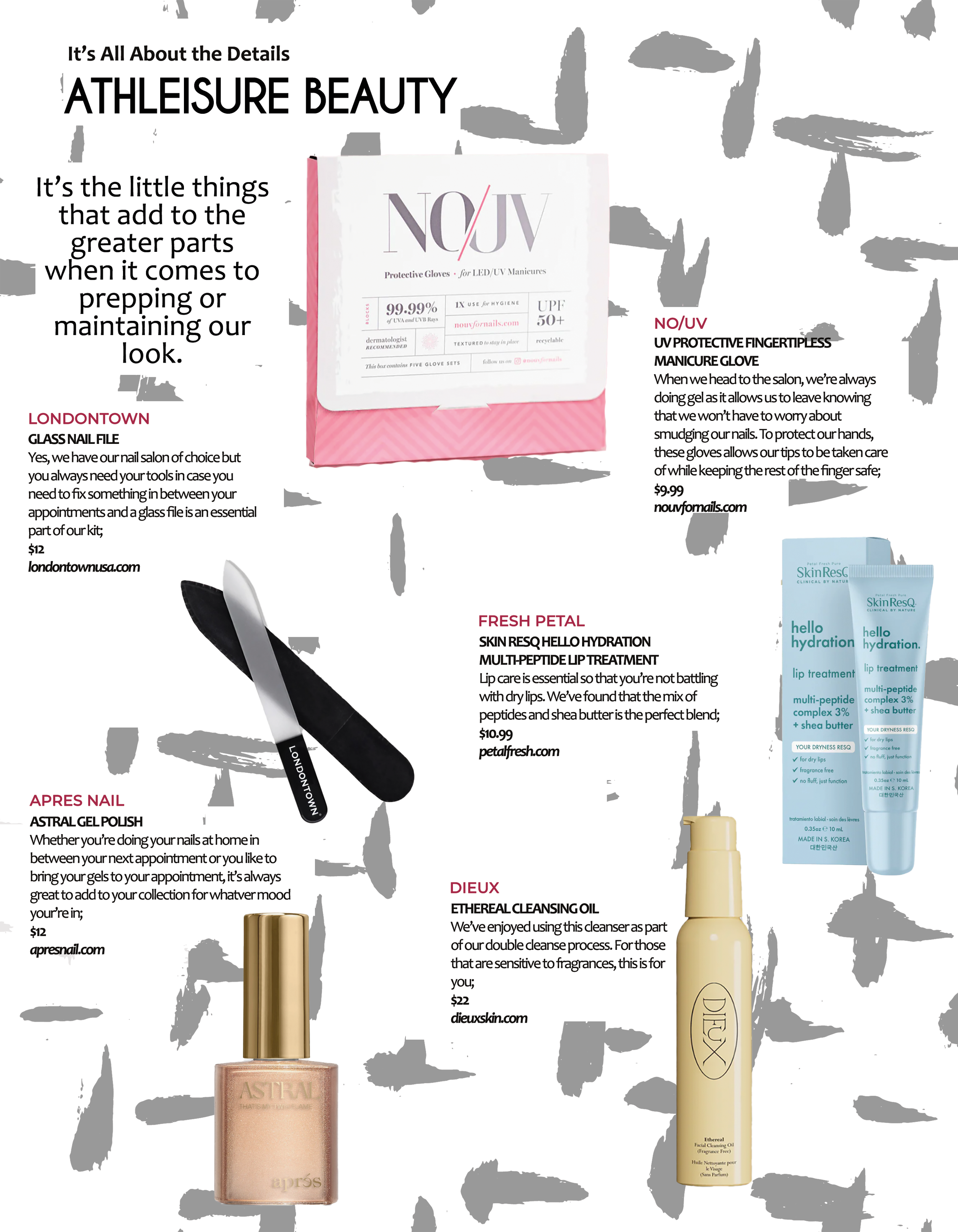
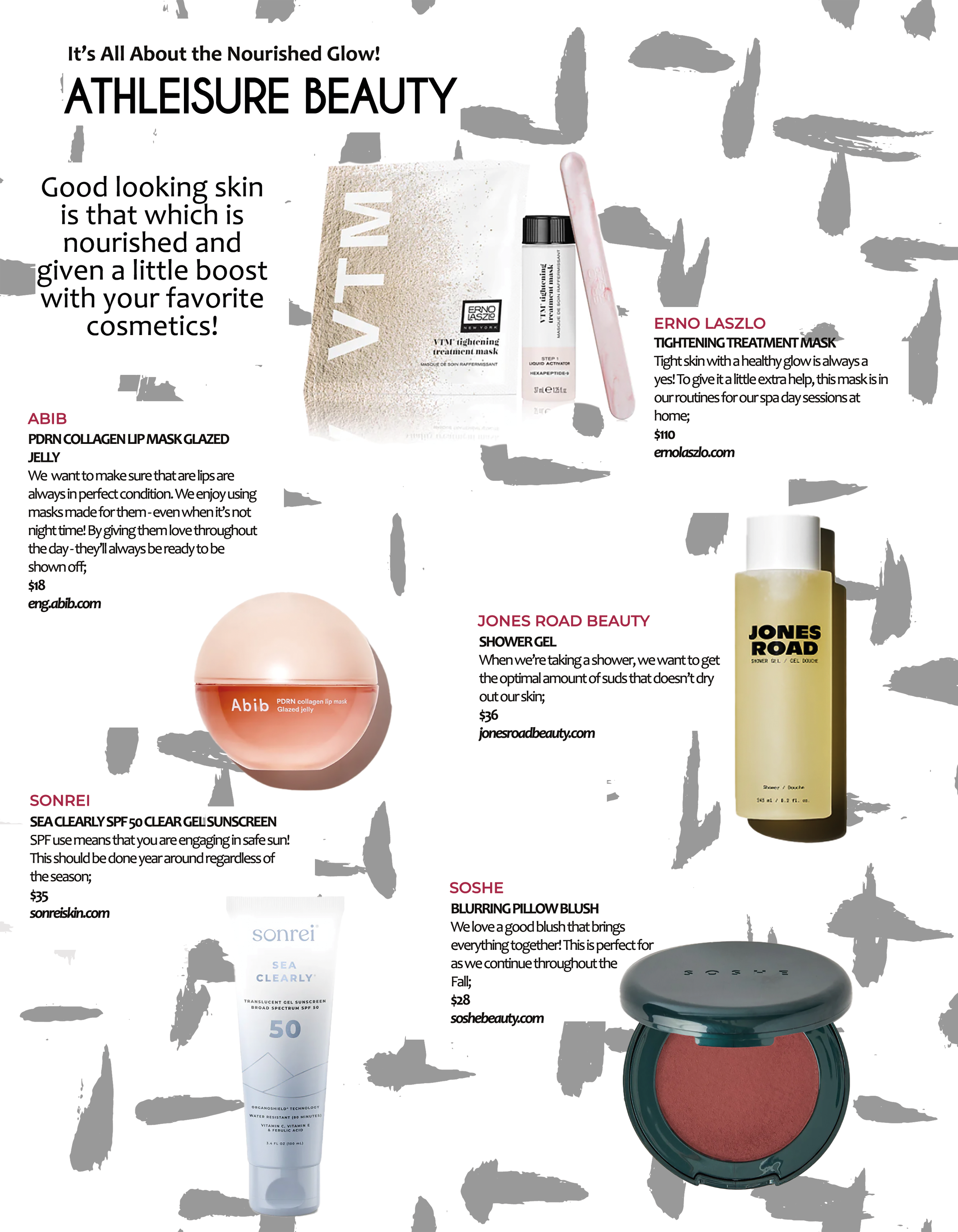
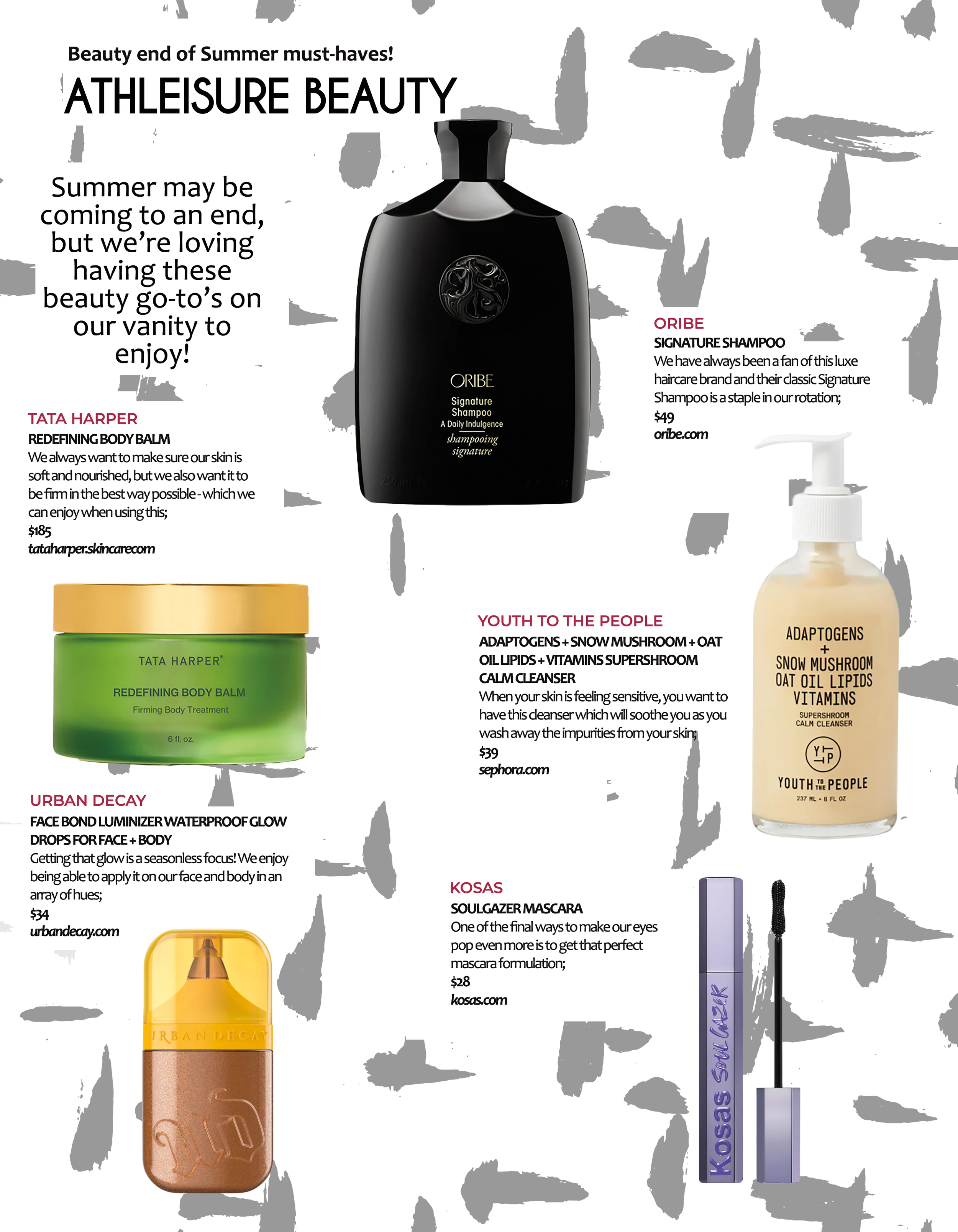
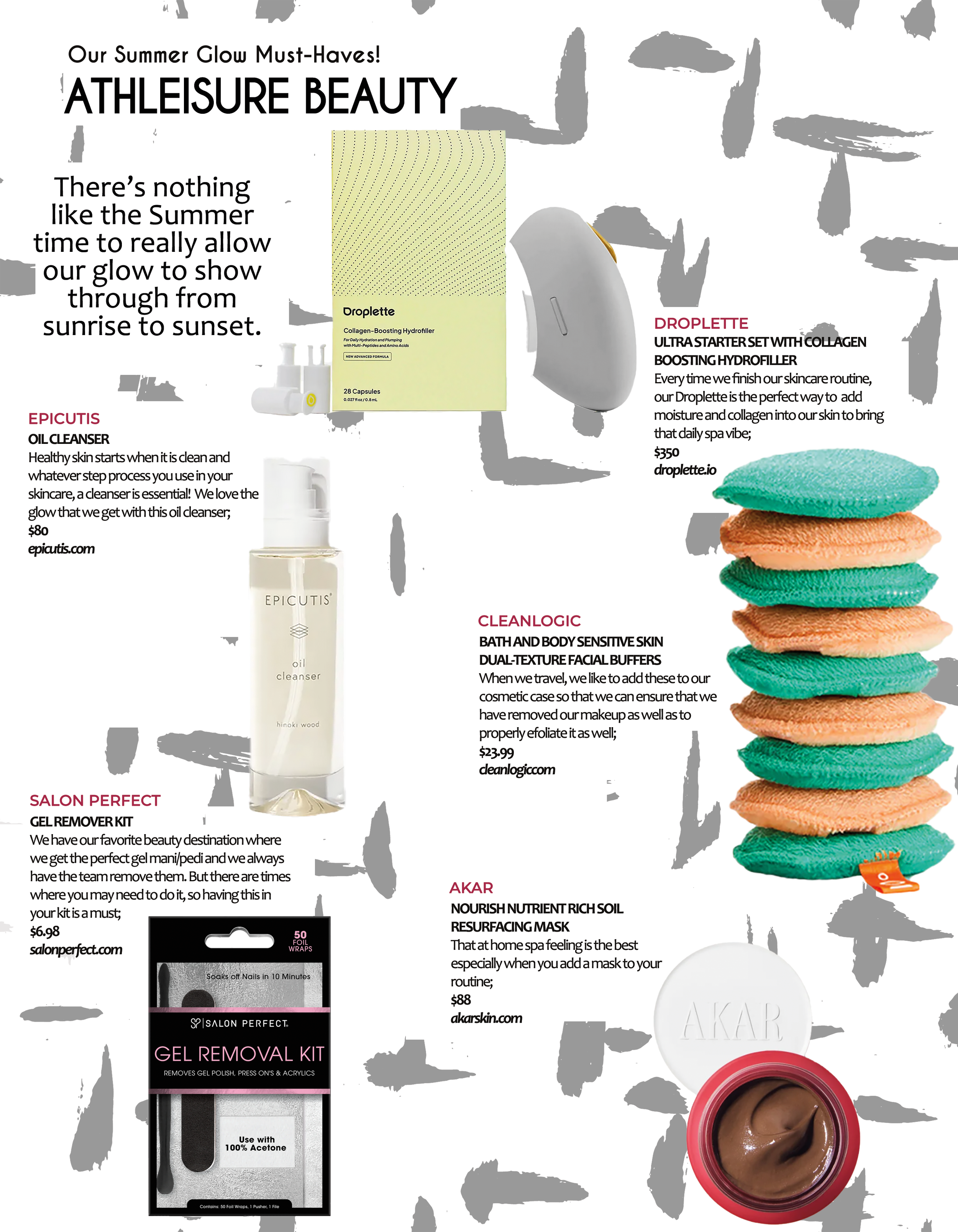
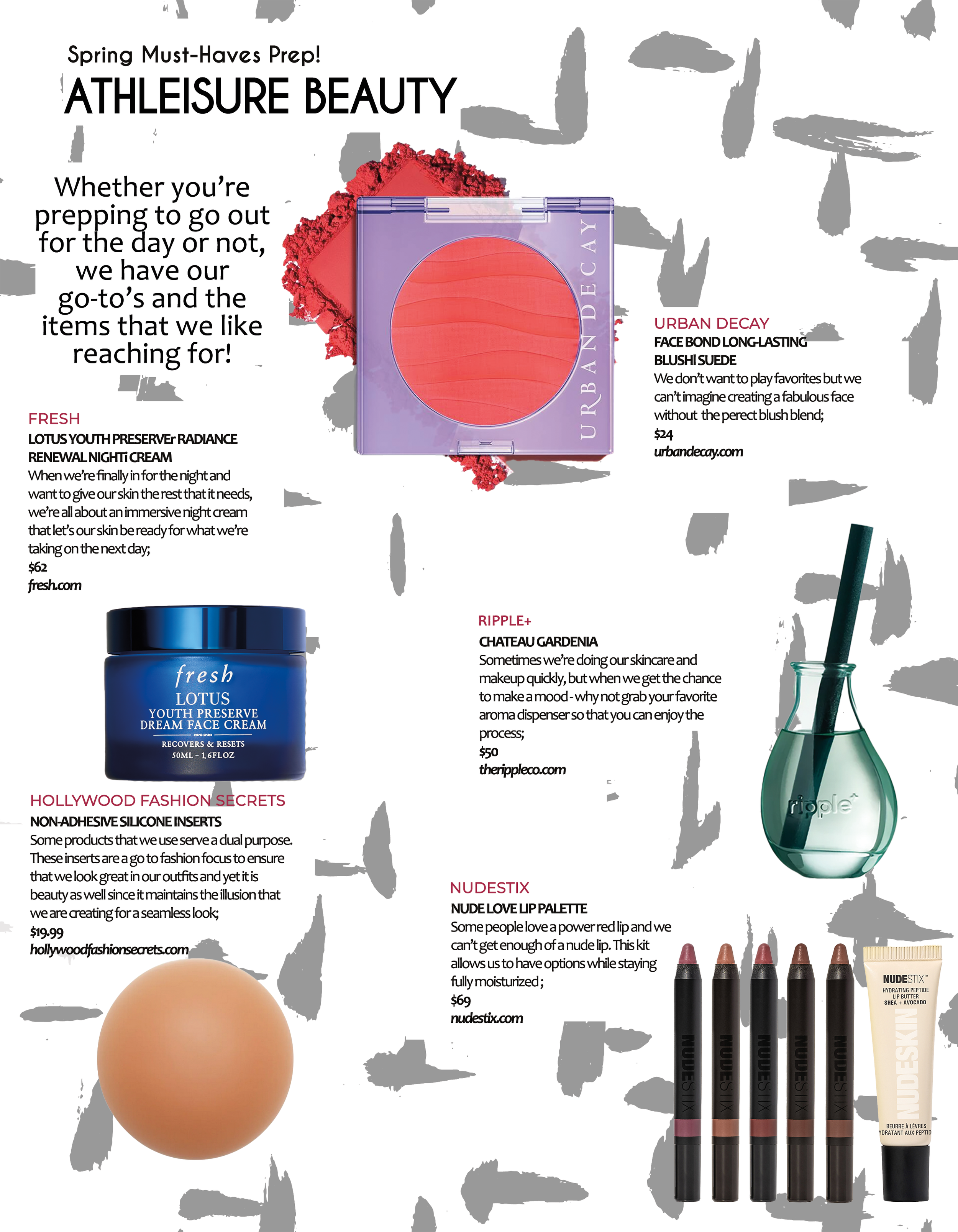
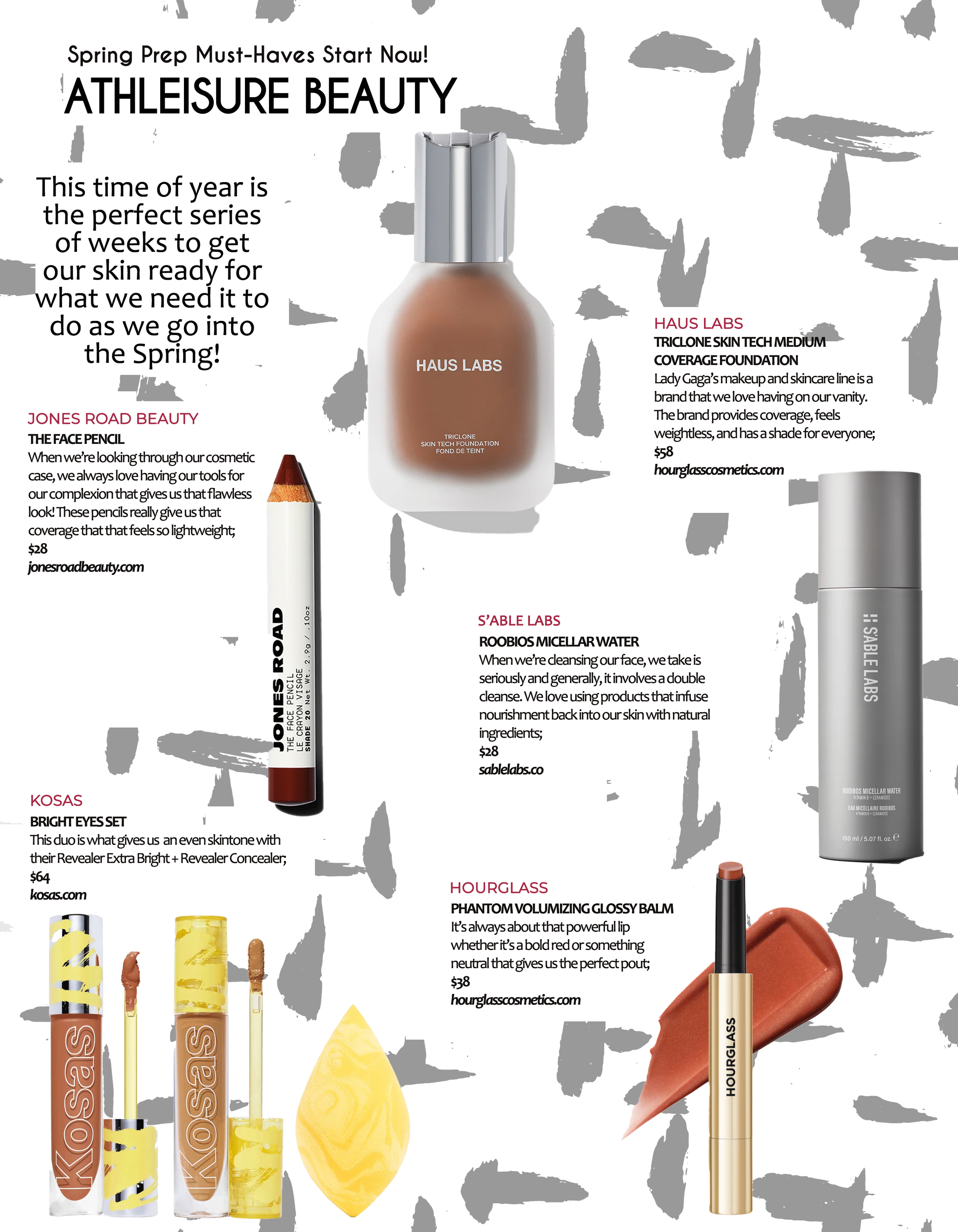
Read the March Issue of Athleisure Mag and see The Eight List in mag.
Featured The Eight List


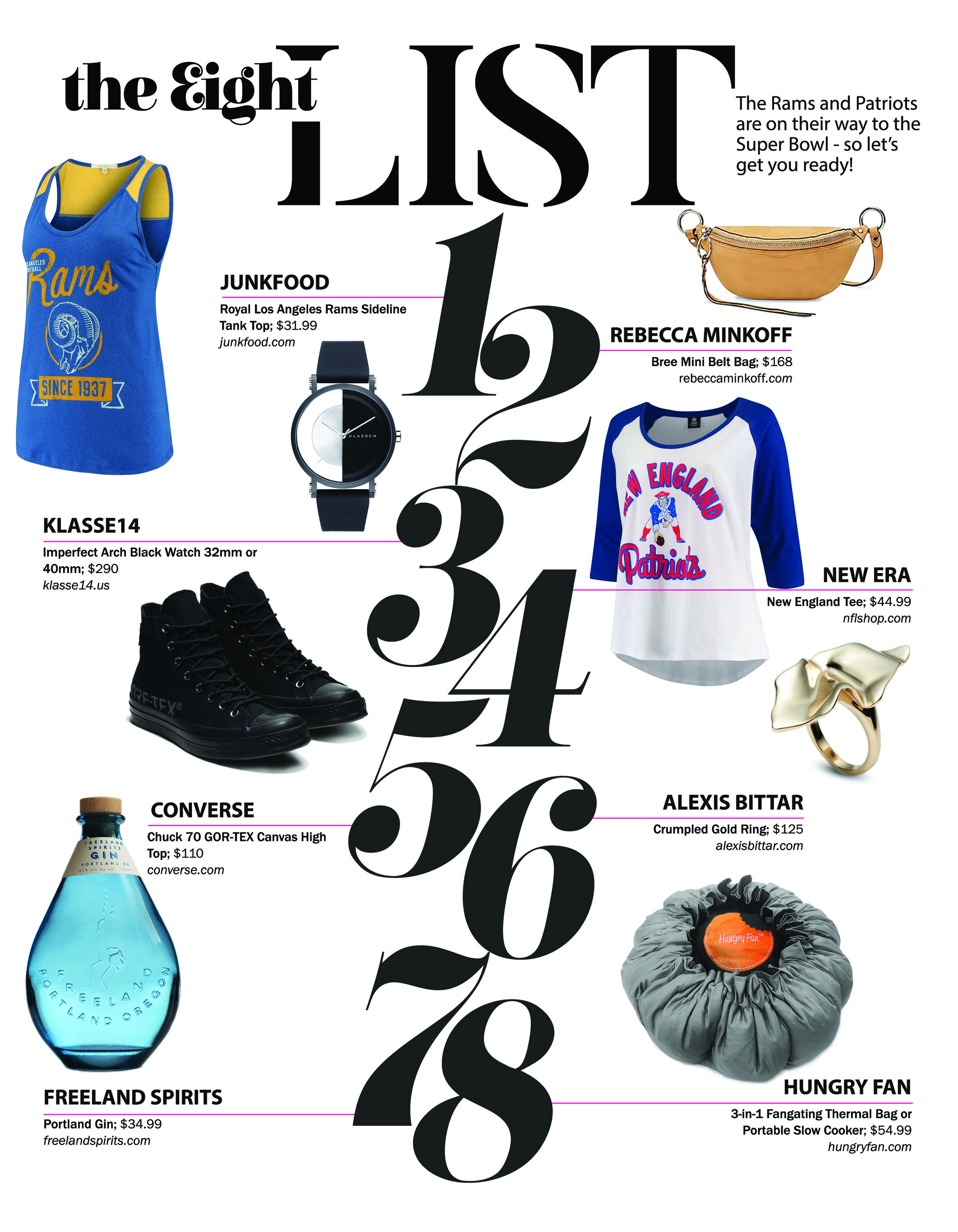



Read the March Issue of Athleisure Mag and see The Eight List in mag.

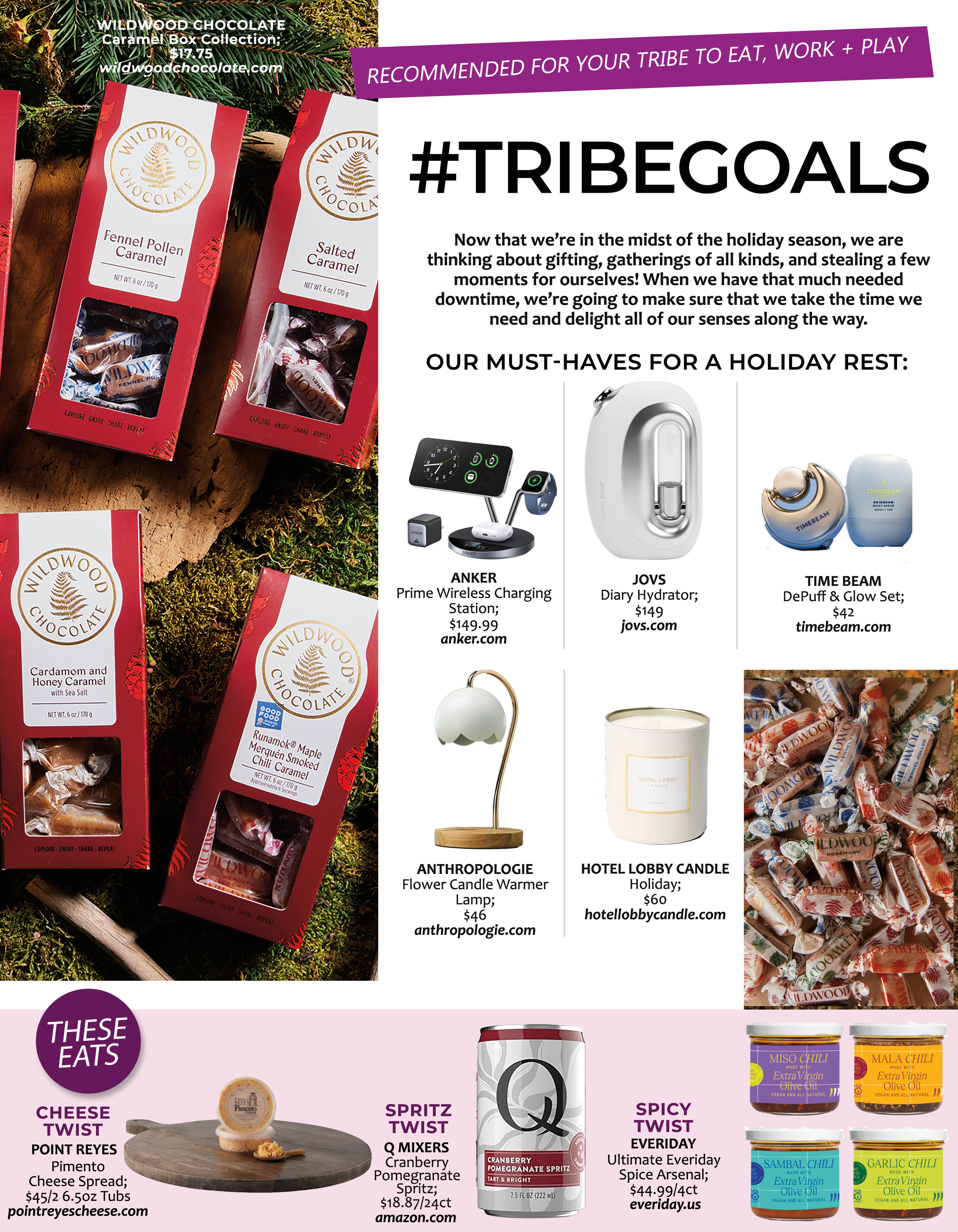
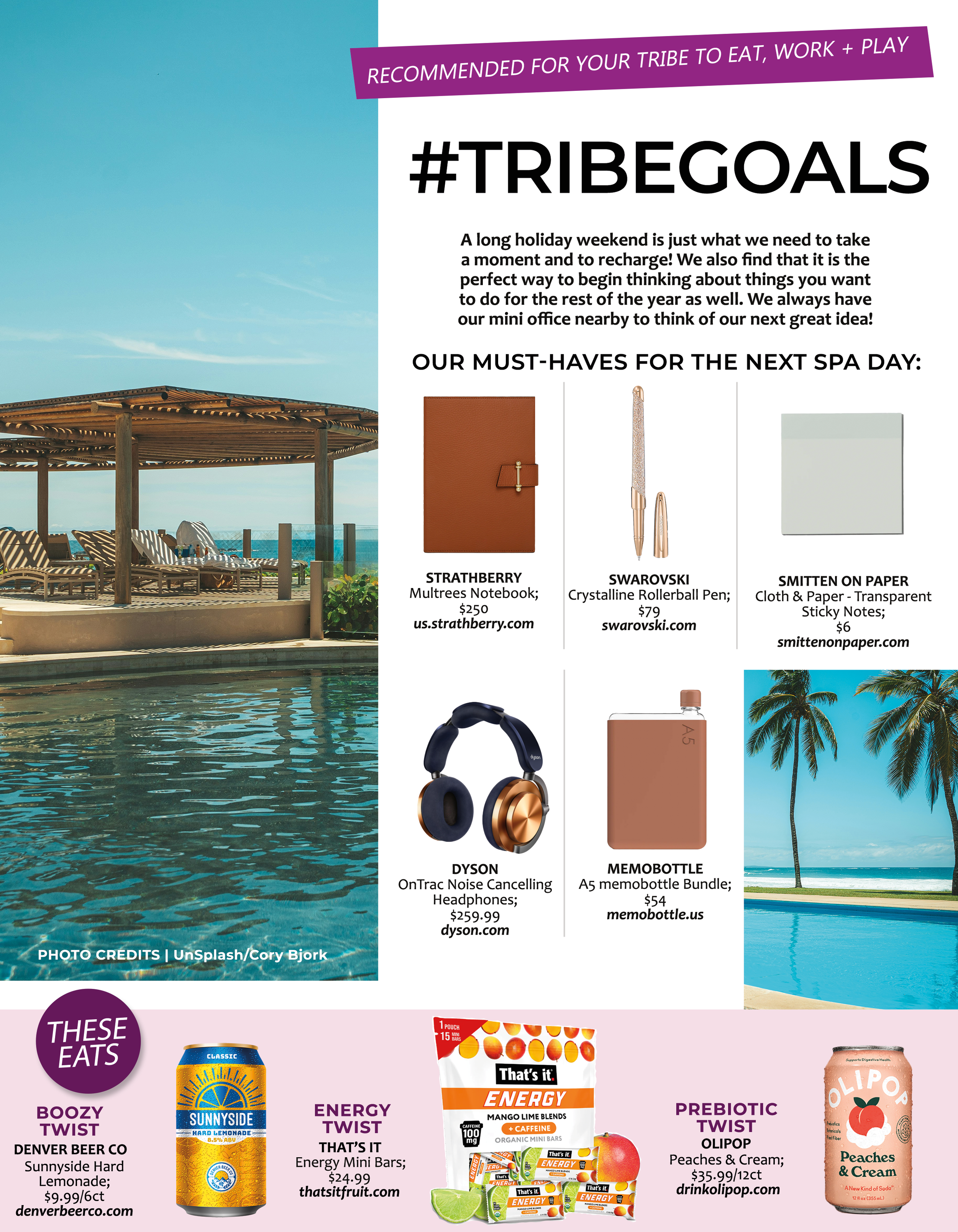
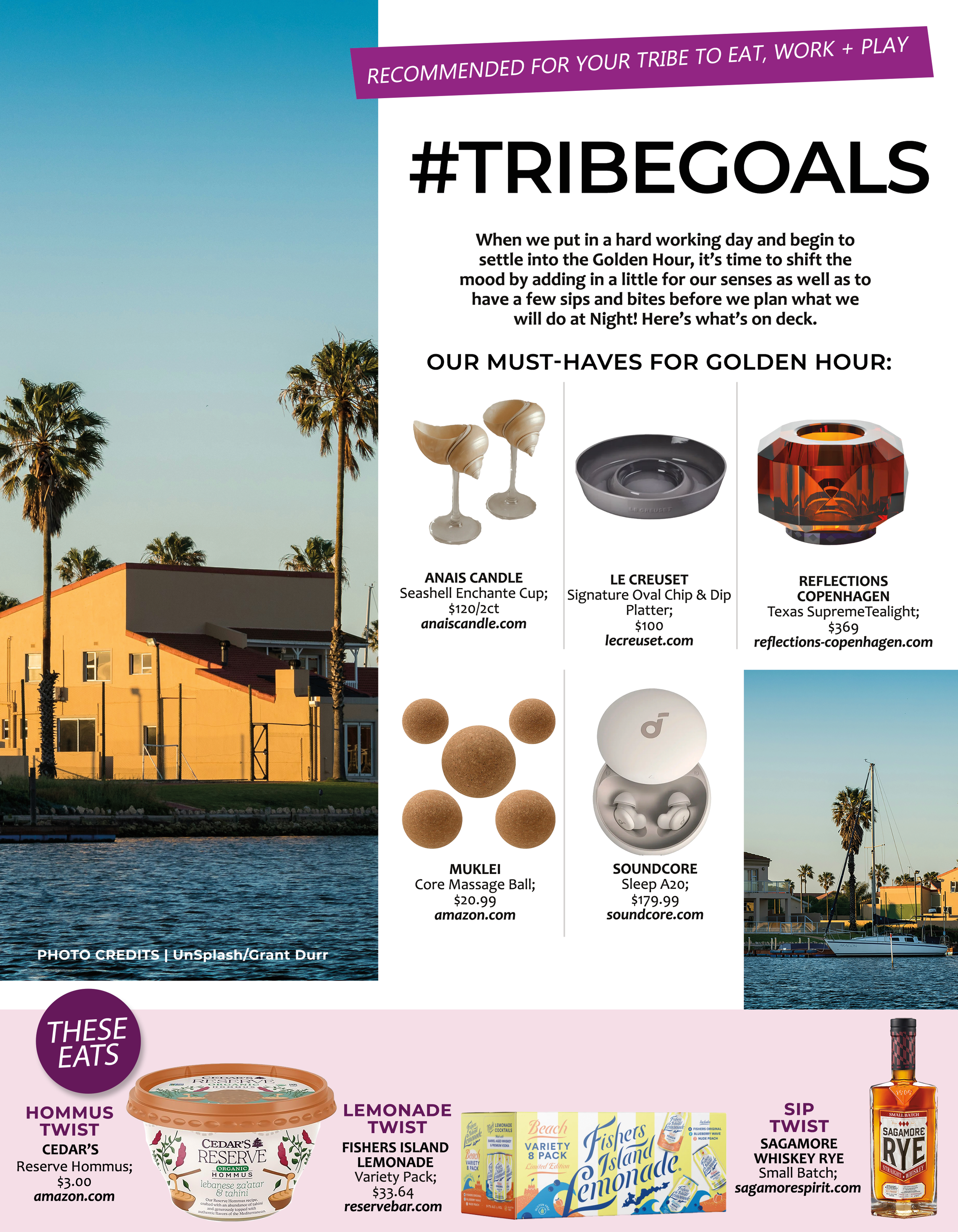
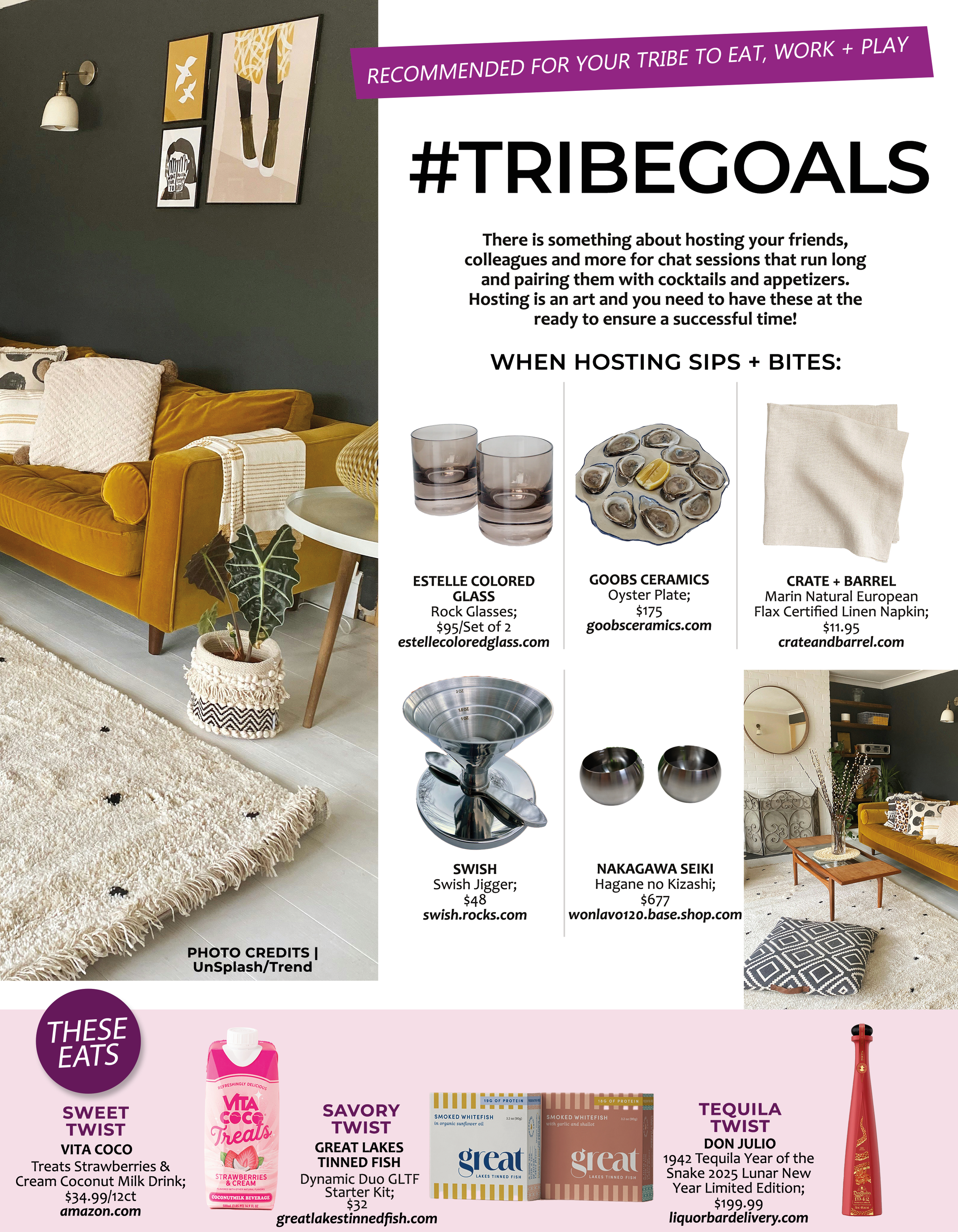
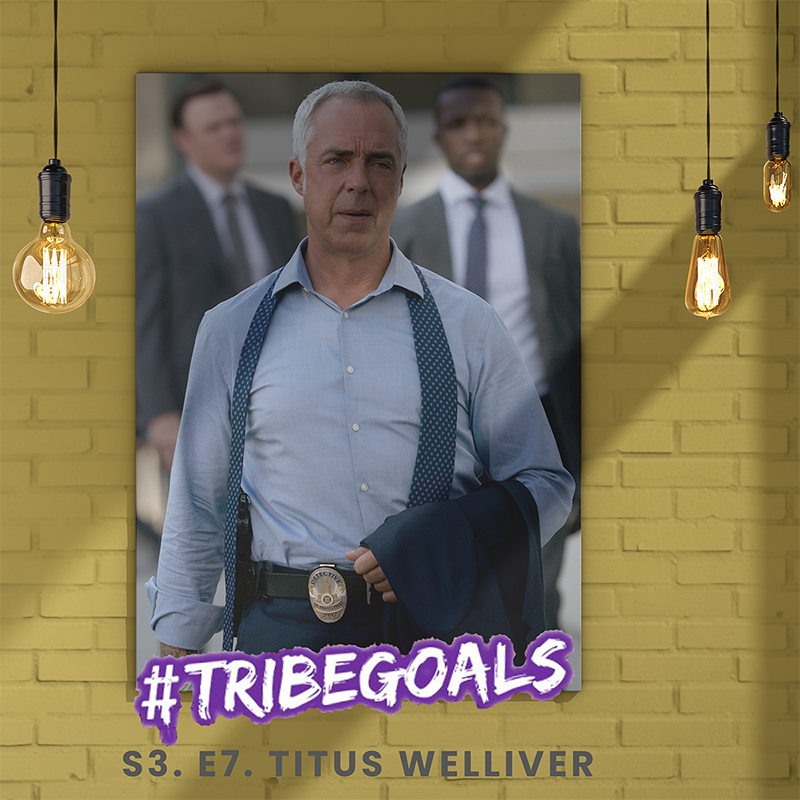
Read more from the March Issue of Athleisure Mag and see #TRIBEGOALS in mag.

THE THREAD
OZY
Spotify
When things happen in life, they are not only isolated events - even when you think that they are disconnected. In this podcast by the OZY team, they explore an event that takes place and showcases the connections throughout history (even when they are decades apart) to make them happen. If you have to check this out, you can go back to Season 1 in order to see how John Lennon, JD Salinger, Eugene O'Neill and Lenin are all connected to historic events that led to their iconic moments.
As you binge the seasons, you'll hear more threads that will give you pause about cause and effect and the power of influence and how intersectionality really is a motif that takes place in our history.

THE BURGER SHOW
First We Feast
Youtube
Earlier this month, we attended the launch of Season 3 of The Burger Show, sponsored by no-contract wireless service provider, SIMPLE Mobile. This season launched on March 5th on First We Feast’s YouTube channel with 6 episodes, highlighting the history of burgers through the celebration of innovation within the industry.
To kick off its season, Chef Alvin Cailin of EggSlut and NYC's The Usual located at the Nolitan Hotel - unveiled his latest cheeseburger "The Transformer" (a mixture of a Oklahoma fried onion burger and a Tennessee deep-fried patty, blanketed by Connecticut-style crispy cheese) to foodies while enjoying the premier episode with Tony Hawk which was projected on a massive screen outside of the restaurant across the street. Chef Cailin loves that he can translate his love for burgers into this series. Unlike the first two seasons, viewers will enjoy seeing burger culture across the US, whether Chef Cailin is remaking iconic burgers from Shake Shack or In-N-Out or he is making creations with a number of his celeb friends and tastemakers. It's worth noting that fans won't have to wait too long for Season 4 as this will debut later on this year with new burgers to explore and to create!

#TRIBEGOALS
Athleisure Studio
Apple Podcast
We’re all about tribes. We join those that speak to us and align with our vibe. In #TribeGoals, we sit down with key changemakers as they share some of their inspirations, thinking and flow with creating, building and joining their communities.
#TribeGoals features guests who share stories and memorable moments with Industry and lifestyle leadership from wellness, fitness, and style to sports, entertainment and entrepreneurship. Hear about how our featured guests #TribeGoals and what fuels those tribes, passions and members.
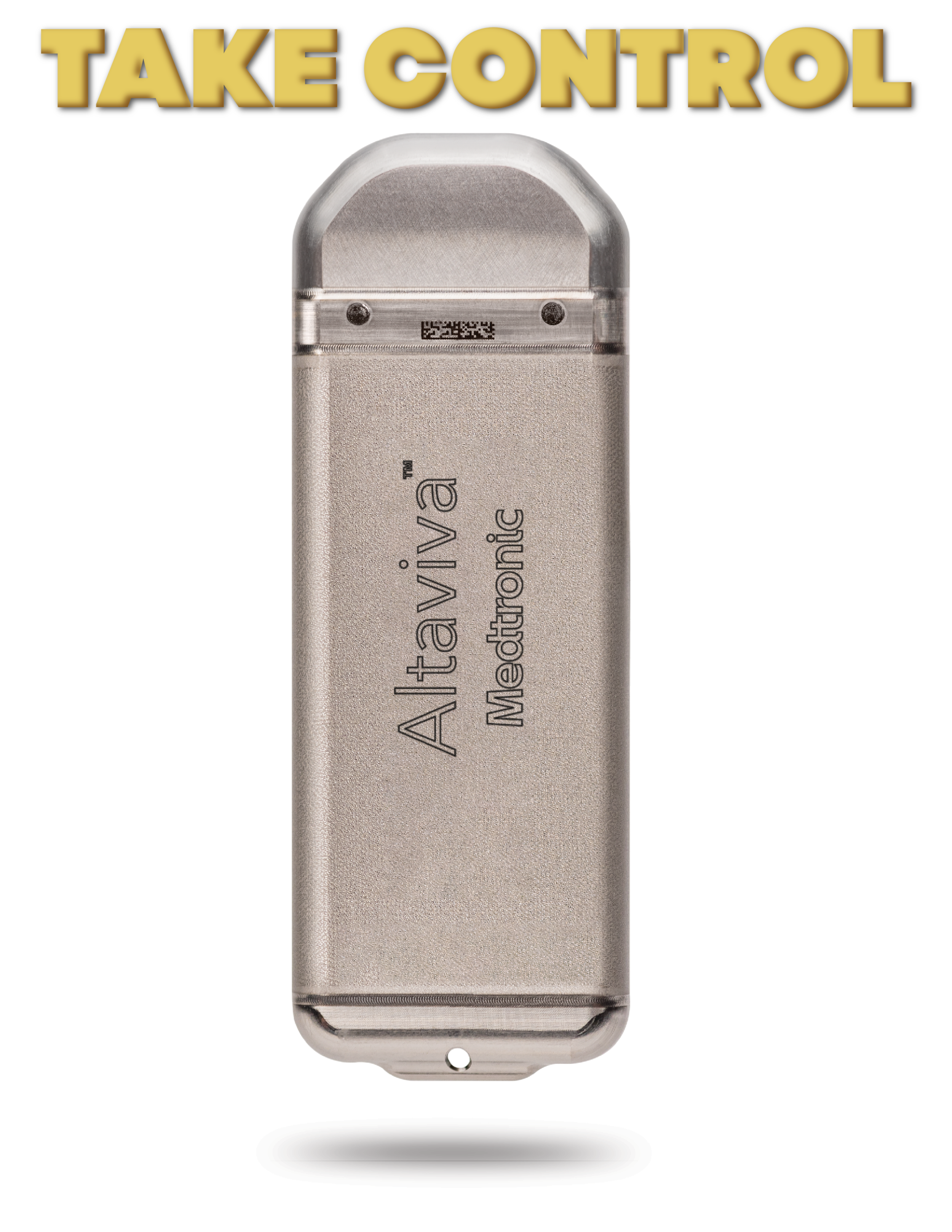
Read the March Issue of Athleisure Mag and see Bingely Streaming in mag.
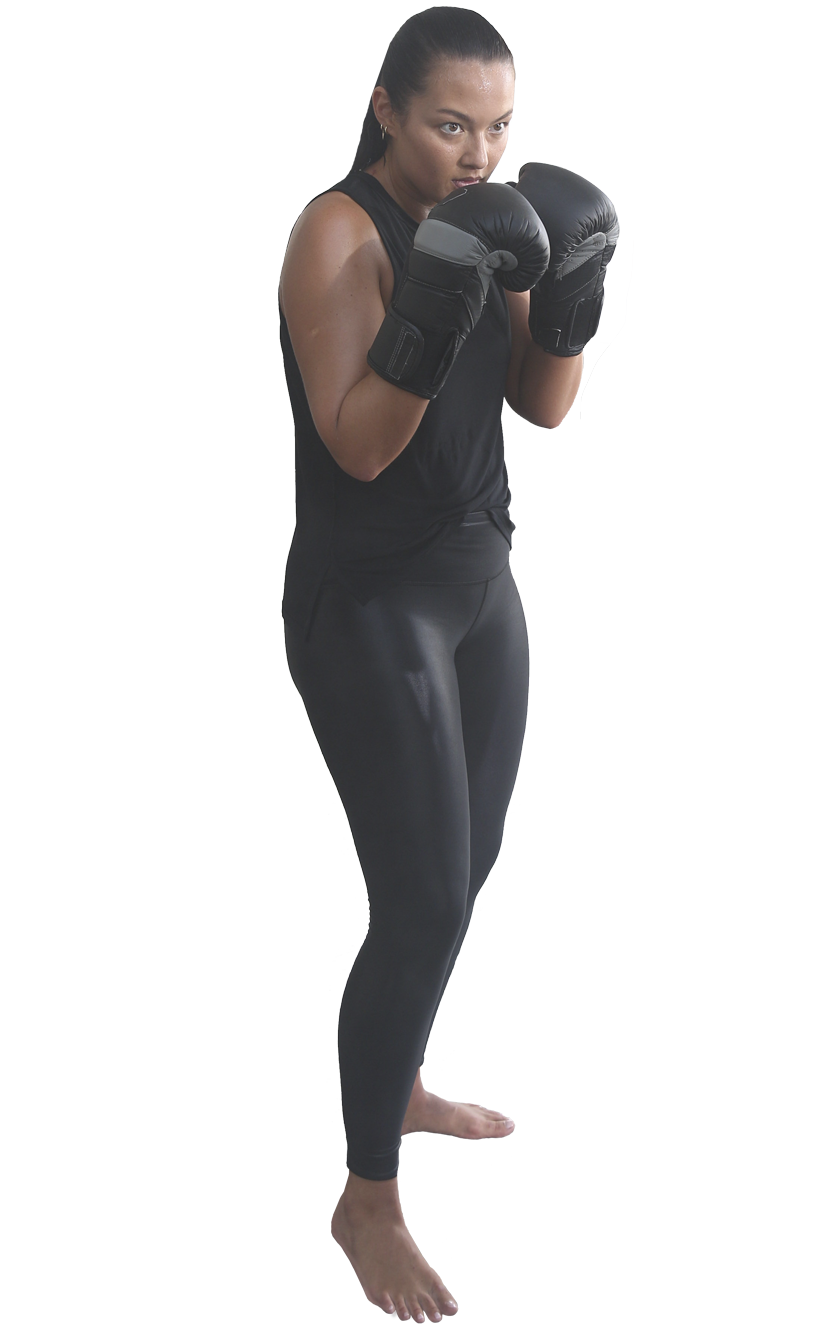
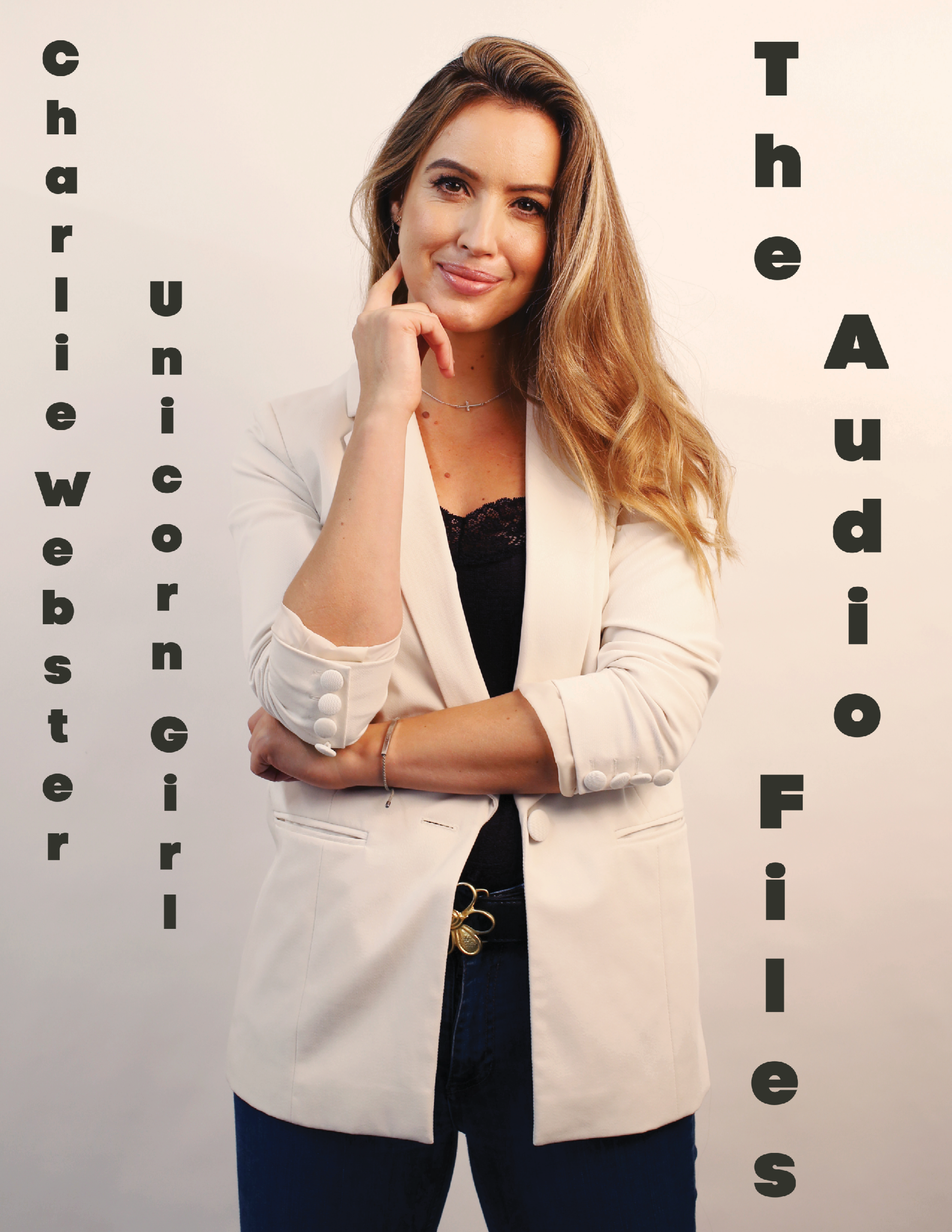
A few weeks back, we had the chance to hang out with model, body activist and Muay Thai fighter, Mia Kang. In addition, our Co-Founder/Creative + Style Director, Kimmie had the chance to take a class with her, spar a bit and more courtesy of Built with Chocolate Milk Campaign. It’s worth noting that a number of athletes enjoy a glass of chocolate milk after working out or playing a game as it has a lot of protein and nutrients that fuel your body. We have to say that after taking the class with her at Church Street Boxing Gym (a place that she goes to frequently), we will definitely add this to our routine. After the class and a great panel of amazing women who are changemakers in their industries, we took a few moments to chat it up with Mia as we always know that she’s on the go, creating change and looking fabulous doing it!
ATHLEISURE MAG: It was so fun being able to work out with you and to get great tips. As someone who has been in the industry as a model, we are intrigued by how you identify 3 body types can you share this with our readers?
MIA KANG: In the fashion world, there is a Sample Size. All fashion models, and I have known this since I modeled at 13 years old - there is a strict measurement list where you must fit into sample sizes. These are the sizes that designers make clothes in and you have to fit into them and there is no wiggle room That’s roughly between a size 0 and a size 4. Then came the breakthrough of Plus Size and that technically within the fashion industry is a size 14 and above. And that in itself is an entire industry - there are certain agencies as well as designers that specify in that size range and models that support that. There was no representation for anything in between! When I got healthy and I moved out of Sample Size range and I was in the middle, between these two - I kept getting calls by designers, casting directors and companies that I was too big or too small. That really started to bother me because I couldn’t understand why that middle range which is what most women identify with was totally underrepresented by in the industry. It’s the idea of being too something - none of us are too anything and if we’re supporting diversity, why are we representing the two extremes? What we should be focusing on is health.
I am someone who has been a size 14 and a size 0 and I wasn’t healthy or happy either way. Finally, now that I am healthy and I am happy, how can I be too anything? It was too counter-intuitive for me. I kind of decided to make space for myself and I deemed that middle/in-between size as Street Size.
AM: Being in a healthy space and you recently walked Christian Siriano’s show during NYFW FW19 - how was that for you and what does it mean to have designers that embrace across the spectrum?
MK: Walking for Christian Siriano was amazing for me. That was something that I said to myself that I wanted to do. Christian is so authentically and genuinely - not only representative of diversity but also understanding and appreciating the female form. A year ago, I was told that I was never going to be able to walk NYFW - I either needed to be bigger or I needed to be smaller and the fact that I walked his show and managed to make space for myself in the industry, I think is hopefully the beginning of true diversity.
AM: So you’re a Muay Thai fighter as apart of your fitness - will you be doing fights where you are looking to go after titles?
MK: I want to fight more. I can’t wait to get back into the ring It is something that is very special to me. It’s not something that I do as my career. It is something that brought me back to my health. It’s a really precious part of me and I don’t ever want to ruin that. I never want to turn it into a business or something that I have to do. I want to keep it as part of myself and my soul - do you know what I mean? So, first and foremost, I want to protect that so whatever happens - happens. I don’t know - I wake up everyday and make it up as I go along and see what happens.
AM: You have beautiful skin. What are your 3 favorite beauty products? I know you were talking about masks earlier as I love a good one as I’m all about J-Beauty and K-Beauty!
MK: My 3 favorite beauty products oh my God! I’m a really simple person and not into elaborate beauty so I am going to go with Dr Jart Face Masks - all the way! I’m going to go with Caudalie Beauty Elixir - I’m all about a face mist! Basically, hydration is my thing so I like to stay hydrated all the time. I’m also all about lips and I need to have them moisturized at all times and I just found, the greatest product of all time - Dr. Lipp Nipple Cream. You put a little bit on your lips and you’re shit is glistening and you feel amazing. It’s bouncy and looks great. It sounds crazy but I put it there, on my cuticles and under my eyes - I swear by it!
Read the latest issue of Athleisure Mag.

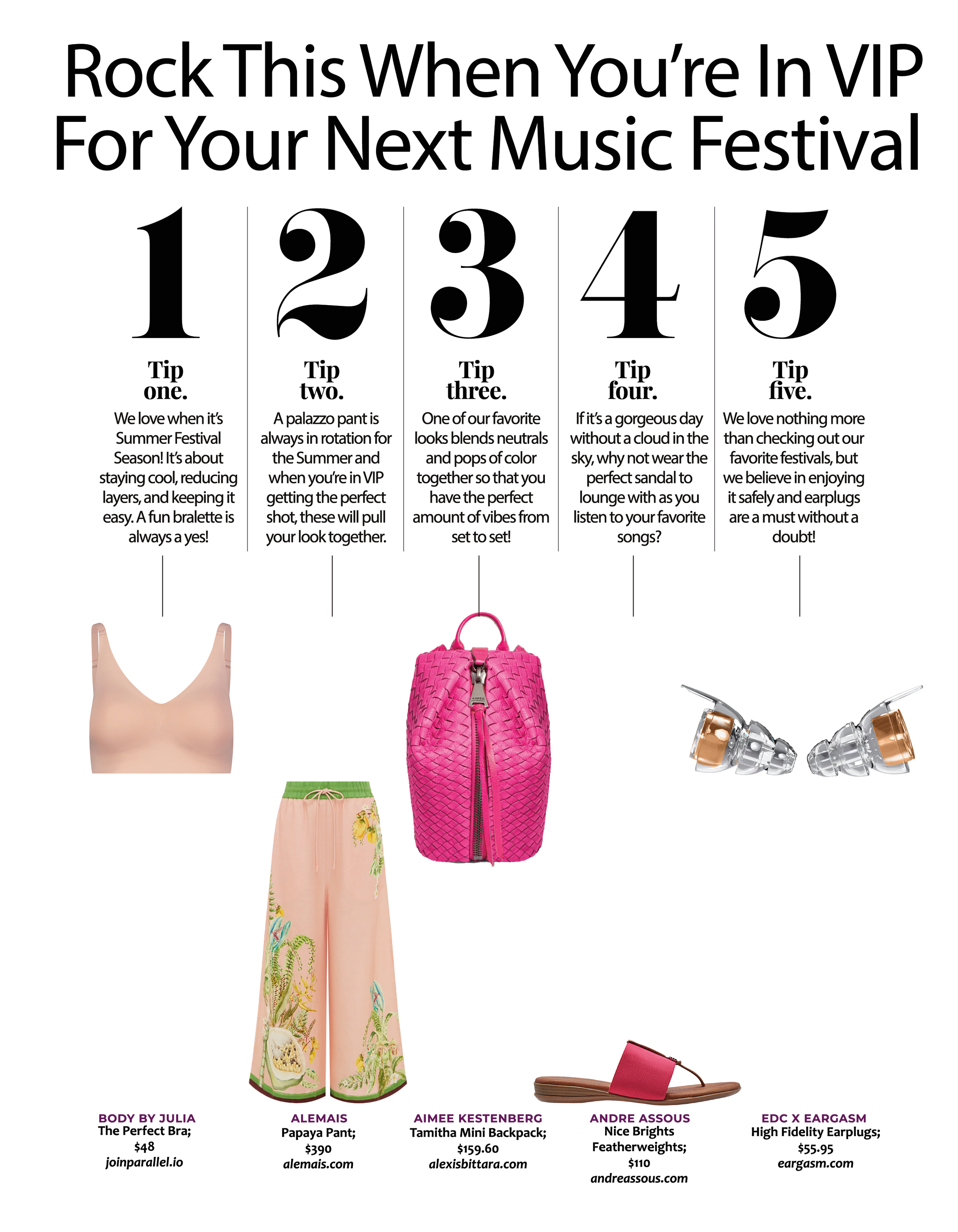
Read the March Issue of Athleisure Mag and see Style Files in mag.

Read the March Issue of Athleisure Mag and see Change Up Your Look for Your Next Studio Session in mag.


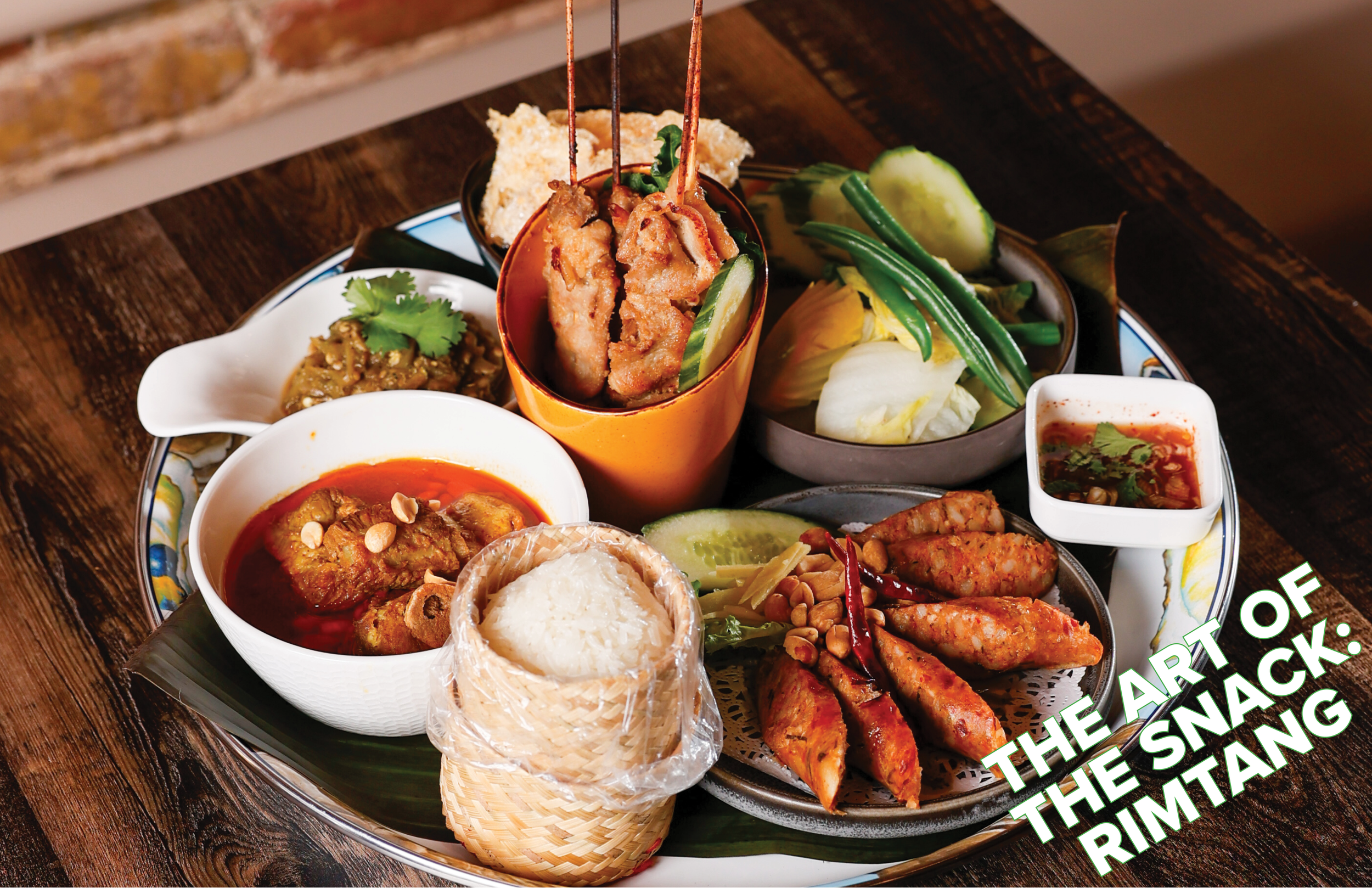
This month Athleisure Mag is covered by Wilhelmina models’ Mietta (Front Cover) and Theresa (Back Cover). This issue also includes interviews with Celebrity Fitness Trainer to Ne-Yo and Kevin Hart – Ron Boss, model and swimwear designer Monica Hansen of Monica Hansen Beachwear, Adam Carolla with car trends and Chef Navarro of TREVI in Las Vegas in this month’s The Art of the Snack.
As always, we have a number of our features and roundups that we include in each issue and on some articles, you will see links to our multimedia podcast network, Athleisure Studio (#TRIBEGOALS, Athleisure Kitchen, The Road to Tokyo 2020 and Bungalow SK) and is on Spotify, Apple Podcast, Google Podcast and additional platforms.
Read more from the March Issue of Athleisure Mag.

PHOTO COURTESY | Roberto Nickson
Have you been looking for a way to deal with your stress?
Here's a secret that many are not aware of – simply having a pet around can significantly reduce your stress levels!
This is something that has been proven by science countless times, and the fact that owning a pet brings with it so many other advantages too is just another bonus.
The idea that pets can help with stress is hard for some to believe, but there are now more studies than ever that prove this.
When you are stressed, your body releases certain hormones, such as cortisol. These hormones put your body into “fight or flight” mode, which is something that used to help our ancestors deal with stressful situations (since these were usually life or death matters!).
In small amounts, there is absolutely nothing wrong with cortisol. In fact, it can even have its benefits.
However, today's modern day lifestyle means that cortisol levels often remain elevated in a person's body for an extended period of time. This chronic stress causes a number of different health problems, from high blood pressure and muscle weakness to mood swings, depression and anxiety.
Simply having contact with a pet, or even just watching your pet, has the effect of lowering the amount of stress hormones in your body.
Not only that, but this contact can also lower the heart rate and blood pressure while calming feelings of fear and anxiety.
Helping to lower your stress levels in times of stress are just one of the ways in which pets can help...
Having a pet around also helps to prevent stress from occurring in the first place!
How?
Well, to begin with, owning a pet means that your blood pressure, heart rate, anxiety levels, and everything else are kept more steady and consistent. This makes you so much better equipped to deal with stressful situations in a calmer and more rational way.
Pets also help to combat feelings of loneliness, which is something that exacerbates stress. Not only do they provide so much unconditional love and companionship, but they also encourage socialization with other pet owners.
Certain pets, such as dogs, also require plenty of exercise and outdoor time. This has been proven to make a huge difference when it comes to keeping stress at bay (learn more here).
When pets are mentioned, most people immediately think of a dog or a cat.
There is no denying that those animals can really make a huge difference when dealing with stress, and bring with them a number of other benefits too.
However, a dog or a cat isn't for everyone...
If you aren't at home much, or have physical limitations, you may be better off with a pet that is easier to care for, such as a bird or a fish. These animals can provide the same stress-busting benefits as a dog or a cat, so keep an open mind when choosing a pet.
Stress can really take its toll on a person's overall health, which is why it is so important to minimize your stress as much as possible. Having a pet around is one of the easiest ways to do this, and will also make your life so much more enjoyable in general too!
Read more from the latest issue of Athleisure Mag.

PHOTO CREDIT | UnSplash
One out of every 12 adults in the United States suffers from alcohol dependence, making alcohol the most regularly used addictive substance in America, the National Council on Alcoholism and Drug Dependence (NCADD) reports. Drinking large amounts of alcohol regularly can cause the brain to get used to the way that alcohol interferes with neurotransmitter transmission, movement, and absorption. If you’re a heavy drinker, abruptly quitting alcohol without the help of medical professionals — known as going “cold turkey” — can be painful and dangerous. Carrie Carlton, Clinical Director (LCSW) of Beachway Therapy Center in Boynton Beach, Florida gives the lowdown on what you should know if you’re considering detoxing from alcohol on your own and why you might want to consider an in-patient medical detox.
According to Carrie Carlton LCSW, “When someone who has become "alcohol dependent" decides to stop drinking, he/she will experience some level of physical discomfort. For this reason, it is extremely difficult for a person to merely stop drinking "on their own" without assistance and support.”
What are the Dangers and Symptoms When Someone Stops Cold Turkey
Common symptoms include:
Depression
Anxiety
Headache
Fatigue
Nausea and vomiting
Nightmares
Shakiness
Fever
Irritability
Delirium Tremens
Getting the Shakes
For those who are less chemically dependent, withdrawal symptoms might be as "mild" as merely getting the shakes, or the sweats—or perhaps nausea, headache, anxiety, a rapid heartbeat, and increased blood pressure. Although these symptoms are uncomfortable and irritating, they are not necessarily dangerous. But they are often accompanied by "craving" more alcohol, making the decision to continue abstinence much more difficult to make. Even the "morning after" hangover of someone who only occasionally drinks to excess is actually a mild form of alcohol withdrawal from the excesses of the night before, as the alcohol content of their blood begins to drop. The symptoms can appear within a few hours after not drinking.
The Full-Blown DTs
Within six to 48 hours after not drinking, hallucinations may develop. These usually are visual hallucinations but they can also involve sounds and smells. They can last for a few hours up to weeks at a time. Also, within this time frame after quitting, convulsions or seizures can occur, which is the point at which alcohol withdrawal can become dangerous if not medically treated. The symptoms may progress to delirium tremens (DTs) after three to five days without alcohol. The symptoms of DTs include profound confusion, disorientation, hallucinations, hyperactivity, and extreme cardiovascular disturbances. Once DTs begin, they can cause cardiac disturbances, seizures and other medical complications that can be fatal.
Alcohol Withdrawal Timeline
First 12 hours Heavy drinkers experience tremors a few hours after their last drink. Symptoms during the first 12 hours include sweating, irritability, rapid heartbeat, high blood pressure, nausea, vomiting and insomnia.
Days 1-2 Symptoms peak 24 to 48 hours after the last drink. Symptoms are most severe and may include seizures, night terrors, hallucinations and panic attacks.
Days 3-5 Ongoing feelings of nervousness, shakiness and mood swings can last up to a week after the last drink. Delirium tremens may occur during this time as well.
Days 6+ After detox, some former heavy drinkers experience longer-lasting effects of withdrawal. Symptoms are mostly psychological. They may include mood swings, anxiety, irritability, changing levels of energy and trouble sleeping. These symptoms come in waves and can last for months after the last drink.
What can a medical detox do that going it alone cannot achieve?
Medications Used During Alcohol Detox
When alcohol detox is treated in an inpatient rehab facility, different medications may be used to help reduce uncomfortable withdrawal symptoms. Medications can also help keep a person’s body chemicals in balance, lowering the risk for serious complications. In rehab, a medical professional will administer the medication and monitor its effects. If the medication begins to cause unwanted side effects or interferes with the detox process, another remedy can be used. Typically, vital signs are checked every few hours as well as body temperature. Patients are often given anti-seizure medication and benzodiazepines such as valium to make the withdrawal more physically tolerable. An in-house detox also makes things psychologically easier for the patient, as they are around other clients who are going through the same experience.
Several medications commonly administered during the detox phase are:
Benzodiazepines
Benzodiazepines (benzos) are most frequently used to treat withdrawal symptoms during the alcohol detox phase. They are used to help calm your central nervous system and may also be prescribed to treat insomnia, anxiety and muscle spasms.
Naltrexone
Naltrexone helps reduce alcohol cravings during the detox stage. In the event of a relapse, naltrexone works by inhibiting the high feeling that alcohol may cause. Since the medication can stimulate withdrawal symptoms, it is recommended that you wait seven to 10 days before taking naltrexone.
Acamprosate
Years of heavy drinking can significantly alter how the brain looks and works. Acamprosate, sold under the name Campral, is prescribed to help your brain begin to function normally again after you quit drinking. Research studies have also started to look into whether or not acamprosate helps reduce the symptoms of PAWS including insomnia, anxiety and restlessness. It also works to reduce alcohol cravings; however, it will not produce an unwanted effect if alcohol is consumed.
Disulfiram
Another medication used in the treatment of alcoholism is disulfiram. Unlike other medications, disulfiram works by producing severe reactions if alcohol is consumed. For instance, if you drink while on disulfiram, you will experience unwanted effects like facial flushing, nausea, headache, weakness and low blood pressure. The negative effects are meant to deter you from continuing your drinking pattern. Disulfiram is not meant to reduce your alcohol cravings or restore brain functions like some other medications.
What should patients do after treatment at a detox facility?
Beachway Therapy provides detox treatment and also residential treatment programs at another site, that entails a minimum stay of 30 days and can be more. Once the physical detox is over, it is here that patients learn the long term tools to stay sober. In addition, a continuing outpatient plan of care is established for each patient prior to leaving treatment.
Read the latest issue of Athleisure Mag.

PHOTO CREDIT | UnSplash
With popular TV shows such as “Botched” and the old favorite NipTuck, plastic surgeons are seen as the perfect specimen of looks, wealth and a fabulously crafted and curated lifestyle. They’re impeccably dressed, have gregarious personalities and their significant others are the epitome of perfection. Is there more to the story? Are there practice secrets that are kept more confidential than the facelift of a 50-year-old socialite? Dr. Stanley Poulos, a San Francisco Bay area board certified plastic surgeon gets real on secrets many plastic surgeons prefer to keep under wraps.
1)Sometimes you will have more than just “a little discomfort” managed with some light dosage of pain medication.
Everyone has a different pain threshold and post op bruising and swelling vary so certain procedures will take longer to recover from. Abdominoplasty, body lifts, and combination surgeries like “mommy makeover” are just a few examples of procedures where recovery may be extended.
Many people who have had procedures can think of a time a few days post op where they wanted to curse their surgeon or ask “why in the world did I do this?”
Just because it’s an elective aesthetic surgery doesn’t make it any less of an operation. Dr. Poulos explains that there are two very important things you want to get clear on, the actual level of pain and recovery time. Recovery time to return to ranching or running marathons may be a lot different than being able to drive or get out. He advises speaking to a few friends or references who had the same procedure. Just remember that like childbirth as time goes by the experience may seem easier than it was.
“You need to know so you can make necessary arrangements with work and childcare or elder care if need be. Some procedures can take at least a week or two before resuming normal activity so the more realistic the expectations the better,” adds Poulos.
2) There may be more than just “minimal scarring.”
“Scarring has nothing to do with the surgeon’s skill and everything to do with the patient’s genetics,” clarifies Dr. Poulos. He goes on to explain that a highly skilled plastic surgeon can do the same exact procedure with closure on two different people. One will have minimal scarring while the other will not.” People with darker complexions should consider this before deciding to do a procedure and certainly consult with your doctor’s team who can recommend remedies that help with scarring.
3) Cellulite removal isn’t just easily “zapped away” with a laser.
Today there are many options available, each claiming to treat cellulite effectively. Some are a bit more invasive. Cellulaze for example is a highly promoted actual surgical procedure using an invasive laser that must be threaded under the skin. “Even though this is considered minimally invasive, it’s not an easy zap. Even with improvement the results often will not meet expectations so be realistic.
4) There’s an expiration date on results due to the aging process.
We see celebrities who desperately battle mother nature. Aging is inevitable. The average "shelf life" of a facelift is about 10 years. “A facelift is a large financial investment along with significant recovery time. The better the skin elasticity the closer to a decade you’ll get. Odds are even better you’ll have a more enduring result if you don’t smoke or sun-worship,” says Dr. Poulos. He goes on to say that he believes it’s really important to lay out the real expectations given skin texture and volume. Some people may notice the lower quadrant of their faces aging just a few years post facelift. While a person will still look youthful post facelift, it’s not going to prevent aging. As they say “ageing is not for sissies but it sure beats the alternative.”
Read more from the latest issue of Athleisure Mag.

PHOTO CREDIT | UnSplash
When it comes to dating, “let’s grab a drink” is often the go to first date invitation. Many opt to cure first date jitters with a libation or two to “chill out” and feel more comfortable. What happens if you are a recovering alcoholic and you can’t opt for “liquid courage” to get you through those awkward dating moments? For approximately 30-million Americans who identify as recovering from alcohol abuse, dating while sober is often a tricky reality. With tips on how to pass on booze but not on love, is Dr. Duy Nguyen, D.O., a Board-Certified Psychiatrist in General Psychiatry practicing at Beachway Therapy Center, a drug and alcohol rehab in Boynton Beach, Florida.
1. Take the lead and suggest a dry date.
The easiest way to maintain sobriety is to avoid situations where alcohol is present. Having several alcohol-free dating options already in mind can empower you to steer the date in a dry direction more easily. Opt for daytime dates that are more activity focused, get you outside enjoying quality time together away from any bar. “Doing activities that aren’t conducive to drinking such as museums, galleries, fairs, and festivals could be fun. People who don’t drink often are the most creative when it comes to choosing fun dates,” says Dr. Nguyen.
2. Create your new story and get honest.
In the spirit of 12-step recovery, which emphasizes the importance of self-honesty, aim for truthfulness in how you present yourself. If an on-line dating profile questionnaire asks how much you drink, don’t let fear about what others may think prevent you from checking the “Never” box. “Frame out when and how you plan to reveal what inspired your decision not to drink. Simply saying that you no longer drink alcohol is enough in the beginning. When you get to know someone better then share your story from a place of an achievement you’re proud of,” Dr. Nguyen encourages.
3. Get clear on what you want in a partner.
If someone has an issue with you not drinking, then they clearly aren’t the right person for you and that’s okay. Decide if you would prefer to date someone who understands recovery, may even have been through it themselves or is a health enthusiast who also doesn’t drink.
Dr. Nguyen says that, “While there are a lot of benefits to dating those in recovery, it can also lead to risky situations. There are often times in which one partner relapses and the other follows, although this isn’t a guarantee.”
If you decide that you want to date non-recovering people, it’s best to have some clean time under your belt and be solid in your recovery, as this can lead to tempting situations.
4. Trust your gut, nerves can be a good indicator!
Your nerves could very well be indicating that there is something there. That is, chemistry. Dr. Nguyen says, “Alcohol typically dulls our sensory and emotional experience so without it we’re open to the raucous disarray of emotions that warp us when we’re under the spell of a potential new love. Of course, that doesn’t make the experience of a new relationship any easier. Try to reframe the experience in a way that embraces these jitters.”
5. Don’t make love the new addiction.
On top of the excitement that comes with meeting a potential new partner, scientifically we produce numerous hormones that can increase that excitement. “A new relationship can very much become a replacement drug,” says Dr. Nguyen. He adds, “Many confuse infatuation with love, so it’s a good idea is to take it slowly. Again, make sure that you are at a place emotionally that can handle all of the new feelings that come with dating and be prepared if relationships don’t end the way you expected.”
6. Embrace the awkward.
“Being sober will probably increase the number of awkward pauses, says Dr. Nguyen. “We’re sharper and more present when we’re not drinking which can actually be used as an advantage to navigate conversation and ask the other person about themselves which enables a deeper connection and more trust,” he adds.
7. Keep first dates short.
The majority of first dates that extend into the wee hours of the morning are alcohol fueled and can lead to unintended promiscuity. Dr. Nguyen suggests going into the date with a self-imposed time frame in mind, two to three hours and then making another date if there’s interest. For a recovering alcoholic, especially someone in early sobriety, being “forced” to bar hop will be like white knuckling it on a scary roller coaster.
Read more from the latest of Athleisure Mag.

PHOTO COURTESY | Dini Klein
Let’s face it, we’re all busy. We want to eat healthier but cooking and preparing meals every night can be a huge hassle. Coming up with new menu ideas is not easy. Then you need to build a grocery list. Next is finding the time to run to the store (which ends up being a multiple-times-a-week ordeal). Now you need to find the time every night to cook, clean up the mess, and somehow result with a complete meal after a long and exhausting day. Chef and food personality, Dini Klein, hears these types of complaints all the time on her Instagram channel.
As a busy working mom of two, Dini decided to create solutions that make preparing meals easy yet delicious. To that end Dini created Prep + Rally a subscription meal planning website that helps busy people make weekly meals that are easy and delicious while saving time and money.
“Working as a personal chef for years, I would cook staple dishes for my clients every week to get them from Monday through Thursday,” Dini says. “After a long exhausting day cooking for clients, I needed to feed my own family—and that was the last thing I wanted to think about after working on my feet all day. It was time to start implementing meal prep and weekly menus.”
Dini conceived of her meal preps to facilitate wholesome and vibrant meals for herself as well as her social media community. Her philosophy is to use ingredients you already have in your pantry as much as possible to create delicious and healthy recipes, as well as take leftovers and repurpose them into new meals.
Also, by prepping meals ahead of time can ease the stress in the kitchen. When prepping a meal, Dini suggests:
Start with a clean kitchen and clean as you go so that you never get overwhelmed!
Go in with a plan. Create a menu, find recipes that use similar ingredients, so you don’t need to buy as much.
Make sure you have a nice balanced meal consisting of starch, vegetables, and proteins. You can even throw in some sweet treats if you’d like!
Cut corners! Buy store bought items to save time such as pie dough, pizza dough, vegetable stock, egg roll wrappers, etc. You can even buy pre-cut vegetables to save time as well.
Only buy what you need for that week to ensure nothing goes to waste. And as always, shop ONCE for the entire week.
Place garbage in close distance to your workspace when prepping to save time running back and forth.
Pre-wash (peel if applicable) all produce to save time.
Set out all containers and cookware in advance so you don’t scramble.
In today’s fast-paced world, people are increasingly aware of the importance of homemade food but there are not enough hours in the day to do it all. Dini invites you into her kitchen to discover how she does it – quickly, simply, the Dini Klein way!
Read the latest issue of Athleisure Mag.
With the end of Vancouver Fashion Week FW19, it’s always good to look back on what shows hit the runway. Enjoy a video of the designers that rocked the runway on day 7.
When the runways of a given city closes, sometimes you have to recap on who stood out over the past few days. Today we have the video of Camila & Castillo who had looks that really played with visual texture at this year’s Vancouver Fashion Week 2019.
Read the latest issue of Athleisure Mag.

The final day of Vancouver Fashion Week took place yesterday and we were truly impressed by SINGH STYLES, designed by Kam Singh Bains which showcased menswear for women as well as menswear. The prints, fabrics and the depth of the presentation is one that we will continue to keep an eye on beyond this Fashion Week cycle. He is known for streetwear to flawless style which creates a sense of pop when this is worn.
Read the latest issue of Athleisure Mag.
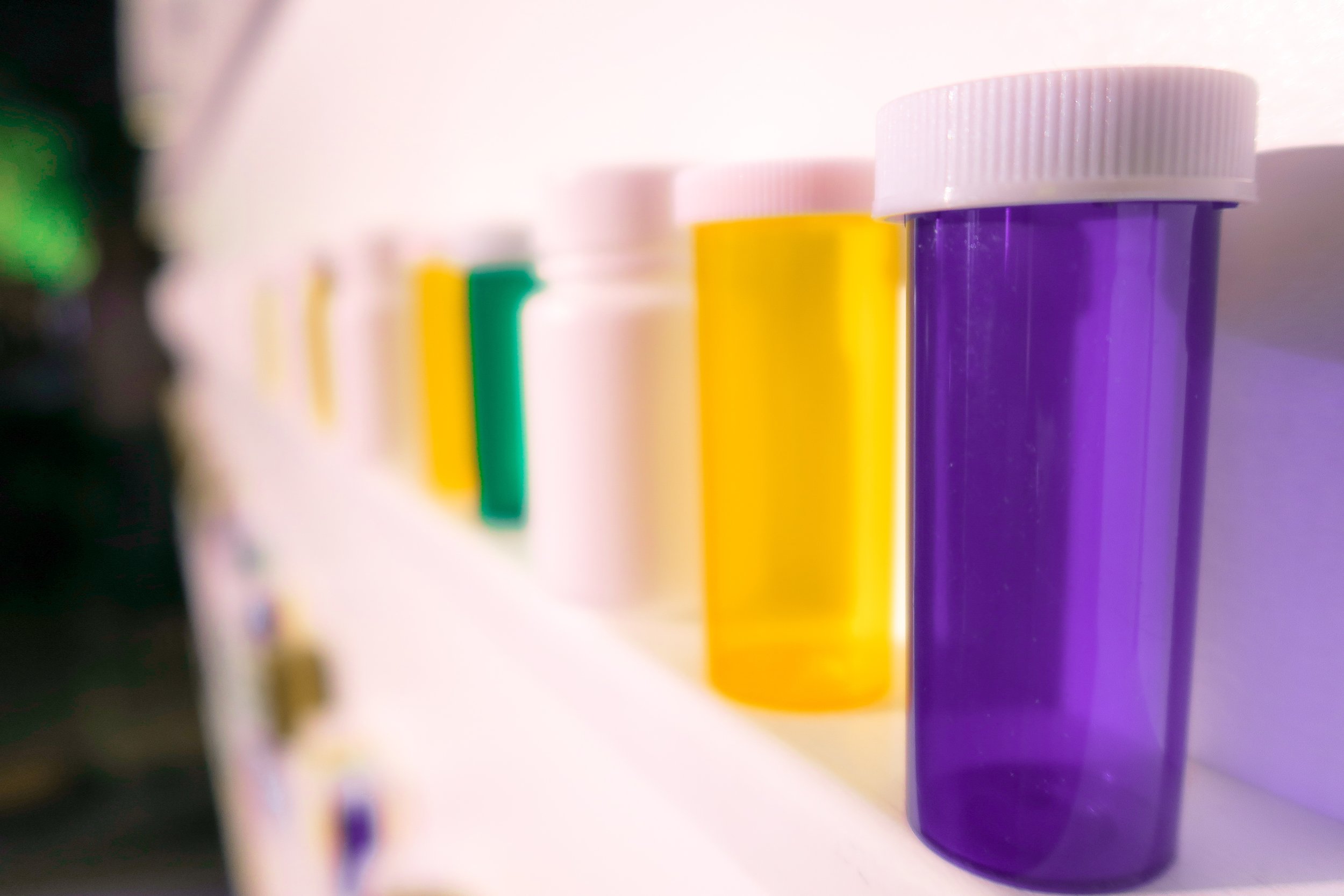
PHOTO COURTESY | Joshua Coleman
Have you ever had a friend tell you that they stopped taking their anti-depressant because they feel happy now? Or what about the boyfriend who stops taking his high blood pressure meds because, “everything is fine, and he’s working out and eating right?” Lastly, how you ever suffered from anxiety and been prescribed Valium or Clonopin and abruptly stopped taking it because you were no longer anxious? If any of these are familiar scenarios, know that abruptly ceasing certain medications at best, can make you sick, and at worst can cause death. We turned to Dr. Niket Sonpal an NYC Internist and Gastroenterologist and Dr. Duy Nguyen, a Psychiatrist at Beachway Drug and Alcohol Center in Florida. With their combined expertise, they explain the prescription drugs that are dangerous to stop without consulting a doctor and tapering down. See if one your meds is on this list!
Blood Pressure Medications
Medication to control high blood pressure only works if you take it. If you stop taking anti-hypertensive medication without discussing it with your doctor, you put yourself at risk for a stroke. High blood pressure is the most important preventable risk factor for stroke, according to the American Heart Association (AHA) and the American Stroke Association (ASA). Dr. Sonpal says that “The higher the blood pressure, the higher the risk for stroke and other health consequences such as brain aneurysm. Unfortunately, some people with high blood pressure stop taking their medication. If their blood pressure returns to normal, they may feel that they no longer need the medication. But normal blood pressure means the medication is doing its job; halting medication will allow blood pressure to rise again, putting the person at risk for stroke and other complications of hypertension.”
Antidepressants
Dr. Duy Nguyen has seen many a patient stop taking drugs such as Prozac, Wellbutrin, Celexa, and Zoloft without first consulting with him. He is adamant that patients don’t go this route. He says, “Withdrawal from antidepressants can cause insomnia, confusion, anxiety, panic, agitation, nightmares and worsened depression. People may also experience fatigue, nausea, vomiting, dizziness, muscle spasms, headaches and loss of coordination. If you wish to be off of an anti-depressant or switch to another, speak to your doctor first and have them devise a safe schedule to titrate you down and/or replace with another.”
Benzodiazepines
You are likely familiar with these under the brand names Valium, Clonopin, Xanax, and Ativan. These are most commonly used to treat anxiety and panic. For people who only take these once in a blue moon (for fear of flying or public speaking), the body and brain are not addicted. For those who take one or more of these medications daily, they cannot be stopped cold turkey! Dr. Nugyen strongly cautions that, “Benzodiazepine drugs can cause serious withdrawal symptoms including seizures, tremors, hallucinations, heart palpitations, insomnia, nausea, and increased anxiety. If you wish to stop or reduce your intake of these drugs, consult with your doctor to develop a titration schedule. If you have been taking high doses of these drugs over a long period of time, you may need more supervised medical support such as a drug detox program where you are monitored 24/7 by nurses and given supplementary non-benzo medications to ease withdrawal symptoms.”
Prednisone and other steroids.
Prednisone is prescribed as a potent anti-inflammatory for a variety of conditions, including asthma, allergies, hives, inflammatory arthritis and gout. If you’ve been taking prednisone for more than one to two weeks and just stop it, you may get into trouble. Dr. Sonpal explains that “When you are taking prednisone tablets, your own adrenal gland production of cortisol declines. When you abruptly stop taking prednisone, the result may be low cortisol. This causes weakness, nausea, vomiting, diarrhea and abdominal pain. It’s not fun and can be very serious. Wean off of it under the schedule determined by your doctor”
Antibiotics
Too often patients with a bacterial infection begin a course of antibiotics with every intention of following their doctor’s orders, then cutting their treatment short when they’re feeling better. “What they don’t realize is that this can cause problems in the future. Antibiotics are prescribed in the dose that ensures every last bit of the targeted bacteria in your body will be destroyed,” explains Dr. Sonpal. He adds. “If you stop taking your antibiotics a few days before you’re supposed to, any remaining strains of the bacteria, the ones that were already strong enough to make it through the first few doses of the medicine, will survive in your system, and will be resistant the next time you take those same antibiotics.”
Opioid pain medications.
Opioids are prescription analgesics like codeine, morphine, and hydrocodone (an active ingredient in Vicodin), and if you’ve been taking any of them long term, abrupt discontinuation can cause symptoms like diarrhea, generalized pain, restlessness, and anxiety. “Withdrawing from opioids is no joke,” says Dr. Nguyen. He adds, “Depending on your level of addiction, a patient may need in-patient medical detox followed by a drug rehab program, the latter of which will deal with the emotional aspects of eliminating the addiction.”
Diabetes Medication
When your blood sugar seems to be under control, you may decide you want to stop taking your diabetes medications. Dr. Sonpal explains that “If you’re a type 1 diabetic, your body will never be able to create its own insulin, so it’s pretty clear that you can never stop taking insulin. But if you’re a type 2 diabetic, you may be able to explore alternatives with your physician. Since this type of diabetes evolves and changes over time, you need to consistently evaluate your treatment plan with your doctor.” This could involve reducing the dose of your current medication or trying newer medications. But it’s imperative that you not take any action on your own with regard to adjusting your medication without first consulting with your physician.
Thyroid Medication
If you have hypothyroid—whether due to Hashimoto's, Graves' disease treatment, thyroid surgery, or congenital hypothyroidism—failing to take your thyroid hormone replacement medication can pose many risks to your health. If you don't feel better after taking your medication for several months, you may need a dosage adjustment or a change in medication—not a complete stop of your regimen. Dr. Sonpal explains that “There isn't a natural or herbal replacement for thyroid hormone. Much like patients with type 1 diabetes and their need for insulin, your system needs thyroid hormone for survival. But there are no natural substitutes for antithyroid medications.”
Some Risks of Ceasing Thyroid Medicine Include:
Blood pressure irregularities
Elevated cholesterol, including treatment-resistant high cholesterol and increased risk of heart disease
Low body temperature; feeling perpetually cold
Fatigue, muscle weakness, or joint pain
Depression
Memory problems
Read more from the latest issue of Athleisure Mag.

On day 6 of Vancouver Fashion Week FW19, Nord hit the runway with her inspiration derived from teardrops. She showcases the typologies of this substance as it pertains to her journey through understanding prints, textile manipulations and handmade jewelry.
PHOTO COURTESY | Filippo Fior/Imaxtree.com
Read the latest from Athleisure Mag.

PHOTO CREDIT | UnSplash
Lack of sleep is such a universal problem that the National Sleep Foundation has proclaimed the week of March 10th as Sleep Awareness Week.
How do you assess your bedroom habits and optimize your nighttime routine for better sleep? To find out, we turned to Dr. Sanam Hafeez, a New York-based neuropsychologist and faculty member at Columbia University.
Studies show that sleep quality is directly related to sleep hygiene. So could it be that your nighttime habits are causing you to lose out on the benefits of quality sleep?
Dr. Hafeez says that “not only are people unaware of why they are suffering from insomnia or not getting quality sleep but they are unaware of the effects this has on their health, daily functions and brain.” The New York-based Neuropsychologist explains that a large part of insomnia is a result of poor sleep hygiene.
The National Sleep Foundation defines sleep hygiene as “a variety of different practices and habits that are necessary to have good nighttime sleep quality and full daytime alertness.”
Here are 10 behaviors that could be causing a decline in your sleep quality and tips from our neuropsychology expert explaining how to fix them!
Working Out Too Late Into The Night
Working out can help de-stress the body and reduce anxiety. However, “if done too close to your bedtime your body might still feel the adrenaline and pump of the workout and it might be difficult to fall into a sedative state,” says Dr. Hafeez.
Having A Smoke Or Some Caffeine Too Close To Bedtime
“Nicotine is a stimulant and it is well known to cause insomnia. Depending on how your body processes nicotine you could be putting yourself at risk for low quality sleep which means a lack of REM sleep,” warns Dr. Hafeez. This stage of sleep is where we recharge the most throughout the night. In other cases, people unassumingly snack on chocolate or have a soft drink that contains caffeine and that caffeine will keep you in a state of alert and it will be more noticeable that you are alert as you stare at the roof without any other activity. “Caffeine is great at work when you need a little help staying alert, but at night it can cause you to miss out on that much-needed recharge,” Dr. Hafeez says.
Using Your Bed For More Than Just “Bed” Functions
Much like productivity professionals advise maintaining a designated area
for studying or work, sleep experts say your bed should be used almost exclusively for sleeping and sharing intimate moments with our spouse or lover. This is because, “the brain has a hard time adjusting to sleep mode if it gets used to being on the bed all the time, eating, watching tv, studying or just hanging out. You’ll have a harder time shifting into actual ‘bedtime,’ explains Dr. Hafeez.
Eating Too Late Into The Night
For late night munchers, it is no strange notion that after a binge session at 3 a.m it may be a little difficult to fall asleep. “Your system is stuffed. Depending on how much you eat you may feel bloated or hyperactive. This can result in you feeling uncomfortable. If you’re on a diet you may feel guilty for breaking your regimen,” says Dr. Hafeez. All of these things cause your brain and system to be preoccupied with all but falling asleep.
Though It Is A Sedative, Alcohol Will Ruin Your REM Sleep
Many people say they sleep better after drinking. That may be true for a glass of wine with a light dinner but “a restful sleep is not the same as blacking out or drinking so heavily that you find yourself inebriated prior to sleep,” explains Dr. Hafeez. Alcohol disrupts the way our body absorbs liquid, thus causing urgent and frequent needs to go to the restroom to urinate. Dr. Hafeez also says alcohol tends to disrupt the restful stage of REM.
Going To Bed Angry Will Make It More Difficult To Fall Asleep
Not only is “don’t go to bed angry” good relationship advice, it turns out it ’s great psychological and sleep hygiene advice. Dr. Hafeez explains that “if you are able to leave things off with someone in a better place or in a place of ‘we will work this out in the morning because we care for each other,’ you have a better chance of letting your body relax into sleep.” If you aren’t able to calm your frustration for the night you may find your mind circling the problem until the sun comes up.
Clinging to Your Cell Phone While Trying To Doze Off
This is a major issue in today’s digital age. People are tuned in to their phones too late into the night, reports show. “As more and more people opt to have their phone by their bedside and go to bed staring at their screens there is an increase in phone-related insomnia. Our eyes stay alert with the light of the screen explains Dr. Hafeez. “The constant scrolling and continued processing of information make it so your brain never begins relaxing,” she says. Tips for avoiding this issue are to leave your phone across the room. This also helps when waking up in the morning and having to walk across the room to turn your alarm off.
The Room Temperature Is Not Optimized For Sleep
Optimal room temperature is commonly thought to be 60-67 degrees according to the national sleep foundation. “Your body has a way of regulating temperature relative to the temperature of the room in order to relax you into sleep,” says Dr. Hafeez. If the room temperature is too hot or too cold it can cause discomfort that will wake you up throughout the night or keep you from falling asleep at all.
Poor Lighting Environment
If a room is getting too much light coming in from the window or from your bedroom hallway it can be difficult to sleep. “Many people with light sensitivity will use blackout curtains to optimize the room for sleep. When clocks move forward and the sun rises at an earlier time people often struggle to acclimate themselves to the new time because the sunlight is waking them up,” says Dr. Hafeez
Napping During The Day
Sleep is a recharge for the day's activities. If you are constantly napping or napped too heavily during the day, your mind won’t be as tired as it usually is once it’s time to tuck into the sheets for the night. “Napping if necessary is not a bad thing. But one 20 to 30-minute nap is very different than sleeping all day and then struggling at night to sleep,” says Dr. Hafeez.
Read the latest issue of Athleisure Mag.

Last night, SRT (Susan Rose Tovar) hit the runways of Vancouver Fashion Week on day 5. We love that this Australian designer is all about luxury and experimenting with texture. This line has an aesthetic that reminds us of a Bohemian vibe and everything that is natural in the world.
PHOTO COURTESY | Filippo Fior/Imaxtree.com
Read the latest issue of Athleisure Mag.