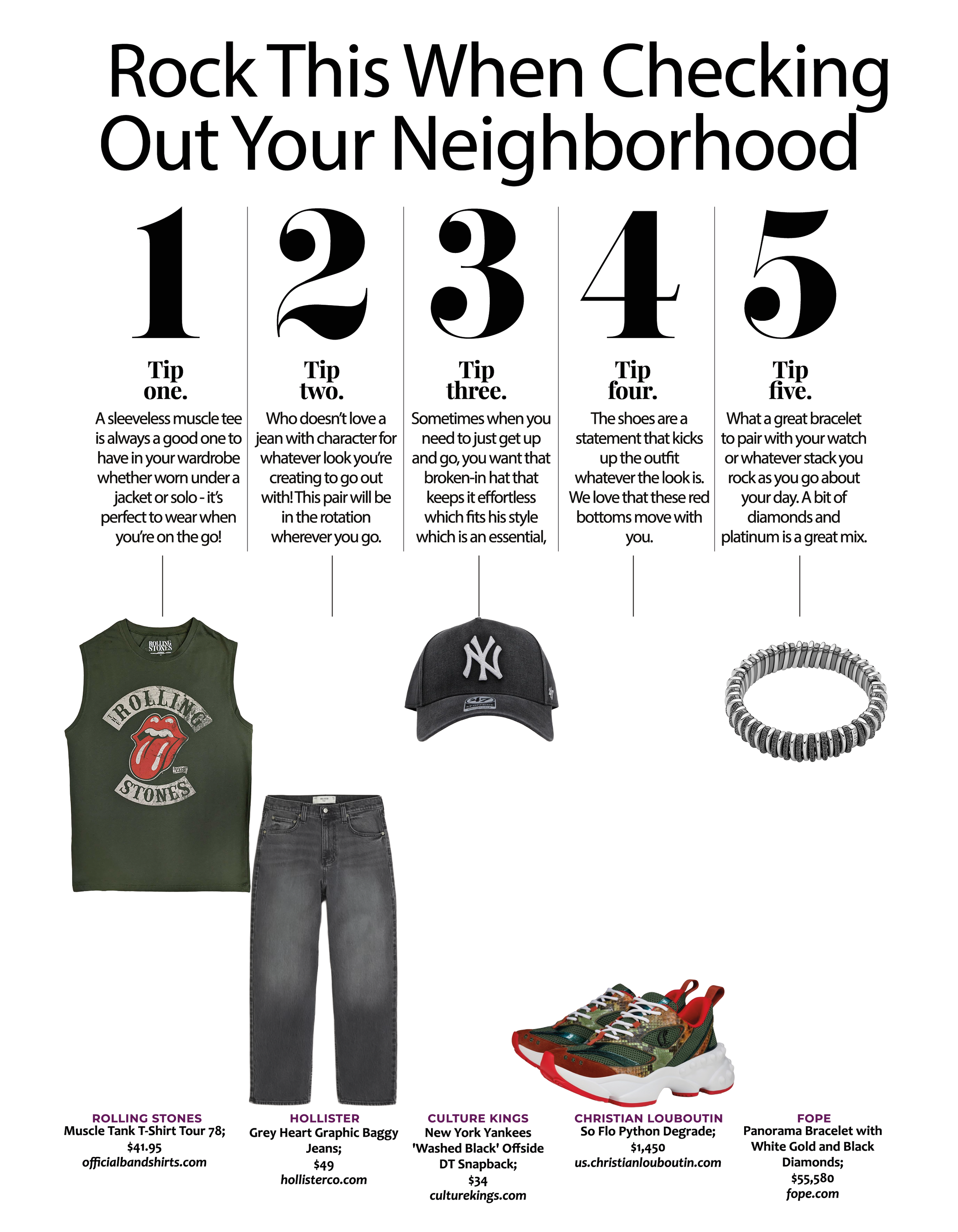
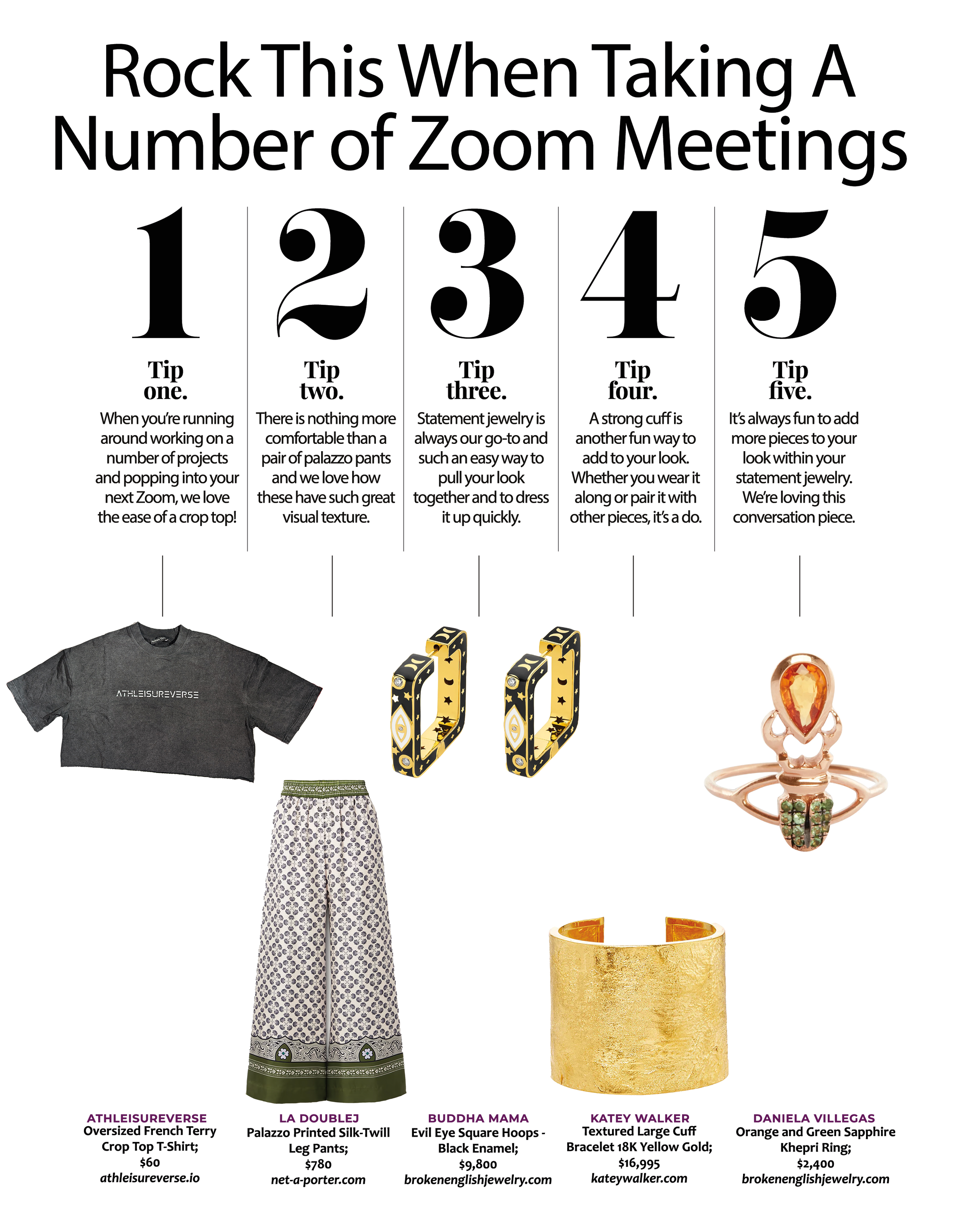
Read the FEB ISSUE #110 of Athleisure Mag and see 9LOOKS | DSQUARED2 in mag.
Featured





Read the FEB ISSUE #110 of Athleisure Mag and see 9LOOKS | DSQUARED2 in mag.

Read the FEB ISSUE #110 of Athleisure Mag and see THE 9LIST in mag.

PHOTO CREDIT | Unsplash/Sheelah Brennan
Sutures have one purpose, according to expert plastic surgeons: they hold the wound together while your body heals. Sutures give your body time for collagen to be deposited for closure and much less scarring. In surgery, generally, there is little consideration for stitching as long as your body gets the chance to heal. However, when it comes to plastic surgery, stitching matters a great deal, from the materials used to the removal. The quality of stitching you get can either ease the recovery or result in a complication. Therefore, if you are getting plastic surgery in Texas, here are four questions you should ask your doctor.
According to Dr. Olivier Deigni of Deigni Plastic Surgery, there are two types of sutures: absorbable, meaning they lose most of their tensile stress in 60 days, and nonabsorbable. Surgeons generally use absorbable sutures as deep sutures since they do not need to be removed; they dissolve on their own. Conversely, nonabsorbable sutures are either permanent or require manual removal and are often used as surface sutures.
Understanding the difference these sutures make for you as a prospective patient is essential. For example, absorbable sutures let you avoid the inconvenience and potential discomfort of having the suture removed. However, these stitches dissolve through hydrolysis, which is often as a result of inflammation caused by your body breaking the sutures down.
More so, surgeons do not like to use them for areas such as the face to avoid months, maybe even years, of healing. Therefore, depending on what type of plastic surgery you are getting, using non-reactive stitches may be the best option.
Typically, deep stitches matter; suturing correctly depends on how accurately those deep stitches are put in. The stitches have to be fixed below the skin so that there is no separation between the edges of your skin. When these stitches are properly put in, they can reduce tension by pulling the skin together, thus creating a fine-line scar.
Furthermore, the surgeon should ask them if they will do the stitching personally or at least supervise the process to ensure accuracy. While the surgeon does not necessarily have to do the stitching, they have to ensure their assistant does it the same way they would.
Timing matters a great deal when it comes to removing sutures, especially if you do not want a railroad scar. More often than not, surface sutures are removed five days after the surgery, six at the most. If your surgeon says you should wait a bit longer to have them removed, be sure to ask why. The longer stitches remain, the higher the risk of getting a poor final scar with very visible suture marks. Meanwhile, if your surgery involves areas of high tension like the abdomen and torso, stitches need to stay longer than a week.
There is a good chance that sutures buried deep in the skin will start poking out from the surface at six weeks. This poking out is typically seen with permanent sutures, which is why some surgeons in Texas do not like using them. However, dissolvable sutures can also poke out - a phenomenon called “spitting out."
If you find a little red pimple or bump with some discharge along the suture line, you may feel (not see) the stitching sticking out. As annoying and sometimes distressing as it may seem, they are not a big deal and will not affect long-term healing.
Simply apply a warm and moist compress to the area to expose more of the suture and trim it with a nail clipper. You may need to do the warm compress for a few days before more of the suture comes out. If it looks like it is getting worse or not budging, see your doctor for a more sterile solution.
Lastly, when it comes to surgical incisions, what is happening underneath, not the surface, is the real deal. Therefore, even when your doctor has removed your sutures, it does not mean your body has healed. Therefore, avoid jumping or moving around too much so you do not undo some of the deep sutures, among other things.

Athletes and fitness enthusiasts push their limits daily, chasing progress, personal bests, and peak performance. But with that drive comes a risk—burnout. Overtraining can sneak up, bringing exhaustion, mental fog, and a decline in performance. Some try rest, nutrition, and therapy, but a growing number are turning to an unconventional approach: microdosing psilocybin.
Microdosing, the practice of taking small, non-hallucinogenic doses of psychedelics, is gaining attention for its potential role in stress management, mental clarity, and physical recovery. Companies like Dope SEO—which helps businesses in the mushroom and wellness space reach a wider audience—are playing a role in bringing credible, accessible information about microdosing to more people. For those who push their bodies to the edge, this practice may offer a way to recover faster, stay motivated, and avoid the mental drain that comes with overtraining.

PHOTO CREDIT | FreePik/Lookstudio
Burnout isn’t just about feeling tired. It’s a state of deep mental and physical exhaustion that builds over time. Athletes, bodybuilders, and fitness enthusiasts often experience it when training intensity exceeds their body’s ability to recover. Symptoms can include:
● Chronic fatigue
● Loss of motivation
● Increased risk of injury
● Poor sleep
● Decreased performance
● Emotional instability
Overtraining syndrome (OTS) takes it a step further. It’s when stress on the body becomes so intense that rest alone isn’t enough to bounce back. This is where microdosing could play a role—not as a magic fix, but as a tool to support recovery and resilience.
Microdosing psilocybin is believed to work by interacting with serotonin receptors in the brain. This can impact mood regulation, cognitive flexibility, and stress response. While research is still in its early stages, anecdotal evidence and emerging studies suggest microdosing may help with:
● Reducing stress and anxiety – Overtraining elevates cortisol, the stress hormone. Psilocybin may help regulate stress responses, making recovery smoother.
● Enhancing mental resilience – Athletes facing burnout often struggle with motivation. Microdosing may support cognitive function, helping users regain focus and determination.
● Improving sleep quality – Recovery depends on deep, restorative sleep. Some microdosers report better sleep patterns, which could benefit overtrained individuals.
● Supporting emotional balance – Burnout often leads to irritability and emotional exhaustion. Microdosing may help maintain a stable, positive mood.
Though mainstream acceptance of psilocybin is relatively new, research into its benefits is growing. Studies suggest that low doses of psilocybin may promote neuroplasticity—the brain’s ability to rewire and adapt. This is crucial for mental resilience, especially for athletes recovering from prolonged physical and psychological stress.
A study published in Nature found that psilocybin encourages brain cell growth and strengthens neural connections. This could explain why users report improved clarity, problem-solving, and motivation. Additionally, a 2020 study in Frontiers in Psychiatry suggested that psilocybin-assisted therapy could help reduce anxiety and stress, making it a potential tool for managing the emotional strain of overtraining.
Athletes often feel pressure to keep training, even when their bodies are begging for rest. The idea of "pushing through the pain" is ingrained in many fitness cultures. But real progress happens during recovery. Microdosing isn’t about replacing healthy recovery habits—it’s about enhancing them.
Here’s how microdosing can be integrated with standard recovery strategies:
● Nutrition: Fueling the body with anti-inflammatory foods and hydration can support the recovery process. Psilocybin’s potential anti-inflammatory properties may work alongside a solid nutrition plan.
● Sleep optimization: Creating a nighttime routine, avoiding blue light, and ensuring deep sleep can maximize muscle repair. Some microdosers find that psilocybin helps regulate their sleep cycles.
● Mindfulness and meditation: Incorporating mindfulness can reduce stress and improve focus. Microdosing may deepen meditation practices and promote relaxation.
● Active recovery: Instead of complete rest, low-impact activities like stretching, yoga, or walking can keep the body moving without added stress. Microdosing may help users feel more present and connected during these sessions.
Athletic performance isn’t just about physical strength—it’s equally about mental endurance. Burnout often starts in the mind before it manifests in the body. Microdosing may offer a cognitive boost, helping athletes manage self-doubt, fatigue, and emotional strain.
Some benefits that athletes and fitness enthusiasts report include:
● Enhanced focus during training – Less mental chatter and improved concentration.
● More motivation to stick with routines – A renewed sense of excitement for workouts.
● A deeper connection with the body – Improved awareness of overtraining signals, allowing for better self-care.
Microdosing is not a one-size-fits-all solution. While many athletes find benefits, it’s not for everyone. Factors like personal health, mental state, and lifestyle should be considered before trying it. Consulting a healthcare professional—especially for those with underlying conditions—is crucial.
Additionally, legality varies by region. Those interested in exploring microdosing should be aware of their local laws and seek guidance from reliable sources.
For those considering microdosing as part of their recovery strategy, starting small is key. A typical microdose is about one-tenth to one-twentieth of a recreational dose, meaning there are no hallucinogenic effects. Most users follow a structured schedule, such as:
● The Fadiman Protocol – One microdose every three days.
● The Stamets Stack – Psilocybin combined with lion’s mane mushroom and niacin for enhanced neuroplasticity.
● Intuitive Dosing – Listening to the body and adjusting based on personal needs.
Tracking experiences in a journal can help determine effectiveness and ensure responsible use.
As more research emerges, conversations around microdosing in sports and fitness are evolving. While elite athletes are still hesitant to discuss it openly, some in endurance sports, bodybuilding, and extreme fitness are exploring its potential.
The future may hold more structured studies on psilocybin’s effects on performance, stress adaptation, and injury recovery. Until then, those who incorporate microdosing into their wellness routines will continue sharing their experiences, shaping the next wave of fitness and mental health innovation.

PHOTO CREDIT | Freepik
Burnout and overtraining can be overwhelming, but recovery is just as important as training itself. Microdosing isn’t a quick fix, but it may offer a supportive tool for stress management, emotional balance, and mental resilience. By combining it with proper recovery practices—nutrition, rest, mindfulness, and self-awareness—athletes and fitness enthusiasts may find a sustainable way to push their limits while taking care of their well-being.
As the conversation around psilocybin continues, those looking for natural recovery solutions might find that small doses can make a big difference.


PHOTO CREDIT | Unsplash/Sixteen Miles Out
Stress is a part of everyday life and can quickly damage our well-being. Whether from work, personal matters, or daily life's demands, it’s easy to feel weighed down. Fortunately, several relaxation techniques can help restore balance and ease the mind. Here are five methods to help people manage stress and restore a sense of calm.
One of the most soothing techniques involves using scented candles. Lighting fruity candles can be a delightful way to bring calm into the space. The aromas they release can create an atmosphere of tranquility and comfort. Scents like fresh citrus, berries, and tropical fruits can instantly lift your mood and ease tension. It’s like a little moment of self-care that takes no effort.
When a person lights a candle, focus on the fragrance and the soft glow. Let the flickering flame remind them to breathe deeply and slow down. Even a few minutes of this simple ritual can help calm one’s mind and reduce stress.
Meditation with candles is an ancient technique for clearing the mind and finding stillness. It’s incredibly effective at managing stress because it gives the brain a much-needed break. When you meditate, the focus is on breathing to release any racing thoughts. This quiet, mindful practice helps center one’s thoughts, allowing them to detach from the chaos.
Meditation doesn’t require a unique space or long periods. Just some minutes of focused breathing can simply make a significant difference. Find a quiet corner, close your eyes, light your favorite candles, and take deep breaths. With each inhale and exhale, the stress slowly leaves.
Deep breathing is an effective technique for a quick way to calm the nerves. The body’s calming response is activated by consciously focusing on the breath. This simple action slows the heart rate, lowers blood pressure, and naturally reduces stress.
Try the 4-7-8 technique: In this process, you have to inhale for 4 seconds, hold your breath for 7 seconds, and then exhale for 8 seconds. Repeat for a few minutes, and the tension will start to fade. This method works exceptionally well during moments of unexpected stress, like in a meeting or while stuck in traffic.
Stress often manifests physically, with tight muscles and a tense body. Progressive muscle relaxation is a technique that helps release that physical tension. The idea is simple: focus on each muscle group in the body, tighten the muscles, and then release them. This helps a person to become more aware of areas where they carry stress and teaches the body how to de-stress
Start with the toes and work up to the head. Tense each muscle for about 5 seconds and then release. This technique can leave one feeling completely relaxed and more in tune with the body.
Sometimes, the right melody can work wonders on someone's mind. Listening to calming music is a powerful and easy way to reduce stress. These peaceful sounds, whether nature sounds, classical music, or instrumental tunes, can help you unwind and forget the day's worries.
Create a playlist of calming tracks or use premade playlists found online. The key is to choose music that resonates and helps develop a sense of grounding. As the music plays, focus on the rhythm, let the sounds wash over, and allow the body to rest with each note. This simple yet effective method can help ease stress.
Managing stress is essential for overall well-being. Fortunately, plenty of techniques exist to help unwind and reset. Whether lighting fruity candles to fill a space with a calming fragrance or taking a few minutes for deep breathing, each effort makes a difference. Regular relaxation techniques bring a renewed sense of calm and a healthier way to navigate life’s challenges.

PHOTO CREDIT | Unsplash/Anandu Vinod
Storms can leave behind damage that may not seem serious at first. Many homeowners overlook small cracks or missing shingles, assuming the roof remains intact. However, even minor issues can weaken the structure over time, leading to costly repairs. Taking action immediately can prevent long-term problems.
A Storm Damaged Roof in Raleigh might not show visible leaks right away, but hidden issues can develop beneath the surface. Wind, rain, and debris can impact roofing materials, creating weak spots that worsen over time. Homeowners in Raleigh should inspect their roofs after every storm to ensure no minor damage goes unnoticed.
Storms bring strong winds and heavy rain, which can loosen shingles or create small punctures. Even if a roof appears undamaged, underlying issues may exist. Water can seep through tiny openings, leading to rot and mold. Over time, these hidden problems can spread, weakening the entire structure.
Regular inspections can help detect small damages before they worsen. In Raleigh, fluctuating weather conditions can speed up deterioration, making early detection crucial. A professional assessment can uncover weak spots that homeowners might miss, ensuring the roof remains secure.
Water damage often starts unnoticed, gradually affecting different parts of a home. Small leaks can allow moisture to accumulate in the attic, leading to mold growth and wood decay. Over time, this can compromise the strength of beams and supports, reducing the overall stability of the building.
Homeowners here should be proactive in addressing even the slightest leaks. Ignoring minor roof damage can result in costly structural repairs. Preventing moisture buildup helps maintain the integrity of the home while avoiding expensive restoration work.
A roof plays a significant role in maintaining indoor temperatures. Small gaps caused by storm damage can allow heated or cooled air to escape, increasing energy consumption. This forces HVAC systems to work harder, raising utility bills.
Fixing minor roof issues quickly can help homeowners in Raleigh maintain energy efficiency. Some of the benefits include:
● Lower heating and cooling costs throughout the year
● Consistent indoor temperatures for better comfort
● Reduced strain on air conditioning and heating systems
Routine maintenance can extend the lifespan of any roof. Minor untreated damage can lead to more serious issues, requiring costly repairs or even a full replacement. Preventive measures help keep costs down while preserving the roof’s durability. Many professionals in Raleigh recommend scheduling inspections after severe weather events.
Fixing small roof damages early helps maintain strength and prevent costly repairs. Storms can cause hidden issues that are hard to detect, making professional inspections essential. Roofing experts in Raleigh use quality materials and proven techniques to identify weak spots and provide lasting solutions. Whether it's a minor repair or a full inspection, professional help ensures homes stay safe and protected from future storms.
A Storm Damaged Roof in Raleigh should never be ignored, as even minor issues can lead to costly repairs. Small cracks, leaks, or missing shingles may seem harmless, but they can weaken the structure over time. Taking immediate action ensures that the home remains protected from future storms and maintains its energy efficiency. Raleigh homeowners can safeguard their property by scheduling regular roof inspections and addressing minor damages as soon as possible.
Risk-taking is part of human nature. Whether it’s an athlete pushing their body to the limit or a gambler placing a high-stakes bet, the willingness to embrace uncertainty plays a big role in both success and failure. Some thrive under pressure, while others struggle with the unpredictability of the outcome. But what separates those who excel in risk-heavy environments from those who don’t?
In both sports and digital betting, psychology is key. The way a person processes risk, calculates odds, and reacts to setbacks can determine their results. While physical training matters for athletes, their mindset is just as crucial. The same applies to bettors—having a solid strategy and emotional control can make a difference. Platforms like UFA provide access to digital betting, where users can test their risk management skills in a controlled environment.
Understanding risk-taking is useful not just for gamblers or athletes but for anyone who makes quick decisions under pressure. Let’s break down what drives risk-takers, how their minds work, and what lessons both sports and betting can teach about managing uncertainty.
Risk-taking isn’t random. It’s influenced by a mix of biology, psychology, and personal experience. Some people are naturally more inclined to take risks, while others prefer to play it safe. The factors that shape this behavior include:
The human brain plays a huge role in risk-taking. Dopamine, the neurotransmitter linked to reward and pleasure, is a key factor. When people take risks and succeed, their brain releases dopamine, reinforcing the behavior. This is why some athletes love the rush of competition, and why some gamblers feel an adrenaline rush when placing bets.
For some, this dopamine feedback loop makes risk-taking almost addictive. High-risk sports like skydiving and high-stakes gambling can create similar psychological highs, making participants crave the experience again.
Athletes train their bodies to endure physical stress. But they also train their minds to handle risk. A soccer player taking a penalty kick in a championship match understands the consequences of missing but still takes the shot. This is because repeated exposure to high-pressure situations conditions them to manage the stress.
Bettors also build experience over time. A seasoned poker player knows how to calculate odds and control their emotions during a tough hand. Those who are new to digital betting may hesitate before placing a wager, but as they gain confidence, their decision-making process improves.
Some people are naturally more risk-tolerant than others. Studies suggest that personality traits like extroversion and openness to experience are linked to higher risk-taking behavior. On the other hand, those who are more cautious and detail-oriented may take fewer risks.
In sports, risk-taking can lead to game-changing moments. A basketball player attempting a three-pointer in the final seconds of a game is gambling on their ability. In betting, a high-risk wager can lead to a massive payout—or a big loss. Either way, the decision is influenced by the person’s natural tendencies.
Athletes take calculated risks every time they step onto the field, track, or court. But their ability to handle risk is shaped by mental discipline, training, and experience.
Confidence is a game-changer in sports. Athletes who believe in their abilities are more likely to take risks when it matters. A tennis player going for a risky shot at match point isn’t just relying on skill; they trust their instincts.
This mindset is built through preparation. Athletes train for years to develop a deep sense of confidence in their abilities. When they take risks, they aren’t just hoping for the best—they’re making informed decisions based on training and experience.
Athletes face uncertainty every time they compete. No matter how well they prepare, there’s always a chance that something unexpected will happen. This is where mental toughness comes in.
Top athletes use techniques like visualization, mindfulness, and controlled breathing to stay calm under pressure. They understand that risk is unavoidable but can be managed.
Bettors can take a similar approach. Instead of making impulsive decisions, they can analyze odds, manage their bankroll, and stay emotionally grounded. The best gamblers aren’t just lucky—they’re strategic.
Risk-taking comes with failure. Even the best athletes lose games, miss shots, and make mistakes. But what separates champions from the rest is how they respond to setbacks.
A sprinter who stumbles at the starting line doesn’t quit—they learn from it and improve for the next race. Similarly, successful bettors don’t dwell on losses. Instead, they analyze what went wrong, adjust their strategy, and make smarter bets in the future.
Digital betting may not be as physically demanding as sports, but it requires mental sharpness, decision-making skills, and self-control.
Smart bettors don’t rely on luck alone. They calculate odds, study game trends, and manage their bankroll wisely. Taking unnecessary risks without preparation is similar to an athlete playing without training—it rarely ends well.
Successful bettors understand expected value (EV), which helps them determine whether a bet is worth making. They also avoid chasing losses, which is one of the biggest mistakes in gambling.
Just like athletes, gamblers need emotional discipline. Making rash decisions in the heat of the moment often leads to mistakes. A professional poker player doesn’t let emotions dictate their play. They stay patient, wait for the right opportunity, and strike when the odds are in their favor.
This applies to sports betting, casino gaming, and other forms of gambling. The best players manage their emotions, stick to their strategy, and know when to walk away.
In both sports and betting, streaks can influence decision-making. A basketball player on a hot streak may feel unstoppable, just like a gambler on a winning streak. But past performance doesn’t always predict future results.
The gambler’s fallacy is the mistaken belief that past outcomes influence future ones. For example, if a coin lands on heads five times in a row, some people believe the next flip is more likely to be tails. In reality, the odds remain 50/50. Understanding this concept helps bettors make more rational decisions.
Athletes train for months before competing. Bettors who take the time to study odds, research teams, and understand betting strategies will have a much better chance of success.
Both sports and gambling are emotional experiences. Staying level-headed under pressure is a skill that benefits athletes and bettors alike.
A quarterback deciding whether to throw a deep pass on fourth down and a gambler debating whether to go all-in on a poker hand face similar choices. Risk isn’t bad, but knowing when to take it is crucial.
Failure is inevitable in both sports and betting. But those who analyze their mistakes and adjust their approach will improve over time.

PHOTO CREDIT | FreePik
Risk-taking isn’t just about luck. Whether in sports or digital betting, it requires preparation, strategy, and mental discipline. Athletes train to handle pressure, just as smart bettors develop strategies to minimize losses and maximize wins.
Understanding the psychology behind risk-taking can help anyone—whether they’re stepping onto a field or placing a bet—make smarter decisions. In the end, it’s not just about taking risks; it’s about knowing how to manage them.

PHOTO CREDIT | Unsplash/Wael Hneini
Dubai is a place where tradition and modernity collide most spectacularly. Whether you are looking for adventure, culture, luxury, or relaxation, this city has something for everyone. If someone plans a trip, they will want to make the most of every moment—and that’s where we come in! Here are five experiences you absolutely can’t miss.
Nothing says “Dubai” quite like the Burj Khalifa, the tallest building in the world. For the best experience, book your tickets for Dubai holiday packages in advance. The prime sunset slots usually sell out quickly.
But instead of just checking it off the list, visiting the observation deck in the late afternoon transforms the experience into something truly unforgettable. As the sun dips below the horizon, golden hues spread across the city and the desert beyond, creating a breathtaking sight. From 148 floors above the ground the view feels almost surreal and leaves a lasting impression long after the moment.
If you think this place is about skyscrapers and luxury shopping, think again. Just outside the city, an entirely different world awaits—the vast and breathtaking Arabian Desert. A desert safari is one of the most thrilling ways to experience it.
Strap in for a bumpy ride over rolling dunes, then hop on a camel for a slower, more traditional journey. As the evening settles in, enjoy a Bedouin-style camp experience with a barbecue dinner, henna tattoos, and live entertainment under a sky full of stars. It’s the perfect way to connect with the rich heritage while enjoying an adventure.
This place isn’t just about the future; it also has a fascinating past. Step into the Al Fahidi Historical District and discover a side of the city that feels like a step back in time. This area contrasts the city’s modern energy with its narrow alleys, wind-tower architecture, and quiet courtyards.
Wander through the Dubai Museum, explore art galleries, or sip Arabic coffee at a cozy café. If you love history and culture, this neighborhood is an absolute must-visit. Plus, it’s the perfect spot for capturing beautiful, old-world charm photos.
Nothing beats a yacht cruise along Dubai’s coastline for a taste of the high life. Most travelers choose a daytime trip or a sunset cruise. Gliding past iconic landmarks like the Burj Al Arab and Palm Jumeirah is an experience that feels like it came straight out of a dream.
Many tours include gourmet meals, music, and even swimming stops in the crystal-clear waters of the Arabian Gulf. To celebrate a special occasion or treat yourself, try a yacht cruise. It’s a relaxing experience.
Dubai takes shopping to another level, and the Mall of the Emirates is proof of that. It houses hundreds of international brands. But it also has something one least expects in the middle of the desert—an indoor ski slope!
Ski Dubai offers everything from snowboarding and skiing to encounters with real penguins. After an exhilarating time on the slopes, the mall provides endless opportunities for shopping, dining at world-class restaurants, or enjoying a live performance at the theatre. It’s a perfect blend of adventure and indulgence, all within one incredible destination.
With the right expertise, planning a trip to Dubai becomes effortless. A trusted travel provider will choose the best of all the Dubai holiday packages to ensure seamless experiences, from personalized itineraries to exclusive access to top attractions. Whether securing a private yacht cruise, arranging a desert safari, or booking premium accommodations, every detail is handled precisely. With expertly curated experiences, travelers can enjoy Dubai’s best offerings without the stress of planning.
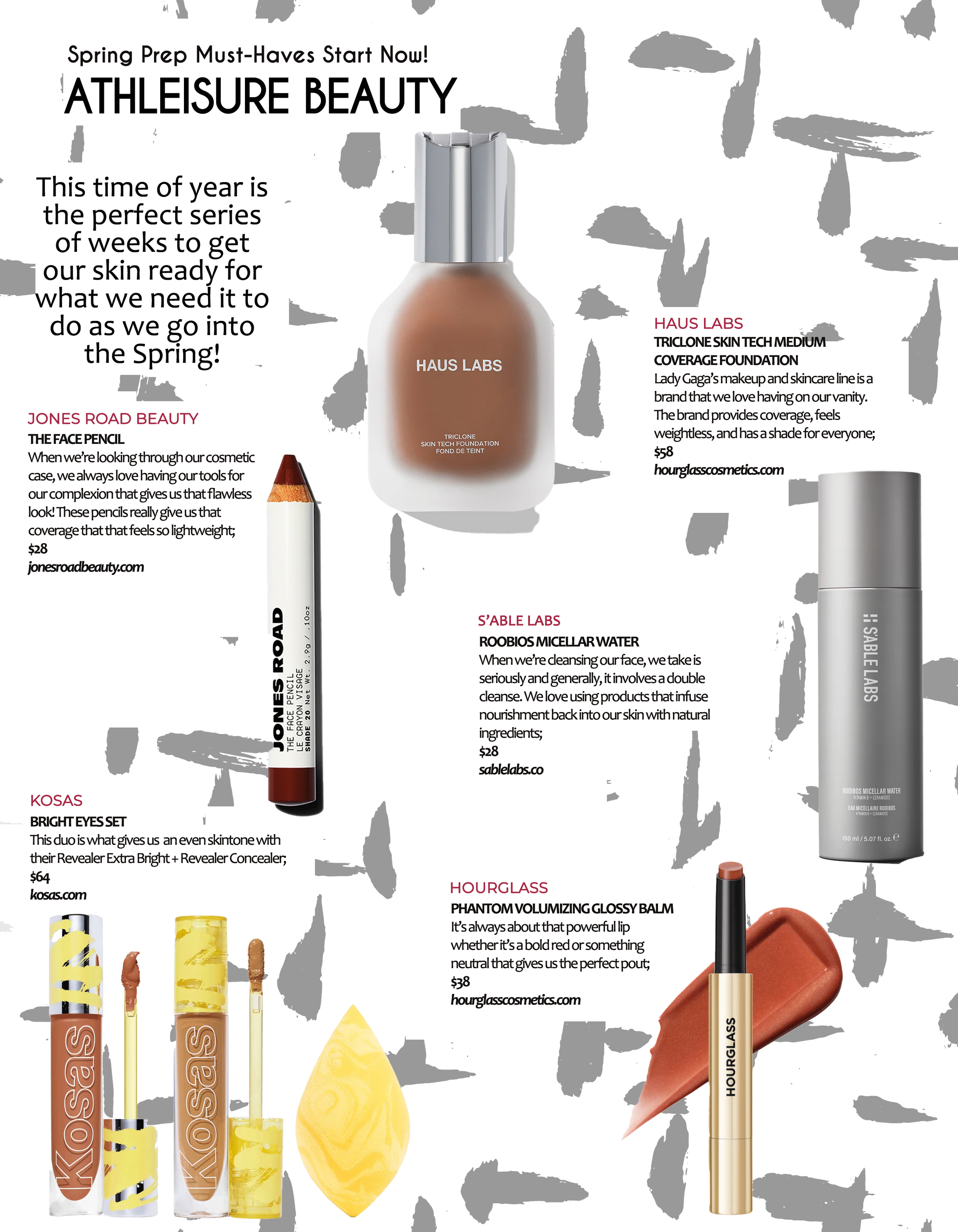
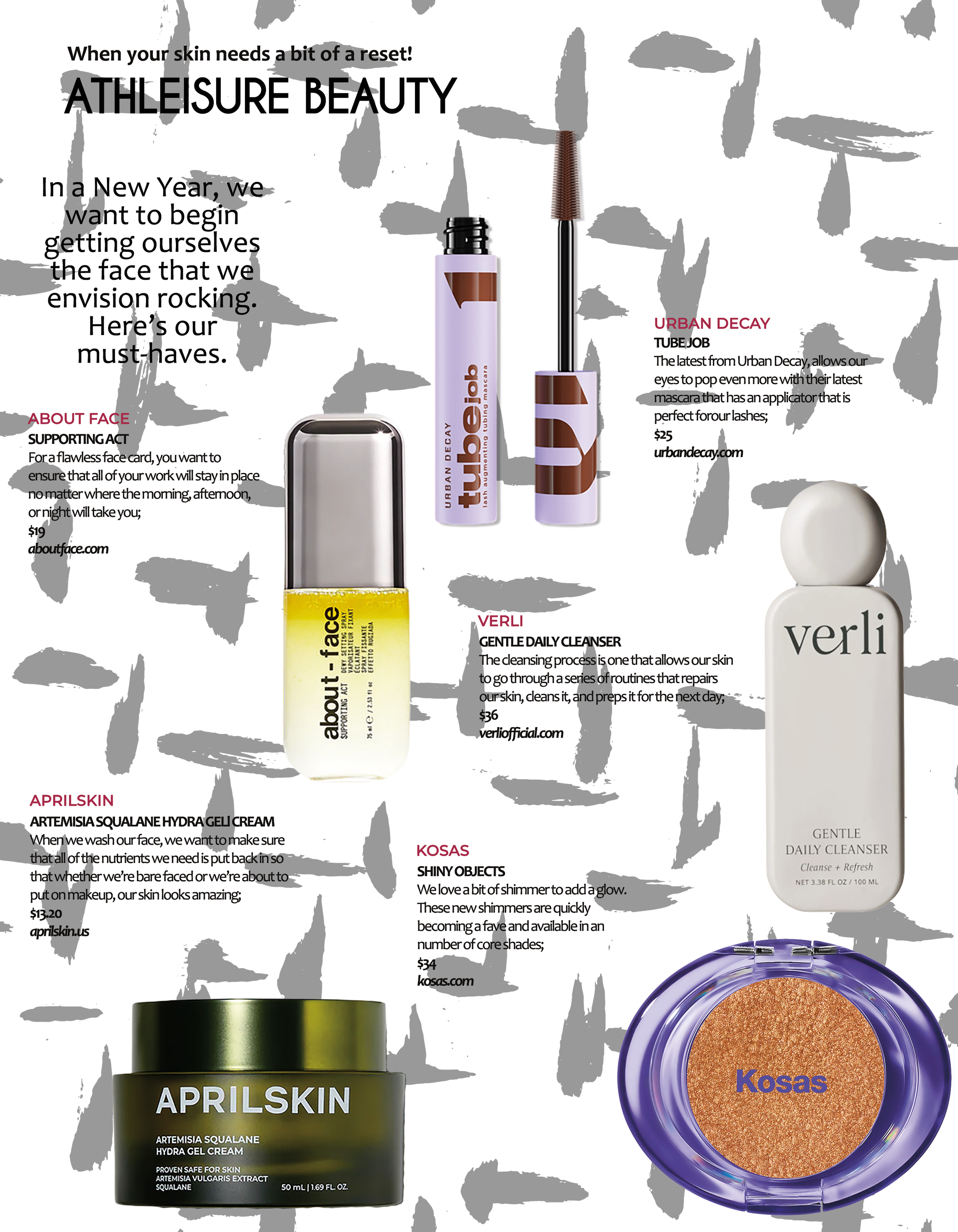
Read the FEB ISSUE #110 of Athleisure Mag and see ATHLEISURE BEAUTY in mag.

PHOTO CREDITS | Disney

PHOTO CREDIT | ABC/The Bachelor Key Art
PHOTO CREDIT FOR THE BACHELOR CONTESTANTS | Disney/Matt Sayles
This season has moved quickly - it’s Hometowns on ABC’s The Bachelor. Grant heads to Boston to meet up with Julianna. They’re going to enjoy Little Italy in her hometown and he learns how to make pizza. They pick flowers together and they even make canolis which is a fun way for them to continue to meet one another.
They make their way to her home and he meets so many people and has 1-on-1 conversations with her parents and you can see that they get along. He lets her know that he is falling in love with her as she told him that last week!
He heads out to NYC to enjoy his next Hometown with Zoe. We see them in Central Park walking around. We know that Grant is originally from NJ so it’s familiar for him. He’s going to meet her family and friends. In addition to her working in tech, she takes him to a shoot with BRIDE’S magazine where they will do 3 looks together. They also meet her family and get to know them more. It seems that it went well although we don’t see them going the distance.
His next date takes him to Wyoming to meet Litia. He is nervous as he knows that not being Mormon may be an issue. They ride horses in the countryside together. They meet her family and then her mom lets her know that she has a surprise and there are even more people there then who he met at Julianna’s! Litia’s mom lets her know that she needs to let Grant know how she feels.
The final Hometowns takes place in Chicago with Dina! She tells him that her family is not going to meet with him because they don’t like the process although it is not a reflection on him. She lets him know that if they go forward, he would get to meet them and they would support their relationship. In addition, she lets him know that they will get to be with her friends, but she is nervous about what this will mean for their relationship. Meeting her friends, we think that he can see how they are her family as well and they reassure him that when he finally meets her family, he will be embraced! The fact that none of her 11 siblings showed up is quite a pill to swallow - you would think that someone would have stepped forward.
With the Hometowns being over, Grant meets up with Joey to get his perspective on how he needs to look at the days ahead. While Joey chats with him, the women are back talking with one another. They realize that there isn’t much time left and they talk about their Hometown dates. Dina hears how everyone had people (and in many cases large families there).
The rose ceremony brings the 4 ladies together as he makes his choices. We finally see Jesse Palmer as he decides between Dina and Zoe for the final rose. playing golf and chatting with one another.
RECEIVED A ROSE | Litia, Julianna, and Zoe.
DIDN’T RECEIVE A ROSE | Dina
Each night during this season, we will tweet about The Golden Bachelorette and you can chat along with us (@AthleisureMag + with our Co-Founder/Creative + Style Director, Kimmie Smith @ShesKimmie) to see what’s taking place!
Each week we will let you know who our faves were from the last episode and if we’ve changed up since then as it pertains to who we think should go to Hometowns.
We also suggest a podcast that we’ve become obsessed with over the past few seasons, Wondery’s Bachelor Happy Hour to get their feedback!
Read the latest issue of Athleisure Mag.






Read the FEB ISSUE #110 of Athleisure Mag and see #TRIBEGOALS in mag.

PHOTO CREDIT | ABC/Oscars
Today the winners of the 97th Oscars took place today and was hosted by Conan O’Brien which aired on ABC as well as Hulu.
As we have done throughout Awards Season, we share our predictions in bold, the ones we correctly identified as winners are in bold italics and winners that we didn’t predict are in italics. Below are the winners which includes those that wwe predicted correctly as well as those we didn’t.
"Anora" (Neon)
"The Brutalist" (A24)
"A Complete Unknown" (Searchlight)
"Conclave" (Focus)
"Dune: Part Two" (Warner Bros.)
"Emilia Pérez" (Netflix)
"I'm Still Here" (Sony Classics)
"Nickel Boys" (Amazon/MGM)
"The Substance" (Mubi)
"Wicked" (Universal)
Sean Baker, "Anora"
Brady Corbet, "The Brutalist"
James Mangold, "A Complete Unknown"
Jacques Audiard, "Emilia Pérez"
Coralie Fargeat, "The Substance"
Cynthia Erivo, "Wicked"
Karla Sofia Gascón, "Emilia Pérez"
Mikey Madison, "Anora"
Demi Moore, "The Substance"
Fernanda Torres, "I'm Still Here"
Adrian Brody, "The Brutalist"
Timothée Chalamet, "A Complete Unknown"
Colman Domingo, "Sing Sing"
Ralph Fiennes, "Conclave"
Sebastian Stan, "The Apprentice"
Monica Barbaro, "A Complete Unknown"
Ariana Grande, "Wicked"
Felicity Jones, "The Brutalist"
Isabella Rossellini, "Conclave"
Zoe Saldaña, "Emilia Pérez"
Yura Borisov, "Anora"
Kieran Culkin, "A Real Pain"
Edward Norton, "A Complete Unknown"
Guy Pearce, "The Brutalist"
Jeremy Strong, "The Apprentice"
"Anora," Sean Baker
"The Brutalist," Brady Corbet & Mona Fastvold
"A Real Pain," Jesse Eisenberg
"September 5," Tim Fehlbaum & Moritz Binder
"The Substance," Coralie Fargeat
"A Complete Unknown," Jay Cocks & James Mangold
"Conclave," Peter Straughan
"Emilia Pérez," Jacques Audiard, Thomas Bidegain & Nicolas Livecchi
"Nickel Boys," RaMell Ross & Joslyn Barnes
"Sing Sing," Clint Bentley, Greg Kwedar, Clarence Maclin & John "Divine G" Whitfield
"I'm Still Here," Walter Salles (Brazil)
"The Girl with the Needle," Magnus von Horn (Denmark)
"Emilia Pérez," Jacques Audiard (France)
"The Seed of the Sacred Fig," Mohammad Rasoulof (Germany)
"Flow," Miguel Gomes (Latvia)
"Black Box Diaries," Shiori Itō (MTV)
"No Other Land," Basel Adra, Hamdan Ballal, Yuval Abraham & Rachel Szor (No distributor)
"Porcelain War," Brendan Bellomo & Slava Leontyev (Picturehouse)
"Soundtrack for a Cout d'Etat," Johan Grimonprez (Kino Lorber)
"Sugarcane," Julian Brave NoiseCat & Emily Kassie (Nat Geo)
"Flow" (Janus Films/Sideshow)
"Inside Out 2" (Disney/Pixar)
"Memoir of a Snail" (IFC Films)
"Wallace & Gromit: Vengeance Most Fowl" (Aardman/Netflix)
"The Wild Robot" (Dreamworks/Universal)
"The Brutalist," Lol Crawley
"Dune: Part Two," Greig Fraser
"Emilia Pérez," Paul Guillaume
"Maria," Edward Lachman
"Nosferatu," Jarin Blaschke
"A Complete Unknown," Arianne Phillips
"Conclave," Lisy Christl
"Gladiator II," Janty Yates
"Nosferatu," Linda Muir
"Wicked," Paul Tazewell
"Anora," Sean Baker
"The Brutalist," Dávid Jancsó
"Conclave," Nick Emerson
"Emilia Pérez," Juliette Welfling
"Wicked," Myron Kerstein
"The Brutalist," Judy Becker
"Conclave," Suzie Davies
"Dune: Part Two," Patrice Vermette
"Nosferatu," Craig Lathrop
"Wicked," Nathan Crowley
"The Brutalist," Daniel Blumberg
"Conclave," Volker Bertelmann
"Emilia Pérez," Clément Ducol & Camille
"Wicked," John Powell & Stephen Schwartz
"The Wild Robot," Kris Bowers
"Never Too Late," "Elton John: Never Too Late" (Elton John & Brandi Carlile)
"El Mal," "Emilia Pérez" (Clement Ducol, Camille & Jacques Audiard)
"Mi Camino," "Emilia Pérez" (Clement Ducol & Camille)
"Like a Bird," "Sing Sing" (Adrian Quesada & Abraham Alexander)
"The Journey," "The Six Triple Eight" (Diane Warren)
"A Complete Unknown"
"Dune: Part Two"
"Emilia Pérez"
"Wicked"
"The Wild Robot"
"Alien: Romulus"
"Better Man"
"Dune: Part Two"
"Kingdom of the Planet of the Apes"
"Wicked"
"A Different Man"
"Emilia Pérez"
"Nosferatu"
"The Substance"
"Wicked"
"Death by Numbers"
"I Am Ready, Warden"
"Incident"
"Instruments of a Beating Heart"
"The Only Girl in the Orchestra"
"Beautiful Men"
"In the Shadow of the Cypress"
"Magic Candies"
"Wander to Wonder"
"Yuck!"
"A Lien"
"Anuja"
"I'm Not a Robot"
"The Last Ranger"
"The Man Who Could Not Remain Silent"
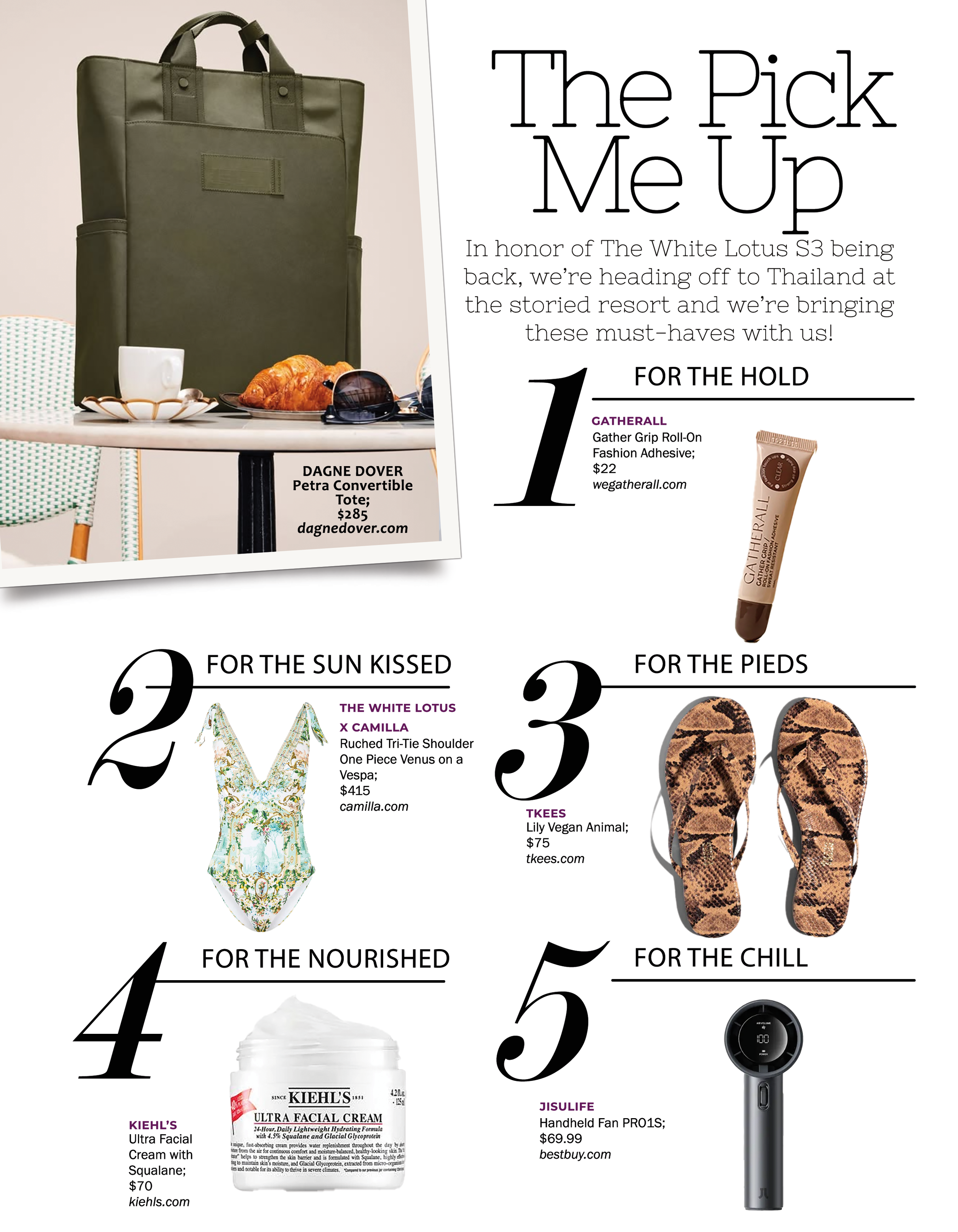
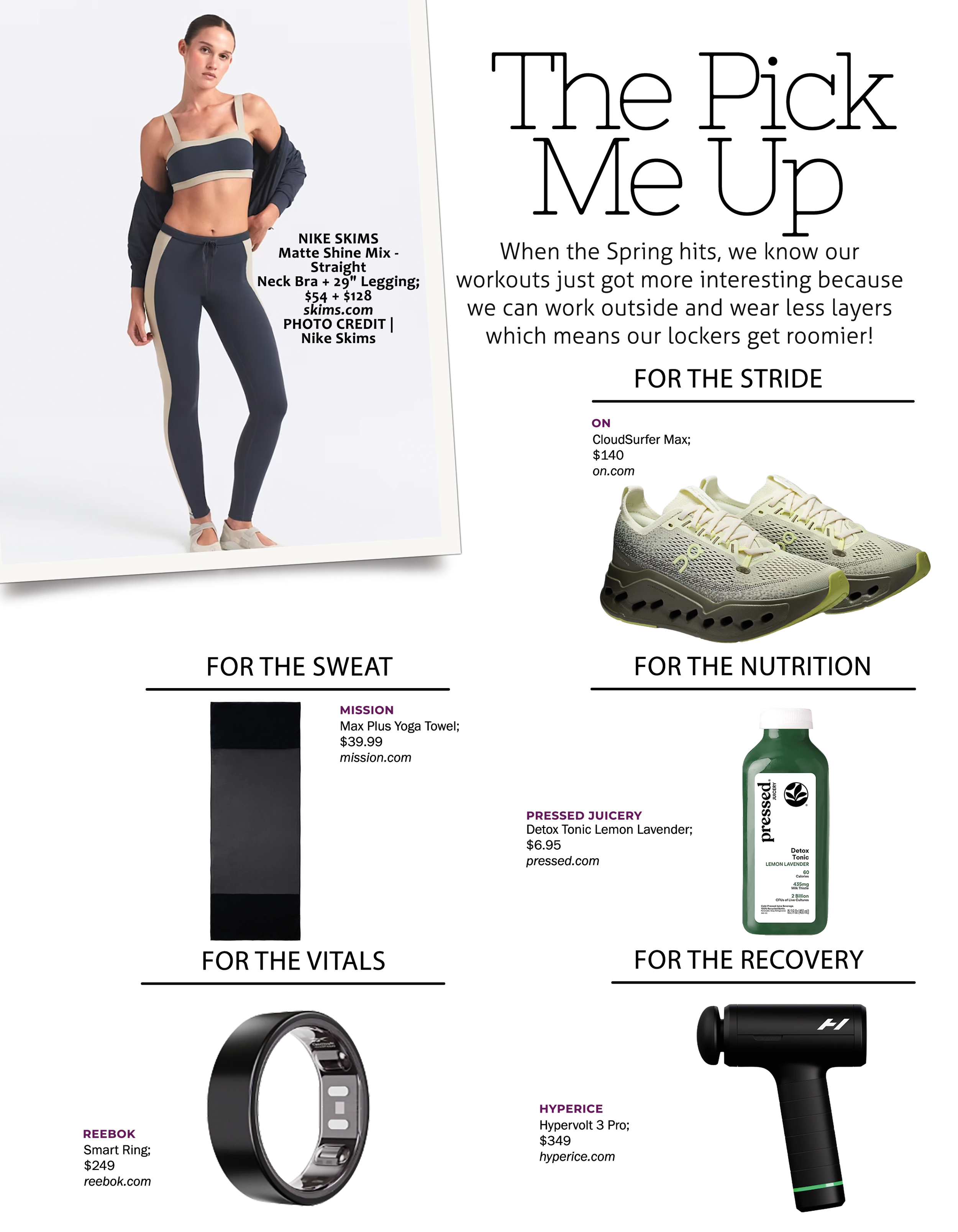
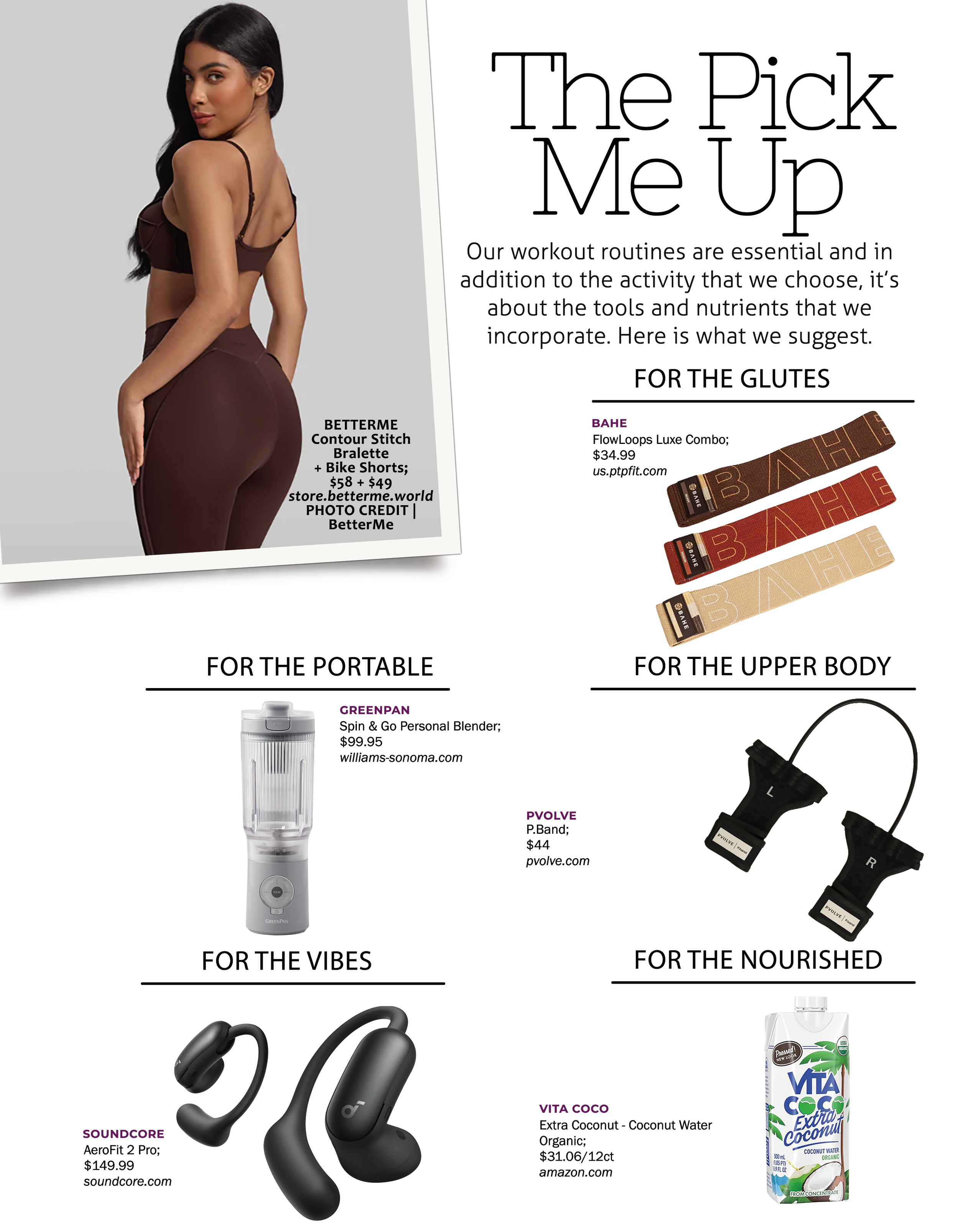
Read the FEB ISSUE #110 of Athleisure Mag and see THE PICK ME UP in mag.
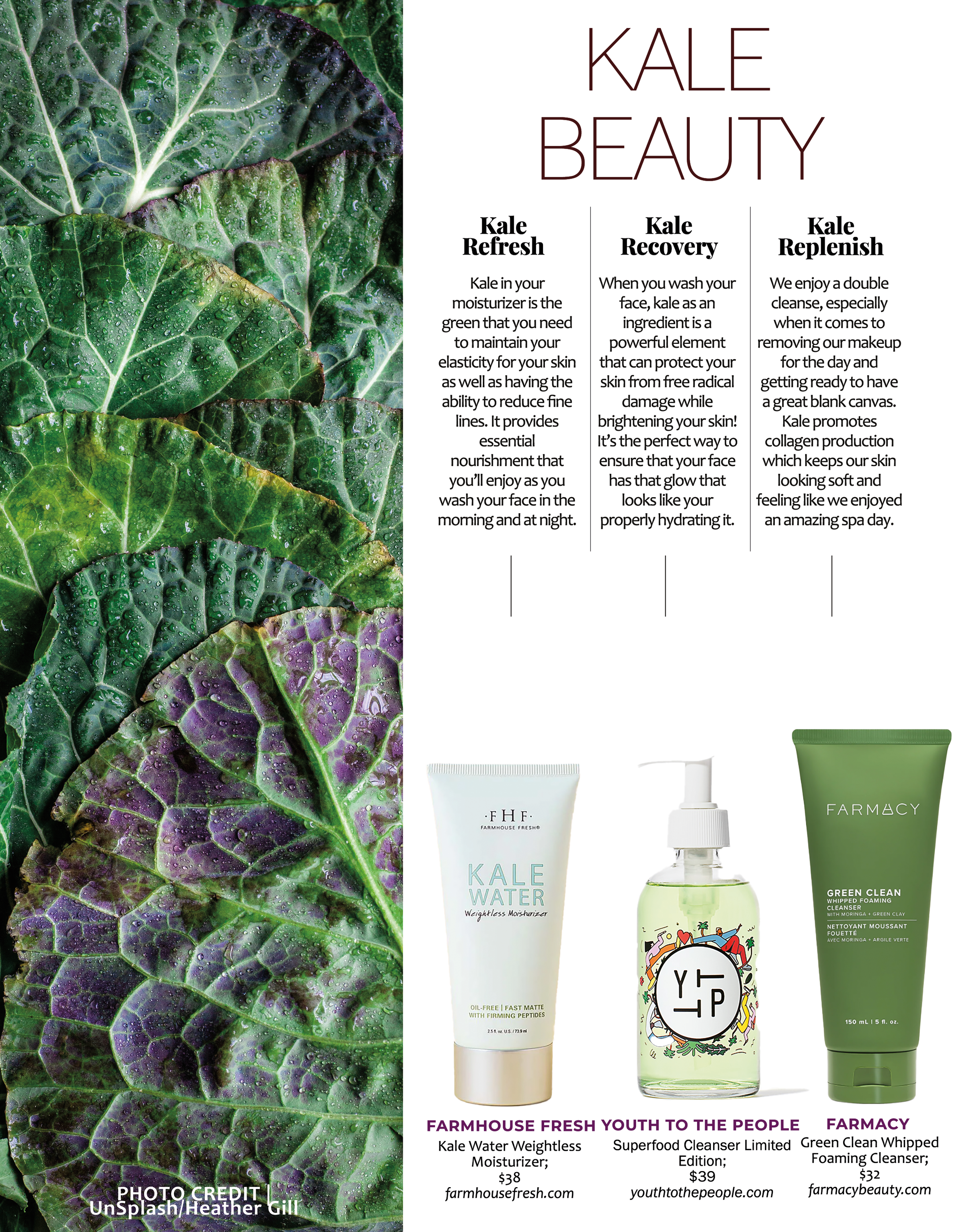
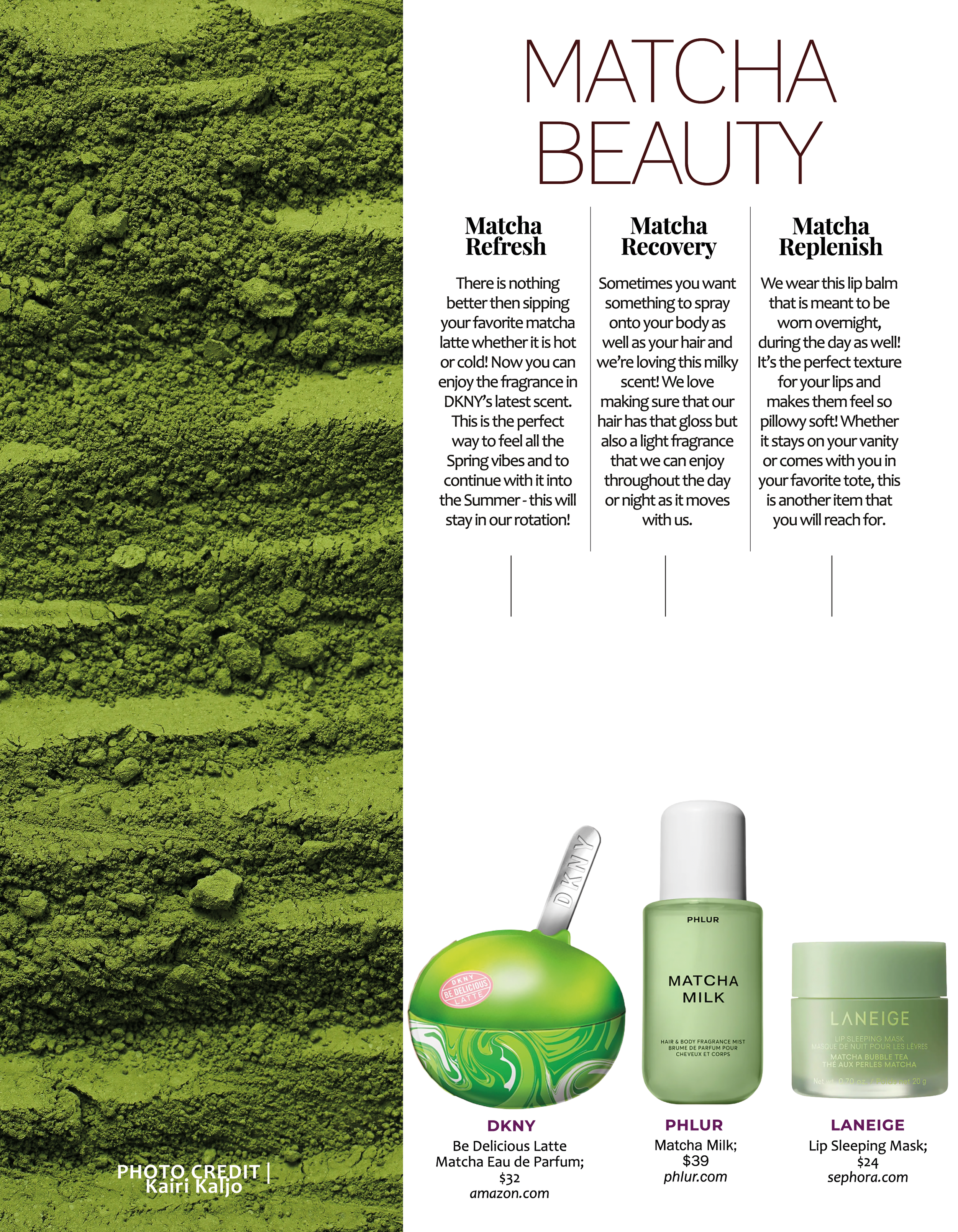
Read the FEB ISSUE #110 of Athleisure Mag and see KALE BEAUTY in mag.

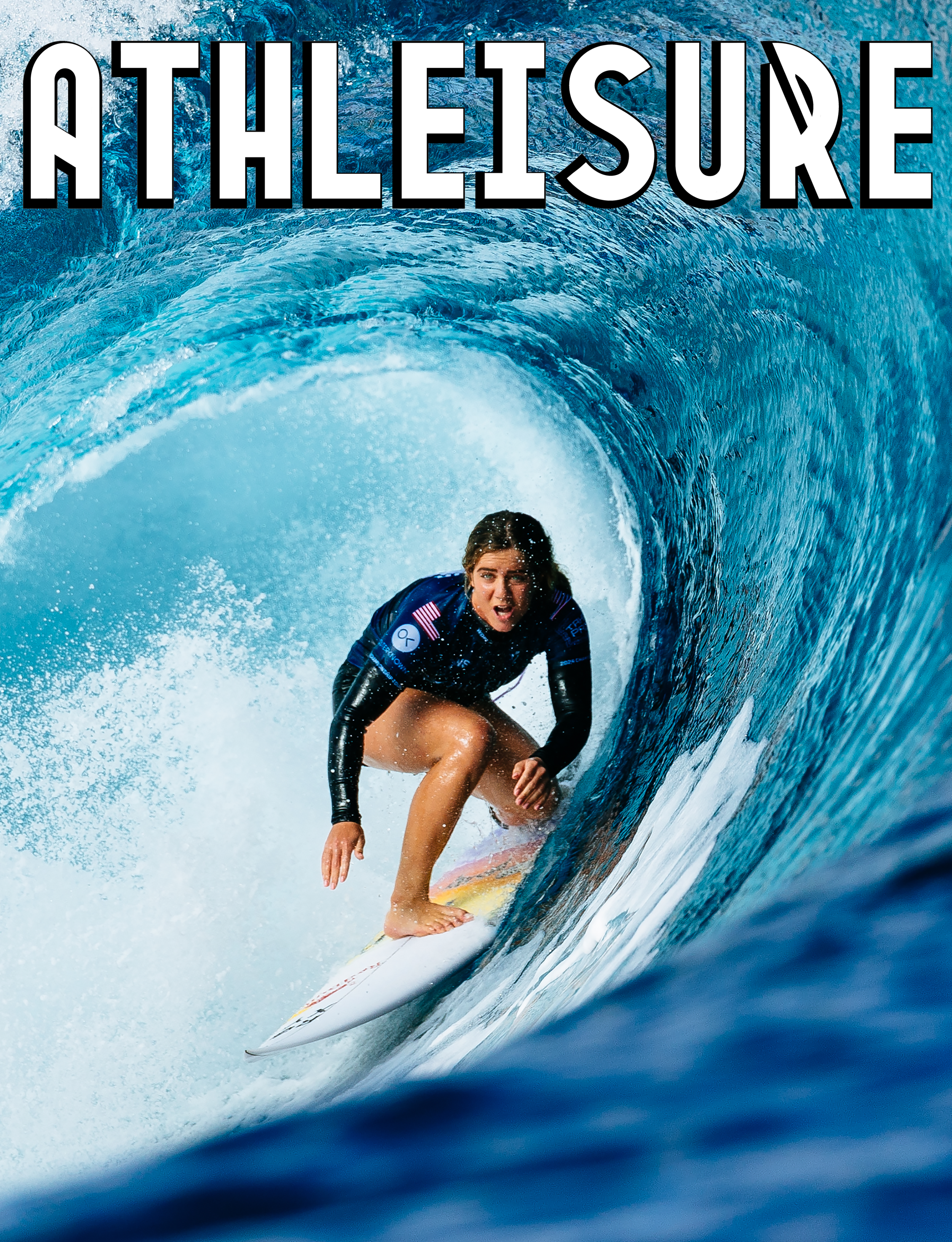
In this month’s issue, our front and back cover story is undefeated boxer and promoter with 15 Major World Champion over 5 weightclass and entrepreneur Floyd Mayweather. We talked with him about his phenomenal career, how he approached his fights, exhibition boxing, his latest projects 1O1 supplements, and his real estate empire.
We sat down with HBO's CELTICS CITY director Lauren Stowell and Producer Gabe Honig to talk about this 9 episode docuseries which will debut on on Mar 3rd. They talk with us on how they approached covering the 75 years of the Boston Celtics as well as being a dynasty with their 18 Championships that they have won.
We also talked with Alex Donnelly, the director of ROKU's United States of Rugby which looks at growing the game in the US and specifically Major League Rugby's Chicago Hounds. We also talked with 2 of the stars from this franchise Noah Brown and Charlie Abel.
S4 of STARZ's Power Book III: Raising Kanan will drop on Mar 7th. We caught up with the cast London Brown, Hailey Kilgore, and Malcolm Mays to find out more about who they play and what we can expect from the upcoming season.
We took some time with HGTV's Married to Real Estate stars and power couple, Egypt Sherrod and Mike Jackson. We talk about how they got into real estate, being an agent, broker, interior design, and construction. They also talk about how they got into TV, upcoming projects, and small businesses.
During NYFW FW25 which took place early Feb, we saw a number of runway shows, presentations, and events that gave us insight to trends and aesthetics that we can look forward to later this month. We share our finds from Frederick Anderson, NYMD, FILIPINXT, and more.
We make our way to Ireland to sit down with Chef Vincent Crepel of Terre to talk about how he got into culinary, where he trained as well as what we can expect when we are coming into his restaurant.
This month's The Art of the Snack takes us to DC with Tapori which recently opened on H Street and has a menu of Indian street food and phenomenal cocktails. We chatted with restaurateur Dante Datta about this new spot.
This month's Athleisure List comes from The Class, created by Taryn Toomey and is located in Tribeca as well as in Santa Monica. In addition, we also have the Gayn Museum in Jaipur, India which has a number of stunning apparel and accessories that can be viewed via private appointment.
This month we have our 9PLAYLIST from NFL Super Bowl Champion Jalen Hurts of the Philadelphia Eagles. Our 63MIX ROUTIN3S comes from Team USA Olympic Gymnast Nastia Liukin (G1,S2,B1). This month's THE 9LIST 9CH3FS comes from Chef Jeffrey Budnechky of Apocalypse BBQ, Chef PJ Calapa of Marea Beverly Hills and our THE 9LIST 9B-L-D comes from Sommelier Belinda Chang as she shares what wines she would pair with Breakfast, Lunch, and Dinner.
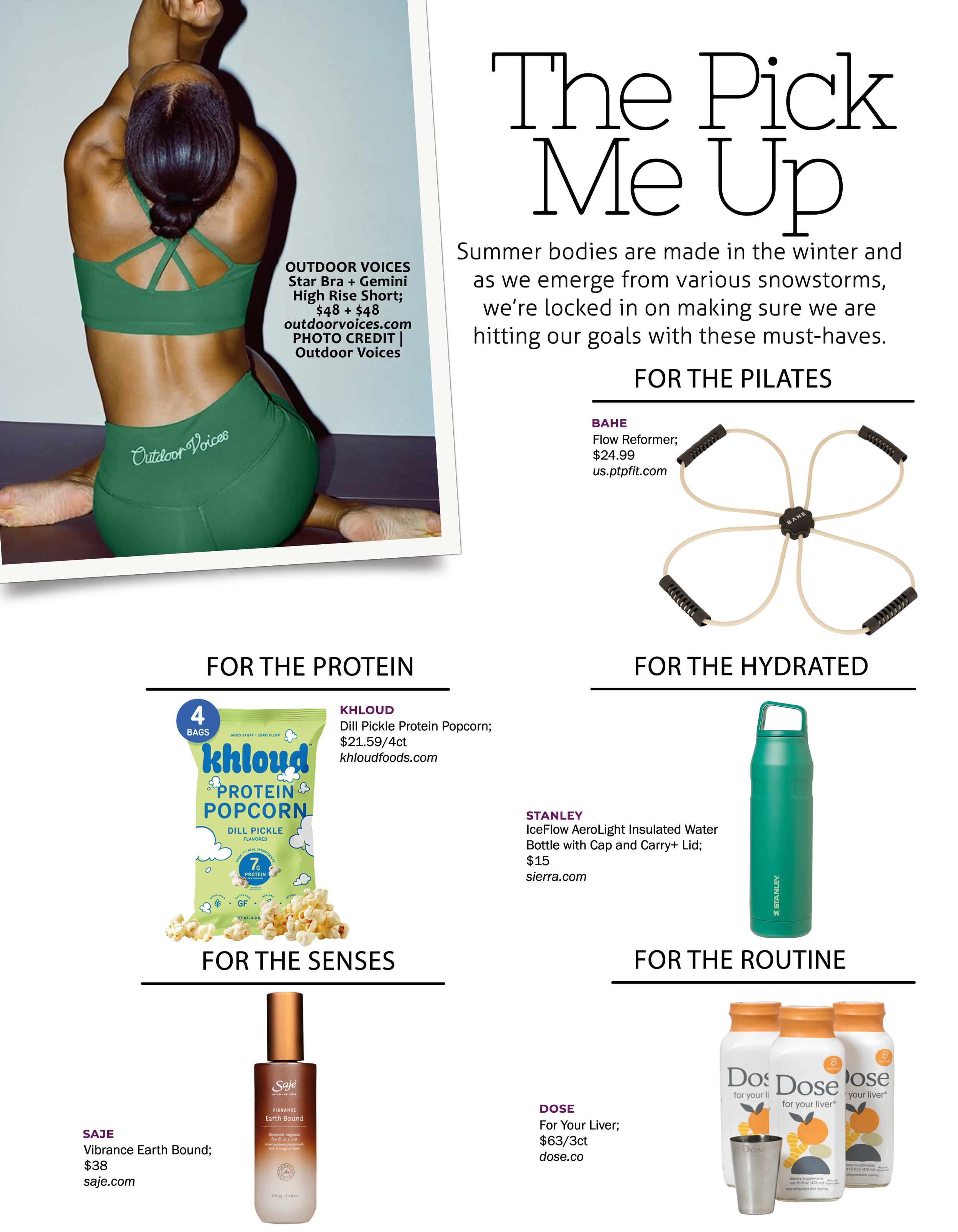
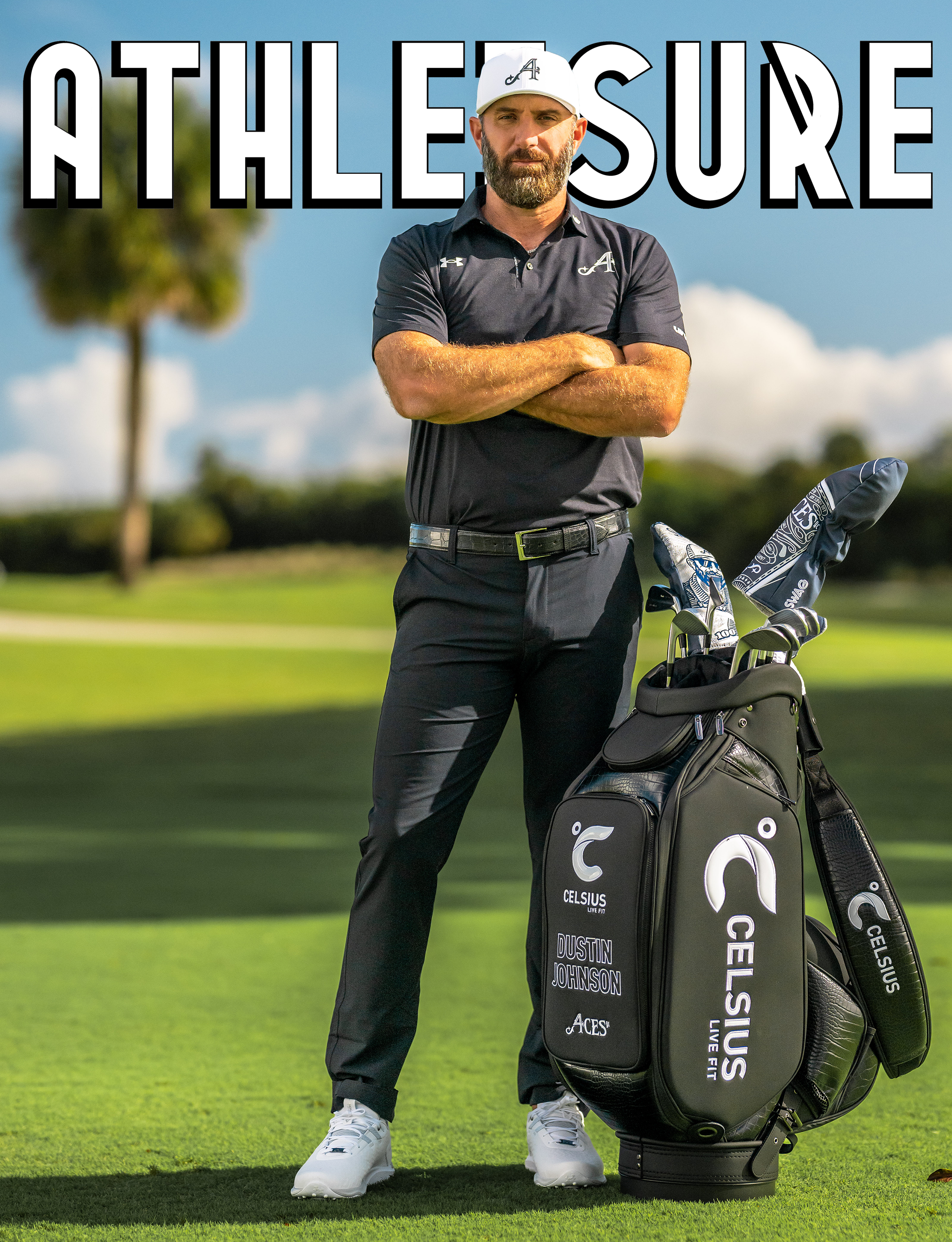
Read the FEB ISSUE #110 of Athleisure Mag.
Caring for a dog’s cardiovascular system is essential to pet ownership. What are the best ways to ensure your furry companion maintains a strong and healthy heart? A nutrient-rich diet and specific enhancements can work wonders for their overall well-being. Together, these two elements can create a comprehensive approach to supporting heart health and improving vitality.
Incorporating a heart supplement for dogs into their routine can significantly enhance the benefits of a balanced diet. This pairing ensures your pet’s nutritional needs are met while providing extra support for optimal heart performance. Let’s explore how these elements can harmoniously contribute to your dog’s cardiovascular wellness.
A well-rounded diet is crucial for keeping your dog’s heart in peak condition. High-quality proteins, healthy fats, and essential vitamins create a foundation for long-term well-being. Choosing foods with specific nutrients that support heart function can make a noticeable difference in your pet’s vitality.
Certain ingredients, such as omega-3 fatty acids in fish and flaxseed, promote good circulation and reduce inflammation. Taurine, an amino acid in animal proteins, is critical in maintaining normal heart function. Antioxidants from fruits and vegetables protect cells from damage, further supporting the cardiovascular system. Various nutrient-dense options ensure your dog receives all the essential components needed for a healthy heart. When diet alone isn’t enough, supplements can fill the gaps.
Sometimes, a standard diet may not provide everything a dog needs for optimal heart health. Nutritional supplements can bridge the gap, offering concentrated doses of beneficial compounds that enhance the effects of a balanced diet. These enhancements work in tandem with meals to ensure comprehensive care.
Key nutrients found in supplements, such as CoQ10 and L-carnitine, help improve energy production and support heart muscle function. Vitamin E and selenium contribute to antioxidant protection, reducing oxidative stress that can affect cardiovascular health. These additions complement the natural nutrients in your dog’s food, creating a synergistic effect that promotes overall wellness. How do you know if your dog needs extra support? Watch for these signs.
Paying attention to your dog’s behavior and overall condition can provide insights into their health needs. Subtle changes often indicate the need for dietary adjustments or added nutrients to support heart function.
Here are a few signs to watch for:
● Reduced energy levels or frequent fatigue
● A coat that appears dull or lacks shine
● Difficulty maintaining a healthy weight
● Slower recovery after exercise or play
Addressing these signs promptly ensures your dog gets the support they need. Consulting with a veterinarian can help you develop a tailored plan that includes dietary adjustments and supplemental care. Natural remedies offer gentle support for heart and respiratory health.
Ensuring your dog’s health involves supporting their well-being, including respiratory and cardiovascular systems. Natural supplements designed with a blend of targeted ingredients can provide an effective and holistic solution for these needs. Products like herbal blends with respiratory and heart health support offer significant advantages for improving your dog’s quality of life.
● Promotes Respiratory Health: Formulas enriched with adaptogens and herbs can help maintain clear airways, making breathing easier for your pet.
● Cardiovascular Support: Ingredients such as mushrooms and antioxidants enhance circulation and strengthen the heart.
● Holistic Wellness: Many natural supplements provide dual-action benefits, simultaneously improving respiratory function and heart health.
● Safe and Effective: These options are free from artificial additives and rely on nature-based solutions for gentle yet impactful care.
Pairing a nutrient-rich diet with a heart supplement for dogs effectively supports their cardiovascular health. Combining thoughtful meal planning with the right enhancements ensures your dog stays vibrant and healthy. Providing this level of care contributes to a happy and active future for your beloved pet.
Preventative healthcare is more than just avoiding illness—it’s about taking proactive steps to build long-term wellness. Traditional medicine primarily focuses on diagnosing and treating diseases after they develop, but integrative medicine offers a different approach. By combining conventional medical practices with complementary therapies, integrative medicine helps individuals maintain their health, address imbalances early, and reduce the risk of chronic conditions.
As more people recognize the importance of whole-body wellness, integrative medicine is gaining traction as an effective way to prevent illnesses before they arise. This patient-centered approach acknowledges that physical, emotional, and mental health are deeply connected and that long-term well-being requires a combination of medical treatments, lifestyle changes, and holistic practices.

PHOTO CREDIT | FreePik
Integrative medicine is a comprehensive approach that blends conventional treatments with complementary therapies. These can include acupuncture, chiropractic care, herbal medicine, massage therapy, meditation, nutritional counseling, and exercise programs tailored to individual needs.
Unlike alternative medicine, which often replaces conventional treatments, integrative medicine works alongside traditional healthcare to create a well-rounded approach. The goal is to address the root causes of potential health issues rather than just treating symptoms. By emphasizing prevention, integrative medicine empowers individuals to take charge of their well-being.
Many healthcare providers now incorporate integrative treatments into their practice, recognizing that factors such as diet, stress management, and physical activity play a major role in preventing illness. As a result, more people are seeking out healthcare options that go beyond prescriptions and quick fixes.
Preventative care is essential for reducing the risk of chronic diseases like heart disease, diabetes, and hypertension. Many of these conditions develop gradually due to factors like poor diet, lack of exercise, and unmanaged stress. Instead of waiting for symptoms to appear, preventative healthcare focuses on strengthening the body’s natural defenses to stop diseases before they take hold.
This is where integrative medicine excels. It promotes a lifestyle that fosters balance, strengthens immunity, and reduces the likelihood of long-term health complications. By addressing underlying imbalances and encouraging proactive wellness practices, integrative medicine helps people stay healthy longer.
For example, VYVE Charlotte in North Carolina] provides wellness-focused treatments that encourage long-term health. Clinics like this take a comprehensive approach to healthcare, blending medical expertise with holistic therapies to help patients maintain their well-being before major health issues arise.
The food we eat directly impacts our health. Poor nutrition is linked to a higher risk of obesity, cardiovascular disease, inflammation, and metabolic disorders. Integrative medicine emphasizes the importance of whole, nutrient-dense foods that provide the body with the vitamins and minerals it needs to function optimally.
Instead of recommending extreme diets or restrictive eating patterns, integrative practitioners develop personalized nutrition plans. These often include:
● Anti-inflammatory foods like berries, leafy greens, and fatty fish
● Gut-friendly probiotics found in yogurt, kefir, and fermented foods
● Herbs and spices such as turmeric and ginger, which support immune function
By focusing on whole-body nourishment, integrative medicine helps reduce the risk of disease while promoting long-term vitality.
Chronic stress weakens the immune system, disrupts digestion, and increases the risk of anxiety, depression, and cardiovascular disease. Traditional medicine often treats stress-related symptoms with medication, but integrative healthcare takes a more holistic approach.
Stress management techniques such as:
● Meditation and mindfulness practices
● Deep breathing exercises
● Guided relaxation techniques
● Acupuncture and massage therapy
These approaches help regulate stress hormones, lower blood pressure, and improve overall emotional well-being. Managing stress is essential for preventing many chronic diseases and maintaining a healthy immune system.
Regular physical activity supports heart health, bone density, mobility, and mental well-being. However, not all exercise is suitable for everyone. Integrative medicine emphasizes movement practices that align with an individual's specific needs, whether they are recovering from an injury, managing arthritis, or simply looking to improve their fitness level.
Popular movement-based therapies in integrative medicine include:
● Yoga and tai chi for flexibility, balance, and stress relief
● Strength training to support bone density and metabolic health
● Low-impact exercises like swimming and walking for cardiovascular fitness
By tailoring physical activity to each person’s unique needs, integrative medicine ensures that movement remains a sustainable and enjoyable part of a preventative health routine.
Herbal medicine has been used for centuries to support overall health. Modern research continues to highlight the benefits of certain herbs and supplements in disease prevention. Some widely recommended options include:
● Turmeric – A powerful anti-inflammatory that supports joint and heart health
● Ashwagandha – Helps lower stress hormones and improve energy levels
● Omega-3 fatty acids – Promotes heart and brain health
● Probiotics – Supports gut balance and immune function
While supplements can play a beneficial role in preventative healthcare, integrative practitioners ensure they are used appropriately and in combination with other wellness strategies.
The body is constantly exposed to toxins from processed foods, pollution, and stress. Over time, these toxins can contribute to chronic inflammation and disease. Integrative medicine promotes natural detoxification strategies that help eliminate harmful substances and support the body's natural healing processes.
Methods of detoxification may include:
● Drinking plenty of water to flush out toxins
● Eating fiber-rich foods that support digestion
● Using infrared sauna sessions to encourage sweating and detoxification
● Lymphatic drainage massage to stimulate circulation
Gut health is another cornerstone of preventative care. A balanced gut microbiome influences digestion, immune response, and mental clarity. Maintaining gut health through diet, probiotics, and fermented foods can prevent gastrointestinal disorders and support overall wellness.
Quality sleep is essential for cognitive function, immune health, and metabolic balance. Poor sleep can lead to hormonal imbalances, increased stress levels, and a higher risk of chronic diseases. Instead of relying solely on sleep medications, integrative medicine offers natural approaches to improving sleep, such as:
● Herbal remedies like valerian root and chamomile tea
● Magnesium supplementation to promote relaxation
● Sleep hygiene practices like limiting screen time before bed
● Breathwork and meditation to improve sleep quality
Optimizing sleep patterns allows the body to repair and regenerate, further enhancing overall health.
Many patients turn to integrative medicine after struggling with conventional treatments that focus on symptom relief rather than long-term health. Common success stories include:
● Pain management without reliance on opioids through acupuncture and chiropractic care
● Improved digestive health with dietary changes and gut-supporting supplements
● Stronger immune function due to stress reduction and herbal therapies
● Better mental clarity and focus through mindfulness and balanced nutrition
These real-world benefits highlight why integrative medicine is an essential part of modern preventative healthcare.
With increasing awareness of holistic wellness, integrative medicine is gaining recognition in mainstream healthcare. Many hospitals and medical centers now incorporate complementary therapies, and insurance providers are beginning to acknowledge the value of preventative care.
Patients are also becoming more proactive about their health. Instead of waiting for illnesses to develop, they seek wellness-focused care that prioritizes prevention. This shift represents a growing recognition that long-term health requires a combination of medical expertise and lifestyle adjustments.

PHOTO CREDIT | FreePik/Stefamerpik
Integrative medicine is transforming the way people approach preventative healthcare. By focusing on nutrition, stress management, movement, and natural therapies, this approach helps individuals take control of their well-being before major health issues develop.
Preventative care is about making small, intentional choices that lead to lasting health. Whether through dietary improvements, mindfulness practices, or holistic treatments, integrative medicine provides the tools needed to maintain wellness and prevent disease. As this field continues to grow, it has the potential to redefine the future of healthcare, ensuring that more people enjoy healthier, longer lives.