
BINGELY TV/STREAMING

QUARTERBACK

Netflix Original

Netflix

S3 of Netflix’s Quarterback follows Jayden Daniels (Washington Commanders), Baker Mayfield (Tampa Bay Buccaneers), Joe Flacco (Cincinnati Bengals), and Cam Ward (Tennessee Titans). Released on July 14, 2026, the season covers their journeys and experiences through the 2025 football season. With Jayden, we watch him in sophomore season with the team as he battles injuries. We watch Baker navigate bringing his team through the playoffs. With Joe, we watch a veteran where at the beginning of this series, we see him playing for the Cleveland Browns, being traded midseason to the Cincinnati Bengals to play as the primary quarterback while Joe Burrow recovers from an injury and then stepping back to second position when he returns to the team. Finally, we see Can in his rookie season coming into the NFL as the No. 1 overall pick.

STEM & BARREL

Discovery

Discovery+

We went to the screening of Stem & Barrel Napa Valley which follows a single harvest season of 3 wineries. We learn how they prepare for it, what it’s like and all that is involved as these activities take place in Napa Valley. For Beaulieu Vineyard, we follow winemaker Nate Weis as he manages the historic estate’s renovation alongside his first vintage of the flagship Georges de Latour Private Reserve.

For Frank Family Vineyards, we see the harvest season through the scope of their winemaker, Todd Graff as we see the fastpaced and precise work of the cellar during the 2025 crush.

Finally we see Etude Wines senior winemaker Jon Priest who is focused on the production of their world-class Pinot Noir and mentoring harvest interns who are joining the process.

THE FIVE STAR WEEKEND

Peacock Original

Peacock

The Five Star Weekend was a best-selling novel by Elin Hilderbrand that is now available on Peacock for a completely bingeable series.

We meet Hollis Shaw (Jennifer Garner), a noted cook and best-selling author. She is known for her recipes, taste, and personality. But we also know that she is grieving her husbands death which also allows us to see that the perfect life we have been watching isn’t as it appears.

She decides to have a weekend in Nantucket and invites friends from various stages of her life! She has her childhood friend (Chloë Sevigny), another from her 20’s (Regina Hall), her 30’s (D’Arcy Carden) and a surprising friend (Gemma Chan).

Although there are amazing meals and experiences, Hollis is forced to confront her life and to take the reigns on what she wants it to be! She begins to see her life from the proper perspective and allows herself to have the agency to begin making active choices going forward.

BEST APPLE WATCH BANDS FOR FITNESS: 10 SWEAT-RESISTANT AND COMFORTABLE PICKS

Here is the thing nobody tells you when you buy the watch: the watch is the part that lasts. The band is the part that quits.

Anyone who trains four or five days a week knows the arc. Week one, the band feels great. Week six, it has gone slightly grey at the fold, holds a faint smell after hot yoga, and leaves a pink rectangle on your forearm every time you finish a treadmill session. You end up loosening it mid-workout, which is exactly when the sensor stops behaving.

So this is less a gear list than a materials argument. Below are ten picks that survive real sweat, plus a simple way to think about what you are actually buying.

PHOTO CREDIT | Pexels/Ketut Subiyanto

What Sweat Actually Does To A Band

Three things separate a band you keep from one you quietly retire.

Dry time. Nylon and woven fabrics wick and dry fast, usually within an hour of a hard session. Silicone and fluoroelastomer do not absorb anything at all, which sounds better until you realize the sweat has to go somewhere - and that somewhere is the seal between rubber and skin.

Behavior under load. A band that feels perfect at rest can chafe badly once your forearm swells during heavy pressing or a long climb. Perforations and stretch weaves matter more than thickness.

Sensor contact. This one is underrated. Apple's own guidance is that the watch should sit snug but not tight, above the wrist bone, with the back in contact with skin, and that you may want to tighten the band for workouts and loosen it afterward. A band that stretches out over time quietly degrades your heart rate data. You will blame the watch. It is the band.

The 10 Picks

1. The Everyday Woven Band

Woven nylon is the sleeper category for people who train and then go straight to a meeting. It dries fast, it does not trap heat against the wrist, and it does not read as gym gear the second you push your sleeve up. 

The aftermarket has gotten good here, which is where a smaller family-run label like Solace Bands has built a following, offering woven, leather, and metal Apple watch bands in colorways that sit closer to accessory than equipment. Worth noting: woven does hold moisture longer than rubber, so this is a rinse-and-air-dry band, not a swim band.

2. The Apple Sport Band

Still the default, still fine. Fluoroelastomer is soft, genuinely waterproof, and the pin-and-tuck closure does not snag on a barbell. The complaint is real though - it can feel clammy in humidity, and the closure creates a pressure point on smaller wrists.

3. The Nike Sport Band

Same rubber compound, but perforated throughout. Those holes are not decoration. They vent, and on a summer run the difference is obvious within twenty minutes. Downside: the holes collect lint, sunscreen, and salt, and cleaning them properly takes a soft brush.

4. The Trail Loop

Built for distance. It is thin, stretchy nylon with a pull tab, so you can micro-adjust mid-run without stopping. Runners love it. Lifters generally do not, because the stretch means the watch shifts slightly under sudden load.

5. The Ocean Band

Overkill for most people, and that is sort of the point. Tubular elastomer with a titanium buckle, designed for water. If you swim, surf, or do anything where the watch goes fully under, this is the one that will not slip. It is bulky under a jacket sleeve. Accept that.

6. Nomad's Sport Band

FKM rubber, which is a step up from standard silicone in both feel and durability. It has a ventilation channel on the underside that actually reduces the sweat-trap effect. Priced above Apple's own band, a tough sell until you have worn one for a year and it still looks new.

7. A Rugged Case-And-Band Combo

For CrossFit, obstacle racing, or anyone who has already scratched a screen on a rack. Spigen's rugged line wraps the case and integrates the strap, so there is no lug gap collecting chalk dust. Bulky, unapologetically so, and it will not pass at dinner.

8. Budget Silicone From The Big Accessory Brands

Elago, Alpine, and similar labels sell perfectly serviceable silicone bands for a fraction of first-party pricing. The quality gap has narrowed a lot. What you give up is finish consistency at the connector, so buy from sellers with a return policy.

9. Elite Silicone With Quick-Release Hardware

Barton and a handful of others make silicone bands with genuinely good buckles and a quick-release system that lets you swap in under ten seconds. If you rotate bands daily, the hardware matters more than the strap.

10. The Armband Workaround

Twelve South's ActionSleeve moves the watch off your wrist entirely and onto your forearm. Sounds strange. Then you try front squats, or push-ups, or anything requiring a flat wrist, and it makes complete sense. Not an everyday solution, but the best answer for lifting-heavy training blocks.

Build A Rotation, Not A Collection

The rule: rubber for water and heat, woven for everything else. One fluoroelastomer or FKM band for swimming, hot classes, and outdoor summer training. One woven or nylon band for the gym floor, the commute, and the rest of your day. That covers roughly ninety percent of what most people who follow fitness editorials do in a week.

Add a third only if you have a specific reason - a leather or metal option for evenings, say, which is really a styling decision more than a performance one. If you have been following how June Ambrose thinks about building a wardrobe around a few strong pieces, the logic transfers neatly to wrists.

For travel, pack the rubber one. Hotel gyms are unpredictable, and you want the band you can rinse in a sink, which is also the band that survives a beach day on any destination worth the flight.

Clean It More Than You Think

This is the part everyone skips. A Florida Atlantic University study tested wristbands worn by active people and found that 95 percent of them carried bacterial contamination, with rubber and plastic bands showing the highest counts and metal showing almost none. Gym-goers had the worst numbers. Not surprising, but worth sitting with.

The fix is boring and effective. Rinse rubber bands under warm water after any sweaty session and wipe them dry. Wash woven bands weekly with mild soap, then air dry fully before wearing. Do not put a damp band back on your wrist - that is how you get irritation, and it is also how a band starts smelling in a way that never fully goes away.

The Bottom Line

Match the material to the sweat, not to the outfit. Rubber and FKM for anything involving water or serious heat. Woven nylon for daily training and everything after. Armband if you lift heavy and your wrist needs to stay flat.

Wearables have quietly become part of how people manage their whole day rather than just their workouts, and the role they play in daily routines keeps expanding - which is precisely why the strap deserves more thought than it usually gets. You wear it sixteen hours a day. It touches your skin the entire time. It determines whether your heart rate data is worth anything.

COSMETIC DENTISTRY ABROAD: A GUIDE TO SMILE MAKEOVERS

A brighter smile sits high on many wellness wish lists in 2026. Yet the cost of veneers and crowns at home can stall the plan for years. So more lifestyle travelers now look south of the border for the same work.

A woman smiling confidently in soft natural light

PHOTO CREDIT | Unsplash/Artem Beliaikin

This guide stays honest and informational. It explains what a smile makeover involves and how dental tourism really works. One clinic that draws visitors from the United States is Algodones Dental Center, based in Los Algodones, Mexico. Confirm any treatment plan with a licensed dentist before you book a trip.

What Is a Smile Makeover?

A smile makeover is a set of cosmetic treatments planned together. The goal is a look that suits your face, not a single quick fix. A dentist maps the steps after a full exam.

Common pieces include veneers, teeth whitening, and new crowns. Some plans add gum reshaping or a bonded repair. The mix depends on your teeth and your budget.

The point is balance across the whole mouth. One perfect tooth beside a dull one looks off. A good plan treats the smile as a single frame.

Expectations matter as much as the treatment list. Photos can be edited, and no two smiles heal alike. A careful dentist will explain what a realistic result looks like for you.

Why Do Lifestyle Readers Consider Dental Tourism?

PHOTO CREDIT | Unsplash/Megan Clark

Price is the honest headline. Cosmetic work in the United States often runs high, and few dental plans cover it. That gap sends people looking for value abroad.

Los Algodones sits about 7 miles west of Yuma, Arizona. The small town holds more than 300 dental offices in a few walkable blocks. That density has earned it a nickname among patients: Molar City.

Proximity is the other draw. Many US visitors park on the Arizona side and walk across for the day. A short cosmetic plan can fit into a 2 or 3 day trip.

Value should never override safety, though. A smile is part of long-term oral health, not just a photo. Research the clinic, the dentist, and the materials with the same care you would use at home.

Which Cosmetic Treatments Do Clinics Offer?

Veneers top most cosmetic wish lists. These thin shells cover the front of a tooth to reshape it. The main dental veneer types and trade-offs are worth knowing first.

Whitening is the fastest lift for a tired smile. In-office treatment can brighten teeth in a single visit. Results vary by person, so ask what is realistic for you.

Crowns and bridges rebuild teeth that are worn or broken. A crown caps a damaged tooth, while a bridge fills a gap. Both restore function as well as looks.

Full arch work is the largest step. It reshapes a whole row of teeth at once. This suits people who want a broad reset, and it needs careful planning.

A smile is only one part of a wider recovery and wellness routine. Diet, sleep, and steady habits shape how your results hold up.

How Do You Plan a Trip to Los Algodones?

Start with a virtual consult before you travel. Send clear photos and any recent dental records. A good clinic will outline a rough plan and timeline first.

Ask direct questions about the dentist and the lab. Check training, materials, and how follow-up works once you fly home. Written answers are a green flag.

Bring a valid passport, since you are crossing an international border. The town is compact, so most patients walk between the pharmacy, the clinic, and lunch. Plan for at least one full rest day if your work is extensive.

Confidence off the trip matters too. A steady mindset and clear expectations mirror the same drive and self-belief that fuel any good routine. Treat the plan as self-care, not a gamble.

How Do You Judge a Good Cosmetic Clinic?

Look past the price list and glossy photos first. A strong clinic explains risks as clearly as benefits. That honesty is a better signal than any discount.

Check how the team handles your questions. Slow, vague, or pushy replies are a warning sign. Clear answers about materials and warranties build trust.

Read patient reviews across more than one site. Look for steady feedback over several years, not a burst of new posts. Ask the clinic for before and after cases that match your own needs.

Think about the daily habits that protect the work too. Whitening and veneers still rely on brushing, flossing, and regular checkups. A clinic that stresses that basic routine is thinking long term.

Key Points to Weigh Before You Go

  • Get a written plan. Ask for the steps, materials, and timeline in advance.

  • Vet the dentist. Review training, patient photos, and clear return policies.

  • Budget the whole trip. Count travel, lodging, and any second visit, not just the work.

  • Protect your health. A smile makeover is elective, so never rush the decision.

  • Line up aftercare. Confirm who handles checkups once you return home.

Bringing Home a Confident Smile

Cosmetic dentistry abroad can be a sensible choice when you plan it well. The savings are real, but so is the need for research and patience. Slow, informed steps protect both your money and your teeth.

Keep the goal simple: a healthy mouth you feel proud to show. Book a home checkup soon after you return to confirm the results. A brighter smile is a fine reward for doing the homework first.

FAQ

Is Cosmetic Dental Work Abroad Safe?

It can be when you choose carefully. Vet the dentist, the clinic, and the materials in advance. Ask for records and a written plan, and confirm follow-up before you travel.

How Long Does a Smile Makeover Take?

It depends on the treatments you choose. Whitening may take one visit, while veneers or crowns can need two. A short plan often fits a 2 or 3 day trip.

Will My Dentist at Home Help With Follow-Up?

Many will, so ask before you go. Share your treatment records and any lab details on return. A home checkup helps catch small issues early.

Do I Need a Passport for Los Algodones?

Yes, you are crossing into Mexico and back. Carry a valid passport or the accepted travel document. Keep it on you during the walk across the border.

BETWEEN SKYTREE AND SUMIYOSHI TAISHA: A LANDMARK JOURNEY THROUGH JAPAN'S CULTURAL CORRIDOR

A Route That Connects Japan's Defining Landmarks

Japan's most memorable journeys are not measured solely by distance but by the remarkable variety encountered along the way. Travelling from Tokyo to Osaka reveals a changing landscape where futuristic skylines, centuries-old temples and carefully preserved traditions coexist with extraordinary harmony.

Each city offers its own perspective on Japanese culture. Tokyo represents constant reinvention, while Osaka celebrates everyday life with warmth, history and culinary traditions that have shaped the Kansai region for generations.

Tokyo Reaches Skyward

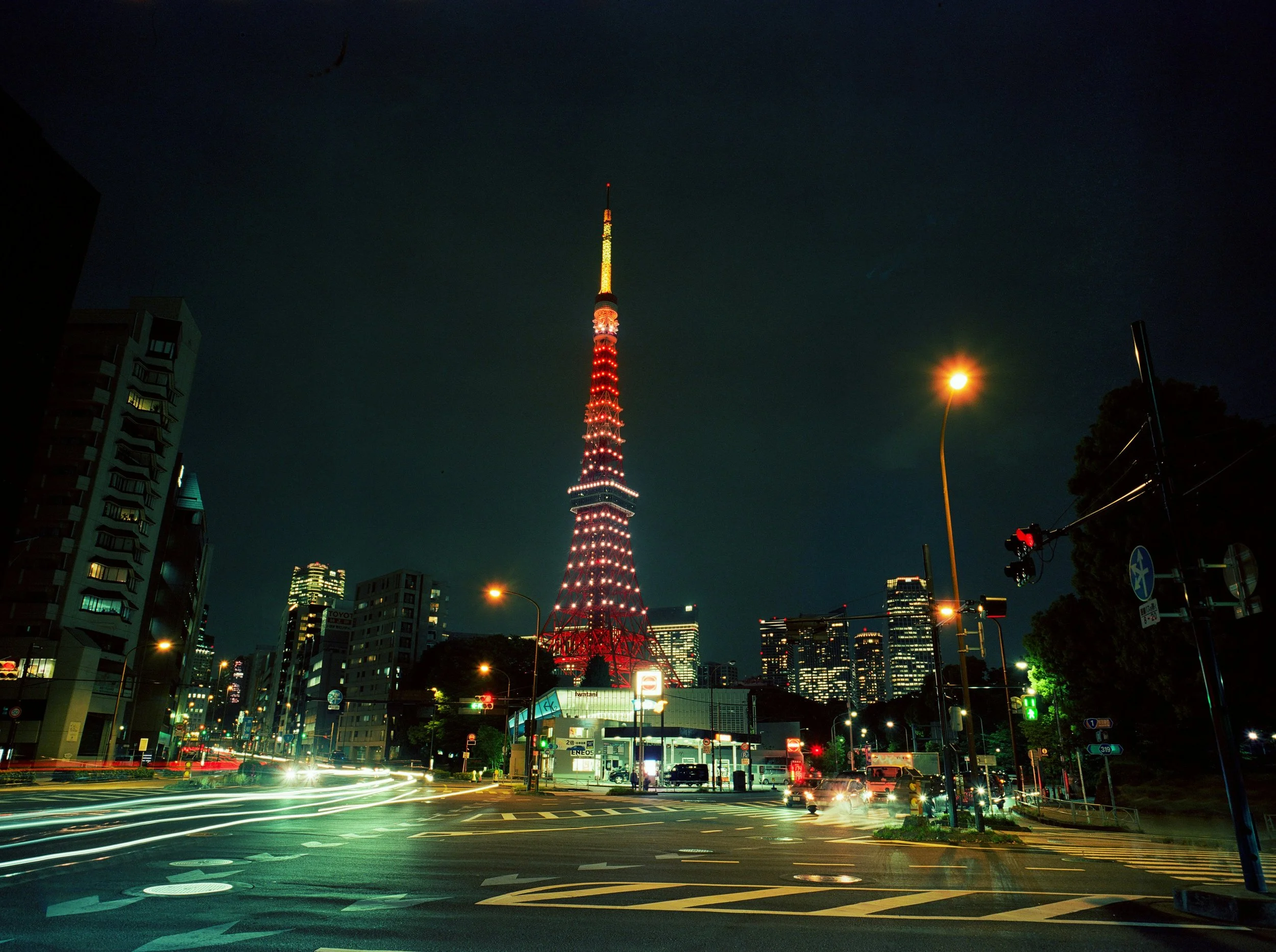
Tokyo's skyline has become one of the world's most recognisable urban landscapes, and nowhere is that more apparent than at Tokyo Skytree. Rising 634 metres above the city, it remains the tallest structure in Japan and provides panoramic views that stretch towards Mount Fuji on clear days.

Many visitors combine time at the observation decks with a walk through nearby Asakusa, where Sensō-ji Temple introduces a striking contrast to the surrounding modern architecture. Traditional shops, incense-filled courtyards and historic gates preserve an atmosphere that has welcomed worshippers for centuries.

Exploring Japan train networks makes moving between these contrasting districts remarkably straightforward, allowing travellers to experience both contemporary neighbourhoods and historic quarters within a single day.

PHOTO CREDIT | Unsplash/Lx1

Rail Travel Becomes Part of the Experience

Rather than treating transportation as a necessity, many visitors discover that travelling across Japan becomes one of the highlights of the journey itself.

The bullet train from Tokyo to Osaka carries passengers through changing scenery that includes dense urban districts, peaceful farmland and distant mountain ranges. Spacious seating, punctual departures and exceptionally smooth journeys have made high-speed rail an essential part of modern travel throughout the country.

Looking through the windows, travellers witness landscapes that gradually shift from the capital's immense metropolitan sprawl to the cultural heart of the Kansai region, creating a gentle transition between two very different cities.

Osaka's Streets Pulse With Energy

Arriving in Osaka introduces a noticeably different atmosphere. The city feels relaxed yet lively, combining centuries of history with an enduring passion for food, entertainment and hospitality.

Dōtonbori remains its most iconic neighbourhood. Bright signs reflect across the canal while restaurants prepare local favourites including takoyaki, okonomiyaki and kushikatsu. The district becomes particularly atmospheric after sunset, when illuminated façades transform the waterfront into one of Japan's most vibrant evening destinations.

Nearby, Osaka Castle rises above extensive gardens and stone walls that recall the city's strategic importance during Japan's feudal era. Seasonal cherry blossoms and colourful autumn foliage add further appeal throughout the year.

PHOTO CREDIT | Unsplash/Jack Coble

Sumiyoshi Taisha Preserves Ancient Traditions

Away from Osaka's busiest commercial districts stands one of Japan's oldest and most significant Shinto shrines.

Sumiyoshi Taisha predates the arrival of Buddhist architectural influences, making it a rare example of early shrine design. Its distinctive straight rooflines, vivid vermilion buildings and elegant wooden bridges create an atmosphere of remarkable tranquillity despite the surrounding city.

Visitors often pause beside Sorihashi Bridge before entering the shrine grounds, appreciating both its graceful curve and its symbolic role in separating the everyday world from sacred space.

Seasonal festivals continue to bring local families together here, ensuring that the shrine remains an active centre of community life rather than simply a historic monument.

Markets That Celebrate Osaka's Culinary Reputation

Osaka has long earned the nickname "Japan's kitchen," and nowhere is that reputation more evident than in its bustling food markets.

Kuromon Ichiba Market offers everything from freshly sliced tuna and grilled scallops to handmade sweets and seasonal fruit. Many stalls prepare dishes directly in front of customers, creating an engaging atmosphere where aromas, conversation and craftsmanship blend together.

Unlike formal dining experiences, these markets encourage visitors to sample a wide variety of regional specialities while interacting with local vendors who proudly share generations of culinary knowledge. The result is an experience that feels both authentic and welcoming.

Quiet Gardens Behind the City's Fast Pace

Despite their reputation for constant activity, both Tokyo and Osaka offer numerous places where life slows considerably.

In Tokyo, Hamarikyu Gardens provide a peaceful landscape framed by modern skyscrapers. Traditional tea houses overlook reflective ponds while carefully maintained walking paths reveal changing seasonal colours.

Osaka's Nakanoshima Park presents another welcome retreat. Positioned between two rivers, it combines rose gardens, tree-lined promenades and elegant historic buildings that create a calm atmosphere within the heart of the city.

These green spaces demonstrate Japan's enduring appreciation for balance between urban development and natural beauty.

PHOTO CREDIT | Unsplash/Matt Cramblett

Museums That Connect Past and Present

Landmarks alone cannot tell the complete story of Japan. Museums throughout Tokyo and Osaka provide valuable context that enriches every journey.

The Tokyo National Museum houses extraordinary collections spanning thousands of years, from samurai armour and Buddhist sculpture to delicate ceramics and ancient manuscripts.

Meanwhile, the Osaka Museum of History presents the city's transformation from an important commercial centre into one of modern Japan's largest metropolitan areas. Interactive exhibits and reconstructed streets help visitors visualise daily life across different historical periods.

A Corridor Where Every Stop Adds Another Chapter

Travelling between Tokyo and Osaka reveals far more than two remarkable cities connected by efficient railways. Along the route, soaring observation towers, historic shrines, lively markets and thoughtfully preserved gardens illustrate the many dimensions of Japanese culture. From the sweeping views atop Tokyo Skytree to the timeless atmosphere of Sumiyoshi Taisha, every destination contributes its own story, creating a journey that celebrates both the country's remarkable heritage and its confident embrace of the future.