• FITNESS
  • Food
  • Beauty
  • Sports
  • Travel
  • Athleisure Studio
  • Athleisure List
  • THIS ISSUE
  • Athleisure TV
  • The Latest
  • ARCHIVE
  • About
  • Watch Party
  • Press
  • Connect
Menu

Athleisure Mag™ | Athleisure Culture

ATHLEISURE MAG™ | Athleisure Culture
  • FITNESS
  • Food
  • Beauty
  • Sports
  • Travel
  • Athleisure Studio
  • Athleisure List
  • THIS ISSUE
  • Athleisure TV
  • The Latest
  • ARCHIVE
  • About
  • Watch Party
  • Press
  • Connect

PHOTO CREDIT | Unsplash/mk. s

SPIKELESS AND COMFORTABLE: HOW GOLF SHOES GOT EASY TO WEAR

September 10, 2026

Golf footwear has quietly transformed over the last decade. Here's what changed — and what to look for if your feet are suffering by the back nine.

Ask most golfers about their gear and they'll happily talk drivers, balls and putters for an hour. Shoes barely get a mention. Which is odd, because there's a strong case that footwear affects your day on the course more directly than almost anything else in the bag. Get it wrong and you'll know about it by the 14th; get it right and you'll forget you're wearing them at all.

The good news is that golf shoes have changed almost beyond recognition, and overwhelmingly for the better.

The end of the stiff, spiked slog

Not so long ago, golf shoes were a compromise you simply put up with. They were stiff, heavily spiked, awkward to walk any distance in off the grass, and they announced themselves the moment you clacked across a clubhouse floor. You wore them because you had to, changed out of them the second you finished, and rarely gave comfort a second thought.

The spikeless revolution changed the maths entirely. Modern spikeless shoes use moulded outsoles that grip the turf perfectly well for the vast majority of club golfers, while being comfortable enough to wear from the car park to the course to the pub afterwards without a change of footwear. Combined with the cushioning and lightweight materials borrowed from running and lifestyle trainers, the result is a shoe you can happily walk all day in.

Why comfort is not a luxury

Consider the numbers. Walking a full round is somewhere between 10,000 and 12,000 steps, often across uneven, sloping and sometimes wet ground, carrying or pushing your clubs the whole way. That's a serious amount of time on your feet, and there's no faster way to sour an otherwise good round than aching feet and hot spots by the closing holes. Comfortable, well-cushioned shoes aren't an indulgence — for anyone who plays on foot rather than riding, they're the difference between finishing strong and limping in.

What to look for

A few things genuinely matter when you're choosing:

●       Cushioning and all-day comfort. If you walk, this is the headline feature. Look for a shoe designed around walking, not just standing over a shot.

●       Grip. Spikeless outsoles are fine for most conditions; if you play a lot of winter golf on steep, wet courses, weigh up whether you want more aggressive traction.

●       Waterproofing. In a British climate this is close to non-negotiable. Check whether the waterproofing is guaranteed and for how long.

●       Fit and width. Feet swell over 18 holes, so a shoe with a roomy, accommodating fit pays off late in the round.

This is exactly the space that comfort-led brands have moved into. A pair of True Linkswear golf shoes, for example, is built around walking comfort and a relaxed, roomy fit, which makes them an easy recommendation for anyone who spends their round on foot — or simply wants a shoe that doesn't need taking off the moment they leave the 18th green.

The bottom line

Footwear is the least glamorous purchase in golf and one of the most consequential. Spend a little time choosing shoes that actually suit how and where you play, prioritise comfort if you walk, and you'll notice the benefit every single round — quietly, in the best possible way, by never having to think about your feet again.

The Latest
63MR HM AM SEP 26 X.png
October 9, 2026
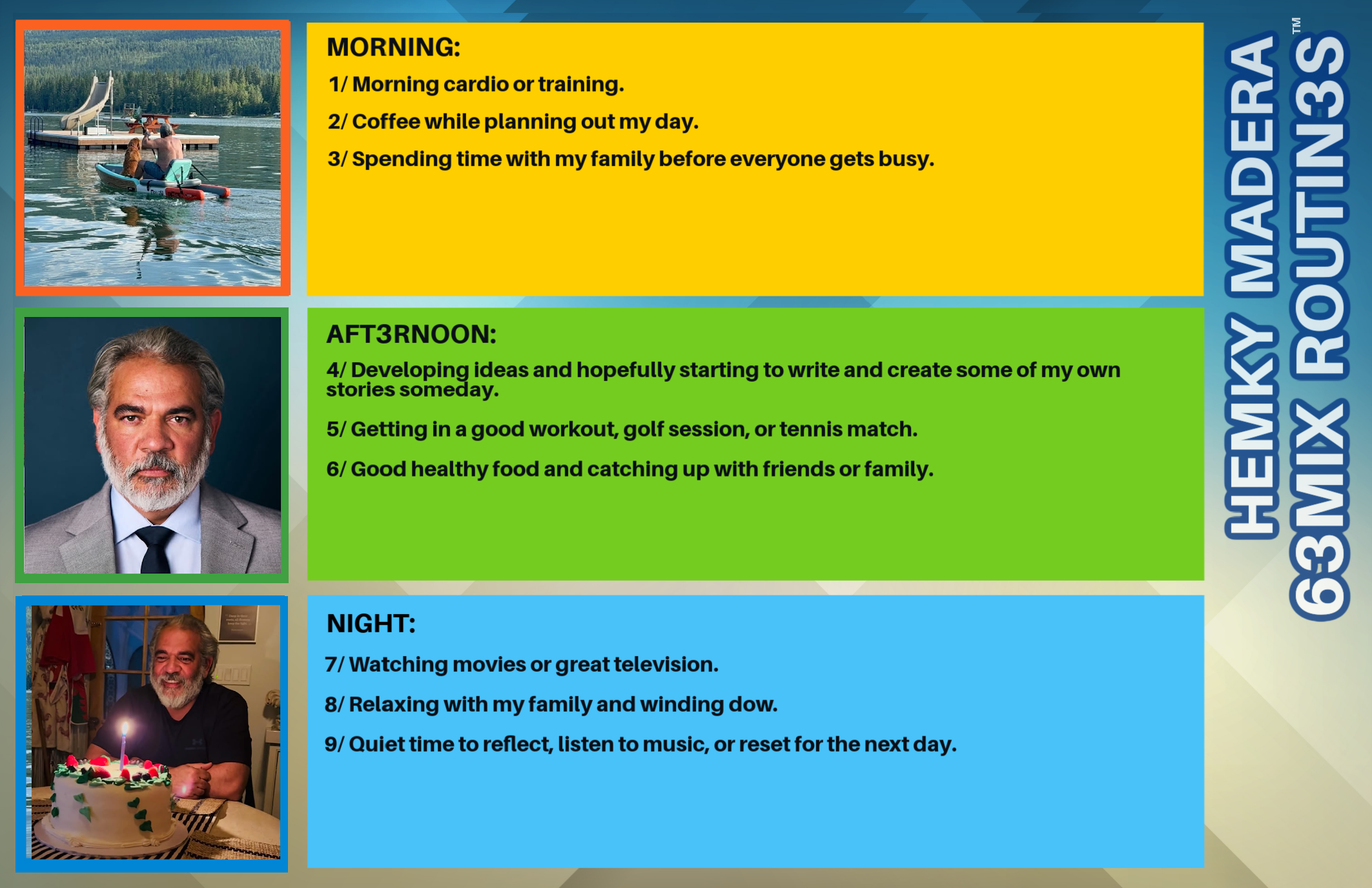
9LIST ROUTIN3S | HEMKY MADERA
October 9, 2026
Read more →
October 9, 2026
louis-hansel-yLUvnCFI500-unsplash.jpg
October 9, 2026
CHOOSING A COMMERCIAL ICE MACHINE FOR YOUR VENUE
October 9, 2026
Read more →
October 9, 2026
9LIST.png
October 8, 2026
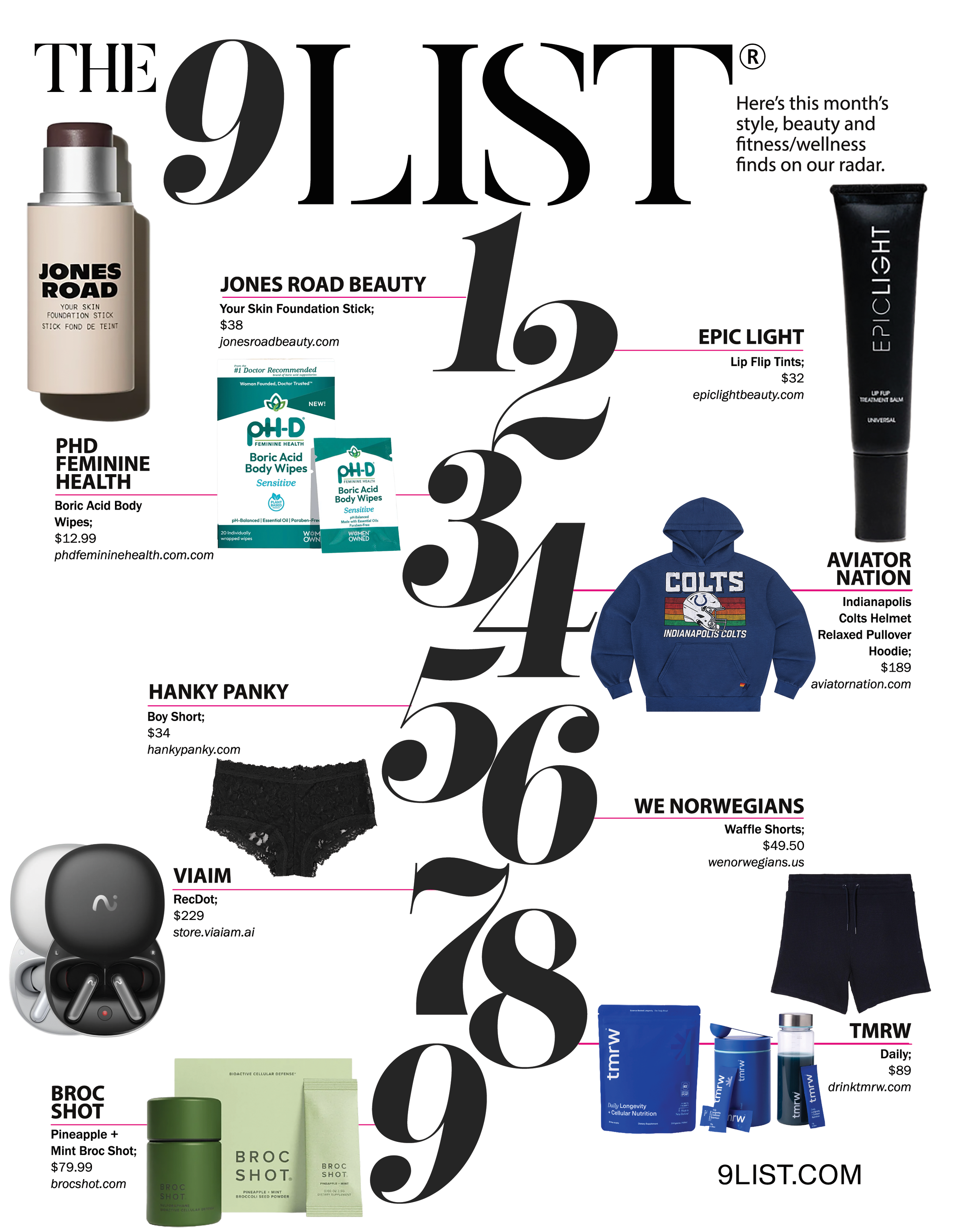
THE 9LIST
October 8, 2026
Read more →
October 8, 2026
In ATW
Comment

PHOTO CREDIT | Pavel Suslov

9PLAYLIST | RED HOT CHILI PEPPERS

September 9, 2026

PHOTO CREDIT | Pavel Suslov

PHOTO CREDIT | Pavel Suslov

PHOTO CREDIT | Pavel Suslov

PHOTO CREDIT | Pavel Suslov

PHOTO CREDIT | Pavel Suslov

Read the AUG ISSUE #128 of Athleisure Mag and see 9PLAYLIST | Red Hot Chili Peppers in mag.

The Latest
AM AUG ISSUE #128 _ 9PLAYLIST Red Hot Chili Peppers I.png
September 9, 2026
9PLAYLIST | RED HOT CHILI PEPPERS
September 9, 2026
Read more →
September 9, 2026
AM JUL ISSUE #127 _ 9PLAYLIST JAŸ-Z 1.png
August 17, 2026
9PLAYLIST | JAŸ-Z - 3 NIGHT STAND @ YANKEE STADIUM
August 17, 2026
Read more →
August 17, 2026
AM JUL ISSUE #127 _ 9PLAYLIST The Rolling Stones 1.png
August 16, 2026
9PLAYLIST | THE ROLLING STONES
August 16, 2026
Read more →
August 16, 2026
In 9PLAYLIST, AM, Aug 2026, Celebrity, Music Tags 9PLAYLIST, Music, Red Hot Chili Peppers
Comment

PHOTO CREDIT | Pexels/RDNE Stock Project

HOW TO BUILD A CAREER IN SPECIALIZED PATIENT CARE

September 9, 2026

Have you ever wondered what it takes to become the person a healthcare team turns to when a patient's condition suddenly becomes more complicated? Specialized nursing puts you closer to those difficult decisions. It can mean interpreting subtle changes, coordinating with several clinicians, explaining frightening diagnoses to families, and acting quickly when a patient's condition shifts. For nurses who enjoy science, problem-solving, and hands-on patient care, cardiovascular practice is one area where those skills come together every day.

Cardiac Care Requires More Than Basic Nursing Skills

Cardiovascular patients can have complicated needs. A nurse may encounter heart failure, coronary artery disease, hypertension, arrhythmias, post-surgical complications, and other acute or chronic conditions.

As responsibilities increase, so does the level of clinical judgment involved.

Nurses interested in becoming a cardiology NP can look at Youngstown State University's advanced acute-care nursing pathway as one example of relevant preparation. Its curriculum incorporates cardiovascular assessment alongside pathophysiology, diagnostics, pharmacology, and supervised acute-care clinical experience, all of which can support nurses preparing to manage complex adult patients.

This is not simply a matter of learning more about the heart. Advanced practice requires connecting symptoms, diagnostic information, medications, patient history, and clinical risk.

The Work Can Change Quickly

Cardiac care rarely follows a perfectly predictable schedule.

A patient who appeared stable earlier may suddenly develop chest pain, an abnormal heart rhythm, breathing difficulty, or a significant change in blood pressure. Nurses working with high-acuity patients need to recognize when something has changed and respond appropriately.

That requires close observation and confidence under pressure.

Advanced cardiovascular practitioners may also interpret diagnostic information, contribute to treatment plans, manage acute and chronic cardiac conditions, and coordinate care with physicians and other members of the healthcare team.

There is plenty of technology involved, but good clinical judgment remains difficult to replace.

Communication Is a Clinical Skill

Heart problems can be frightening.

Patients may leave an appointment with several medications, dietary recommendations, follow-up instructions, and unfamiliar medical terms to remember. Even a well-designed treatment plan becomes less useful when the patient does not understand it.

That makes communication an important part of cardiovascular nursing.

You may need to explain medications, warning signs, lifestyle changes, procedures, or monitoring requirements without burying someone in medical terminology.

Family communication matters as well, particularly when patients are seriously ill.

Being able to translate complex information into something understandable is not an extra personality trait. It is part of providing effective care.

Experience Before Specialization Matters

Advanced cardiac practice is generally not where a nursing career begins.

Nurses commonly develop their assessment and clinical skills through direct patient-care experience before pursuing advanced roles. Critical care, emergency care, and other acute settings can provide exposure to rapidly changing conditions and complex patients.

Graduate preparation then builds on that foundation.

Youngstown State University's current acute-care program, for example, requires applicants to have nursing experience as well as recent critical-care experience before beginning specialty coursework.

That requirement makes practical sense. Advanced education can deepen your knowledge, but previous bedside experience gives that knowledge somewhere to land.

Career Demand Is Worth Considering

Specialization requires considerable training, so career outlook naturally matters.

The Bureau of Labor Statistics projects overall employment of nurse anesthetists, nurse midwives, and nurse practitioners to grow 36% between 2025 and 2035, with roughly 32,200 openings each year across those advanced-practice occupations. Nurse practitioners alone held about 336,300 jobs in 2025.

The agency also reports that nurse practitioners had a median annual wage of $132,300 in May 2025. Compensation varies considerably according to role, employer, experience, and other factors, so broad occupational figures should not be treated as a guaranteed salary for a cardiovascular specialty.

You can review the broader nurse practitioner career outlook when comparing long-term career options.

Cardiovascular Knowledge Keeps Evolving

Specialization does not mean reaching a point where learning stops.

Cardiovascular medicine continues to change as research influences diagnostic methods, medications, prevention strategies, devices, and treatment guidelines.

The American Heart Association's heart disease and stroke statistics provide regularly updated information covering cardiovascular conditions and risk factors such as blood pressure, cholesterol, physical activity, nutrition, sleep, smoking, and glucose control.

For nurses, staying current is part of the job.

A treatment approach learned years earlier may eventually be updated by stronger evidence. Professionals need to be comfortable adjusting rather than relying indefinitely on what was familiar during training.

The Right Skills Go Beyond Clinical Knowledge

Technical ability matters, but it is only part of what makes someone effective in specialized care.

You also need attention to detail. Small changes in symptoms or vital signs can matter. You need communication skills because complex information has to move accurately between patients, families, nurses, physicians, pharmacists, and other professionals.

Emotional steadiness matters too.

Not every shift will involve a dramatic emergency, but the possibility of rapid deterioration is part of high-acuity practice. You need to think clearly when the environment becomes stressful.

Curiosity helps as well. Strong clinicians continue asking why something changed rather than simply recording that it did.

Think About the Work Before Choosing the Path

A specialized nursing career can look attractive because of the advanced responsibilities and career opportunities. The everyday work deserves just as much consideration.

Do you enjoy complex physiology? Are you comfortable making decisions under pressure? Do you like working closely with other clinicians? Can you communicate patiently with someone who is frightened or overwhelmed?

Exposure to cardiac and acute-care environments can help answer those questions better than a job description can.

Talk with experienced nurses. Pay attention during clinical experiences. Notice which parts of patient care hold your attention rather than simply which job title sounds impressive.

Specialized cardiovascular nursing can offer challenging and intellectually demanding work. For nurses whose interests and temperament fit that environment, it can also provide considerable room to develop advanced clinical expertise over the course of a career.

The Latest
AM AUG OPENING SPREAD Tiffany Zhou (2).png
September 17, 2026
PRACTICAL LUXURY | TIFFANY ZHOU
September 17, 2026
Read more →
September 17, 2026
arthur-edelmans-A9UonVi-cwk-unsplash.jpg
August 27, 2026
NATURAL-FIBER ACTIVEWEAR THAT ACTUALLY PERFORMS, TESTED PIECE BY PIECE
August 27, 2026
Read more →
August 27, 2026
AM MAY ISSUE _125 GOV BALL PRE-COVERAGE 2026-1.png
June 19, 2026
GOV BALL 2026 PRE-COVERAGE
June 19, 2026
Read more →
June 19, 2026
In ATW, Health, Wellness
Comment

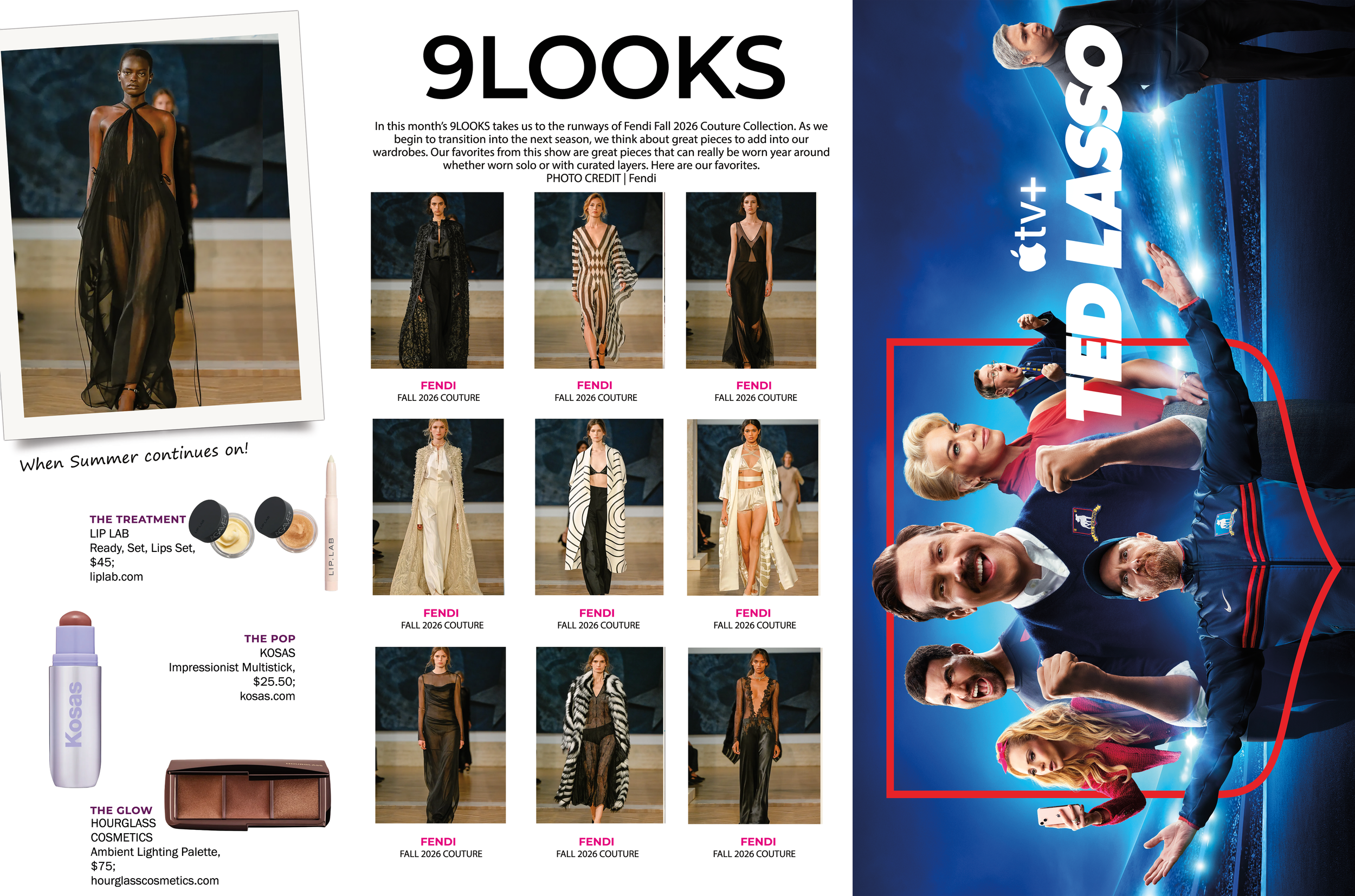
9LOOKS | FENDI FALL 2026

September 8, 2026

Read the AUG ISSUE #128 of Athleisure Mag and see 9LOOKS | Fendi Fall 2026 in mag.

The Latest
9LOOKS.png
September 8, 2026
9LOOKS | FENDI FALL 2026
September 8, 2026
Read more →
September 8, 2026
9LOOKS.png
August 12, 2026
9LOOKS | GIVENCHY
August 12, 2026
Read more →
August 12, 2026
9LOOKS 6.30.26.png
July 8, 2026
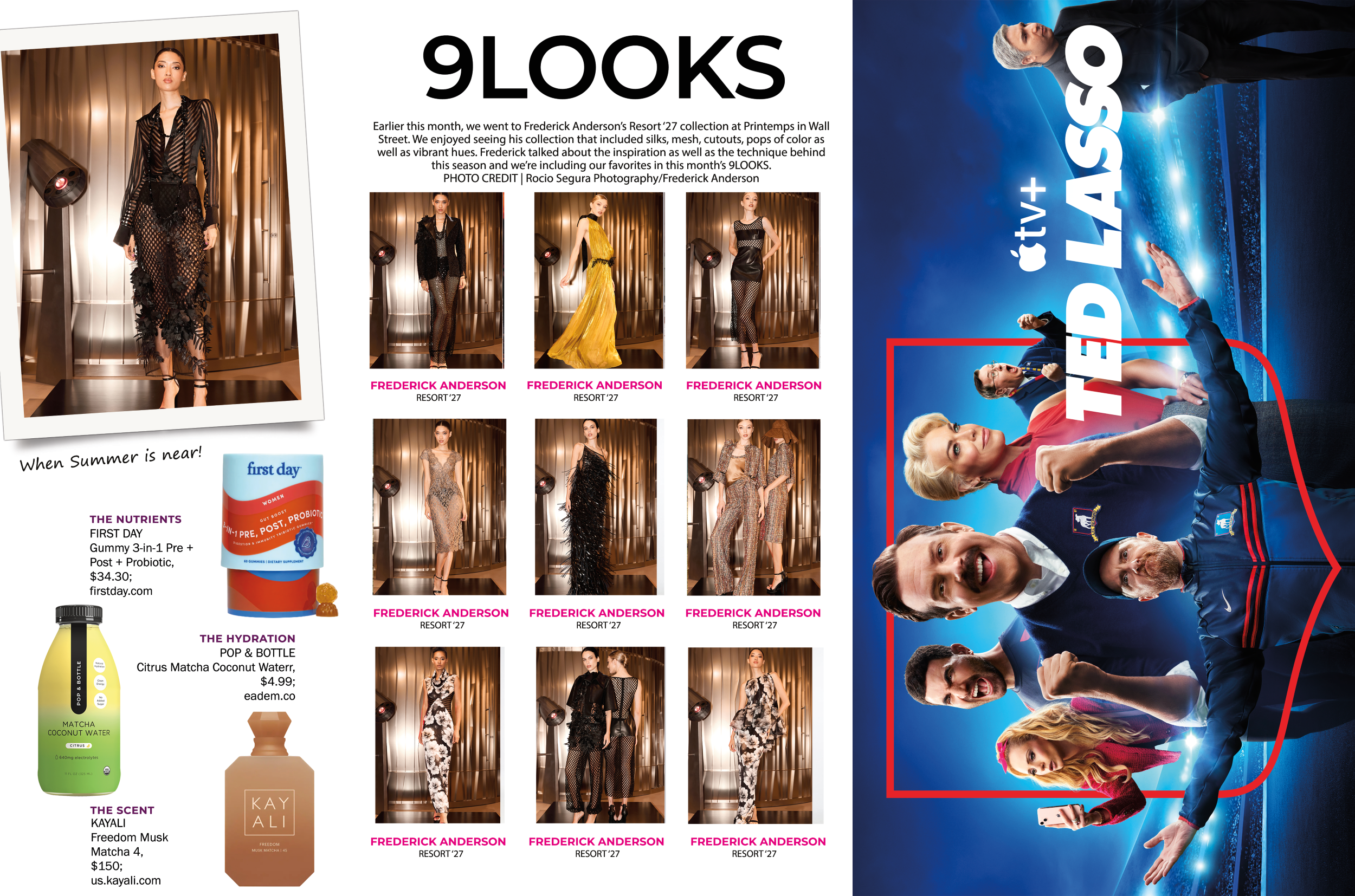
9LOOKS | FREDERICK ANDERSON
July 8, 2026
Read more →
July 8, 2026
In 9LOOKS, AM, Aug 2026, Fashion, Style Tags 9LOOKS, Fendi, Lip Lab, Kosas, Hourglass
Comment

PHOTO CREDIT | Unsplash/Adam Lisan

EVERYTHING YOU NEED TO KNOW ABOUT GETTING INTO WATERSPORTS

September 8, 2026

Everything You Need To Know About Getting Into Watersports

There’s something about being out on the water that makes an ordinary weekend feel a lot more exciting. Whether you’re skimming across a lake on a personal watercraft, learning to paddleboard, or trying wakeboarding for the first time, watersports offer a great excuse to get outside, stay active, and do something a little different.

The good news is that getting started doesn’t have to be complicated. You don’t need years of experience or a garage packed with specialist gear. You just need to figure out what appeals to you and take it from there.

Start With the Right Watersport

“Watersports” covers a huge range of activities, so it helps to narrow down what kind of experience you actually want.

If you like something peaceful, kayaking, canoeing, or paddleboarding could be a good place to start. They allow you to explore at your own pace and don’t usually require much technical knowledge in the beginning.

If you’re more interested in speed and adrenaline, personal watercraft, wakeboarding, waterskiing, and jet skiing may be more your thing. Surfing sits somewhere in between, combining physical effort, patience, and plenty of excitement once you start catching waves.

Trying a rental or beginner session before buying equipment can make the decision much easier.

Think About Where You’ll Be Heading

Your location plays a big role in the activities available to you. Lakes, rivers, reservoirs, and coastal areas all offer different opportunities, and local rules can vary too.

For example, people interested in personal watercraft may want to research dealers and specialists serving Temecula Sea-Doo riders when exploring their options. Anyone searching for Seadoo Temecula choices should also think beyond the watercraft itself and consider where they plan to ride, how they’ll transport it, and what local regulations apply.

Knowing where you’ll spend most of your time can help you avoid buying equipment that isn’t well suited to your usual waters.

Don’t Skip the Safety Basics

Watersports are supposed to be fun, but water deserves respect. A properly fitted personal flotation device should be one of the first pieces of equipment you consider, particularly when boating, riding personal watercraft, kayaking, or paddleboarding.

It’s also worth checking weather conditions before heading out, learning basic water safety, and avoiding unfamiliar conditions when you’re still gaining confidence. Beginners can benefit enormously from lessons, even if the activity looks simple from the shore.

Budget for More Than the Main Equipment

It’s easy to focus on the obvious purchase, such as the board, kayak, or personal watercraft, but there are usually extra costs involved.

Depending on the activity, you may need protective gear, storage, transportation equipment, maintenance supplies, insurance, fuel, wetsuits, or accessories. Working out the full cost upfront makes it much easier to choose an activity that fits comfortably within your budget.

Build Confidence Gradually

Nobody starts out looking like they belong in an action-sports commercial. Falling off, getting soaked, and making a few awkward mistakes are all part of learning.

Start in calmer conditions, spend time getting comfortable with your equipment, and gradually take on more challenging situations as your skills improve. Watersports become much more enjoyable when you’re confident rather than constantly trying to keep up with more experienced people.

Ultimately, getting into watersports is less about being naturally adventurous and more about finding something you genuinely enjoy. Start small, prioritize safety, and give yourself time to learn. Before long, being on the water might become the part of the week you look forward to most.

The Latest
AM AUG OPENING SPREAD Tiffany Zhou (2).png
September 17, 2026
PRACTICAL LUXURY | TIFFANY ZHOU
September 17, 2026
Read more →
September 17, 2026
arthur-edelmans-A9UonVi-cwk-unsplash.jpg
August 27, 2026
NATURAL-FIBER ACTIVEWEAR THAT ACTUALLY PERFORMS, TESTED PIECE BY PIECE
August 27, 2026
Read more →
August 27, 2026
AM MAY ISSUE _125 GOV BALL PRE-COVERAGE 2026-1.png
June 19, 2026
GOV BALL 2026 PRE-COVERAGE
June 19, 2026
Read more →
June 19, 2026
Comment

PHOTO CREDIT | Unsplash/Lysander Yuen

RUNNING INJURIES: UNDERSTANDING WHY THEY HAPPEN AND HOW TO PREVENT THE COMMON ONES

September 8, 2026

Running injuries are common but not inevitable. Most follow predictable patterns that targeted prevention and training adjustments can interrupt.

Running is one of the most accessible forms of exercise — requiring minimal equipment, adaptable to almost any schedule, and scalable from beginner walks to ultra-marathon training. It's also one of the activities most associated with overuse injuries, with research suggesting that between 40 and 60 percent of regular runners experience an injury significant enough to affect training in any given year. These numbers aren't a reason to avoid running — the health benefits of regular aerobic exercise are well-established — but they are a reason to understand why running injuries happen and how to make them less likely.

Most running injuries follow recognizable patterns and result from predictable combinations of training error and biomechanical factors. Understanding these patterns doesn't require a sports medicine degree, but it does require moving beyond the common advice to 'rest when it hurts' toward a more sophisticated understanding of load management and movement quality.

Why Overuse Injuries Happen

Running is a repetitive loading activity — a typical 5-mile run involves roughly 5,000 to 6,000 foot strikes. Each foot strike transmits force through the lower extremity, and tissues respond to this loading by remodeling: tendons, bones, and muscles adapt to the demands placed on them. When loading increases faster than adaptation can occur, the structural integrity of the loaded tissue falls behind demand, and injury results. This is the overuse injury mechanism, and it's almost always preceded by a period where load increased more rapidly than biology could accommodate. Finding a qualified sports physical therapy in Fate Texas specialist can help runners identify their individual risk factors and establish safe training progression.

The training errors that most commonly precede overuse injuries are increasing weekly mileage too quickly (the commonly cited '10% rule' — not increasing mileage by more than 10% per week — is a rough guideline that prevents some overuse injuries), returning to training too quickly after illness or a period of reduced activity, dramatically increasing intensity (speed work, hills) without adequate foundation mileage, and neglecting recovery in high-volume training blocks.

The Most Common Running Injuries

Patellofemoral pain syndrome (runner's knee) — pain around or behind the kneecap — is consistently one of the most common running injuries, particularly in newer runners. The mechanism typically involves inadequate hip strength (specifically hip abductors and external rotators) that allows the femur to rotate inward during loading, increasing compressive forces on the patellofemoral joint. Hip strengthening rather than knee-focused treatment is usually the effective intervention.

Iliotibial (IT) band syndrome produces pain on the outer knee or thigh and similarly relates to hip strength and the way the lower extremity is loaded during running. Plantar fasciitis — inflammatory pain on the sole of the foot, especially at the heel and first thing in the morning — results from excessive loading of the plantar fascia and responds well to calf and Achilles stretching, arch support, and gradual load management. Tibial stress reactions (the early stage before a complete stress fracture) are bone-level overuse responses to training load that require reduction in training and sometimes protected weight bearing.

Biomechanical Factors That Modify Risk

Not every runner who increases mileage gets injured, and not every runner with 'imperfect' mechanics gets hurt. Individual biomechanics, strength profiles, and running history all contribute to injury risk. That said, certain movement patterns are consistently associated with elevated injury risk in research on running populations: excessive knee valgus (inward collapse) during loading, contralateral pelvic drop (the opposite hip dropping during single-leg stance), excessive forward trunk lean, and overstriding (landing with the foot far in front of the center of mass, increasing braking force).

These patterns often respond to strengthening programs that address underlying deficiencies — hip abductor and external rotator strength for valgus and pelvic drop, core stability for trunk lean — rather than requiring explicit gait retraining. When gait retraining is indicated, it's most effective when focused on a single cue and practiced with sufficient repetition and feedback to develop a new automatic pattern.

Footwear: What the Evidence Actually Shows

Running shoe selection is the subject of extensive marketing claims and passionate community opinions that significantly outrun the scientific evidence. The research on running injury prevention and footwear is more modest than the marketing suggests: there's no consistent evidence that any specific category of shoe (motion control, stability, neutral, minimalist) prevents injury better than others for the general running population.

The most evidence-supported footwear recommendation is that runners should wear shoes that are comfortable for them — the theory being that shoe comfort reflects the foot's natural preference for loading distribution. Running in shoes that cause discomfort or that require significant adaptation time is more likely to change mechanics in ways that increase injury risk than running in well-fitted, comfortable shoes regardless of their technical category.

Strength Training for Runners

Strength training reduces running injury risk — this is one of the better-supported conclusions in sports medicine research, with consistent findings across multiple studies. The protective mechanism appears to involve both structural tissue adaptation (tendons and bones that are stronger from loading resist overuse injury better) and the hip strength that prevents the biomechanical patterns associated with lower extremity injury.

The most impactful strength training for injury prevention focuses on the hip and posterior chain: single-leg deadlifts, hip thrusts, lateral band work, and calf raises (for Achilles tendon loading) address the primary muscle groups involved in running injury mechanisms. The programming doesn't need to be elaborate — two sessions per week of targeted hip and lower extremity strength work is sufficient for most runners to get meaningful injury risk reduction benefit.

Recovery as a Training Variable

The adaptation that makes training productive happens during recovery, not during the training session itself. Running creates a stimulus; recovery — sleep, nutrition, rest days, and reduced-load training blocks — allows the body to adapt to that stimulus and come back stronger. Training without adequate recovery creates a chronic stimulus without the adaptation response, gradually accumulating fatigue and reducing the tissue's capacity to tolerate load.

Periodization — the intentional variation of training load over time, including planned recovery weeks where mileage and intensity are reduced — is the training strategy that allows sustained high-volume training without accumulating the overload that leads to injury. Runners who train by feel without intentional periodization often sustain high loads until injury forces a break, creating the boom-and-bust training pattern that's less effective for both performance and health than planned variation.

Wrapping Up

Running injuries are common but preventable in most cases. The consistent themes in injury prevention — gradual load progression, adequate recovery, hip and posterior chain strength, and attention to movement quality — apply across the range of running injuries and across the spectrum of running ability levels. Implementing these principles proactively, rather than in response to injury, is the strategy that allows consistent training over time — which is the only way to achieve the fitness and performance goals that motivate most runners.

Frequently Asked Questions

Should I run through pain?

The critical distinction is between discomfort — the muscle fatigue and effort sensation of hard training — and pain that suggests tissue damage. Joint pain, sharp localized pain, pain that changes your gait to protect a structure, or pain that gets worse during a run rather than warming up and improving are all signals to stop and assess. General muscle soreness that's symmetric and consistent with training load is part of training; pain at a specific anatomical location that's reproducible and progressive is not. When in doubt, a single session of reduced load is a small cost; training through a developing stress fracture or tendon tear has large consequences.

How much weekly mileage is too much?

There's no universal answer — appropriate training volume depends on running history, fitness level, age, recovery capacity, and concurrent training stress. The best indicator of appropriate training volume is individual response: if your body is adapting positively (improving performance metrics, stable or decreasing injury-related symptoms), your current volume is within your adaptive capacity. If you're experiencing persistent fatigue, declining performance, or nagging injury symptoms, the volume may exceed your current adaptive capacity. Building mileage gradually and monitoring response is more useful than any specific number.

The Latest
AM AUG OPENING SPREAD Tiffany Zhou (2).png
September 17, 2026
PRACTICAL LUXURY | TIFFANY ZHOU
September 17, 2026
Read more →
September 17, 2026
arthur-edelmans-A9UonVi-cwk-unsplash.jpg
August 27, 2026
NATURAL-FIBER ACTIVEWEAR THAT ACTUALLY PERFORMS, TESTED PIECE BY PIECE
August 27, 2026
Read more →
August 27, 2026
AM MAY ISSUE _125 GOV BALL PRE-COVERAGE 2026-1.png
June 19, 2026
GOV BALL 2026 PRE-COVERAGE
June 19, 2026
Read more →
June 19, 2026
In ATW
Comment

PHOTO CREDIT | Unsplash/James Stamler

QUALITY INDICATORS TO LOOK FOR IN A BUSINESS MUSIC PLATFORM

September 8, 2026

Background music in a commercial setting requires dependable technology, appropriate licensing, and practical controls designed for daily operations. A capable business music platform should support consistent playback while giving managers clear control over what customers and employees hear. Evaluating specific quality indicators helps businesses select a platform suited to restaurants, retail stores, offices, gyms, hospitality spaces, and other commercial environments.

Choosing the right music for business should combine commercially licensed content with straightforward management features and flexible playback options. Curated stations, scheduling tools, remote access, and compatibility with existing sound systems can simplify everyday music management. These capabilities also help businesses maintain an appropriate soundtrack across different spaces and operating hours.

Confirm Commercial Music Licensing

Commercial licensing is a fundamental quality indicator because personal streaming subscriptions are generally not intended for public playback in business environments. A suitable platform should clearly state that its music is licensed for commercial use and that applicable public performance rights are addressed. Clear licensing information allows business owners to understand what their subscription covers.

Ad-free playback also deserves attention when evaluating a platform for customer-facing environments. Commercial music should play without advertisements interrupting the atmosphere or introducing unrelated promotional messages. Consistent playback supports a controlled audio experience throughout operating hours.

Review Music Control and Scheduling Features

A UK government review of music recommendation systems cites research showing that playlists accounted for 31% of music listening time among U.S. listeners, compared with 22% for albums. This data supports checking whether a business music platform provides practical playlist and station management for scheduled commercial playback. Managers should be able to organize suitable music around operating hours, customer settings, and individual locations.

Useful capabilities may include:

●       Scheduled music for specific times of day

●       Playlist and station management

●       Remote playback controls

●       Separate music zones within a location

●       Saved favorite stations for convenient access

Check Playback Reliability

Look for Offline Playback

Internet connectivity can fluctuate, so offline playback is a practical indicator of platform reliability. A system with offline support can keep approved music playing when a temporary connection issue occurs. This capability is particularly useful for locations that depend on continuous background audio throughout the business day.

Assess Sound System Compatibility

A practical platform should work with commonly used commercial audio setups without creating unnecessary installation requirements. Compatibility with Bluetooth, wired, Wi-Fi, or casting-based speaker connections gives businesses useful setup flexibility. Existing speakers may therefore remain part of the audio setup when they meet the platform's supported connection options.

Evaluate Multi-Location Management

Businesses operating several locations need a clear way to organize music without managing every site independently. A centralized portal can provide access to locations, individual zones, schedules, stations, and connected playback devices. This structure gives authorized teams a practical way to maintain consistent music settings across the organization.

Choose a Platform Built for Daily Business Use

Quality ultimately depends on how well the platform that helps create the best music for your business handles routine commercial music requirements. Commercial licensing, curated music, scheduling, remote controls, offline playback, and flexible speaker connectivity are practical indicators worth checking before selection. A platform that brings these functions into a manageable system can support dependable background music across everyday business operations.

FAQs

What Should a Business Look for in a Music Platform?

A business music platform should provide commercial licensing, reliable playback, scheduling controls, curated stations, and management tools suited to daily operations.

Why Does Commercial Music Licensing Matter for Businesses?

Commercial music licensing helps businesses play music legally in customer-facing or workplace environments without relying on personal streaming subscriptions.

Can a Business Music Platform Manage Multiple Locations?

Many business music platforms support centralized controls that allow authorized users to manage stations, schedules, zones, and playback settings across multiple locations.

The Latest
AM AUG OPENING SPREAD Tiffany Zhou (2).png
September 17, 2026
PRACTICAL LUXURY | TIFFANY ZHOU
September 17, 2026
Read more →
September 17, 2026
arthur-edelmans-A9UonVi-cwk-unsplash.jpg
August 27, 2026
NATURAL-FIBER ACTIVEWEAR THAT ACTUALLY PERFORMS, TESTED PIECE BY PIECE
August 27, 2026
Read more →
August 27, 2026
AM MAY ISSUE _125 GOV BALL PRE-COVERAGE 2026-1.png
June 19, 2026
GOV BALL 2026 PRE-COVERAGE
June 19, 2026
Read more →
June 19, 2026
In AM, Tech
Comment

THE 9LIST

September 7, 2026

Read the AUG ISSUE #128 of Athleisure Mag and see THE 9LIST in mag.

The Latest
9LIST.png
October 8, 2026
THE 9LIST
October 8, 2026
Read more →
October 8, 2026
9LIST.png
September 7, 2026
THE 9LIST
September 7, 2026
Read more →
September 7, 2026
9LIST.png
August 11, 2026
THE 9LIST
August 11, 2026
Read more →
August 11, 2026
In 9LIST, AM, Aug 2026 Tags Bio-Therapeutic, Farmacy, Urban Decay, FP Movement, Bad Birdie, While on Earth, Sip Elixirs, Kate Mcleaod, French Bloom
Comment

PHOTO CREDIT | Unsplash/Tees Please

HOW TO PREPARE ARTWOOK FOR T-SHIRT PRINTING WITHOUT LOSING QUALITY

September 7, 2026

A design can look sharp on a laptop screen and still disappoint once it reaches a T-shirt. Blurred edges, unexpected backgrounds, muddy colors, and incorrect sizing often begin with the artwork file rather than the printing process.

Preparing artwork correctly gives the printer better material to work with. From resolution and dimensions to transparency and color choices, a few technical checks can protect the details that make your design work.

Start With the Right File Quality

Image quality starts long before you send a design to print. If the original artwork contains too little detail, enlarging it later will not restore what is missing.

Raster images, such as PNGs and JPEGs, consist of pixels. Stretching a small raster image beyond its intended dimensions makes those pixels more noticeable, leaving curves and lettering looking soft or jagged. For printed T-shirt graphics, working at 300 pixels per inch (PPI) at the intended print size is a common starting point. A design intended to print at 10 inches wide, for example, should ideally be around 3,000 pixels wide.

Vector artwork works differently. Formats such as SVG, EPS, and AI use mathematical paths rather than a fixed grid of pixels, so designers can resize logos, typography, and illustrations without introducing pixelation. However, the print provider's accepted file formats still matter.

When preparing artwork for DTF printing, check the printer's specifications before exporting. Providers can differ in the file types, color settings, dimensions, and other requirements they accept. Services such as DTF Transfers Now give customers a dedicated route for ordering transfers, but the quality of the supplied artwork still plays an important role in the finished result.

Avoid taking an image from a website or social media page and treating it as a print-ready master file. Online platforms commonly resize or compress uploaded images. Whenever possible, go back to the original artwork.

Size the Design for the Garment

A high-resolution image can still produce the wrong result if its dimensions do not match the intended placement.

Decide how large the graphic should appear on the finished shirt before exporting it. Think in physical measurements rather than how large the artwork appears on your monitor. A design that fills your screen might measure only a few inches when printed at the correct resolution.

Placement matters too. A small left-chest logo has very different requirements from a full-front illustration. Consider the proportions of the garment and the area available for printing. If you plan to use the same artwork across several shirt sizes, ask the printer whether one transfer size will work across the range or whether different dimensions would produce better proportions.

Avoid enlarging low-resolution artwork simply by typing larger dimensions into editing software. The file becomes bigger, but the underlying image information does not improve. If the source is too small, recreating the design as vector artwork or returning to a larger original file will usually produce a cleaner result.

Keep Transparency Clean

Imagine a white logo that should sit directly on a black T-shirt. If you save it as a JPEG with a white background, the printed artwork may include that unwanted rectangle. A PNG can retain transparent areas, making it a common choice for raster graphics that need a clear background.

Before exporting, zoom in around the edges of the design. Look for stray pixels, faint halos, leftover background fragments, or rough selections. These details can be difficult to notice against the checkerboard background in design software but may become obvious once printed.

Pay particular attention to fine hairlines, distressed textures, shadows, and semi-transparent effects. Very subtle details that look attractive on a backlit monitor may behave differently when reproduced with ink on fabric.

If you’re unsure about transparency requirements, check the file guidance your printer provides before placing the order. DTF Transfers Now, for example, should be treated only according to its published artwork and ordering requirements, not assumptions based on another printing service.

Understand Screen Color Versus Print Color

One of the hardest expectations to manage is color. Screens create color with emitted light, while printed graphics rely on physical inks and materials. As a result, an on-screen preview cannot guarantee a perfectly identical printed color.

Screen brightness also changes perception. A vivid design viewed on a bright display may appear different when transferred onto fabric and viewed under normal room lighting. The garment color can further affect how you perceive the final design.

For artwork where color consistency matters, avoid making decisions from a phone screenshot or compressed preview. Work from the original design file and use clearly defined colors throughout the artwork. If you have specific color requirements, discuss them with the printer rather than assuming that the screen representation will translate exactly.

It also helps to view the design on more than one screen before submitting it. This will not predict the print perfectly, but it can reveal unusually bright, dark, or oversaturated choices caused by a particular display.

Check Fine Details Before Exporting

Small details deserve one final inspection at approximately the size they will appear on the garment. Thin lines, tiny lettering, intricate textures, and narrow gaps can look clear when heavily zoomed in but become difficult to distinguish at print size.

Check spelling, alignment, spacing, and the edges of every graphic element. Remove anything outside the intended print area. If your artwork contains text and you are submitting an editable vector file, converting the text to outlines can prevent problems caused by unavailable fonts. Keep an editable copy with live text for your own records.

Do not repeatedly open and resave compressed image files while making changes. Instead, keep a high-quality master file and create the final print file from that version.

Name the exported file clearly. If you have several versions with different sizes or colors, descriptive filenames can reduce confusion when uploading artwork or communicating with a printer.

Final Thoughts

Good T-shirt printing begins with good source artwork. Start with enough resolution, set the design to its intended physical size, remove unwanted backgrounds, and inspect transparent edges closely. Treat screen colors as a preview, not an exact promise of the finished print.

Most importantly, prepare the file for the printing method and provider you actually plan to use. Spending a few extra minutes checking dimensions, detail, transparency, and export settings can prevent avoidable problems later. When the artwork arrives clean and properly prepared, the printer has a stronger foundation to reproduce your design as intended.

The Latest
AM AUG OPENING SPREAD Tiffany Zhou (2).png
September 17, 2026
PRACTICAL LUXURY | TIFFANY ZHOU
September 17, 2026
Read more →
September 17, 2026
arthur-edelmans-A9UonVi-cwk-unsplash.jpg
August 27, 2026
NATURAL-FIBER ACTIVEWEAR THAT ACTUALLY PERFORMS, TESTED PIECE BY PIECE
August 27, 2026
Read more →
August 27, 2026
AM MAY ISSUE _125 GOV BALL PRE-COVERAGE 2026-1.png
June 19, 2026
GOV BALL 2026 PRE-COVERAGE
June 19, 2026
Read more →
June 19, 2026
In ATW
Comment

PHOTO CREDIT | Unsplash/laura adai

THE SCIENCE BEHIND SUPPLEMENTS BUILT TO EASE EVERYDAY STRESS

September 7, 2026

Stress is a protective body response, not a personal failure. When the brain detects demand, hormones increase alertness, heart rate rises, and muscles prepare for action. Once danger passes, these systems should settle. Repeated pressure can keep them active longer than intended, affecting sleep, concentration, digestion, and mood. Supplements may assist selected pathways involved in regulation. Their usefulness depends on credible research, suitable amounts, careful manufacturing, and realistic expectations.

Why Everyday Pressure Matters

Daily strain can alter sleep quality, appetite, attention, and emotional balance. People often consider nutritional support after noticing persistent tension, yet ingredients differ in strength, timing, and evidence. Ritual's stress relief supplements offer one example of a formula combining researched compounds for distinct aspects of stress management. Examining each substance, its quantity, and its clinical background gives readers a clearer basis for informed decisions.

Cortisol and the Stress Response

Cortisol helps control energy availability, blood pressure, immune activity, and wakefulness. Production usually follows a daily pattern, with higher concentrations after waking and lower levels later. Ongoing demands can disturb that rhythm, although symptoms vary widely. Nutritional products cannot correct every cause of distress. Their role is narrower, supporting ordinary physiological regulation while sleep, medical care, and practical changes address underlying pressures.

Ashwagandha and Cortisol Balance

Ashwagandha is an herb studied for perceived stress, sleep, and cortisol measurements. The extract matters because different preparations contain different concentrations of active compounds. Research suggests possible benefits for stress-related outcomes, but findings depend on preparation, treatment length, participant health, and trial quality. Results should be taken as individual rather than assumed.

L-Theanine and Quick Calm

L-theanine is an amino acid naturally present in tea leaves. Human studies have examined its relationship with relaxation, attention, and responses to mental strain. Unlike sedatives, researchers generally study it for calm alertness rather than pronounced drowsiness. Personal response may depend on sensitivity, caffeine intake, timing, and concurrent medications.

Saffron and Mood Support

Saffron contains compounds examined for mood, emotional comfort, and premenstrual or menopausal symptoms. Several small trials have reported encouraging findings, although limited participant numbers weaken certainty. Saffron should therefore be viewed as nutritional support, not treatment for depression, anxiety, or another diagnosed condition. Persistent mood changes warrant evaluation by a qualified clinician.

Why Dose Matters

An ingredient label provides useful information only when quantity and form are clear. Root, leaf, whole-plant, and standardized extracts can differ considerably. Serving size, extraction method, testing procedures, and storage also influence evaluation. A precise label helps readers compare a product with published trials. It gives healthcare professionals better information when reviewing allergies, pregnancy concerns, prescription drugs, or chronic illness.

BioSeries and Ingredient Pairing

A combined formula can address several biological targets without claiming that every compound works the same way. L-theanine has been studied for short-term relaxation, whereas ashwagandha research often examines longer periods of perceived strain. Saffron contributes evidence related to mood measures. These ingredients may complement one another in theory. However, combination formulas require their own assessment because results from separate studies do not prove a combined effect.

Quality Checks Matter

Manufacturing standards influence safety and label confidence. The product page reports third-party testing for heavy metals and microbial contamination, along with checks for major allergens and stated contents. Vegan status and certification details provide additional context. Such safeguards cannot predict whether a person will feel calmer. They can reduce uncertainty about impurities, inaccurate quantities, and avoidable production errors.

What Research Can and Cannot Show

Stress studies measure questionnaires, sleep reports, mood ratings, or hormone concentrations. Each outcome captures a different part of the experience. A lower score does not prove disease prevention, and a cortisol change does not automatically indicate better health. Trial duration, extract standardization, participant characteristics, placebo response, and study design all affect interpretation. Careful readers should separate promising evidence from established treatment.

Daily Habits Still Count

Supplements work best beside habits that reduce physiological strain. Regular sleep supports hormone timing, while movement can improve mood and energy regulation. Balanced meals help prevent blood sugar swings that may feel like nervousness. Limiting late caffeine can protect sleep in sensitive individuals. Breathing exercises, social connection, workload changes, and professional counseling may address causes that a capsule cannot reach.

Conclusion

Stress-focused supplements rely on several scientific considerations, including nervous system activity, hormone patterns, ingredient forms, dose accuracy, and manufacturing controls. Ashwagandha, L-theanine, and saffron have each been studied for different outcomes, which explains their inclusion in combined products. Evidence remains mixed, and personal results will vary. A sound approach pairs label scrutiny with healthy routines, while persistent or disabling symptoms deserve timely clinical attention.

The Latest
AM AUG OPENING SPREAD Tiffany Zhou (2).png
September 17, 2026
PRACTICAL LUXURY | TIFFANY ZHOU
September 17, 2026
Read more →
September 17, 2026
arthur-edelmans-A9UonVi-cwk-unsplash.jpg
August 27, 2026
NATURAL-FIBER ACTIVEWEAR THAT ACTUALLY PERFORMS, TESTED PIECE BY PIECE
August 27, 2026
Read more →
August 27, 2026
AM MAY ISSUE _125 GOV BALL PRE-COVERAGE 2026-1.png
June 19, 2026
GOV BALL 2026 PRE-COVERAGE
June 19, 2026
Read more →
June 19, 2026
In ATW
Comment

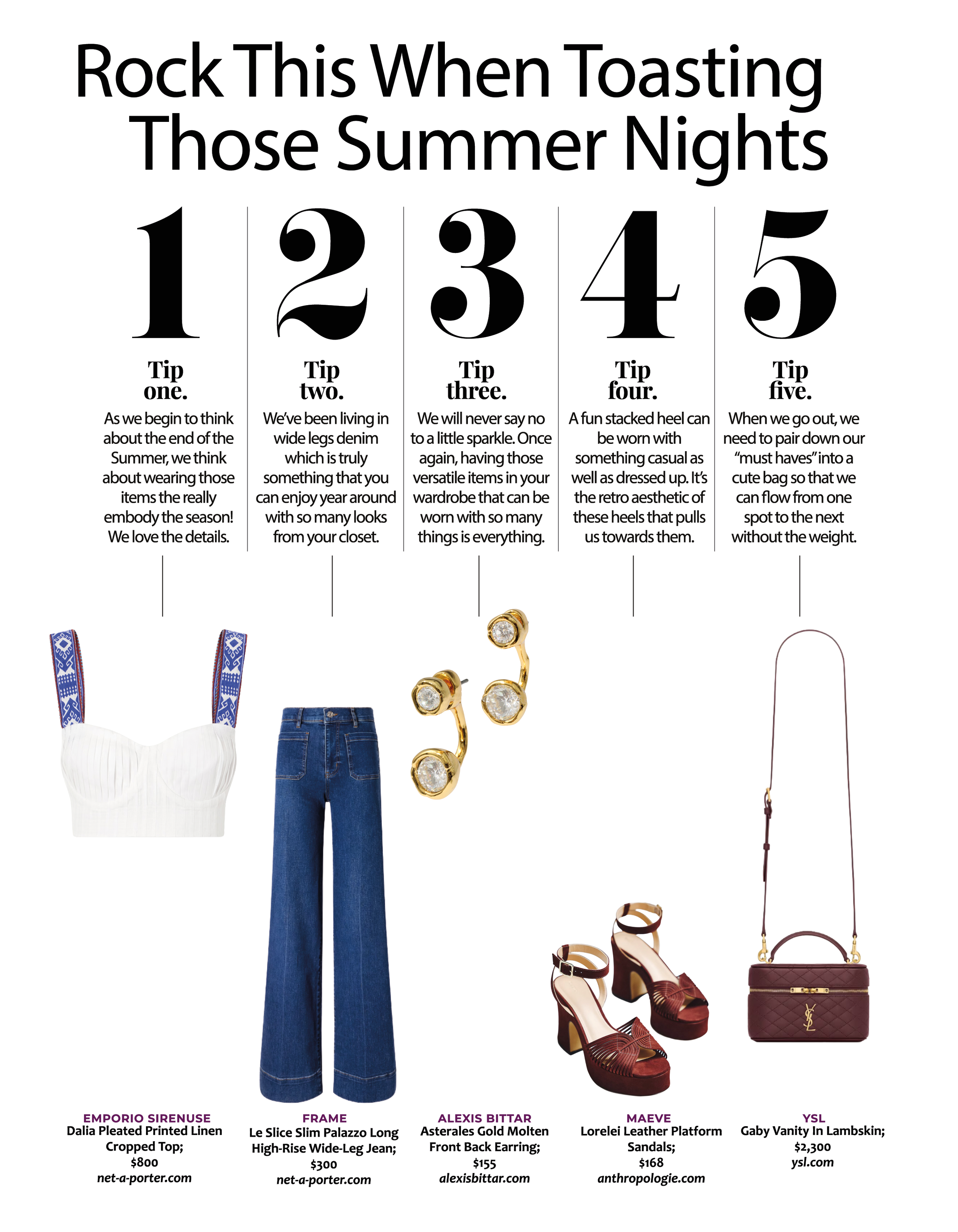
ROCK THIS WHEN TOASTING THOSE SUMMER NIGHTS

September 6, 2026

Read the AUG ISSUE #128 of Athleisure Mag and see ROCK THIS WHEN TOASTING THOSE SUMMER NIGHTS in mag.

The Latest
ROCK THIS WHEN.png
October 7, 2026
ROCK THIS WHEN STRIDING INTO THE FALL SEASON
October 7, 2026
Read more →
October 7, 2026
ROCK THIS WHEN.png
September 6, 2026
ROCK THIS WHEN TOASTING THOSE SUMMER NIGHTS
September 6, 2026
Read more →
September 6, 2026
ROCK THIS WHEN.png
August 9, 2026
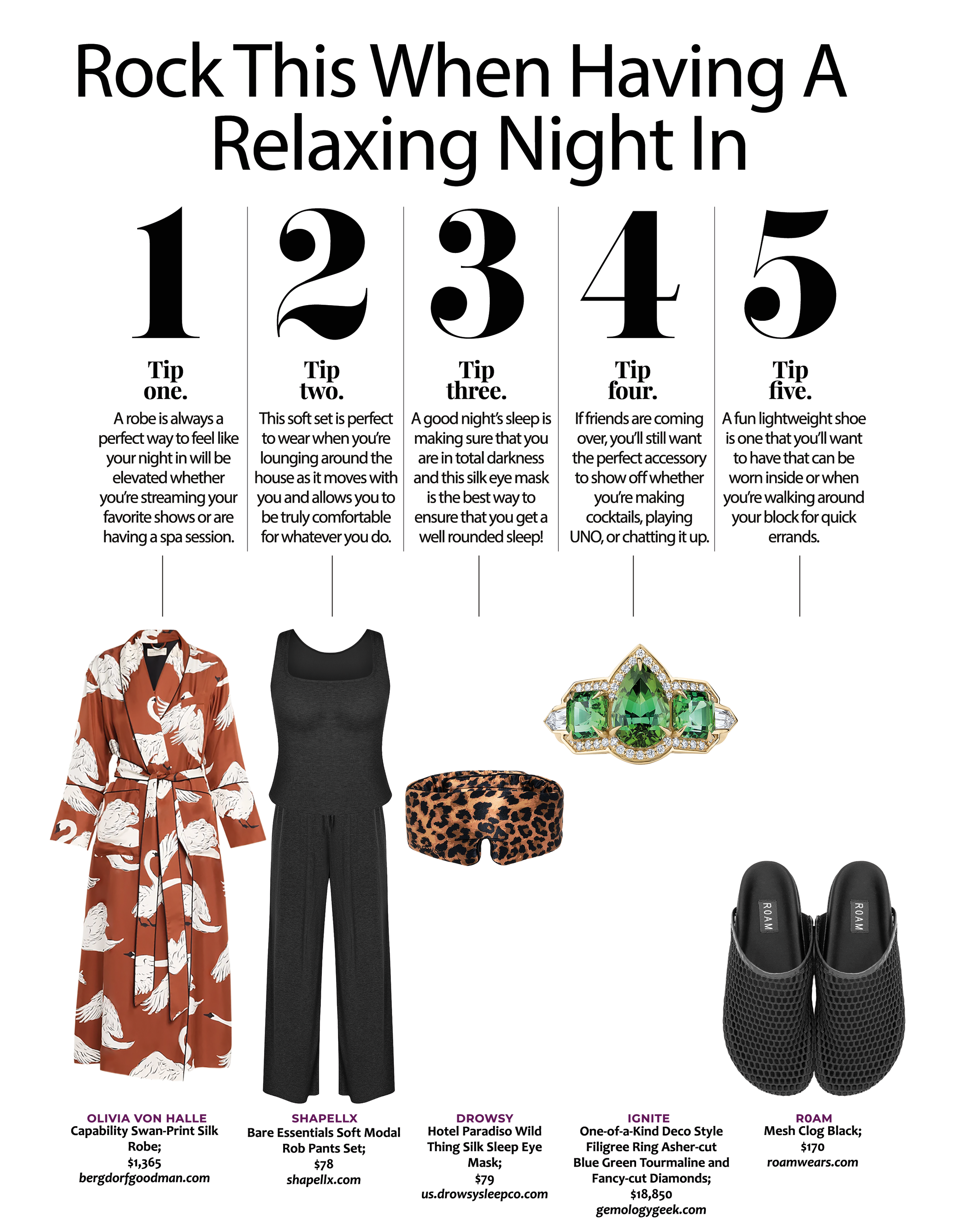
ROCK THIS WHEN HAVING A RELAXING NIGHT IN
August 9, 2026
Read more →
August 9, 2026
In AM, Aug 2026, Fashion, Rock This When Tags Rock This When Toasting Those Summer Night, Rock This When, Emporio Sirenuse, Frame, Alexis Bittar, Maeve, YSL
Comment

HOW TO DRESS | FOR THAT TIME OF THE MONTH

September 5, 2026

Read the AUG ISSUE #128 of Athleisure Mag and see HOW TO DRESS | For That Time of the Month in mag,

The Latest
HOW TO DRESS.png
October 3, 2026
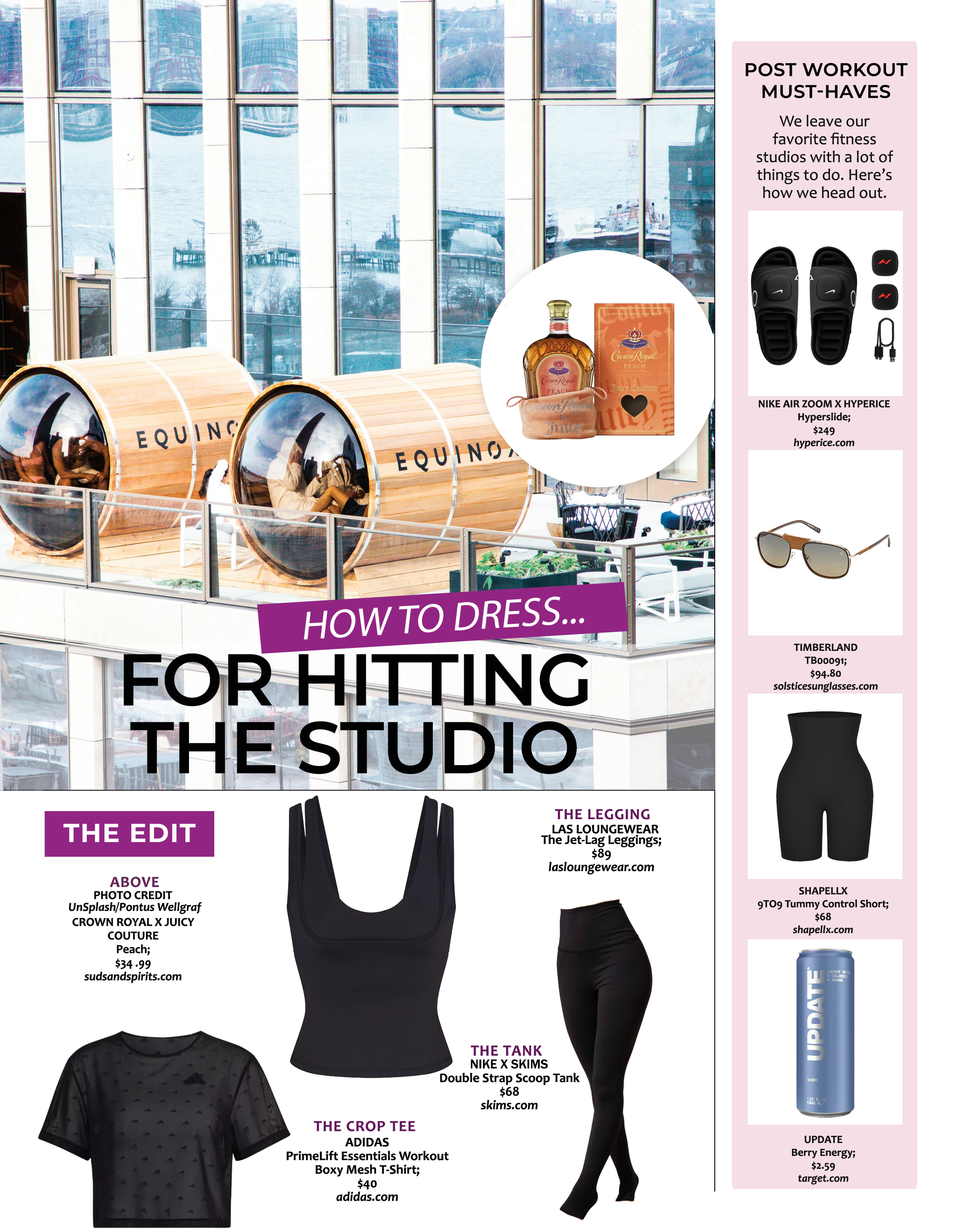
HOW TO DRESS | FOR HITTING THE STUDIO
October 3, 2026
Read more →
October 3, 2026
HOW TO DRESS.png
September 5, 2026
HOW TO DRESS | FOR THAT TIME OF THE MONTH
September 5, 2026
Read more →
September 5, 2026
HOW TO DRESS.png
August 7, 2026
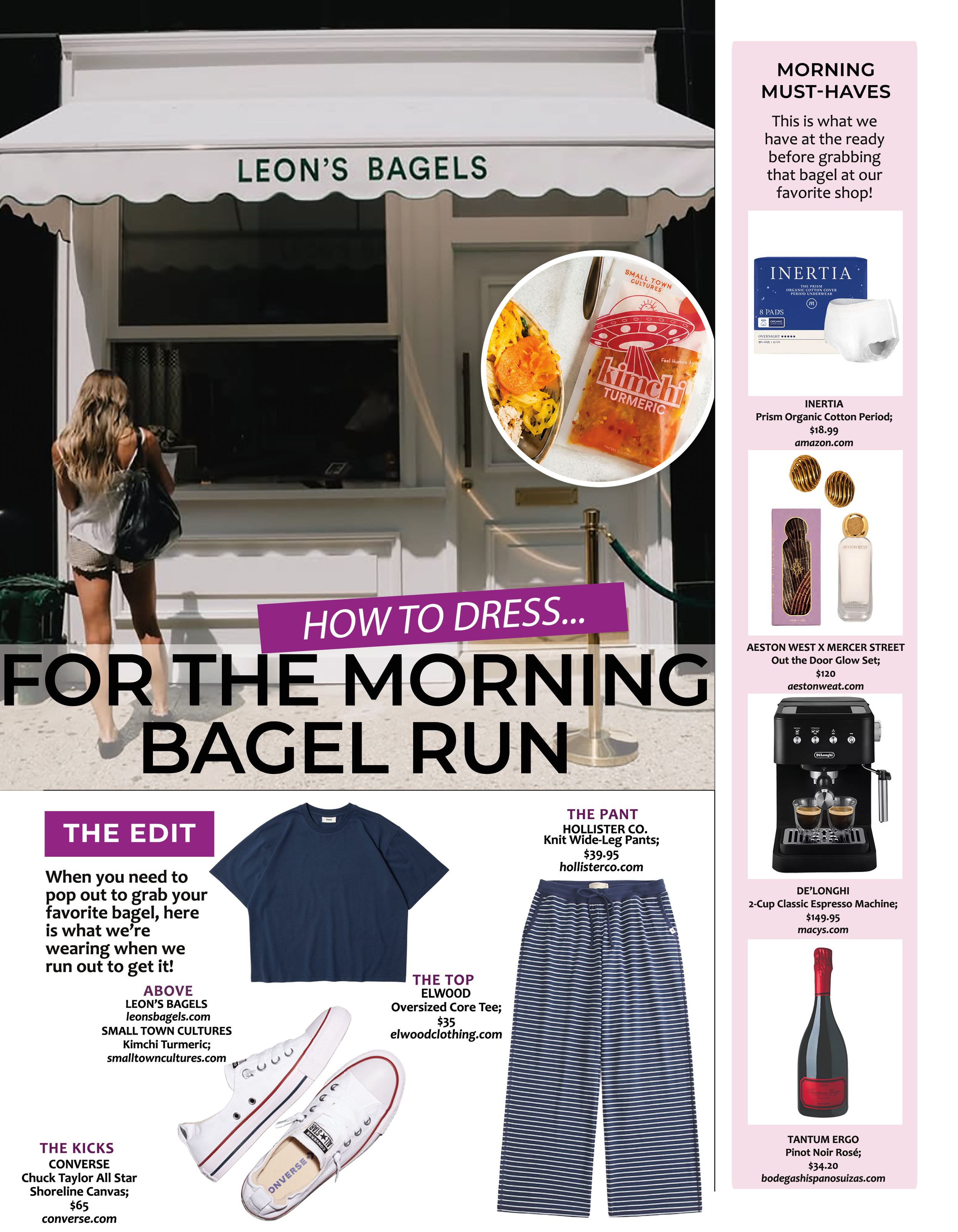
HOW TO DRESS | FOR THE MORNING BAGEL RUN
August 7, 2026
Read more →
August 7, 2026
In AM, How to Dress, Aug 2026 Tags How to Dress, For That Time of the Month, Skinnydipped, Inertia, HotStuff, Hiyo, Aviator Nation, Uwila Warrior, American Eagle, Dos Maderas Origen
Comment

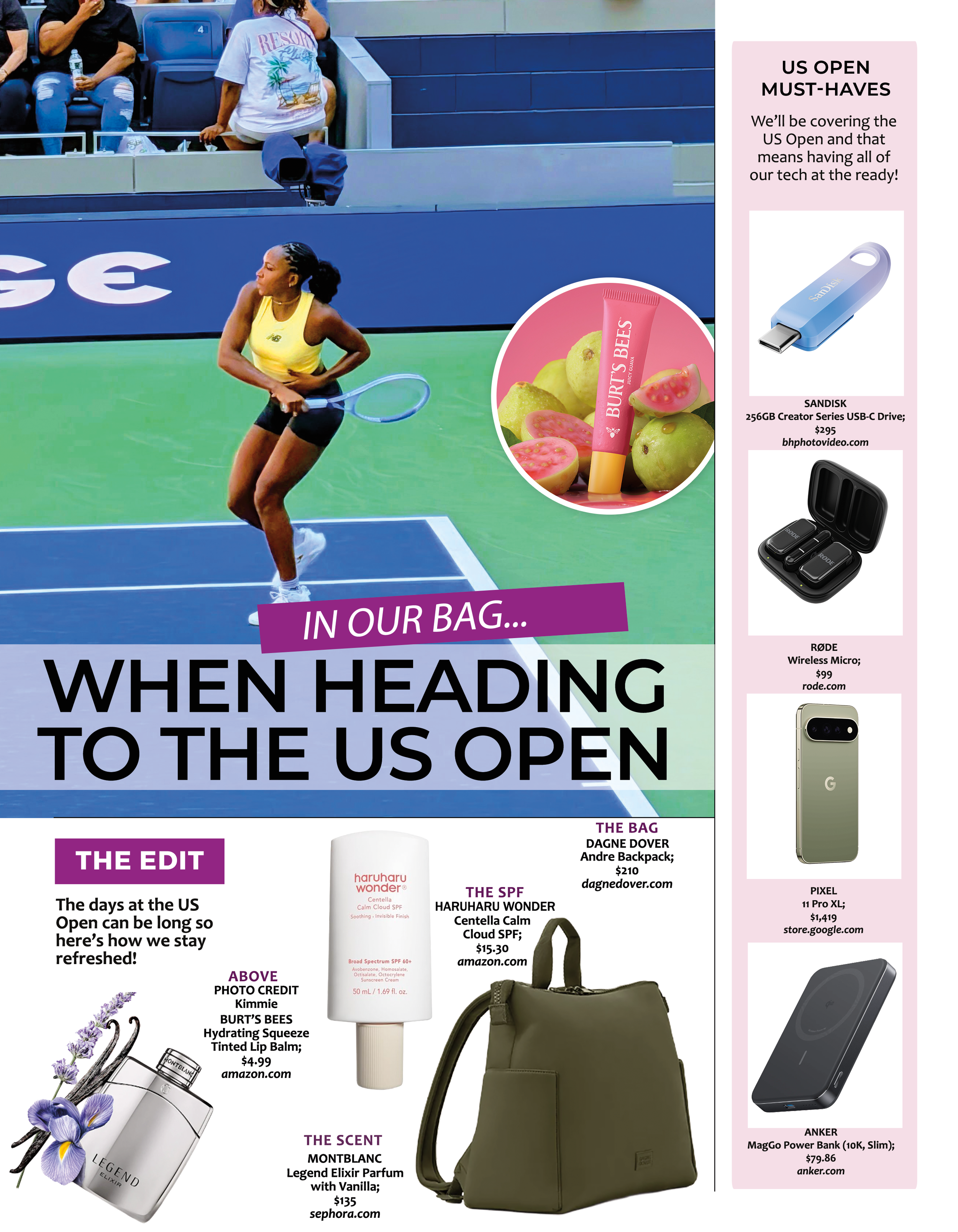
IN OUR BAG | WHEN HEADING TO THE US OPEN

September 4, 2026

Read the AUG ISSUE #128 of Athleisure Mag and see IN OUR BAG | When Heading to the US Open in mag.

The Latest
AM AUG OPENING SPREAD Tiffany Zhou (2).png
September 17, 2026
PRACTICAL LUXURY | TIFFANY ZHOU
September 17, 2026
Read more →
September 17, 2026
arthur-edelmans-A9UonVi-cwk-unsplash.jpg
August 27, 2026
NATURAL-FIBER ACTIVEWEAR THAT ACTUALLY PERFORMS, TESTED PIECE BY PIECE
August 27, 2026
Read more →
August 27, 2026
AM MAY ISSUE _125 GOV BALL PRE-COVERAGE 2026-1.png
June 19, 2026
GOV BALL 2026 PRE-COVERAGE
June 19, 2026
Read more →
June 19, 2026
In AM, Aug 2026, In Our Bag, Tennis Tags In Our Bag, When Heading to the US Open, US Open, Tennis, Montblanc, Burt's Bees, Dagne Dover, Haruharu Wonder, Anker, Pixel, RODE, Sandisk
Comment

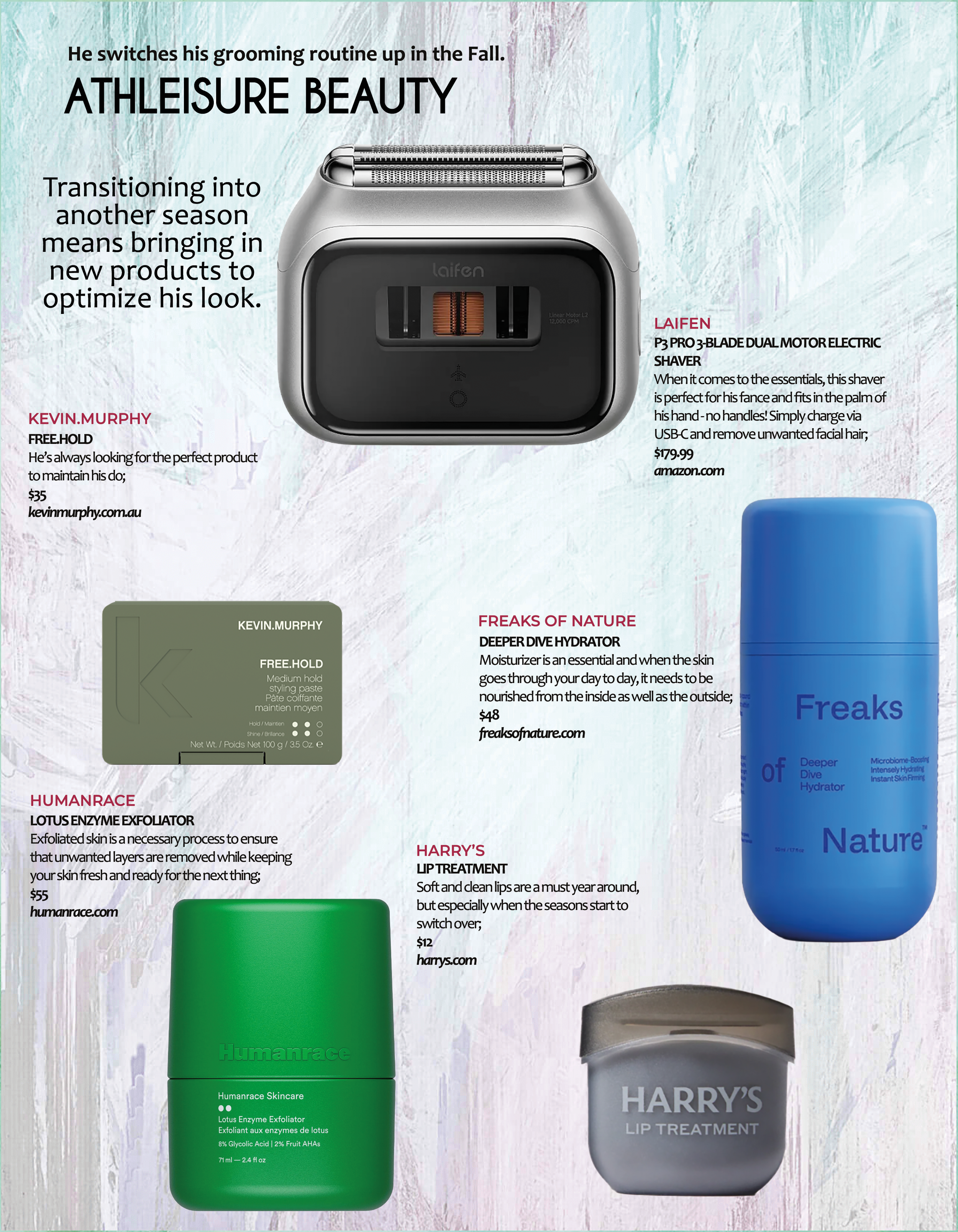
ATHLEISURE BEAUTY

September 3, 2026

Read the AUG ISSUE #128 of Athleisure Mag and see ATHLEISURE BEAUTY in mag.

The Latest
ATHLEISURE BEAUTY.png
October 4, 2026
ATHLEISURE BEAUTY
October 4, 2026
Read more →
October 4, 2026
ATHLEISURE BEAUTY.png
September 3, 2026
ATHLEISURE BEAUTY
September 3, 2026
Read more →
September 3, 2026
ATHLEISURE BEAUTY.png
August 4, 2026
ATHLEISURE BEAUTY
August 4, 2026
Read more →
August 4, 2026
In AM, Athleisure Beauty, Beauty, Aug 2026 Tags Nebulyft, Doc & Glo, Buff, Live Tinted, Dr Althea
Comment

PHOTO CREDIT | Unsplash/Leohoho

8 POINTS DOCTORS SHOULD COVER WHEN DISCUSSING DIETARY SUPPLEMENTS WITH PATIENTS

September 3, 2026

Patients sometimes come to appointments with questions about dietary supplements. Some saw a product online. Others want to add something to their daily routine. A few may be scared of making a mistake. So, talk about supplements with them. Think of it as part of patient care. These conversations give doctors a useful chance to clear up confusion. They encourage informed choices.

Reviewing labels and intended use can help patients understand what they’re considering. Here are eight points doctors should cover when discussing dietary supplements.

  1. Why the Patient Wants It

Patients may have a clear reason for asking about a supplement. Others may just be curious after seeing it on Instagram. The popularity of supplements can make certain products seem familiar. But typically, patients don’t know much about them. Ask what caught their attention. What they hope to gain, too.

Keep the conversation open. Don’t just dismiss the patient's interest. Ask where they heard about the product. Find out what information they’ve seen. This gives you a better sense of their expectations. It also creates a natural opening to discuss what the product actually does.

  1. What It Contains

A product's name can tell you surprisingly little about what’s inside the bottle. Ask patients to bring the container. Or at least a clear photo of the label. Review the ingredient information together. The nutrition facts label can provide useful details about the product's contents.

Patients may bring up a specific product during these conversations. For example, Sigumir cartilage bioregulator is a dietary supplement formulated with a cartilage-derived peptide complex. Review its label with the patient. Explain what a peptide complex is. Explain the information on the product. Do it in layman’s terms. That way, the patient truly understands what they’re getting. Keeping the discussion tied to the label helps prevent assumptions.

  1. Evidence Behind Claims

Patients often encounter confident claims about supplements online. The wording can sound convincing. Even when the supporting information is unclear. Ask what claim caught the patient's attention. Then, discuss what evidence exists for that specific ingredient.

The details matter here. Evidence for one ingredient doesn’t automatically establish the same effect for every formulation. A study involving a different amount or product form may not apply. Explain it clearly to the patient. This distinction helps patients understand why a promising headline isn’t always accurate.

  1. Recommended Serving

Patients sometimes assume that taking more of a supplement provides greater benefits. Explain serving information to them. Review the listed serving size and directions with the patient.

Ask how the patient currently uses the product. Check whether they understand the serving information. This can also uncover habits that differ from the label directions. Zeroing in on the specific instructions can teach patients how to use them properly.

  1. Other Supplements the Patient Takes

A supplement routine can grow over time. A patient may start with one product. Then, they’ll gradually add others. They may not think to mention every bottle to you.

Ask patients to bring a list of their supplements. Review each product. And its serving information, too. This gives you a clearer picture of their overall routine. It can also prevent confusion when several products contain the same ingredient.

  1. Potential Interactions

Patients may assume that supplements operate separately from everything else they take. But it’s worth closer observation. Ask about their current routine before discussing a new product.

Review the ingredients alongside the patient's medications and other supplements. Consider the information available for the specific products involved. If the available information raises a concern, explain why further review may be appropriate. Touch on potential interactions. This conversation promotes informed use. It also keeps patients safe.

  1. Side Effects

Patients should know that dietary supplements can produce unwanted effects. Ask whether they have experienced anything unusual since starting a product. Give them room to describe changes.

Some changes might be strange. A supplement containing riboflavin, for example, can make pee significantly more yellow. This color change can occur due to riboflavin’s naturally bright yellow color. But it’s not really a red flag. Reassure them of that. But also warn about other, more alarming side effects. This gives patients useful context about their supplement routine.

  1. The Patient's Questions

A patient may have several questions. But they might hesitate to ask them. Some may worry about sounding uninformed. Or being judged. Others may have picked up conflicting information online. Give them an easy opening to bring up those questions.

Before the end of the session, ask them to raise all concerns they have. Reassure them that there are no wrong questions. Ask what they’re most unsure about. They may want clarification about the label. Or wonder about the serving information. Address those questions directly. It leaves patients with a clearer understanding of the product they’re considering.

Conclusion

A good supplement conversation gives patients space to ask questions. Doctors can review labels and claims with them. Use these talking points to make future conversations more productive. Patients leave with a better understanding of supplements. Doctors, on the other hand, get a clearer picture of the choices patients make between appointments.

The Latest
AM AUG OPENING SPREAD Tiffany Zhou (2).png
September 17, 2026
PRACTICAL LUXURY | TIFFANY ZHOU
September 17, 2026
Read more →
September 17, 2026
arthur-edelmans-A9UonVi-cwk-unsplash.jpg
August 27, 2026
NATURAL-FIBER ACTIVEWEAR THAT ACTUALLY PERFORMS, TESTED PIECE BY PIECE
August 27, 2026
Read more →
August 27, 2026
AM MAY ISSUE _125 GOV BALL PRE-COVERAGE 2026-1.png
June 19, 2026
GOV BALL 2026 PRE-COVERAGE
June 19, 2026
Read more →
June 19, 2026
In ATW
Comment

PHOTO CREDIT | Pexels/Anthony Rahayel

HOW TO COMPARE INTERNATIONAL STUDENT HEALTH CARE POLICIES

September 3, 2026

If you are an international student moving to another country, there are a few logistics you need to set up before your classes begin. One of your visa duties is to get Overseas Student Health Cover if you hold a subclass 500 visa, and this is a strict requirement. Many student insurance providers are approved by the government, so comparing the policies will help you to find the most suitable cover for your stay.

All approved policies meet the government baselines, but there is wide variation among insurers in pricing, networks of clinics and claims processing systems. Failure to examine these differences when choosing a policy can lead to unforeseen out-of-pocket expenses. In this blog, you will get to know how comparing policies side by side helps you get maximum medical protection at a competitive rate.

Evaluating Direct-Billing Networks and Upfront Expenses

Clinics in other countries have different structures for medical billing, and direct-billing access is a consideration when evaluating health providers. At direct-billing clinics, they bill your insurance company directly, so you can walk away. Utilise specialist search tools such as oshc compare to identify which approved providers have the largest network of partner clinics close to your university campus.

Here’s why direct-billing networks matter for international students:

  • Zero Upfront Cash: Partner clinics bill your insurance company directly, so you don’t need to pay appointment fees on the spot

  • No Claim Paperwork: No paper receipts to keep and manual reimbursement claims when visiting network doctors

  • Budget Protection: Avoids sudden gaps between private doctor fees and your insurance policy refunds

Comparing Prescription Limits and Optional Extras Cover

Prescription medications are subject to annual limits, but general doctor visits and stays in public hospitals are covered by standard student policies. Make sure you are aware of the annual limits on prescription benefits so you get enough financial help for your medications. Also, standard student cover does not include dental care or physiotherapy unless you buy extra supplementary cover.

Here are some of the key coverage areas to compare across approved student health plans:

  • Limits on Prescription Drugs: Be sure to check the yearly limits on doctor-prescribed drugs so you don't get stuck with high pharmacy bills

  • Dental and Optical Extras: Consider optional add-on packages if you require regular dental check-ups or vision care

  • Physiotherapy Access: If you’re involved in competitive sports on campus, look for extra packages that include physical therapy

Checking Mobile App Features and Customer Support Services

Today’s health insurers have intuitive apps that enable you to find doctors in your area, pull up digital member cards and track claims in real time. Multilingual customer support is another great asset when it comes to complicated medical situations in a second language. If you choose a provider with dedicated student support lines, you can be confident of getting quick help with any medical advice you need.

If you want a smooth, hassle-free healthcare experience in Australia, consider these digital tools:

  • Digital Member Cards: Access member details instantly on your phone to show clinic receptionists during doctor visits

  • Instant Photo Claims: Upload photos of medical receipts via smartphone apps for quick bank account refunds

  • Multilingual Support: Reach customer service advisors who speak your native language during stressful health emergencies

Understanding Pre-Existing Condition Waiting Times

If you have a medical condition that started before you arrived in another country, you need to wait for a certain period of time. Approved insurers impose a standard twelve-month waiting period for pre-existing health conditions and pregnancy-related medical care. Looking at how different providers handle pre-existing condition records helps you prepare medical documentation from your doctor.

Secure Your Ideal Student Health Policy

Compare international student health policies carefully, and you can be sure of total medical security, access to doctors at a moment’s notice and great value for money. You can check the direct-billing clinic availability, prescription limits and app tools so you can choose the right policy for your university journey. Having full coverage means you can concentrate fully on your academic studies.

The Latest
AM AUG OPENING SPREAD Tiffany Zhou (2).png
September 17, 2026
PRACTICAL LUXURY | TIFFANY ZHOU
September 17, 2026
Read more →
September 17, 2026
arthur-edelmans-A9UonVi-cwk-unsplash.jpg
August 27, 2026
NATURAL-FIBER ACTIVEWEAR THAT ACTUALLY PERFORMS, TESTED PIECE BY PIECE
August 27, 2026
Read more →
August 27, 2026
AM MAY ISSUE _125 GOV BALL PRE-COVERAGE 2026-1.png
June 19, 2026
GOV BALL 2026 PRE-COVERAGE
June 19, 2026
Read more →
June 19, 2026
In ATW
Comment

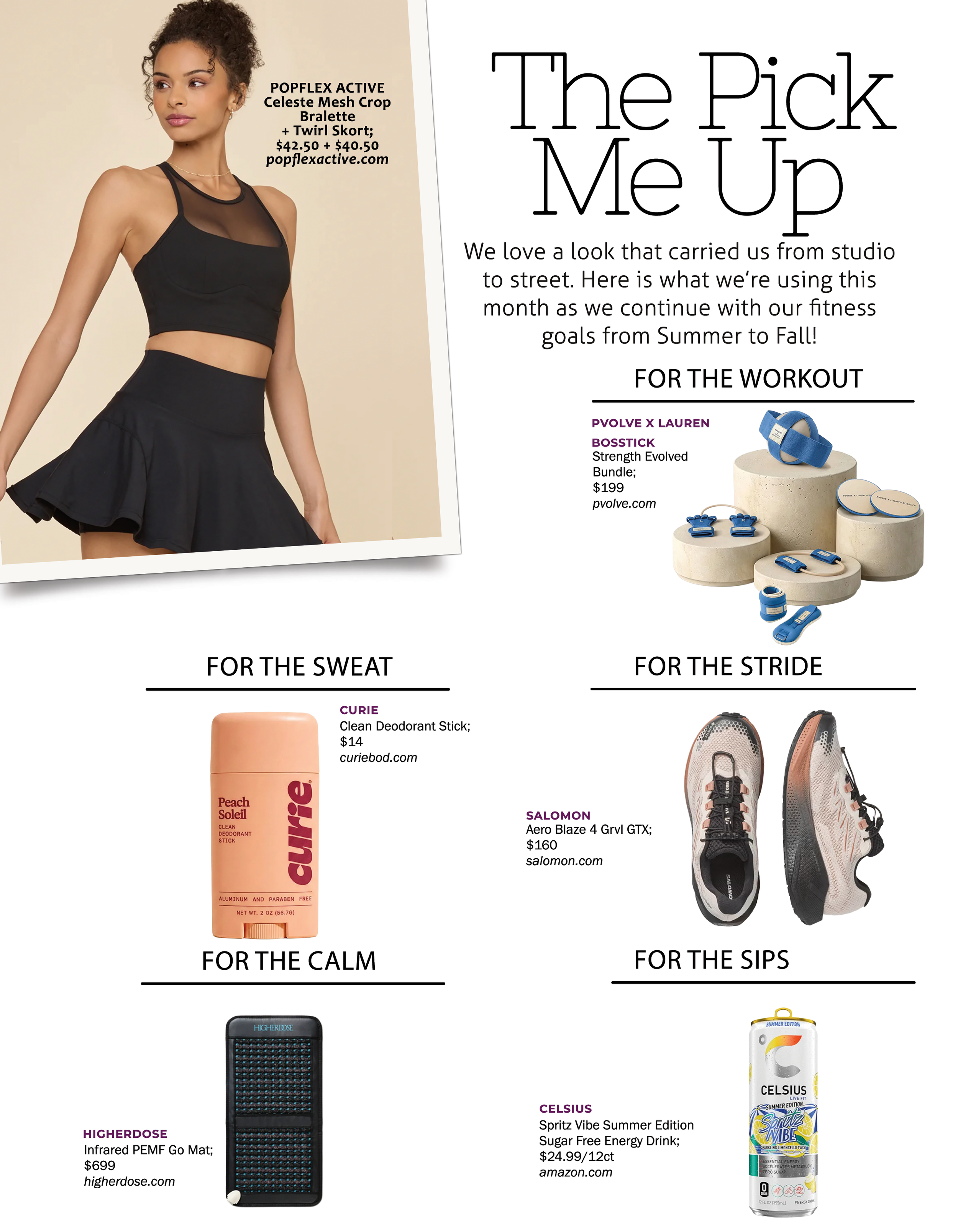
THE PICK ME UP

September 2, 2026

Read Athleisure Mag’s AUG ISSUE #128 and see THE PICK ME UP in mag.

The Latest
AM AUG OPENING SPREAD Tiffany Zhou (2).png
September 17, 2026
PRACTICAL LUXURY | TIFFANY ZHOU
September 17, 2026
Read more →
September 17, 2026
arthur-edelmans-A9UonVi-cwk-unsplash.jpg
August 27, 2026
NATURAL-FIBER ACTIVEWEAR THAT ACTUALLY PERFORMS, TESTED PIECE BY PIECE
August 27, 2026
Read more →
August 27, 2026
AM MAY ISSUE _125 GOV BALL PRE-COVERAGE 2026-1.png
June 19, 2026
GOV BALL 2026 PRE-COVERAGE
June 19, 2026
Read more →
June 19, 2026
In AM, Aug 2026, The Pick Me Up Tags The Pick me Up, HigherDose, Celsius, Salomon, Curie, Pvolve X Lauren, PopFlex Active
Comment

PHOTO CREDIT | Unsplash/Christian Mackie

TOP TIPS FOR SELECTING BATHROOM TILES IN MELBOURNE

September 2, 2026

Finding the right footwear is about more than keeping up with fashion trends. The ideal pair of shoes should provide the perfect balance of style, comfort, and durability while supporting your lifestyle and daily activities. Whether you're shopping for elegant heels, comfortable flats, versatile sneakers, or everyday essentials, investing in quality footwear can enhance both your confidence and overall comfort.

Just as selecting the right materials is essential when renovating a home with bathroom tiles Melbourne homeowners can rely on for quality and style, choosing well-crafted shoes requires careful consideration of fit, function, and long-term value. Taking the time to evaluate materials, design, and comfort will help you find footwear that not only complements your wardrobe but also provides lasting support for years to come.

Here's what to consider when searching for shoes that look great, feel comfortable, and fit perfectly.

Consider the Function of Each Area

Different parts of the bathroom have different requirements. Floor tiles need to provide adequate slip resistance, especially in wet zones such as showers. Wall tiles, on the other hand, offer greater design flexibility since they don't experience the same level of foot traffic.

Think about where each tile will be installed before making your selection. A beautiful polished tile may look impressive on the wall but could become slippery underfoot.

Choose the Right Tile Material

Bathroom tiles are available in a variety of materials, each offering unique benefits.

Popular options include:

  • Porcelain tiles for exceptional durability and water resistance

  • Ceramic tiles for affordability and versatility

  • Natural stone tiles for a premium, timeless appearance

  • Mosaic tiles for decorative accents and feature walls

Porcelain remains one of the most popular choices because it is dense, durable, and resistant to moisture, making it suitable for both floors and walls.

Think About Tile Size

Tile size can dramatically influence how spacious your bathroom feels.

Large-format tiles often create a cleaner, more seamless appearance with fewer grout lines, making smaller bathrooms appear larger. Smaller tiles, such as mosaics, can add texture and visual interest, particularly in shower niches or splashbacks.

When selecting tile sizes, consider the overall dimensions of your bathroom and how the layout will affect the finished appearance.

Select Colours That Suit Your Space

Colour plays a major role in setting the mood of your bathroom.

Light-coloured tiles can make compact bathrooms feel brighter and more open, while darker shades add sophistication and depth. Neutral tones such as white, beige, grey, and soft stone colours remain popular because they provide a timeless look that complements changing design trends.

If you want to introduce personality, consider using coloured or patterned feature tiles while keeping the surrounding surfaces neutral.

Pay Attention to Surface Finish

Tile finishes affect both aesthetics and functionality.

Common finishes include:

  • Matte finishes that provide better slip resistance

  • Gloss finishes that reflect light and create a brighter appearance

  • Textured finishes that improve grip in wet areas

For bathroom floors, matte or textured finishes are generally preferred due to their enhanced safety. Gloss tiles often work well on walls where cleaning and light reflection are priorities.

Don't Overlook Grout Selection

Grout colour can significantly change the final appearance of your tiled bathroom.

Matching grout creates a seamless, contemporary finish, while contrasting grout highlights individual tiles and adds visual definition. Choosing high-quality, mould-resistant grout also helps maintain a cleaner, fresher bathroom over time.

Proper sealing and regular maintenance will extend the lifespan of both the grout and the tiles.

Balance Style with Maintenance

Every tile material requires a different level of care.

Natural stone often needs regular sealing to protect against moisture and staining, while porcelain and ceramic generally require less maintenance. If your household has children or experiences heavy daily use, selecting low-maintenance materials can save considerable time and effort over the years.

Always consider your long-term maintenance preferences alongside the visual appeal of the tiles.

Coordinate with the Overall Design

Bathroom tiles should complement your overall interior style.

Whether your home features contemporary, coastal, industrial, Hamptons, or classic design elements, selecting tiles that harmonise with cabinetry, tapware, vanities, and lighting creates a cohesive finish.

Viewing full tile samples under your bathroom's lighting conditions can help you visualise how colours and textures will appear once installed.

Work with Experienced Tile Suppliers

A reputable tile supplier can provide valuable guidance on selecting products suited to your renovation goals, budget, and bathroom layout. They can also recommend appropriate adhesives, waterproofing systems, grout products, and installation techniques to ensure lasting performance.

Professional advice helps minimise costly mistakes and ensures your chosen tiles perform well for many years.

Conclusion

Choosing the perfect bathroom tiles involves more than simply selecting a design you like. By considering functionality, material, size, finish, maintenance requirements, and your home's overall aesthetic, you can create a bathroom that is both stylish and practical. Whether you're undertaking a complete renovation or refreshing an existing space, investing time in selecting quality bathroom tiles in Melbourne will help you achieve a beautiful result that enhances your home's comfort, value, and long-term appeal.

The Latest
AM AUG OPENING SPREAD Tiffany Zhou (2).png
September 17, 2026
PRACTICAL LUXURY | TIFFANY ZHOU
September 17, 2026
Read more →
September 17, 2026
arthur-edelmans-A9UonVi-cwk-unsplash.jpg
August 27, 2026
NATURAL-FIBER ACTIVEWEAR THAT ACTUALLY PERFORMS, TESTED PIECE BY PIECE
August 27, 2026
Read more →
August 27, 2026
AM MAY ISSUE _125 GOV BALL PRE-COVERAGE 2026-1.png
June 19, 2026
GOV BALL 2026 PRE-COVERAGE
June 19, 2026
Read more →
June 19, 2026
In ATW
Comment

PHOTO CREDIT | Unsplash/Drew Dizzy Graham

WHY LED EYELASH EXTENSIONS IN SYDNEY ARE BECOMING SO POPULAR

September 2, 2026

The beauty industry continues to embrace innovative technologies that enhance both the quality of treatments and the overall client experience. Among the latest advancements is LED eyelash extension technology, which is transforming the way lash professionals apply extensions by improving efficiency, precision, and retention. This modern technique is quickly gaining recognition for delivering reliable, long-lasting results while maintaining a comfortable treatment experience.

As demand for LED eyelash extensions in Sydney continues to grow, more beauty salons are adopting this advanced application method to meet client expectations for durable and low-maintenance lash enhancements. By combining specialised LED curing technology with professional lash application techniques, this innovative solution offers a practical alternative for those seeking beautiful lashes that last longer and require fewer touch-ups.

What Are LED Eyelash Extensions?

LED eyelash extensions are a specialised lash extension technique that uses LED light technology to cure and secure lash adhesive during the application process. Unlike traditional lash extensions, which rely on natural air exposure for adhesive curing, LED lash systems use controlled light to accelerate the bonding process.

This advanced method allows lash technicians to create precise, customised lash designs while improving adhesive performance. The result is a comfortable, durable lash enhancement that can suit a variety of client preferences, from natural-looking styles to more dramatic lash designs.

Provides Longer-Lasting Lash Retention

One of the main reasons LED eyelash extensions are becoming popular in Sydney is their improved retention capabilities. The curing process helps create a stronger adhesive bond, which may allow extensions to remain in place for longer compared with some traditional application methods.

For busy clients who want to maintain their beauty routine with fewer touch-ups, longer-lasting lash extensions provide a convenient solution.

Better retention can also help clients achieve greater value from their lash appointments by reducing the frequency of maintenance visits.

Suitable for Sydney’s Busy Lifestyles

Sydney is known for its fast-paced lifestyle, and many clients are looking for beauty treatments that provide lasting results while fitting easily into their schedules.

LED eyelash extensions appeal to professionals, students, and individuals with active routines because they offer:

  • Long-lasting results

  • Reduced maintenance requirements

  • Faster adhesive curing

  • Reliable lash performance

  • A polished appearance every day

With less time spent applying mascara or styling lashes, clients can enjoy a more effortless beauty routine.

Improves Application Efficiency for Lash Technicians

LED lash technology is not only beneficial for clients; it also supports beauty professionals by improving the application process.

The controlled curing method allows technicians to work with greater precision and confidence. Because the adhesive cures more quickly under LED light, lash artists can maintain better control over lash placement during treatment.

This can contribute to:

  • More efficient appointments

  • Improved lash alignment

  • Greater design accuracy

  • Consistent treatment results

For Sydney lash technicians, offering LED eyelash extensions can also help differentiate their services in a competitive beauty market.

Enhances Comfort During the Treatment

Many clients appreciate beauty treatments that prioritise both appearance and comfort. LED eyelash extensions are designed to create a controlled application environment, helping minimise issues that may occur during traditional lash extension processes.

The curing technology allows the adhesive to set more efficiently, reducing the time clients need to keep their eyes closed during certain stages of application.

A comfortable experience can encourage client satisfaction and increase the likelihood of repeat appointments.

Offers Greater Flexibility for Different Lash Styles

LED eyelash extensions can be customised to suit individual preferences and facial features. Whether a client wants subtle enhancement or a bold, glamorous look, experienced lash technicians can create personalised styles using this technique.

Popular lash styles may include:

  • Natural lash enhancements

  • Classic extensions

  • Hybrid lash designs

  • Volume lash sets

  • Custom lash mapping

This flexibility makes LED eyelash extensions suitable for a wide range of clients and occasions.

Appeals to Clients Looking for Modern Beauty Treatments

As technology continues to influence the beauty industry, clients are increasingly interested in innovative treatments that provide improved results. LED eyelash extensions represent the combination of traditional beauty expertise with modern application techniques.

For many Sydney clients, choosing an advanced lash treatment reflects a desire for convenience, quality, and professional results.

Beauty salons that introduce innovative services can also strengthen their reputation as forward-thinking providers.

Important Factors When Choosing LED Eyelash Extensions

While LED eyelash extensions offer many benefits, selecting a qualified and experienced lash technician is essential. Proper application techniques, quality products, and professional hygiene standards all contribute to safe and successful results.

When choosing a salon, consider:

  • Technician qualifications and experience

  • Product quality

  • Hygiene practices

  • Client reviews

  • Consultation process

  • Customisation options

A professional lash technician will assess your natural lashes and recommend a style that suits your eye shape, lifestyle, and preferences.

The Growing Future of LED Lash Technology in Sydney

The popularity of LED eyelash extensions reflects a broader trend toward innovative, efficient, and personalised beauty treatments. As more clients discover the benefits of advanced lash technology, demand for skilled technicians offering LED lash services is expected to continue growing.

For beauty professionals, adopting new techniques can create opportunities to expand service offerings and meet changing customer expectations.

Final Thoughts

LED eyelash extensions in Sydney are becoming increasingly popular because they offer a modern solution for clients seeking beautiful, durable, and convenient lash enhancements. With benefits such as improved retention, efficient application, and personalised styling options, this innovative treatment is changing the way many people approach lash beauty.

For clients looking for a long-lasting lash solution and beauty professionals aiming to provide advanced services, LED eyelash extensions represent an exciting development in the evolving beauty industry. Choosing a qualified technician and high-quality products ensures the best possible experience and results.

The Latest
AM AUG OPENING SPREAD Tiffany Zhou (2).png
September 17, 2026
PRACTICAL LUXURY | TIFFANY ZHOU
September 17, 2026
Read more →
September 17, 2026
arthur-edelmans-A9UonVi-cwk-unsplash.jpg
August 27, 2026
NATURAL-FIBER ACTIVEWEAR THAT ACTUALLY PERFORMS, TESTED PIECE BY PIECE
August 27, 2026
Read more →
August 27, 2026
AM MAY ISSUE _125 GOV BALL PRE-COVERAGE 2026-1.png
June 19, 2026
GOV BALL 2026 PRE-COVERAGE
June 19, 2026
Read more →
June 19, 2026
In ATW
Comment

PHOTO CREDIT | Unsplash/Salman Saqib

SIGNS YOUR BUSINESS NEEDS COMMERCIAL PRESSURE WASHING SERVICES IN SYDNEY

September 2, 2026

First impressions can have a lasting impact on how customers, clients, and employees view your business. A clean and well-maintained exterior reflects professionalism, while neglected surfaces covered in dirt, mould, grease, stains, or graffiti can detract from your property's appearance and even pose safety risks.

Investing in commercial pressure washing services in Sydney is one of the most effective ways to keep your business premises looking clean, safe, and inviting throughout the year. Whether you manage a retail shop, office complex, warehouse, restaurant, industrial site, or strata property, knowing when it's time for professional pressure cleaning can help preserve your property's condition, protect its value, and create a positive impression for everyone who visits.

Your Building Exterior Looks Dirty or Weathered

Sydney's climate exposes commercial buildings to dust, vehicle emissions, salt air in coastal areas, bird droppings, mould, and pollution. These contaminants gradually accumulate on walls, footpaths, windows, and exterior surfaces, causing your property to appear neglected.

If your building looks noticeably dull, stained, or discoloured, professional commercial pressure washing can restore its appearance by removing built-up grime and revealing cleaner surfaces underneath.

A well-maintained exterior creates a positive first impression and demonstrates your commitment to professionalism.

Walkways Have Become Slippery

Outdoor walkways, entrances, and pathways can accumulate algae, moss, mould, and mildew, particularly during wet weather. These substances not only affect the appearance of your property but also create slip hazards for staff, customers, and visitors.

Regular pressure washing removes these contaminants, helping improve surface traction and supporting a safer environment. Maintaining clean walkways may also assist businesses in meeting their workplace health and safety responsibilities.

Oil, Grease, and Vehicle Stains Are Visible

Car parks, loading bays, service areas, and driveways often develop oil stains, fuel spills, tyre marks, and grease deposits from daily business operations.

These stains can become increasingly difficult to remove if left untreated and may contribute to an untidy appearance.

Professional commercial pressure washing uses specialised equipment and appropriate cleaning techniques to remove stubborn stains from concrete and other hard surfaces, helping restore a cleaner and more professional look.

Graffiti Is Affecting Your Business Image

Graffiti can quickly damage the appearance of commercial properties and negatively influence public perception. Prompt removal demonstrates that your business is well maintained and discourages repeat vandalism in many cases.

Commercial pressure washing can effectively remove many types of graffiti from suitable surfaces while minimising damage to the underlying material when performed by experienced professionals.

Addressing graffiti promptly helps preserve your property's presentation and maintain customer confidence.

Outdoor Areas No Longer Reflect Your Brand

Outdoor dining spaces, entrances, courtyards, patios, and customer waiting areas are extensions of your business environment.

If outdoor furniture, paved areas, walls, or entryways appear dirty or neglected, customers may form negative impressions before they even enter your premises.

Routine commercial pressure washing helps maintain clean and inviting outdoor spaces that align with your brand's professional image and enhance the customer experience.

Mould and Mildew Are Becoming More Noticeable

Sydney's humid conditions can encourage the growth of mould, mildew, algae, and lichen on building exteriors, retaining walls, roofs, and paved surfaces.

Beyond affecting appearance, excessive biological growth can contribute to unpleasant odours and accelerate the deterioration of some building materials if left unmanaged.

Professional pressure washing removes these contaminants safely and helps extend the lifespan of exterior surfaces by reducing long-term build-up.

Your Property Is Preparing for an Inspection or Sale

If your commercial property is due for a lease inspection, valuation, sale, or major client visit, presentation becomes even more important.

Pressure washing provides a cost-effective way to improve the overall appearance of your premises without major renovations. Clean exteriors often enhance kerb appeal and help create a more favourable impression for prospective buyers, tenants, investors, or clients.

A freshly cleaned property reflects attention to detail and ongoing maintenance.

Employees Have Raised Safety Concerns

Dirty outdoor surfaces can create unnecessary risks for employees, contractors, and visitors.

Common issues include:

  • Slippery entryways

  • Moss-covered pathways

  • Greasy loading areas

  • Accumulated debris

  • Mud and dirt build-up

  • Stained stairways

Professional pressure washing helps maintain safer access points while supporting a cleaner working environment.

Routine Cleaning Is No Longer Enough

General maintenance and routine cleaning are important, but they cannot always remove deeply embedded dirt, stains, or biological growth.

If your regular cleaning program is no longer producing satisfactory results, commercial pressure washing may be the solution. Professional equipment delivers significantly greater cleaning power than standard hoses or domestic pressure washers, allowing stubborn contaminants to be removed more efficiently.

Scheduling periodic pressure washing complements routine maintenance and helps preserve the condition of your property.

Protect Your Building and Long-Term Investment

Regular pressure washing is not only about appearance—it also helps protect your commercial property from premature wear.

Removing dirt, mould, pollutants, and corrosive substances from exterior surfaces can reduce long-term deterioration of materials such as concrete, brick, rendered walls, pavers, and metal fixtures.

Preventative maintenance often reduces the likelihood of costly repairs while helping your building retain its value over time.

Final Thoughts

Commercial pressure washing is an effective way for Sydney businesses to maintain clean, safe, and professional premises. From removing stubborn stains and graffiti to improving workplace safety and enhancing kerb appeal, professional pressure cleaning delivers benefits that extend well beyond appearance.

If your property is showing signs of accumulated dirt, slippery surfaces, mould growth, or general wear, investing in regular commercial pressure washing can help protect your building, strengthen your business image, and create a more welcoming environment for customers, employees, and visitors. Keeping your premises clean is an investment in both your property's longevity and your organisation's reputation.

The Latest
AM AUG OPENING SPREAD Tiffany Zhou (2).png
September 17, 2026
PRACTICAL LUXURY | TIFFANY ZHOU
September 17, 2026
Read more →
September 17, 2026
arthur-edelmans-A9UonVi-cwk-unsplash.jpg
August 27, 2026
NATURAL-FIBER ACTIVEWEAR THAT ACTUALLY PERFORMS, TESTED PIECE BY PIECE
August 27, 2026
Read more →
August 27, 2026
AM MAY ISSUE _125 GOV BALL PRE-COVERAGE 2026-1.png
June 19, 2026
GOV BALL 2026 PRE-COVERAGE
June 19, 2026
Read more →
June 19, 2026
In ATW
Comment
← Newer Posts Older Posts →
No results found

GET ATH MAG

Read the SEP ISSUE #129.

GET YOUR COPY OF SEP ISSUE #129

Personal trainers
Personal Trainer Jobs

Sign up for our newsletter!

Sign up for our newsletter!


PODCAST NETWORK

ATHLEISURE STUDIO SLATE.jpg
LISTEN TO ALL OF #TRIBEGOALS’ EPISODES ON SPOTIFY, APPLE PODCAST, GOOGLE PODCAST AND MORE

LISTEN TO ALL OF #TRIBEGOALS’ EPISODES ON SPOTIFY, APPLE PODCAST, GOOGLE PODCAST AND MORE

LISTEN TO ALL OF ATHLEISURE KITCHEN’S EPISODES ON iHEARTRADIO, SPOTIFY, APPLE PODCAST, GOOGLE PODCAST AND MORE

LISTEN TO ALL OF ATHLEISURE KITCHEN’S EPISODES ON iHEARTRADIO, SPOTIFY, APPLE PODCAST, GOOGLE PODCAST AND MORE

LISTEN TO ALL OF BUNGALOW SK’S EPISODES ON iHEARTRADIO, SPOTIFY, APPLE PODCAST, GOOGLE PODCAST AND MORE

LISTEN TO ALL OF BUNGALOW SK’S EPISODES ON iHEARTRADIO, SPOTIFY, APPLE PODCAST, GOOGLE PODCAST AND MORE

LISTEN TO ALL OF THE 9LIST’S EPISODES ON iHEARTRADIO, SPOTIFY, APPLE PODCAST, GOOGLE PODCAST AND MORE

LISTEN TO ALL OF THE VOT3D IO’S EPISODES ON iHEARTRADIO, SPOTIFY, APPLE PODCAST, GOOGLE PODCAST AND MORE


TRENDING

Featured
AM SEP FC.png
AM, Ath Mag Issues, Sep 2026, Editor Picks
ATHLEISURE MAG SEP ISSUE #129 | CHELSEA GREEN
AM, Ath Mag Issues, Sep 2026, Editor Picks
Read more →
AM, Ath Mag Issues, Sep 2026, Editor Picks
AM AUG OPENING SPREAD Nicholas Pinnock (2).png
AM, Aug 2026, TV Show, Celebrity, Editor Picks
IT'S ABOUT CHARACTER | NICHOLAS PINNOCK
AM, Aug 2026, TV Show, Celebrity, Editor Picks
Read more →
AM, Aug 2026, TV Show, Celebrity, Editor Picks
AM AUG OPENING SPREAD Paul George (1) copy 8 (1).png
AM, Athletes, Editor Picks, Golf, Aug 2026, Sports
LIV GOLF NEW YORK 2026
AM, Athletes, Editor Picks, Golf, Aug 2026, Sports
Read more →
AM, Athletes, Editor Picks, Golf, Aug 2026, Sports
AM AUG FC.png
AM, Ath Mag Issues, Aug 2026, Editor Picks
ATHLEISURE MAG AUG ISSUE #128 | PAUL GEORGE
AM, Ath Mag Issues, Aug 2026, Editor Picks
Read more →
AM, Ath Mag Issues, Aug 2026, Editor Picks
AM JUL ISSUE _127 FANATICS FEST 2026-1.png
AM, Athletes, Jul 2026, Festival, Sports, Editor Picks
FANATICS FEST 2026
AM, Athletes, Jul 2026, Festival, Sports, Editor Picks
Read more →
AM, Athletes, Jul 2026, Festival, Sports, Editor Picks
FIGHTLAND STARZ PREMIERE
AM, Celebrity, Editor Picks, Music, TV Show, Sports
FIGHTLAND STARZ PREMIERE
AM, Celebrity, Editor Picks, Music, TV Show, Sports
Read more →
AM, Celebrity, Editor Picks, Music, TV Show, Sports
AM JUL FC.png
Jul 2026, AM, Ath Mag Issues, Editor Picks
ATHLEISURE MAG JUL ISSUE #127 | CHEF ANTONIA LOFASO
Jul 2026, AM, Ath Mag Issues, Editor Picks
Read more →
Jul 2026, AM, Ath Mag Issues, Editor Picks
GOV BALL 2026
AM, Jun 2026, Music, Festival, Editor Picks
GOV BALL 2026
AM, Jun 2026, Music, Festival, Editor Picks
Read more →
AM, Jun 2026, Music, Festival, Editor Picks
AM JUN ISSUE OS POWER BOOK III Raising Kanan (1).png
AM, Editor Picks, Celebrity, Jun 2026, TV Show
POWER BOOK III: RAISING KANAN | THE FINAL CHAPTER
AM, Editor Picks, Celebrity, Jun 2026, TV Show
Read more →
AM, Editor Picks, Celebrity, Jun 2026, TV Show
AM JUN FC.png
AM, Ath Mag Issues, Jun 2026, Editor Picks
ATHLEISURE MAG JUN ISSUE #126 | SƠN TÙNG M-TP
AM, Ath Mag Issues, Jun 2026, Editor Picks
Read more →
AM, Ath Mag Issues, Jun 2026, Editor Picks