
Japan is a country that never ceases to surprise. One moment, you’re walking beneath ancient temple gates surrounded by whispering forests, the next, you’re gazing out from one of the world’s tallest towers as neon lights sparkle below. This seamless blend of old and new is what makes Japan so enchanting, and it comes alive most vividly in two very different landmarks: Kyoto’s Fushimi Inari Shrine and Tokyo’s Skytree. Together, they show how the nation embraces tradition while celebrating modernity, offering travellers an experience unlike anywhere else in the world.
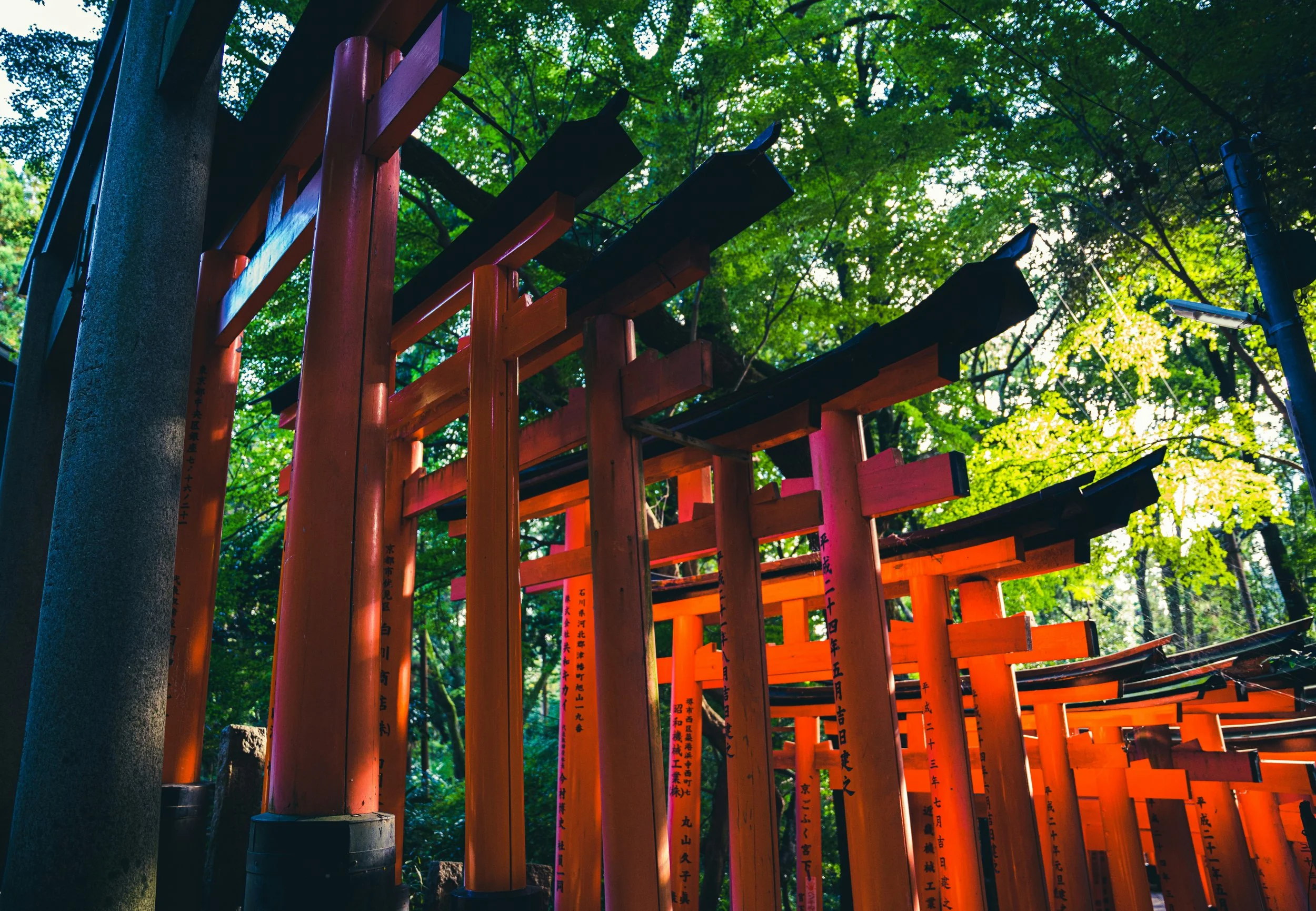
Fushimi Inari Shrine: Walking Through a Thousand Gates
Kyoto has long been known as Japan’s cultural heart, and no place embodies this more beautifully than Fushimi Inari Taisha. Dedicated to Inari, the Shinto deity of prosperity, the shrine is instantly recognisable for its thousands of bright red torii gates that snake up the mountainside. Each gate, donated over the centuries, represents a prayer for good fortune or gratitude for blessings received.
Stepping into the tunnel of gates feels like entering another realm. The air is cool and still, broken only by the soft rustle of leaves and the sound of your footsteps on the stone path. Morning sunlight filters through the gaps, painting shifting patterns of orange and shadow along the way.
For visitors who want to fully immerse themselves in this spiritual journey, curated tours to Kyoto often include guided walks through Fushimi Inari, sharing stories of the shrine’s deep symbolism and cultural role. It’s more than a sightseeing stop—it’s an invitation to experience a living tradition.
Kyoto’s Charm Beyond the Shrine
Of course, Fushimi Inari is just one of Kyoto’s treasures. The city brims with temples, gardens, and rituals that bring Japan’s past into the present. Kinkaku-ji, the Golden Pavilion, gleams in the sunlight, its reflection shimmering across a still pond. Ryoan-ji’s Zen rock garden encourages quiet contemplation, while teahouses tucked into side streets invite you to pause for matcha and sweets.
Kyoto feels slower than other cities, almost as if time itself lingers here. The fragrance of incense wafts from temple courtyards, geisha glide gracefully through lantern-lit alleys, and in spring, cherry blossoms drift down like soft pink snow. It’s no wonder the city is often described as the soul of Japan.
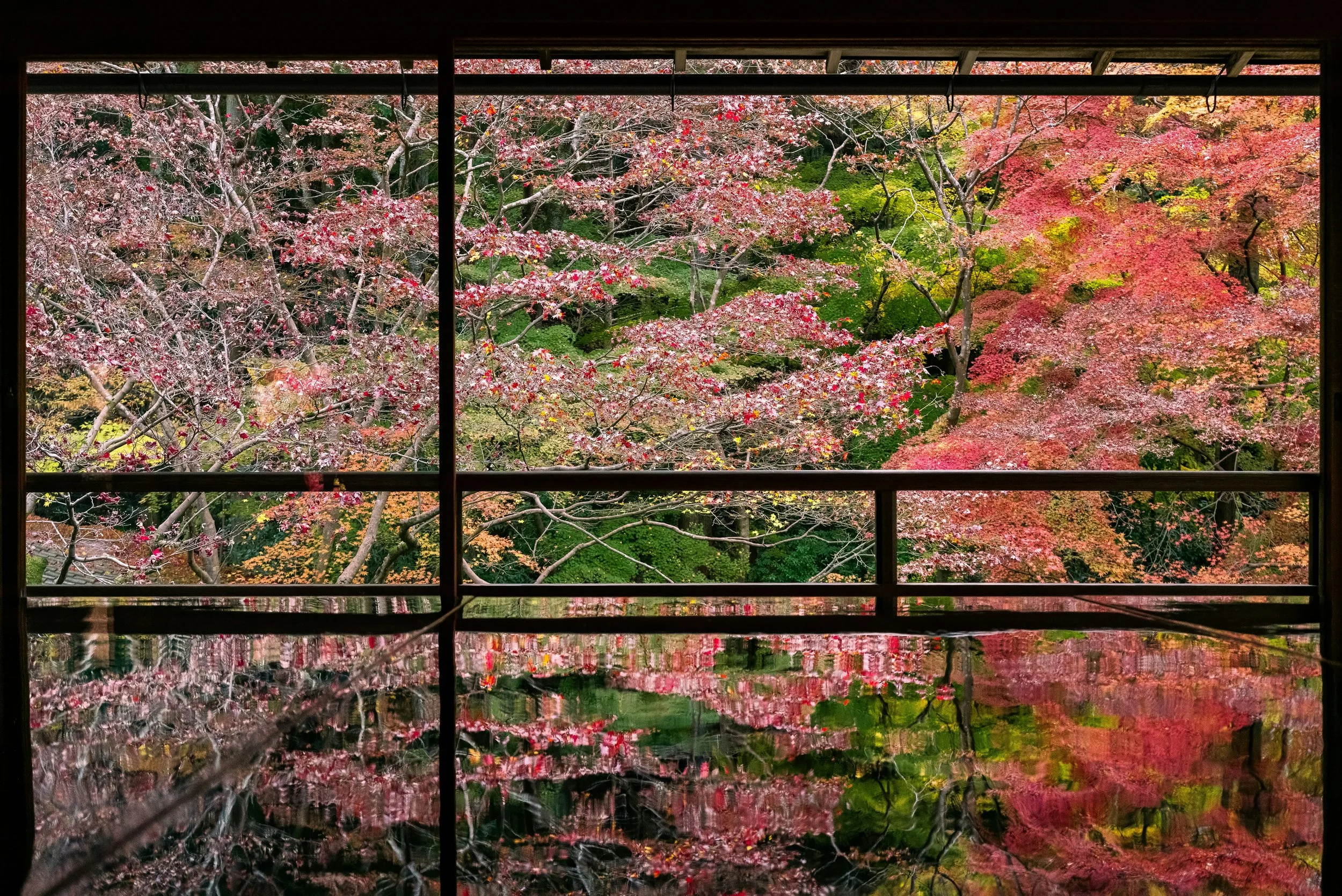
PHOTO CREDIT | Unsplash/Zhao Yangyang
Tokyo: A City of Layers
Tokyo is a city of contrasts. Wander through Asakusa, and you’ll find Senso-ji Temple surrounded by lively stalls selling snacks and souvenirs. Head to Shibuya, and you’re swept into the famous crossing, where hundreds of people move in a perfectly choreographed rush beneath glowing billboards. In quieter corners like Ueno Park, cherry blossoms create a canopy of pink in spring, while Ginza sparkles with boutiques and high-end dining.
Experiencing both Kyoto and Tokyo in a single journey is what makes trips to Japan so rewarding. The high-speed rail whisks travellers seamlessly between the two, turning the journey itself into part of the adventure.
Tokyo Skytree: Touching the Future
Travel east and the atmosphere changes completely. In Tokyo, energy hums through every street, and nothing captures this modern dynamism quite like the Skytree. At 634 metres, it towers above the capital, visible from miles away. By day, it glistens against the sky; by night, it glows with ever-changing lights that reflect the seasons or mark special events.
Inside, the Skytree offers more than just breathtaking views. There’s a sense of awe that comes with standing so high above the city, watching tiny trains snake along tracks and the patchwork of streets buzzing with life below.
At the base, the Solamachi complex bursts with shops, cafés, and restaurants. Here, you can browse traditional crafts, savour sushi with a view, or simply watch the city unfold from a cosy corner. The Skytree is a reminder that Japan’s modern spirit is as captivating as its ancient soul.

PHOTO CREDIT | Unsplash/Red Shuheart
Tradition and Modernity Hand in Hand
What makes Fushimi Inari Shrine and Tokyo Skytree so compelling is not their differences but how they complement one another. One invites quiet reflection beneath ancient gates, the other lifts you high above the city into a vision of the future. Together, they reveal the essence of Japan: a place where reverence for history and passion for innovation walk side by side.
Conclusion: A Journey That Lingers
Visiting Kyoto’s Fushimi Inari and Tokyo’s Skytree is not just about ticking off landmarks—it’s about feeling the heartbeat of Japan in two very different forms. In Kyoto, each step beneath the torii gates feels like a conversation with the past, a reminder of faith, resilience, and tradition. In Tokyo, the sweeping view from the Skytree fills you with possibility, a sense of how far humanity can reach.
This contrast is what makes Japan unforgettable. It’s a country that slows you down and lifts you up, often in the same day. Long after leaving, you’ll remember the hush of the forest at Fushimi Inari, the glow of Tokyo’s skyline at night, and the feeling of standing between past and future. These are the memories that make Japan more than a destination—they make it a journey you’ll want to return to again and again.