Contouring has become one of the most popular makeup techniques for sculpting and defining facial features. But many people wonder—can you use bronzer instead of contour? The answer is yes, with a few important considerations. While contour and bronzer are designed with different purposes in mind, knowing how to use your bronzer for contouring can give you a natural, sun-kissed definition without needing an entirely separate product.
Bronzer vs. Contour: Key Differences Explained
To understand how bronzer can be used for contouring, it’s important to know the difference between the two. Contour products are usually cool-toned, mimicking natural shadows to create definition along the cheekbones, jawline, and nose. They’re designed specifically to sculpt the face.
Bronzers, on the other hand, are typically warmer in tone. Their main purpose is to add warmth and dimension to the skin, giving the effect of a natural tan. This is why many bronzers have golden or reddish undertones, whereas contour shades lean more neutral or gray.
That said, a matte bronzer with the right undertone can absolutely double as a contour product. When applied thoughtfully, it can create soft definition while still keeping your complexion warm and radiant. Pairing it with the best foundation makeup ensures you have a smooth, even canvas to build on, allowing your bronzer to blend seamlessly into your base.
How to Use Bronzer for a Subtle Contoured Look
The key to using bronzer as contour is placement and blending. Instead of dusting it all over the face, focus on applying it to areas where natural shadows would fall: the hollows of the cheeks, the sides of the nose, the temples, and the jawline. Use a light hand, gradually building up color to avoid harsh lines.
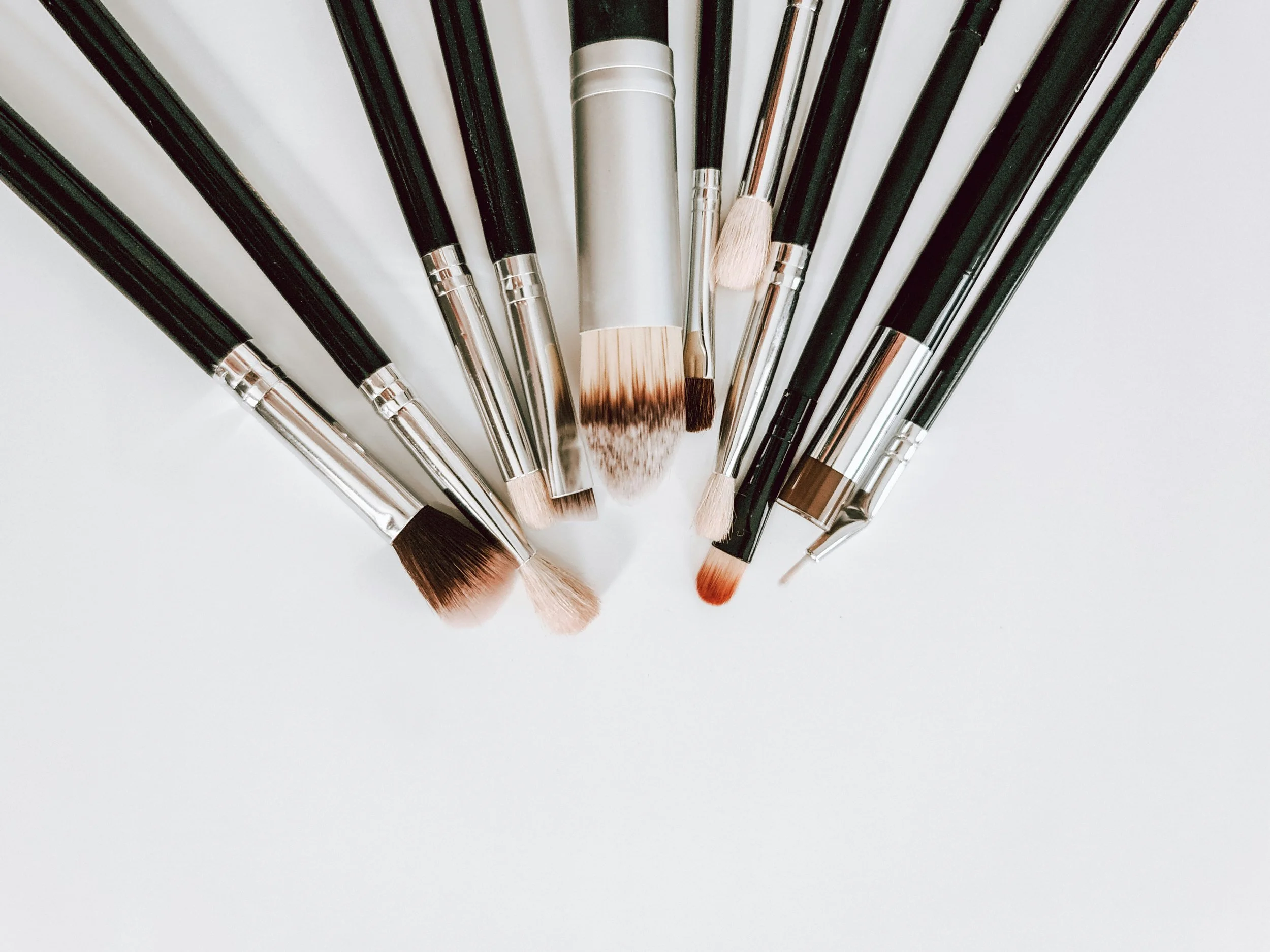
Choose a matte formula over shimmer, as matte bronzers mimic shadows more effectively. A fluffy angled brush works best for diffusing product while still keeping it targeted. Blend upward rather than downward to maintain a lifted appearance.
For a complete, balanced look, combine your bronzer with a complementary blush. Using a non comedogenic blush ensures that your skin stays clear and healthy while adding a fresh, natural flush to your cheeks. This contrast helps your bronzer-contour pop without looking too stark.
If you want to enhance the sculpted effect further, pair bronzer with a touch of highlighter on the high points of the face, such as the cheekbones and brow bone. This creates a beautiful balance of shadow and light for a soft, natural finish.
Final Thoughts
While bronzer and contour products have different roles in makeup, a matte bronzer for contouring can be a versatile addition to your beauty routine. By focusing on careful placement, choosing the right undertone, and blending thoroughly, you can achieve a sculpted yet natural look.
When paired with the best foundation makeup for a smooth base and a non comedogenic blush for a healthy glow, bronzer becomes more than just a tool for warmth—it transforms into a multi-purpose product that defines, enhances, and elevates your everyday makeup.