
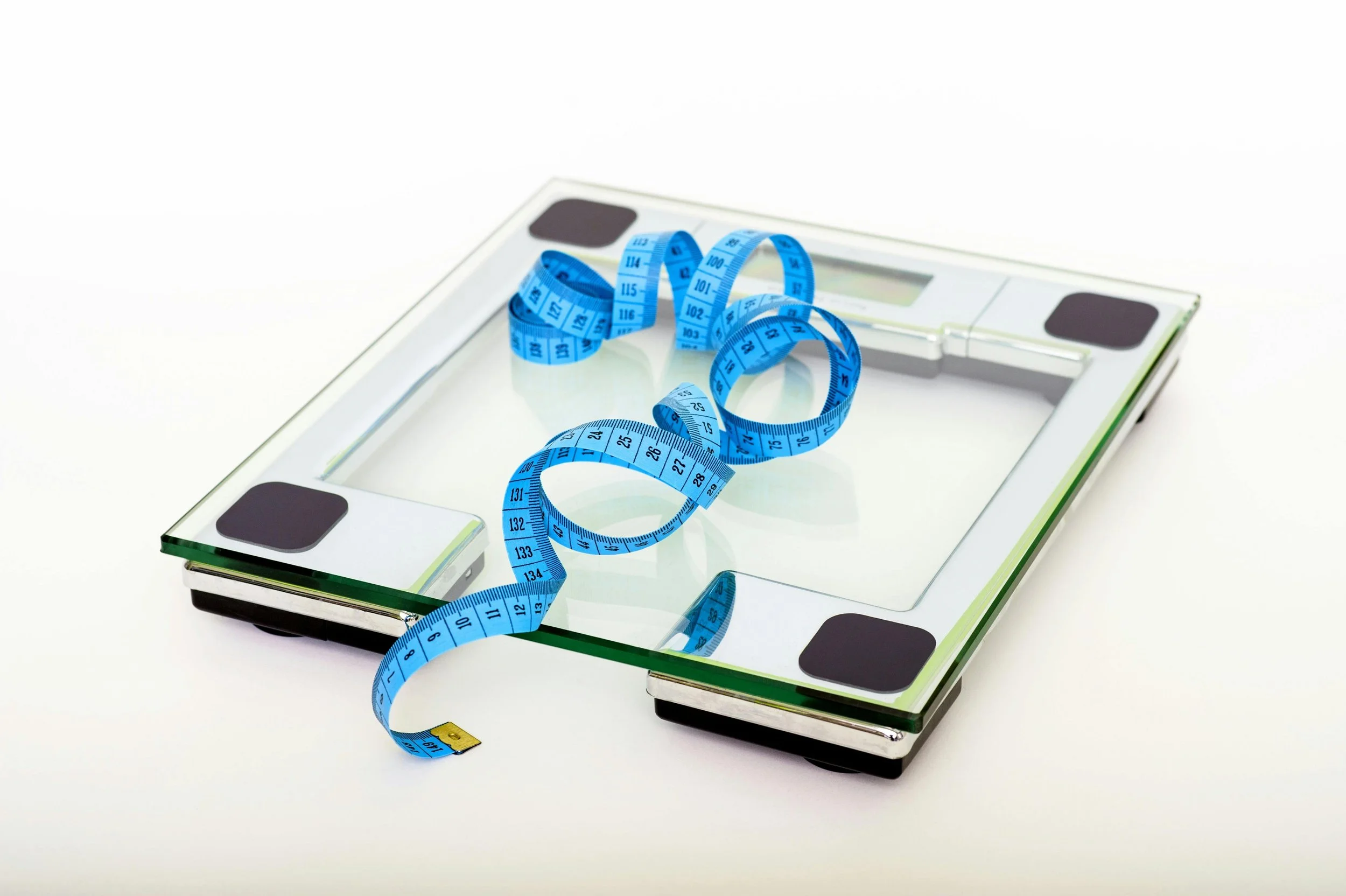
For years, the fitness industry has operated on a single, unwavering equation: calories in versus calories out. We have been told that the only path to a lean, healthy physique is paved with grueling HIIT classes, heavy lifting sessions, and restrictive meal prepping. While movement and nutrition will always be the pillars of health, the "hustle culture" approach to fitness is evolving.
The new wave of wellness isn't just about how hard you work in the gym; it's about how smart you manage your biology outside of it. Enter the era of "passive" weight management-a holistic approach that leverages technology, recovery science, and metabolic support to keep your body in a fat-burning, optimized state even when you are resting.
The Heat Advantage: Metabolic Conditioning at Rest
One of the most powerful tools in the passive wellness toolkit is heat therapy. Once reserved for spa days or post-swim warm-ups, sauna use has exploded in popularity among biohackers and fitness enthusiasts alike. The science backs the hype: regular heat exposure does more than just make you sweat; it mimics the physiological effects of moderate exercise.
Installing home saunas has become a massive trend for those looking to optimize their metabolic rate from the comfort of their living room. When you sit in a sauna, your heart rate rises, your blood vessels dilate, and your body works hard to cool itself down. This process, known as thermoregulation, burns calories. But the benefits go deeper. Heat stress increases insulin sensitivity, meaning your body becomes more efficient at processing glucose rather than storing it as fat. By integrating a 20-minute sauna session into your nightly routine, you are essentially keeping your metabolism revved up, turning "downtime" into an active part of your weight management strategy.
The Metabolic Reset: The Rise of GLP-1 Agonists
While environmental tools like saunas tackle weight management from the outside in, a revolution is happening on the inside. We are currently witnessing a paradigm shift in how we view appetite and metabolism, moving away from "willpower" and toward biochemistry.
The conversation has been dominated by GLP-1 agonists, a class of peptides that mimic a natural hormone involved in appetite regulation. Compounds like semaglutide have changed the game for many who have struggled with weight loss resistance. These tools work by regulating blood sugar levels and slowing gastric emptying, which helps curb cravings and signals satiety to the brain.
This represents the ultimate form of "passive" management-addressing the hormonal root causes of weight gain rather than just fighting the symptoms. It allows individuals to step off the rollercoaster of crash dieting and adopt a more sustainable, chemically balanced relationship with food. When paired with a healthy lifestyle, these metabolic tools can unlock progress that sheer grit alone often fails to achieve.
Recovery as a Fat-Loss Tool
In the old school of thought, rest days were seen as "doing nothing." In the new wave of wellness, recovery is recognized as a critical period for fat loss.
Chronic stress and overtraining lead to elevated cortisol levels. High cortisol is a known contributor to abdominal fat storage and muscle breakdown. By prioritizing passive recovery methods, you lower cortisol and create a hormonal environment conducive to weight loss.
● Lymphatic Drainage: Techniques like dry brushing or using compression boots help flush out excess fluid and reduce inflammation, giving the body a leaner appearance and improving circulation.
● Sleep Optimization: Sleep is the most passive-and most effective-weight management tool available. Poor sleep disrupts the hormones ghrelin (hunger) and leptin (fullness). Simply getting 7-9 hours of quality sleep can regulate your appetite for the entire next day.
Designing the "Passive" Lifestyle
Adopting this new approach doesn't mean canceling your gym membership. It means complementing your active efforts with smart, passive strategies. It is about creating a lifestyle where your environment and your biology work for you, not against you.
A Balanced "Passive" Routine Might Look Like:
● Morning: A nutrient-dense breakfast to support metabolic health, perhaps alongside a doctor-supervised peptide protocol.
● Evening: A 20-minute session in a home sauna to boost heart rate and detoxify before a cool shower.
● Night: A sleep environment optimized for deep rest (cool, dark, and quiet) to ensure hormonal regulation.
Conclusion
The "no pain, no gain" mantra is outdated. The future of fitness is smarter, more inclusive, and more effective. By embracing tools like heat therapy and metabolic support, we can stop fighting our bodies and start collaborating with them.
Weight management is no longer just about the hour you spend sweating in the gym; it’s about the other 23 hours of the day. Whether it is through the installation of a home sauna or the strategic use of metabolic aids, the new wave of wellness proves that sometimes, the most effective progress happens when we simply sit back, relax, and let science take the wheel.


