
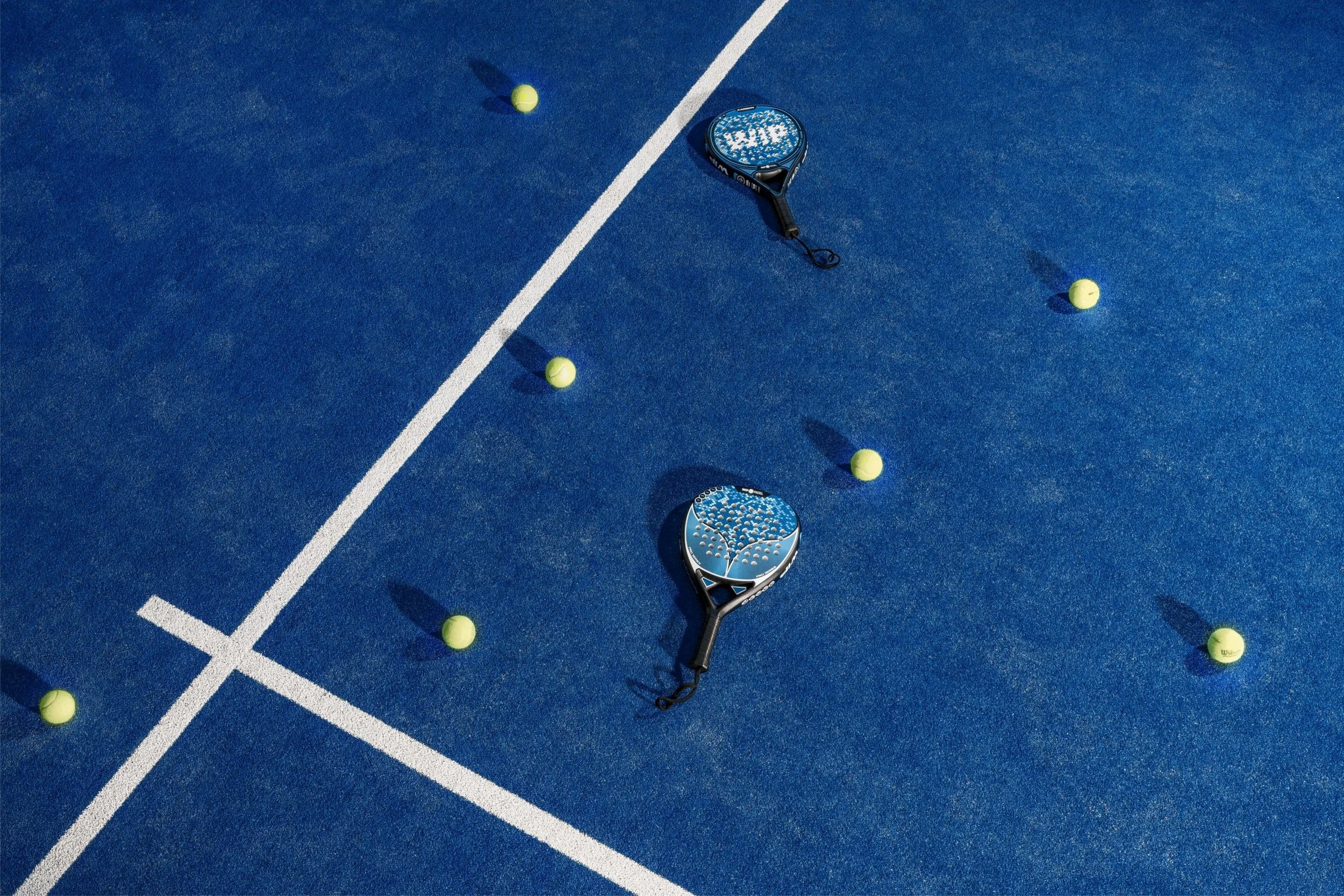
Europe has long been in love with racquet sports. Those sports combine physical ability, speed, grace, and strategy. For a while, tennis and padel have been the most popular racquet sports, but now there's a new contender, and surprisingly, it was invented in the US.
Pickleball is quickly becoming a new popular sport both for amateurs and professionals. There are already international teams and players, as well as competitions, and big donors are lining up to sponsor and support the events. In this article, we'll talk about pickleball and why it's on the rise.
The Rise of Padel
To understand the rise of pickleball, we must first look at the rise of padel, which came before. The game was invented in Mexico in the 1960s and first gained a European audience in Spain during the 1990s and 2000s.
The sport is typically played in doubles on an enclosed court that's smaller than a tennis court. It uses solid paddles and a depressurized ball. The focus is on reflexes and teamwork, while matches are usually much more physically demanding than tennis.
What is Pickleball?
Pickleball may sound like a newly founded racquet sport, but it's been around since the 60s, too. The game was invented in Washington State, and it features solid paddles and a plastic wiffle ball. It can be played in both singles and doubles. It's a fast-paced game, as the court is approximately one-third the size of a tennis court.
In recent years, the best crypto casinos have been providing odds for pick 'em games. These casinos allow players to bet on specific outcomes, the number of points, a variety of over/under bets, as well as any other measurable statistic. The increased interest shows that the game now has a sizable army of fans.
Why is Pickleball so Appealing?
There are several reasons why pickleball is so appealing to European tennis fans. It's a combination of factors that appeal to different types of fans from various demographics.
Accessibility. Everyone can learn how to play pickleball, and all they need is a court and a racket, which can be rented. This doesn't mean anyone can be a professional, but it's a perfect amateur sport because it's fun and healthy, and it's available to anyone willing to try it.
Space Efficiency. Courts are much smaller than those for tennis and therefore much more efficient. They can also be installed both indoors and outdoors, and plenty of courts already exist.
Social Play. Pickleball can be played in singles or doubles, but it's always a social game played against opponents. It creates a fun and friendly competitive atmosphere that rarely goes beyond playful banter.
Affordability. The equipment needed for pickleball is inexpensive and can last a long time. The courts are easily accessible and can sometimes be rented, although some are available for free of charge. That's what makes it appealing for sports centers and small clubs.
Padel vs. Pickleball: Friendly Rivals or Future Competitors?
The two novel racquet sports seem similar, but they offer very different experiences for players and appeal to different demographics of fans. Padel courts are more expensive to erect and maintain, and the sport is more physically demanding than tennis. Padel players are, on average, younger than those who prefer pickleball.
The two sports will probably coexist alongside each other, with both growing their fan base, with pickleball probably at a somewhat faster rate. Pickleball will also receive more sponsorship endorsements since it's experiencing a cultural moment right now.
Who's Behind the Push for Pickleball in Europe?
Behind the scenes, a mix of grassroots activists and institutional sports organizations is working to promote pickleball in Europe. Organizations such as Pickleball England, Pickleball France, and the German Pickleball Federation are primarily responsible for this effort.
These are helping to standardize rules, host tournaments, and train new coaches. At the same time, municipalities are converting unused tennis courts and basketball courts into pickleball courts, doing their part to provide the necessary resources to popularize the game. The game has also garnered significant attention in the media, thereby increasing its fan base.
Main Challenges to Growth
There are also challenges to growth for both sports and pickleball. Some of these are quite serious and will likely remain a challenge, even with the increased interest in these new sports.
Lack of Awareness. The main obstacle that remains is the lack of awareness about the sport. Mainstream sports have had decades, sometimes even centuries, to become popular, and it takes time for Pickleball to catch up and find its place.
Court Shortage. There are not enough courts that are specifically dedicated to pickleball. These courts have a unique size and require a significant amount of space; however, there are not enough of them to meet the current demand. Some courts designed for tennis are being adapted for Pickleball, and that could be a way to go for a future surge in interest.
Institution Resistance. Tennis and padel institutions are opposing the rise of pickleball as they feel it's taking attention away from their sports. This dynamic is expected to increase in the years to come, as interest in pickleball continues to grow.
Need for Structure. Team pickleball is fragmented, and there are no governing bodies that oversee the sport and its competitions. These institutions will emerge as the number of teams and players increases.
To Sum Up
New racket sports are emerging and gaining traction. The sports of padel and pickleball have been around for decades, but they've increased in popularity and attention in recent years. These sports use a different kind of racket compared to tennis and require somewhat less space. They are also enjoyable for amateurs, even though there are professional teams as well.
There are also setbacks to this growing popularity. It takes time and effort for a new sport to gain traction, and there isn't enough institutional support to standardize and run the events effectively.