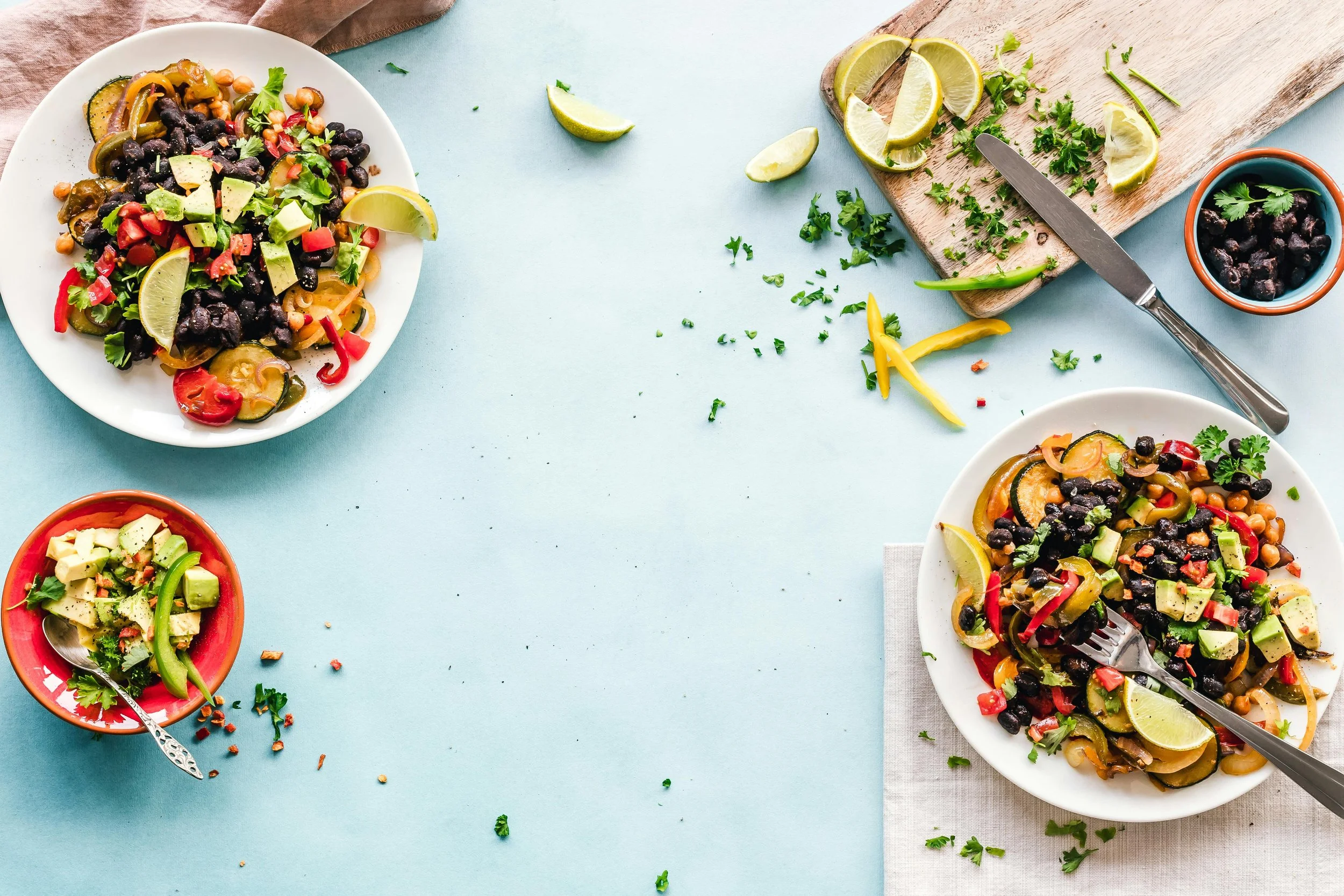
Hormonal changes during menopause often feel like a silent undertow, pulling the body into unfamiliar territory. Weight gain, sleep disruption, mood swings, and hot flashes can begin to define daily life. While treatment exists, lifestyle adjustments become necessary supports. Among them, dietary shifts quietly play a stabilizing role, complementing—but not substituting—the foundations of medical care.
Rethinking the Role of Food
Rather than acting as a prescriptive regimen, symptom-friendly eating reflects the body's evolving needs. Protein requirements often increase as estrogen declines. Lean sources such as wild-caught fish, tofu, and lentils help maintain muscle mass, which becomes more difficult to preserve after the age of 45.
Similarly, calcium and magnesium hold new significance. Bones quietly lose density over time. Almonds, sardines, and leafy greens can become quiet allies, restoring what hormonal change erodes. Small, consistent inclusions matter more than sweeping overhauls.
Understanding Menopausal Nutrition Needs
| Protein | Supports muscle maintenance | Tofu, fish, chicken, legumes |
| Calcium | Preserves bone density | Yogurt, leafy greens, sardines |
| Magnesium | Reduces muscle cramps, aids sleep | Pumpkin seeds, spinach, black beans |
| Phytoestrogens | May reduce severity of hot flashes | Soy products, flaxseeds, chickpeas |
| Fiber | Supports digestion, balances hormones | Oats apples, lentils |
The Subtleties of Blood Sugar
Insulin sensitivity can shift during perimenopause, contributing to energy crashes or nighttime awakenings. Steady glucose levels often correspond with steadier moods and improved concentration. Pairing carbohydrates with protein—such as a slice of whole grain toast with almond butter instead of a plain bagel—softens the glucose spike. This is not about avoidance, but about balance.
Frequent small meals, timed to avoid long fasting windows, may support this balance. Over time, even mild attention to glycemic rhythm builds resilience into the hormonal landscape.
Soothing the Gut to Ease the Mind
Bloating and digestive irregularities can accompany hormonal shifts. Fermented foods like kefir or kimchi, alongside prebiotic-rich vegetables like leeks and asparagus, support the microbiome. Recent findings suggest the gut-brain connection may play a role in mood regulation—something many menopausal individuals find surprisingly disrupted.
Restoring microbial balance requires consistency more than intensity. A tablespoon of sauerkraut. A few slices of raw garlic in salad. These are gestures, not rules.
The Quiet Role of Hormonal Therapies
Nutritional changes assist the body. Yet for many, food alone does not relieve the full spectrum of menopausal symptoms. Hormone replacement therapy (HRT) remains an essential consideration—particularly for those experiencing pronounced disruptions in sleep, concentration, or mood.
HRT involves restoring declining hormone levels—primarily estrogen, and in some cases progesterone and testosterone—through medications that closely mimic those produced by the body. Bioidentical HRT differs from traditional synthetic options by replicating human hormones more precisely at the molecular level. This tends to reduce the incidence of side effects for many patients.
Medical professionals typically tailor HRT based on individual hormone profiles, health history, and symptom severity. This personalization is key. What works for one individual may not be appropriate for another, and a trial-and-monitor approach often yields the most effective and safest outcomes.
Providers offering telehealth services help ensure accessibility without compromising safety. The support available through Winona HRT reflects this more nuanced approach, creating pathways not just for relief, but for coherence. Treatment is prescribed based on ongoing dialogue, lab testing, and individual feedback—aligning medical insight with lived experience.
Ways to Support Hormone Balance Through Food
● Incorporate phytoestrogen-rich foods such as tempeh, ground flaxseed, and mung beans.
● Choose high-fiber meals to promote estrogen excretion and maintain digestive health.
● Reduce processed sugar and refined flour to limit insulin fluctuation.
● Drink filtered water consistently throughout the day to support organ function.
● Choose unsaturated fats—avocados, walnuts, extra virgin olive oil—as part of every meal.
Additional Considerations for Menopausal Nutrition
Beyond macronutrient ratios and vitamin intake, some individuals find benefit in layering specific supplements onto their existing diet. Vitamin D3, Omega-3 fatty acids, and B-complex vitamins often support energy, reduce inflammation, and ease irritability. However, dietary supplementation should follow comprehensive lab analysis when possible to avoid overloading or neglecting essential systems.
Meal timing also affects hormonal signaling. For some, intermittent fasting worsens adrenal stress, while for others, it provides structure. Consuming a protein-rich breakfast within two hours of waking can assist in stabilizing cortisol rhythms—a benefit not commonly discussed in conventional dietary advice.
Caffeine, while beloved, can intensify symptoms in some. Hot flashes and anxiety may feel sharper after a second cup of coffee. Gradually replacing caffeinated beverages with herbal infusions like chamomile or peppermint can be a gentle shift with outsized impact.
The Psychological Terrain of Eating During Menopause
For many, eating during menopause becomes emotionally complicated. Cultural messages around aging, weight, and femininity collide with a shifting internal landscape. Appetite may feel unpredictable. Cravings intensify. Foods once considered staples become sources of discomfort.
This is not failure. It is chemistry. Adjusting expectations, releasing rigidity, and fostering curiosity can soften the edges of frustration. A neutral, observational approach—taking notes, making tweaks, staying open—fosters long-term stability.
Practices such as mindful eating, aroma-focused cooking, or simply sharing meals with others create small rituals of joy and consistency. These rituals sustain the body, but also the sense of identity and dignity that hormonal flux can sometimes shake.
Simplicity Over Perfection
There is no singular "menopause diet," only an evolving set of gentle patterns. Drinking more water than feels necessary. Choosing nutrient-dense over empty. Pausing long enough to sense what feels nourishing versus numbing. These are subtle acts of self-listening.
Food cannot undo the biology of menopause, but it can fortify. Alongside medical care, particularly from providers who understand the intricacies of this life stage—such as those at Winona HRT—eating with intention becomes a quiet form of advocacy for one's changing body.
Each plate becomes a statement: not of resistance, but of respect. Each adjustment signals not surrender but strength—a recalibration rather than a retreat.